




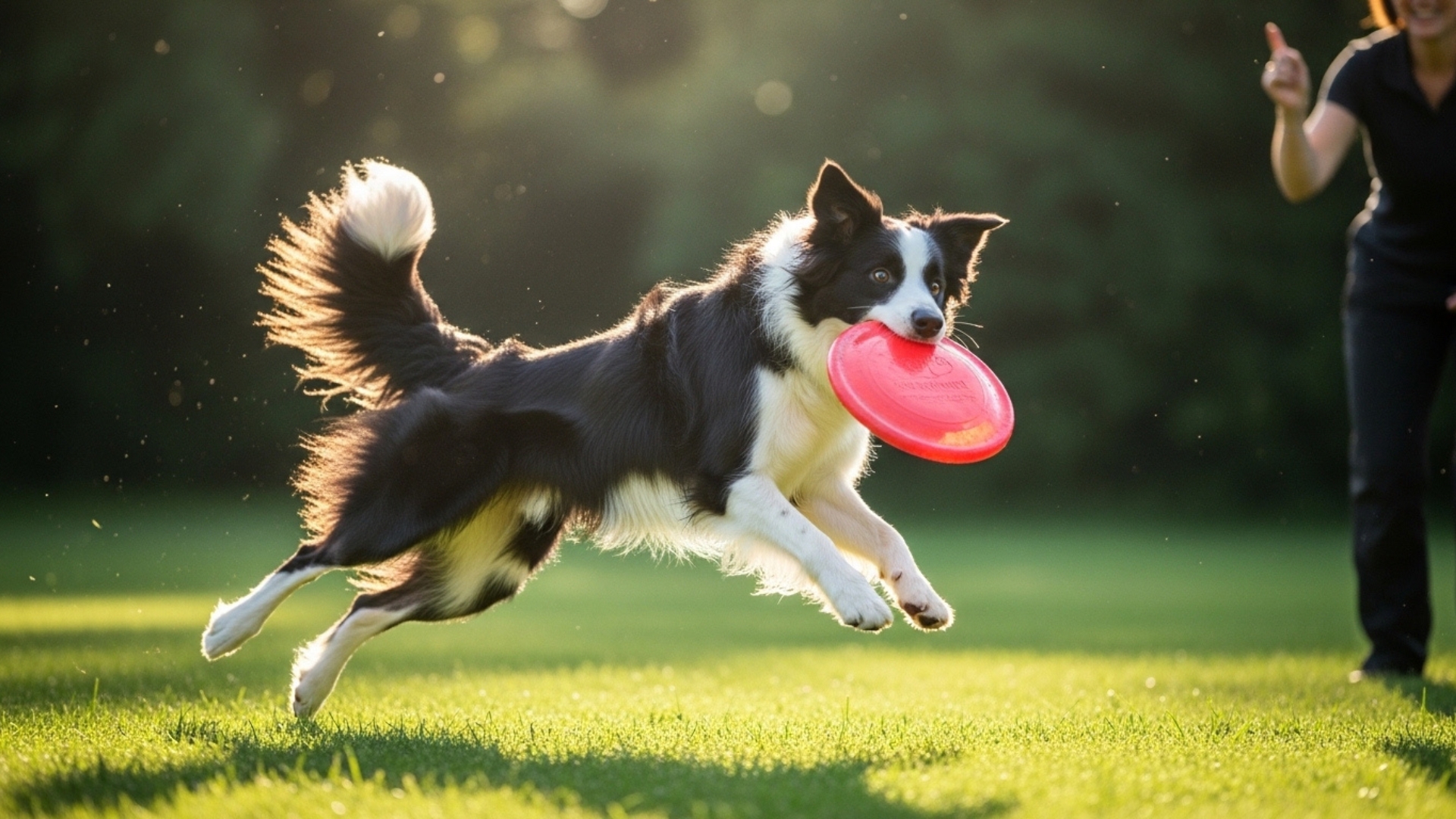
What truly separates a well-behaved dog from an exceptional one? Is it obedience alone, or something deeper rooted in awareness and reasoning?
Exceptional dog breeds that master intelligence and training display more than compliance. They show comprehension. They recognize patterns, remember sequences, and apply past learning to new situations. Their responsiveness feels intentional rather than mechanical.
Training them does not require endless repetition. It requires direction, consistency, and mental engagement. These dogs seek challenges because their minds demand stimulation. Without it, boredom replaces focus. With it, performance becomes remarkable.
In this article, we examine what defines exceptional cognitive ability in dogs, how structured training refines it, and why some breeds consistently outperform expectations.
Key Takeaways
Intelligence comes in many forms, from solving puzzles to reading subtle signals from their humans.
Border Collies learned over 200 words, showing how deeply they understand language, while Golden Retrievers respond with steady focus and enthusiasm.
Labs, Rottweilers, and Dobermans combine sharp minds with reliability, making them ideal partners for demanding tasks and training challenges.
Keep reading to discover which nine breeds blend brilliance, adaptability, and loyalty in ways you won’t forget.
Exceptional Dog Breeds: Mastering Intelligence and Training
1. Border Collie
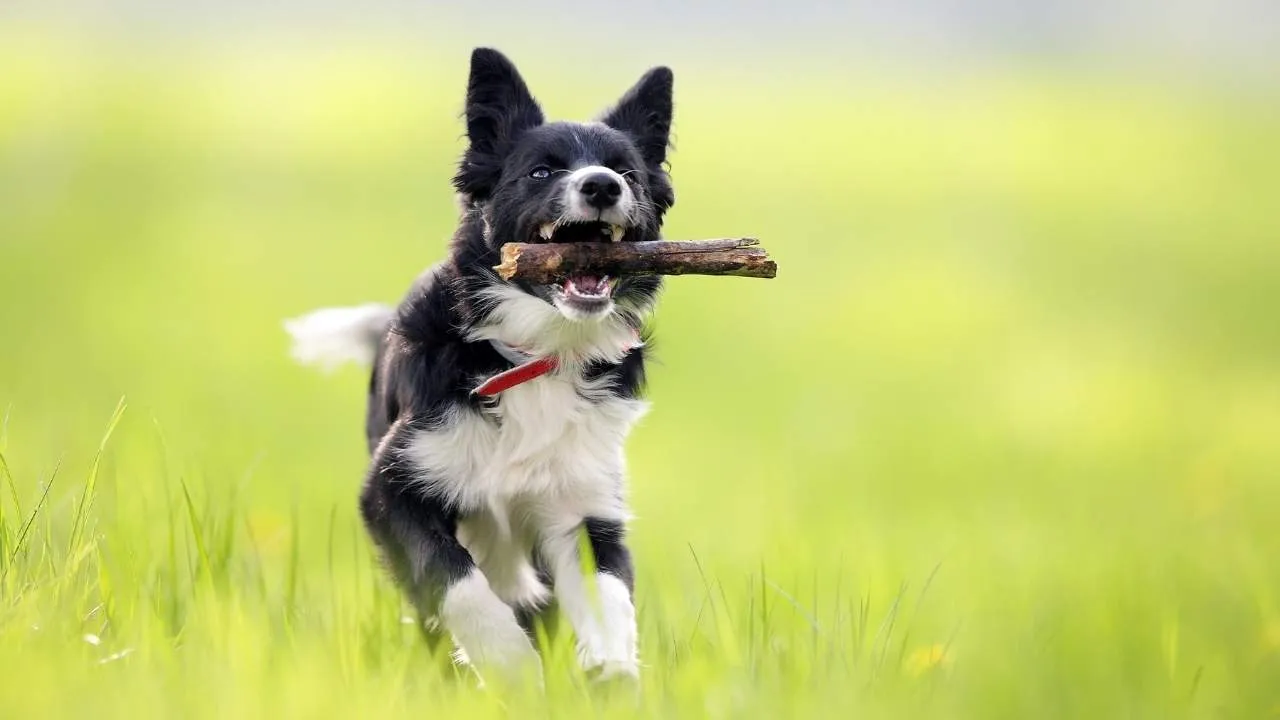
Border Collie demonstrates intelligence in motion, reading cues, and reacting almost instantly during training sessions. Their sharp focus and rapid response make complex commands feel routine.
The famous case of Rico, who recognized over 200 words, shows how deeply they process language, as NPR highlighted.
Precision in Performance
This intelligent dog breed approaches learning as a structured task, quickly linking signals to action with remarkable accuracy. That clarity becomes obvious in competitive arenas and real farm work alike.
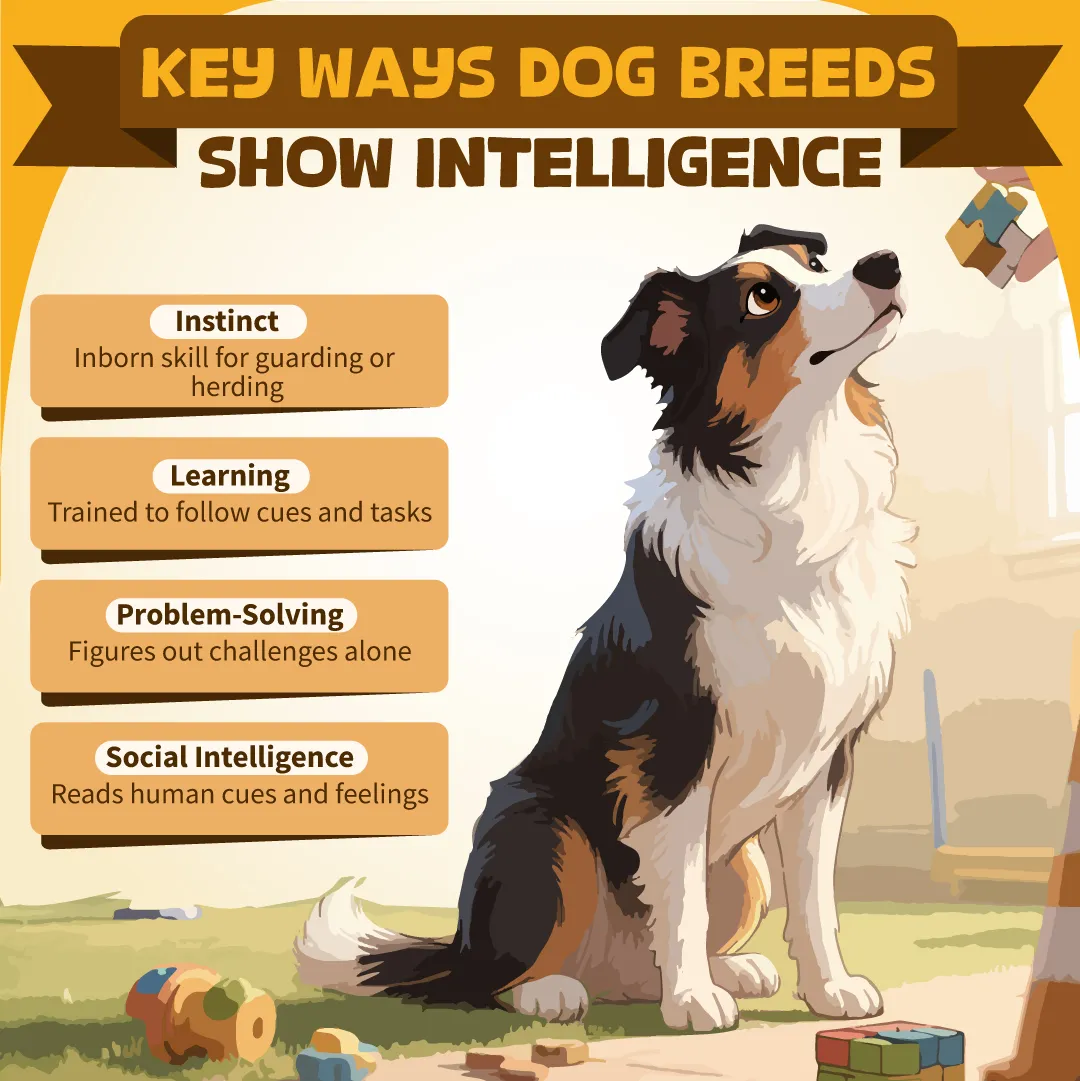
Watch how this ability translates into measurable skill:
Mastery in agility and obedience trials
Advanced problem-solving under direction
Sustained concentration as a herding dogs
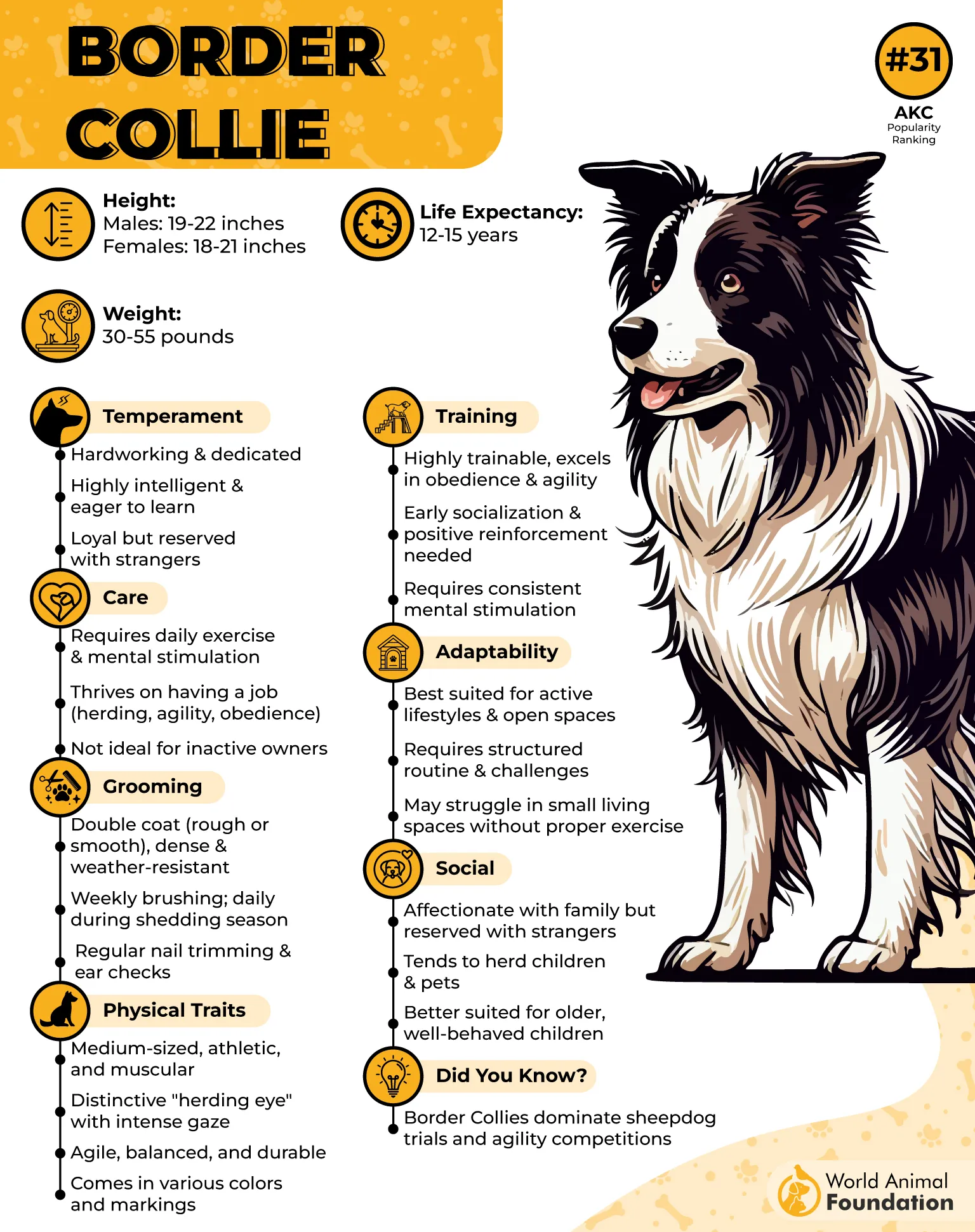
Training at a Higher Level
These dogs respond best to detailed instructions that challenge memory and reasoning. They connect patterns quickly, making advanced drills possible earlier than expected. Structured training sessions reveal how naturally they interpret guidance and refine performance through repetition.
2. German Shepherd

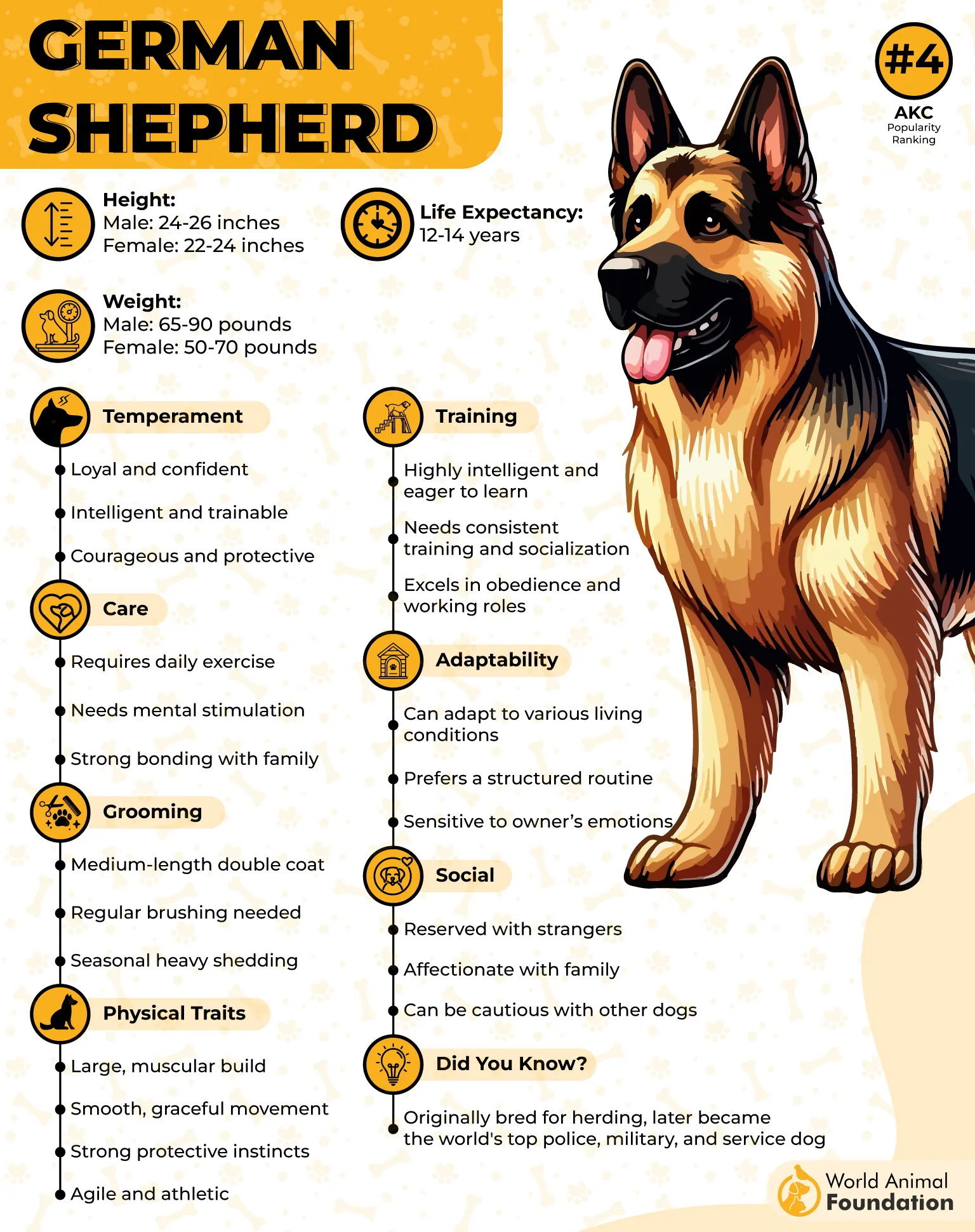
German Shepherd developed its intelligence through generations of protecting and guiding flocks. Field problem-solving shaped a dog that reads movement, reacts quickly, and makes independent decisions. That early herding mindset still directs how this breed approaches learning today.
A Mind Built for Structure
These shepherds respond exceptionally well to consistent, reward-based instruction and purposeful tasks, as the AKC noted. Clear communication brings out its strongest qualities.
That learning pattern becomes obvious in areas such as:
Advanced obedience routines
Police and military service
Search and rescue tracking
Discerning and Focused
They evaluate situations carefully and distinguish friend from foe with confidence. This sharp judgment explains its global reputation as a dependable service dog. Complex responsibilities do not overwhelm it because structured work feels natural for this intelligent breed.
3. Golden Retriever
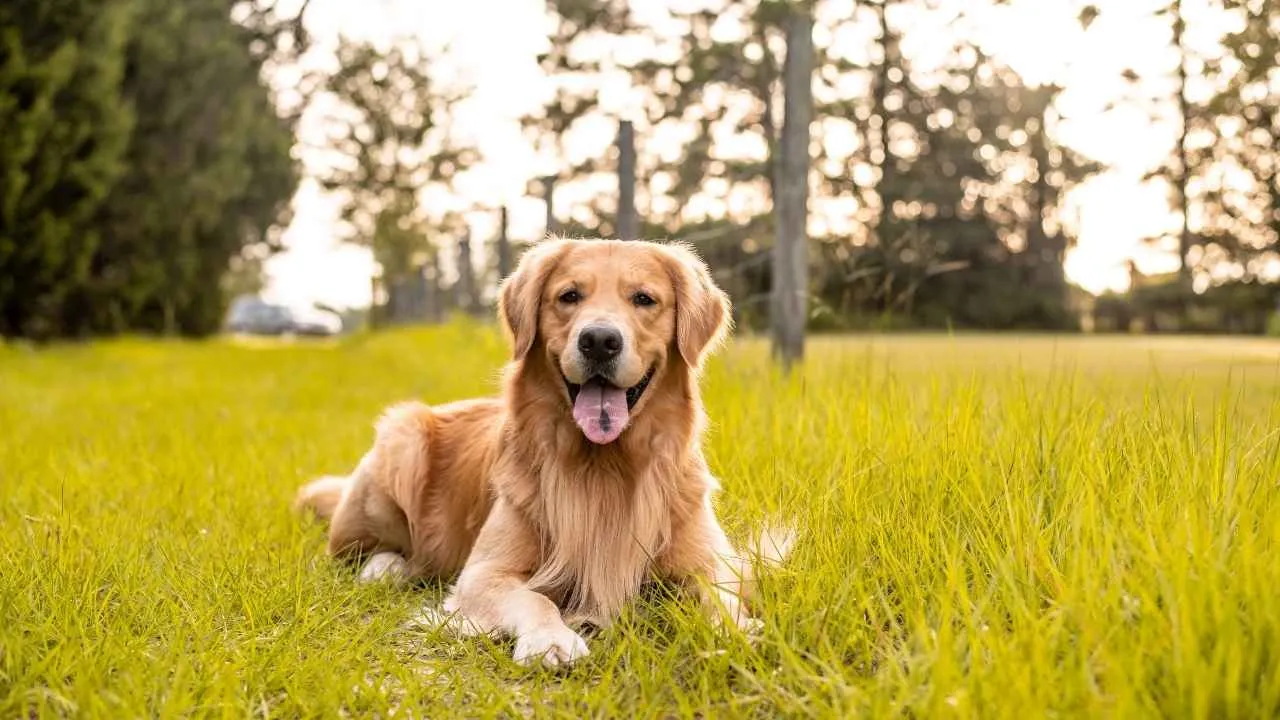
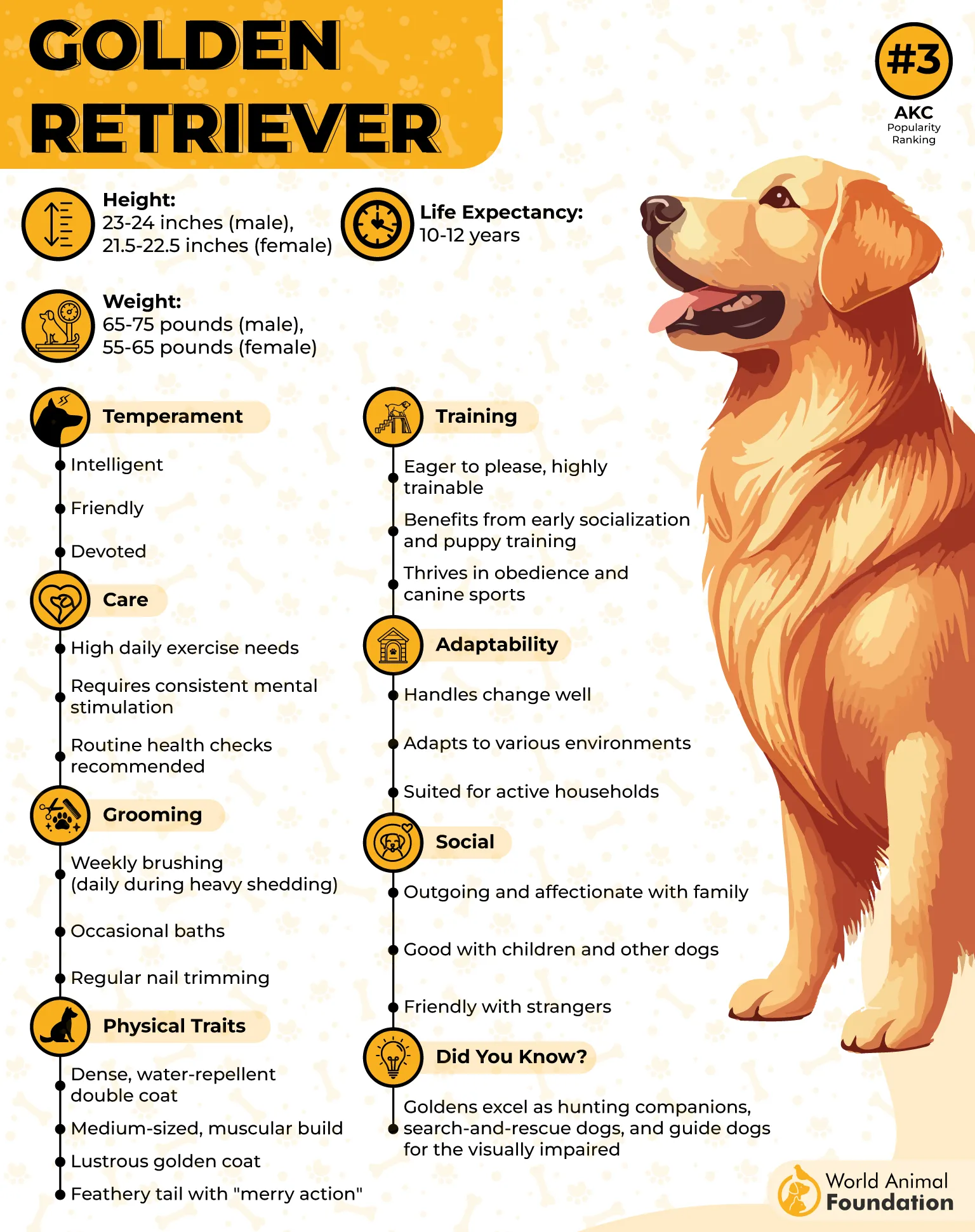
Golden Retriever stands out for its instinctive willingness to cooperate and learn. Originally bred as a Scottish gundog, it combines sharp thinking with steady focus in the field. This smart dog processes commands quickly and responds with visible enthusiasm.
Training Versatility
Golden Retriever adapts smoothly across disciplines because it reads cues with accuracy and consistency. Its food-motivated mindset and attentive nature make structured training highly effective, as Royal Canin claims.
That learning flexibility shows up clearly in:
Competitive obedience performance
Service and therapy roles
Hunting and retrieving precision
Performance Beyond the Basics
These retrievers apply learned skills across guiding work, search-and-rescue, and field trials. Its reliability under instruction makes advanced training both practical and repeatable. Confidence, responsiveness, and memory retention keep it consistently prepared for demanding roles.
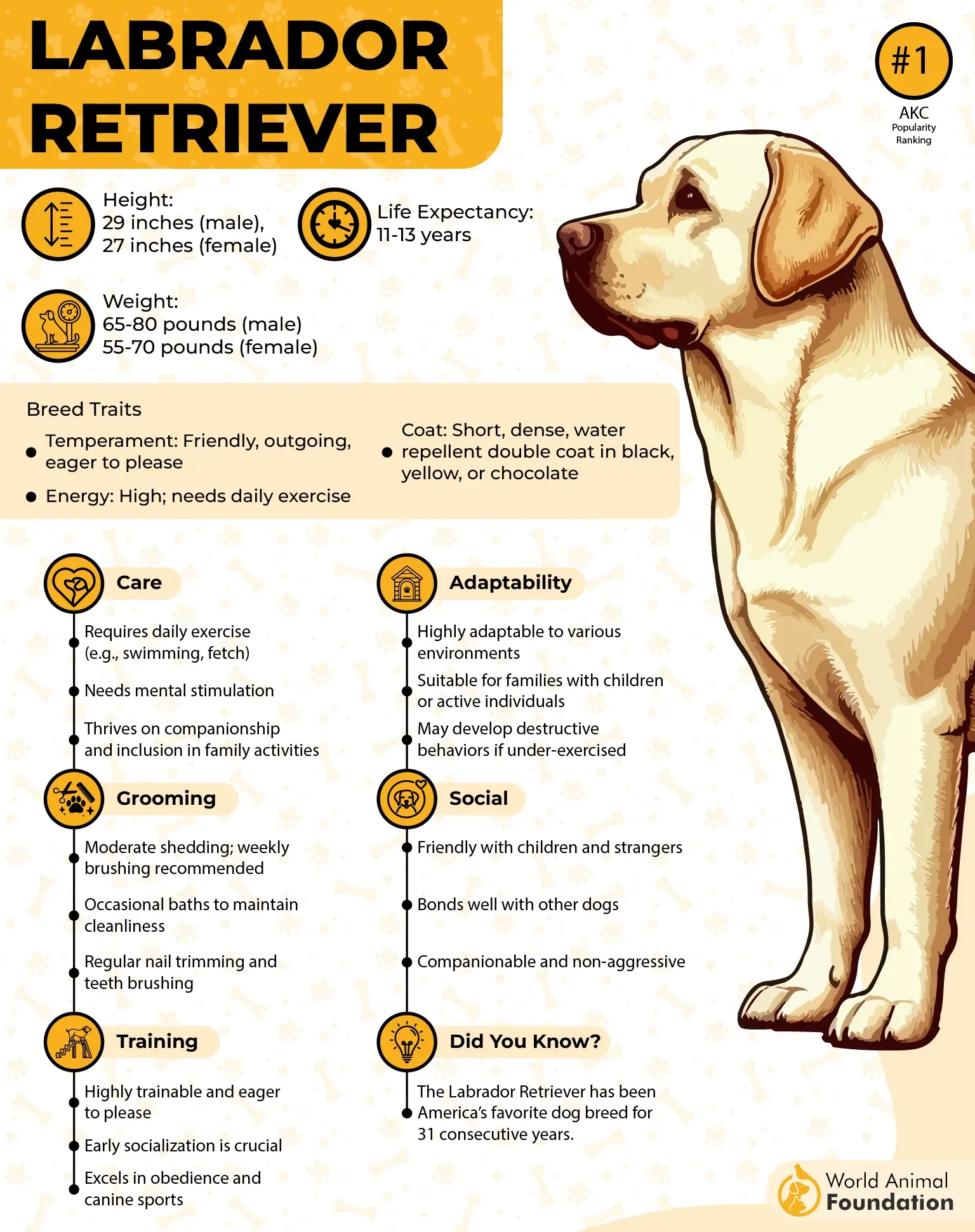
4. Labrador Retriever
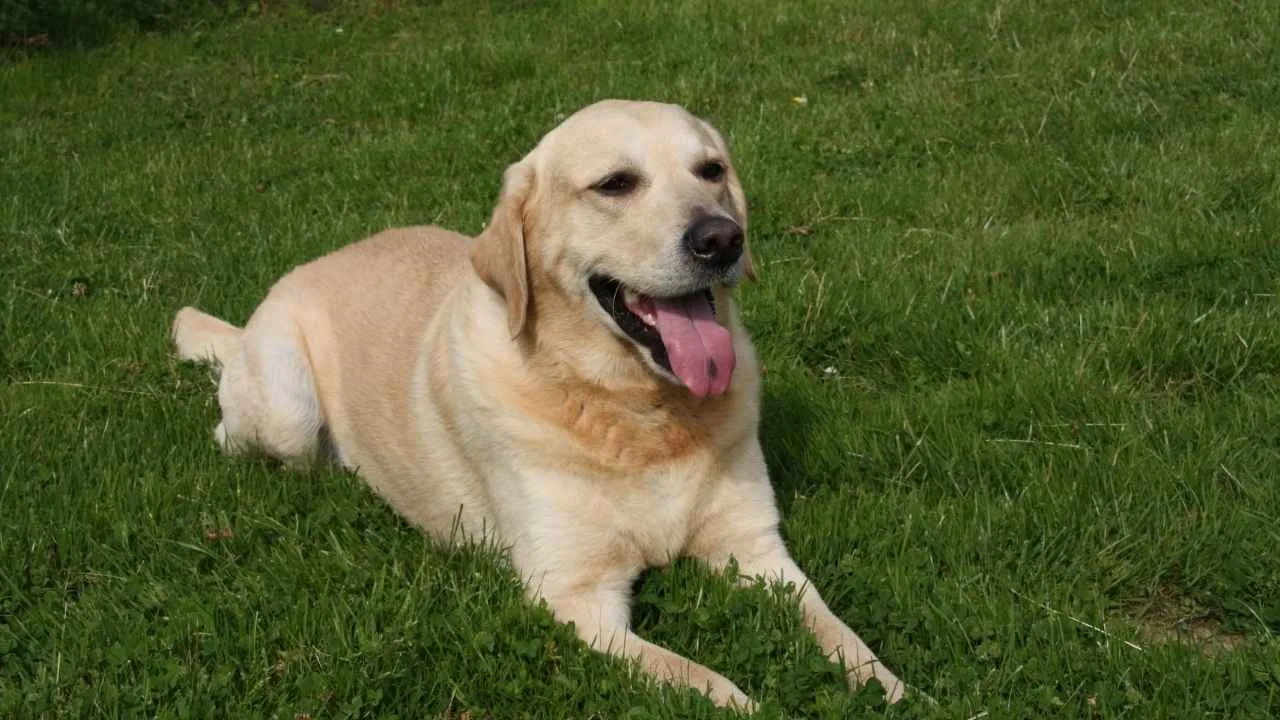
Labrador Retriever developed alongside hunters, learning to respond quickly and retrieve with precision. That history shaped a dog that reads human cues with remarkable awareness. Intelligence in this smartest breed shows up first in its responsiveness.
Built to Learn
Labs combines enthusiasm with sharp perception, making training feel collaborative rather than forced. Their working background explains their quick grasp of structured tasks.
That learning style stands out in areas like:
Advanced retrieving drills
Competitive obedience routines
Service and therapy task training
Reliable Performance
Labs consistently translates training into dependable results, whether in structured sports or assistance roles. Their steady temperament supports concentration during repetitive drills. That balance of friendliness and sharp learning ability keeps them among the most trainable sporting breeds.
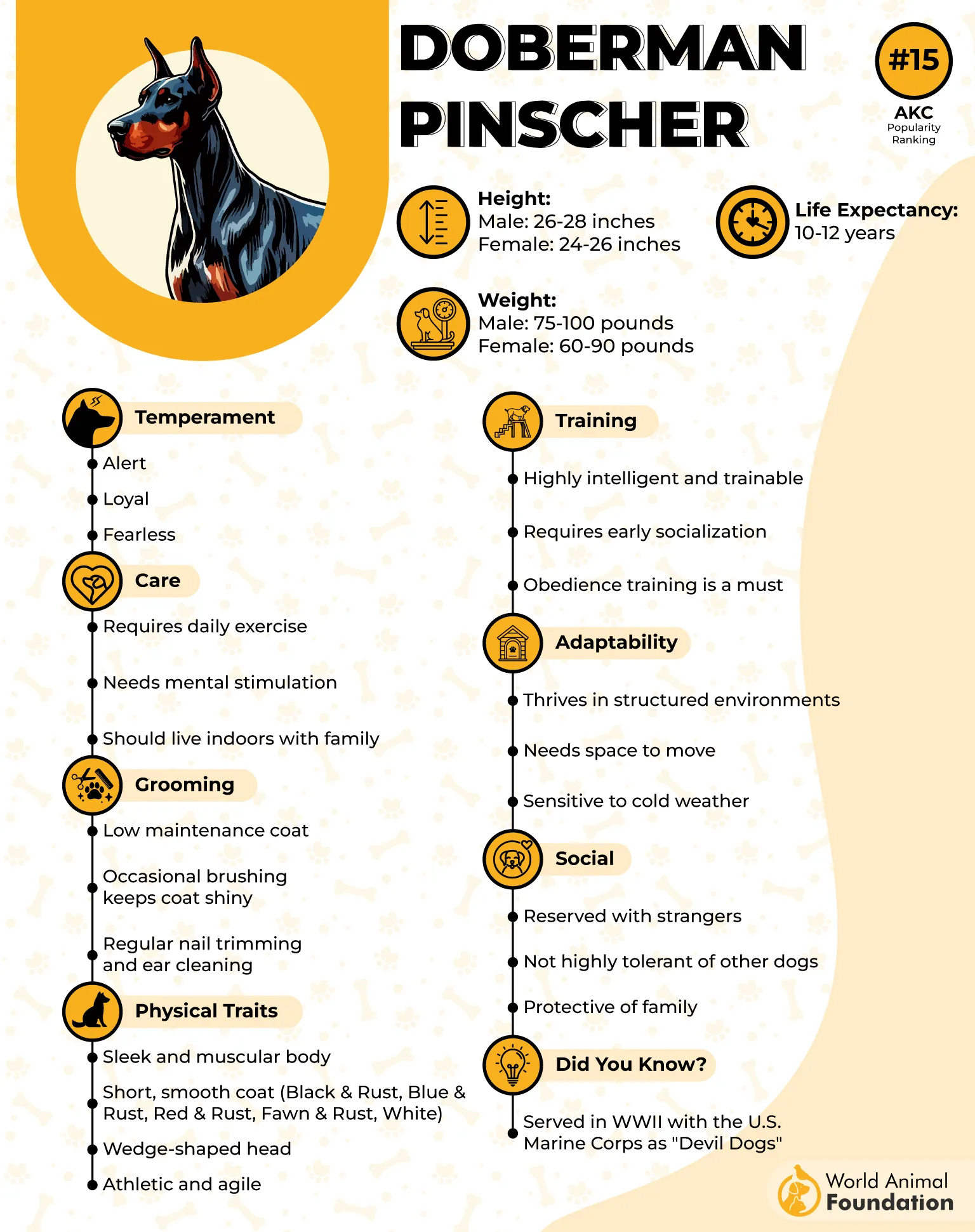
5. Doberman Pinscher
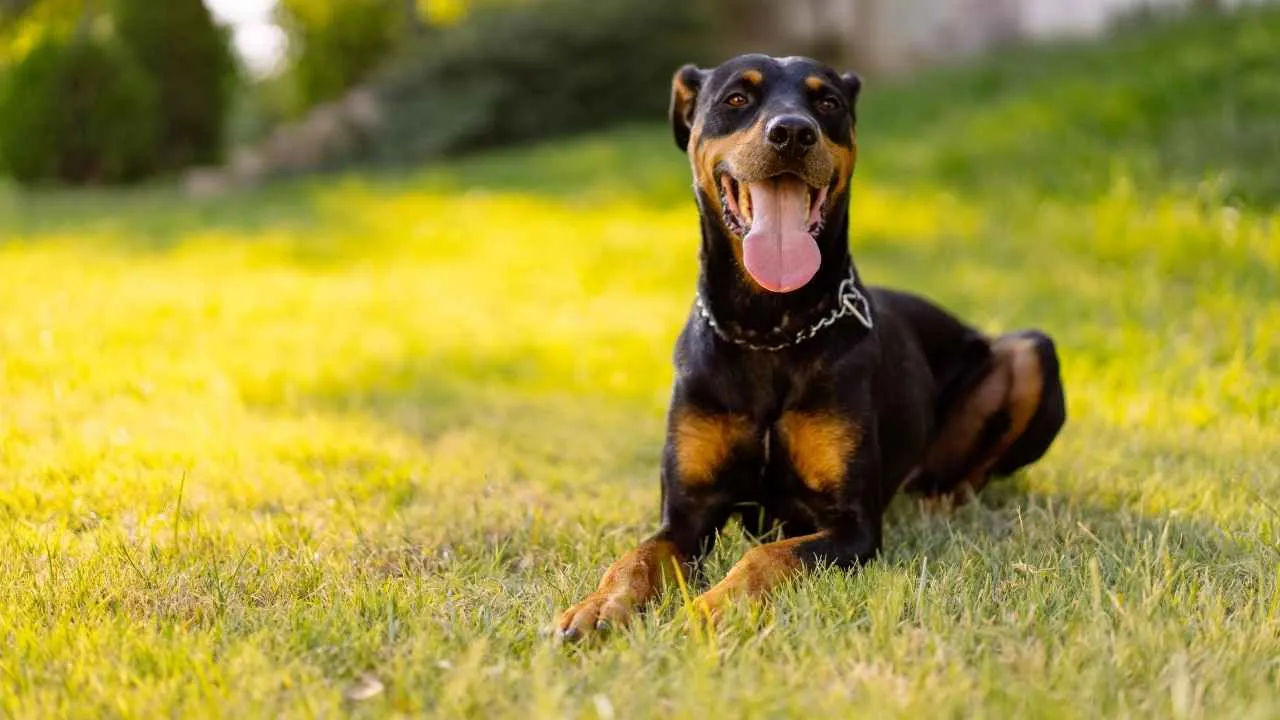
Doberman Pinscher was bred by Louis Dobermann to serve as a fearless and dependable protector with sharp judgment.
From the beginning, this breed was shaped for awareness, responsiveness, and decisive action. That foundation still shapes how quickly they read situations and react with precision.
Training Precision
Dobies processes commands with speed and clarity, making advanced obedience look controlled and deliberate. Their sharp perception supports structured learning environments.
What makes this evident:
Rapid command recognition
Strong focus during obedience drills
Consistent performance in police and military roles
Intellectual Drive
Doberman combines curiosity with discipline, which keeps training sessions mentally engaging rather than repetitive. They respond best when lessons challenge both reasoning and movement. Early socialization and structured guidance prevent pushy or destructive behavior from emerging.
6. Papillon
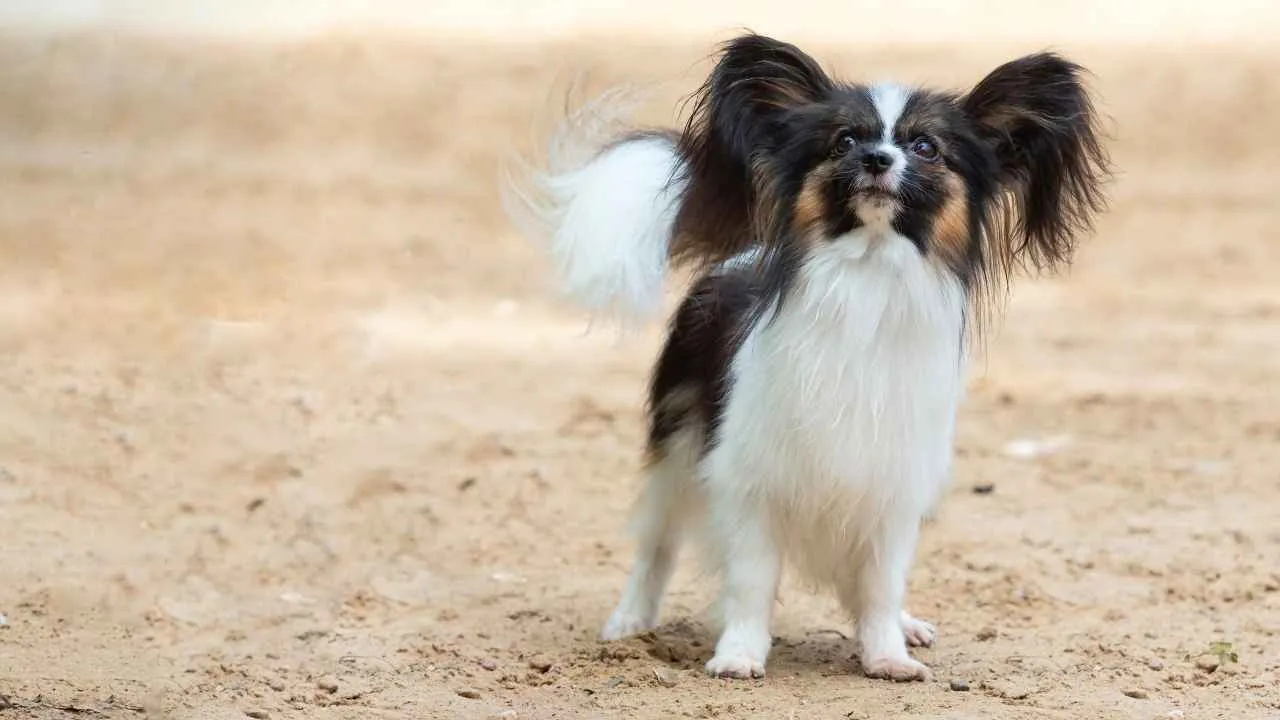
Papillon combines refined elegance with a sharp, observant mind that rarely misses a cue. Named for its butterfly-shaped ears, this Toy Group standout pairs beauty with quick thinking. Alert and upbeat, it processes information rapidly and responds with precision.
Built for Learning
Papillon approaches training with enthusiasm and focus, turning lessons into games it intends to win. Its speed and mental clarity give it an edge in competitive settings.
That edge shows up clearly in performance:
Top agility competitor
Strong obedience performer
Quick to grasp house training routines
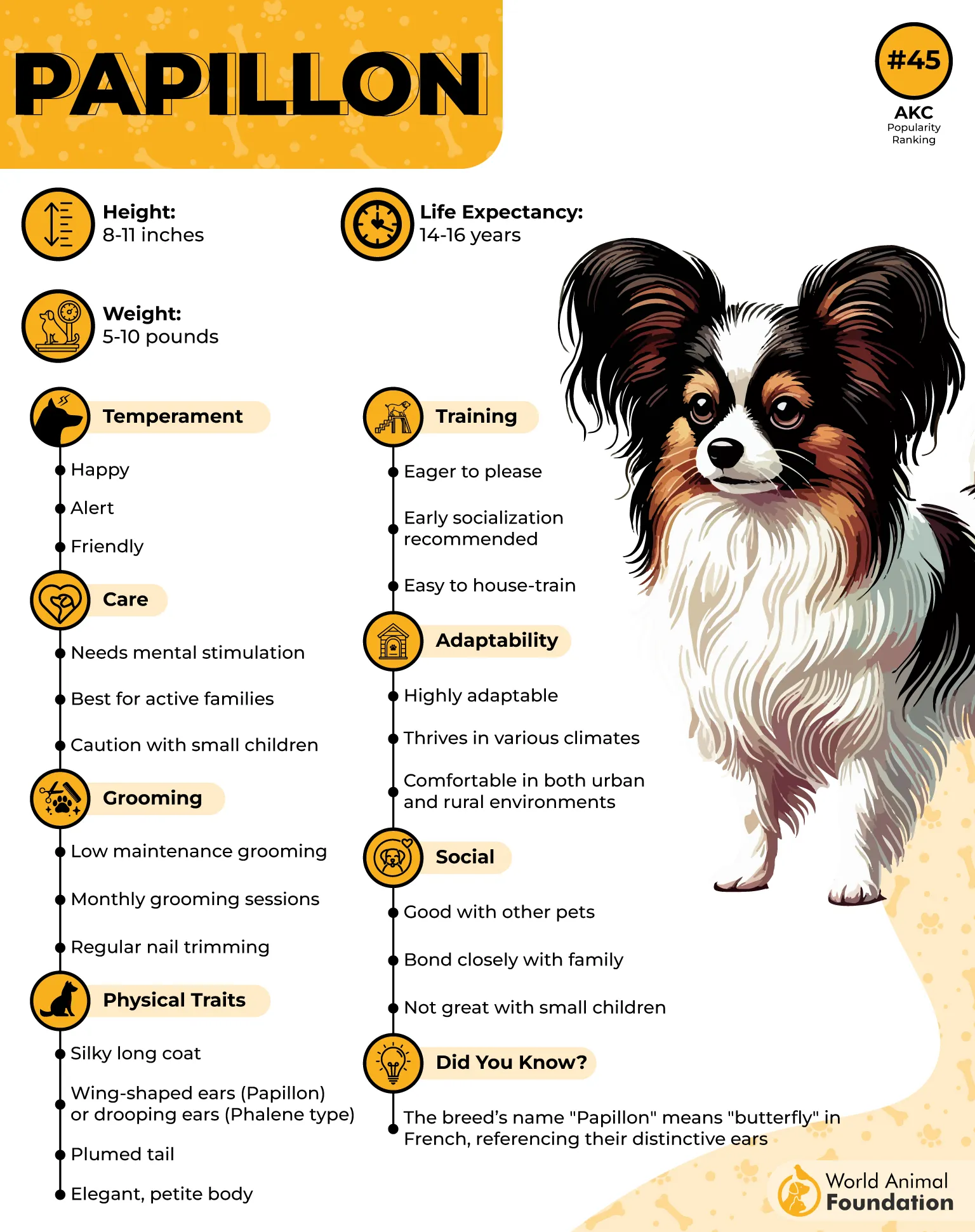
Intelligent Companion
Papillon blends curiosity, athleticism, and responsiveness into a compact, highly trainable partner. Its friendly temperament supports consistent progress in structured environments. Fast reactions and sharp awareness make every session purposeful and engaging.
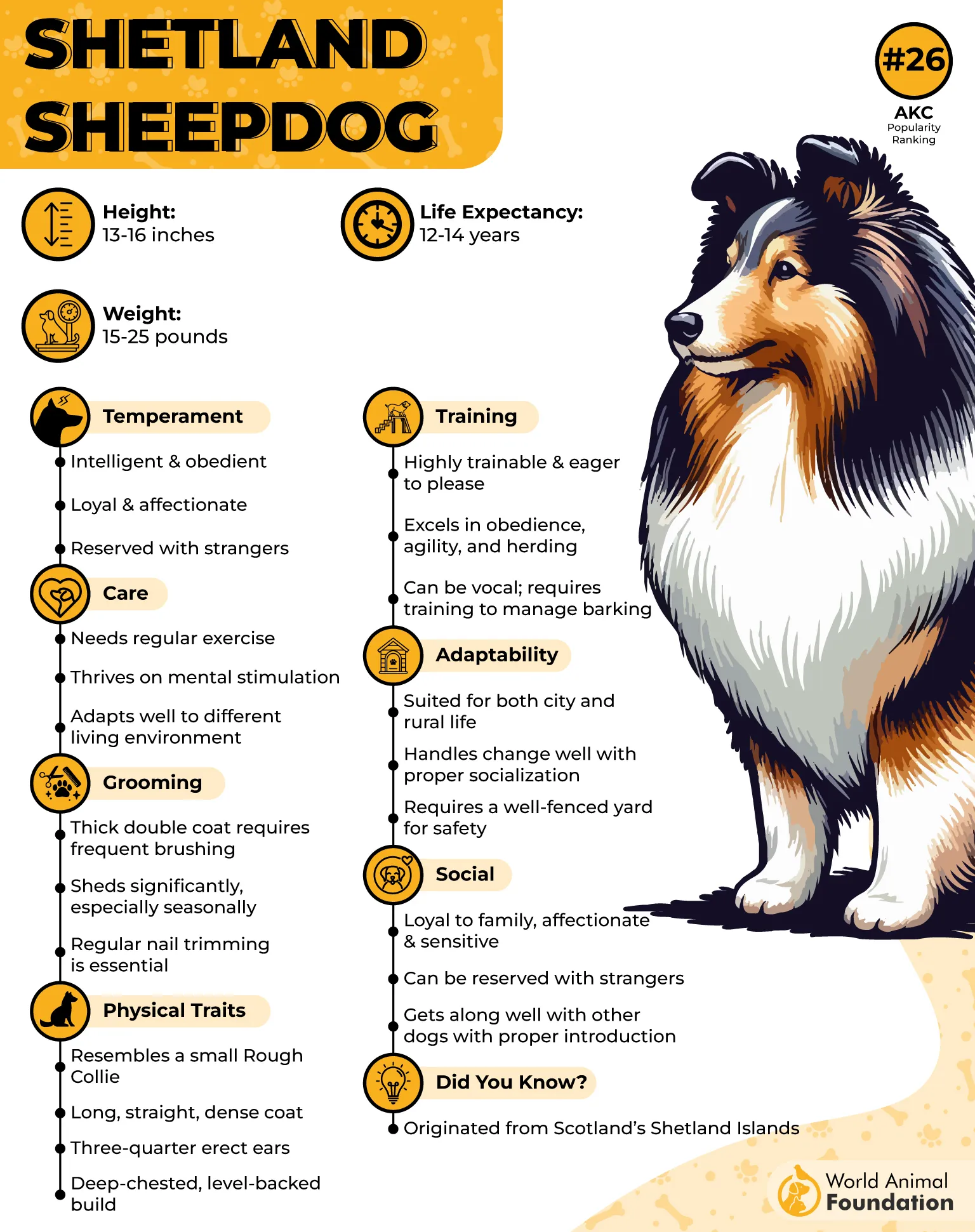
7. Shetland Sheepdog
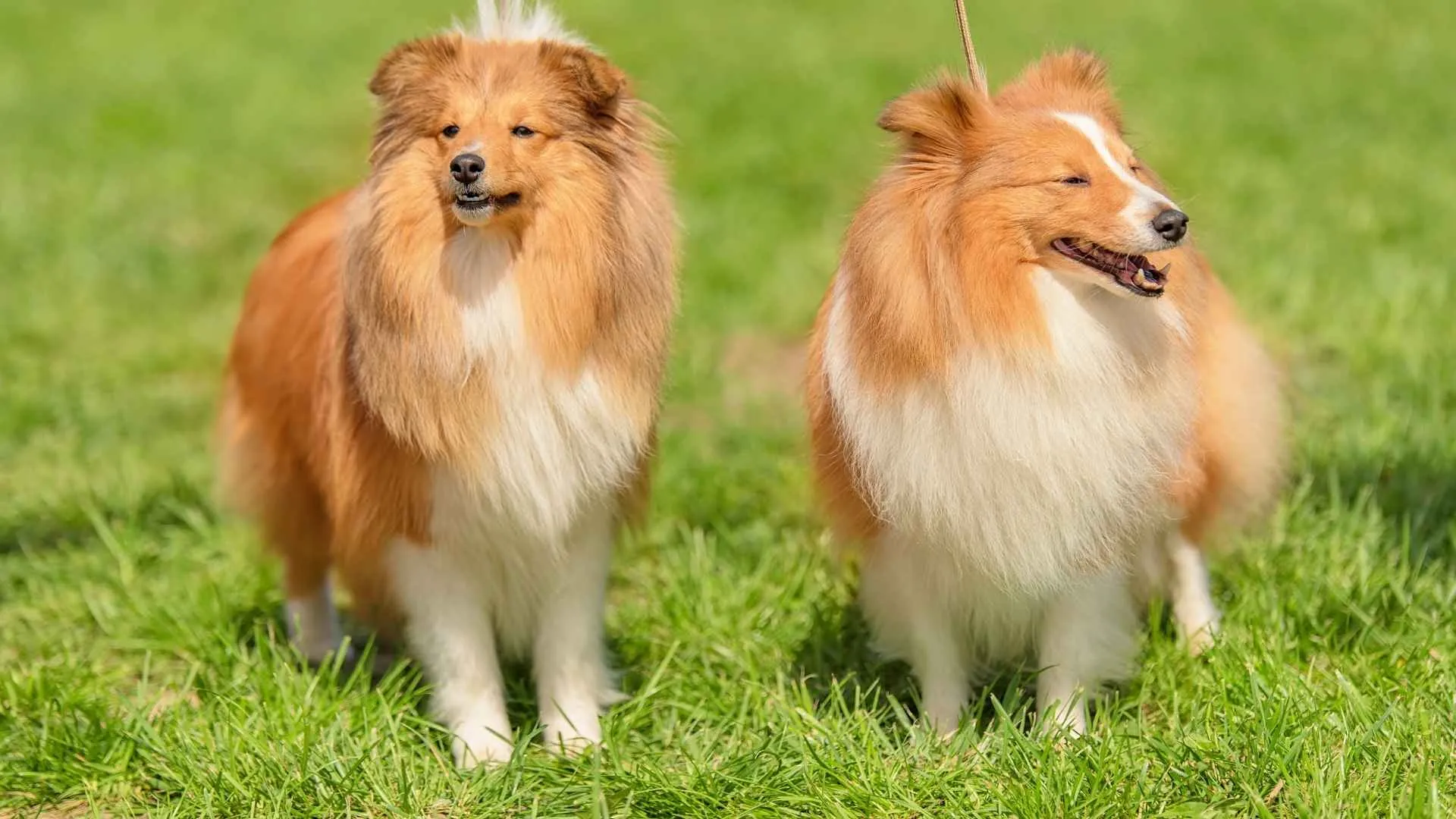
Shetland Sheepdog combines sharp intelligence with the agility of a true herder from Scotland’s rugged islands. Often compared to a miniature Collie, this small dog reads situations quickly and reacts with purpose. Its alert expression reflects a mind constantly processing movement, sound, and command.
Training Precision
Shetland Sheepdog responds to instruction with speed and remarkable accuracy. Give it a task, and it studies patterns before acting.
Its abilities show clearly in:
Advanced obedience trials
Agility competitions
Herding exercises
Tuned to Its People
Shetland Sheepdog pays close attention to household moods and adjusts behavior accordingly. This emotional awareness strengthens communication during structured training sessions. Sensitivity paired with eagerness makes instruction feel like collaboration rather than repetition.
8. Rottweiler
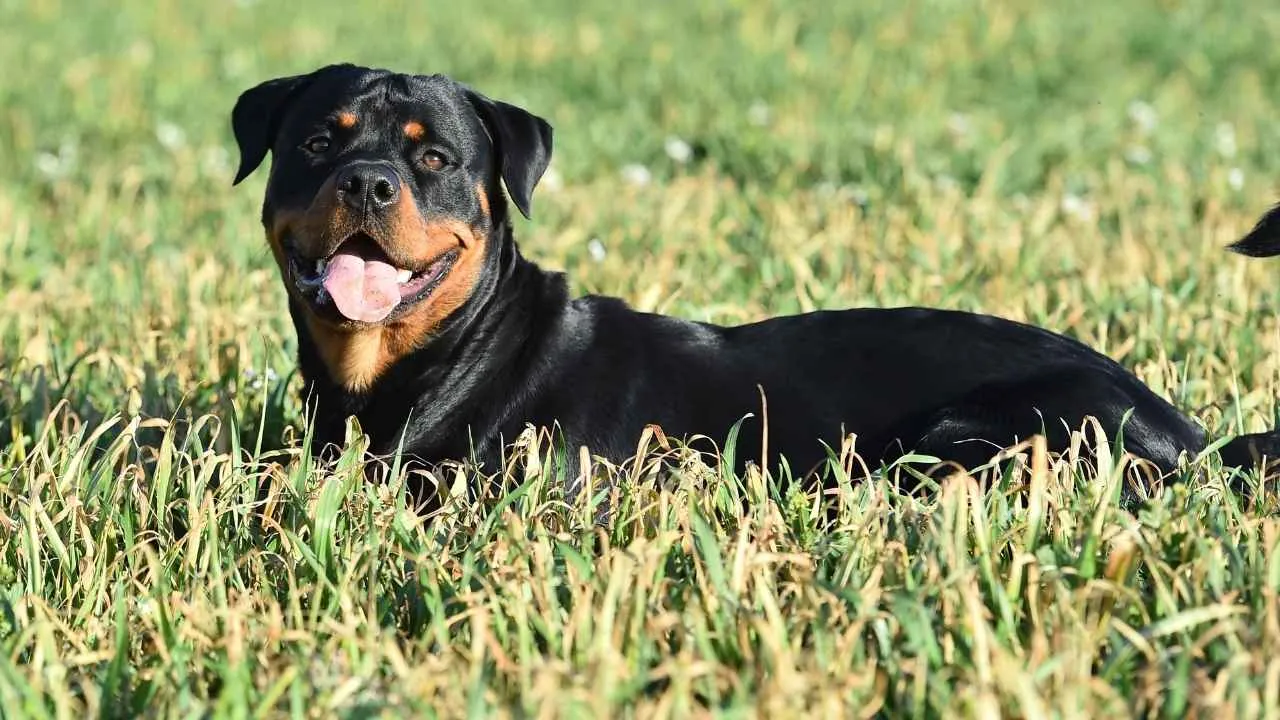
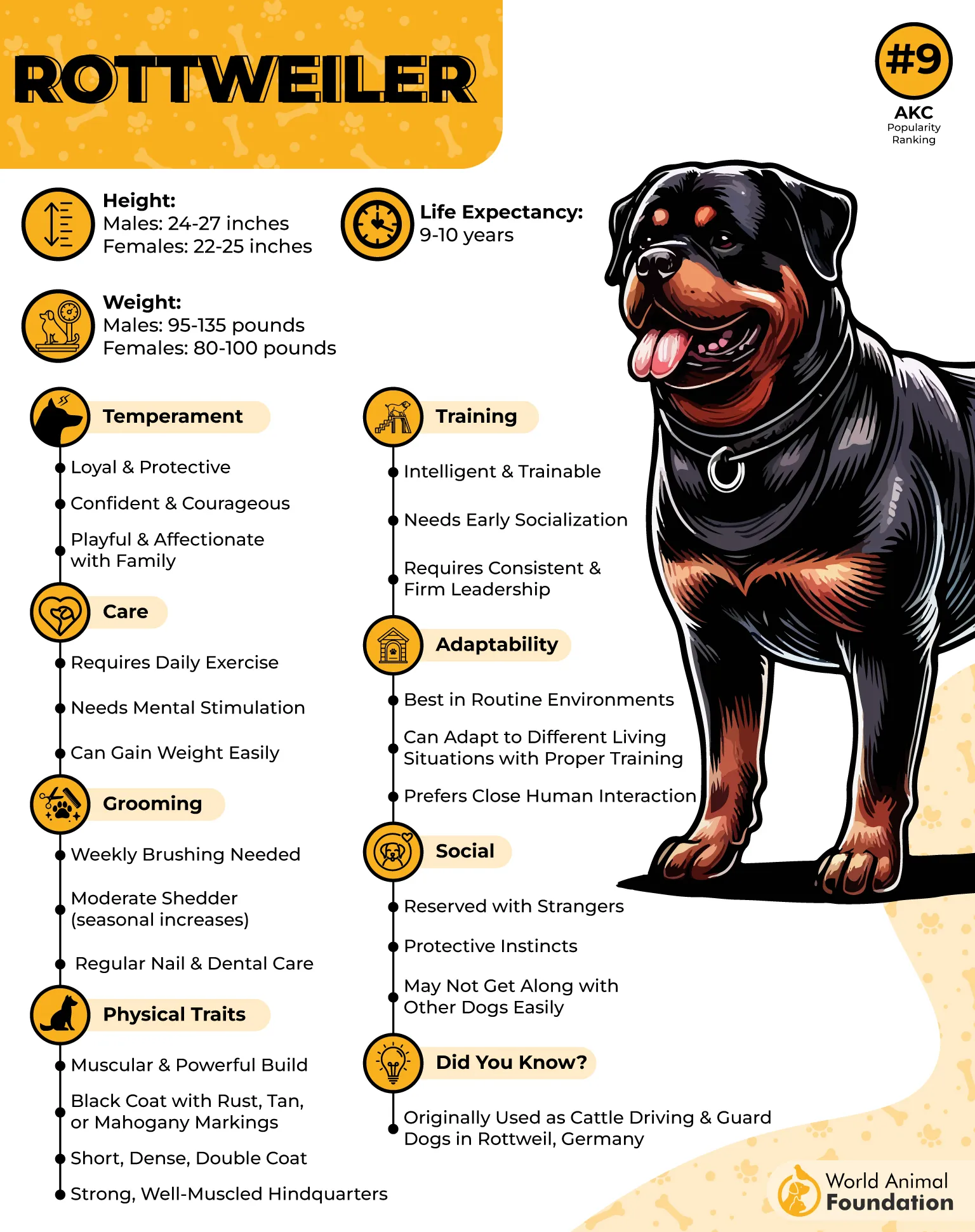
Rottweiler descends from ancient Roman drover dogs, built for endurance and decisive action. Behind the powerful frame stands a deliberate thinker who responds best to clear leadership. Confidence and intelligence shape the way this breed approaches learning.
Structured Mind at Work
Rottweiler accepts firm, consistent guidance and quickly understands expectations when training begins early. Discipline and engagement unlock its full capability.
Training strengths include:
Excelling in obedience competitions
Performing reliably as service dogs
Competing successfully in canine sports
Canine Intelligence in Action
Rottweiler combines physical power with sharp problem-solving ability, making mental challenges essential. Puzzle-based tasks and functional roles keep the mind engaged and purposeful. This working breed shows its highest level of discipline when training remains consistent and interactive.
9. Australian Cattle Dog
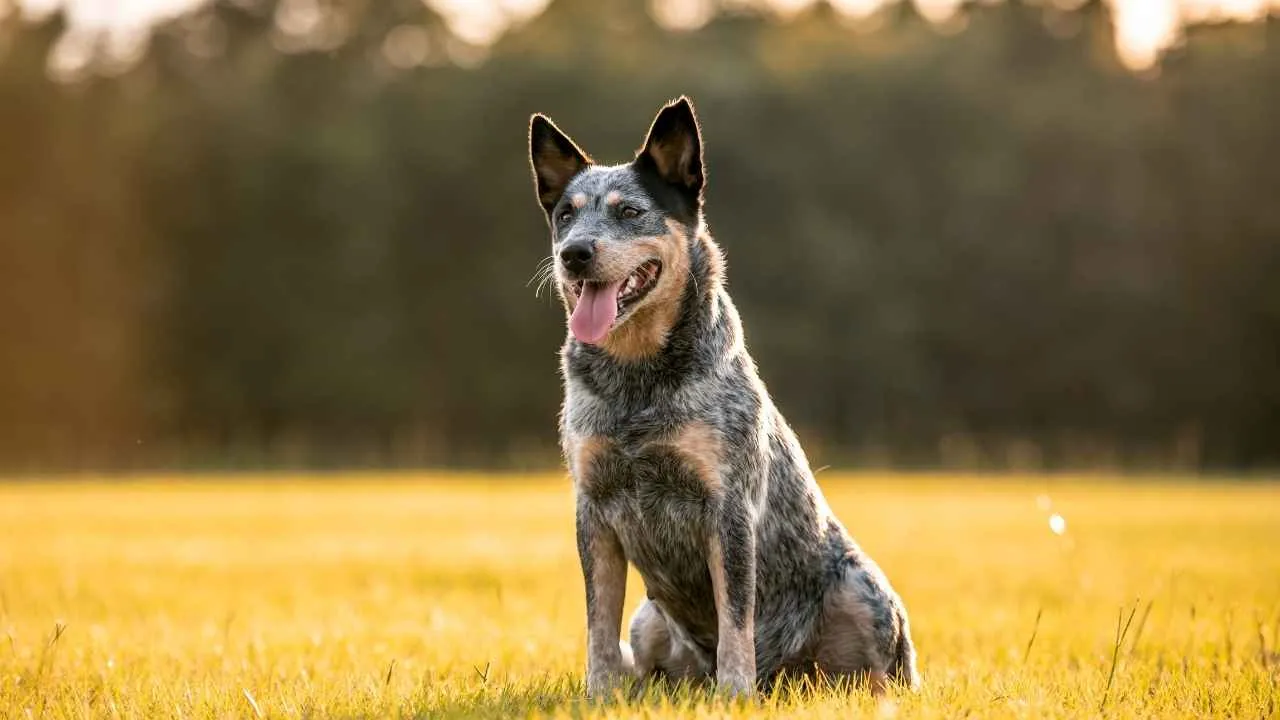
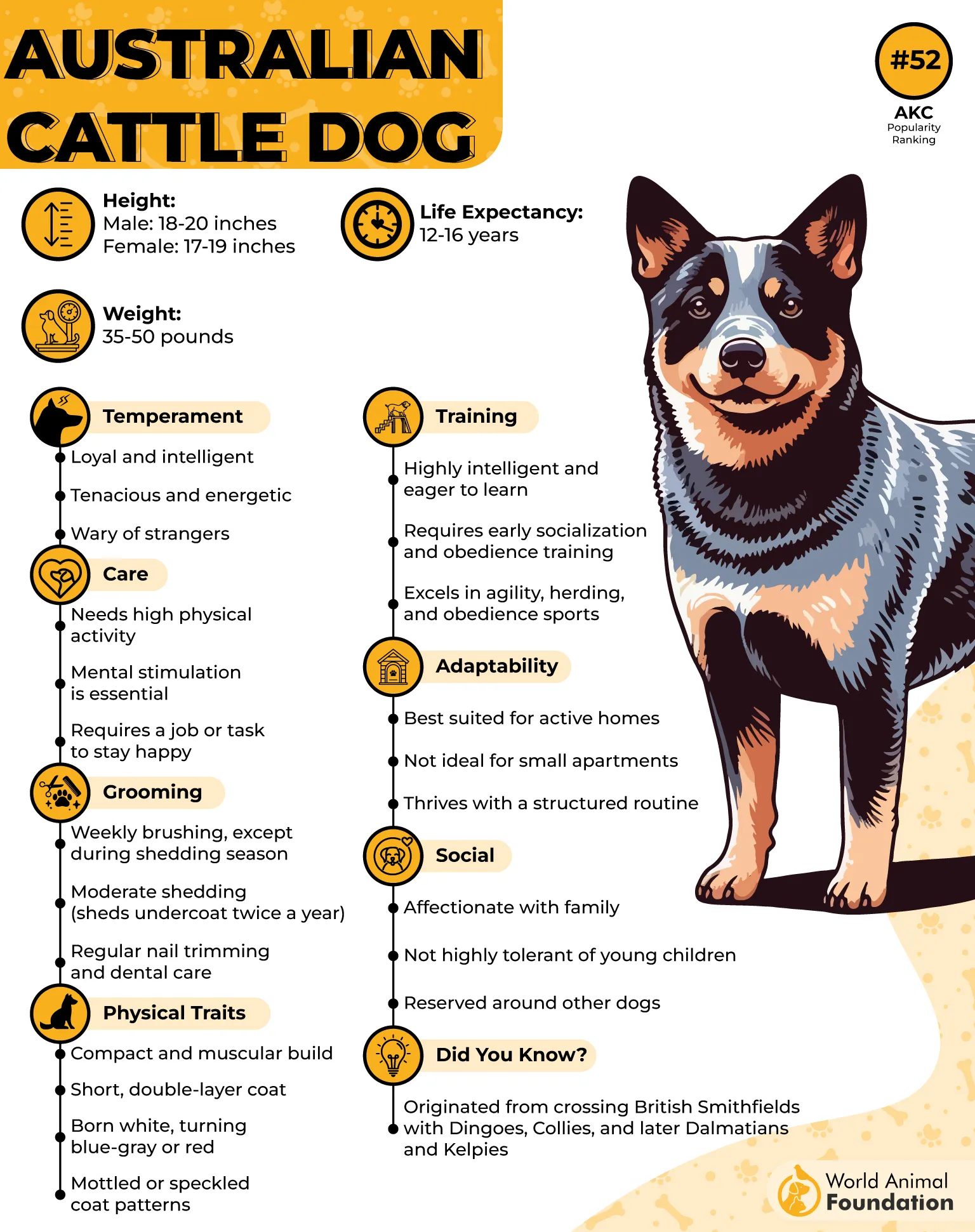
Australian Cattle Dog developed alongside Australia’s rugged cattle routes, shaped by the influence of the wild Dingo and selective herding lines. This background produced an intelligent dog that processes commands quickly and reacts with precision.
Fast Learner with Purpose
Australian Cattle Dog absorbs new cues rapidly and expects structured direction from its handler. Training works best when it feels like a job rather than repetition.
That sharp focus becomes clear in tasks such as:
Advanced obedience drills
Competitive herding trials
Agility sequences requiring split-second decisions
Energy that Demands Structure
ACD performs best when learning continues beyond basic commands. Early socialization and consistent instruction prevent misdirected energy and destructive habits. Mental challenges paired with active engagement strengthen reliability and responsiveness.
Conclusion
Exceptional performance begins with recognizing how breed intelligence shapes behavior, focus, and drive.
From the most intelligent dog breed to steady working companions, each thrives when proper training channels adaptive intelligence into reliable action. Mental stimulation is not optional for these dogs. It is essential.
Puzzle toys, advanced drills, and dog sports keep their minds engaged while positive reinforcement builds lasting confidence. Dedicated dog owners who invest time see these capable learners grow into balanced family pets.
In the end, mastering training is less about control and more about a partnership built on respect, clarity, and consistent mental challenge.
