




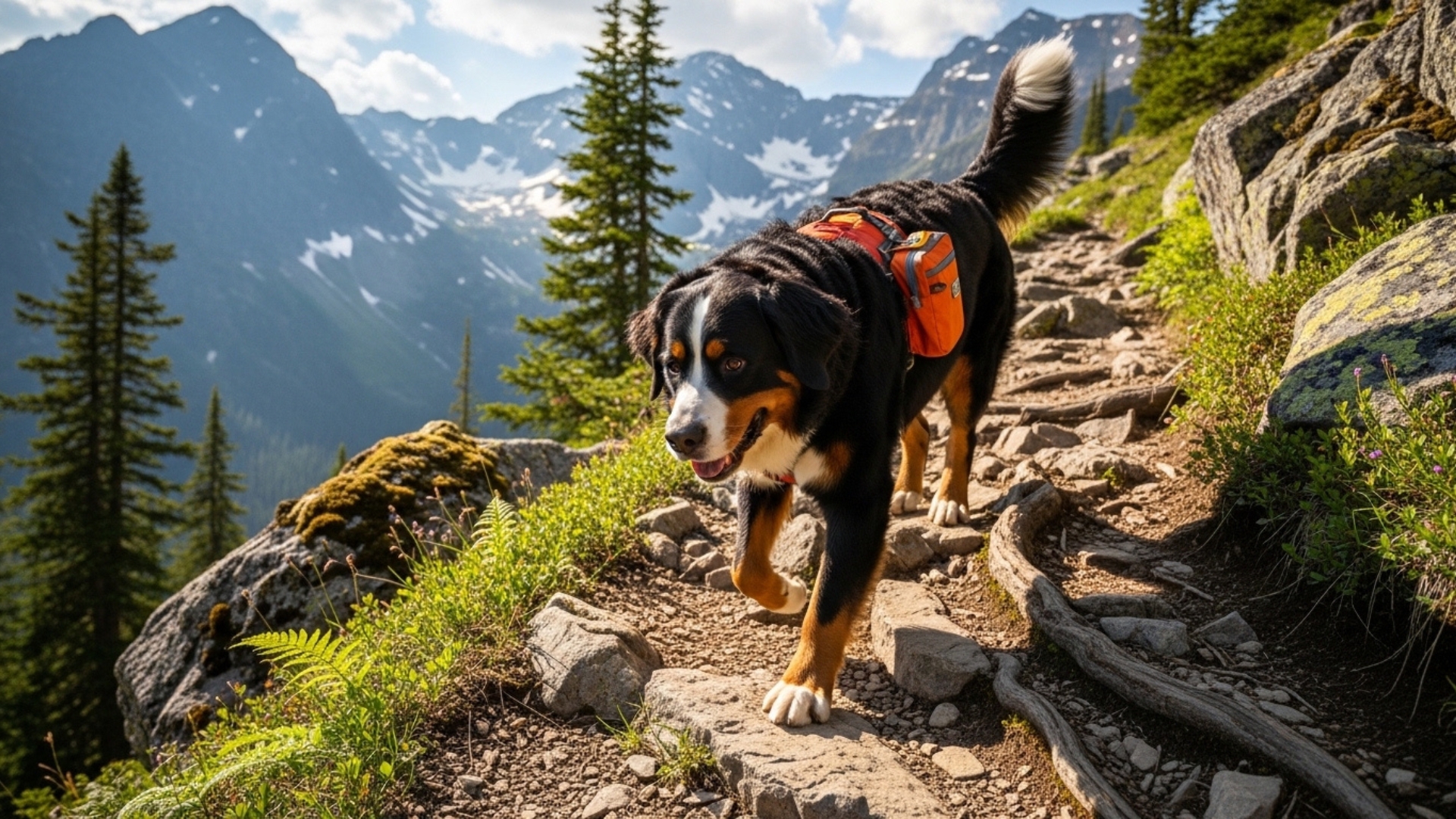
If you love hiking, chances are you’ve thought about bringing a four-legged adventure partner along for the ride. And honestly, few things beat hitting a mountain trail with a dog who’s just as excited about the outdoors as you are.
The right dog can turn every hike into a mini adventure—sniffing new scents, sprinting up hills, and happily collapsing beside you when the day’s done.
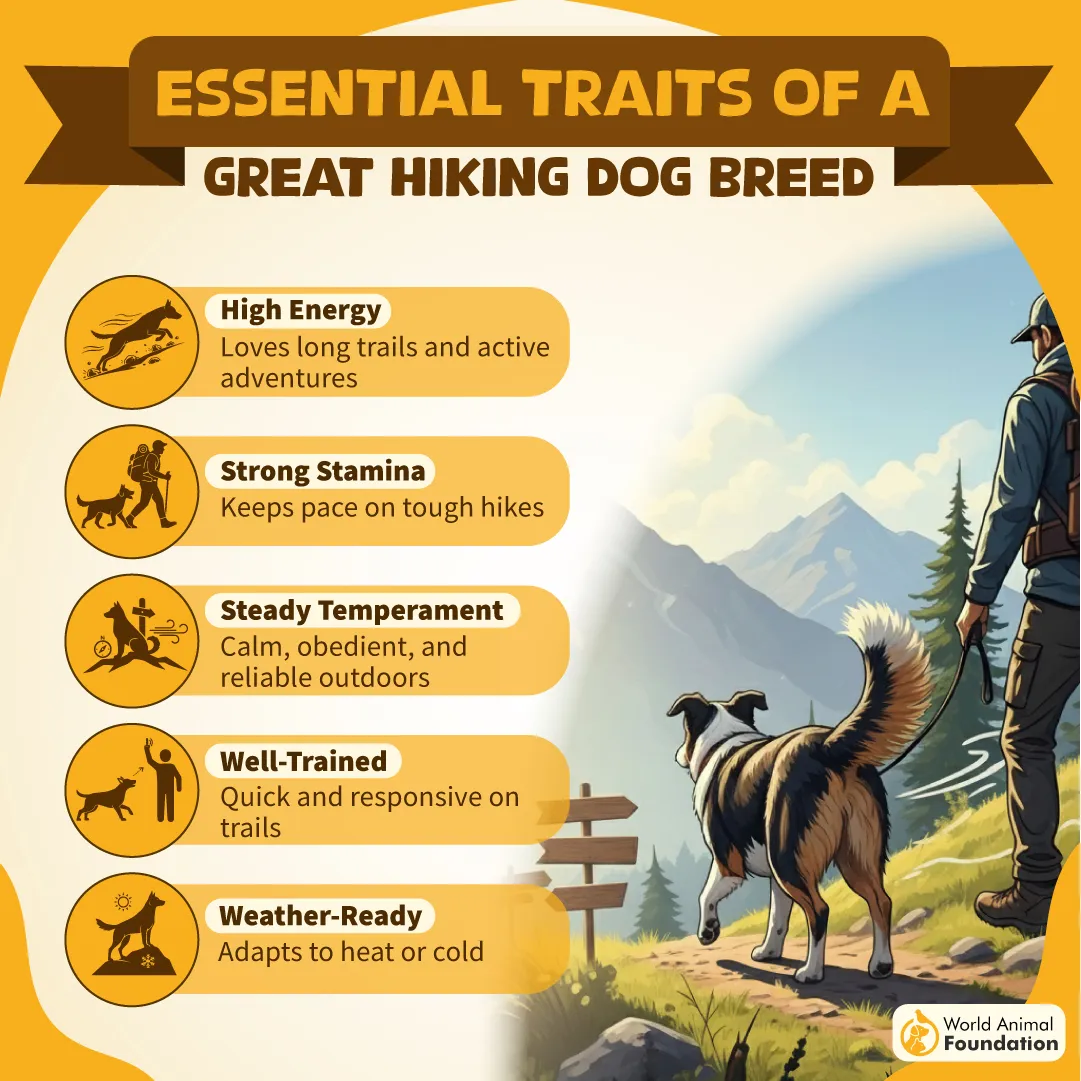
But not every dog is built for rugged trails and long distances. Hiking dogs need endurance, strong muscles, weather-resistant coats, and a love for activity.
High-energy working and sporting breeds tend to perform best on demanding hikes because they were historically bred for tasks like herding, sled pulling, or hunting.
Another key factor is stamina. Some of these breeds can comfortably handle 10–20 miles of hiking in a day when properly conditioned. Many were originally bred to work for hours in harsh environments, so a mountain trail is basically their idea of a good time.
If you’re searching for a canine hiking partner that can keep up with your outdoor lifestyle, these breeds are built for the challenge. Let’s break down some of the toughest, most trail-ready dogs that absolutely thrive in the wild and are the best dog breeds for adventures.
Durable Dog Breeds to Conquer Any Hiking Trail
1. Siberian Husky
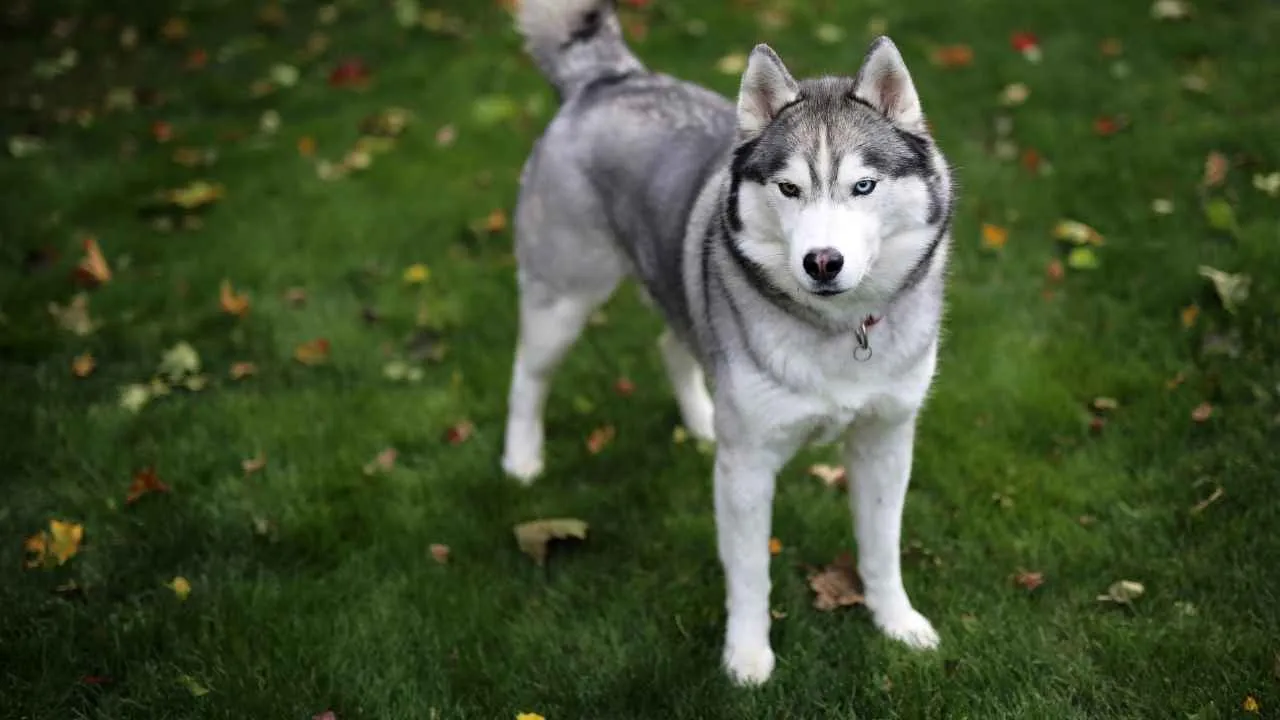
Siberian Huskies were literally built for endurance.
Originally developed by the Chukchi people of Siberia, these dogs were bred to pull sleds across frozen landscapes for hundreds of miles. That background makes them one of the most naturally capable hiking companions around.
A healthy Siberian Husky can comfortably handle long-distance activity thanks to their incredible stamina. Their thick double coat protects them from cold weather, making them perfect for alpine hikes or chilly mountain environments. However, that same coat means they may struggle in extremely hot climates.
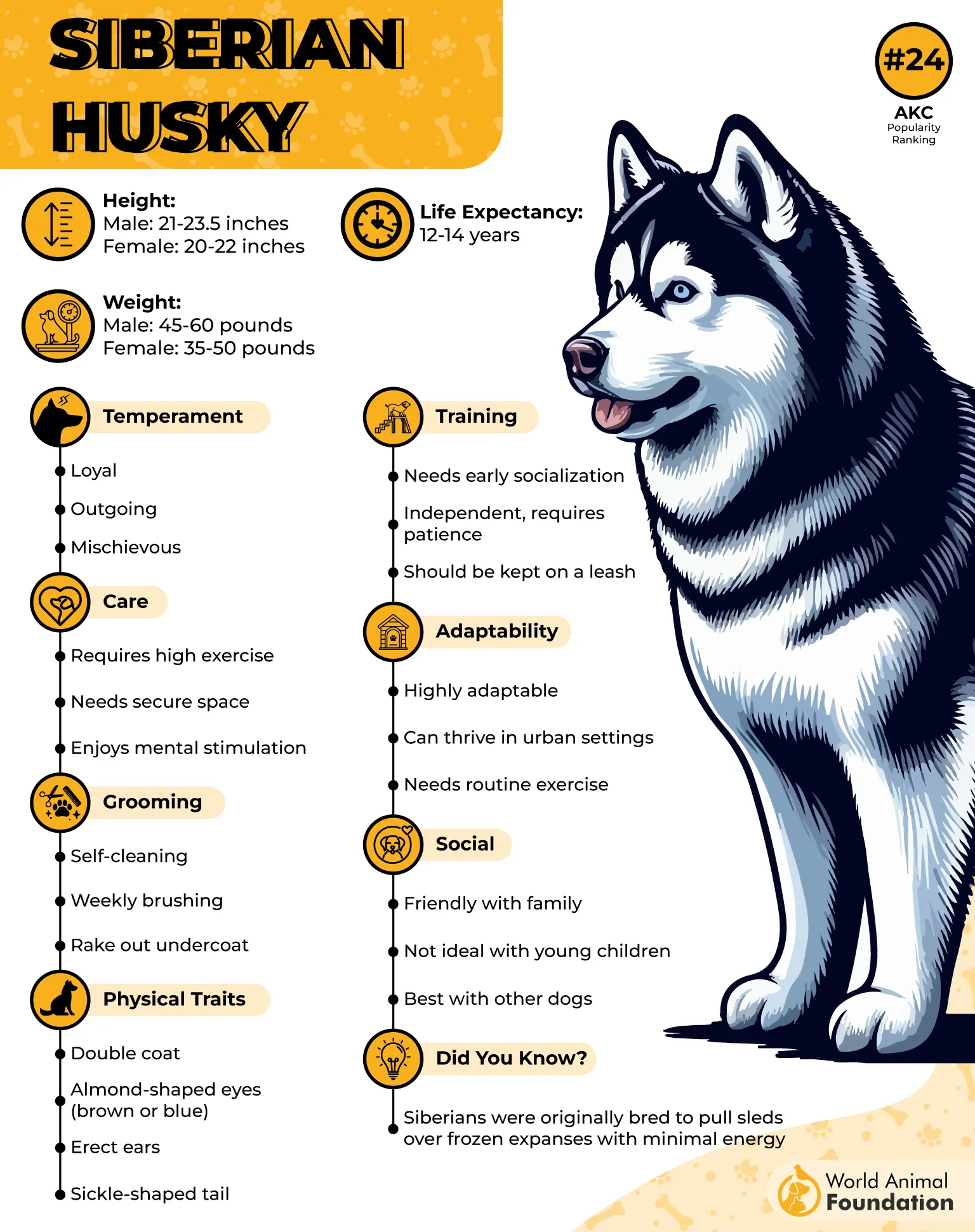
Great at hiking, they are also incredibly energetic dogs. They thrive on activity and mental stimulation, which means hiking can help prevent boredom and destructive behaviors. Without enough exercise, Huskies are known to become escape artists or diggers.
One thing hikers should know: Huskies have a strong prey drive. If they spot wildlife on the trail, they might try to chase it. Because of this, many owners prefer keeping them on a leash during hikes.
Despite their independence, they are affectionate and playful companions. With proper training and exercise, they make incredible partners for outdoor experiences.
2. Bernese Mountain Dog
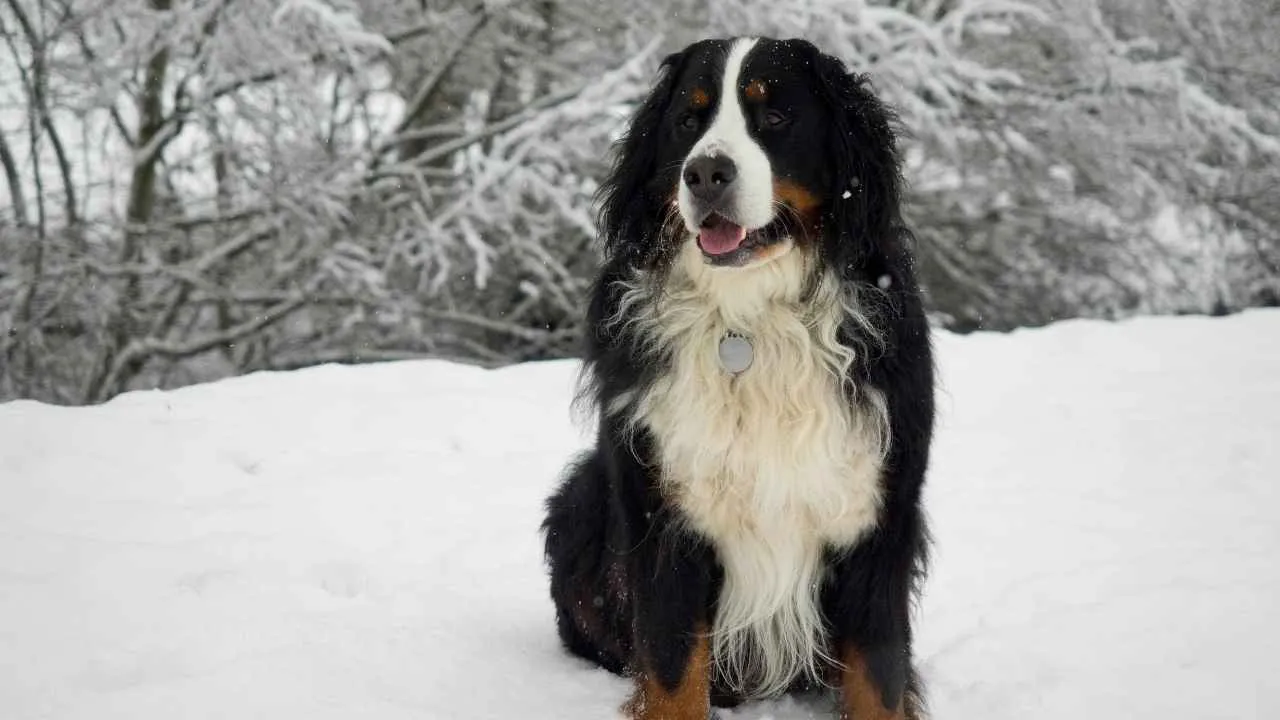
Bernese Mountain Dogs may look like giant fluffy teddy bears, but they’re actually tough working dogs. Originally bred in the Swiss Alps, these dogs helped farmers pull carts and herd livestock. Their strength and calm temperament make them excellent companions on moderate hiking trails.
These mountain dogs are powerful yet steady hikers. Their muscular build allows them to handle rough terrain, while their thick coat protects them in cooler mountain environments. They are especially well-suited for cool-weather hiking adventures.
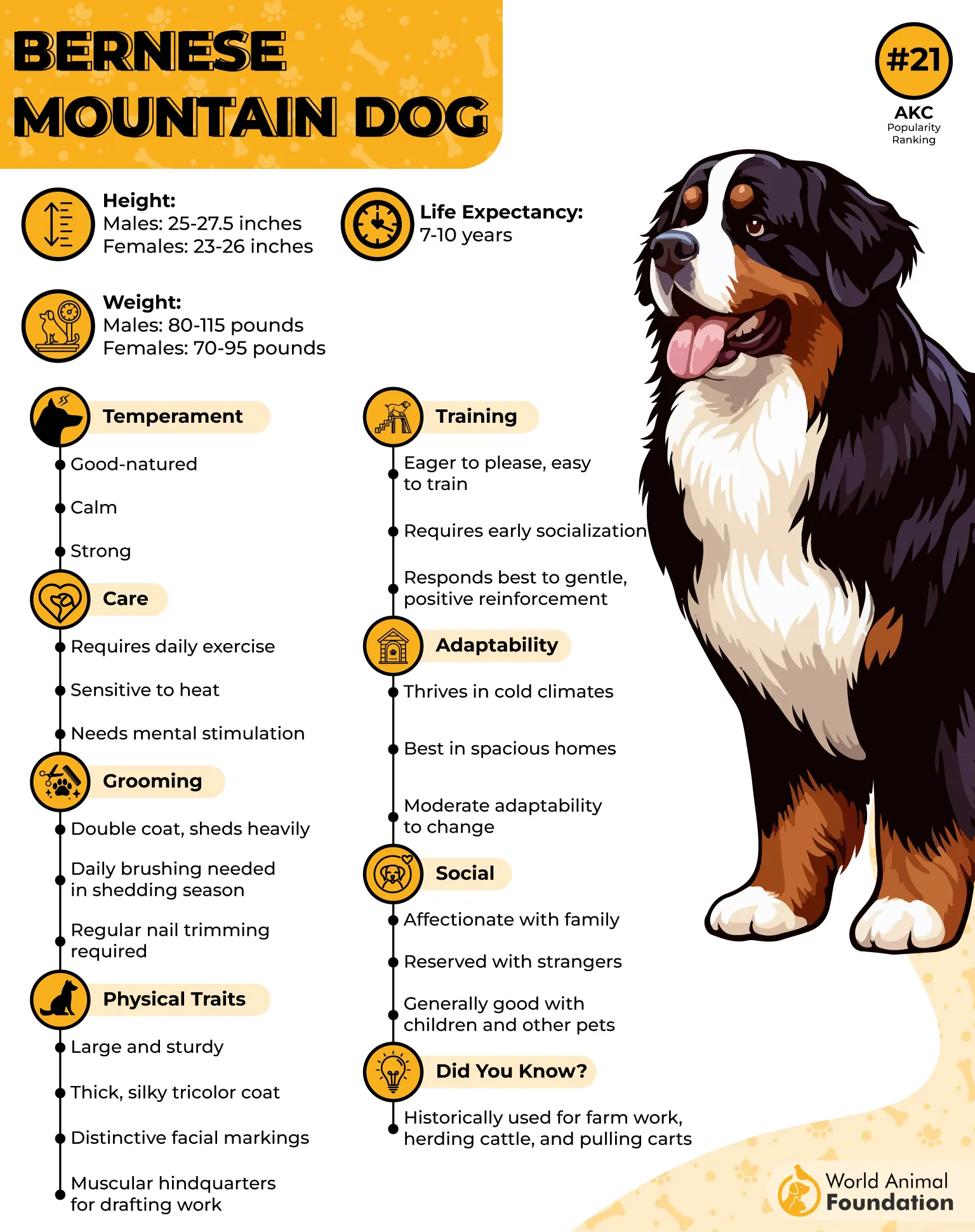
Unlike some high-energy breeds, these dogs are more relaxed in personality. They enjoy exercise but also appreciate breaks and slower-paced hikes. This makes them great for hikers who prefer scenic treks rather than intense trail running.
Because of their large size, they require conditioning before tackling long hikes. Gradually increasing distance and difficulty helps prevent joint strain. Experts recommend monitoring them carefully on hot days because their thick coat can cause overheating.
One of the best parts of hiking with this Mountain Dog is their personality. They’re known for being incredibly loyal and affectionate with their families. That means they’ll happily stick by your side from the trailhead to the summit.
3. Alaskan Malamute
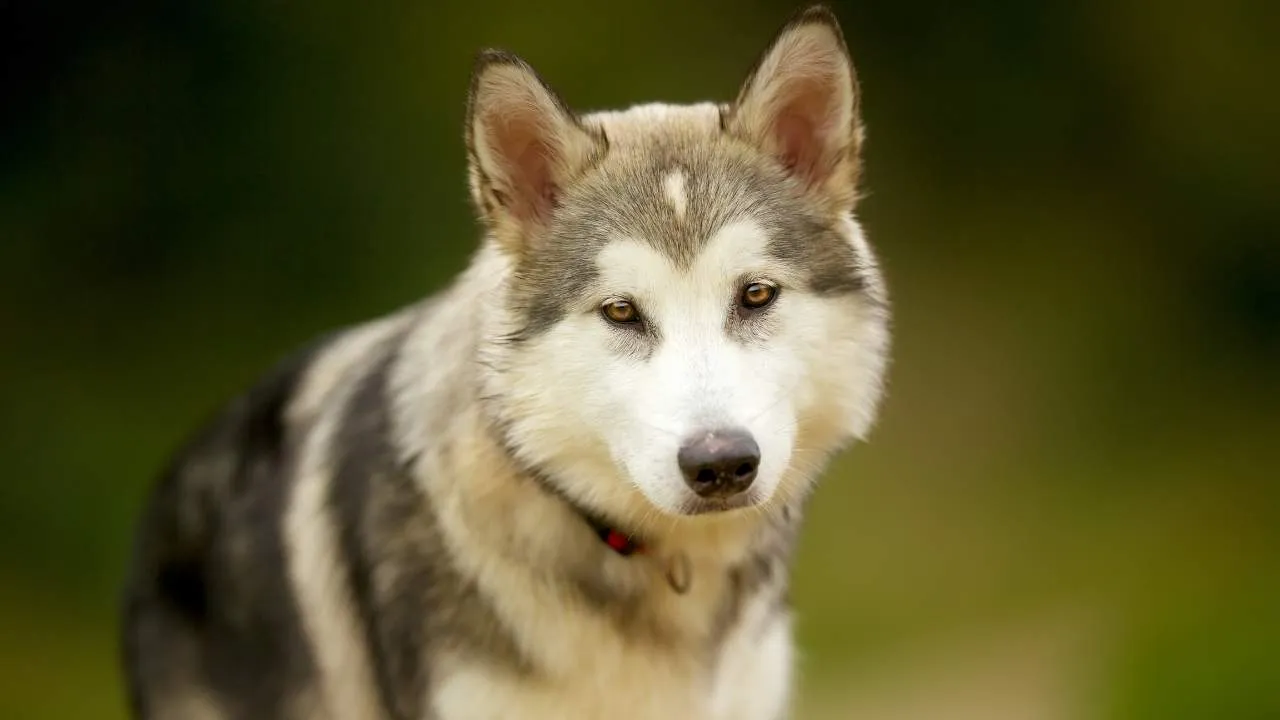
The Alaskan Malamute is basically a powerhouse on four legs. The Mahlemut Inuit tribe developed this ancient Arctic breed to haul heavy sleds across frozen terrain. If you’re looking for endurance, strength, and cold-weather resilience, this breed checks all the boxes.
Malamutes are extremely strong and can carry small dog backpacks on hikes. Their muscular frame and large paws help them navigate rocky trails and snowy paths. These dogs were literally bred to work in extreme environments.
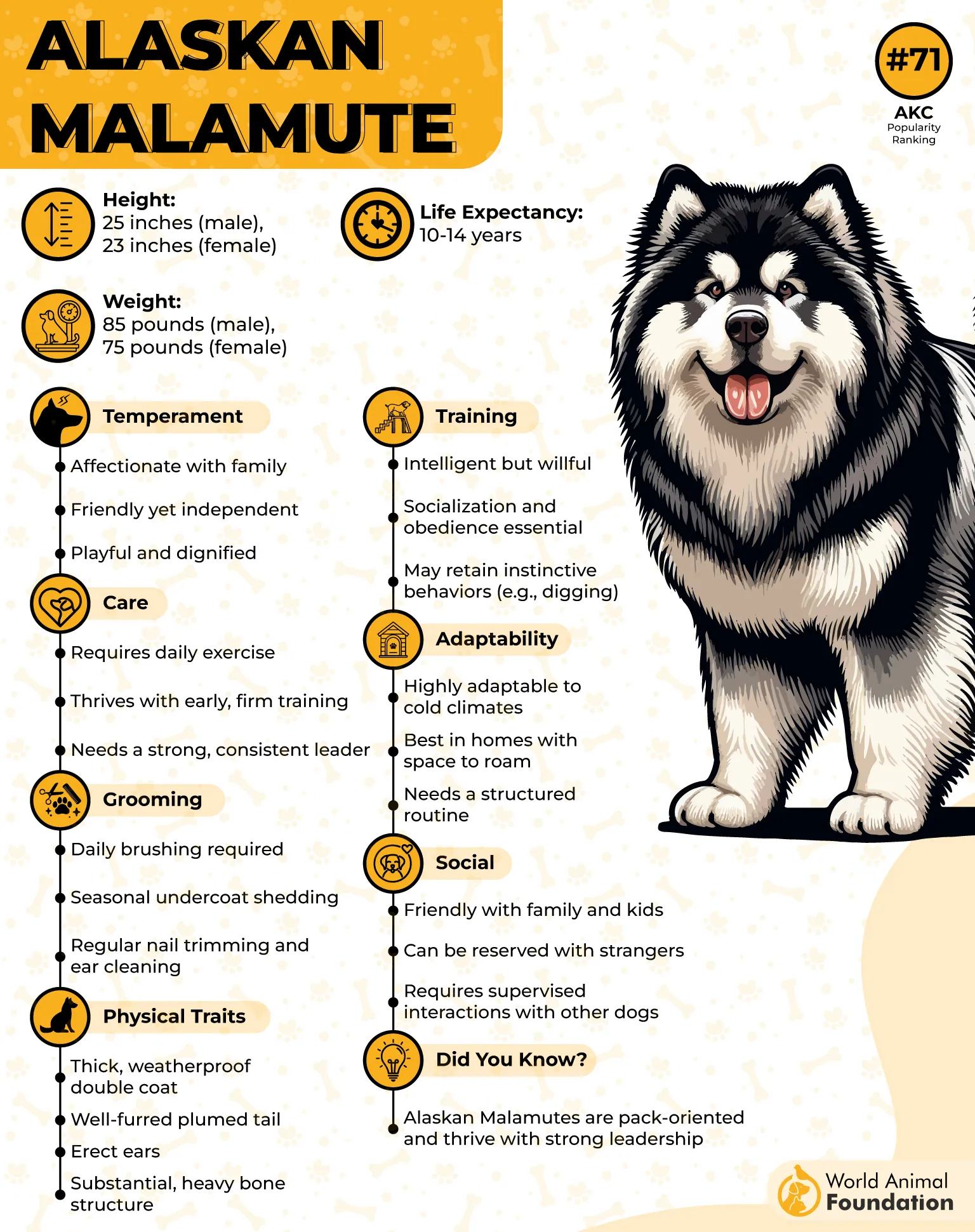
They also have massive stamina. Alaskans thrive on long hikes, especially in cooler climates where their thick double coat protects them from harsh weather. In colder mountain regions, they’re practically unstoppable.
However, they can be stubborn and independent. Training and early socialization are crucial to ensure they behave well on trails and around other hikers or dogs. They are intelligent but often prefer doing things their own way.
If you love snowy mountain hikes or winter adventures, the Malamute might be your dream trail partner. Just be prepared to match their energy—they’re not couch potatoes.
4. Norwegian Elkhound
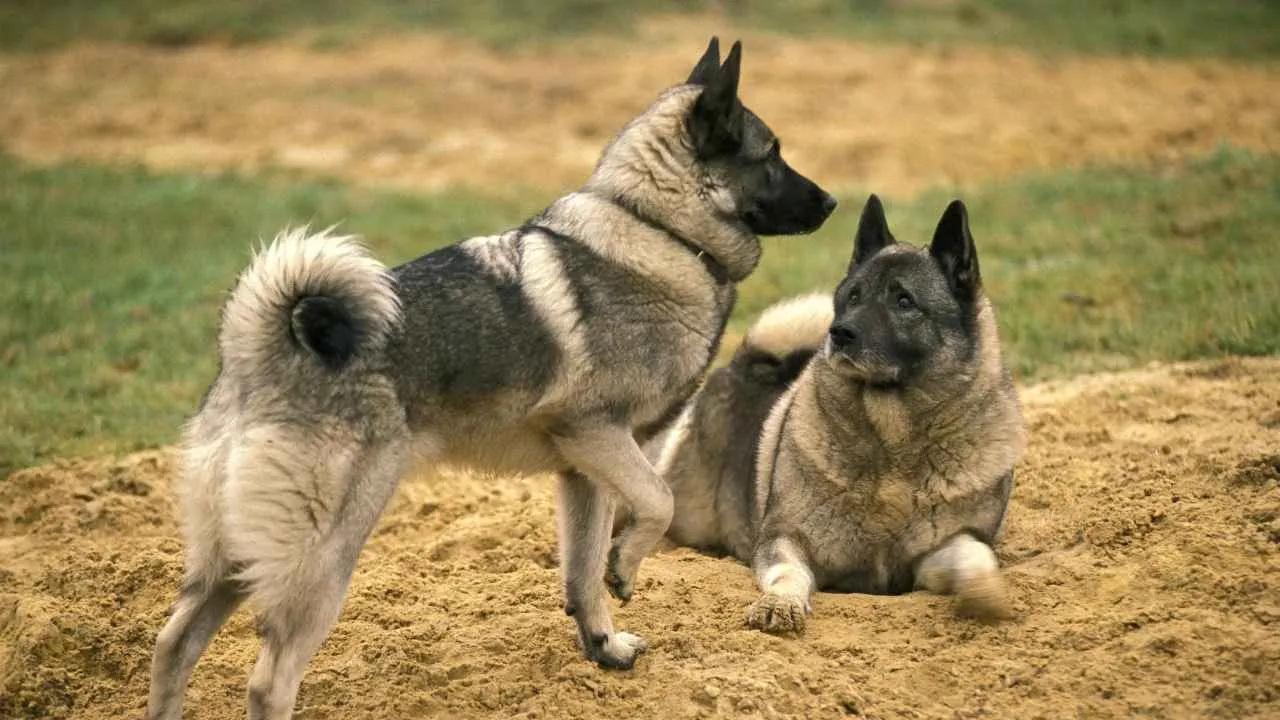
The Norwegian Elkhound is a rugged breed developed for hunting in Scandinavia’s harsh wilderness. Historically, these dogs tracked and hunted large game like moose and elk. That heritage makes them extremely capable outdoor companions.
Elkhounds are known for their exceptional stamina and agility. Their compact yet muscular bodies allow them to handle rocky terrain and dense forests with ease. They’re the type of dog that thrives in challenging environments.
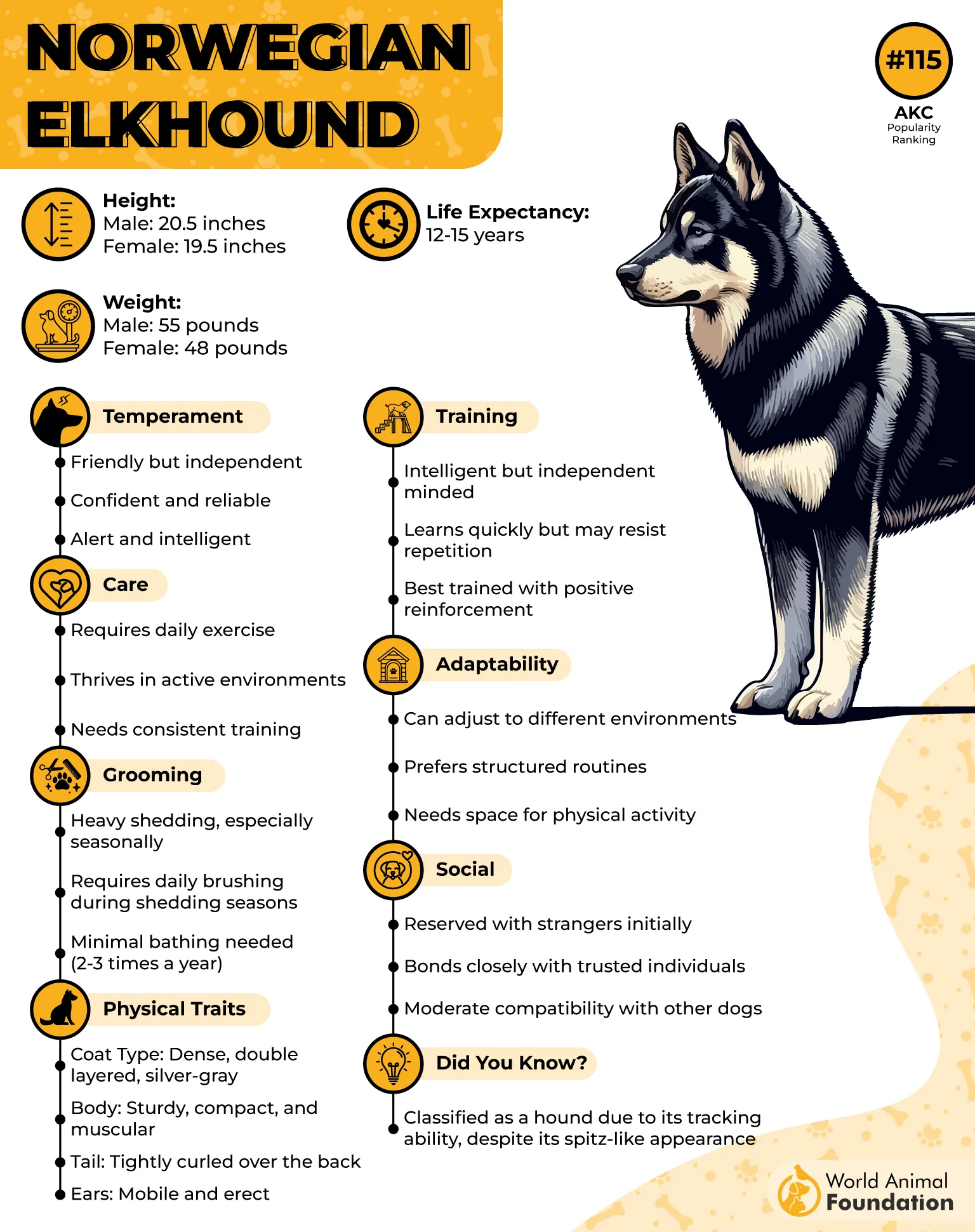
Their thick gray coat protects them from cold weather, making them ideal for hiking in cooler regions. However, they can still adapt to warmer climates if hikes are scheduled during cooler parts of the day.
Another great trait of the Norwegian Elkhound is their alertness. These dogs are extremely aware of their surroundings and make excellent watchdogs, even on camping trips. They often notice wildlife or movement long before humans do.
They are called vocal dogs because they were bred as hunting and alert dogs. They bark loudly to signal hunters when they locate prey, so the instinct to alert their owners is still very strong.
Because of their hunting instincts, early training is important. With proper guidance, though, they become loyal and enthusiastic hiking partners who love exploring new trails.
5. German Shorthaired Pointer
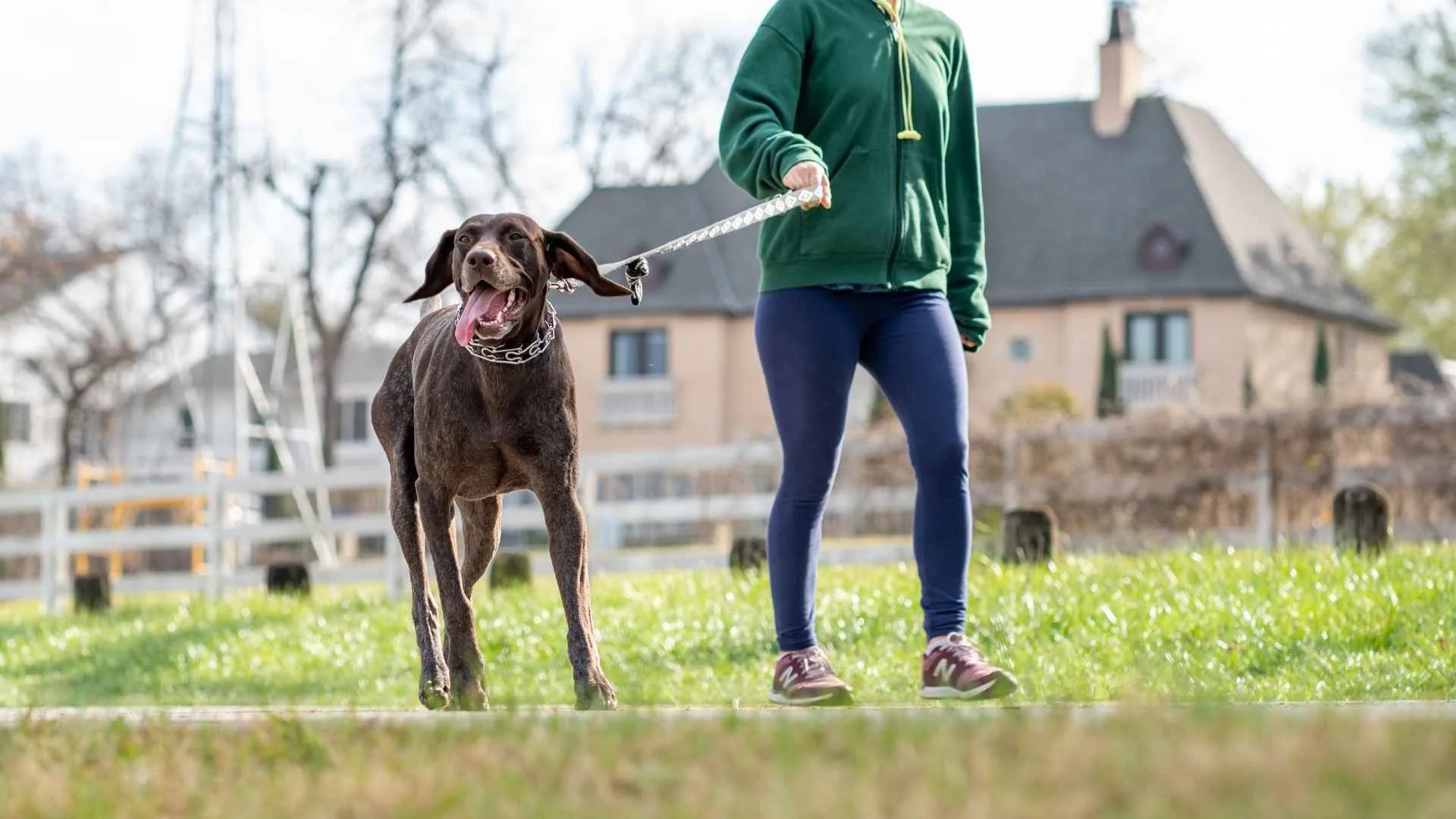
German Shorthaired Pointers are basically athletes disguised as dogs. Originally bred in Germany for hunting birds and small game, they are known for their incredible speed, stamina, and intelligence.
These dogs thrive on physical activity, as per Hills Pet. It can easily handle long hikes, trail runs, or multi-day backpacking trips. If you’re an active outdoor enthusiast, this breed will happily keep up.
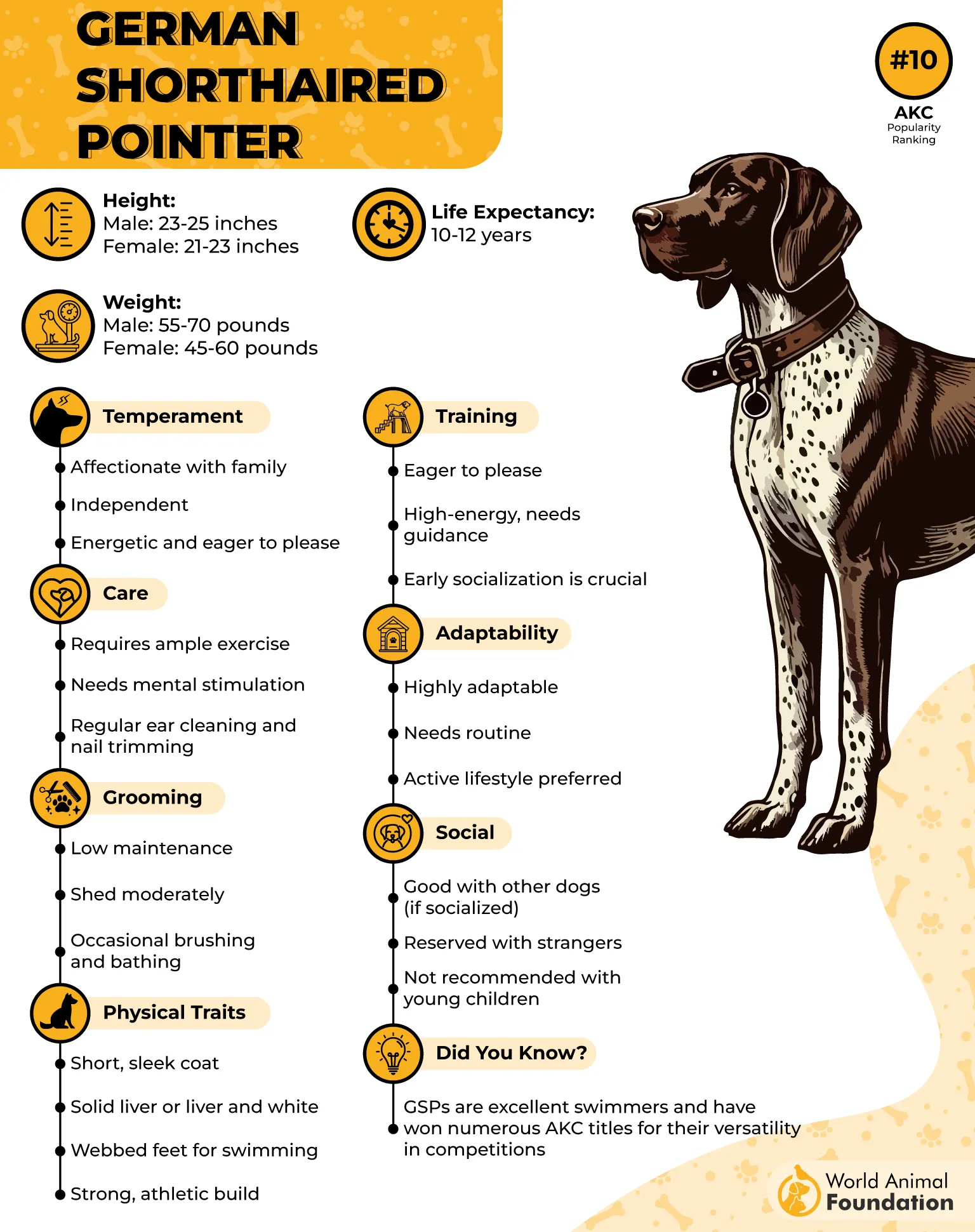
Their lean, muscular build helps them move quickly and efficiently over rough terrain. Unlike heavier breeds, they can cover long distances without tiring easily. Many owners describe them as “endless energy machines.”
Mental stimulation is also important for this breed. Training exercises, scent games, and exploring new environments help keep them happy. Hiking provides both physical and mental enrichment.
Because they’re so energetic, Pointers are best suited for owners with active lifestyles. If you love outdoor experiences, this breed will gladly join every single one.
6. Rhodesian Ridgeback
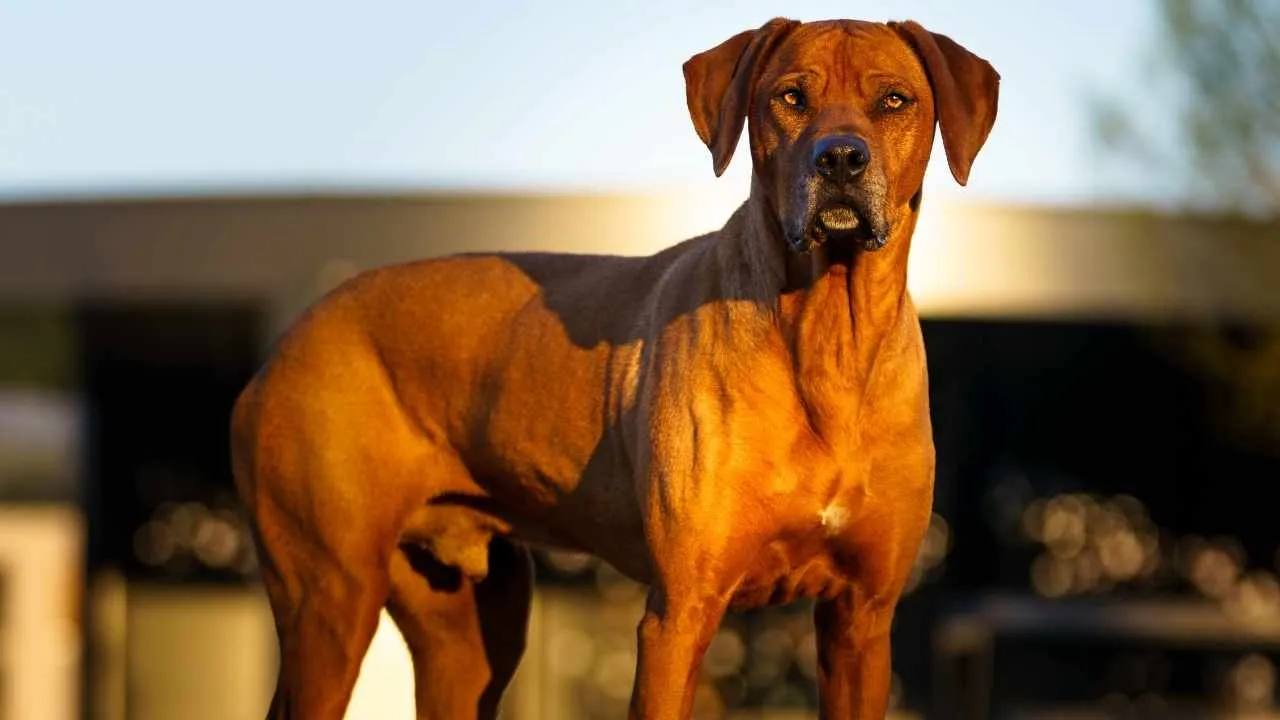
Rhodesian Ridgebacks are powerful dogs originally bred in southern Africa to help track lions. While they didn’t fight the lions directly, they were known for their bravery and endurance in the wilderness.
These dogs are extremely athletic and capable of long-distance activity. Their lean muscles and strong legs allow them to handle rugged terrain with ease. Ridgebacks are also known for their impressive speed.
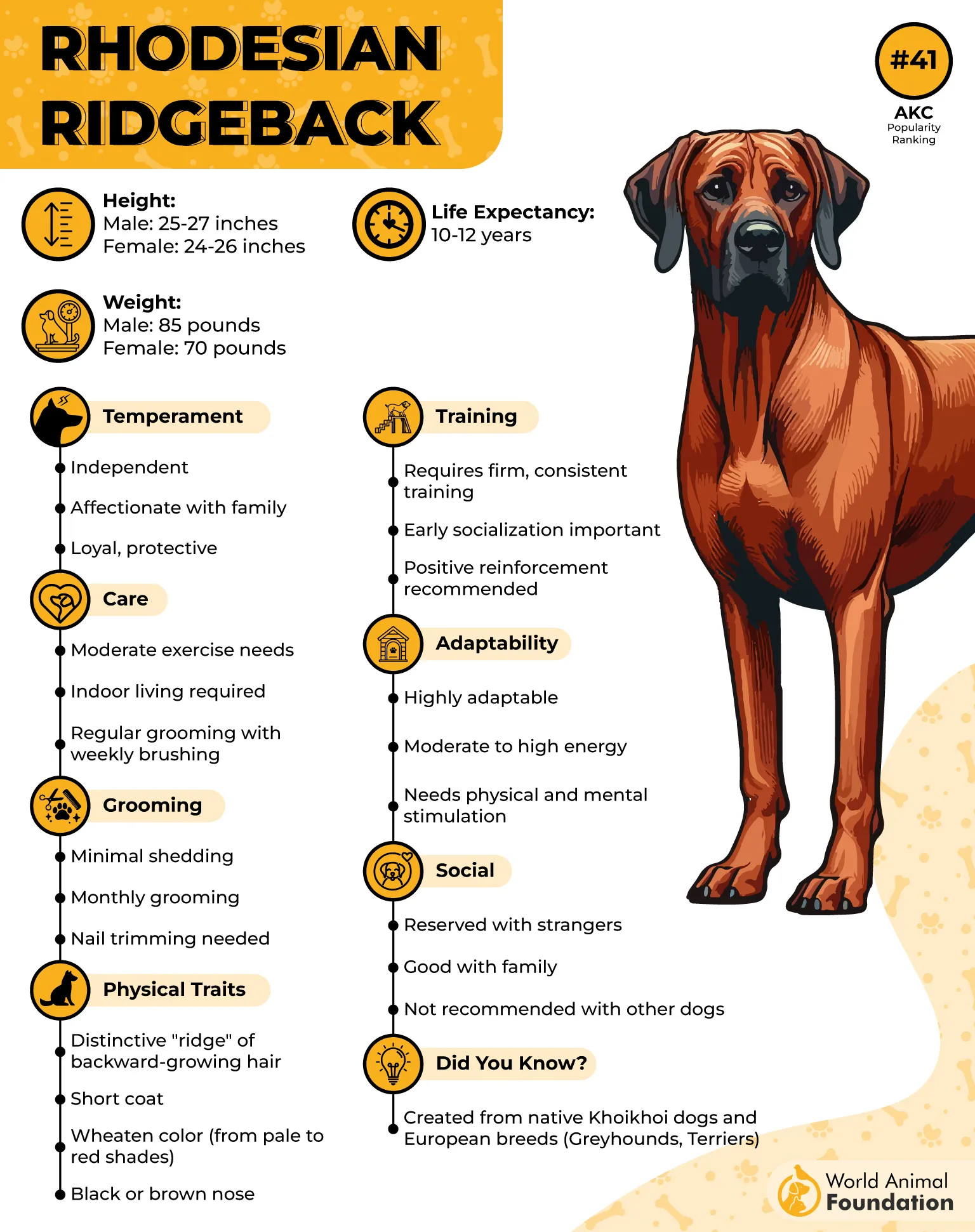
Unlike many thick-coated breeds, Ridgebacks have short coats. This makes them better suited to hot climates and desert hikes than Arctic breeds. They handle heat better than most hiking dogs.
Despite their strength, Ridgebacks are calm and loyal companions. They tend to bond closely with their owners and prefer staying near their humans on the trail. Their protective instincts also make them excellent companions for remote hikes.
They perform well in lure coursing, agility, and endurance dog sports, as per Purina.
Because they were bred to track lions in Africa, they are incredibly fast and resilient runners, making them excellent for sports that involve speed and chasing. However, they do have a strong prey drive. Training and leash control are important when hiking in areas with wildlife.
7. Australian Cattle Dog
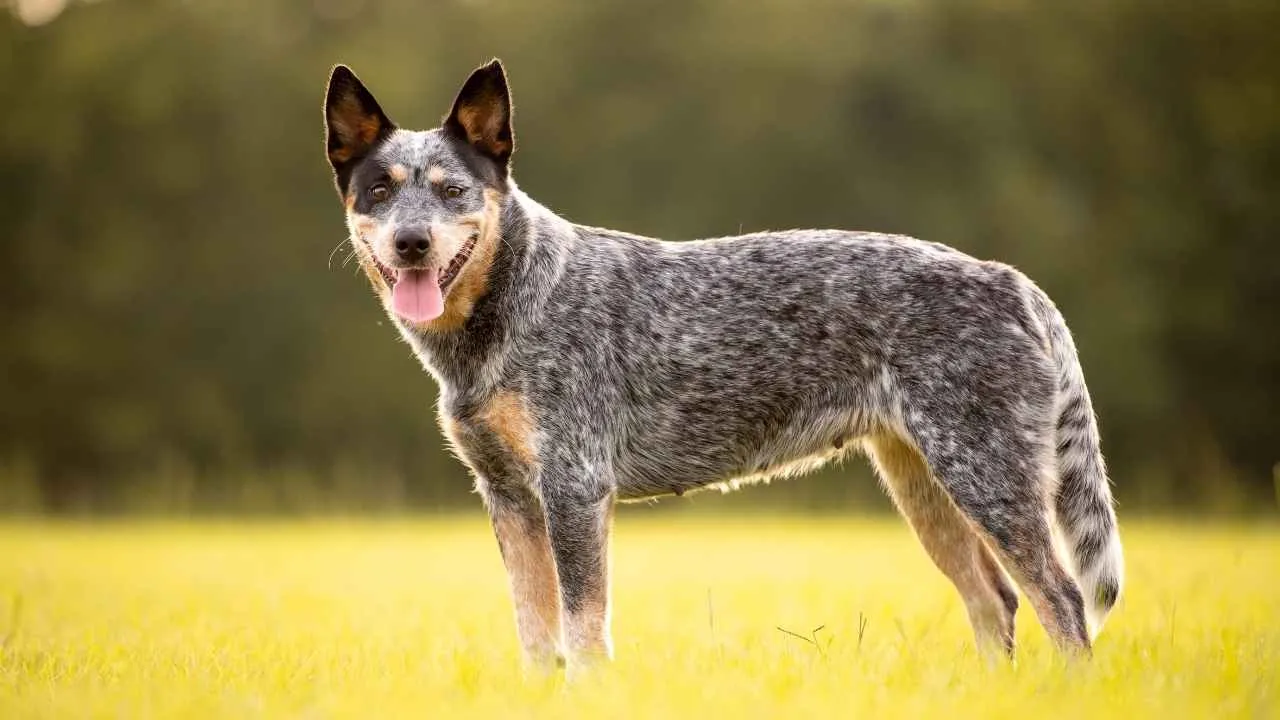
Australian Cattle Dogs are basically hiking machines.
Bred to herd cattle across massive distances in the Australian outback, these dogs have unbelievable endurance and intelligence.
This breed thrives on physical activity. Many Australian Cattle Dogs can easily handle 10–15 miles of hiking in a day once properly conditioned. They love having a job to do.
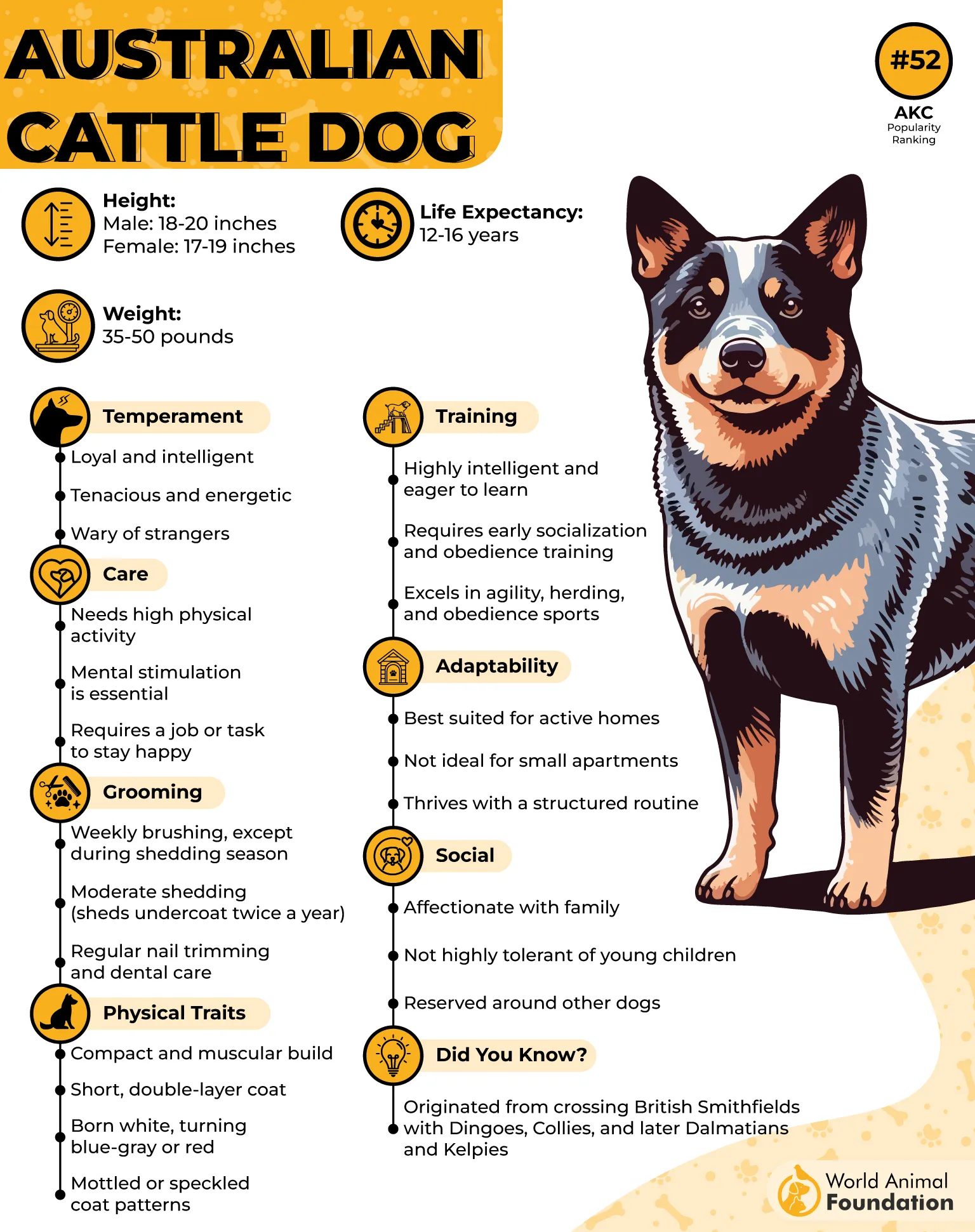
Their compact, muscular build allows them to handle rocky terrain and steep climbs with ease. They are also incredibly agile and quick on their feet. Watching one navigate a trail can feel like watching a professional athlete.
Australian Cattle Dogs are also highly intelligent, as per PetMD. They excel in obedience training, agility sports, and advanced commands. This makes them easier to manage in complex outdoor environments.
However, they do require consistent mental and physical stimulation. Without enough activity, they may become bored and destructive. For hikers, though, they’re basically the ultimate adventure buddy.
8. German Shepherd
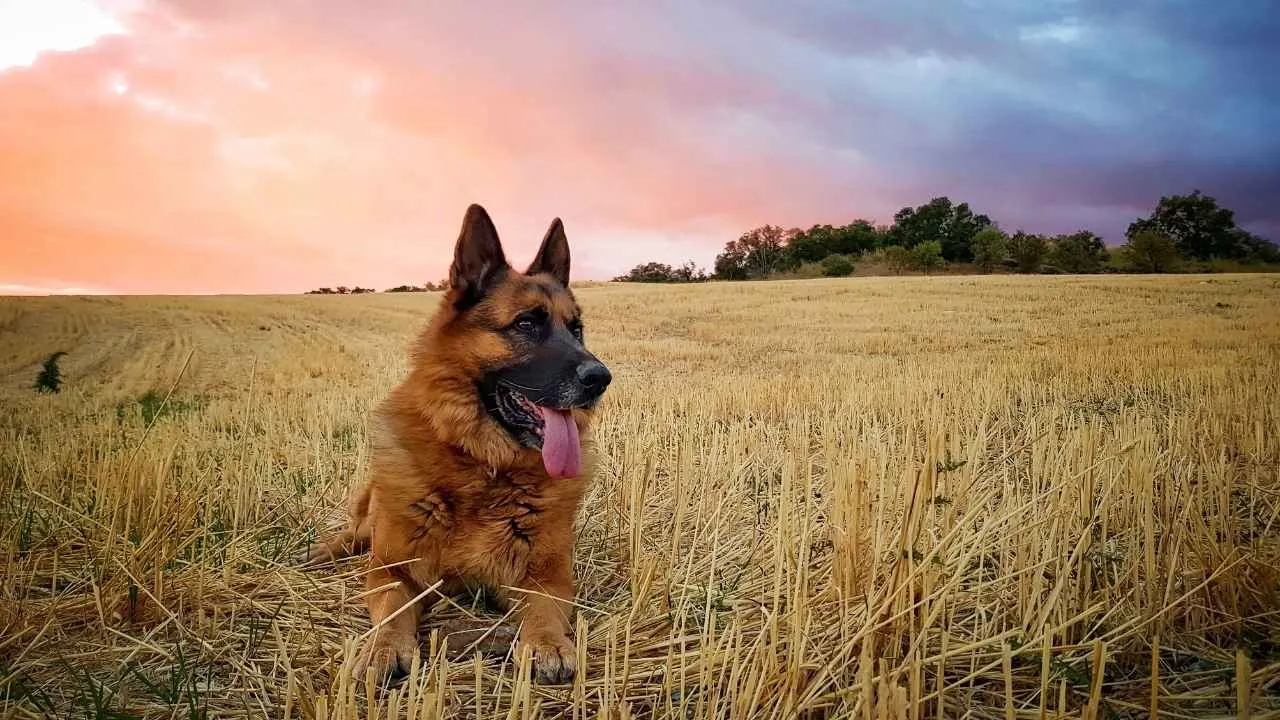
German Shepherds are famous for their intelligence, loyalty, and versatility. Originally bred as herding dogs in Germany, they quickly became popular as police and military working dogs because of their adaptability.
Physically, these Shepherd dogs are extremely capable hikers. Their muscular bodies and strong legs allow them to handle difficult trails, steep climbs, and uneven terrain. They also have excellent stamina.
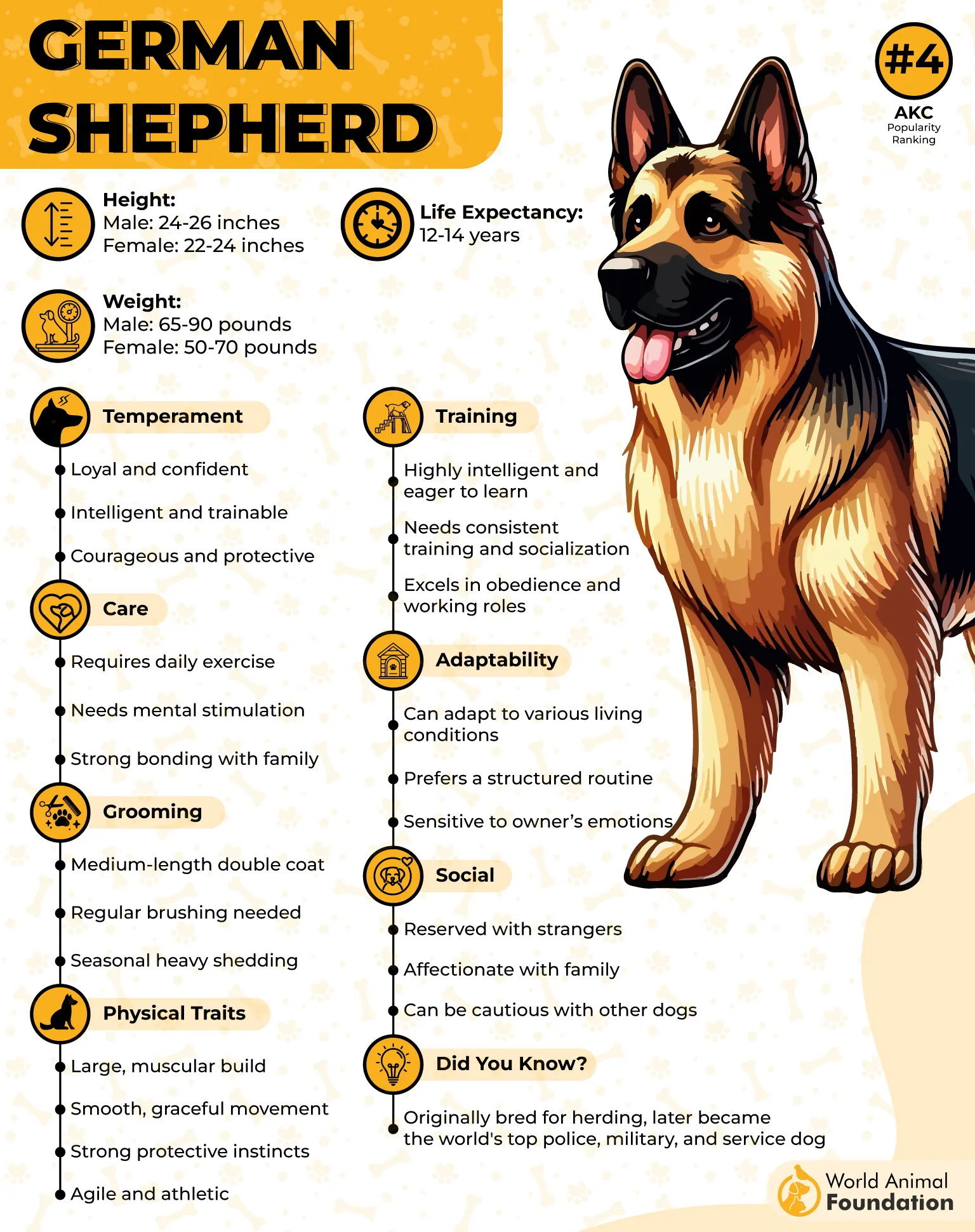
Another advantage of this breed is trainability. German Shepherds are among the top three most intelligent dog breeds, according to canine intelligence research by Dr. Stanley Coren. This makes them highly responsive to commands during hikes.
They are also naturally protective. Many hikers appreciate having a German Shepherd along for safety on remote trails. Their alertness and loyalty make them reliable companions.
With proper training and exercise, German Shepherds become exceptional adventure partners who enjoy exploring new environments.
9. Weimaraner
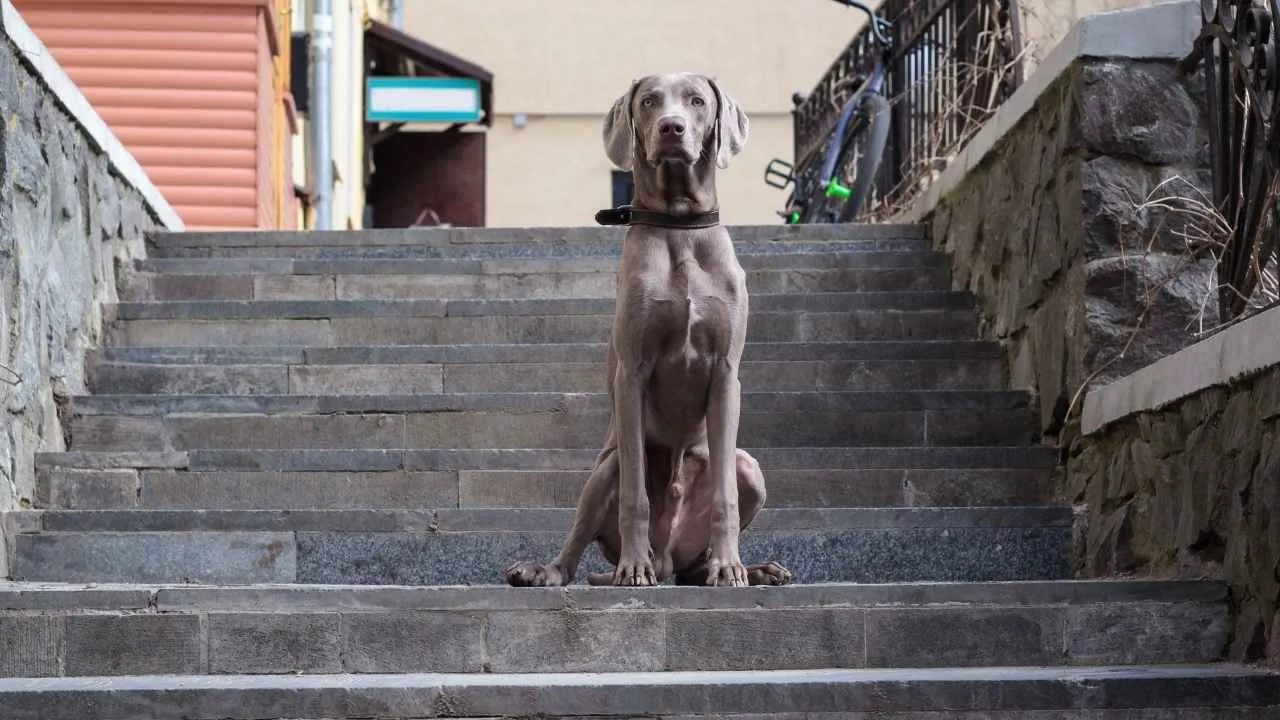
The Weimaraner is known as the “Gray Ghost” because of its sleek silver coat and stealthy movement. Originally bred in Germany for hunting large game, this breed is incredibly athletic.
WebMD says they require a lot of exercise to stay happy. Hiking, trail running, and outdoor experiences are perfect outlets for their energy. Without enough activity, they can become restless.
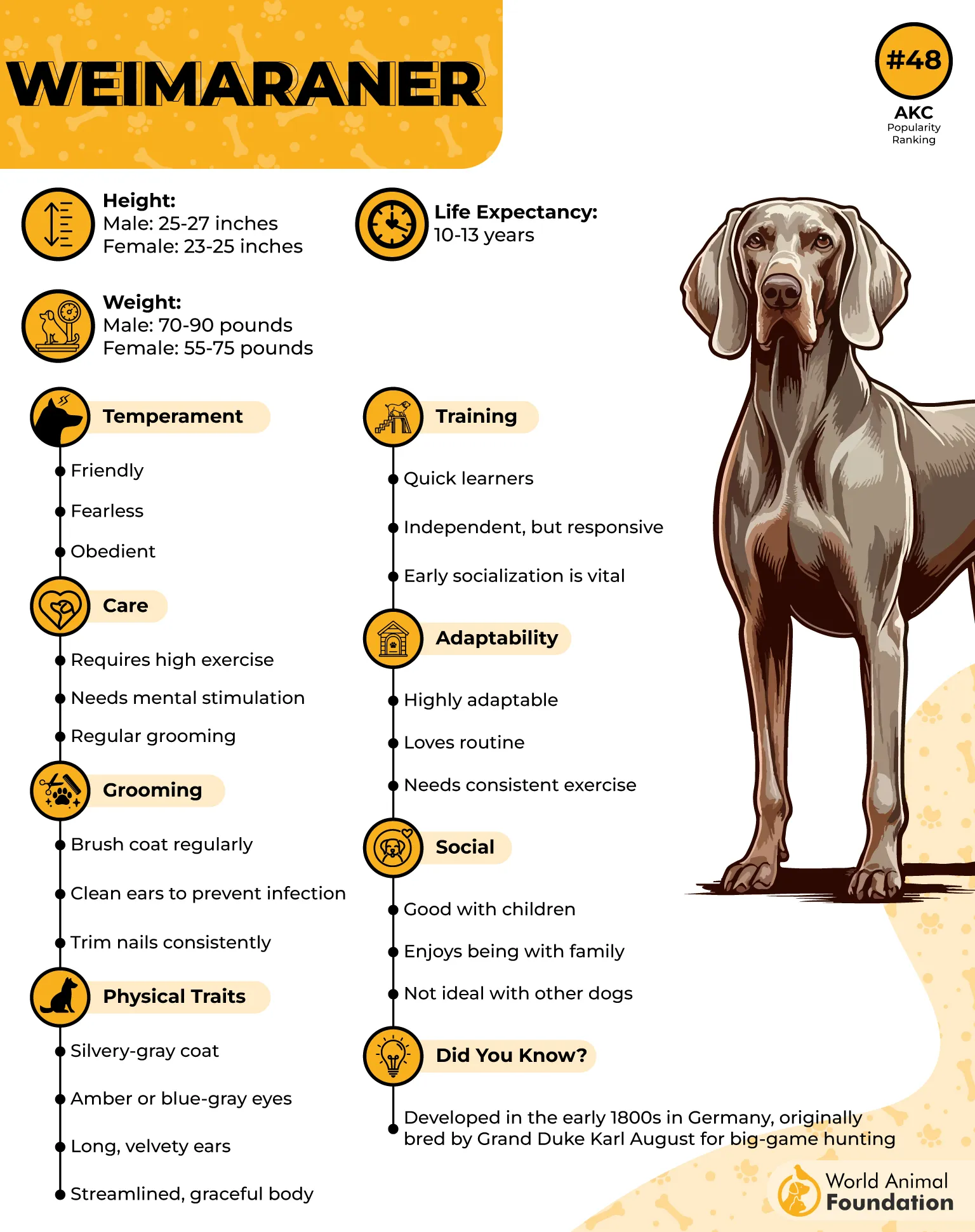
Their lean build and powerful legs make them ideal long-distance hikers. These dogs can easily keep up with active owners who enjoy challenging trails. Many owners even take them on multi-day backpacking trips.
Weimaraners are also extremely loyal and affectionate with their families. They often form deep bonds with their owners and love being included in daily activities.
However, they require consistent training and socialization. Their high energy levels mean they need experienced owners who can provide structure and plenty of exercise.
Conclusion
When it comes to hiking companions, durability and endurance matter just as much as personality. Breeds like the Siberian Husky, Australian Cattle Dog, and German Shorthaired Pointer are practically built for outdoor adventures. Their stamina and athleticism make them natural trail partners.
However, when choosing a hiking dog, you should also consider your environment and lifestyle. Some breeds thrive in cold climates, while others handle heat better. Matching the dog’s natural abilities with your hiking conditions is key.
Golden Retriever, Labrador Retriever, Border Collie, Australian Shepherd, and Jack Russell Terrier also make good hiking dogs. With proper training, conditioning, and safety precautions, your dog can become the ultimate adventure companion.
Because honestly, hiking is way better when you’ve got a wagging tail leading the way.
