




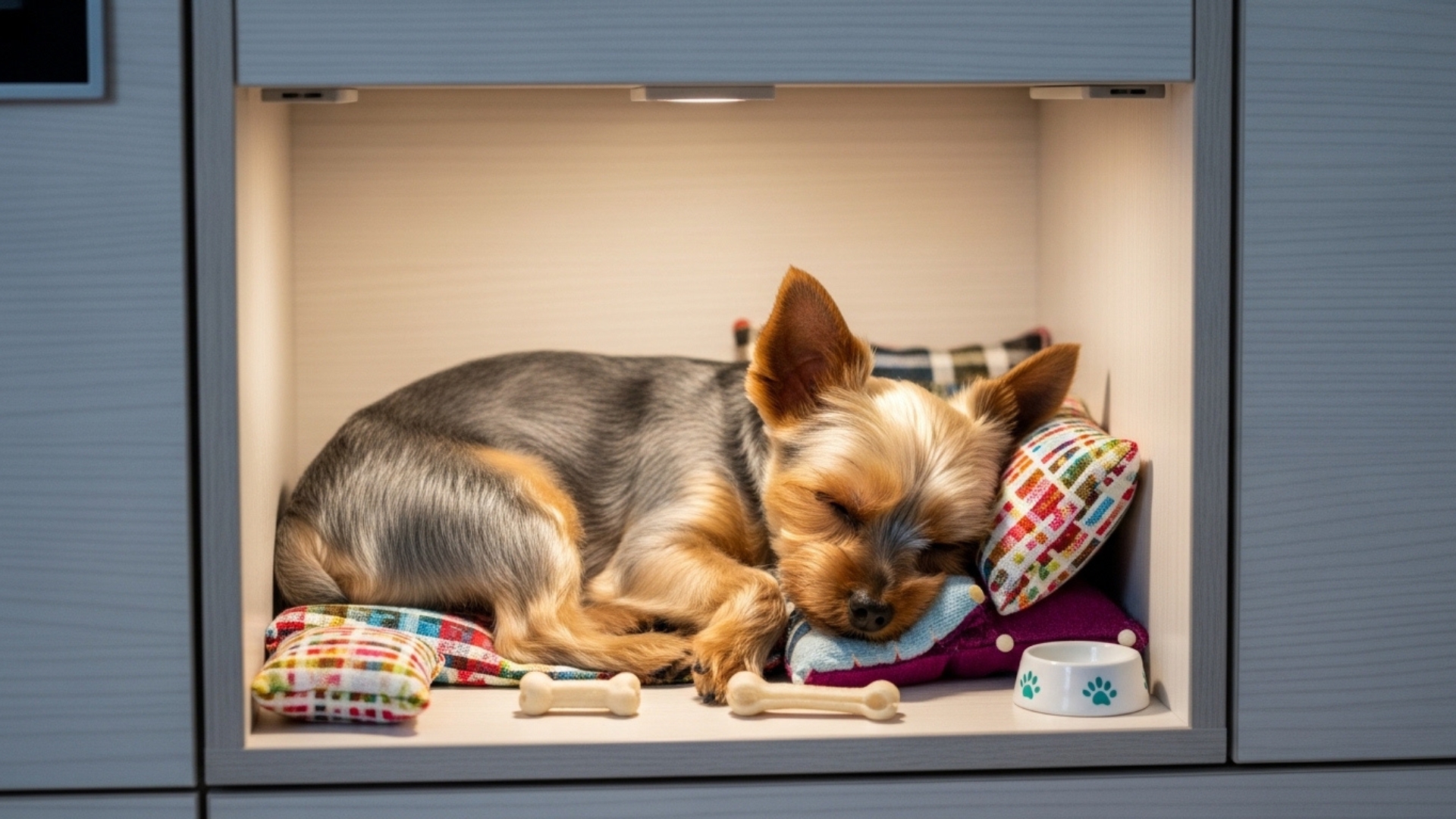
Small dog breeds have long been adored for their compact size and charming personalities. Originally bred for tasks like hunting small prey or simply offering companionship, these tiny pups quickly became favorites among pet lovers.
One of the biggest advantages of small dogs is how easily they fit into everyday life. They are simpler to travel with, generally require less food, and often have lower care costs than larger breeds. Because of their size, many small dogs also adapt well to homes where space is limited.
Living in a flat or apartment doesn’t mean giving up the dream of owning a dog. Many tiny breeds thrive in compact spaces, happily filling even the smallest homes with energy, warmth, and companionship.
Tiny Dog Breeds: Perfect For Compact Spaces
Tiny paws, big personalities—the perfect companions for small living spaces.
1. Pomeranian
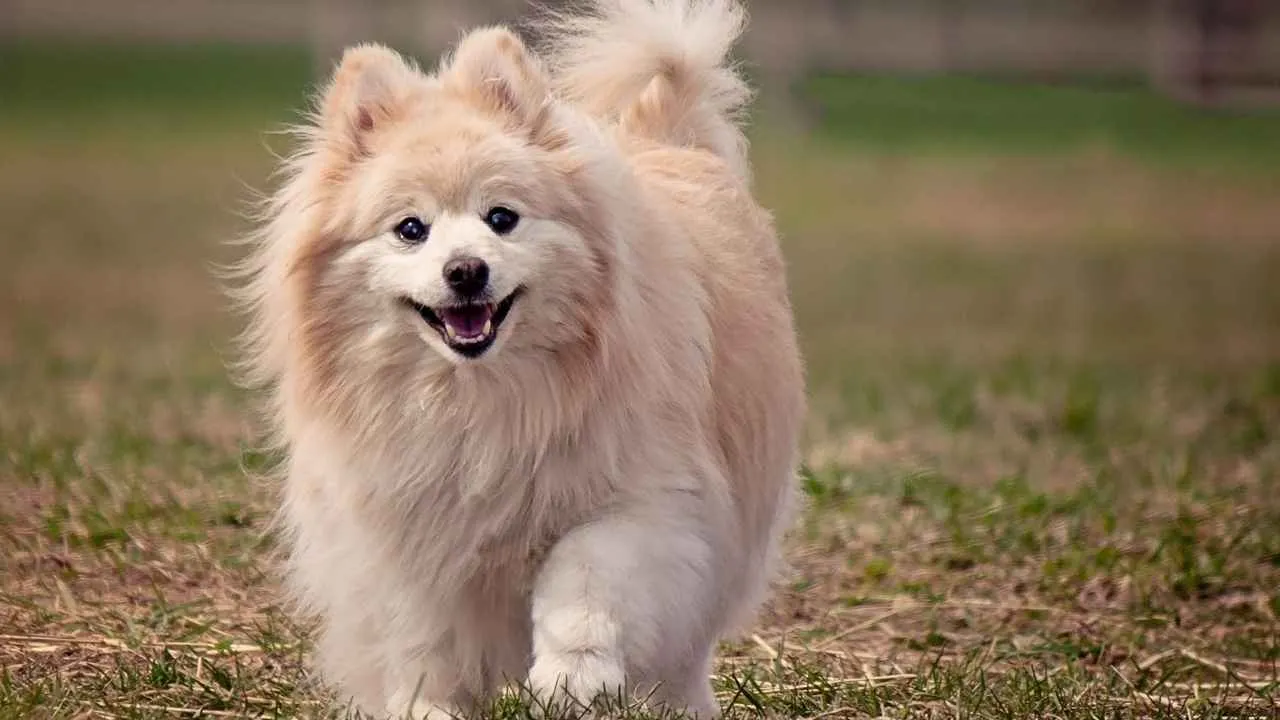
The Pomeranian belongs to the Spitz family and can trace its ancestry to large sled-pulling dogs such as the Samoyed and Norwegian Elkhound. In the 1800s, breeders in the Pomerania region of Germany gradually reduced these sturdy working dogs into much smaller companion animals.
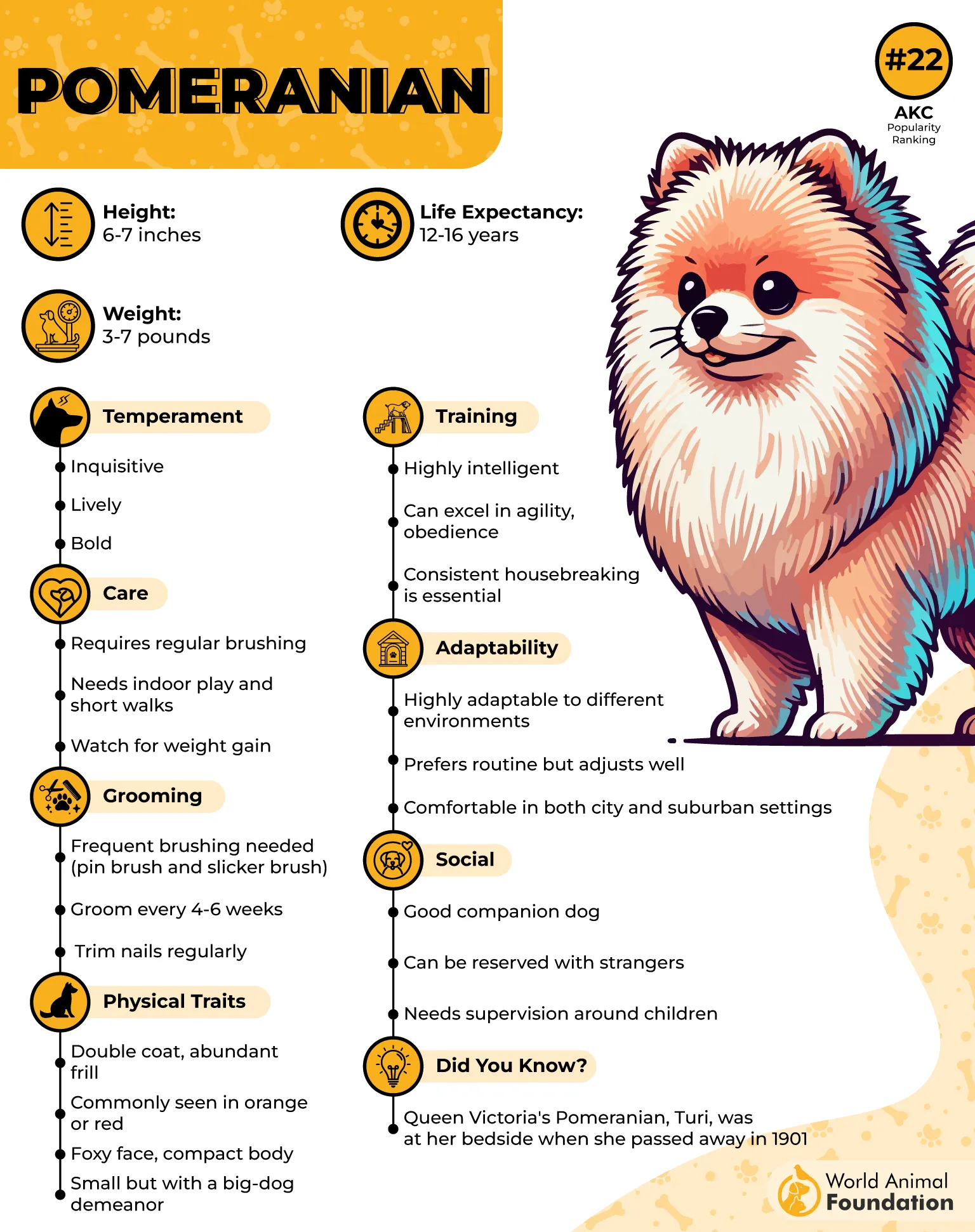
Tiny Dog, Fearless Personality
Pomeranians are lively, intelligent dogs with a bold personality that often makes them forget their tiny size. They are playful, curious, and confident, sometimes even challenging much larger dogs. Friendly with their families and naturally alert, Pomeranians are entertaining companions and surprisingly effective little watchdogs.
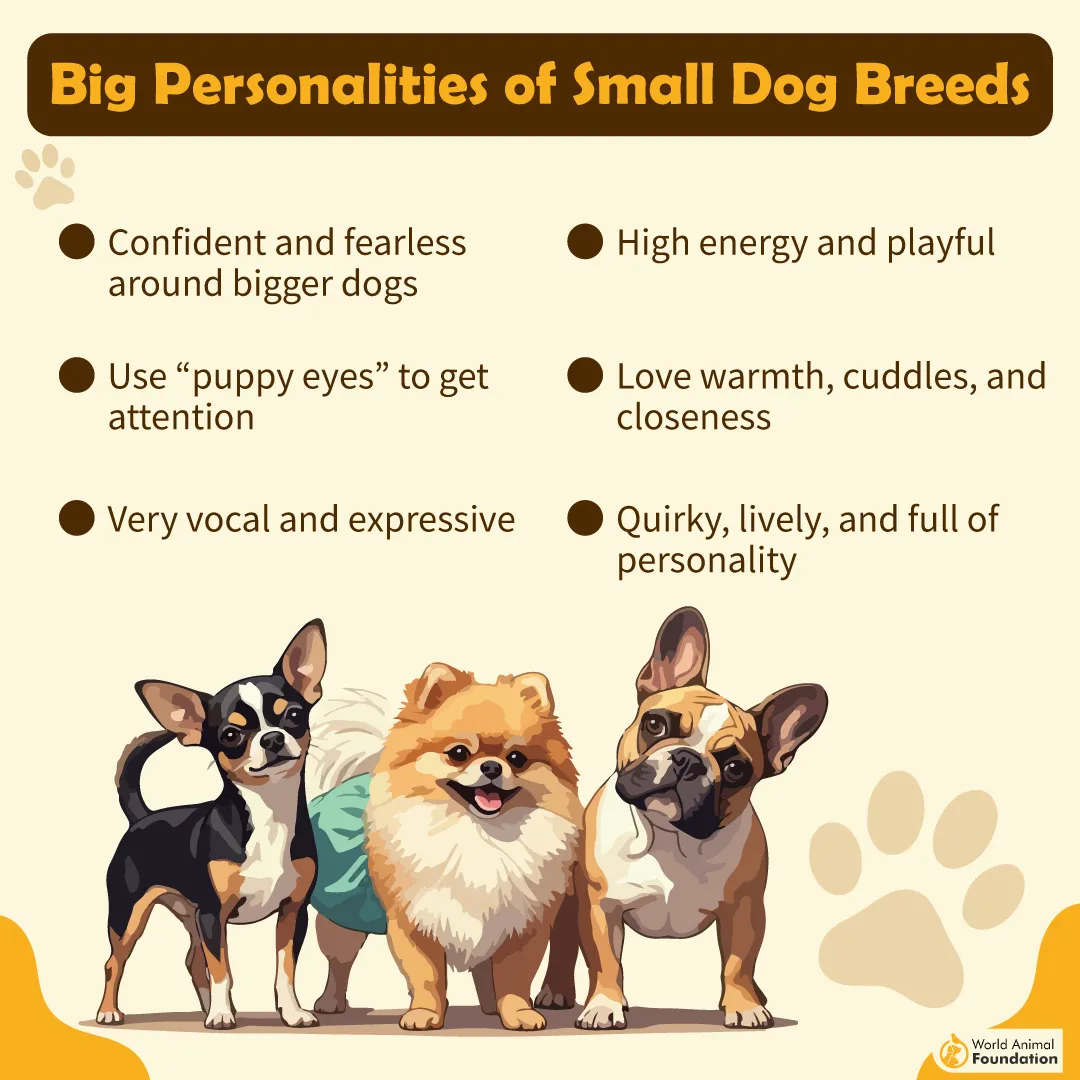
Clever Minds That Love to Learn
Highly intelligent and eager to perform, Pomeranians usually respond well to training and enjoy learning tricks and games. Their exercise needs are modest and can easily be met with short walks and indoor play.
Why Pomeranians Are Ideal for Compact Living
Their small body size makes them well-suited for apartments and small homes.
Short walks and indoor play usually meet their exercise requirements.
They adapt easily to indoor living and urban environments.
Their compact size makes them easy to travel with and manage.
They provide companionship and alertness without needing large living spaces.
2. Yorkshire Terrier
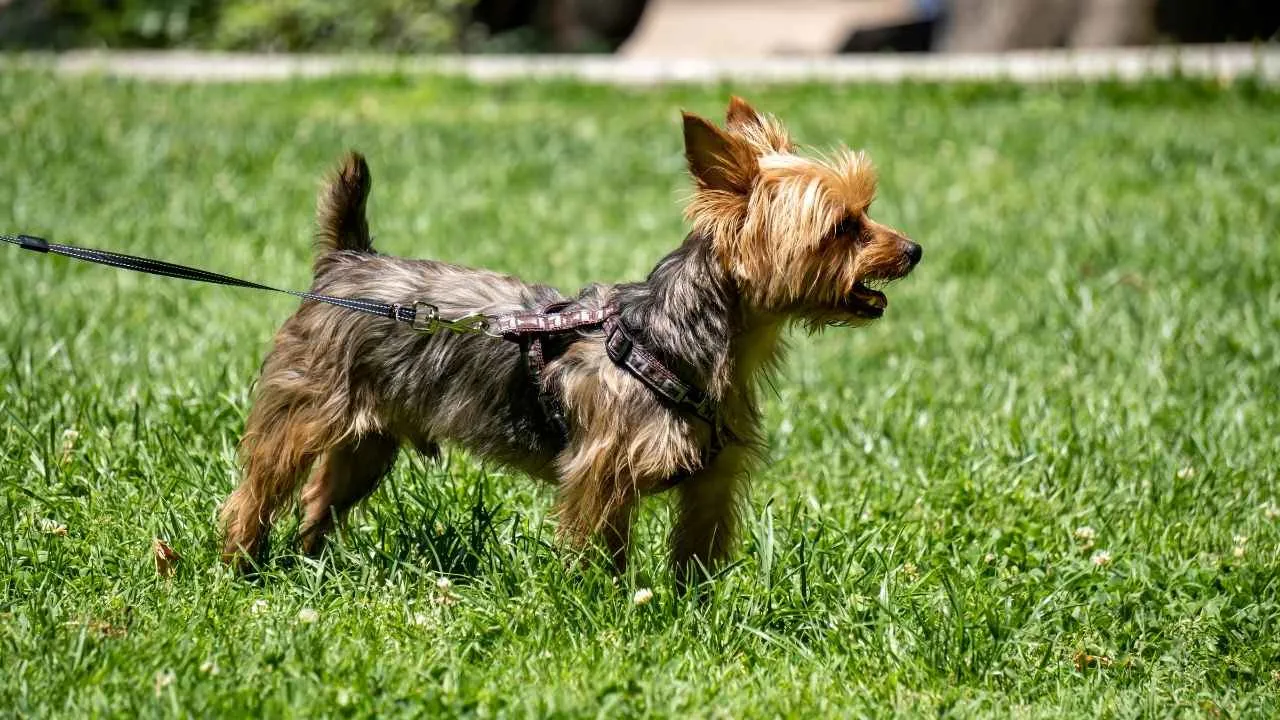
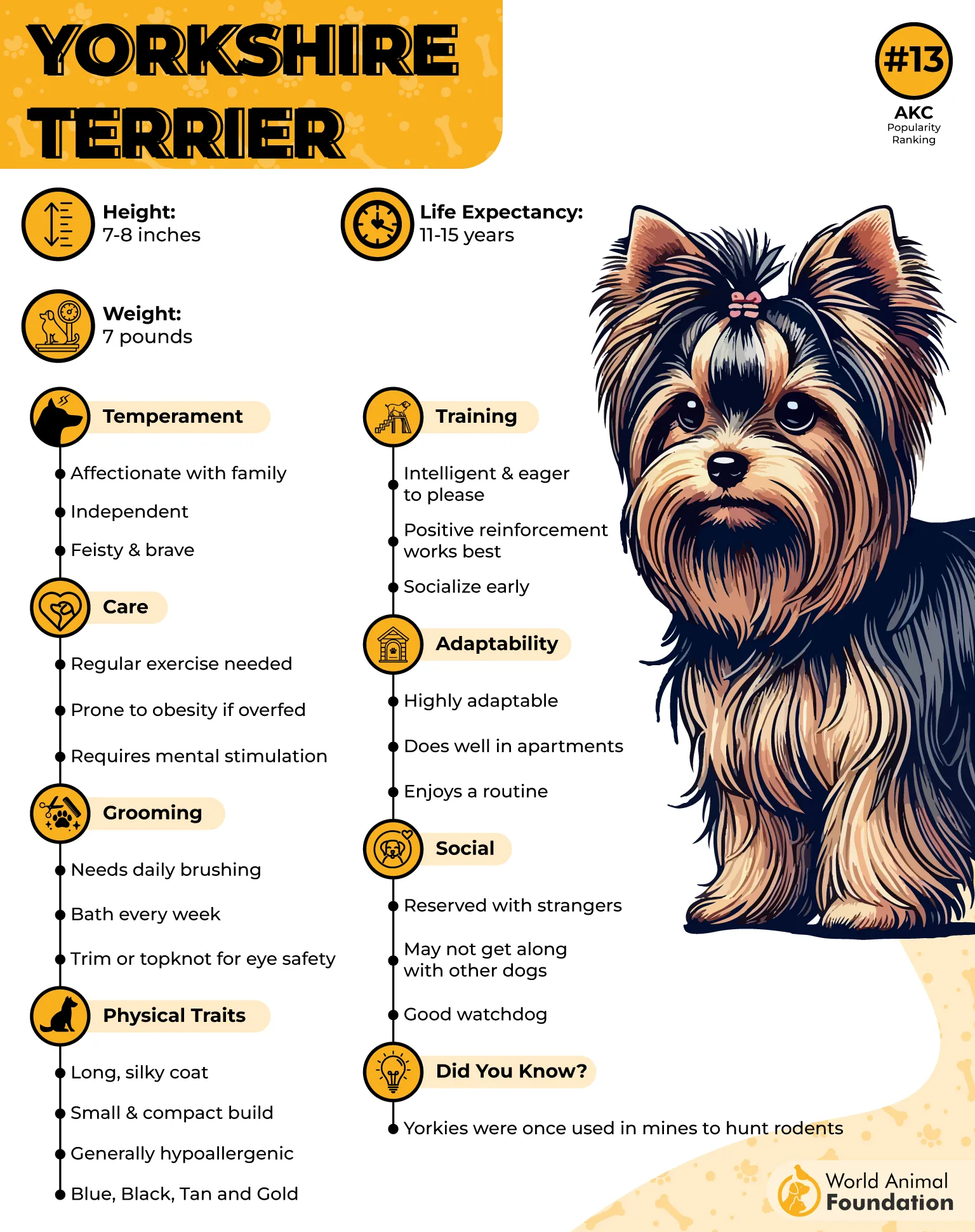
The Yorkshire Terrier originated in northern England during the 19th century when Scottish weavers brought small terriers with them to control rodents in textile mills, as per PDSA. Breeders combined several terrier types, including the Skye Terrier and Dandie Dinmont Terrier, to create a tiny but determined hunter.
Bold Spirit in a Tiny Frame
They are loyal, affectionate, and naturally protective, often acting as alert watchdogs in the home. Yorkies are also playful and energetic, enjoying attention from their families while maintaining the fearless attitude typical of terriers.
Intelligent but Sometimes Stubborn
Yorkshire Terriers are bright dogs that generally respond well to training, especially when positive reinforcement is used. Early socialization and consistent guidance are important, as they can develop stubborn habits if left unchecked.
Why Yorkshire Terriers Fit Perfectly in Compact Homes
Their small body size makes them comfortable in apartments and small living spaces.
Indoor play and short daily walks are usually enough for their exercise needs.
They adapt well to urban environments and indoor lifestyles.
Their compact size makes travel and daily management easy.
They provide companionship and alertness without needing large spaces to roam.
3. Toy Poodle
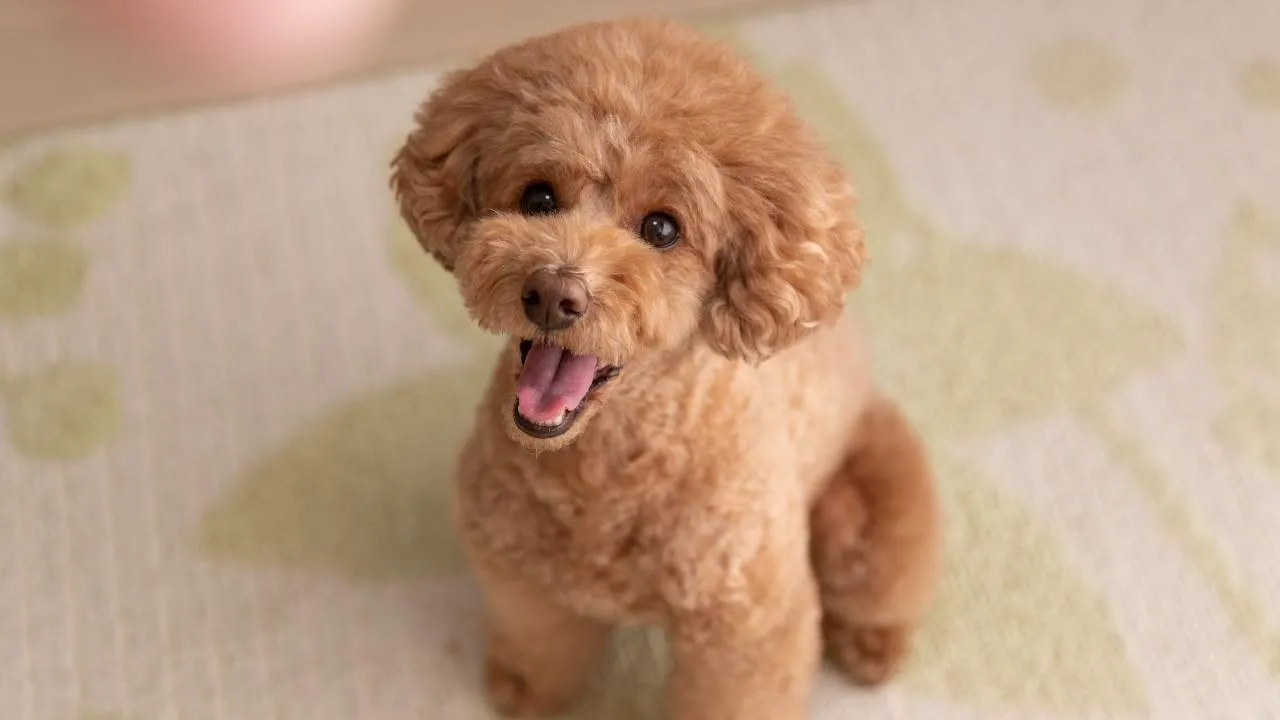
The Toy Poodle may be tiny today, but its ancestry traces back to the hardworking Standard Poodle developed in Germany as a water retriever. Over time, the breed became popular in France, where it earned the nickname “Caniche,” meaning duck dog, as per Purina.
A Brilliant Mind in a Tiny Package
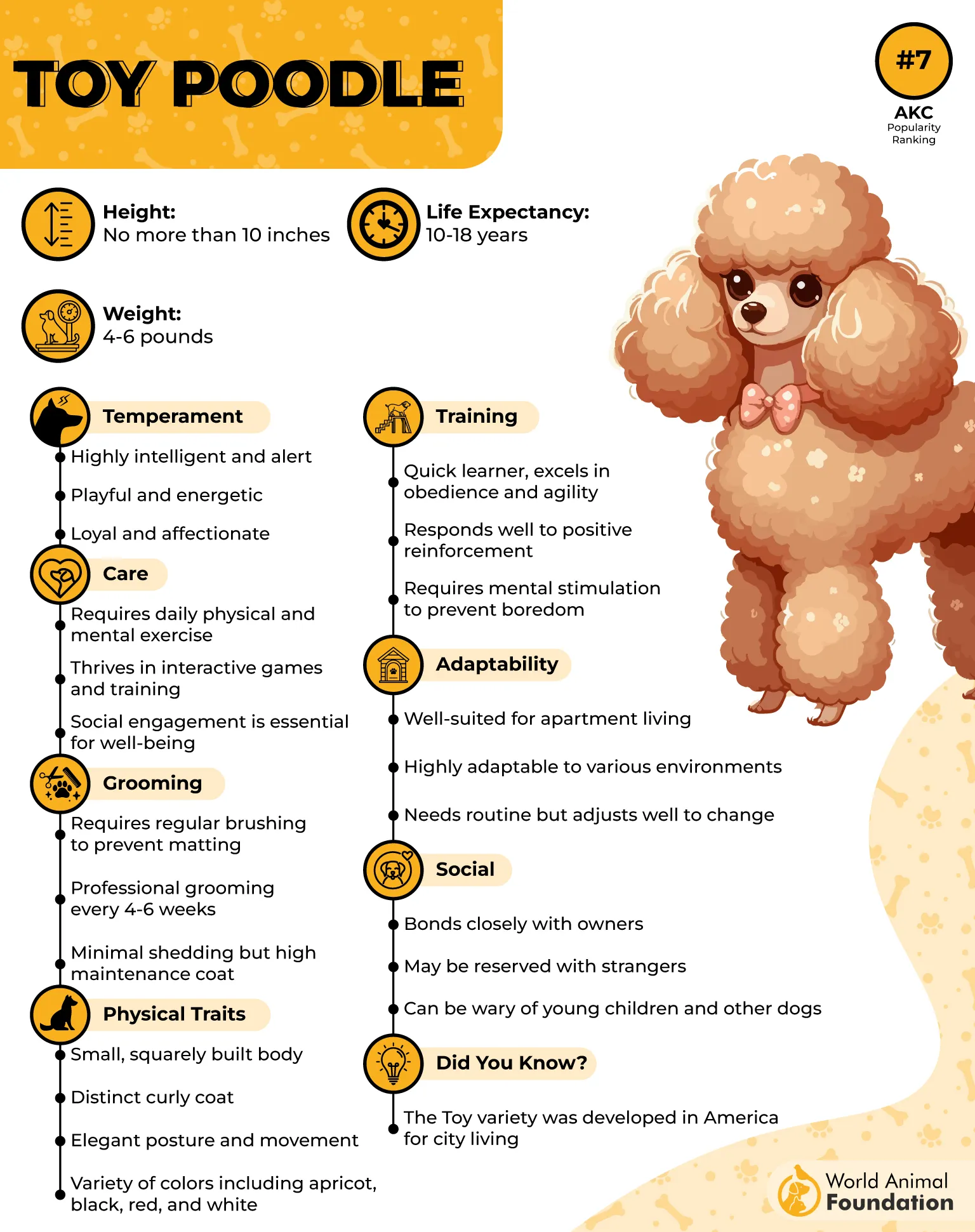
Toy Poodles are widely regarded as one of the most intelligent dog breeds. They are playful, confident, and deeply devoted to their families, often forming strong bonds with their owners. Despite their refined appearance, these dogs are lively and entertaining companions who thrive on interaction and enjoy being part of everyday household activities.
Quick Learners Who Love Engagement
Thanks to their eagerness to please and sharp minds, Toy Poodles are generally easy to train. Positive reinforcement and consistent guidance help them master commands and tricks quickly. They enjoy short play sessions, interactive toys, and daily walks, all of which provide the mental stimulation they need to stay happy and well-behaved.
Why Toy Poodles Are Perfect for Small Living Spaces
Their tiny size allows them to live comfortably in apartments or compact homes.
Indoor play and short walks provide sufficient exercise.
They adapt easily to urban lifestyles and indoor routines.
Their intelligence allows them to stay mentally active even with limited space.
Their affectionate nature makes them excellent companions for close living environments.
4. Maltese
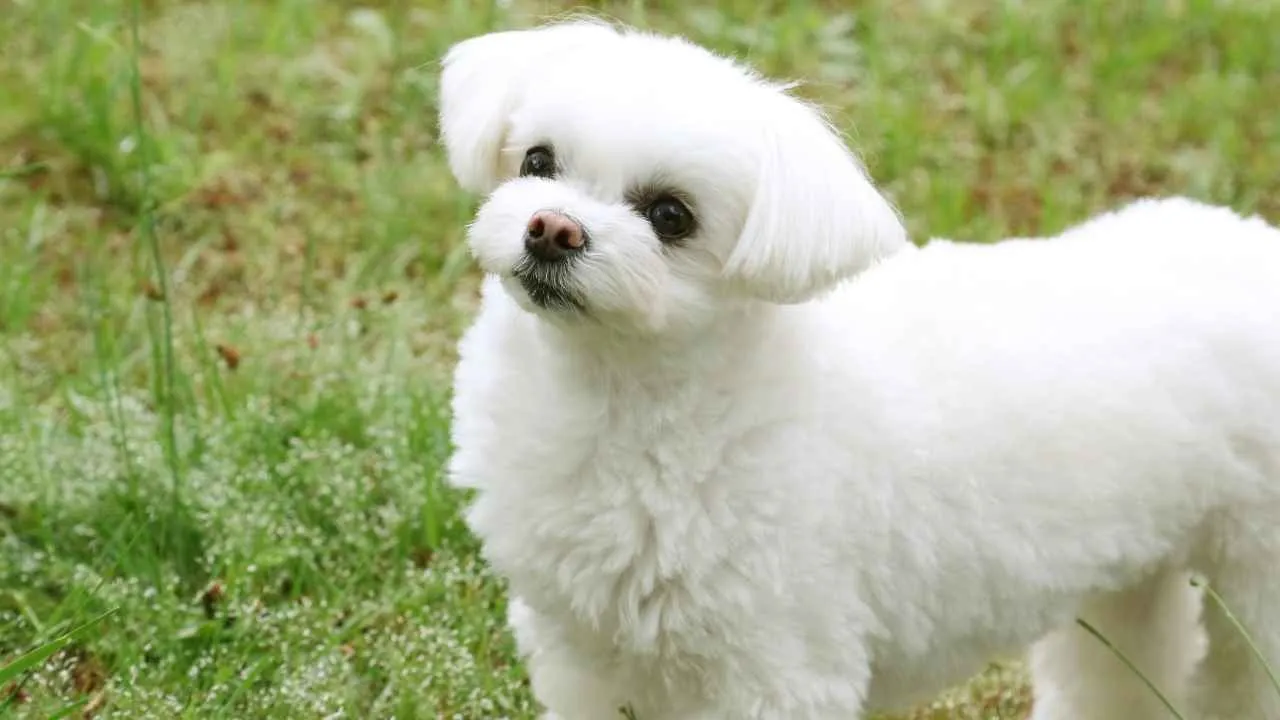
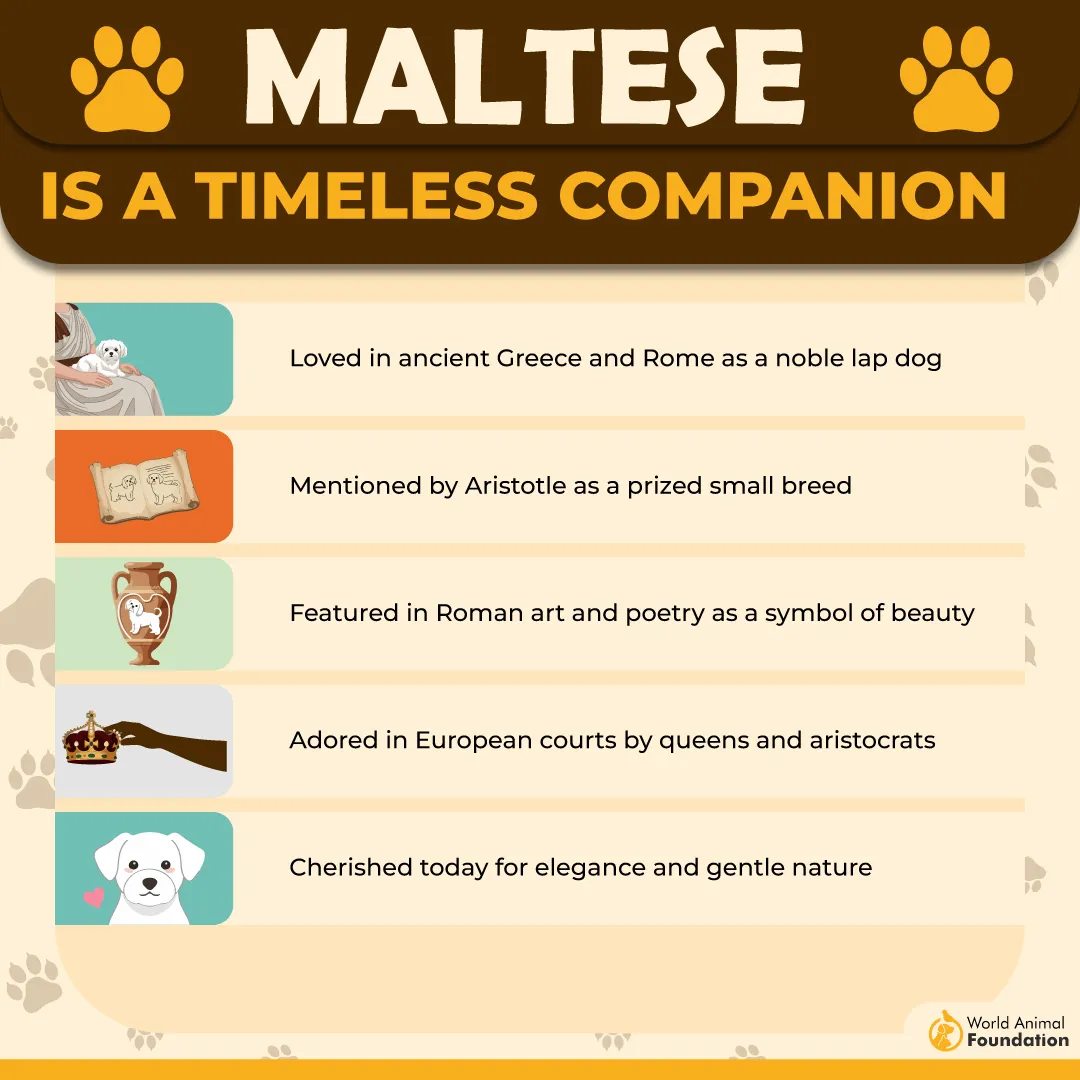
The Maltese is one of the oldest dog breeds, believed to have originated on the Mediterranean island of Malta thousands of years ago. Throughout history, this elegant little dog was cherished by aristocrats and noble families, often appearing in art, literature, and ancient myths.
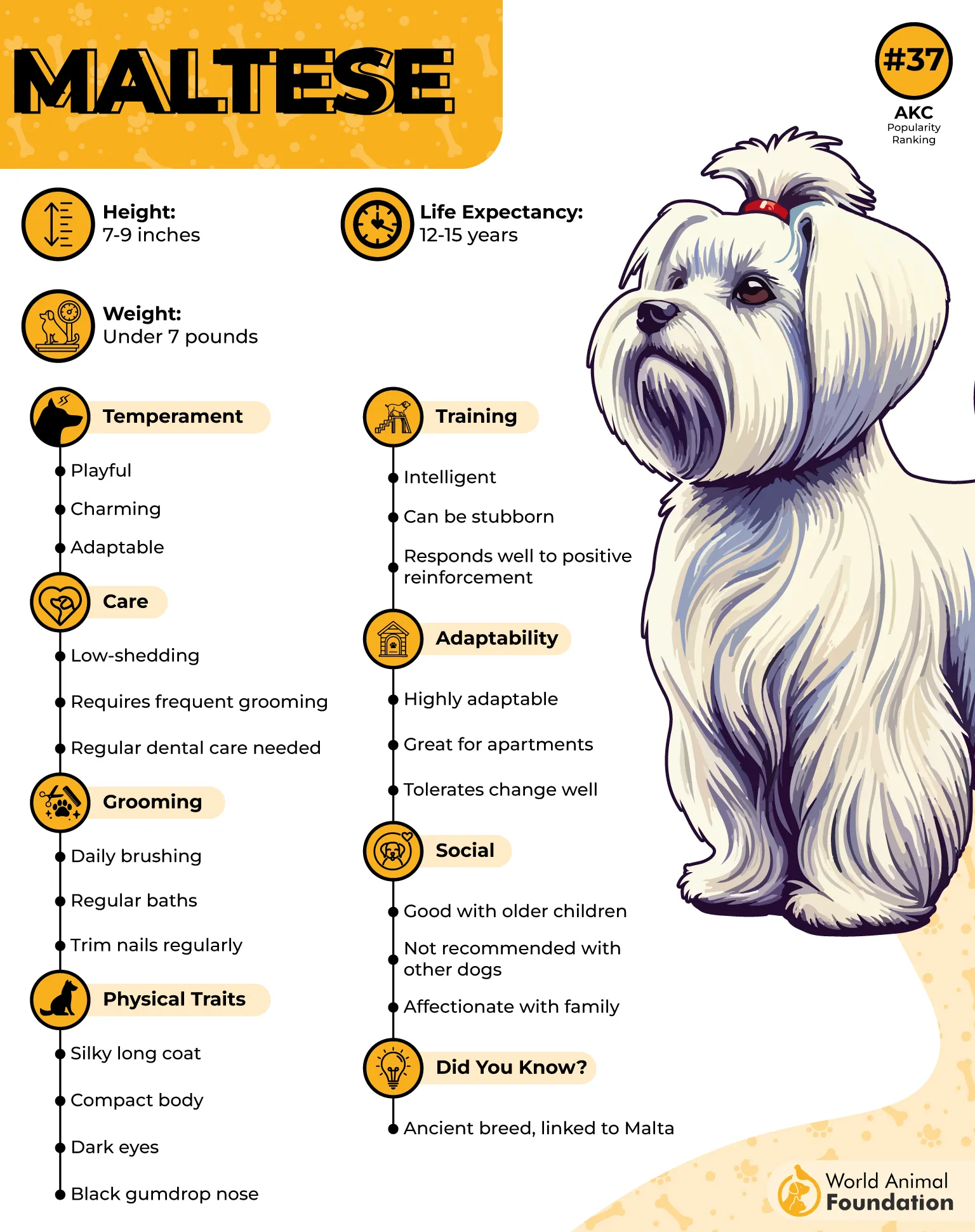
Gentle Charm and Loyal Affection
Maltese dogs are known for their affectionate and trusting nature. They form strong bonds with their families and enjoy staying close to their owners throughout the day. Though small and graceful, they can be surprisingly bold and alert, often acting as watchful guardians who quickly signal when something unusual is happening.
Smart, Playful, and Easygoing
Despite their delicate appearance, Maltese dogs are lively and enjoy playful interaction with their families. They respond well to training when it begins early and is reinforced with praise and rewards. Their exercise needs are minimal, and simple indoor games or short walks are usually enough to keep them active and content.
Why the Maltese Are Ideal for Compact Living
Their tiny size makes them well-suited for apartments and small homes.
They require only light exercise, which can easily be met indoors.
They adapt well to quiet indoor lifestyles and close companionship.
Their portability makes them easy to carry and travel with.
They thrive in environments where they can stay close to their owners.
5. Chihuahua
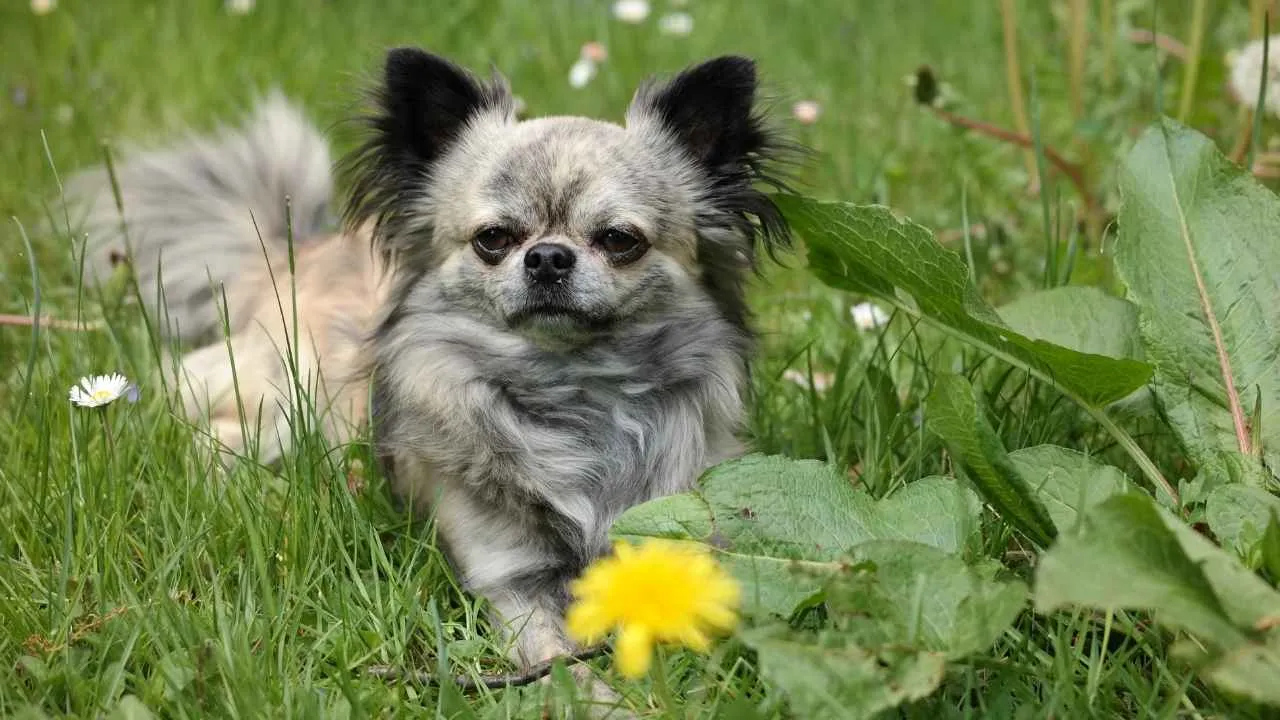
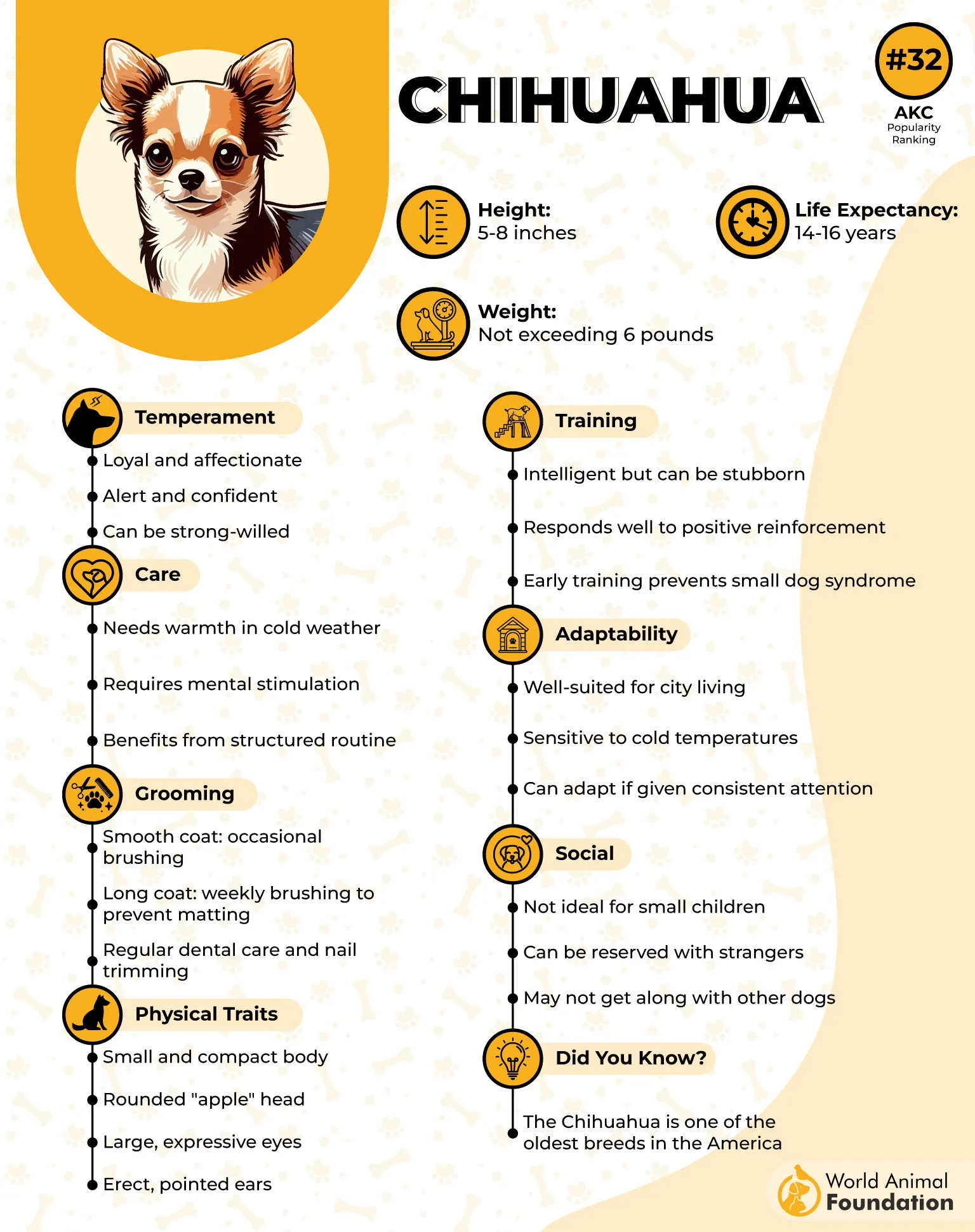
The Chihuahua is the smallest recognized dog breed and is named after the Mexican state where it was first widely discovered in the 19th century. Historians believe it descended from the Techichi, a small companion dog kept by the ancient Toltec civilization centuries ago, as per WebMD.
A Bold Personality in a Petite Body
Despite their tiny stature, Chihuahuas are energetic, confident, and full of personality. They form strong bonds with their families and often prefer staying close to their favorite humans. Naturally alert and vocal, they are quick to react to unfamiliar sights or sounds, making them surprisingly effective little watchdogs.
Intelligent but Strong-Willed
Chihuahuas are clever dogs that respond well to consistent, reward-based training. Early socialization is important to help them grow into confident and well-adjusted companions. Although they enjoy playtime and daily walks, their exercise needs are relatively modest, which makes them easy to care for in smaller living environments.
Why Chihuahuas Are Perfect for Compact Spaces
Their extremely small size allows them to live comfortably in apartments or small homes.
Short daily walks and indoor play provide enough exercise.
They adapt well to indoor lifestyles and city environments.
Their compact bodies make them easy to carry and travel with.
They thrive in close companionship and do not require large outdoor areas.
6. Toy Fox Terrier
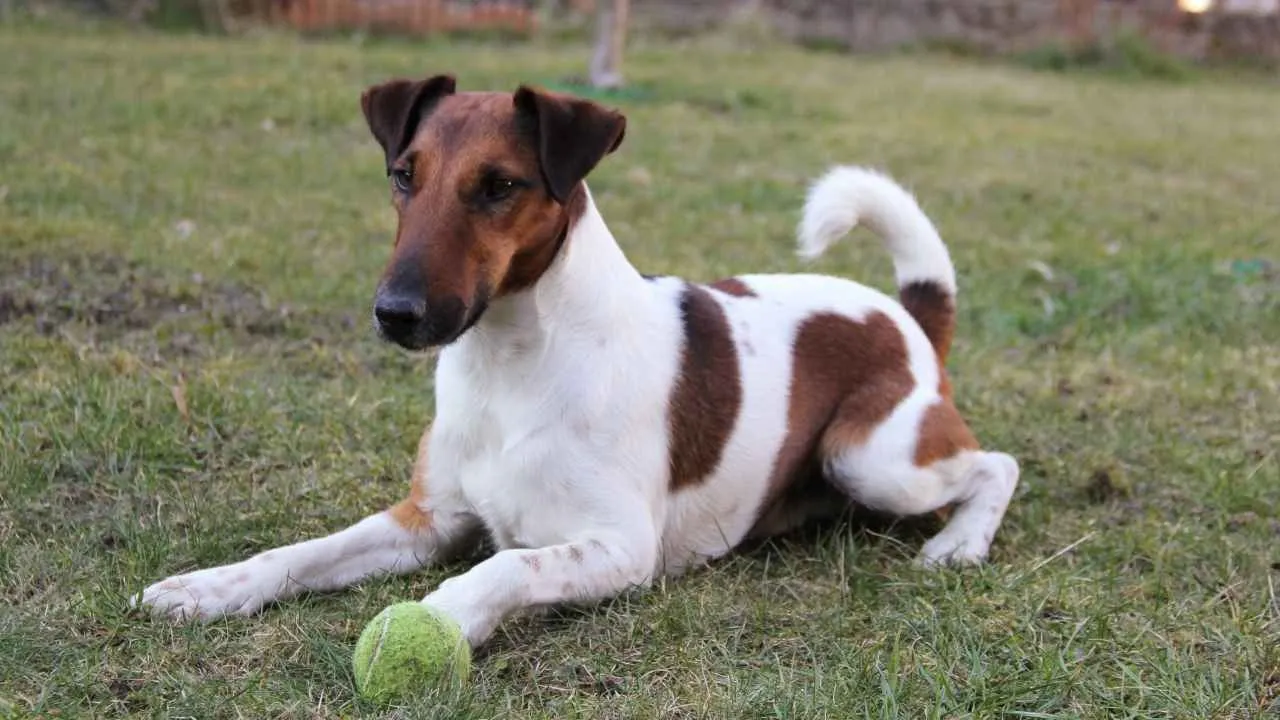
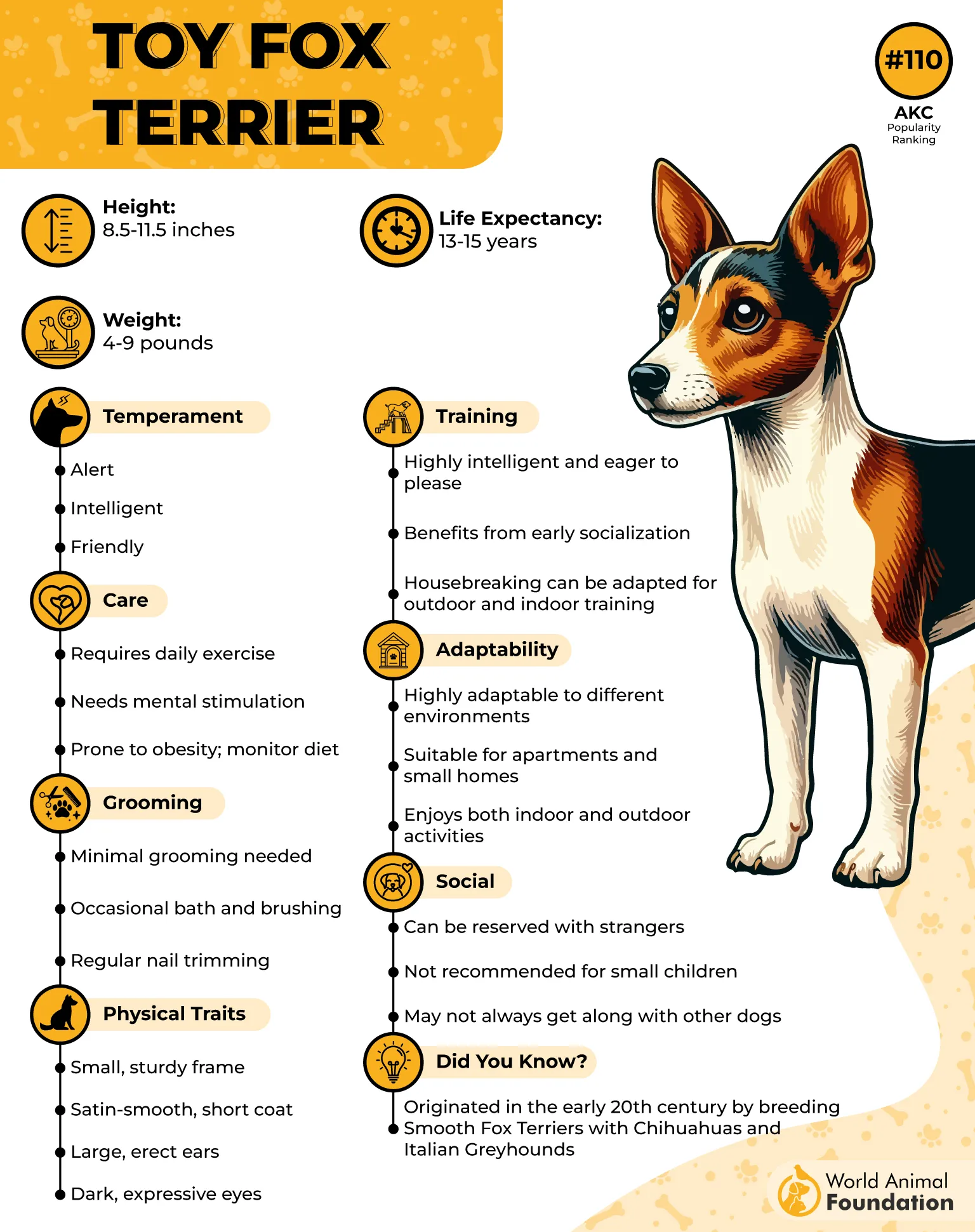
The Toy Fox Terrier was developed in the 1920s by breeding smaller versions of the Smooth Fox Terrier along with toy breeds like Chihuahuas and Italian Greyhounds. Originally used as barnyard ratters, these small dogs quickly became beloved companions, prized for their playful, agile nature.
Spirited, Loyal, and Affectionate
Despite their tiny stature, Toy Fox Terriers are energetic, confident, and full of personality. They form strong bonds with their families, enjoy interactive play, and can be affectionate yet independent. With early socialization, they become reliable companions who thrive in active households and with children who understand how to handle small dogs safely.
Agile Minds That Need Engagement
These clever little dogs excel in obedience, agility, and interactive games, thanks to their sharp intelligence and curiosity. They require daily mental stimulation and at least an hour of exercise to channel their energy productively.
Why Toy Fox Terriers Are Perfect for Compact Living
Their small size makes them ideal for apartments and small homes.
Moderate indoor play and short walks are usually sufficient exercise.
They adapt well to urban living and indoor routines.
Compact and portable, they are easy to carry and travel with.
Energetic and alert, they provide companionship and entertainment without needing large spaces.
7. Pug
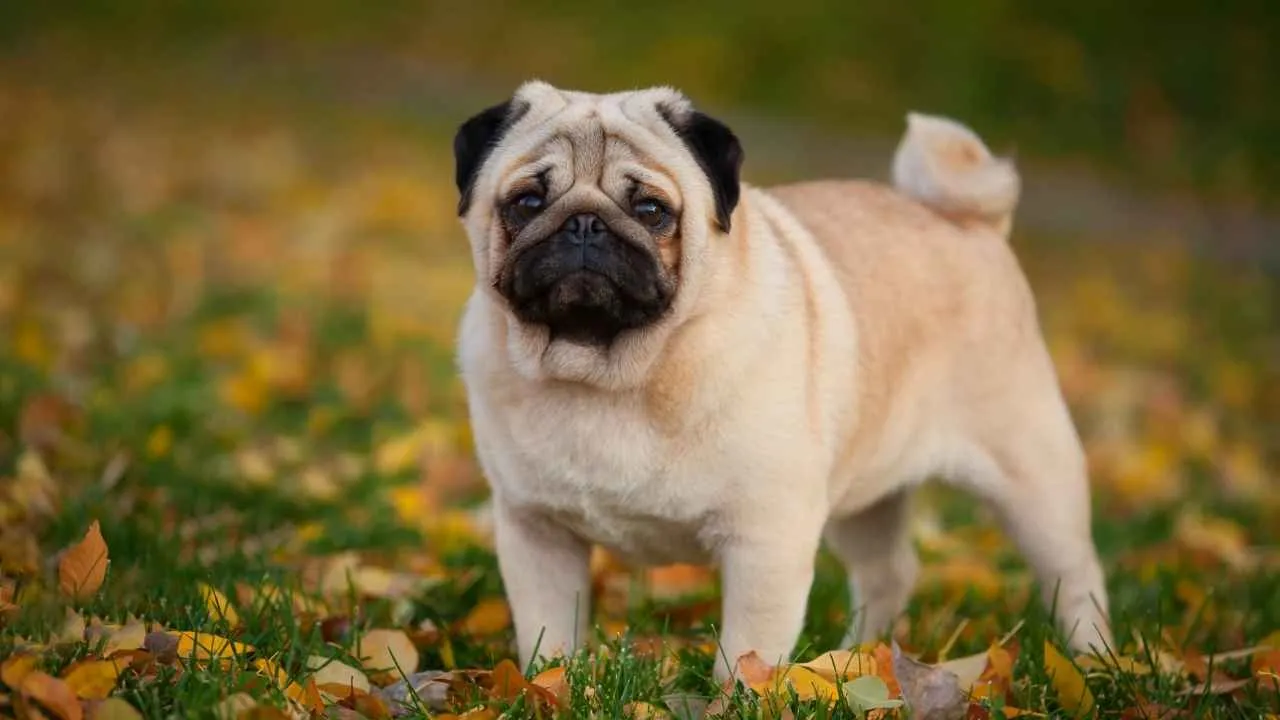
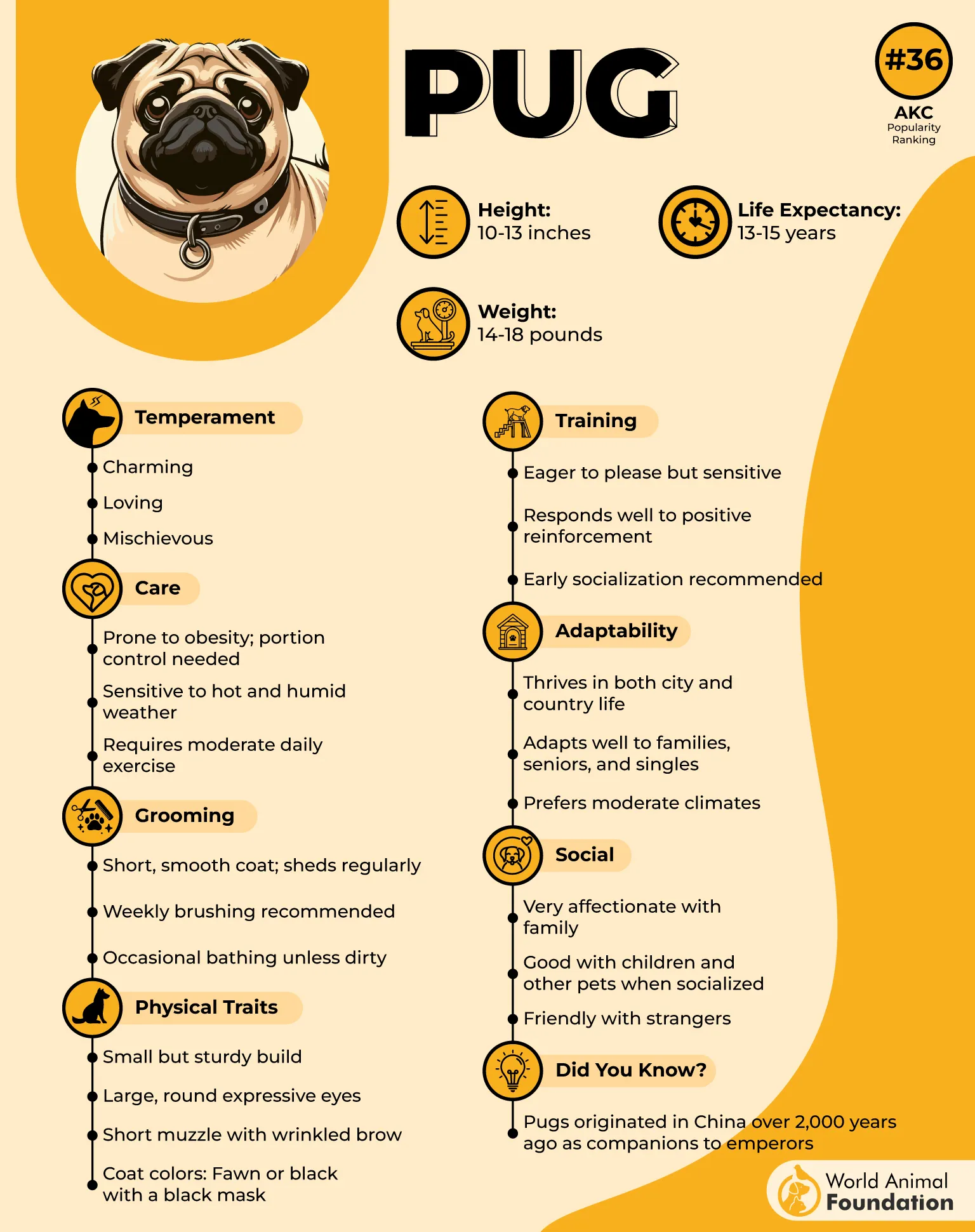
Pugs are charming, affectionate companions known for their love of company and people. Originally bred in China and later popularized in Holland and Victorian England, these small dogs were cherished by royalty for their loyalty and gentle nature, as per Hill’s Pet.
Affectionate, Loyal, and Playful
Despite their small size, Pugs have a big personality. They thrive on human interaction, enjoy playtime, and bond deeply with their families. Their sturdy, square build makes them more resilient than many toy breeds, and they usually get along well with children and other pets, making them ideal companions in close living spaces.
Smart but Stubborn Learners
Pugs are intelligent dogs who respond best to consistent, positive reinforcement training. They need moderate daily exercise to stay healthy and maintain a proper weight, as their short snouts make them prone to breathing issues and overheating.
Why Pugs Are Perfect for Compact Living
Their small, sturdy bodies are well-suited to apartments and limited spaces.
Moderate exercise, like short walks and indoor play, meets their activity needs.
Their affectionate nature makes them ideal for close companionship.
Low-maintenance grooming keeps them manageable indoors.
Pugs adapt well to city living while providing plenty of entertainment and loyalty.
Conclusion
Living in a smaller home doesn’t mean you have to give up the joy of having a canine companion. Tiny dogs are perfectly suited to compact spaces, adapting easily to apartment life while still bringing energy, affection, and personality into your daily routine.
Choosing a dog for a smaller living space can make life simpler and more enjoyable. Their manageable size often means lower costs, easier transportation, and less space required for play, yet they still deliver plenty of companionship and love.
Ultimately, small dogs have a way of filling homes with laughter, warmth, and connection. Their spirited personalities and affectionate nature make them ideal partners for families, singles, or anyone navigating city life.
