




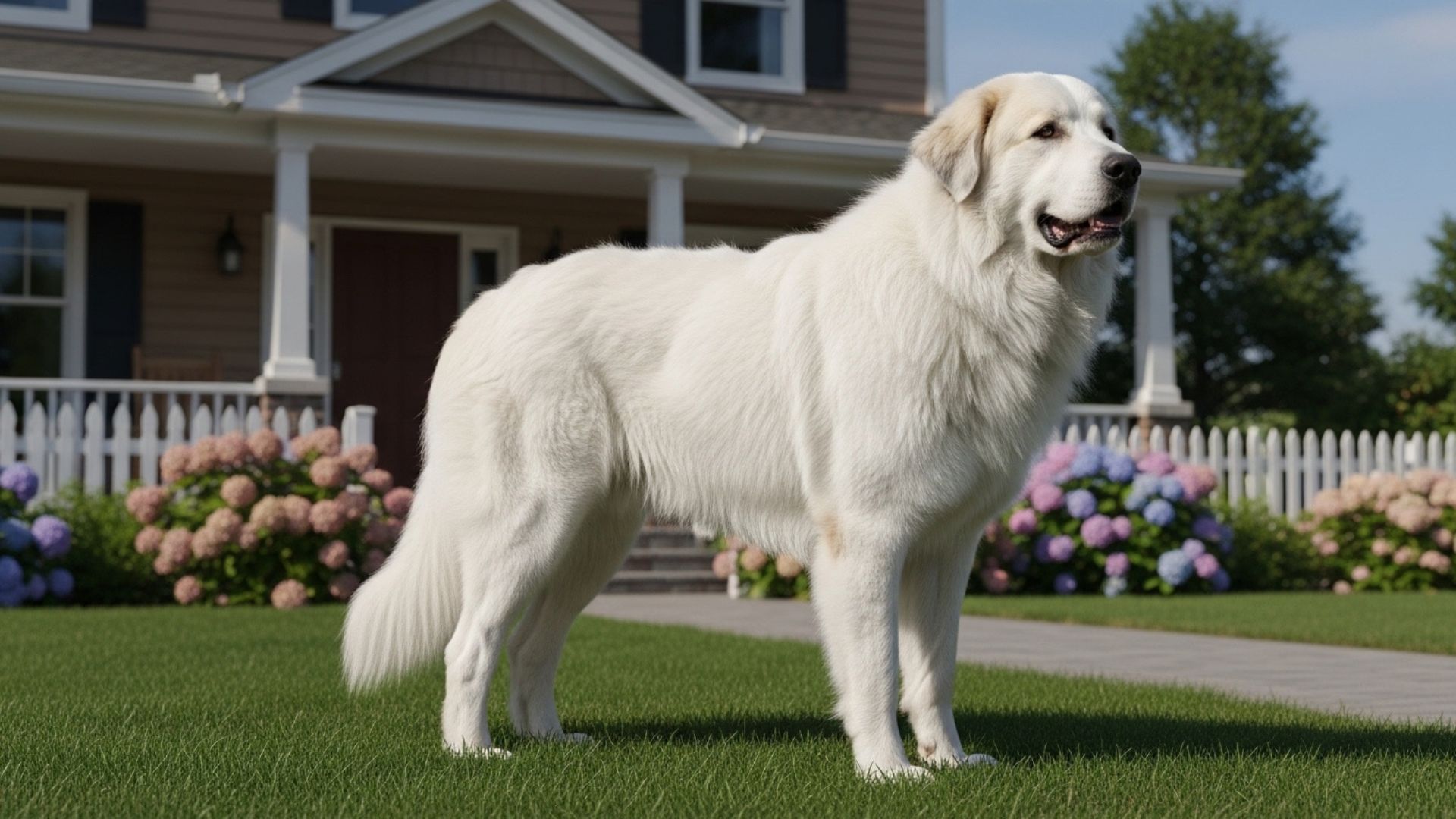
When it comes to home and property protection, size alone can make a powerful statement. Extra-large dog breeds don’t just turn heads—they command respect. These gentle giants can be calm family companions, fearless guardians, or both, depending on the breed and training.
While not every massive dog is aggressive or territorial, many have instincts deeply rooted in protection, guarding, or livestock defense.
If you’re looking for an excellent guard dog whose presence alone can make intruders think twice, these seven extra-large breeds stand out. Let’s dive into the giants that balance strength, loyalty, and guarding potential.
Extra-Large Dog Breeds Perfect for Guarding
1. Great Dane
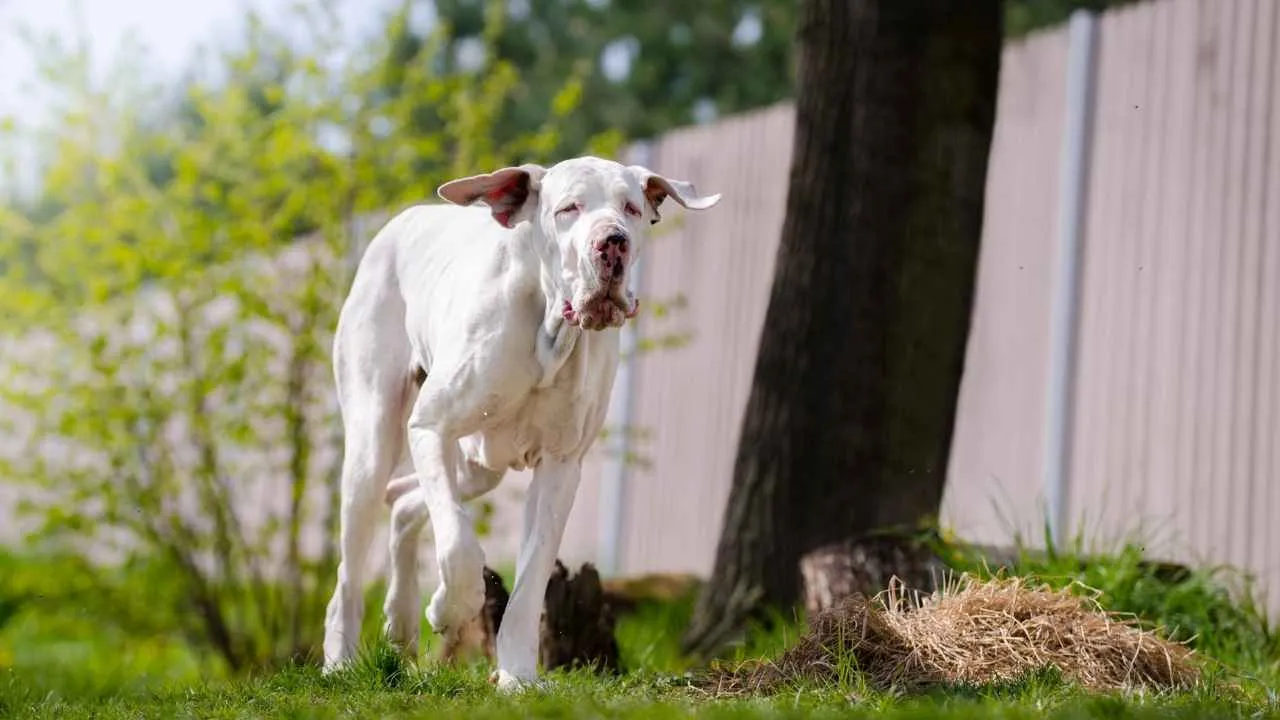
Great Danes are impossible to ignore. Towering over most dogs—and even some people—these giants naturally intimidate without having to do much at all.
Historically known as the German Mastiff or Deutsche Dogge, the Great Dane was originally bred to hunt wild boar. That heritage gave them strength, courage, and confidence. While modern Great Danes are more likely to lounge on a couch than chase prey, traces of their protective instincts still remain, especially in well-bred lines.
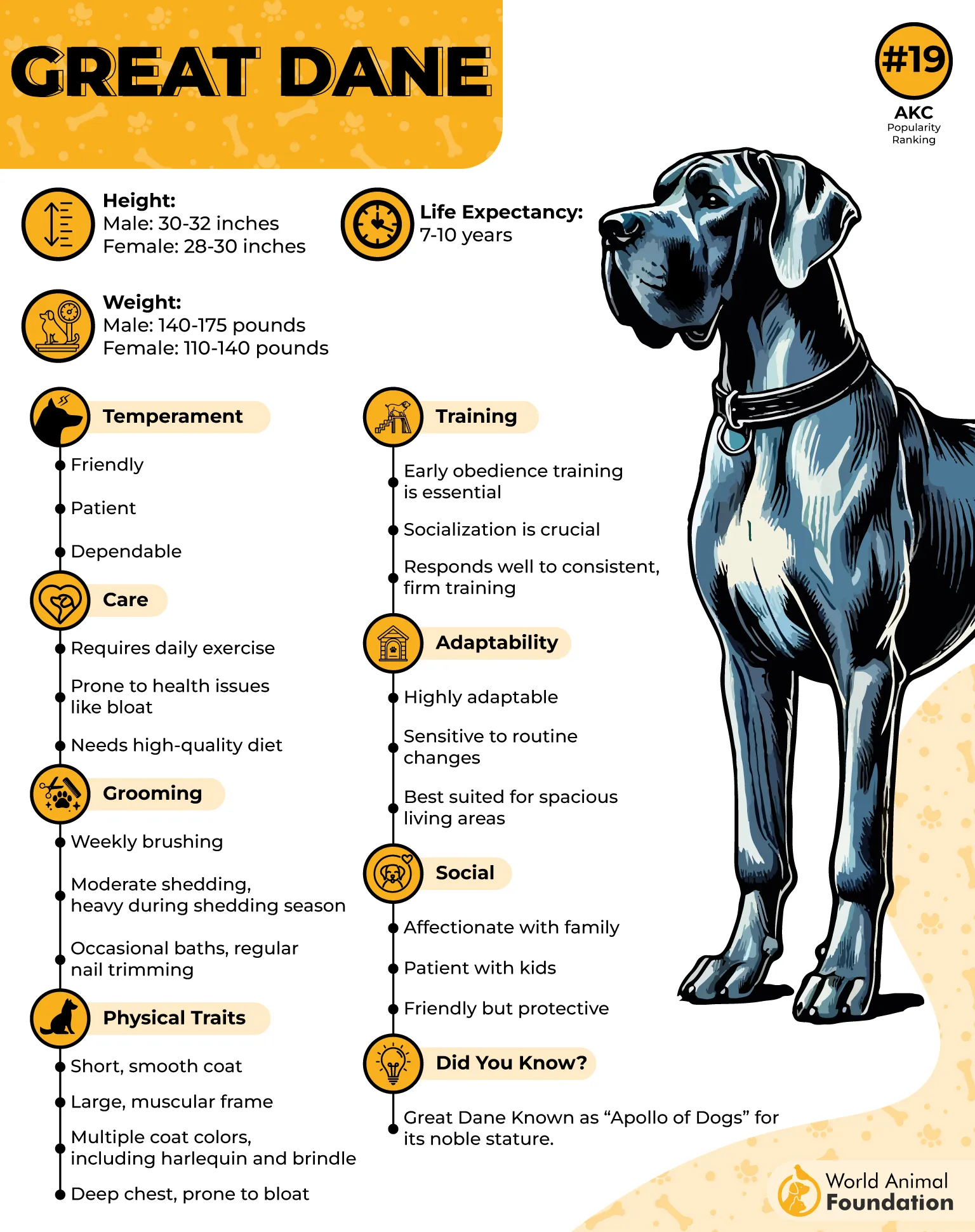
Physically, these affectionate dogs are massive yet elegant. Males can reach up to 32 inches tall and weigh as much as 170 pounds, while females aren’t far behind. Their muscular build, long neck, and regal posture give them a commanding appearance. Add in their deep bark, and you’ve got a dog that naturally demands respect.
Temperament-wise, Great Danes are typically loving, friendly, and deeply loyal to their families. Many are not aggressive guard dogs, but they are excellent watchdogs. Hills Pet notes that they’re aware of their surroundings and will alert their owners if something feels off. That calm confidence often reads as authority.
Despite their intimidating look and a natural instinct to protect, Great Danes are usually gentle dogs with children and friendly with familiar people. They may not attack an intruder, but standing face-to-face with a barking Great Dane is often more than enough to send trouble packing.
2. Irish Wolfhound
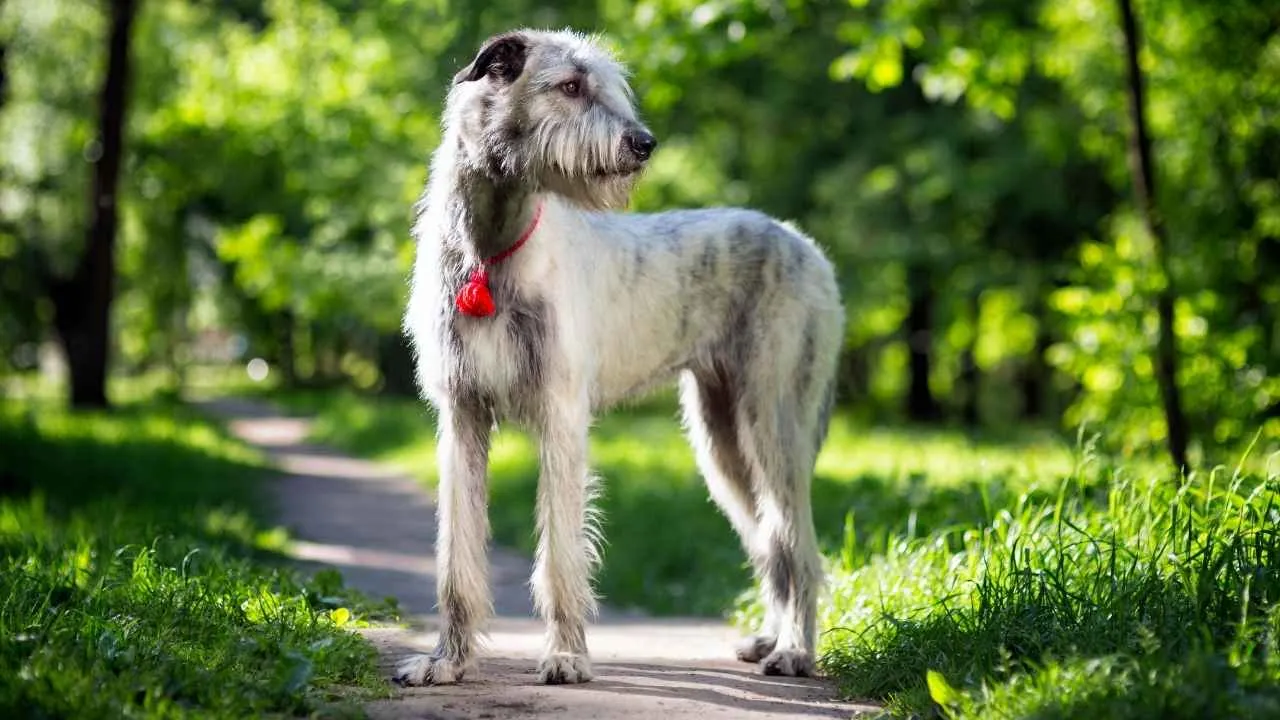
The Irish Wolfhound holds the title of one of the tallest dog breeds in the world, and they wear it with quiet dignity.
These massive sighthounds are calm, graceful, and surprisingly gentle for their size. While they aren’t traditional guard dogs, their towering presence alone can stop intruders in their tracks.
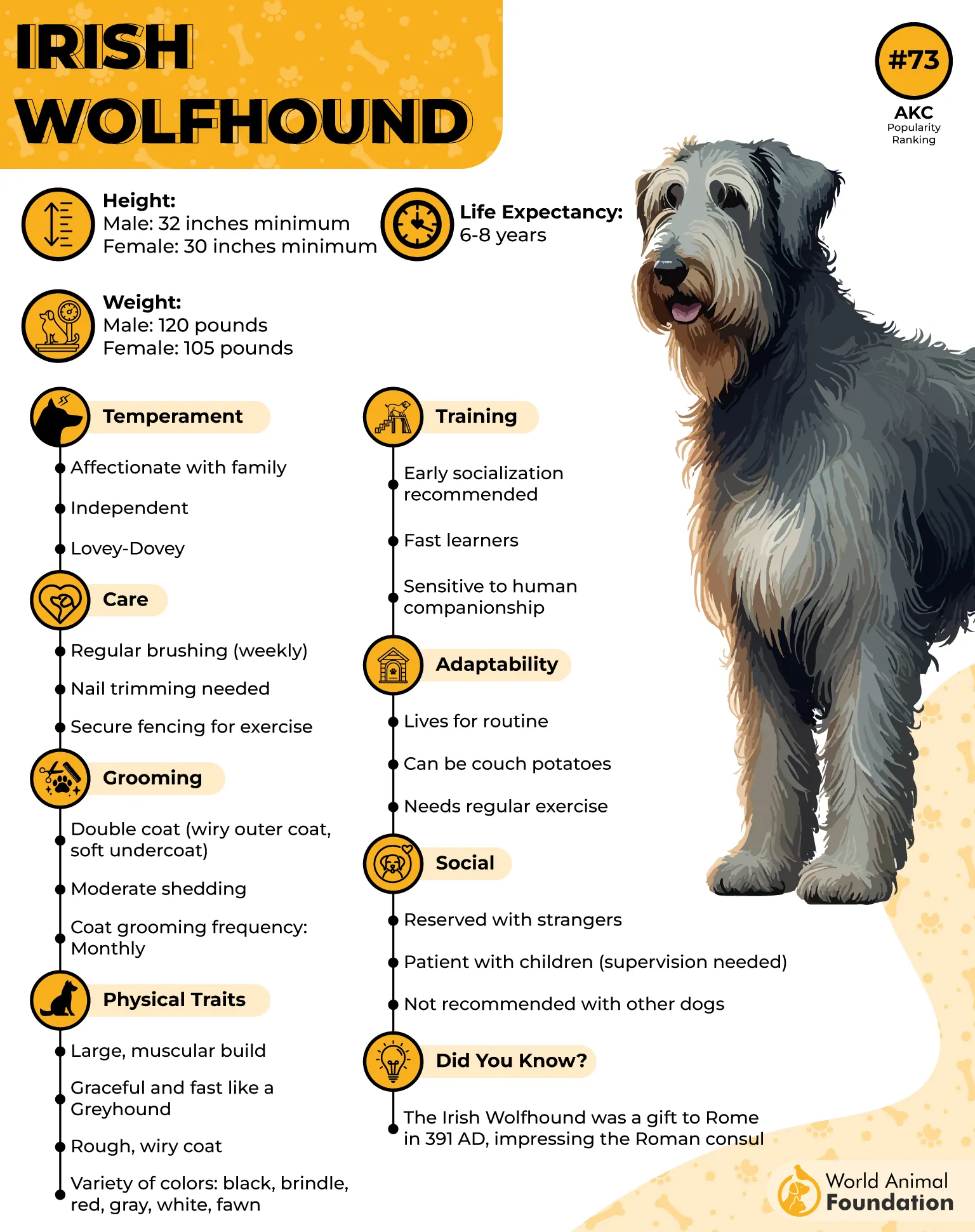
Originally bred to hunt wolves and large game in Ireland, they were prized for their bravery and strength. Over time, their role shifted from hunters to noble companions, but that fearless spirit never completely disappeared. Even today, they carry themselves with confidence and composure.
Standing nearly three feet tall at the shoulder and weighing up to 180 pounds, Irish Wolfhounds are truly breathtaking. Their long legs, rough coat, and deep chest give them an unmistakable silhouette. Few people would dare approach a property guarded by one of these giants.
Despite their size, they are not aggressive by nature. They are typically friendly with strangers and other dogs, which makes them more of a deterrent than an active guard. However, their calm alertness means they’re always aware of what’s happening around them.
Their temperament is sensitive and thoughtful, and they respond best to gentle, positive training methods. They aren’t eager-to-please dogs, so patience is key. Because of their strength, leash training from a young age is critical.
While they may not bark much or chase off intruders, the sight of an Irish Wolfhound standing watch is often enough. Sometimes, the best guard dog is the one who doesn’t need to prove anything at all.
3. Mastiff
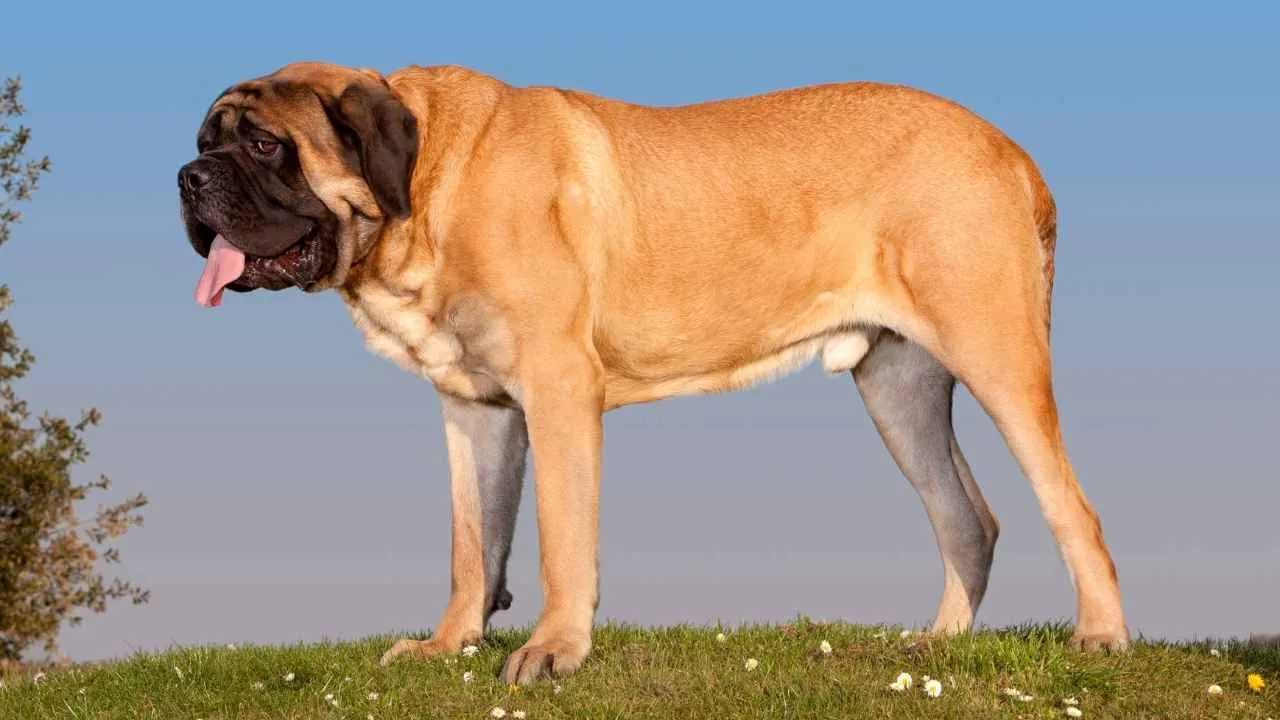
If guarding had a mascot, it would probably be the Mastiff. Massive, powerful, and deeply protective, this breed has been used for centuries as a guard dog, war dog, and estate protector. Mastiffs don’t just look intimidating—they take their job seriously.
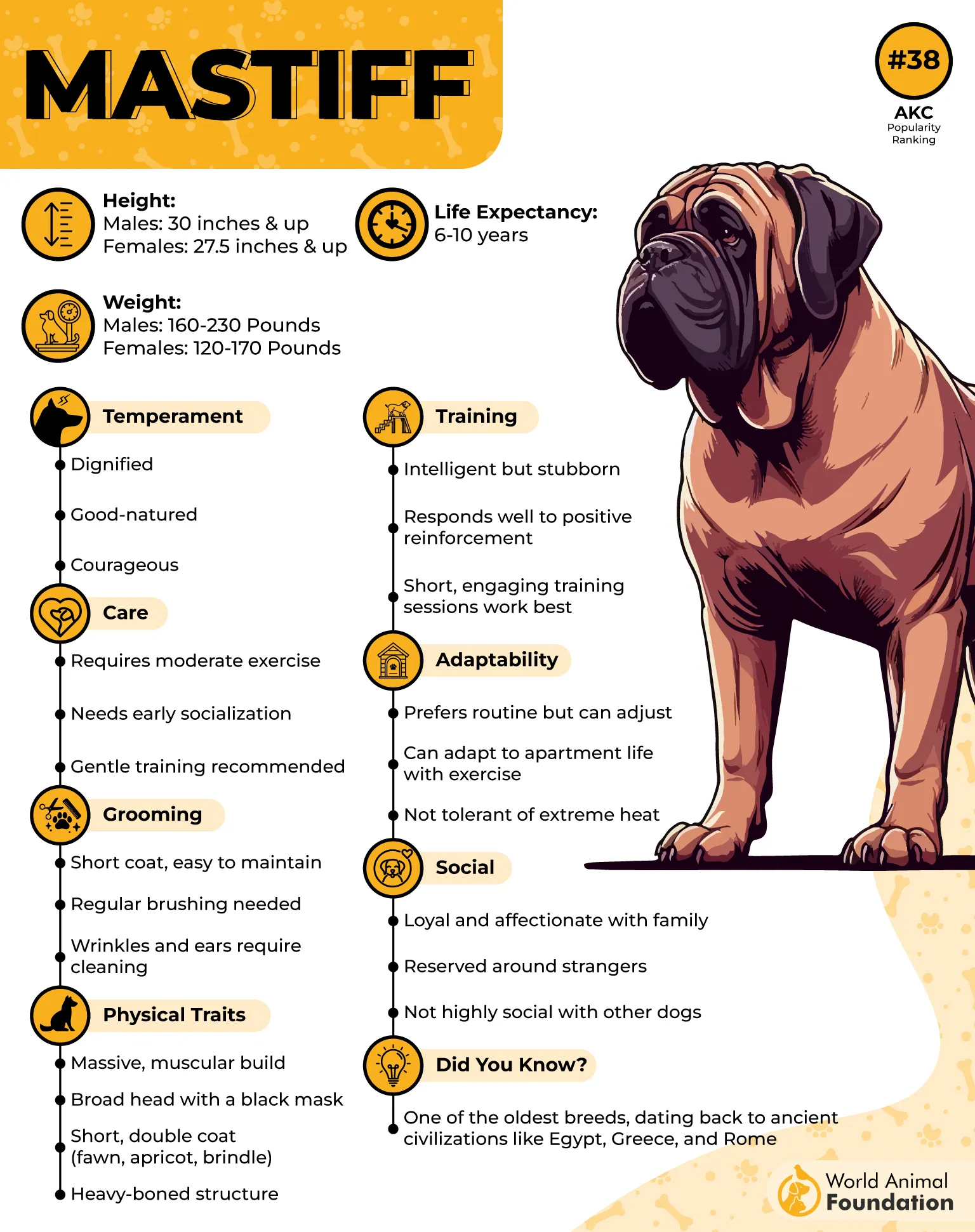
The Mastiff’s history is steeped in protection. From ancient battlefields to guarding castles, these dogs were bred to stand their ground. Even today, that protective instinct is deeply ingrained, especially when it comes to their family and territory.
Physically, they are enormous. Males stand at least 30 inches tall and often weigh well over 160 pounds. Their broad heads, muscular bodies, and deep chests create an unmistakably imposing figure. Add their thunderous bark, and intruders usually don’t stick around long.
Because they can be suspicious of strangers, early socialization is crucial. Well-trained Mastiffs learn the difference between a welcome guest and a potential threat. Without proper training, their protective nature can become overwhelming.
At home, this popular guard dog breed is surprisingly calm and affectionate. They’re loyal, loving, and deeply bonded to their families. With the right guidance, they strike an impressive balance between gentle companion and fearless guardian.
4. Akita
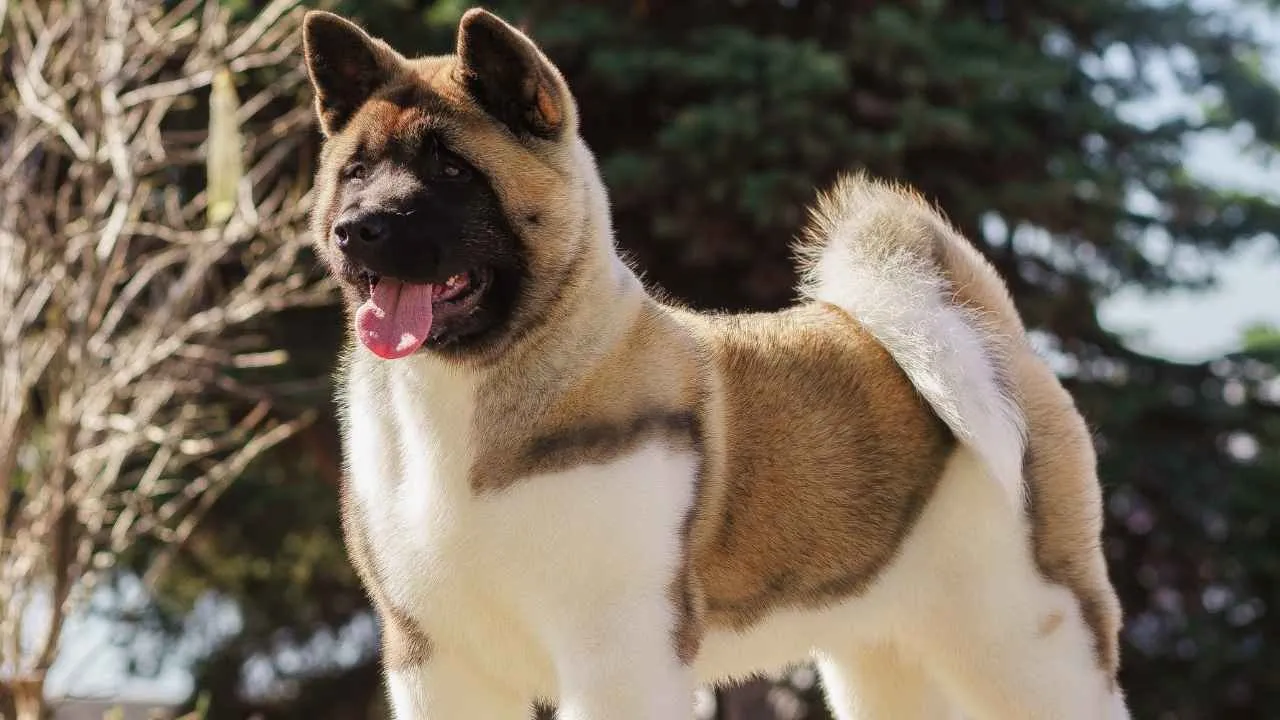
Akitas are bold, powerful, and fiercely loyal. Known for their dignified presence and unwavering devotion, these dogs take guarding very seriously. They don’t need to be trained to protect—it’s simply part of who they are.
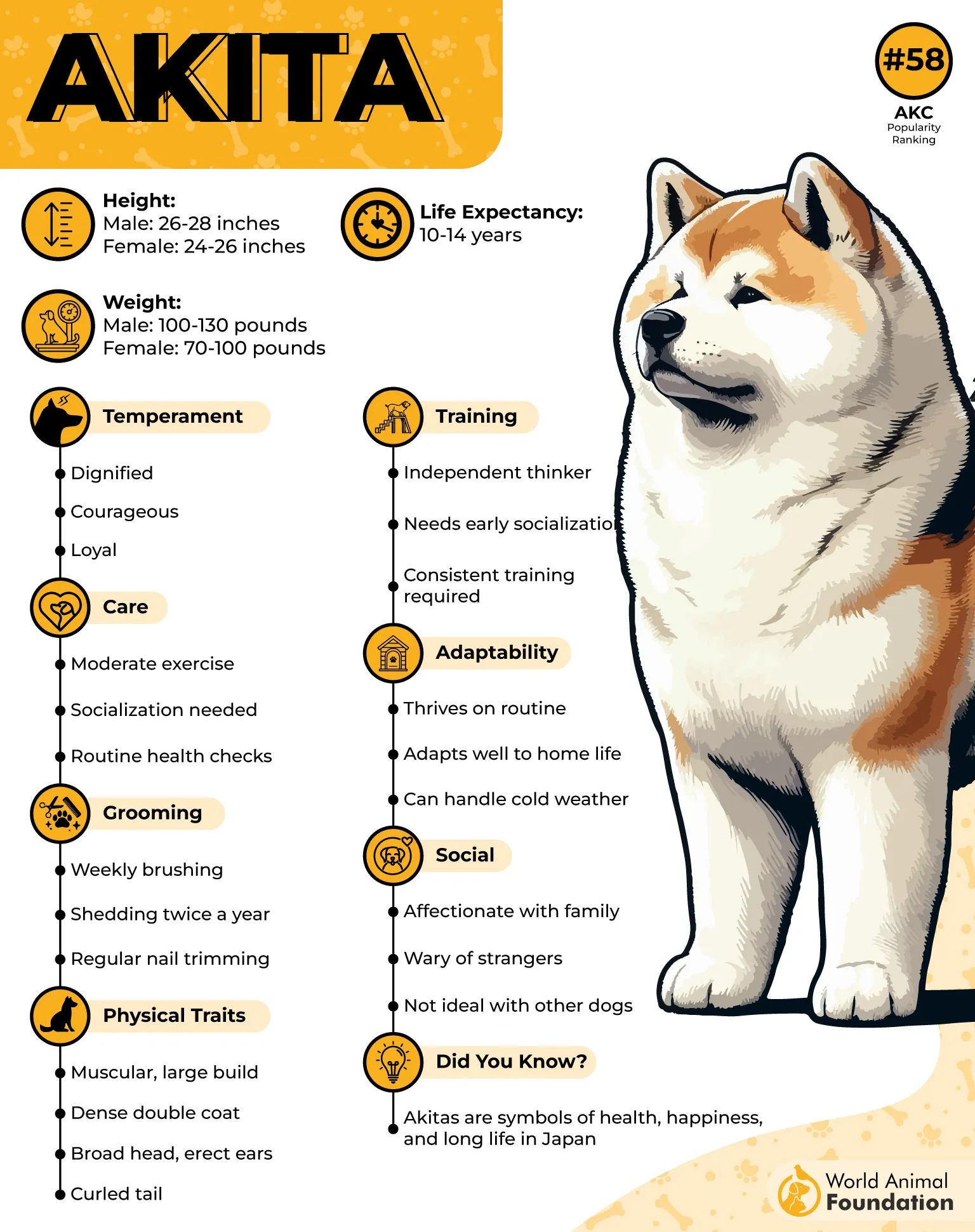
Originating in Japan, PetMD says they were bred to guard royalty and hunt large game, such as bears. That history shaped a breed that is confident, courageous, and independent. Akitas don’t look for approval—they assess situations on their own.
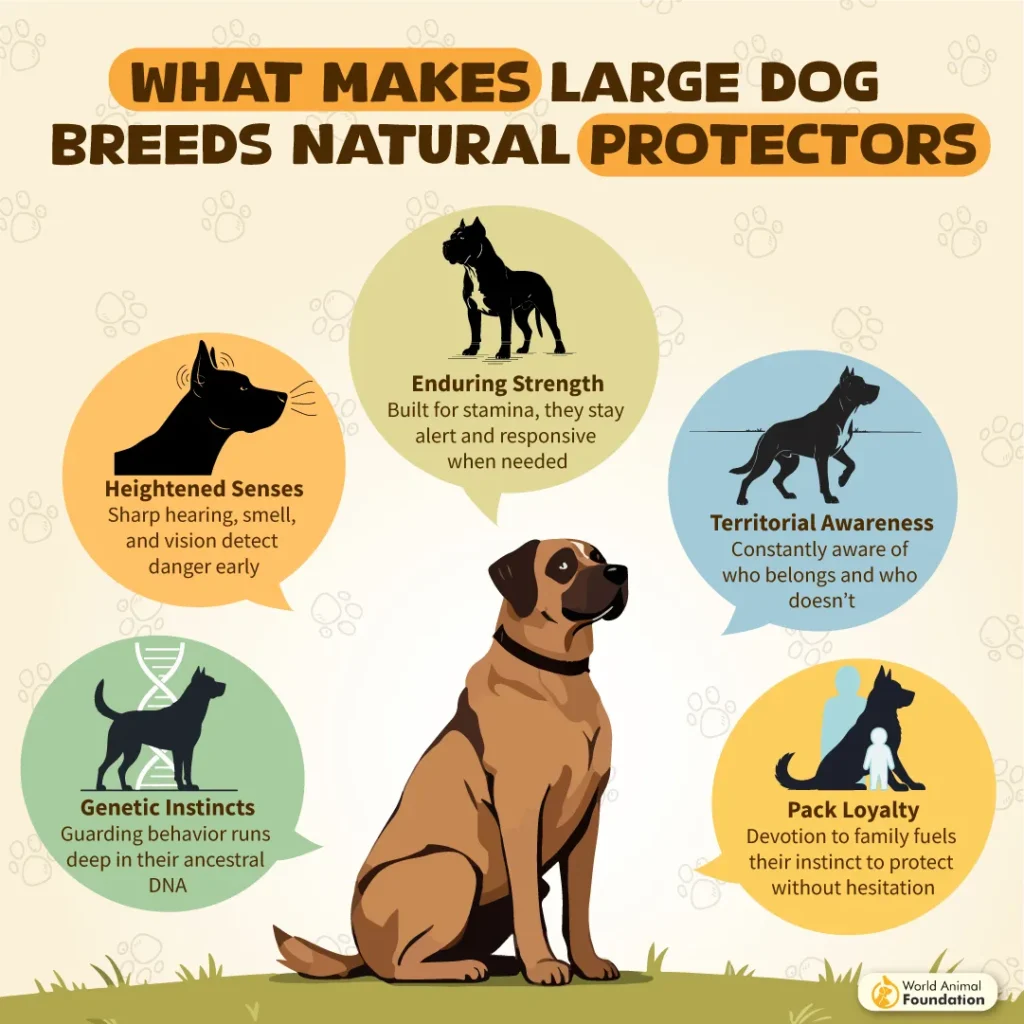
Physically, these protection dogs are solid and muscular, with thick bones and a strong stance. Their alert expression and confident posture make them natural deterrents. Few people feel comfortable approaching an Akita’s territory uninvited.
These independent dogs are not excessive barkers, which makes their warnings more meaningful. When they do alert, it’s usually because something genuinely concerns them. They are naturally wary of strangers and may be aggressive toward unfamiliar dogs.
For families who understand guardian breeds, they are unmatched in loyalty and turn into possibly the best guard dog breed out there. They will place themselves between their loved ones and danger without hesitation, making them exceptional personal protectors.
5. Great Pyrenees
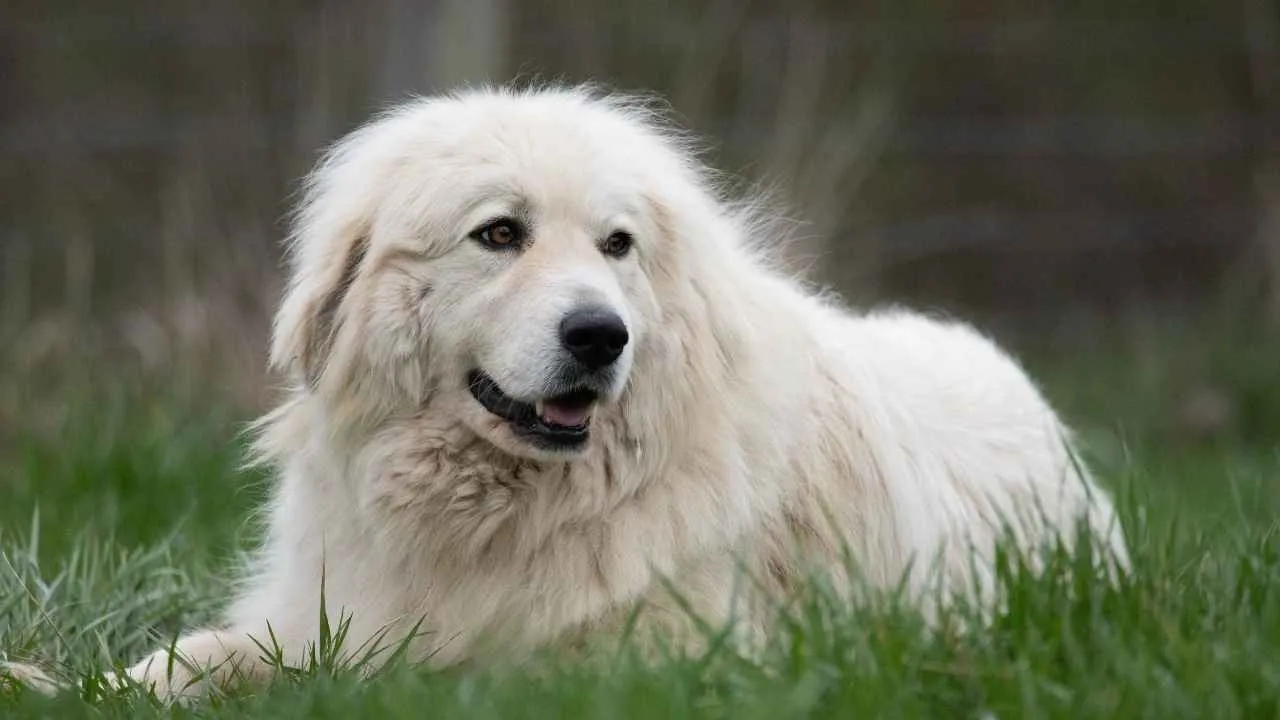
The Great Pyrenees doesn’t just guard—it lives to guard. Bred as a livestock guardian dog, this breed was designed to work independently, protecting flocks from wolves and bears in mountainous terrain. Guarding is not a learned behavior for them—it’s instinct.
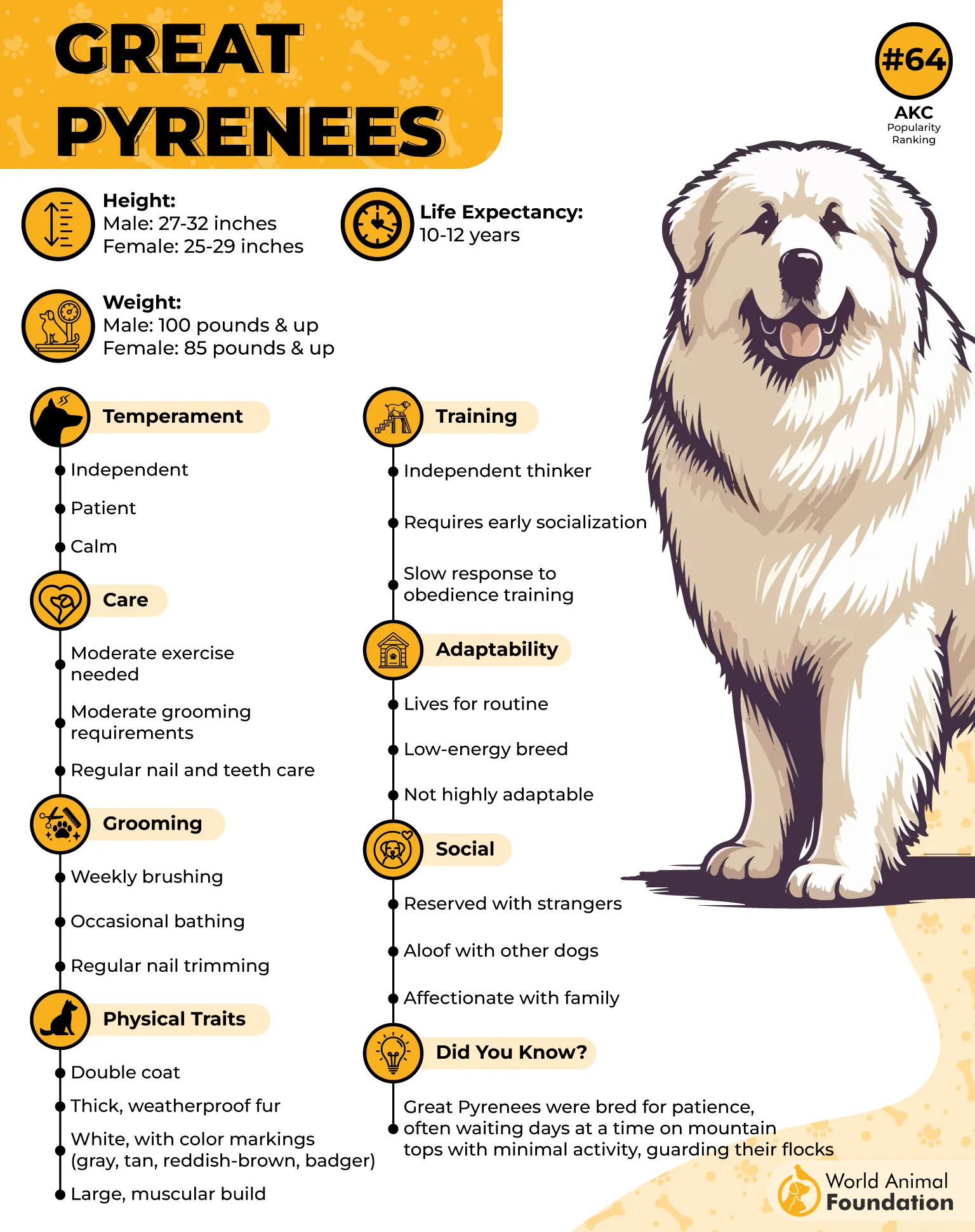
These family dogs originated in the Pyrenees Mountains and were trusted to protect sheep without human supervision. That independence makes them incredibly reliable guardians, but also means they think for themselves.
Physically, the Great Pyrenees is massive and majestic. Their thick white coat, broad frame, and calm confidence give them a royal appearance. They often look peaceful, but don’t be fooled—they are always alert.
They are territorial and take their responsibilities seriously, especially at night. They are naturally nocturnal and may patrol property after dark, barking to warn off potential threats long before danger gets close.
Despite their toughness with predators, they are famously gentle with family members and smaller animals. They have remarkable patience and kindness toward those they consider part of their flock.
Because of their strong guarding instincts, training and socialization are essential. In the right environment, this protective dog breed is one of the most trustworthy and effective guardian breeds in the world.
6. Anatolian Shepherd Dog
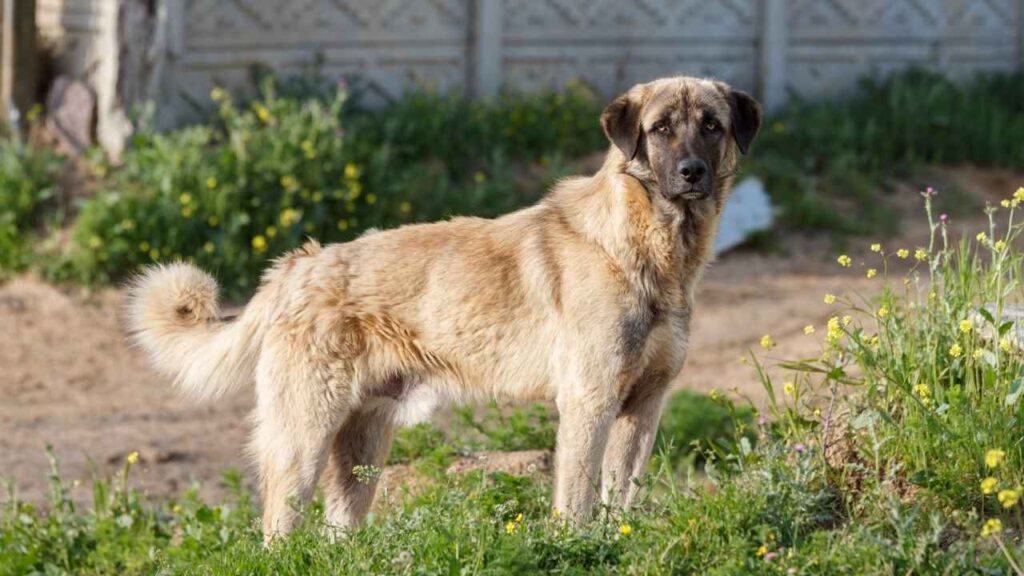
The Anatolian Shepherd is one of the oldest livestock guardian breeds still in use today. Bred in Turkey for thousands of years, these dogs were developed to protect livestock in harsh environments with minimal human intervention.
This long history created a dog that is independent, intelligent, and deeply protective. Anatolian Shepherds don’t wait for commands—they assess threats and respond accordingly.
Physically, they are large, athletic, and powerful, with a thick double coat that protects them in all weather. Their size and confident posture make them formidable guardians. Anatolian Shepherds are known for their barking, especially when they sense danger. That vocal nature makes them excellent deterrents, but not ideal for close-quarter living.
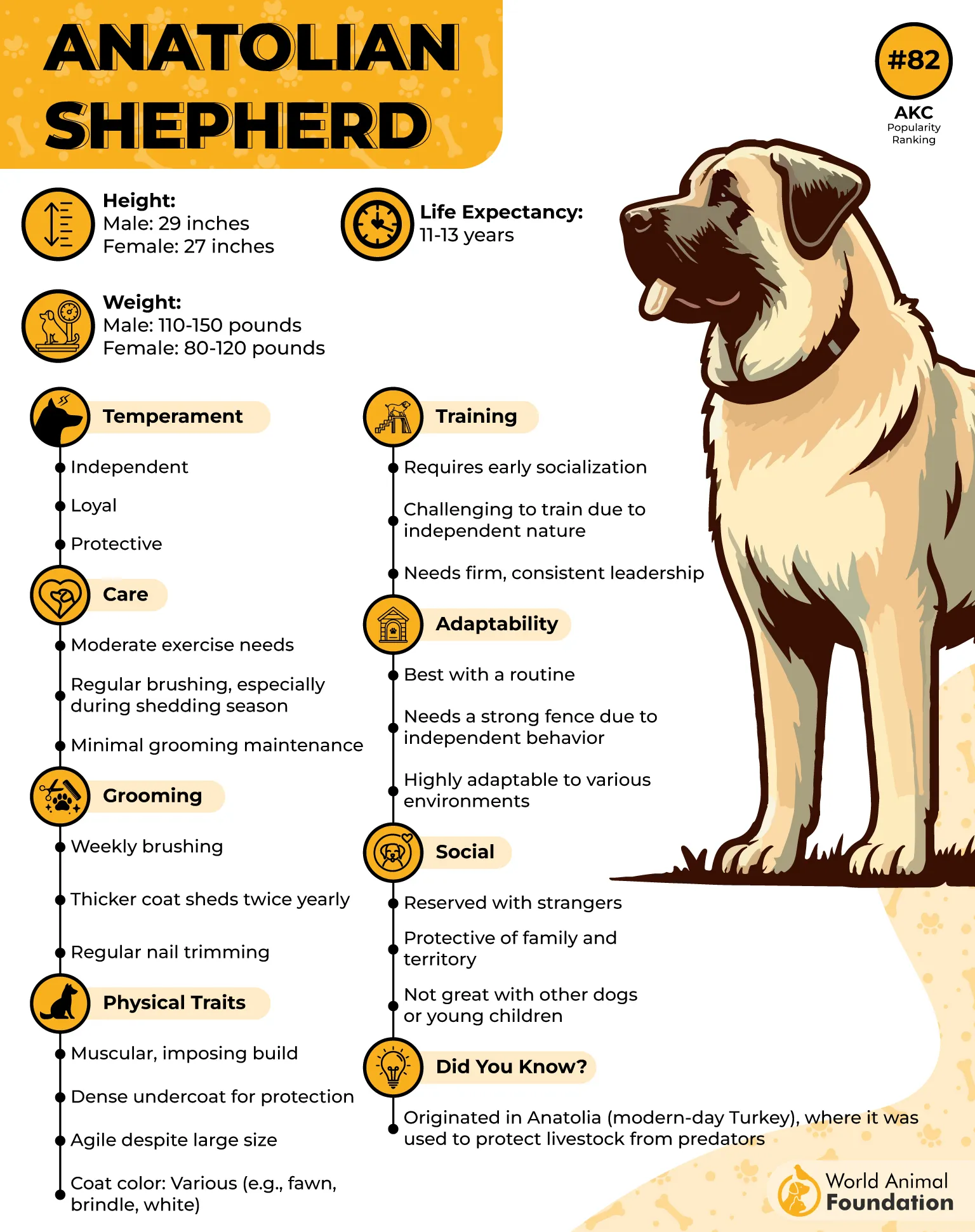
They are loyal but not overly affectionate. These dogs bond deeply with their families but prefer respect over constant attention. Their independence can be challenging for inexperienced owners.
In the right hands, the Anatolian Shepherd is an unmatched guardian. Calm, observant, and fearless, they are built for protection—not just in theory, but in practice.
7. Tibetan Mastiff
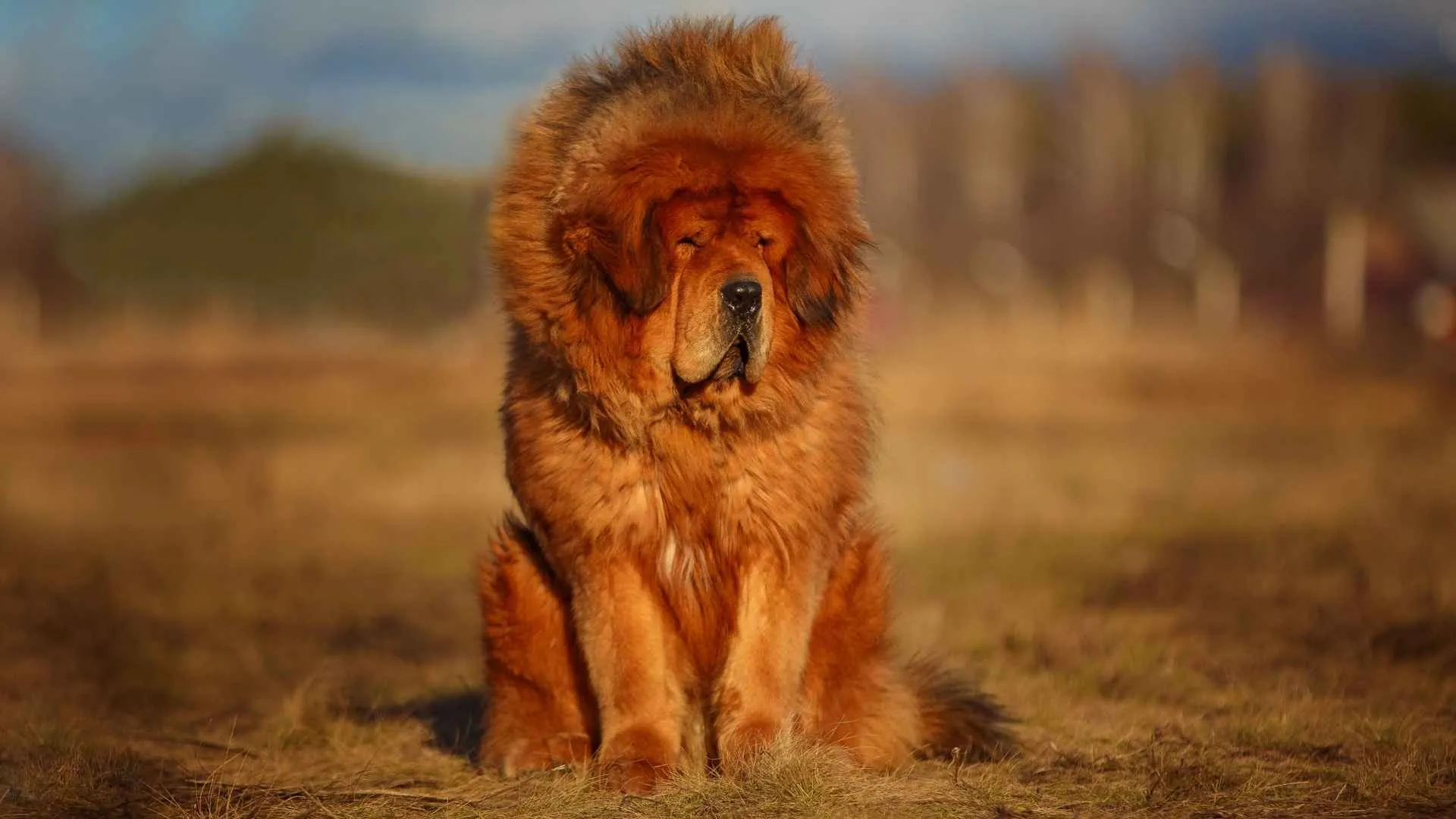
The Tibetan Mastiff is legendary for its guarding ability. Bred to protect monasteries and villages in the Himalayas, this breed is as independent as it is intimidating.
Physically massive and mentally strong, as per AKC, Tibetan Mastiffs were designed to make decisions without human input. They don’t blindly obey—they evaluate.
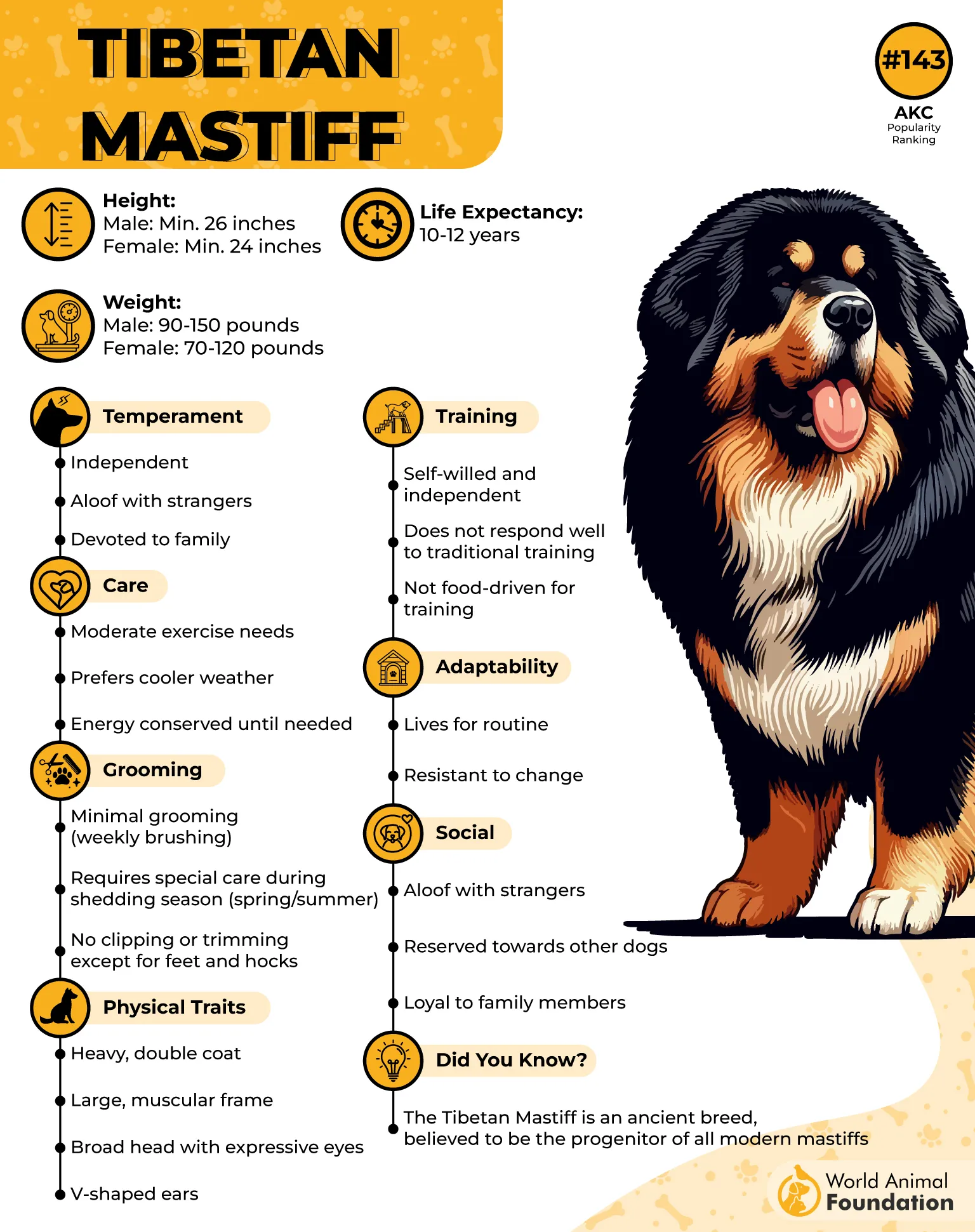
Their thick coats, powerful build, and lion-like appearance make them look almost mythical. Combined with their deep bark, they are one of the most intimidating guardian breeds in existence. Tibetan Mastiffs are territorial and deeply protective of their families. Without proper socialization, they may view strangers as threats—even when invited.
Training requires experience, patience, and consistency. These dogs respect confident leadership and do poorly with inexperienced owners.
For those who understand guardian breeds, this dog is unmatched in devotion and protection. They don’t just guard homes—they defend legacies.
Conclusion
Extra-large guard dog breeds offer more than size—they bring history, instinct, and loyalty to the table. While not every giant is aggressive, each of these breeds has the presence and capability to protect when needed.
Choosing the right one depends on your experience, lifestyle, and understanding of guardian instincts. When raised responsibly, these giants don’t just guard homes—they become living fortresses with hearts of gold.
