




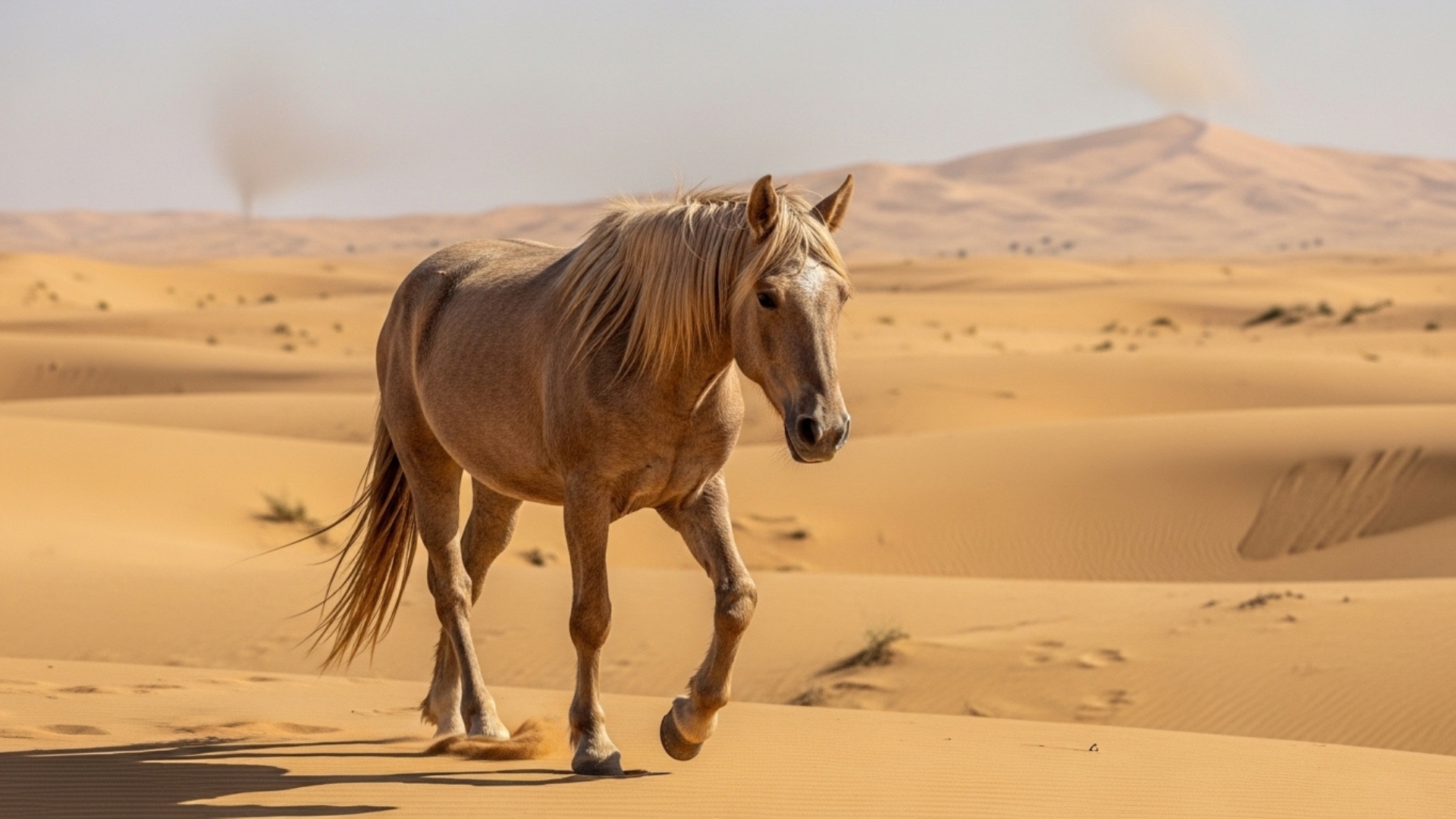
Sand changes everything for a horse and rider moving across open desert ground. Each step sinks slightly, muscles work harder, lungs pull dry air while the horizon stretches without mercy.
Not every horse can handle that demand. Only those shaped by generations of travel across deep, shifting terrain develop the balance, stamina, and calm judgment needed to move forward without wasting strength.
People who have watched such horses at work notice a quiet rhythm in their stride, a steady patience that turns harsh sand into a passable road. These horses carry history in their hooves and resilience in every breath they take across difficult ground.
This article explores the traits, movement, and desert wisdom that allow certain horses to cross deep sand with remarkable efficiency.
Key Takeaways
Walking on soft sand can exhaust even the strongest legs, yet certain horse breeds have mastered this challenge over centuries.
Arabian and Akhal-Teke Horses evolved to master deserts, their lean frames and sharp instincts allowing them to cover miles with minimal effort.
Barb, Marwari, and Kathiawari Horses combine agility, loyalty, and a keen awareness that makes desert travel both possible and graceful.
Keep reading to find which seven breeds transform harsh sand into a natural arena for endurance and skill.
Horse Breeds Adapted To Deep Sand Travel
1. Arabian Horse
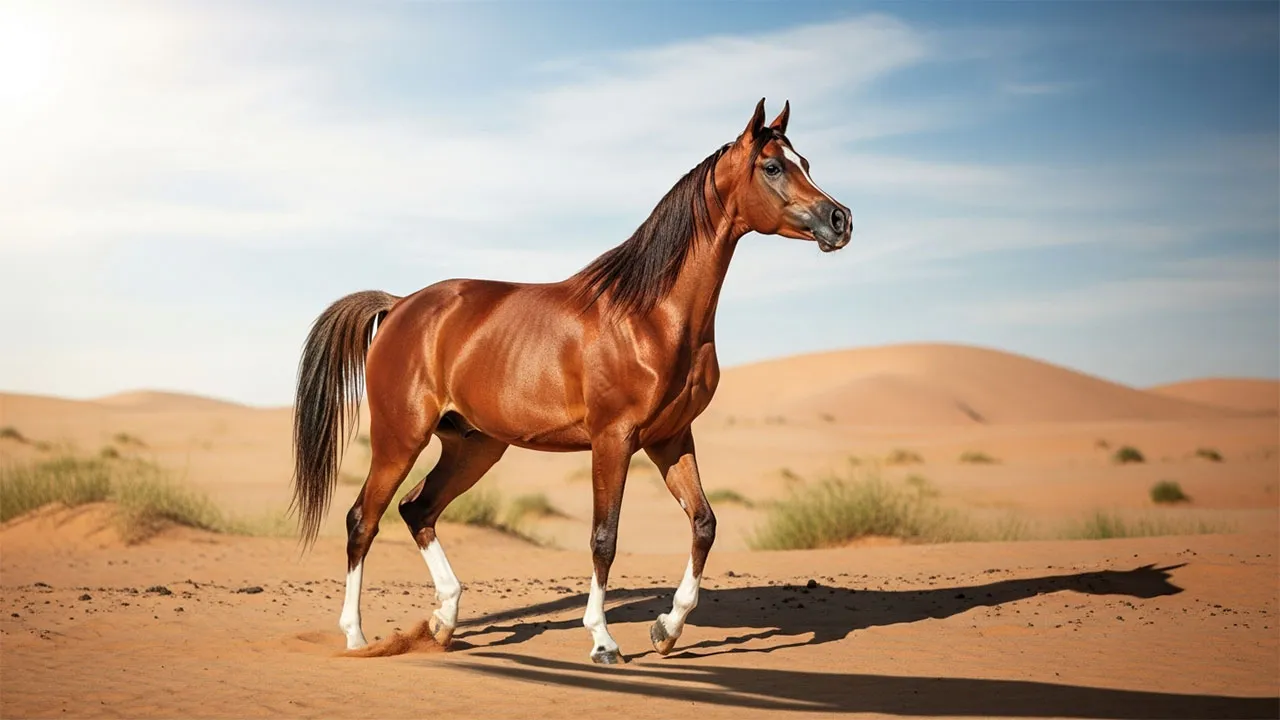
Arabian horses evolved in the harsh deserts of the Arabian Peninsula, where survival demanded stamina, speed, and intelligence.
Their history with Bedouin tribes shaped a breed capable of long journeys across scorching sand, as per AH Times. Every trait was honed for endurance in extreme conditions.
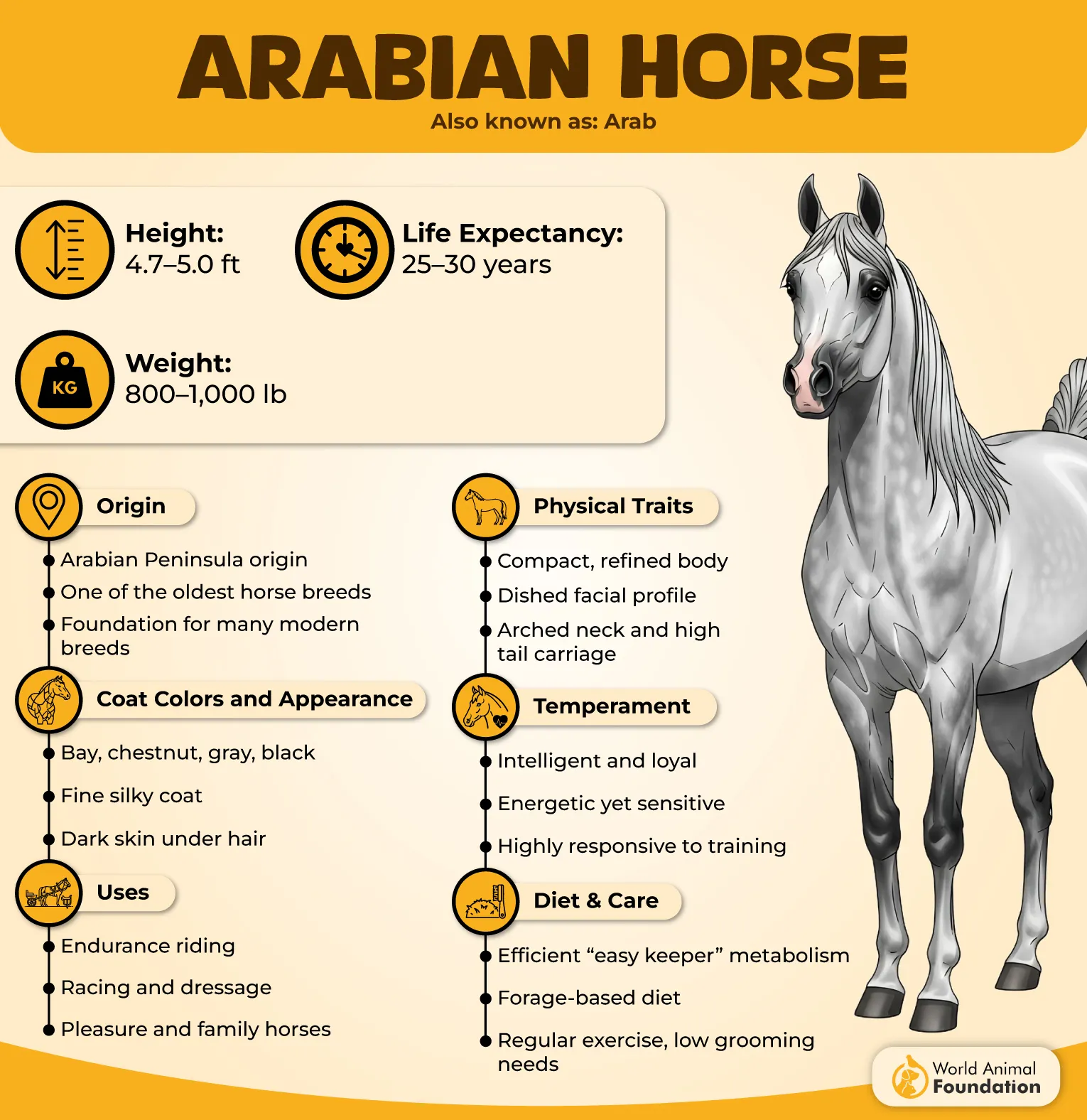
Adapted Physiology
This breed’s physical design supports desert survival with remarkable efficiency. Their thin coat regulates temperature, and dense skin protects against the sun and insects.
Their adaptations include:
Efficient hydration: withstands long periods with minimal water
Hardy hooves: navigate rocky and sandy terrain without shoes
Compact build: smaller frame reduces energy needs while maintaining stamina
Resilient and Alert
Arabians maintain high energy while staying alert and responsive, reading terrain and subtle environmental cues. Their large nostrils, deep chest, and lean musculature optimize oxygen intake for sustained travel. These horses exhibit intelligence that complements their physical resilience.
2. Akhal-Teke
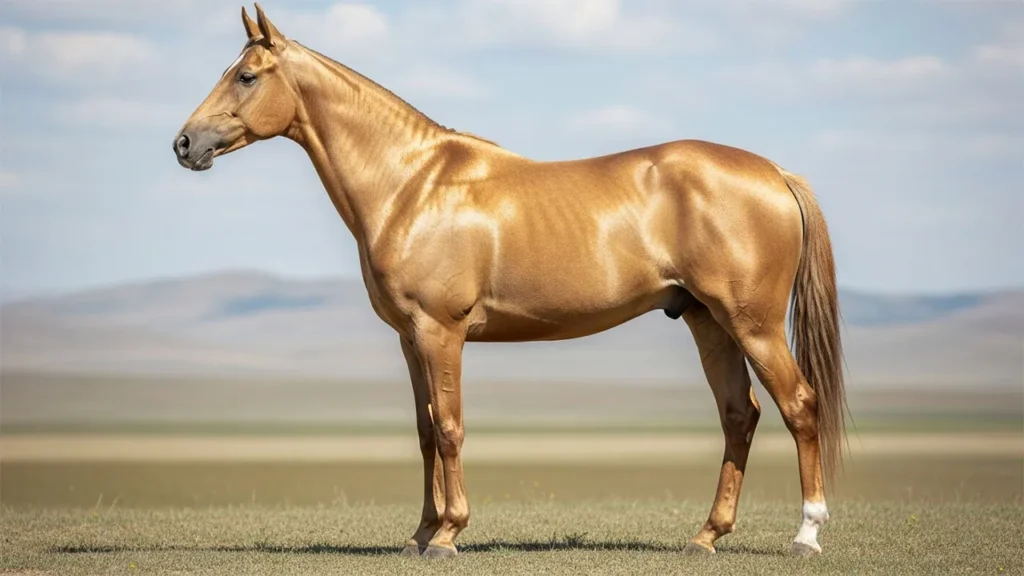
Akhal-Teke originates from Turkmenistan, where the Teke tribe bred them for endurance across shifting sands. Their history links them to Alexander the Great and ancient trade routes, marking them as one of the world’s most exotic and aristocratic horses, as Equiworld reports.
Flowing Movement
The breed’s body is long, lean, and refined, built for soft, elastic strides that glide over deep sand without unnecessary lift. This design allows them to conserve energy in harsh deserts while maintaining remarkable speed and balance.
Observing an Akhal-Teke in motion reveals:
Smooth, sliding gait that cushions each step
Powerful yet controlled push from upright pasterns
Body alignment that minimizes energy loss over loose terrain
Visual Impact
Their metallic coat and sharply defined musculature reflect both beauty and function, catching the light while signaling strength. Movements are expressive, with subtle shifts of head, ears, and neck enhancing communication with riders and herders.
3. Barb Horse
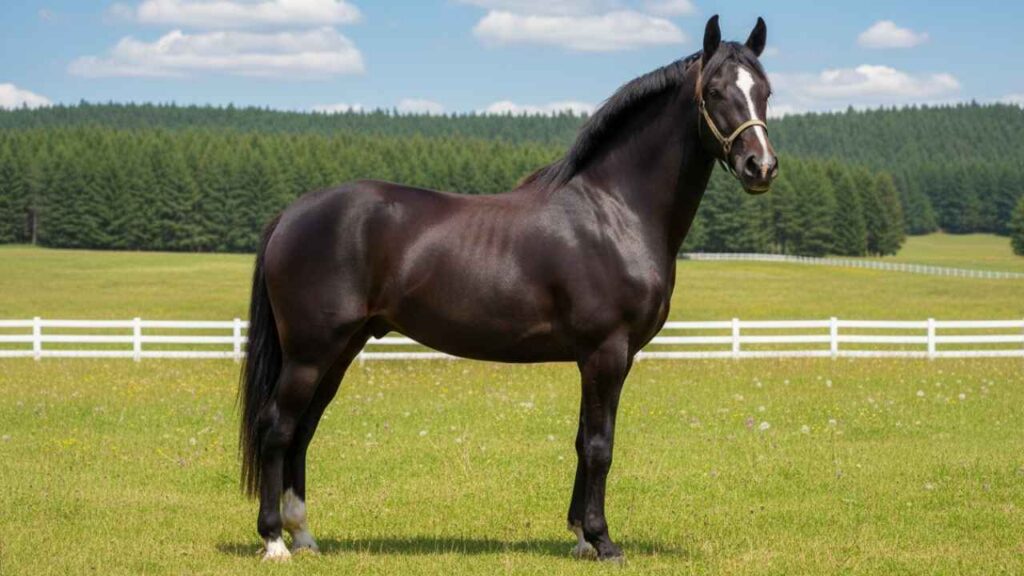
Barb horses originate from the Maghreb in North Africa, bred by Berber tribes for endurance and adaptability. These horses carried people and goods across harsh terrain for centuries, earning a reputation for reliability and stamina. Their role in trade and warfare shaped their resilience.
Distinctive Physical Traits
The breed’s build balances elegance and strength, allowing agile movement in deep sand. Their necks tie low to deep bodies, supporting long strides and stability.
Features that enhance their performance include:
Well-sprung ribs and a deep chest for lung capacity
Flexible pasterns and strong hooves for traction
Muscular hindquarters and compact frame for swift, balanced gaits
Sand-Adapted Functionality
Round hindquarters and strong legs allow smooth but energetic movement in sandy environments, as Mad Barn noted. Their balanced shoulders and short backs help distribute weight efficiently for long journeys. These horses remain active and steady under challenging desert conditions.
4. Marwari Horse
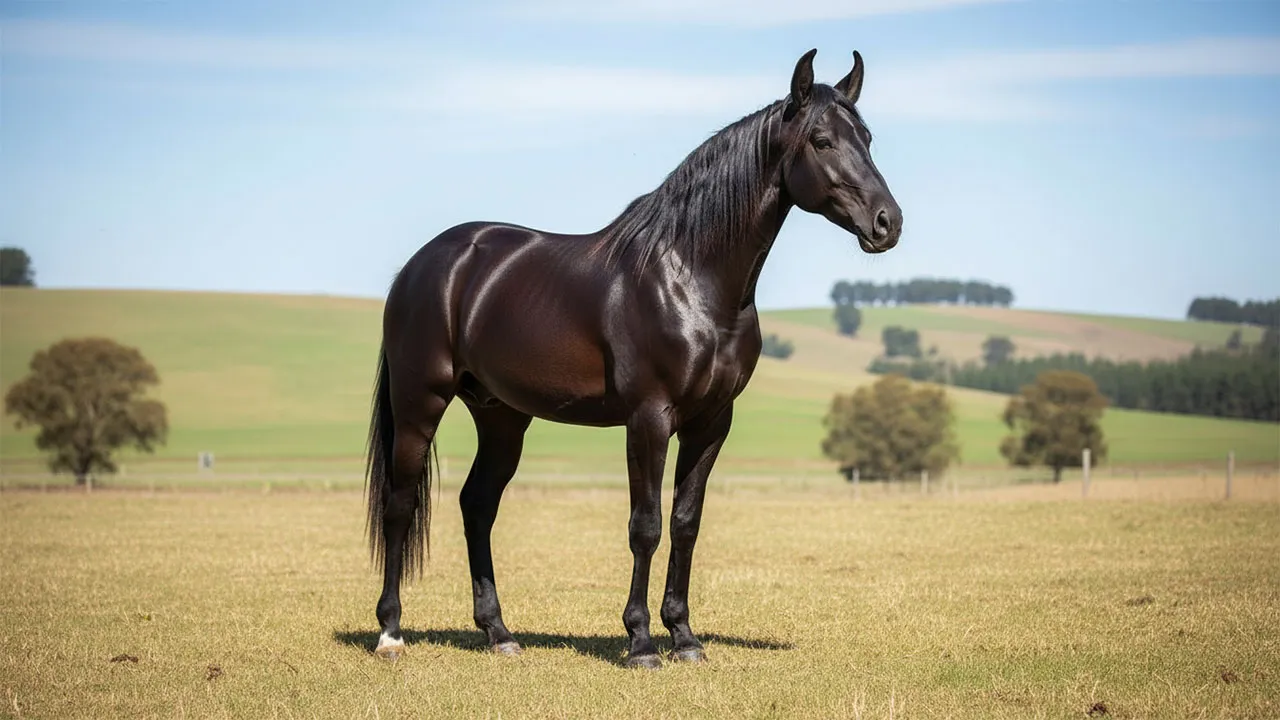
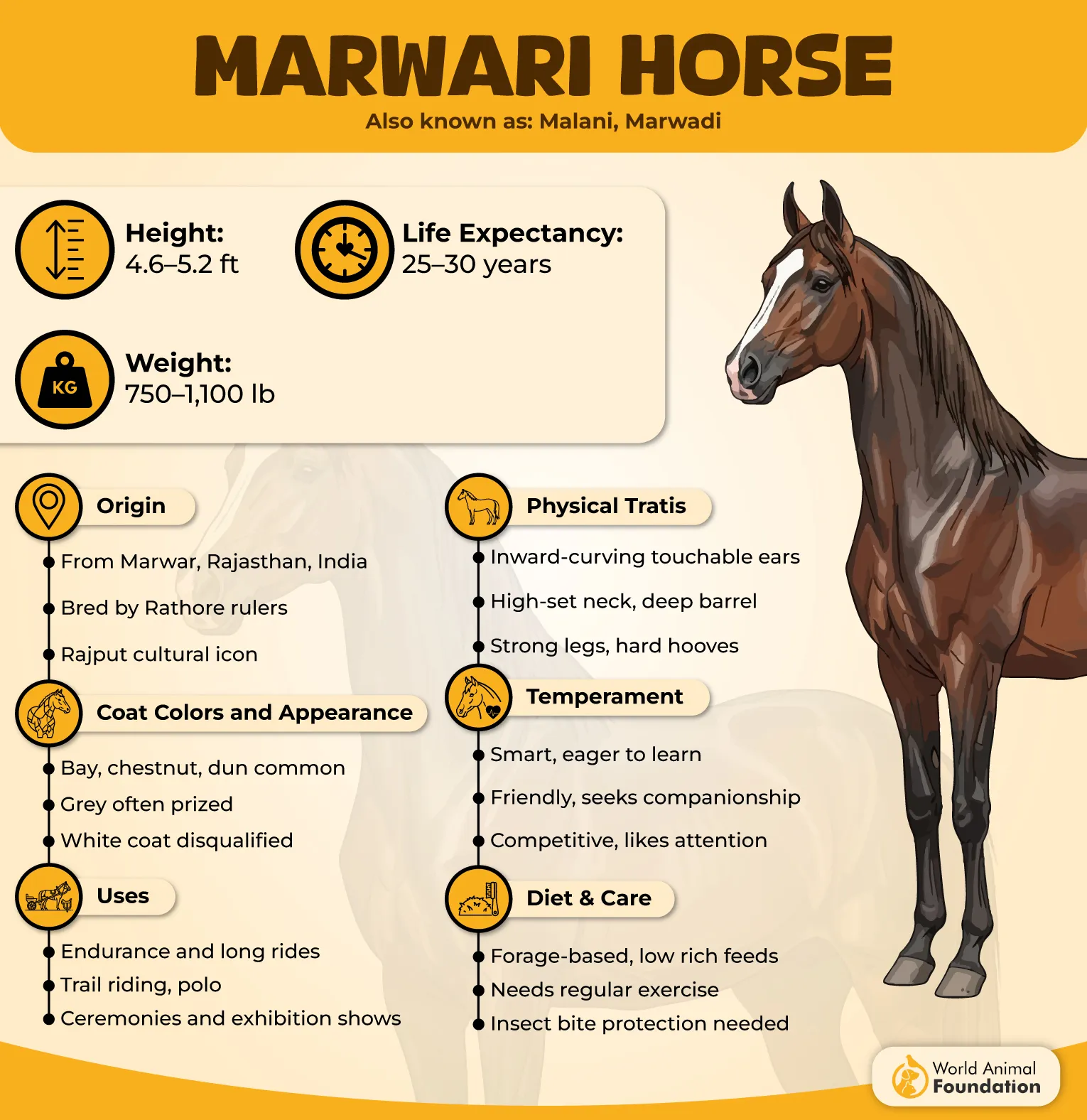
Marwari Horses emerged in the arid Marwar region of India, blending native stock with Arabian imports from shipwrecks along the coast. Revered by the Rathores from the 12th century onward, these horses were carefully bred for loyalty, endurance, and desert survival.
Adapted Physique
The Marwari’s body is built for desert travel, with a straighter shoulder that lifts its legs out of deep sand efficiently. These horses have a naturally slower stride compared to Thoroughbreds, creating a rhythm that’s stable and comfortable for riders.
Their design for desert travel is reflected in these key traits:
Tight, upright hooves for better grip on soft sand
Muscular, compact legs designed for desert endurance
Sensitive hearing alerts them to distant dangers
Navigation and Senses
Marwaris possess an exceptional sense of direction, relying on instinct to guide them across vast, featureless landscapes. Their alert eyes and responsive movements help avoid hidden obstacles, while their endurance supports sustained travel.
5. Namib Desert Horse
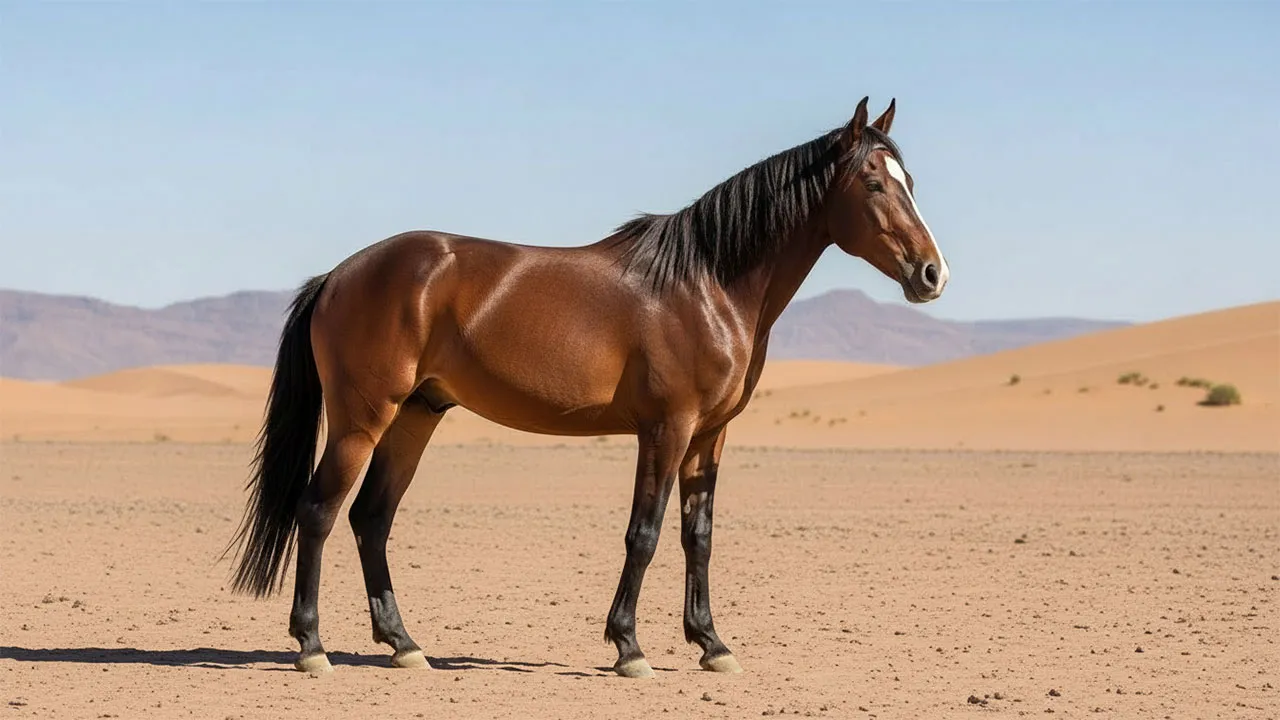
Namib Desert Horses roam the arid plains of Namibia, shaped by heat, sand, and survival for over a century. Their lithe bodies and strong hooves allow them to cover vast distances while conserving energy, a testament to adaptation in extreme conditions.
Survival Instincts
Life in the desert demands constant awareness and efficiency, and these horses demonstrate it with remarkable consistency. These horses balance alertness with caution, moving quietly and deliberately across shifting sands.
These are their desert survival features:
Conserving energy during dry periods to travel long distances slowly
Timing grazing and watering trips to maximize scarce resources
Shifting behavior between ‘work mode’ in droughts and ‘leisure mode’ after rainfall
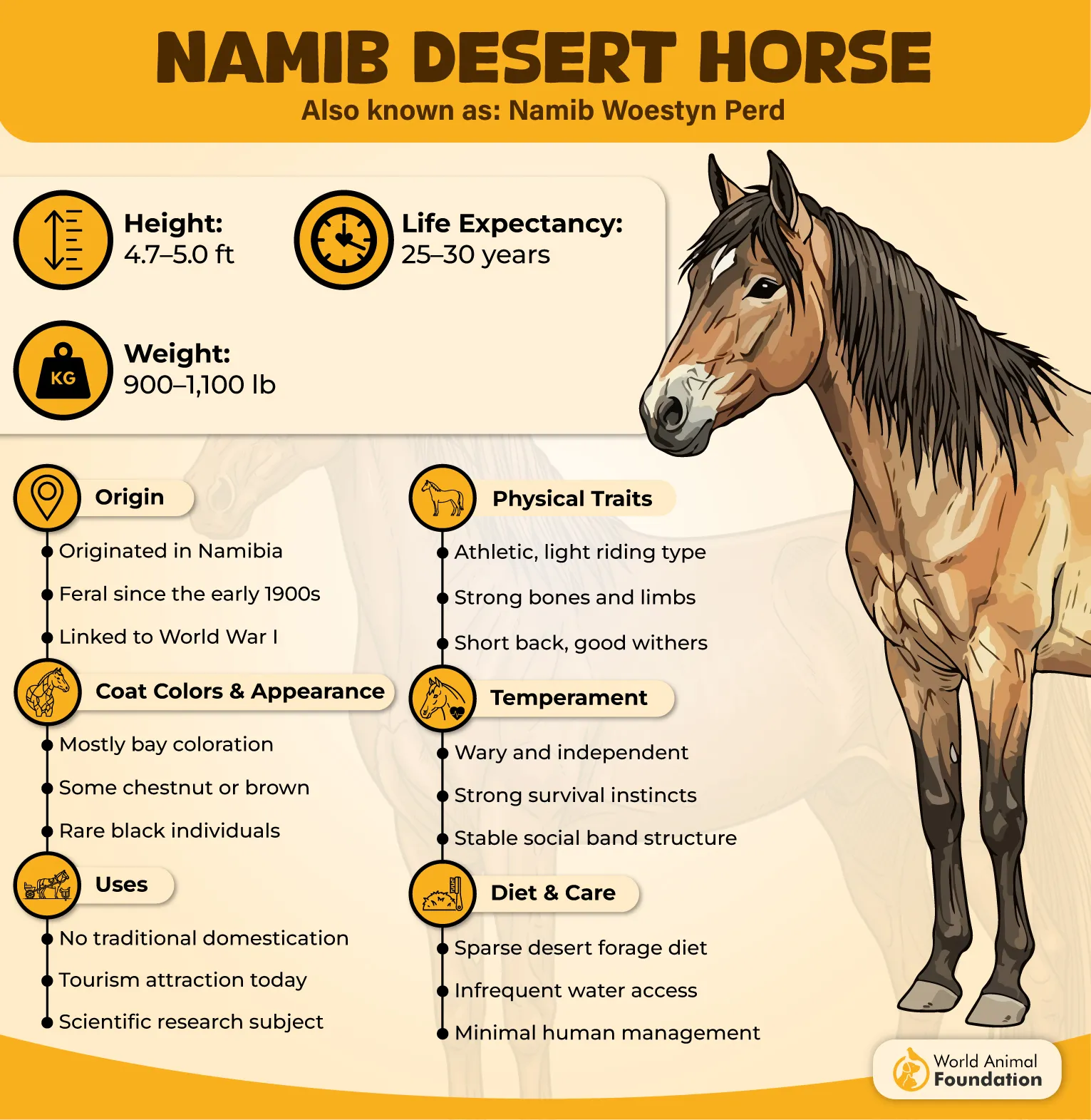
Enduring Legacy
Protected within Namib-Naukluft Park, the Namib Desert Horse embodies resilience, history, and natural selection. Observing them in their environment offers a glimpse into one of the rarest equine adaptations for deep sand travel, unmatched by any domesticated breed.
6. Kathiawari
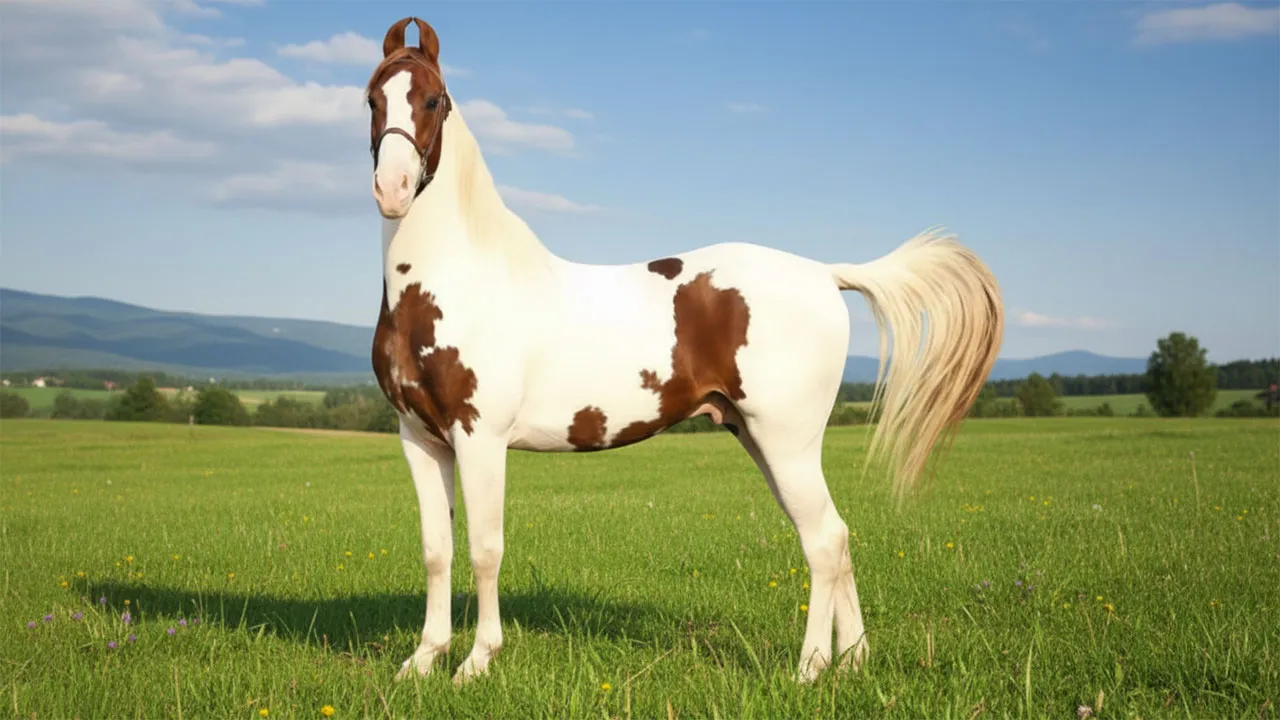
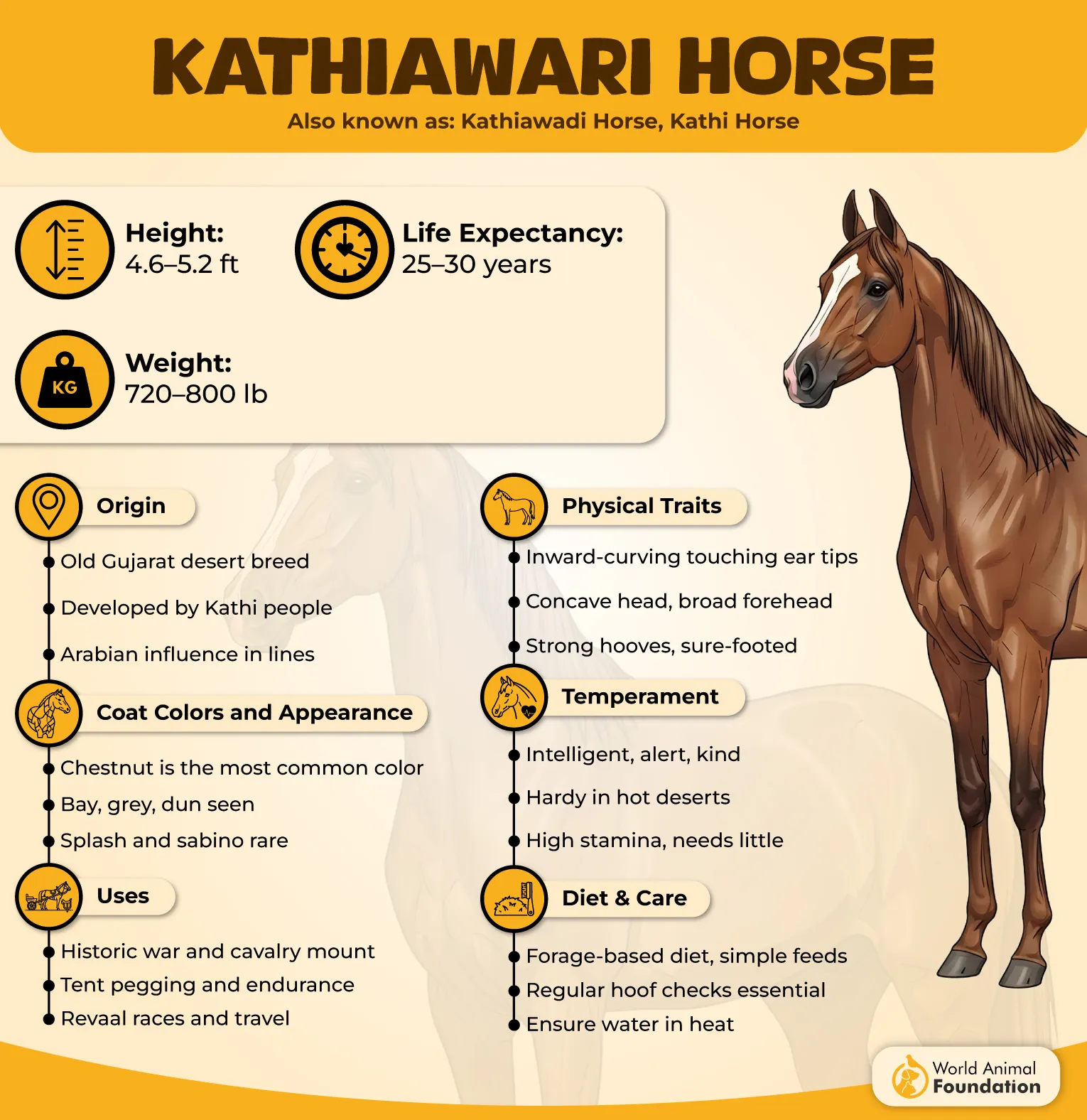
Kathiawari horses hail from western India’s Kathiawar peninsula, with Arabian lineage shaping their sleek, resilient form. These horses were developed for desert warfare, prized for speed and the ability to navigate shifting sands with agility and grace.
Physical Adaptations
Their compact yet muscular bodies support endurance and stability in desert terrain, making them natural desert travelers. They combine strength with a calm, attentive demeanor, allowing riders to rely on them for long distances across sand.
This is why they can handle a long-distance sand trek:
Broad forehead and short muzzle for balanced airflow
Strong, sturdy legs for navigating deep sand
Compact frame enabling swift, sustained movement
Survival Instincts
Kathiawaris endure harsh conditions with minimal resources, tolerating heat and requiring little food or water. Their resilience makes them highly suited for desert travel and work, demonstrating intelligence and self-sufficiency in challenging environments.
7. Kachchhi‑Sindhi
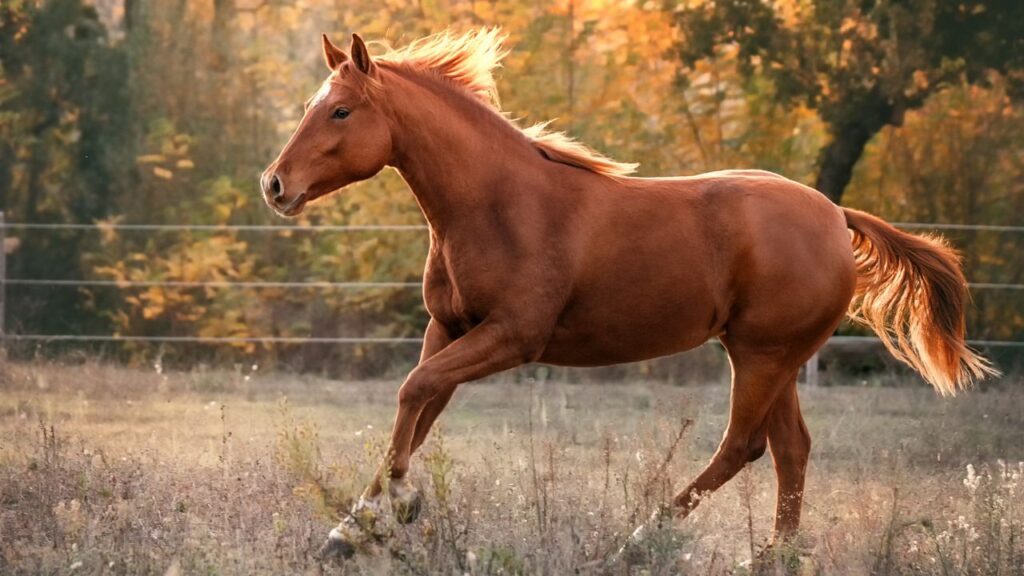
Kachchhi‑Sindhi Horses are naturally built for arid terrain, with a broad chest and short back that gives stability over shifting sand. Their Roman nose and hooded nostrils reflect Barb influence, while crescent-shaped ears add a subtle, desert-specific charm.
Adapted for Work
Every trait of the Kachchhi‑Sindhi serves practical purposes in harsh conditions. Their broad hooves provide traction and balance, making them reliable in deep sand.
This is where this breed excels:
Efficient transportation across rugged desert paths
Smooth riding for long-distance journeys
Versatile use in sport and livestock management
Desert Heritage
Originating from Gujarat and Rajasthan, these horses carry centuries of desert survival knowledge. They reflect a blend of local and Barb ancestry, making them a symbol of regional equine excellence. Their resilience and functional elegance make them a standout choice for desert travel and work.
Conclusion
Horse breeds shaped by desert travel show how adaptation can turn hardship into strength. In desert climates where loose sand, uneven ground, and extreme heat test every step, these animals developed balance, stamina, and calm judgment. Their bodies and instincts make them extremely hardy, allowing them to move across a harsh desert environment with steady confidence.
While many other breeds struggle in such places or prefer humid climates, these horses remain reliable partners. Their natural abilities now appear in endurance riding events, where endurance riding highlights the same resilience once needed for survival, proving that desert wisdom still guides their movement today.
