




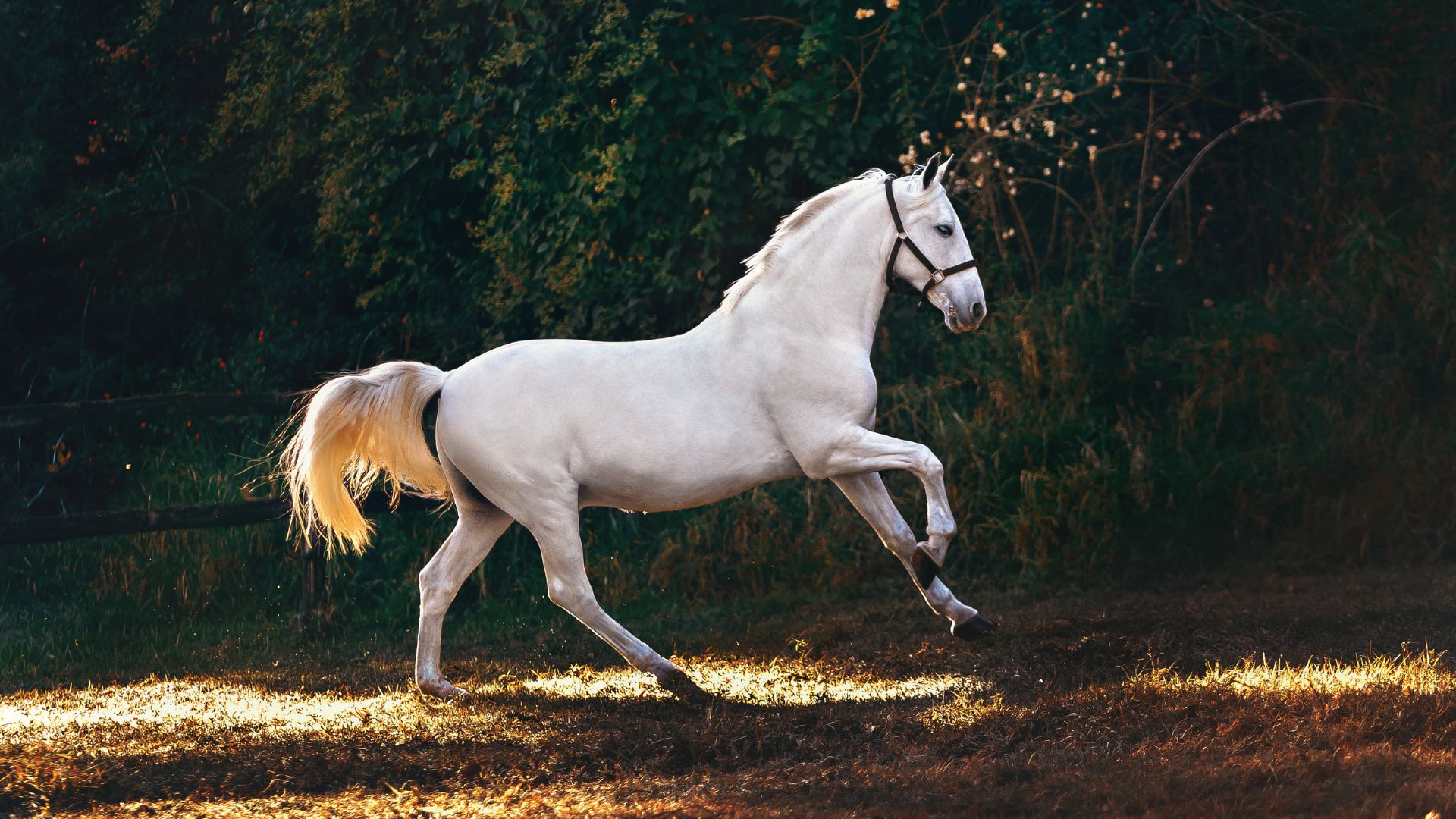
Some horses appear relaxed as they graze in open fields. Others stand with heads lifted and ears held upright, quietly listening to every sound around them. That difference in posture can reveal a great deal about the horse.
Upright ears create an impression of alertness and curiosity that immediately captures attention. In certain breeds, this feature occurs naturally and consistently because of inherited structure and long-standing breeding traditions.
Riders often appreciate these horses because their ear position makes their expressions easy to read. A forward ear shows interest and focus, while small movements signal attention to the environment or to a rider’s cue. The result is a horse that seems engaged and aware even in calm moments.
This article explores several horse breeds recognized for naturally upright ears and explains the qualities that define them.
Key Takeaways
Upright ears can tell you a lot about a horse, from alertness to curiosity, and some breeds wear this trait like a badge of distinction.
Arabians and Akhal-Tekes carry ears that signal sharp intelligence and attentiveness, making every subtle movement easy to read for their riders.
Thoroughbreds, Morgans, and Hackneys show off elegance and agility through their posture, with ears pricked forward as if following every whisper of the wind.
Keep reading to discover which breeds combine heritage, beauty, and expressive ears to make every horse an unforgettable companion.
Horse breeds with naturally upright ears
1. Arabian
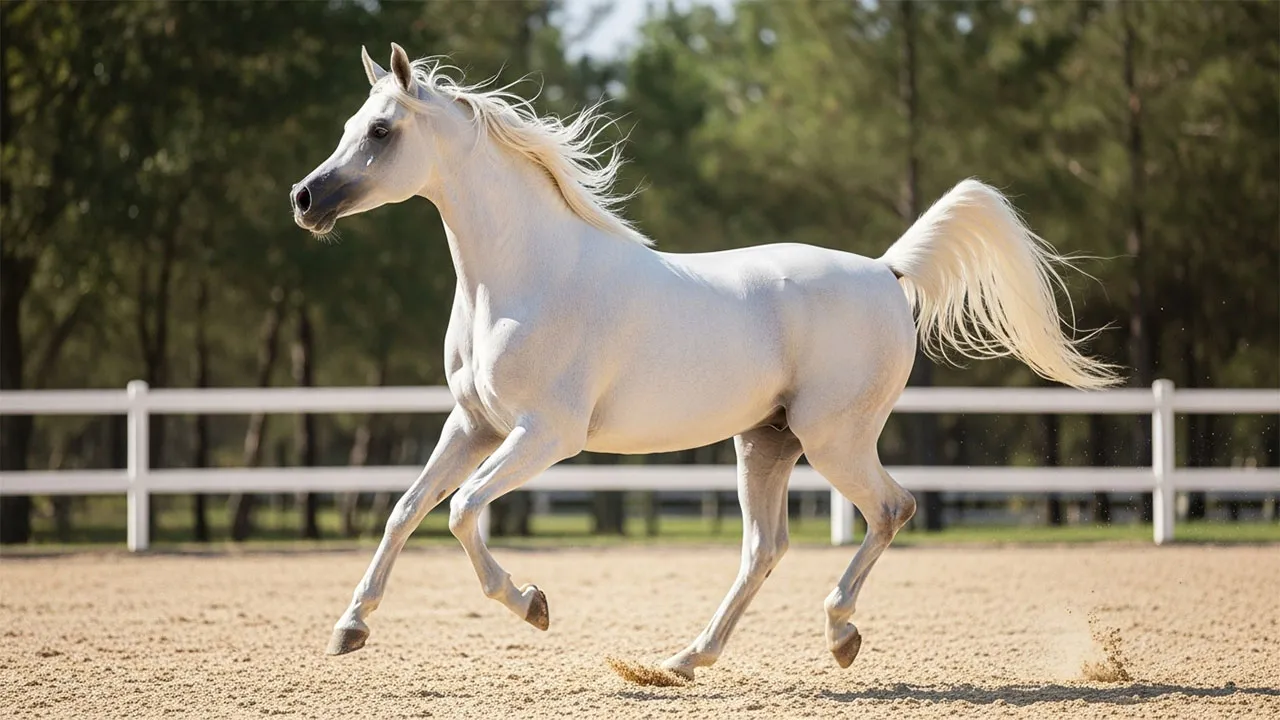
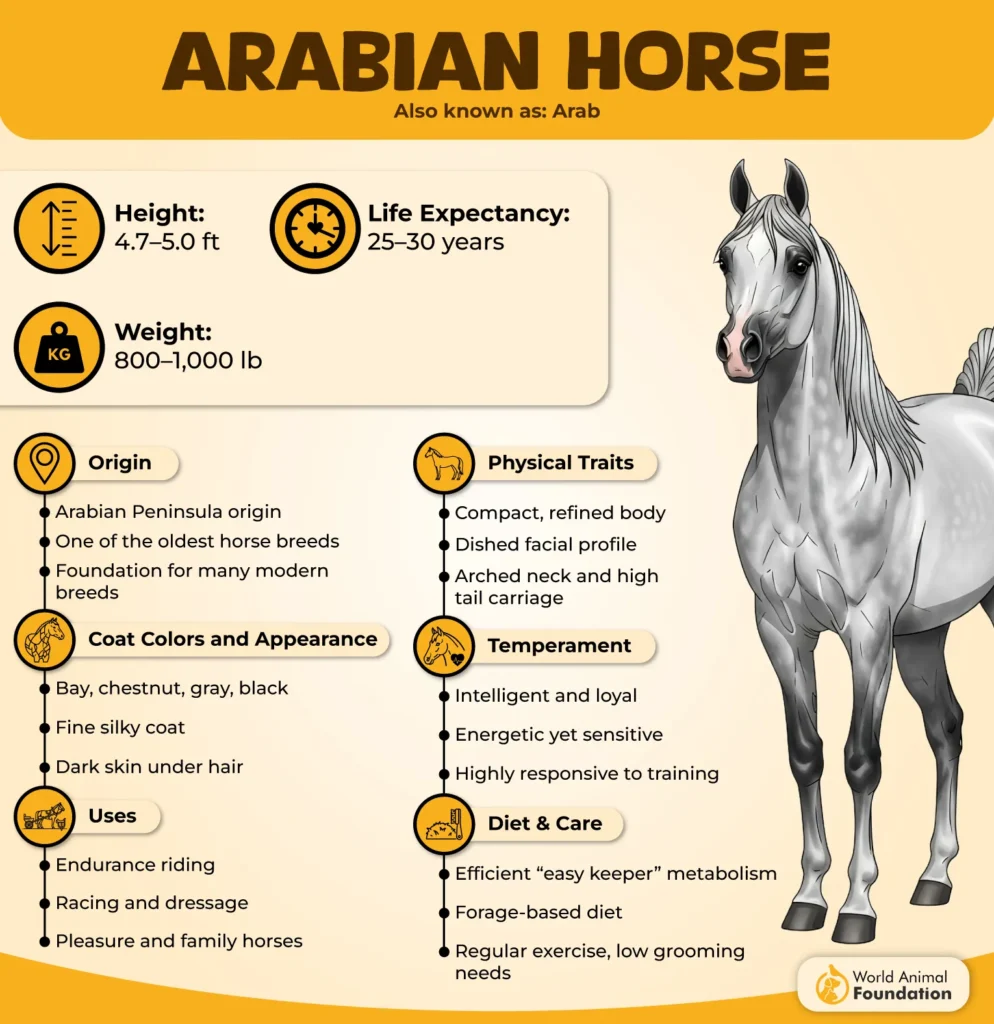
Arabians are one of the oldest horse breeds, celebrated for their refined appearance and historical significance in desert cultures. Their short, dished face, high-set tail, and arched neck give them a striking silhouette that reflects endurance and grace.
Distinctive Physical Traits
The Arabian’s compact, muscular build supports effortless movement and agility, ideal for desert travel and long rides. Their ears are pricked and alert, curving delicately inward, signaling attentiveness and sensitivity.
You can see their strength in these features:
High tail carriage during motion
Level or nearly level croup
Short, strong back
Intelligent and Expressive
Arabian horses are known for sharp intelligence and a curious, responsive demeanor, forming strong bonds with riders. Their upright ears complement a face that expresses mood and attention, making subtle communication easy between horse and handler.
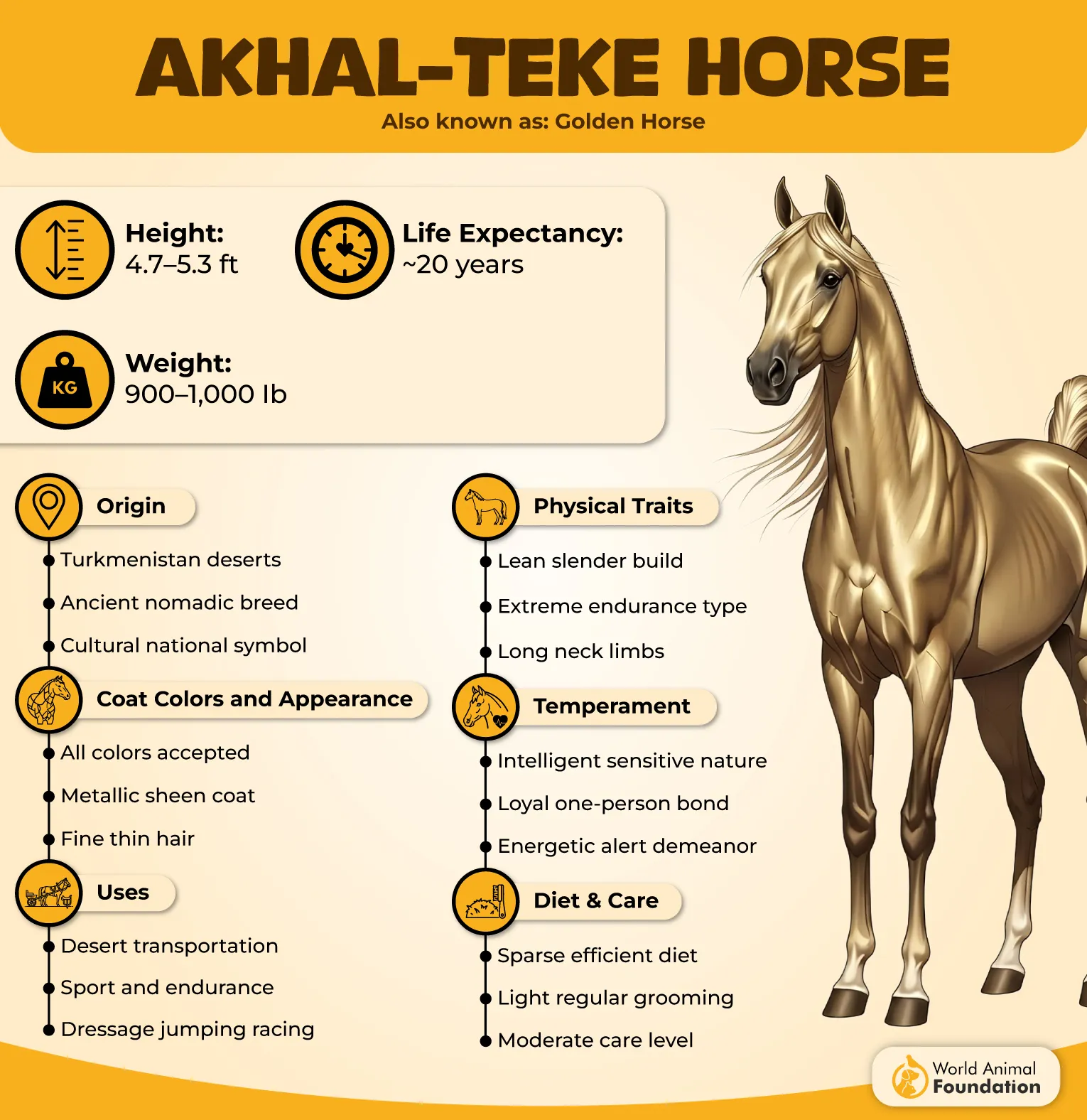
2. Akhal-Teke
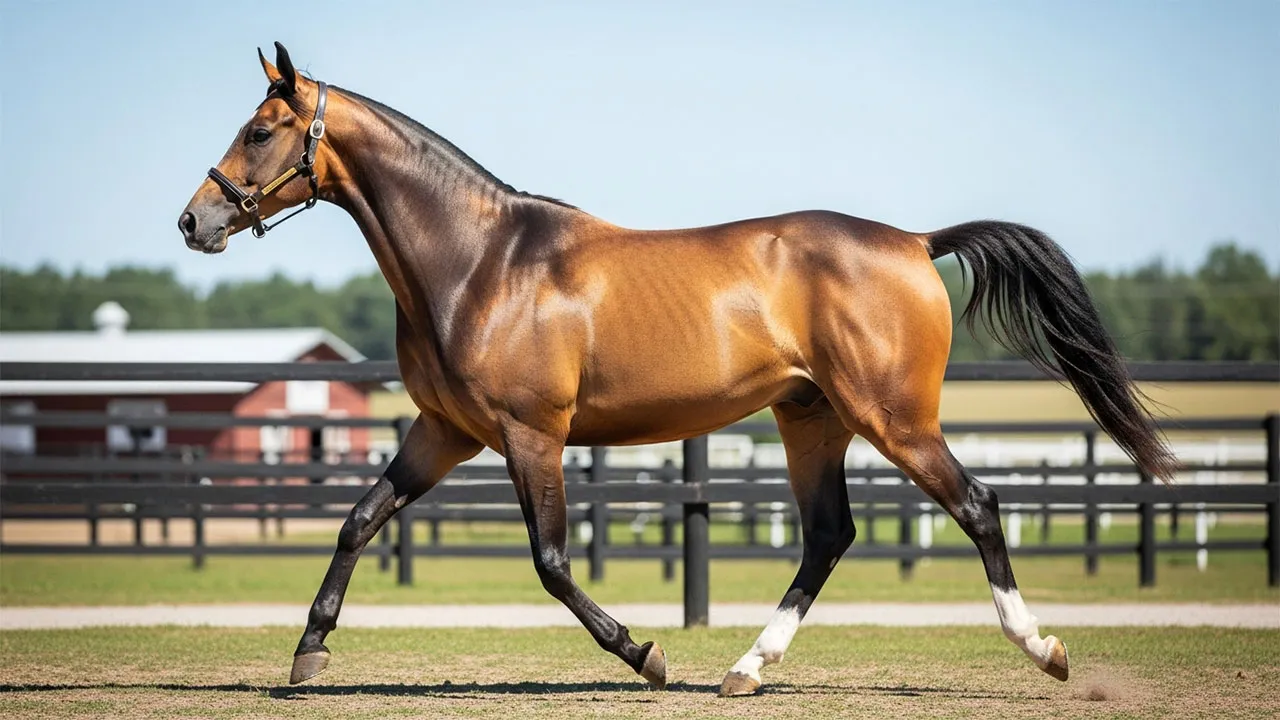
Akhal-Tekes hail from the deserts of Turkmenistan, carrying centuries of refinement from ancient Nisean horses. Their history is woven into nomadic traditions where speed, endurance, and intelligence were prized above all. These horses symbolize elegance built for harsh, arid landscapes.
Distinctive Appearance
The breed is renowned for long, narrow heads, slender necks, and hooded, almond-shaped eyes that convey alertness and intelligence, as Mad Barn notes. Their forward-set, upright ears complement a sparse metallic coat that shimmers under sunlight.
Notable features of this horse include:
Slender, elongated lines emphasizing athleticism
Heat-adapted coat that reflects desert light
Eyes and ears that communicate vigilance and focus
Agile and Intelligent
Akhal-Tekes are prized for their combination of mental sharpness and physical endurance. They respond quickly to subtle cues, making them exceptional in long-distance riding and performance events. Their alertness ensures they remain attentive to handlers while navigating challenging terrain.
3. Thoroughbred
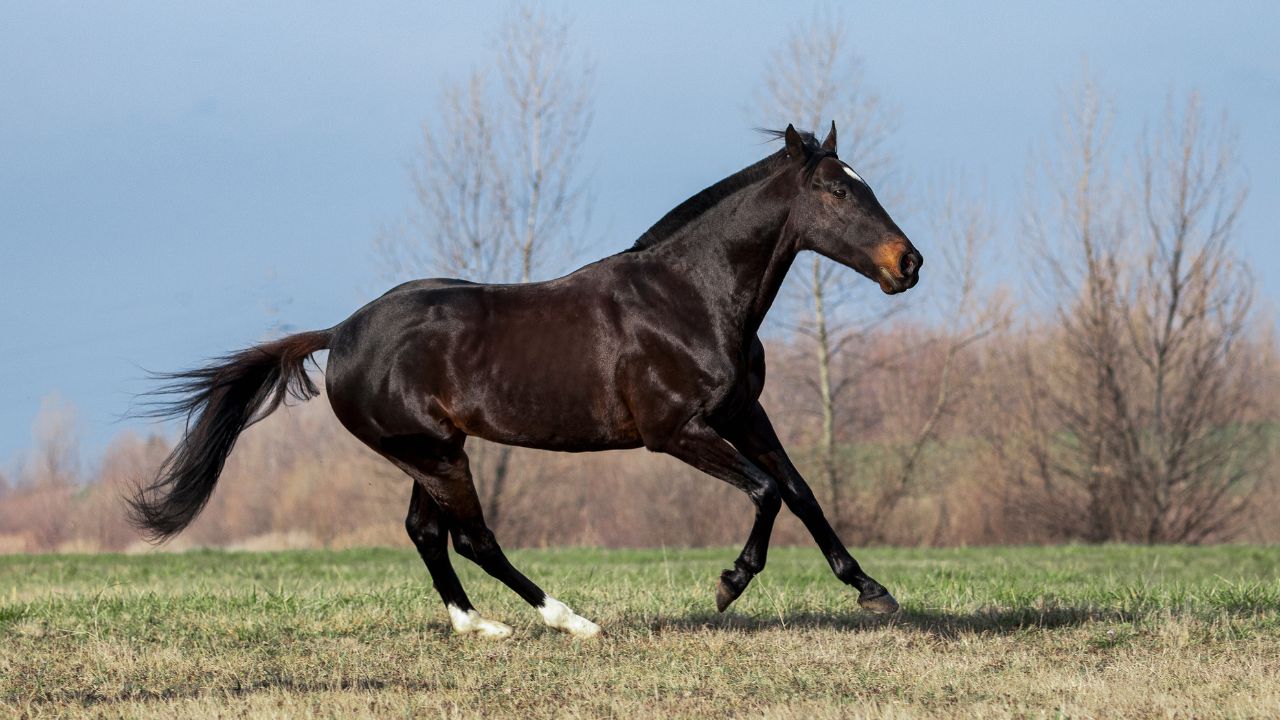
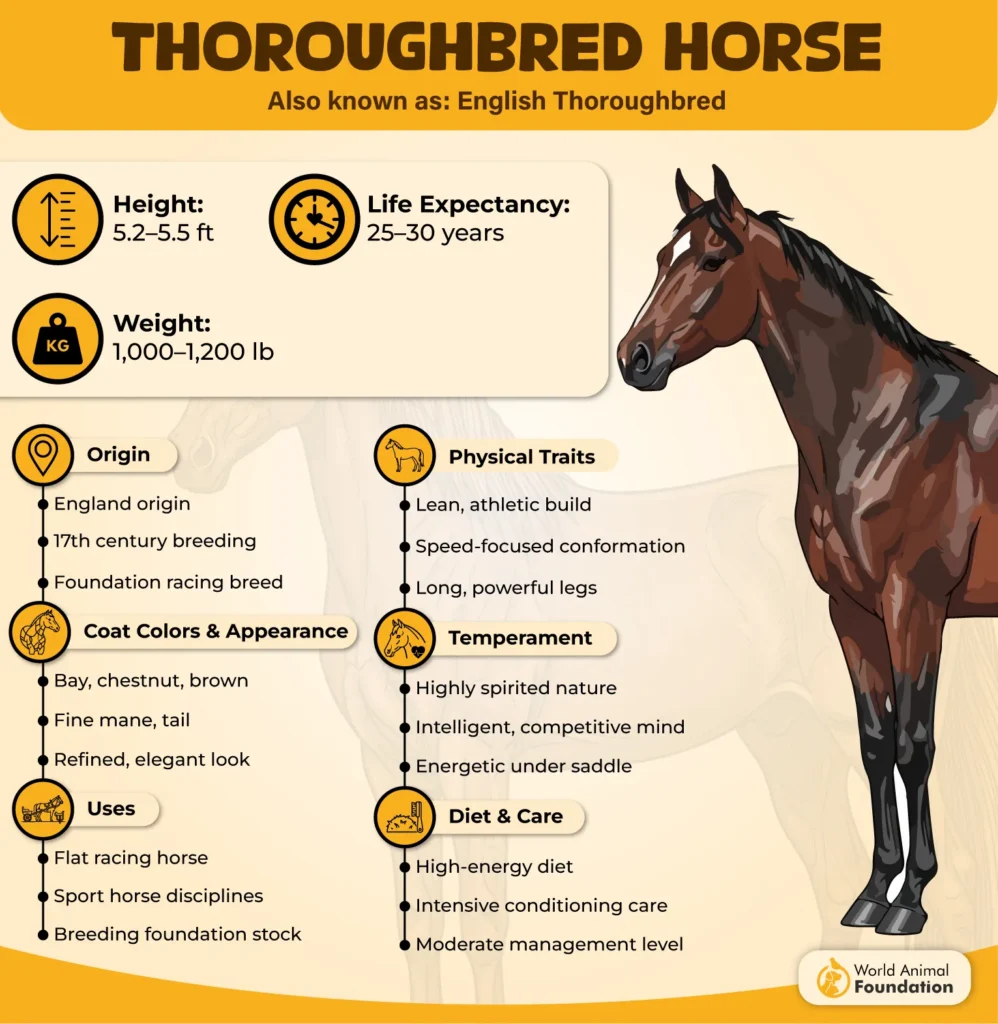
Thoroughbred horses are celebrated for their speed and stamina, tracing back to selective breeding in England for racing excellence. These hot-blooded horses carry a lighter, elegant frame that allows rapid acceleration and smooth, flowing movement, always ready for performance challenges.
Physical Presence
Their finely sculpted upright ears, positioned perfectly on the head, highlight alertness and attentiveness, complementing a long neck and powerful hindquarters, as Insider Horse reports.
You can see their alertness reflected in these traits:
Sleek, muscular build for agility and endurance
Naturally pricked ears for heightened sensory awareness
Graceful yet athletic stance for both speed and style
Versatility in Riding
Beyond the racetrack, Thoroughbreds excel in jumping, dressage, eventing, and pleasure riding due to adaptability and willingness to learn. Their upright ears and alert expression signal readiness, making them ideal partners for riders seeking responsiveness and precision.
4. Marwari
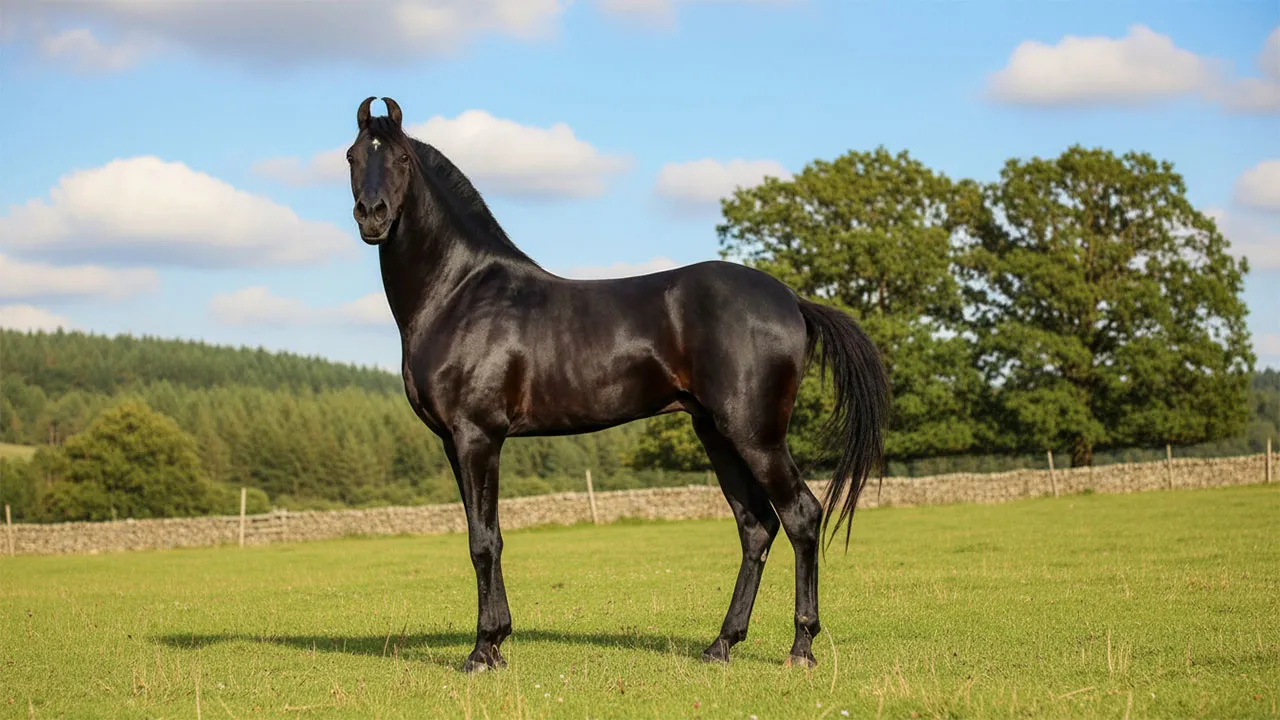
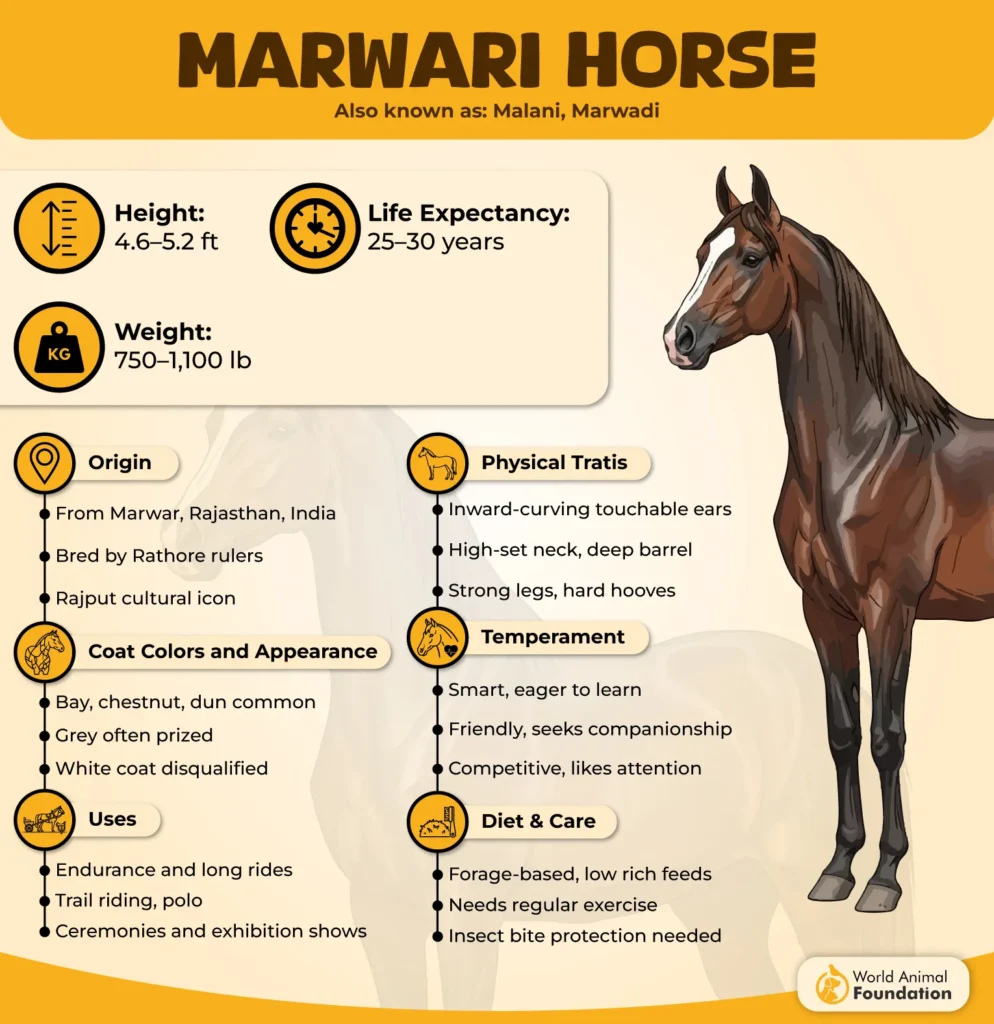
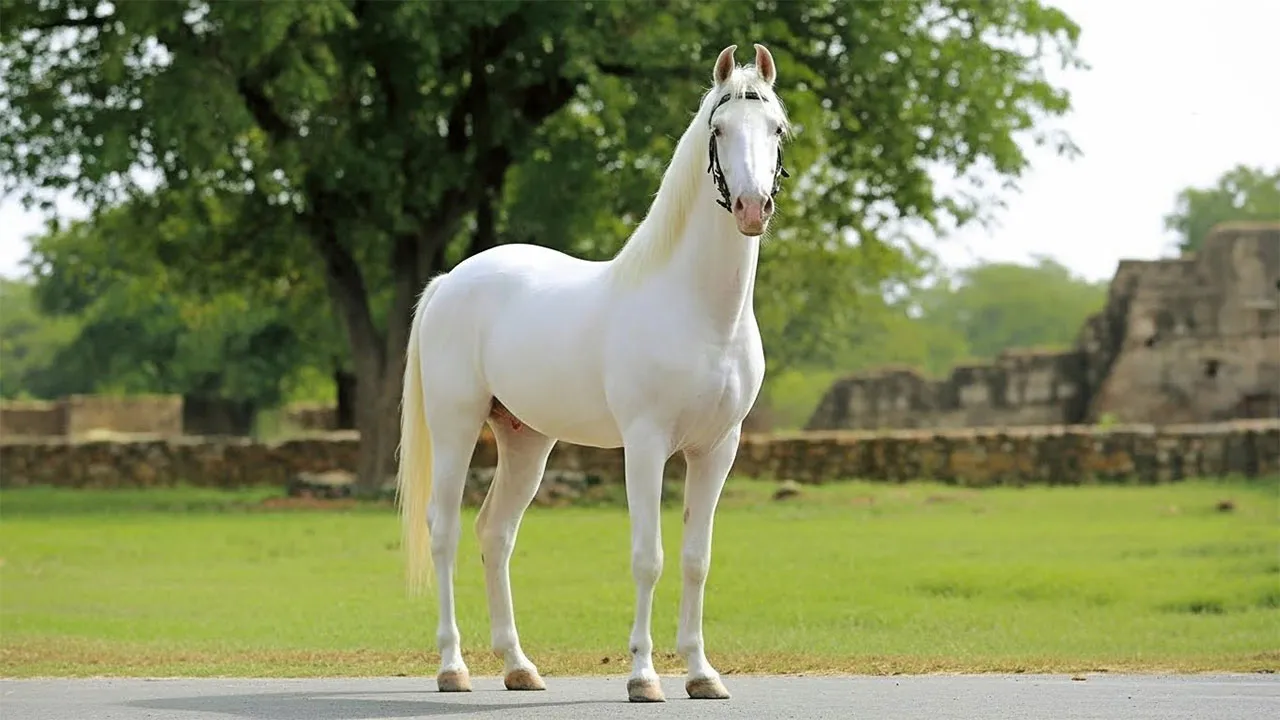
Marwari horses hail from Rajasthan’s desert plains and carry centuries of royal lineage. Their distinctively curved ears, often called “lyre-shaped,” immediately capture attention and set them apart. These horses symbolize endurance, elegance, and a storied cultural past.
Distinct Physical Traits
Known for their slender yet muscular build, Marwaris combine agility with grace. Their upright ears complement a refined head and expressive eyes.
Other notable characteristics include:
Sickle-shaped ears pointing inward
Strong legs built for desert endurance
A smooth, flowing gait is ideal for long rides
Cultural Significance
Beyond their physical beauty, Marwaris hold a deep historical and ceremonial value, as mentioned by the Marwari Horse. Featured in Indian art and folklore, they have been celebrated in royal processions and traditional festivals, making them a living emblem of heritage.
5. Morgan
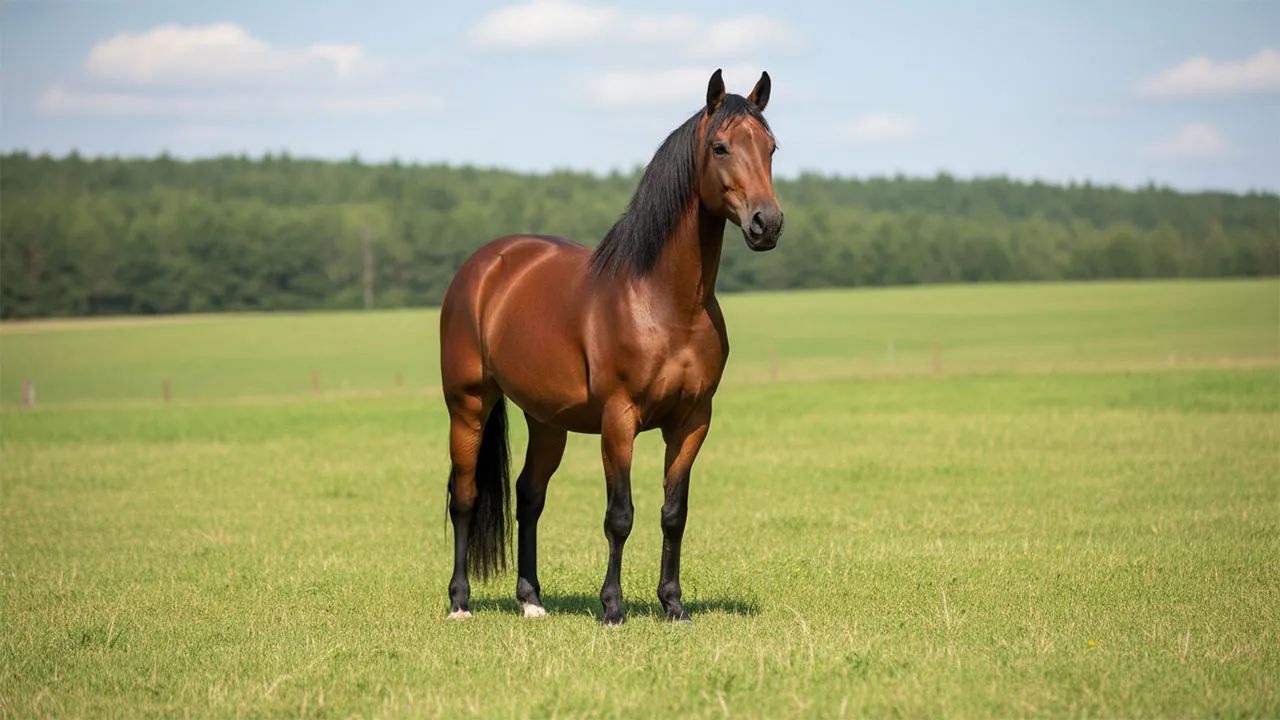
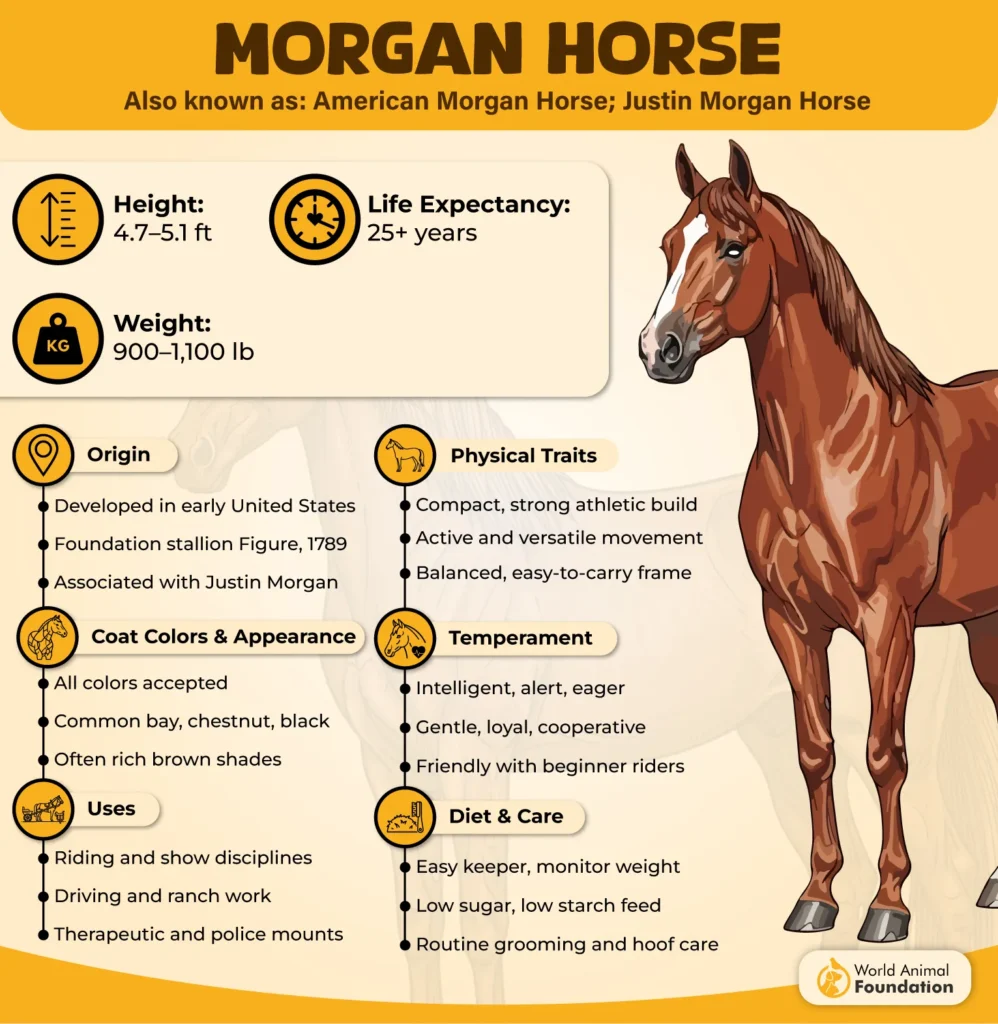
Morgan horses stand out for their stylish walk and compact, muscular build that allows them to excel in both performance and practical work. Upright ears frame their intelligent expression, highlighting alertness and sensitivity. Their movements are fluid, blending grace with strength.
Balanced Strength
These horses combine elegance with endurance, able to adapt seamlessly from show arenas to trail rides or therapeutic programs.
These features highlight what makes them so versatile:
Agile and responsive gait for competitive dressage
Muscular quarters and shoulders for carrying weight efficiently
Calm and attentive nature suited for riders of all levels
All-Round Performers
Whether navigating obstacles, patrolling trails, or showing off in exhibitions, Morgan horses excel with poise and reliability, as WebMD noted. Their combination of athleticism, intelligence, and graceful presence ensures they remain a favorite across disciplines in the horse world.
6. Hackney
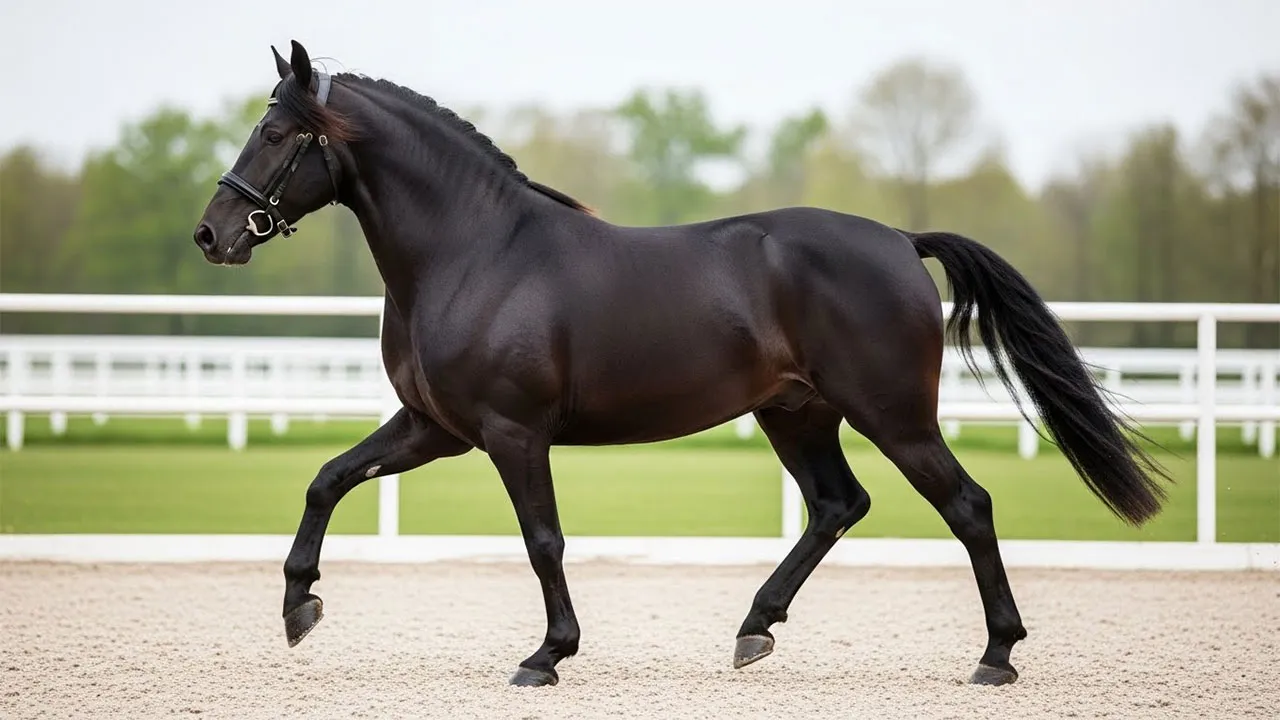
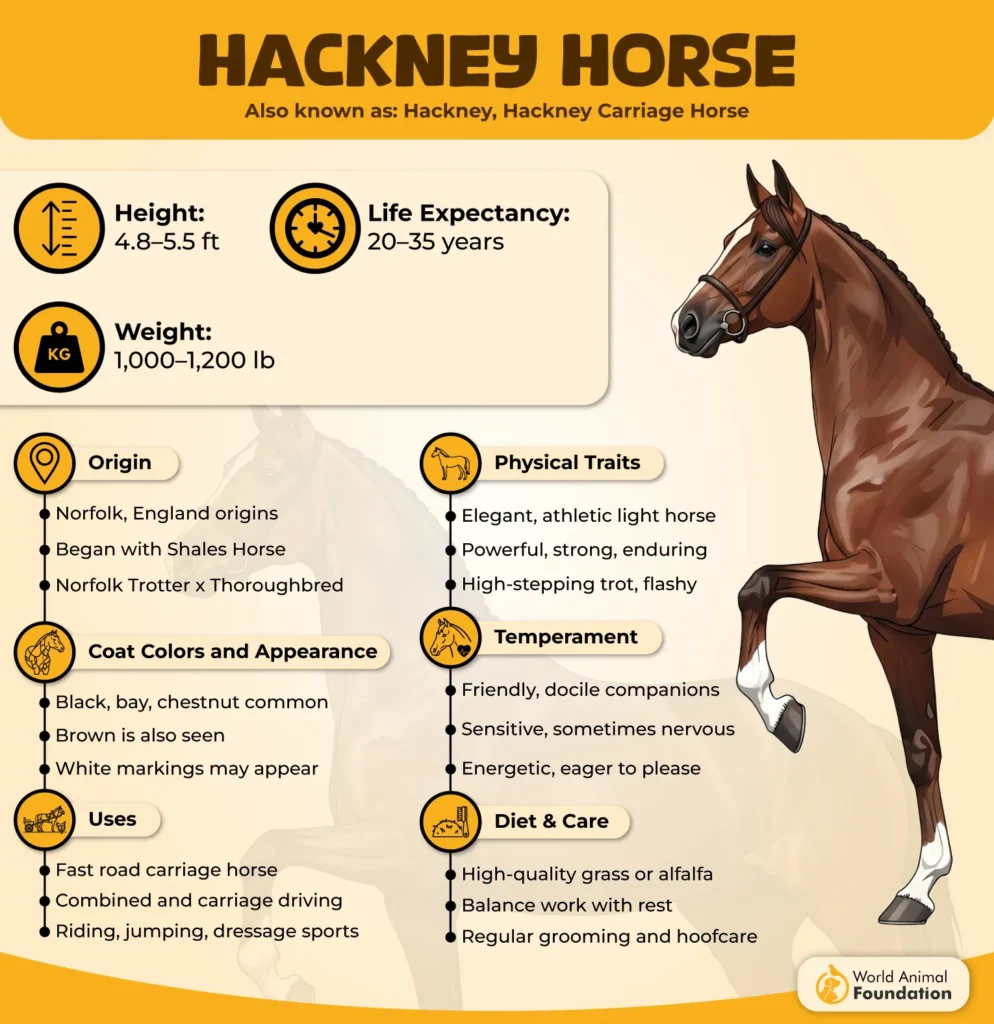
Hackney horses are admired for their upright, alert ears that reflect constant attention. Originating from eastern England, they were refined from Norfolk Trotters and Yorkshire Roadsters, combining speed and style. Their compact, muscular bodies give them a poised and energetic presence in motion.
Distinctive Movement and Form
The Hackney is celebrated for its elevated knee action and lively trot, creating a spectacle of motion admired in shows. This fluidity is paired with structural precision, making their performance both efficient and graceful.
Key attributes include:
High knee lift and forward hock action
Strong, durable joints and feet for sustained movement
Tail carriage that complements their animated gait
Personality and Alertness
Hackneys display intelligence and responsiveness, responding quickly to cues from riders or handlers. Their upright ears not only indicate curiosity but also guide their focus during training and performance. This attentiveness makes them reliable in harness or under saddle.
7. Kathiawari
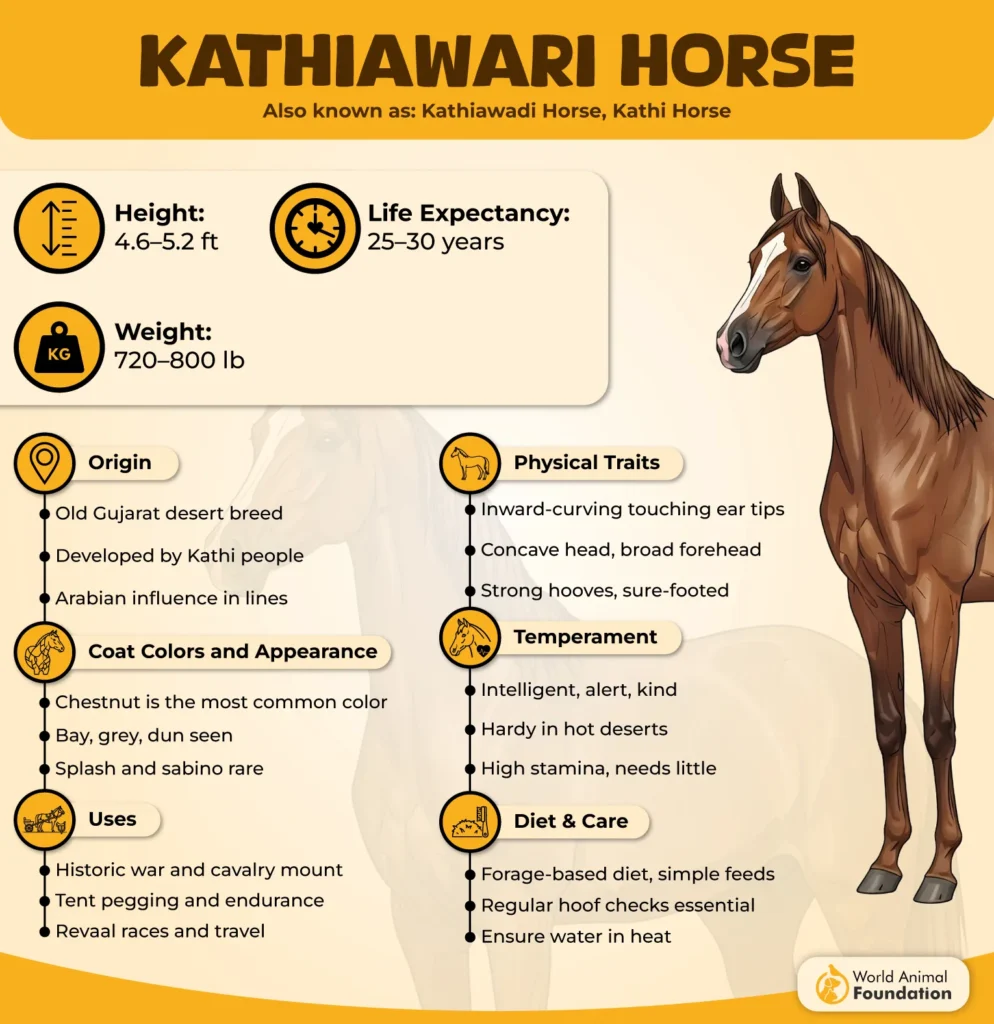
Kathiawari horses hail from western India, bred to endure harsh desert conditions with minimal food and water. Their inward-curving ears immediately catch the eye, signaling a breed prized for both beauty and function. Historically, they were celebrated as cavalry mounts and warriors’ steeds.
Signature Ears
The inward curving ears define the Kathiawari, often overlapping at the tips in a graceful sweep. This trait has been preserved through generations of selective breeding.
Additional highlights of the breed include:
Chestnut coat most common, with occasional bay and gray
Strong, compact build suited for long rides
Resilient to heat and arid climates
Temperament and Adaptability
Kathiawaris are spirited yet cooperative, making them suitable for riding, sports, and ceremonial purposes. Their alertness and intelligence make them easy to train, while their endurance supports sustained activity in challenging terrain.
Conclusion
Horses with naturally upright ears carry an expression that feels alive with awareness. From the elegance of desert bloodlines to the versatility seen in modern riding barns, these breeds reveal how form and function grow together through careful breeding. Some remain a rare breed known mostly to enthusiasts, while others work daily as dependable trail horses across varied landscapes.
Their posture reflects intelligence, patience, and remarkable ability in both quiet riding and demanding endurance races. For riders and admirers alike, these horses offer more than beauty. Their attentive ears and steady temperament continue to inspire respect among riders everywhere today worldwide.
