




What makes some horses live decades longer than others? Why do certain breeds naturally thrive well into old age while others reach the end of their prime much sooner? Longevity in horses is not simply a matter of chance.
Genetics, environment, nutrition, and daily management all converge to determine a horse’s lifespan. Horses that live longer often display unique traits, such as resistance to common ailments, steady temperament, and remarkable recovery from physical stress.
Understanding these patterns allows owners and enthusiasts to make thoughtful choices in breeding, care, and lifestyle management. Longevity transforms the relationship between horse and human, offering years of partnership, shared activity, and trust.
In this article, readers will explore the horse breeds best known for long lifespans and learn practical insights for fostering enduring health, vitality, and companionship throughout the life of their horses.
Key Takeaways
Some horses seem to defy time, staying energetic and healthy long past what you would expect.
Shires tower with majestic endurance, and Shetland Ponies pack decades of toughness into a tiny frame.
Trakehners and Thoroughbreds showcase refined athleticism that supports long lives, letting riders enjoy years of training, performance, and companionship.
Stick with us to see which breeds make longevity a true signature of their character.
Horse breeds known for long lifespan
1. Shire
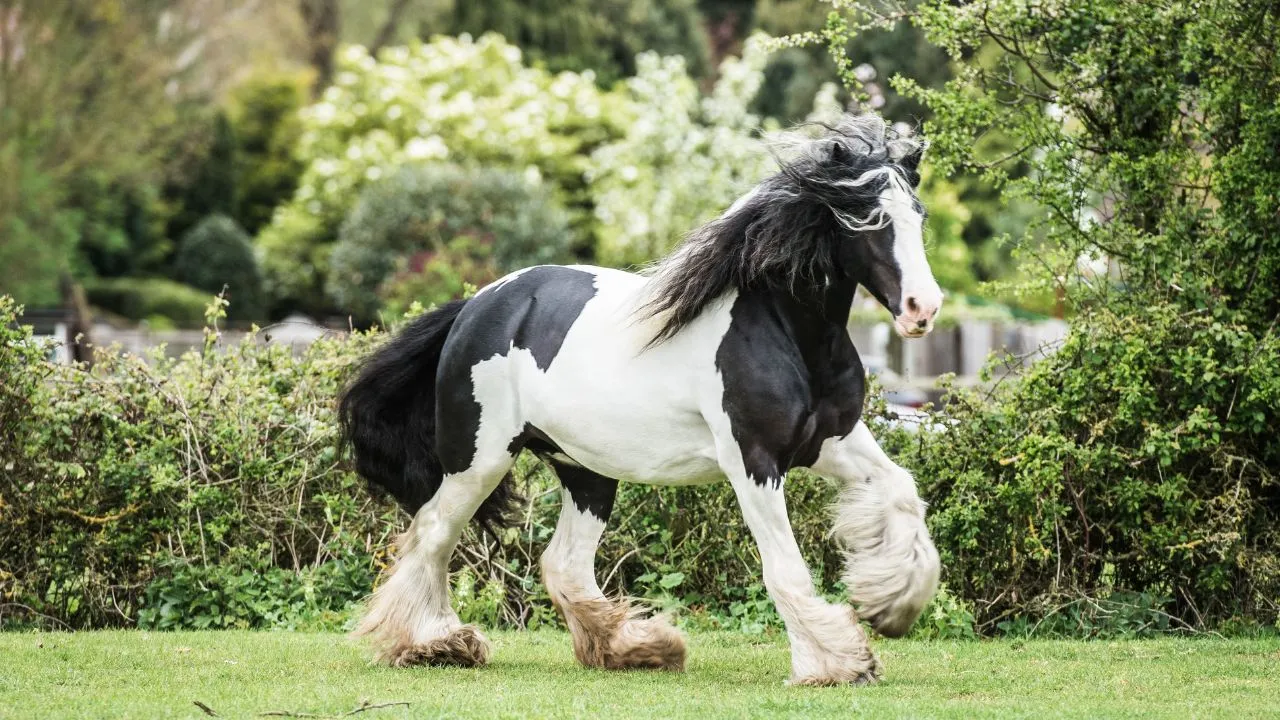
Shire horses are towering creatures known for their strength, calm temperament, and remarkable longevity. Originating in England, these massive horses were bred to haul heavy loads and pull carriages, combining power with endurance, as per The Livestock Conservancy.
Standing Tall and Mighty
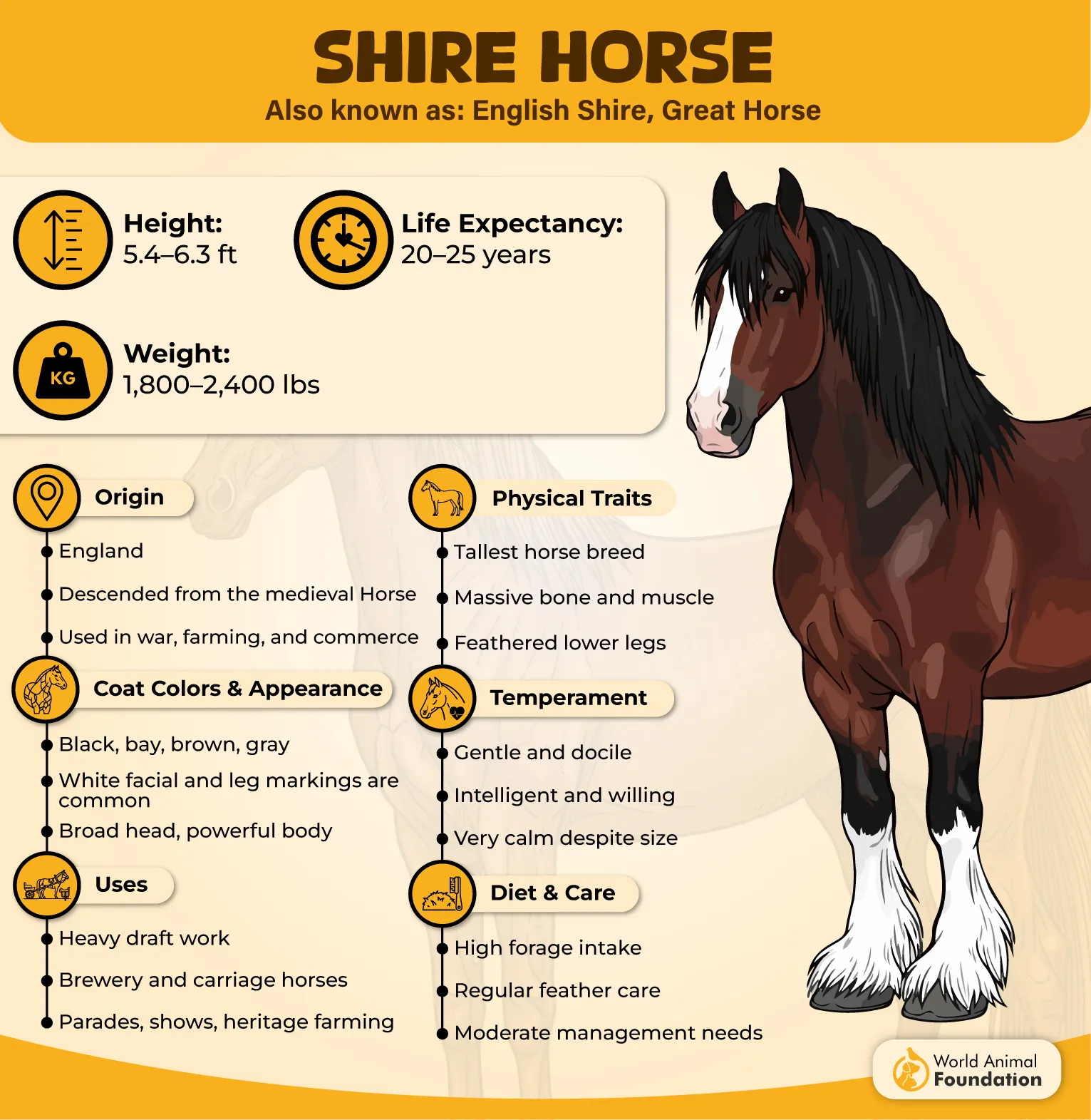
The Shire’s size is legendary, with some individuals exceeding seven feet in height and thousands of pounds in weight. Their stature contributes to both work capability and long-term health resilience.
Important physical characteristics of this breed are:
Dense, feathered legs for support and protection
Muscular yet graceful build for steady movement
Thick coat that endures harsh weather conditions
Lifespan and Durability
Shires often live between 35 years and 45 years, supported by their hardy constitution and slow, deliberate growth. Their calm demeanor and strong constitution reduce stress, contributing to a longer lifespan. They are suited to farms, heritage events, and traditional working roles.
2. Shetland Pony

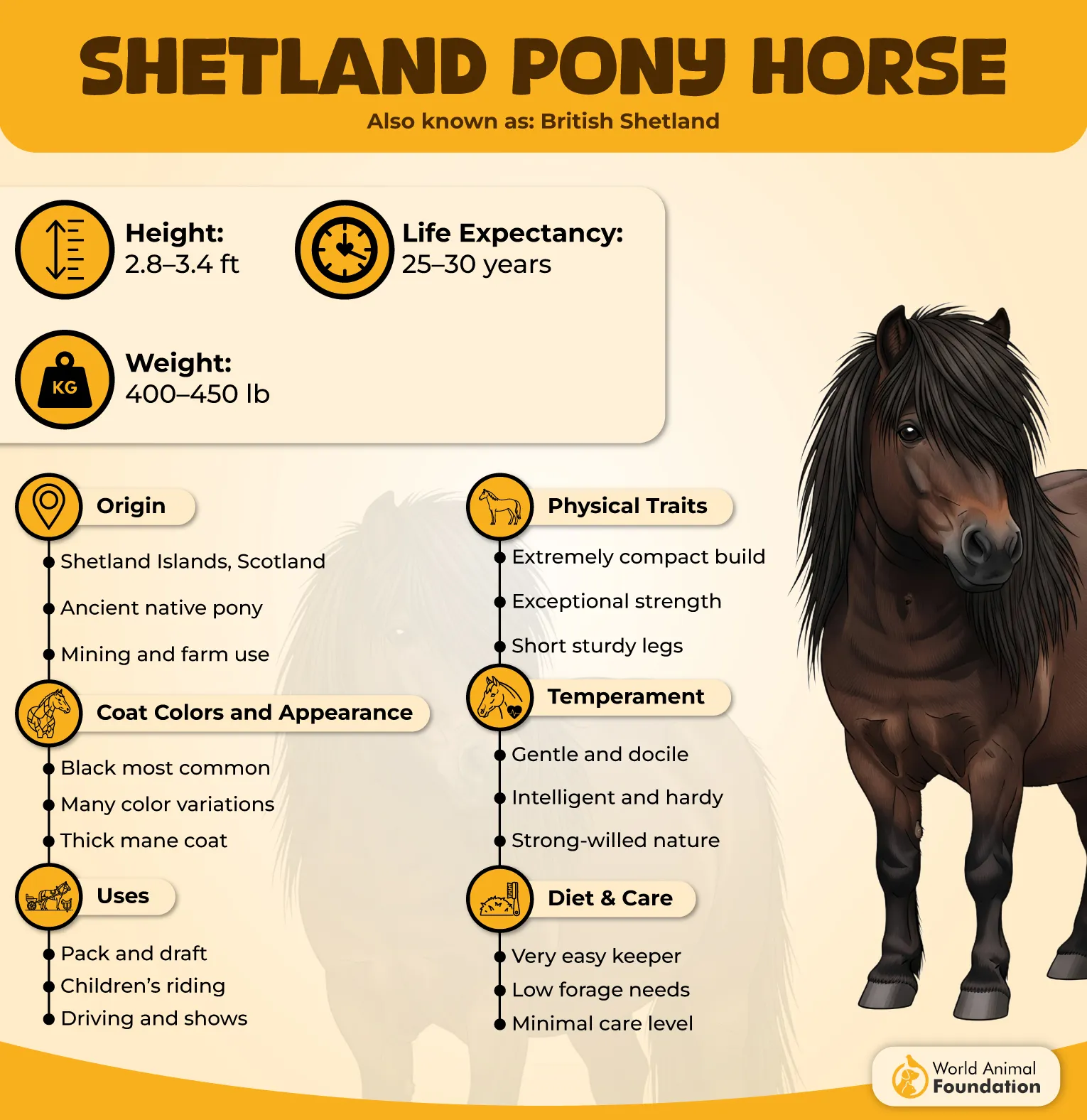
Shetland Ponies hail from the rugged Shetland Isles, where their small size and sturdy build helped them survive harsh conditions. Standing under 42 inches, their compact frame hides remarkable strength, a testament to centuries of resilience and hard work.
Enduring Qualities
The average life expectancy of this breed is 35-45 years old. Their longevity is rooted in resilience, intelligence, and adaptability. Shetlands excel in various roles, from cart pulling to children’s mounts.
You can see their resilience in these qualities:
Strong constitution for challenging terrain
Hardy metabolism supporting decades of life
Alert, yet gentle temperament suited for families
Notable Longevity
Shetland Ponies are among the longest-living equines, with individuals like Ted E. Bear reaching 58 years, as per Farm Show. Their adaptability, intelligence, and hardiness make them a breed that continues to captivate owners while showcasing what long life in a horse truly looks like.
3. Cleveland Bay
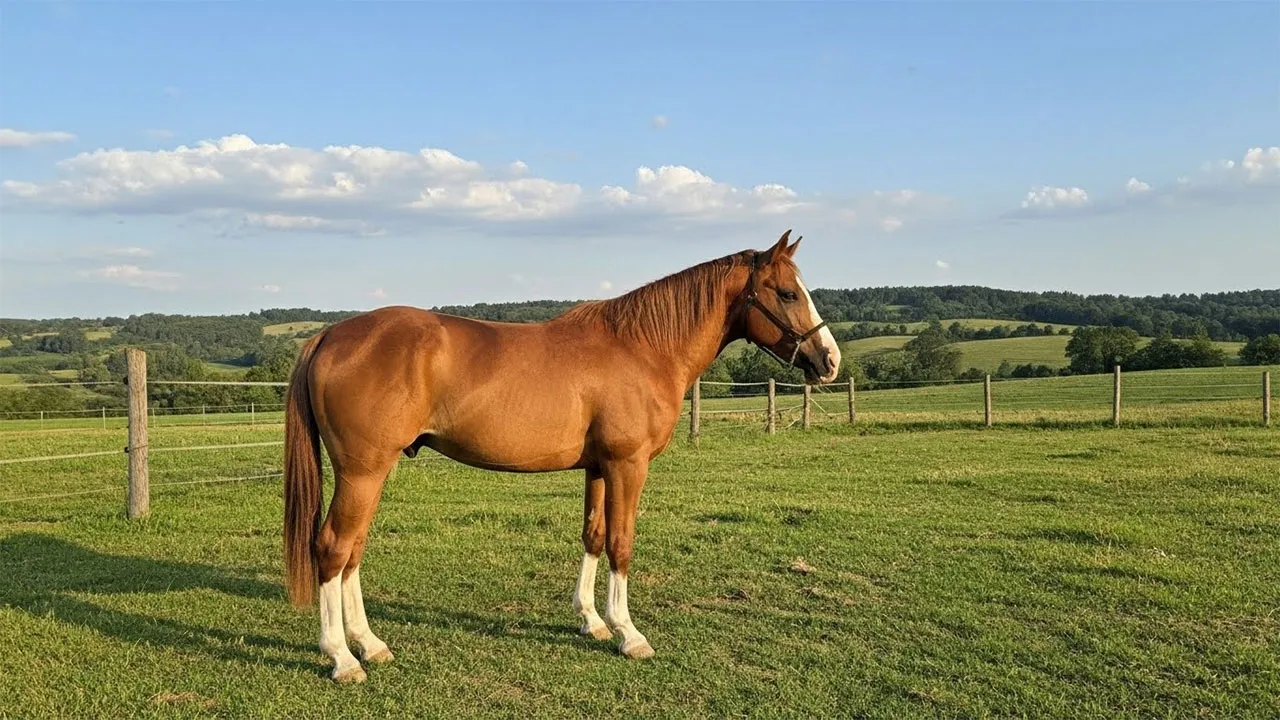
Cleveland Bay stands as the oldest established horse breed in Europe, a distinction shaped by centuries of steady use and resilient breeding. These powerful horses developed a reputation for durability in demanding work and formal driving roles.
Distinct Build
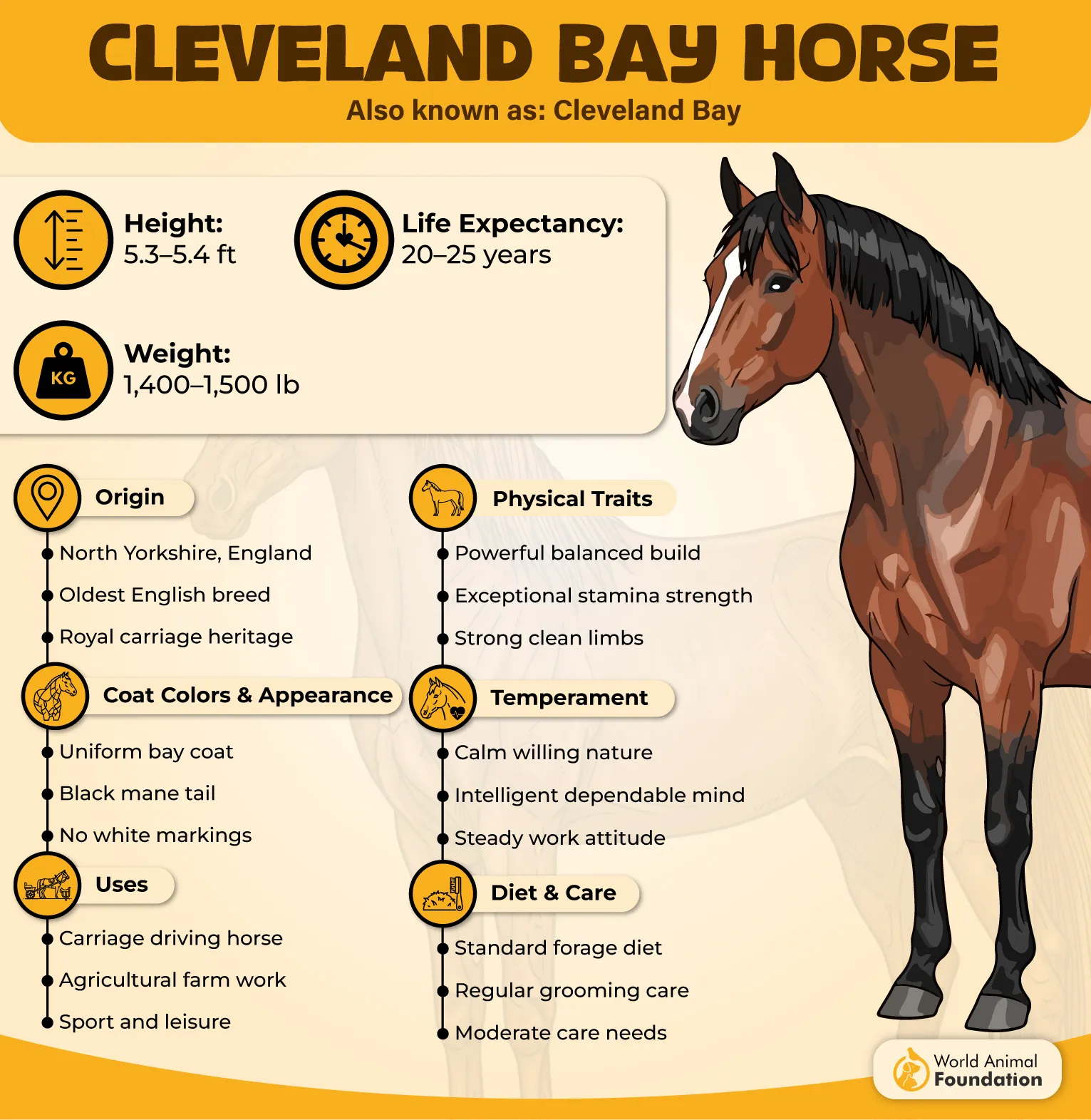
Cleveland Bay presents a strong, well-muscled frame that reflects both strength and balance in motion, as Britannica notes. Their balanced structure supports a working life that often stretches far beyond the average horse.
These characteristics reveal the breed’s unmistakable appearance.
Always bay colored with black legs
Around 65 inches tall
The average weight is about 1,450 pounds
Remarkable Longevity
Cleveland Bay horses are widely recognized for exceptional longevity, with individuals frequently reaching 40 years of age or more. This extended lifespan reflects generations of selective breeding for strength, soundness, and steady performance in demanding tasks.
4. Welsh Cob
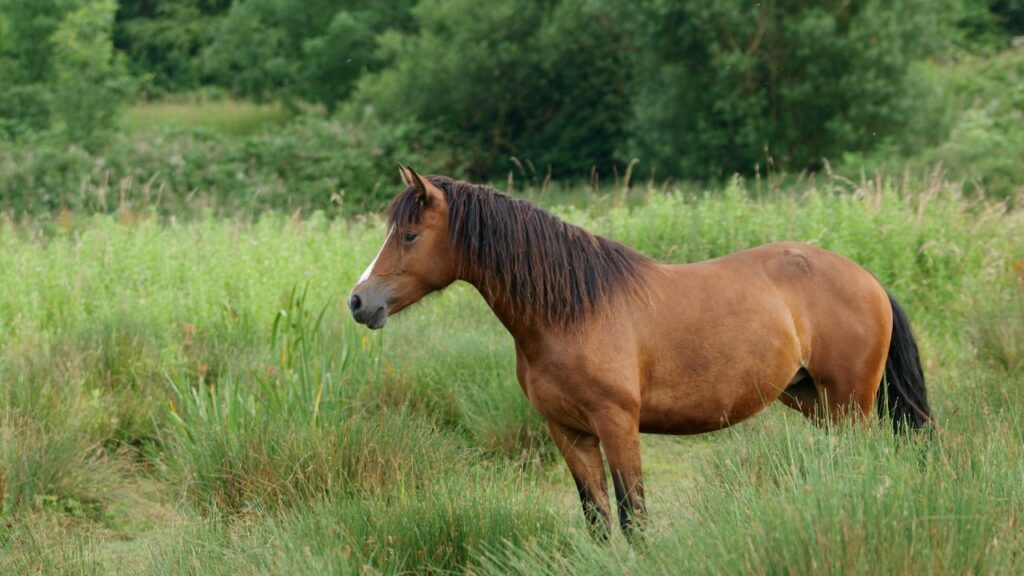
Welsh Cob horses trace their presence in Wales to records that reach back before 1600 B.C., giving the breed one of the longest documented histories in the region. Generations developed in rugged countryside shaped a hardy horse able to endure harsh weather and sparse grazing.
Distinct Features
They show a compact but powerful frame that developed through centuries in varied Welsh landscapes. Their build reflects durability more than ornamentation, a trait often linked with their ability to live well into later decades.
A few defining details illustrate the breed clearly:
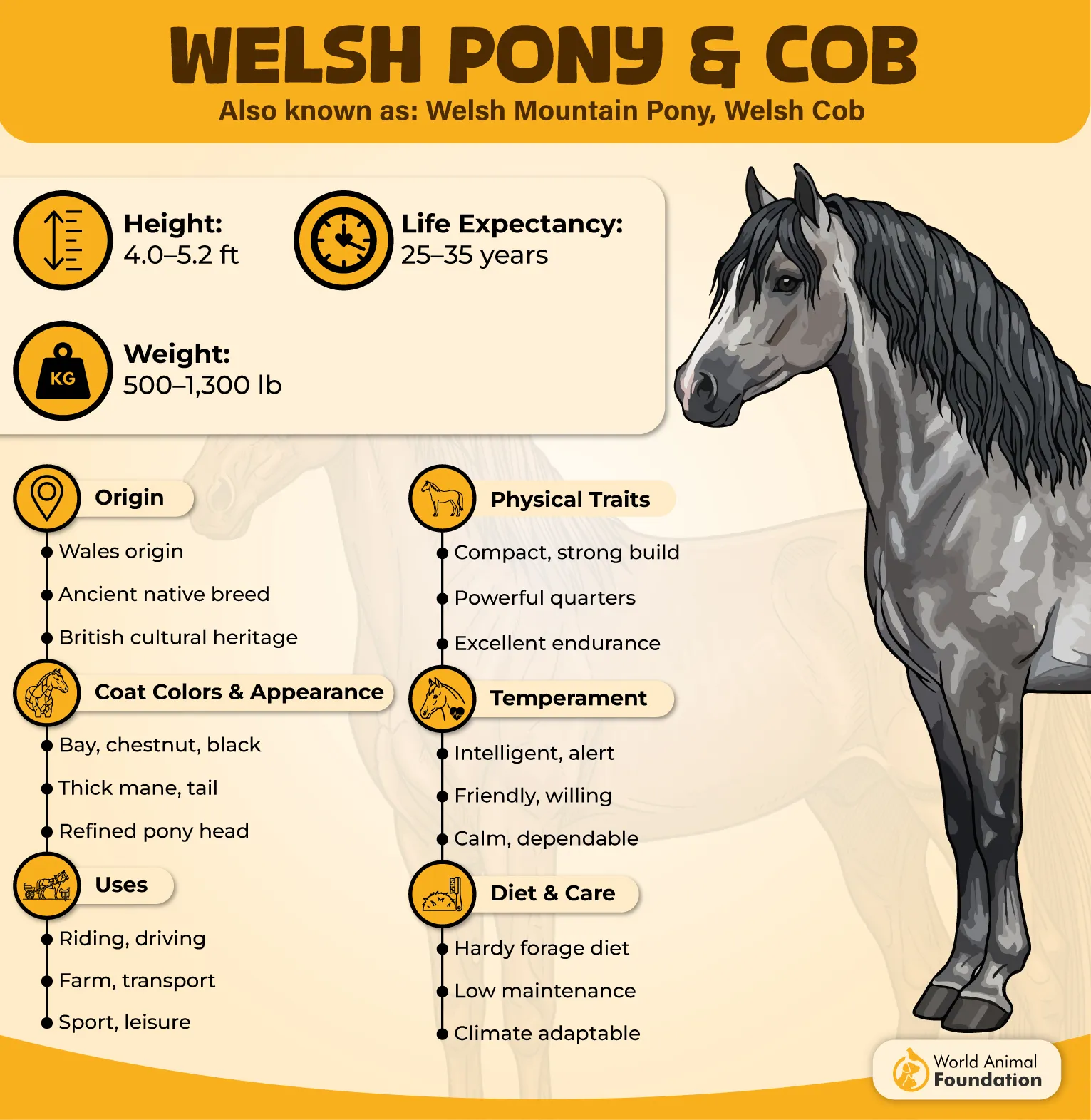
Height ranges roughly from 44 to 64 inches
Common colors include bay, black, chestnut, and grey
Strong bone structure suited for rugged terrain
Lifespan Record
These horses regularly reach ages beyond 35 years, placing them among horse breeds noted for exceptional longevity. Stories of older individuals remain part of the breed’s reputation across Wales and beyond.
One well-known example is Badger, a Welsh-Arabian cross that lived to the remarkable age of 51, as Eventing Nation mentioned.
5. Trakehner
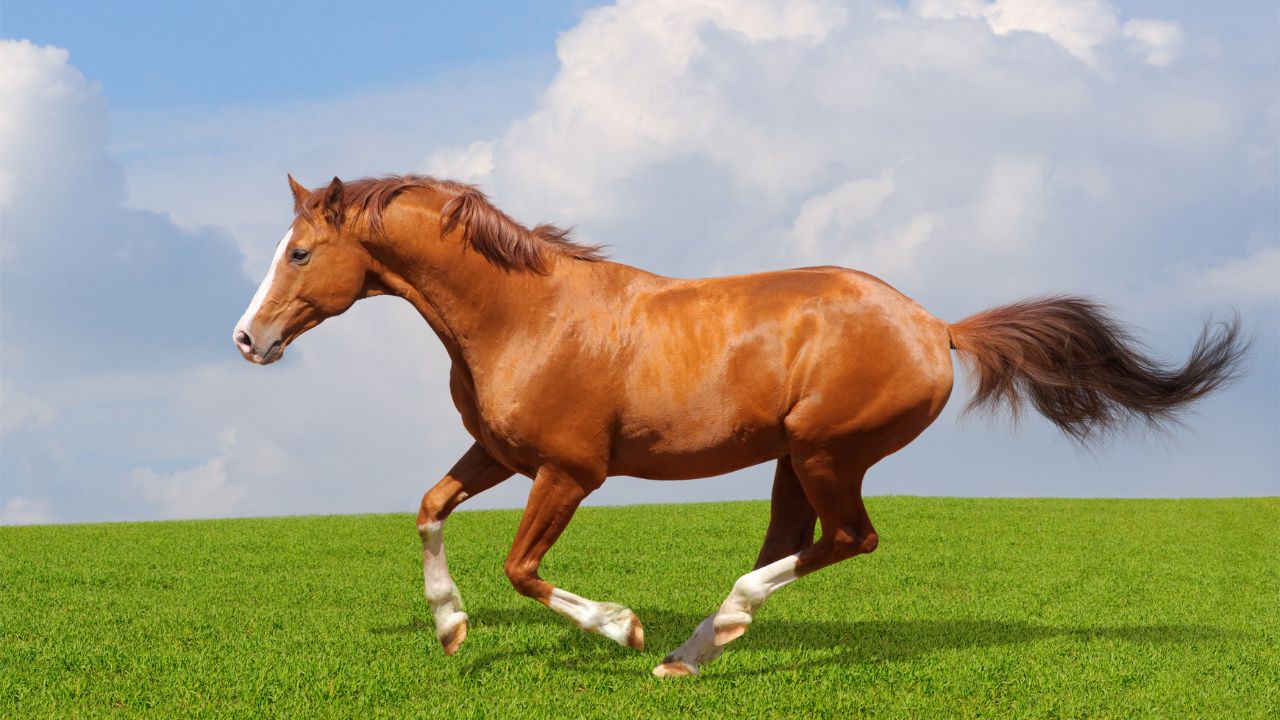
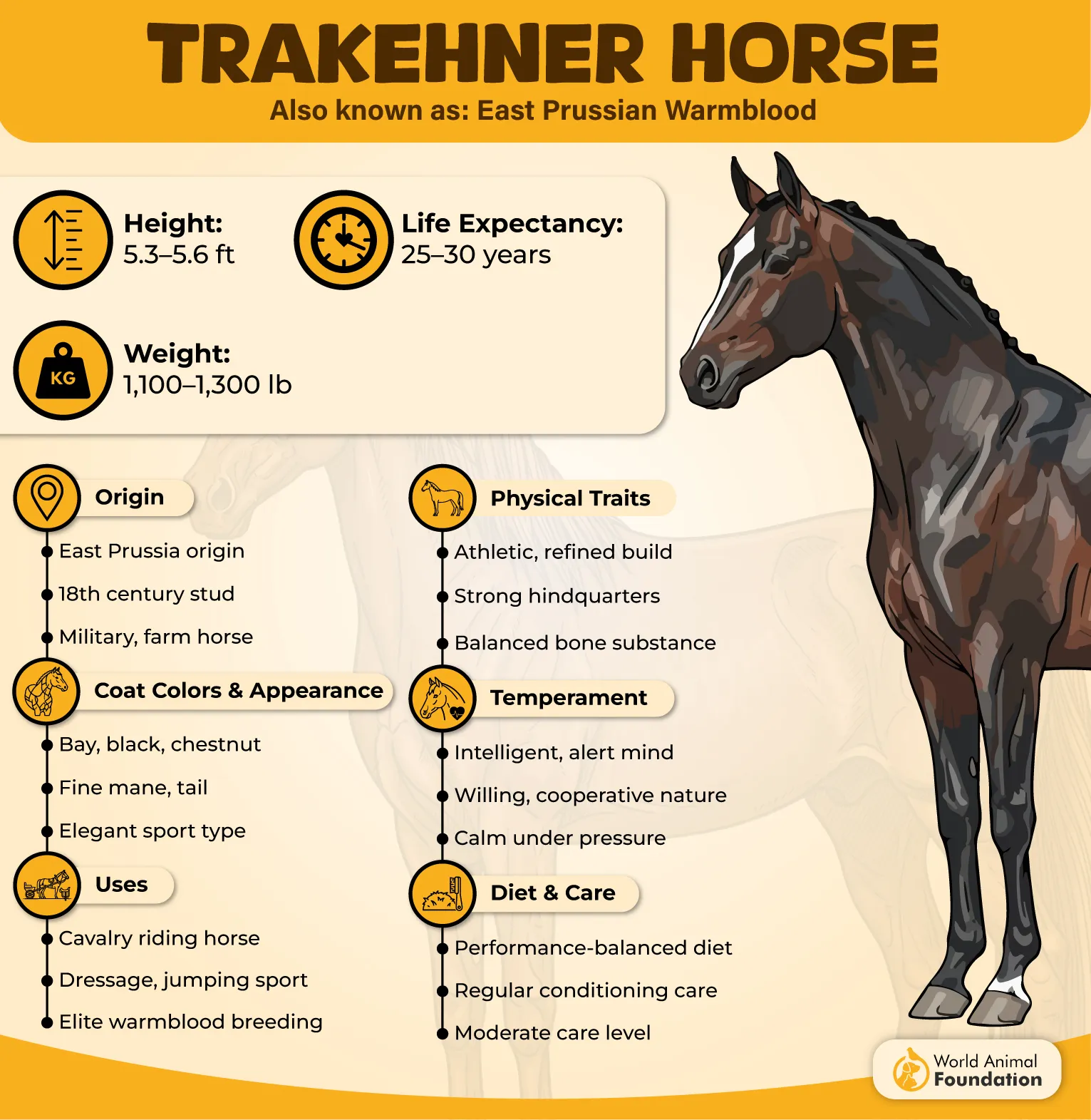
Trakehner horses developed at the historic Trakehnen stud in present-day Yasnaya Polyana, where careful breeding shaped a refined yet resilient sport horse. This heritage produced animals known to reach 30 to 35 years, a lifespan supported by balanced structure and athletic durability.
Athletic Structure
Trakehner moves with a distinctive floating trot and smooth canter, qualities that have drawn Olympic riders toward the breed for dressage, show jumping, and eventing, as We Horse noted.
A few defining details explain this lasting performance:
Floating trot with extended suspension
Smooth, balanced canter
Strong but refined sport-horse frame
Performance Longevity
These horses gained global recognition through Olympic arenas, where sustained athletic output often reflects strong health and structural efficiency. Their coordinated movement reduces strain during demanding sport routines, allowing them to remain active well into later years.
6. Thoroughbred
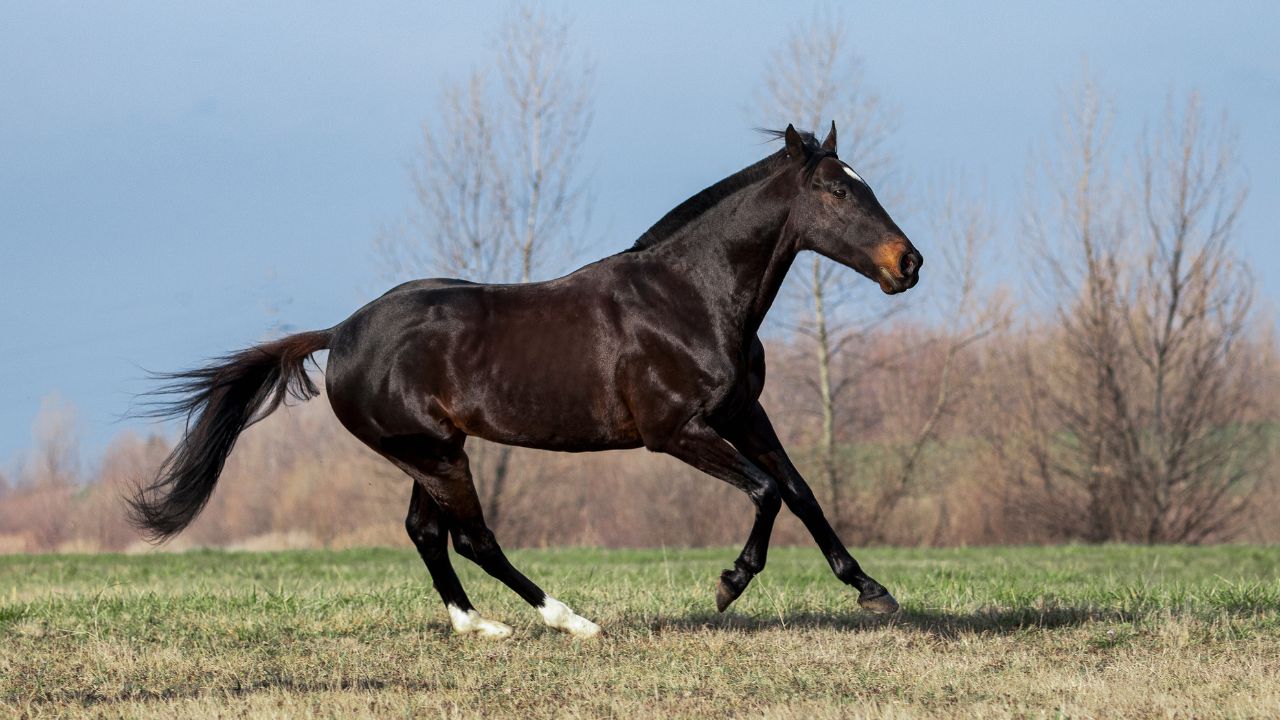
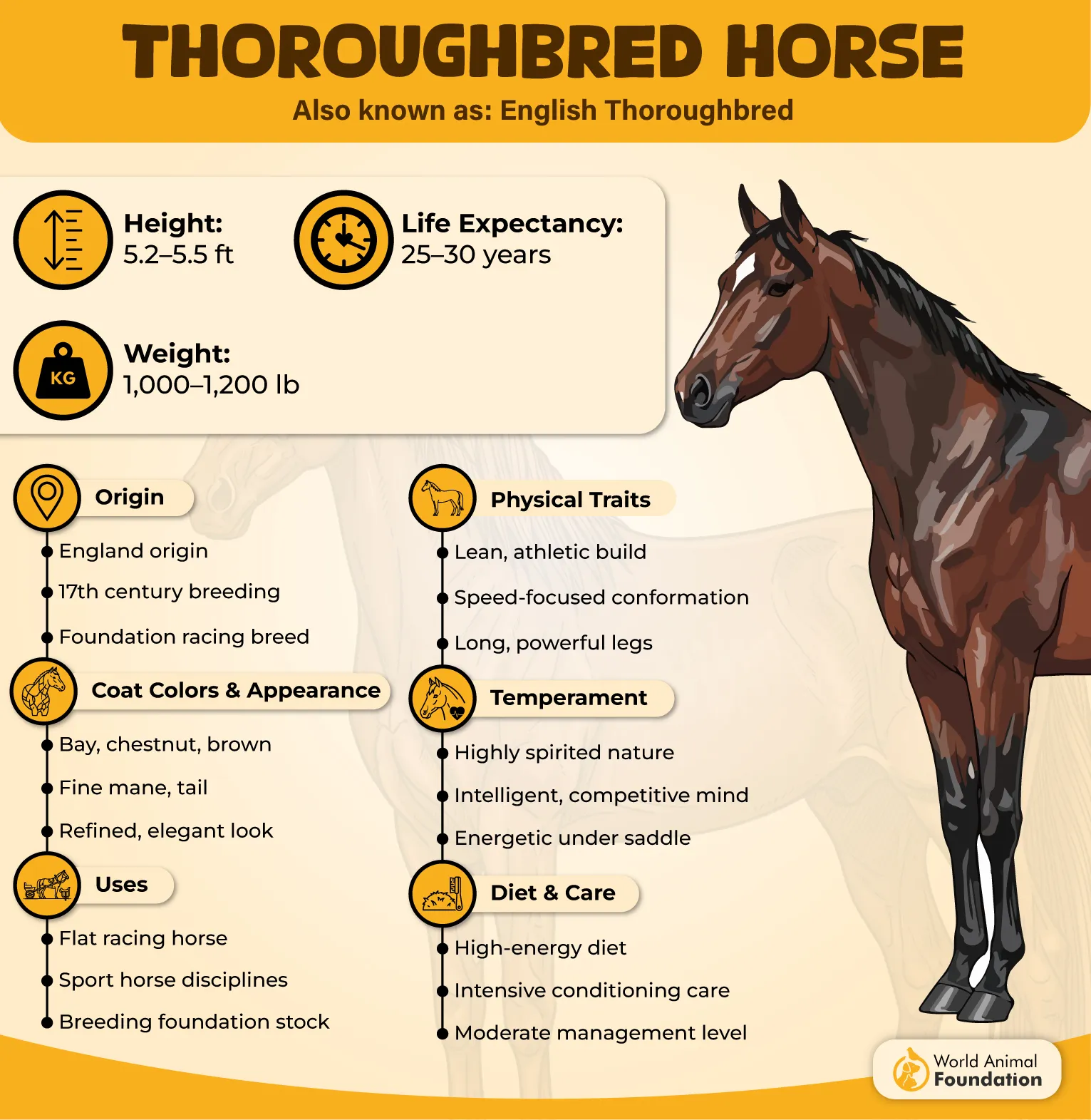
Thoroughbreds trace back to 17th-century England, where careful breeding produced speed, endurance, and resilience. Over centuries, these horses have balanced athleticism with remarkable longevity, often living 30 to 35 years.
Physical Strength and Durability
Thoroughbreds combine lean muscle with structural elegance. They are versatile in sports like eventing, show jumping, and endurance riding, reflecting their heritage.
Their physicality contributes to resilience across decades:
Lean, muscular frame supporting agility and endurance
Strong legs and joints suited for high-performance activities
Stamina that allows long-term training and competition
Notable Lifespan Records
Exceptional individuals show how extraordinary longevity can be. Tango Duke lived to 42, showcasing a balance of health and careful management, while historical cases like Old Billy reached 62, a testament to the breed’s durability. These examples highlight the genetic potential for extended lifespan.
7. American Standardbred
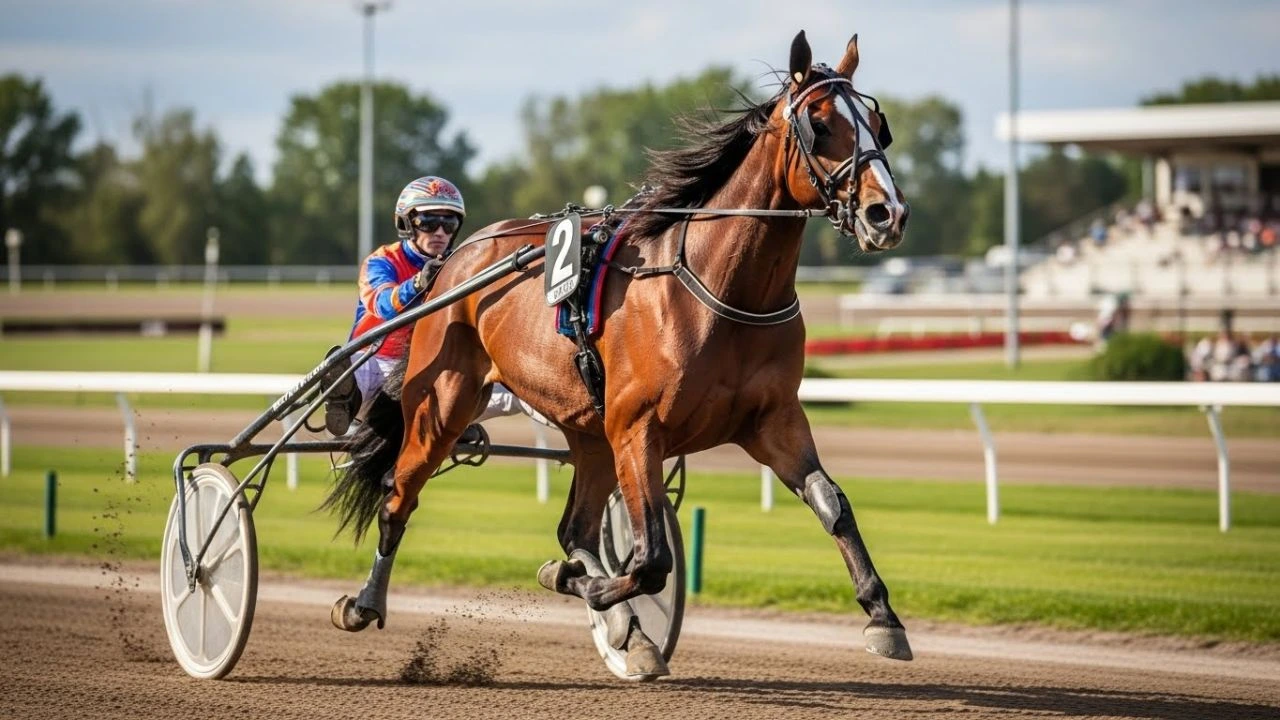
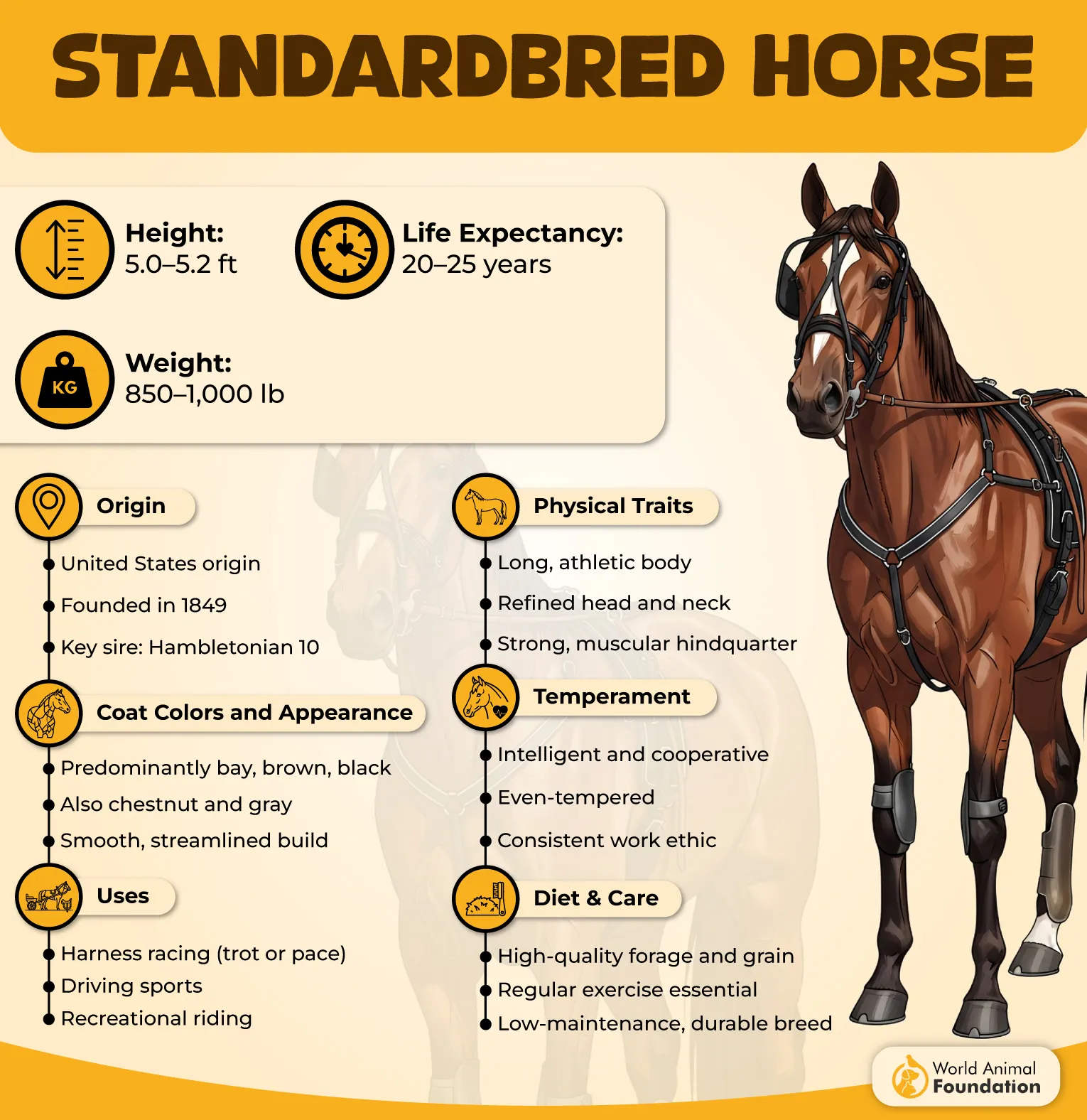
American Standardbreds emerged in the 17th century in the U.S., prized for endurance and reliability. Known for their calm demeanor and strong constitution, these horses have an average lifespan of 30 to 35 years. They were carefully bred to excel in both trotting and pacing disciplines.
Performance and Versatility
Their physical design supports longevity and consistent performance across activities. These horses are agile and sturdy, making them capable in various equestrian pursuits.
This is where this horse breed excels:
Excelling in harness racing and trotting events
Adaptable to dressage and recreational riding
Sustaining active careers well into their teens
Work Ethic and Temperament
They balance diligence with a cooperative nature, making them excellent companions for riders and trainers. Their steady temperament ensures safety while training, competition, or daily riding routines. Careful management and a structured schedule promote health and long life.
8. Haflinger
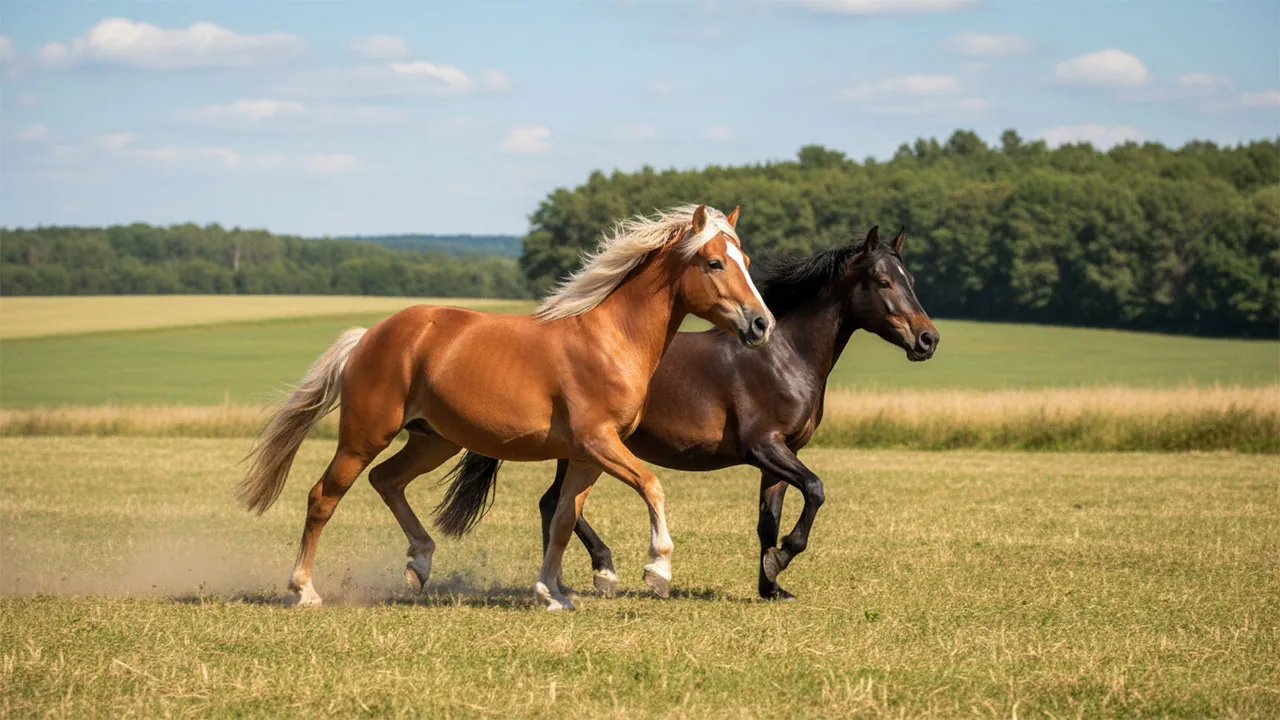
Haflingers hail from the Tyrol region of Austria and northern Italy, bred to navigate rugged mountain terrain with strength and stability. Their history reflects a breed shaped by high-altitude work, where endurance and adaptability were vital for survival.
Distinctive Features
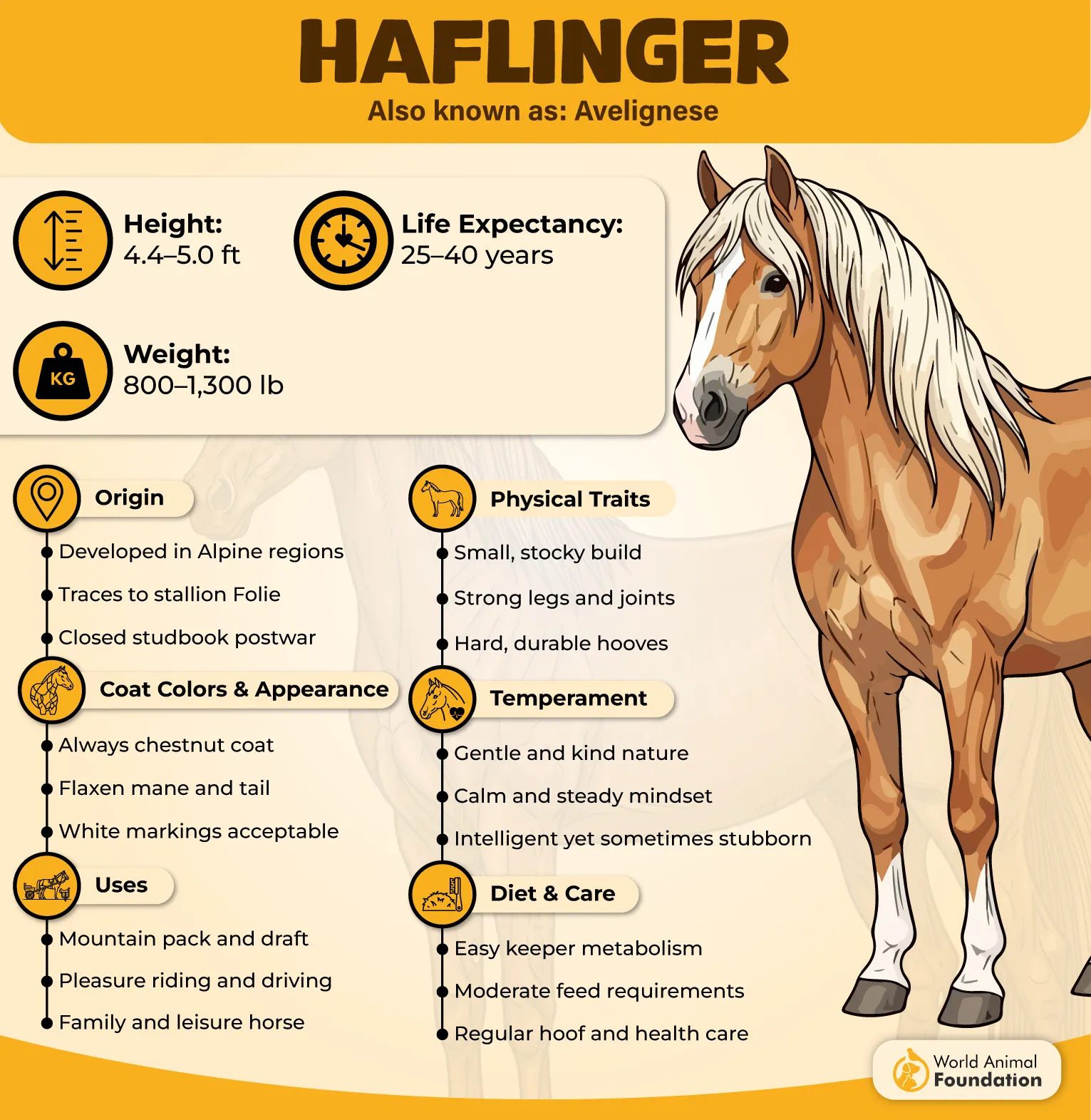
Small but sturdy, Haflingers are instantly recognizable with chestnut coats and flaxen manes and tails. Their muscular build supports light draft work, riding, and farm tasks.
Their personality traits are shown in these behaviors:
Sure-footedness in uneven, mountainous terrain
Calm and willing temperament suitable for families
Versatility in riding, driving, or recreational work
Functional Longevity
Modern Haflingers serve as family mounts, pleasure horses, or light harness horses, blending endurance with practicality. Their long lifespan, typically 30–35 years, reflects both hardiness and selective breeding, making them reliable partners across generations.
9. Percheron
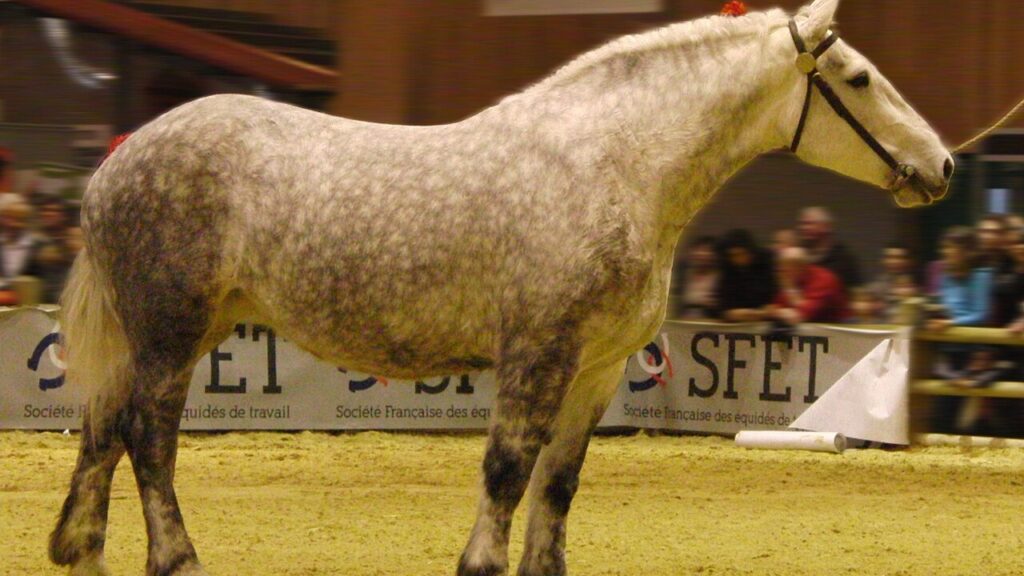
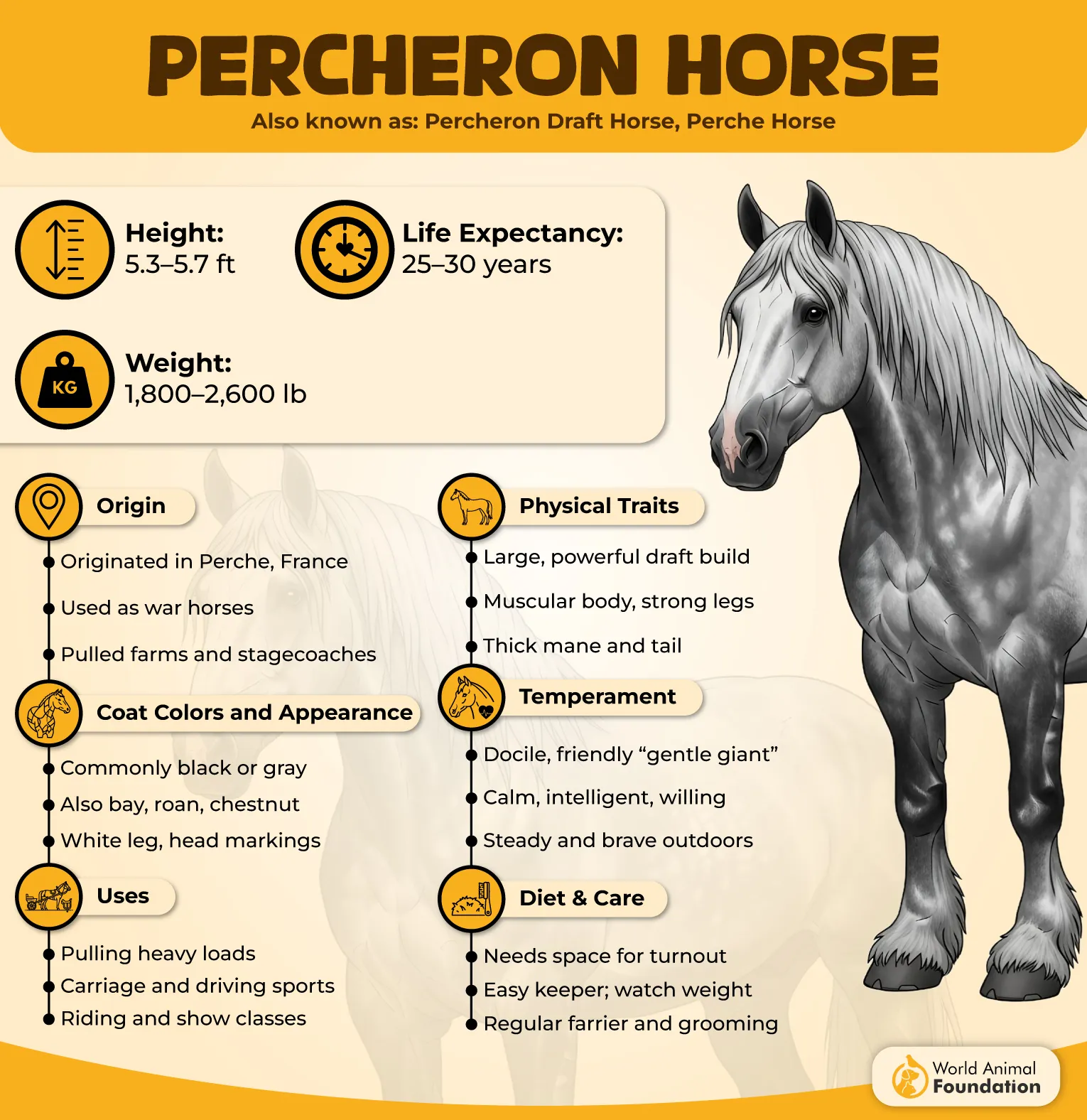
Percherons hail from France’s Perche Valley and have a history stretching back to the 1st century. Their Arabian lineage, introduced around 1760, shaped them into strong, elegant draft horses. These horses are celebrated for endurance and remarkable longevity, often living 30 to 35 years.
Size and Strength
Their imposing stature is complemented by a calm and steady demeanor, making them ideal for heavy work and ceremonial roles. They now excel in tourism, exhibitions, and light draft work.
You can see their power in these features:
Standing around 67 inches tall and weighing 1,850 pounds
Commonly gray or black, with a dense, muscular frame
Adaptable to farm work or public displays
Longevity Factors
Percherons benefit from balanced nutrition, regular exercise, and a temperament that resists stress. Their longevity is also linked to careful breeding, resilient bones, and strong hooves. Maintaining routine care helps them stay healthy and active throughout the decades.
10. Paso Fino
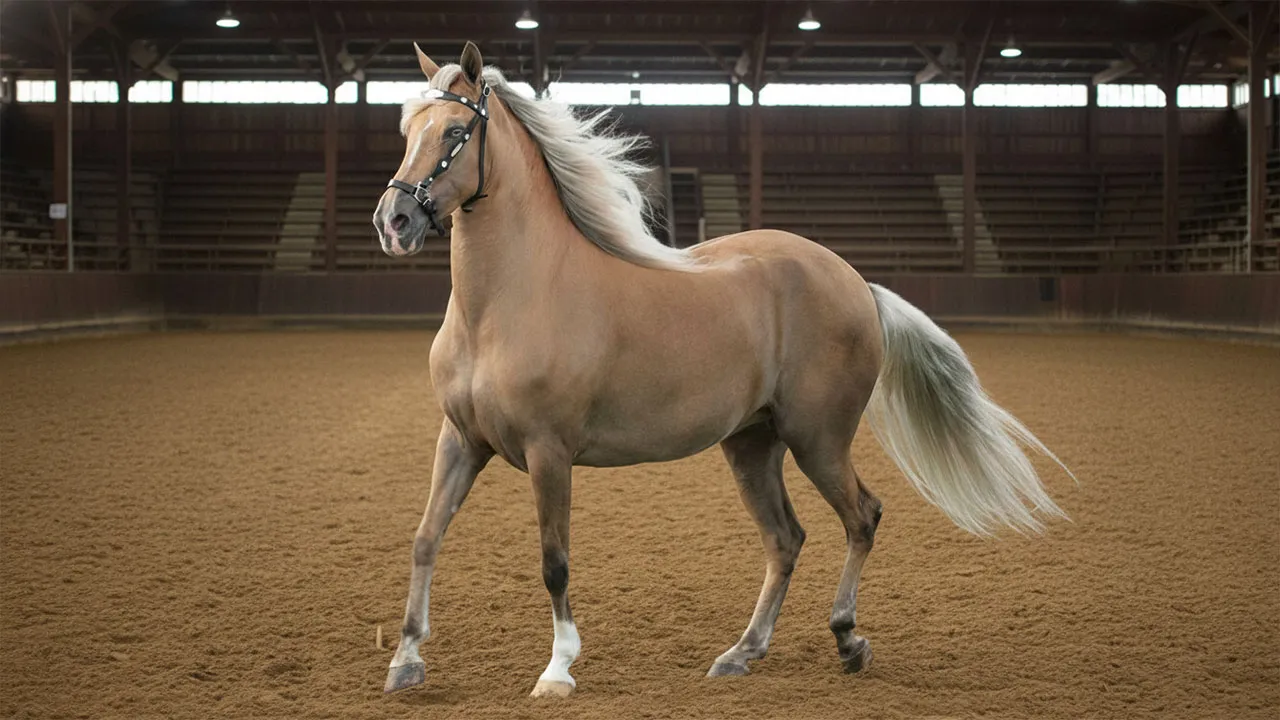
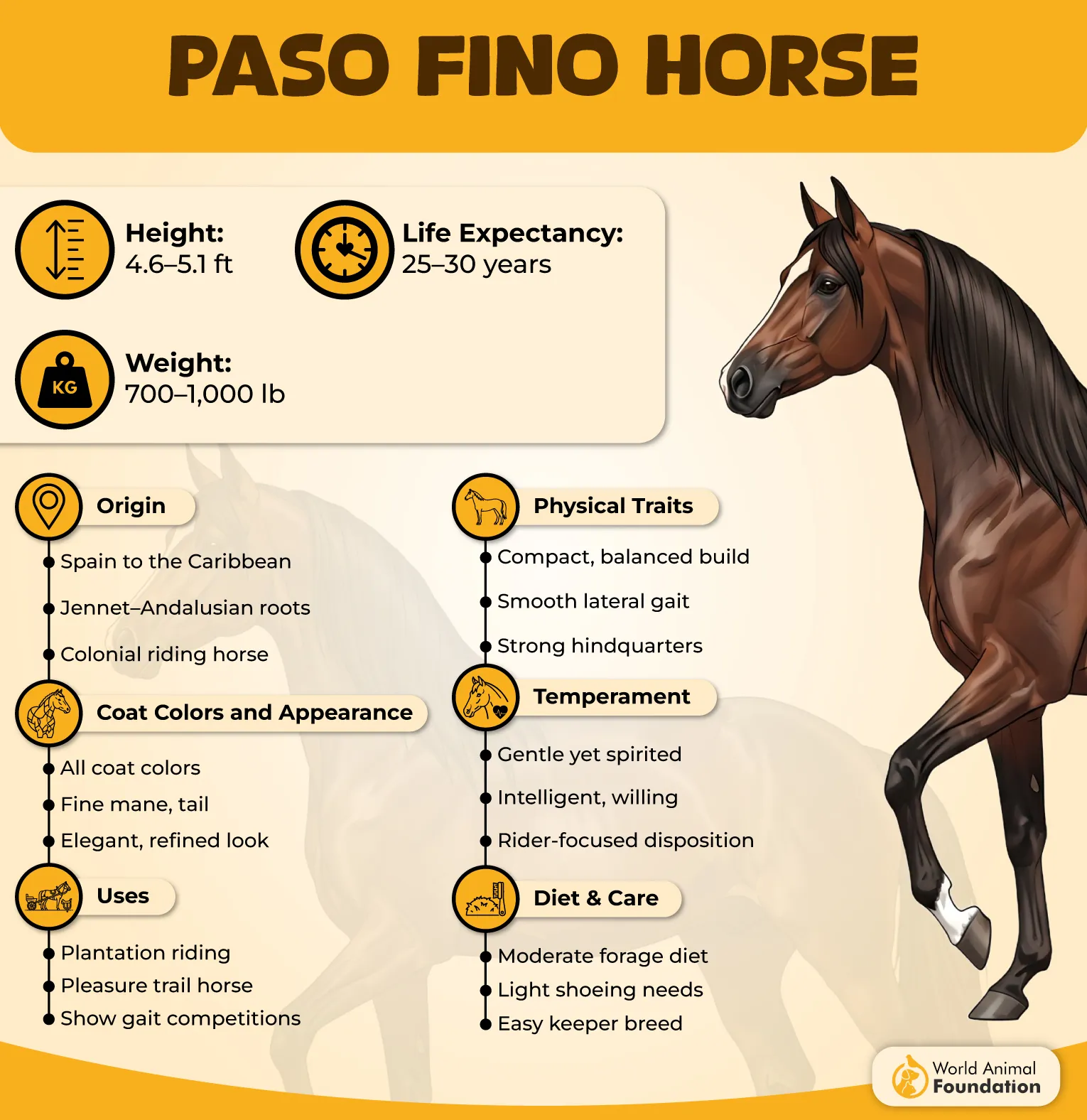
Paso Finos originated in Puerto Rico and Colombia before 1797, designed for plantation riding and endurance. Their natural gait makes long rides effortless, giving riders an almost motionless experience. This heritage contributes to their longevity and resilience.
Distinctive Traits
The breed’s structure supports a lifetime of work and showmanship, combining strength and elegance. They are known for calm, attentive behavior, forming strong bonds with riders
Paso Finos are notable for:
Tiger eyes that appear amber or orange
Compact, muscular build ideal for sustained activity
Naturally gaited stride is unique among horses
Longevity and Care
With proper nutrition and exercise, Paso Finos often live 28 to 33 years, a testament to their durable genetics and careful breeding. Their balance of stamina, intelligence, and calmness ensures a long, active life in riding, performance, or leisure.
Conclusion
Understanding why some horse breeds live longer gives insight into the care and genetics that support longevity. Most horses benefit from proper nutrition, exercise, and attentive management, yet domestic horses with resilient constitutions often outlive expectations. Different horse breeds display unique traits that allow them to thrive well into their later years.
The oldest horse on record demonstrates how careful stewardship and selective breeding contribute to extended life. These majestic creatures, whether Shires, Shetlands, or Trakehners, illustrate that when health and environment align, domestic horses can enjoy decades of activity, companionship, and performance. Observing horse breeds live long lives inspires respect and admiration.
