




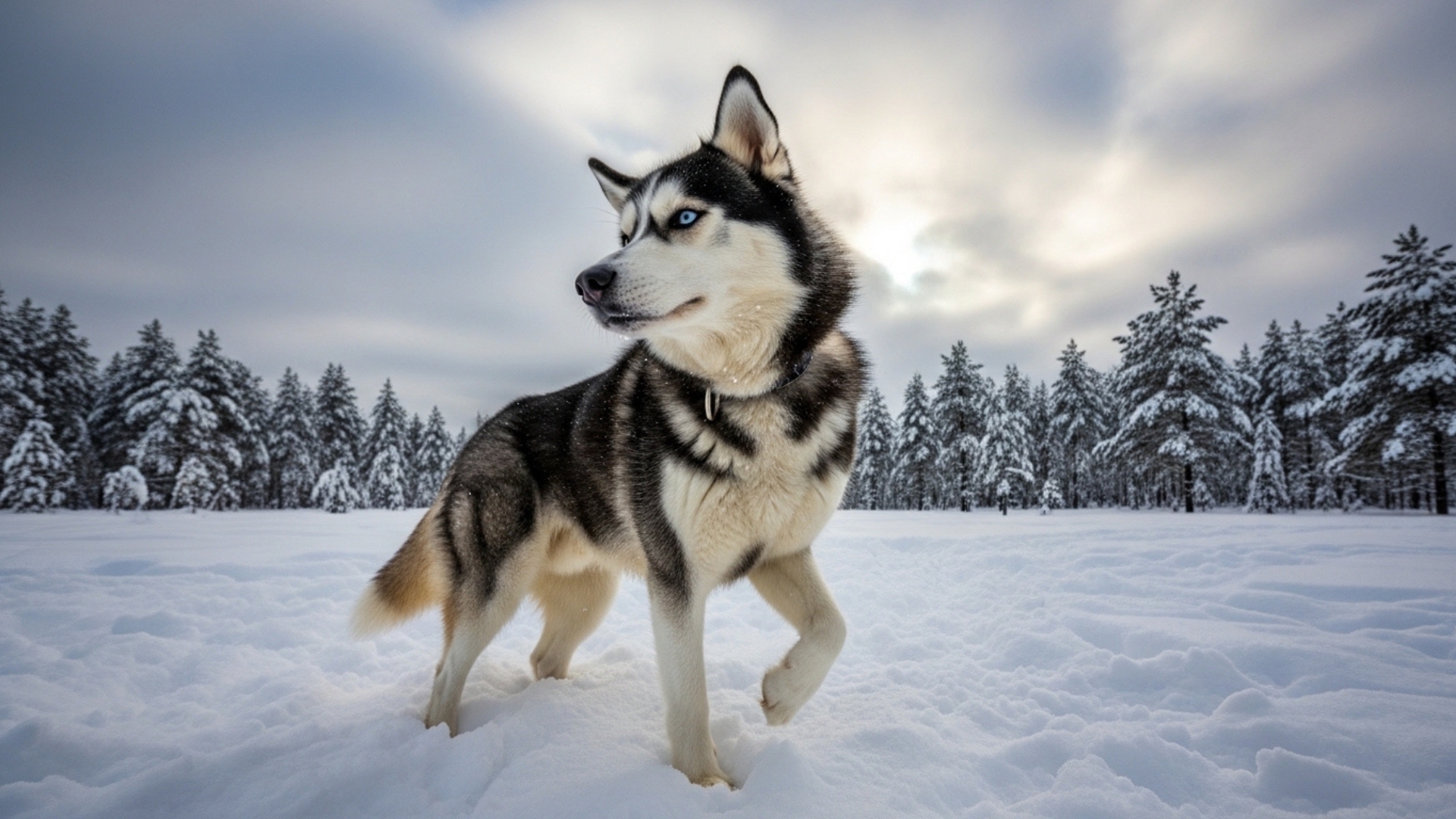
Welcome to the guide for all of you who nod knowingly at, “My dog woke up and chose chaos.”
Some dogs are clever, independent, and a little bossy, like that manager who never approves your plans. An unruly dog is one that continues to challenge you beyond puppyhood (around 6–9 months).
Even with consistent training, these pups might ignore commands, pull on the leash, jump on guests, bark for attention, or generally turn your household upside down. And yes, when they’re large dogs, the stakes are even higher.
With nearly 68 million households in America owning dogs, it’s only natural to want insight into why these giants behave this way and how to handle them. Let’s explore the 10 top dog breeds known for their defiant, spirited, and sometimes downright unruly personalities.
Top Dog Breeds Known for Their Unruly and Defiant Nature
1. Afghan Hound
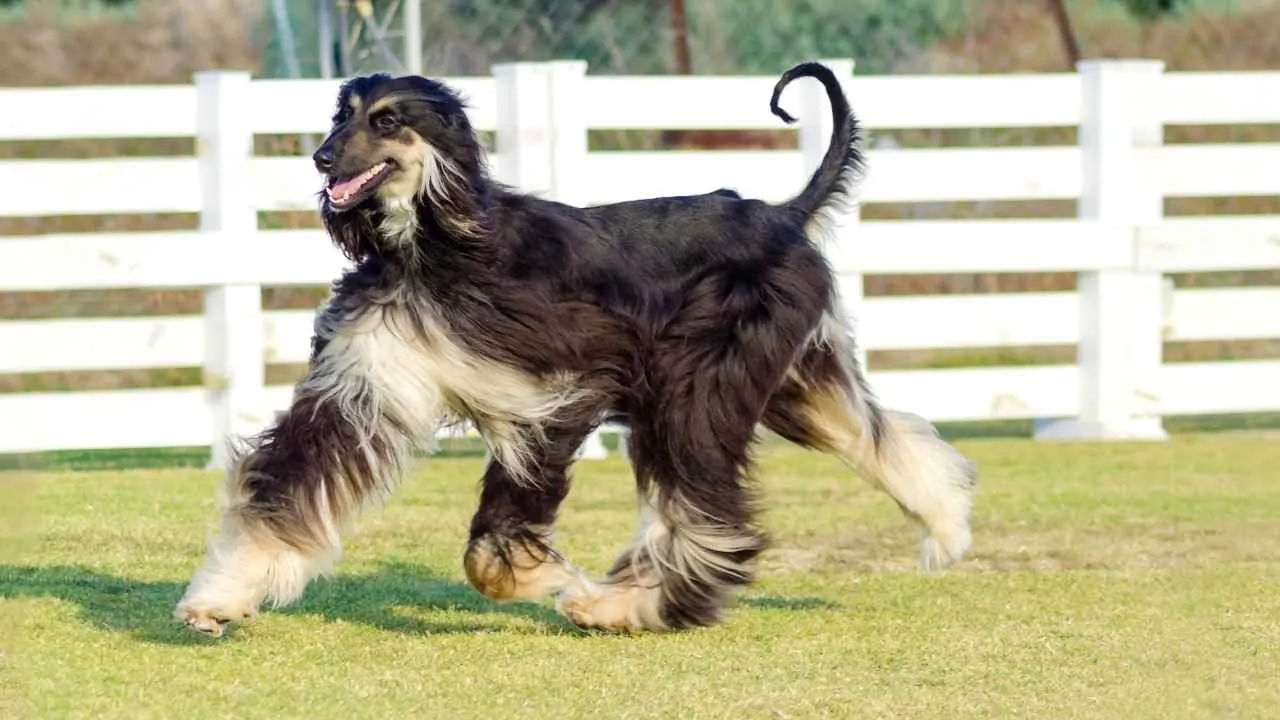
Coming from the cold mountains of Afghanistan, Afghan Hounds are considered one of the most eye-catching dogs.
This dog is friendly with the owners, but the hunting instincts inherited from their ancestors, strong sight, and fast speed make them a perfect candidate for police jobs.
However, just like Afghan men, an Afghan Hound is highly dignified and aloof. They need to be leashed outdoors, consistent training and early socialized.
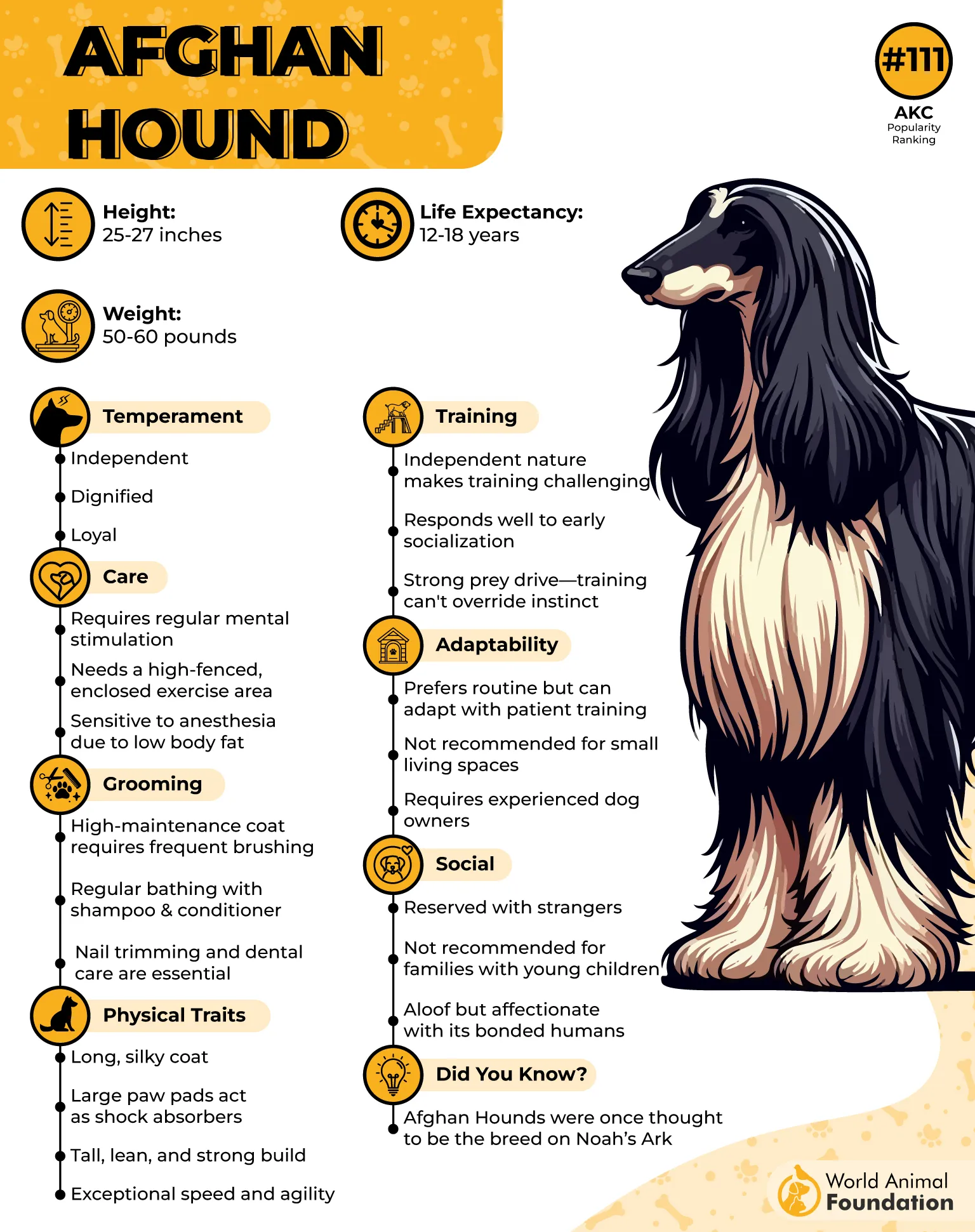
How To Train Them?
‘I have heard you master, and I would like to decline your order.’ This is the behavior this stubborn dog breed often shows. It really takes guts and a lot of patience to train this breed.
Early Socialization: Focus on introducing them to their environment from puppyhood. This will make them behave around other pets, humans, and buildings.
Hard Exercise: 2 hours of daily walk and exercise should be a regular ritual. They also thrive on hiking and swimming.
Consistent Training: Constant and patient lessons are needed. Or they will turn into an uncontrollable beast.
Positive Reinforcement: If you are having a hard time with Afghan Hounds, they may start disobeying you, no matter how hard you try to train them or how much you are spending on them. Agility, running, rally, lure coarsing and obedience traing are all the options you can adopt.
2. Siberian husky
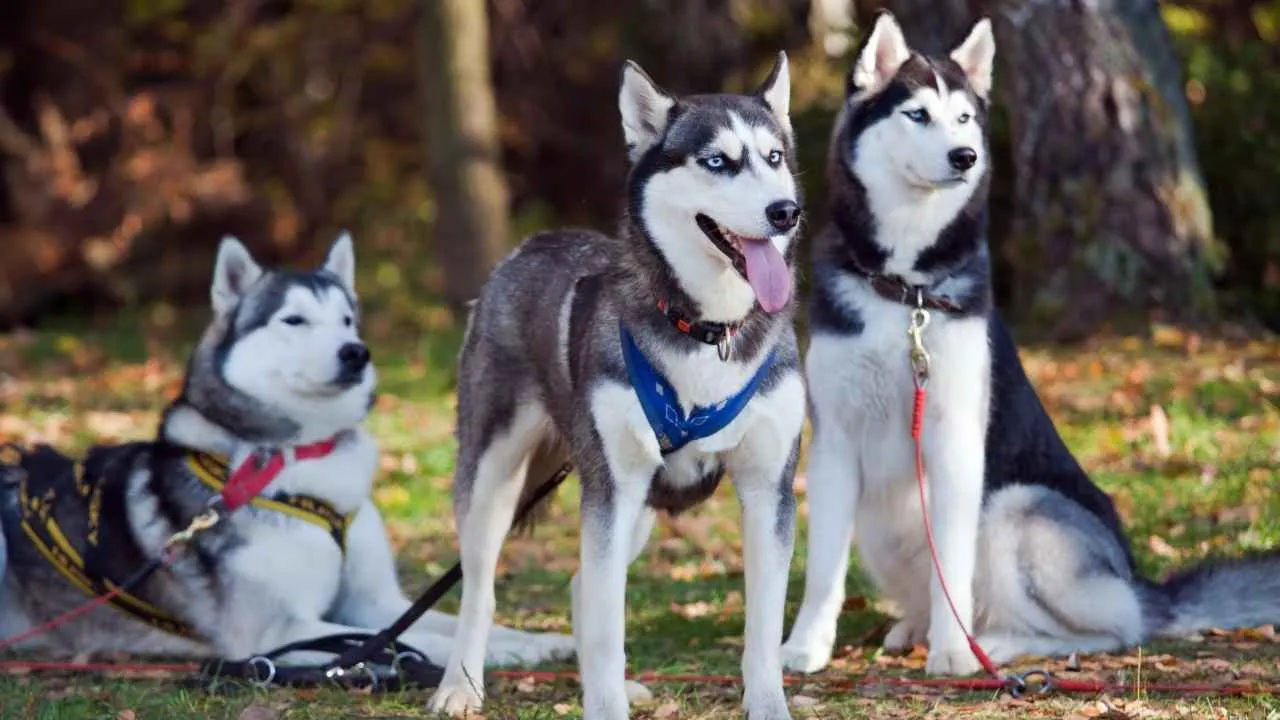
This dog is a perfect combination of fun and a stubborn dog breeds. Siberian huskies have high intelligence and alertness so training is non-negotiable.
Talking about the temperament, they are friendly, make strong bonds with the owner’s family members, and get along with other dogs.
This medium-sized dog was originally bred to carry lighter loads in sledding. And despite of thier friendliness with humans and other fellow pets, Siberian Huskies enjoy hunting small animals. So, beware if you have children or small pets at home.
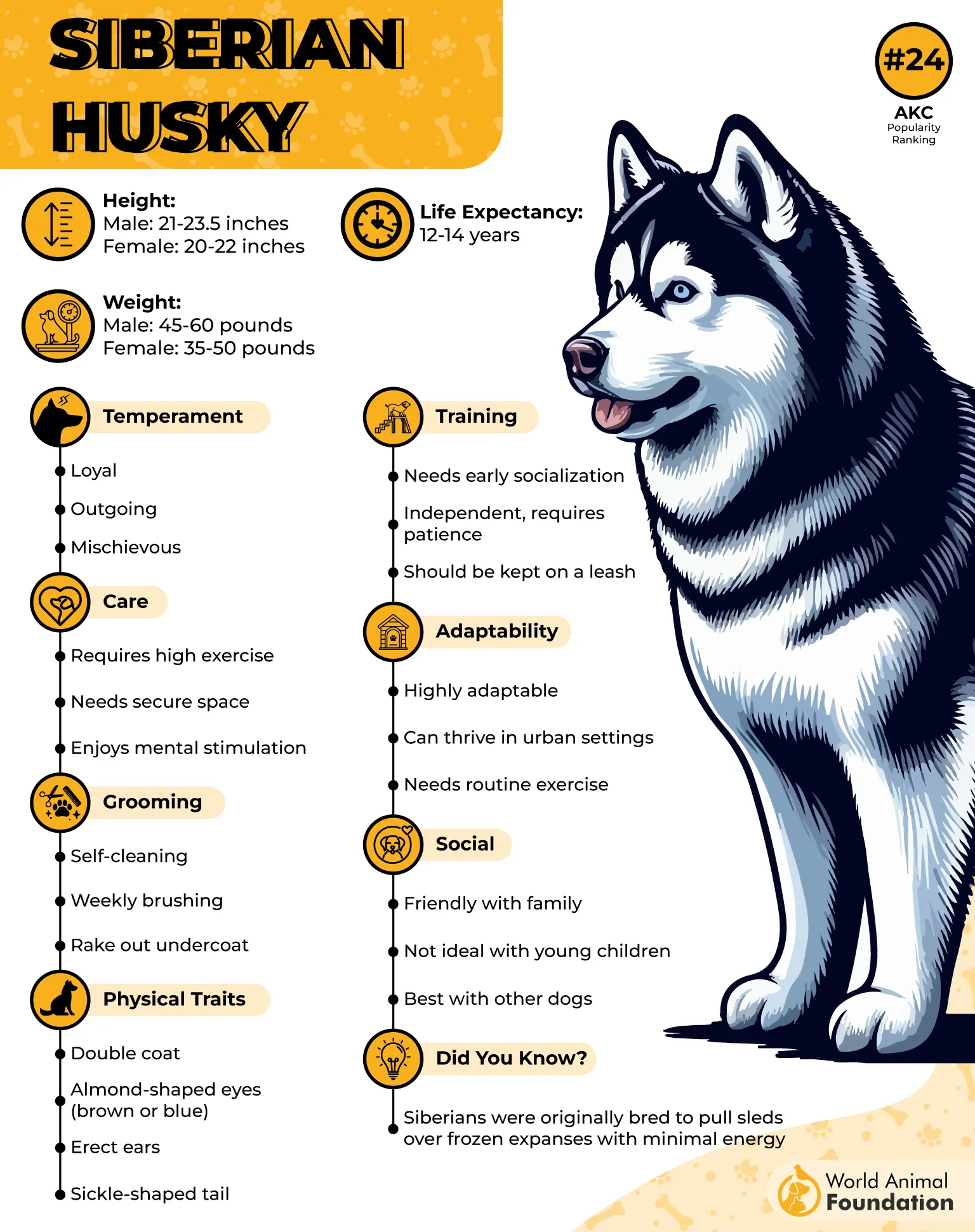
Fun Fact: The Siberian huskies howl instead of barking. And they are famous for mimicking ambulance sirens and people’s voices, according to Wikipedia.
How To Train Them?
Recall Lessons: Huskies don’t ‘run away’, but they go on a side quest. So, the “come” command is needed to teach them from an early age.
Leash Training: They are a good escape artist and love digging. Leash them outdoors and ensure there is a secure fencing in open spaces.
Physical and Mental Stimulation: Siberian Husky has an athletic body and an intelligent mind. If proper training is neglected, this blessing can turn into a disaster. Fetching, running, sledding and indoor mind games are recommended.
Positive Reinforcement: Be consistent and patient. Short, fun but frequent exercise on daily basis helps.
3. Akita
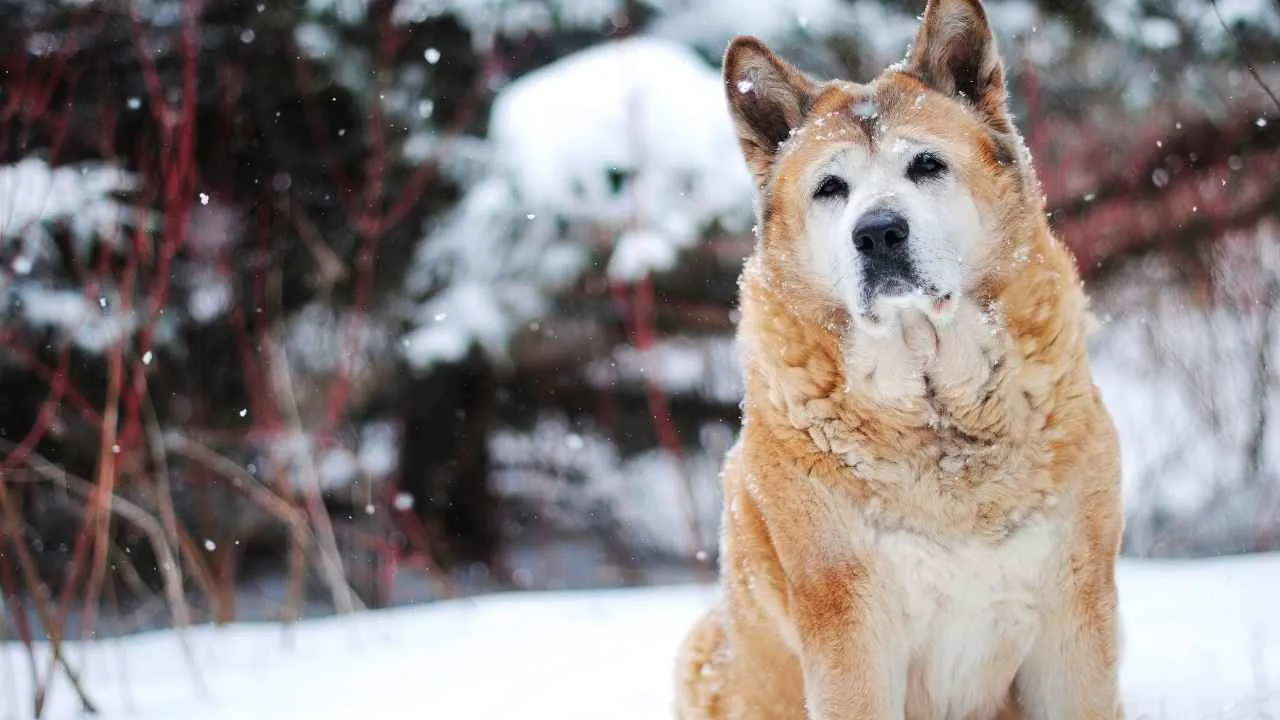
If you are expecting an obedient dog who always comes with “Yes Sir!” attitude, Akita is not for you.
They are mostly loyal, compassionate, and fun-loving around their owners but remain reserved around strangers. Because of their history as hunting dogs (fighting companions of old Samurai), they are stubborn dog breeds.
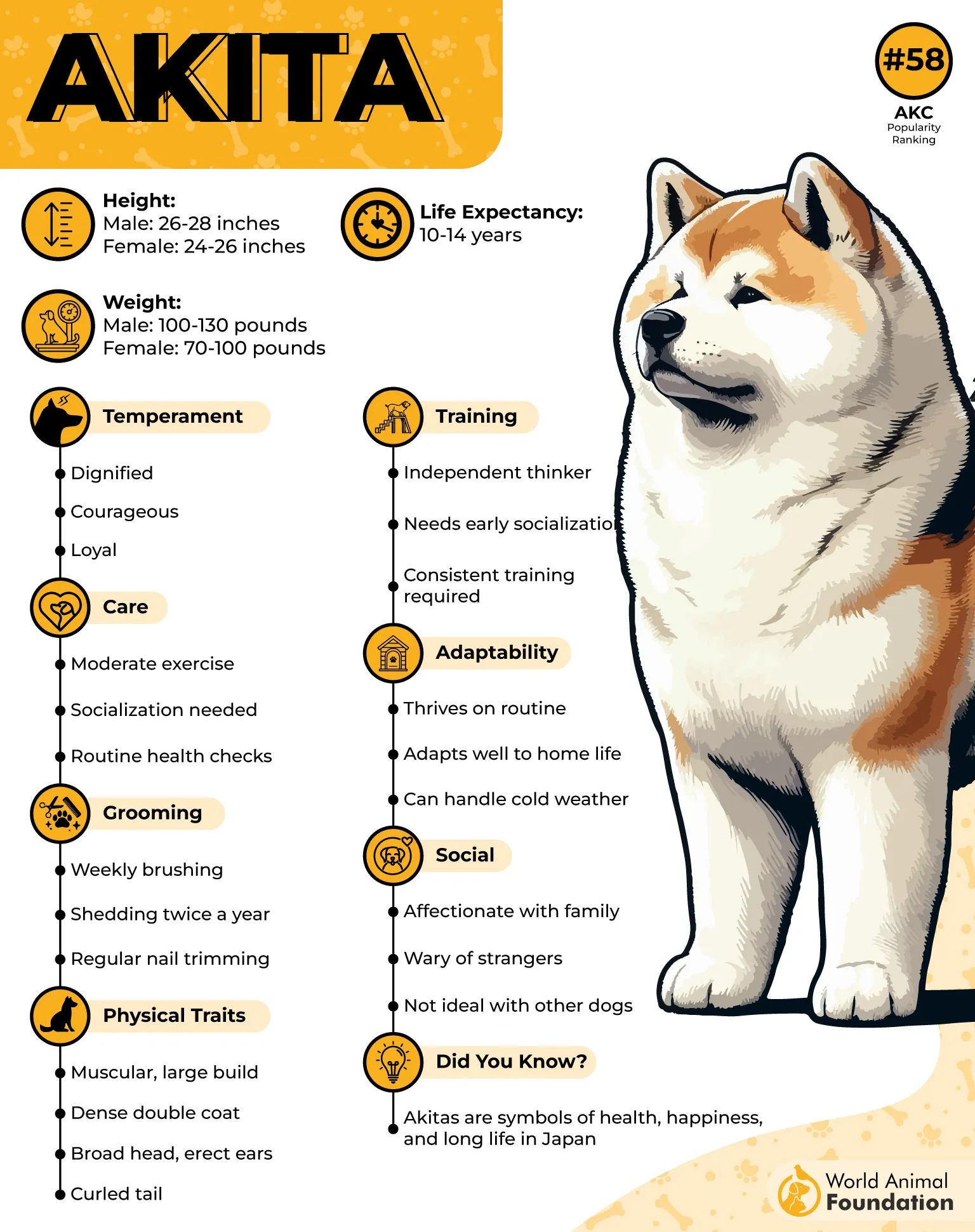
Akita shares 2 bloodlines: Japanese (original) and the American Akita. Both have thier physical differences but serve almost the same purpose.
How To Train Them?
Be A Leader: They tend to be independent, confident and strong-willed. So, they need to be a step ahead of them and lead them like a boss.
Short Sessions: They gets bored easily. So short walks and 10-15 minutes of training are sufficient.
Canine Interactive Training: These dogs remain calm around a familiar face but become aggressive with dogs of the same sex.
Leash Training: They can go crazy around strangers so early socialization and leash training is important.
4. Alaskan Malamute
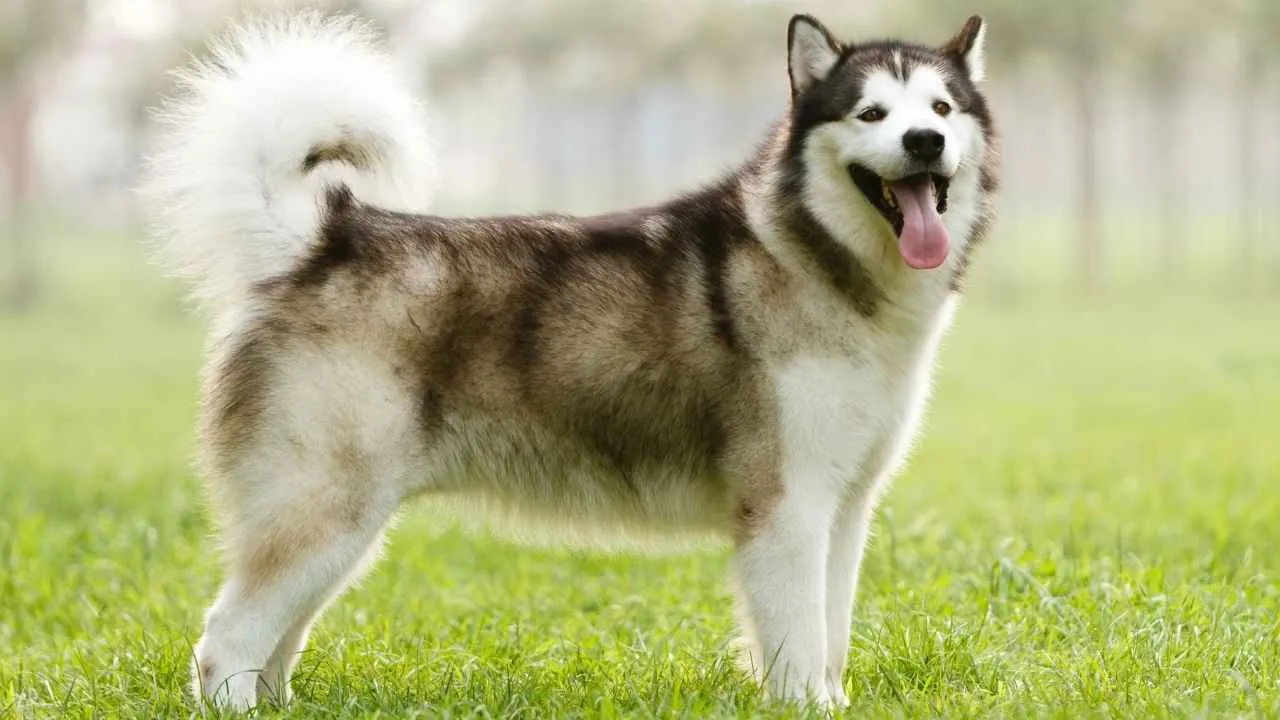
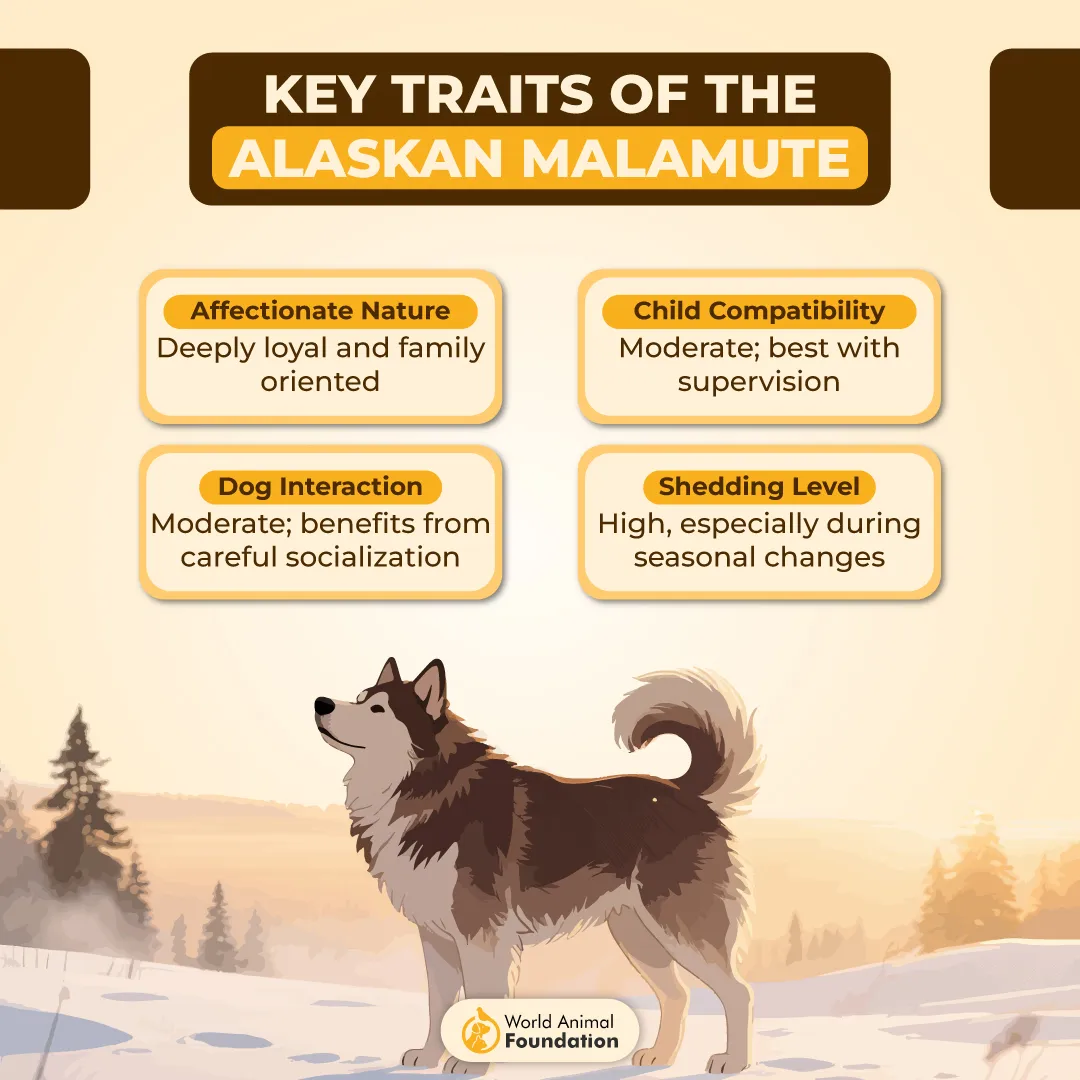
Cousin of Siberian Huskies, Alaskan Malamutes are sled dogs too and were originally bred for hunting purposes. They are loyal, powerful and affectionate and are also capable of turning you home upside down if not given proper attention.
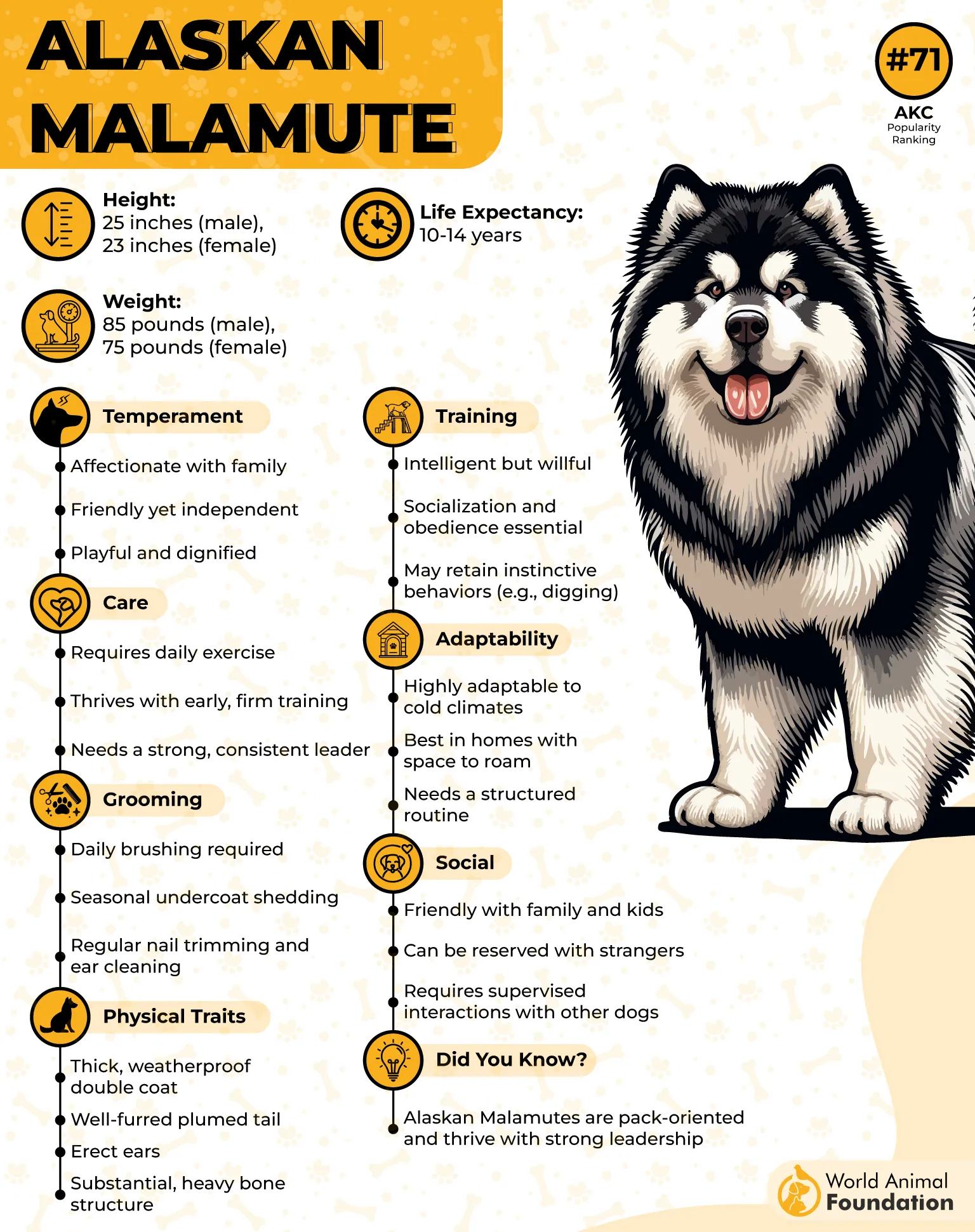
Alaskan Malamutes were bred to be a working companion of people, and with their instinctive nature of herding and hunting (heavy predators such as bears), they need to be taught obedience lessons.
Fun Fact: They almost went extinct after World War II; only 30 remained in 1947. The Alaskan Malamute was revived after this eventually.
How To Train Them?
Nipping and Biting Lessons: Having a herding and hunting dog history, they have a tendency to nip at feet. Train them early to avoid any mishap in the future (ASPCA)
Constant Engagement: If you don’t want a ‘house renovation’, don’t let them get bored. They love to be constantly engaged in physical or mental activity.
Excessive Exercise: They have an athletic body and a sharp mind. Hence, they tend to do intense workouts. Try tracking, sledding, running, jumping and skijoring.
Command Training: Make them learn basic commands including, settle, place and come etc. This will help them behave in public spaces.
5. Chow Chow
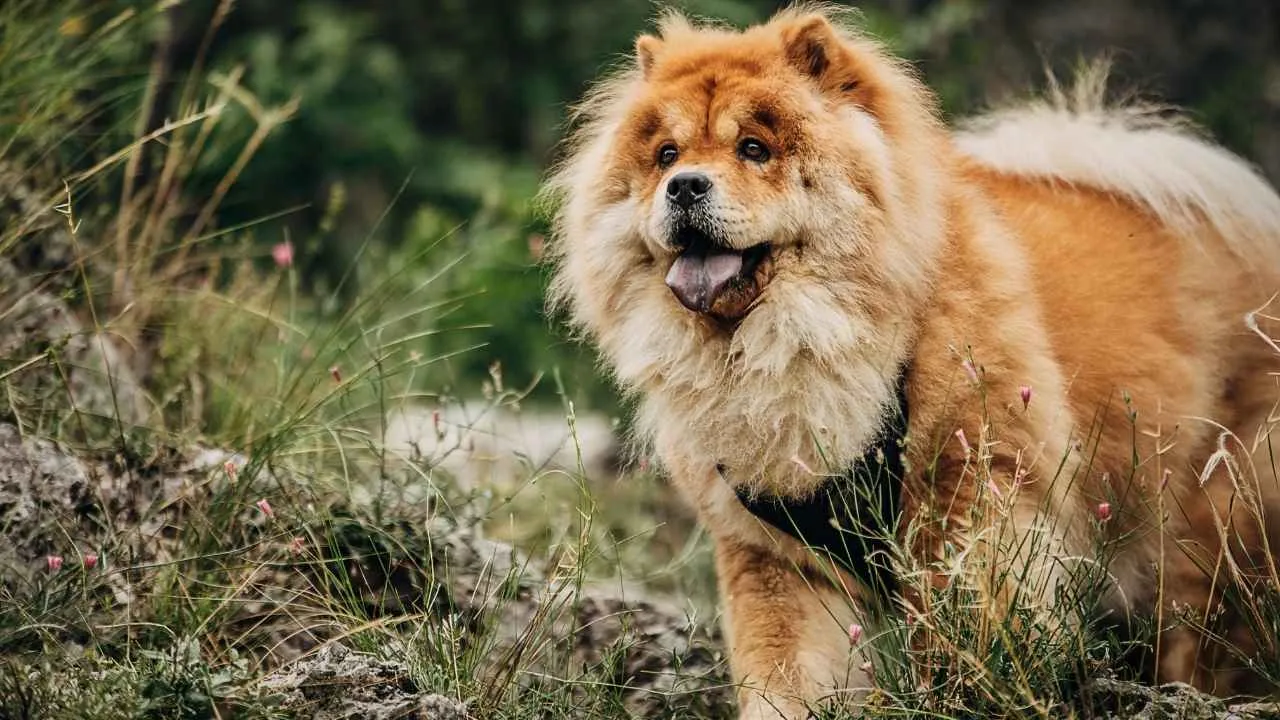
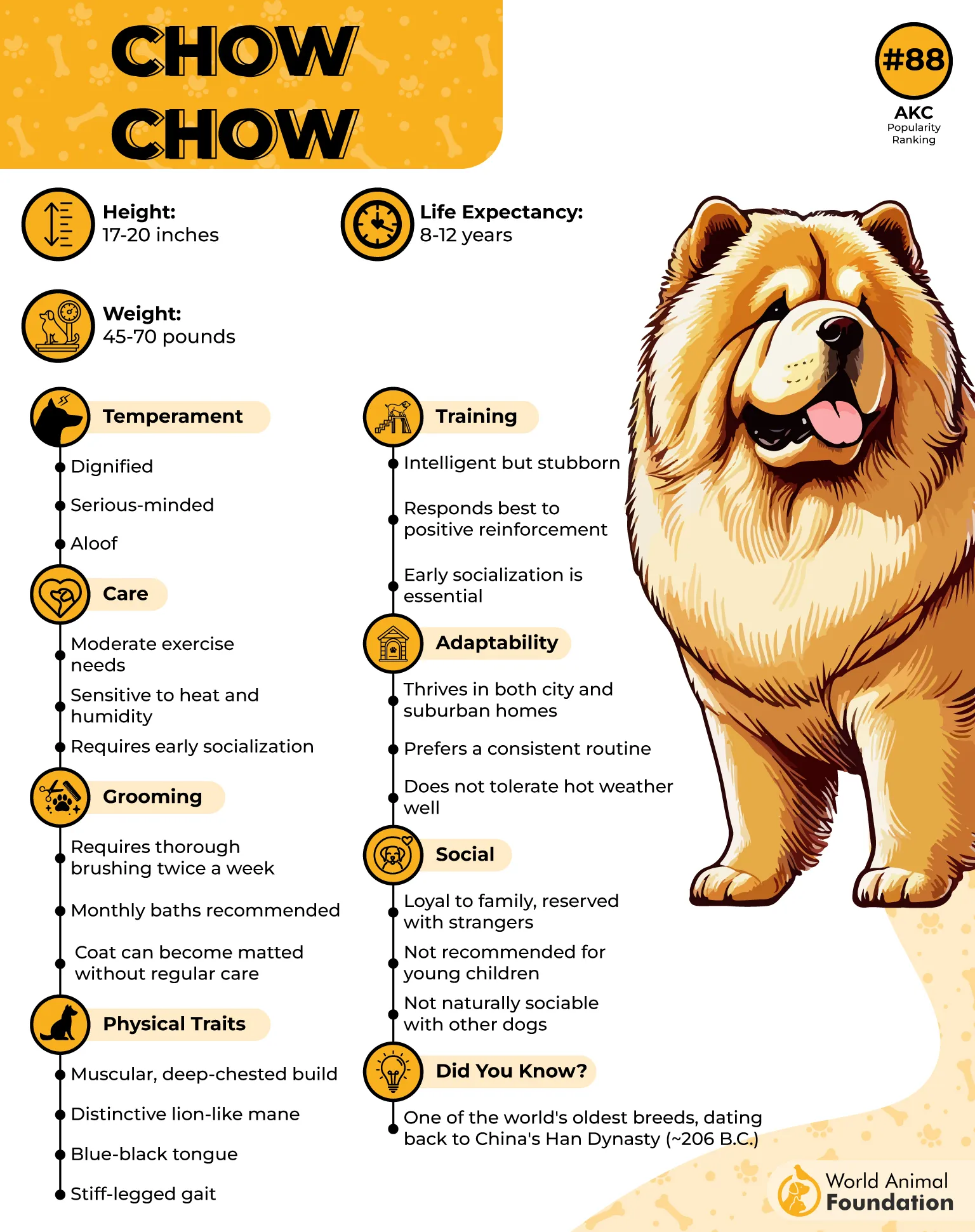
Chow Chow is a stubborn dog breed and gives a tough time to first time owners. This breed is not clingy and is more like a “cat in a dog suit”. They are calm, obervant and do not like forced affection.
This dog inherited its strong, athletic physical stature from indigenous dogs of Central China (around 3800 years ago). Modern-day Chow Chows are known to be the cleanest dogs with a pleasant dog odor.
How To Train Them?
Positive Reinforcement and Early Socialization: Be patient but consistent. If you go harsh with them, they are the most disobeying creatures. Get them on early walks and try to make them interact with as many friends as you can from thier puppyhood.
Avoid Intense Exercise Especially in Harsh Weather: Moderate exercise is enough. They are heat sensitive so do not take them out if the weather is too hot. Regular brushing also helps.
Bite Training: They enjoy biting and can cause serious consequences if not trained timely.
Sound Lessons: Introduce to them different noises; TV and radio etc.
6. Bullmastiff
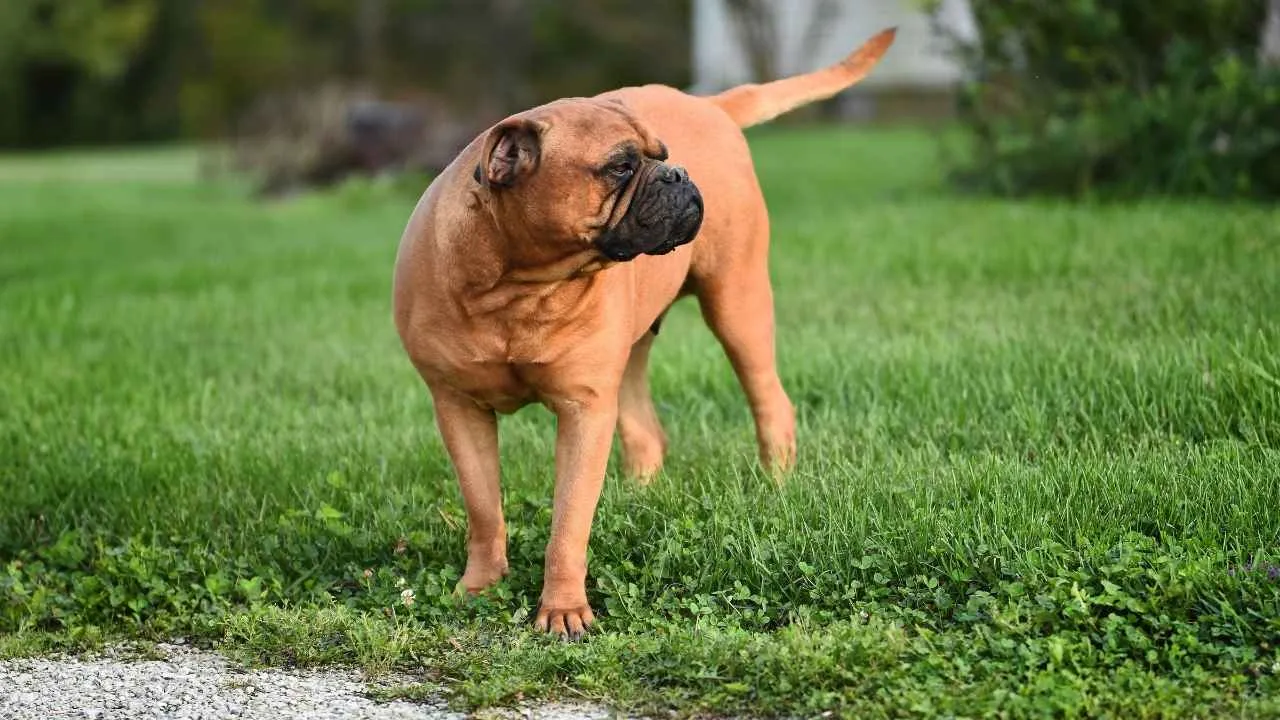
Being independent and strongly-willed creatures. This is not a bad trait. These special traits make the a perfect candidate for protection jobs.
They are highly intelligent and think hundred times before “yes” to you.
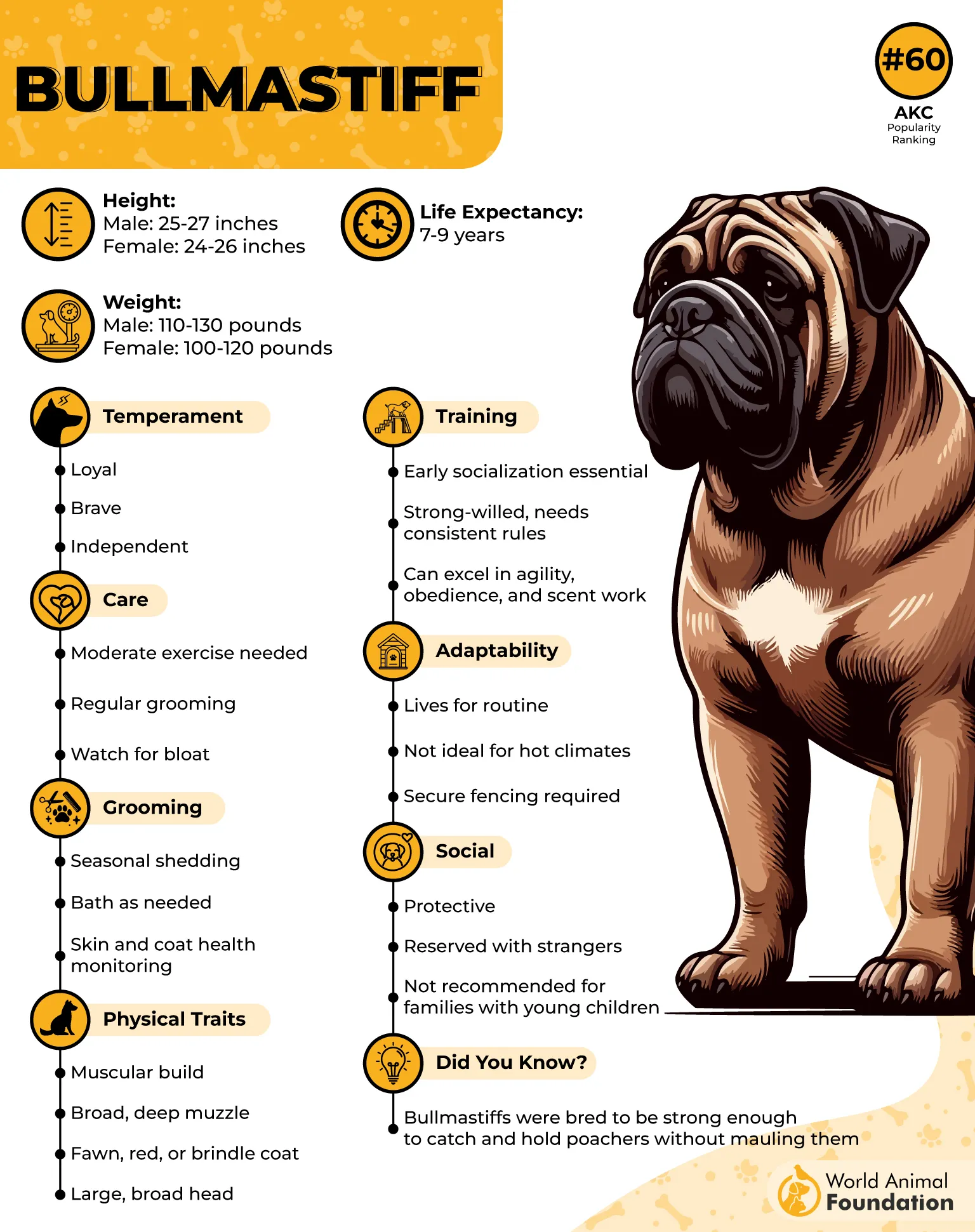
Bullmastiffs are bachyceplalic, which gives them a cuter look. They are loyal and protective towards thier family but are suspecious of strangers.
How To Train Them?
Avoid Negative Behavior: Try ignoring jumping and high pitched yelping
Crate Lessons: Let them spend some time in crate as a part of housetraining.
Strict Supervision: Despite Bullmistiffs make strong bond with the family members, they need to be supervised around children and other pets.
Early and Professional Training: They have high intelligence that makes them quick learner. Teaching them from puppyhood helps a lot.
7. Jack Russell terrier
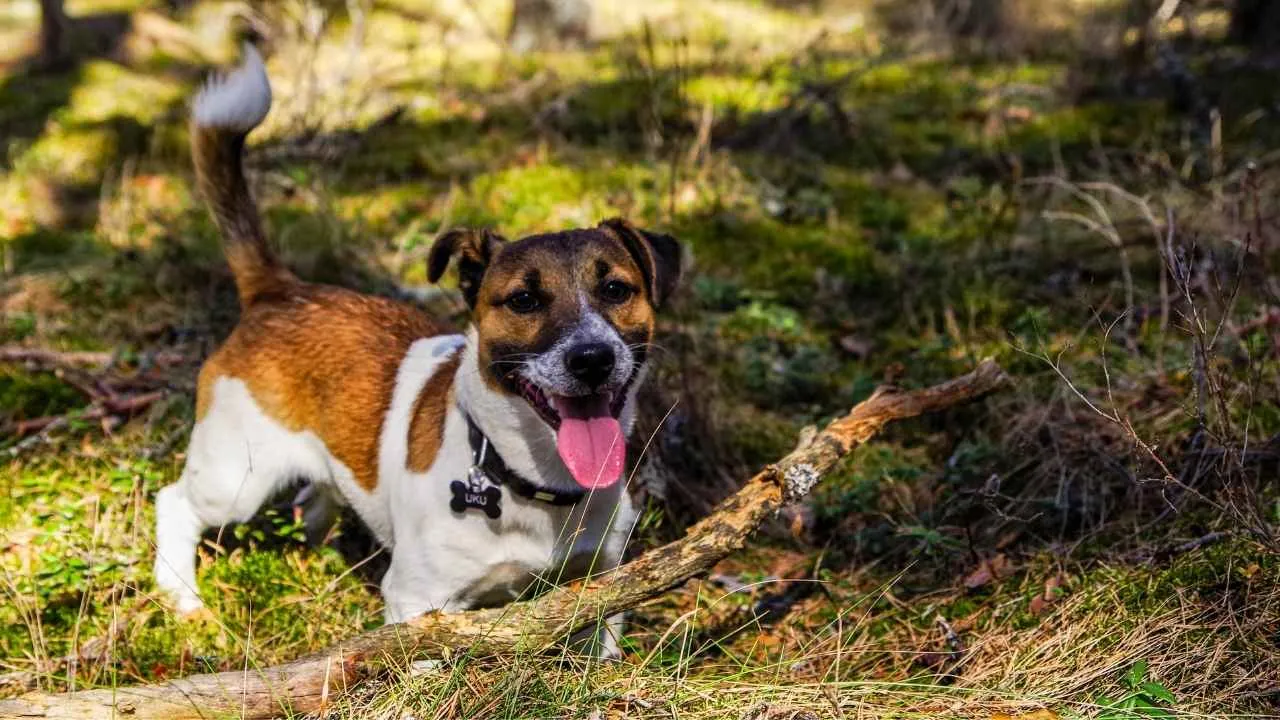
These cute little creatures have atletic body and stong will. They are bold, active, loyal and effectionate. You may call them stubborn dog breeds because of their challenging spicy behavior, but Jack Russell terriers call it “main character energy.”
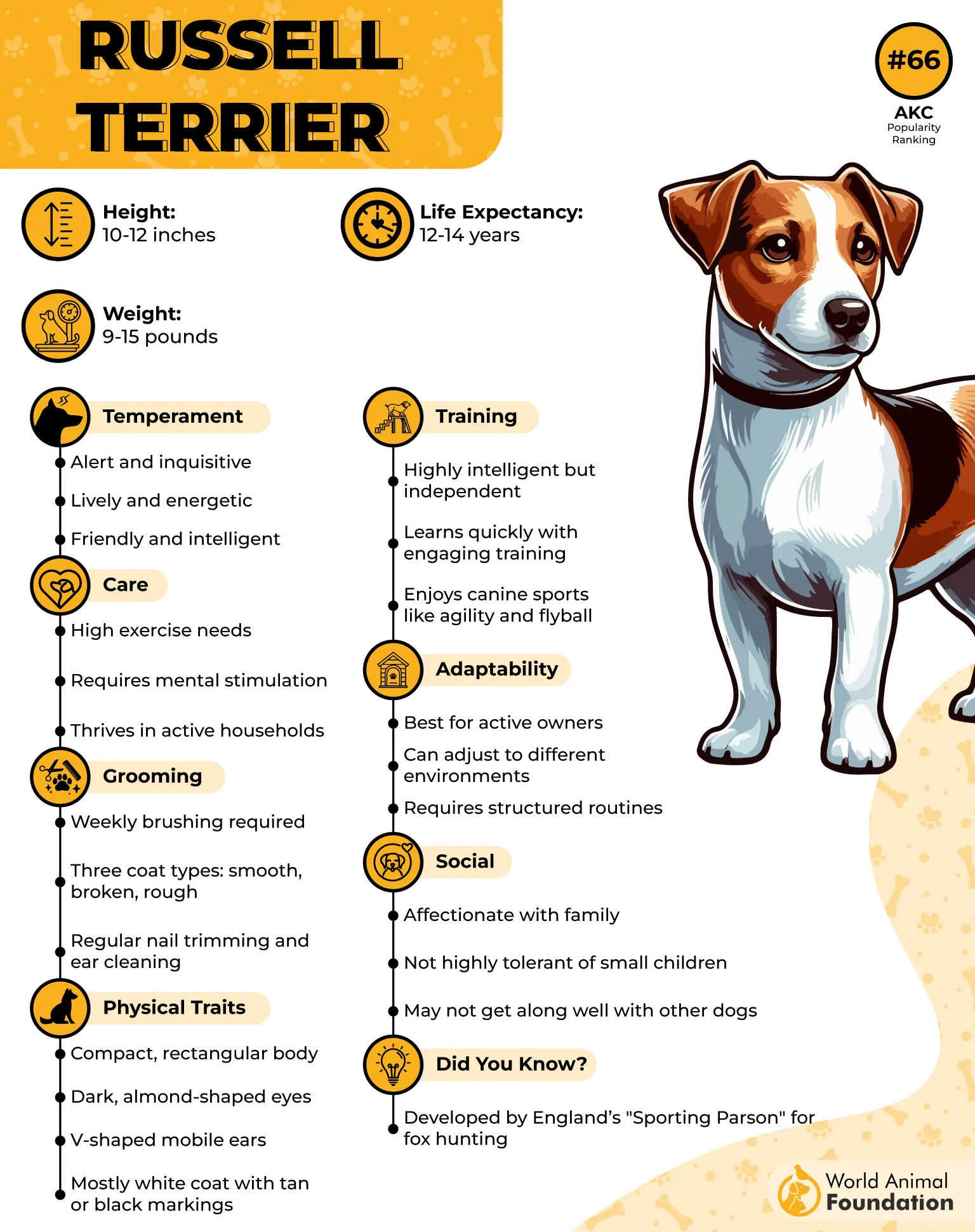
Jack Russell terriers were originally bred to bold foxes and hunting. This trait exsists still today. They love to keenly observe the quarry instead of barking.
How To Train Them?
High Energy Exercise and Stimulation: They are highly active and have high energy levels. So, they need to be continuously engaged in physical and mental activities.
Prey Driven Issues: Jack Russell terriers have a high desire to prey on hamsters and rats. But they can also attack other small pet animals.
Gentle and Consistent Training: They love their owners and expect gentle and warm behavior. Patience and consistency is required to train these small dogs with big attitude.
Secure Fencing and Leash Training: They are fond of digging and can escape easily. Ensure you have leashed them properly and have a secure fencing.
8. Beagle
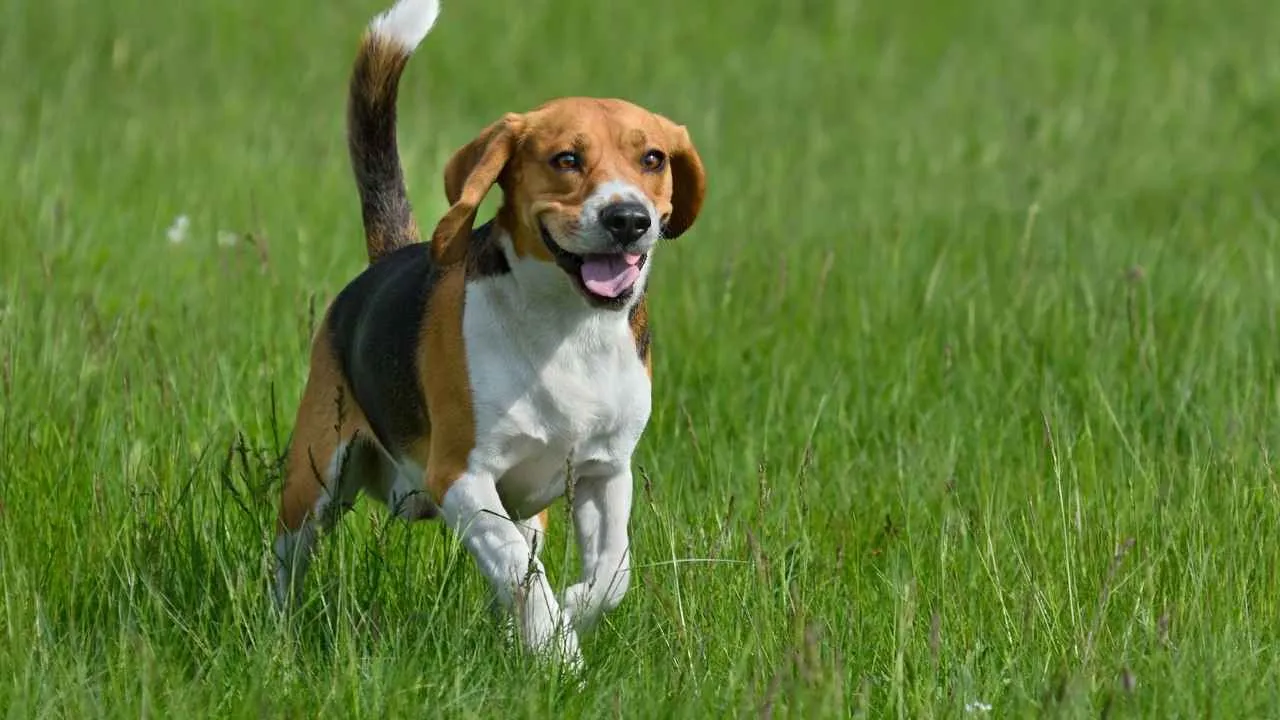
Beagles are sweet and adorable pet dogs until a weird smell hits their nose. Then they turn your home a crime scene to find the trails of the “criminal.”
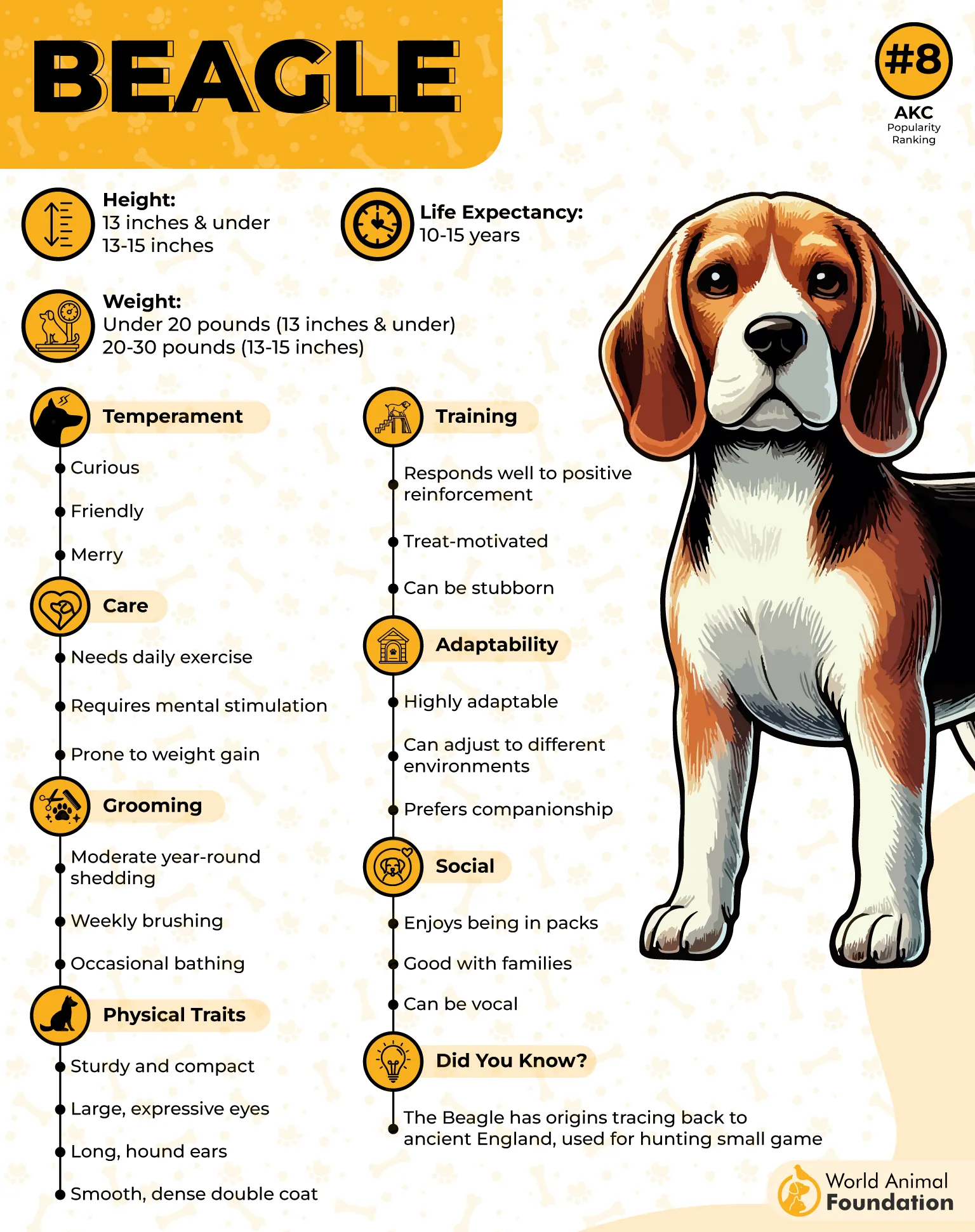
They are good watchdogs but a poor guard dog because they are good observant but has a gentle disposition and even temper. Specifically bred for hunting rabbits and foxes, modern day Beagles love to stay indoors and closer to their owners.
How To Train Them?
Distraction Control: Beagles have a high urge to food and other distractions. So, training can be a bit difficult. Teach Beagles with gently tactics and do not leave them alone.
Potty Training: Because they have high sense of smell, it’s challenging to teach them where to excrete. Beagles smell the most spoiled and smelly spot in your house and defecate there.
High-Energy Exercise: Beagles are active and have high energy. So, a daily workout for almost an hour is needed.
Basic Commands: Teach them basic commands such as come, settle and place
9. Dachshund
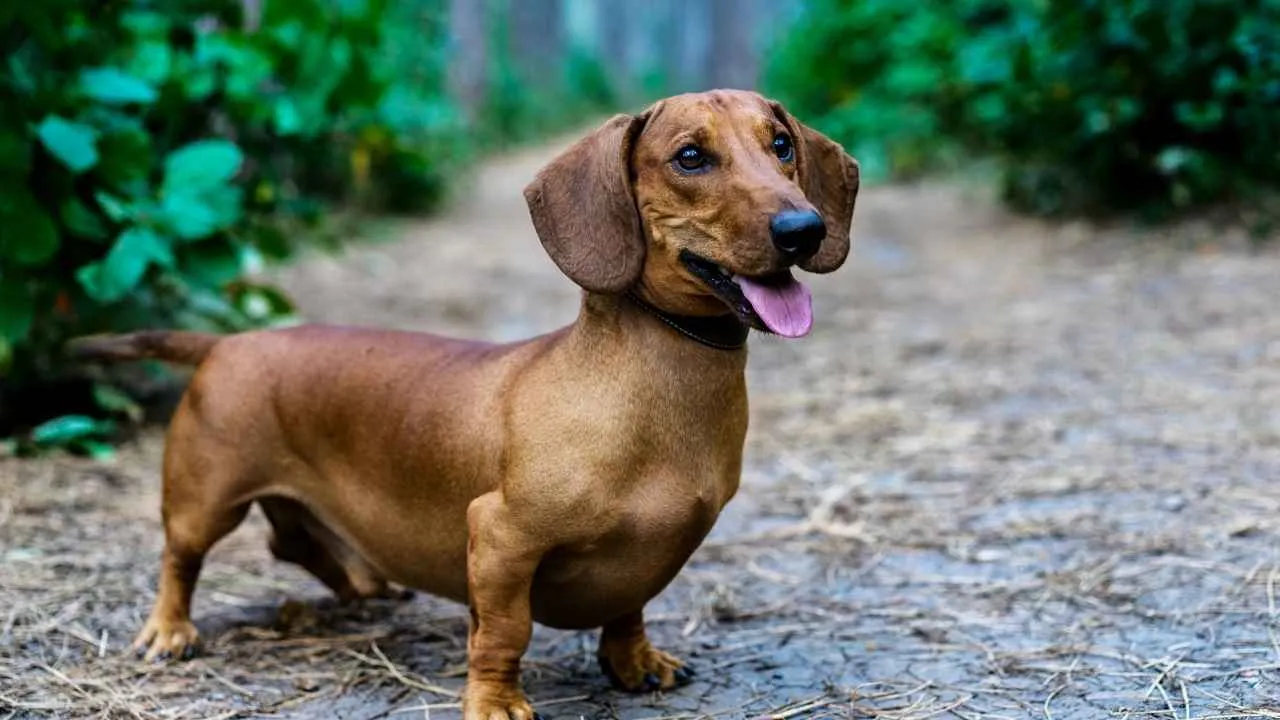
Dachshund AKA “weiner dog” is brave, bold and little stubborn. They are not much into swimming and long walks, but they are tireless creatures and always active.
Initially bred to chase, smell and flush out the animals living in tight spaces; rabbits, the modern day breed still caries this hunting trait among strangers and other dogs.
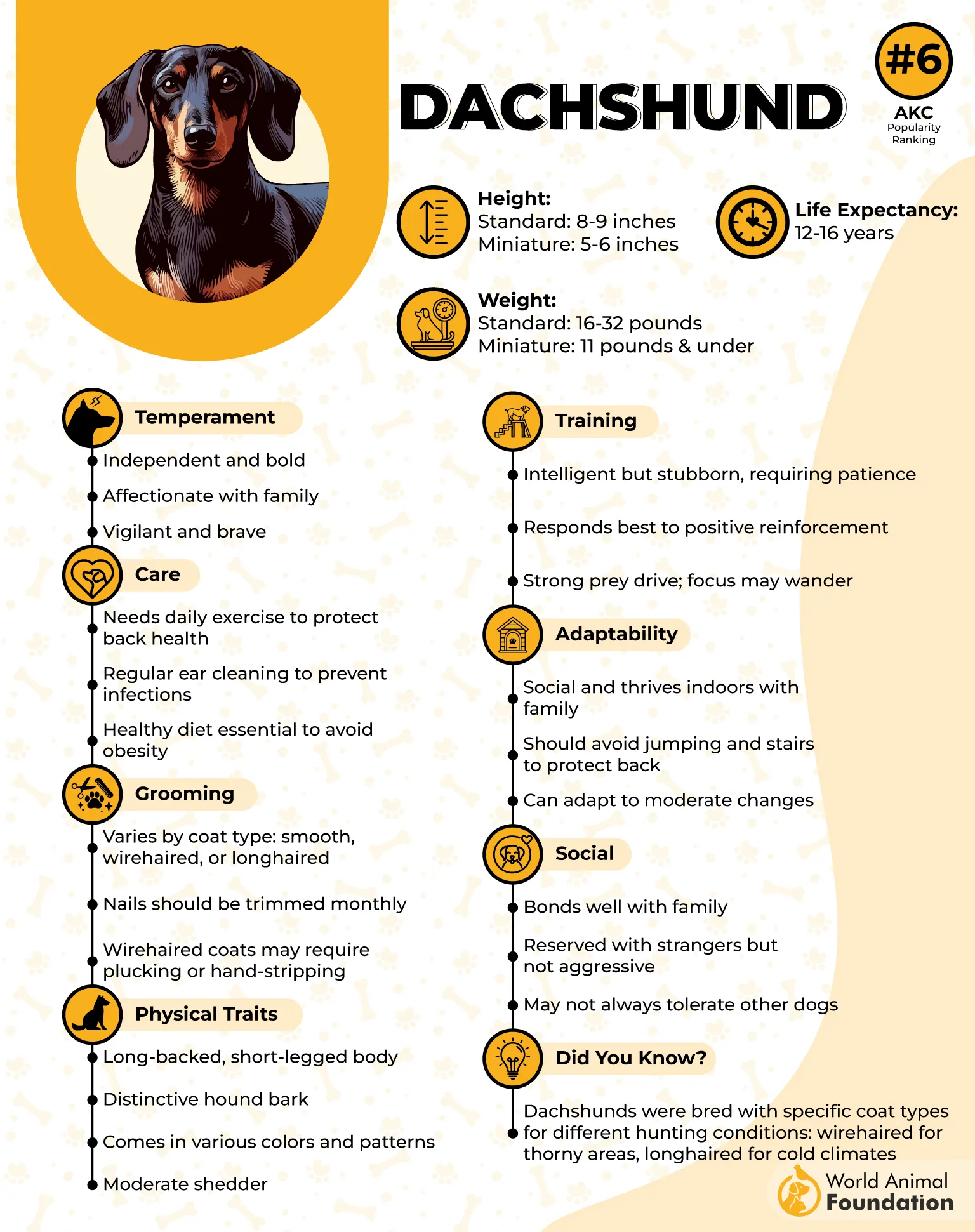
Despite of thier small size and affection, Dachshunds have a lot of tantrums, and sometimes they don’t even agree to obey thier master.
How To Train Them?
Crate Training: Daily short sessions help them behave indoors and outdoors.
Short Sessions: Though Dachshunds are active, they are not a fan of intense workout. Fun activities like puzzle toys, scent walks and earthdog are suggested.
Bark and Potty Training: Some of the Dachshunds bark a lot unnecessarily. This needs to be controlled or be ready for the “neighborhoor outrage”. Potty training is important or your house will smell like a trash.
Positive Reinforcement: Dachshunds are extremely stubborn so they require to be handled with gentleness.
10. Shiba Inu
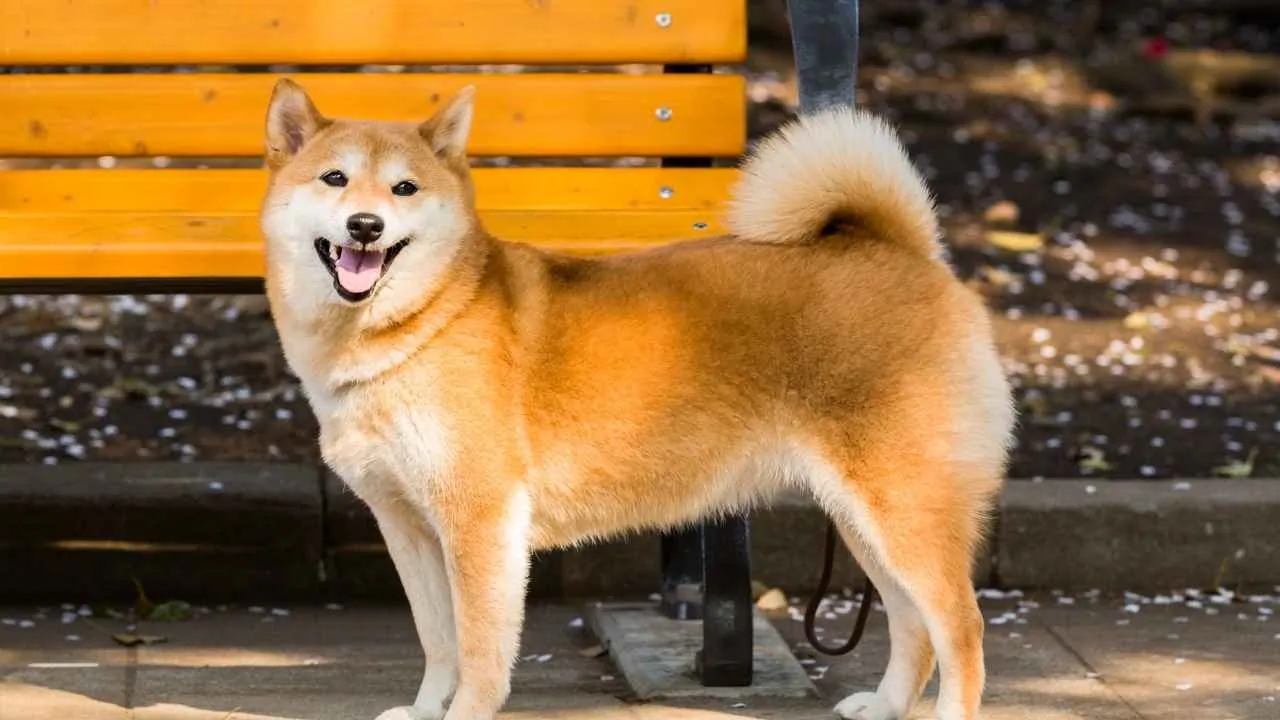
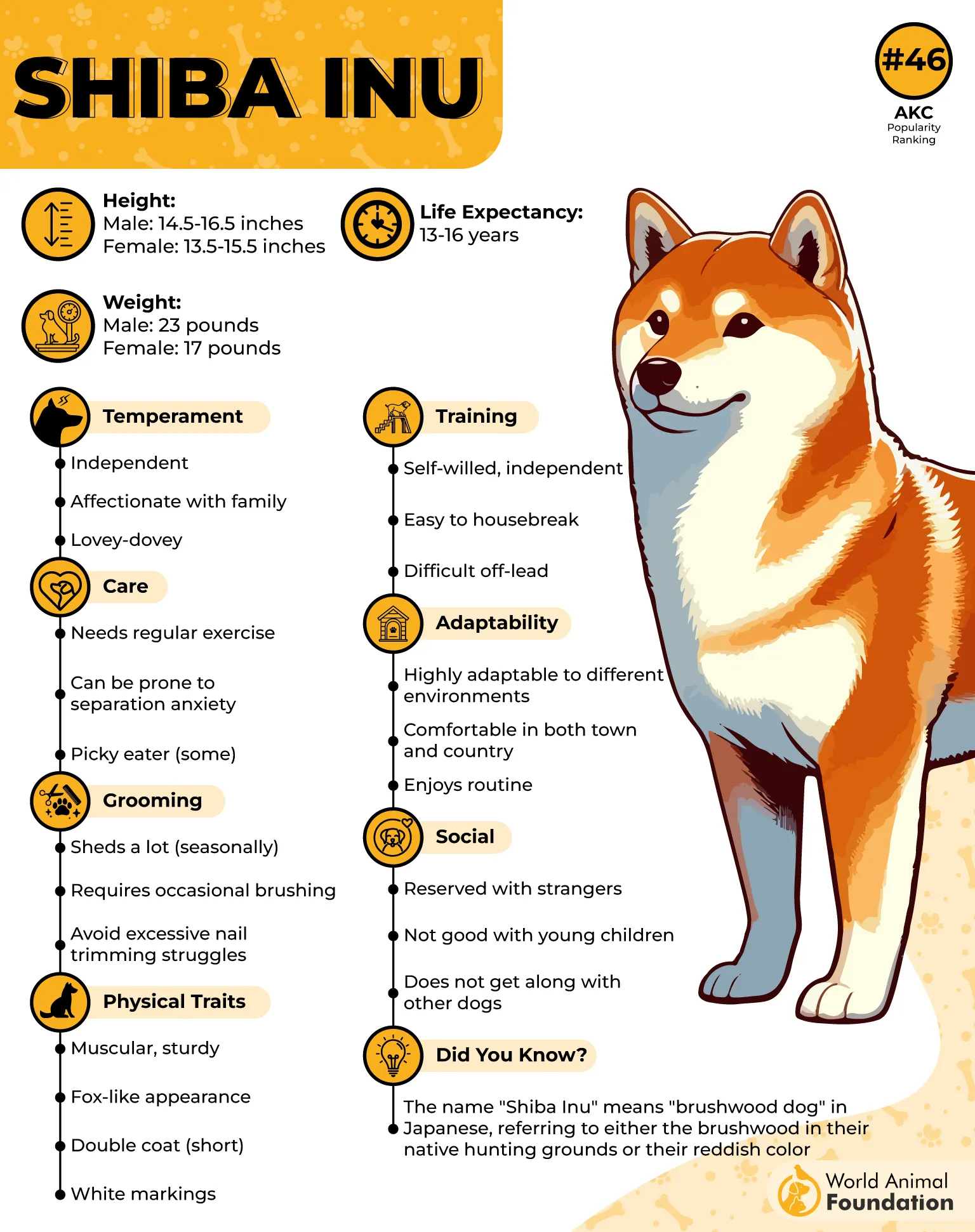
Shiba Inus are smart, active, affectionate and have a good nature. Their behavior matched more with wolves than domestic dogs.
Perfect for experienced owners, Shiba Inus have sharp prey instincts and can escape from your yard. They love you a lot but they are not clingy: just like your roomate and not a shadow.
How To Train Them?
Force-Free Training: Be kind and gentle to them. Avoid hitting and shouting. Otherwise they will be more stubborn.
Short and Engaging Sessions: Though they have hunting history and are energetic, they prefer short and fun sessions.
Train This High-Pitched Screamer: They do not bark a lot but they have voacal variety. They scream to grab their loved one’s attention.
Control Aggression Issues: Due to their stubbornness, they have aggression issues: food, dog-to-dog, and stranger aggression. Early and consistent socialization helps (GreenCrossVet).
Conclusion
Living with a stubborn dog breed is like dating a person with strong emotions and opinions. One moement they are happy and playing with you and at the very next moment, they are fighting like a wrestler.
You don’t need to crush their emotions to train them, but channel these feelings and turn them into a positive and friendly behavior. Use rewards. Teach clear commands.
