




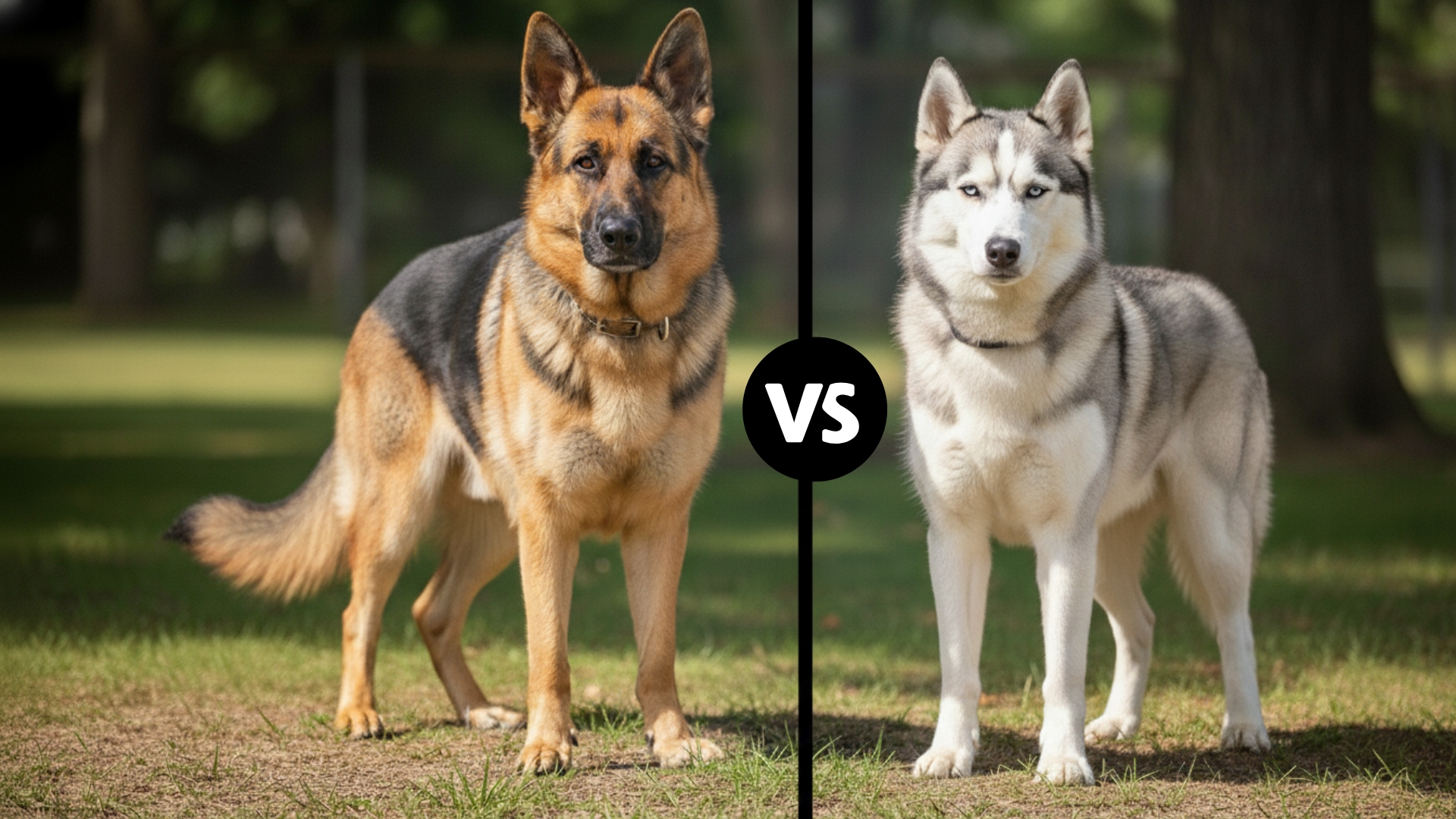
Choosing the right dog for an active family isn’t just about picking a furry friend—it’s about finding a companion that can keep up with your active lifestyle.
When it comes to high-energy, loyal, and strikingly beautiful breeds, the German Shepherd and Siberian Husky often top the list. Both dogs are athletic, intelligent, and full of personality, making them ideal for families who love adventure, outdoor activities, and plenty of playtime.
While they may share some similarities—like their endurance, love for exercise, and strong bond with humans—their personalities and needs can be very different.
German Shepherds are known for their loyalty, trainability, and protective instincts, making them excellent companions for families looking for a smart, dependable dog. Huskies, on the other hand, are free-spirited, social, and playful, with a mischievous streak that keeps life lively and fun.
For active families, the choice between a German Shepherd or a Husky can shape your day-to-day routines. From outdoor adventures to daily training sessions, each breed brings its own energy, challenges, and rewards.
Whether you want a devoted protector or an energetic bundle of joy, understanding their differences will help you decide which dog will truly thrive alongside your family.
Key Takeaways
Discover why German Shepherds are loyal, protective, and perfect for families who want a smart, dependable guardian.
See how Siberian Huskies bring energy, playfulness, and adventure—but aren’t built for guarding.
Compare size, strength, temperament, and exercise needs to find the breed that fits your active lifestyle.
Learn about training tips, health, and instincts so you can choose a dog that truly thrives with your family.
German Shepherd vs Husky: Which Is Better for Active Families?
Size and Strength
German Shepherd
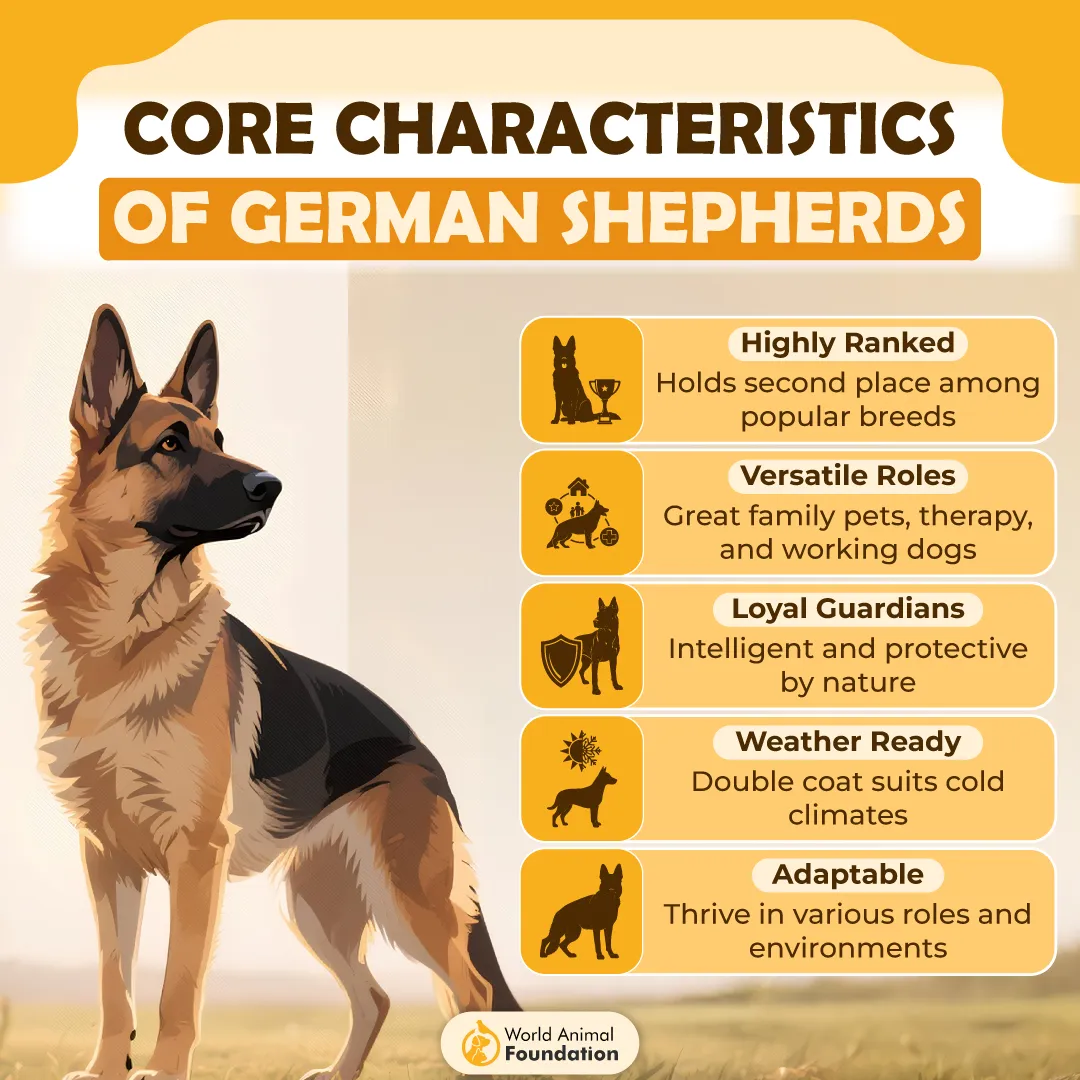
German Shepherds are large, powerful dogs classified in the Pastoral breed group, according to the Royal Kennel Club. Males typically stand 24-26 inches tall, while females range from 22-24 inches. They weigh between 50 and 90 pounds, giving them a strong, muscular build that makes them exceptional workers and herding dogs.
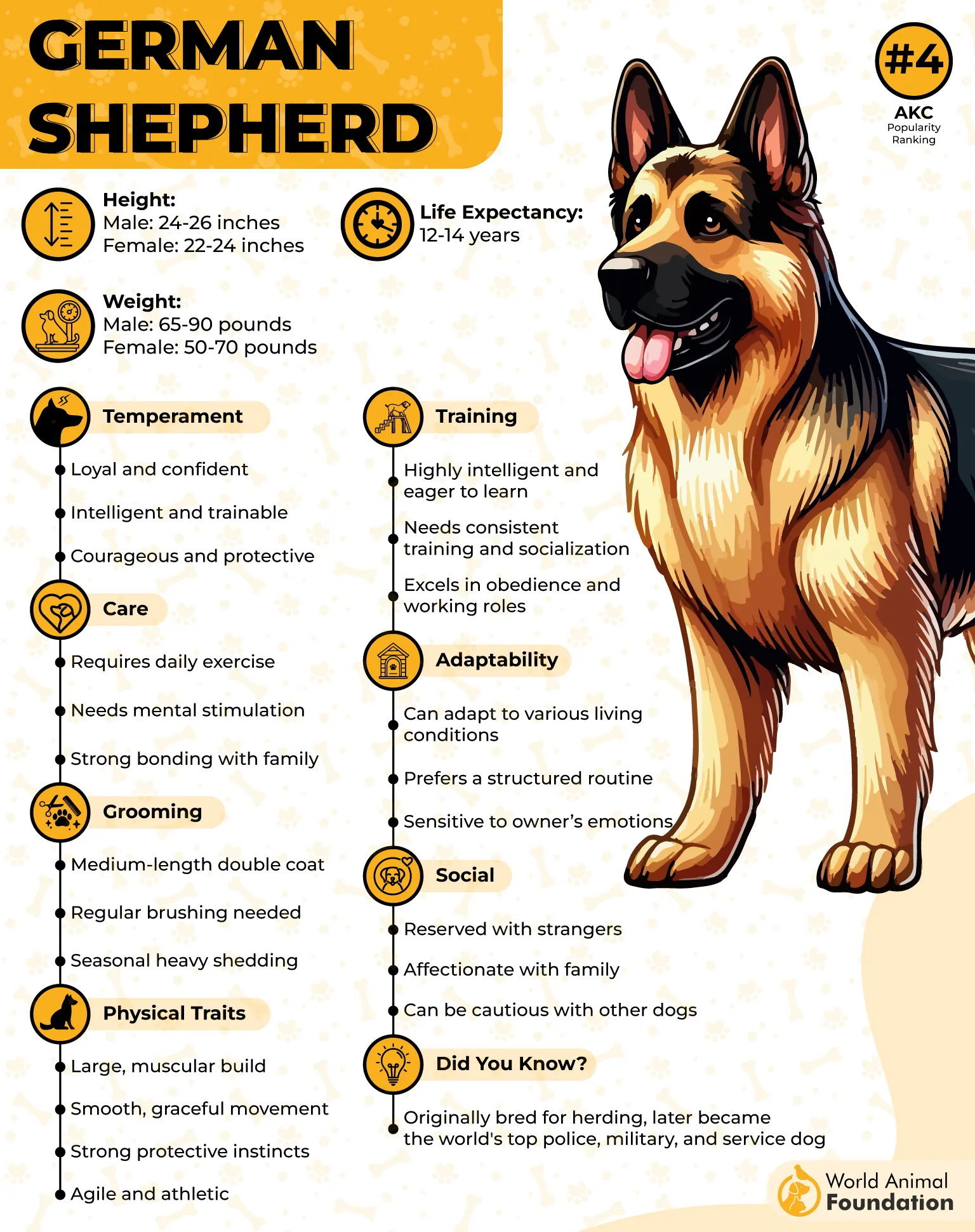
Their smooth, elegant outline and easy trot can quickly turn into bursts of speed when needed, showcasing both strength and agility. German Shepherds are known for their commanding presence, with a lean, athletic physique that balances power and endurance.
While black and tan is the most common coat, they also come in pure white, solid black, and sable variations, making them visually striking as well as physically capable.
Siberian Husky
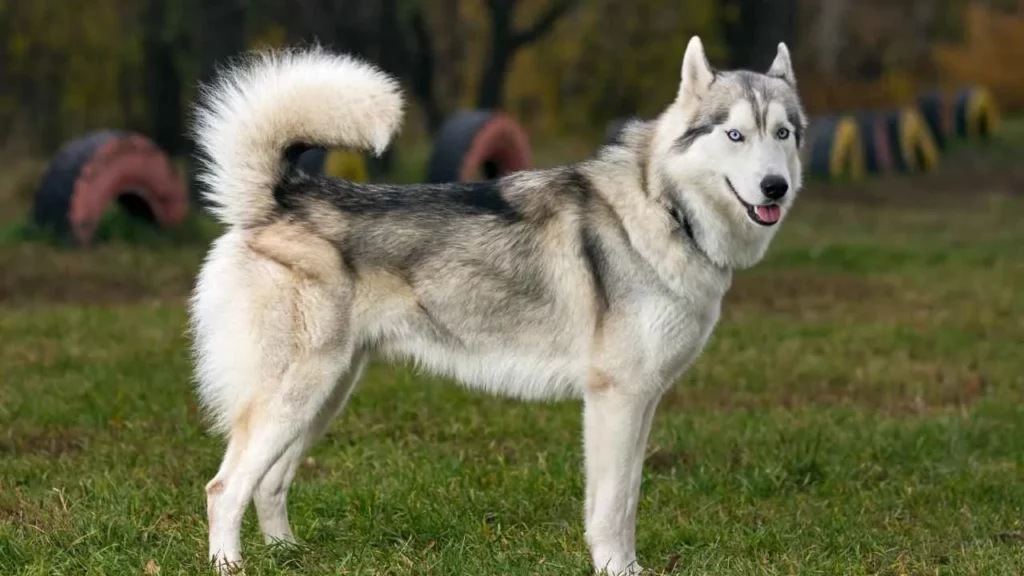
Siberian Huskies are medium-sized working dogs built for endurance and agility rather than raw strength. Males stand 21-23.5 inches tall and weigh 45-60 pounds, while females are slightly smaller at 20-22 inches and 35-50 pounds.
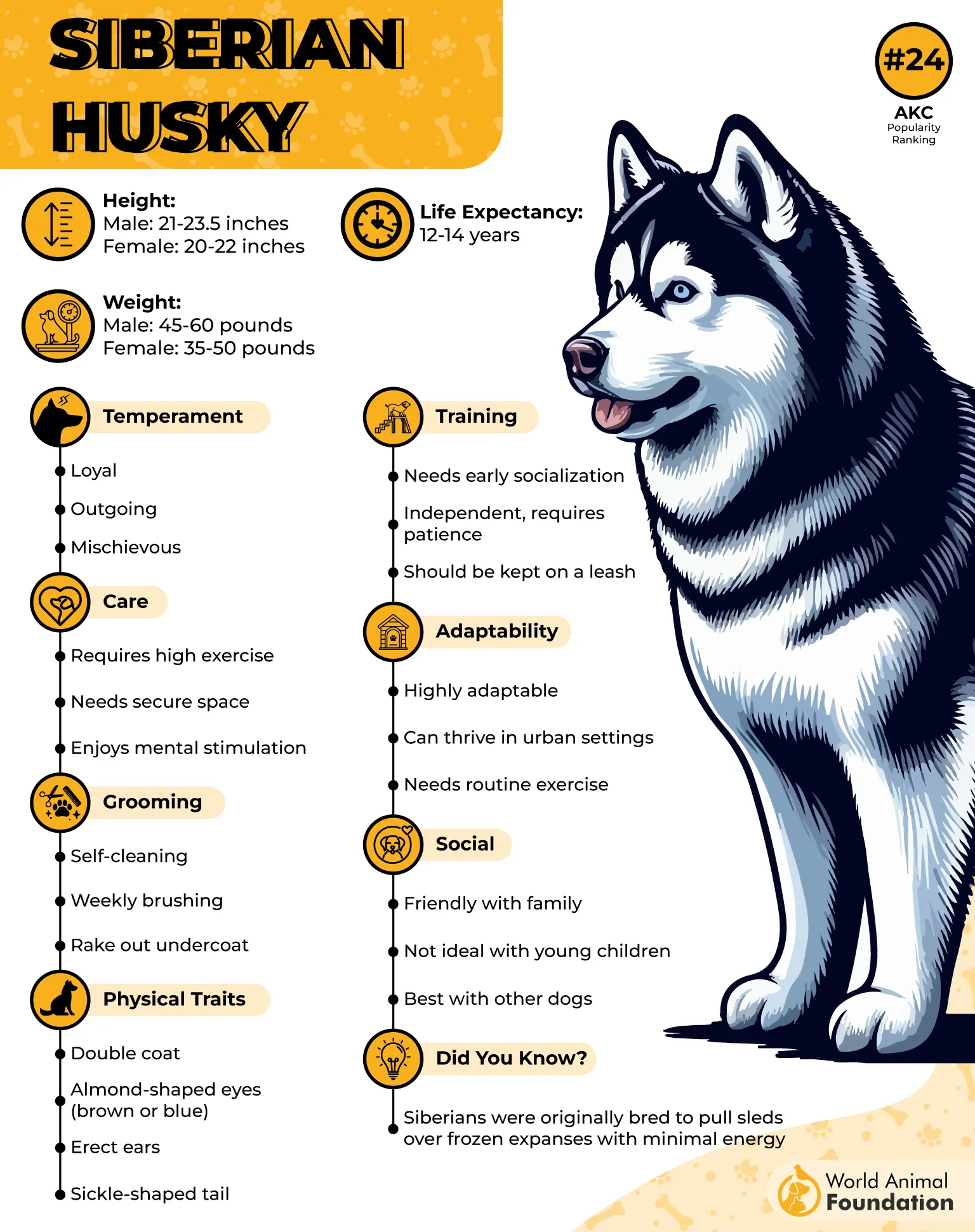
Their lighter build allows them to move with a dignified, graceful gait, perfect for long distances and pulling light loads in packs. Huskies have a striking, wolf-like appearance with a variety of coat colors and piercing eyes—sometimes one blue and one brown.
Though smaller and less muscular than German Shepherds, Huskies are incredibly resilient and energetic, thriving in active homes and outdoor adventures. Their compact yet strong frame makes them ideal for families looking for an agile, spirited companion.
Temperament and Personality Traits
German Shepherd
German Shepherd dogs are highly trainable and thrive when given tasks or jobs. Their intelligence and willingness to work make them excellent companions for families who enjoy structured activities or outdoor adventures.
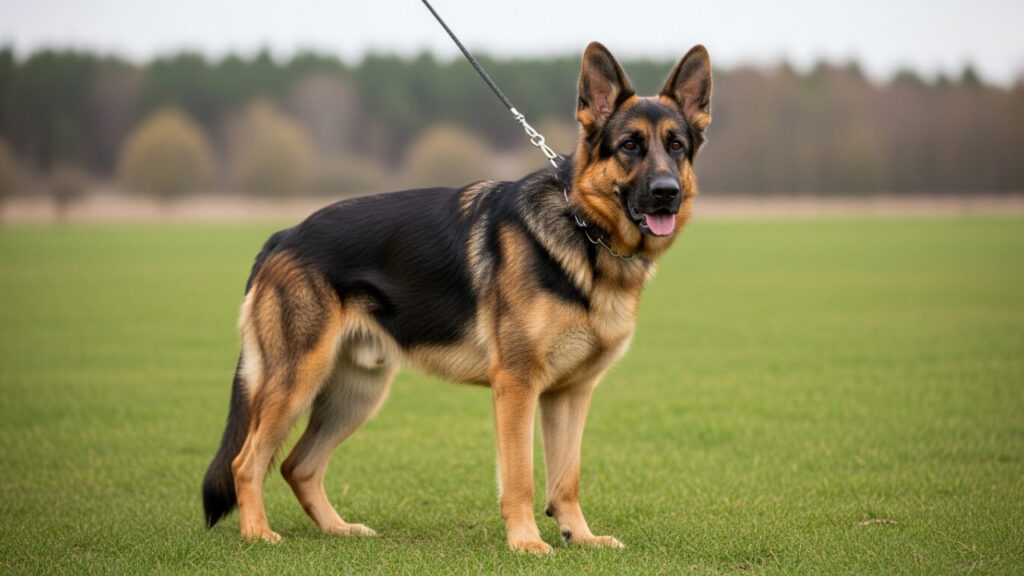
They are loyal and protective of their family, but naturally wary of strangers. This makes them excellent watchdogs, though they are not inherently aggressive—they simply take time to warm up to new people.
Key traits of German Shepherds:
Highly intelligent and trainable: Learn commands quickly and love having a job.
Protective and loyal: Form strong bonds with family and can sense potential threats.
Active and engaged: Require regular physical exercise and mental stimulation.
Family-friendly: Good with children and other pets when properly socialized.
Without enough exercise or stimulation, German Shepherds can become bored or destructive. Chew toys, large bones, or puzzle games help redirect their energy safely and keep them mentally sharp.
Siberian Husky
Siberian Huskies are independent yet affectionate. They thrive under confident owners who can establish themselves as pack leaders.
Huskies are extremely social, friendly, and often more welcoming to strangers than German Shepherds. While they aren’t good guard dogs, their playful howling adds personality to the household.
Key traits of Siberian Huskies:
Friendly and social: Open to strangers, get along well with people and other dogs.
Energetic and mischievous: Need regular exercise; otherwise, they may dig, explore, or escape.
Independent: Thrive under confident leadership and do best with experienced dog owners.
Playful and agile: Perfect for active families who enjoy outdoor adventures.
Huskies’ high energy and mischievous streak mean they need plenty of physical activity and mental engagement. Without it, they can become bored, dig in gardens, or attempt daring escapes.
Health and Lifespan
German Shepherd Health
German Shepherds are prone to several hereditary health conditions, largely due to selective breeding for their structure and size. Key concerns include:
Elbow and Hip dysplasia: Common in larger breeds and can affect mobility.
Degenerative myelopathy and cauda equina syndrome: Conditions that impact the spine and nervous system.
Gastric dilation-volvulus (bloat): A potentially life-threatening condition where the stomach twists; surgery is required to treat it.
Allergies and skin conditions: Immune-mediated issues can affect their coat and overall health.
Despite these risks, proper care, regular veterinary check-ups, and a balanced diet can help German Shepherds live healthy lives. A German Shepherd’s life expectancy typically ranges from 10 to 14 years, though some sources note seven to 10 years for those prone to serious health problems.
Siberian Husky Health
Siberian Huskies are generally considered the healthier of the two breeds, with fewer serious hereditary concerns. Still, they have their own potential issues:
Eye conditions: Cataracts, corneal dystrophy, and progressive retinal atrophy are common, so annual eye exams are recommended.
Obesity: Huskies can gain weight if not exercised regularly.
Separation anxiety: Being pack-oriented dogs, Huskies can become stressed if left alone for long periods.
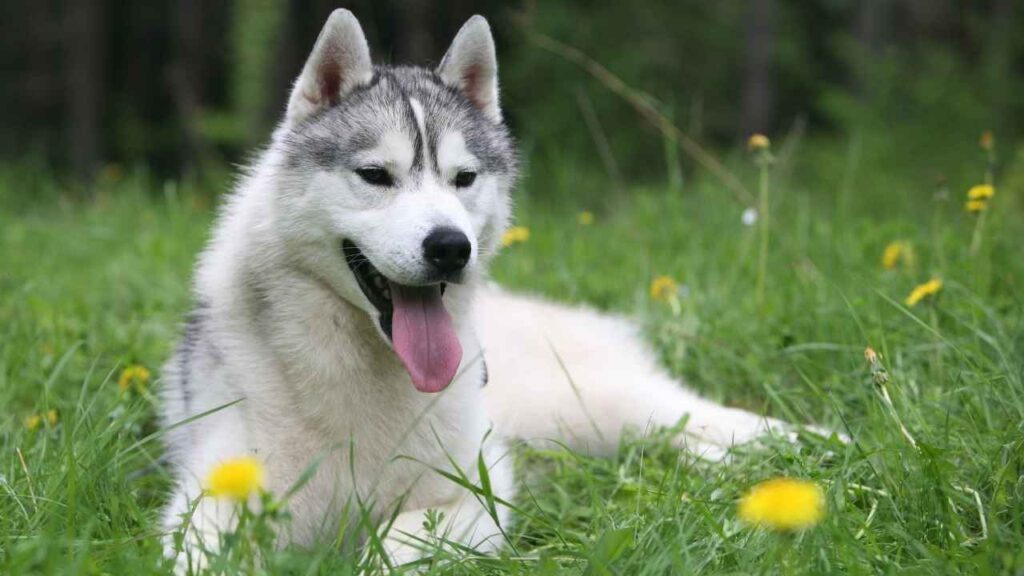
Huskies have a longer life expectancy than German Shepherds, generally living 12–15 years. Their moderate size, strong endurance, and resilient nature contribute to their overall health.
Caring for Both Breeds
Both breeds benefit from routine health monitoring, especially regarding joints and digestion:
Regular vet visits to check for hip/elbow dysplasia and eye health.
Maintaining a healthy weight to prevent strain on joints and reduce the risk of obesity.
Feeding carefully and monitoring for bloat, particularly in deep-chested German Shepherds.
German Shepherds shed year-round and need daily brushing, while Huskies also shed heavily twice a year and require consistent coat care.
With proactive care, both German Shepherds and Huskies can live long, active, and fulfilling lives, giving their families years of loyalty, companionship, and fun.
Training and Exercise
German Shepherd
German Shepherds are one of the smartest dog breeds, eager to please, and highly trainable. They respond well to consistent, patient training and thrive when given tasks or jobs. Early socialization is important to help them adapt to new environments and people.
Key points for training and exercising a German Shepherd:
Highly trainable: Quickly learns basic commands and complex tasks.
Guard instincts: Can be trained to bark on command, making them excellent watchdogs.
Mental stimulation: Puzzle toys, obedience classes, and agility training keep them engaged.
Physical activity: Long walks, runs, and structured play are essential to burn energy.
Consistency is key: Firm but fair boundaries help prevent boredom and destructive behaviors.
Without proper physical and mental stimulation, German Shepherds may become bored, chew items, or bark excessively. Regular exercise and interactive training keep them happy, healthy, and well-behaved.
Siberian Husky
Siberian Huskies are intelligent, independent, and strong-willed, which can make training more challenging than with a German Shepherd.
The Siberian Husky Welfare Association mentions that Huskies are pack-oriented dogs, so a rigid hierarchy in the family is crucial to maintain structure. These sled dogs can be affectionate and playful, but they often choose when to respond to commands.
Tips for training and exercising a Husky:
Leadership matters: Control access to food, toys, and activities to assert your role as the pack leader.
High energy outlets: Huskies need daily long walks, runs, and active play to stay happy.
Mental stimulation: Agility classes, treat puzzles, and games help channel energy.
Escape risks: Huskies are notorious for trying to run off; secure fencing and leashing are essential.
Socialization early: Helps them interact safely with children, strangers, and other pets.
Huskies thrive when training is engaging, and exercise is regular. Physical activity paired with mental challenges prevents boredom, mischief, and destructive behaviors, ensuring they remain happy, healthy, and well-adjusted family companions.
Energy Level
German Shepherd
German Shepherds thrive in active households and require both physical and mental enrichment to stay happy and healthy. As large, athletic dogs, they need space to move freely.
While these intelligent dogs can adapt to apartment life, German Shepherds do best in homes with access to a yard or other outdoor spaces where they can run and explore.
Exercise needs: Daily walks, runs, and play sessions to burn off energy.
Mental stimulation: Training, puzzle toys, and dog sports keep their minds sharp.
Safe outdoor space: Fully enclosed yards or visits to dog parks help contain their natural prey drive and keep neighborhood animals safe.
With proper activity and stimulation, German Shepherds are well-balanced, focused, and ready to engage with their family. Without it, they can become bored or destructive.
Siberian Husky
Siberian Huskies are among the most active dog breeds and require significantly more exercise than many owners expect. Originally bred to pull sleds over long distances, Huskies have remarkable stamina and thrive when allowed to move and explore daily.
Exercise needs: Around two hours of strenuous activity per day, including hikes, runs, and dog sports.
Mental stimulation: Nose work, obedience training sessions, and chasing a flirt pole keep them engaged.
Backyard play isn’t enough: Daily walks or time alone in a yard are insufficient for this high-energy breed.
Huskies are incredibly smart but can be stubborn, so consistent training paired with regular physical and mental activity is essential. Active families who enjoy outdoor adventures will find Huskies to be loyal, energetic, and endlessly entertaining companions.
Natural Guarding Instincts
German Shepherd
German Shepherds are renowned for their natural guarding instincts. Their muscular build, alert expression, and imposing presence make them an effective deterrent to potential threats.
With a combination of strength, agility, and endurance, they can respond quickly to danger and remain vigilant for long periods.
Intelligence and trainability further enhance their protective abilities. German Shepherds can assess situations, make decisions, and act appropriately while balancing obedience with independent thinking.
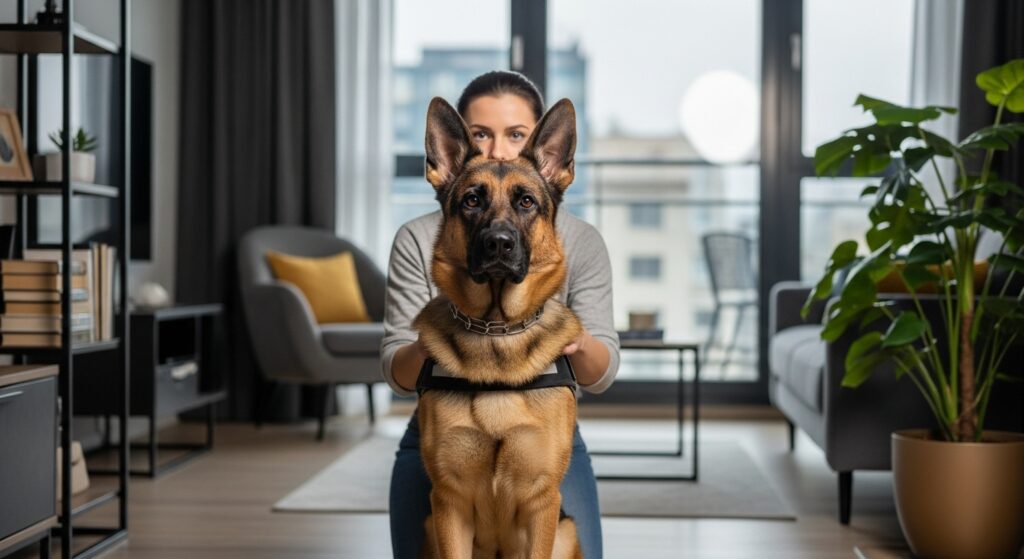
Their deep loyalty to family, alertness, and courage under pressure make them reliable protectors. They can distinguish between real threats and harmless visitors, making them excellent guard dogs for families who want both companionship and security.
Siberian Husky
Siberian Huskies, on the other hand, have very little natural guarding instinct. They are extremely social and friendly, often treating strangers—including intruders—as friends. While they may alert you with howling if someone enters the property, they rarely act to protect the home or family.
Huskies are better suited as affectionate, playful family dogs rather than guard dogs. Their trusting nature means they are unlikely to confront threats, so families seeking a protective dog should consider a different breed. Huskies excel at being companions but are not reliable for security purposes.
Protective Temperament
German Shepherd
German Shepherds are naturally protective of their family and home. Their loyalty runs deep, and they form strong bonds with their human pack, as mentioned by PetMD. This loyalty, combined with their intelligence and alertness, allows them to sense potential threats and respond appropriately.
They are courageous under pressure and disciplined when trained, making them reliable protectors. While German Shepherds are loving and affectionate with their family, they are cautious around strangers.
This careful balance of affection, loyalty, and vigilance is what makes them one of the most respected guardian breeds in the world.
Siberian Husky
Siberian Huskies, by contrast, have a very friendly and trusting nature. They are social with everyone, including strangers, which means they are not naturally protective.
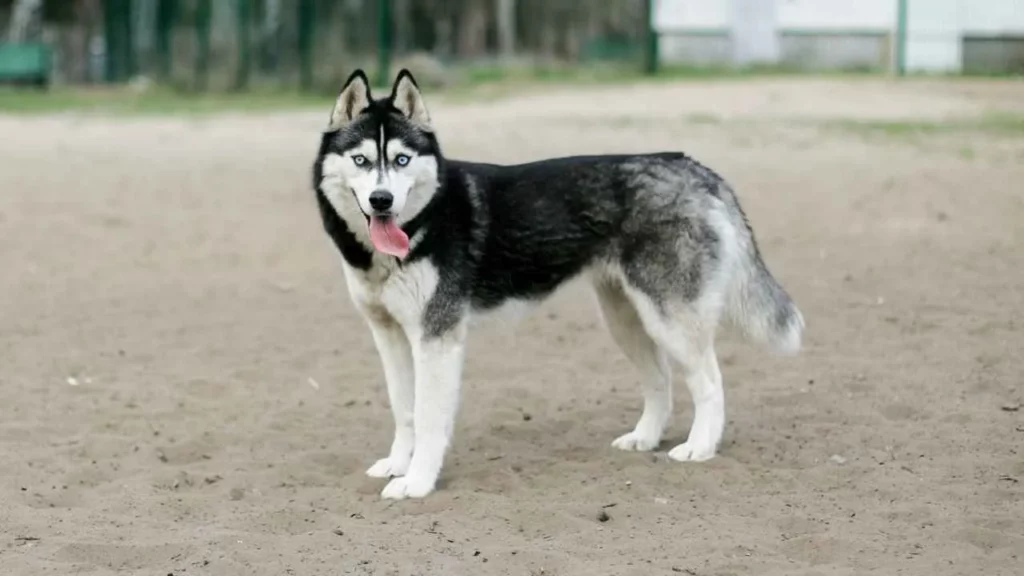
While they may alert you by howling or vocalizing when something unusual happens, they generally do not intervene or act to defend their home or family.
Huskies are better suited as companion dogs for families who value energy, playfulness, and affection over protection. Their gentle, social temperament makes them good family dogs but poor guardians, as they are more likely to welcome an intruder than confront one.
Conclusion
When it comes to choosing between a German Shepherd and a Siberian Husky, it all comes down to lifestyle and priorities. German Shepherds excel as loyal, intelligent, and protective companions, thriving in active homes where they receive plenty of training, mental stimulation, and exercise.
Huskies, on the other hand, bring boundless energy, playfulness, and friendliness, making them ideal for families who love outdoor adventures and want a social, affectionate dog.
Ultimately, both breeds can bring joy, companionship, and excitement to an active family—but in very different ways. Take the time to consider which personality, energy level, and protective instincts best match your household.
Whatever you choose, remember that the right dog for your family is one whose needs you’re ready to meet and whose love you’ll cherish for years to come.
