




Some dogs fit in a purse.
And, some dogs are so big they make grown adult stop in their tracks and say, “Is that a horse?”
These big dogs tend to take up the entire back seat, the entire couch, and a concerning amount of your grocery budget.
Giant dog breeds are in a category completely their own. Not just “large”. Not just “big”. We mean GIANT! The dogs, whose head alone is roughly the size of a small child, their paw prints in the mud alarm the neighbors. Genuinely.
And yet, despite all that size, despite being one of the largest dog breeds, people who own these dogs are completely obsessed with them.
These are the seven giant dog breeds. Discover these rare and wonderful companions. Because they are as rare as they are massive, and exactly why they are so enormous.
Did You Know?
The tallest dog breed ever recorded by Guinness World Record was a Great Dane named Zeus, who measured 44 inches tall at the shoulder. That is over 3.5 feet just standing on all fours. When he stood on his hind legs, Zeus reached 7 feet 4 inches. Giant breeds are not really big. They are historically big dogs.
Giant Dog Breeds: Discover These Rare and Wonderful Companions
1. Irish Wolfhound
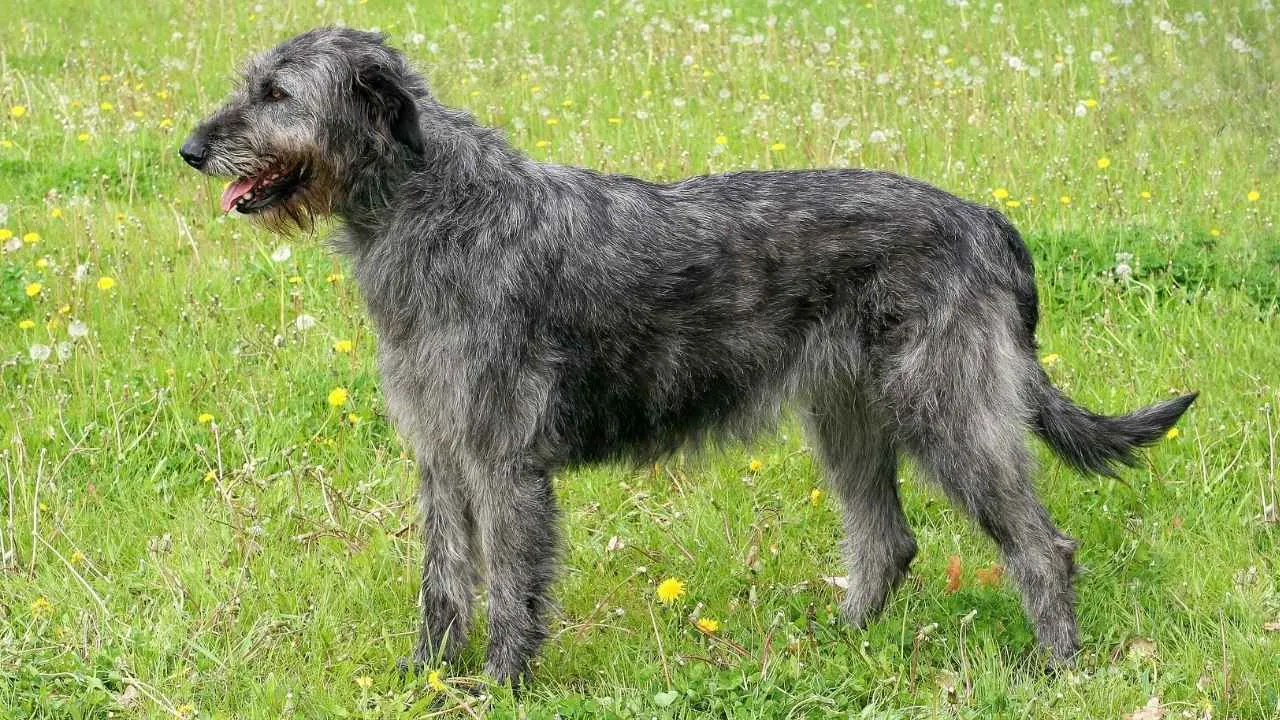
Let’s open with the one that holds the official title.
The Irish Wolfhound is another one of the tallest breeds in the world, and it is not particularly close. Males regularly stand 32 inches at the shoulder, sometimes taller. When an Irish Wolfhound decides to stand up and puts their paws on your shoulder, you are eye to eye with a dog. That is the situation.
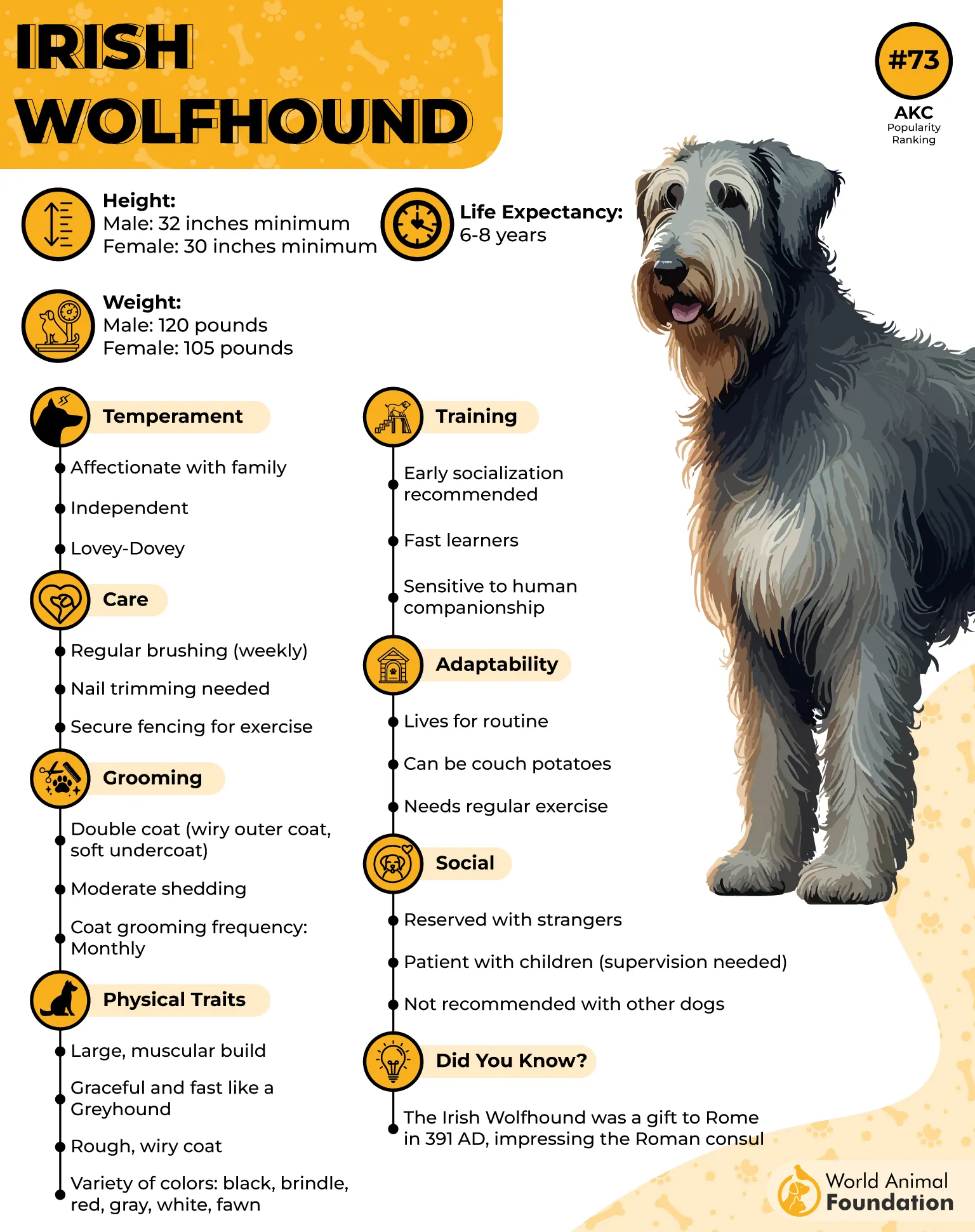
This hound dog was originally bred in Ireland for one specific job. To hunt wolves and elk. Not small game. These dogs needed the height and stride to cover ground fast, the strength to take down massive prey, and the sheer size to be taken seriously in a chase.
They were so effective that they helped hunt wolves to extinction in Ireland.
Their towering frame, long legs, deep chest, and wiry muscular build are made for speed and power at scale. One of the biggest dog breeds alive, and historically one of the most functional giants ever developed.
Life expectancy runs shorter than that of small dogs, 6 to 8 years, the trade-off that comes with carrying that much dog.
But while they are here, they are magnificent.
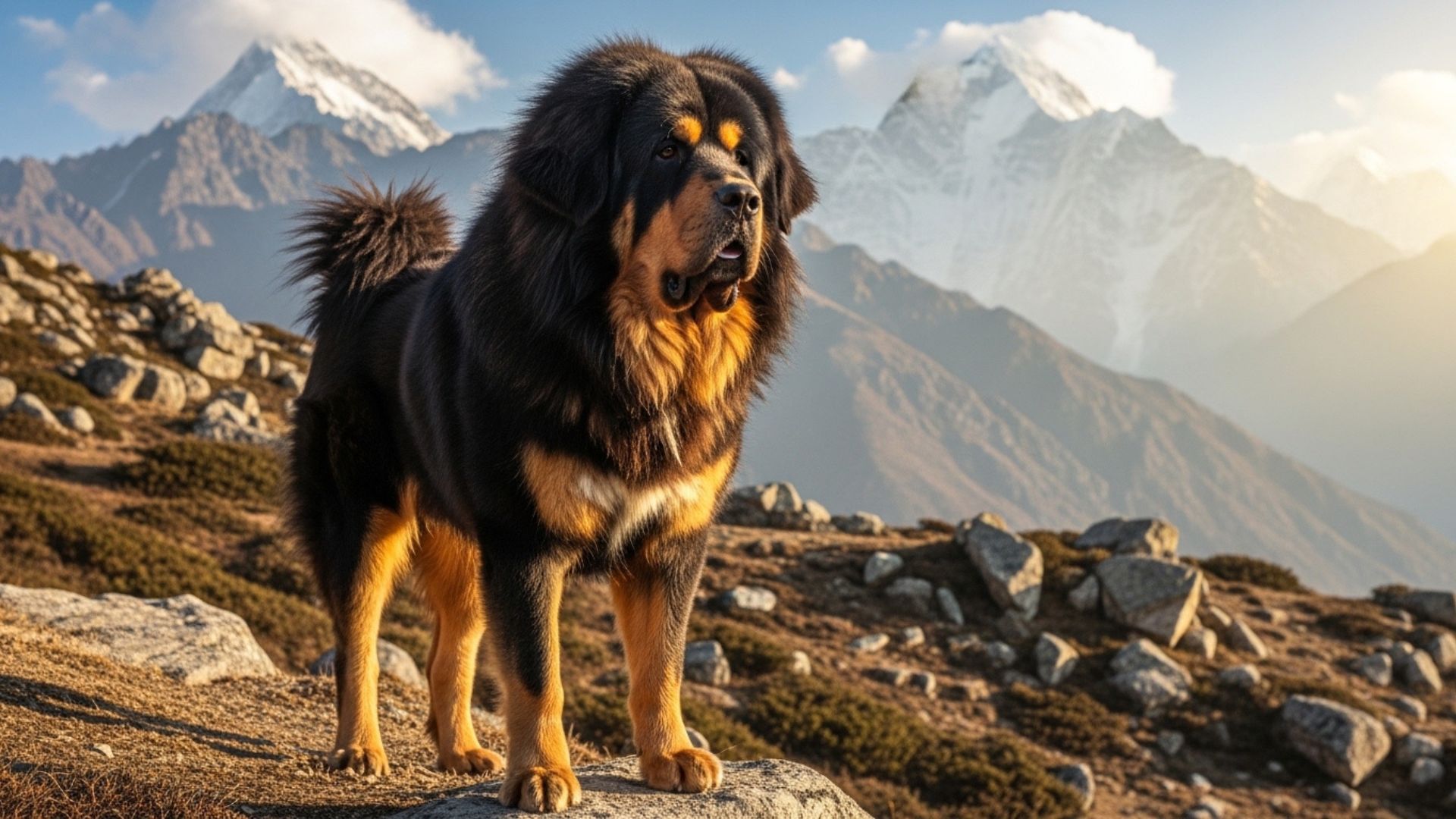
2. Tibetan Mastiff
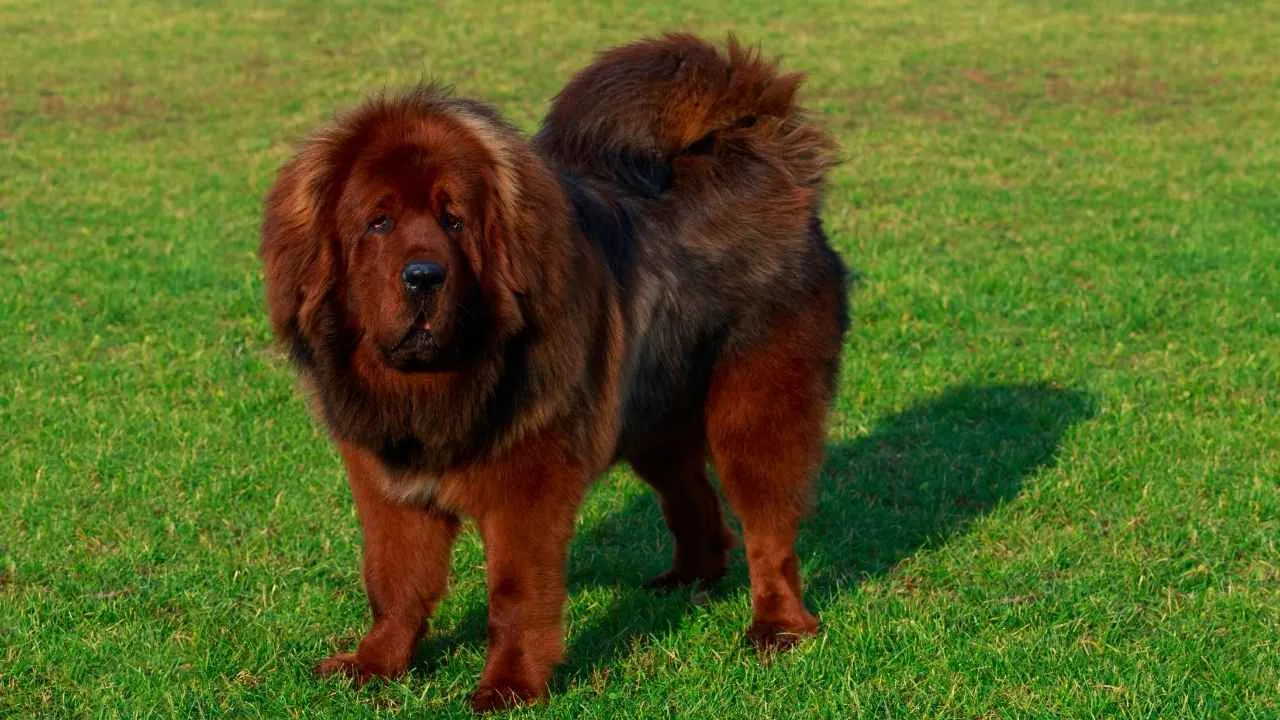
The Tibetan Mastiff wins on presence!
This is a mountain dog that looks like hand-crafted by a mountain range.
Thick double coat. Massive, lion-like mane around the neck and shoulders. A face that gives off ancient and unshakable authority vibes.
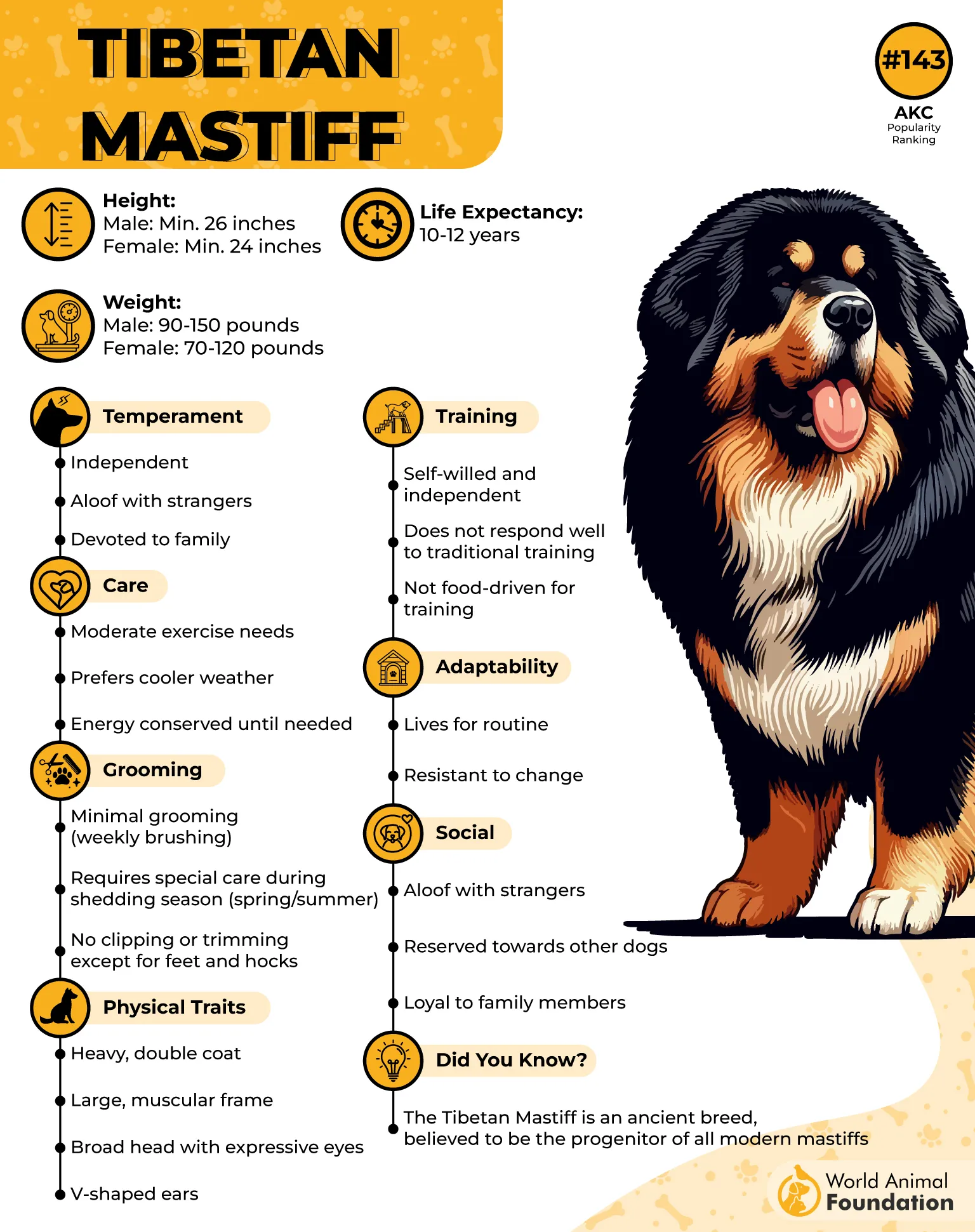
Developed in the Himalayas over thousands of years, the Tibetan Mastiff is one of the oldest breeds on Earth. This livestock guardian was born for guarding flocks and monasteries in brutal cold weather at extreme altitude.
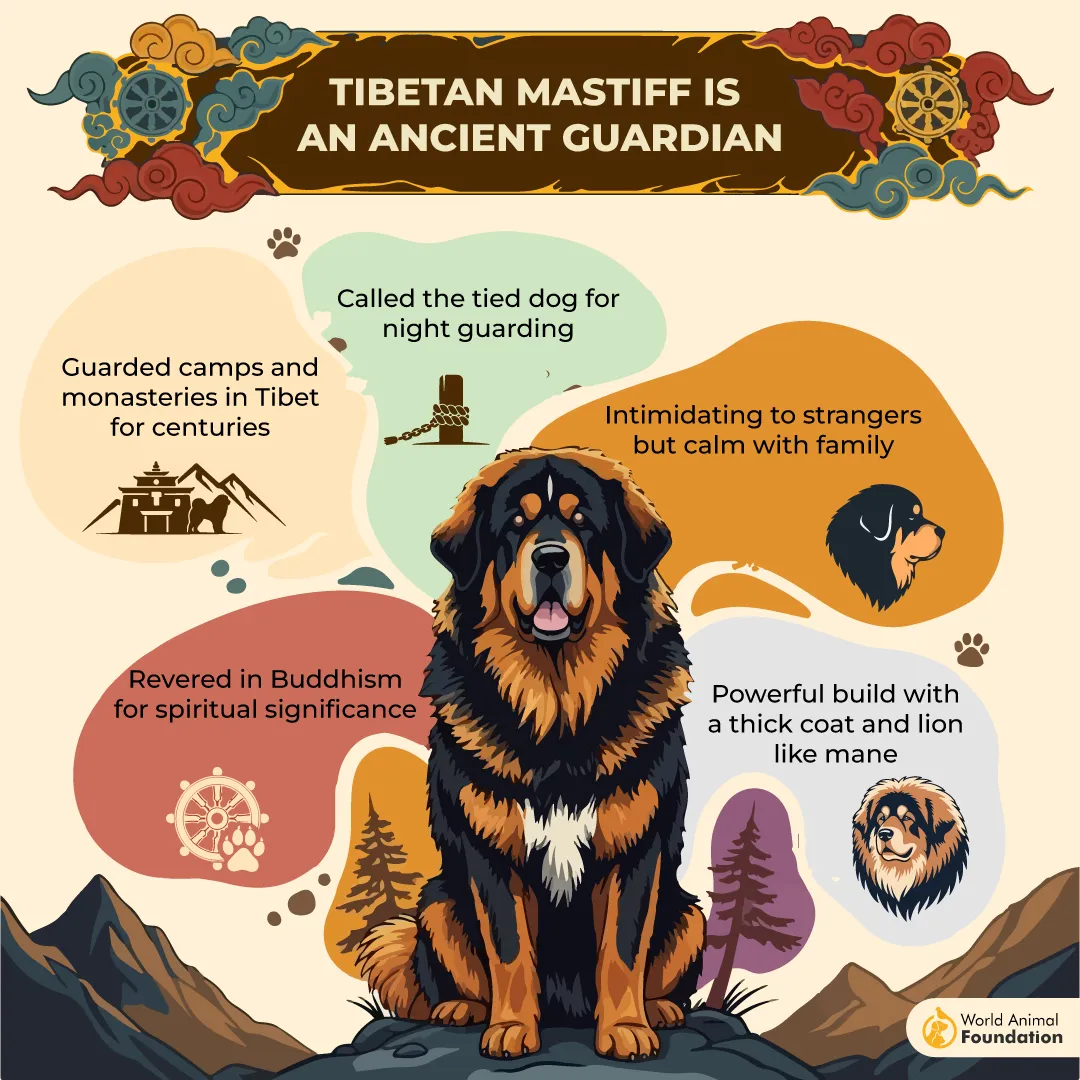
That thick coat is armor. That massive body absorbs impact. Males can weigh up to 150 pounds, sometimes more. These large dogs carry themselves with a calmness, a confidence that matches the terrain they came from.
The Tibetan Mastiff’s size is centuries of functional giant-building in one of the harshest places on the planet. Even though they are HUGE, they are gentle giants for their families. But do keep in mind that these dogs can face health problems, such as joint issues, due to their size.
As per PetMD, they have a strong will and might not respond to harsh training. Always take care of their exercise needs and use positive reinforcement for training.
3. Leonberger
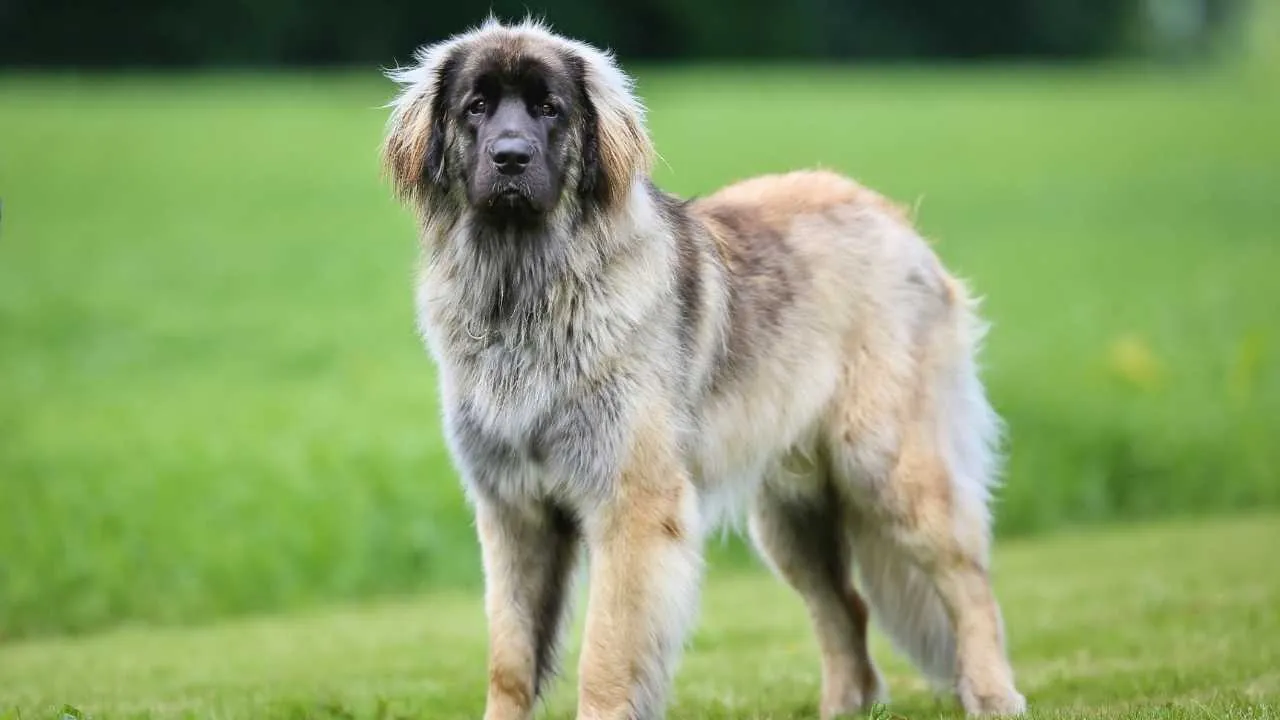
This is the one that most people outside of the dog circles have never heard of.
The Leonberger is a giant breed born in Germany in the 1800s, intentionally crossed from Great Pyrenees, Newfoundland dogs, and essentially Saint Bernard, as noted by Purina.
The goal was to create a dog that looked like a lion, and they nailed it.
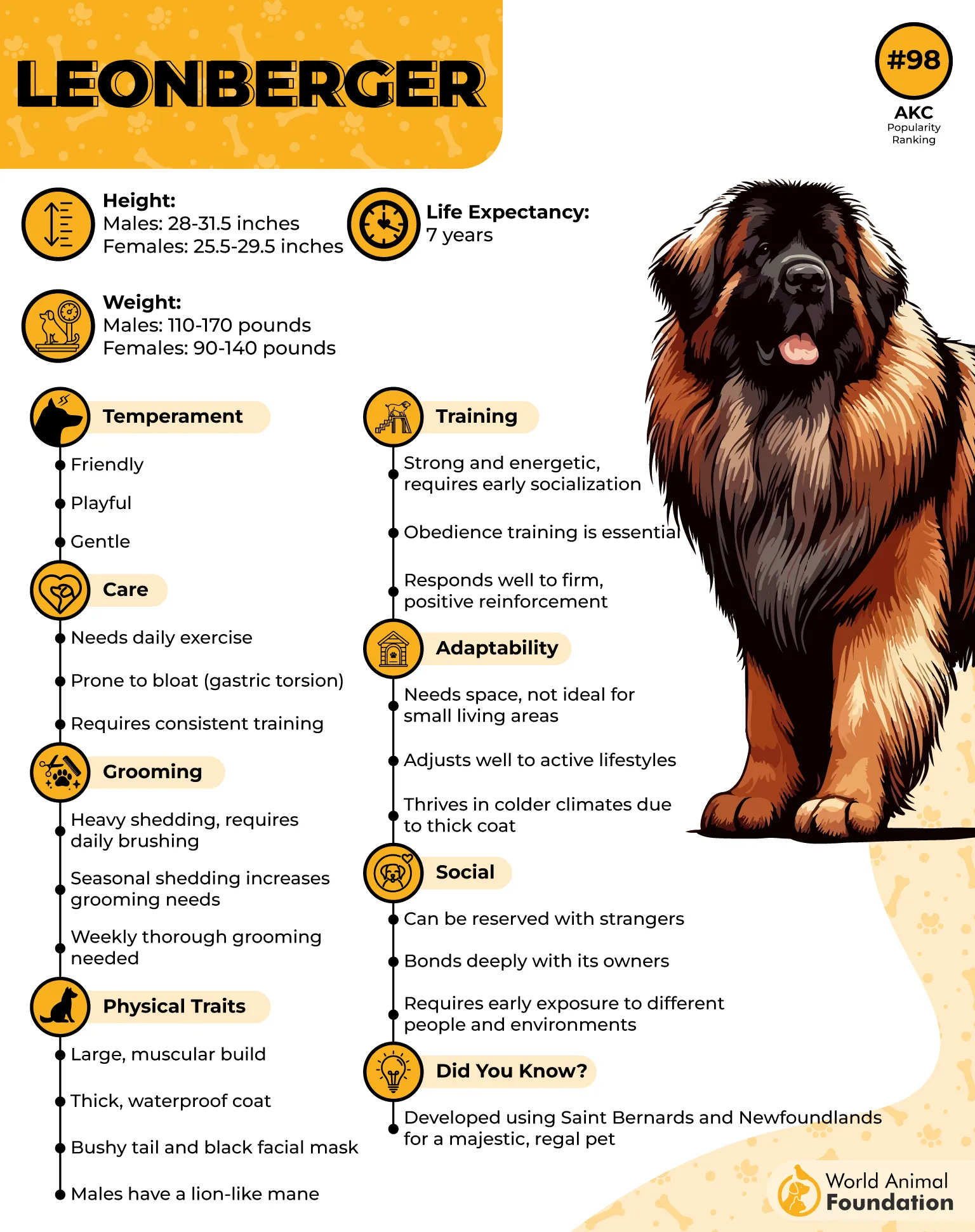
Males can reach 170 pounds. They have a thick flowing coat, a distinctive black mask, and lion like mane around the chest and neck that makes them look like they are out of a fantasy.
One of the most visually dramatic big dogs on this list. Full stop.
The Leonberger’s size was not just aesthetic. They were working dogs. They were adept at pulling carts, helping with water rescue (water rescue dogs because they have webbed feet for it). Plus, they performed livestock guardian duties across European farms. These dogs have a strong sense of independence, and they are not for small spaces.
That frame is made to do serious physical work, which is why these dogs carry their massive size with such ease.
Standing next to a Leonberger, you don’t feel like you are next to a big dog, but rather next to something ancient. It is hard to explain until you experience it.
4. Caucasian Shepherd Dog

Some big dogs are big because of breeding trends. The Caucasian Shepherd Dog is big because it had to be. Physically, it had to be.
Developed across the Caucasus Mountain range, this breed was created to do one job. Protect livestock from wolves, bears, and large predators in some of the most unforgiving terrains of the world.
Size was not optional for them, but survival.
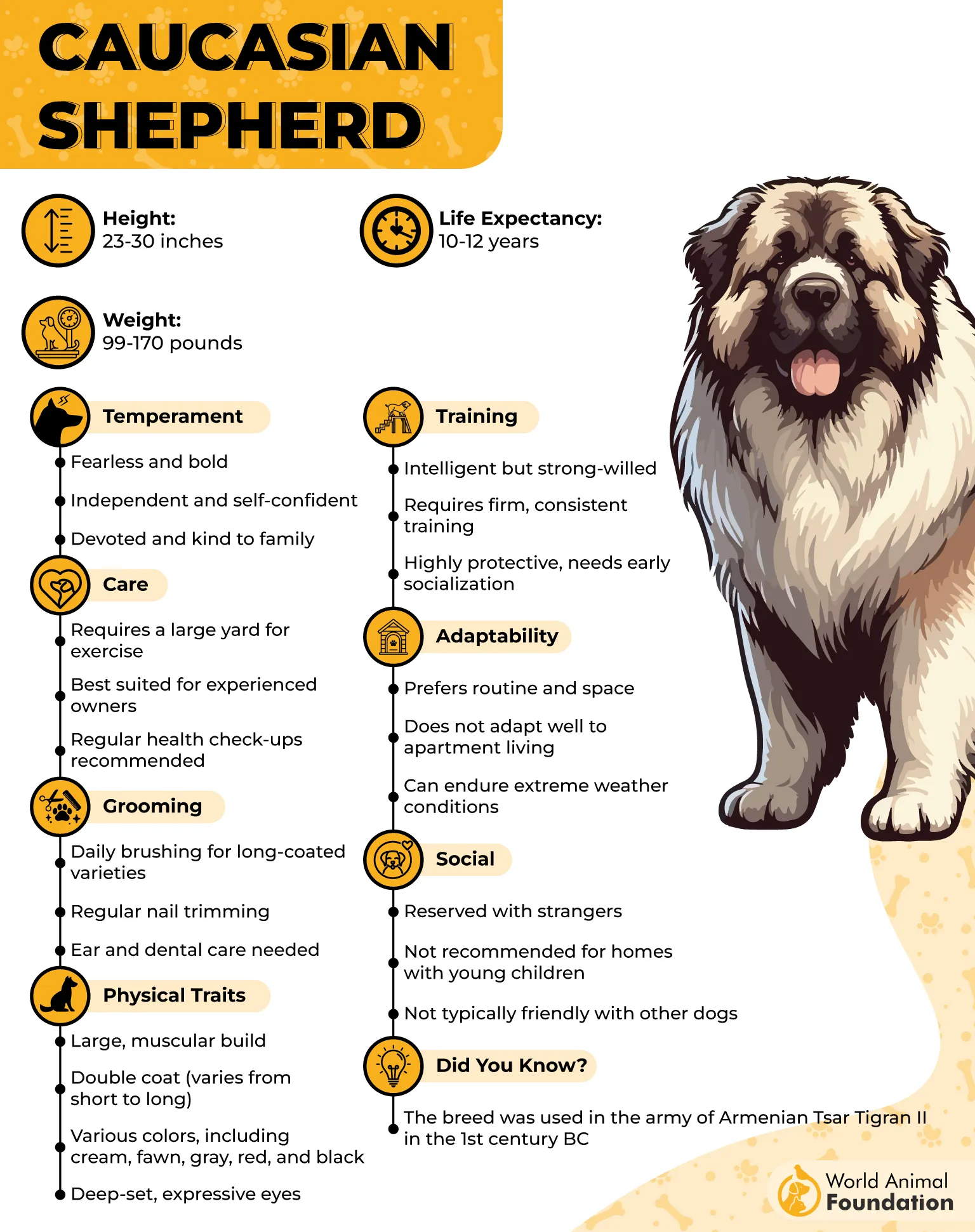
Males of this Shepherd dog breed reach 170+ pounds, with a broad muscled body and a thick double coat made for extreme cold weather. Dense bone structure, wide chest, and an overall build that communicates exactly what they were designed for.
The Caucasian Shepherd is not the tallest giant breed, but by sheer mass and physical power, it is in a conversation almost entirely their own.
A working dog that earned every pound.
5. Spanish Mastiff
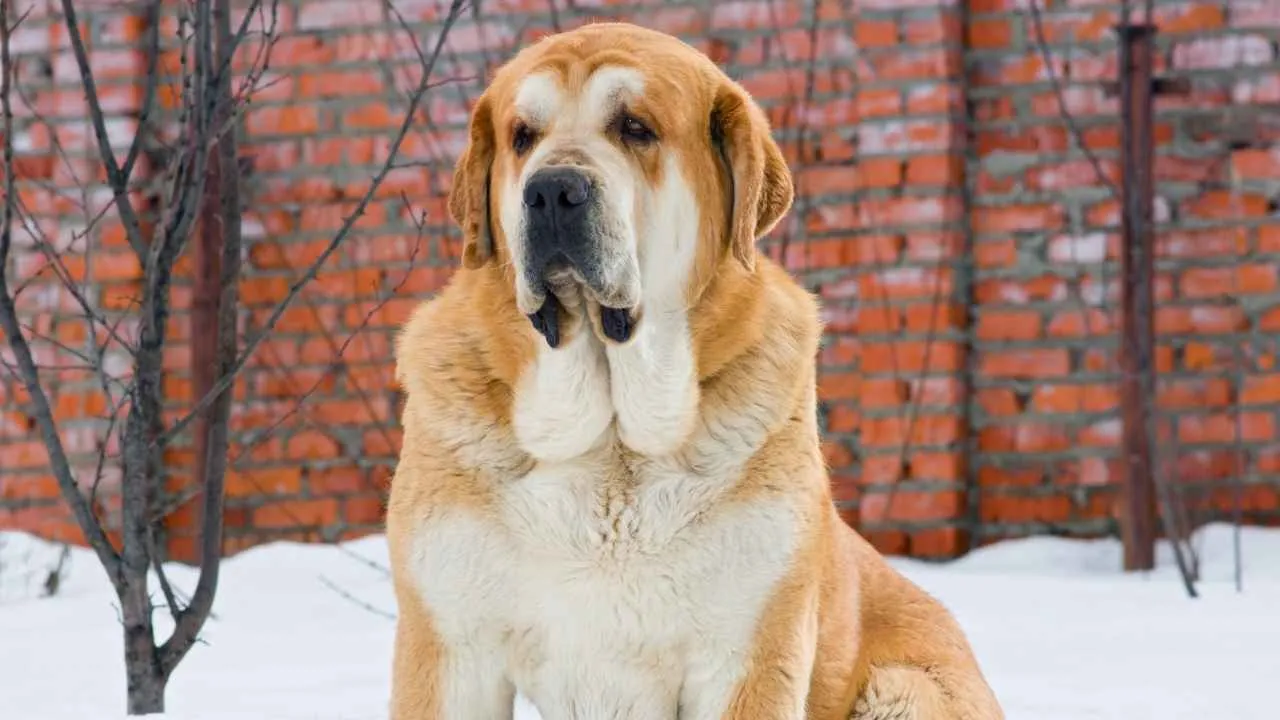
A rare breed. The Spanish Mastiff has been around for over two thousand years, as noted by PetMD.
Two. Thousand. Years.
And in that entire time, their size has served one purpose: guarding huge flocks of sheep across the open plains and mountain passes of Spain.
Males weigh between 140 and 200 pounds, with a deeply wrinkled face, loose hanging skin around the neck called a dewlap, and a broad, powerful body. They look like a Neapolitan Mastiff in adifferent color. Among the heaviest dogs alive, they carry their weight with an authority that smaller dogs cannot project.
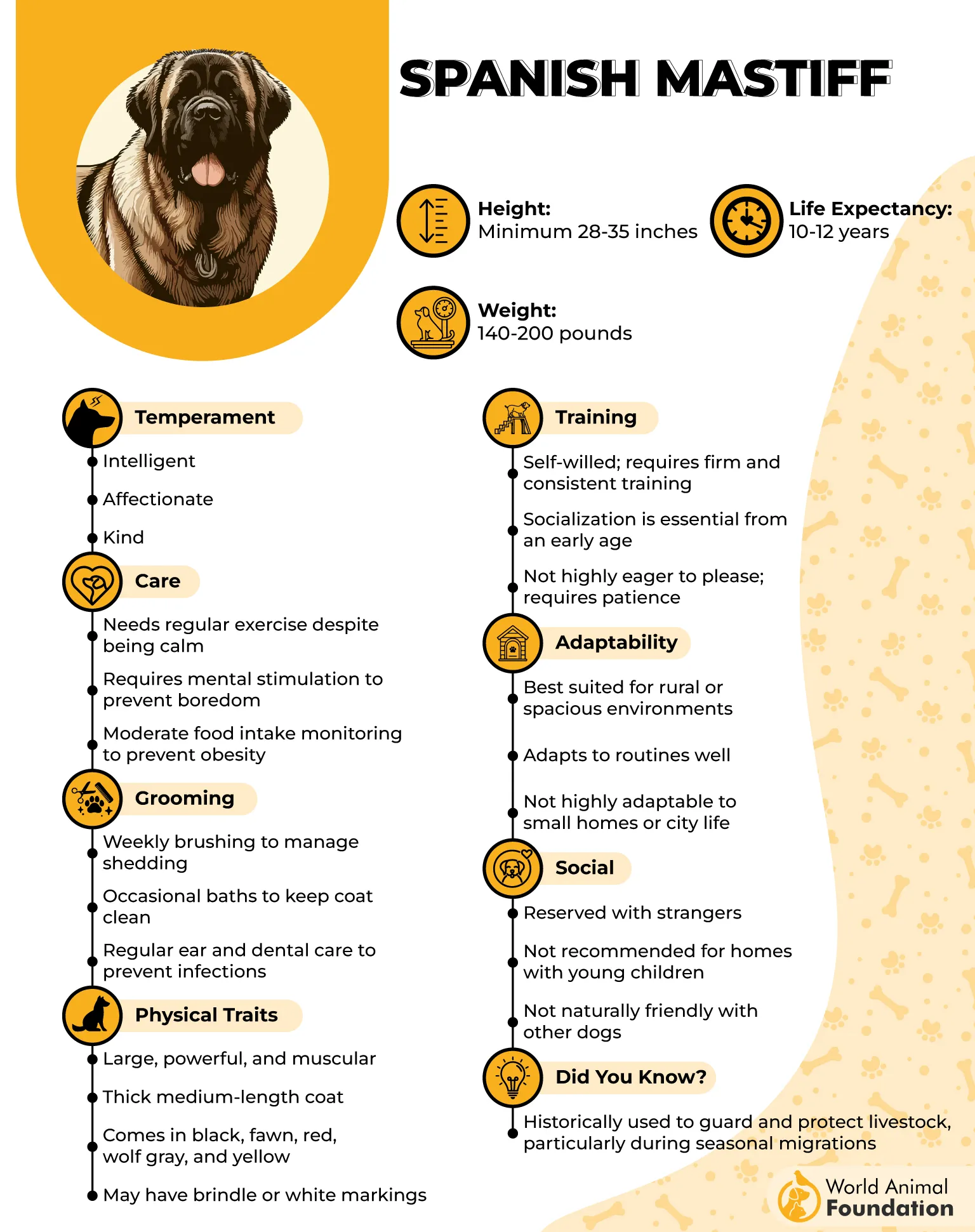
What makes the Spanish Mastiff’s size interesting is the math. A livestock guardian dog needs to be large enough that wolves choose not to engage. This Mastiff dog breed has a sheer physical scale that is actually a deterrent.
Size as strategy. It is remarkably effective, which is why the breed has remained largely unchanged for centuries.
6. Kangal
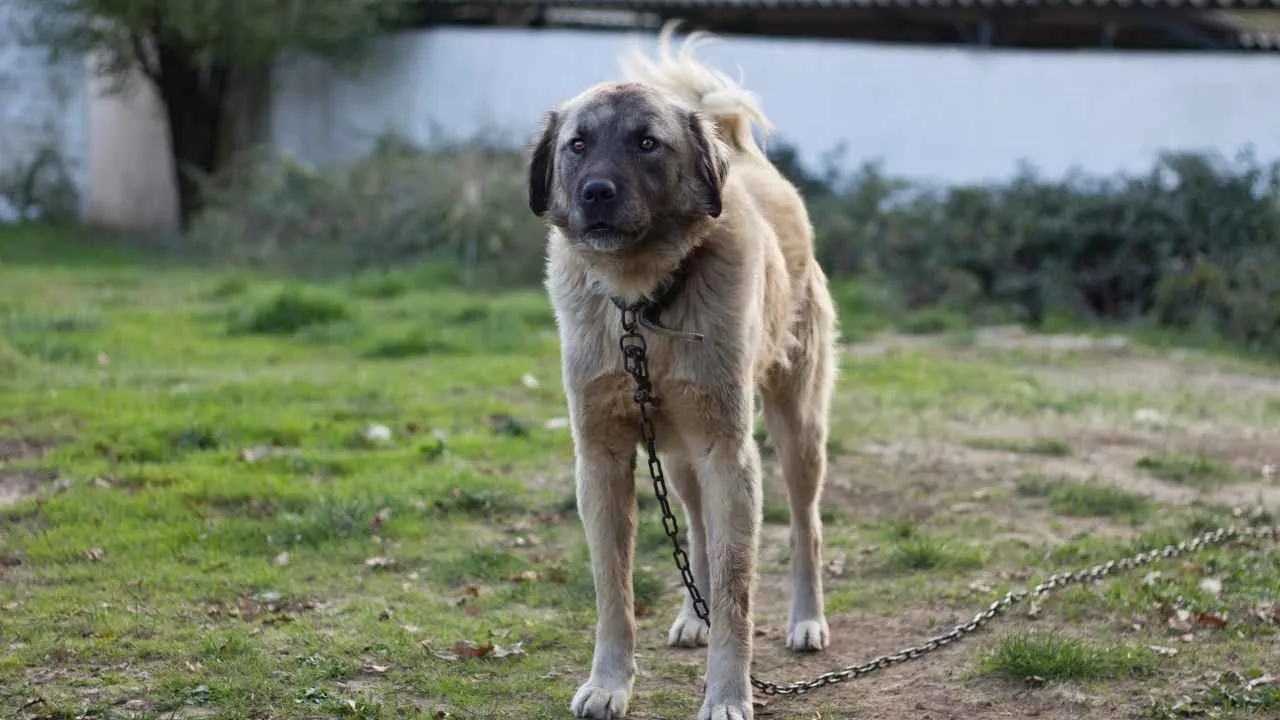
The Kangal is Turkey’s national dog. And Turkey takes that seriously.
This breed is so culturally and carefully protected that exporting Kangals from certain regions of Turkey has historically been restricted, as mentioned by PBS. The reason is that they are famous as an irreplaceable national treasure.
Kangals are tall, powerfully built, and carry a muscular frame that belies how fast they actually move. Males reach up to 145 pounds, but it is their bite force that puts them in a separate league entirely. This dog has one of the strongest bite forces ever recorded, at over 700 PSI.
Their size and strength are the product of centuries of guarding flocks against wolvesm jackles and even Cheetahs in harsh Anatolian terrain.
The Kangal needed to be big enough to intimidate, fast enough to intercept, and strong enough to win. Every pound on this dog is for a reason. Their independent streak is enough to showcase their strong-mindedness.
Good companions to handle a farm or cattle.
7. Tosa
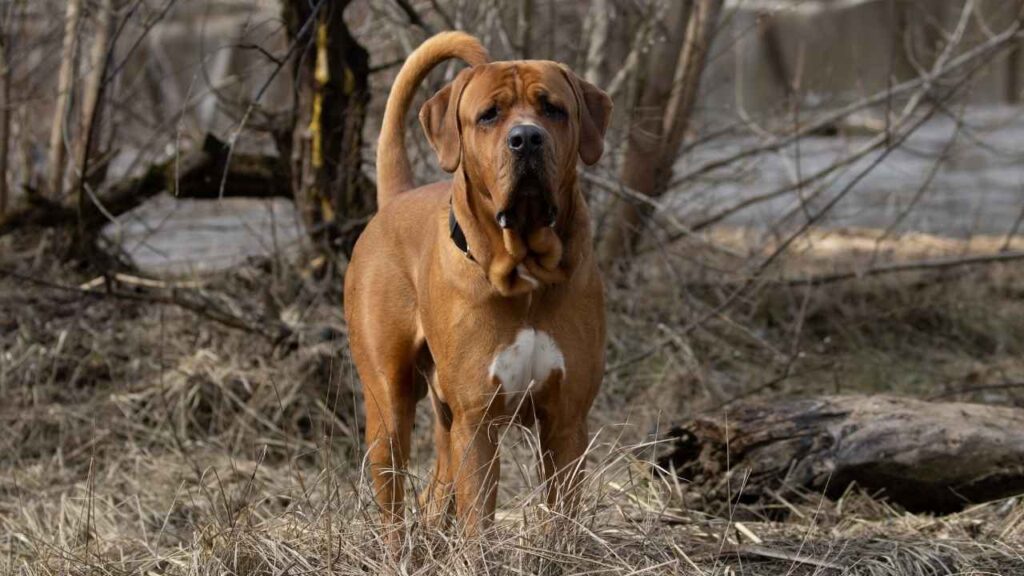
The Tosa is Japan’s giant. One of the rarest and largest dog breeds in the world outside of its home country.
Originally developedin Tosa region of Japan during the 19th century, this Japanese dog breed was created by crossing the native dogs with European giant breeds inlcuding Mastiff, Great Danes, and Saint Bernard of the Swiss Alps. The goal was to create the largest, most physically imposing dog possible.
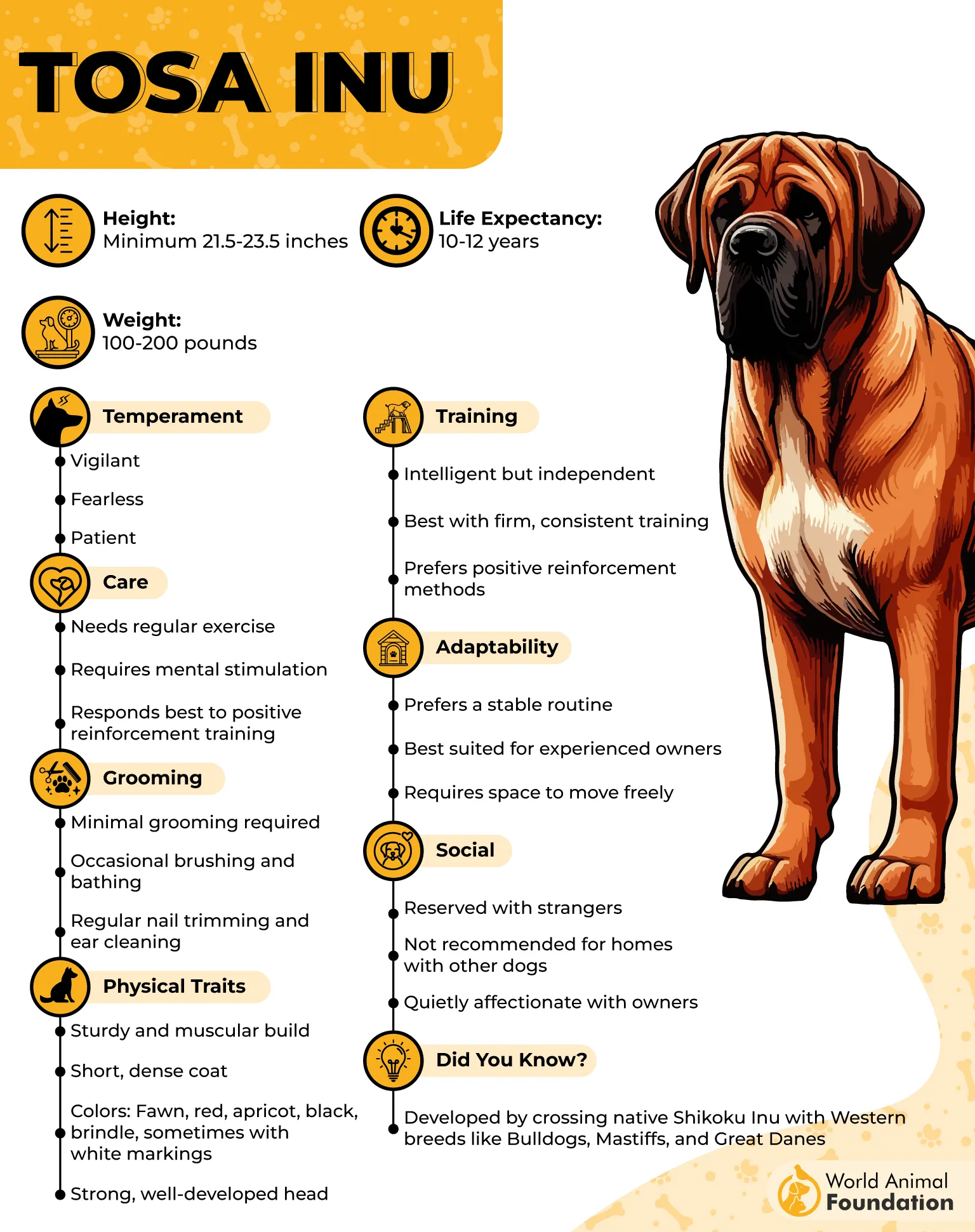
As noted by the American Kennel Club (AKC), males can weigh anywhere between 100 and 200 pounds. A massive broad head, thick neck, and dense short coat over a muscled frame. The Tosa carries their size with serious dignity.
What makes this loyal dog particulary great companion is how deliberately engineered it is. They don’t have centuries of natural selection in mountain terrain. Intentional, calculated giant-building. They were selected for their size, strength, and physical scale over generations.
The result is one of the biggest dog breeds and one of the least known outside Japan.
By nature, this is a calm dog. They need enough exercise to keep their mind satiatied, and they do need daily walks. Short walks would do. You can focus more on agility, obedience, etc.
Conclusion
Giant dog breeds are not big by accident, and they are not big for just heavy work. Many large dog breeds are good family dogs, simultaneously.
Every one of these big breeds, Irish Wolfhound, Cane Corso (French Mastiff), English Mastiff, Dogue de Bordeaux, Scottish Deerhound that hunt deer, Black Russian Terrier, Tosa… all of these carry their size for a reason.
Hunting wolves, surviving mountain winters, guarding flocks, protecting livestock, these large breeds were made for necessity.
They thrive in outdoor spaces. They need daily exercise, early training, early socialization, more food, and their health issues, such as heart disease and hip dysplasia, to be taken care of. Plus, just about as much room as they want to stretch their legs. Also, a bit of grooming for shedding seasons.
And in return, these large dogs will be royal dogs, great companions for their loved ones, and even other pets in the house.
Dog owners! Be mindful of getting large dogs, as your focus should be on responsible breeding. Otherwise, these large dogs can suffer from health problems.
And for the people lucky enough to share their lives with one, there’s never a complaint.
