




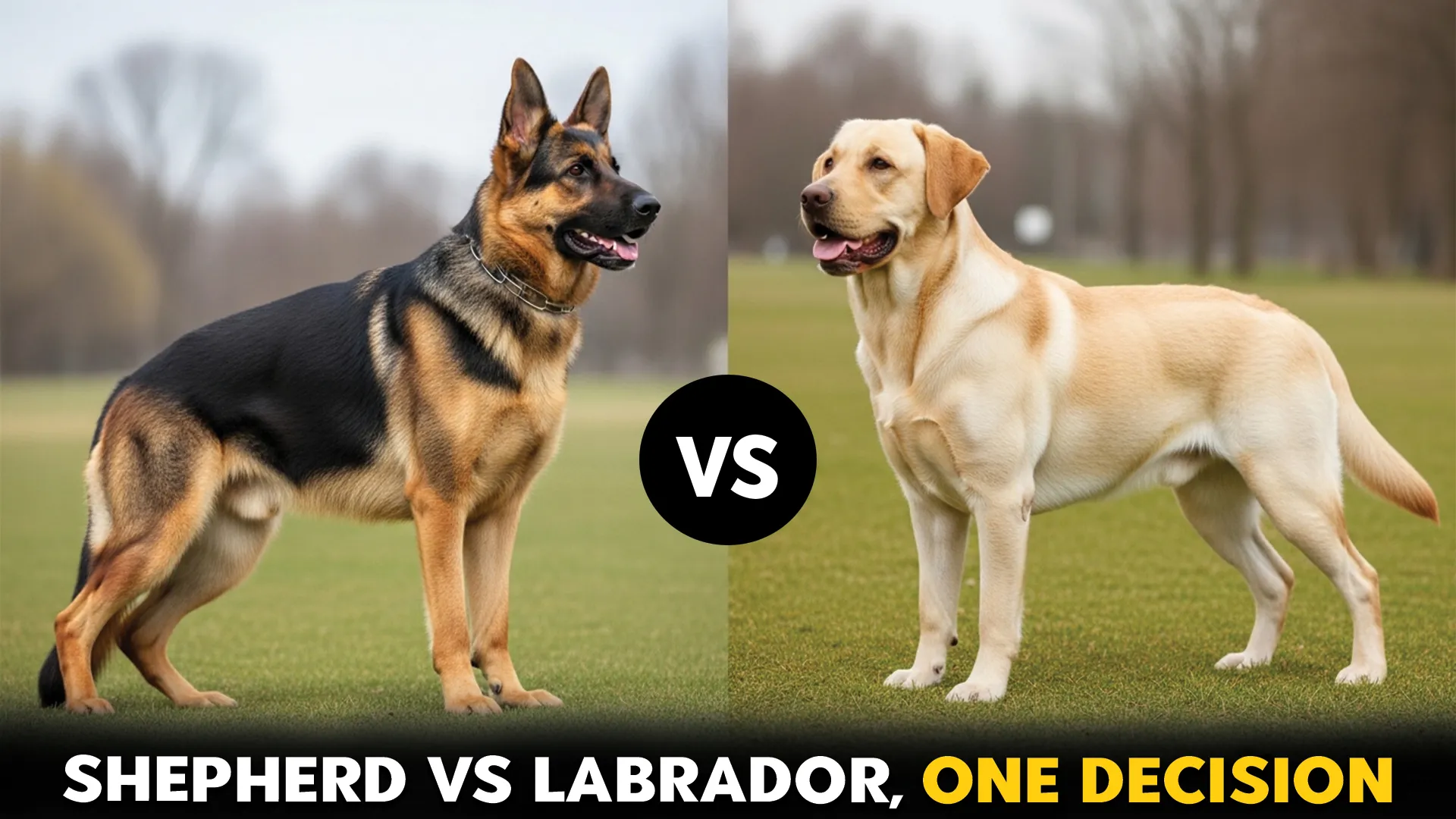
Choosing between a German Shepherd and a Labrador Retriever isn’t just picking a dog — it’s choosing a lifestyle. These two breeds consistently rank among the most popular dogs in the world, and for good reason. According to the American Kennel Club, the Labrador held the #1 popularity spot in the U.S. for 31 consecutive years before being overtaken in 2023, while the German Shepherd remains firmly in the top tier.
Both breeds are intelligent, loyal, and incredibly versatile. Yet they bring very different energy into a home. One feels like a focused security consultant who also happens to love you deeply, while the other feels like your extroverted best friend who thinks life is one long group hug.
If you’re a dog lover trying to make a real decision — not just scrolling through cute puppy photos — this guide breaks down everything: history, personality, energy, grooming, health, and real-world suitability. No fluff, no breed bias. Just the honest comparison you actually need.
So let’s get into it — German Shepherd vs Labrador, side by side.
German Shepherd vs Labrador
Origins & Purpose
German Shepherds were originally bred in Germany in the late 1800s by Captain Max von Stephanitz, who wanted the ultimate working dog, as per the AKC. The breed was created specifically for herding and guarding livestock, and intelligence was prioritized over appearance. That focus on work ethic still defines the breed today.
Labrador Retrievers originated in Newfoundland (not Labrador, ironically) and were refined in the UK. They were bred to retrieve fishing nets and waterfowl, which explains their love of water and soft mouths. Their purpose was partnership — not protection, but teamwork.
The German Shepherd quickly became a favorite of the military and police in the early 20th century. Today, they are widely used in law enforcement, detection work, and service roles worldwide. Their origin story screams “structured responsibility.”
Labradors, meanwhile, became the gold standard for family dogs and service animals. According to the Guide Dogs Organization, Labs are one of the most commonly selected breeds for service work because of their stable temperament and trainability. Their origin leans toward cooperation and adaptability.
Historically, German Shepherd Dogs were bred to work independently and protect, while Labs were bred to retrieve and collaborate. That difference still shapes their instincts today. Purpose matters — and these two were built for different jobs.
Size & Physical Build
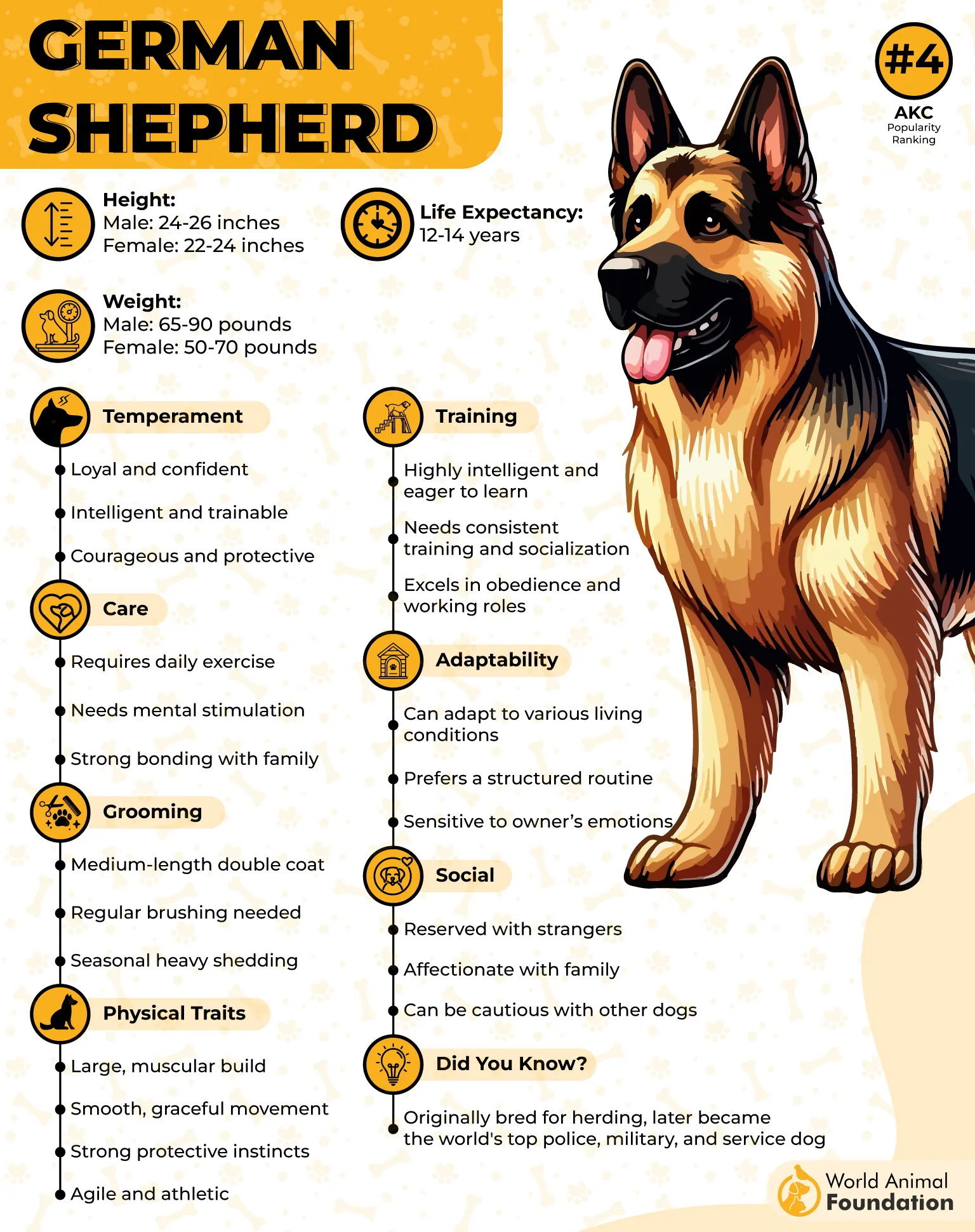
Compared to German Shepherd puppies, adult German Shepherds are large, athletic dogs with a lean, muscular frame. PetMD claims that males typically stand 24–26 inches tall and weigh 65–90 pounds. Their build is designed for endurance and agility.
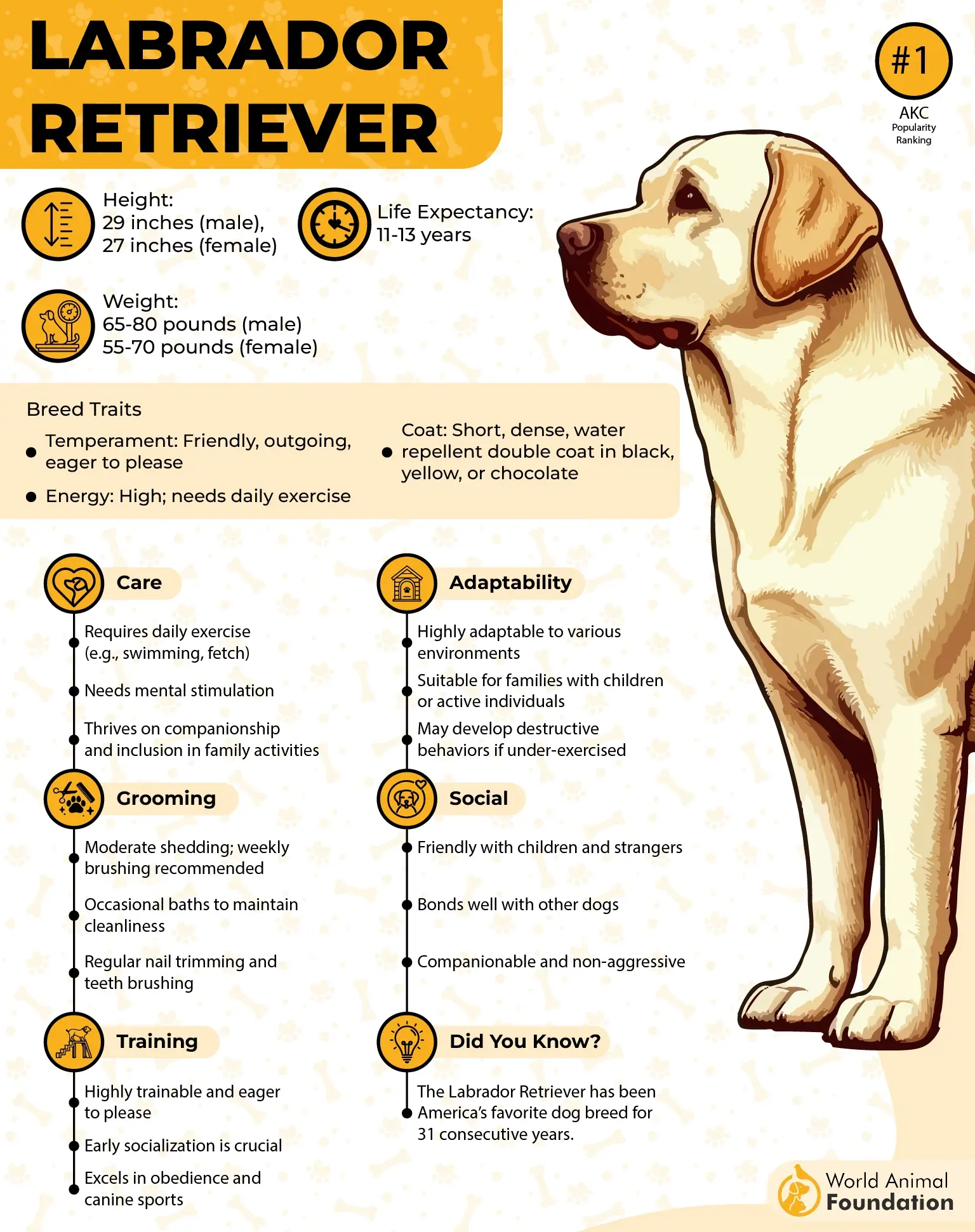
Labradors are also large but more solidly built. Hills Pet mentions that males usually stand 22.5–24.5 inches tall and weigh 65–80 pounds. Their structure is broader and heavier, built for swimming and retrieving rather than long-distance patrol.
Shepherds have a more angular silhouette with a sloped back and wolf-like expression. Their posture alone often gives off a “serious” vibe. Labs, on the other hand, look like they’d absolutely attend a barbecue and bring snacks.
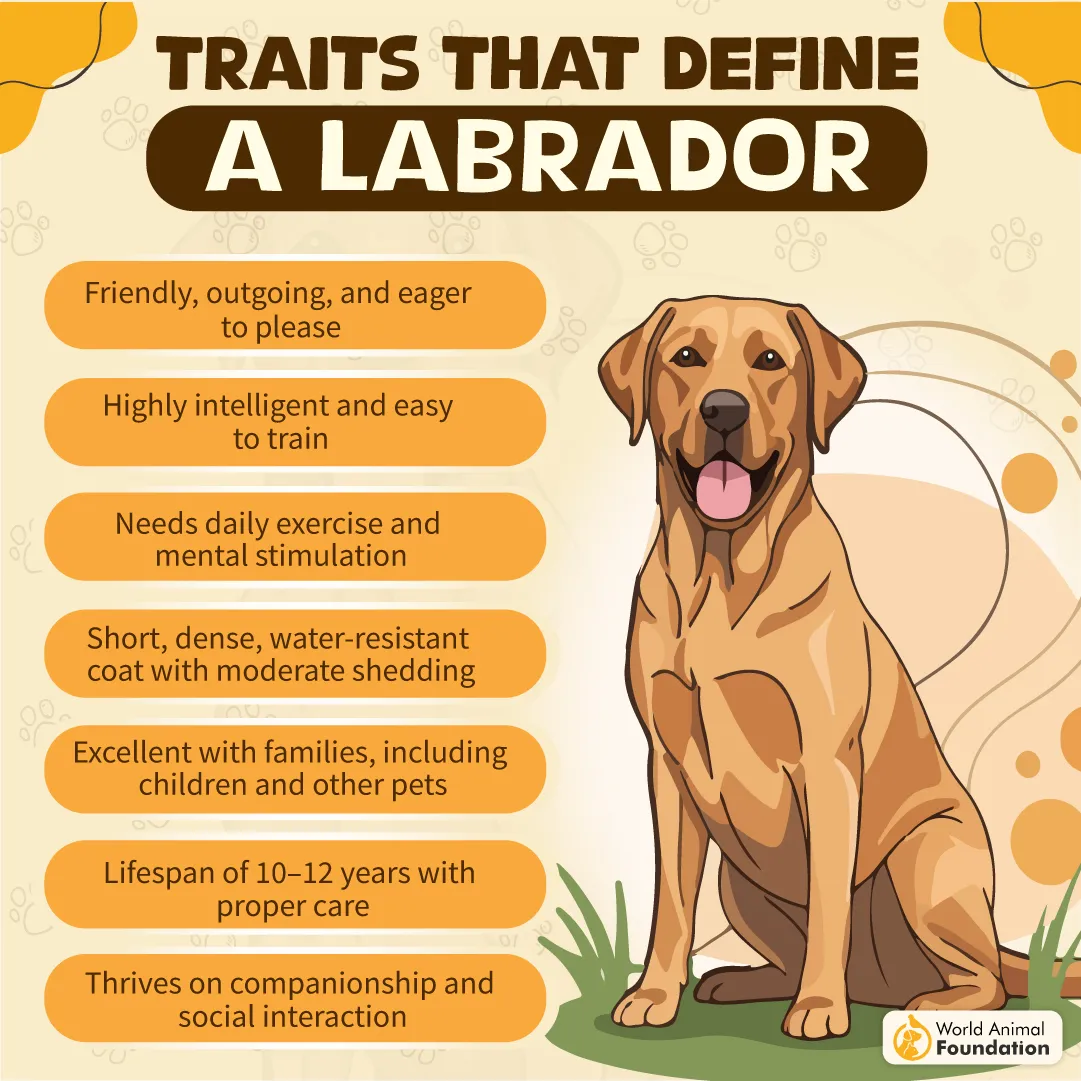
Both breeds have double coats, but Shepherds often appear more dramatic with their longer outer coat options. Labradors have a dense, short, water-resistant coat that feels practical and sturdy. Function over flash.
If you want sleek and intense, the Shepherd delivers.
If you want solid and athletic with a friendlier physical vibe, the Lab fits the bill. Both are strong, capable dogs — just built with slightly different blueprints.
Temperament & Personality
German Shepherds are loyal to the core. They often form deep bonds with one primary person while still loving all the family members. Their temperament leans protective, observant, and serious.
Labradors are famously friendly. The PetPlan describes them as outgoing, even-tempered, and eager to please. Labs generally greet strangers like long-lost cousins.
Shepherds are naturally cautious with unfamiliar people. This doesn’t mean aggressive — it means discerning. Early socialization is crucial to ensure balanced confidence rather than suspicion.
Labradors typically require less social effort to feel comfortable in new environments. They are statistically less likely to display territorial guarding behaviors compared to working protection breeds. Their vibe is open-hearted rather than defensive.
If your dream dog is loyal and watchful, the Shepherd wins.
If you want social butterfly energy with unconditional warmth, Labrador energy is unmatched.
Exercise & Energy Levels
Both breeds are high-energy, but in different ways. German Shepherds require structured exercise — at least 1–2 hours daily, including mental stimulation. Without it, they can develop anxiety or destructive behaviors.
Labradors also need significant exercise, particularly in their younger years. Labs are prone to weight gain, and regular activity is critical to prevent obesity, which is one of the most common health concerns in the breed, according to veterinary data.
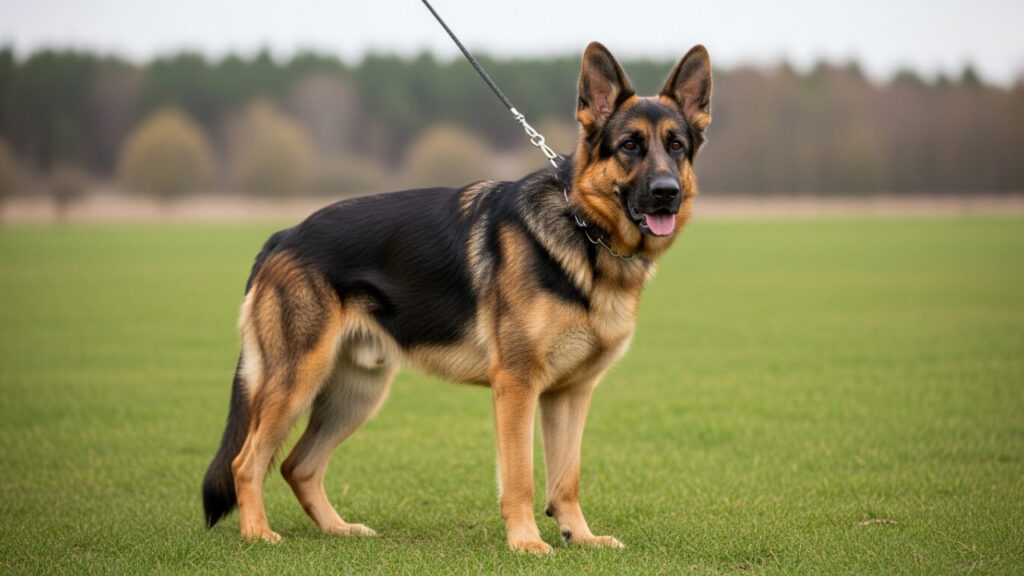
Shepherd Energy feels focused. They enjoy tasks, advanced obedience, scent work, and protection sports. They thrive when their brains are engaged.
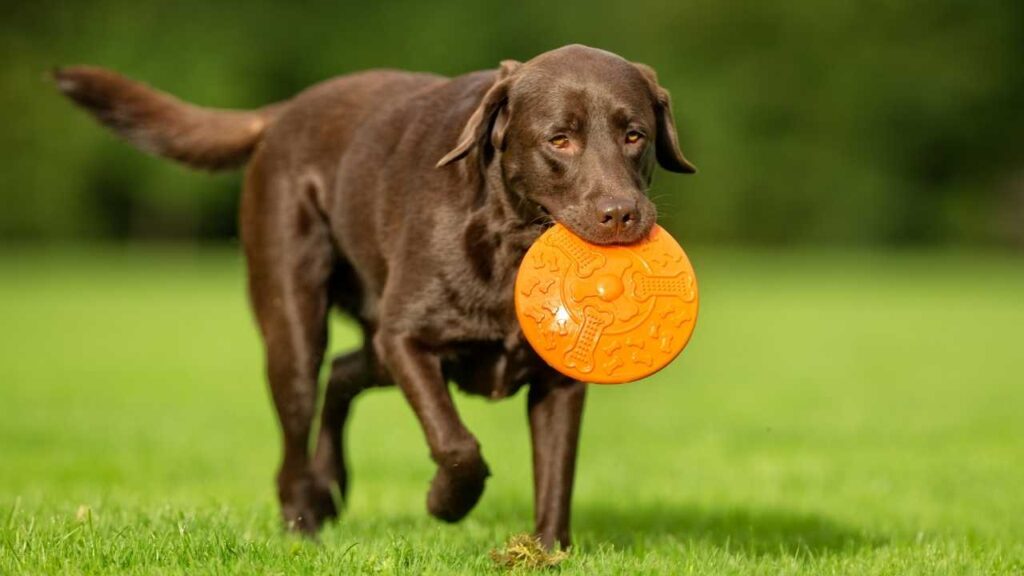
Lab energy feels joyful. Fetch, swimming, hiking, and play sessions make them happiest. Their stamina is impressive, especially in working lines.
Bottom line: both need movement. If you’re low-energy and sedentary, neither breed is a great match. These dogs were built to move.
Training & Intelligence
German Shepherds consistently rank among the top three most intelligent dog breeds in Stanley Coren’s working intelligence rankings. They learn commands quickly and retain them well.
Labradors also rank extremely high in trainability. Their motivation to please and food drive often makes training feel easy, especially for first-time owners.
Shepherds excel in precision tasks — military, detection, and advanced obedience. They are problem-solving police dogs and think independently as service dogs. That independence requires confident leadership.
WebMD praises Labs for being excellent guard dogs and excelling in service work, therapy roles, and assistance tasks. Their emotional intelligence is often highlighted in guide dog programs.
If you want elite-level performance training, Shepherds often edge ahead.
If you want reliable obedience with a forgiving personality, Labs are incredibly accessible.
Coat Maintenance
Both breeds have double coats and shed. A lot.
German Shepherds are often referred to as “German Shedders” for a reason. Seasonal shedding can be intense, and weekly brushing is essential.

Labradors also shed year-round, especially during seasonal coat blows. Their shorter coat makes cleanup slightly easier, but they still require regular grooming.
Neither breed is hypoallergenic. If dog hair triggers you, reconsider both.
In terms of maintenance intensity, Shepherd coats can require slightly more work, especially long-coated varieties.
Labs are more wash-and-go but still require brushing.
Health & Lifespan
German Shepherds have an average lifespan of 9–13 years according to the AKC. They are prone to health problems like hip and elbow dysplasia, degenerative myelopathy, and certain digestive issues.
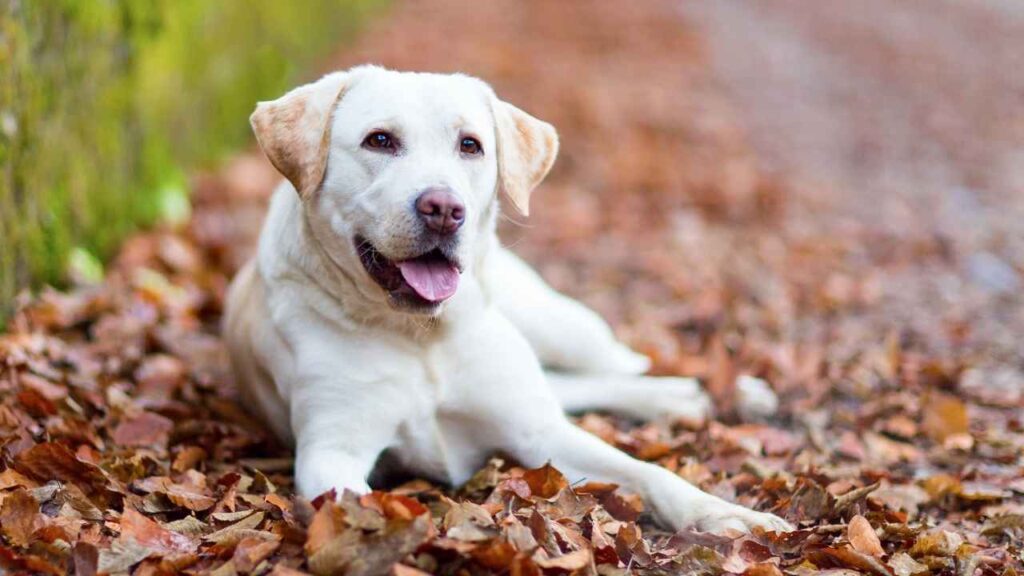
Labradors typically live 10–12 years. Common concerns of this popular breed include hip dysplasia, obesity, and certain cancers, including lymphoma.
Large breed dogs statistically have shorter lifespans than small dogs, a trend supported by multiple veterinary population studies. Responsible breeding and weight management significantly influence longevity.
Labs are generally healthy but are particularly prone to obesity, which can shorten lifespan if unmanaged. Shepherds are more prone to structural joint problems.
In both cases, choosing ethical breeders and maintaining a healthy weight dramatically improves outcomes.
German Shepherd vs. Labrador Suitability as Family Pets vs. Guard Dogs
As family pets, Labradors are often considered the gold standard. They are patient, friendly, and generally tolerant of children and are a great fit for active families. They are widely known for their steady, outgoing, and forgiving personalities. They tend to be patient with everybody — kids, strangers, other dogs — and their default mode is usually “friendly,” not “skeptical.”
That makes them a great choice for first-time dog owners, and common everyday situations (guests, walks around the block, service people arriving) are much easier for someone new to dog handling. In contrast, GSDs can be more protective, serious, and suspicious of strangers without early socialization and confident leadership.
Despite being excellent family dogs, German shepherds require structured training and socialization. Their protective instinct means supervision and guidance matter.
As guard dogs, German Shepherds clearly outperform Labradors. Their natural protective drive and working heritage make them highly effective deterrents.
Labradors are generally not guard dogs but are popular family dogs. They may bark at a stranger — but they’re just as likely to invite them in for snacks.
If your priority is security, Shepherd wins.
If your priority is universal friendliness, Labrador takes it.
Conclusion
German Shepherd vs Labrador isn’t about which dog is better. It’s about which dog fits your personality, schedule, and expectations.
If you want structure, loyalty, protection, and elite working intelligence without unreasonable dog aggression, the German Shepherd aligns beautifully.
If you want warmth, approachability, adaptability, and a dog that feels like everyone’s best friend, the Labrador shines.
Both German Shepherds and Labs are extraordinary breeds with decades of proven reliability in homes and working roles, without requiring a very experienced owner.
Choose the one that matches your energy — not just your aesthetic — and you’ll end up with more than a pet. You’ll end up with a partner.
