




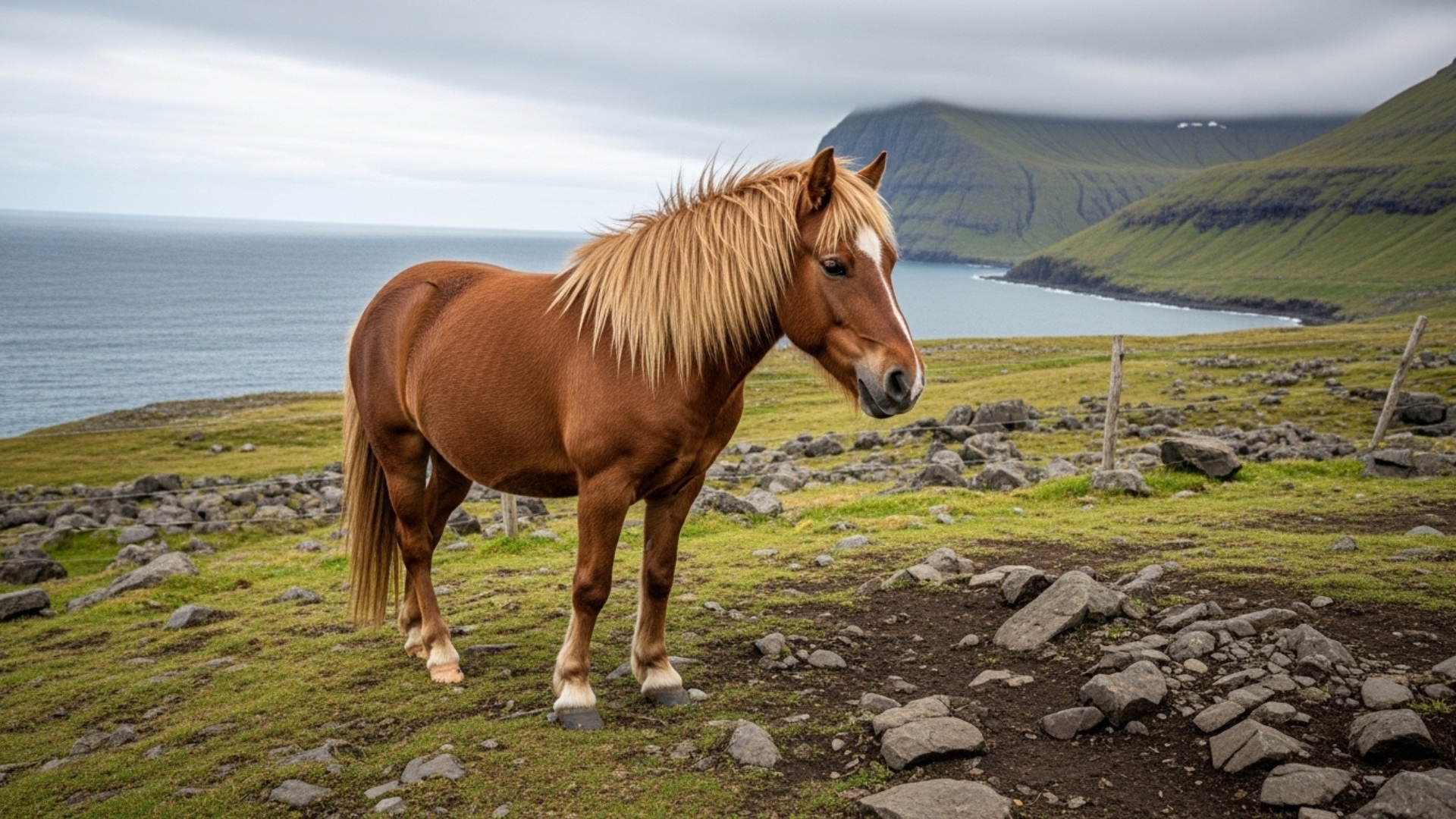
Life on an island asks for resilience. Wind sweeps across open cliffs, salt settles on grass, and the ground shifts between rocky slopes and narrow fields. Horses that live in these places grow into the rhythm of that environment.
Their strength comes from daily movement across uneven land and from generations shaped by isolation. Island horses learn to balance on steep paths, conserve energy where pasture is limited, and move confidently where other animals might hesitate.
People who live on islands depend on animals that understand this terrain without hesitation. Horses raised in such places reflect the quiet toughness of the land itself. They work steadily, adapt naturally, and carry the history of their environment in every stride.
This article explores how certain horse breeds adapted to island environments developed the stamina, balance, and temperament that allow them to thrive where land meets sea.
Key Takeaways
Life on small islands demands toughness, and a few horse breeds have spent centuries learning how to survive wind, rock, and scarce grazing.
The Shetland Pony grew sturdy and compact in the stormy Shetland Isles, strong enough to haul loads across rough ground and even work in coal mines.
Far away in the North Atlantic, the Icelandic Horse carried Viking roots and developed smooth gaits that help riders cross lava fields and rugged terrain with ease.
As the list unfolds, breeds from places like the Faroe Islands, Japan, and Crete reveal how island life quietly shaped some of the toughest horses in the world.
Horse Breeds Adapted to Island Environments
1. Shetland Pony
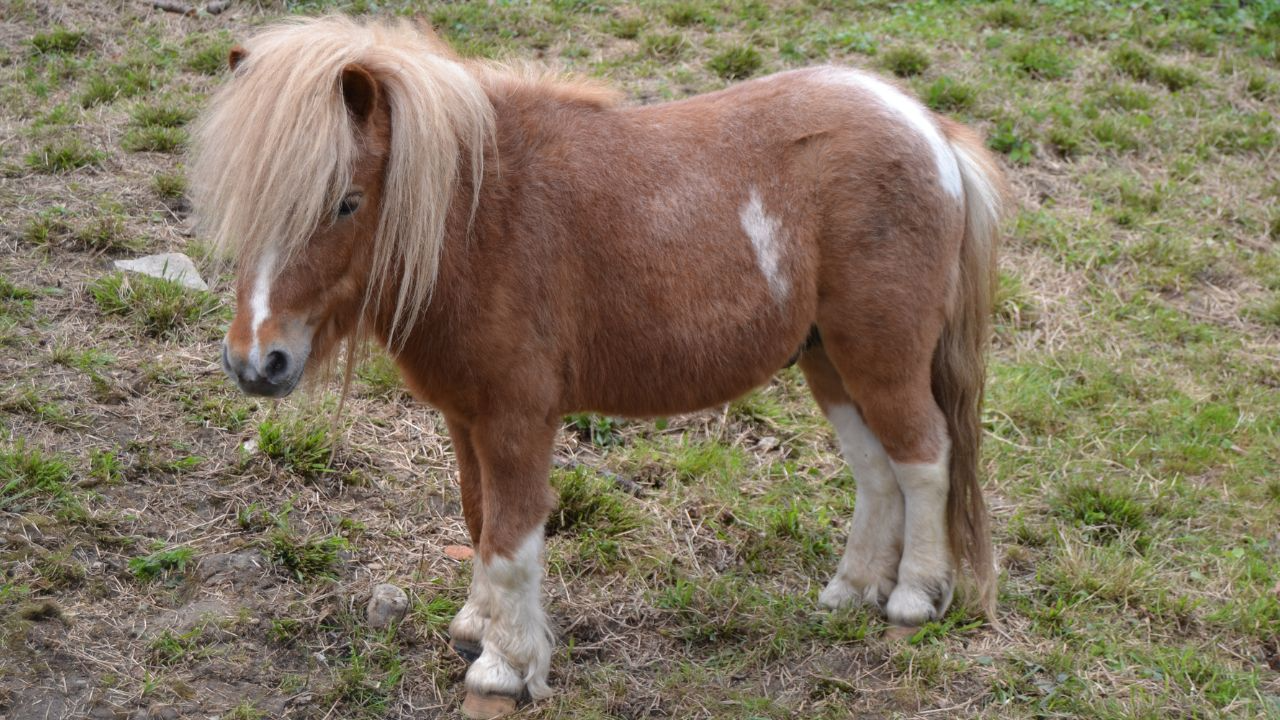
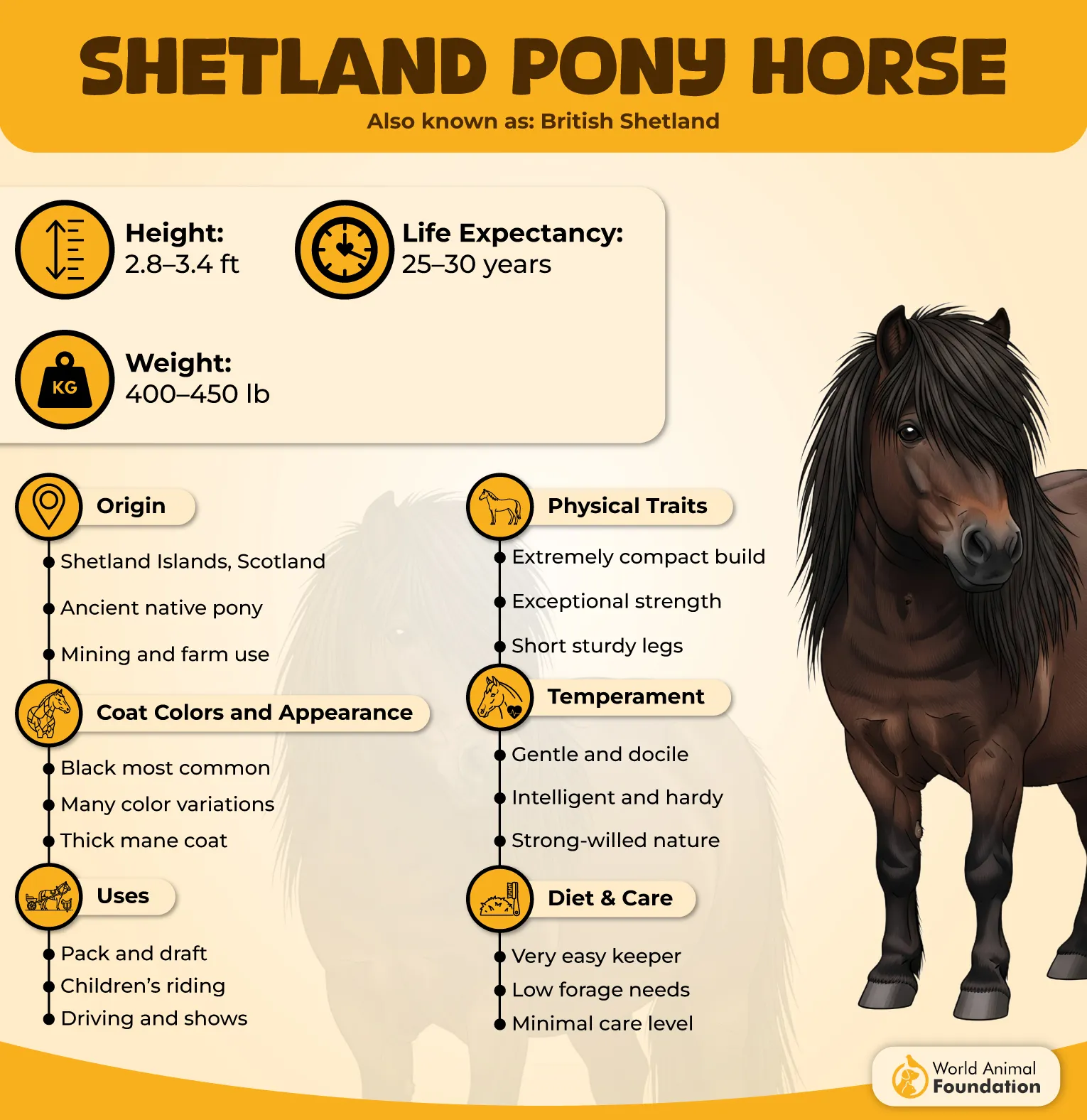
Shetland Ponies evolved in the harsh Shetland Isles, enduring fierce winds, stony ground, and limited grazing. Their compact bodies, thick coats, and short legs helped them conserve heat and navigate rugged terrain with ease. These adaptations made survival on small, isolated islands possible for centuries.
Lifelong Laborers
These ponies were indispensable to Shetland life, contributing to farming, fishing, and transport, as per Mad Barn. The breed’s small stature later made them ideal for coal mine work across Europe and North America.
Their strength and endurance allowed them to:
Pull carts and plough fields across rocky terrain
Carry peat and other heavy loads efficiently
Provide raw materials for ropes and nets from mane and tail hair
Cultural Cornerstones
Shetland Ponies were woven into the island society, respected and protected under early laws. Their value extended beyond labor, symbolizing resilience and community resourcefulness. Residents relied on these ponies for both practical needs and social heritage.
2. Icelandic Horse
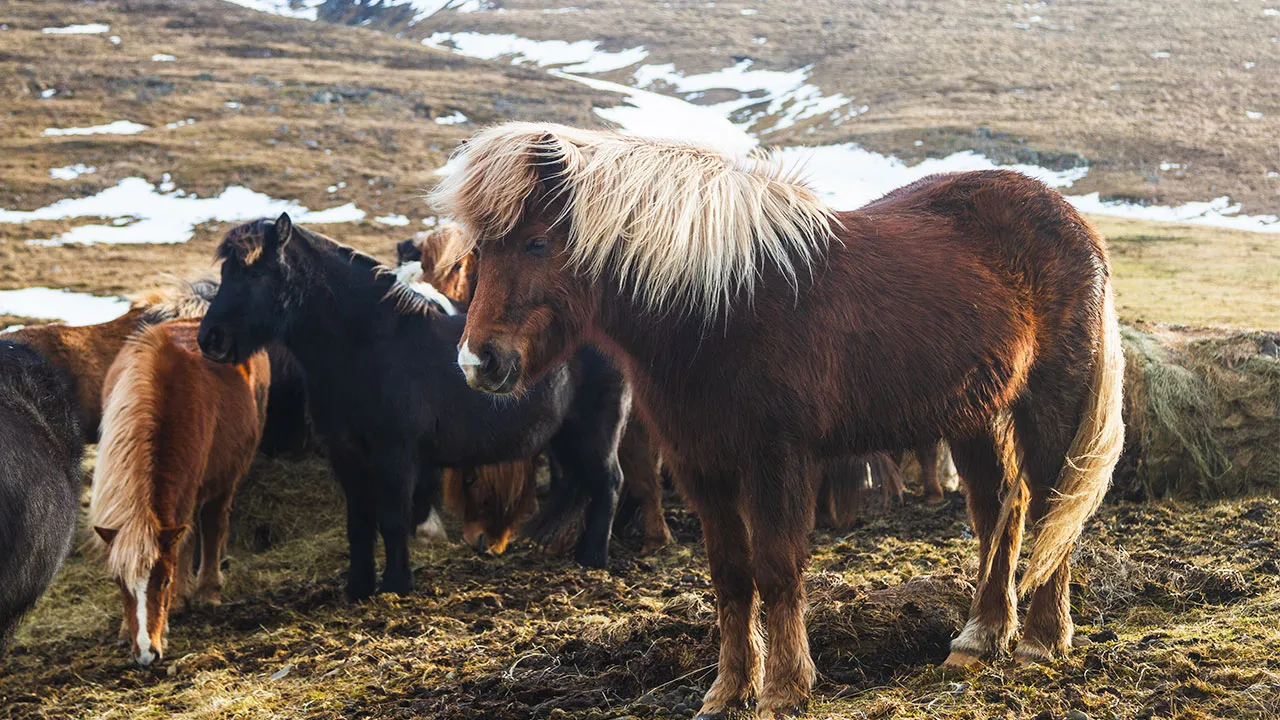
Icelandic Horses descend from the original Viking horses, carrying over a thousand years of isolation and resilience. They survived harsh North-Atlantic climates, preserving pure bloodlines with no outside influence. Their compact stature and strong build reflect centuries of rugged survival.
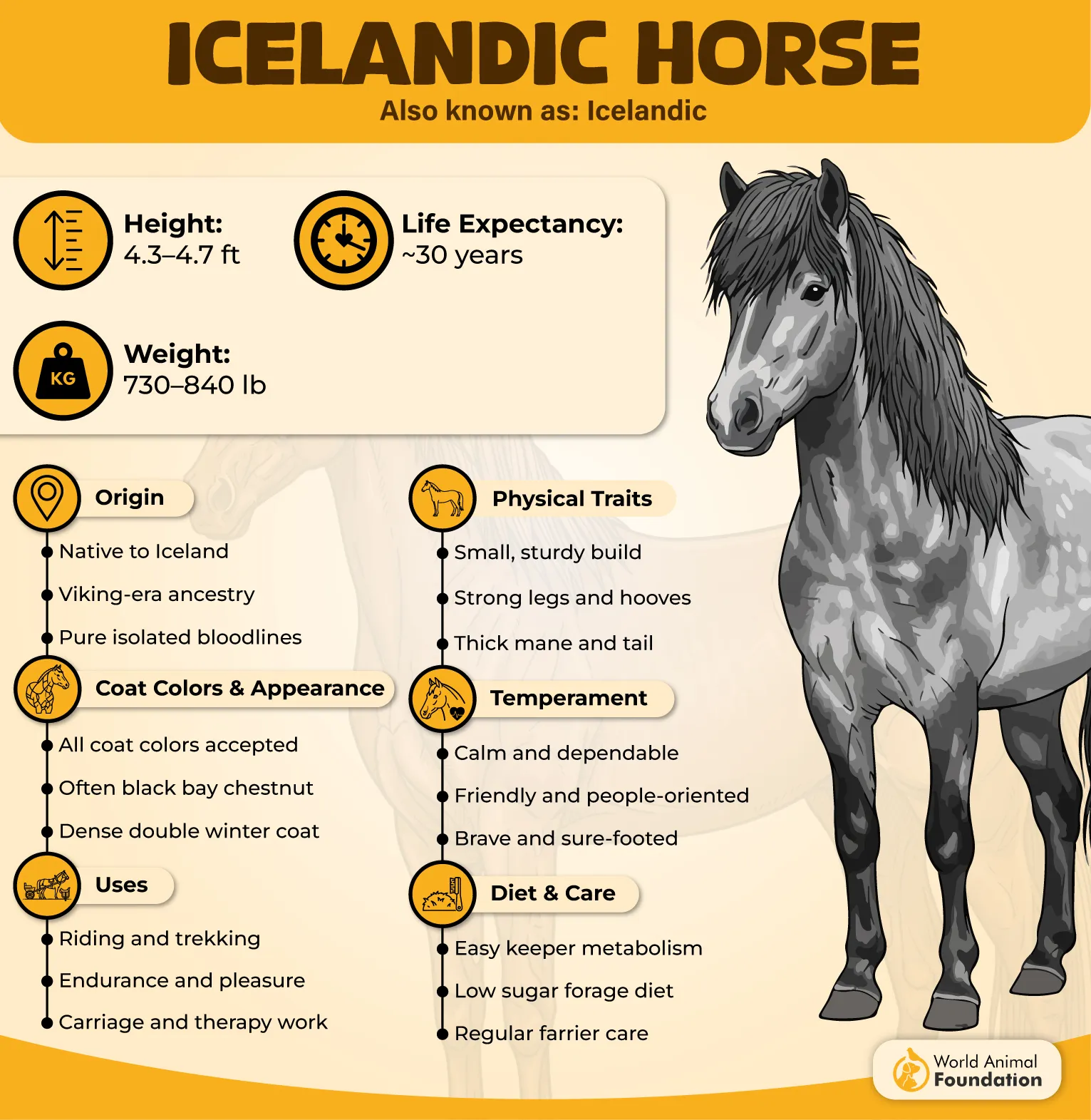
Versatility in Action
These horses are naturally agile, intelligent, and smooth, capable of multiple disciplines that demand endurance and adaptability, as stated by Horse of the Island.
Their skills include:
Endurance riding across rough terrain
Pulling carriages and performing light draft work
Advanced gait training for tölt and pace
Trustworthy Companions
Icelandic Horses are known for loyalty and steadiness, making them safe and dependable for riders of all ages. The calm temperament of these horse breeds complements their stamina, allowing them to navigate unpredictable terrain with confidence.
3. Faroe Pony
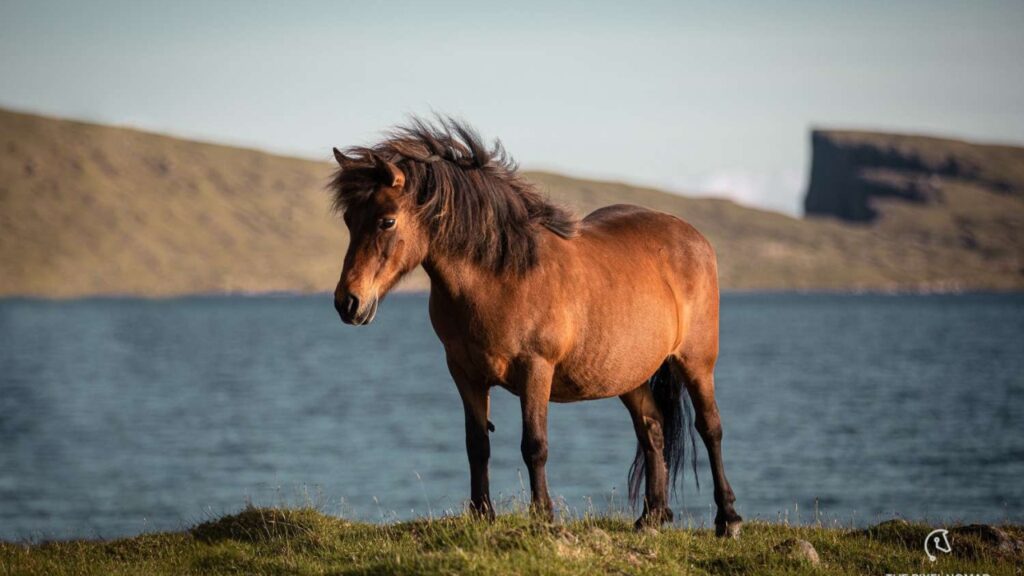
Faroe Ponies are among the oldest and purest horse breeds in the world, shaped by centuries of isolation on the Faroe Islands. Their resilience and adaptability reflect generations of surviving harsh, rugged terrain. These ponies carry a quiet strength that is both enduring and approachable.
Endurance and Movement
Built for stamina and sure-footed travel, Faroe Ponies showcase unique movement suited to island life. Their gait includes the ambling tölt, giving them smooth, energy-efficient strides.
Notable features of this island horse include:
A dense winter coat that repels water and cold
Short, smooth summer coat for warmer months
Strong, compact build supporting long treks over rocky landscapes
Temperament and Adaptability
These ponies are friendly, intelligent, and highly adaptable to unpredictable island weather. They respond well to guidance yet retain independence, demonstrating both courage and gentleness. Their versatile nature makes them ideal companions for outdoor work or exploration.
4. Eriskay Pony
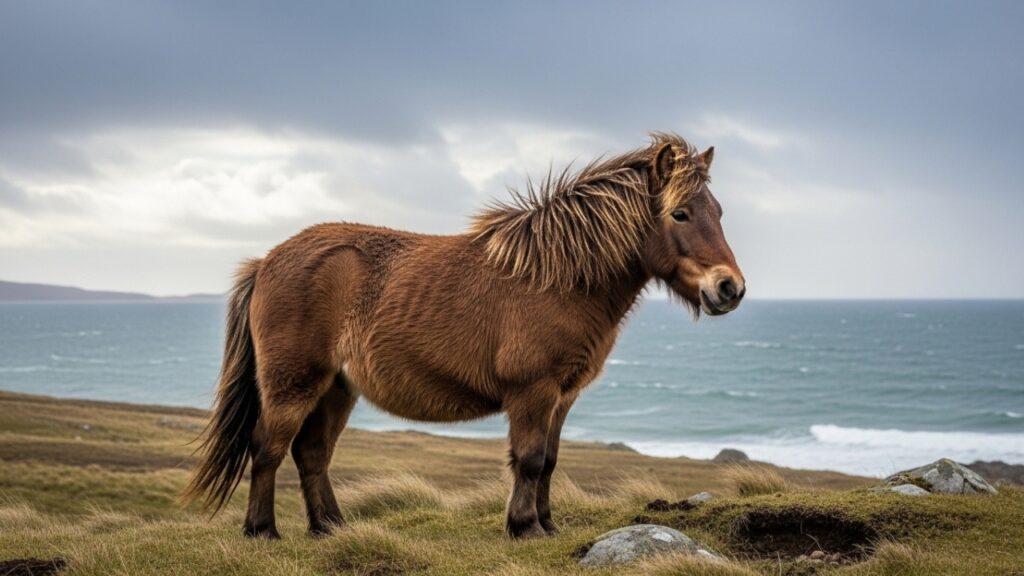
Eriskay Pony is the last surviving variety of Hebridean ponies, tracing back to ancient Celtic stock. Their presence on Scotland’s Western Isles connects them to both Norse and Pictish traditions, as per OSU. This history shaped a pony resilient to harsh island life.
Adapted for Survival
These ponies evolved to endure wet, windy climates and sparse forage. Over generations, they developed hardy coats and strong legs suited to rugged terrain.
Their key qualities include:
Compact frame with exceptional endurance
Calm temperament for working alongside people
Ability to navigate rocky, uneven ground
Close Human Connection
Eriskays were historically expected to work closely with children and women while men were at sea. This interaction forged a gentle, trainable temperament. They balance resilience with approachability, making them practical companions for island communities.
5. Miyako Horse
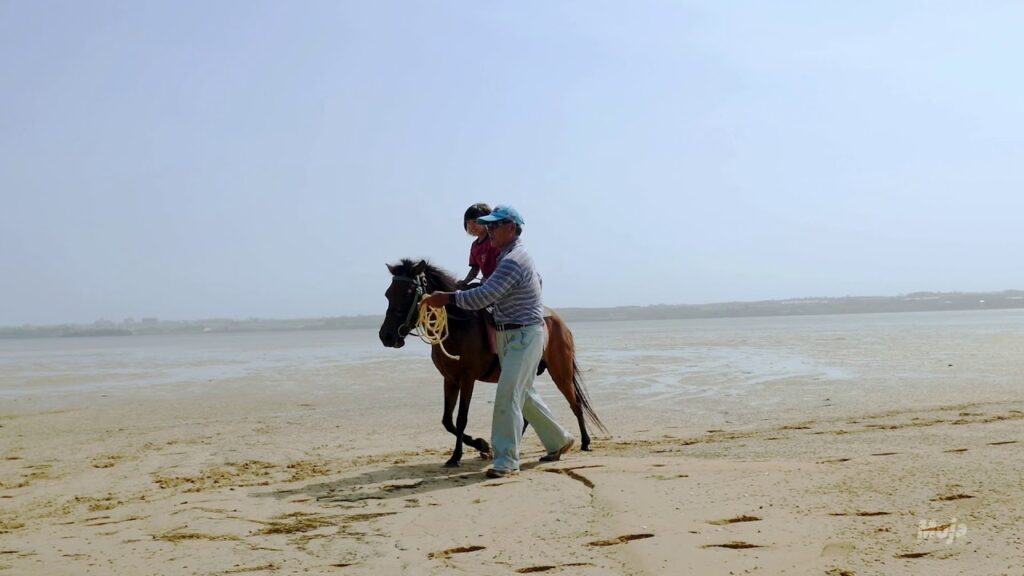
Miyako Horse developed on Japan’s Miyako Island in Okinawa, a region known for raising small horses for centuries. The breed evolved in isolation, where rocky coral limestone paths and subtropical weather shaped its practical design. They remain closely tied to island riding and light agricultural work.
Compact Island Build
Miyako Horse stands about 110 to 120 cm at the withers, placing it among the smallest native Japanese horse breeds. Its compact frame and sturdy legs allow steady movement across uneven island ground.
A closer look reveals several defining characteristics:
Extremely hard hooves suited for coral limestone trails
Compact body with strong legs for rough terrain
Typical coat colors include bay and dun
Adapted to Limited Resources
They developed strong endurance through generations of living where vegetation can be sparse. Its physiology allows it to remain active while feeding on limited island forage. This resilience made the breed dependable for riding and light draft tasks in rural island communities.
6. Yonaguni Horse
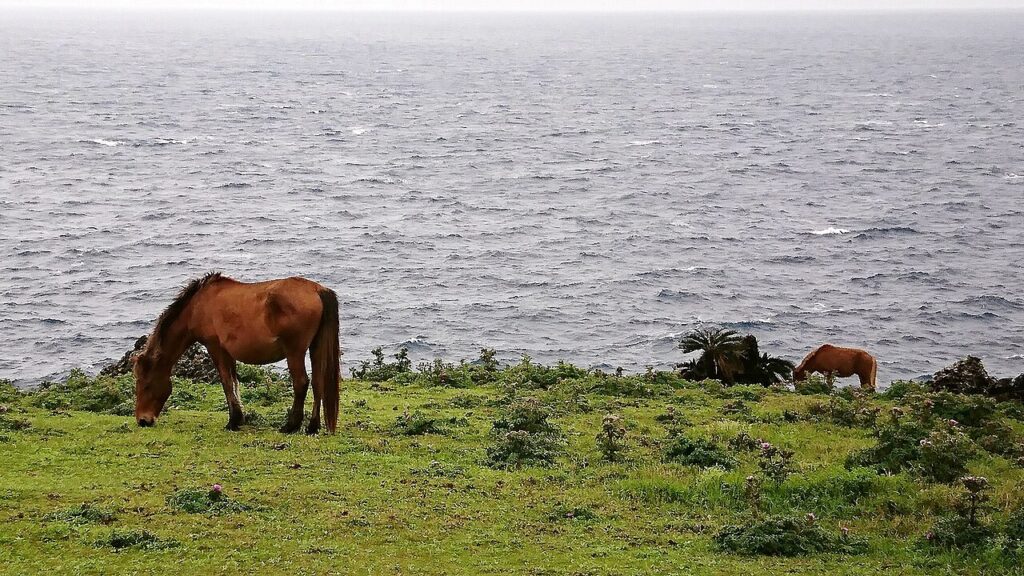
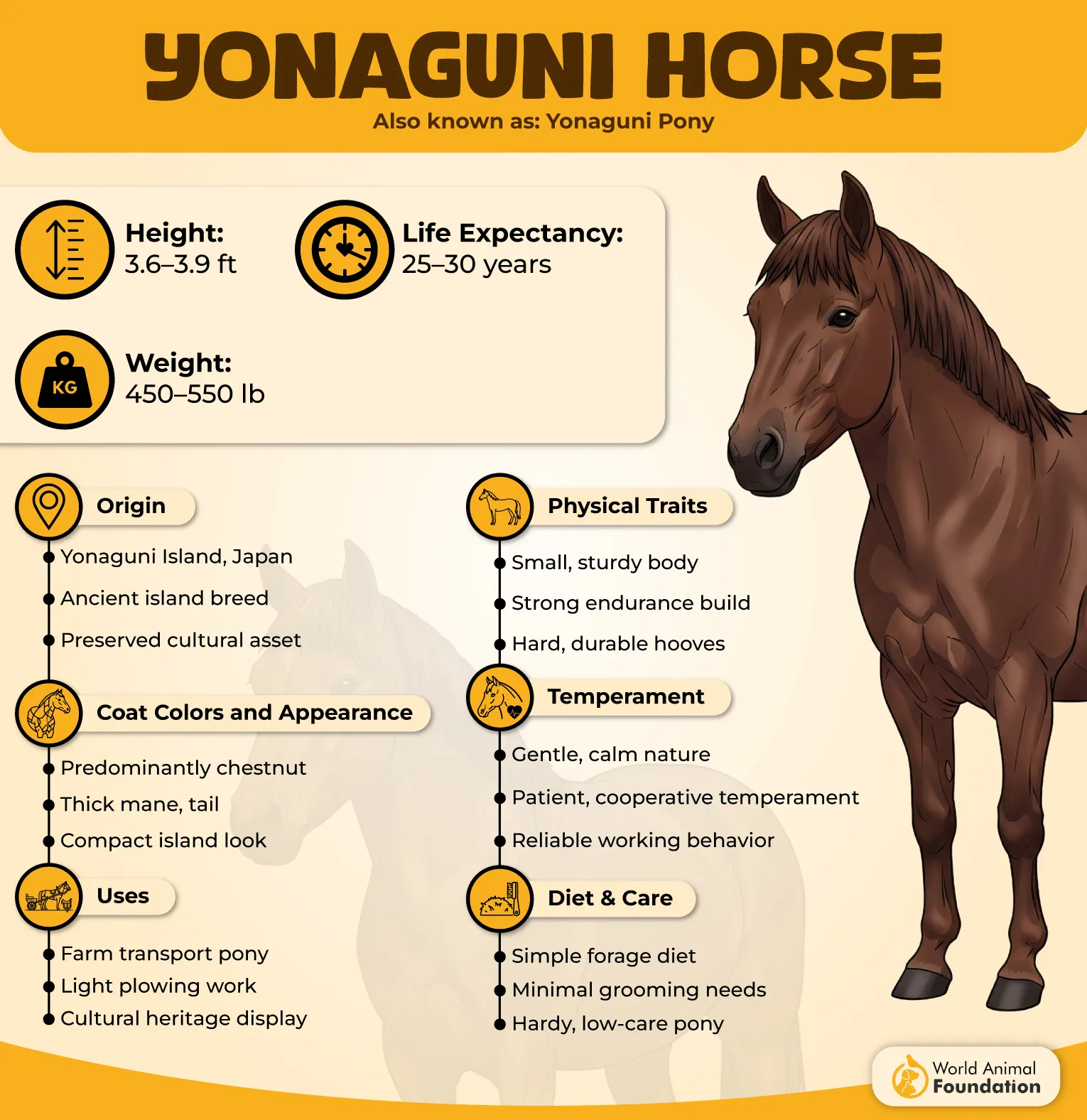
The Yonaguni Horse developed on Yonaguni Island in Japan’s Yaeyama group, where isolation preserved one of the country’s oldest native ponies. Small in size yet remarkably sturdy, the breed evolved in a remote landscape shaped by coastal winds and limited farmland.
Built for a Rugged Island
Yonaguni Horse shows a compact frame with features shaped by life on a remote island where durability mattered more than size.
These physical characteristics stand out clearly:
A chestnut coat is seen in most individuals
Large head with small ears and alert eyes
Long, extremely hard hooves suited to rough ground
Everyday Island Partner
Yonaguni Horse served as an essential working animal across the island, helping families with travel and field tasks in small agricultural areas. Its calm temperament and steady endurance made it dependable for routine village life. They can handle daily work across uneven ground and coastal conditions.
7. Messara Horse

Messara Horse developed on the island of Crete, where rugged hills and scattered farmland shaped a compact yet capable riding horse. This Cretan breed shows intelligence and alert energy, traits that helped it adapt to daily work across uneven island terrain.
Movement Built for Island Paths
These horses stand small but muscular, with a narrow chest, refined head, and thin yet sturdy feet suited to the island’s dry ground. They have long supported light agricultural work and practical riding.
A closer look highlights several defining details.
Natural pacing gait that keeps rides steady
Compact frame suited for narrow rural routes
Light but resilient build for mixed farm duties
Temperament on a Working Island
They show a lively and responsive personality, often shifting between affectionate behavior and spirited energy. Intelligence allows the breed to adjust quickly to farm tasks, riding work, or short-distance travel between villages. That adaptable nature helped it remain valuable in small agricultural communities across Crete.
Conclusion
Island life quietly shapes a different kind of horse. From the wind-swept Shetland Isles to distant Pacific shores, each distinct breed shows how horses survived where grass is thin, and weather is rarely gentle. These animals began as domesticated horses, yet over centuries, some returned close to the toughness of wild horses.
Every horse originating on an island learned to move across the island’s rough terrain with patience and balance. That is why they remain well-suited to small communities today. While other breeds may grow larger or faster, these island horses prove that resilience, not size, is what endures.
