




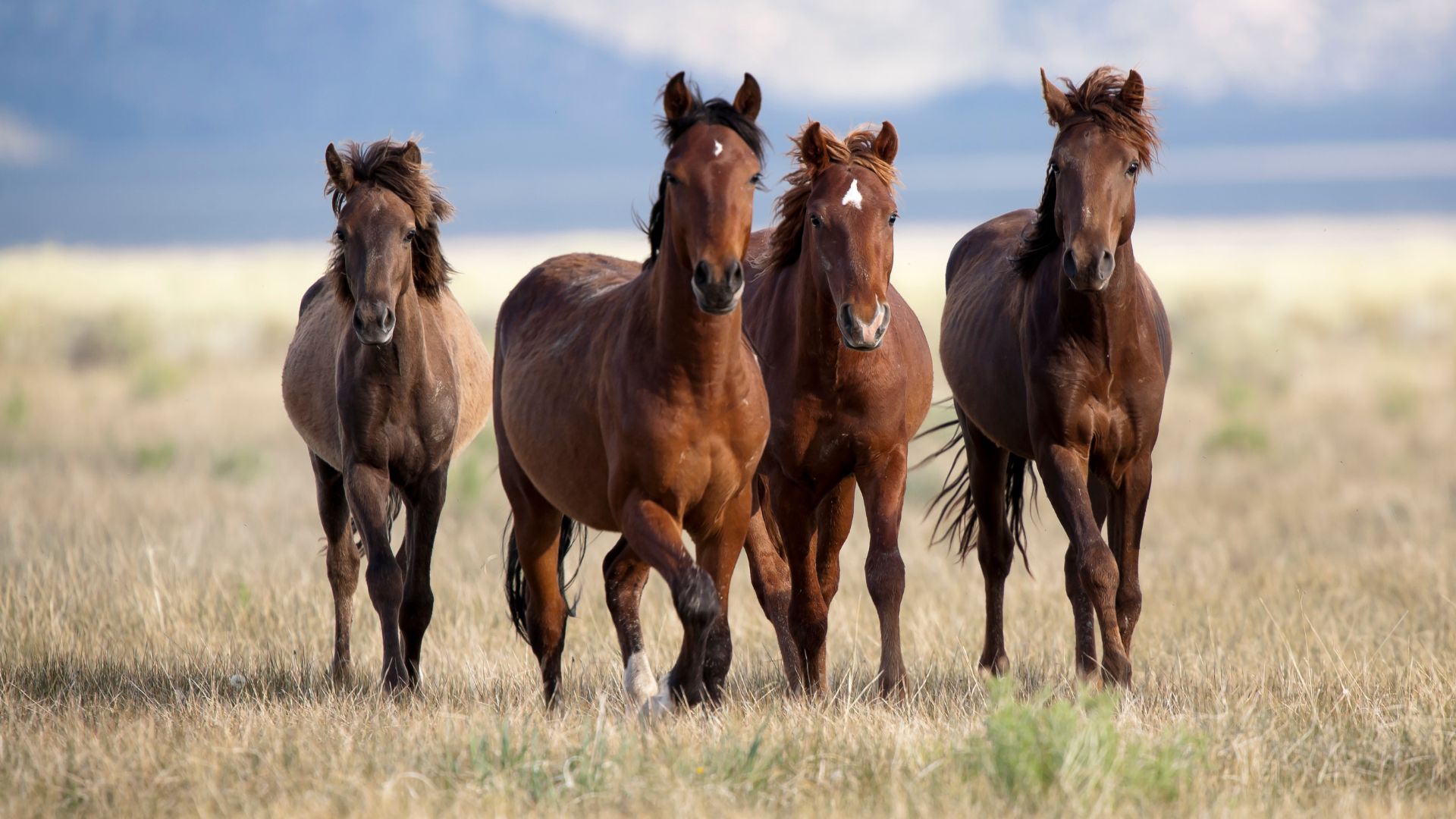
Open grasslands stretch beyond the horizon, where wind moves through tall grass like a quiet tide. Life in the steppe is not gentle. Summers arrive dry and relentless, winters carry biting cold, and shelter rarely exists beyond the sky itself.
Yet for centuries, certain horse breeds have not only survived here but shaped their entire nature around this demanding landscape. Their strength comes from more than muscle. It grows from instinct, patience, and an ability to travel long distances while living on sparse grazing.
These horses learned to read weather, conserve energy, and move steadily across ground that rarely forgives weakness. Their relationship with the steppe is intimate and enduring, built through generations of adaptation.
The article ahead explores how steppe conditions influenced their bodies, behavior, and endurance, revealing the quiet resilience that allows them to thrive where few animals endure.
Key Takeaways:
Harsh winds, sparse forage, and wide open spaces define life on the steppe, testing every horse that walks it.
Mongolian Horses endure centuries of nomadic life, while Koniks survive with minimal care, reflecting natural selection at its finest.
Przewalski’s Horses and Akhal-Tekes highlight how intelligence, endurance, and agility are shaped by centuries of adaptation.
Exploring all seven breeds shows how each one embodies resilience, versatility, and the quiet power of life forged on the open plains.
Horse Breeds Adapted to Steppe Ecosystems
1. Mongolian Horse
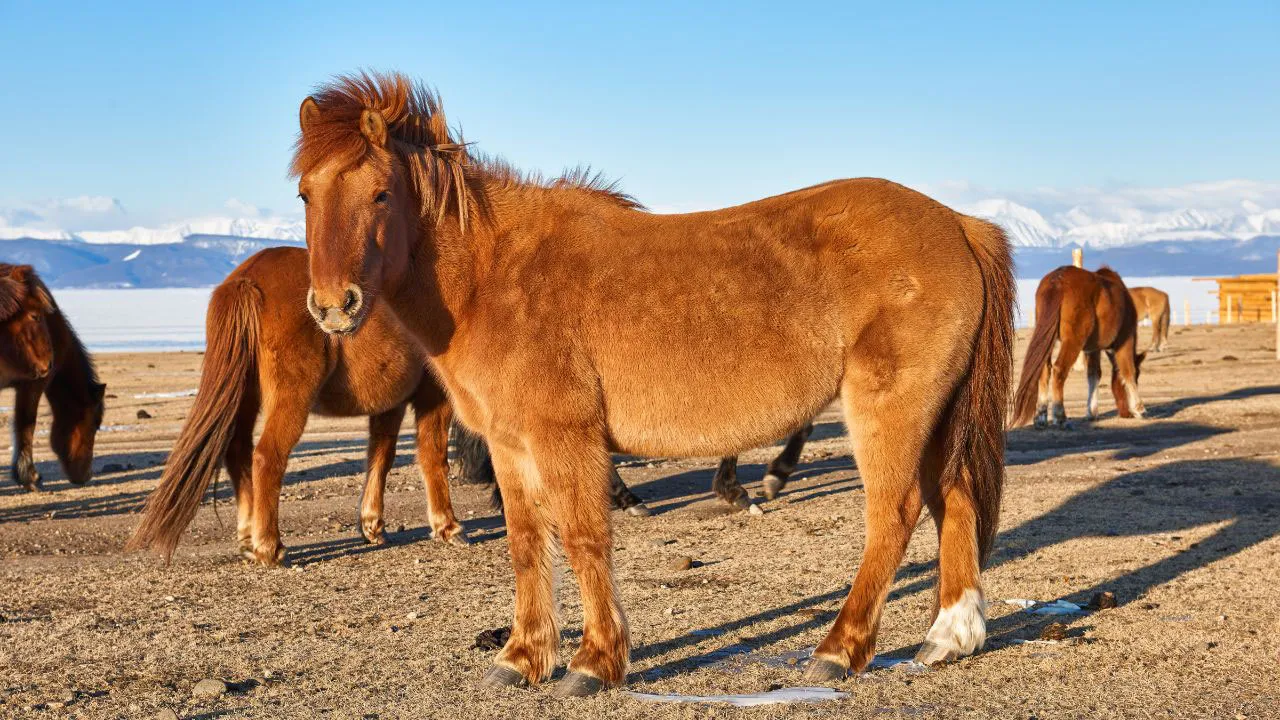
Mongolian Horse developed on the vast eastern steppe, where nomadic tribes depended on hardy livestock for survival. These compact horses supported the rise of the Mongol Empire and became inseparable from the culture shaped by Genghis Khan’s campaigns.
Built for Open Grasslands
Mongolian wild horses evolved alongside nomadic life, adapting to extreme seasons and wide landscapes where mobility shaped survival.
Here’show this breed fits the steppe environment:
A dense winter coat suited for freezing plains
Compact frame suited for long-distance travel
Strong hooves adapted to rough grassland terrain
A Nomadic Lifeline
They remained central to steppe communities long after the empire era faded. Nomadic families relied on these horses for travel, herding livestock, and producing milk, hair, and meat across remote grasslands. Their presence shaped everyday routines in regions where mobility across vast pastures defines life.
2. Przewalski’s Horse
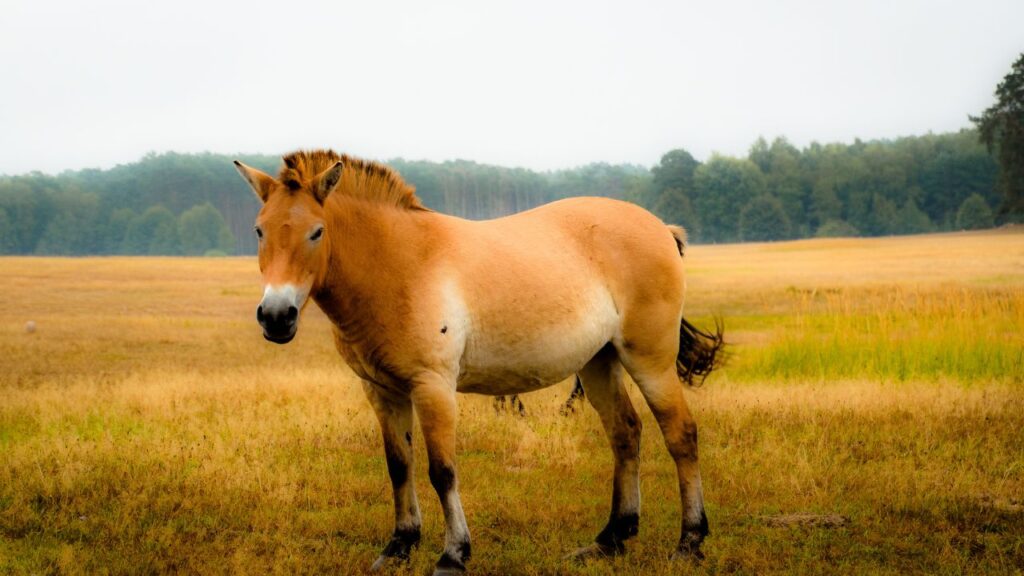
Przewalski’s horse roams the Central Asian steppes as the last truly wild horse, with a lineage split from domestic horses tens of thousands of years ago. Its presence tells a story of survival in harsh, open grasslands, where every trait serves a purpose, as per Mad Barn.
Distinctive Physical Traits
Every aspect of this horse reflects steppe adaptation, from a stocky frame to an upright mane. Its dun coat blends with the terrain, while primitive leg stripes hint at ancient origins.
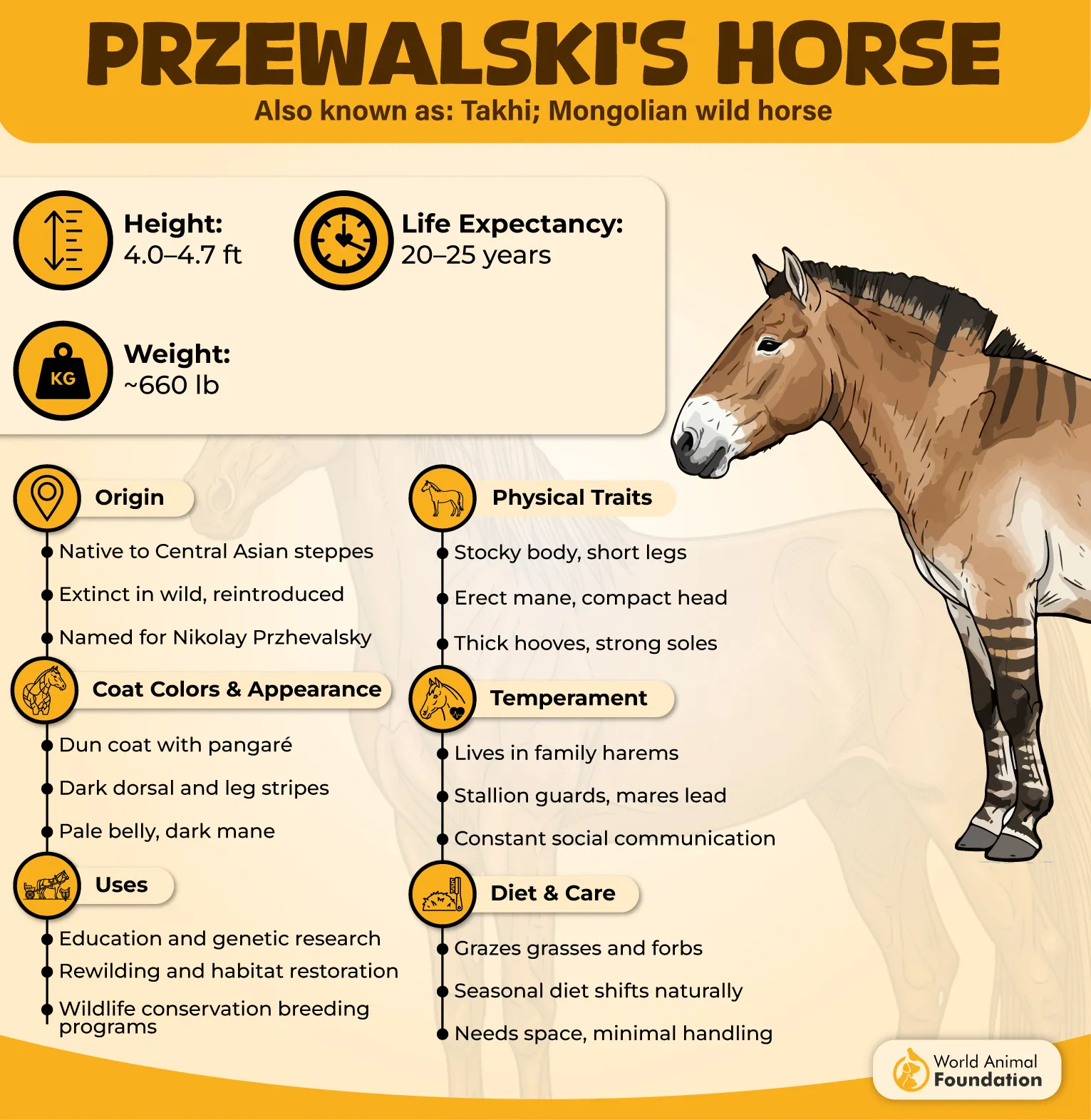
Key characteristics of this horse breed include:
Compact, muscular build built for endurance
Upright mane without a forelock for protection from wind and insects
Dun coloration for natural camouflage
Behavioral Adaptations
Wild Przewalski’s horses navigate harsh winters and sparse forage with strong social structures, moving in tight-knit herds. They are alert, wary of threats, and display complex interactions that ensure survival. Observing them offers insight into the strategies of wild equines.
3. Akhal-Teke
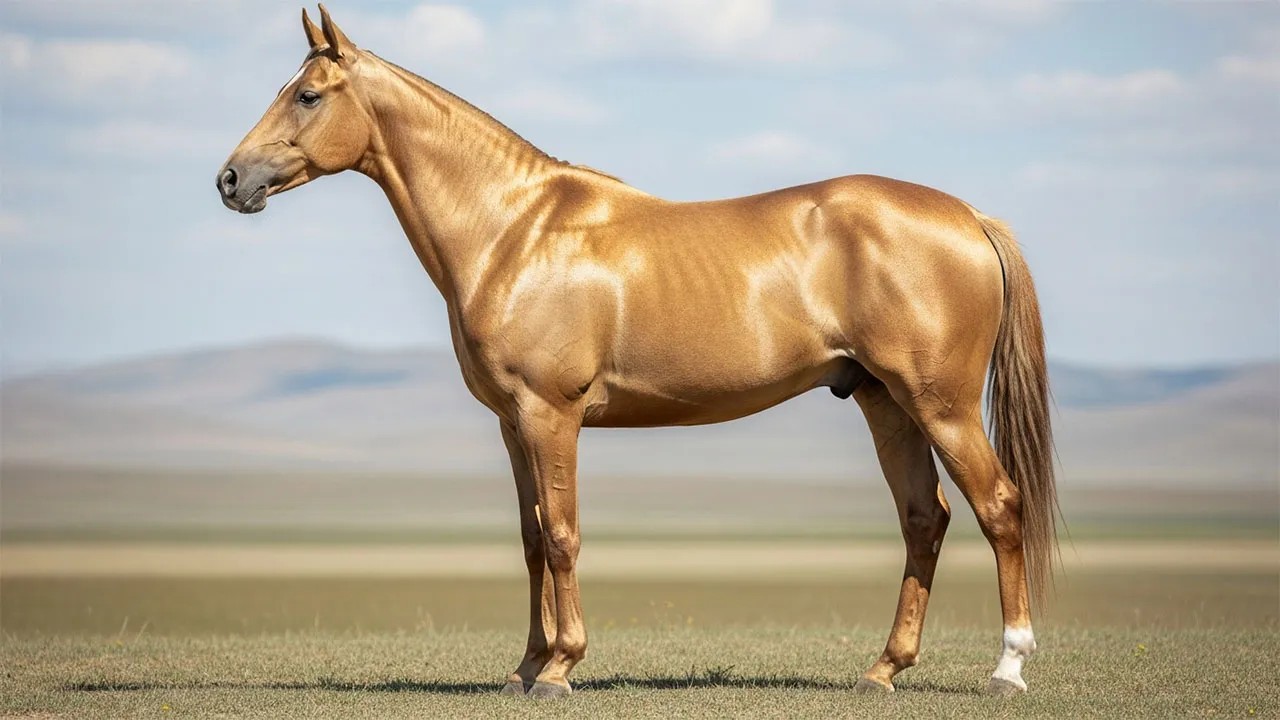
Akhal-Teke is a rare, ancient breed shaped by the harsh deserts of Turkmenistan in the steppes of Central Asia, prized for its speed, endurance, and resilience. Its lineage traces back over 12,000 years to horses that survived arid climates and long migrations.
Sleek Build and Endurance
The breed’s lean physique combines elegance and durability, supporting remarkable stamina across vast steppes. Akhal-Tekes excel in long-distance riding, show events, and cultural preservation programs.
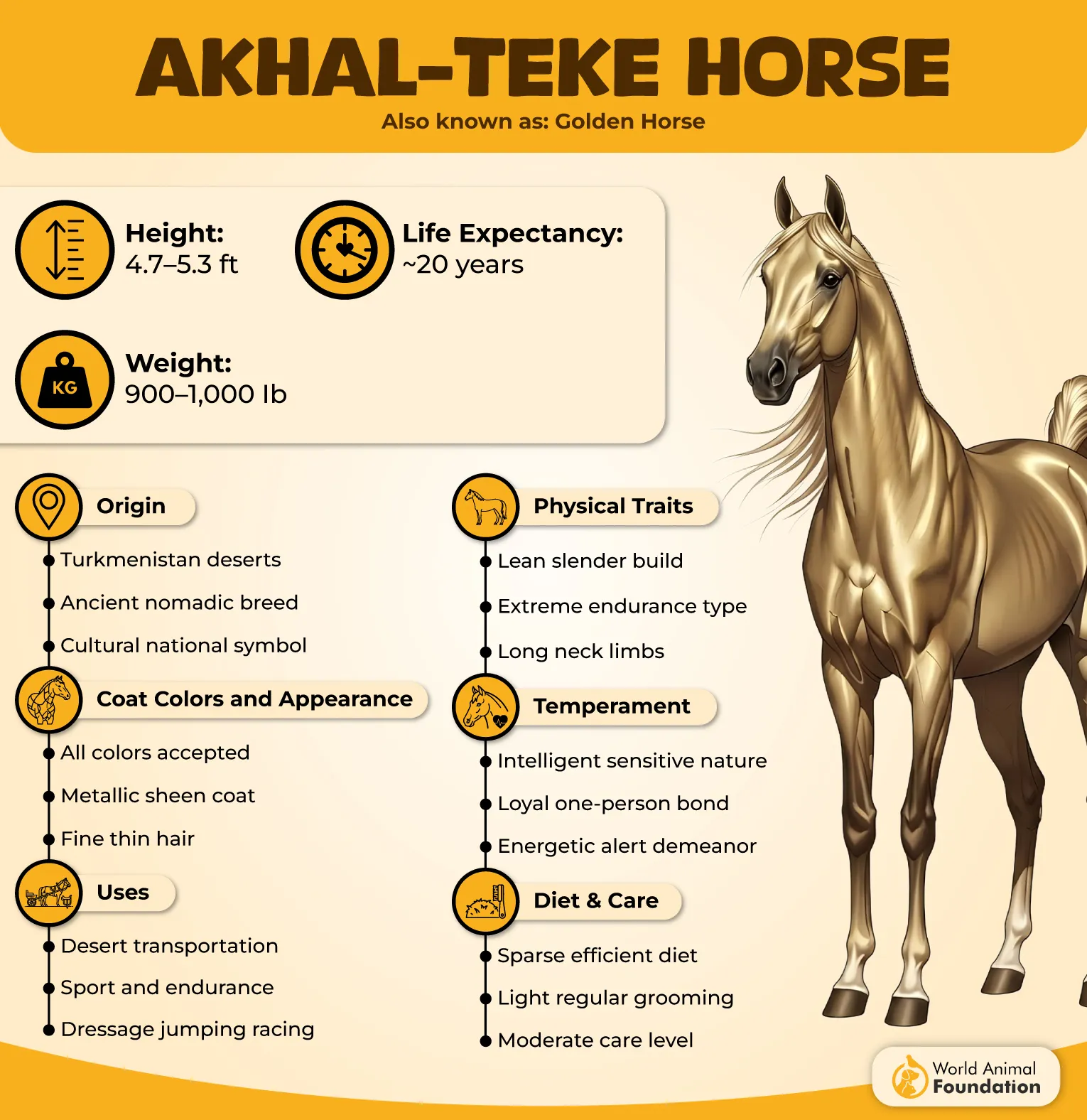
Key features highlight its survival adaptations:
Long, high-set neck for balance and reach
Slender, muscular legs with strong tendons
Small, extremely hard hooves are ideal for rocky terrain
Temperament and Adaptability
Akhal-Teke is intelligent and alert, forming strong bonds with riders while remaining independent in thought. These horses demonstrate patience, courage, and the ability to make calculated decisions, reflecting centuries of work in hunting and raids across open plains.
4. Konik
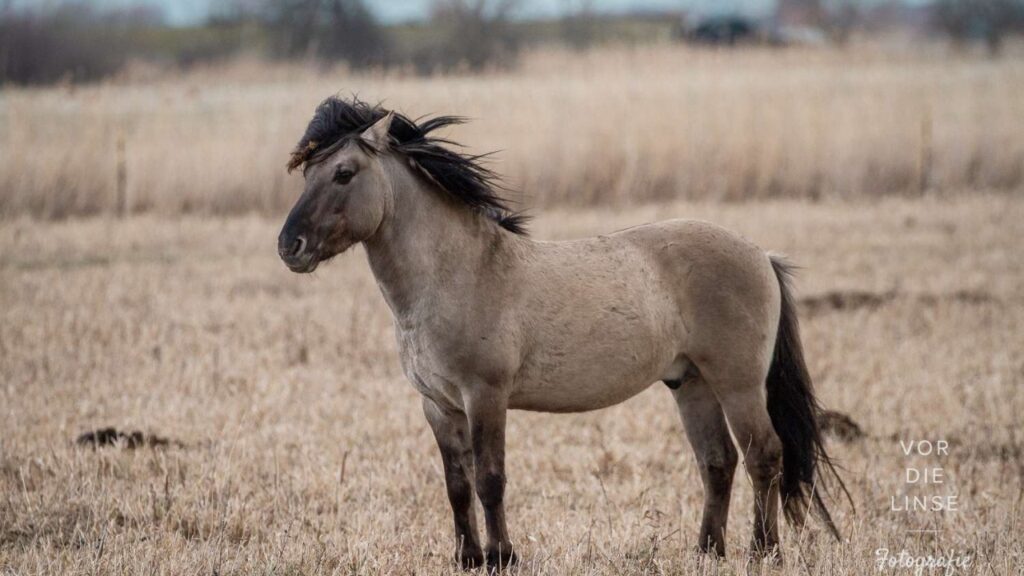
Konik horses trace their roots to Poland and embody resilience, surviving harsh steppe climates with minimal intervention. Compact yet sturdy, their form reflects centuries of natural selection, perfectly suited for open plains. Adapted to forage on sparse vegetation, these ponies are resourceful and hardy.
Compact Strength
Small but powerful, Koniks balance agility with durability. Their stocky builds and low-set necks enhance endurance and stability on uneven terrain.
These are the highlights of the breed’s physical appearance:
Mouse-gray coats with primitive markings
Deep chests and muscular hindquarters
Short, strong legs for rugged landscapes
Independent Temperament
Koniks exhibit self-reliance, often navigating the steppe without guidance while maintaining alertness to predators. They show quiet determination, bonding selectively with humans yet thriving in semi-wild herds. Their instincts combine caution with surprising boldness.
5. Balikun Horse
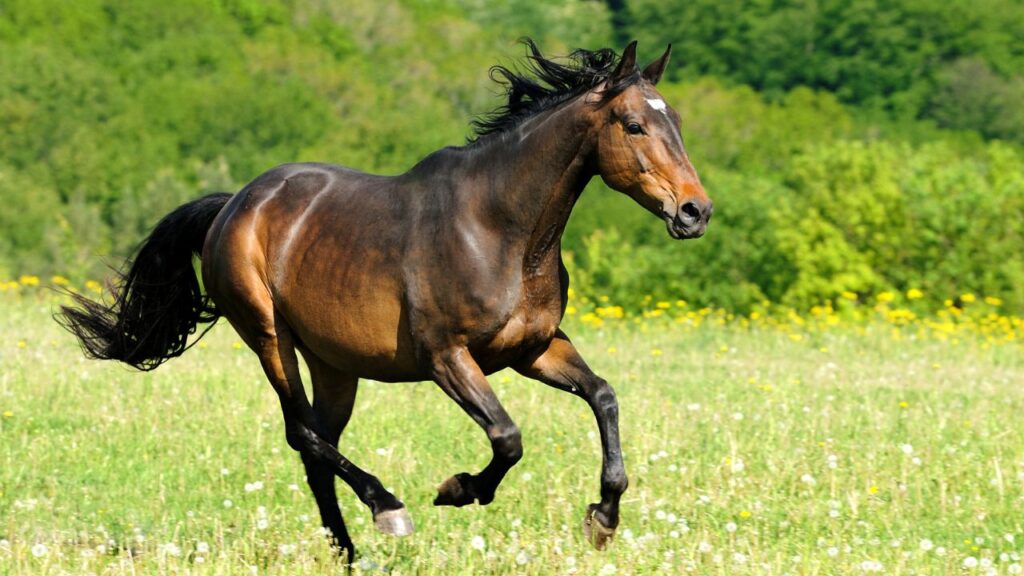
Balikun Horse is native to the vast Balikun Grasslands of Xinjiang, China, where harsh winds and extreme temperatures shaped its resilience. These horses carry centuries of local tradition, valued for transportation, herding, and cultural significance across generations.
Muscular Build and Endurance
This breed’s strength is evident in its short, thick neck, broad chest, and sturdy legs, which allow it to navigate uneven terrain effortlessly. Adaptation to cold, arid climates ensures long-lasting stamina.
These are the points that make them stand outL
Solid coat colors like bay or black for camouflage and protection
Dense mane and tail for insulation against harsh winds
Compact, straight back promoting strength and balance
Temperament and Adaptation
Balikun Horses are calm yet alert, able to endure long hours of herding and transportation, as the Pet Reader writes. Their intelligence and responsiveness make them reliable partners for local communities. They demonstrate natural patience while moving in challenging grassland conditions.
6. Kustanai Horse
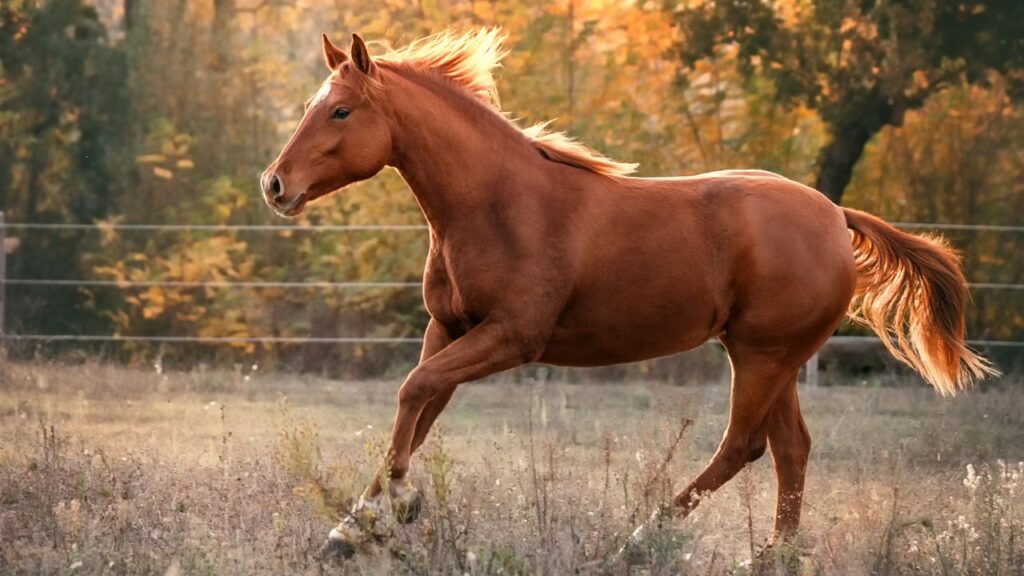
Kustanai Horses emerged from the steppes of western Kazakhstan, combining stamina with strength to meet the region’s demanding climate. They reflect the integration of saddler qualities and steppe lineage, resulting in a horse built for endurance and versatility across vast grasslands.
Enduring Build
The breed’s structure highlights fitness, agility, and resilience, tailored to survive harsh seasonal extremes. They thrive in continental climates, showing notable endurance and toughness.
Their strength shines in these features:
Medium-long, strong neck and wide, muscular chest
Sturdy, correctly-set legs with hard, reliable hooves
Well-balanced croup and shoulders for efficient movement
Functional Versatility
Kustanai Horses adapt naturally to farm and riding tasks, making them reliable for transportation, herding, and steppe labor. Their clean, hardy build allows long hours of work without fatigue. Breeding concentrated at Kustanai and Maikulski studs preserves these adaptive qualities.
7. Yili Horse
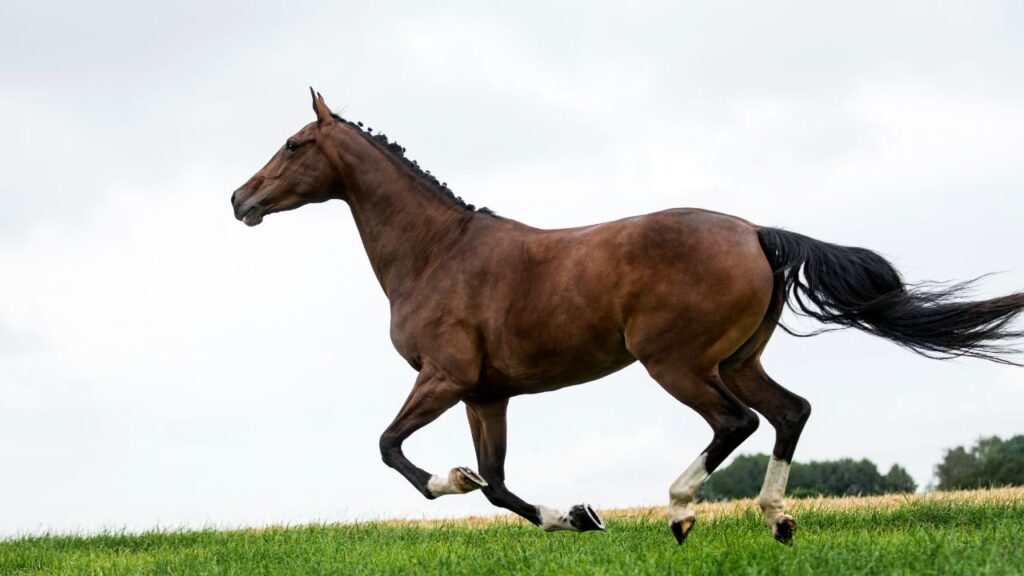
Yili Horses exhibit a harmonious blend of strength and grace, adapted to the wide-open plains of Xinjiang. Their muscular yet balanced frames allow them to move effortlessly across diverse steppe terrain. Large, expressive eyes and proportioned heads convey both intelligence and attentiveness.
Versatility in Action
These horses thrive in multiple roles, making them ideal for riding, agriculture, and tourism, as noted by Wikipedia. Their athleticism and calm temperament contribute to their reliability on and off the field.
These are the points that support their personality:
Smooth, enduring gaits suited for long treks
Adaptation to varied climates and rough terrain
Quick learning and ease of handling
Steppe Specialists
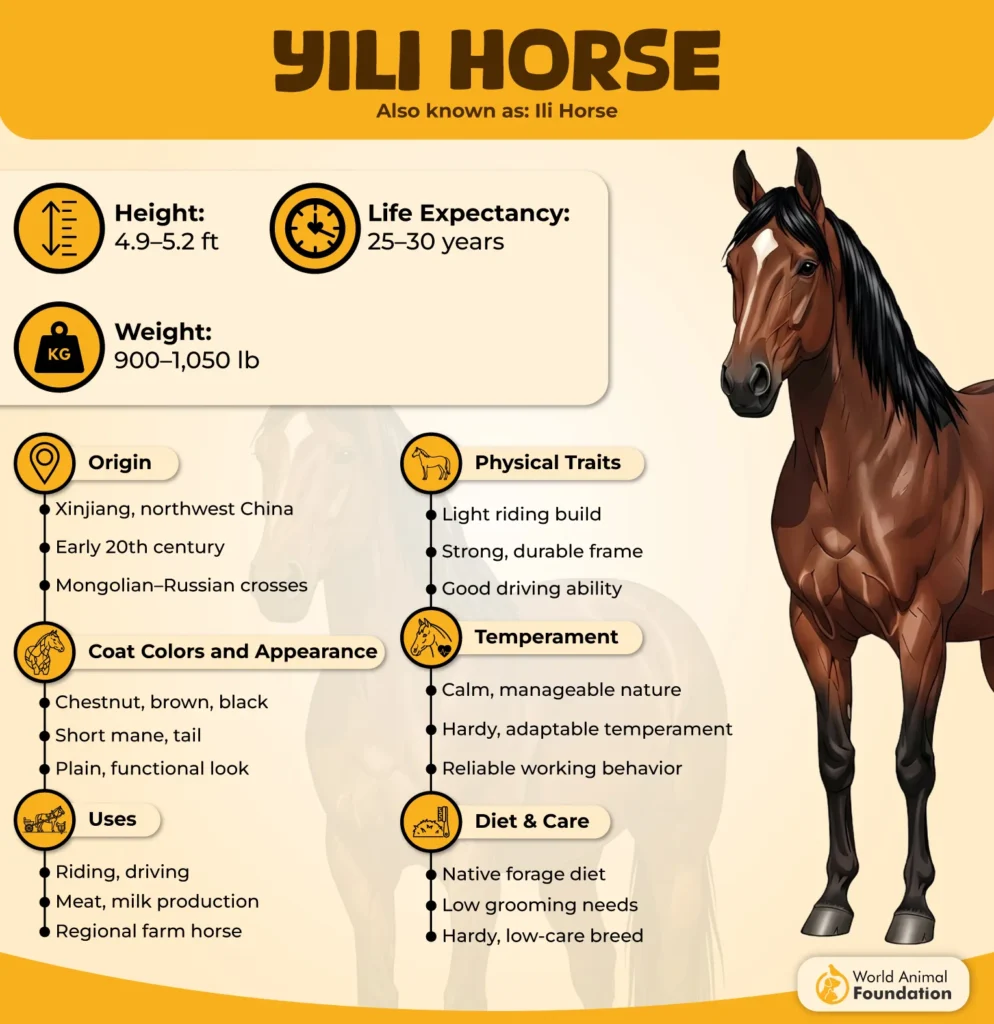
Built for the steppe, Yili Horses demonstrate resilience, intelligence, and adaptability that make them a living symbol of the region’s equestrian heritage. Their strength, temperament, and versatility continue to define their role as trusted partners for work and recreation.
Conclusion
Across the steppe, survival rarely happens by chance. These horses belong to a resilient branch of the horse family, shaped by wind, distance, and seasons that test endurance. Each breed reflects generations spent in a native habitat where movement and patience mattered more than comfort.
Some, like Przewalski’s horse, are now considered an endangered species, reminding us how fragile these ancient lineages can be. Conservation work through captive breeding programs, wildlife parks, and zoo and wildlife research helps maintain genetic diversity.
Protecting their natural habitat ensures these steppe horses continue to live where their instincts and resilience were first formed.
