




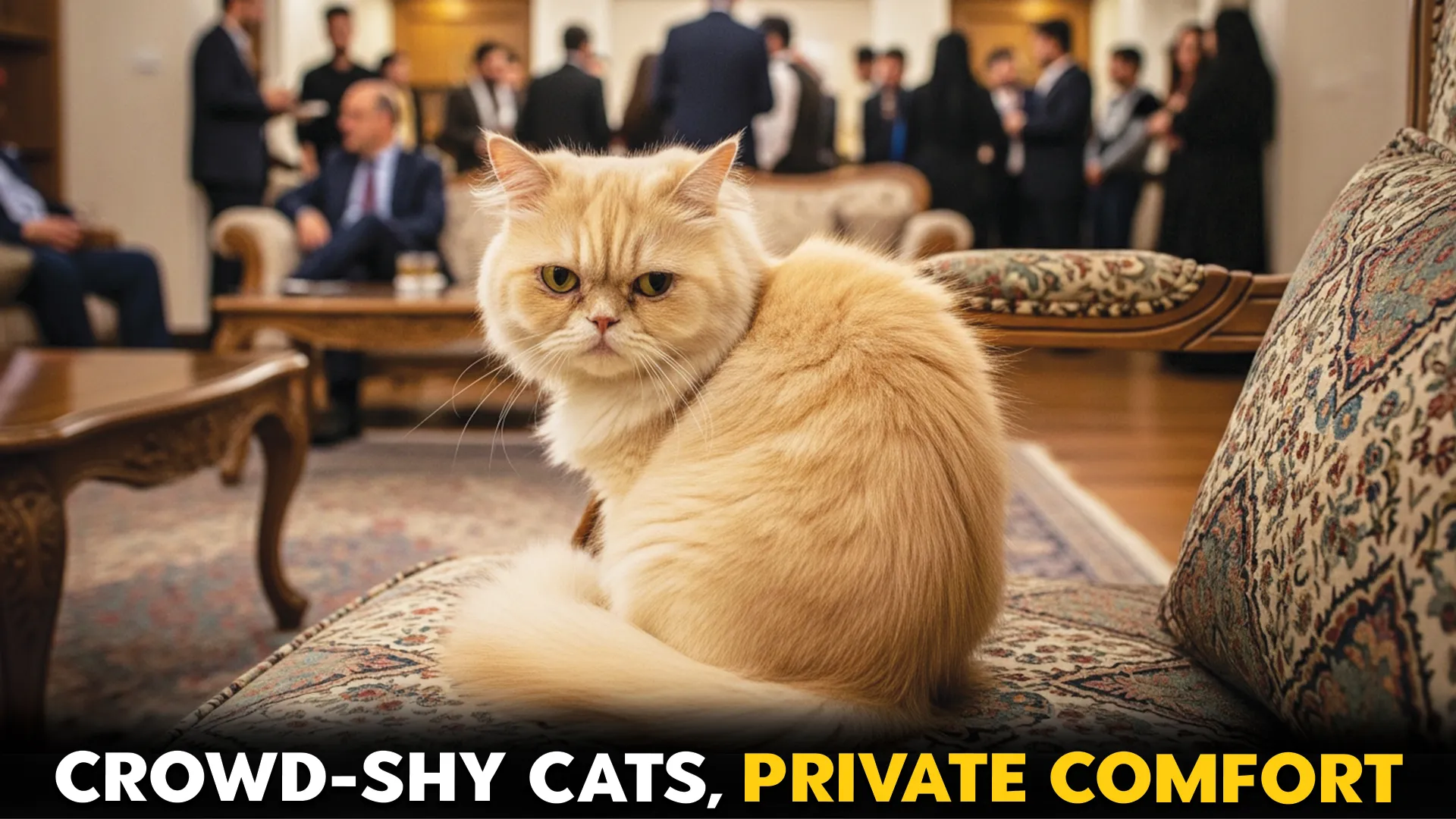
Cats may have a reputation for independence, but for some breeds, that independence comes with a strong dislike of crowds. While busy households and frequent visitors energize certain pets, other cats feel overwhelmed by too much social activity. These crowd-averse felines are happiest in calm, predictable spaces where they can relax without constant interaction or unfamiliar faces.
Cats that are naturally cautious, territorial, or deeply bonded to one or two humans often find crowds stressful. Excess noise, movement, and unfamiliar scents can trigger anxiety, causing these cats to retreat, hide, or become irritable rather than engage.
Personality traits like sensitivity, independence, and a strong need for control over their environment make some cats especially crowd-averse. These breeds aren’t unfriendly—they simply thrive in quieter settings where their boundaries are respected.
In this article, we’ll explore seven cat breeds that dislike crowds, helping you understand their unique temperaments and how to create an environment where they feel safe, confident, and truly at ease.
Cat Breeds That Dislike Crowds
1. Scottish Fold
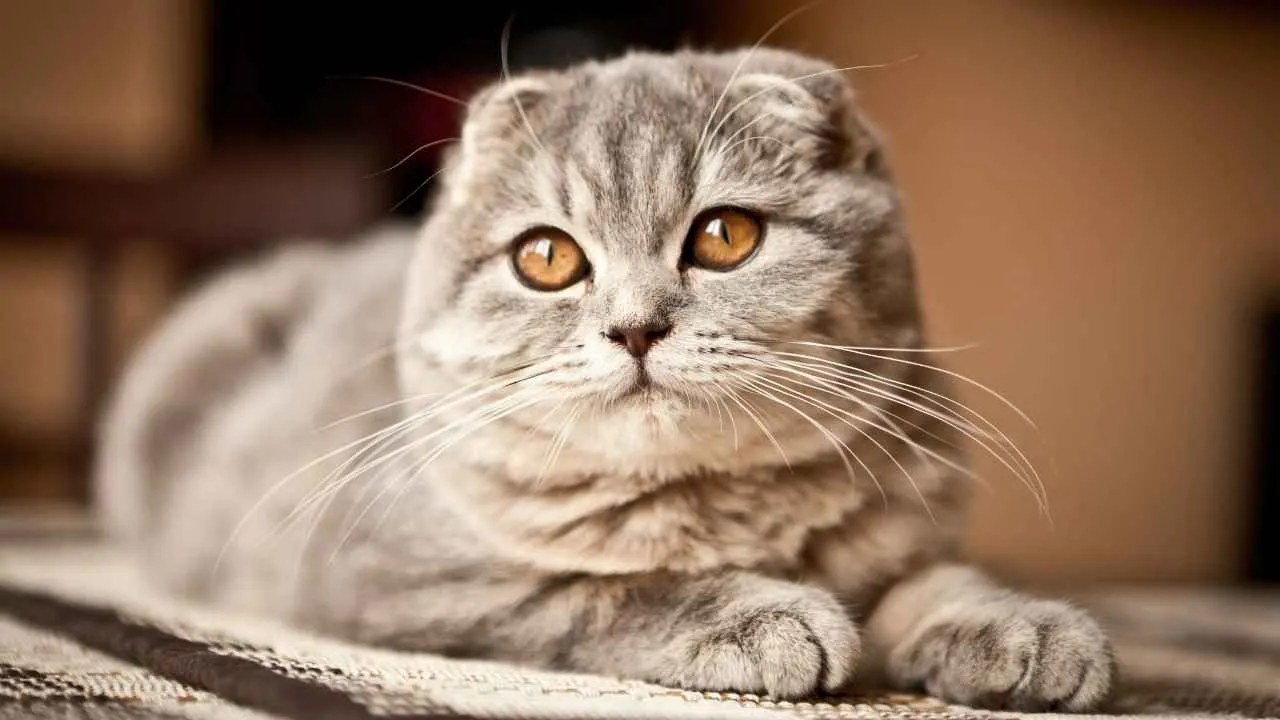
Also known simply as the Fold, the Scottish Fold is instantly recognizable for its forward-folded ears and round, expressive face. Beneath that charming look is a quiet, reserved cat that values calm surroundings and familiar routines.
According to Britannica, the Scottish Fold is a domestic cat breed characterized by ears that fold forward and downward.
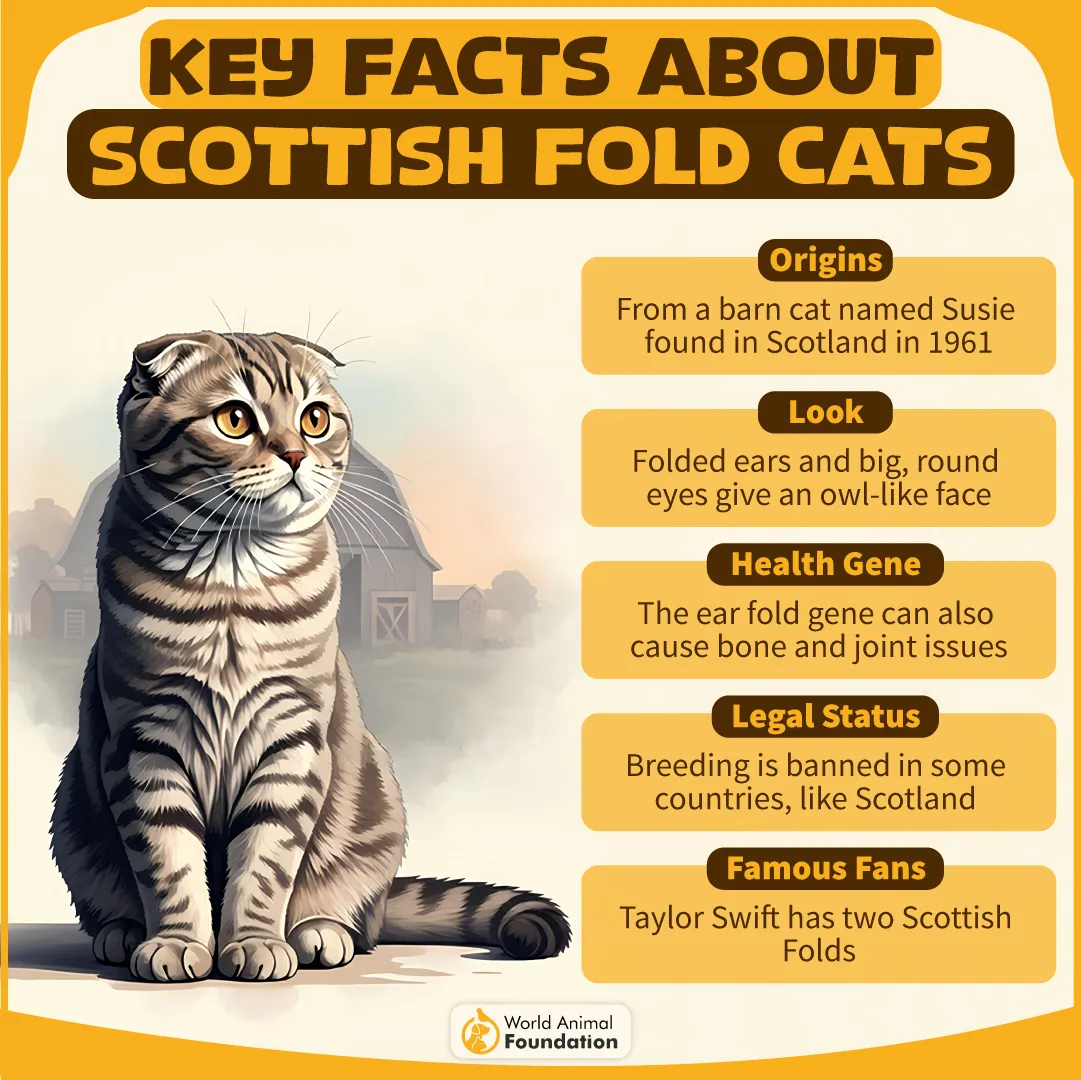
Independent and easily overstimulated, Scottish Folds tend to dislike crowded spaces filled with noise and constant movement. Large gatherings or frequent visitors can overwhelm them, prompting these cats to retreat to a quiet corner where they can observe without engaging.

They form close bonds with their household but are cautious around strangers, often preferring to watch from a distance rather than participate. Their sensitive nature means too much attention at once can quickly turn comfort into stress.
A peaceful home with limited foot traffic suits them best, allowing their calm demeanor to shine. When given space and time, they offer gentle, low-key companionship on their own terms.
Interesting fact: Scottish Folds are known for being quiet and observant, often choosing to sit back and watch rather than actively join in.
2. Siamese
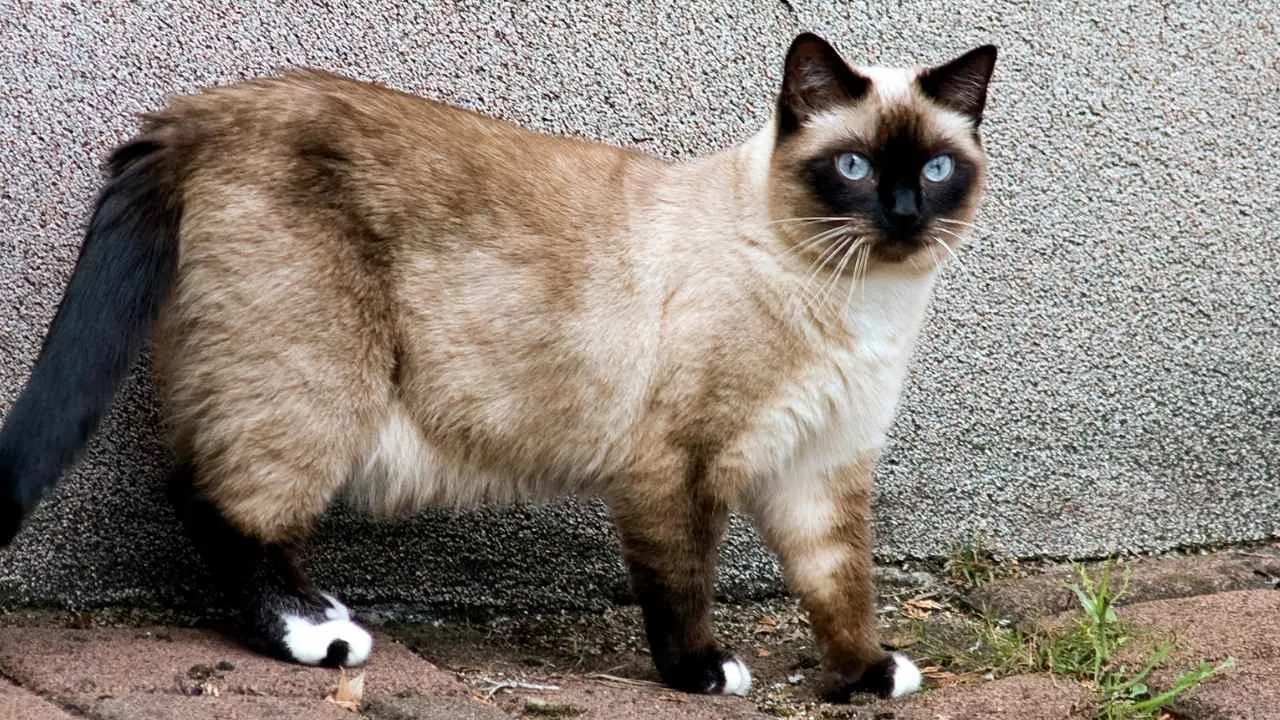
Also known simply as the Siamese, this iconic breed is instantly recognizable by its sleek, short coat, color-point pattern, and striking blue eyes.
According to PetMD, in present-day Thailand, these regal cats captivated their caretakers with their striking appearance and playful personalities.
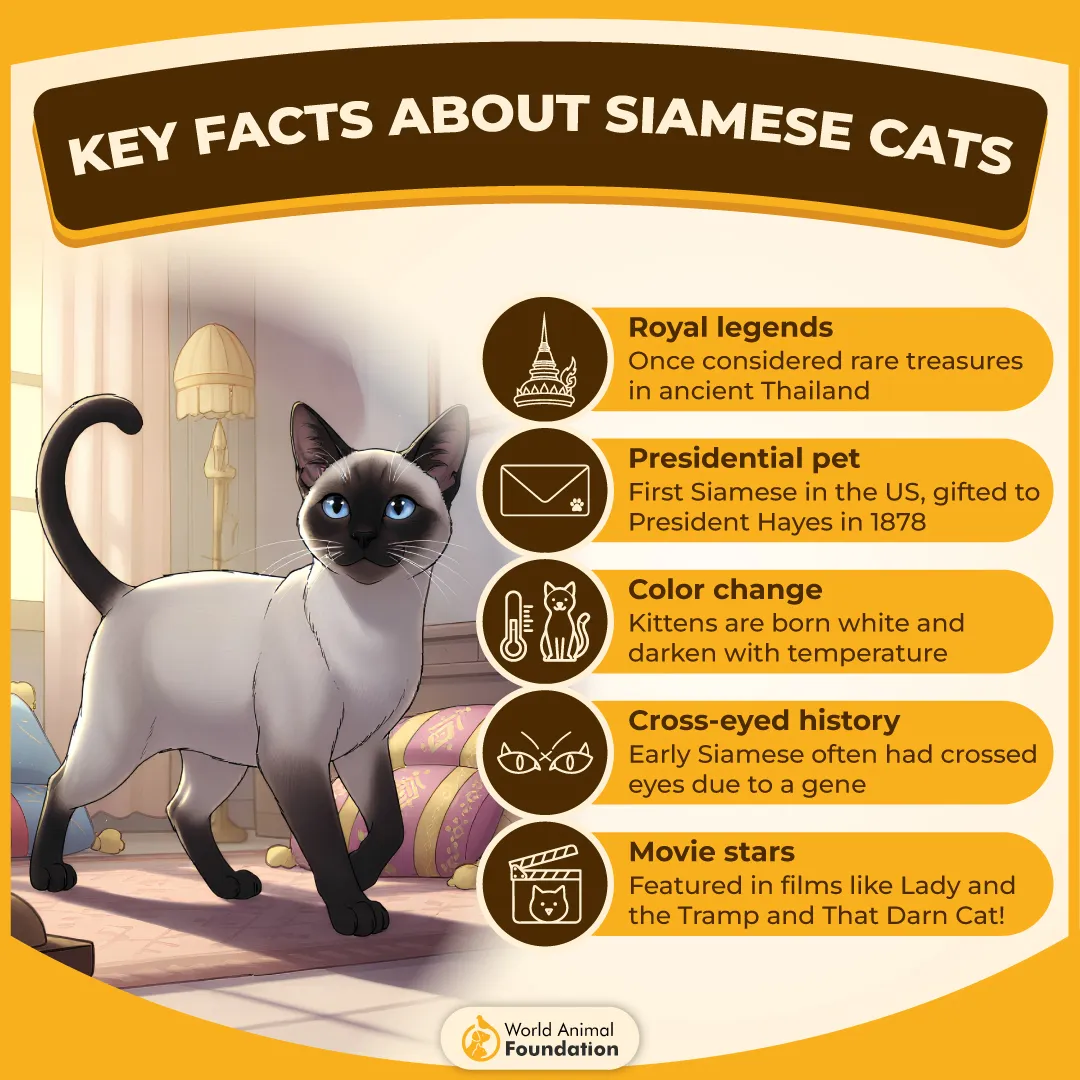
Loyalty is where their crowd aversion begins. Siamese cats tend to bond closely with one person, making them loyal to one person. Large gatherings, unfamiliar faces, or busy households can quickly overwhelm their sensitive nature.
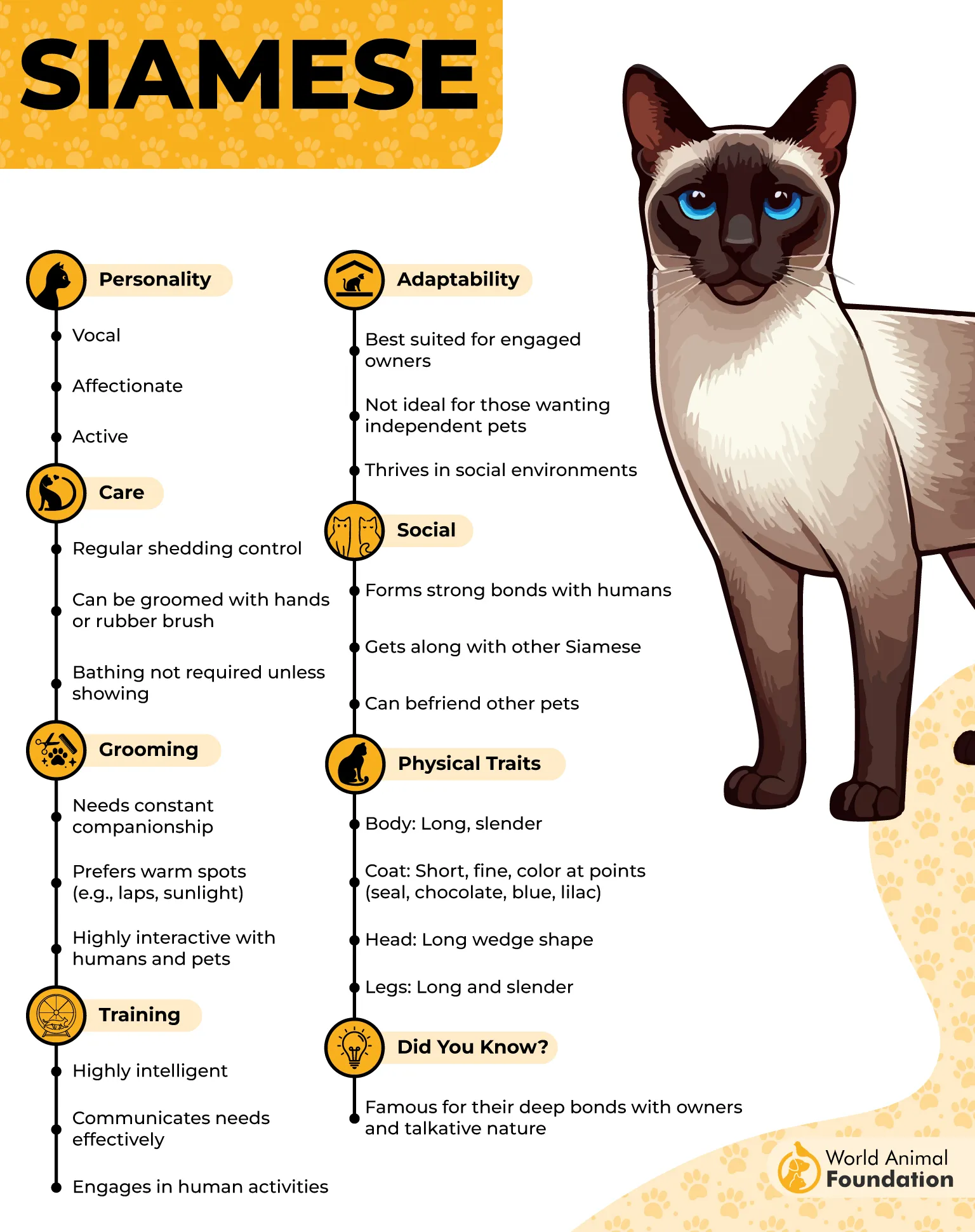
While social by design, they are highly selective about interaction. Too many people or sudden attention can trigger loud, opinionated protests, as Siamese cats are known to communicate discomfort clearly rather than quietly retreat.
They thrive in calm, predictable environments where they feel secure and understood. Crowds disrupt that sense of control, often sending them to a quiet sunny spot instead.
Interesting fact: Siamese cats are famous for their loud, distinctive meows and were once involved in uncovering hidden microphones due to their exceptional hearing.
3. Russian Blue
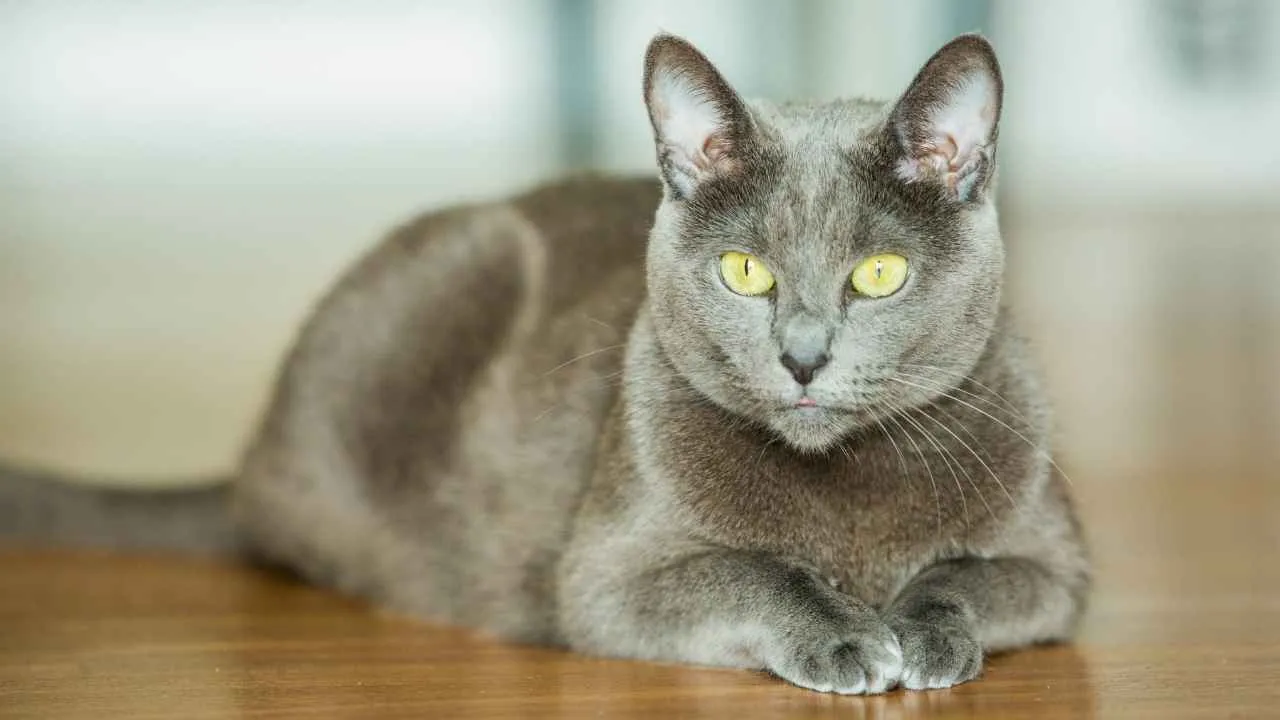
Also known simply as the Russian Blue Cat, this elegant breed is instantly recognized by its shimmering silver-blue coat and vivid green eyes.
According to WebMD, Russian Blue cats are known for being both playful and intelligent. Graceful and reserved, the Russian Blue is a quiet companion that values privacy and a calm, orderly home.
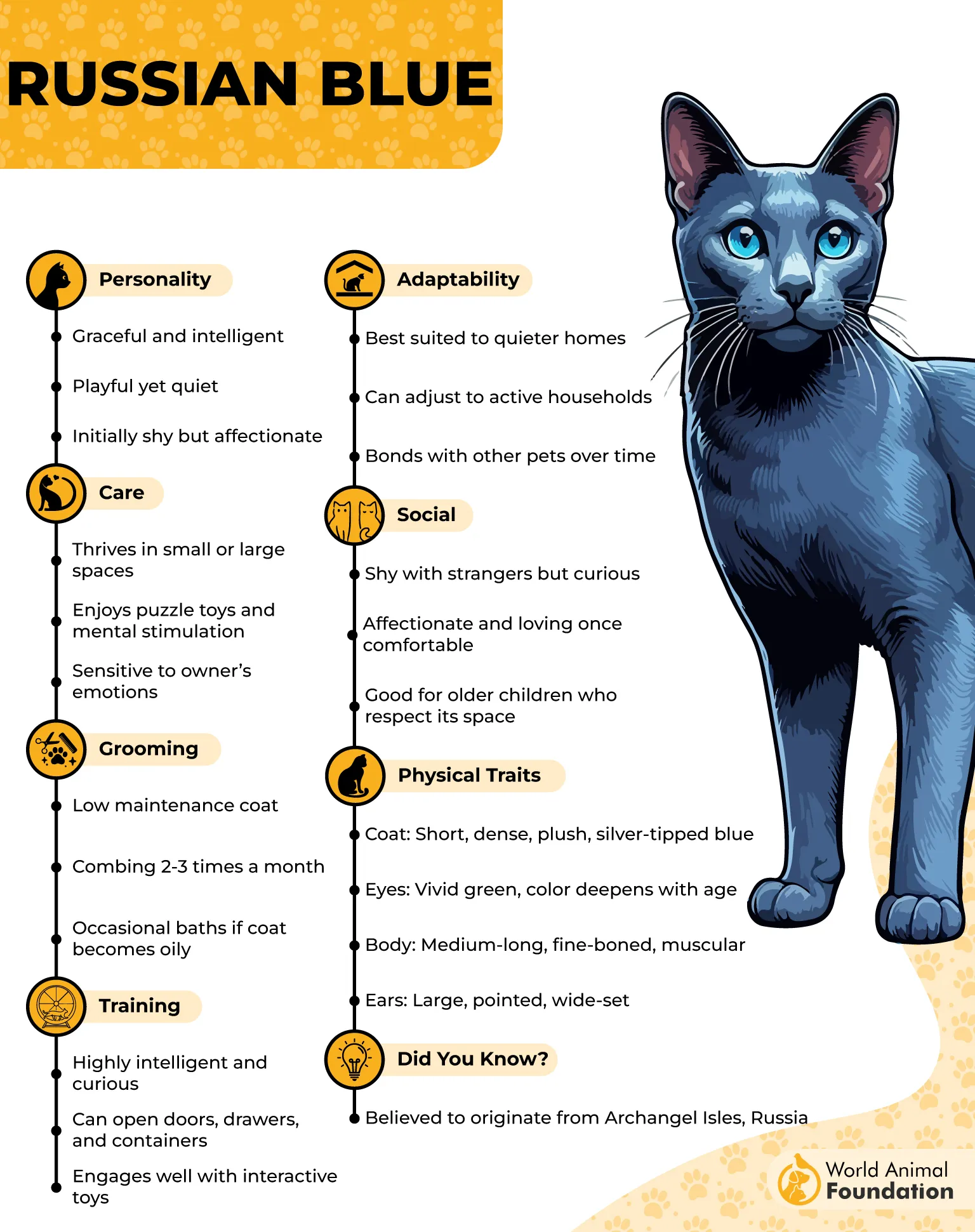
Naturally shy around unfamiliar people, Russian Blues tend to withdraw when crowds gather. Busy rooms, frequent visitors, or loud social settings can feel overwhelming, making solitude their preferred response rather than confrontation.
Their dislike of crowds is tied to a sensitive, thoughtful personality. These cats bond deeply with their owners but don’t seek constant attention, thriving instead in stable, low-traffic households where interactions feel predictable and gentle.
Once trust is established, the Russian Blue becomes intensely loyal and affectionate in subtle ways.
Interesting fact: Russian Blues are known to follow their favorite person from room to room while remaining quiet and composed.
4. Sphynx
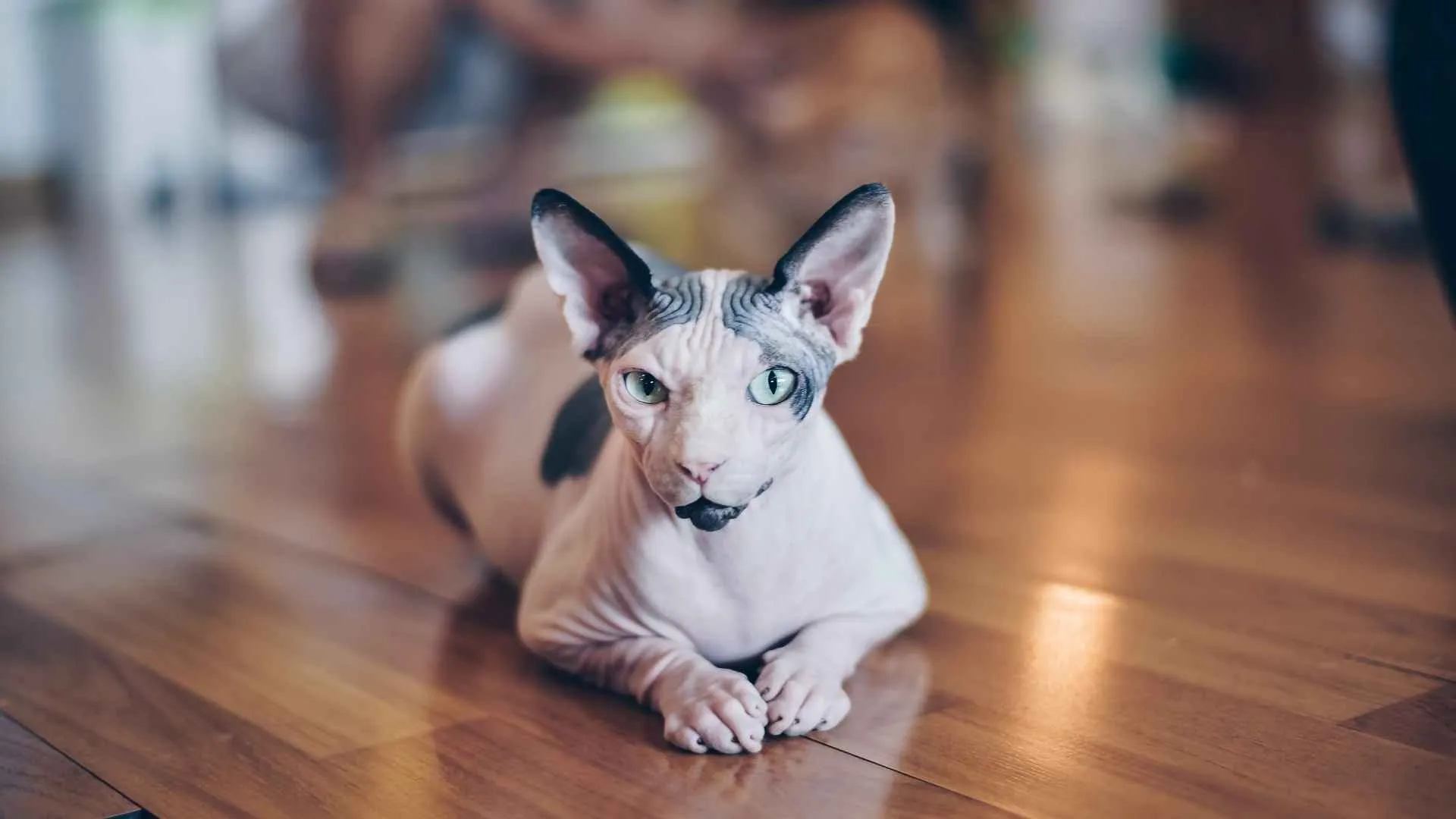
Also known simply as the hairless cat, the Sphynx stands out for its furless, wrinkled skin, oversized ears, and expressive eyes. Beneath the bold appearance is an intelligent, curious breed that forms strong attachments to its trusted humans.
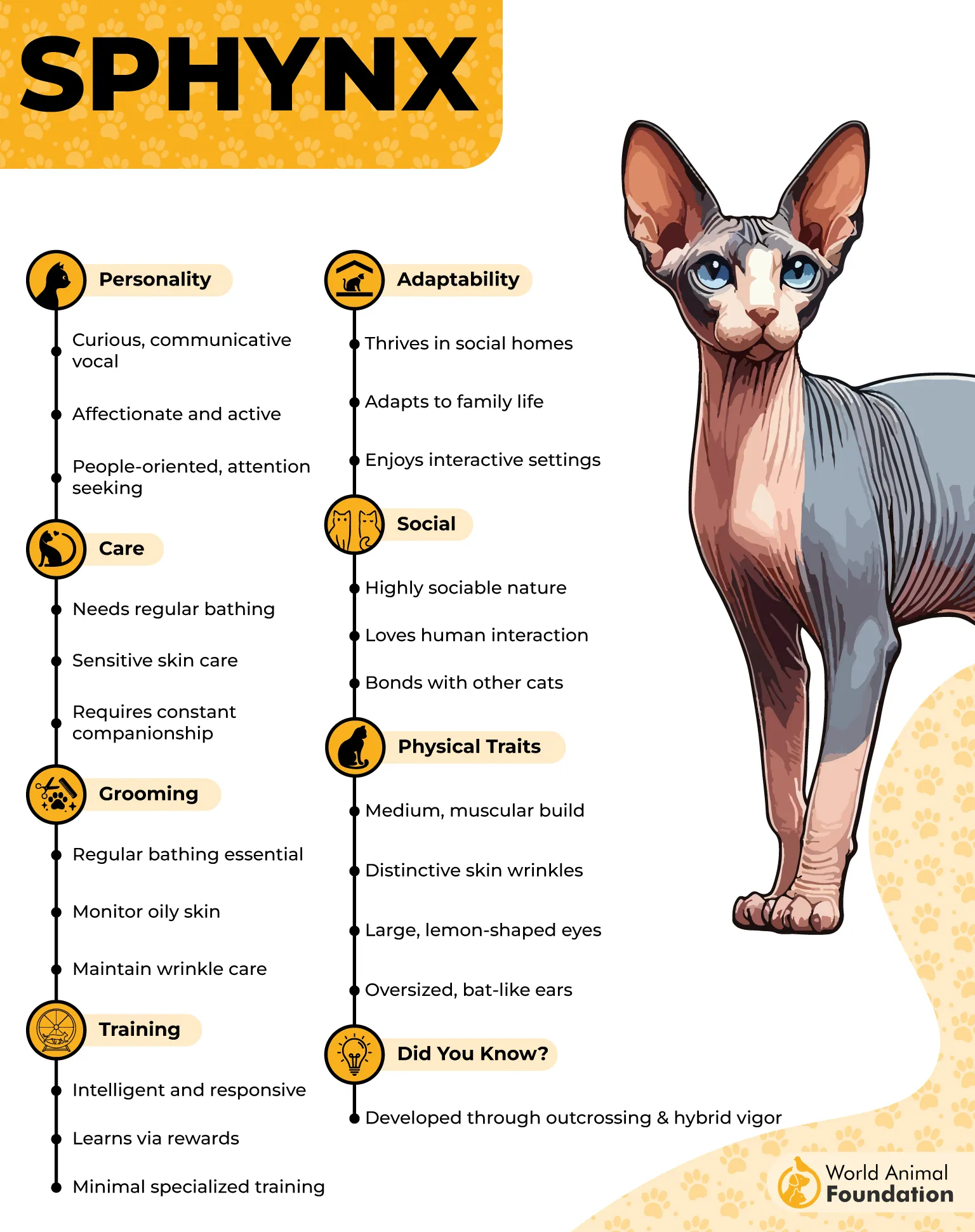
Despite being affectionate at home, the Sphynx has a sensitive nature that makes crowded settings uncomfortable. Too many unfamiliar people, noises, or movements can overwhelm them, causing withdrawal rather than social engagement.
They prefer controlled interactions and often need time and space before warming up to strangers. Quiet environments allow them to observe safely, easing anxiety and helping them feel secure enough to interact on their own terms.
Crowd-free spaces also support their emotional balance and routine-driven comfort, especially since they rely heavily on human presence they recognize.
Interesting fact: Because they lack fur, Sphynx cats require weekly baths to remove oil buildup from their skin.
5. Bengal
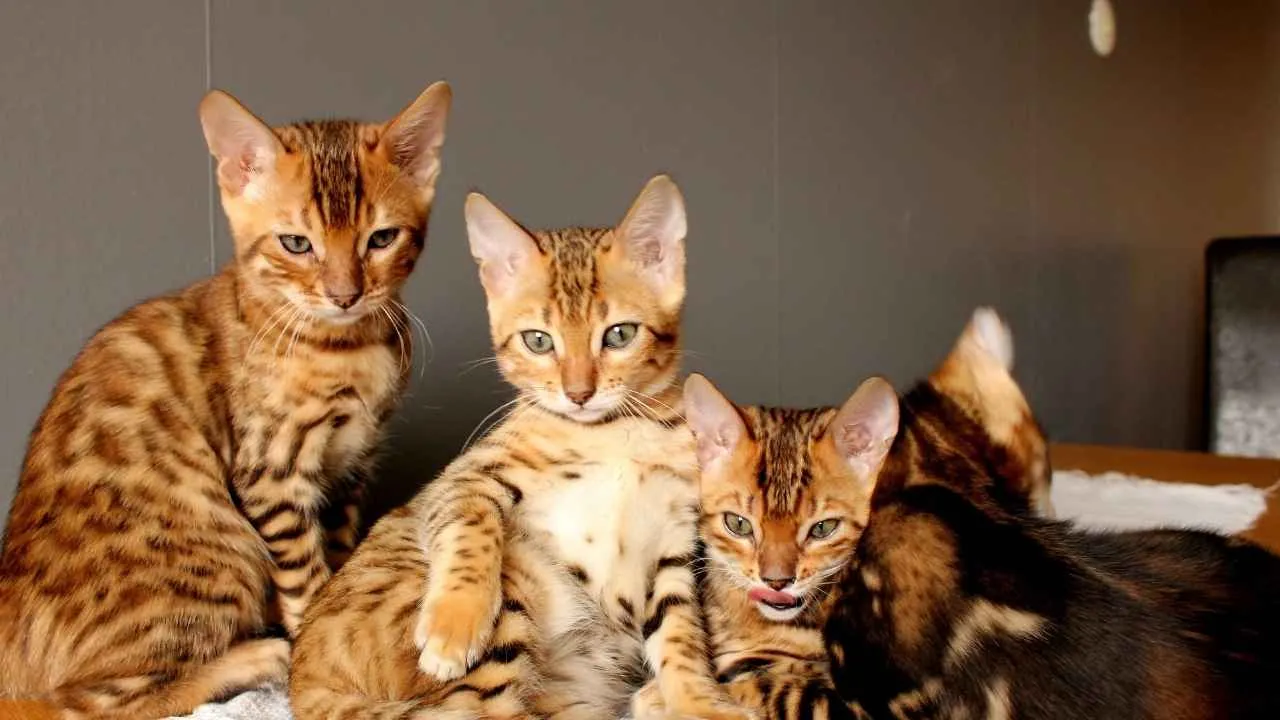
Also known as the Leopard Cat hybrid, the Bengal is instantly recognizable for its sleek, spotted coat and wild, athletic appearance. Beneath that exotic look is a highly intelligent, energetic cat with a fiercely independent streak.
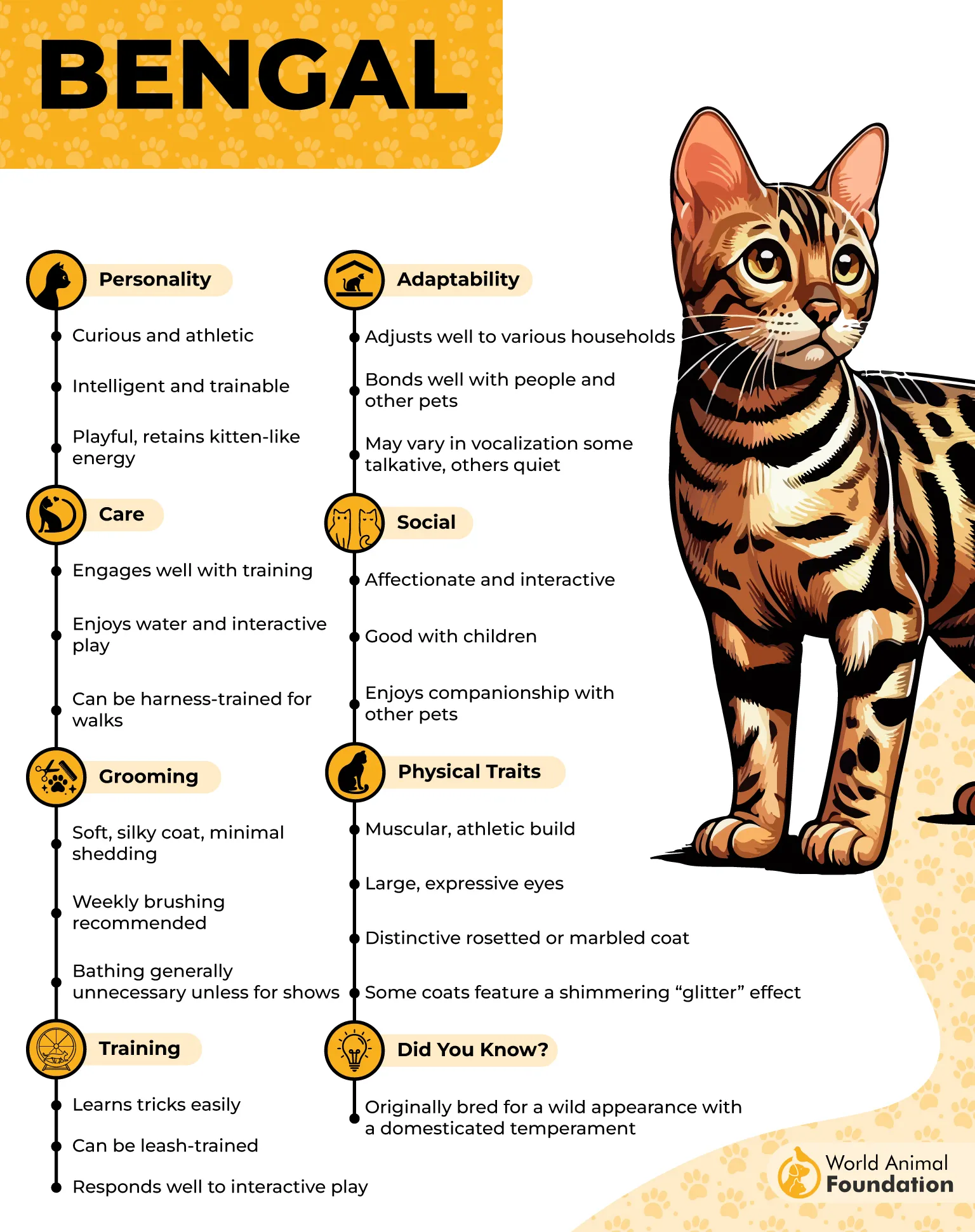
Bengals are observant by nature and tend to dislike crowded environments. When surrounded by unfamiliar people, they often choose distance over interaction, preferring to watch quietly until they feel secure.
Their cautious approach isn’t fear-based but thoughtful. Too much noise, movement, or social pressure can overwhelm them, making calm spaces essential for their comfort and confidence.
Although not typical lap cats, Bengals form trust slowly and on their own terms. Once settled, their curiosity may replace caution.
Interesting fact: Bengals are considered one of the most intelligent domestic cat breeds and are known for closely observing new people before engaging.
6. Persian
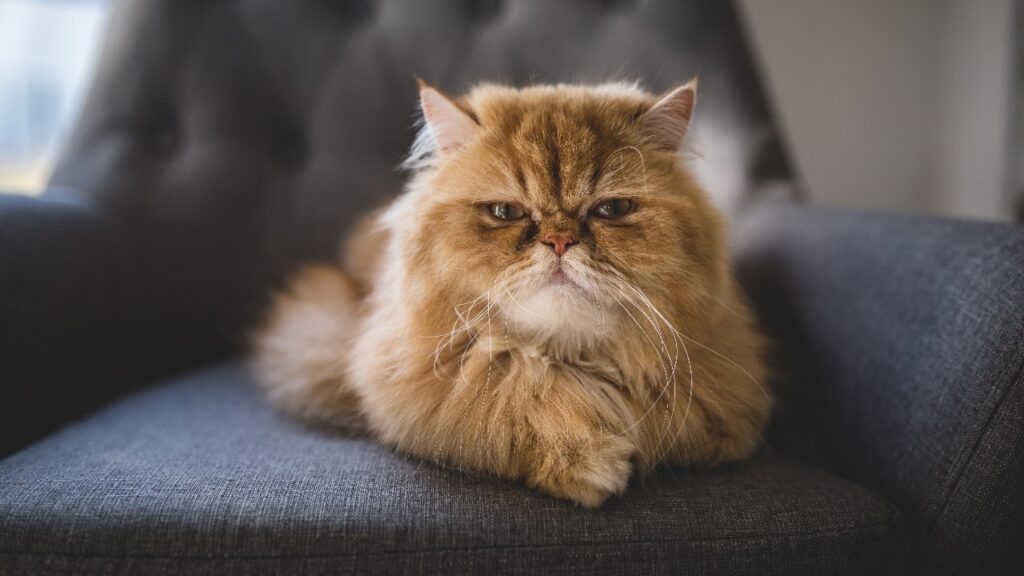
Also known as the Persian Longhair, the Persian is instantly recognizable for its flat face, large expressive eyes, and luxurious flowing coat. This breed is the embodiment of elegance, with a calm, gentle personality that favors comfort, familiarity, and a slower pace of life.
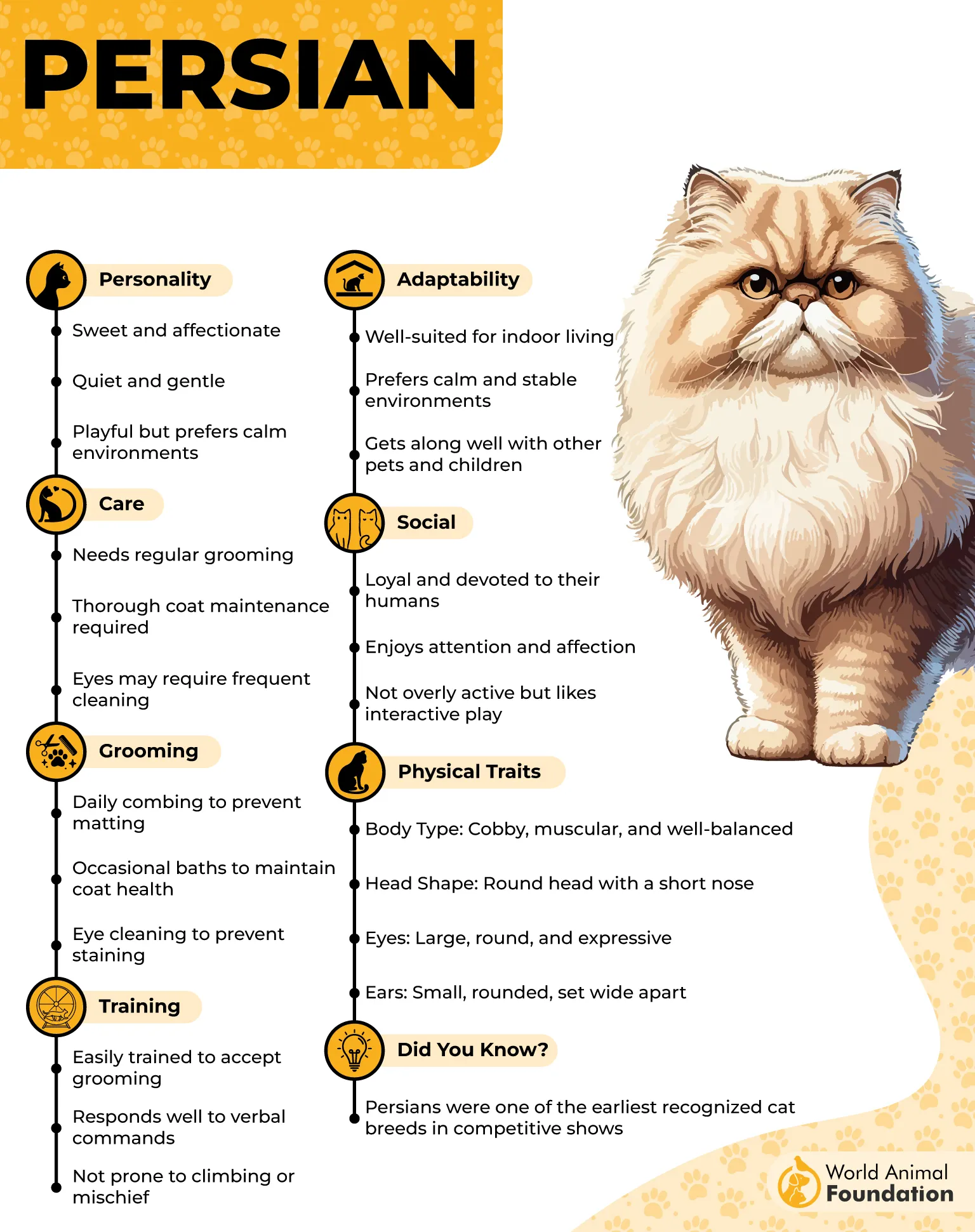
Persians are naturally reserved and tend to shy away from busy environments. Crowds, frequent visitors, or too much activity can feel overwhelming, making them retreat to quiet corners where they feel safe and undisturbed.
Noise sensitivity plays a big role in their crowd aversion. Loud voices, sudden movements, or chaotic households can quickly irritate this breed, which prefers serenity over stimulation and reacts poorly to constant disruption.
They form strong attachments to trusted humans but on their own terms, enjoying affection in peaceful settings rather than social buzz.
Interesting fact: Persian cats are known for loving sun-warmed spots and often choose high, quiet perches that allow them to observe their surroundings calmly.
7. Chartreux
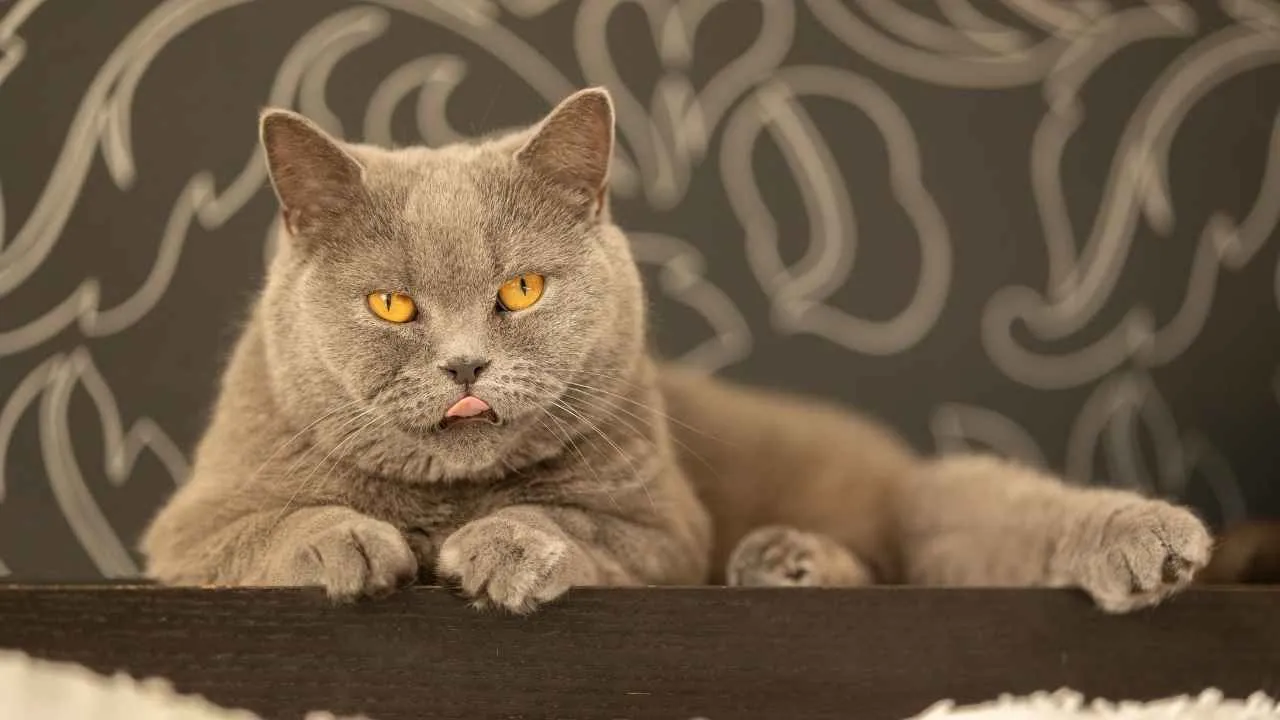
Also known as the French Blue cat, the Chartreux is instantly recognizable for its plush blue-gray coat, copper-to-amber eyes, and quietly observant expression. This rare breed carries an air of calm elegance and is naturally reserved, especially in busy or unfamiliar settings.
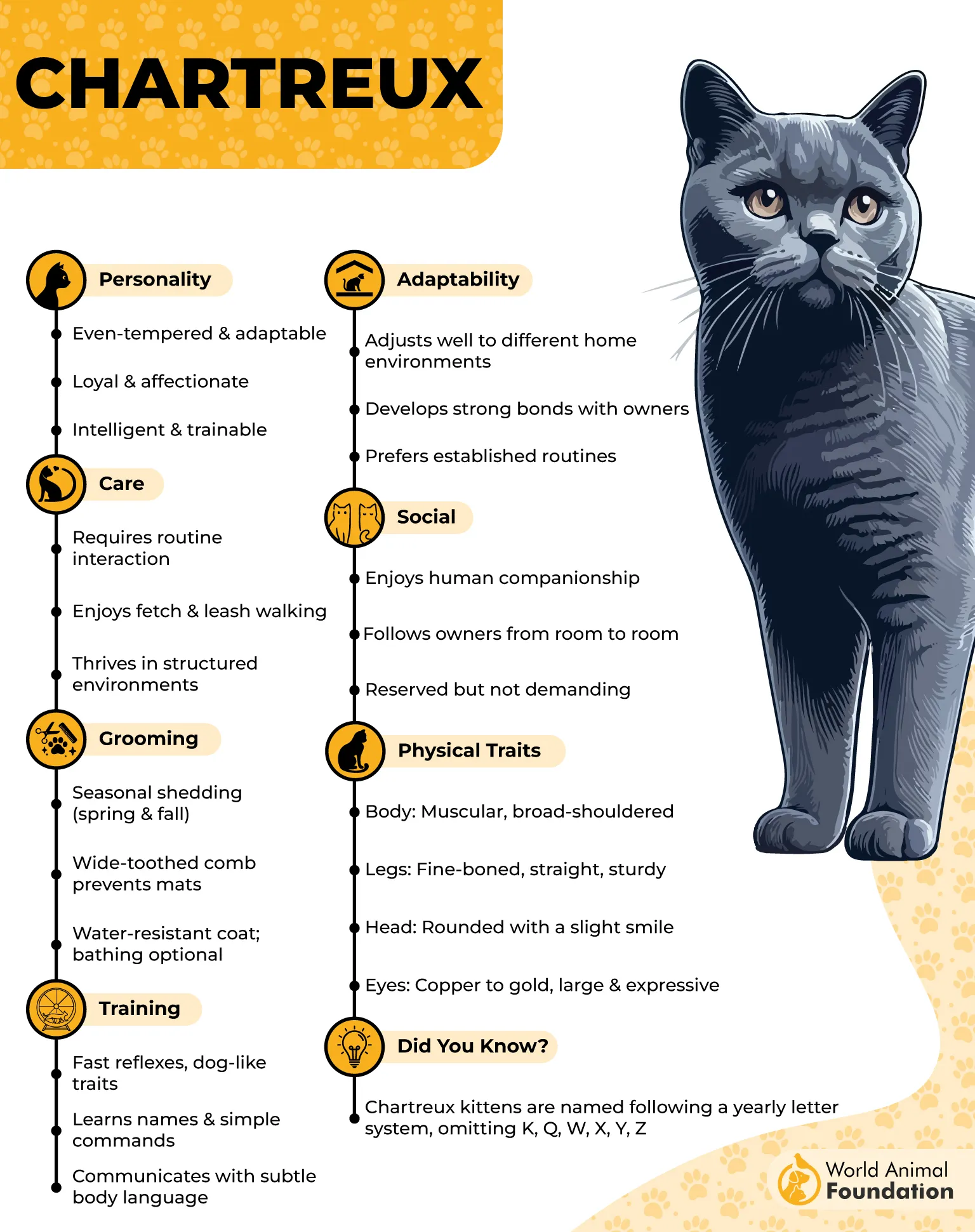
Chartreux cats dislike crowds and prefer to observe from a distance rather than jump into social situations. When surrounded by too many people, they often retreat to quiet corners where they can feel in control.
Their gentle, thoughtful nature makes them happiest in peaceful homes with minimal noise and predictable routines. While deeply loyal to their family, they typically form their strongest bond with one person and take time to trust newcomers.
Instead of constant interaction, Chartreux cats enjoy short play sessions followed by rest, meals, and quiet companionship.
Interesting fact: This breed is known for being unusually quiet, often communicating with expressive eyes rather than frequent meowing.
Conclusion
Not all cats enjoy busy homes, and understanding crowd-averse breeds helps cat owners create a calmer, more comfortable life for their pets. While most cats value independence, some are especially sensitive to noise, unfamiliar faces, and constant activity.
These cats often bond deeply with trusted human companions and prefer predictable, low-traffic environments over social buzz filled with other animals, dogs, or frequent guests.
From shy kittens to adult cats adjusting to new animals, every situation is different—because every cat has unique comfort levels. Even typically sociable breeds may withdraw in crowded settings, while former stray cats may need extra patience.
By respecting boundaries around food, space, and interaction with other pets, we help our feline friends feel safe in a busy world shared with many animals.
