




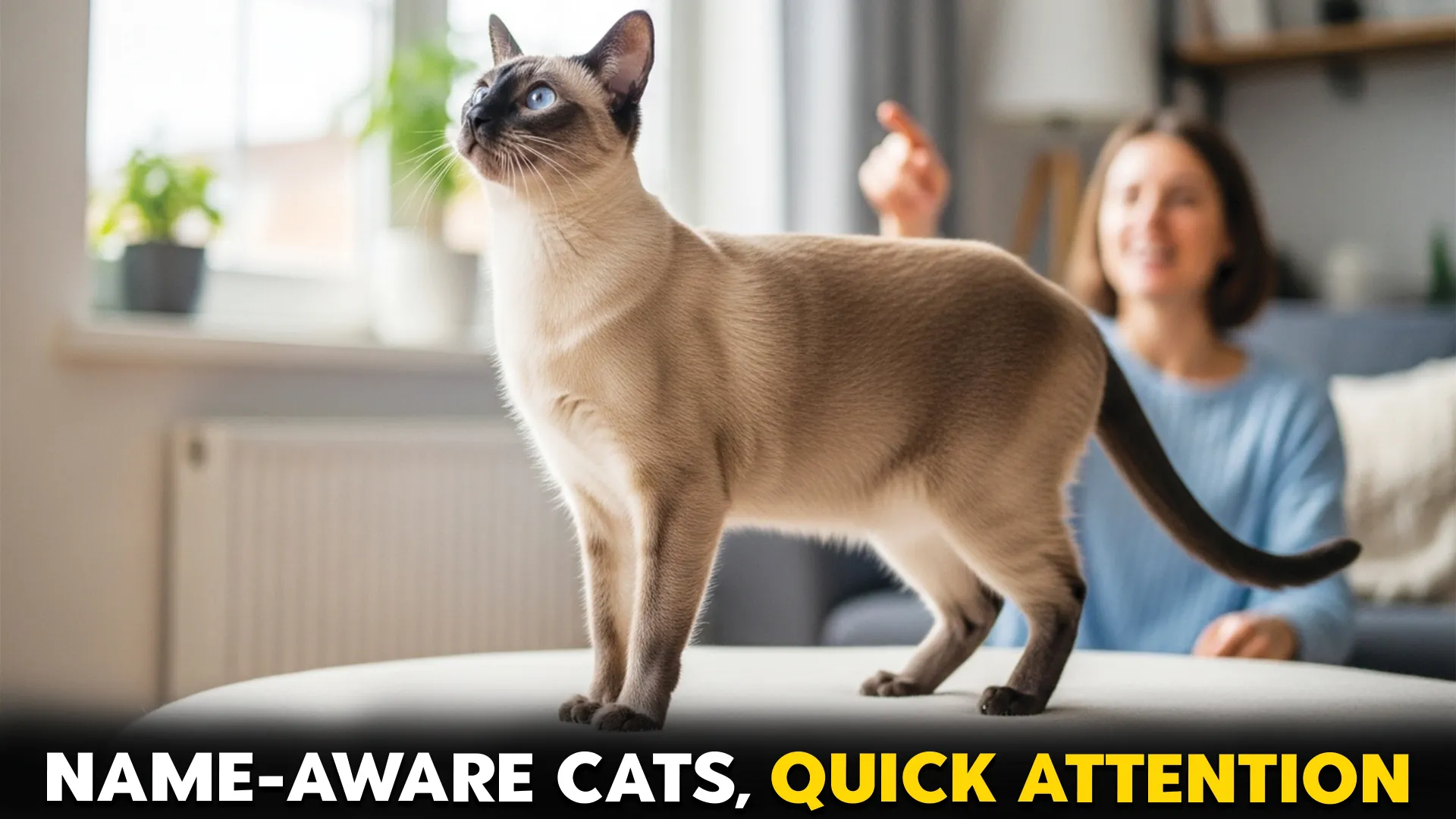
Have you ever called your cat’s name and noticed a subtle ear twitch or slow head turn? It makes you wonder—can cats really learn their names? Research suggests they can. While they may not bound toward you like a dog, many cats are able to distinguish their names from other words, especially when tone and repetition are involved. Their responses are often quiet but intentional.
Feline intelligence simply works differently from canine intelligence. Cats rely heavily on pattern recognition, memory, and environmental awareness rather than overt obedience. Some excel at problem-solving, quickly learning routines or associating specific sounds with rewards. This cognitive style explains why a cat may recognize its name perfectly well—yet choose when (and if) to respond.
What makes some cats more responsive than others often comes down to breed traits, socialization, and early enrichment. Highly intelligent, social breeds tend to form strong bonds and engage more readily with their humans. In the sections ahead, we’ll explore nine cat breeds known for recognizing their names quickly and responding with surprising awareness.
Cat Breeds That Recognize Their Names Quickly
1. Siamese
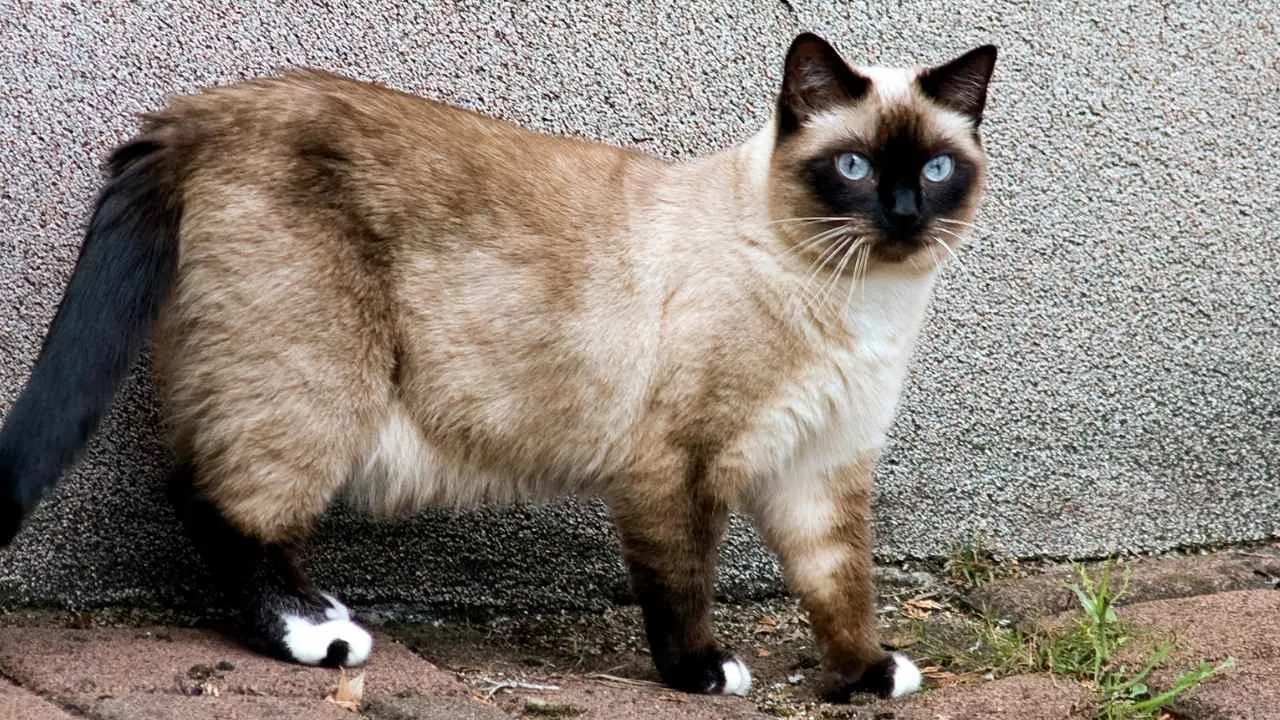
The Siamese, sometimes affectionately called the “Velcro cat,” originated in Thailand and is one of the oldest recognized breeds. With striking blue eyes, large ears, and distinct color points, this elegant feline is as memorable for its intelligence as it is for its voice.
According to Britannica, the Siamese was initially exported from Siam to the United States in 1878 and later to the United Kingdom in 1884.
Highly Intelligent and Alert
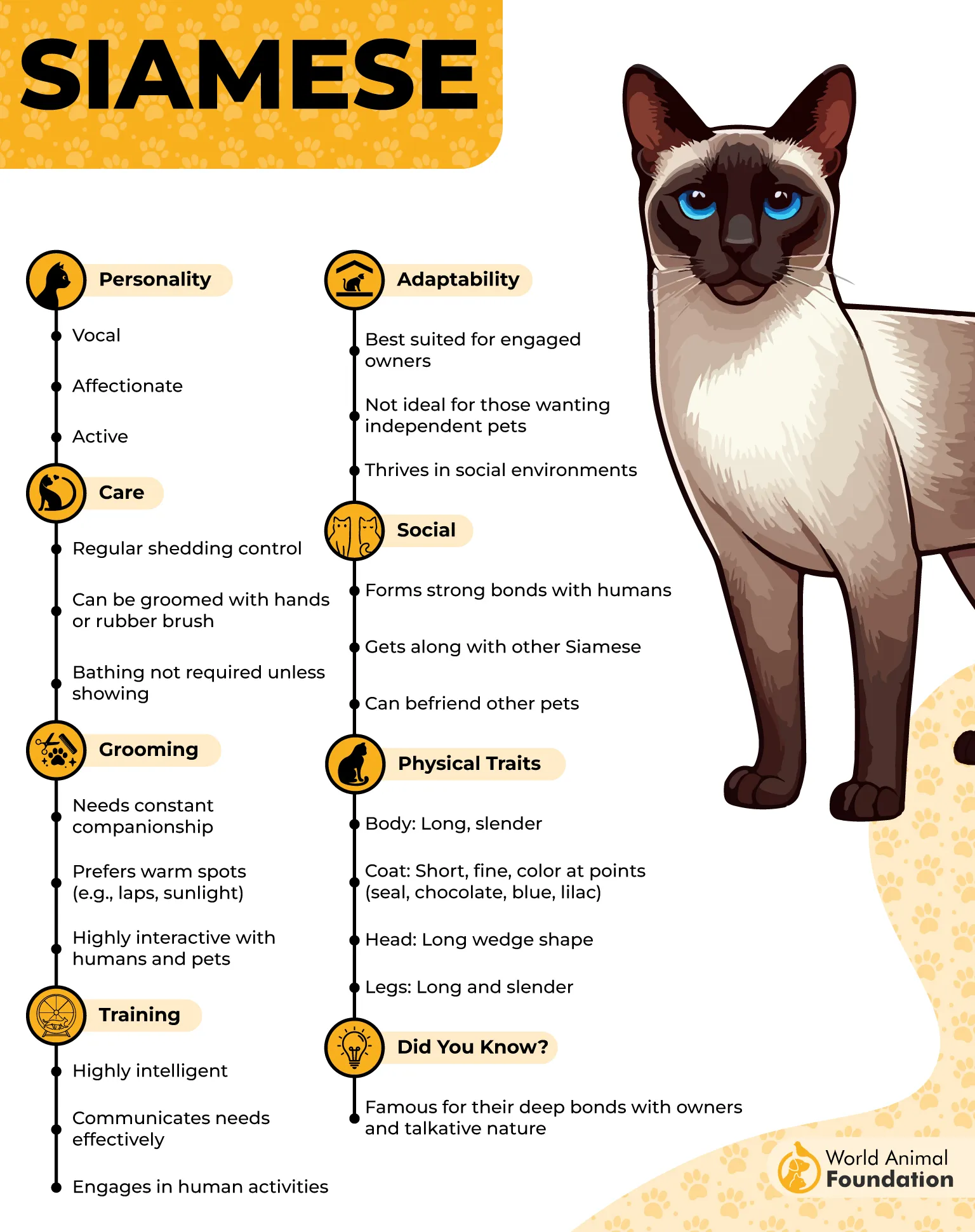
Siamese cats are exceptionally bright and socially aware, often picking up on routines and spoken cues with ease. Their sharp memory and attentiveness make them quick to recognize their names, especially when paired with tone and repetition.
Naturally vocal, they respond with chirps, trills, or insistent meows, clearly showing they understand when they’re being addressed. Their alert nature means they’re constantly tuned in to their environment—and to their people.
Because they crave interaction, they thrive on mental challenges like puzzle toys and interactive games. A notable fact: Siamese cats are considered one of the oldest and most recognizable breeds, with a royal history tracing back centuries in Thailand.
2. Bengal
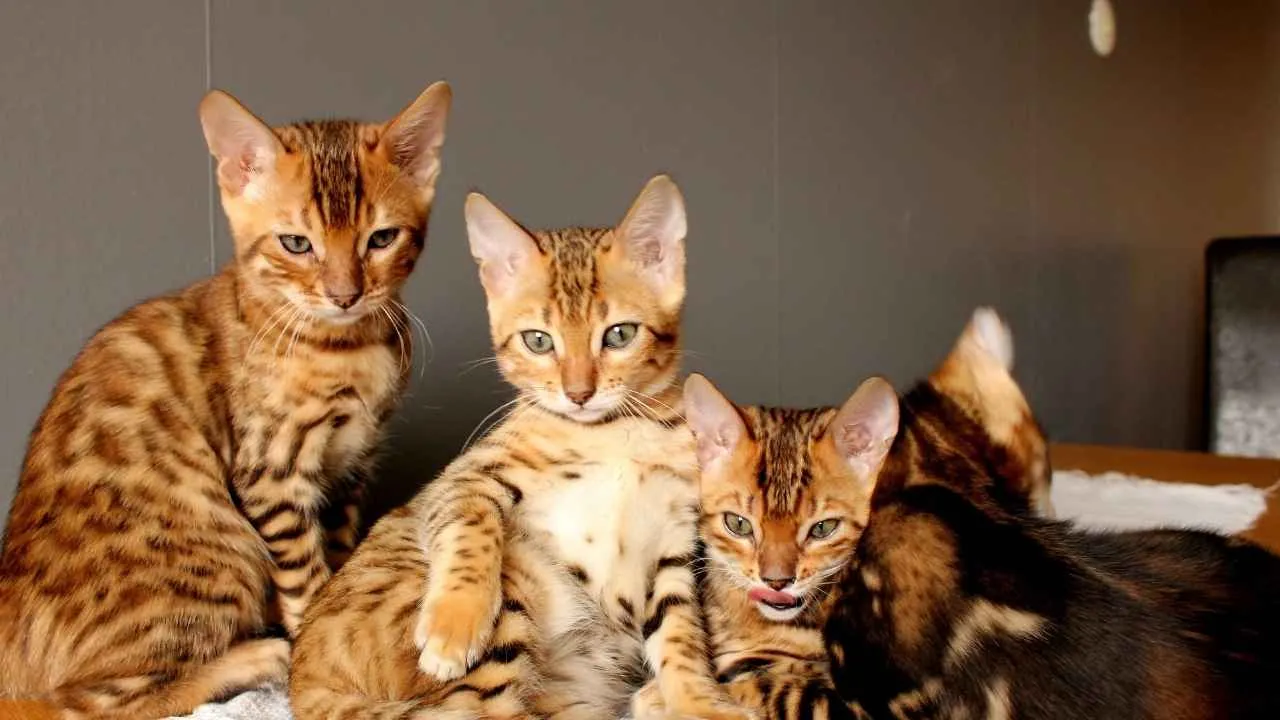
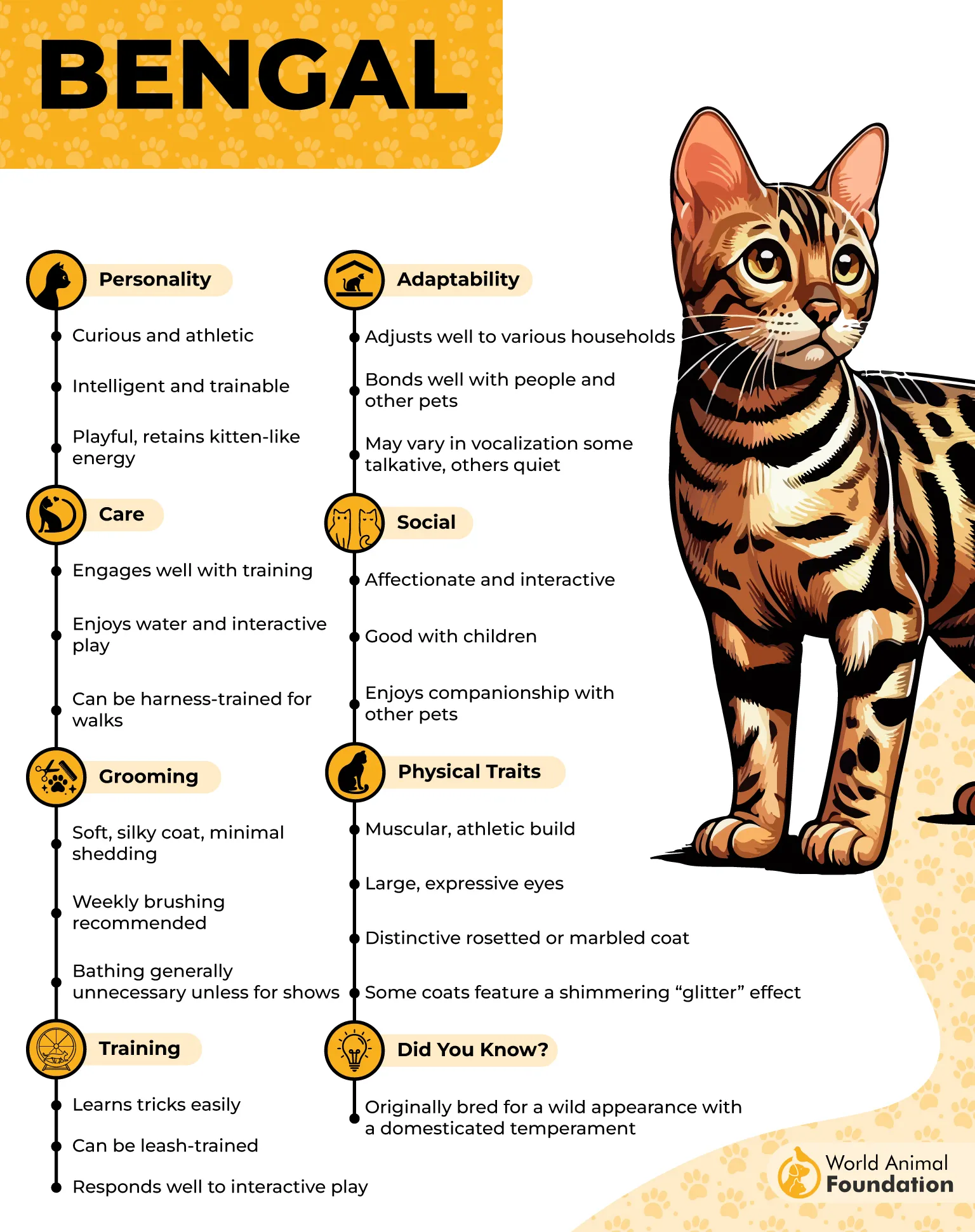
The Bengal, developed in the United States from crossings with the Asian leopard cat, is admired for its striking rosetted coat and athletic build.
With a short, sleek coat and bold colors like brown, silver, and chocolate, this energetic breed combines wild looks with a highly interactive personality. According to Petplan, the Bengal cat is described as having a sweet, loyal, and affectionate temperament.
Social and People-Oriented
Bengals are exceptionally intelligent and tuned in to their surroundings, which helps them quickly associate sounds with meaning—including their names. Their curiosity drives them to respond when called, often appearing within seconds to investigate.
Highly social and affectionate, they enjoy engaging with their families and are known to get along with other cats and even dogs when properly socialized. This strong people-focus makes name recognition easier and more consistent.
Because they thrive on stimulation, they excel at learning tricks and commands through positive reinforcement. A notable fact: Bengals are famous not only for their leopard-like spots but also for their unusual love of water, often splashing in sinks or even enjoying baths.
3. Abyssinian
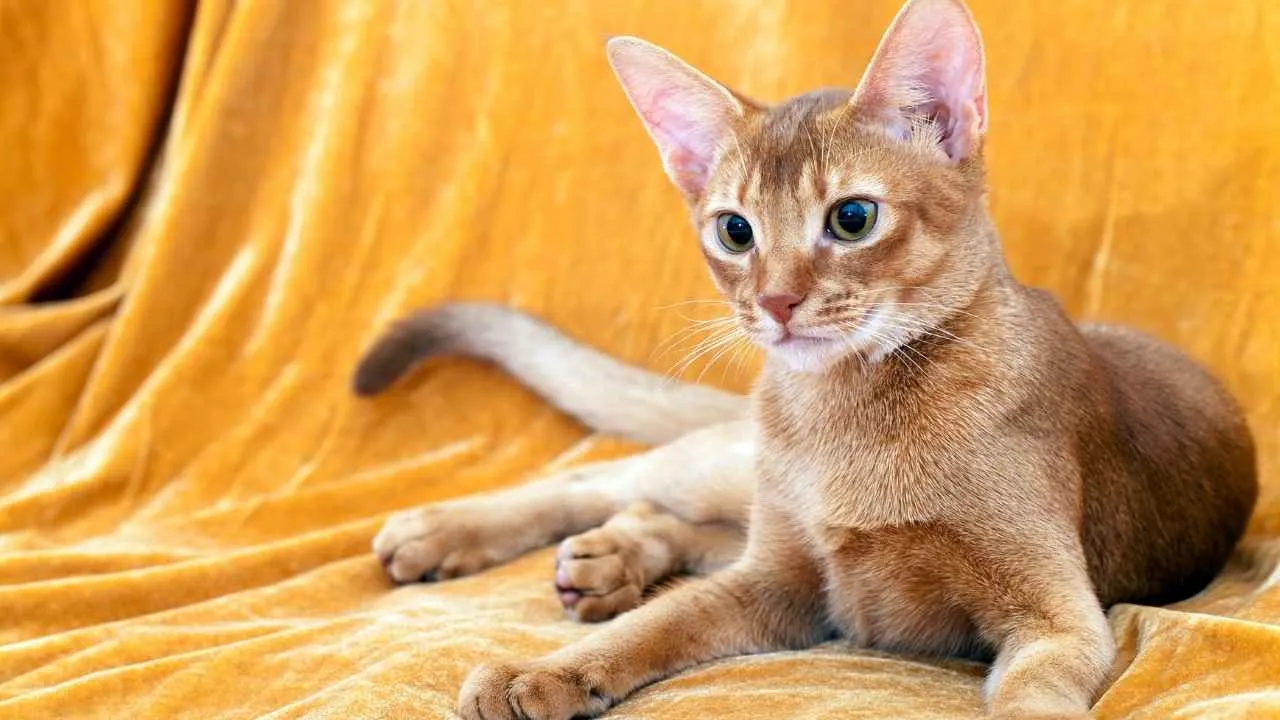
The Abyssinian, sometimes nicknamed the “Cat from the Blue Nile,” is one of the oldest known cat breeds. According to PetMD, they are characterized as loyal, intelligent, and energetic.
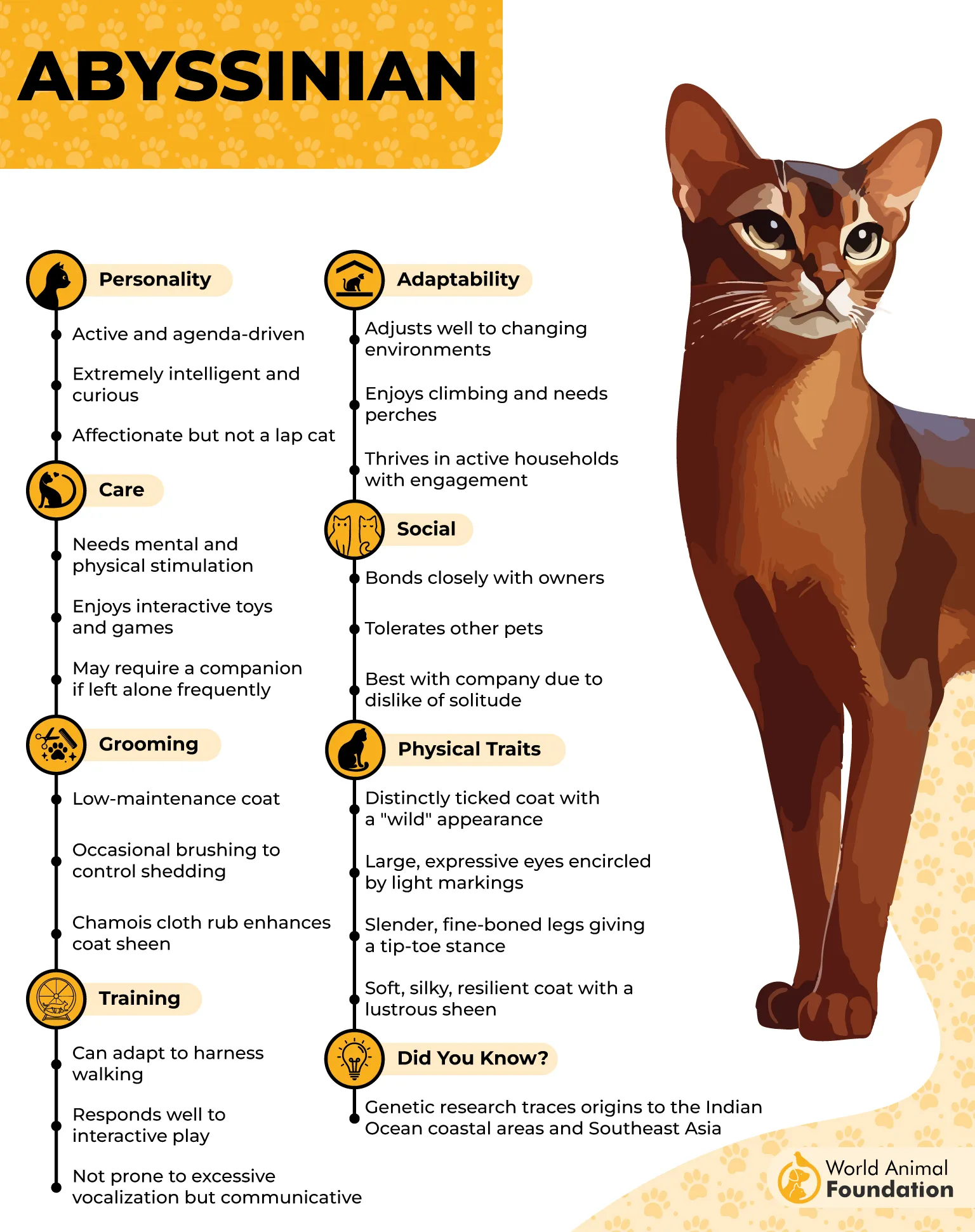
Recognized for its ticked coat and athletic frame, this agile feline is closely related to the longhaired Somali and is admired for its lively, expressive presence.
Curious and Quick to Respond
Abyssinians are naturally inquisitive and constantly engaged with their environment, which sharpens their awareness of sounds and routines. This attentiveness helps them quickly connect their name with interaction, play, or affection.
Highly intelligent and energetic, they excel at problem-solving and enjoy puzzle toys or interactive challenges. Their sharp memory and eagerness to participate make them responsive when called, especially in stimulating households.
Social by nature, they form close bonds with their pet parents and often follow them from room to room. A notable fact: while their exact origins remain debated, Abyssinians are widely considered one of the most ancient cat breeds, with history tracing back centuries.
4. Turkish Angora
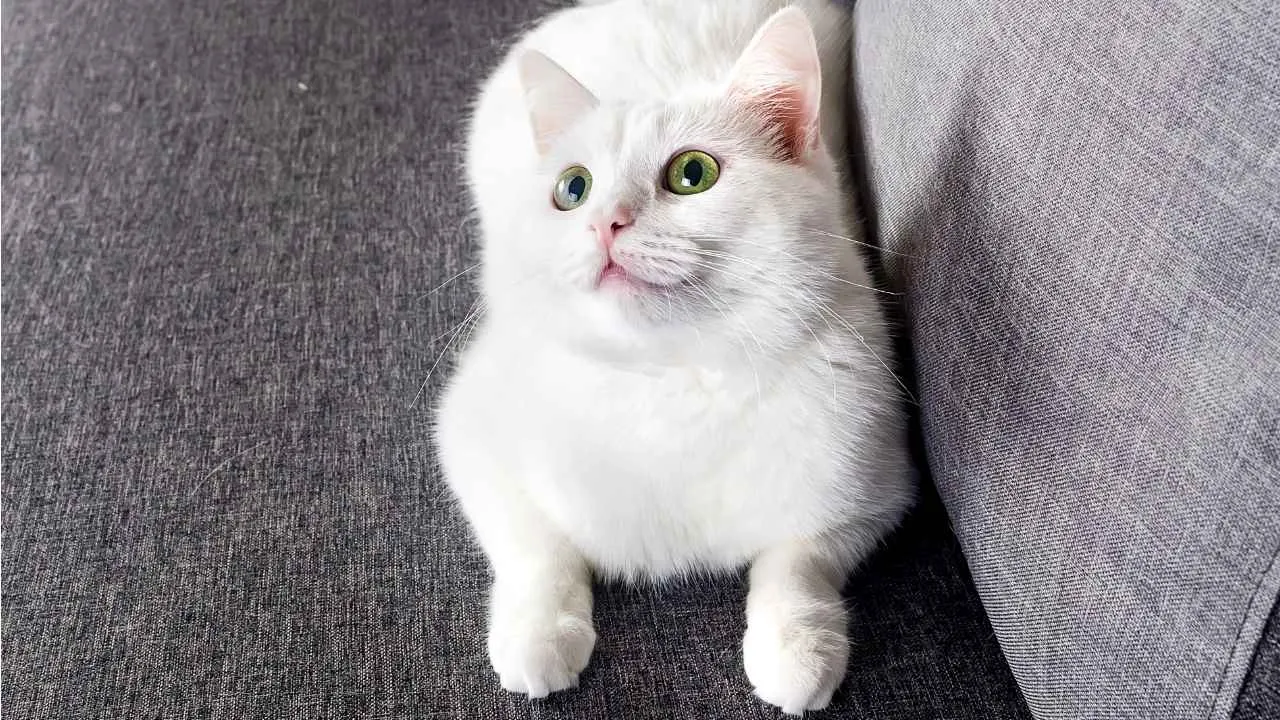
The Turkish Angora, a graceful long-haired breed from Turkey, is known for its silky single coat, tall ears, and slightly slanted eyes. With longer hind legs and an alert, elegant posture, this athletic cat combines beauty with sharp intelligence.
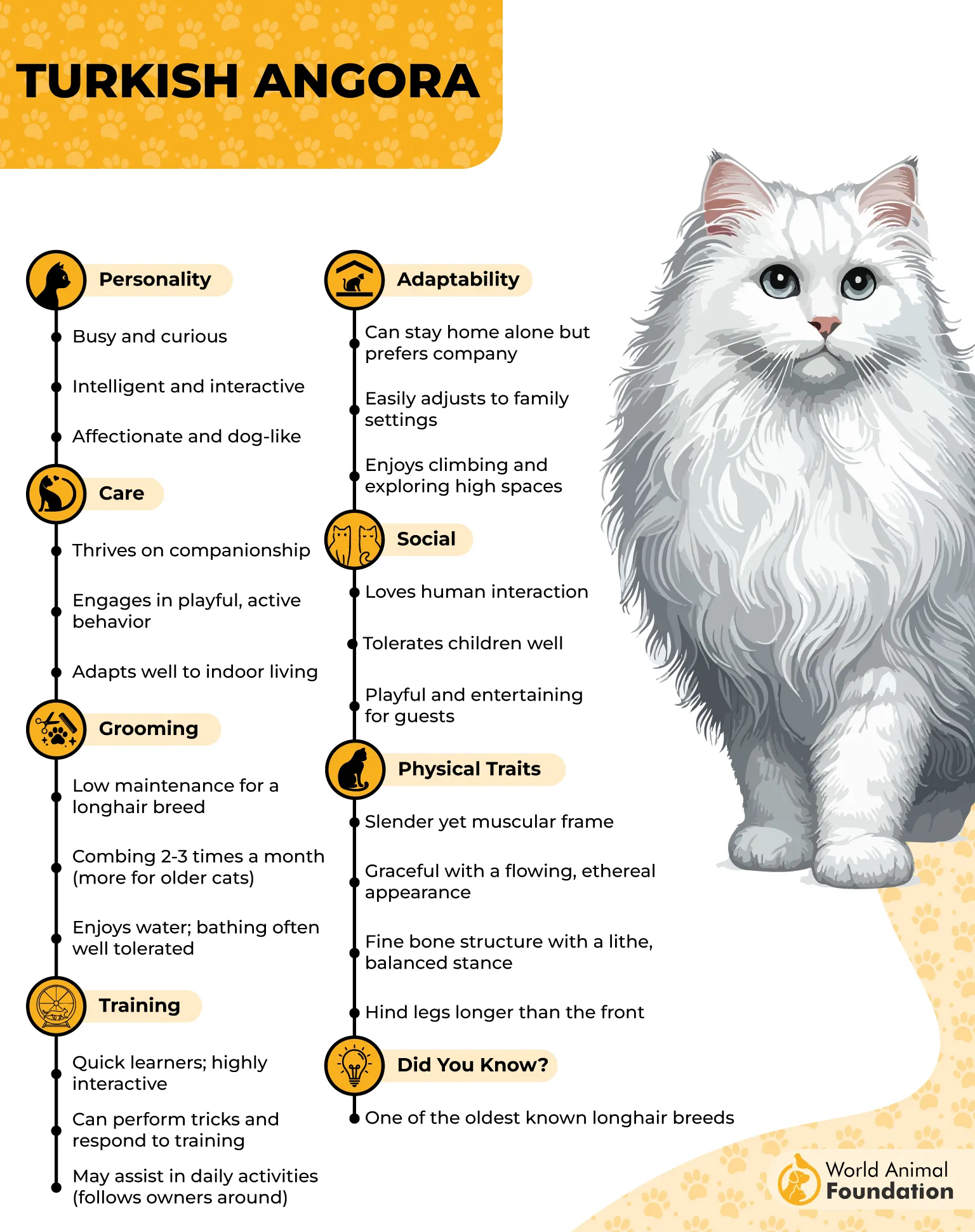
Loyal and Emotionally Attuned
Turkish Angoras are deeply devoted to their chosen people and form strong emotional bonds. This loyalty helps them quickly associate their name with attention, interaction, or play.
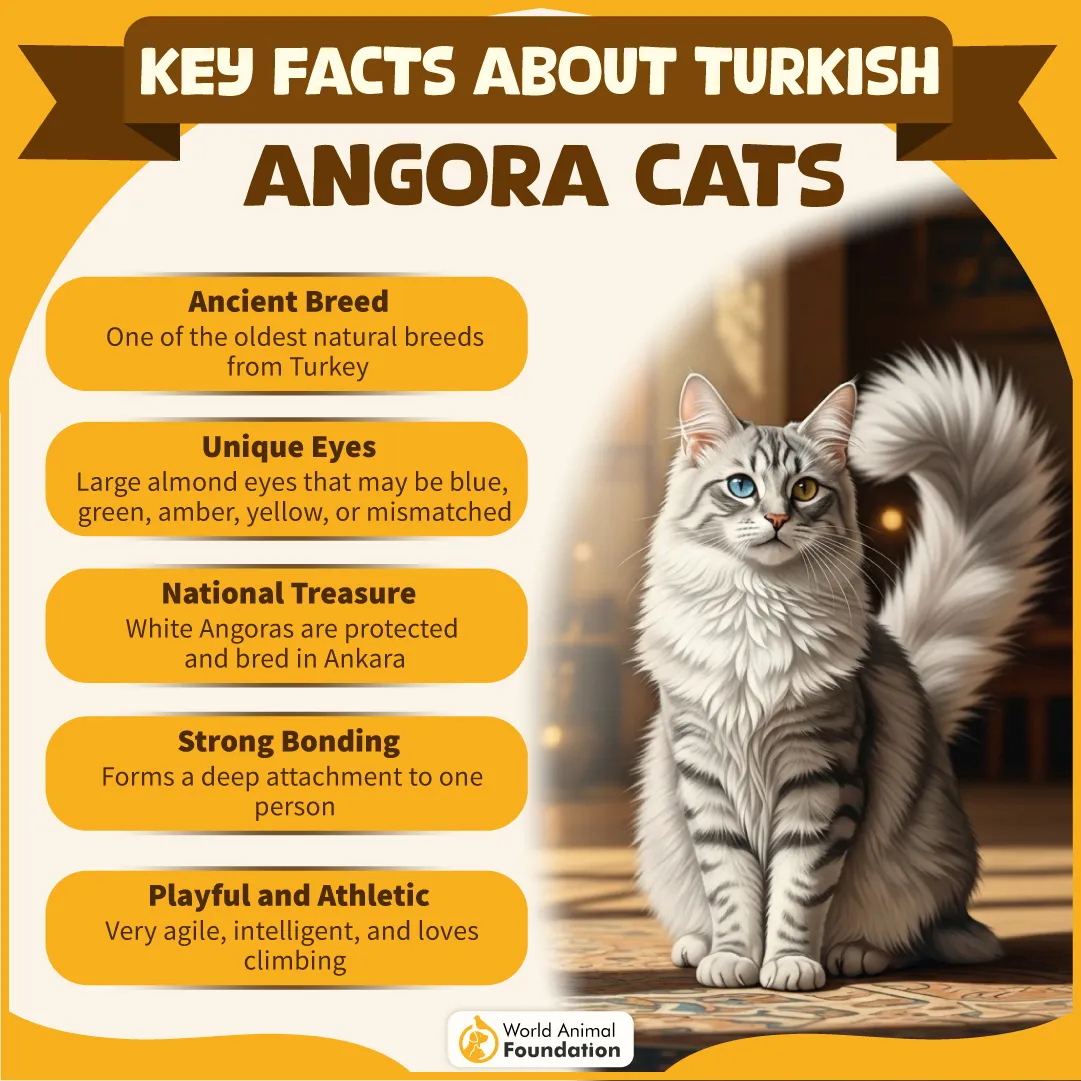
Highly intelligent and observant, they are quick to pick up on vocal tones and daily routines. When called, many will respond promptly—sometimes appearing almost instantly to see what’s happening.
Although affectionate, they are also independent thinkers and can grow bored without stimulation. A notable fact: Turkish Angoras are clever problem-solvers and have been known to turn on faucets or open cabinets when curiosity strikes.
5. Savannah
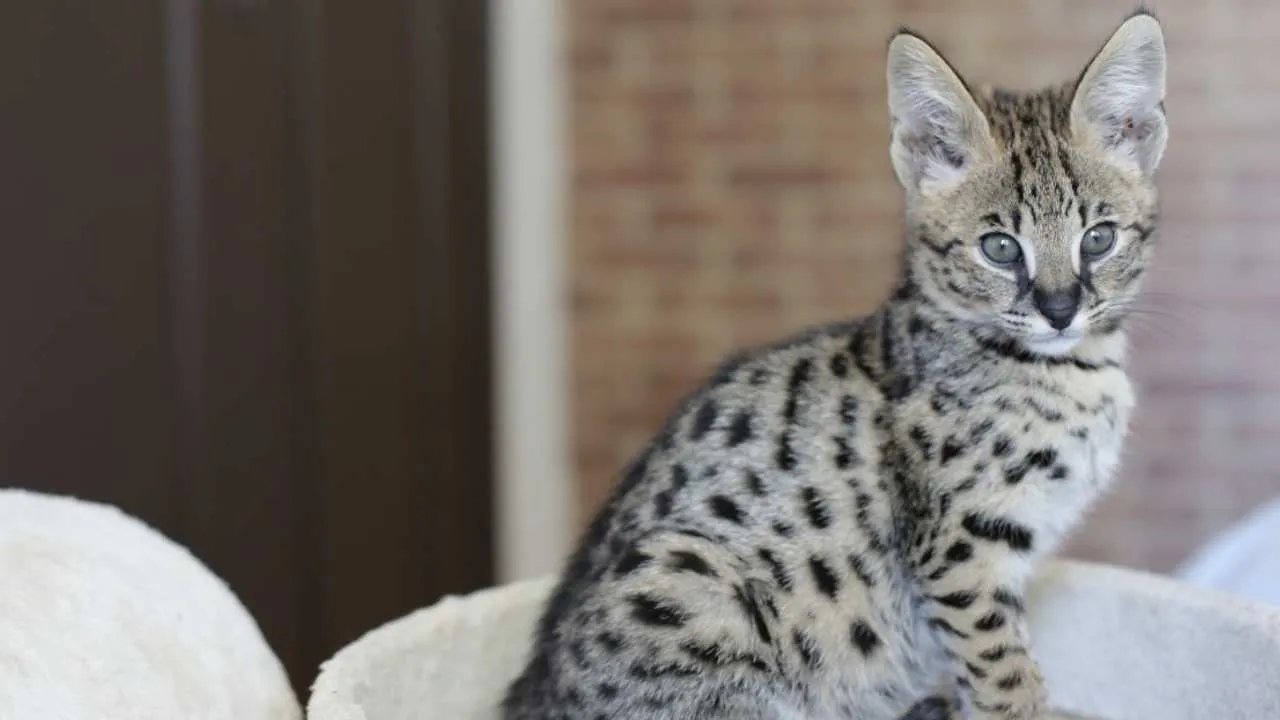
The Savannah cat, a striking hybrid developed from African servals and domestic cats, is known for its tall frame, long legs, and large upright ears. With an exotic appearance similar to the Bengal, this rare breed combines wild elegance with a highly intelligent, adventurous spirit.
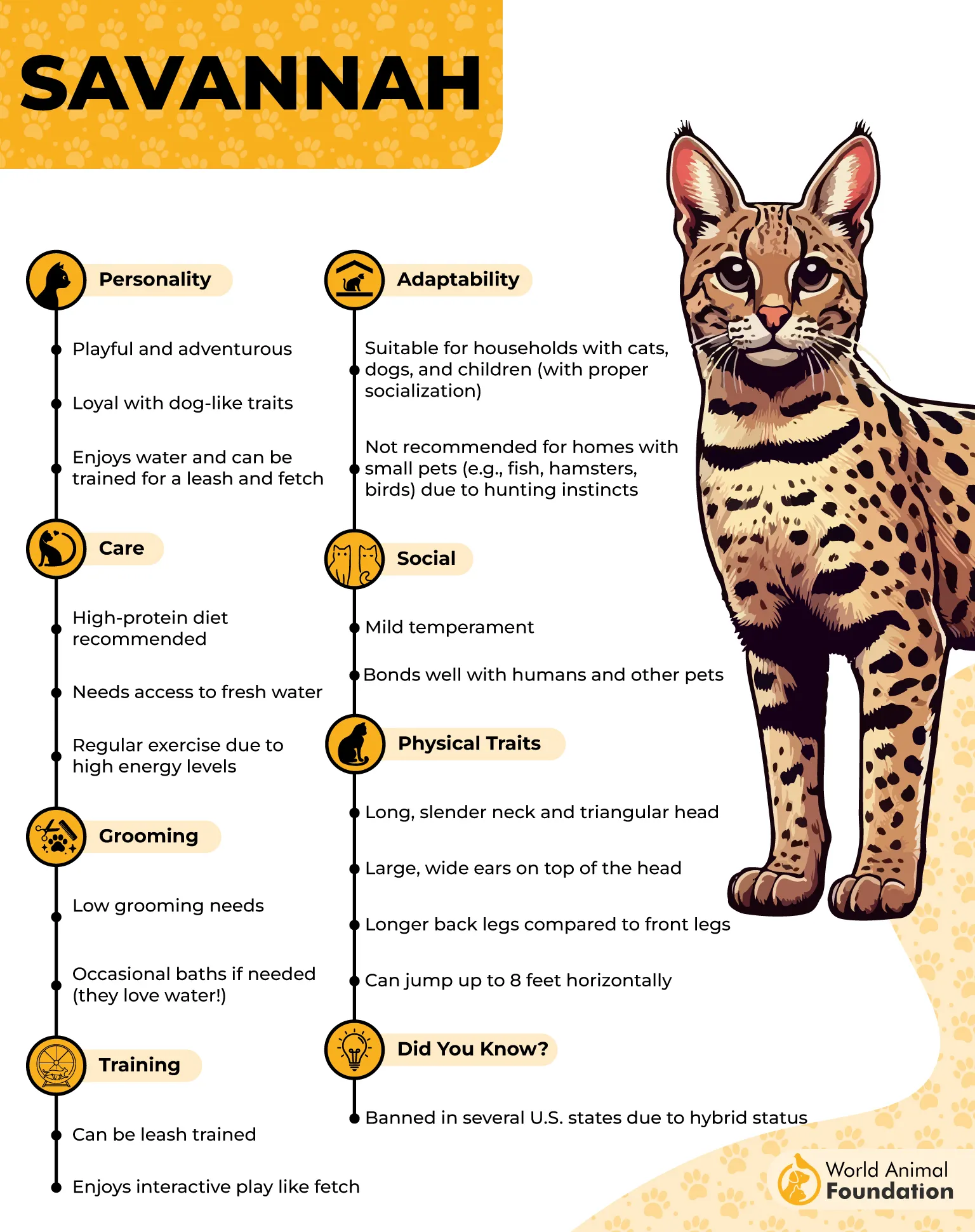
Playful with Strong Owner Bonds
Savannahs are quick learners who readily associate sounds, routines, and names with interaction. Their alert minds and strong focus on their humans make them especially responsive when called.
Highly social and loyal, they often form deep bonds with their owners and enjoy active engagement. Many can even be trained to walk on a leash or play fetch, strengthening name recognition through repeated cues.
Because they crave stimulation, they thrive in homes that offer space, enrichment, and consistent interaction. A notable fact: some Savannah cats are so clever and curious that they’ve been known to turn on faucets while exploring cabinets and shelves.
6. Cornish Rex
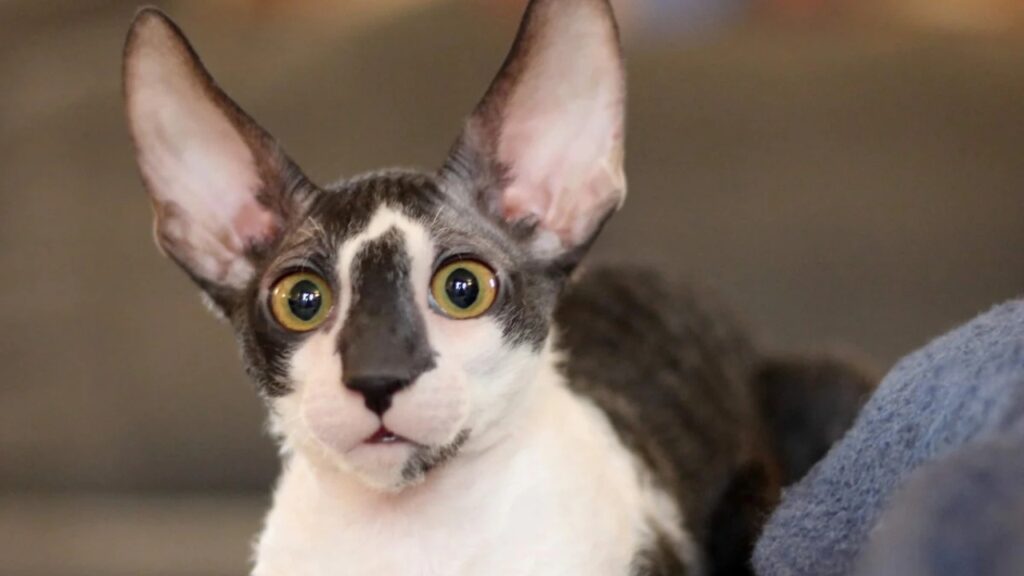
The Cornish Rex, sometimes affectionately called a “Corney,” originated in Cornwall, England, and is instantly recognizable by its soft, wavy coat. With long legs, fine bones, and oversized ears, this agile breed pairs a distinctive look with a lively, people-focused personality.
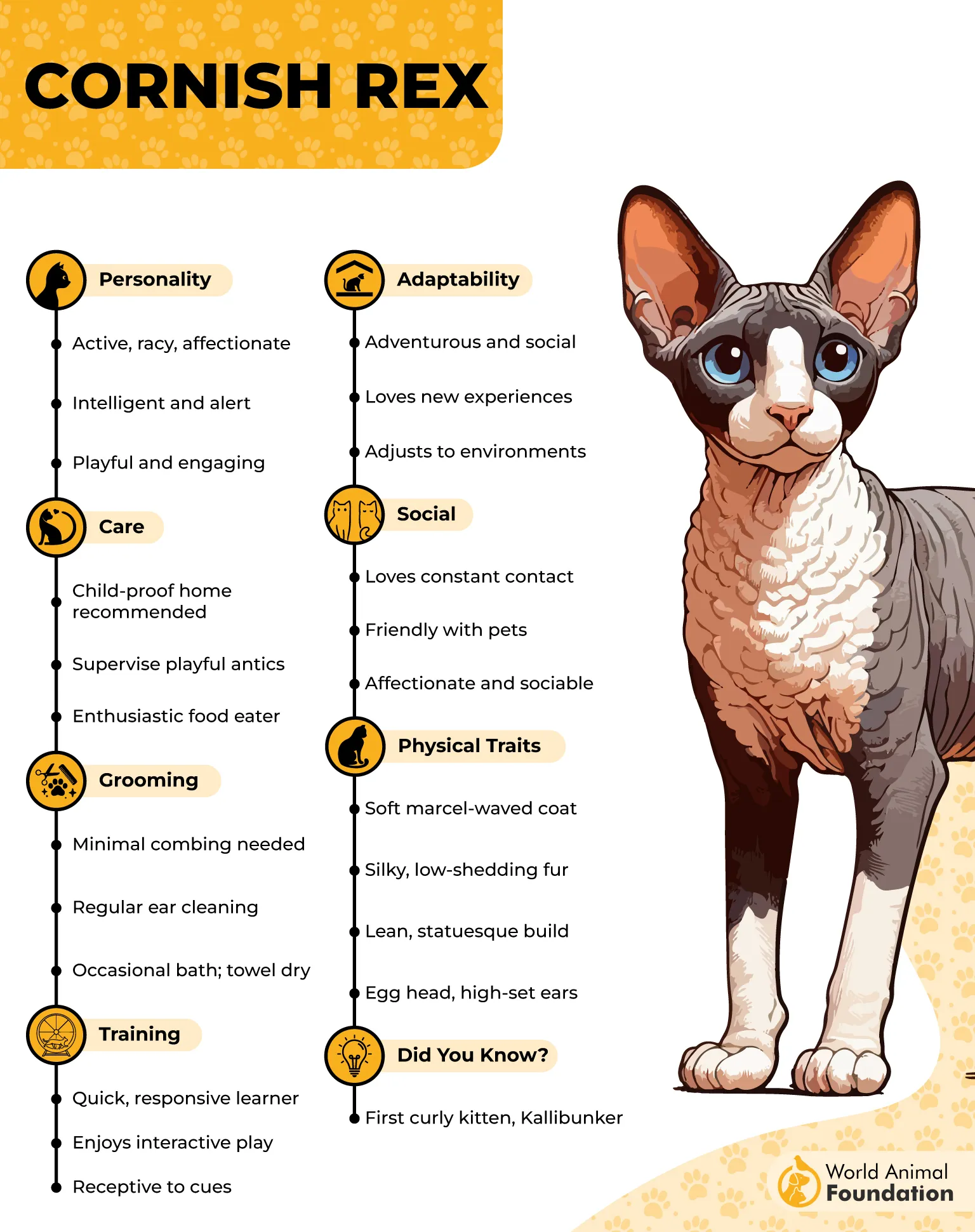
Vocal and Communicative
Cornish Rex cats are highly intelligent and deeply attached to their humans, often sticking close like “Velcro kitties.” Their social awareness helps them quickly associate their names with attention, playtime, or meals.
While not excessively loud, they will happily engage in conversation, responding with expressive sounds when spoken to. Their alert nature and love of interaction make them especially responsive when called.
Playful well into adulthood, they enjoy learning tricks and even games of fetch, reinforcing name recognition through repetition and reward. A notable fact: thanks to their long toes and clever minds, Cornish Rex cats can open doors and cabinets with surprising ease.
7. Tonkinese
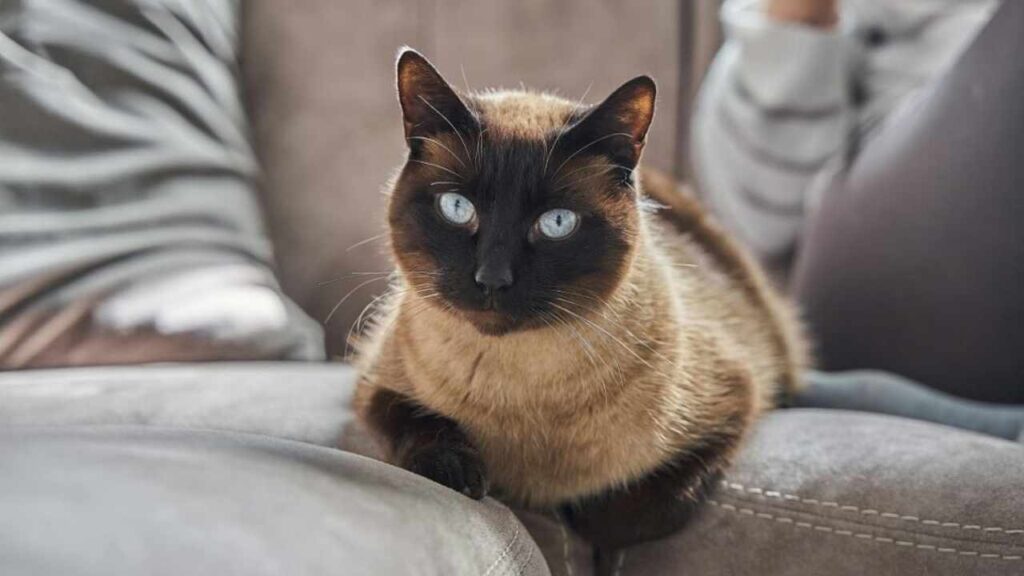
The Tonkinese, sometimes called the “Tonk,” is a hybrid of the Siamese and Burmese breeds. With a lean yet sturdy build, soft muted coat colors, and expressive eyes, this sociable cat blends the intelligence of the Siamese with the affectionate warmth of the Burmese.
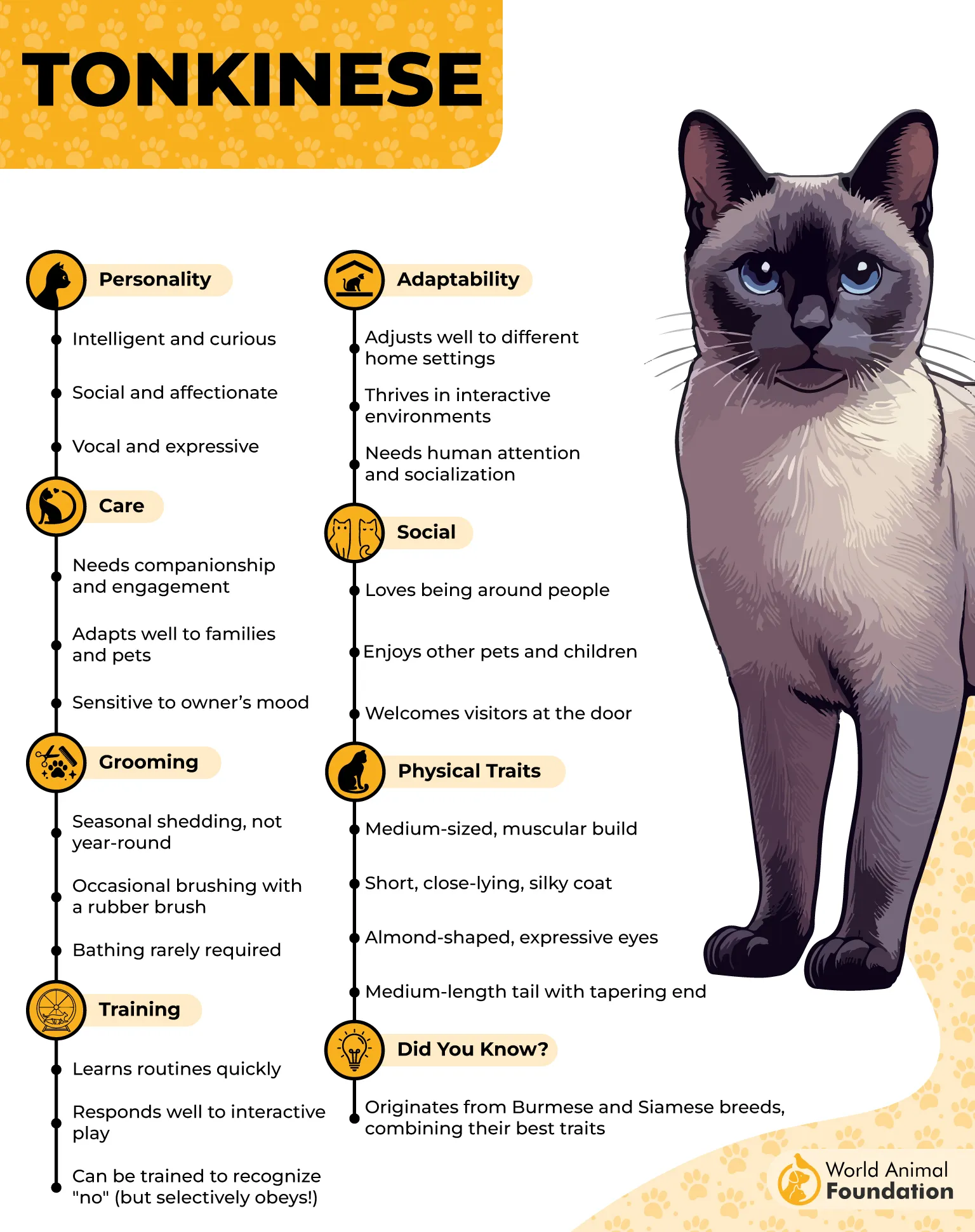
Energetic and Mentally Sharp
Tonkinese cats are highly people-oriented and rarely miss a cue from their humans. Their sharp minds allow them to quickly connect their names with positive attention, often responding by trotting over or vocalizing in their signature chirp-like tone.
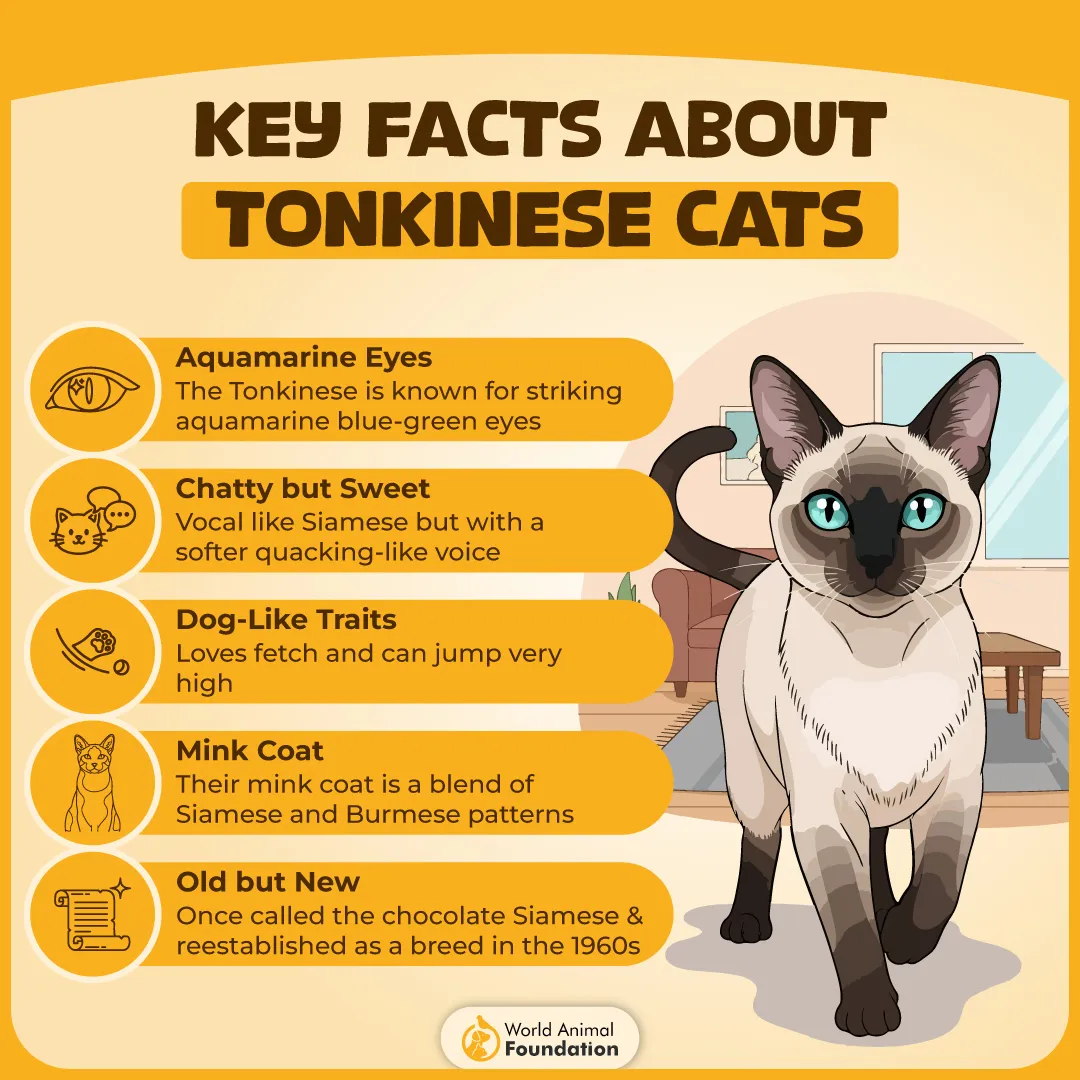
Naturally curious and outgoing, they enjoy greeting visitors and staying involved in household activities. This eagerness to engage strengthens their responsiveness to spoken words and routines.
Because they thrive on interaction, they excel at learning tricks, basic words, and games like fetch. A notable fact: the foundation cat Wong Mau, imported to the U.S. in 1930, is considered the genetic link behind both the Burmese and Tonkinese breeds.
8. Burmese
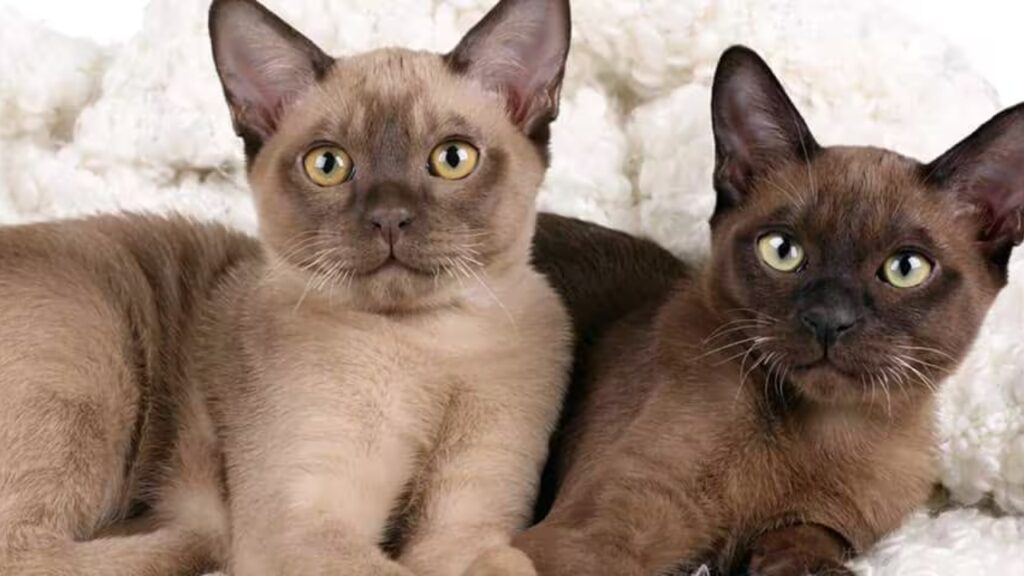
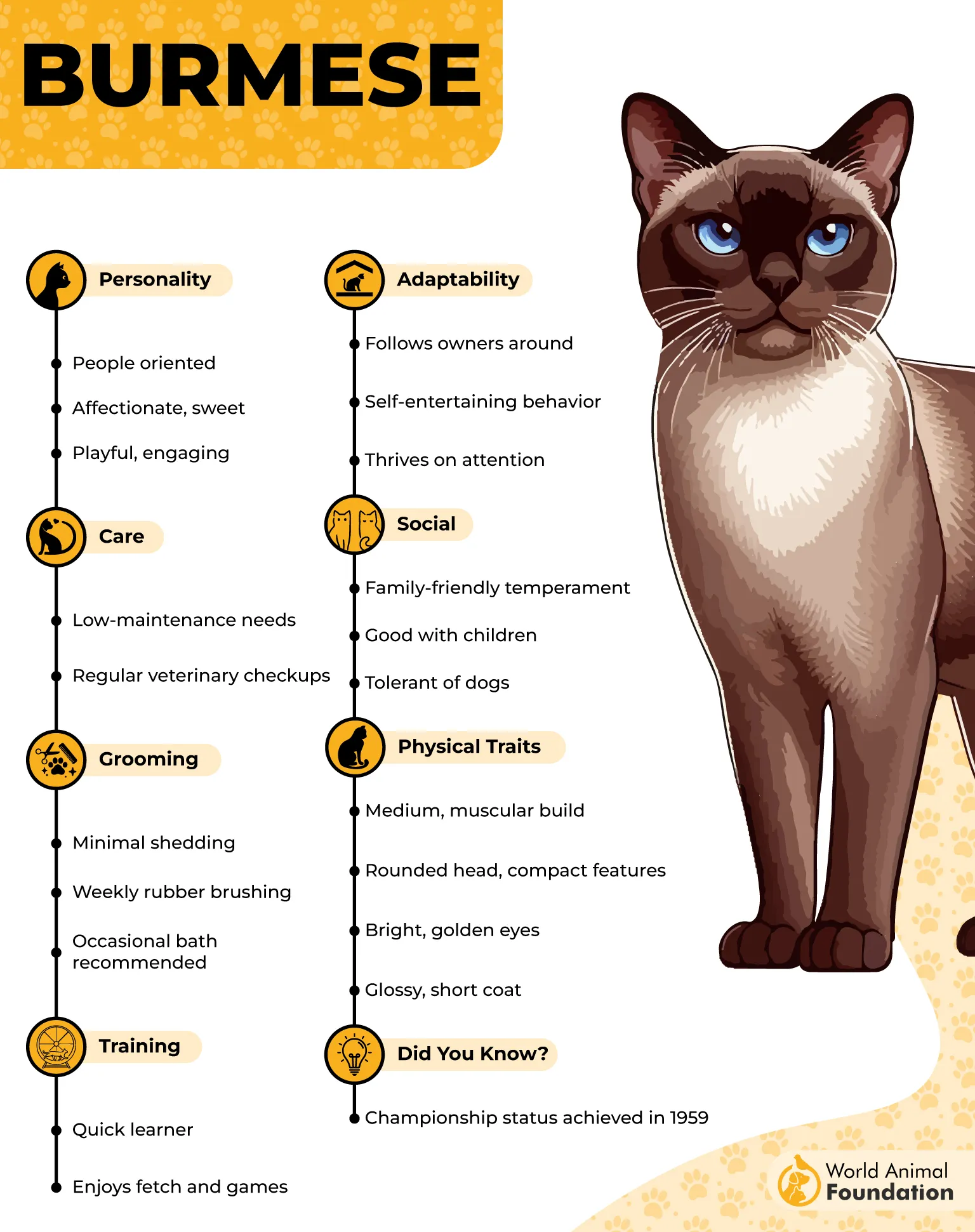
The Burmese, sometimes described as “dog-like” for its devotion, is a sleek, muscular breed with a velvety-soft coat and expressive eyes. Known for its sociable temperament, this affectionate cat thrives in family homes and forms deep, lasting bonds with its people.
Affectionate and Attention-Loving
Burmese cats actively seek out human company, often trailing their owners from room to room. Their strong attachment makes them highly responsive when they hear their names, especially when spoken in a familiar tone.
Clever and emotionally intuitive, they quickly connect words with actions, whether it’s mealtime, playtime, or cuddles. This attentiveness helps them recognize and react to their names with noticeable enthusiasm.
Playful and trainable, they enjoy learning commands like sit, come, or even fetch, reinforcing name recognition through interaction. A notable fact: Burmese cats are often praised for their emotional intelligence and ability to sense their owner’s mood, offering affection when it’s needed most.
9. Devon Rex
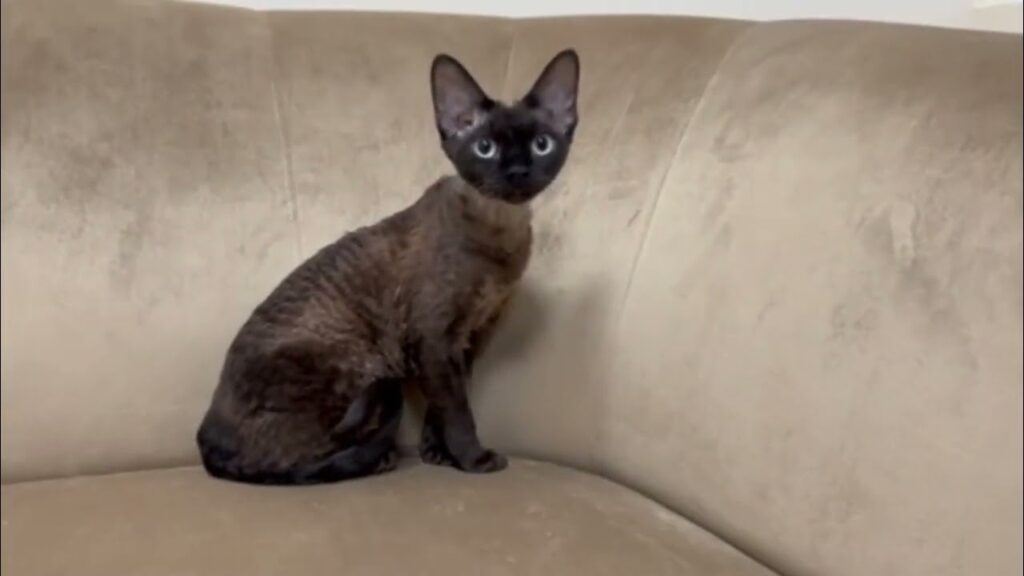
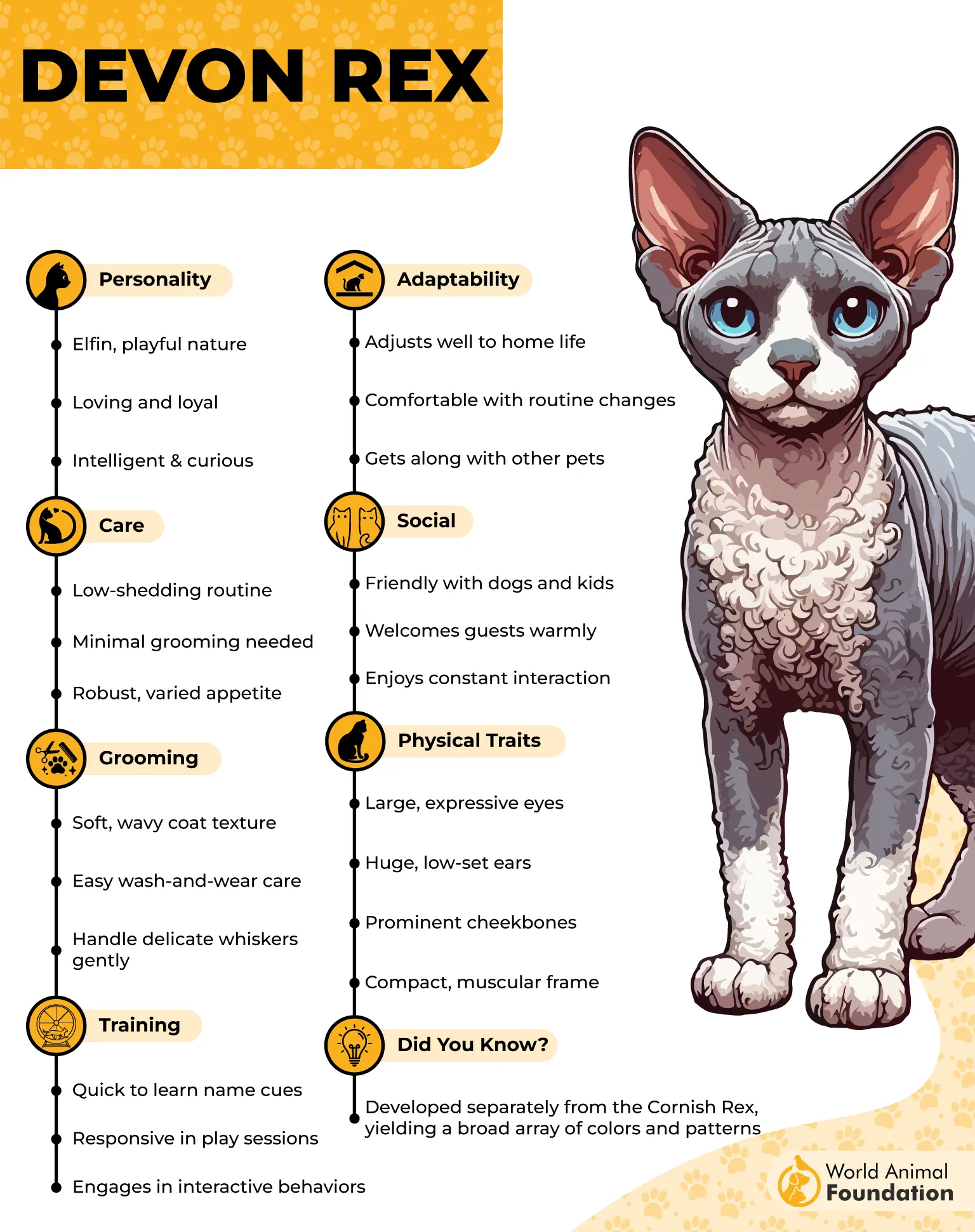
The Devon Rex, a British breed from Devon, England, is sometimes nicknamed the “pixie cat” for its oversized ears, curly coat, and mischievous expression. Recognized officially in 1979, this naturally mutated feline stands out with its egg-shaped head, short whiskers, and lively, compact build.
Exceptionally Trainable
Devon Rex cats are remarkably intelligent and highly responsive, making them quick to associate their names with rewards and interaction. Their alert nature means they’re often the first to react when called.
Because they crave engagement, they respond especially well to positive reinforcement and short, upbeat training sessions. Repetition paired with praise helps strengthen name recognition quickly.
With their playful, dog-like tendencies, some even wag their tails when happy and eagerly participate in games or tricks. A notable fact: despite sharing a curly coat with the Cornish Rex, the Devon Rex is a completely separate breed with larger ears and a distinct genetic mutation.
Conclusion
Cats recognize their own names more often than we once believed. While not all cats respond the same way, many cats understand human language cues, especially when spoken in a certain tone by a familiar person calling them.
Unlike dogs, their reactions may be subtle—an ear twitch, a glance, or a pause—but that doesn’t mean they aren’t paying attention. A clever cat often relies on long-term memory, body language, and social interactions to make sense of human words.
Certain breed traits can enhance a cat’s ability to respond quickly. Cats tend to learn best through repetition and positive experiences, and many cats learn their own names within a few weeks.
Though they may ignore other random words, cats know their names when spoken by trusted family members in familiar environments—or even new environments—with their human family and favorite feline friend nearby.
