




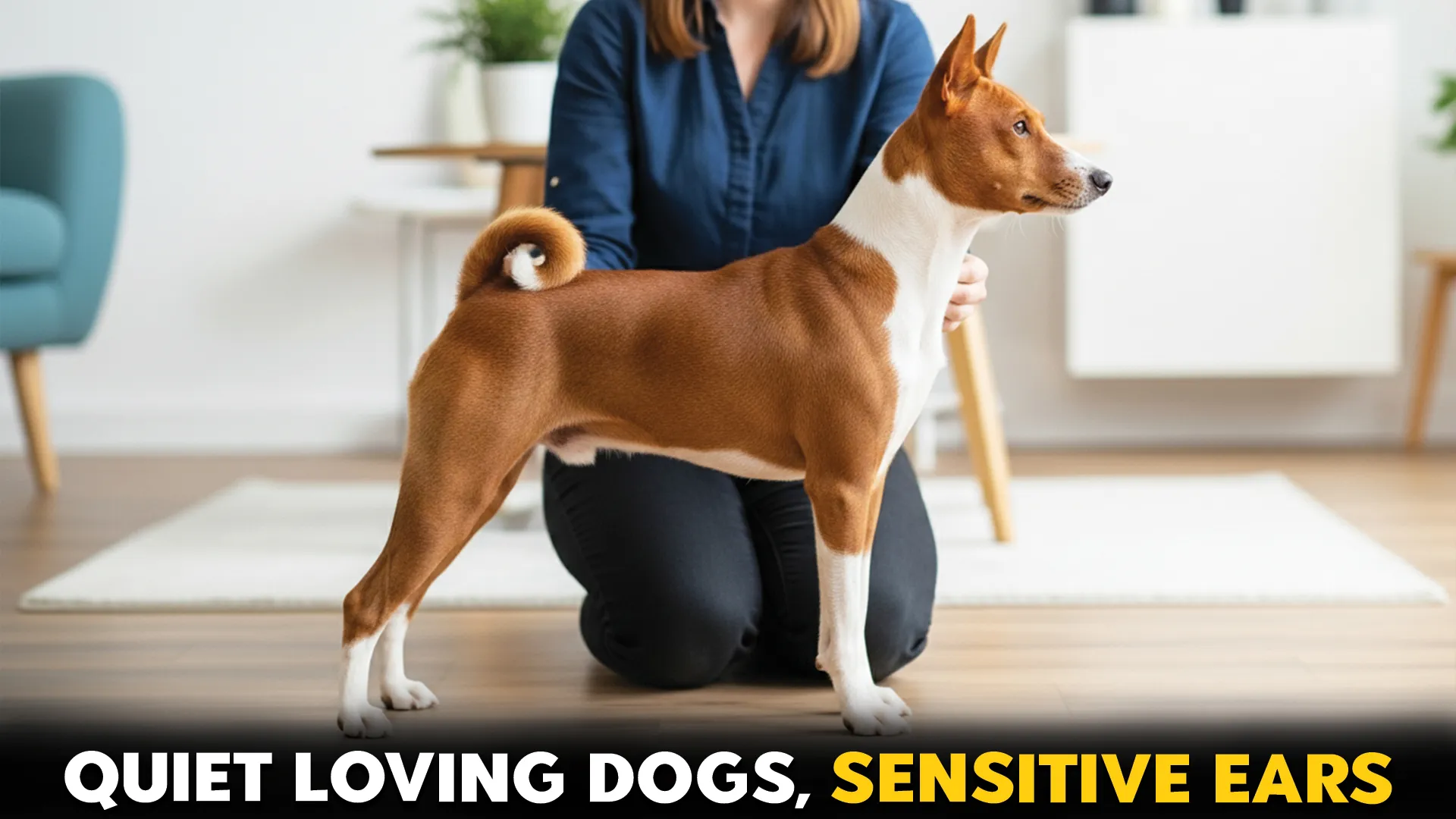
Being sensitive-eared or having overloaded senses or just preferring a quiet environment does not imply that you should give up on having a companion dog. Though a booming bark and short bursts of energy may deter you from adopting a strong-willed dog, not all breeds are the same in terms of their temperament.
Certain dog breeds are genetically geared towards less vocal communication. Such dogs do not need a lot of talking, but they use body language and eye contact, and are known as generally quiet dogs.
In case of apartment living, noise-sensitive families or simply peaceful surroundings, the selection of a quiet dog can greatly enhance the quality of everyday life for their pet parents.
The following are the seven quietest dog breeds that can be identified to possess low-noise and low energy characteristics, balanced emotions, and fitting in quieter households.
Best Low-Noise Dog Breeds for Sensitive Ears
1. Newfoundland
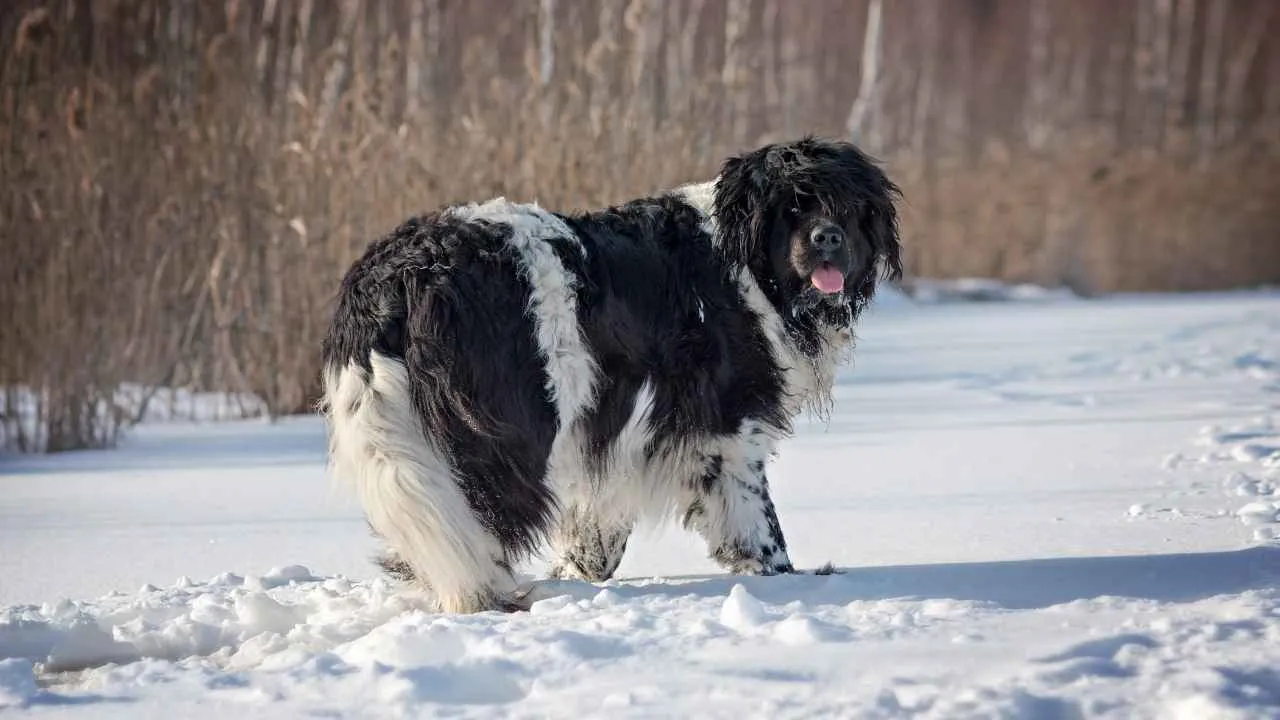
The Newfoundland has been referred to as a gentle giant with a calm temperament, although what makes this animal special is its quiet character. This breed is not vocal in most instances, even though it is very large.
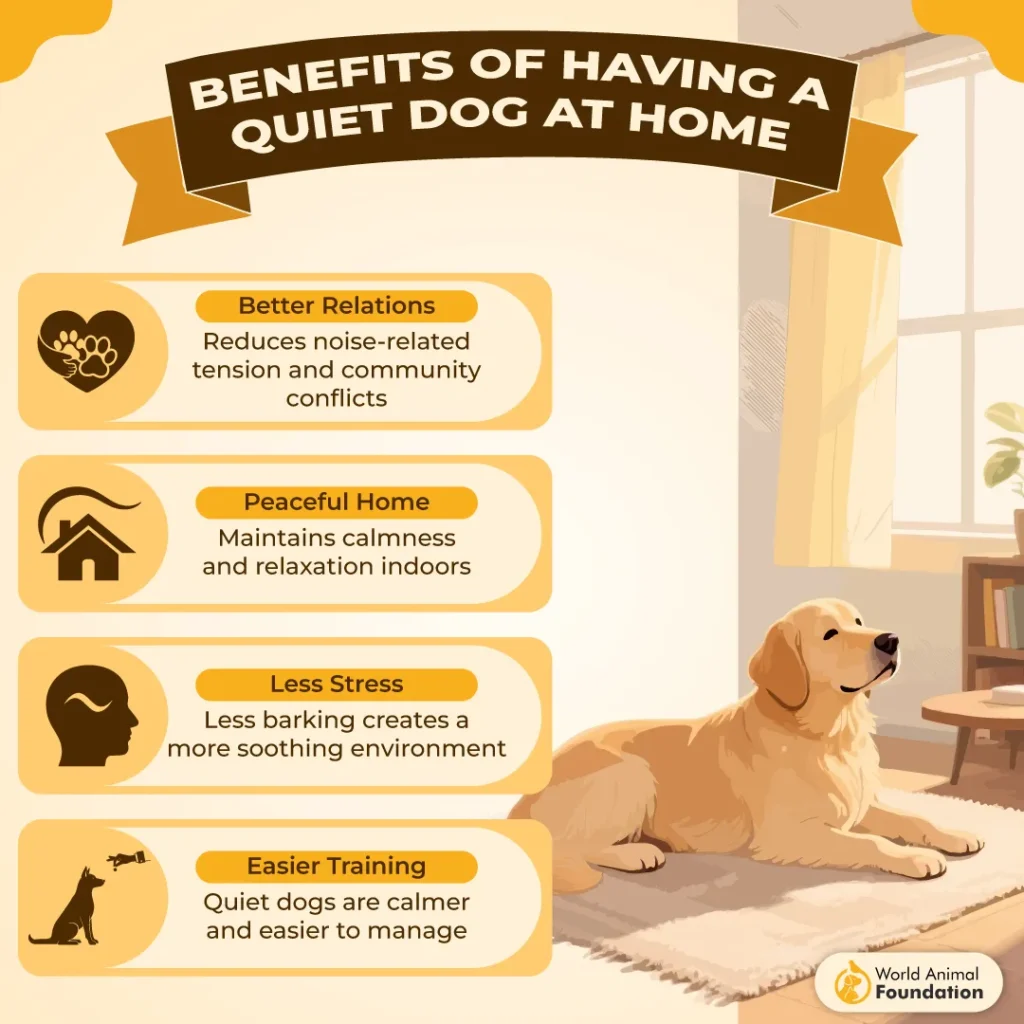
Why Newfoundlands Bark Less
Raised as working dogs and not watchdogs
Naturally observant and not reactive
Makes use of physical presence rather than being big barkers
Newfoundland dogs are very sensitive to the emotional pitch of their home. They are likely to settle when things go well and rarely bark at normal things such as doorbells or traffic. Their personality type also predisposes them to family sensory sensitivities.
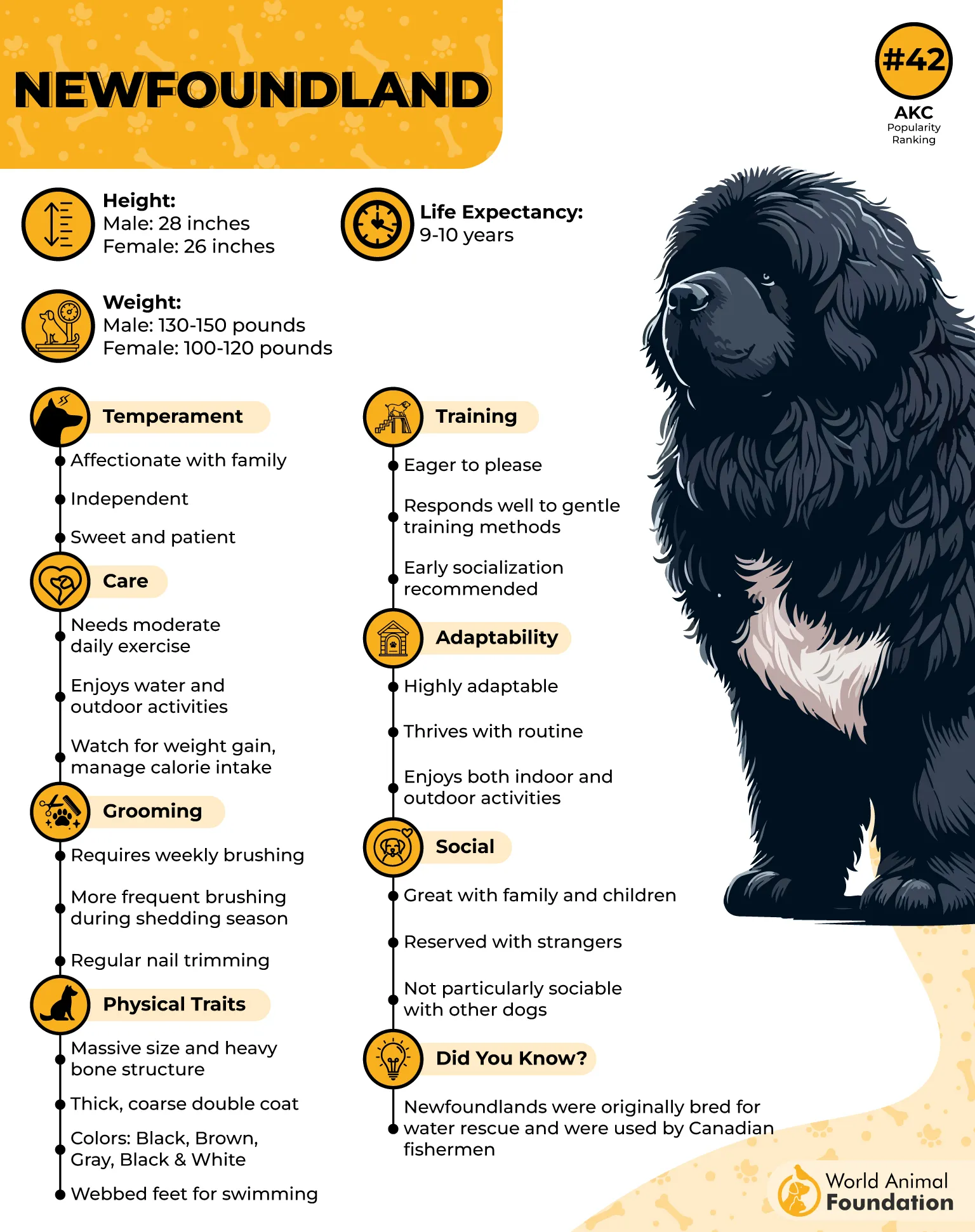
The AKC emphasizes the even-tempered nature and emotional intelligence of this breed, claiming that Newfoundlands are more inclined to react to a calm and consistent environment than to one that is full of stimuli.
Best in: Large homes, families that are not noisy, people who need an emotional foundation.
Noise level: Very low indoors.
2. Pug

Pugs are not the kind of communicators who mostly bark. They instead make use of facial expressions, body movement, and minor sounds.
Why Pugs Make Little Sound
Normal companion dogs that have low guarding behaviors
A great desire for closeness with human beings as compared to vigilance
Harmless prey drive, decreasing paranoid barking, unlike other dogs
Although pugs do snuffle because of the way their faces are made, they do not make disruptive snorting noises, which are sounds that are treated as barking. They are usually happy to relax, watch, and socialize mildly with their masters.
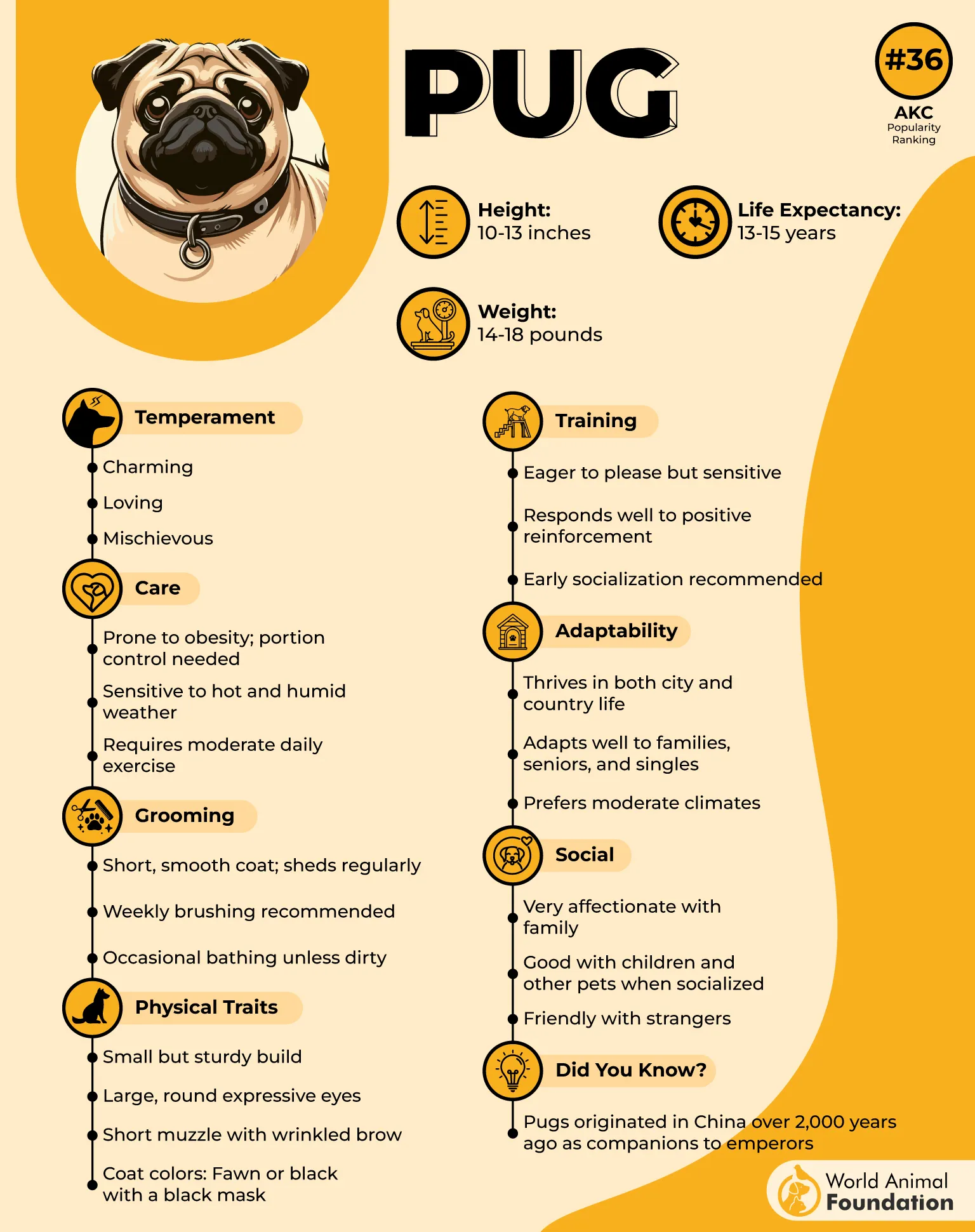
Veterinary care information supplied by PetMD points out that pugs are pets that do well when cared for in emotionally sensitive homes where their social needs are satisfied, cutting off vocalization caused by anxiety.
Ideal Match: Apartments, seniors, peaceful households.
Noise level: Low, sporadic, and expressive.
3. Bulldog

The Bulldogs are one of the most silent medium-sized breeds, though they are more stoic than sounding alarms.
Why Bulldogs Rarely Bark
Raised to be sociable and not watchful
Invisible to the environment triggers
Observational tendencies rather than responsive tendencies
Bulldogs are quiet during day-to-day occurrences, even when visitors are entering the house. They usually bark, but not repetitively.
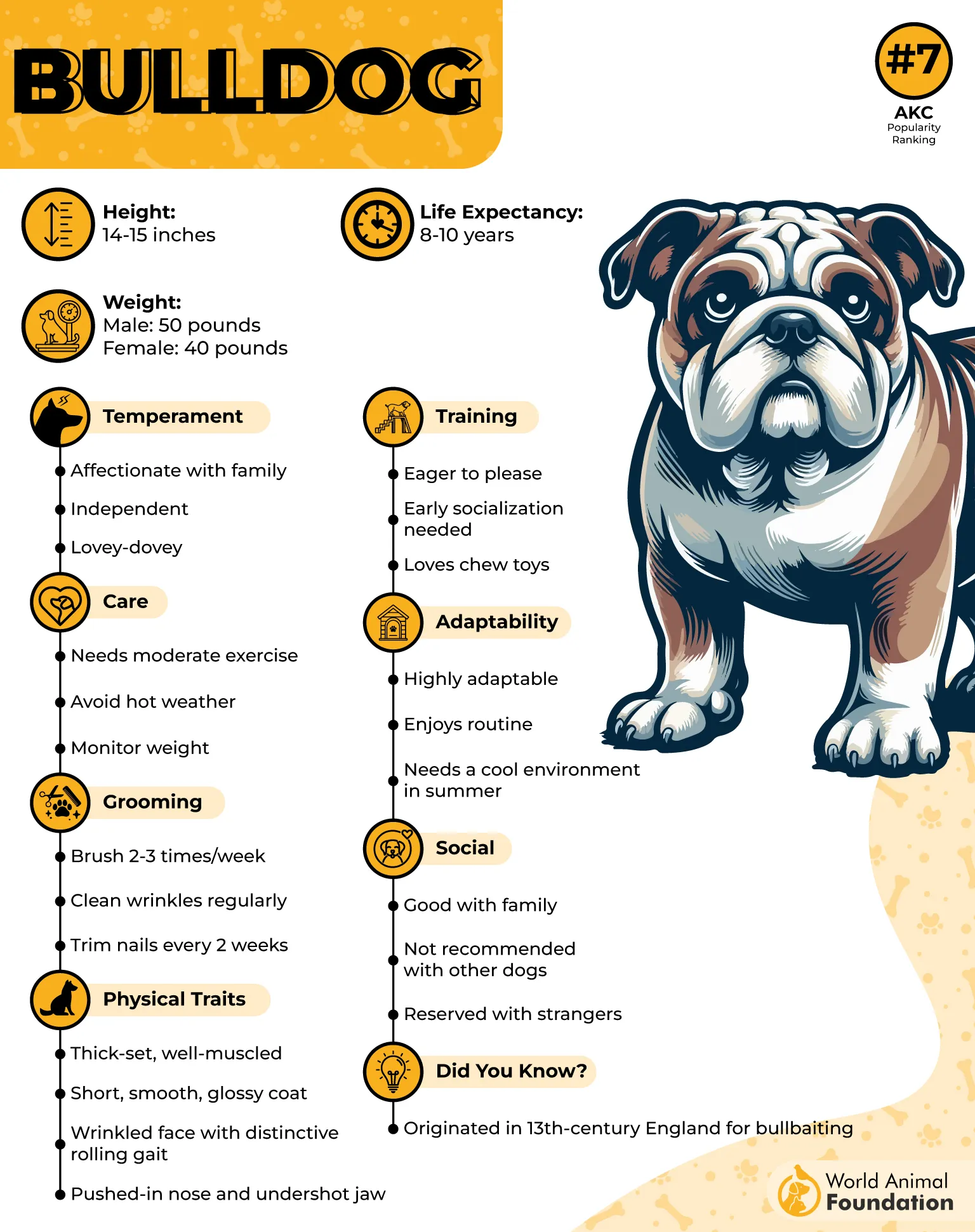
Bulldogs are an emotionally stable, quiet dog breed that likes to have things done in a certain way. This is also a crucial aspect in keeping their behavior low-noise.
Best For: Urban houses, families that are sensitive to noise.
Noise level: Very low.
4. Pekingese

These small dogs were developed to live at court, to be quiet, and to act as calm dogs that later became known as the main qualities of the Pekingese.
How The Pekingese Dogs Make Little Noise
History of companion-only breeding
Selective vocalization but not reactive
Close connection to dog owners, which eliminates anxiety from noise
Pekingese do not yap as many other dogs do. These furry friends watch and decide when to speak, which most of the time is through posture or even slight movement in their place.
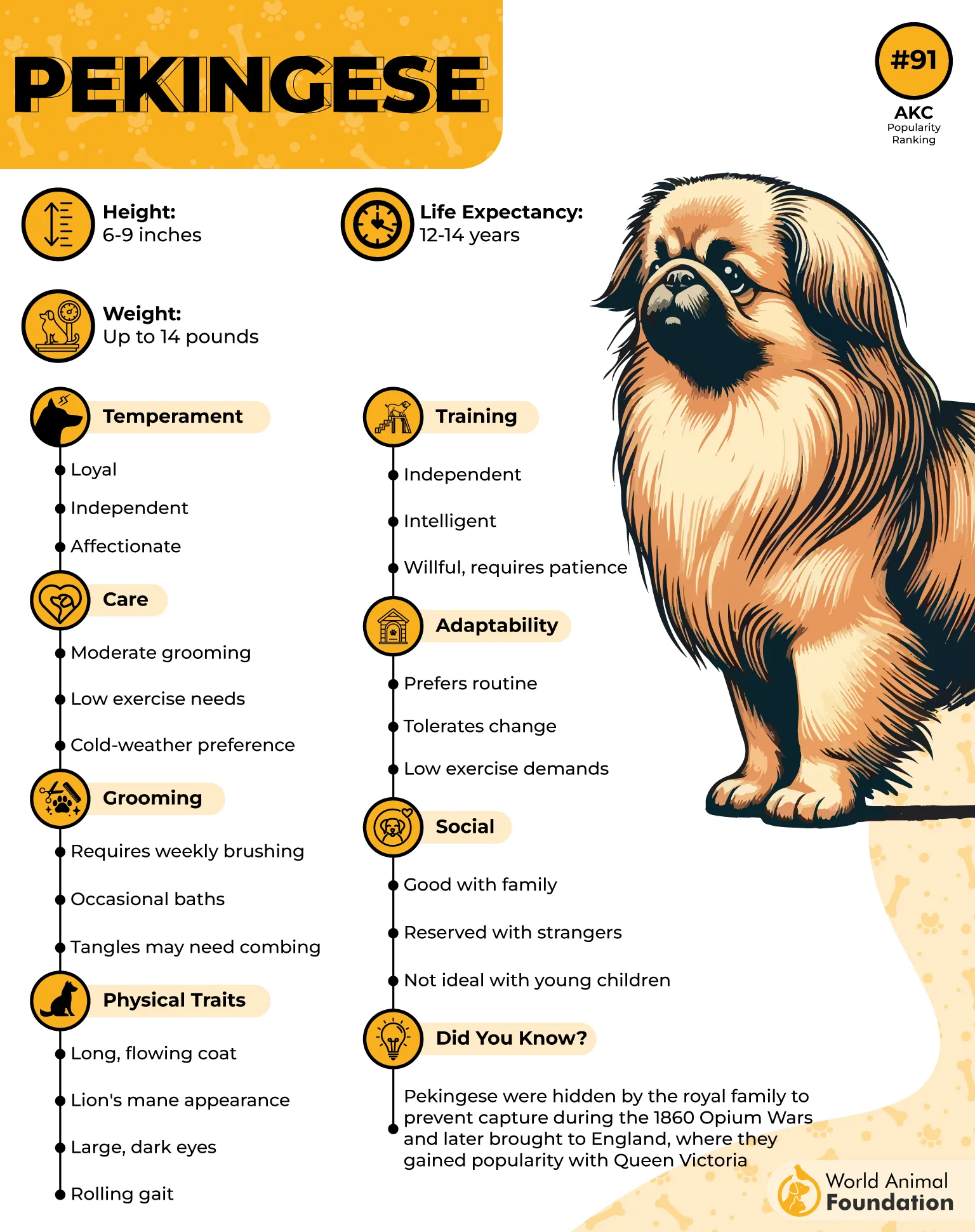
Depending on individual variation, their relaxed nature suits owners with a quiet background who do not need a lot of chaos in their activity.
Best: Silent homes, apartment dwellers.
Noise level: Soft with partial warning.
5. Basset Hound

Basset Hounds are not very loud indoors, but if we talk about being outside, they are well known to bark loudly.
The Reason Basset Hounds are Quiet Dogs:
Energy used to smell rather than talk
Relaxed indoor demeanor
Hardly sensitive to small upheavels
Basset Hounds would rather rest and watch at home than bark. They only talk when there is an outdoor tracking activity or when there is great excitement.
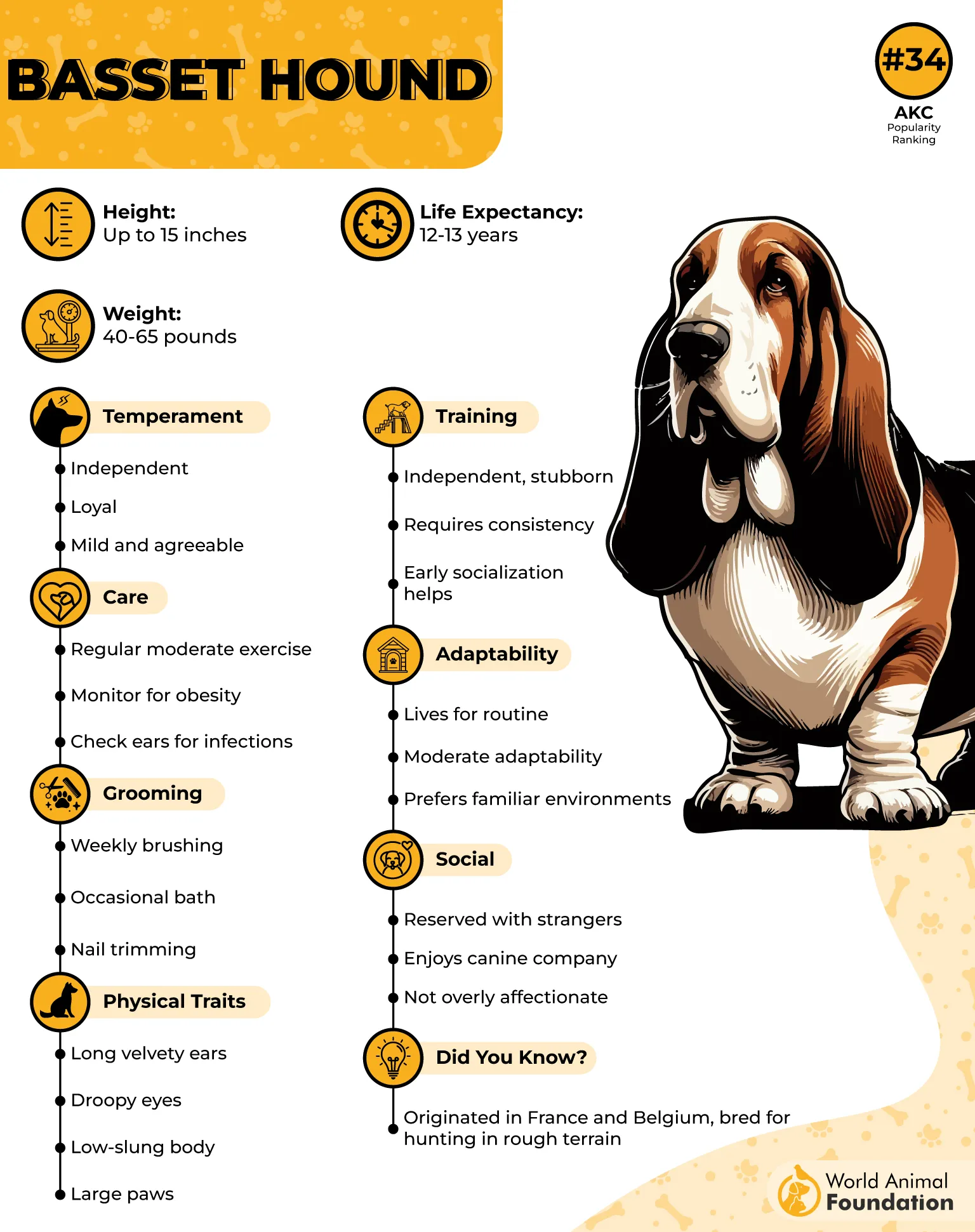
Purina offers insights that the indoor calmness of this breed is maintained by having structured routines.
Best Suited: Homes that do not have access to the outside, casual owners.
Noise level: Low indoors, vocal outdoors.
6. Cavalier King Charles Spaniel
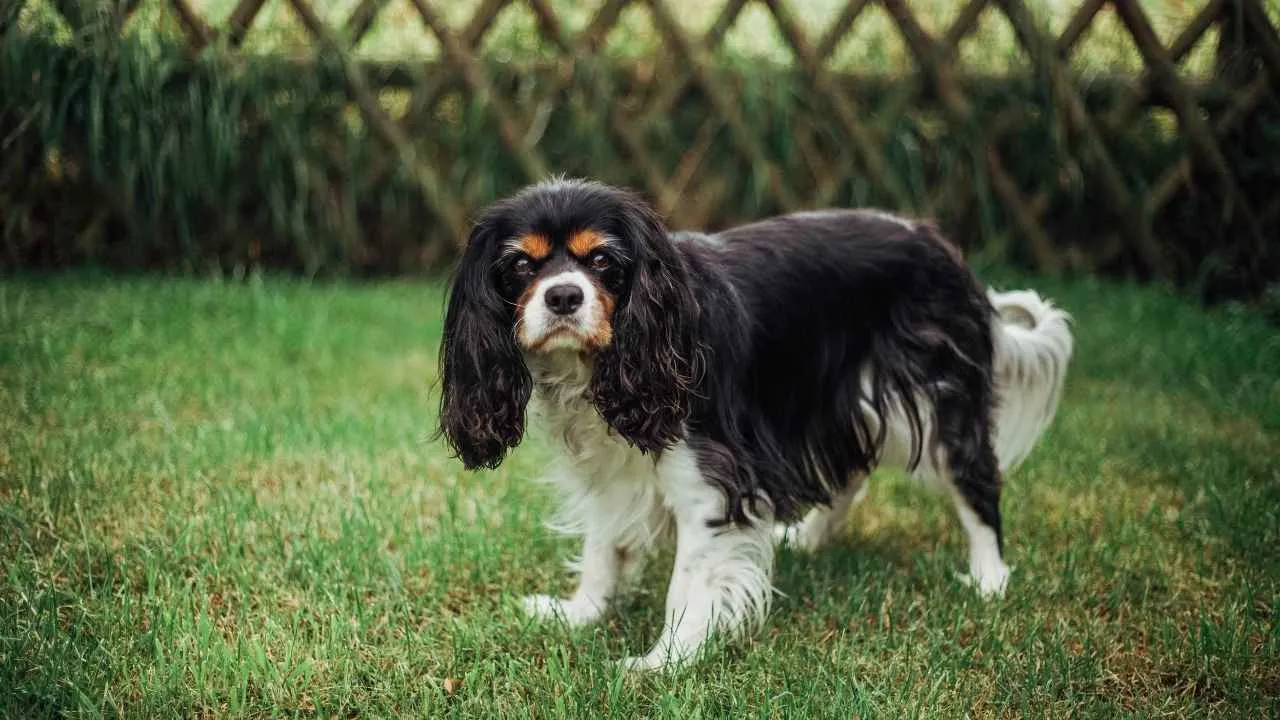
Emotionally sensitive and tender company are the characteristics of the Cavalier King Charles Spaniel, instead of vocal alertness.
Why Cavaliers Bark Less
Bred to be well near and be comfy
Anxiety barking is decreased by high emotional awareness
Profane reaction to new sounds
When uncertain, the cavaliers usually want reassurance, rather than to bark. Their need to remain near their masters ensures that they are emotionally controlled and reduces the level of noise.
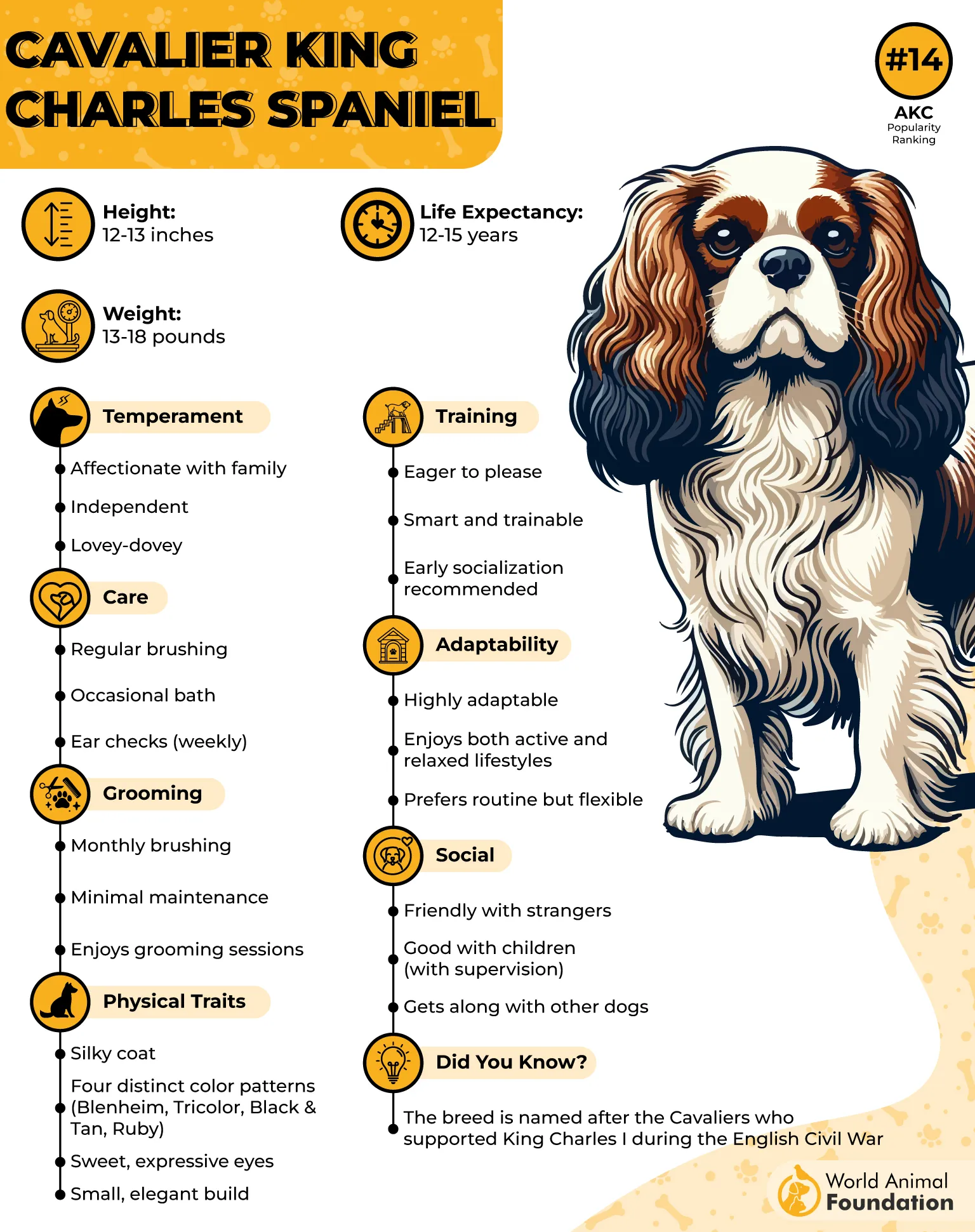
Cavaliers respond in the best way possible when they are emotionally involved, and this is directly related to less vocal behaviors.
Best in: Emotional support homes as great therapy dogs, the elderly.
Noise level: Very low.
7. Bernese Mountain Dog
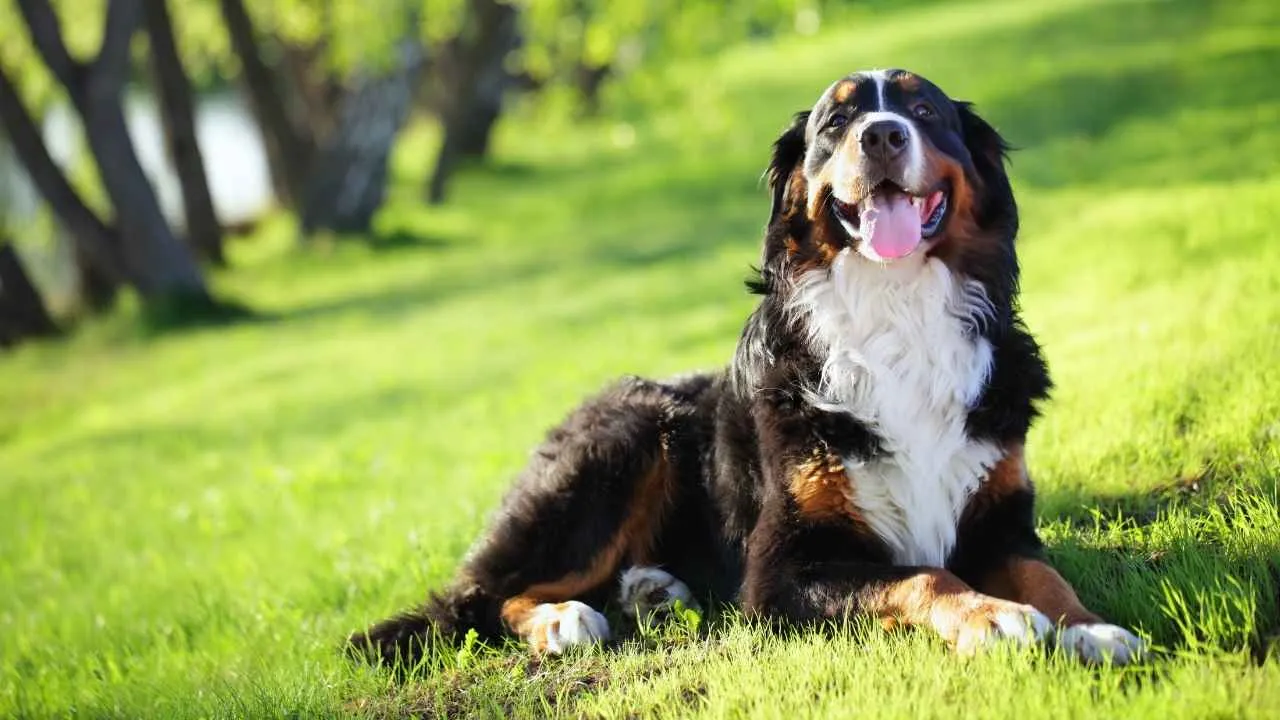
The Bernese Mountain Dog is a mixture of size and of an extremely peaceful and quiet nature.
The Reason Behind Bernese Dogs Being a Calm Dog
Raised to work on the farm, not to bark
Naturally slow to react
Close attachment to children and family lessens insecurity
Bernese dogs do not bark a lot and do not like talking; they resort to physical contact. These mountain dogs especially fit well within a family that believes in harmony and stability.
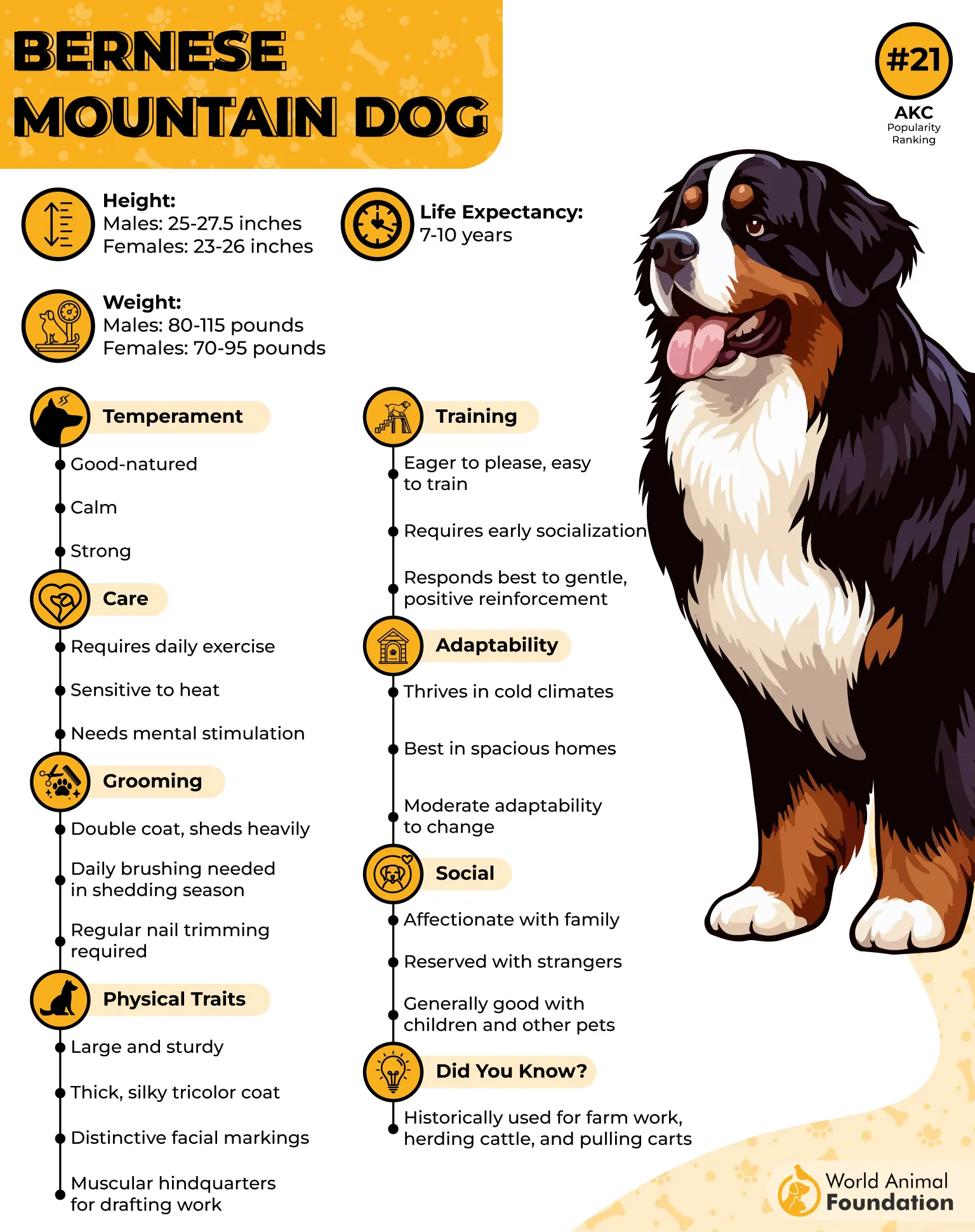
WebMD also accentuates the cat-like calm temperament and composed nature of the dog breed in the quiet domestic settings.
Central to Free: Families, quiet rural or suburban houses.
Noise level: Low.
Conclusion
Even the dogs with low noise need to undergo mental stimulation, regular exercise needs, and be emotionally bonded. Silence is not a lack of action, but it is a quiet state of energy and safe bonding. It is quieter in arranged schedules, non-agitating practices, and foreseeable conditions.
The selection of a low-noise breed of dog can change the lives of people with sensitive ears, who live in the same environment or simply like calmness. There is a silent companionship of all sizes and temperaments, be it the flat-faced Pug or the gentle character of the Newfoundland.
When dog owners know the history of the breed, emotional requirements, and natural communication styles, they will not spend most of their time making noises before the dogs, but have and develop meaningful companionship with these quiet breeds, coupled with a serene environment and treatment.
