




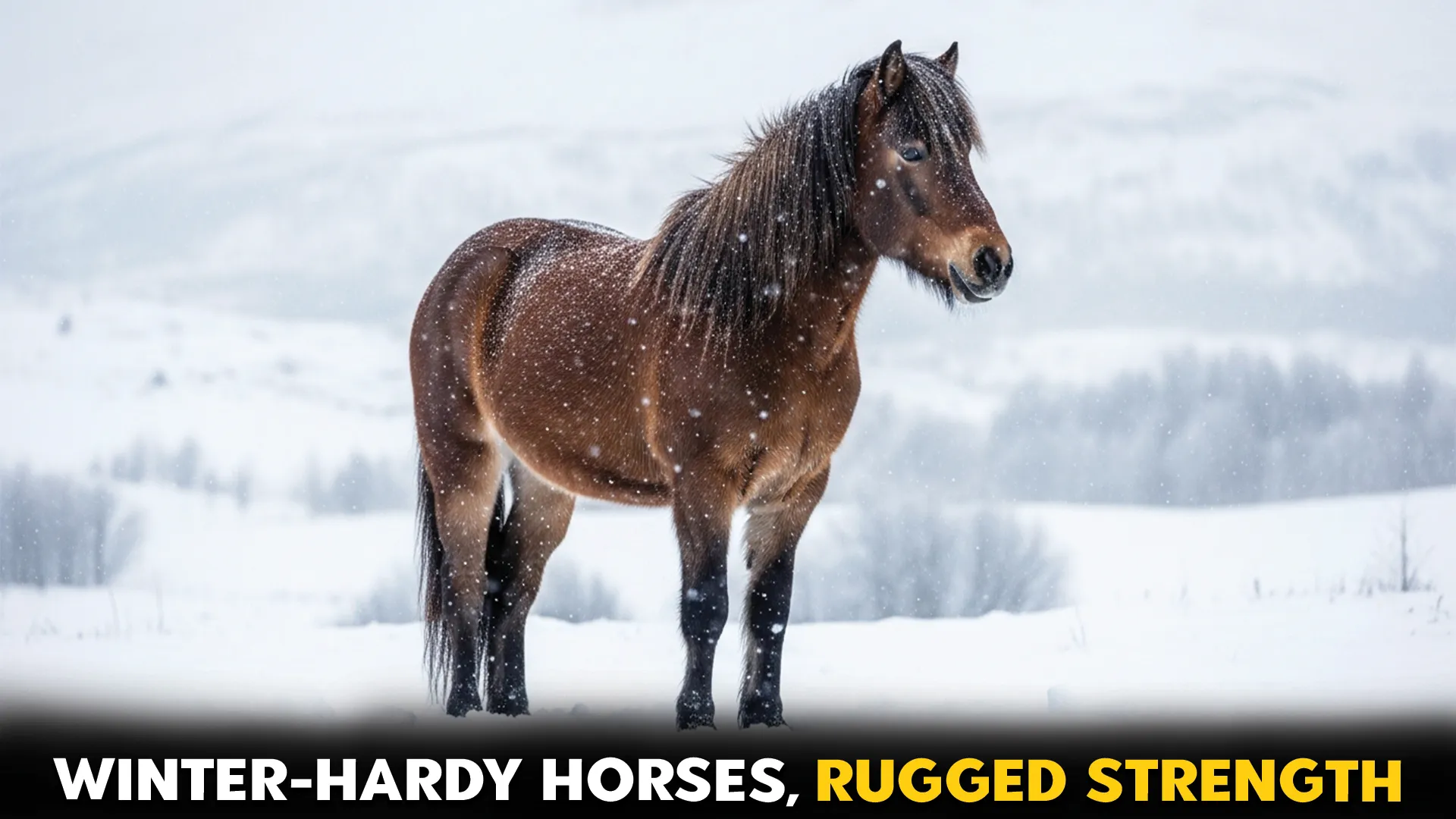
Winter shapes horses in ways warm climates never could. Cold air sharpens their instincts, deep snow strengthens their bodies, and long nights build a kind of patience only survival can teach.
Horses that adapt to harsh winters learn to read the land with quiet precision. They understand the heaviness of deep drifts, the firmness of frozen ground, and the value of conserving energy when temperatures fall without warning.
Their coats thicken, their senses heighten, and their movements become deliberate. Everything they do is guided by a deep respect for the season itself. There is a certain beauty in how they withstand challenges that would break other animals.
By the time you reach the end of this article, you will understand what makes these winter-adapted horses remarkable in every sense.
Key Takeaways
Winter rides can be brutal, but some horses move through snow and ice with surprising ease and confidence.
Icelandic Horses navigate slippery trails with their unique tölt gait, while Yakutians survive temperatures as low as minus seventy degrees with calm endurance.
Norwegian Fjords and Shetland Ponies add strength and stability, combining stamina, alertness, and sure-footedness across frozen landscapes.
As you explore these breeds, you’ll see how every horse brings its own kind of resilience and mastery to the harshest winters.
Horse breeds adapted to long winters
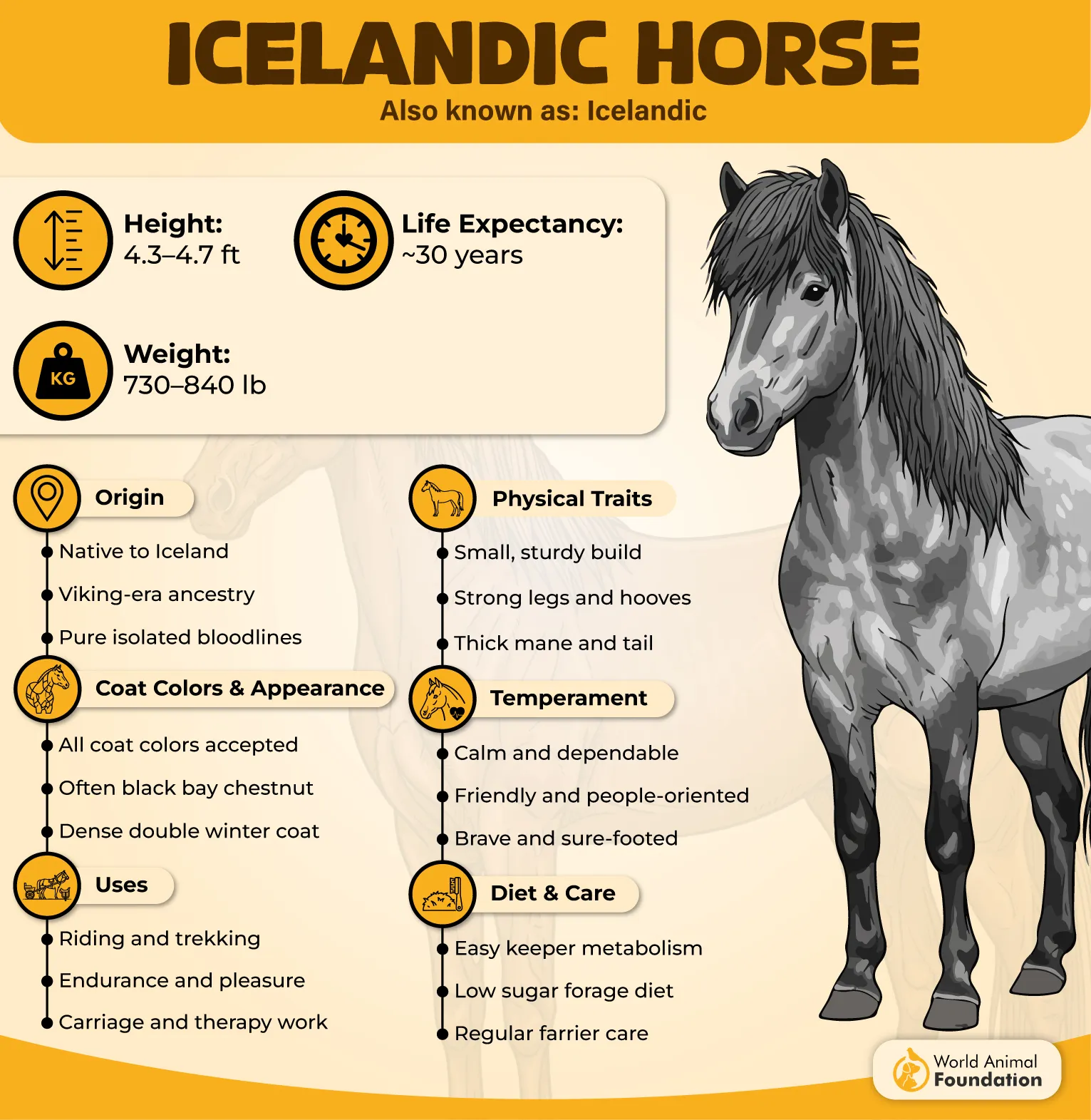
1. Icelandic Horse
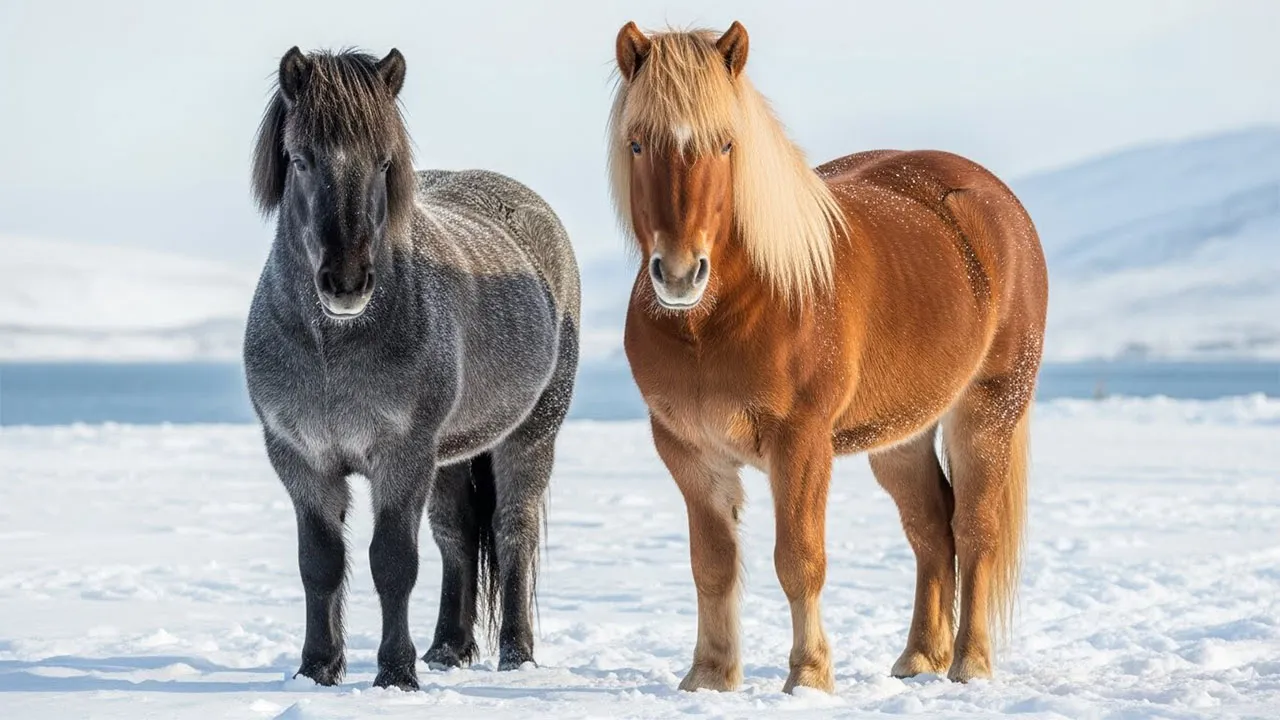
Icelandic Horses have a dense double-layered coat that keeps them insulated during extreme cold. Their compact, strong bodies allow them to move steadily across snowy trails and icy surfaces. You can rely on their stability when exploring harsh winter landscapes for hours.
Smooth and Reliable Gaits
Their tölt is a natural gait that makes uneven or slippery terrain easier to navigate, as mentioned in The Icelandic Horse. This gait keeps the ride comfortable while maintaining speed and balance.
Alongside this, their agility adds extra safety:
Stable movement over snow and ice
Efficient pacing for long distances
Quick adjustments to unexpected terrain changes
Alertness and Terrain Awareness
Icelandic Horses notice shifts in footing and surroundings quickly, making winter rides safer. Their attentiveness helps riders anticipate obstacles before they become challenging. This awareness contributes to a confident and steady trail experience.
2. Yakutian Horse
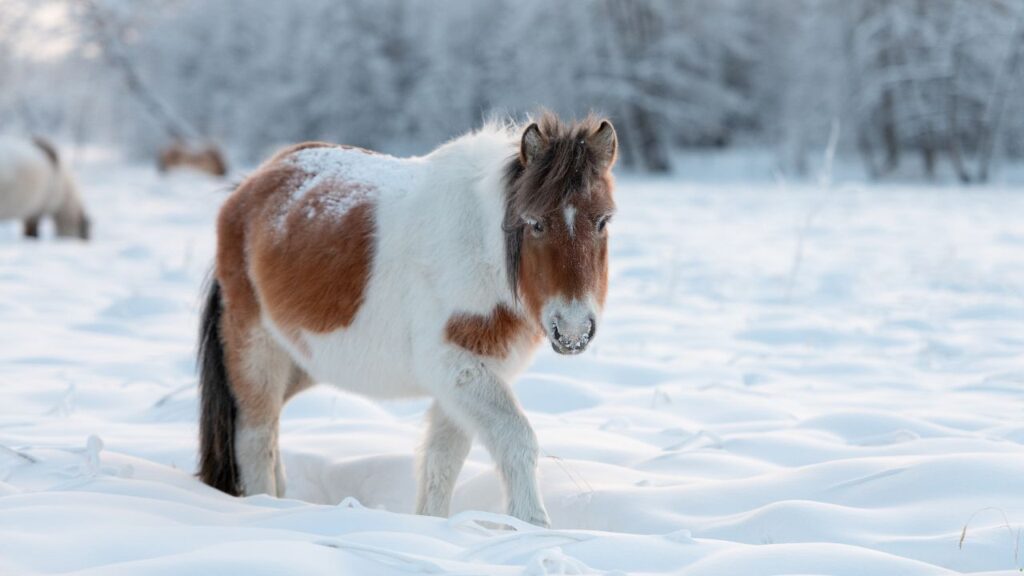
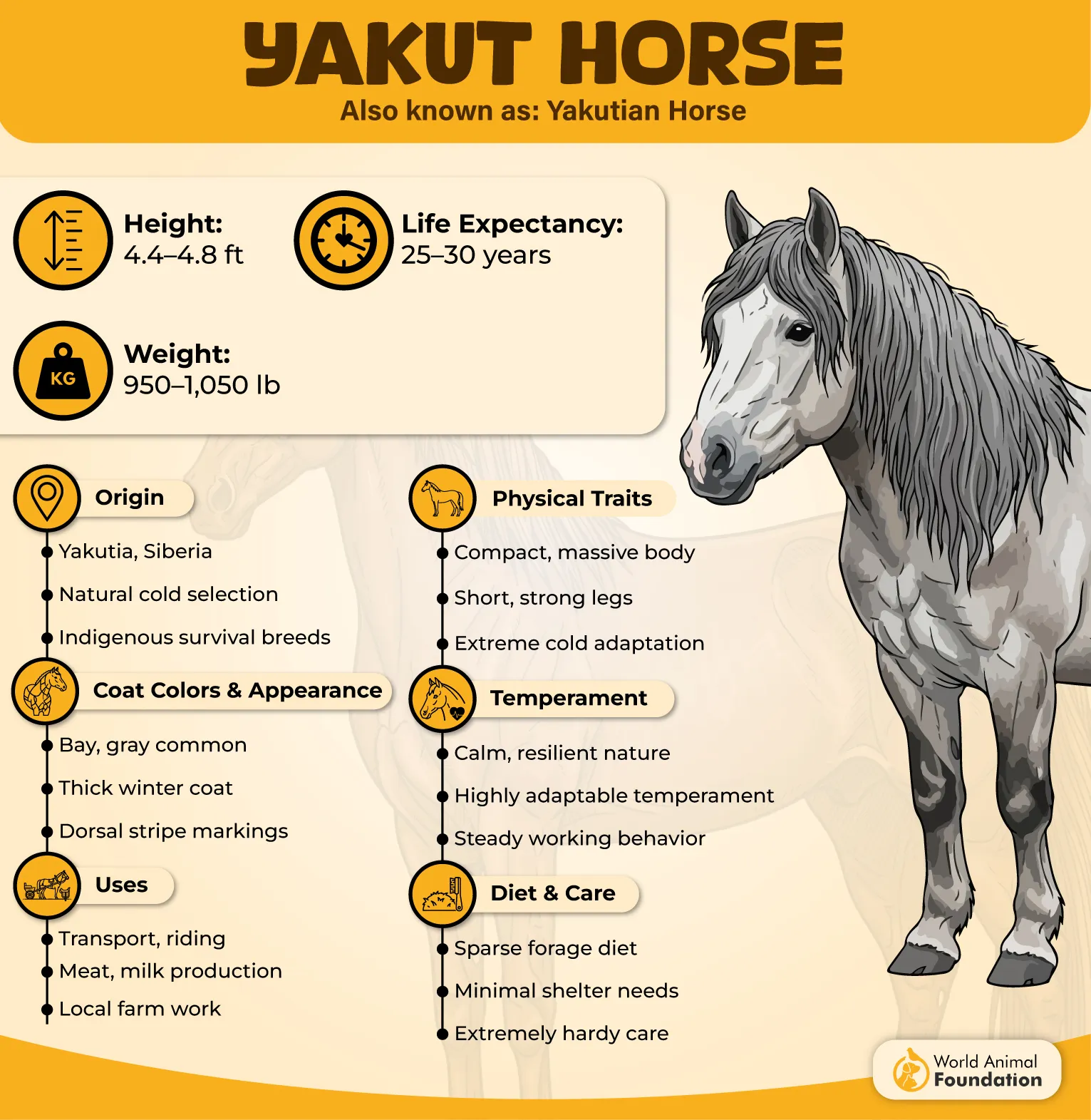
Yakutian Horses handle temperatures as low as -70 degrees Celsius with ease. Their thick, woolly coat keeps them insulated even in deep snow, letting riders traverse frozen landscapes safely. These traits make them one of the rare breeds capable of sustaining long winter journeys.
Strength in Harsh Terrain
This breed can forage efficiently beneath snow layers, keeping energy steady during harsh months. Their bodies are compact yet powerful, supporting rugged rides across icy paths.
This strength is reflected in these key skills:
Digging through snow to reach vegetation
Enduring long periods without shelter
Maintaining balance on frozen or uneven surfaces
Alert and Responsive
Yakutians notice subtle changes in the environment while trekking through winter terrain. Their alertness helps navigate hidden obstacles and varying snow conditions. This awareness keeps both horse and rider secure over extended outdoor rides.
3. Norwegian Fjord
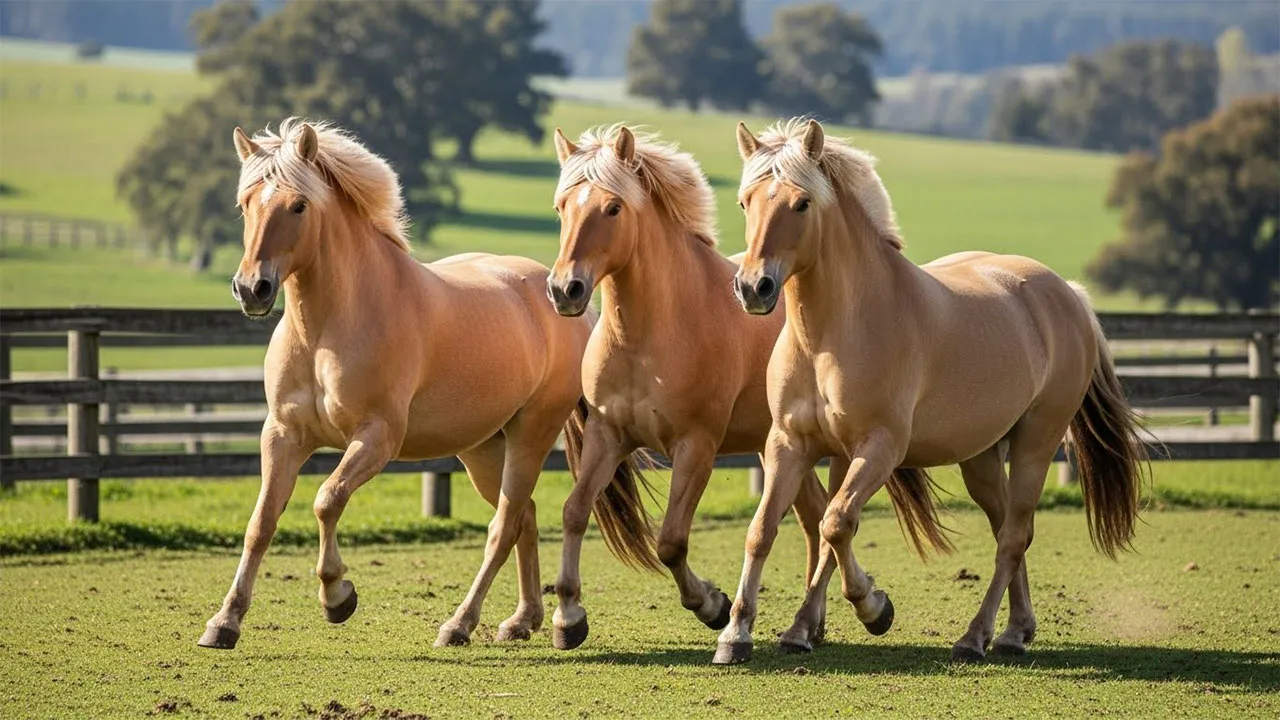
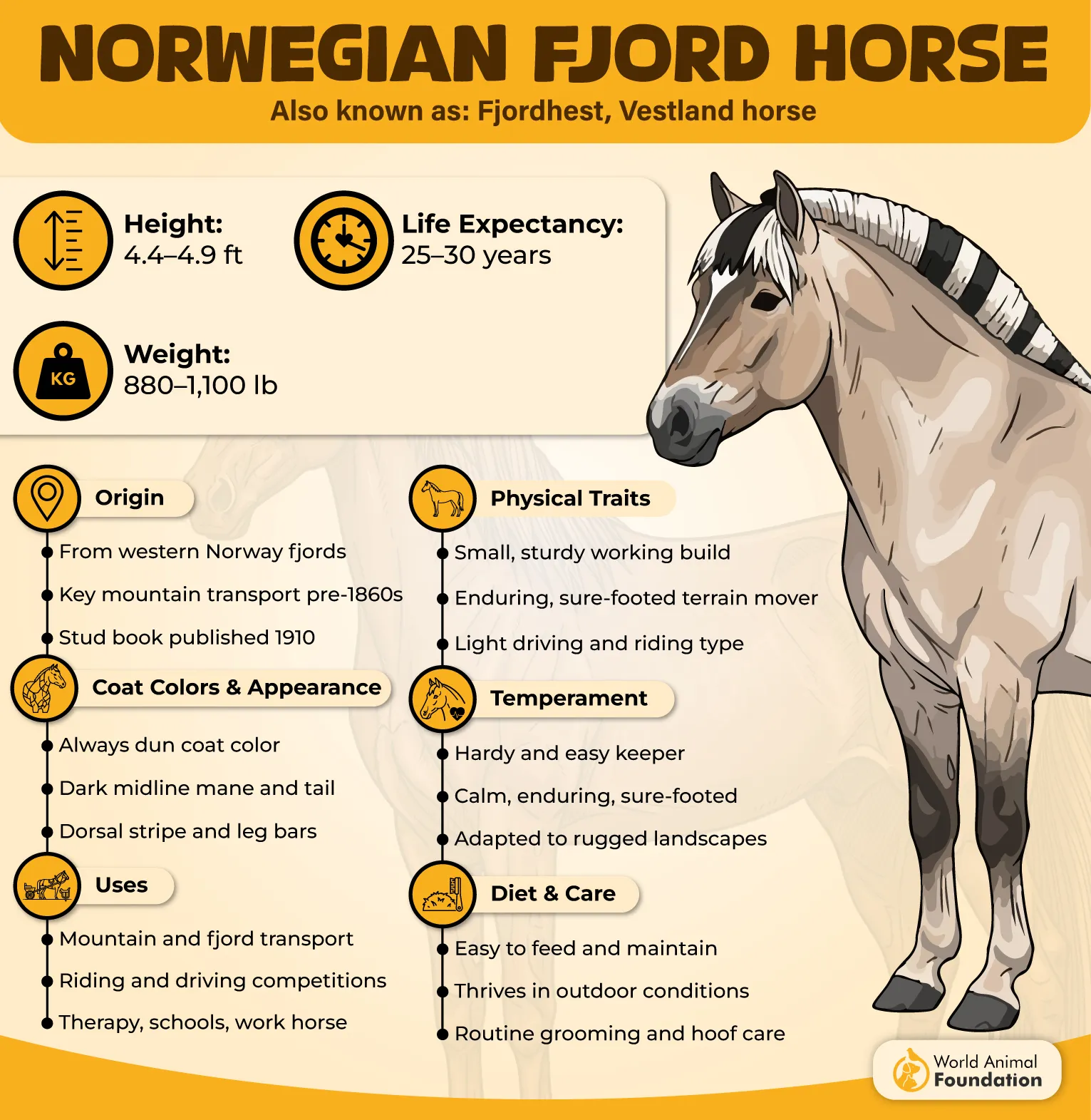
Norwegian Fjords have a muscular, compact build that handles snowy and uneven paths with ease. Their sturdy legs and strong back let riders navigate challenging winter terrain confidently, as FEI mentioned. Calm temperament complements physical ability, making long rides in cold conditions manageable.
Stamina That Keeps Going
These horses can work for hours even in frigid weather, supporting extended winter rides. Alertness and intelligence help them adapt to changing terrain while staying responsive to riders.
Key traits for winter endurance are:
Efficient energy use in low temperatures
Steady balance on slippery surfaces
Ability to carry weight over rugged trails
Reliable Gait in Winter Conditions
Fjords offer smooth, controlled gaits that feel natural over snowy trails. They adjust easily to uphill or downhill stretches, supporting both endurance and comfort. Their adaptability allows riders to focus on exploring winter landscapes rather than constantly managing the horse.
4. Shetland Pony
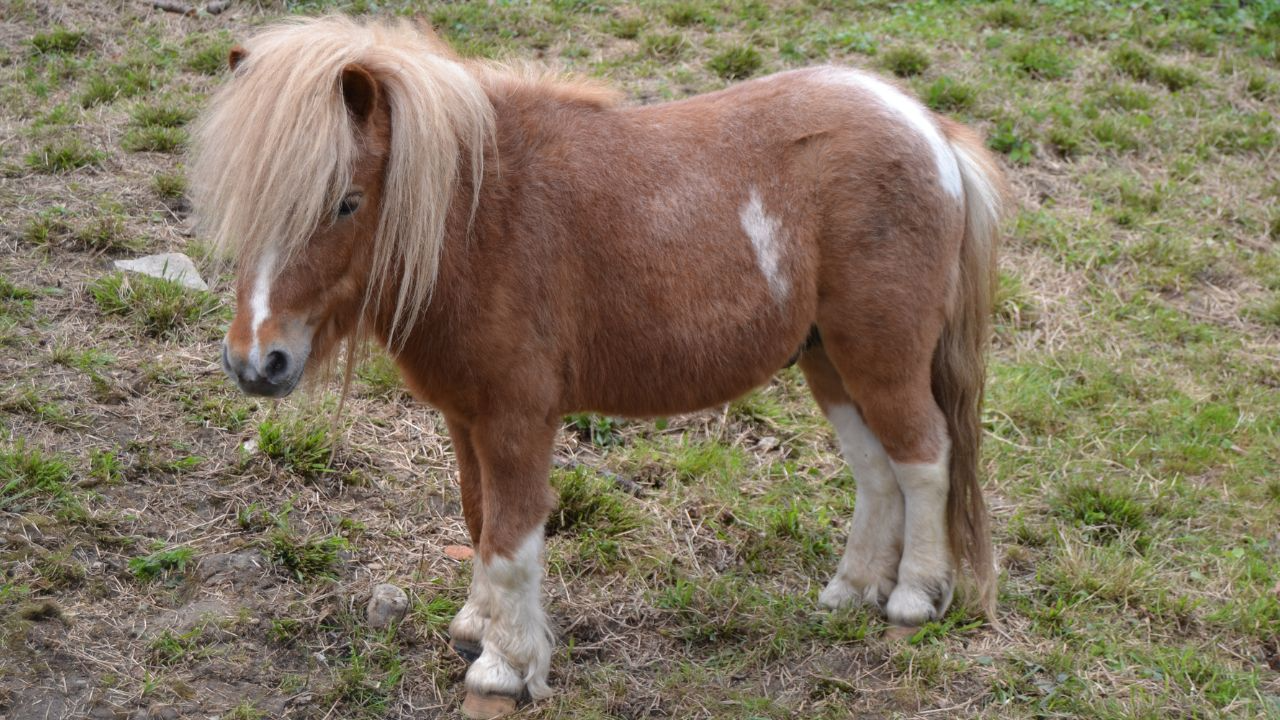
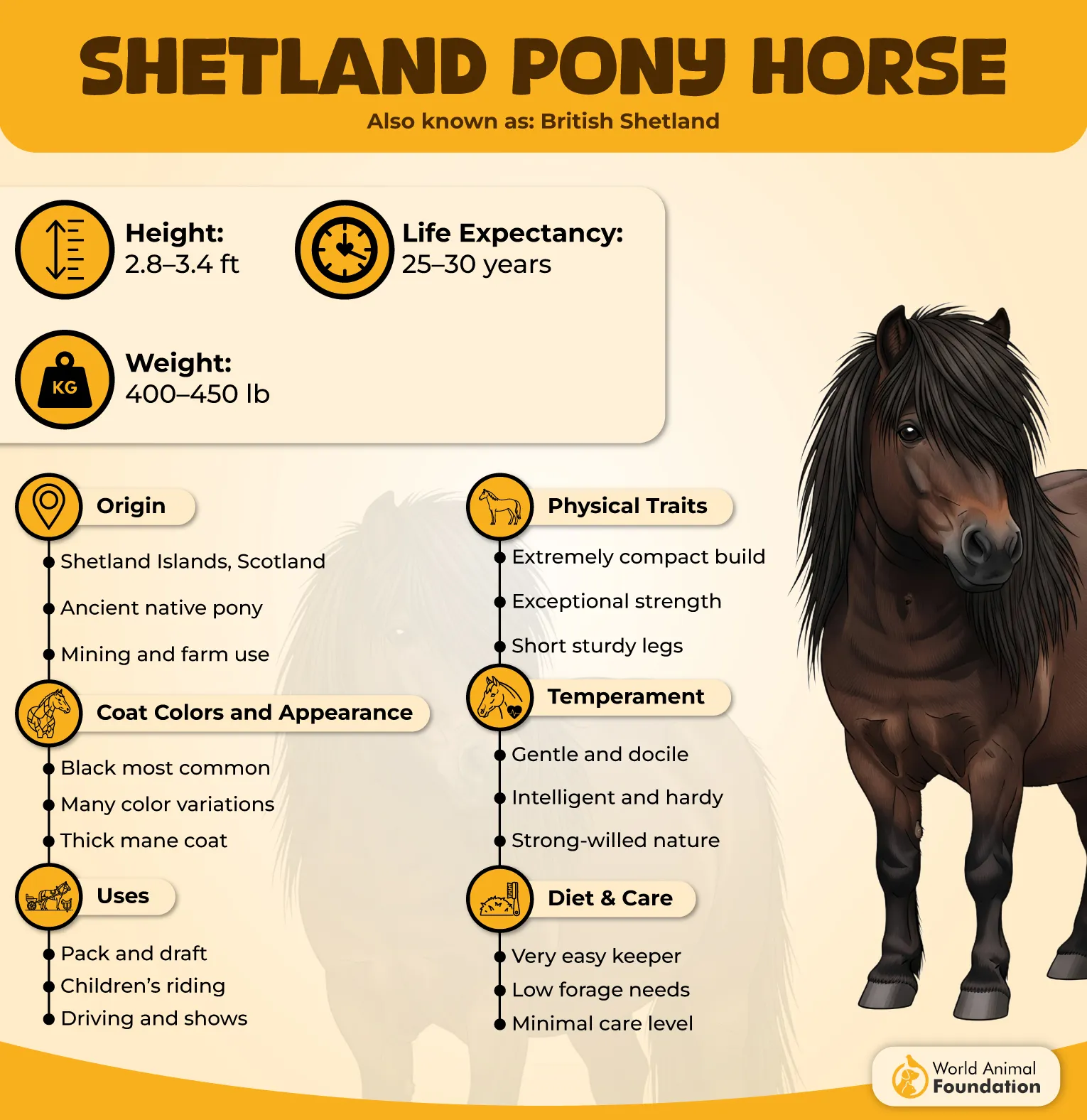
Shetland Ponies are small but incredibly sturdy, built to handle frigid conditions with ease. Their thick coat insulates against snow and wind, keeping them functional in long, cold winters. Compact bodies help them maintain warmth while navigating icy or uneven terrain.
Strength Beyond Size
Despite their height, these ponies are impressively powerful and surprisingly versatile for outdoor work, as Britannica stated. Riders quickly notice their energy and sure-footedness on rough ground, making them reliable companions for winter trails.
These characteristics highlight their practicality:
Exceptional stability on icy paths
Ability to pull or carry heavier loads relative to size
Quick adjustment to changing weather
Alert and Adaptable
Shetlands respond quickly to cues and environmental changes, which is vital in snowy landscapes. Their intelligence makes them capable of learning new tasks or following complex routes. This adaptability allows riders to trust them in unpredictable conditions, from snow-covered fields to frozen paths.
5. Haflinger
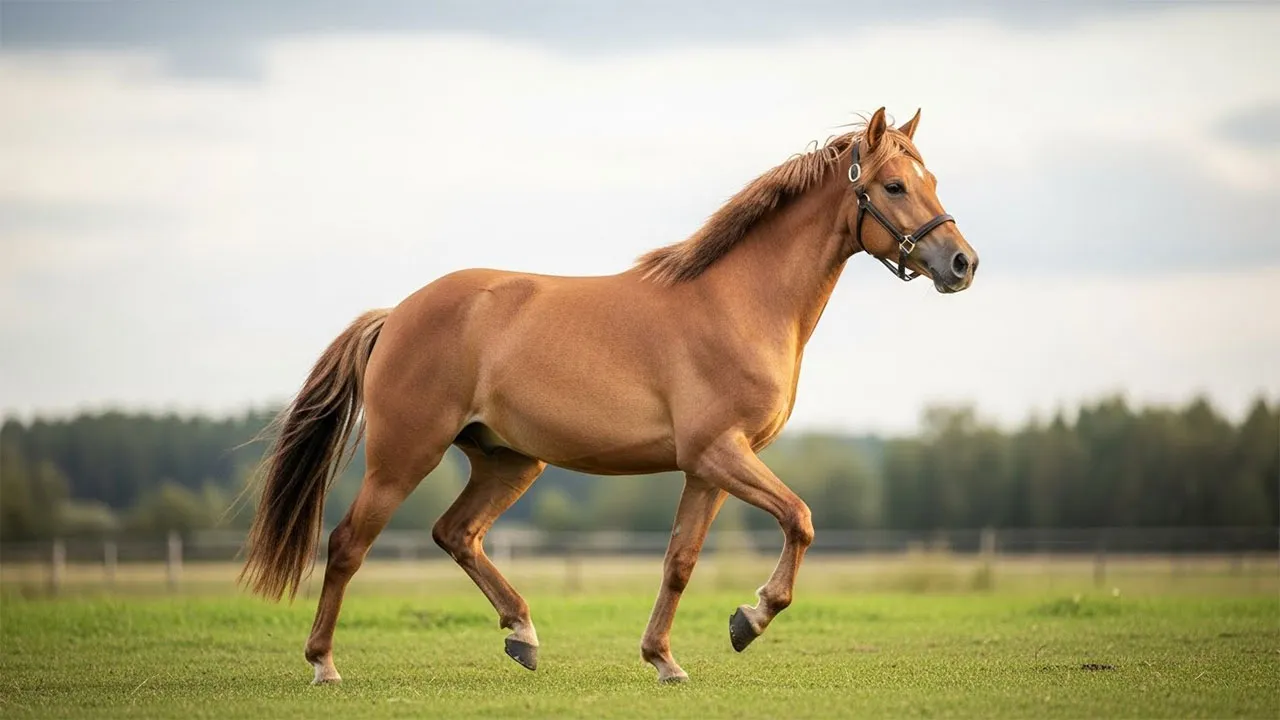
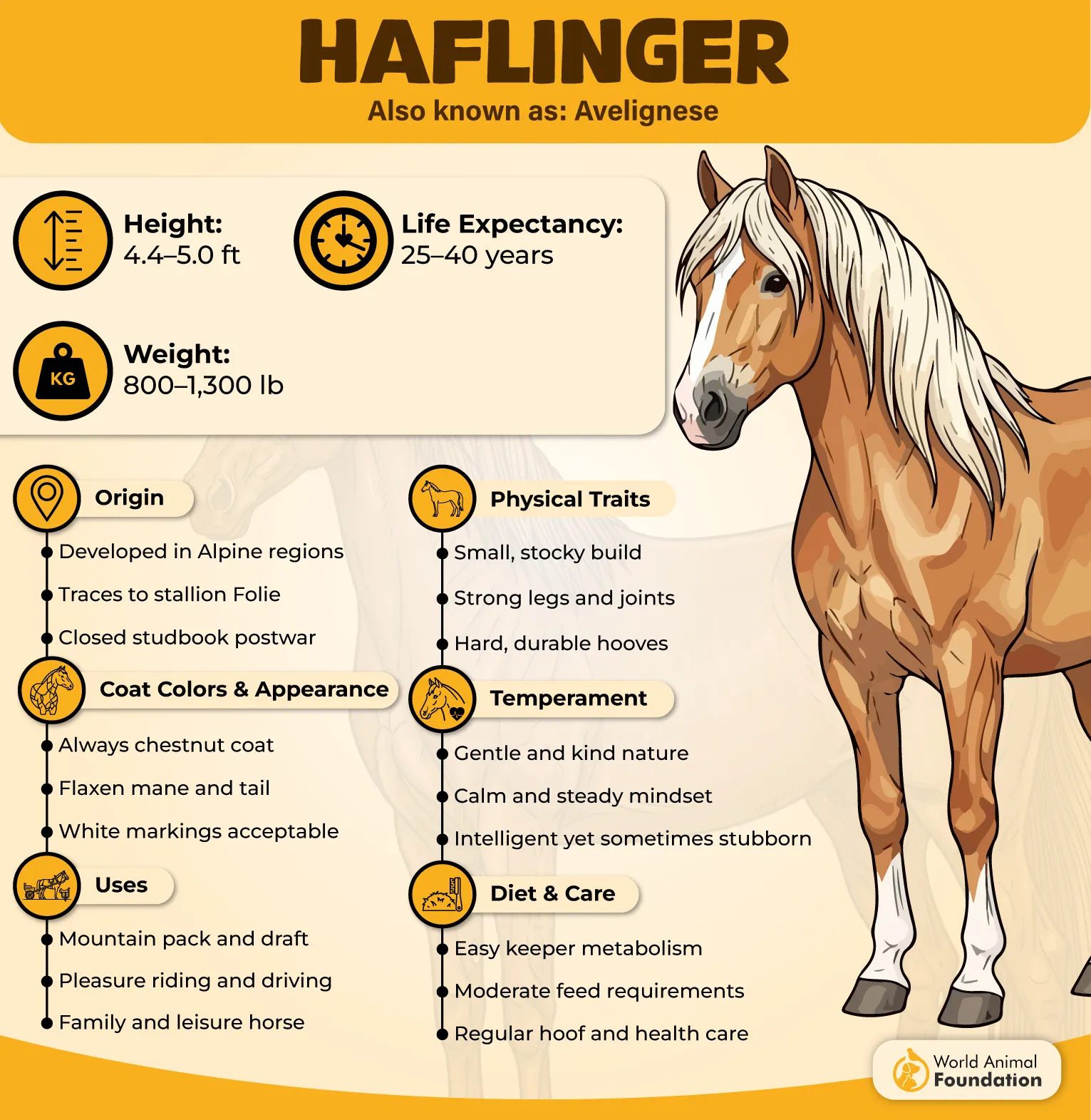
Haflingers handle winter conditions with ease thanks to their dense coat and sturdy build. Snowy trails and icy paths pose little challenge, letting riders explore frozen landscapes comfortably. Their compact strength allows them to move steadily over uneven and slippery terrain.
Versatility in Action
These horses adapt quickly to different activities, making them ideal for varied winter rides. They transit smoothly between trails, harness work, and light therapeutic sessions.
Traits that stand out are:
Solid footing on snowy or icy ground
Calm response to sudden weather changes
Reliable energy for longer sessions
Calm and Attentive Nature
Haflingers remain composed even in harsh conditions, paying attention to both rider cues and trail hazards. This balance of focus and patience helps navigate dense forests or open winter fields safely. Their alertness supports confident riding without creating tension.
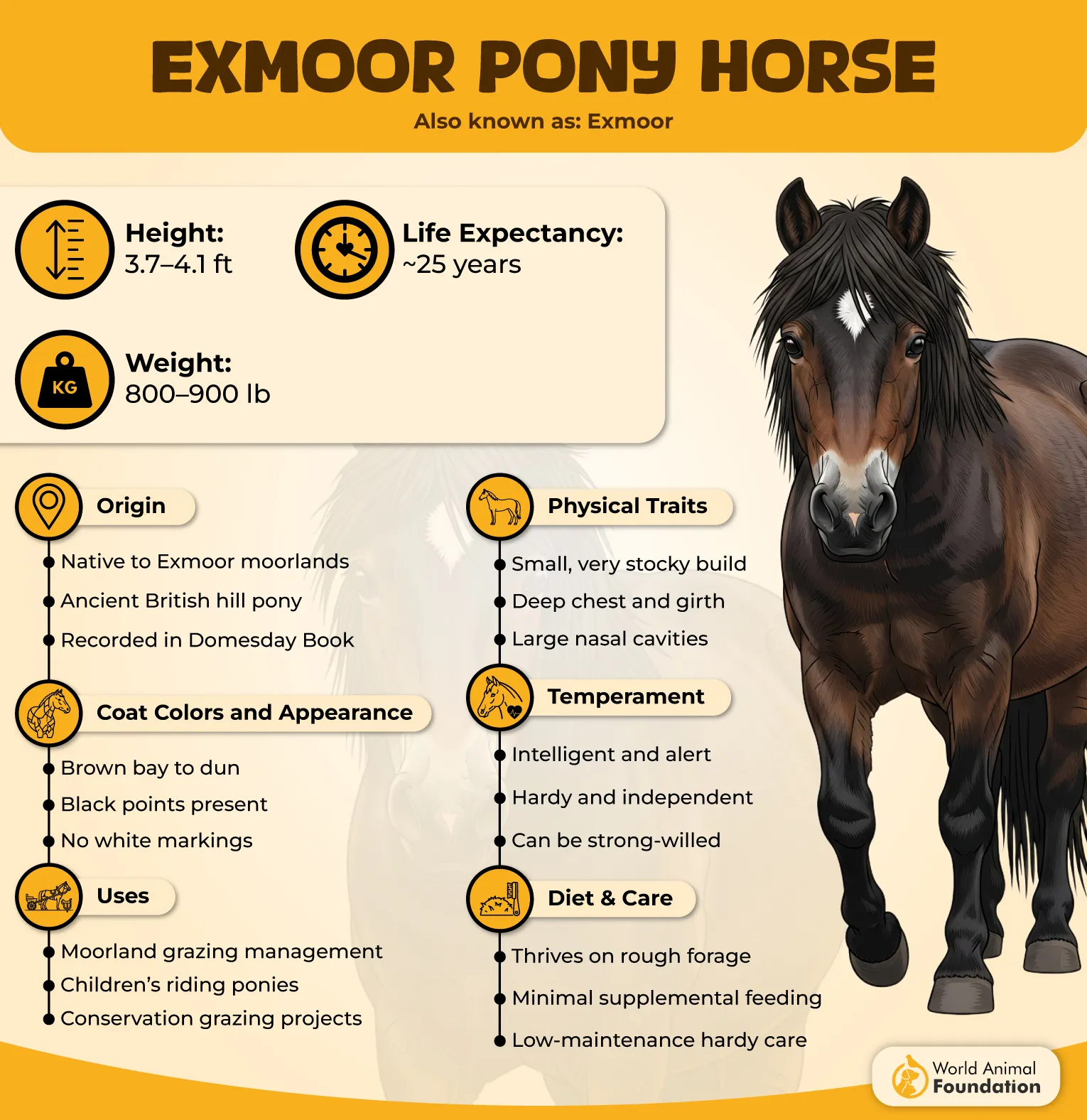
6. Exmoor Pony
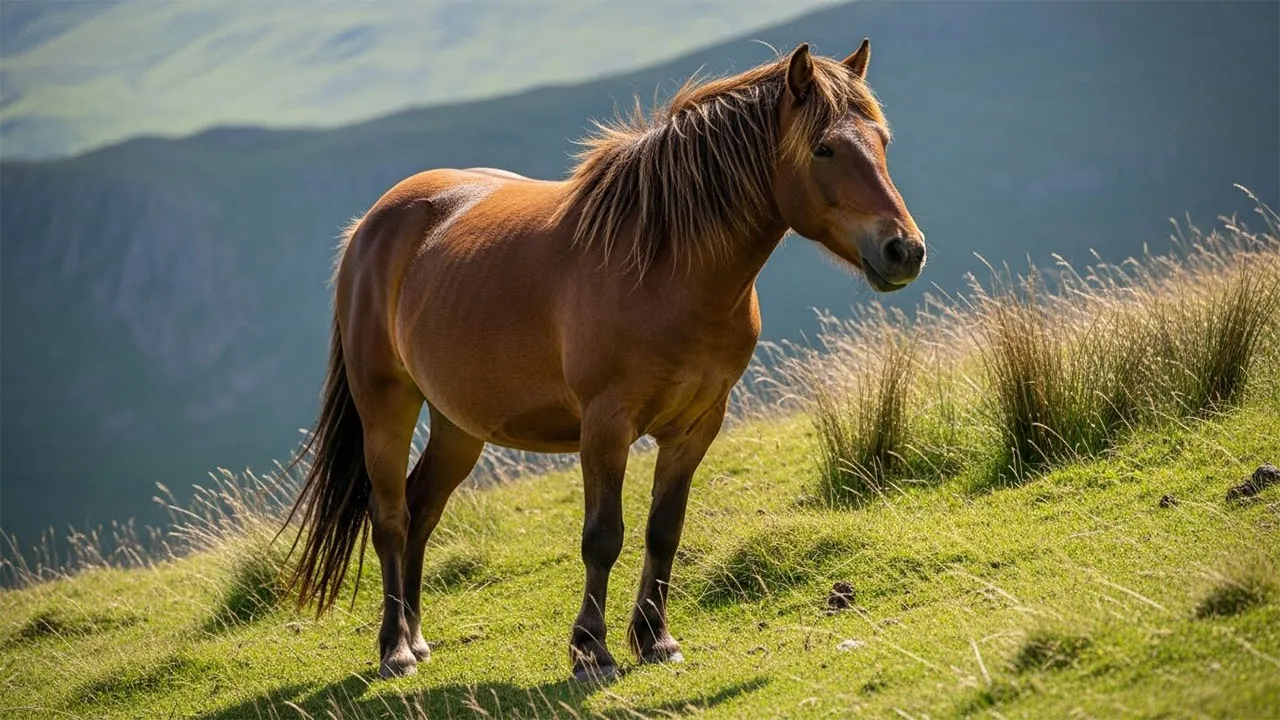
Exmoor Ponies carry thick winter coats and natural fat reserves that keep them insulated in harsh conditions. Their bodies tolerate snow and biting winds, allowing them to remain active in frozen landscapes. This endurance makes them practical for working or exploring in long winter months.
Strength in Tough Terrain
Their compact build and strong legs help them navigate icy or uneven ground with ease. These ponies handle slippery paths and rugged hills while staying steady and confident.
Key traits that support winter survival are:
A dense coat protects against the cold
Efficient movement over frozen soil
Maintains energy for extended periods
Alert and Adaptable
Intelligence and awareness help Exmoors respond quickly to sudden changes in weather or terrain. They can adjust pace naturally without guidance, which makes unpredictable winter trails manageable. Their alertness ensures they remain safe and efficient in challenging conditions.
7. Canadian Horse
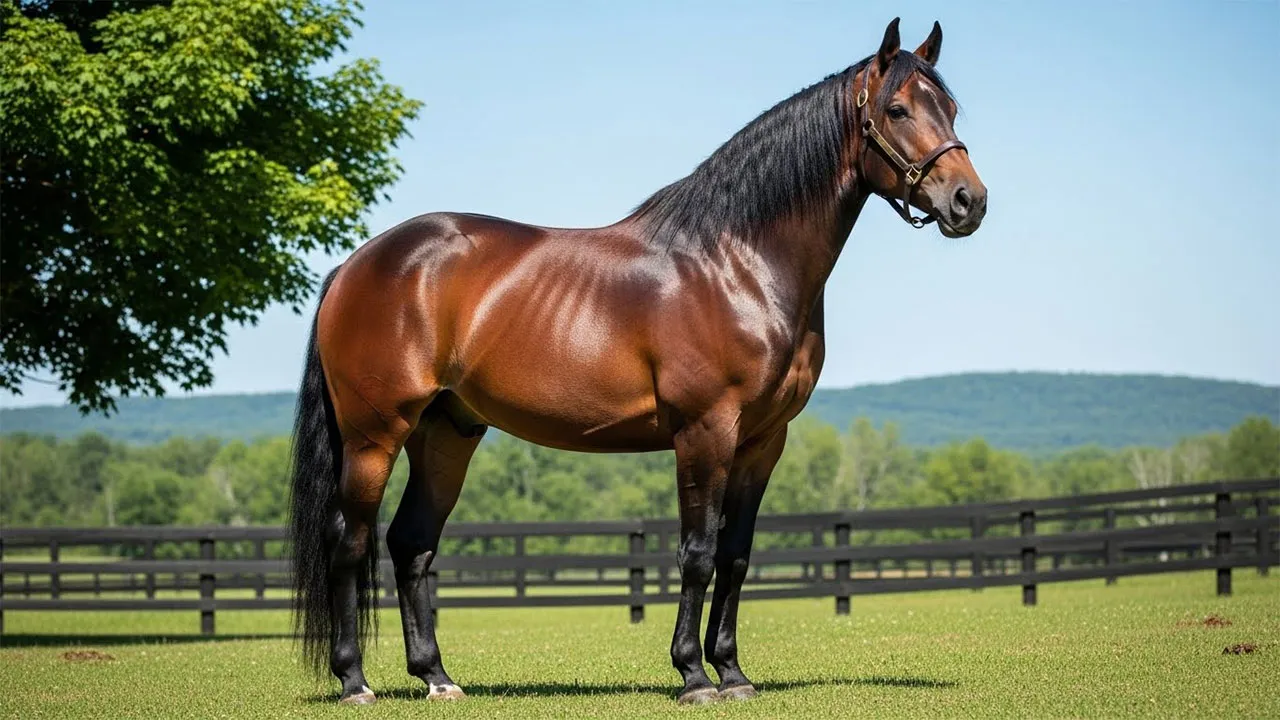
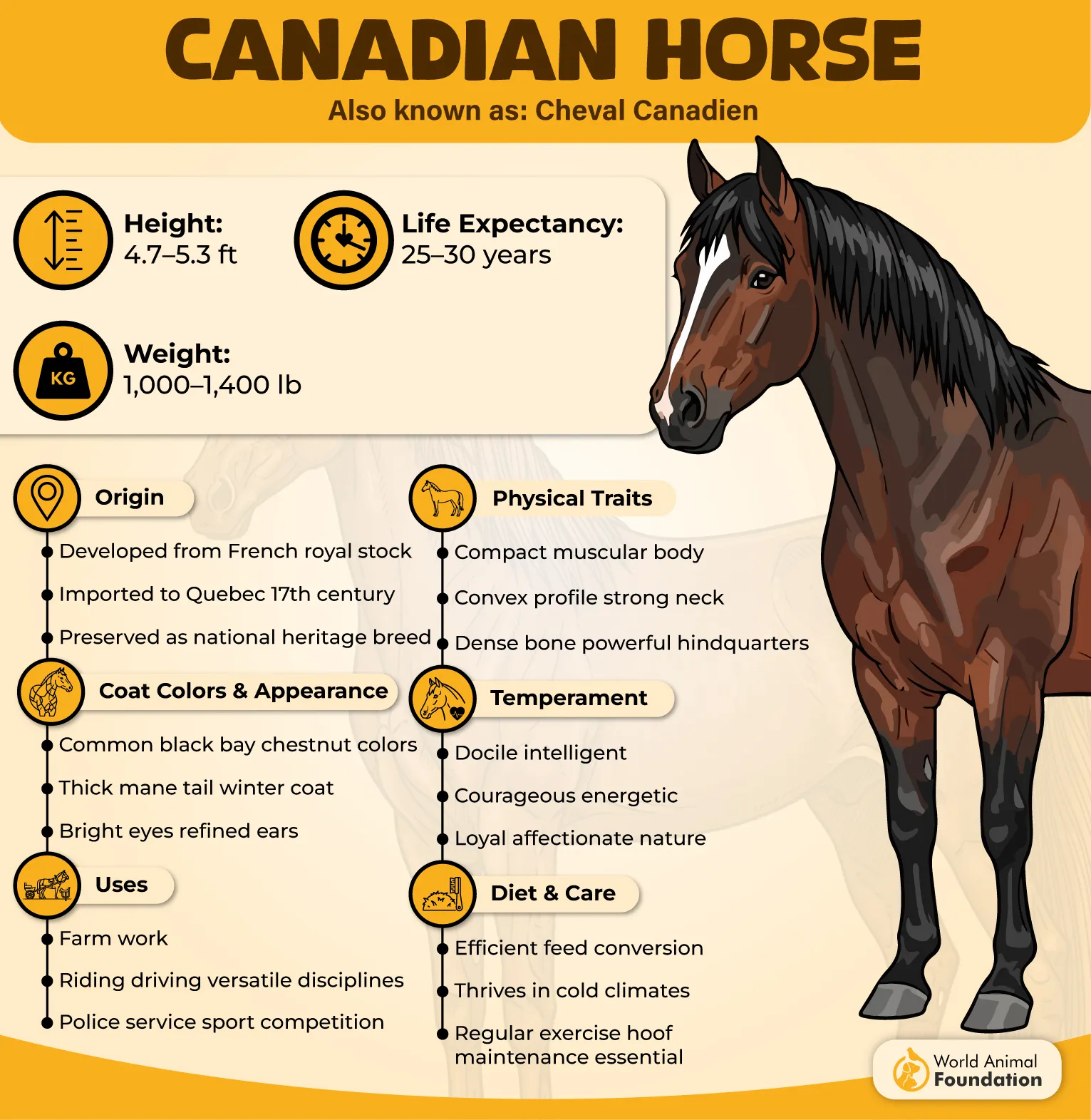
Canadian Horse shows steady strength when winter conditions test both horse and rider. Dense build and natural hardiness allow consistent work in freezing temperatures and deep snow. Long winters suit this breed because energy stays even rather than draining in cold weather.
Work That Holds Up in SnowThe
Canadian Horse adapts well to daily tasks when icy ground and heavy footing slow others down. That reliability comes from practical traits shaped by years of winter use.
A few details explain why this matters on snowbound land:
Strong footing on packed snow
Tolerance for prolonged cold
Steady effort across winter tasks
Versatility Through Harsh Months
Canadian Horse handles riding, driving, and farm work without needing seasonal breaks. Snowy landscapes do not interrupt routine because the breed stays willing and functional in low temperatures. This makes winter schedules easier to maintain when conditions stay harsh for months.
8. Mongolian Horse
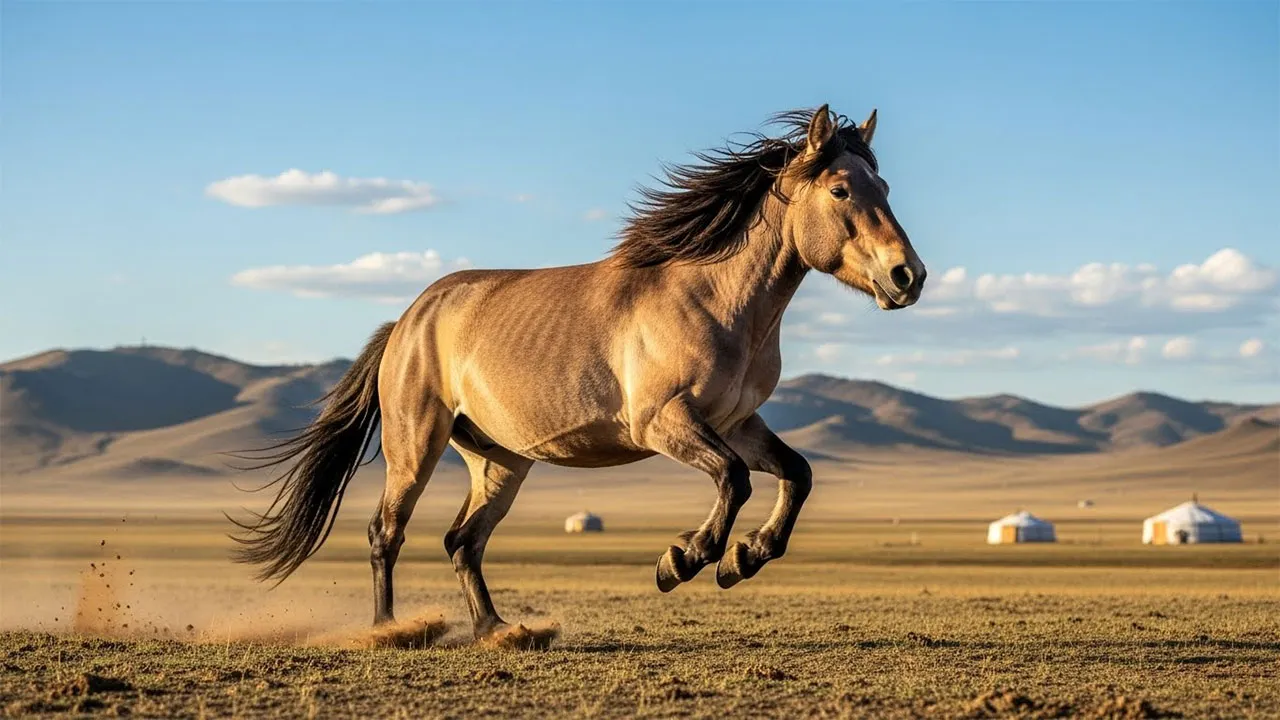
Mongolian Horse endurance shows most clearly during long winters, where survival depends on self-reliance. This breed manages freezing temperatures through natural insulation and steady energy use. Snow-covered ground and biting winds rarely interrupt daily movement or routine work.
Winter-Ready Design
Mongolian Horse coats grow long and dense as temperatures drop, creating protection against snow and harsh wind. That outer layer works alongside a slow, efficient metabolism suited for limited winter resources.
You can see it in these features:
Thick seasonal coat
Strong resistance to cold wind
Stable energy use in low temperatures
Feeding Through Snow
Mongolian Horses’ foraging ability sets it apart during extended winters. Even when pasture disappears under snow, this breed locates grasses by clearing patches with its hooves. That skill reduces dependence on stored feed during long, cold months.
9. Finnhorse
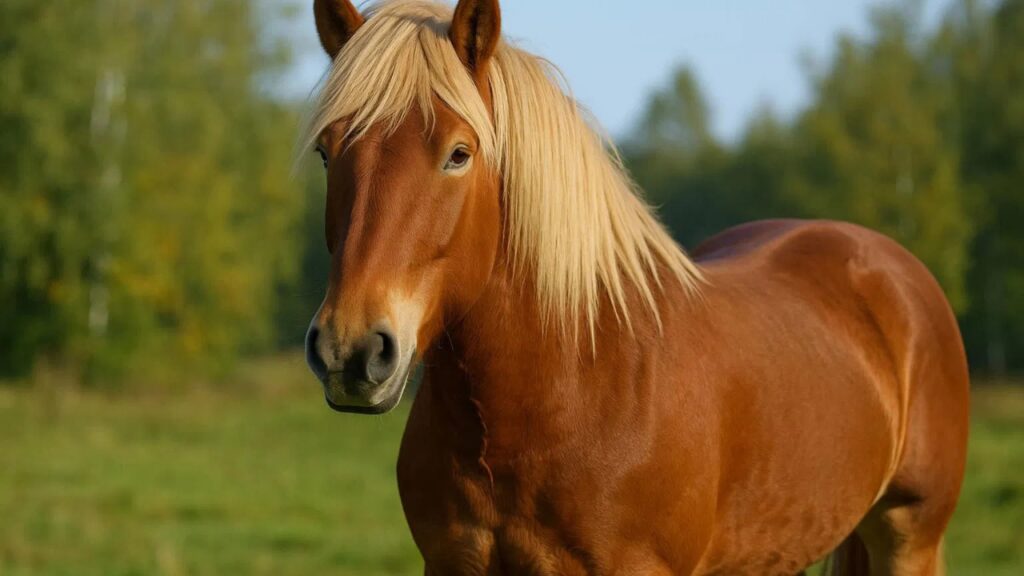
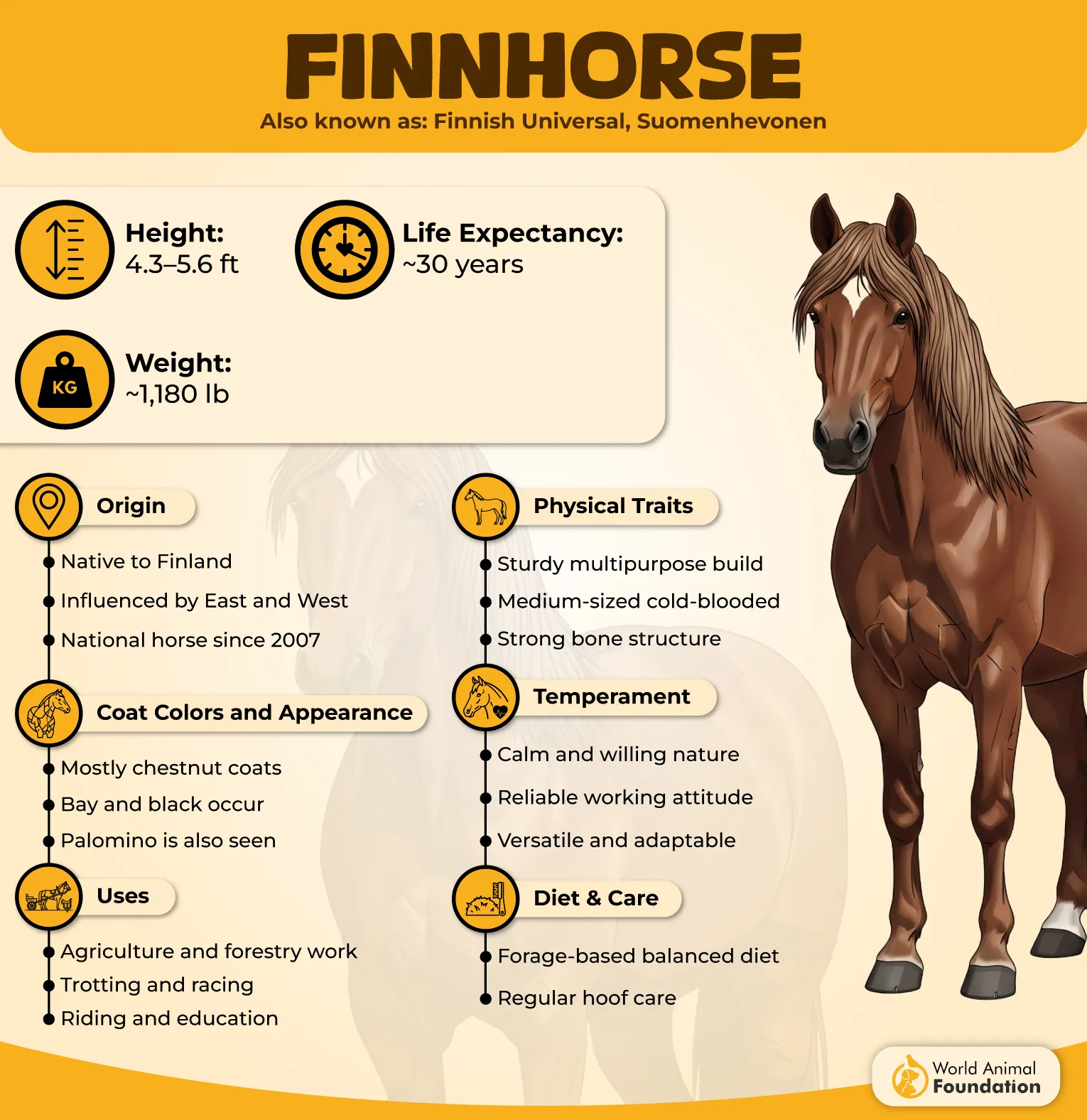
Finnhorse features a dense winter coat and a compact, muscular frame that handles prolonged cold with ease. Snow-heavy environments suit this build, especially when temperatures remain low for weeks. These physical traits directly support daily use during long winters.
Power That Handles Snow
Finnhorse maintains steady performance when snow depth and icy surfaces challenge footing. Its muscular structure supports controlled effort rather than quick fatigue during cold months.
This becomes especially practical in winter routines:
Dense coat for insulation
Strong hindquarters for snow traction
Calm response in harsh weather
Even Temperament in Harsh Weather
Finnhorse maintains a steady mindset during limited daylight and demanding conditions. This balanced nature supports consistent work without tension when winter weather turns unpredictable. Cold environments often reward horses that remain composed over extended periods.
10. Highland Pony
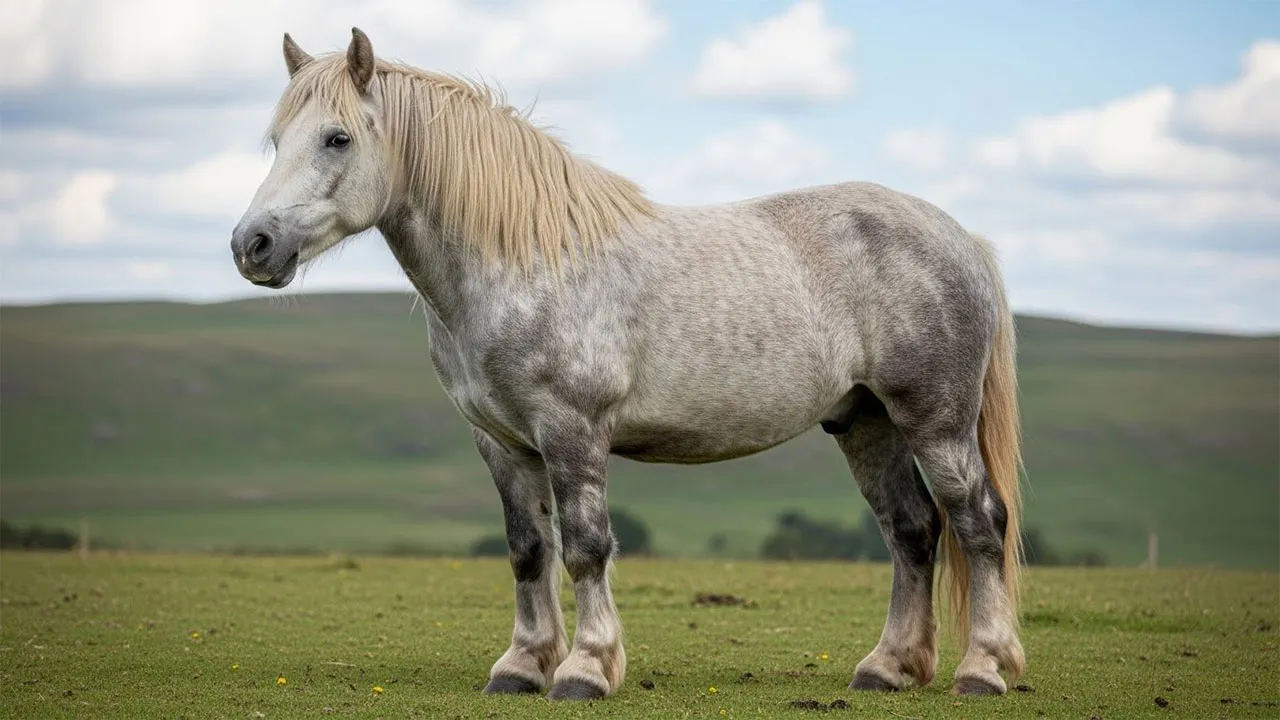
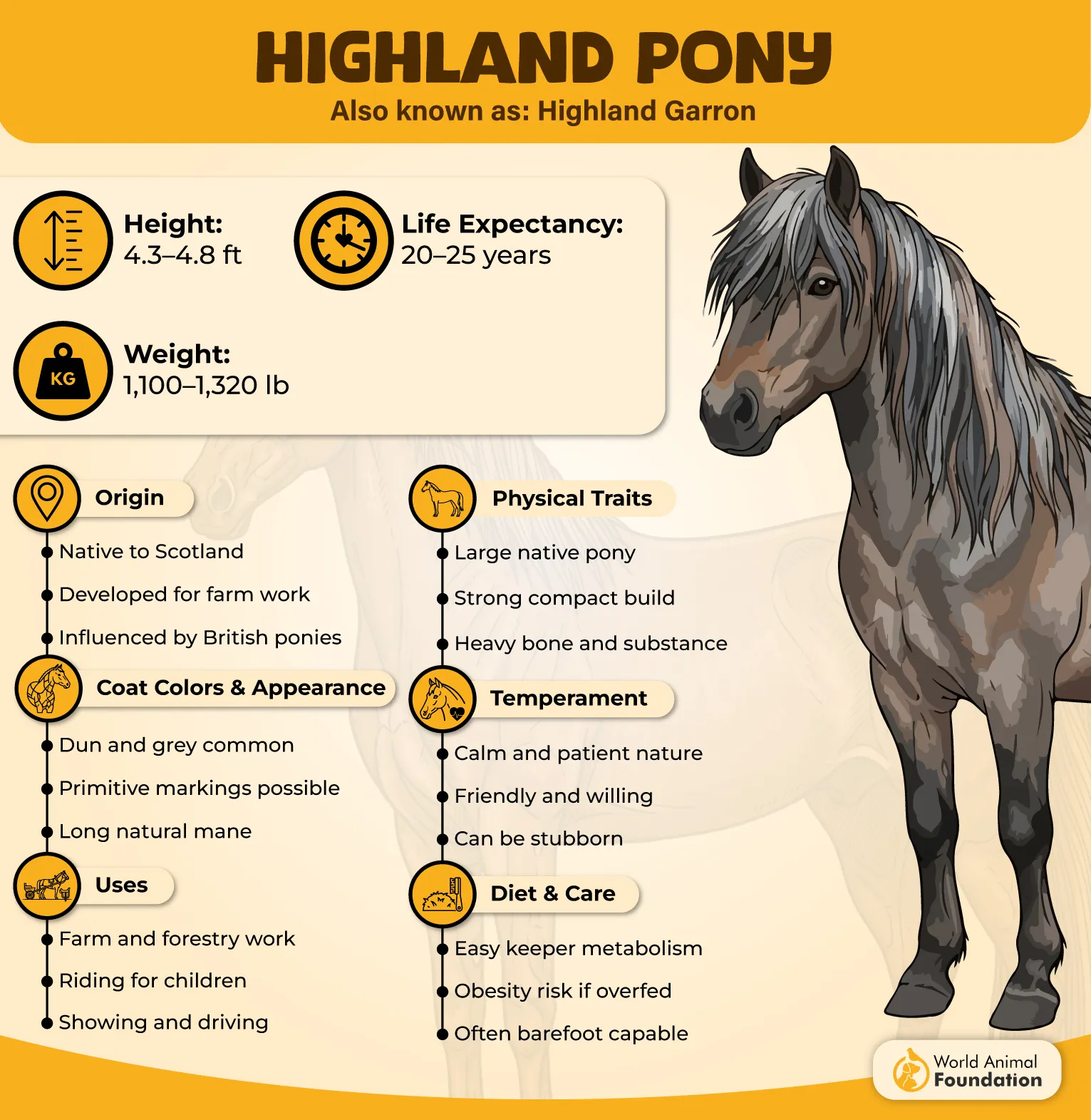
Highland Pony shows a natural toughness that fits regions where winter lasts longer than expected. Thick winter growth and a compact frame help conserve warmth during cold winds and wet snow. This physical setup allows steady movement when softer breeds struggle with exposure.
Movement in Cold Terrain
Secure footing matters when paths turn icy or uneven, and this breed stays reliable in those conditions. The body structure supports careful steps across snow-packed ground without rushing.
A few cold-weather strengths become clear once winter sets in
Dense winter coat insulation
Strong traction on slippery surfaces
Steady pace in deep snow
Versatility Through Harsh Seasons
Adaptability plays a major role in long winters where conditions change daily. Highland Pony remains useful across frozen tracks, muddy thaws, and prolonged cold spells. That flexibility keeps riding and work practical even when temperatures stay low.
Conclusion
Horses shaped by long winters show how strength grows quietly in cold climates. Their coats thicken, their instincts sharpen, and their body temperature stays steady when winds rise. They move in ways that protect body heat, using a body mass ratio that works efficiently in colder environments.
Each breed brings its own balance of stamina and a calm demeanor that keeps winter riding steady. Choosing the right horse becomes easier when you see how naturally they stay well-suited to deep snow and shifting ice. Their resilience turns winter from a challenge into a season they are ready for.
