




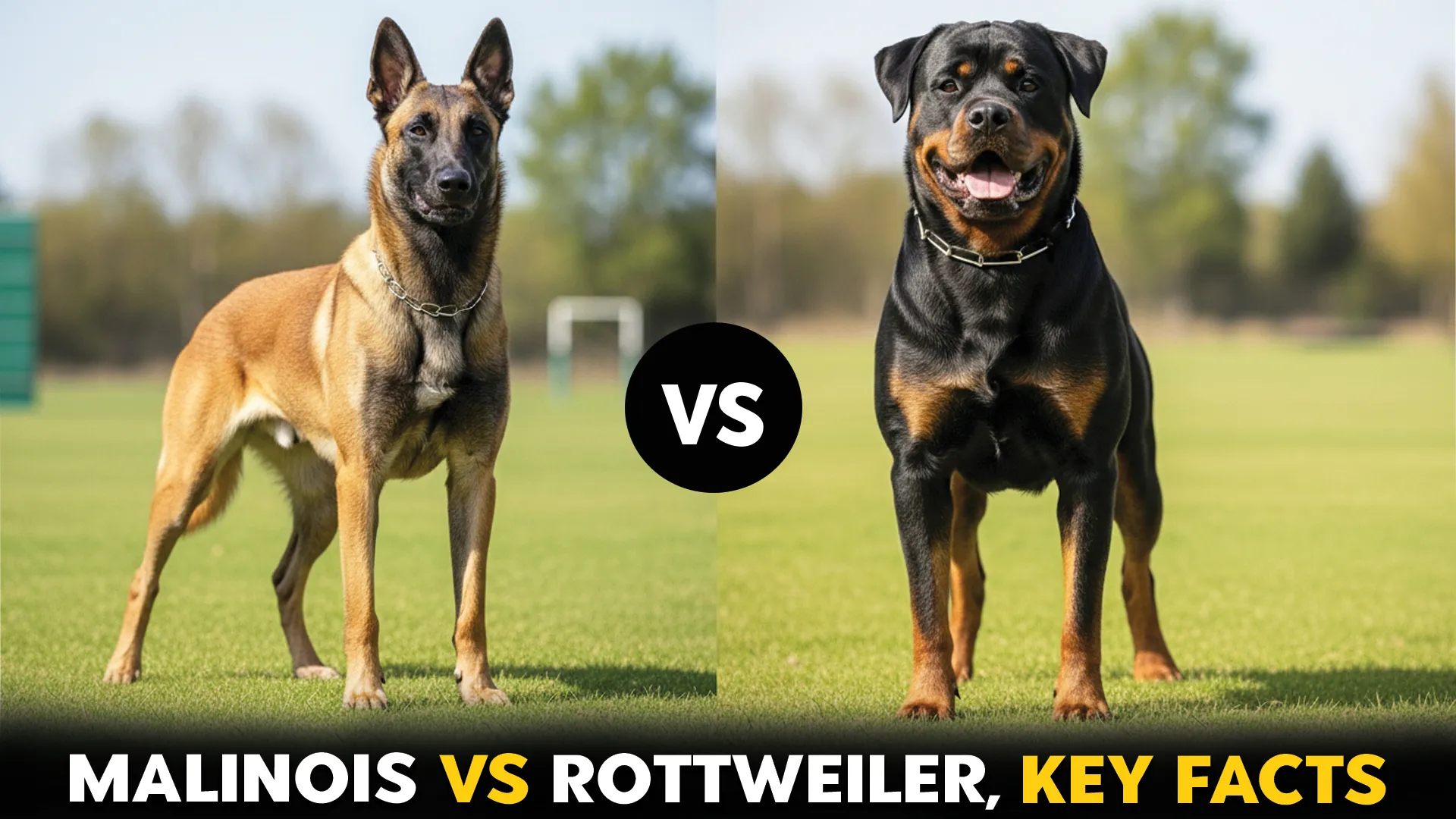
When it comes to choosing a dog that’s both a loyal companion and a four-legged powerhouse, the debate between the Belgian Malinois and the Rottweiler is a classic showdown.
Picture this: one dog could run a marathon. Solve a Rubik’s Cube. Guard your house all at once. That’s the Belgian Malinois—top choice for police dogs, working dogs, and herding dogs.
The other? It could lift your couch. Stare down intruders. Nap like a champion. Meet the Rottweiler—a popular breed with a protective nature and family-friendly vibes.
Both breeds bring brains, brawn, and heart to the table, but in very different flavors.
Buckle up, because we’re about to explore these two breeds, comparing exercise needs, guarding instincts, intelligence, grooming, and suitability for families and other pets.
Belgian Malinois vs. Rottweiler
When comparing Belgian Malinois and Rottweilers, the differences are clear.
Belgian Malinois are lean, athletic, and built for action. They thrive on mental and physical stimulation.
Rottweilers, on the other hand, are stocky, strong, and calm. They exude confidence and protectiveness.
Malinois are highly energetic, perfect for police work, military work, search and rescue, and other demanding tasks.
Rottweilers tend to be more laid-back but still excel as guard dogs. Both breeds are intelligent, but Malinois often learn faster and require daily exercise and mental stimulation.
Rottweilers respond well to positive reinforcement and professional training. When choosing between the two, consider your lifestyle, experience, and family setup.
Both can be great family dogs if provided with proper socialization, but Malinois are best for experienced owners ready for high-energy, working dogs.
Origins & Purpose
The Belgian Malinois was bred in Mechelen (Malines), Belgium, in the late 19th century. Developed from local shepherd dogs, they guarded farms, herded livestock, pulled carts, and tracked sheep, goats, geese, and ducks.
Small, unfenced farms taught them boundaries instinctively, while their loyalty and vigilance made them excellent companions. Two Malinois and two Belgian Sheepdogs arrived in the U.S. in 1911, and the breed later joined the AKC’s Working Group and Herding Group.
Their versatility suits law enforcement, military work, search and rescue, protection, and scent detection.
As per AKC, the Rottweiler descends from Roman mastiffs more than 2,000 years ago. They drove cattle, guarded livestock, and later pulled heavy carts.

After a population decline during industrialization, breeders preserved them in Europe. Today, Rottweilers excel as guard dogs, police dogs, therapy dogs, and family companions.
Both breeds combine strength, intelligence, and loyalty to serve humans in work and at home.
Size & Physical Build
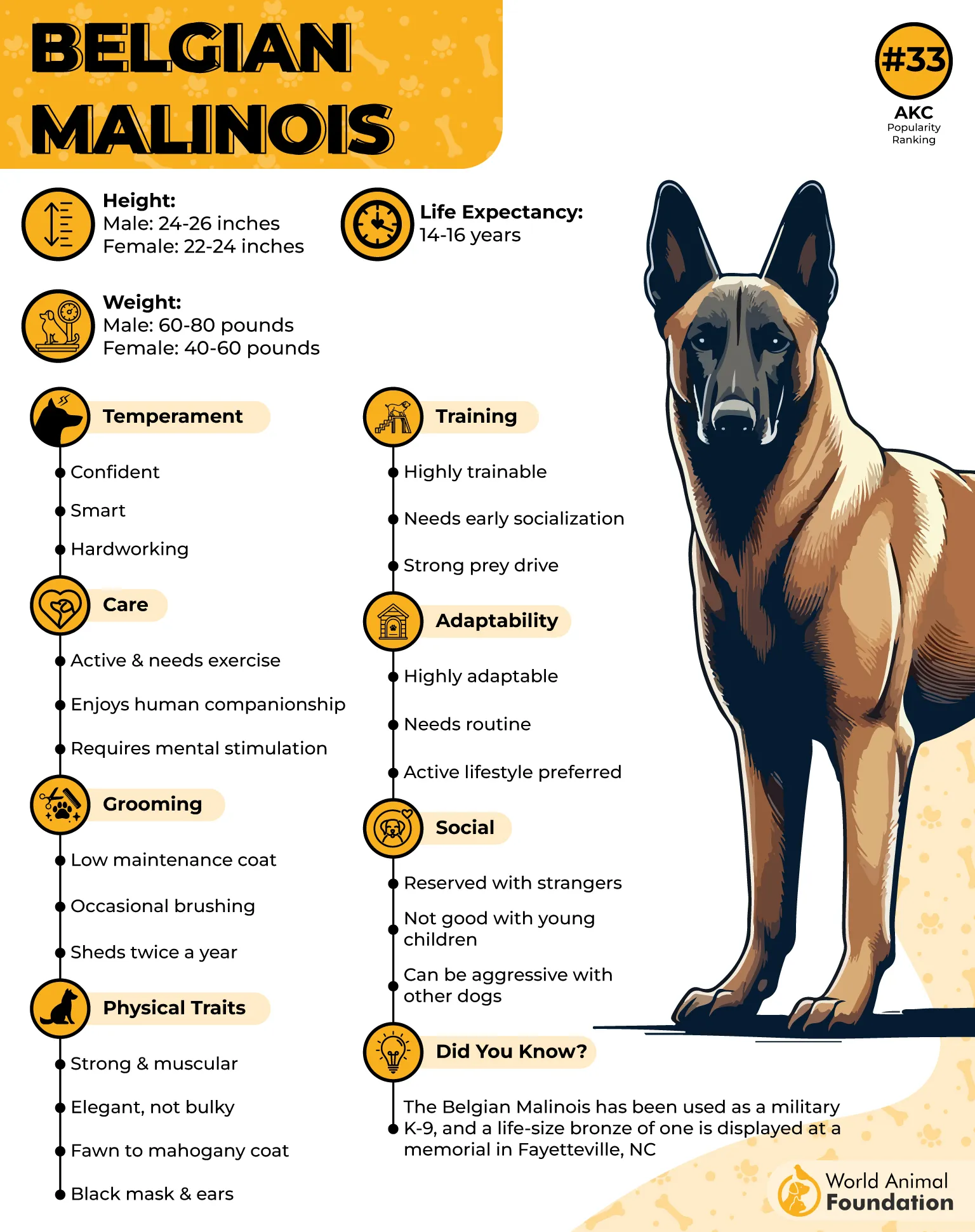
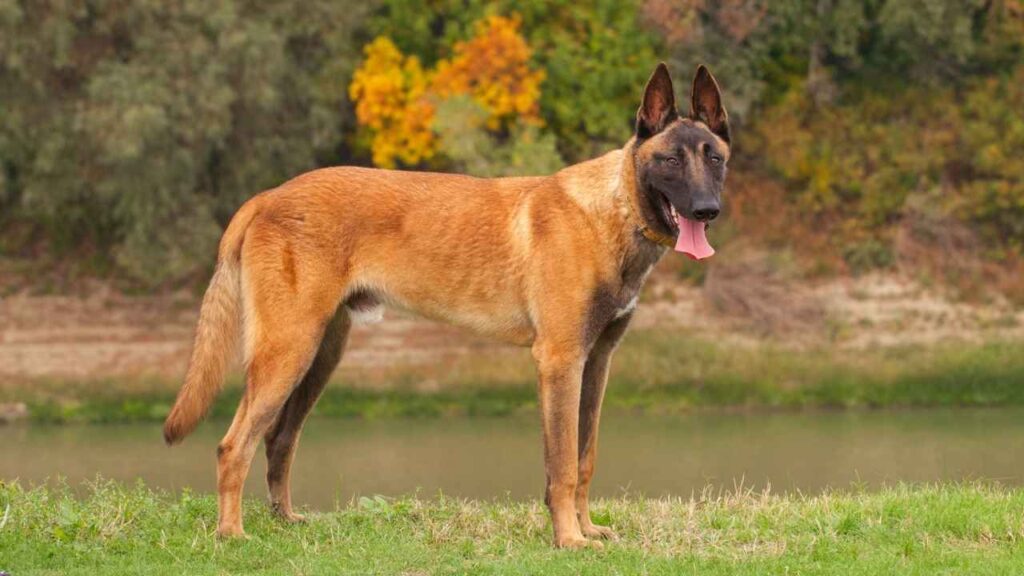
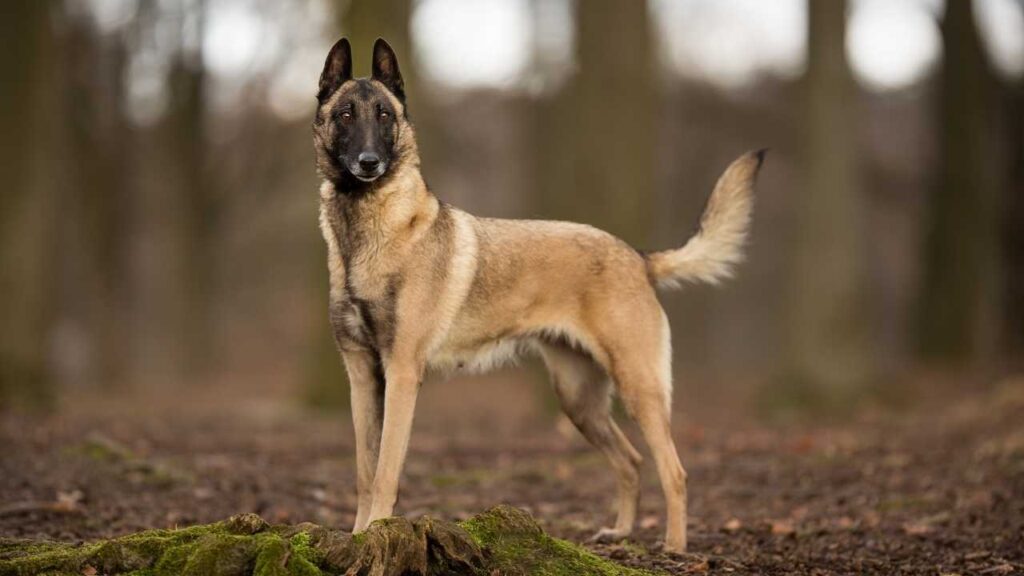
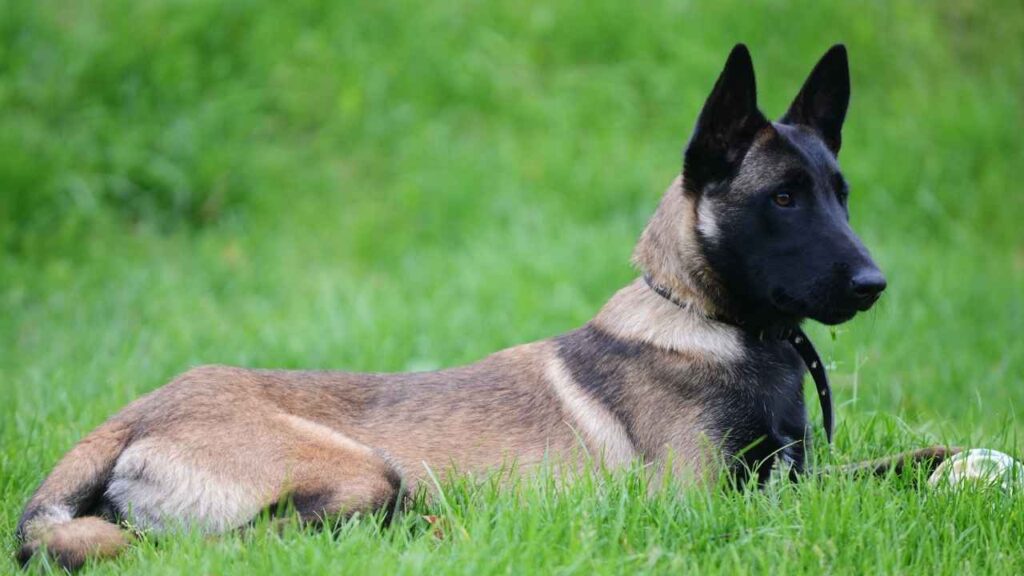
Belgian Malinois are elegant, proud, and muscular dogs with well-balanced, agile bodies. Their alert posture and strong, athletic build reflect their herding and working dog heritage.
Medium-sized, males typically weigh more and stand slightly taller than females, but both are lean and fit, built for speed and endurance. Their look exudes energy, character, and readiness for action.
Rottweilers are larger and more robust, with a strong, sturdy frame and abundant muscle.
As per WebMD, their shiny black coat features distinct reddish-brown markings above the eyes, on the cheeks, muzzle, and legs, giving them a striking appearance.
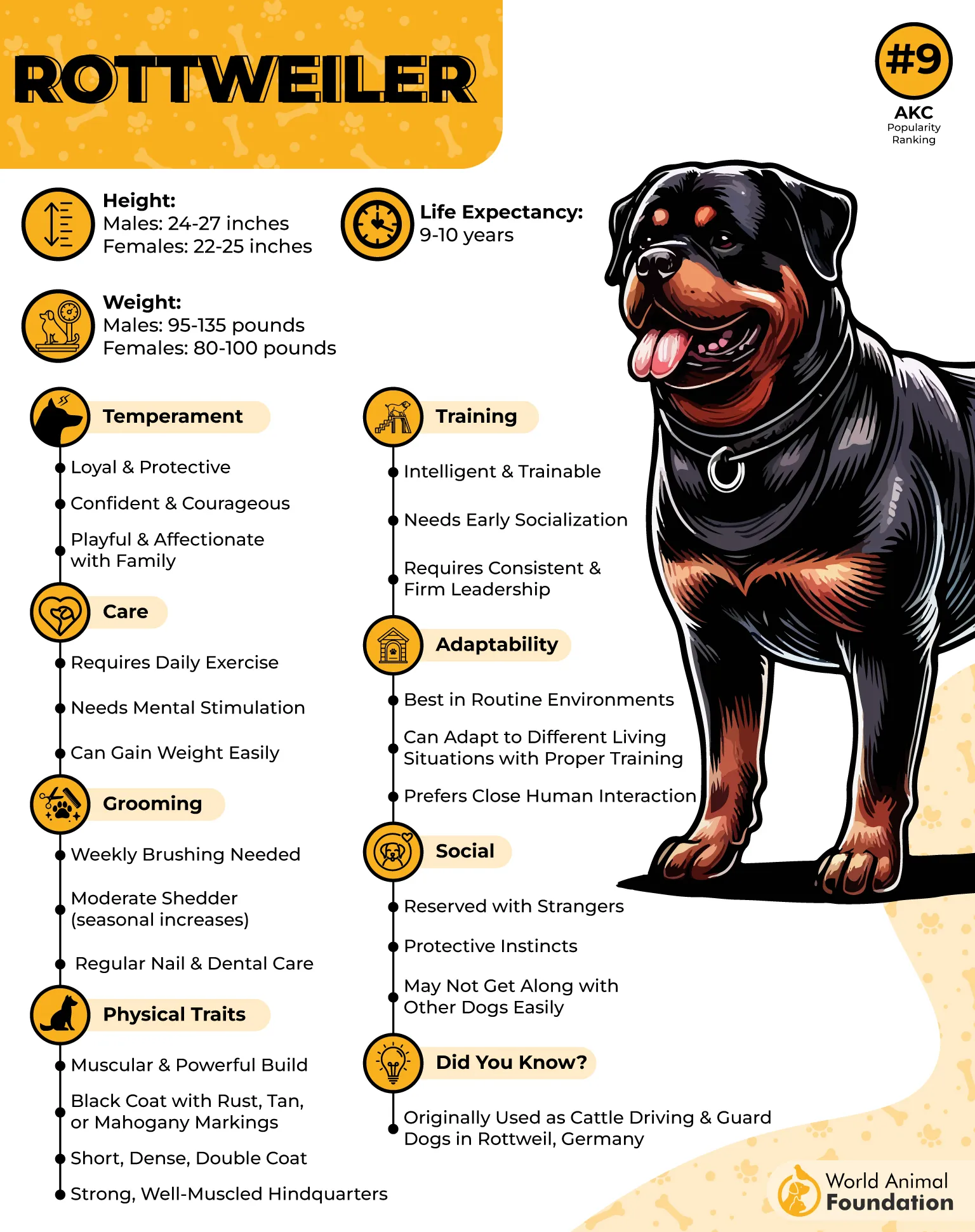
Rottweilers have a powerful bite, far stronger than many breeds of similar or larger size.
While Malinois are built for agility, Rottweilers combine size, strength, and endurance, making them excellent guard dogs, working dogs, and loyal family companions.
Temperament & Personality
Belgian Malinois are playful, energetic, and highly intelligent dogs, often compared to German Shepherds in temperament. They are brave, adventurous, and eager to work, making them excellent for police work, military tasks, and search and rescue.
These dogs thrive on mental stimulation and physical activity and form strong bonds with owners who provide consistent training and guidance.
Rottweilers, in contrast, have a calm, confident, and steady personality. While they can appear intimidating, they are loyal, gentle, and affectionate with their families. Once a Rottweiler trusts and bonds with their owner, its protective instincts kick in, making it a reliable guard dog and devoted companion.
Both breeds are intelligent and trainable, but Malinois require more activity and supervision, while Rottweilers balance strength, loyalty, and composure in daily life.
Exercise & Energy Levels
Belgian Malinois are high-energy dogs that need far more than daily walks. They thrive on intense aerobic exercise, such as running five miles, hiking, or biking.
As per PetMD, mental stimulation is just as important—agility, tracking, herding, and obedience competitions keep them sharp. Without proper exercise or training, Malinois can become bored and develop destructive behaviors, creating their own activities to burn off energy.
Rottweilers are strong, sturdy dogs that require at least 60 minutes of daily exercise. Walks, hikes, backyard play, or dog sports help keep them physically fit. Mental stimulation is also crucial to prevent boredom and unwanted behaviors like chewing furniture.
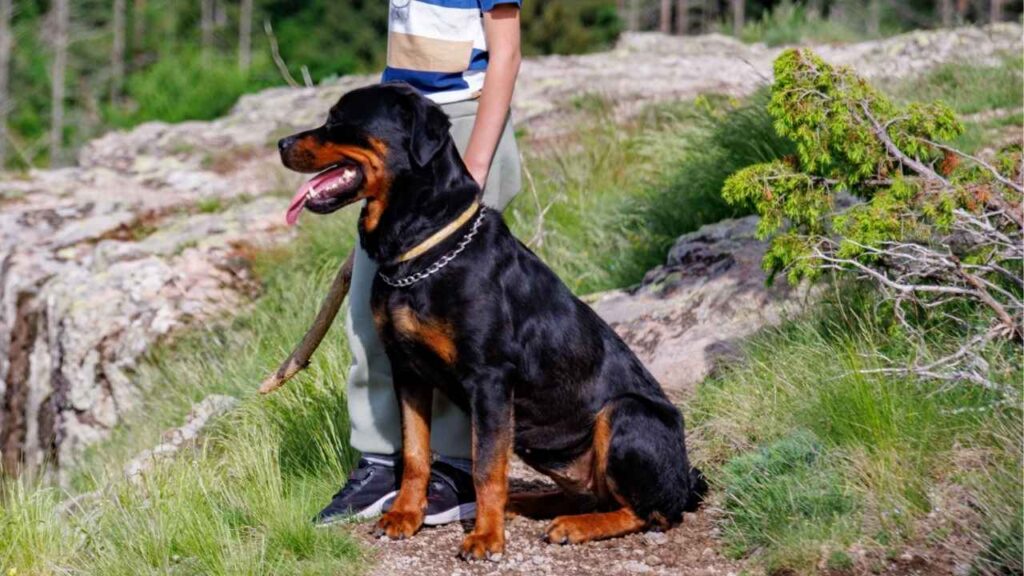
While both breeds enjoy physical activity, Malinois demand higher intensity and variety, whereas Rottweilers balance exercise with a more moderate energy level.
Training & Intelligence
Belgian Malinois are among the smartest dog breeds, making them fast and eager learners. Early training is essential, and proper training is recommended, especially for tasks that stimulate their minds.
Involving yourself in training strengthens the bond between you and your Malinois while keeping them happy and engaged.
Rottweilers are also intelligent and eager to please, which makes them highly trainable. Positive reinforcement and rewards work best to encourage good behavior and create lasting habits.
Early socialization is crucial—introducing them to new people, animals, and environments helps prevent fear or aggression.
With consistent training, both Belgian Malinois and Rottweilers can excel in commands, tasks, and even specialized work, but Malinois require more intensive mental challenges to stay satisfied.
Coat Maintenance
Belgian Malinois have a short, double-layered, dense coat with a dense undercoat and a slightly harsher outer coat.
For most of the year, weekly brushing is sufficient to keep their fur clean and healthy. Baths are only needed occasionally unless they get into something messy. During shedding season, which happens at least once a year, daily brushing is necessary to remove the large amount of loose hair and prevent mats.
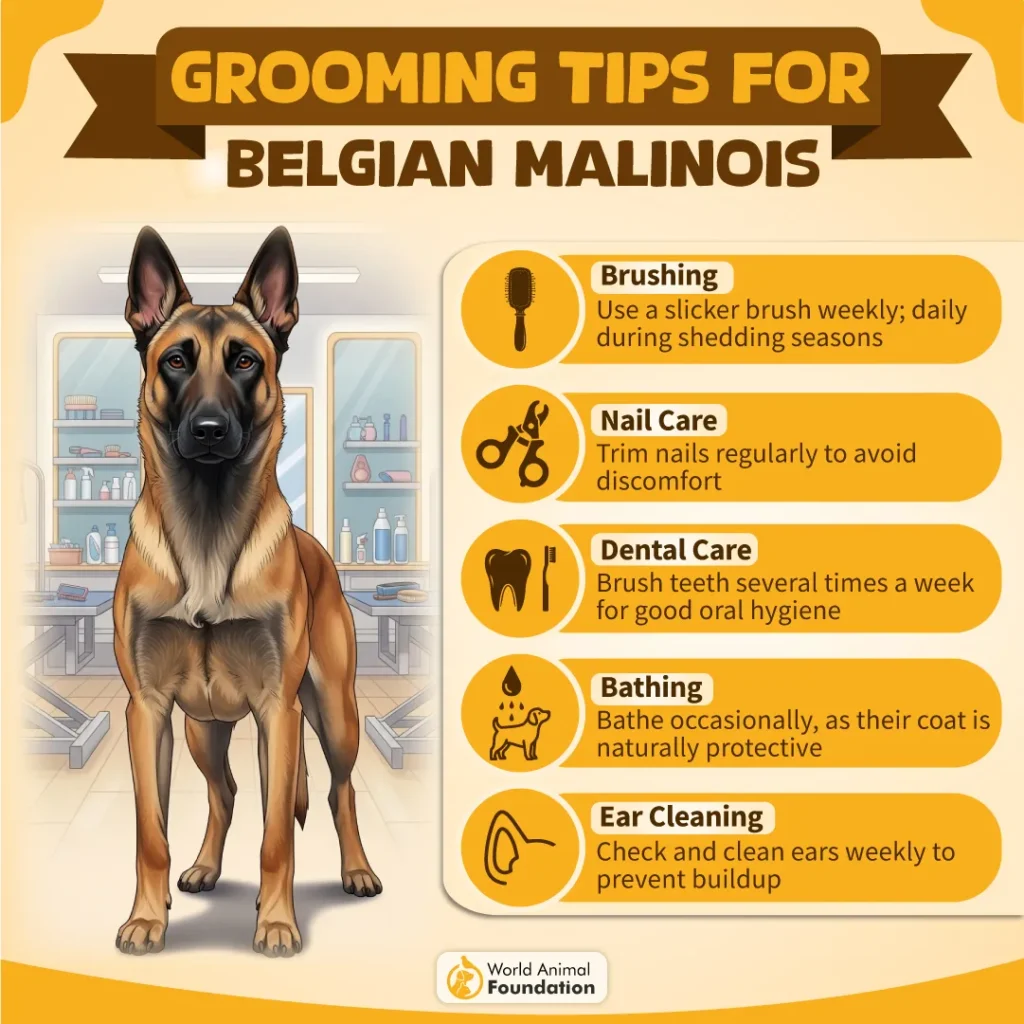
Rottweilers have a straight, coarse, medium-length coat with an undercoat concentrated around the neck and thighs. Weekly brushing is recommended to maintain their coat, and regular baths help keep them clean.
They shed moderately throughout the year, with heavier shedding occurring twice annually, usually in spring and fall.
Both breeds require minimal grooming overall, but consistent brushing during shedding seasons keeps their coats healthy and reduces hair around the home.
Health & Lifespan
Belgian Malinois typically live 10–14 years. While generally healthy, they can develop hereditary conditions like hip dysplasia and elbow dysplasia, which may cause joint pain and arthritis.
Eye issues, such as cataracts and progressive retinal atrophy (PRA), can also occur, potentially leading to blindness over time. Maintaining regular vet check-ups helps catch problems early and ensures a long, active life.
Rottweilers have a slightly shorter lifespan of 9–10 years. Like Malinois, they are prone to hip and elbow dysplasia. Their large size and high energy make cranial cruciate ligament (CCL) injuries more likely.
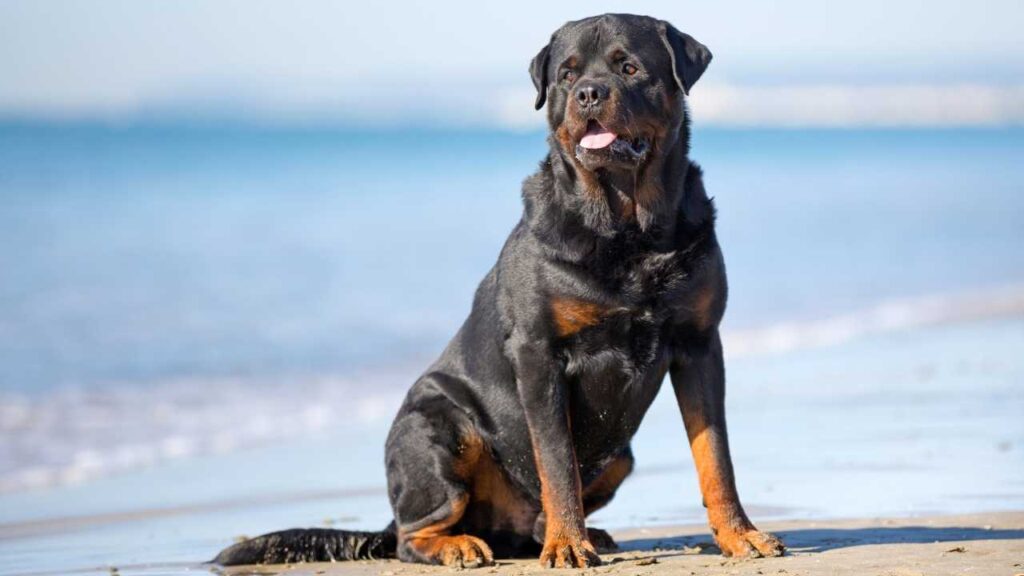
Rottweilers are also at risk for gastric dilatation-volvulus (bloat), a dangerous condition caused by their deep chest and narrow abdomen.
Keeping them at a healthy weight and providing proper food and exercise can reduce health risks and improve longevity.
Suitability as Family Pets vs. Guard Dogs
Belgian Malinois are highly intelligent, energetic, and protective, making them excellent guard dogs for experienced owners.
Their loyalty and alertness allow them to watch over homes and families effectively. However, they require consistent training, mental stimulation, and daily exercise. Without proper guidance, their high energy and protective instincts can become overwhelming for first-time dog owners or families with very young children.
Rottweilers, on the other hand, combine strength, confidence, and a calm demeanor, making them both reliable guard dogs and loving family pets. They are naturally protective of their household but tend to be gentler and more patient with children than Malinois.
When properly socialized and provided with positive reinforcement training, Rottweilers remain obedient, well-mannered, and friendly with other pets.
Both breeds thrive in homes where their needs and instincts are respected.
Conclusion
Belgian Malinois and Rottweilers are both remarkable breeds, but they serve different lifestyles and purposes. Belgian Malinois are agile, highly intelligent, and energetic dogs, ideal for active owners who can provide daily exercise, mental stimulation, and structured training.
They excel in police work, military roles, herding, and agility, but may be too demanding for first-time dog owners or families seeking a calmer pet.
Rottweilers, in contrast, are strong, confident, and loyal, striking a balance between being dependable guard dogs and affectionate family companions. With early socialization, positive reinforcement, and regular exercise, they thrive in homes with children, other animals, and moderately active owners.
Choosing between the two comes down to lifestyle, experience, and family needs. Both breeds reward their owners with loyalty, protection, and intelligence, making either a lifelong, devoted companion.
