




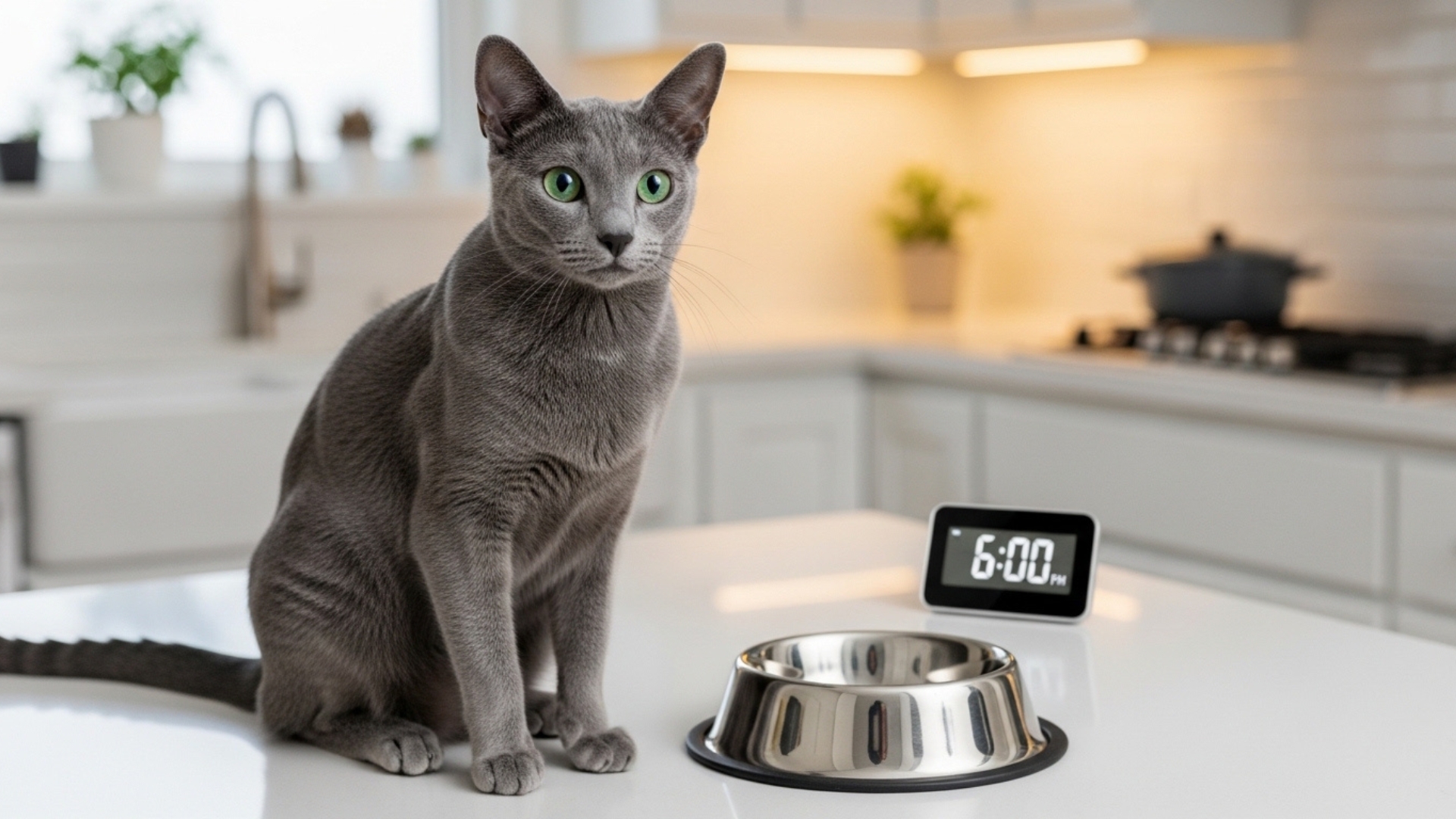
Cats may have a reputation for independence, but many of them quietly crave structure—especially when it comes to food. For certain breeds, predictable feeding times aren’t just a convenience; they’re a source of comfort. Much like their ancestors who lived by daily rituals in temples or royal households, these cats flourish when meals arrive right on schedule.
Why do some cats thrive on feeding routines? Consistency helps them feel secure in their environment. When mealtimes are predictable, cats know what to expect, which strengthens their bond with their humans and supports healthier eating habits.
Predictable meal times also play a powerful role in reducing feline stress. Uncertainty around food can trigger anxiety, vocalization, or behavioral issues. A steady routine signals safety, stability, and care. In this article, we’ll explore seven cat breeds that truly prefer predictable feeding times—and why honoring their internal clocks can lead to calmer, happier, and more content companions.
Cat Breeds That Prefer Predictable Feeding Times
1. Siamese
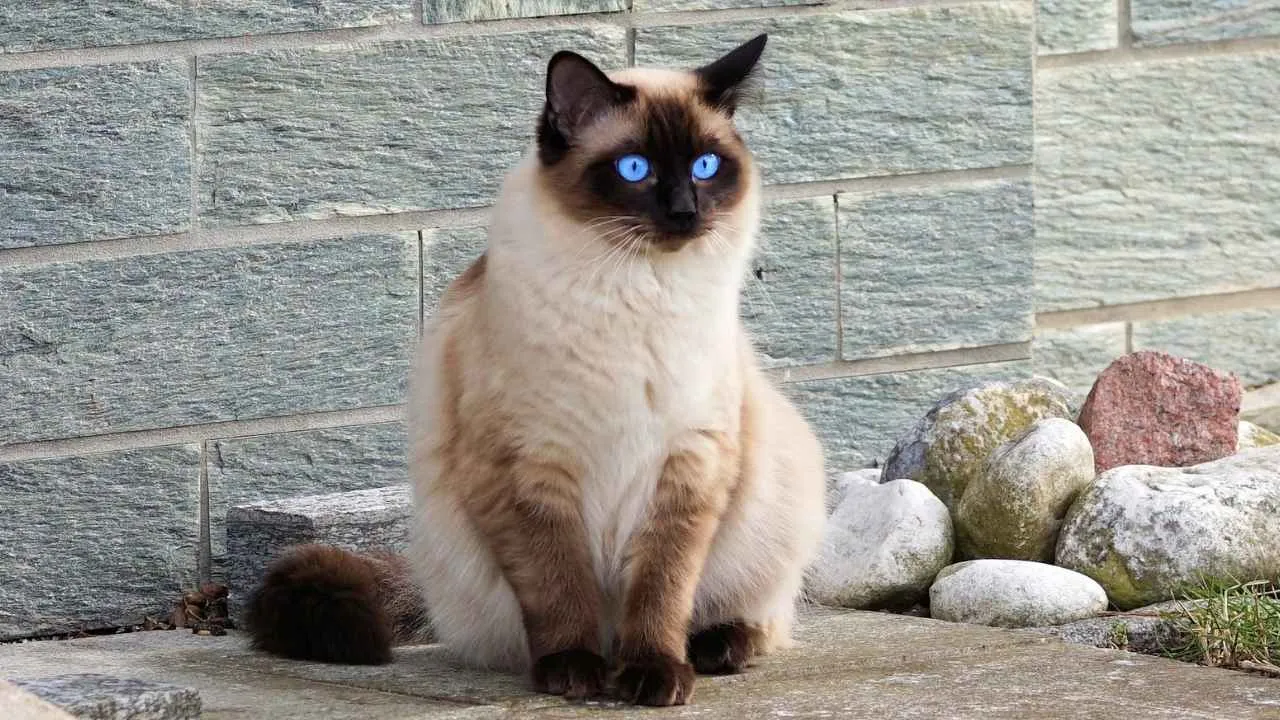
Also known as the Thai cat, the Siamese is an Oriental Shorthair breed celebrated for its slender build, vivid blue eyes, and sleek, glossy coat with distinct color points.
According to Britannica, the Siamese cat was first exported from Siam to the United States in 1878 and later to the United Kingdom in 1884. This ancient breed was once kept by royalty and is known for being intelligent, affectionate, and famously vocal.
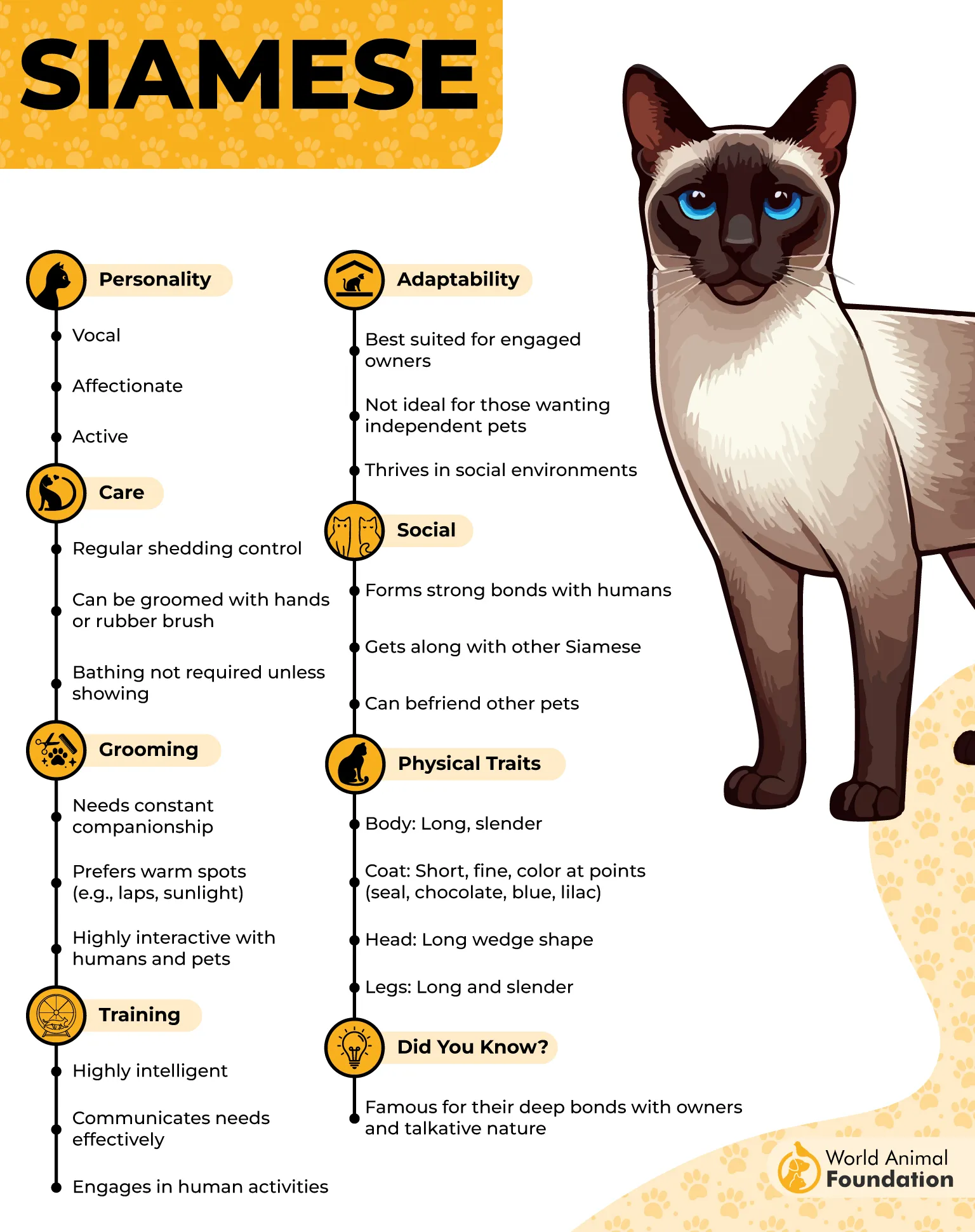
When it comes to food, Siamese cats are true routine lovers. Their sharp minds and strong attachment to their humans make them quick to learn feeding schedules, and they expect meals to arrive at the same time every day without exception.
Irregular feeding times can lead to stress-related behaviors such as excessive meowing or restlessness. Consistent meal routines provide reassurance, helping this socially driven breed feel secure and emotionally balanced throughout the day.
Structured feeding also supports their lean, athletic physique, as scheduled portions prevent overeating and help maintain a healthy weight.
Fact: Siamese cats are known for extraordinary hearing and once helped uncover hidden microphones during a Cold War investigation.
2. British Shorthair
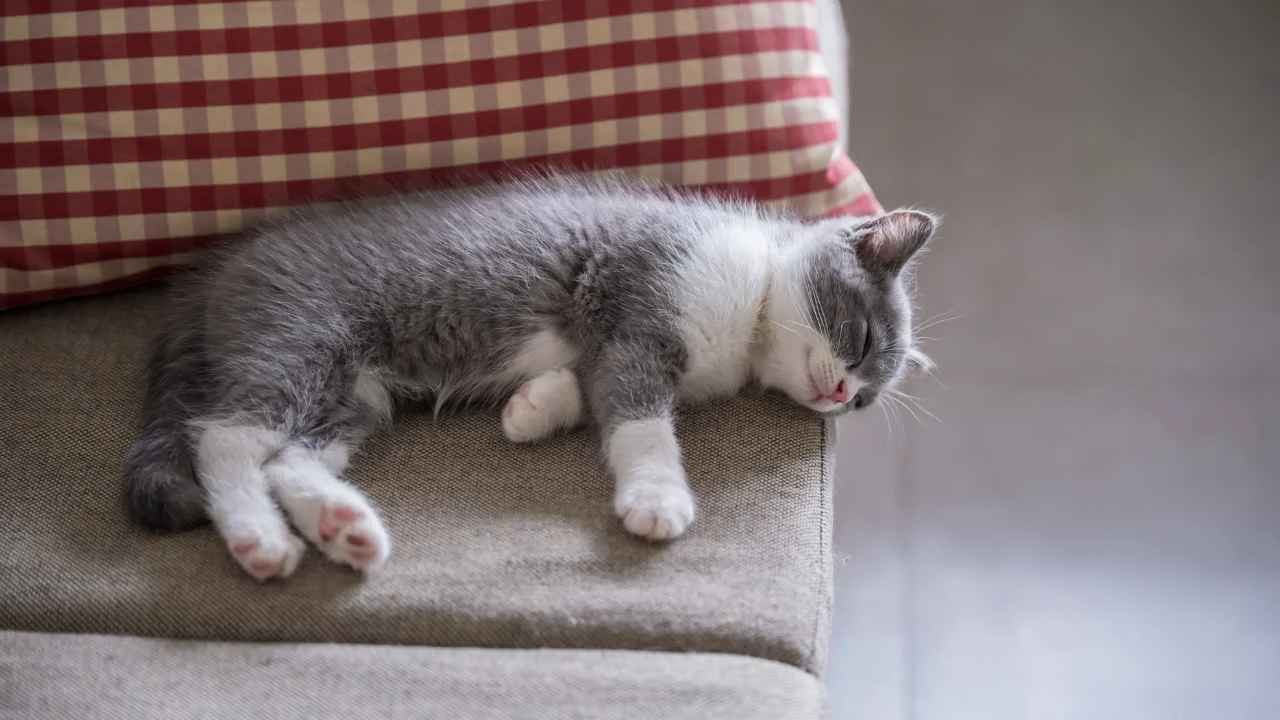
Also known as the British Blue, the British Shorthair is a historic cat breed from the United Kingdom, recognized for its round face, copper or gold eyes, and dense plush coat. Calm, affectionate, and quietly confident, this breed is often described as dignified rather than demanding.
According to PetMD, British Shorthairs enjoy their independence and often prefer spending time alone; however, they are also adaptable and gentle, which makes them excellent pets for a wide range of households.
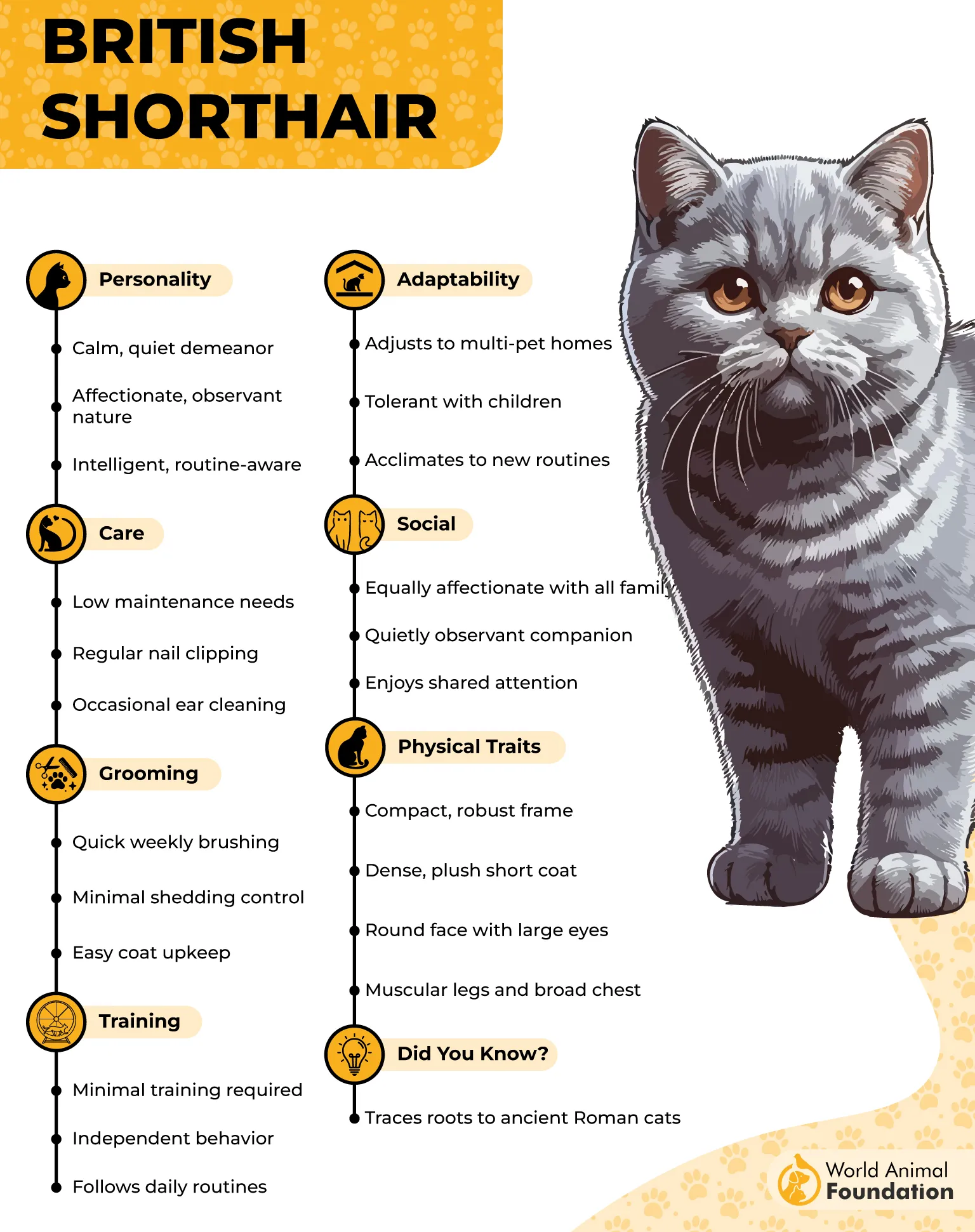
British Shorthairs strongly prefer structure, especially around feeding. They respond best when meals are served at consistent times each day, as predictable routines help them feel secure and support smooth digestion from kittenhood into adulthood.
Although they aren’t overly vocal about food, they are quietly food-motivated and notice disruptions quickly. Irregular feeding schedules can lead to restlessness or subtle stress, while routine mealtimes help maintain their naturally steady, relaxed temperament.
With a solid build that commonly falls between 9 and 18 pounds, scheduled meals are also important for weight management in this moderately active breed.
Fun fact: The British Shorthair is often nicknamed the “Winston Churchill of the cat world” because of its sturdy build and dignified personality.
3. Burmese
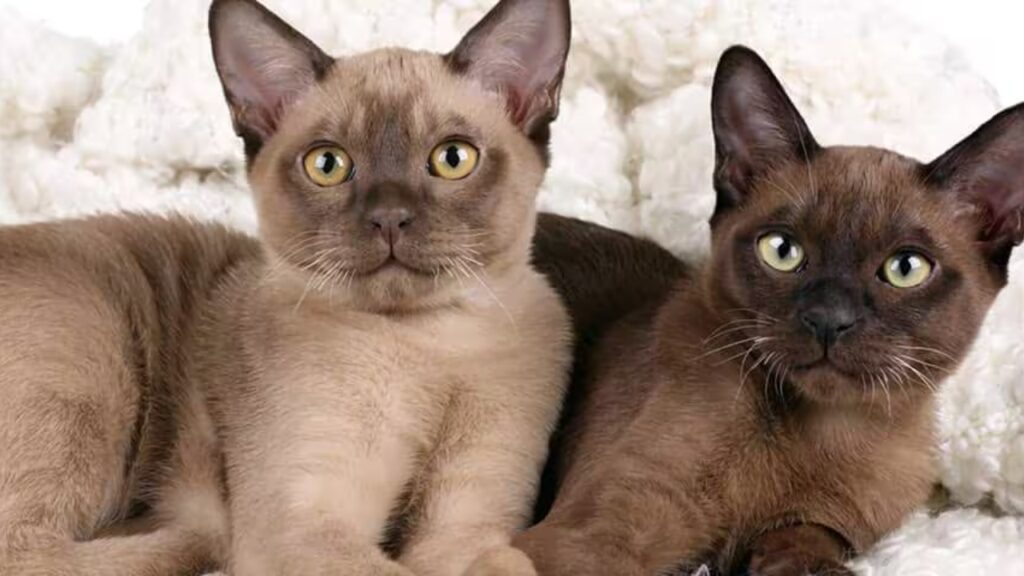
Also known as the Burmese Cat, this breed traces its roots to Siamese ancestors and is instantly recognized by its compact, muscular body, rounded head, and glossy, satin-like coat.
According to WebMD, Burmese cats are affectionate and enjoy being around people. With expressive golden or amber eyes and a famously affectionate nature, the Burmese is often described as “dog-like” in devotion.

Structured habits matter greatly to this people-oriented breed, especially around food. Burmese cats form strong associations between daily events and quickly learn feeding schedules, often showing up early and staying close until meals are served right on time.
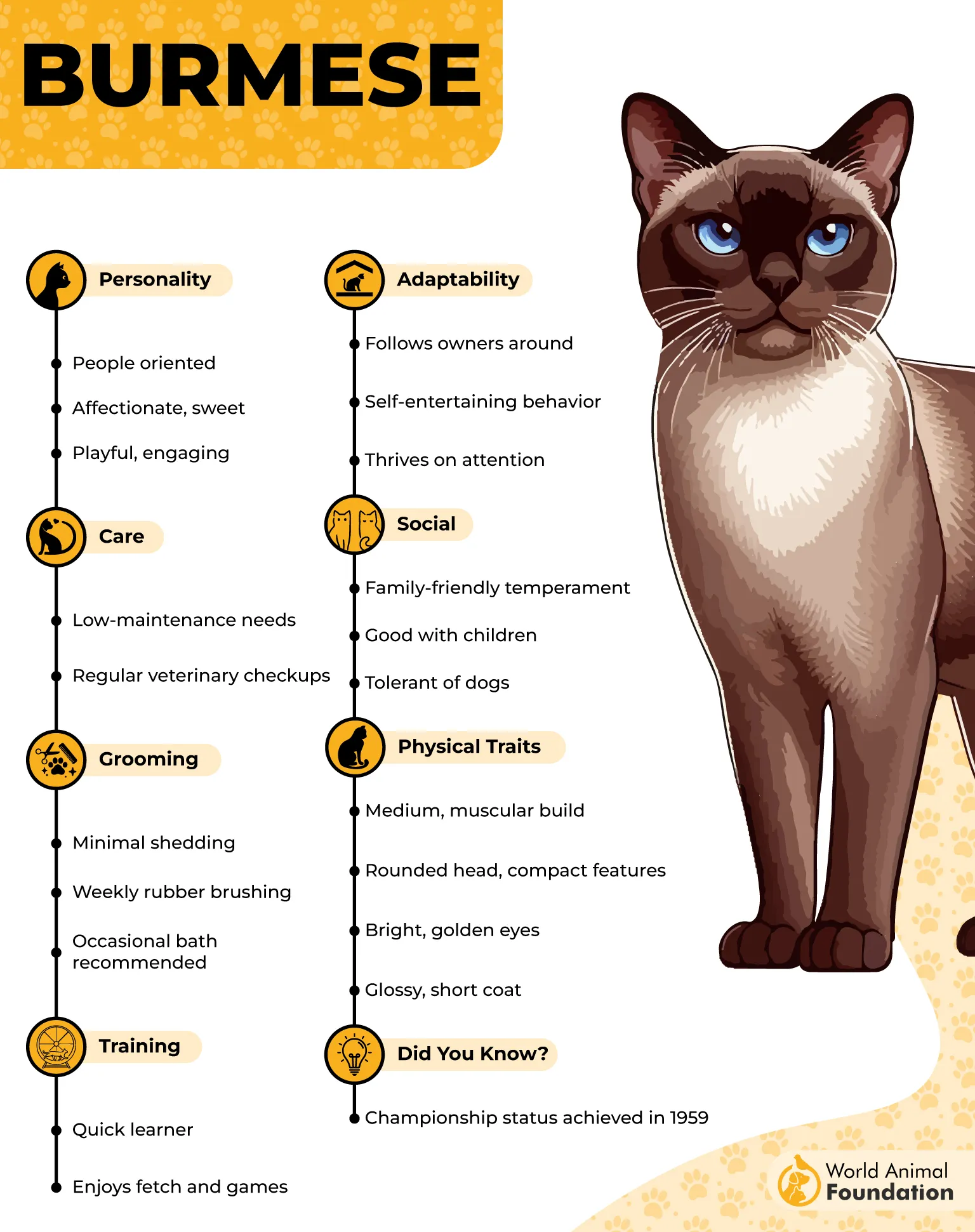
Because they are energetic, curious, and highly engaged with their humans, inconsistent feeding can lead to restlessness or increased attention-seeking. Predictable mealtimes provide reassurance, helping them stay emotionally balanced and focused on play rather than anticipation.
Their solid, deceptively heavy build—often compared to “bricks wrapped in silk”—also benefits from portioned, scheduled meals rather than free feeding.
Interesting fact: Burmese cats are known for having a softer, sweeter voice than their Siamese relatives, despite being just as conversational.
4. Russian Blue

Also known as the Archangel Cat, Maltese Cat, or Spanish Cat, the Russian Blue originates from Russia and is admired for its dense blue-gray coat, graceful build, and alert green eyes. This quiet yet deeply loyal breed often forms an intense bond with one chosen person.
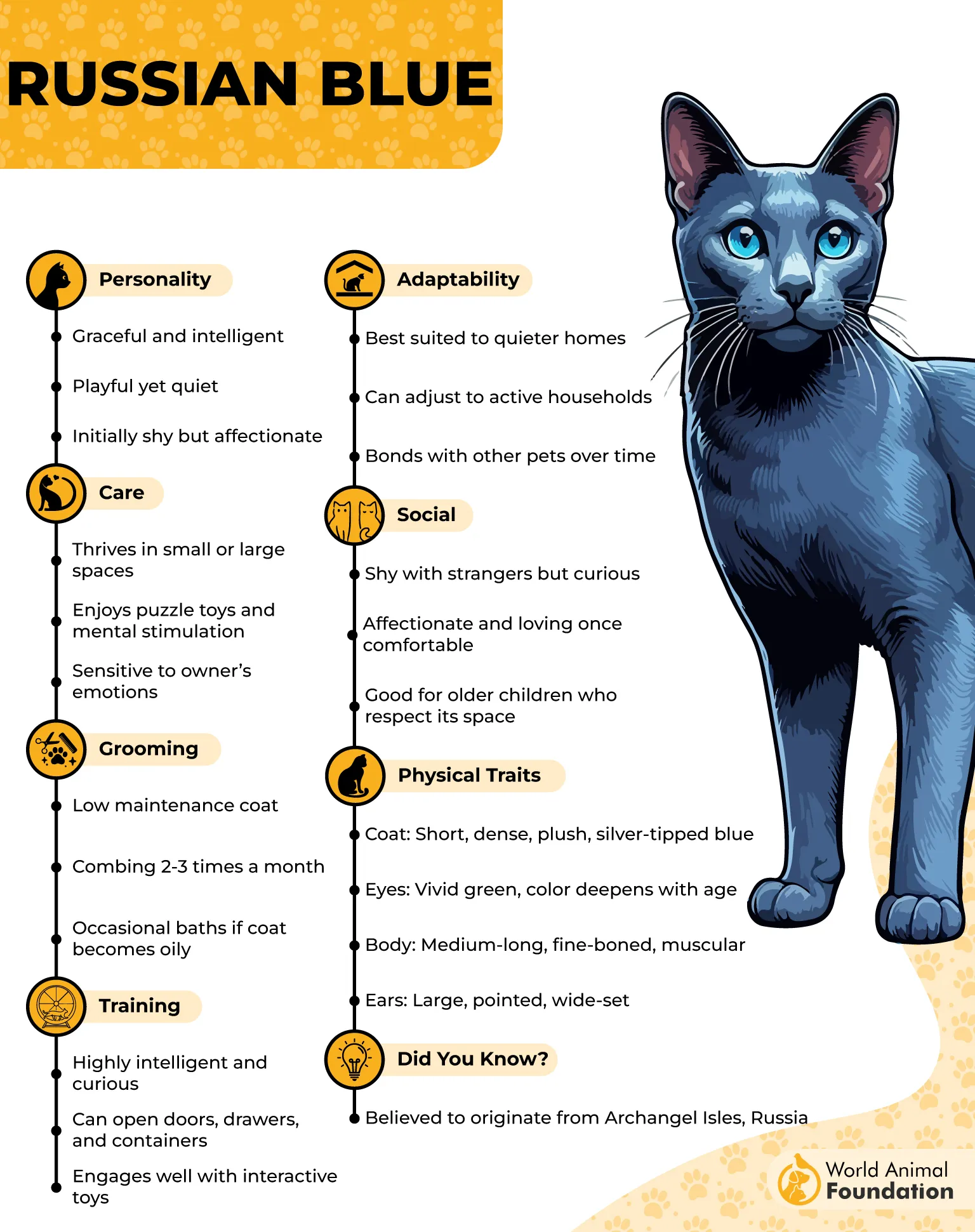
Russian Blues are intelligent and highly attuned to daily structure, making them especially responsive to consistent feeding schedules. They not only enjoy mealtime but also actively anticipate it, quickly learning exact feeding times and expecting them to be followed without variation.
Because this breed is sensitive to change, irregular meals can trigger stress or persistent vocal reminders. Sticking to predictable portions at set times helps them feel secure and prevents overeating, which they may attempt if given the chance.
Mental sharpness and strong observation skills mean Russian Blues notice even small disruptions to routine.
Interesting fact: The Russian Blue was historically called the Archangel Cat after arriving in Europe aboard ships from the Russian port of Arkhangelsk.
5. Ragdoll
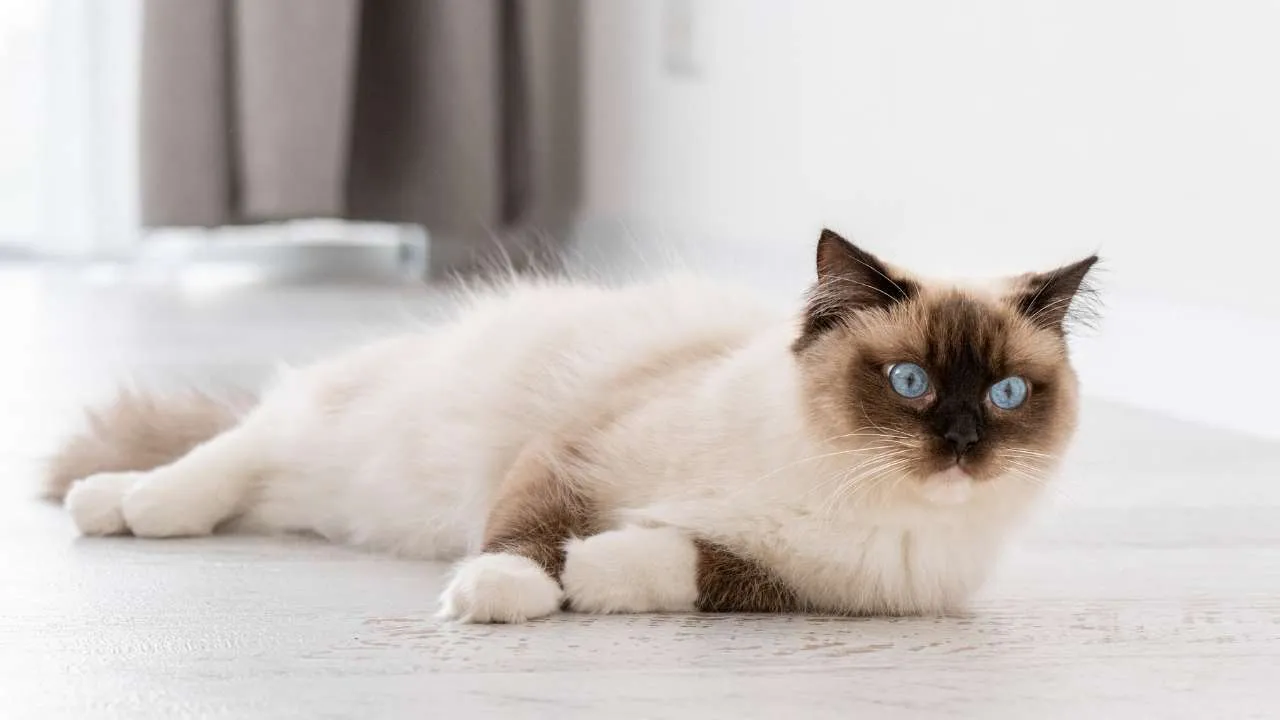
Also known as the “gentle giant,” the Ragdoll is a large, people-oriented breed recognized for its long, silky coat, soft wedge-shaped head, and oval blue eyes. Famous for going limp when held, this affectionate cat is calm, sociable, and strongly bonded to its humans.
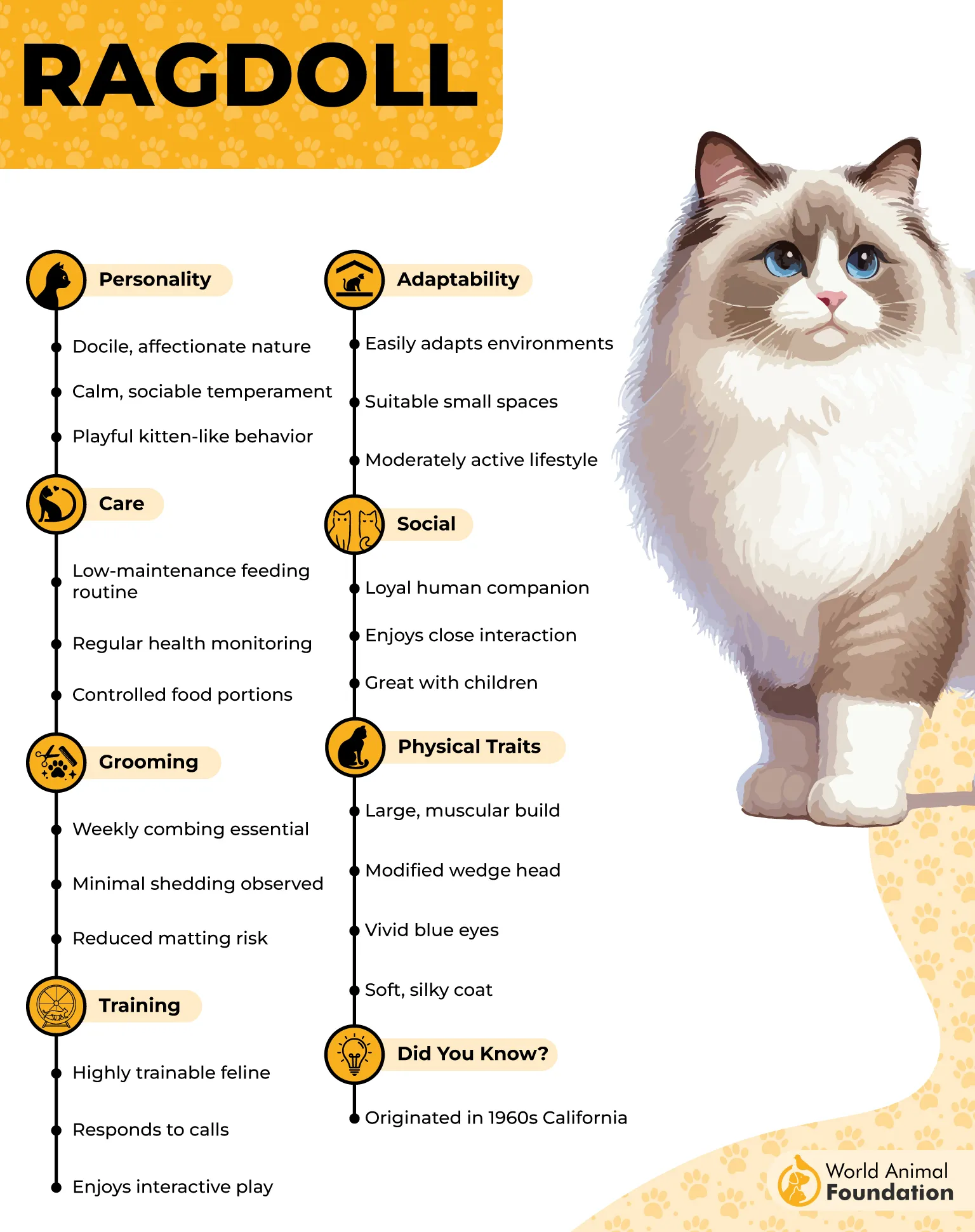
Ragdolls are emotionally tuned into household routines, including meals. Because they thrive on predictability and human interaction, sudden changes in feeding times can leave them unsettled or quietly anxious.
These relaxed, dog-like companions prefer a steady daily rhythm. Consistent mealtimes help them feel secure and supported, especially since they tend to wait patiently rather than demand food loudly like more vocal breeds.
Their large size and gentle nature also make structured feeding important for digestion and overall comfort. Irregular schedules may contribute to stomach sensitivity or stress-related changes in behavior.
Interesting fact: Ragdolls are often described as “puppy-like” because they follow their owners, greet them at the door, and can even learn to play fetch.
6. Persian
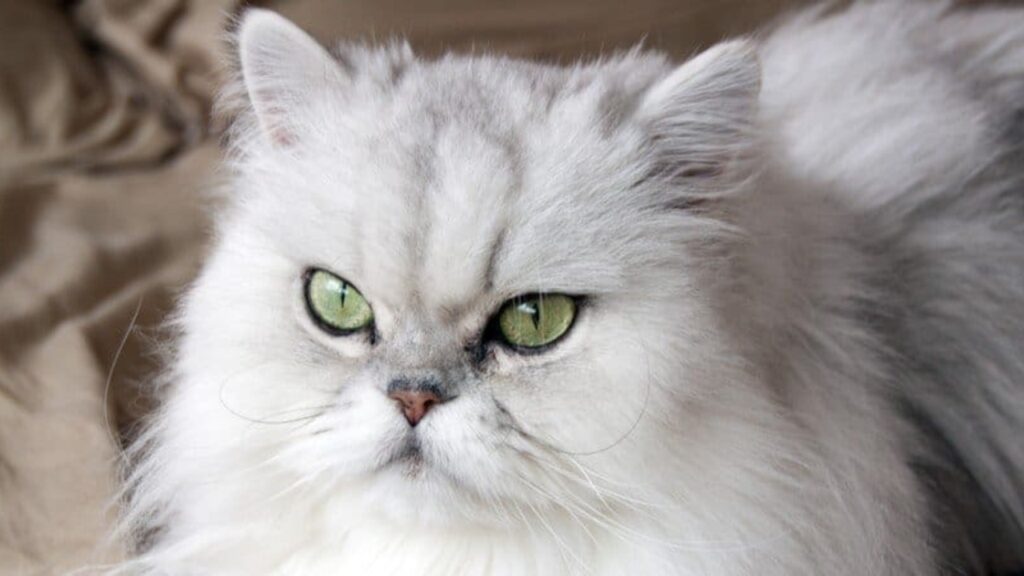
Also called the Persian Longhair, the Persian is instantly recognized by its flat face, large, round eyes, and flowing coat. This calm, low-energy breed is known for a gentle temperament and a preference for quiet, predictable environments that support its comfort-first lifestyle.
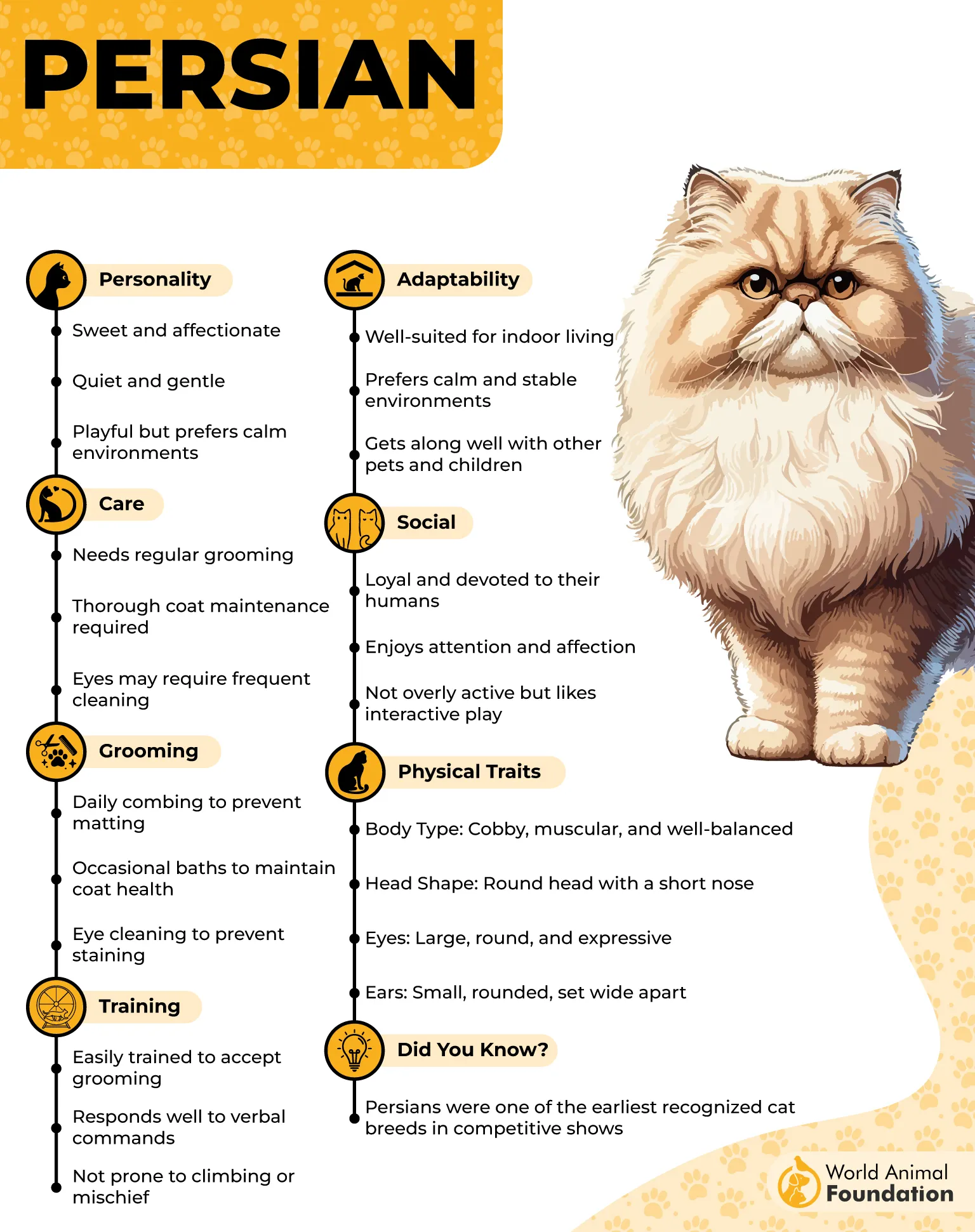
Persian cats may not be loud, but they are extremely aware of routine—especially around meals. Regular feeding times help them feel secure and prevent stress, which is important for a breed that thrives on stability rather than stimulation.
Because of their brachycephalic facial structure, Persians often eat more comfortably when food texture and timing are consistent. Predictable meals reduce frustration at the bowl and help maintain steady digestion for a cat that prefers slow, unhurried eating.
Their long coats and grooming habits also make nutrition timing important, as structured meals help manage hairballs and support coat health.
Interesting fact: Persian cats are more prone to hairballs due to their long fur, making fiber an important part of their diet.
7. Maine Coon
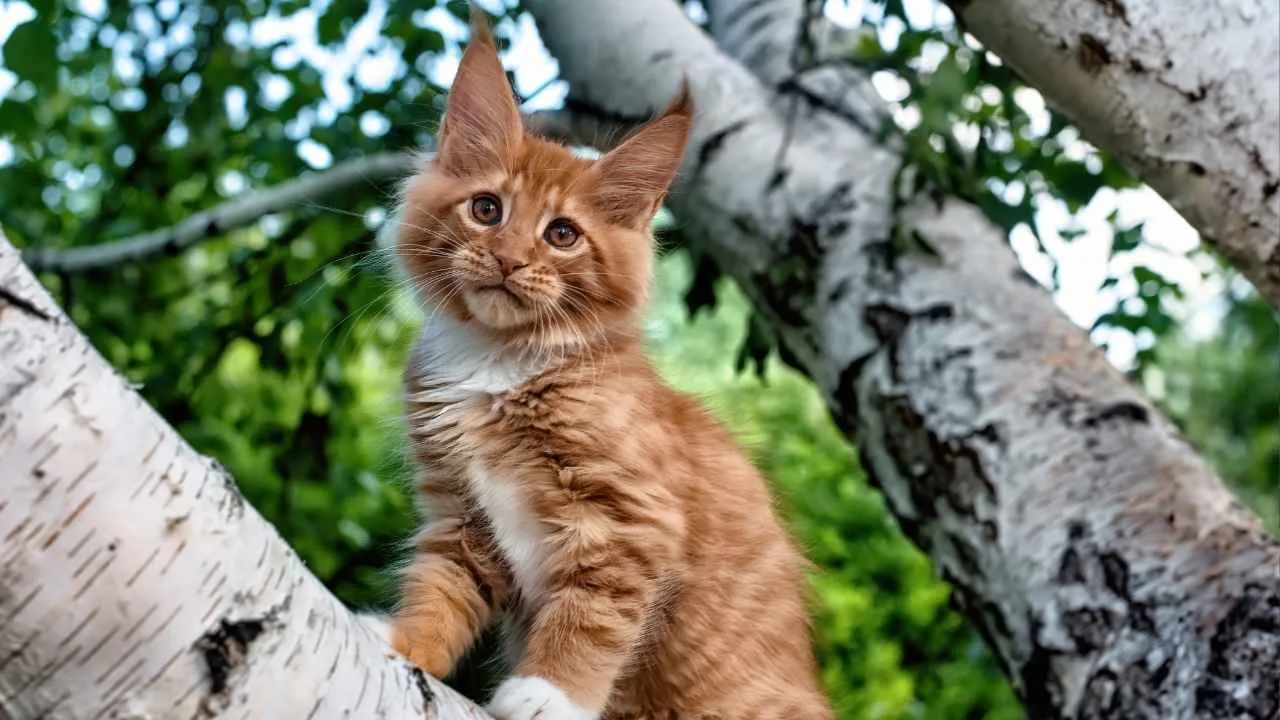
Often called the “Gentle Giant,” the Maine Coon is a large, long-haired breed known for its shaggy coat, tufted ears, and sweet, social nature. Despite their impressive size, they are affectionate, adaptable, and famously easygoing companions.
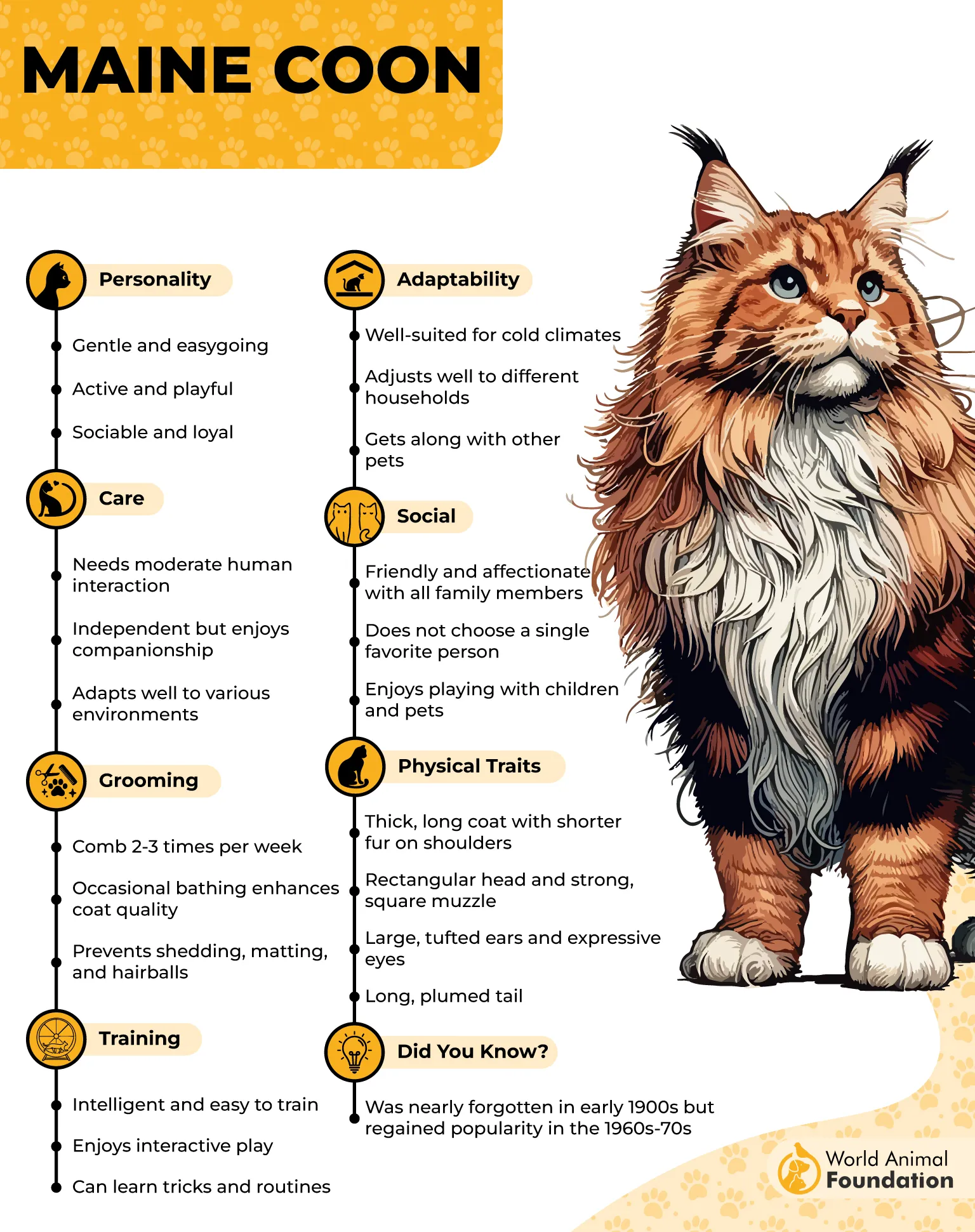
Maine Coons tend to have a calm temperament paired with a steady, reliable appetite. They do best when meals follow a predictable schedule, as routine feeding helps them feel secure and keeps their eating habits consistent.
While relaxed at heart, this breed is also playful and athletic. Cats that spend time climbing, running, or exploring—especially outdoors—burn significant energy, making regular mealtimes important for meeting calorie needs without overfeeding.
Structured feeding supports balanced nutrition for these large-bodied cats and helps owners adjust portions based on activity level.
Interesting fact: Some Maine Coons are polydactyl and naturally have extra toes, a harmless inherited trait that adds to their unique charm.
Conclusion
Predictable feeding times highlight how cats are creatures of habit, and why many intelligent cats truly thrive on routine. When meals follow consistent daily patterns, sensitive breeds feel safer, building calm confidence in a stable environment.
From vocal, social cats with striking blue eyes to quiet, calm demeanor companions, routines help reduce stress from loud noises, sudden disruptions, or changing household patterns.
These rhythms support mental stimulation, healthier digestion, and a more peaceful environment for our beloved feline companions. Regular meals paired with play sessions, interactive toys, puzzle feeders, and even predictable grooming sessions help cats form deep bonds with family members.
Whether they enjoy the same sunny spot, value personal space, or love vertical spaces, routines make them wonderful companions and truly ideal companions in calm households.
