




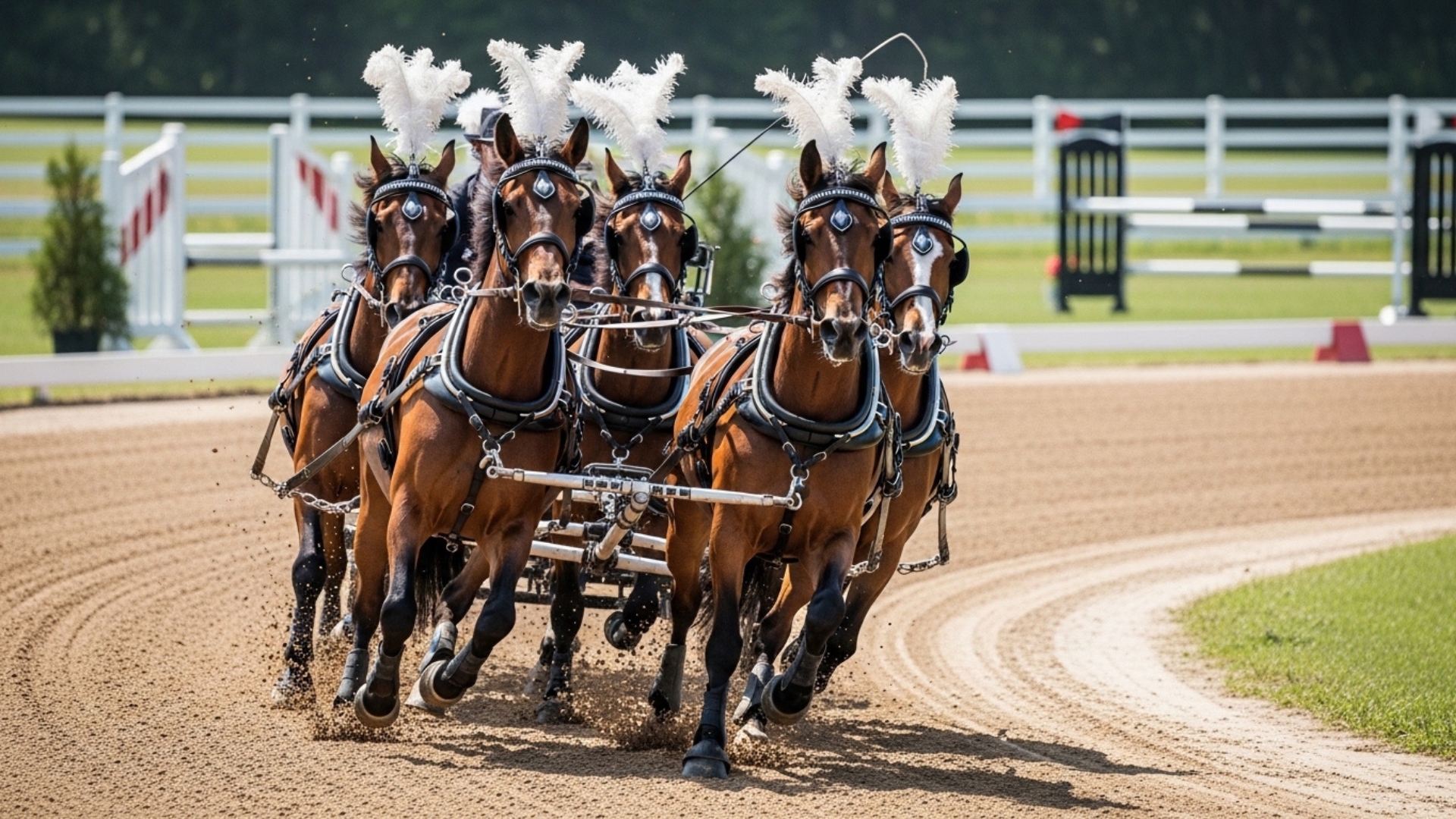
Combined driving is not just a test of movement. It is a test of patience, composure, and trust built over time. Horses that excel in combined driving do not rely on speed or spectacle.
They rely on steadiness. They rely on clarity. They rely on the ability to work through pressure without losing rhythm. This discipline places equal weight on mental strength and physical control, and not every horse can meet that balance. The environment is demanding, the phases are unforgiving, and mistakes compound quickly.
Horses suited for combined driving show consistency when conditions change. They stay responsive when fatigue sets in. They remain calm when noise, obstacles, and expectations increase. Combined driving rewards horses that accept responsibility rather than resist it. It favors reliability over brilliance and endurance over intensity.
In this guide, you will explore the core traits, structure, and temperament that allow certain horses to excel in combined driving and why those qualities consistently lead to success.
Key Takeaways
Driving a carriage across courses and trails requires skill, stamina, and a horse that stays focused no matter the challenge.
Standardbreds combine calmness with alertness, while Welsh Cobs and Morgans bring strength and adaptability that keep every turn smooth.
Friesians and Hackneys showcase both power and grace, making technical patterns look effortless while keeping energy steady.
By the end, you’ll discover which seven breeds turn harness work into a seamless mix of precision, endurance, and elegance.
Horse Breeds That Excel in Combined Driving
1. Standardbred
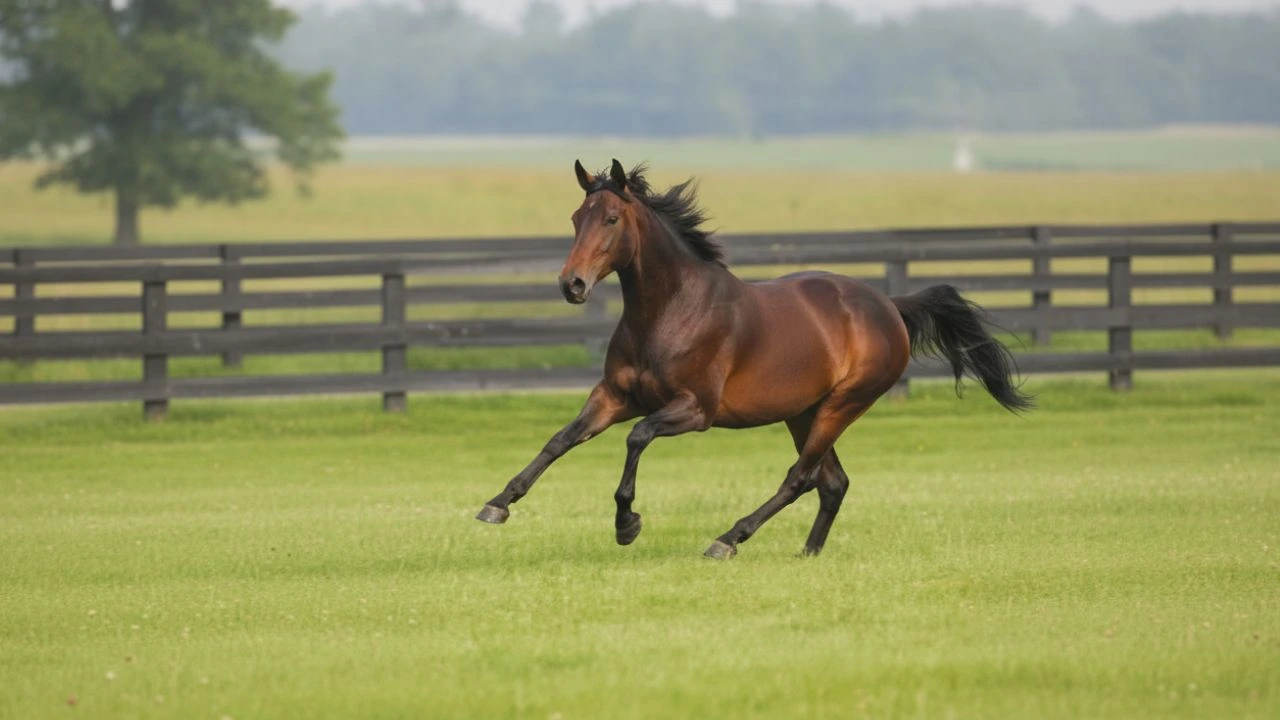
Standardbreds are naturally composed, which makes handling a harness intuitive and reliable. Their steady demeanor helps maintain control over long distances and varied terrain. That calmness transforms into confidence when navigating courses or working with a team.
Training-Friendly and Powerful
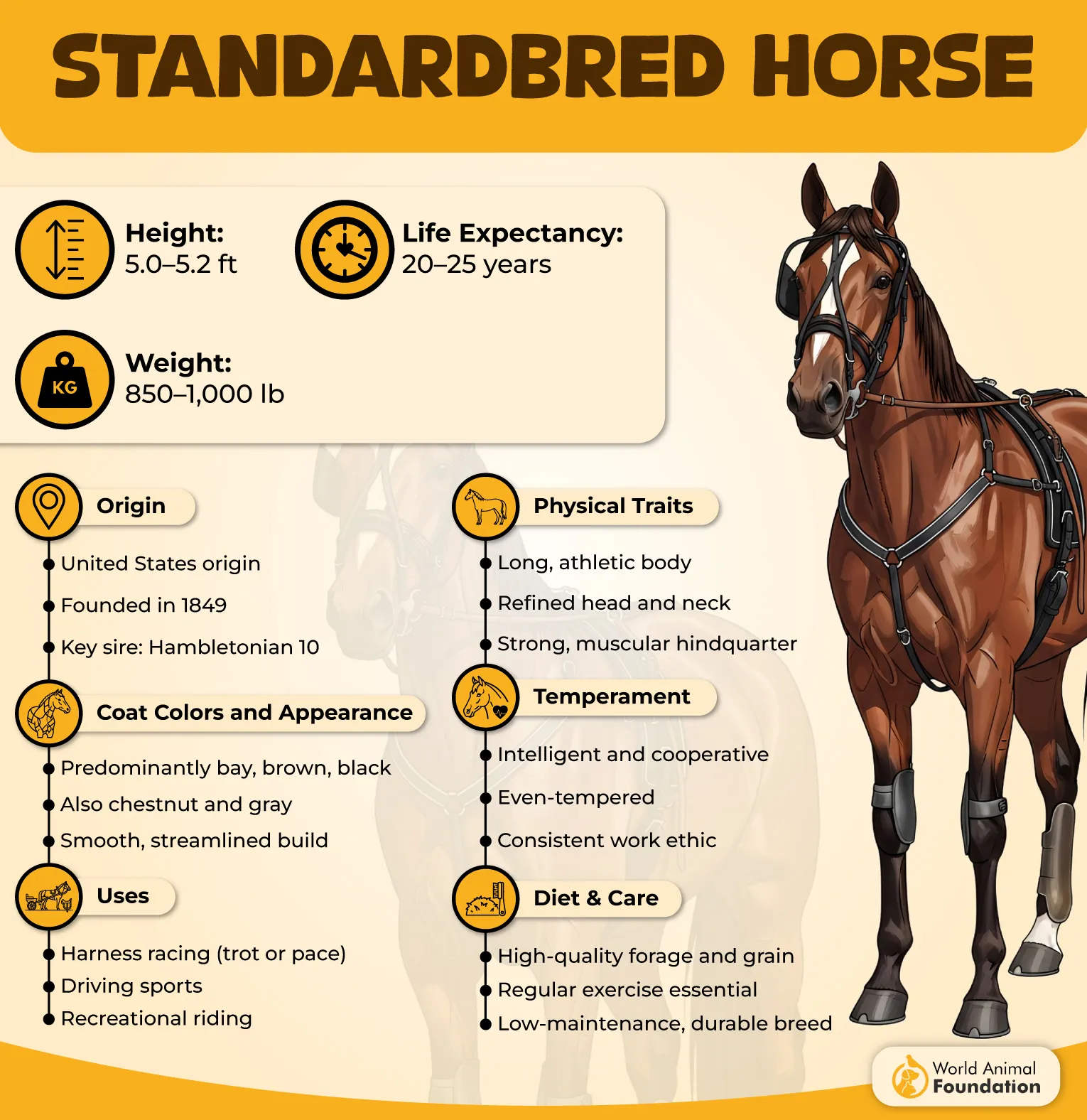
Many former racing Standardbreds adapt quickly to pleasure driving thanks to their previous experience under harness. Their speed and stamina remain intact, making them practical for both short and extended drives, as Mad Barn writes.
Their calm and steady nature is clear in these traits:
Comfortable with pulling vehicles
Maintains pace with minimal stress
Adjusts easily to new routines
Attentive and Alert
These horses respond to subtle cues while remaining relaxed, which helps with precision on tricky paths. Their intelligence allows them to notice shifts in terrain or obstacles without becoming tense. That balance of focus and calm makes daily training and drives smoother.
2. Welsh Cob
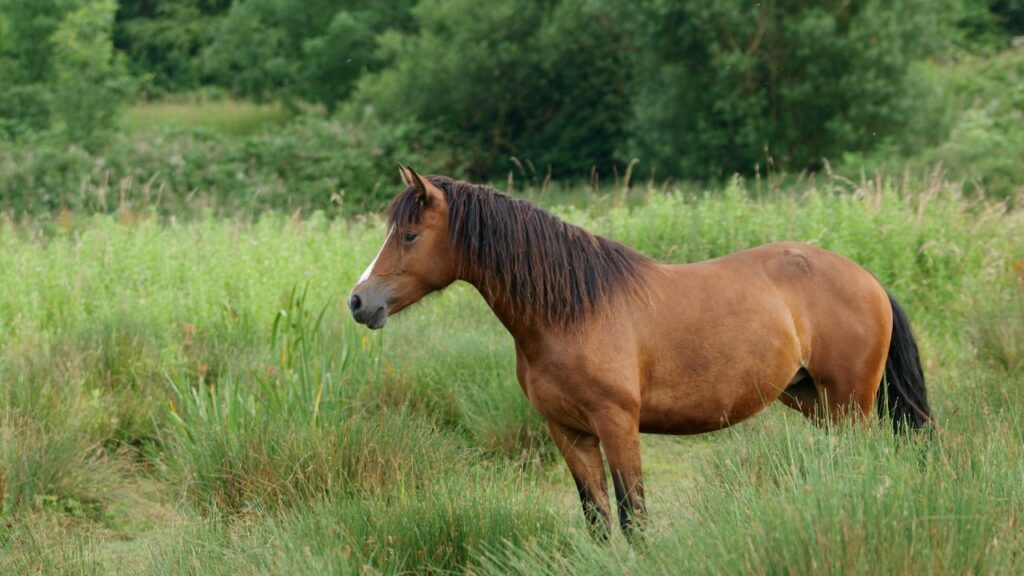
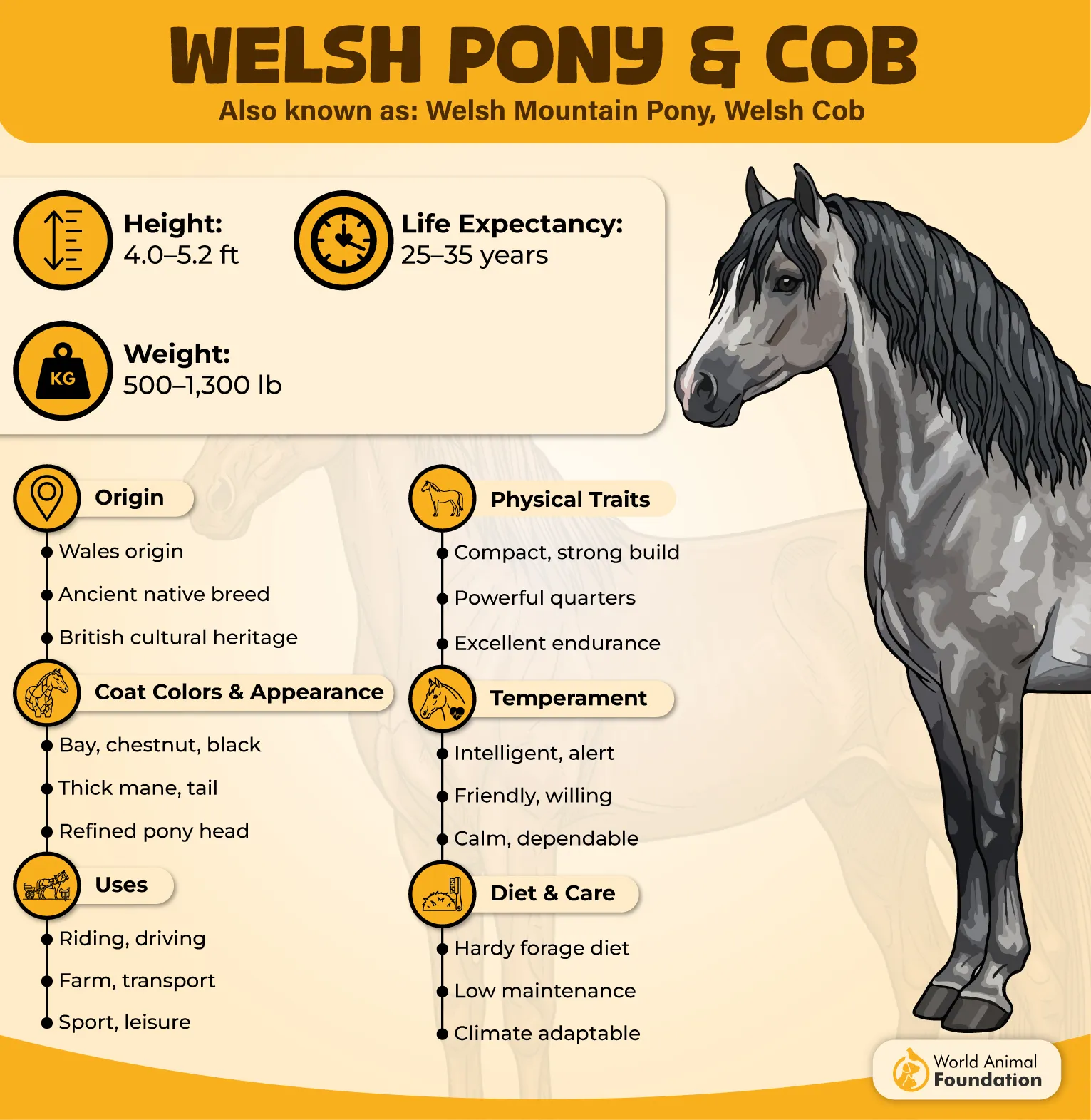
Welsh Cobs combine power with elegance, making them reliable for combined driving. Their strength is apparent whether pulling a small cart or a larger two-seater buggy, as per Horse Rider UK. This breed adjusts smoothly to varied harness setups, keeping motion steady and controlled.
Versatility Across Tasks
They excel when switching between work in harness and being comfortable under a saddle. Their adaptability makes training and daily handling straightforward, which benefits those using them for multiple purposes.
These highlight their easy adaptability:
Quick adjustment to different cart sizes
Solid balance on uneven surfaces
Calm response to varied workloads
Hardy Nature for Extended Work
Their resilience allows them to handle long sessions without strain, and maintenance is generally simple. This hardiness is valuable for tasks that demand endurance over consistency. It ensures that they remain responsive even after extended periods of activity.
3. Morgan
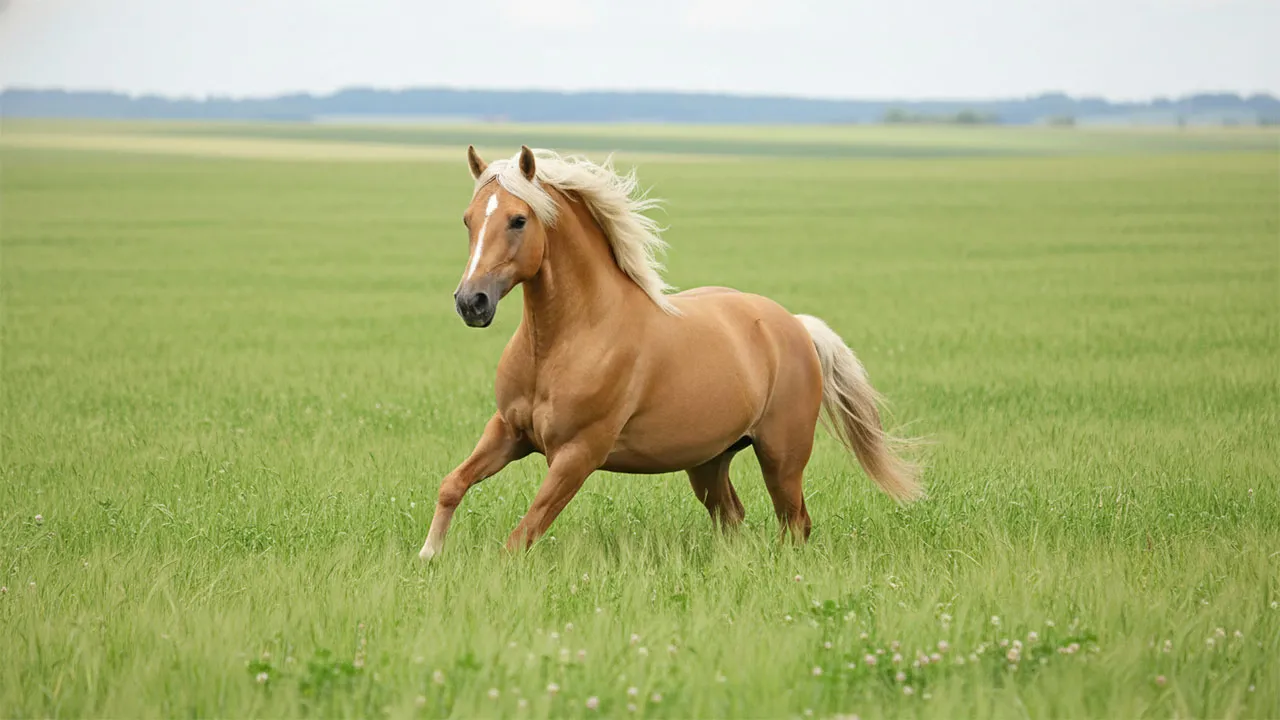
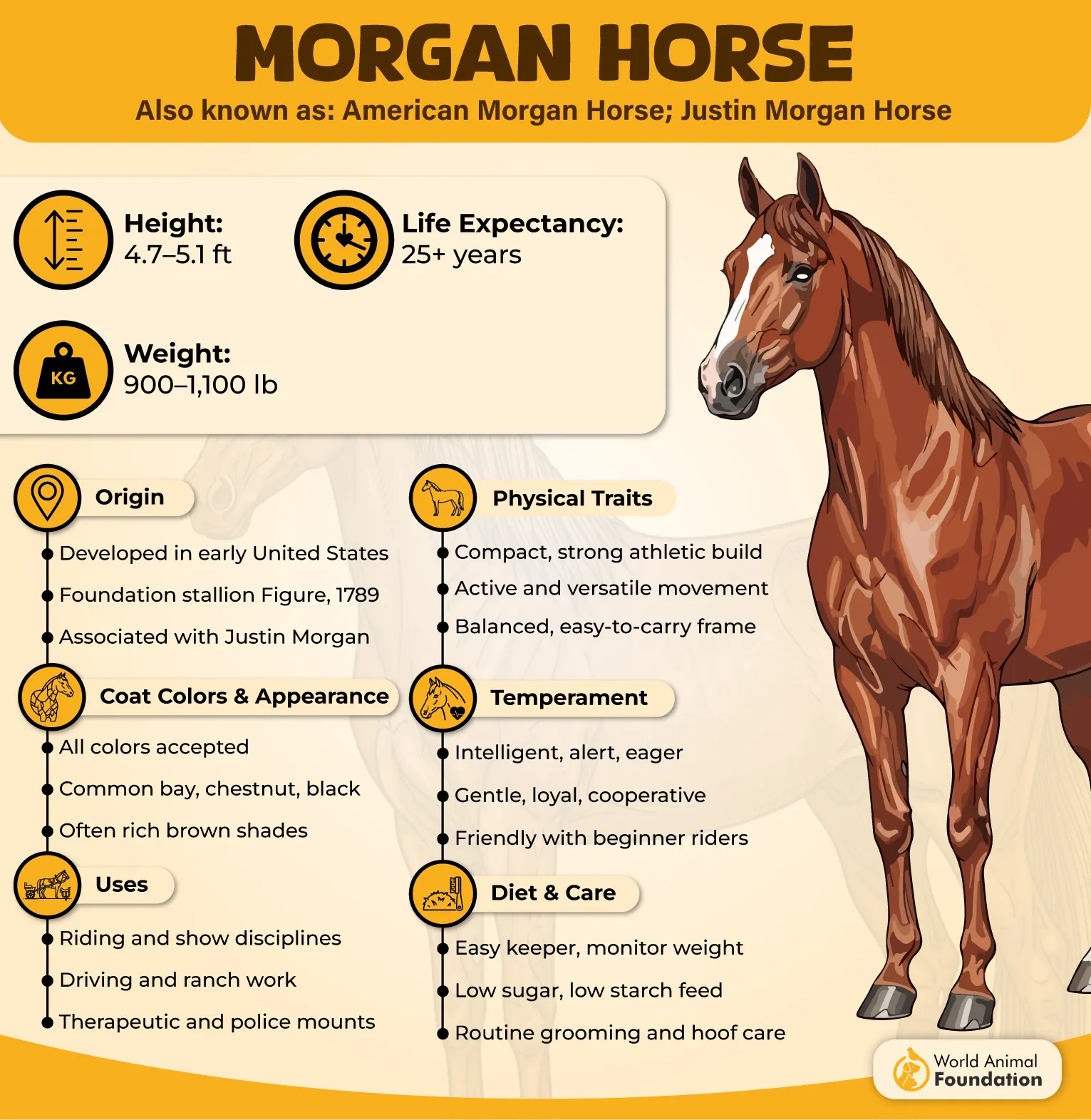
Morgan horses adapt naturally to a variety of tasks, excelling both under saddle and in harness. Their combination of agility and steadiness makes them practical for combined driving events. This adaptability keeps them engaged and efficient throughout every segment of a course.
Strengths That Support Performance
Their balanced frame and energetic approach give them an edge in precision and stamina. These qualities translate directly to combined driving challenges, making their movements deliberate and controlled.
You can see these traits in action here:
Smooth transitions between gaits
Reliable response to cues
Endurance over multiple phases
Alertness and Focus
Sharp awareness allows Morgans to navigate obstacles and tight turns without hesitation. They pick up subtle signals and maintain concentration in dynamic environments. This focus ensures they remain composed whether negotiating cones or trotting through varied terrain.
4. Cleveland Bay
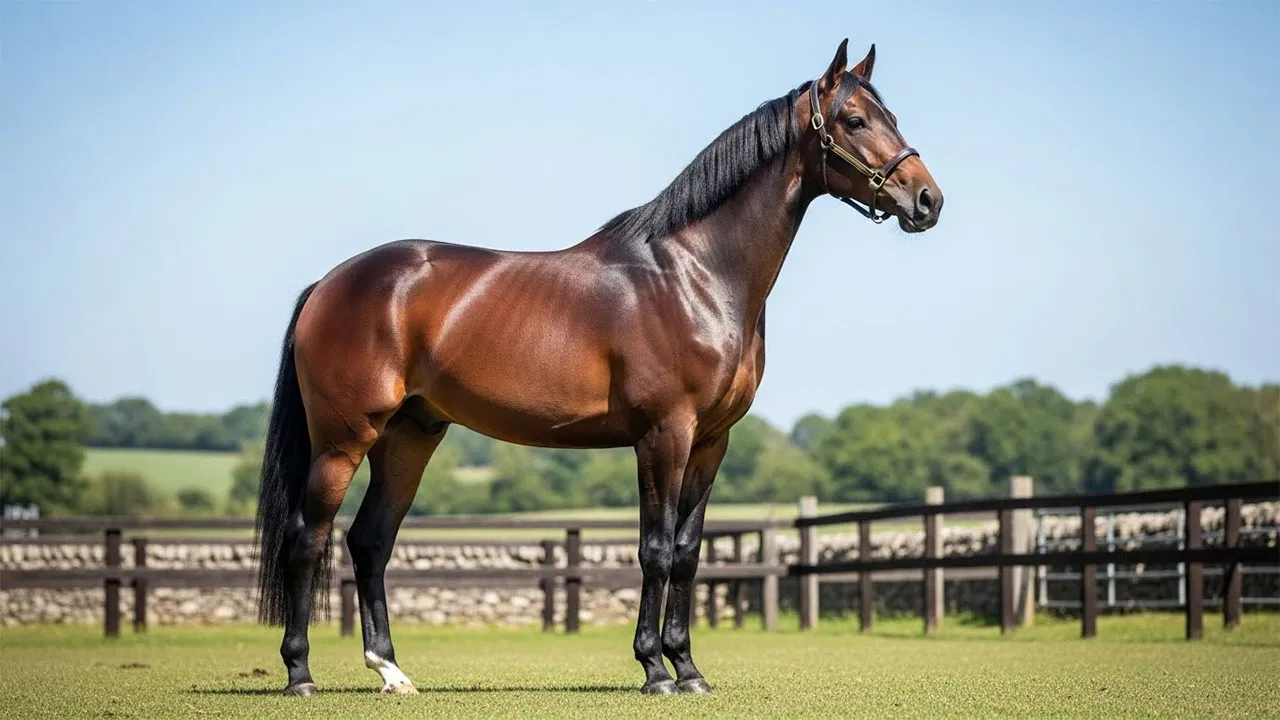
Cleveland Bays are known for their steady power and solid build, which makes them well-suited for combined driving tasks. They respond reliably to commands and maintain composure under challenging conditions. This strength allows them to navigate courses smoothly and efficiently.
Versatility on the Track
These horses adapt easily between harness work and riding, giving them an edge in competitions where multiple skills are tested, as Royal Horse notes. Their training responsiveness complements natural athleticism, making transitions between elements effortless.
Their skills show in these points:
Strong pull and sustained energy
Smooth, balanced gaits
Confident handling in tight turns
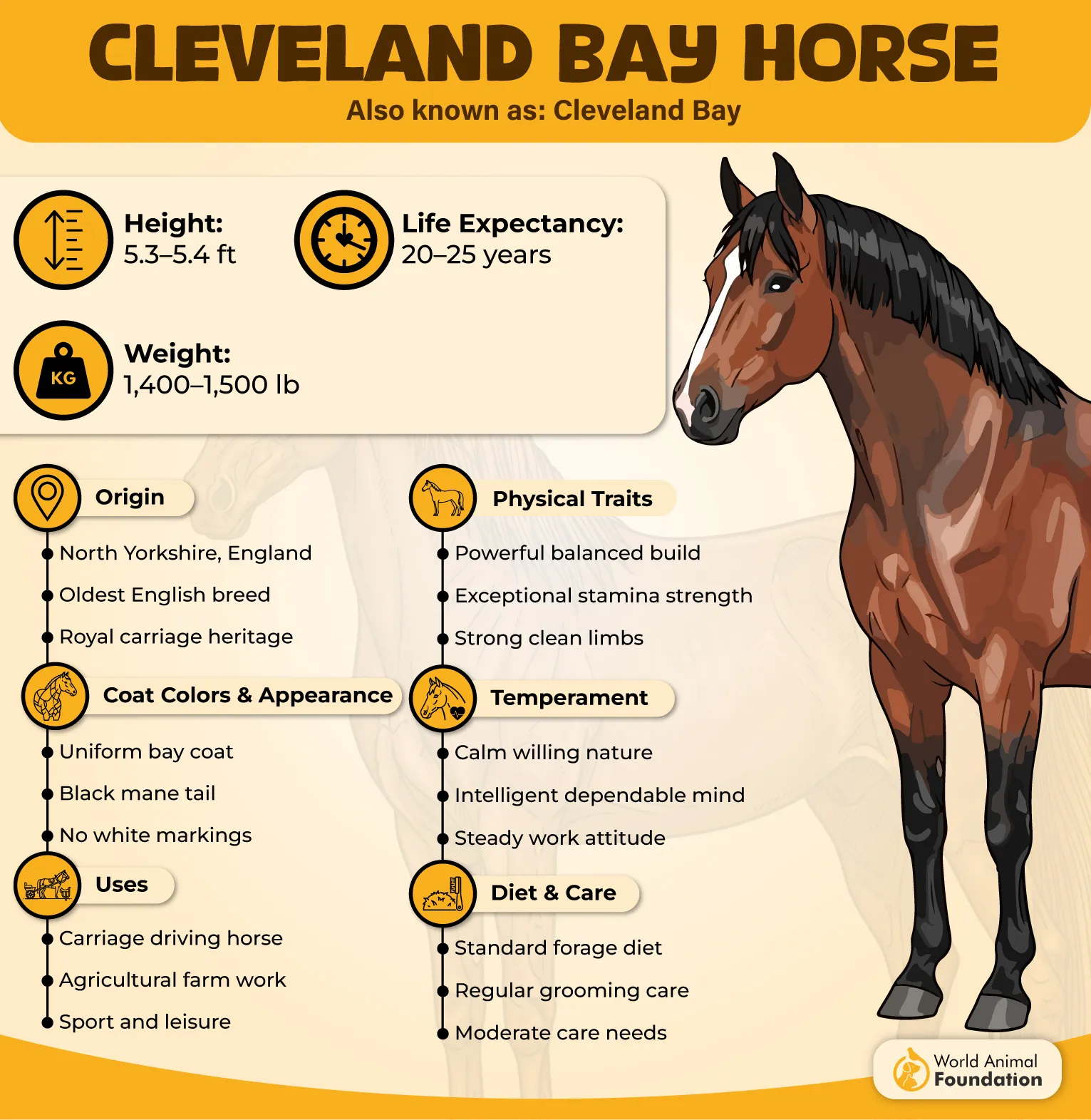
Calm Focus in Action
Alert without being jumpy, Cleveland Bays keep attention on the path ahead while remaining manageable in high-pressure situations. Their intelligence allows them to anticipate the next move without overreacting. This focus helps maintain rhythm through obstacles and varied terrain.
5. Hackney
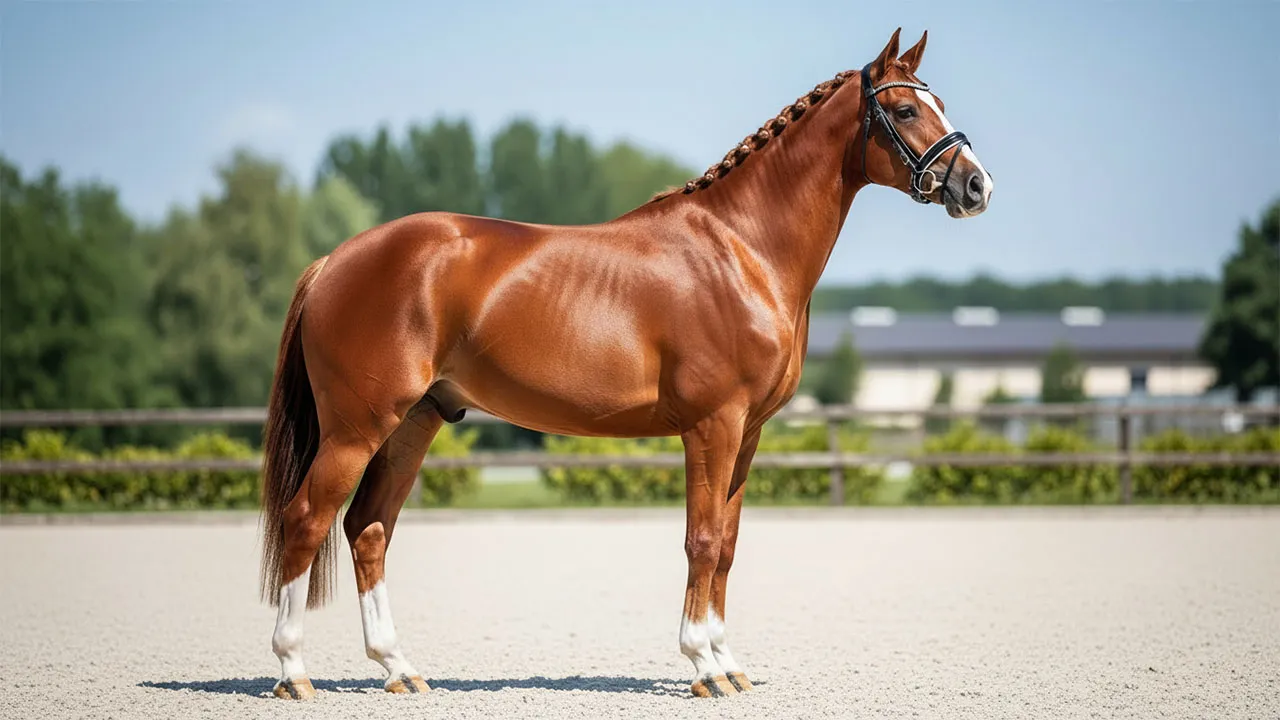
Hackney horses are admired for their high-stepping gait and poised head carriage, which makes them stand out in any driving arena. Their movements are lively yet controlled, giving them a presence that blends style with practicality.
Speed and Style Together
The breed’s history of crossing with Thoroughbreds enhanced both pace and grace. They respond well to varied terrain while maintaining rhythm and balance.
Their driving strengths are:
Sharp, animated trot
Smooth transitions under pressure
Confident posture on challenging courses
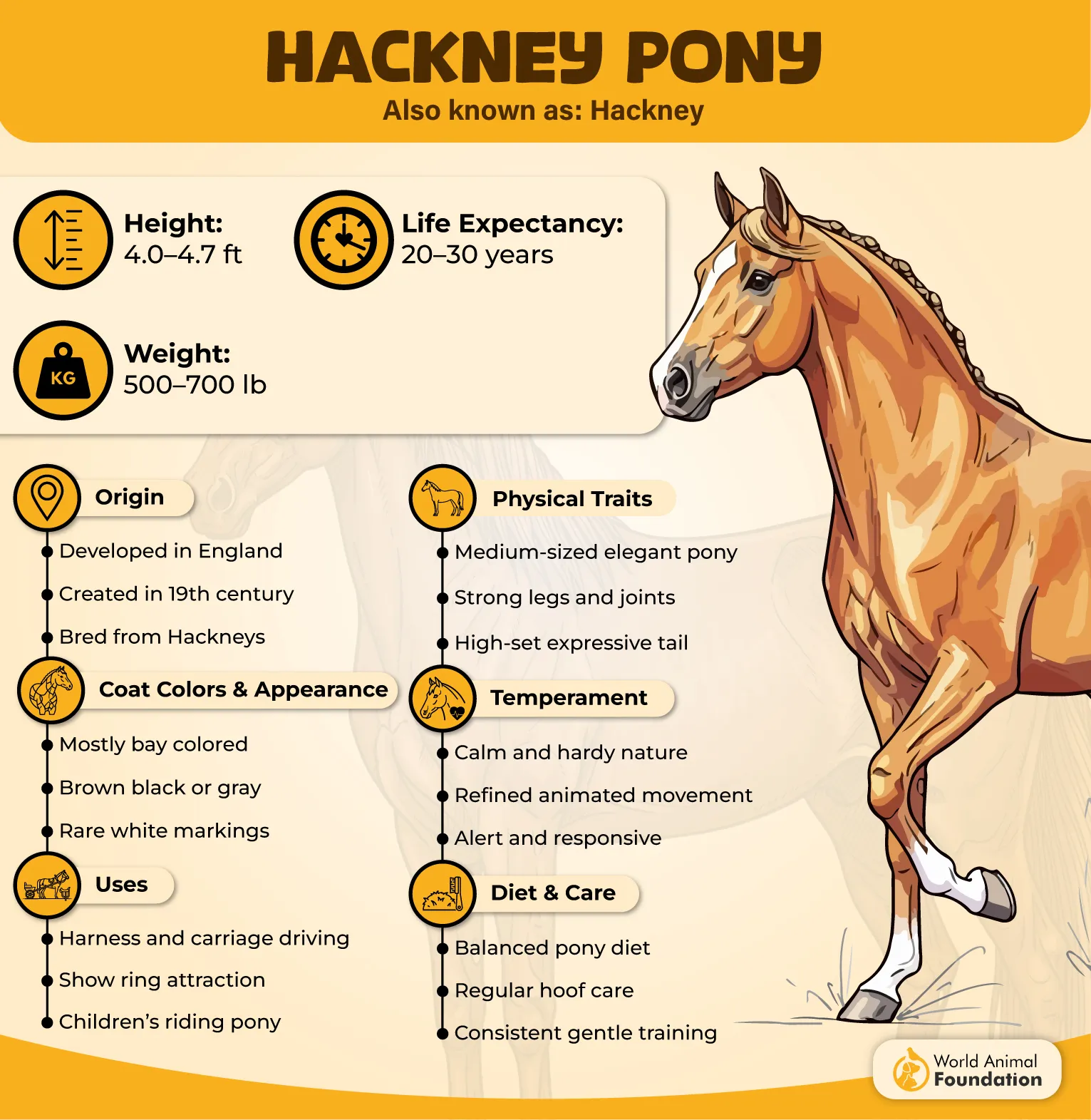
Alert and Responsive
Hackneys are naturally attentive to changes in their environment, noticing subtle cues in the path or the harness setup. This alertness helps them adjust quickly, making navigation of obstacles more precise. Their awareness complements the breed’s agility and energy without creating tension.
6. Friesian
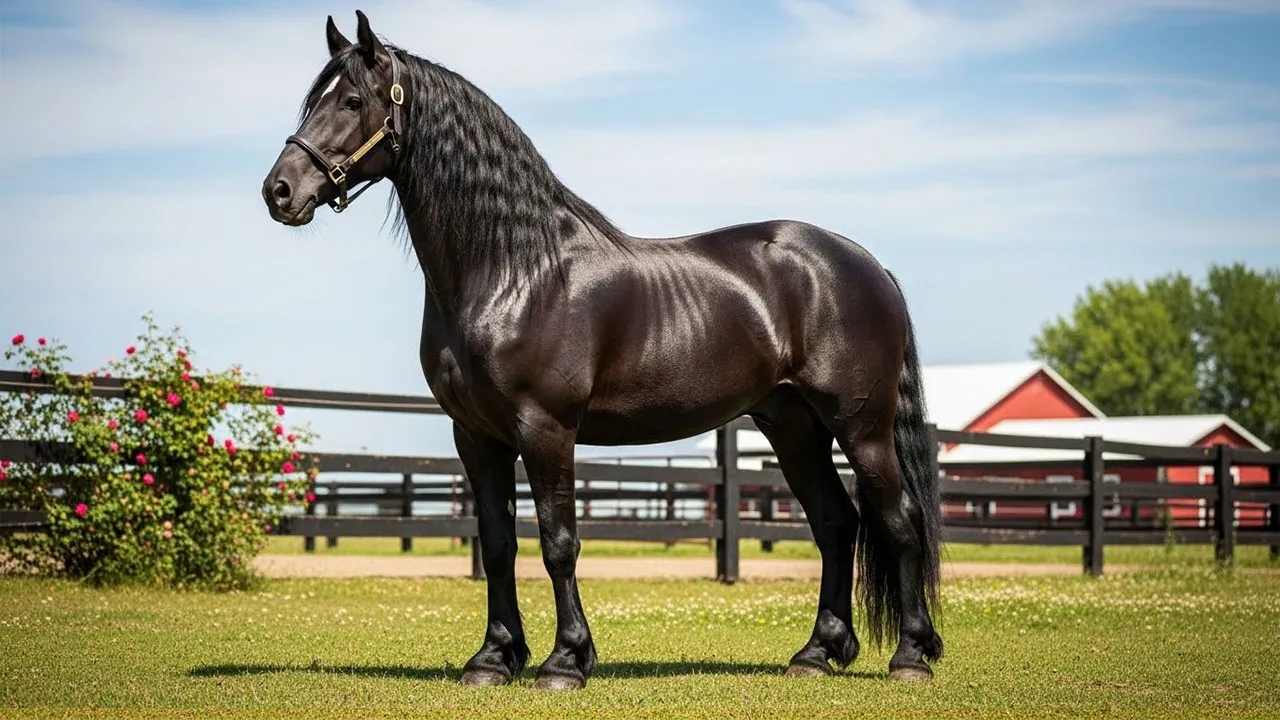
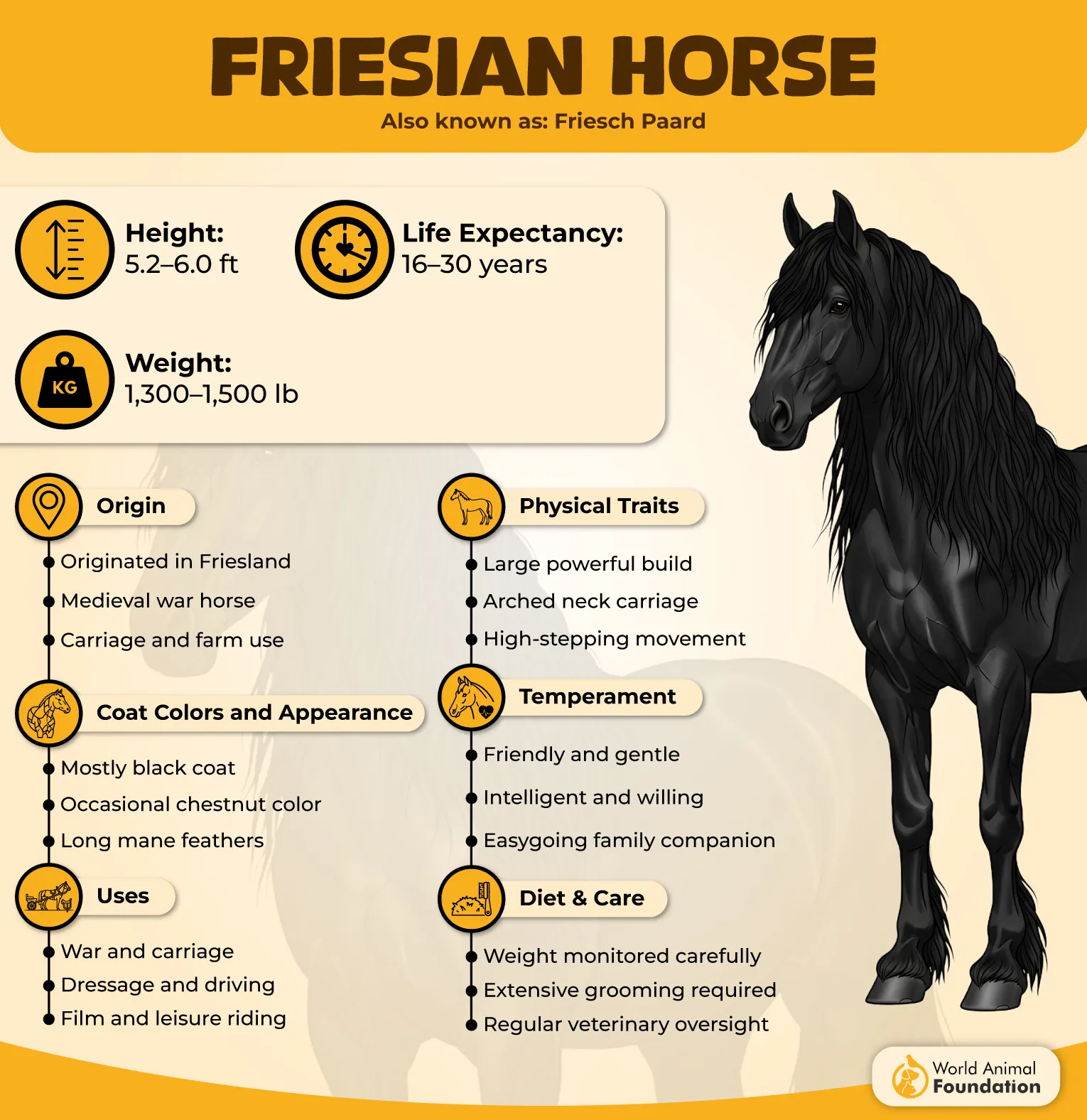
Friesians display a smooth, elevated trot that captures attention on any course. Their long, flowing mane and powerful legs add to a graceful presence while navigating obstacles. This combination of elegance and strength makes them suited for demanding driving tasks.
Strength That Supports Precision
Powerful muscles help the Friesian maintain steady motion during long stretches and technical patterns. Their balance allows them to respond accurately to cues while pulling a carriage.
These traits make their performance reliable on varied terrain:
Steady trot under pressure
Controlled power for obstacles
Fluid transitions between movements
Adaptable in Different Settings
Friesians adjust naturally between open tracks and more confined spaces, maintaining elegance and precision. Their posture and carriage stay consistent, even during extended periods of work. This combination of poise and power suits the demands of combined driving events.
7. Shetland Pony
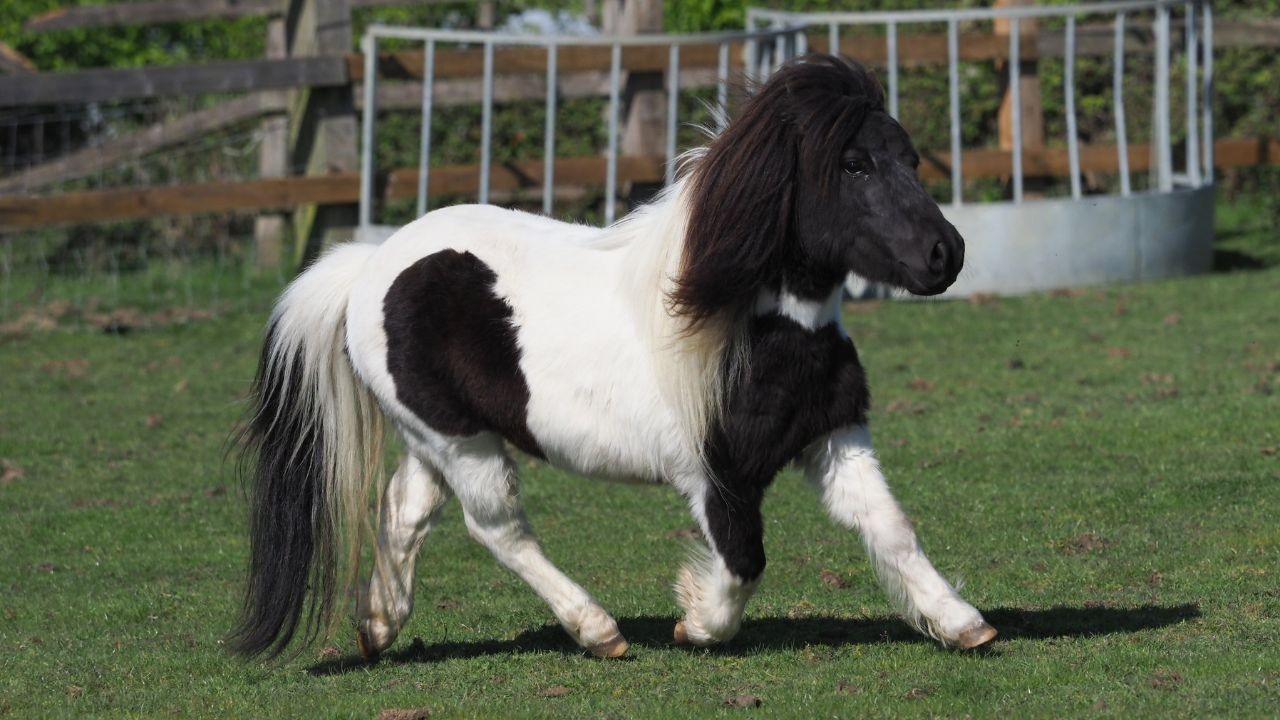
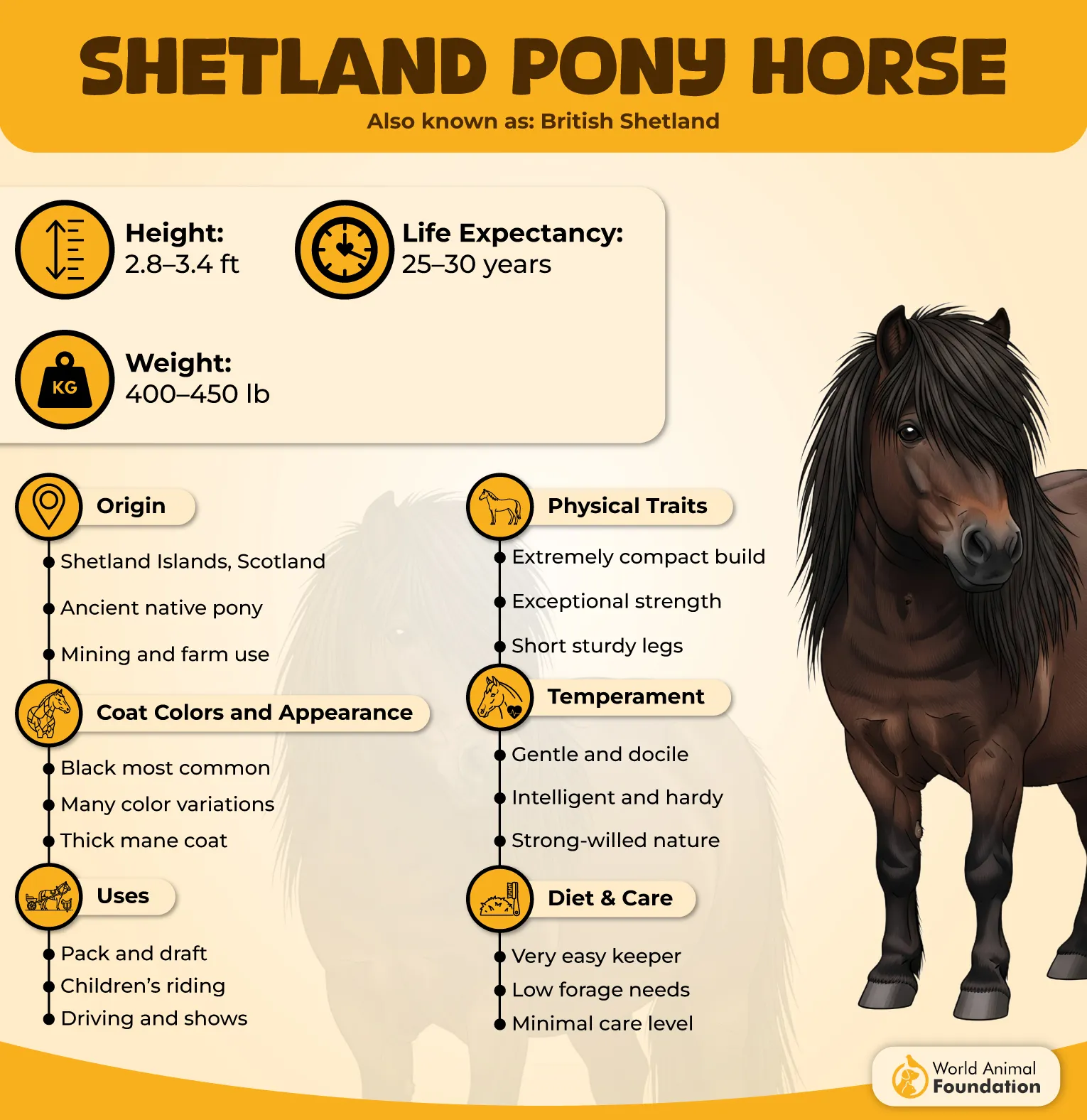
Shetland Ponies have remarkable strength that fits perfectly with combined driving tasks. Their small size hides their ability to handle carts and tight turns with steady control. Gentle by nature, they can also show occasional stubbornness, which adds character to their performance.
Driving Efficiency
These ponies manage distance and obstacles with surprising endurance and focus. Quick learning and natural balance help them navigate courses confidently.
You can see it in their practical skills:
Pulling steadily over varied terrain
Maneuvering through narrow paths
Recovering quickly after an effort
Alert and Intelligent
Shetlands respond promptly to subtle cues, making coordination with the harness seamless. They notice shifts in pace and terrain, adjusting without losing composure. This sharp awareness ensures smoother handling on competitive or recreational drives.
Conclusion
Combined driving rewards patience more than flair. The breeds discussed here show why driving horses succeed when pressure increases and conditions shift. Their strength supports pulling carriages without losing rhythm or control. Many also come from backgrounds in harness racing, where discipline and responsiveness are learned early.
Unlike gaited horses built for show, these horses prioritize balance and mental steadiness. That same control supports carriage driving and even pleasure riding outside competition.
Their versatile nature allows them to adapt without resistance. In combined driving competitions, reliability matters more than speed. For horse owners, choosing a versatile breed means choosing consistency, trust, and long-term performance.
