




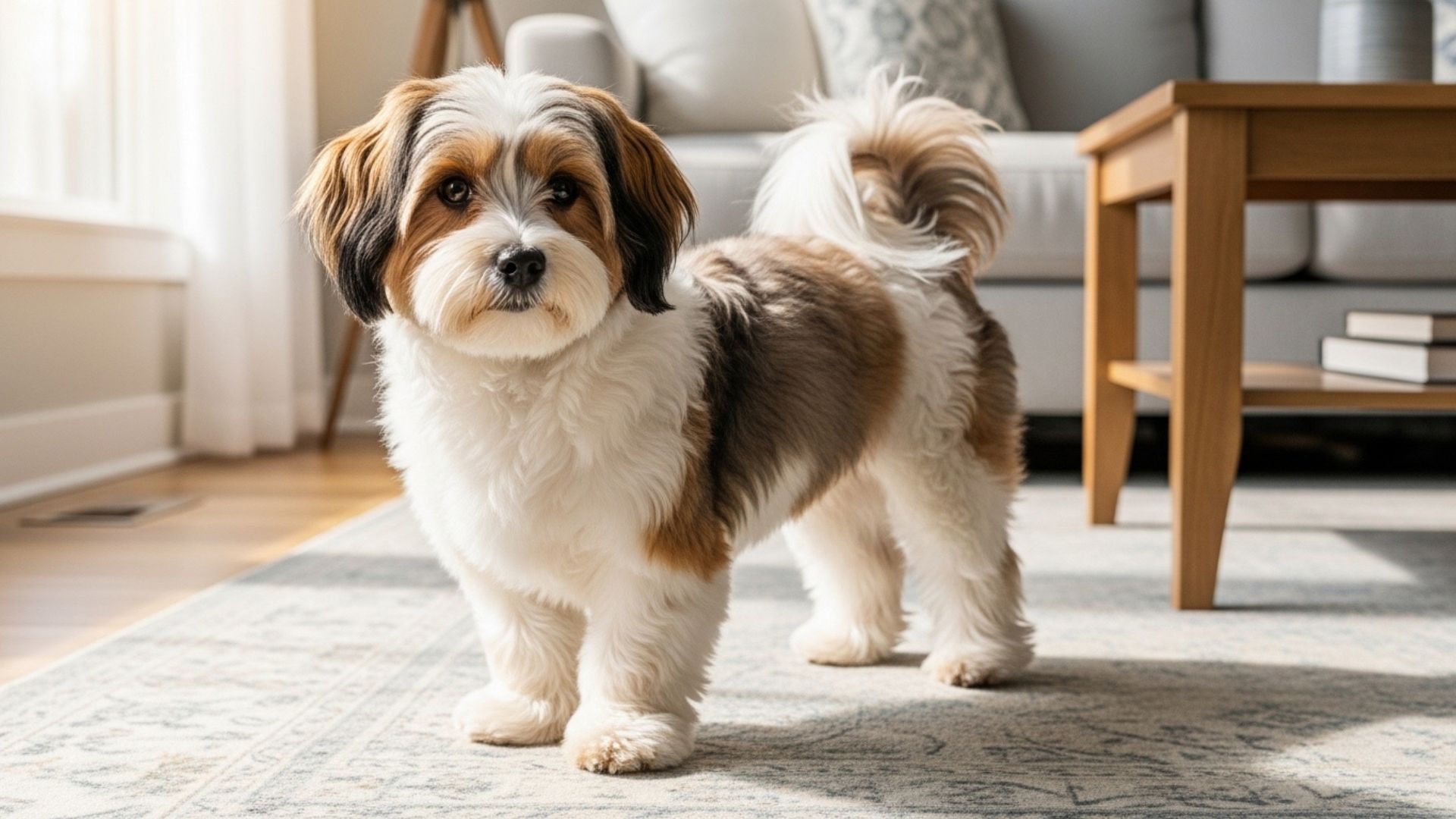
Dreaming of a dog without the constant tumbleweeds of fur drifting across your floors?
You are not alone. While all dogs shed to some degree, certain breeds are known for shedding very little, making them a great match for tidy homes and allergy-conscious families.
These low-shedding pups still bring all the personality, loyalty, and fun you expect from a canine companion, just with less cleanup. It is important to remember that no dog is completely hypoallergenic, but some breeds are easier to live with if you are sensitive to dander or simply prefer a neater space.
Here are dog breeds that barely shed and could be the perfect fit for your lifestyle.
Dog Breeds That Barely Shed: Perfect for Neat Pups
1. Yorkshire Terrier
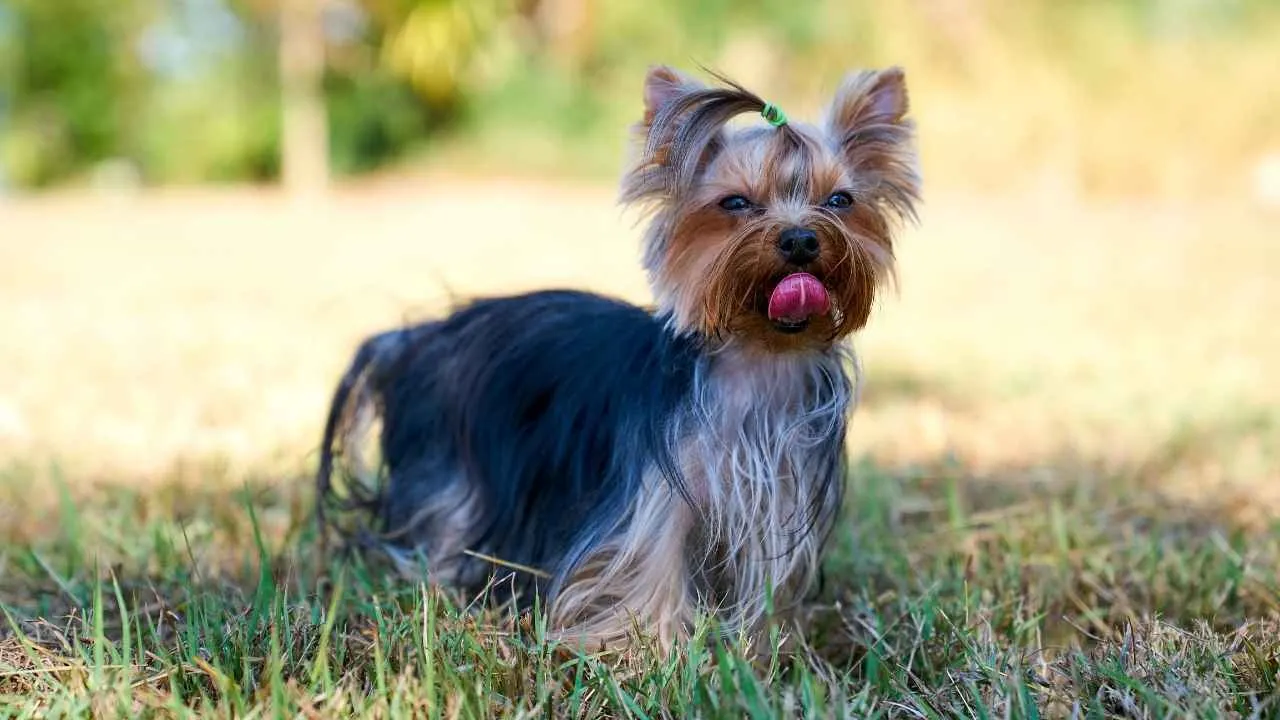
The Yorkshire Terrier, or Yorkie, may be small in size, but it carries a bold, confident personality that often surprises first-time owners. Originally believed to have chased rodents in textile mills for Scottish weavers who moved to England, this breed now thrives as a lively companion.
Its long, straight, blue and tan coat is one of its most recognizable features and is often styled into a shorter trim for easier care. As per PetMD, Yorkies are affectionate, playful, and sometimes a bit bossy.
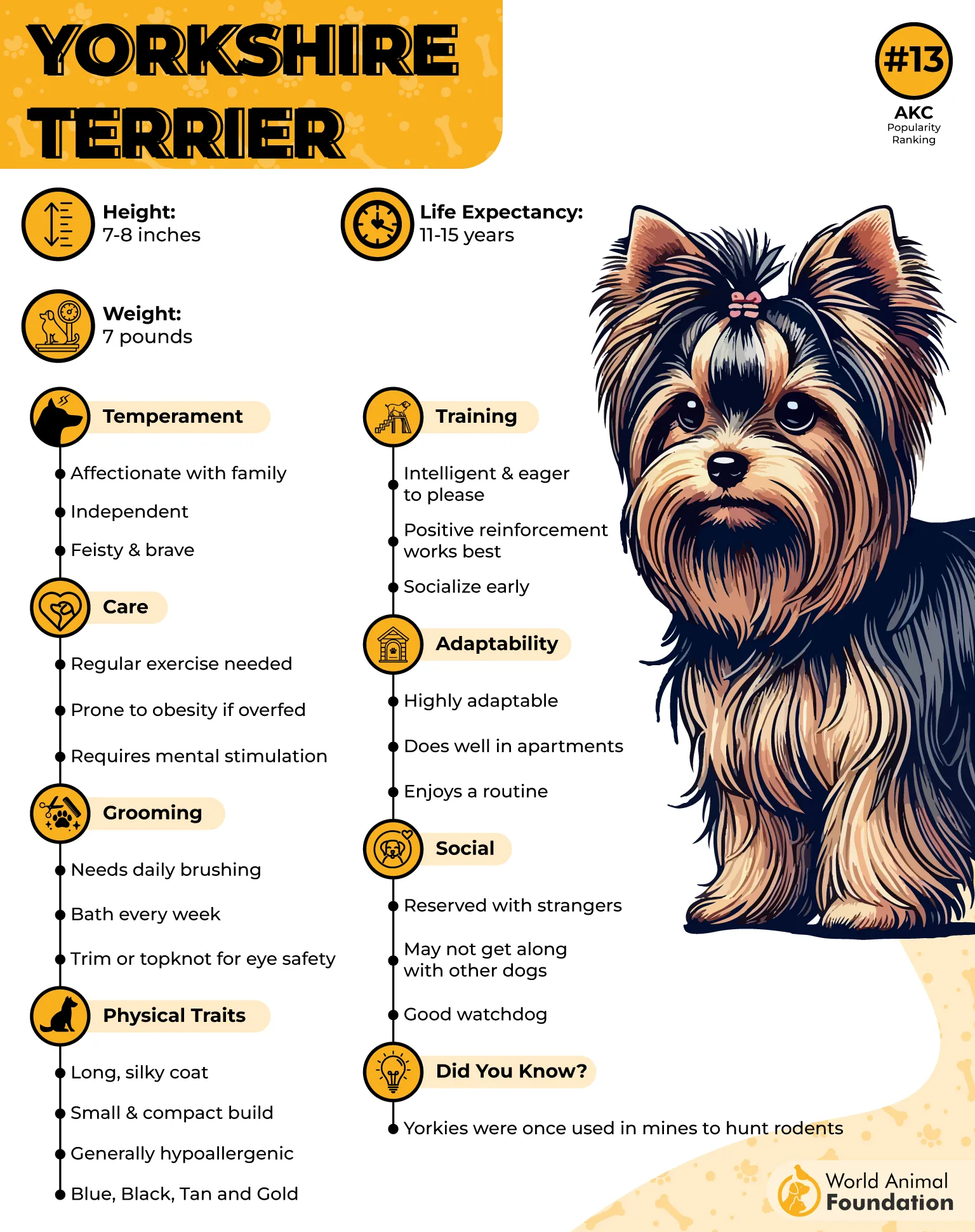
They tend to be loving with family members and are often friendly with strangers, though supervision is important around very young children due to their delicate size. Yorkies have plenty of energy and benefit from short daily walks and interactive play to stay mentally sharp. They can also be vocal, but consistent training helps manage excessive barking.
That signature hair-like coat requires dedication. Daily brushing is needed if kept long, and regular professional grooming helps prevent tangles. Dental care is especially important for this breed, with daily toothbrushing recommended to support long-term oral health.
Why This Breed Is a Good Fit
The hair-like coat is often considered more suitable for people sensitive to allergens.
Regular grooming keeps loose strands from building up around the house.
Manageable exercise needs make them easy to keep happy indoors.
2. Basenji
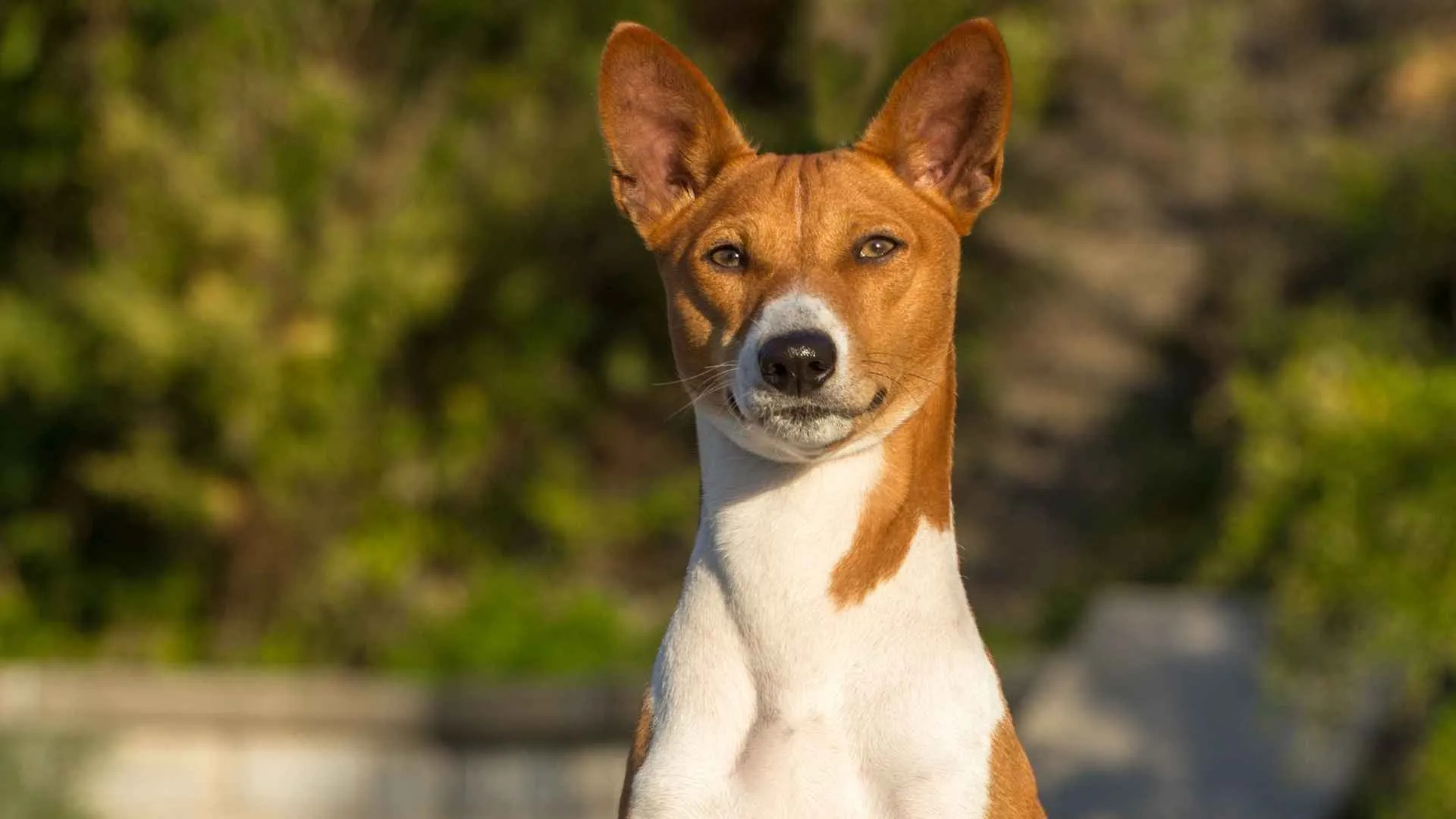
The Basenji stands out immediately with its upright ears, tightly curled tail, and sleek, short coat. Instead of barking, this breed is known for making a distinctive yodeling sound that turns heads. According to Hill’s Pet, Basenjis are energetic hounds with keen eyesight and an excellent sense of smell.
They can be aloof with strangers but are deeply devoted to their families. Bright and independent, they are not always easy to train and need patient, creative handling. Daily activity is essential, and they enjoy opportunities to run, explore, and even try agility-style challenges.
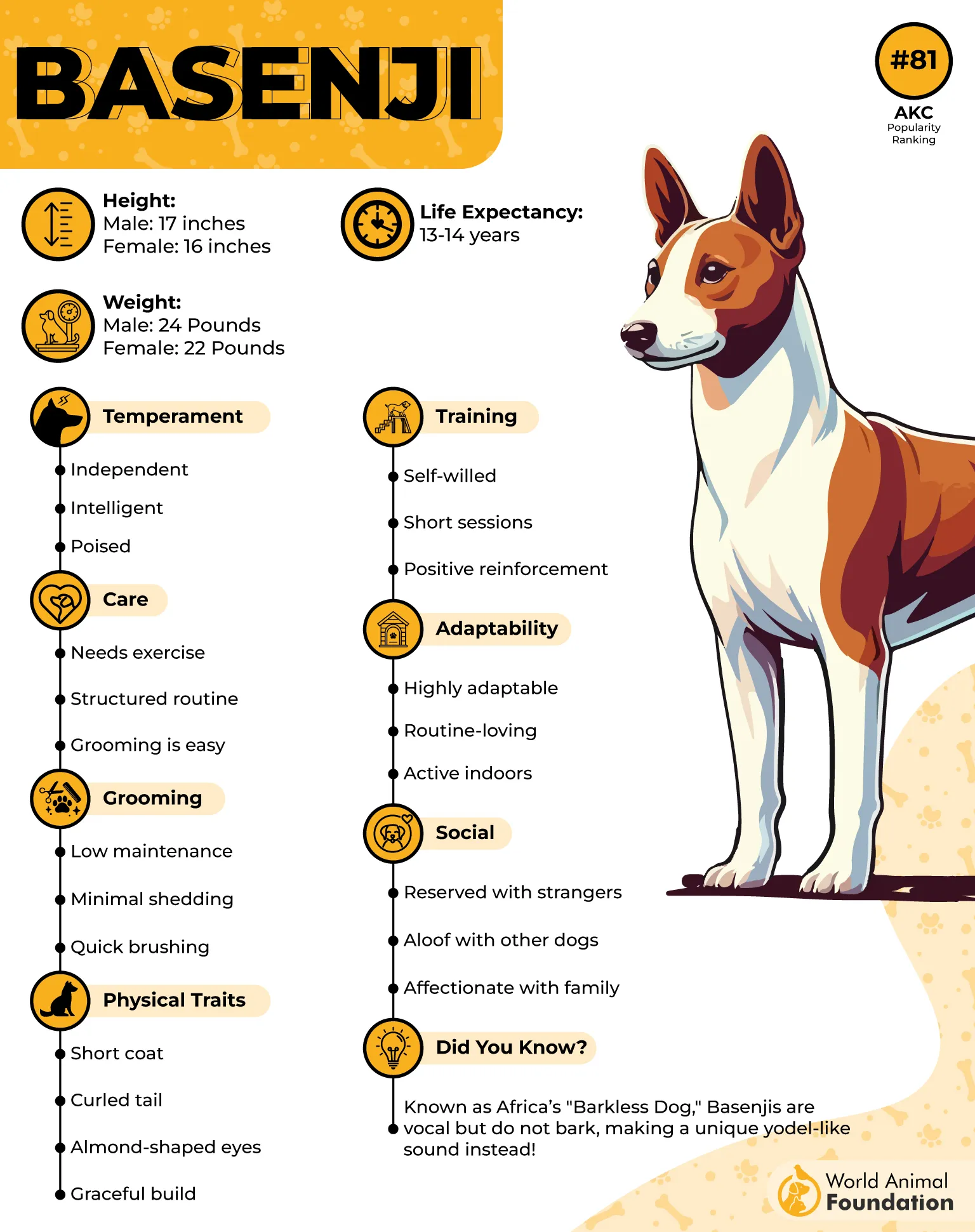
One of the most appealing traits for tidy households is their catlike grooming habit. Basenjis spend a great deal of time licking and cleaning themselves, and their short coat is easy to maintain with a quick brush or wipe once or twice a week. Keeping them clean does not require elaborate grooming routines.
Why This Breed Is a Good Fit
The short, smooth coat is simple to care for and does not demand heavy upkeep.
Self-grooming habits help limit loose hair around living spaces.
A quick weekly brush is usually enough to keep their coat looking neat.
3. Havanese
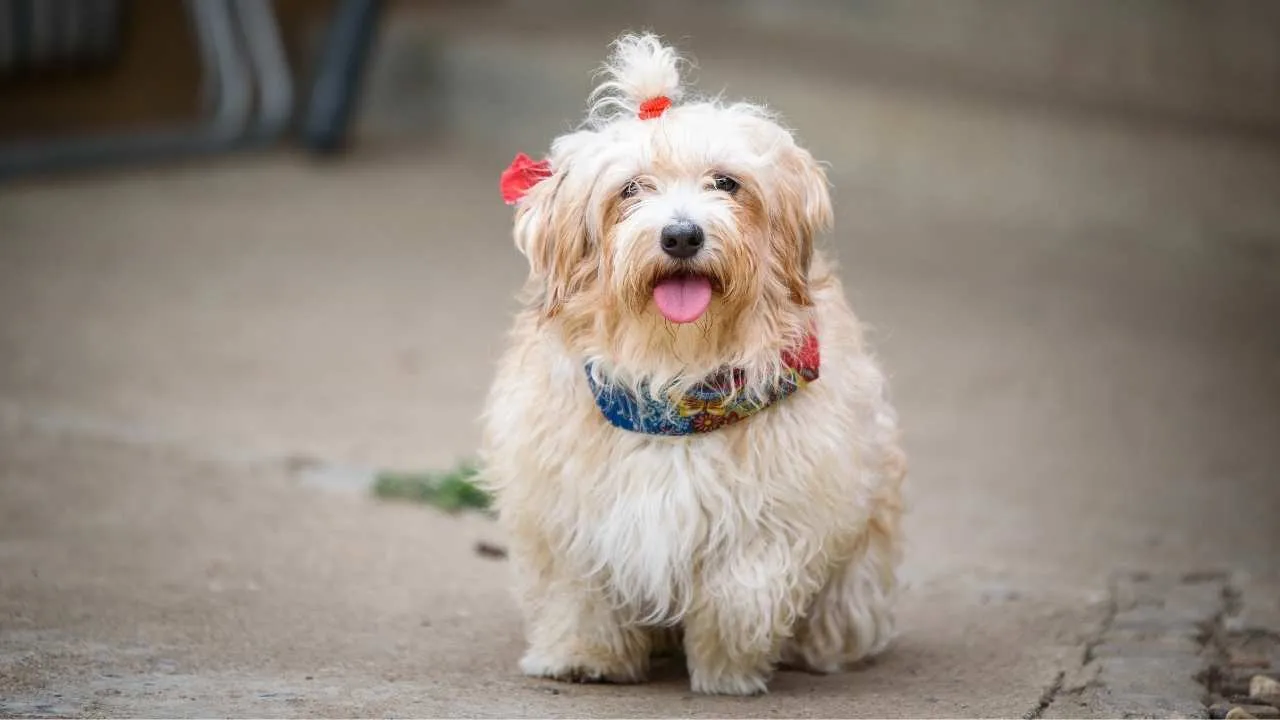
The Havanese is a cheerful companion known for its springy step and expressive eyes. With a silky coat that comes in many colors and a tail that curls over the back, this breed easily wins admirers. According to the AKC, Havanese are intelligent, outgoing, and naturally social dogs that thrive on human attention.
They are highly trainable when handled with positive methods and gentle guidance. Early socialization helps them grow into confident dogs who get along well with children and other nonaggressive pets. While they enjoy playtime and daily walks, they are just as happy romping indoors as long as they are near their favorite people.
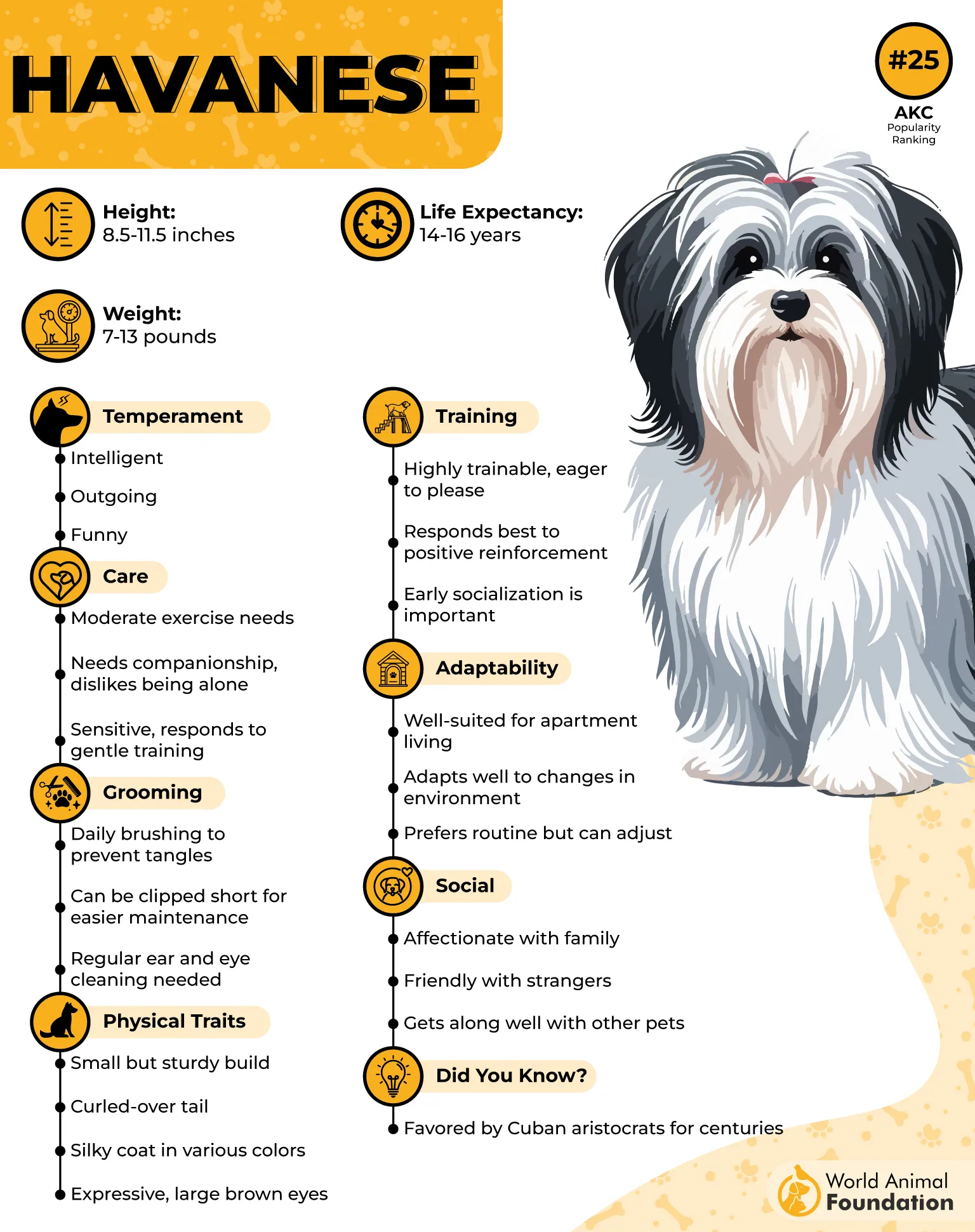
That beautiful coat does require daily grooming to prevent mats and tangles. Many owners choose to keep it trimmed shorter to reduce maintenance time. Regular brushing and occasional baths keep their coat in good condition and help manage stray hairs before they scatter around the home.
Why This Breed Is a Good Fit
Daily brushing captures loose hair before it ends up on furniture.
Coat length can be adjusted with trims to suit your lifestyle.
Adaptable nature makes them comfortable in apartments or houses.
4. Maltese
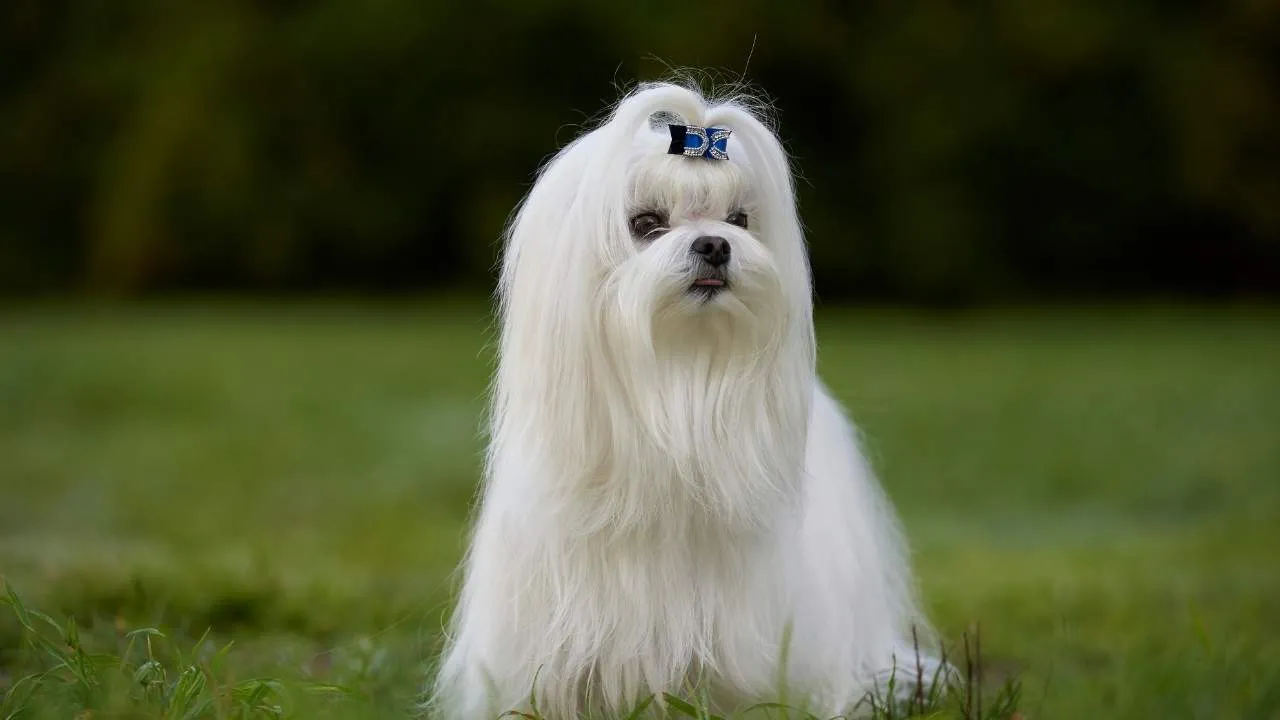
The Maltese has been admired for centuries for its elegant, flowing, silky white coat and bright, expressive eyes. Originating from the island of Malta, this toy breed has long been associated with royalty and aristocrats.
As noted by Figo Pet Insurance, the Maltese is affectionate, playful, and outgoing, with a lively personality that often surprises people who expect a quiet lapdog.
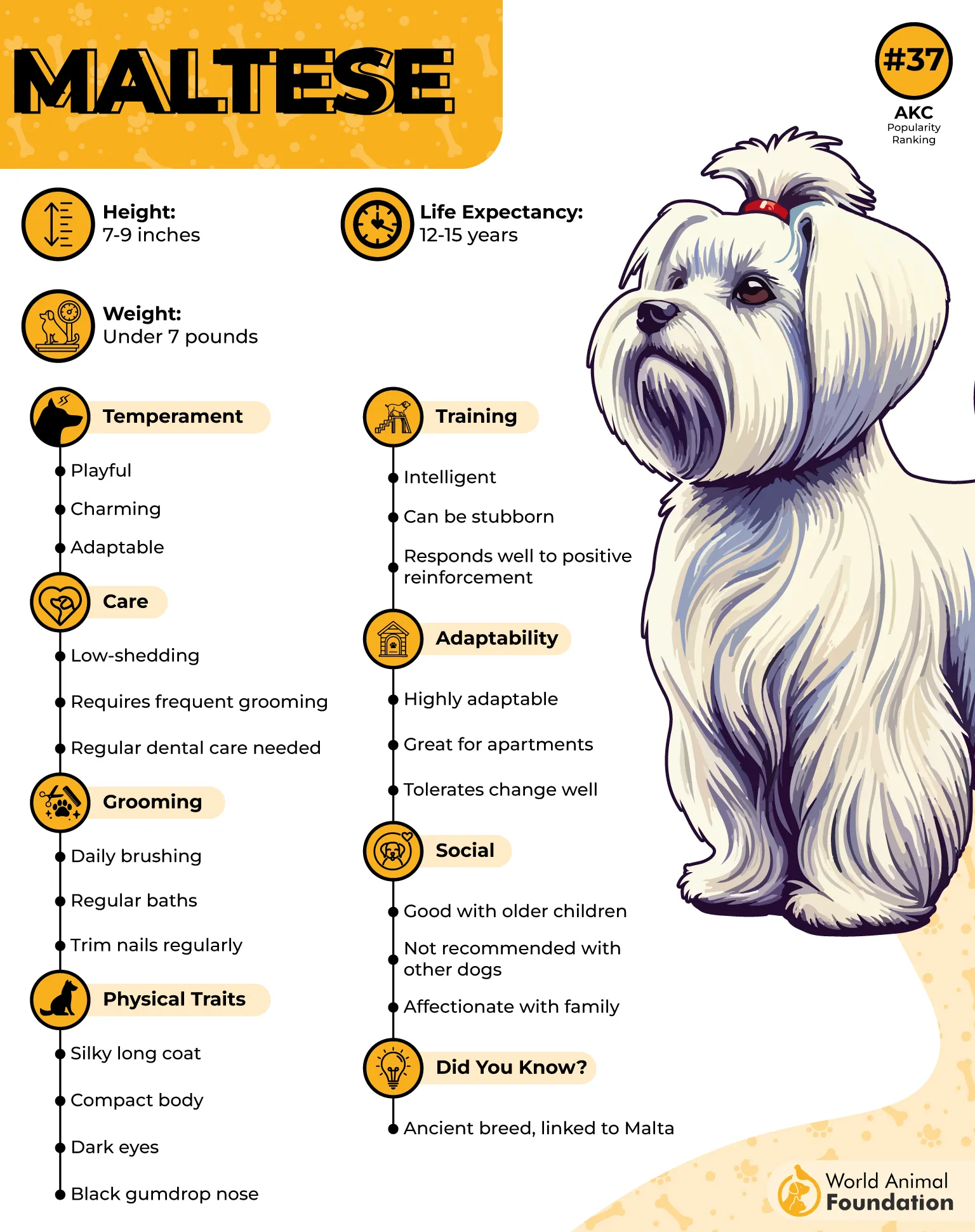
They are alert and can be vocal, which makes them attentive watchdogs. Training is helpful to guide their enthusiasm, especially when it comes to barking. Despite their delicate appearance, they enjoy showing off their agility and playful side.
The Maltese is considered hypoallergenic because its silky hair-like coat tends to hold onto shed hair, reducing the release of allergens into the environment. Regular grooming is essential to prevent matting and maintain coat health. Consistent brushing helps control loose strands and keeps their signature white coat looking its best.
Why This Breed Is a Good Fit
The coat structure helps limit free-floating hair indoors.
Routine grooming reduces visible shedding around the home.
Small and adaptable, they fit comfortably into compact living spaces.
5. Chinese Crested
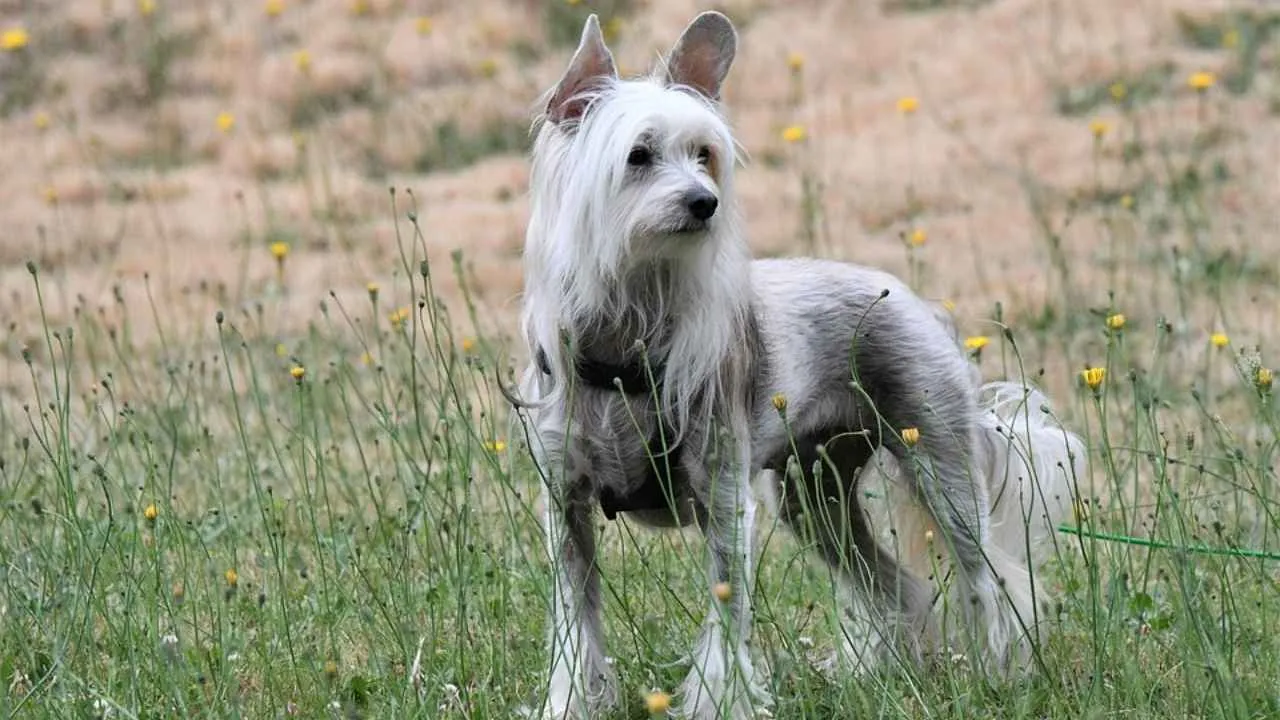
The Chinese Crested is instantly recognizable, especially the hairless variety with silky tufts on the head, feet, and tail. There is also the powderpuff variety, which has a full coat of long hair. This breed has been cherished as an affectionate companion for centuries and is known for a cheerful, alert personality that fits well with many households.
Cresteds tend to bond closely with their people and often show quirky, cat-like behaviors, such as perching on the back of couches. They are friendly, even with new faces, but early socialization helps them stay confident in different settings. Because they are fine-boned and small, playtime with children should always be supervised to prevent accidental injury.
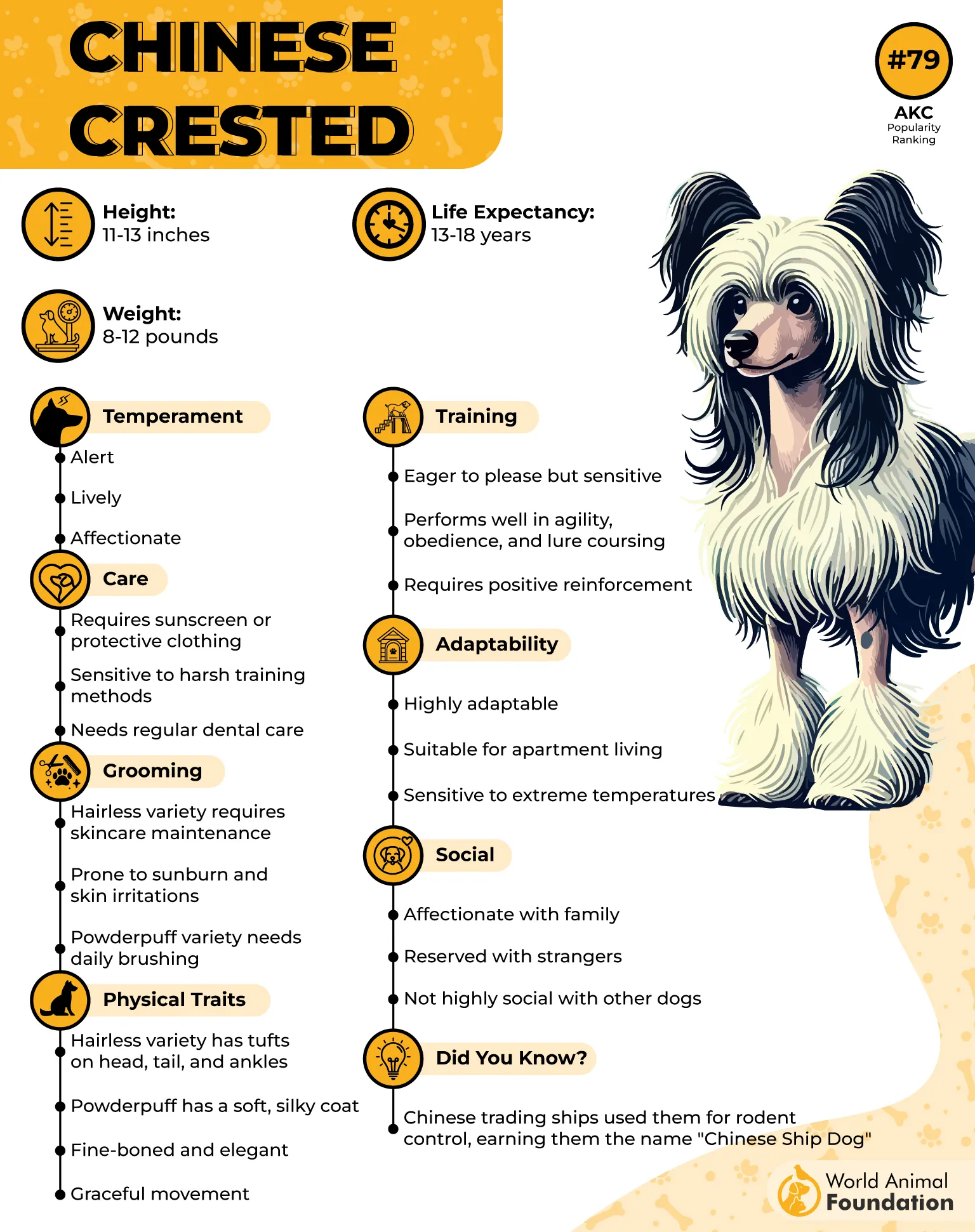
Grooming depends on the variety. The hairless breed needs sunscreen, moisturizing, and protection from cold weather, while powderpuffs require frequent brushing and regular grooming appointments to prevent matting. Dental care is especially important, as this breed is prone to early tooth loss and gum disease.
Why This Breed Is a Good Fit
The hairless variety naturally leaves little fur behind on furniture and clothing.
Powderpuffs shed less when brushed consistently.
Small exercises make indoor play a practical way to manage loose hair.
6. Bichon Frise
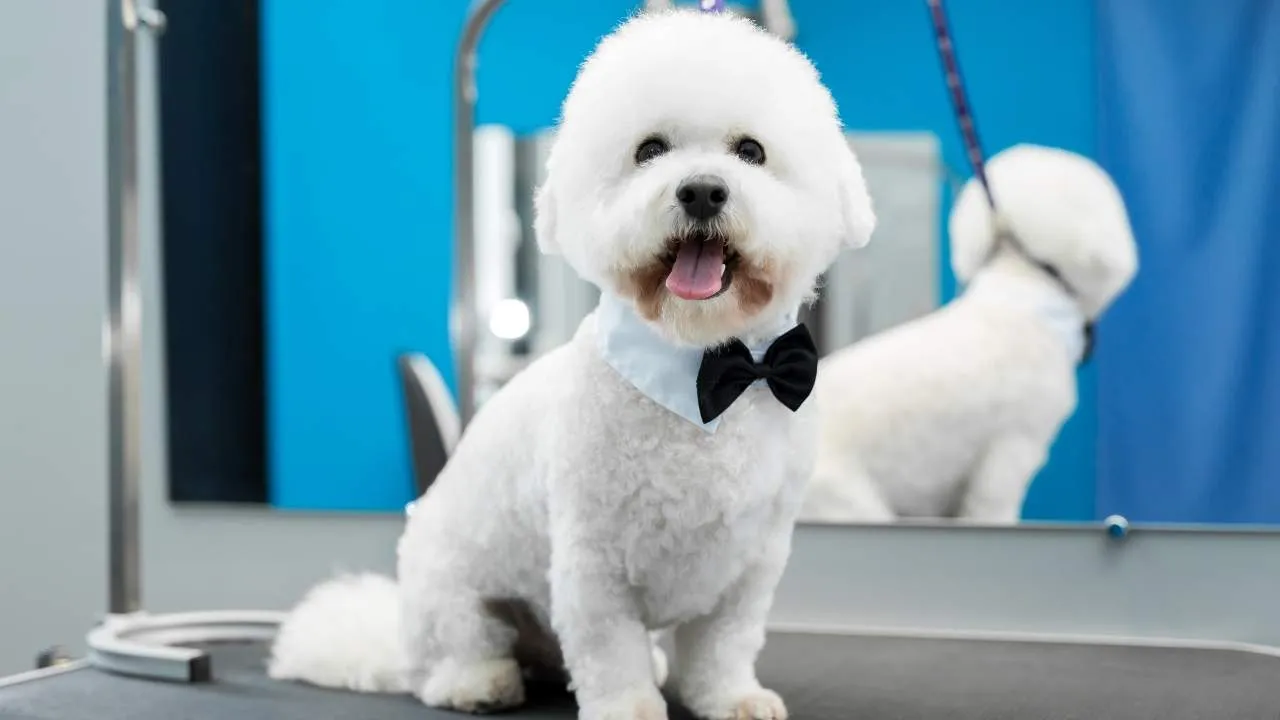
The Bichon Frise is energetic yet highly adaptable, making it comfortable in a variety of living situations. Bichons are very social with humans and other pets, and with proper training and early socialization, they grow into friendly dogs who enjoy meeting new people and animals. Their affectionate nature and playful spirit make them especially good companions for families.
At home, Bichons are gentle and loving, but they do crave attention. If left bored or lonely, they may resort to excessive barking or chewing to entertain themselves. Regular play sessions and interactive toys help keep their active minds engaged and reduce unwanted behaviors.
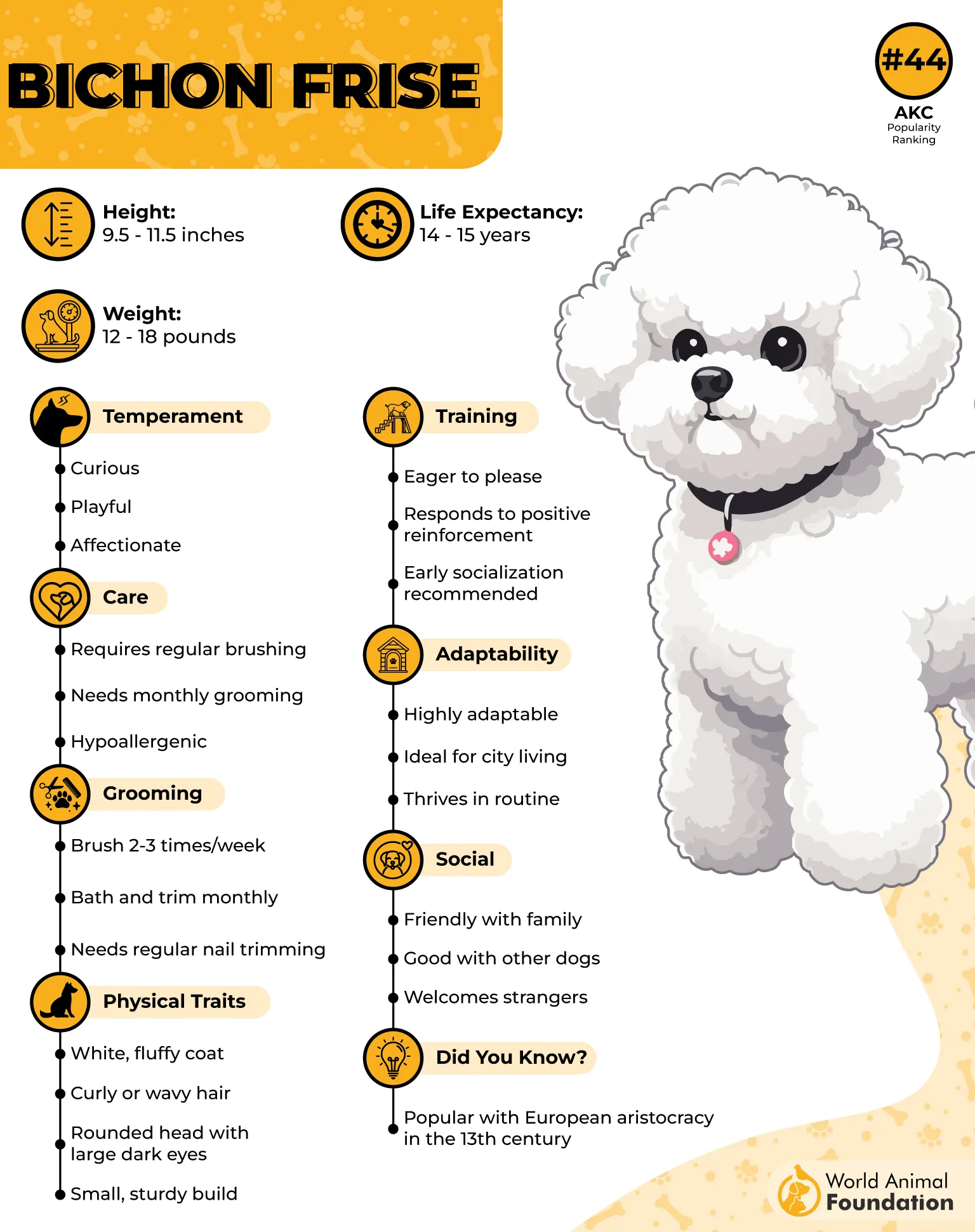
Their soft, curly coat requires consistent grooming to stay healthy and mat-free. Routine brushing and professional grooming appointments are important parts of their care. With proper coat maintenance, loose hair is managed during grooming rather than drifting around the house.
Why This Breed Is a Good Fit
A hypoallergenic dog, regular brushing captures dead hair before it spreads indoors.
Social temperament makes grooming and handling easier.
An adaptable personality suits both busy homes and quieter spaces.
7. Scottish Terrier
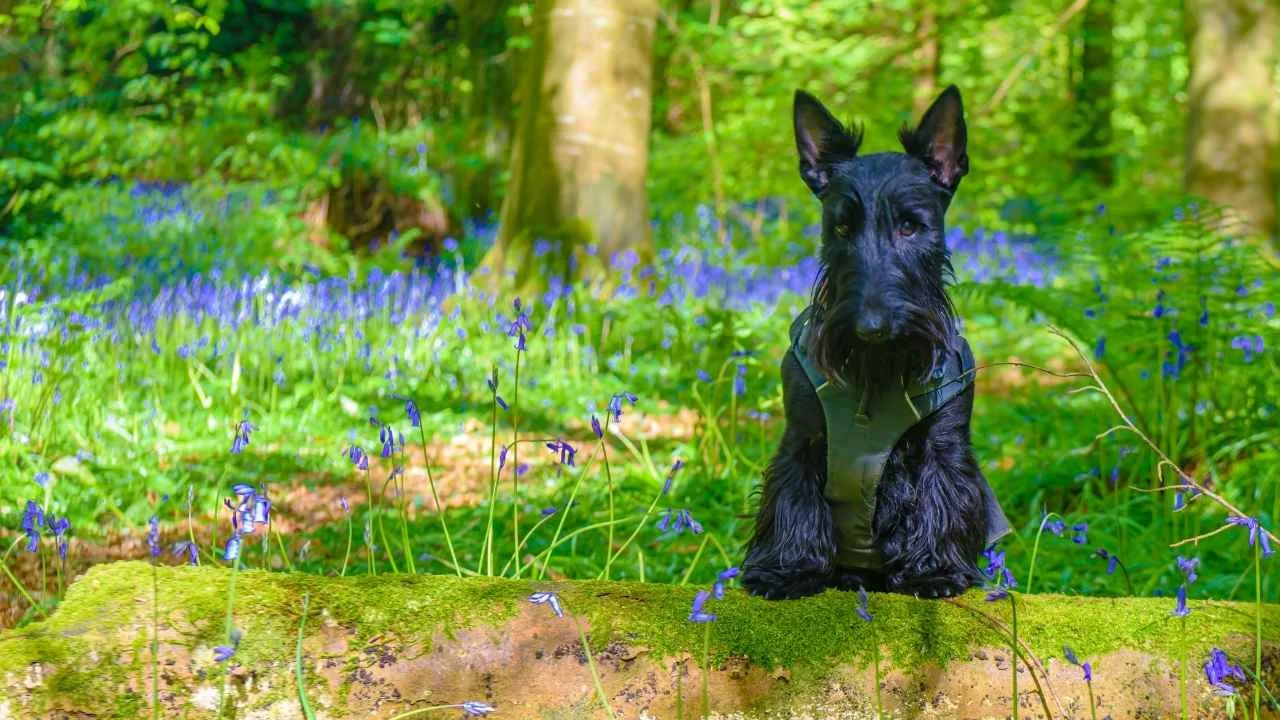
The Scottish Terrier, often called a Scottie, is known for its distinctive wiry coat and confident personality. This breed has a double coat with a wiry outer layer and a soft undercoat, resulting in minimal shedding compared to many other dogs. While no breed is completely hypoallergenic, Scotties are often considered a lower-shedding option.

Scottish Terriers are affectionate with their families and form strong bonds with their people. They are intelligent but can have an independent streak, which means consistent, positive training works best. Playful and naturally protective, they often make attentive watchdogs.
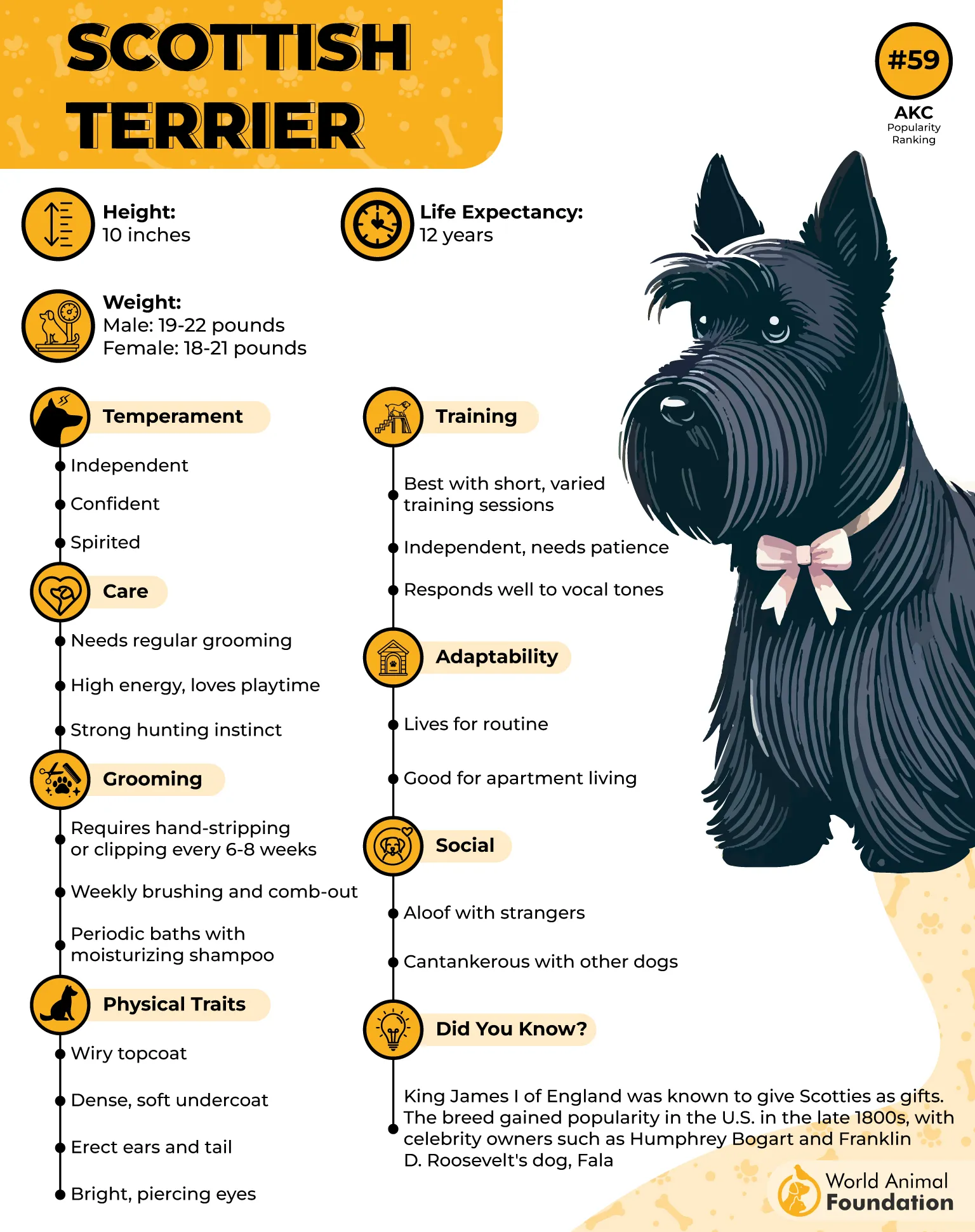
Grooming plays a big role in keeping their coat in good condition. Weekly brushing helps remove loose hair and prevent matting, and professional grooming every few months keeps their coat manageable. Regular baths also help reduce dander, which can contribute to allergic reactions.
Why This Breed Is a Good Fit
The wiry coat sheds less than many other breeds.
Routine brushing keeps loose hairs under control.
Structured grooming schedule limits the buildup of dander at home.
Conclusion
Living with a dog does not have to mean constant vacuuming or lint rollers in every room. While no breed is completely hypoallergenic or entirely shed-free, some dogs are far easier to manage when it comes to loose dog hair and dander.
From silky-coated companions to quirky hairless pups and tidy self-groomers, there is a wide range of personalities and coat types to consider.
Other dogs that don’t shed include small dog breeds such as the Shih Tzu, West Highland White Terrier, Miniature Schnauzer, and the miniature Mexican hairless dog. These dogs produce dander, but their low-shedding coats can be managed with frequent grooming.
The key is understanding each breed’s grooming needs, energy level, and temperament before bringing one home. With the right match and a consistent care routine, you can enjoy all the loyalty, laughter, and love a dog brings, without feeling buried under fur.
