




When it comes to giant guardian breeds, the Great Pyrenees and the Caucasian Shepherd stand in a league of their own. Both were bred to protect livestock from powerful predators, and their massive size, thick coats, and fearless nature make them look truly unstoppable. But when people ask which one is more powerful, the debate gets intense.
The Caucasian Shepherd dog is known for its enormous build and raw strength, developed to confront wolves and even bears. The Great Pyrenees, while slightly more elegant in appearance, combines solid strength with impressive endurance and smart guarding instincts. Power is not just about size—it is about muscle, courage, stamina, and natural protective ability.
So which breed truly dominates in terms of power? Let’s take a closer look at their strength, build, and guarding style to find out.
Great Pyrenees vs. Caucasian Shepherd: Which Is More Powerful?
In the battle of power, both the Great Pyrenees and the Caucasian Shepherd bring impressive strength to the table—but in very different ways. Let’s dig in to find out more about them.
Origins & History
Great Pyrenees
The Great Pyrenees is a large working dog believed to have Asian origins before appearing in Europe between 1800 and 1000 BC. It became especially prominent in the Pyrenees Mountains, where it was bred to guard sheep from wolves and bears.
Purpose and Historical Roles:
Protected flocks in harsh mountain terrain
Served as a royal favorite in 17th-century France
Worked as a watchdog and estate guardian
Pulled carts and even transported contraband between France and Spain during World War I
Its history reflects a balance of strength, loyalty, and reliability—qualities essential for both rural farms and royal courts.
Caucasian Shepherd
Originating from ancient Caucasian dogs, the Caucasian Shepherd developed across the Caucasus Range and the southern Russian steppes, as mentioned by the Caucasian Shepherd Kennel Association. Its evolution was shaped not only by nature but also by the people of the region who relied on it for survival.
Purpose and Development:
Guarded livestock, homes, and property from predators
Used historically as powerful molossoid-type war dogs
First recorded in the 1st century BC during the reign of Armenian Tsar Tigran II
Selectively bred in the USSR (starting in the 1920s) to enhance physical power, fearlessness, sharp senses, and endurance
With its dense, waterproof coat and exceptional resilience, the Caucasian Shepherd was designed to thrive in extreme climates while standing firm against serious threats.
Size & Weight
Great Pyrenees
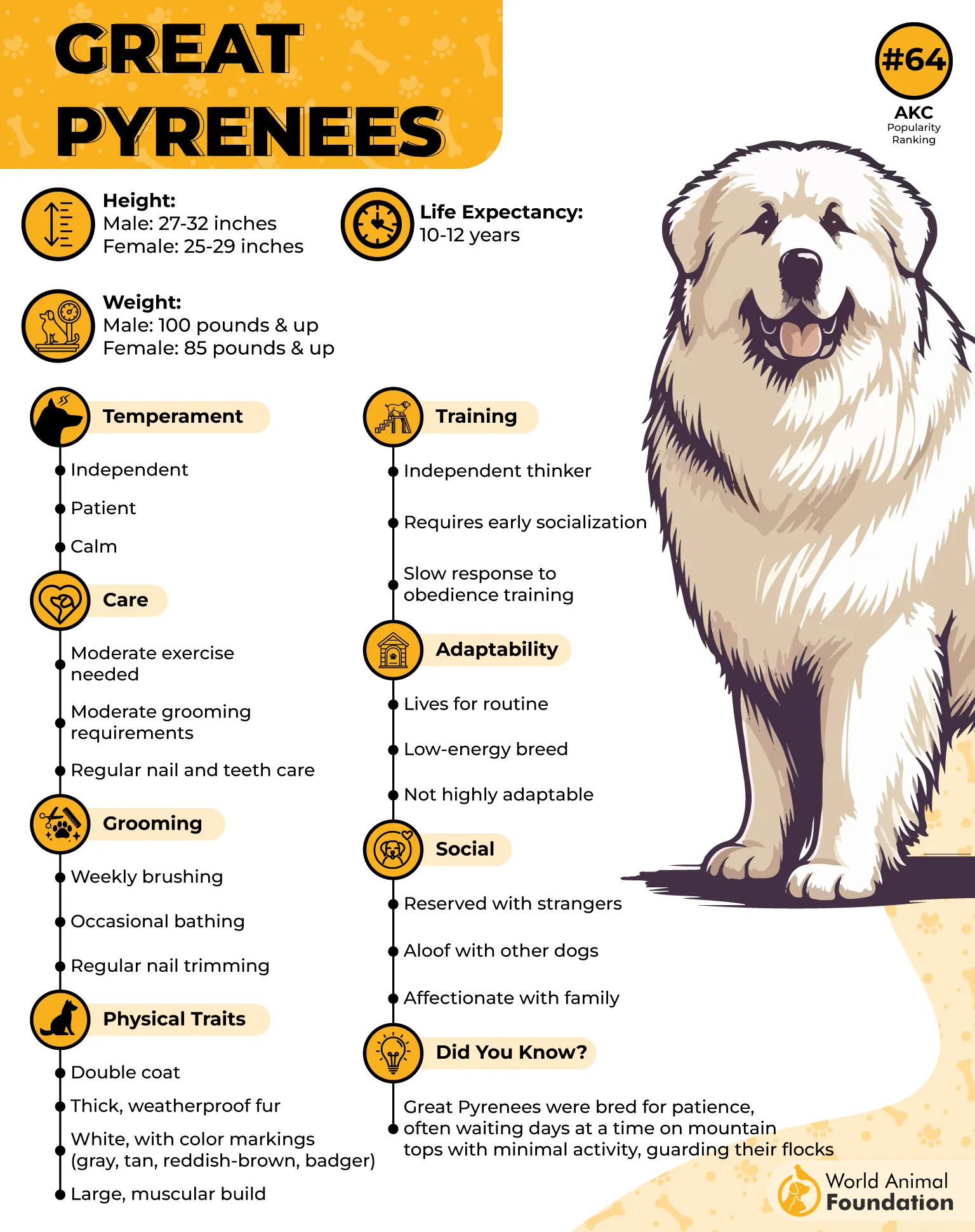
Bred to guard livestock from wolves and bears, the Great Pyrenees has an impressive yet balanced frame.
Height & Weight:
Stands 25–32 inches at the shoulder
Females average around 85 pounds
Males typically weigh over 100 pounds
Physical Features:
Medium to long double coat, coarse and straight or slightly wavy
Coat colors: solid white, cream, or white with light tan/grey patches
Black nose, brown eyes, and medium floppy ears
Long, plumed tail
Despite its size, this breed carries itself with a calm, almost regal presence. Its build combines strength with endurance, making it powerful without appearing overly bulky.
Caucasian Shepherd
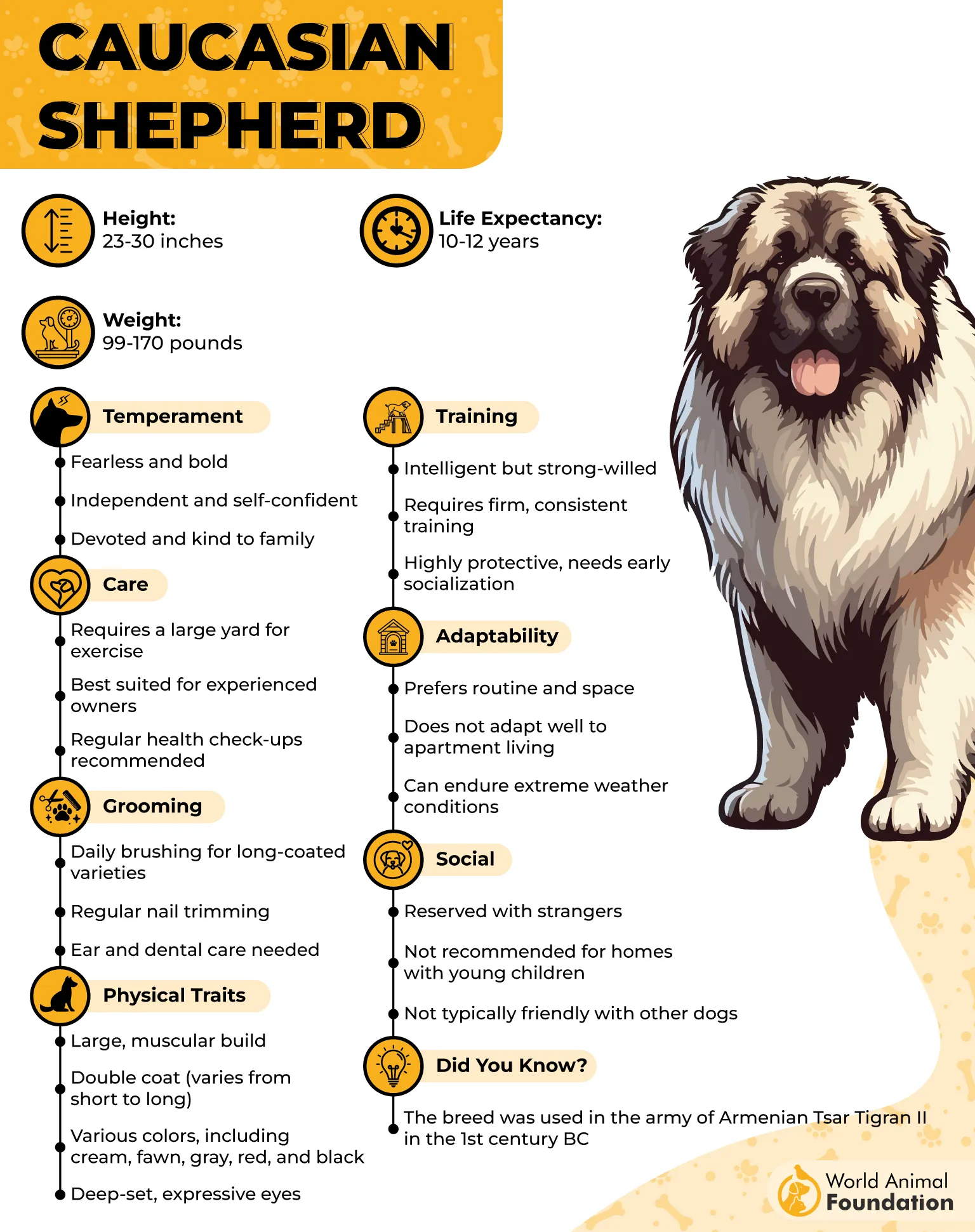
The Caucasian Shepherd dog has a more rugged and imposing structure. Often described as bear-like, it looks built purely for confrontation and defense.
Height & Weight:
Stands 25–30 inches tall
Weighs between 99 and 154 pounds
Physical Features:
Coat can be short or long, thick and dense
Colors include white, tan, brindle, grey, cream, often with a black mask
Large head with a slightly narrowing muzzle
High-set floppy ears and dark eyes
Long, high-set tail
Puppies are born black and lighten as they mature
Overall, the Caucasian Shepherd dog appears heavier-boned and more muscular, giving it a more intimidating physical presence.
Temperament & Trainability
Great Pyrenees
The Great Pyrenees is naturally calm, patient, and deeply devoted to its family. Although large and powerful, it is not overly aggressive by nature.
Instead, it is watchful and protective, always alert but usually controlled. With proper socialization, it is gentle with children, respectful toward the elderly, and generally accepting of other pets in the home.
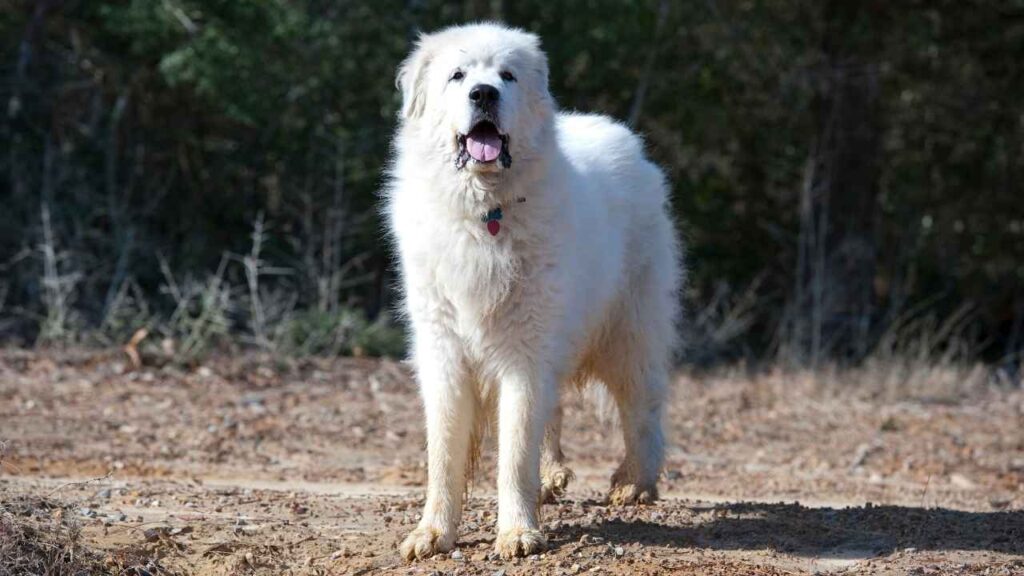
However, this breed is naturally suspicious of strangers, as stated by the Royal Canin. Without early and consistent socialization, that suspicion can become excessive. They also take their watchdog role seriously, which explains their tendency to bark—especially at night.
In terms of training, they are intelligent but independent. They were bred to work alone in the mountains, so they do not blindly obey commands.
Training requires patience, consistency, and positive reinforcement. They respond best to experienced handlers who understand their thoughtful, sometimes stubborn nature.
Caucasian Shepherd
The Caucasian Shepherd dog has a much more intense guarding temperament. This breed is fearless, confident, and extremely protective of its territory and family. While loyal and balanced with those it trusts, it is naturally distrustful of strangers and quick to assess threats.
Because it comes from a lineage of dogs bred to confront predators and guard property, its protective instincts are strong. If not properly trained and socialized from a young age, those instincts can turn into overprotectiveness or aggression.
Training can be challenging because the Caucasian Shepherd is strong-willed and dominant. It requires a firm, confident owner who can establish leadership early. Positive but consistent training methods are essential, and professional guidance is often helpful—especially for first-time owners.
Strength & Guarding Ability
Great Pyrenees
The Great Pyrenees was developed to guard sheep in the Pyrenees Mountains against wolves and bears. Its strength lies not just in muscle, but in endurance and smart decision-making. Rather than attacking immediately, this breed often uses warning barks, body positioning, and intimidation to drive predators away.
Physically, it is large and powerful, capable of standing its ground when necessary. But it prefers controlled defense over direct confrontation. Its thick coat protects it from harsh weather, allowing it to work long hours outdoors. This makes it a reliable, steady guardian that protects through patience and presence.
Caucasian Shepherd
The Caucasian Shepherd dog is built for direct confrontation. With a heavier bone structure, greater bulk, and a naturally dominant temperament, it was bred to face powerful predators head-on. This breed does not hesitate when it perceives a threat.
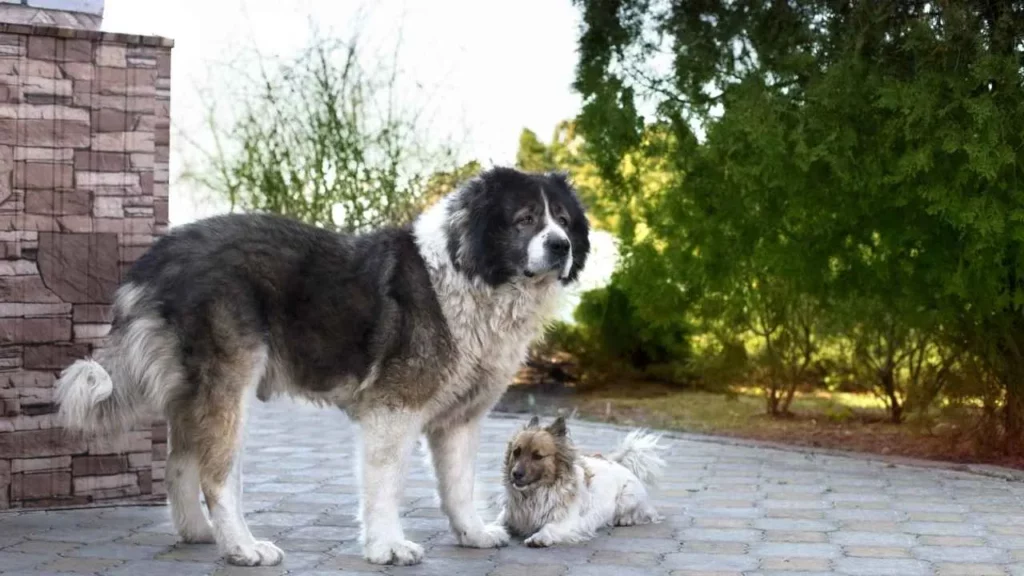
Its strength is more visibly intimidating. The muscular build, large head, and bear-like frame give it a physical advantage in close combat situations. Combined with fearlessness and strong territorial instinct, the Caucasian Shepherd is often considered the more physically overpowering of the two.
Grooming & Maintenance
Great Pyrenees
The Great Pyrenees has a long, thick outer coat—mostly white and slightly coarse—with a soft, woolly undercoat. It sheds at a moderate to high rate, so regular brushing is essential.
Grooming needs include:
Brushing once or twice a week to prevent matting and remove loose hair
Extra brushing during shedding seasons
Bathing only every couple of months, as the coat naturally repels dirt
Avoid shaving or trimming the coat, even in hot weather (it protects from the sun and heat)
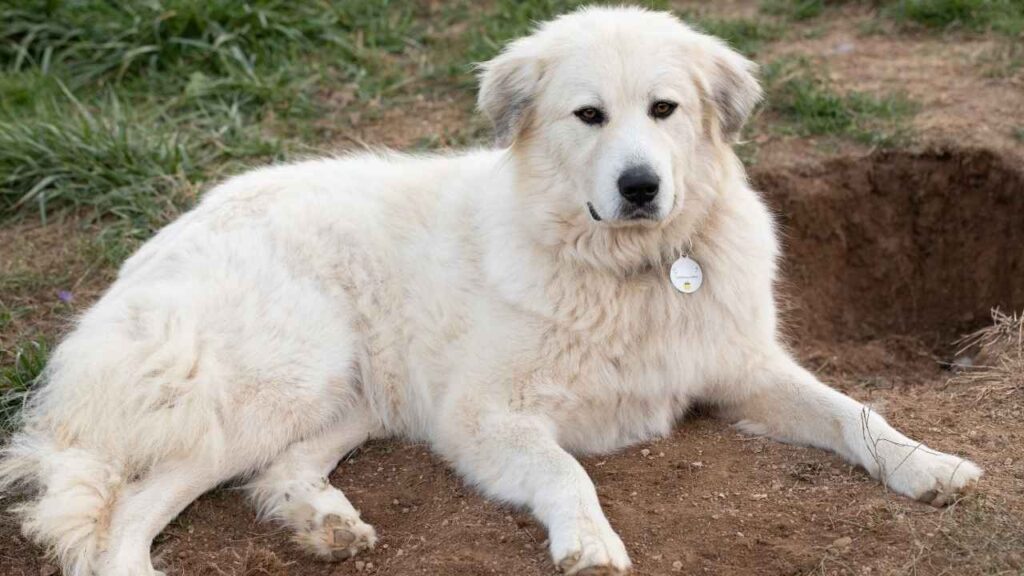
Because of their size and white coat, expect hair on clothes and furniture. They also tend to drool, so keeping a cloth nearby can help.
Other maintenance includes trimming nails (especially since they have extra rear dewclaws), brushing teeth a few times per week, and checking ears weekly for wax buildup.
Caucasian Shepherd
The Caucasian Shepherd’s coat can be short, medium, or long, but it is always thick and double-layered. Longer coats require more frequent brushing to prevent tangles and mats.
Grooming needs include:
Brushing twice a week (daily for longer coats)
Increased brushing during heavy seasonal shedding (spring and fall)
Bathing about once a month, depending on dirt level
Regular nail trims and weekly ear checks
Brushing teeth several times a week (ideally daily)
This breed also has a fairly high drooling level, so owners should be prepared for regular cleanups around the house.
Energy & Exercise Levels
Great Pyrenees
The Great Pyrenees is not the type of dog that constantly demands attention or intense activity. Still, it requires daily exercise to stay fit and mentally satisfied.
Exercise needs include:
At least 30–40 minutes of walking per day
Up to 1–2 hours of light activity, depending on the dog
Play sessions like ball or rope games
Access to a large, well-fenced yard for roaming and guarding
This breed enjoys patrolling its territory, and that natural guarding behavior acts as a form of exercise. While they can walk nicely on a leash, they may wander if allowed off-leash.
They are not ideal running partners and can overheat in hot weather, so exercise should be limited during high temperatures, as mentioned by Orvis. Cold weather, however, suits them very well.
Caucasian Shepherd
The Caucasian Shepherd is also not a hyperactive breed, but it does need consistent daily movement. Its endurance allows it to handle long walks or hikes, especially with an active family.
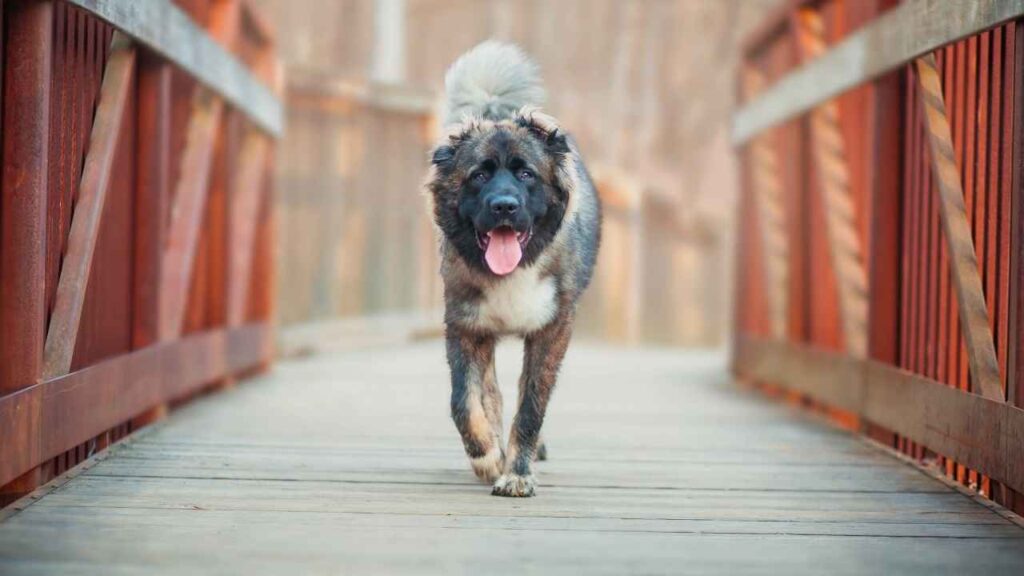
Exercise needs include:
At least 1 hour of activity daily
Walks, yard play, light hikes, and fetch
Puzzle toys for mental stimulation
A large, securely fenced yard
Due to its strong protective instincts, this breed should always be kept on a leash or in a secure area. It is not suitable for small homes or tiny city gardens. While fairly low-energy indoors, it still needs room to patrol and stretch out comfortably.
Health & Diet
Great Pyrenees
The typical lifespan of a Great Pyrenees is 10–12 years, which is slightly longer than that of many giant breeds. While usually healthy, responsible breeders screen for inherited conditions.
Common health issues include:
Hip and elbow dysplasia (joint development problems)
Chondrodysplasia (dwarfism)
Patellar luxation (kneecap dislocation)
Eye disorders such as entropion, cataracts, and canine multifocal retinopathy (CMR)
Neuronal degeneration (NDG), a progressive inherited nervous system disorder
Gastric dilatation-volvulus (GDV), also known as bloat

Bloat is especially serious in deep-chested breeds. Signs include a swollen abdomen, retching without vomiting, drooling, and visible discomfort. Immediate veterinary care is critical.
Diet tips:
Feed smaller meals throughout the day instead of one or two large portions to reduce bloat risk
Choose large-breed formulas rich in omega-3 and omega-6 fatty acids
Supplement kibble occasionally with cooked chicken, vegetables, brown rice, or raw meat
Always provide fresh, clean water
Caucasian Shepherd Dog
The Caucasian Shepherd is also considered a generally healthy breed, but can develop hereditary concerns, particularly related to its size.
Common health issues include:
Hip and elbow dysplasia
Heart conditions, including pulmonic stenosis
Entropion (inward rolling eyelids)
Obesity, which increases the risk of arthritis and diabetes
Bloat (GDV), a potentially fatal emergency
Routine veterinary checkups are important to detect heart issues and joint problems early.
Diet tips:
Use age-appropriate, large-breed dog food formulas
Adjust the diet as the dog moves from puppy to adult stages
Occasionally, include rice, vegetables, cooked chicken, and raw meat
Monitor portion sizes carefully to prevent weight gain
Keep fresh water available at all times
Suitability for Owners & Farm Tasks
Great Pyrenees
The Great Pyrenees is calm, gentle, and devoted to its human family. It thrives in homes where it can enjoy both indoor comfort and outdoor space, making it ideal for suburban or rural living rather than cramped city apartments.
Highlights for owners:
Excellent with kids, the elderly, and other pets
Intelligent, affectionate, and eager to please
Naturally protective, making it a trustworthy watchdog
Best suited for owners with a consistent lifestyle and space to roam
On a farm, the Great Pyrenees excels as a guardian of livestock. Its intelligence, patience, and natural guarding instincts allow it to monitor flocks without constant supervision, combining companionship with purposeful work.
Caucasian Shepherd
The Caucasian Shepherd dog is a powerful, territorial dog with a strong instinct to protect its family and property. It is best suited for experienced dog owners who understand the needs of large, protective breeds.
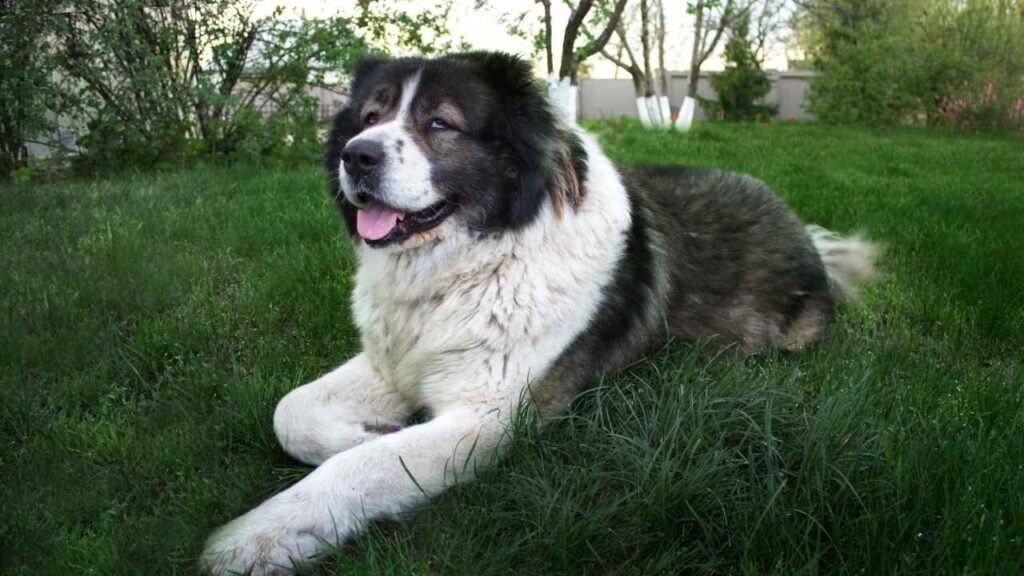
Highlights for owners:
Extremely loyal, brave, and alert
Suspicious of strangers, acting as a natural alarm system
Requires firm training and early socialization to become obedient and balanced
Best kept in homes with larger yards, and ideally as a single pet
For farm tasks, the Caucasian Shepherd is a formidable guardian. Historically bred to defend flocks from wolves and bears, it is highly effective at protecting livestock. However, care should be taken if other animals are present, as its protective instincts can cause conflicts if not properly managed.
Great Pyrenees vs Caucasian Shepherd: Which Is More Powerful?
Great Pyrenees
The Great Pyrenees is a large, muscular dog standing 25–32 inches at the shoulder and weighing 85–100+ pounds. Its strength lies not only in its size but in endurance and functional power developed over centuries of guarding flocks in rugged mountain terrain.
Muscular build: Well-proportioned with solid bone density for sustained guarding
Defensive power: Uses presence, posture, and strategic positioning to control predators
Endurance: Can patrol large areas for hours without fatigue, relying on steady strength rather than sudden force
While formidable, the Great Pyrenees focuses on controlled, measured strength. It can confront threats but often uses intimidation and calculated defense rather than direct physical aggression.
Caucasian Shepherd
The Caucasian Shepherd is built for power in its purest form. This breed combines massive size with dense musculature and a heavy bone structure.
Muscular and massive: Bear-like frame allows it to face large predators with overwhelming force
Confrontational strength: Naturally fearless and dominant, capable of direct physical defense
Resilience: Thick double coat and sturdy body give it endurance in harsh conditions while maintaining peak power
The Caucasian Shepherd’s strength is immediate and intimidating. Its power comes from sheer mass, muscle, and protective instincts, making it one of the most physically commanding guardian breeds.
In pure power and physical dominance, the Caucasian Shepherd holds the edge. The Great Pyrenees, while strong and enduring, demonstrates power more through strategy and stamina than raw force.
Conclusion
The Great Pyrenees impresses with endurance, strategic guarding, and calm, controlled strength, while the Caucasian Shepherd dominates with sheer size, muscle, and fearless physical power. Each breed has its own style of protection, shaped by centuries of working alongside humans and guarding livestock.
If you’re considering adding one of these giants to your family or farm, think about the kind of strength you value most and the environment you can provide. Both breeds reward dedication, training, and space with loyalty, protection, and companionship.
Whichever you choose, you’re not just getting a dog—you’re gaining a powerful guardian and a devoted friend who will stand by your side through thick and thin.
