




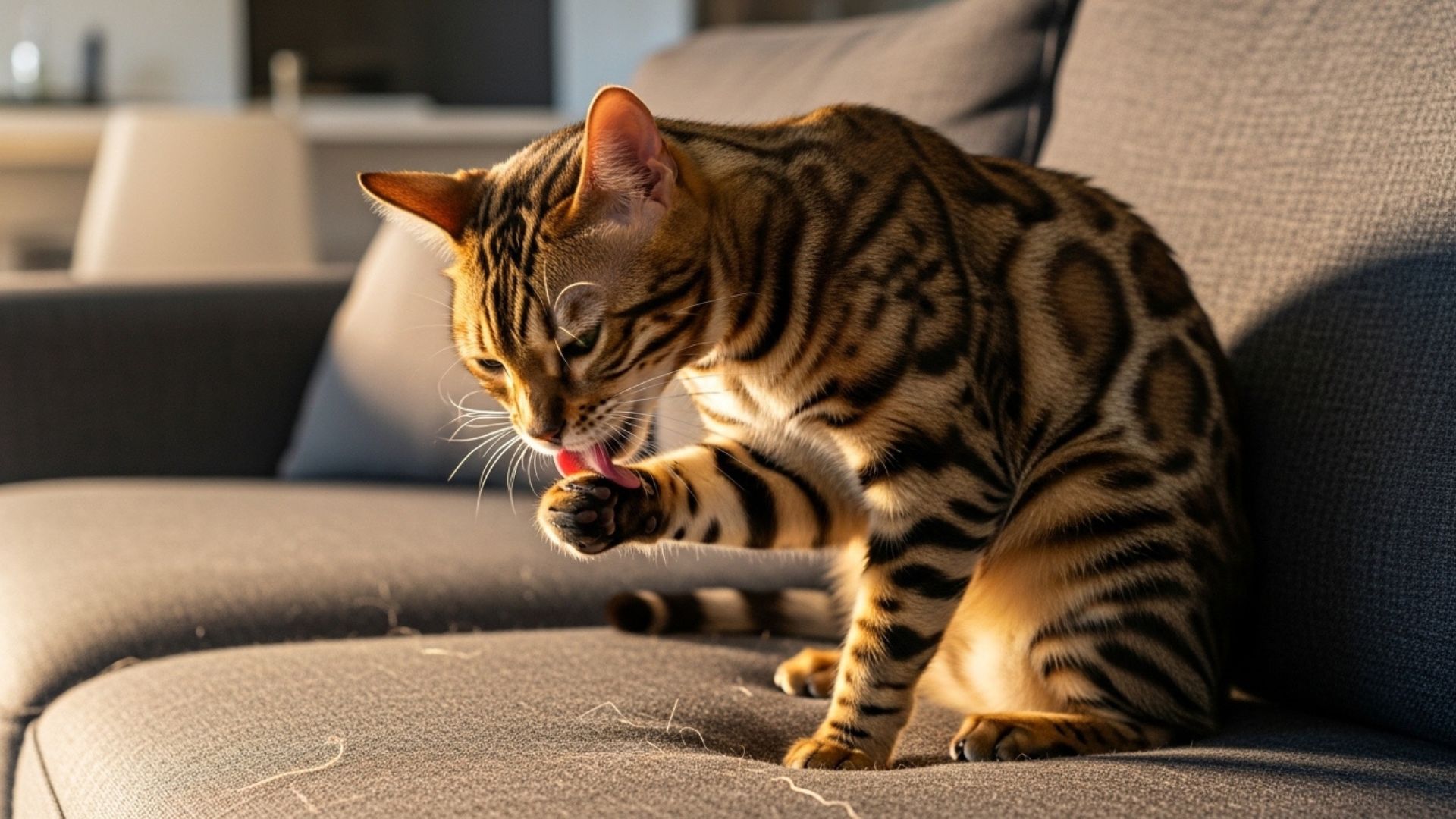
Cats are famous for their fastidious nature, often dedicating a significant portion of the day to licking, nibbling, and smoothing their coats. But why do some cats groom more than others? While grooming is a normal and healthy behavior, certain breeds seem especially devoted to keeping every whisker perfectly in place.
On average, cats spend 30 to 50 percent of their time grooming. However, when grooming becomes excessive—leading to hair thinning, bald patches, or irritated skin—it may signal something more than simple cleanliness. Stress, boredom, environmental changes, or even underlying medical issues can turn a soothing habit into a compulsive behavior.
So is excessive grooming breed-related or behavioral? The answer can be complex. Some cats may be naturally meticulous due to temperament or coat type, while others develop overgrooming as a response to anxiety or discomfort.
In this article, we explore seven cat breeds that are known for intense grooming habits—and how to recognize when tidy turns into trouble.
Cat Breeds That Groom Themselves Excessively
1. Siamese
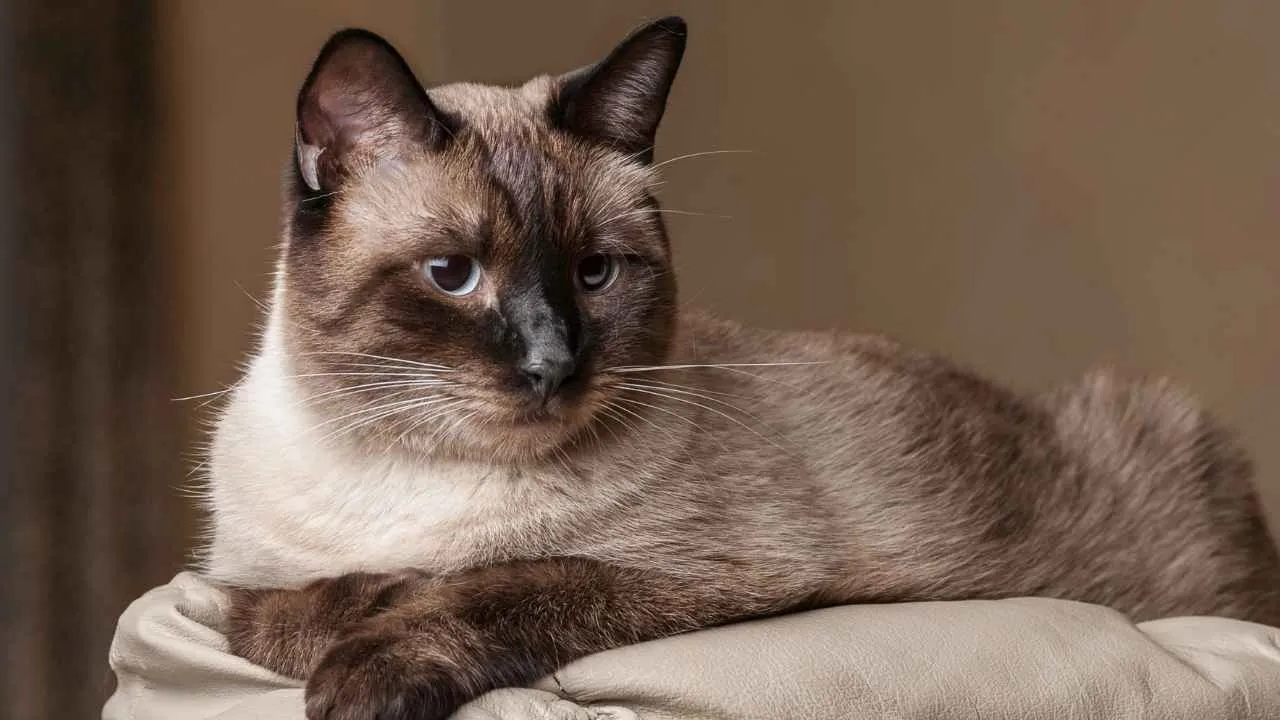
The Siamese, sometimes called the Thai or Traditional Siamese, is instantly recognizable for its sleek body, vivid blue eyes, and colorpoint coat.
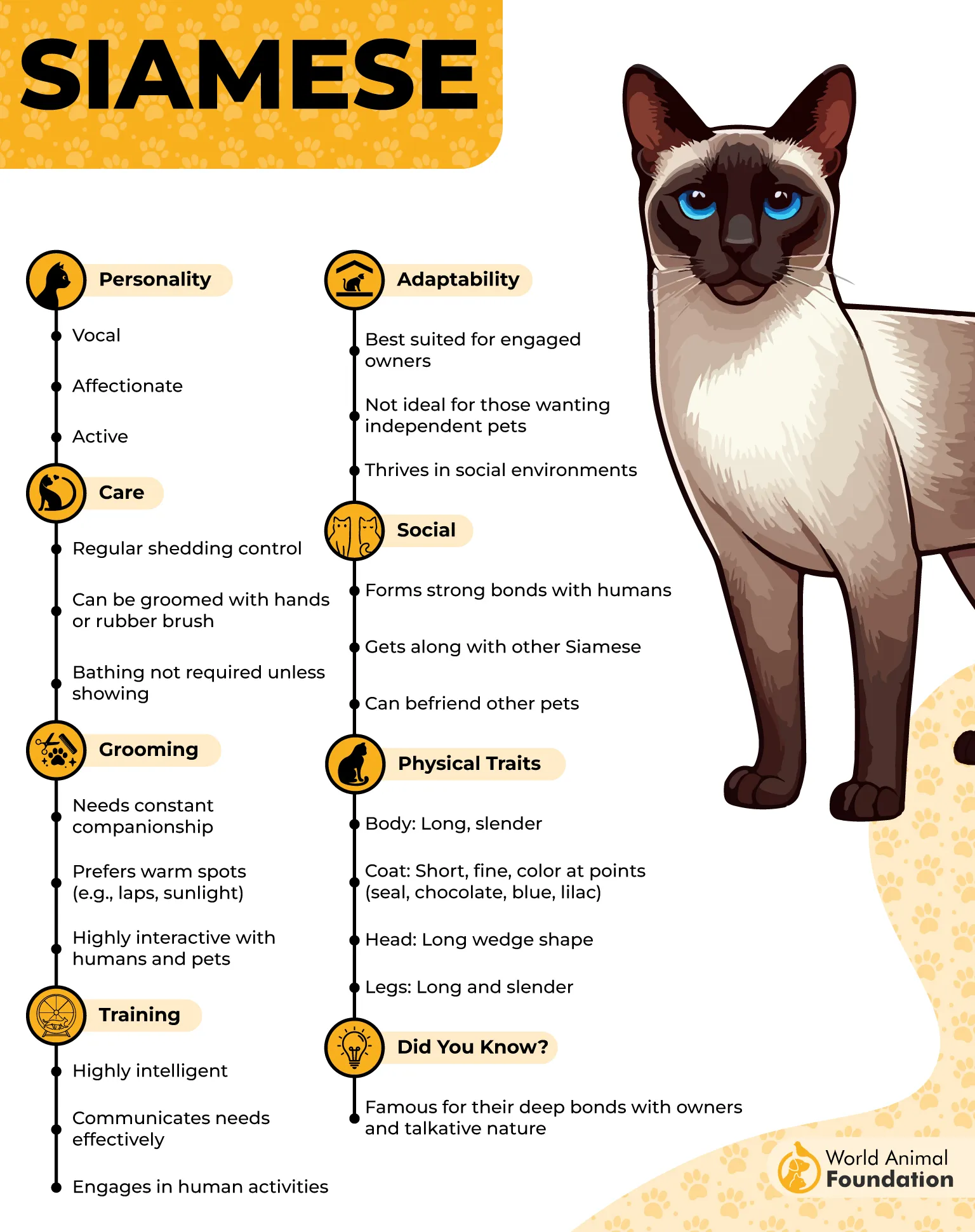
This intelligent, people-oriented breed is as refined in personality as it is in appearance. According to Purina, this highly intelligent cat will actively look for ways to keep her mind engaged and stimulated.
Naturally Fastidious and Detail-Oriented
Siamese cats are known for their almost ritual-like grooming habits. With short, fine fur that lies close to the body, they devote careful attention to keeping every inch spotless, often using their paws with delicate precision to clean their faces.
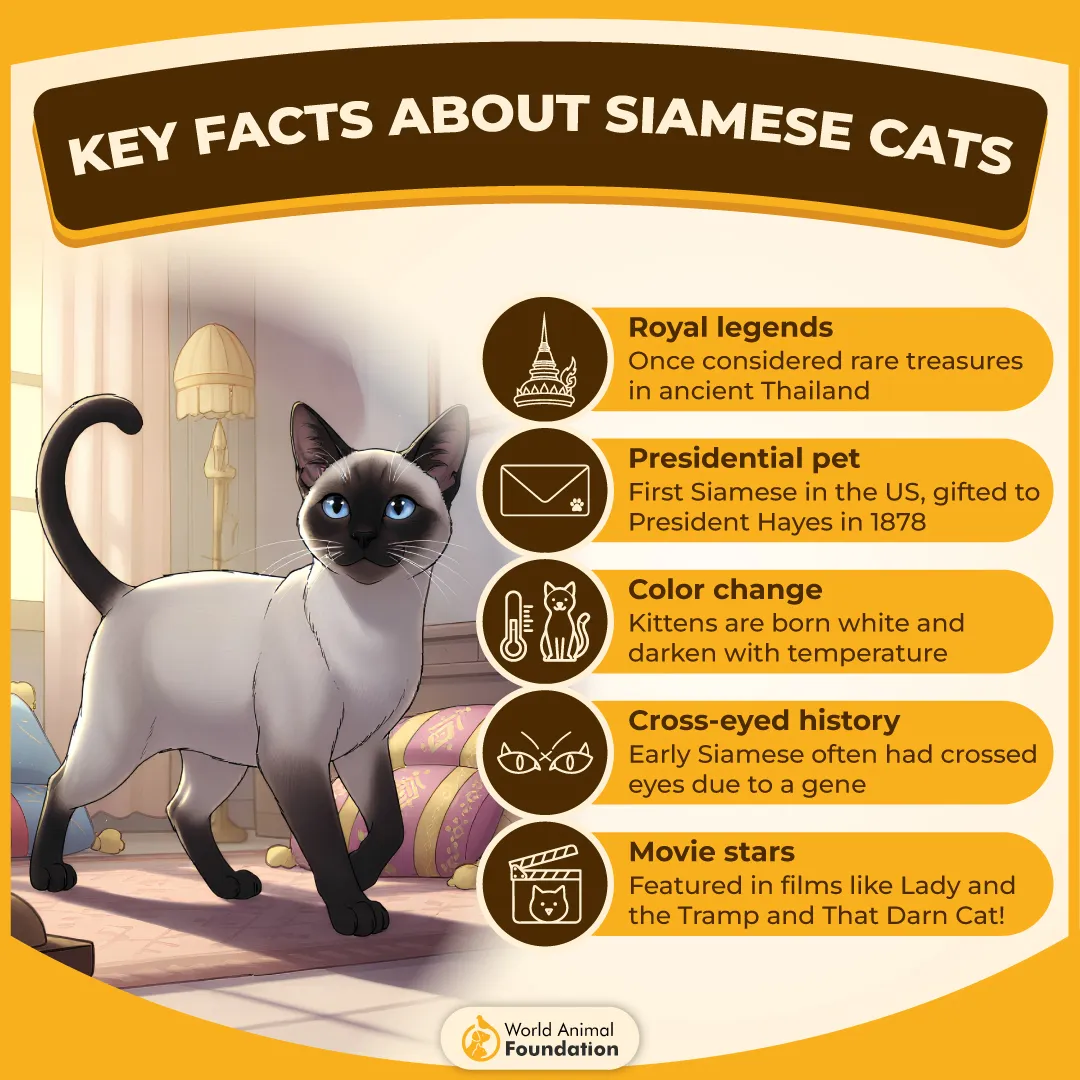
Their fastidious nature means they typically require little assistance from owners to maintain a glossy coat. However, because they are highly sensitive and emotionally attuned, stress or environmental changes can sometimes lead to overgrooming behaviors.
These chatty companions thrive in homes where they receive daily interaction and mental stimulation, helping prevent anxiety-driven habits. A notable fact: Siamese cats are often described as performing their grooming routine with the grace of a dancer, using deliberate, almost artistic movements.
2. Bengal
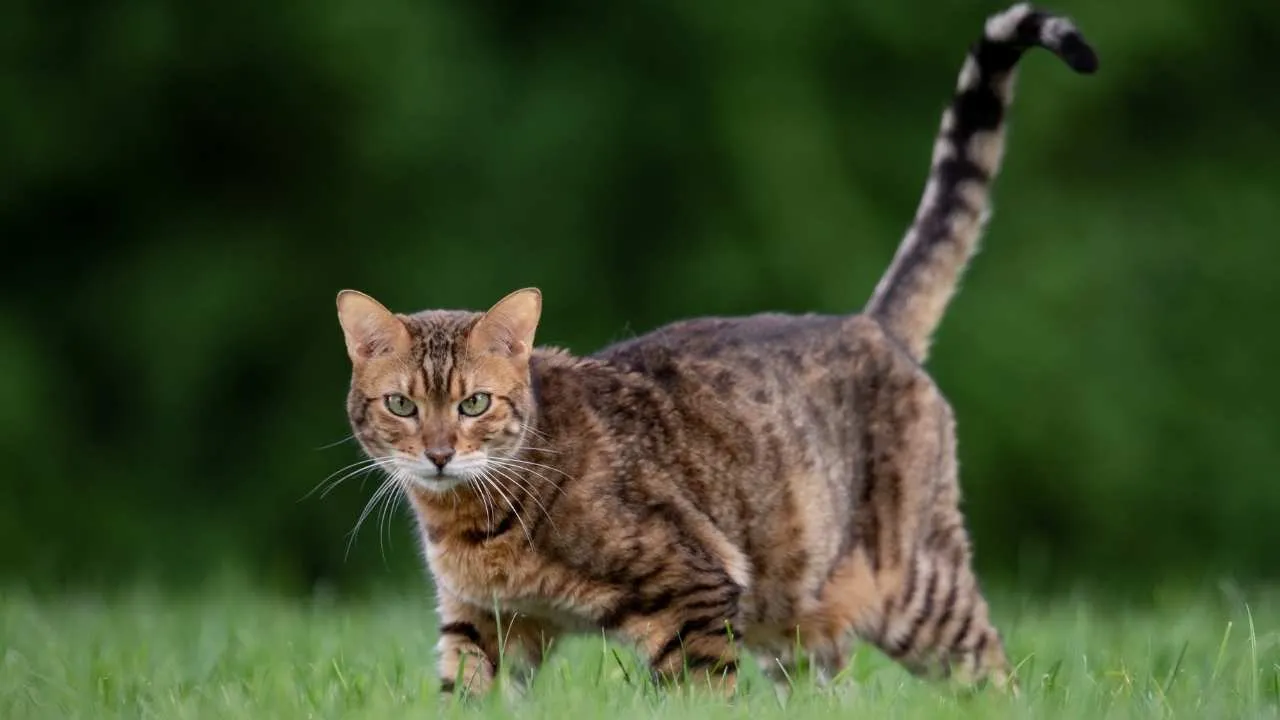
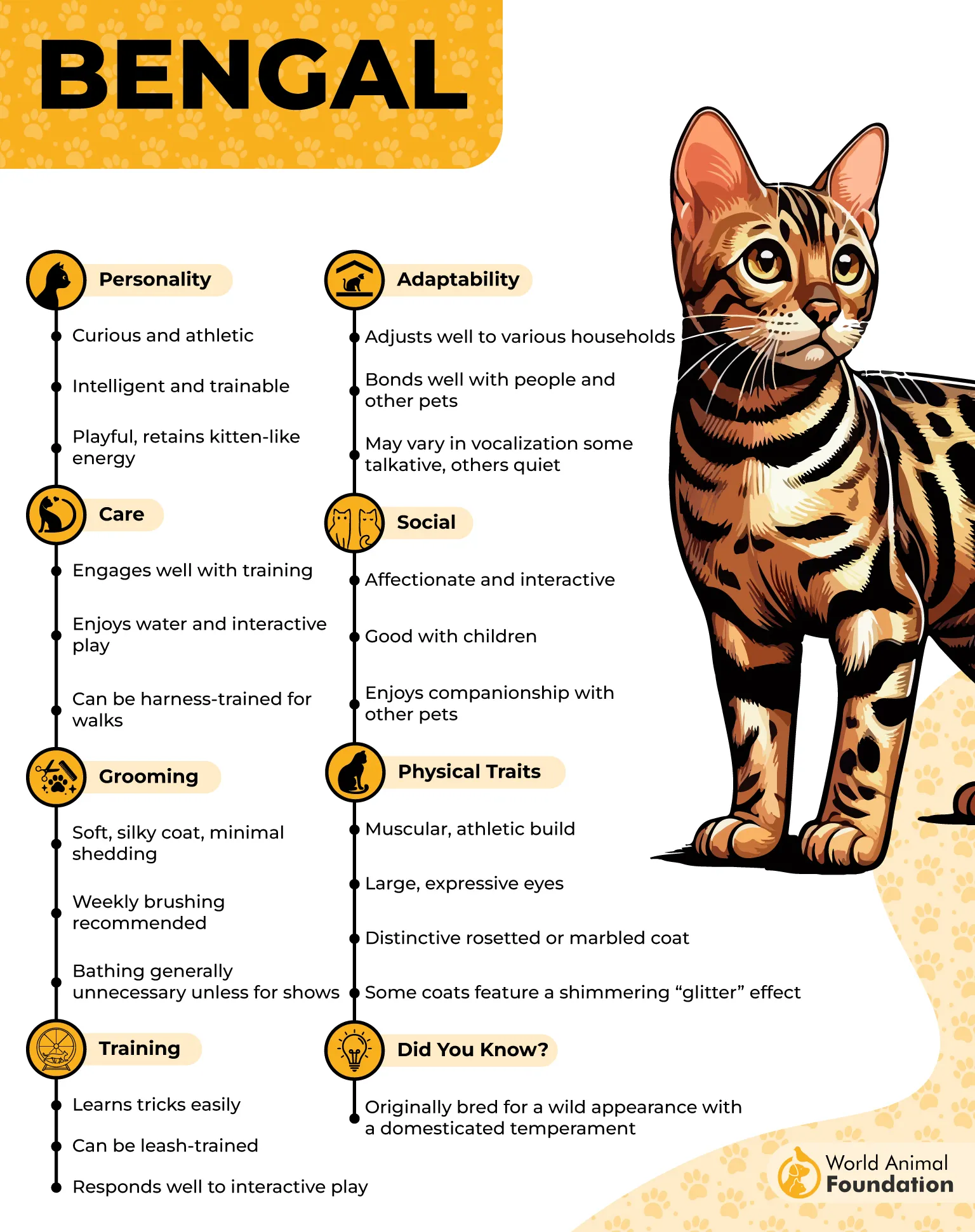
The Bengal, a hybrid descendant of the Asian leopard cat, is admired for its exotic rosetted coat and athletic build. With a short, dense coat and intense expression, this breed combines wild looks with domestic companionship.
According to PetMD, Bengals feature spotted or marbled coat patterns that may appear in a range of colors, including brown and silver.
High-Strung and Prone to Over-Grooming
Although Bengals require minimal human grooming, they are naturally meticulous about their own cleanliness. Their sleek fur resists dirt, allowing them to groom quickly and efficiently, often polishing each spot with focused precision.
Highly energetic and alert, Bengals can become high-strung if understimulated. When bored or stressed, their fastidious habits may intensify, potentially leading to excessive licking or overgrooming behaviors that affect the skin and coat.
Providing scratching posts, interactive play, and mental challenges helps redirect nervous energy and maintain healthy grooming patterns. A fascinating fact: unlike most cats, many Bengals enjoy water, and this unusual trait can even support their self-cleaning routine.
3. Russian Blue
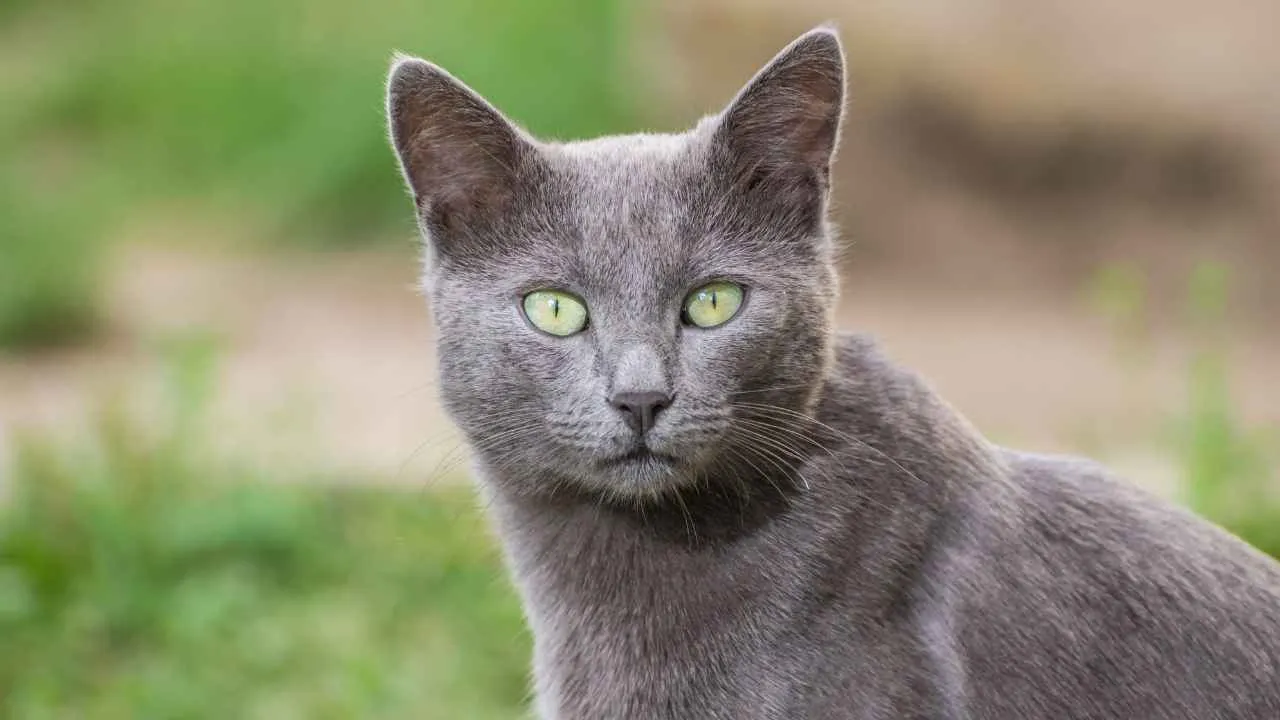
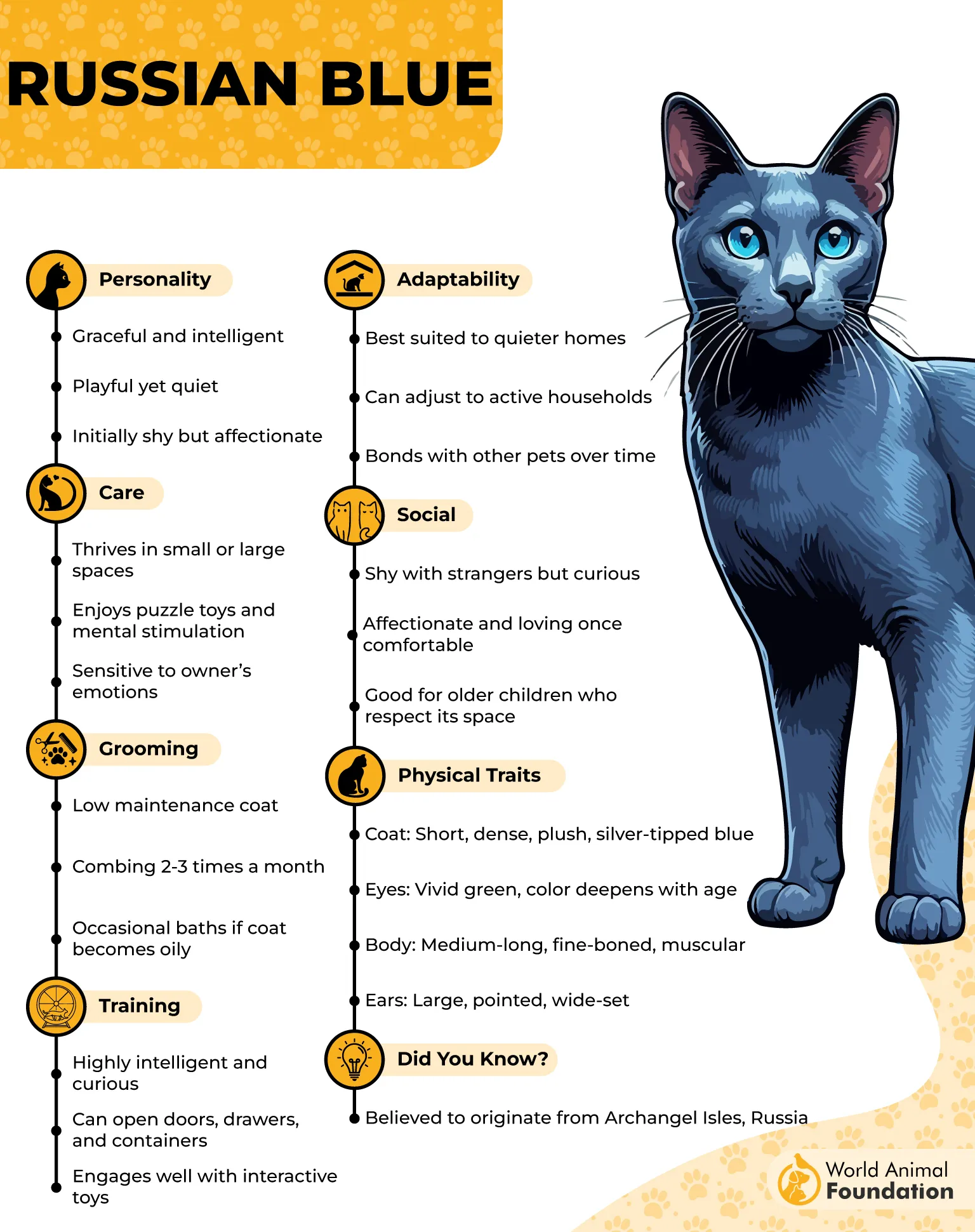
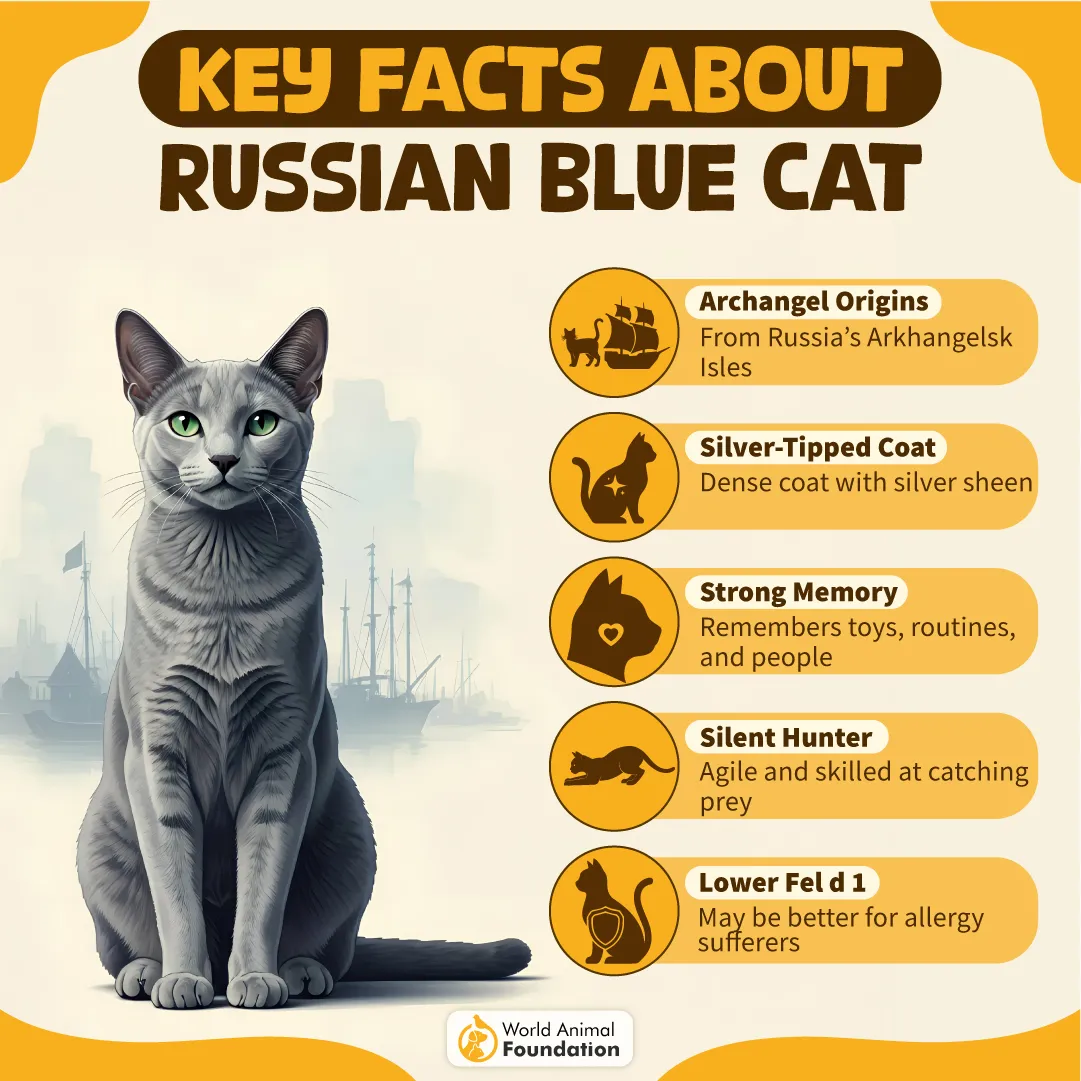
The Russian Blue, sometimes affectionately called the Archangel Blue, is known for its plush silver-blue coat and vivid green eyes.
Naturally elegant and reserved, this breed carries a calm demeanor paired with quiet attentiveness. According to Petplan, this breed is typically characterized by a calm, shy, affectionate, and playful temperament.
Sensitive Skin and Frequent Licking
Despite their dense double coat appearing high-maintenance, Russian Blues require very little external grooming. They take pride in keeping their fur immaculate, often engaging in regular, thorough self-cleaning sessions throughout the day.
Because they are sensitive by nature, environmental stress or changes in routine can sometimes trigger increased licking. While their coat is typically low-maintenance, excessive grooming may signal discomfort, anxiety, or skin irritation that warrants attention.
Maintaining a balanced diet, regular veterinary check-ups, and diligent dental care helps support overall health and prevent issues that could contribute to compulsive grooming. A notable fact: Russian Blues are known for their longevity and can often live between 15 and 20 years with proper care.
4. Turkish Van
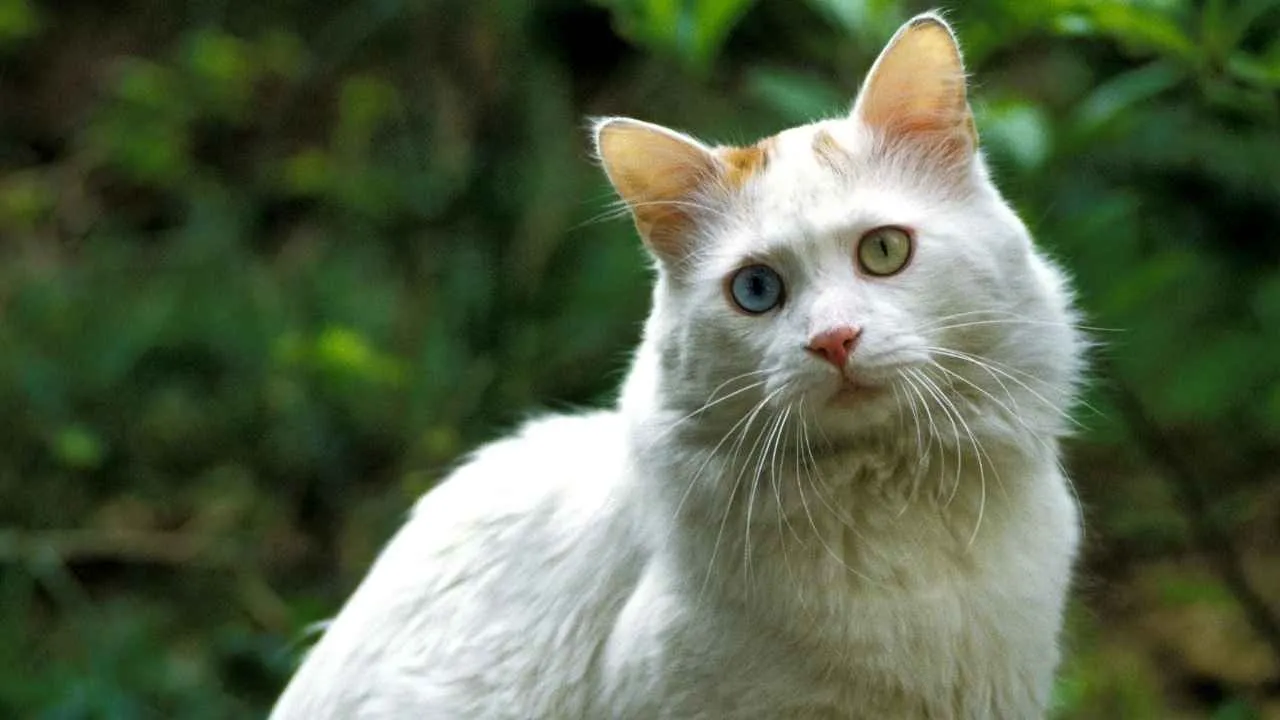
The Turkish Van, sometimes simply called the “Van cat,” is an ancient breed believed to have existed for over 2,000 years. Recognized by its signature white body with colored head markings and a ringed tail, this striking cat may even have one blue eye and one amber or green eye.
Stress-Responsive Grooming Habits
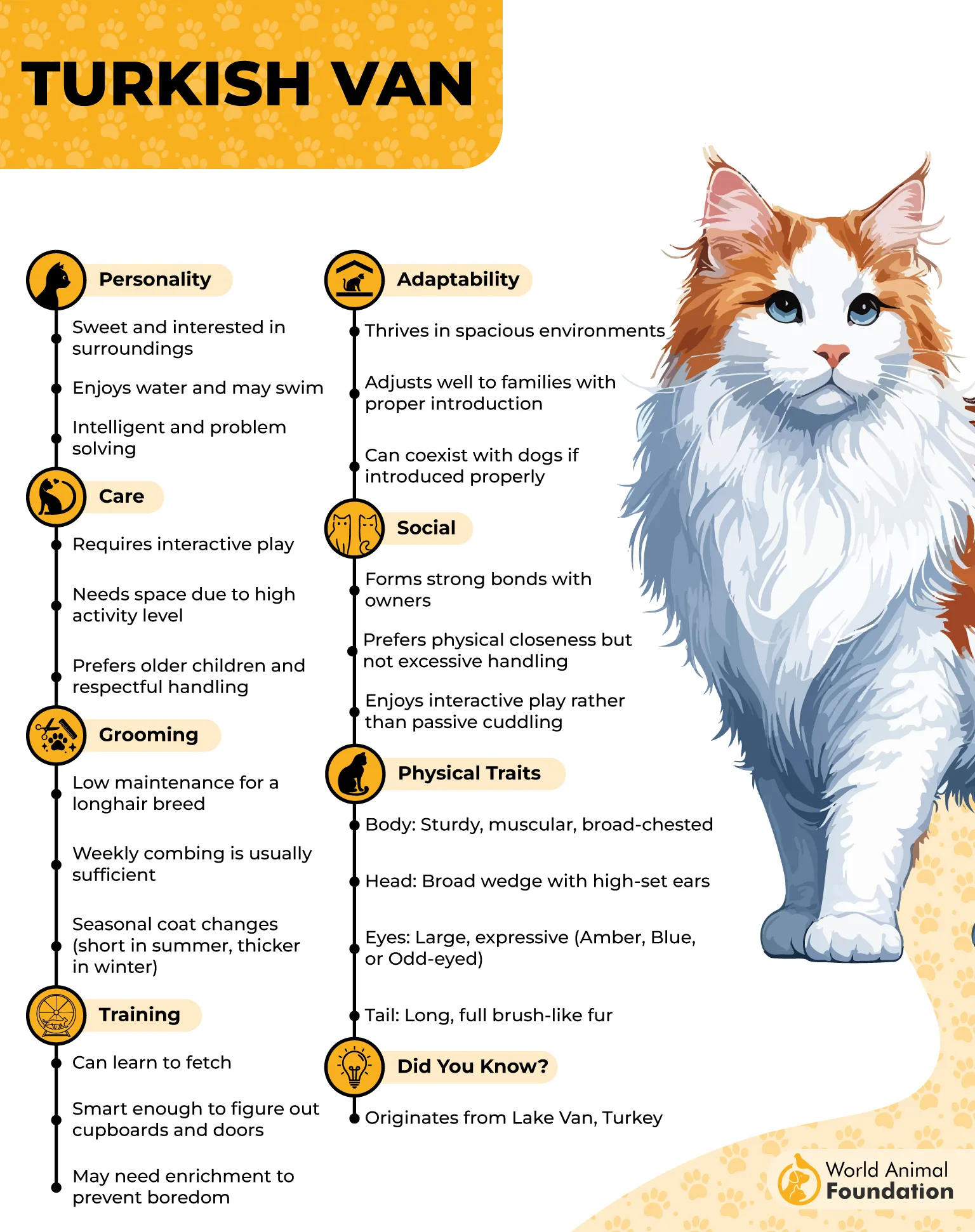
Despite its semi-long, luxurious coat, the Turkish Van lacks an undercoat, making matting less common. Still, this intelligent and energetic breed is highly attentive to its appearance, often engaging in frequent self-grooming to keep its fur pristine.
Because Turkish Vans form strong bonds with their humans and dislike being left alone, stress or boredom can sometimes trigger increased grooming. Their assertive, high-spirited personality means they require stimulation, companionship, and interactive play to prevent anxiety-driven habits.
Uniquely, many Turkish Vans enjoy water, occasionally incorporating splashing into their cleaning routine. A fascinating fact: this rare affinity for water sets the Turkish Van apart from most other cat breeds.
5. Chartreux
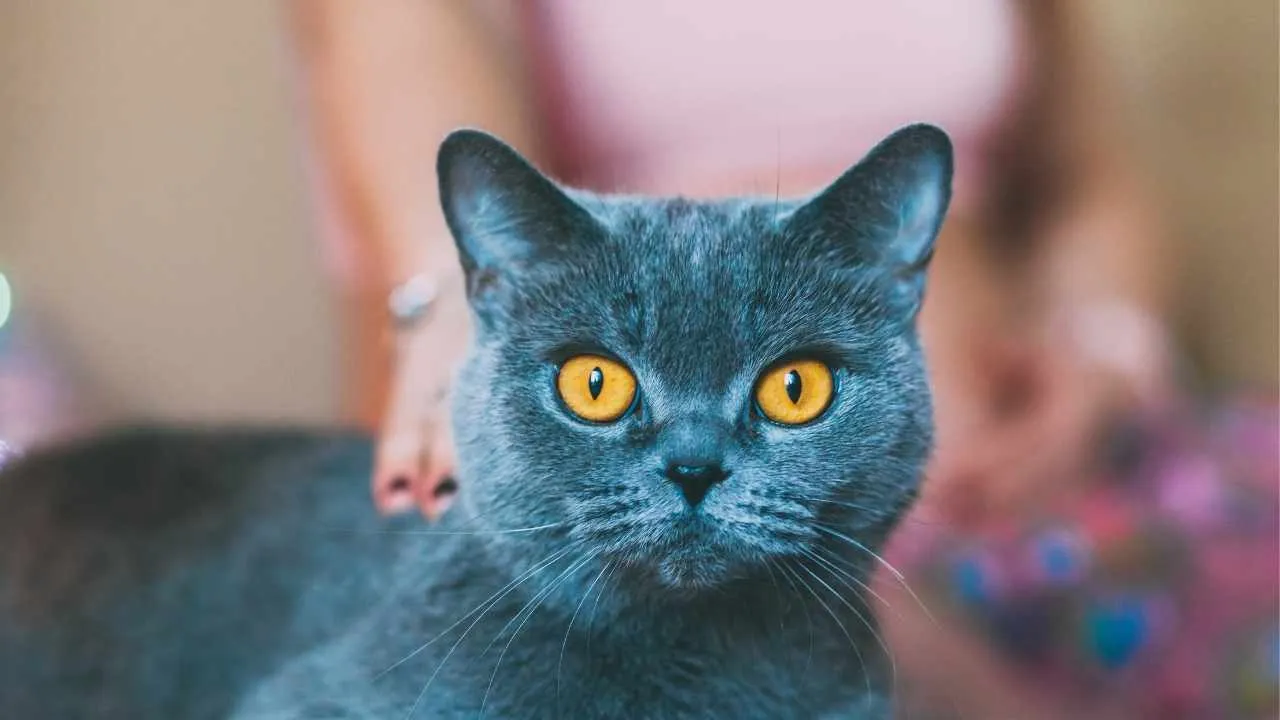
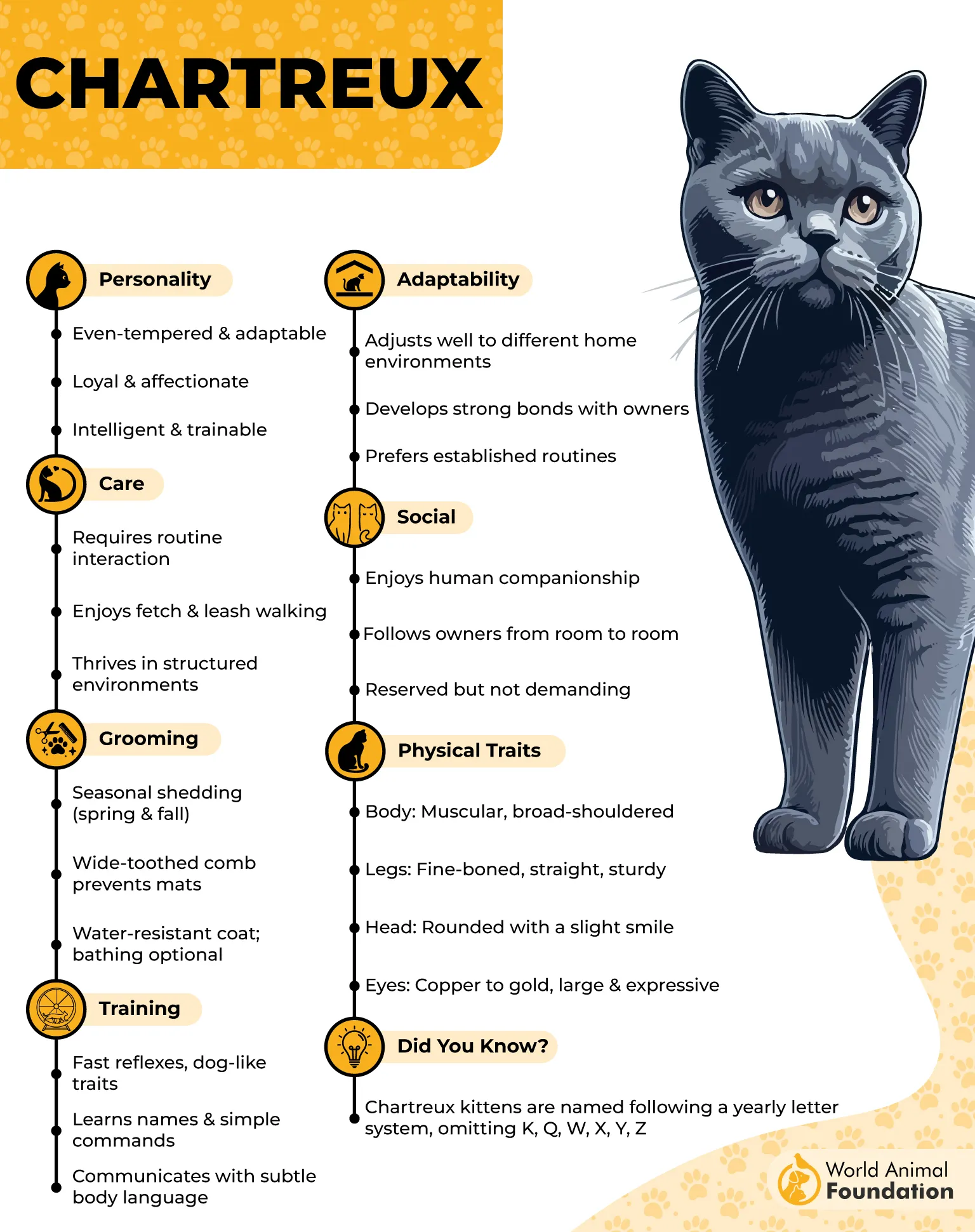
The Chartreux, often called the “silent cat” of France, is admired for its plush blue-gray double coat and striking copper-orange eyes. With a muscular frame and serene expression, this breed pairs quiet strength with understated elegance.
Meticulous Coat Maintenance
Chartreux cats are naturally attentive to their dense, slightly woolly fur, frequently grooming to keep it smooth and free of debris. Their methodical routine often includes carefully wiping their faces with their paws in deliberate, almost human-like motions.
Although their thick coat benefits from occasional brushing, they are remarkably capable of maintaining its condition on their own. Because they are calm and composed by nature, their grooming tends to be steady and thorough rather than frantic.
However, any noticeable increase in licking may signal discomfort or stress, especially given the density of their coat. A notable fact: despite their substantial build, Chartreux cats are impressively athletic and powerful hunters when in motion.
6. Bombay
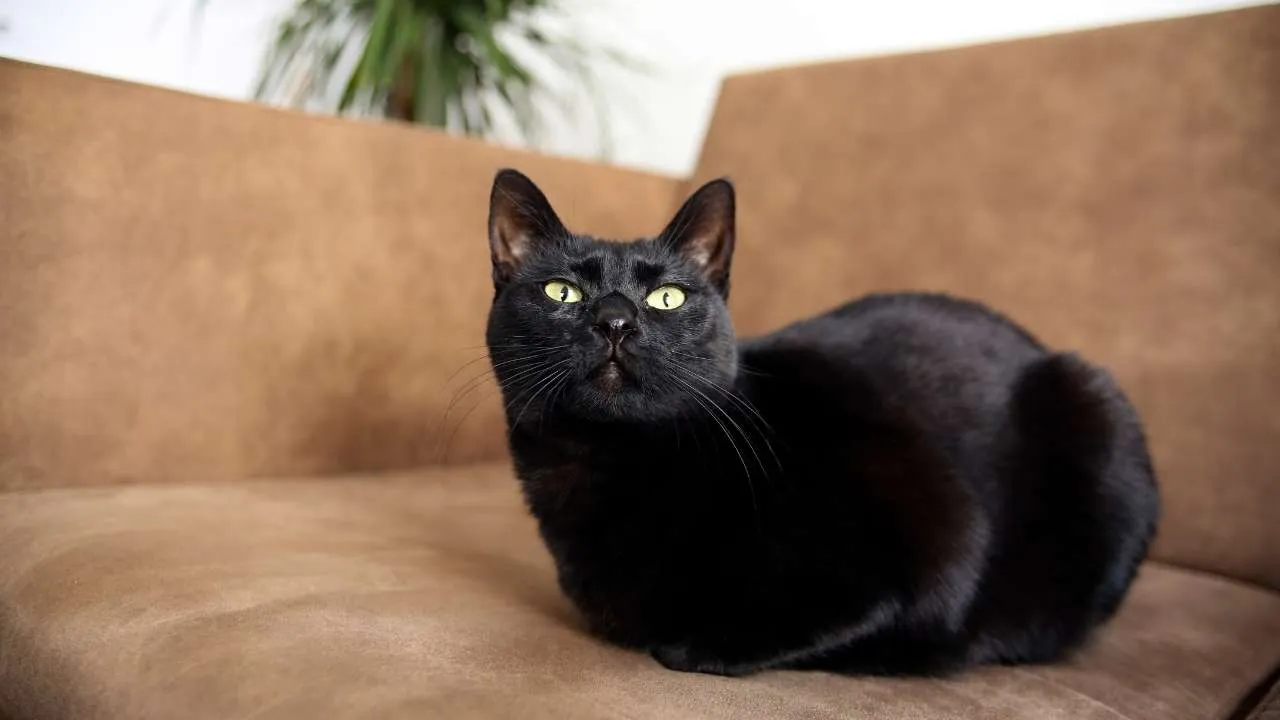
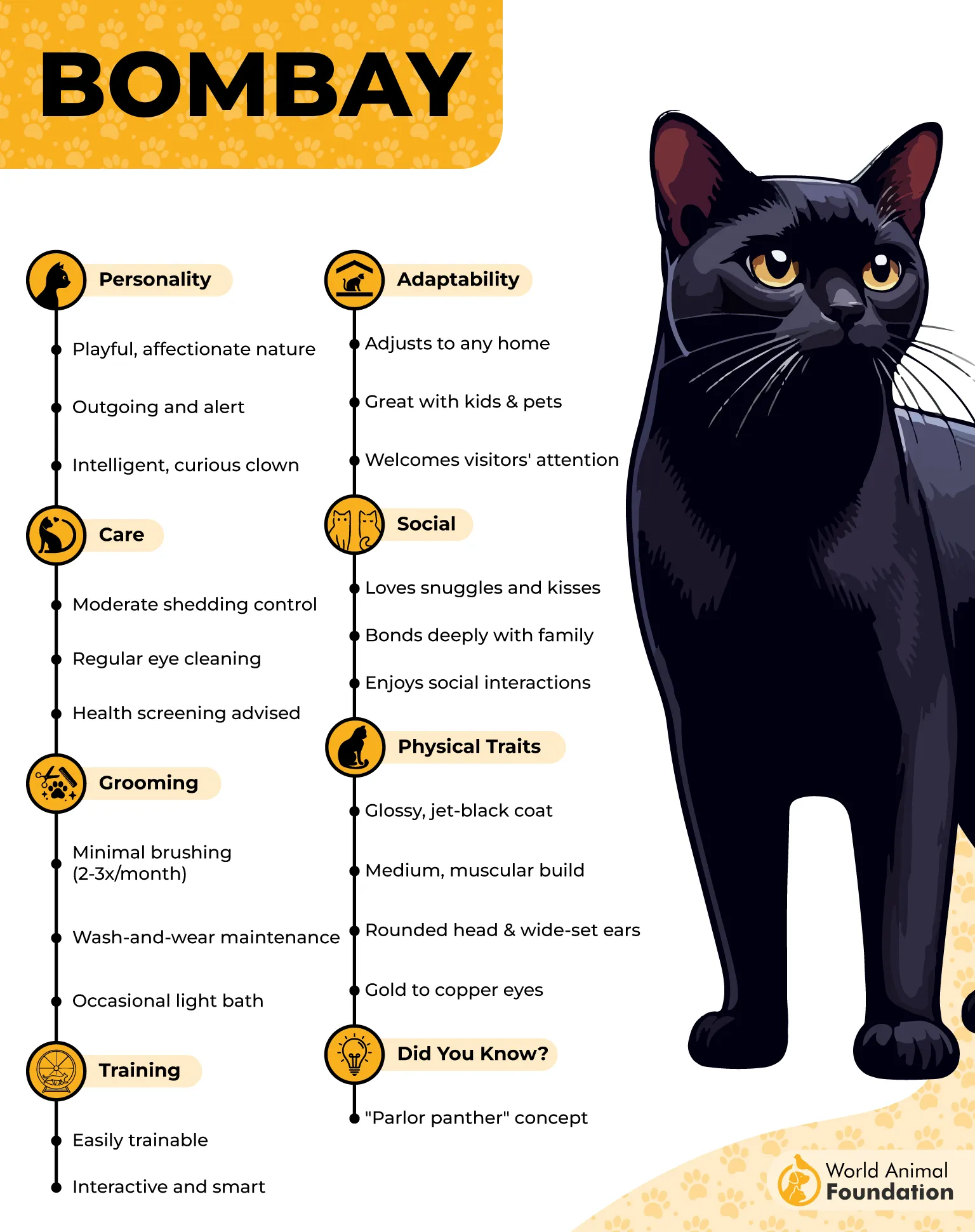
The Bombay, often described as a “miniature panther,” is known for its sleek jet-black coat and glowing copper eyes. Developed to resemble a small wild cat, this breed combines striking elegance with a deeply affectionate personality.
Intelligent but Anxiety-Prone
Bombays are naturally meticulous about their glossy, short coats, frequently grooming to maintain their polished appearance. Their self-care routine is deliberate and thorough, ensuring every inch of fur remains smooth and free of debris.
Highly intelligent and emotionally bonded to their owners, Bombays can be prone to anxiety when left alone for long periods. Separation stress may intensify grooming behaviors, sometimes leading to excessive licking or over-attention to certain areas.
Providing scratching posts, interactive toys, and gradual independence training helps channel nervous energy into healthier outlets. A notable fact: Bombay cats form especially strong attachments to their humans and may show clear signs of separation anxiety if not properly supported.
7. Abyssinian

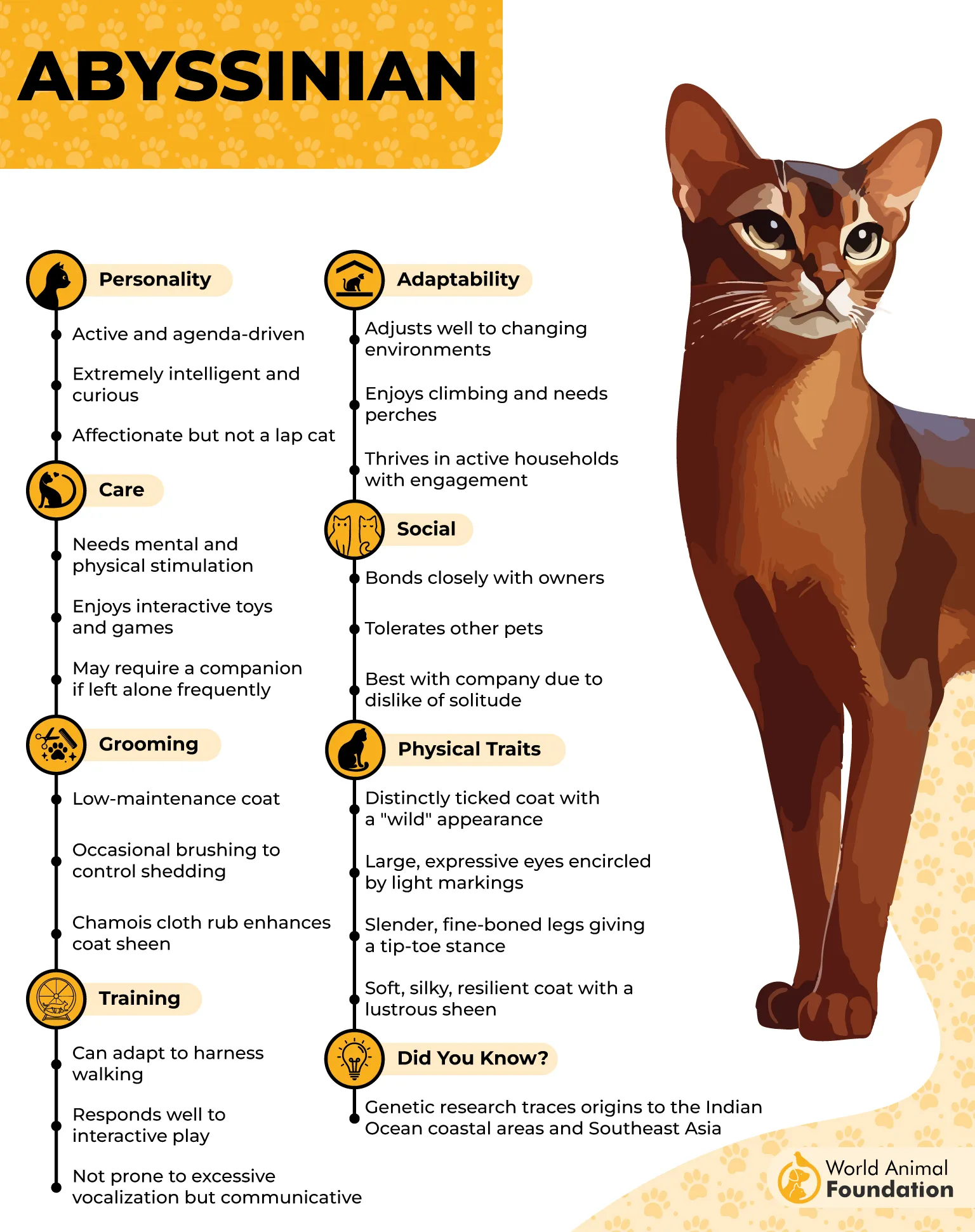
The Abyssinian, often affectionately called the “Aby,” is one of the oldest and most intelligent cat breeds. Recognized for its short, ticked coat and lean, athletic build, this elegant feline is both playful and deeply devoted to its people.
Elegant, Clean, and Constantly Preening
Abyssinians are naturally tidy cats, frequently grooming their sleek coats to keep every hair in place. Their short fur makes self-maintenance easy, allowing them to preen efficiently throughout the day without much assistance.
Highly active and inquisitive, they move with agility that helps them reach every corner of their body during grooming. However, because they are emotionally sensitive and crave attention, stress or lack of stimulation can sometimes lead to increased licking.
Regular brushing helps remove loose hair, but most coat care is handled by the cat itself. A fascinating fact: the Abyssinian was once believed to descend from the cats depicted in ancient Egyptian tomb paintings.
Conclusion
Cats typically spend a large portion of their waking hours grooming, but when a cat licks persistently or begins to groom excessively, it may signal more than simple cleanliness.
While meticulous self-care is part of a cat’s grooming behavior and helps regulate body temperature and keep the cat’s fur healthy, excessive grooming or cat overgrooming can lead to hair loss and irritated skin. In some cases, issues like ear mites, skin parasites, or another underlying medical condition may be responsible.
Environmental stress also plays a role. Changes in a cat’s environment, lack of mental and physical stimulation, or anxiety can push cats to seek stress relief through day grooming. Conditions such as psychogenic alopecia are linked to emotional triggers rather than medical reasons.
If your pet begins to overgroom, a timely vet visit is essential to rule out medical concerns. Supporting your family member with enrichment, attention, and appropriate natural remedies can help your cat feel secure and balanced.
