




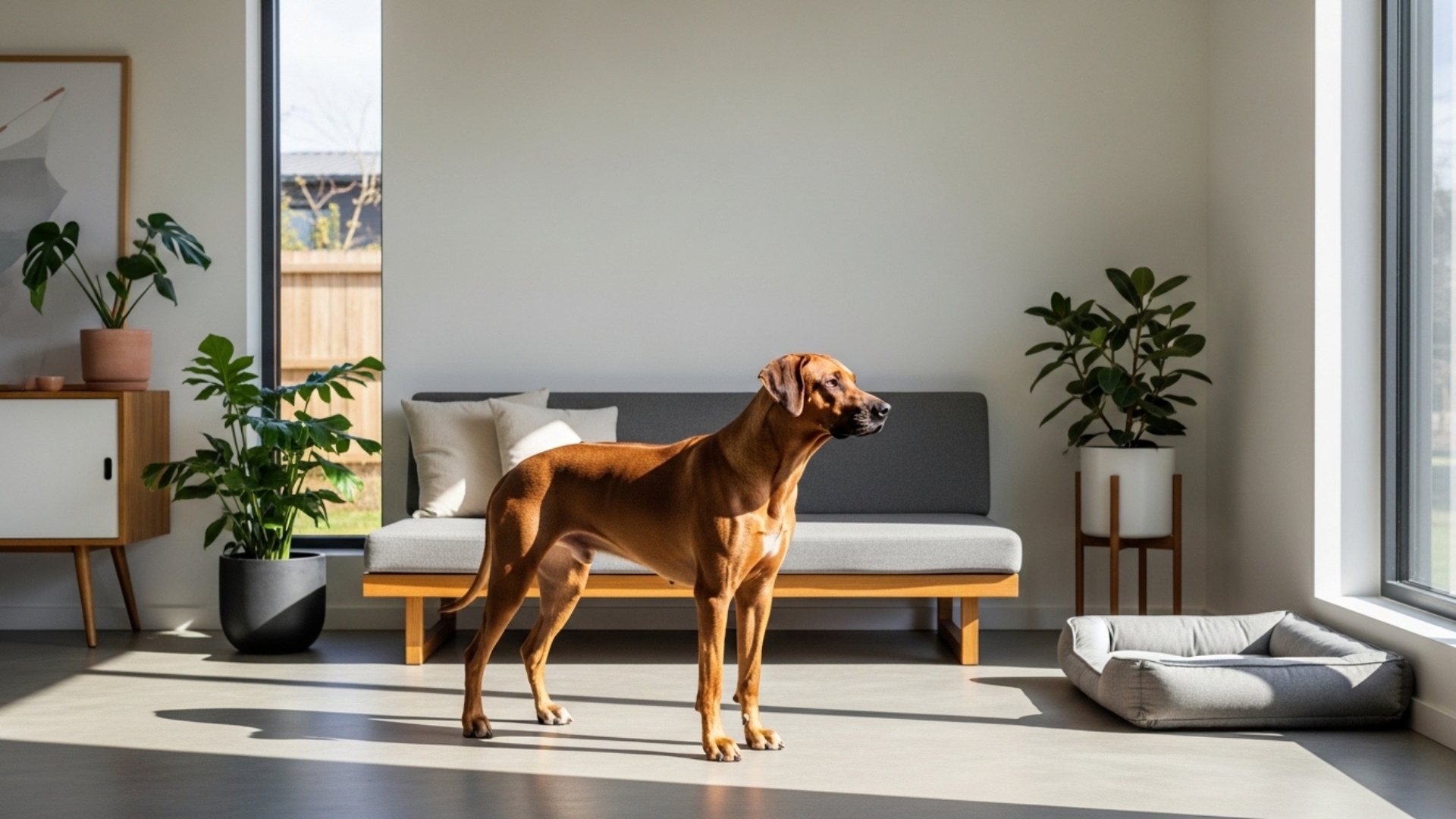
Who doesn’t love dogs? In fact, dogs have become more than just pets; they’re trusted companions, emotional support systems, and loyal partners in everyday life. At a time when human connections can feel fleeting, the bond between people and dogs continues to grow stronger.
Known for their unwavering loyalty and stress-relieving presence, dogs have truly earned their place as more than just “man’s best friend.”
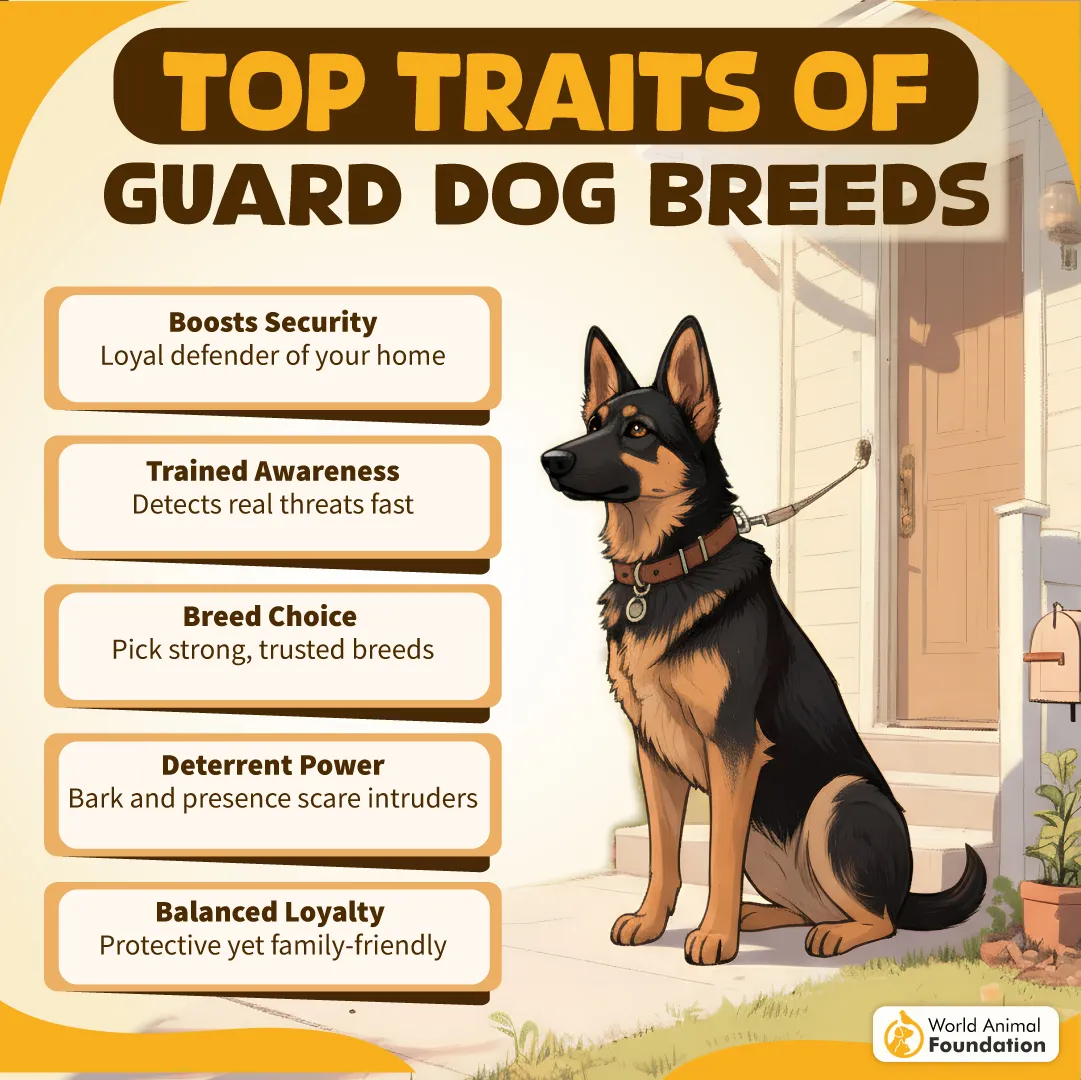
When it comes to choosing a guard dog, especially for low-maintenance homes, the decision can feel overwhelming, more so for first-time dog owners. The challenge lies in finding a breed that offers protection without demanding excessive grooming, intense exercise, or complex training.
In this guide, we highlight seven of the best guard dog breeds that balance loyalty, intelligence, and protective instincts with low grooming needs, manageable energy levels, and a family-friendly nature.
Important Note
Every dog expresses protectiveness in its own way. Avoid comparing your guard dog to others, just like people, dogs thrive on understanding, proper socialization, and consistent training rather than comparison.
Best Guard Dog Breeds for Low-Maintenance Homes
1. Boerboel
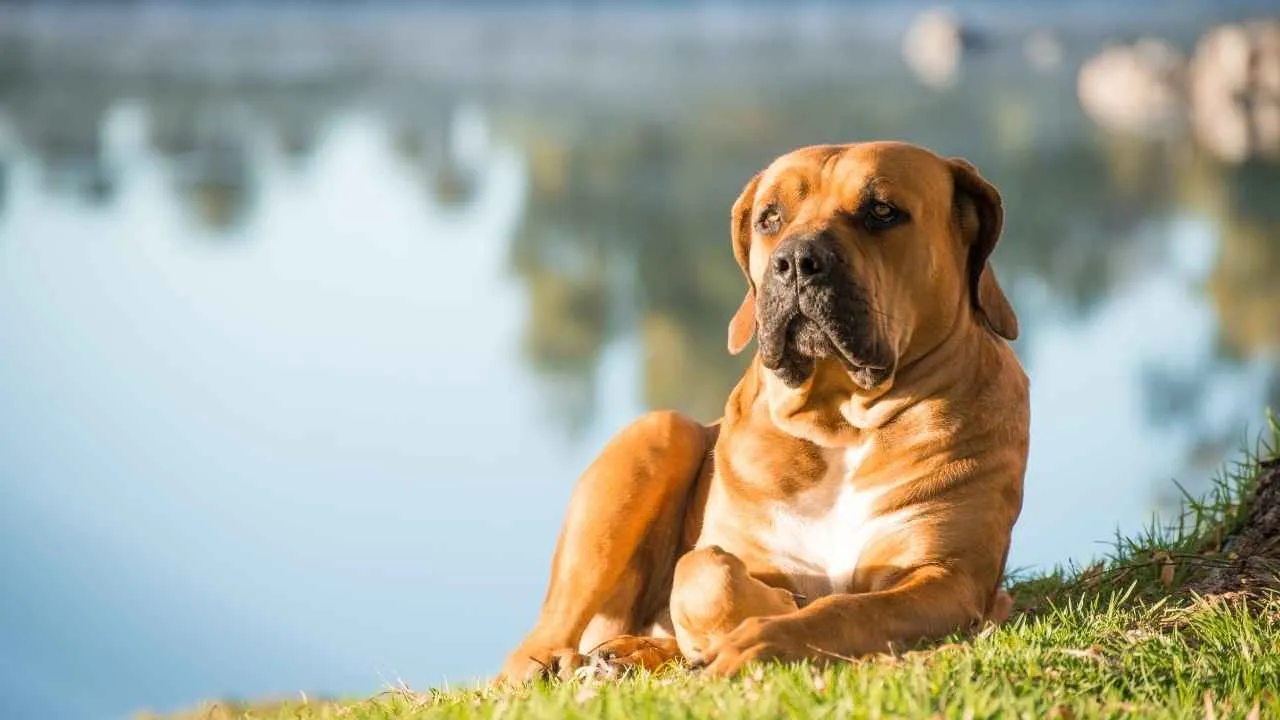
Boerboels are large, powerful, and intelligent dogs that originated in South Africa, where they were developed to guard isolated farms and homesteads from intruders and wild animals. Descended from mastiff-type breeds, they have a strong build, a broad head, and a muscular body.
While they are affectionate with their families and often gentle and playful with children, they are also highly protective when they sense a potential threat to their home or loved ones. Because of their strength and guarding instincts, Boerboels need consistent training and early socialization to ensure they grow into well-behaved and manageable companions.
Although Boerboels are strong and athletic, they are not overly energetic. They are often content to calmly observe their surroundings while resting comfortably in their dog bed. Their short coat is relatively easy to maintain and typically only requires weekly brushing.
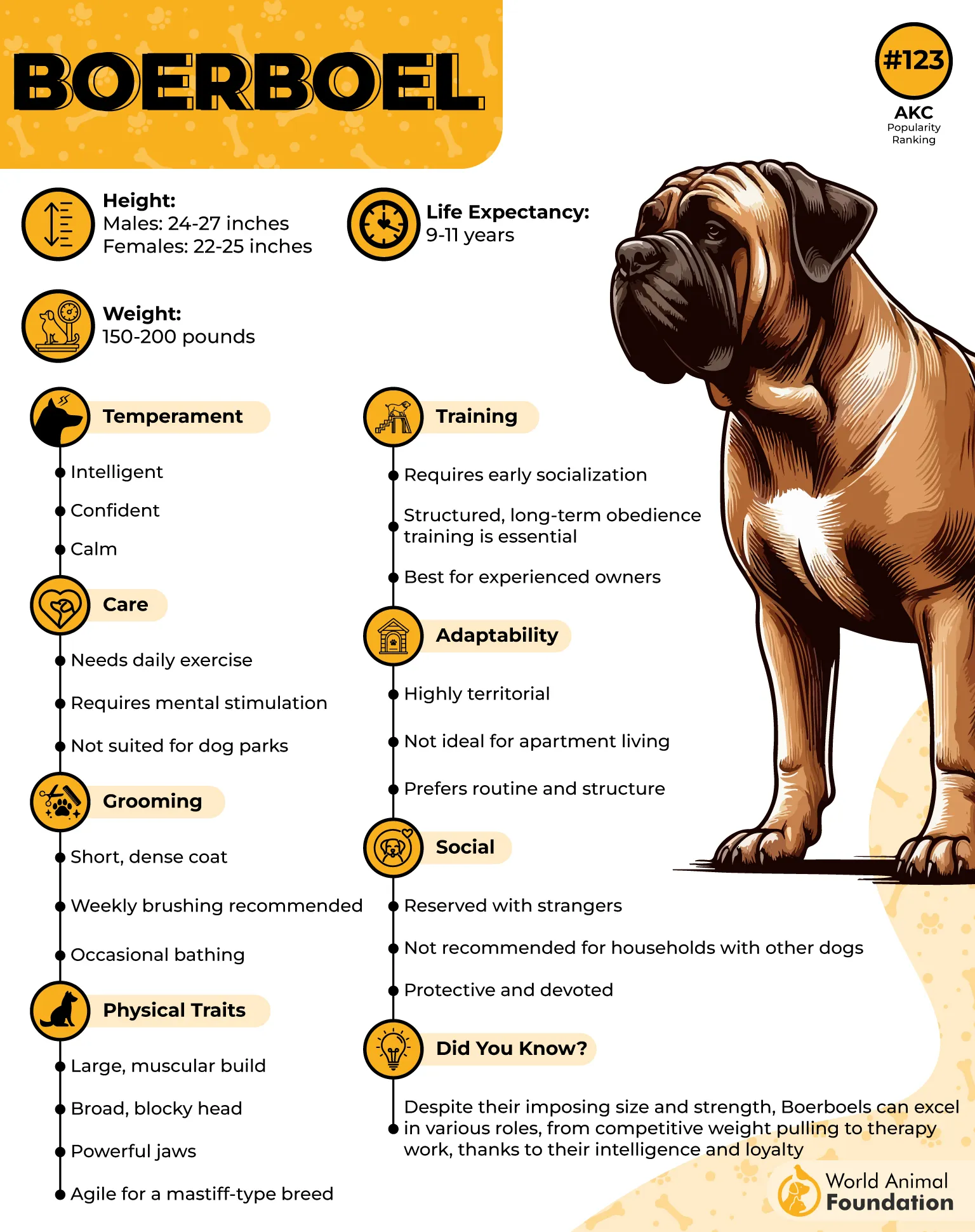
However, this breed needs firm and consistent training that should never be harsh or punitive. As noted by Orvis, training should remain a regular part of a Boerboel’s daily routine throughout its life.
🎧 Dogcast
Episode 37 — Why Dogs Stay Close without Touching
If you don’t hear sound, tap the button above to enable audio.
2. Rhodesian Ridgeback

The Rhodesian Ridgeback truly lives up to its royal reputation, often known by several names, including Ridgeback, Lion Dog, and Ridgie. Each nickname reflects a unique part of this breed’s history and character.
You might wonder why it’s called the “lion dog.” In early South Africa, Ridgebacks were bred to track and distract lions, not to kill them, but to hold their attention until hunters arrived. This remarkable role highlights not only their courage but also their intelligence and strategic thinking, making them a respected choice for protection.
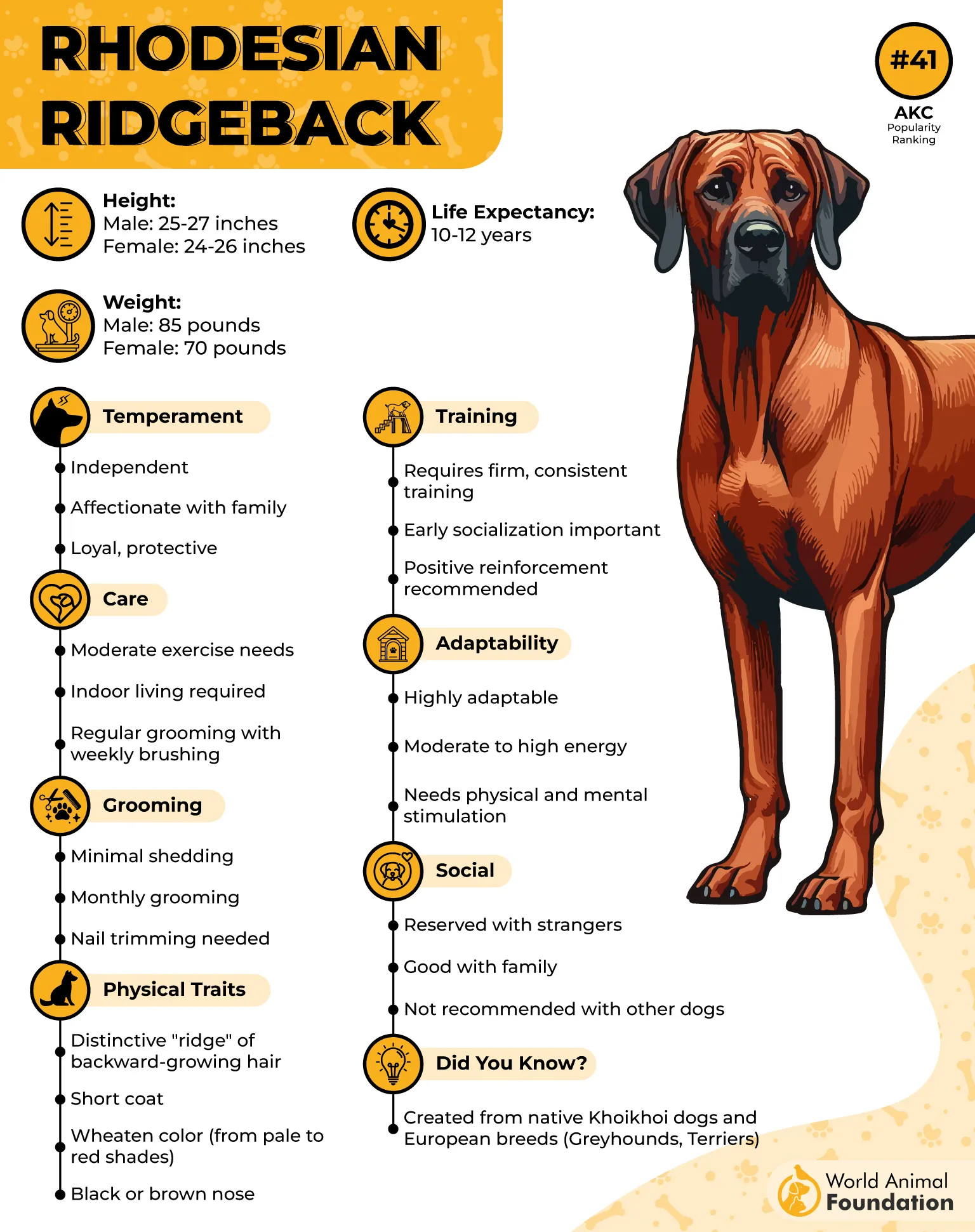
Beyond their striking traits, Rhodesian Ridgebacks have a short coat and shed moderately. Regular brushing and an occasional bath, about once a month, are usually enough to keep their coat clean and healthy.
Rhodesian Ridgebacks are strong, active dogs that need moderate daily exercise like long walks and playtime. Due to their high prey drive, they should only be off-leash in securely enclosed areas.
3. Bullmastiff

We’ve all heard the saying, “Never judge a book by its cover,” yet the Bullmastiff is often judged solely on its appearance. With its powerful, muscular build, this large dog is sometimes unfairly labeled as intimidating or unattractive. In reality, the Bullmastiff is an energetic and highly capable breed with a strong sense of purpose.
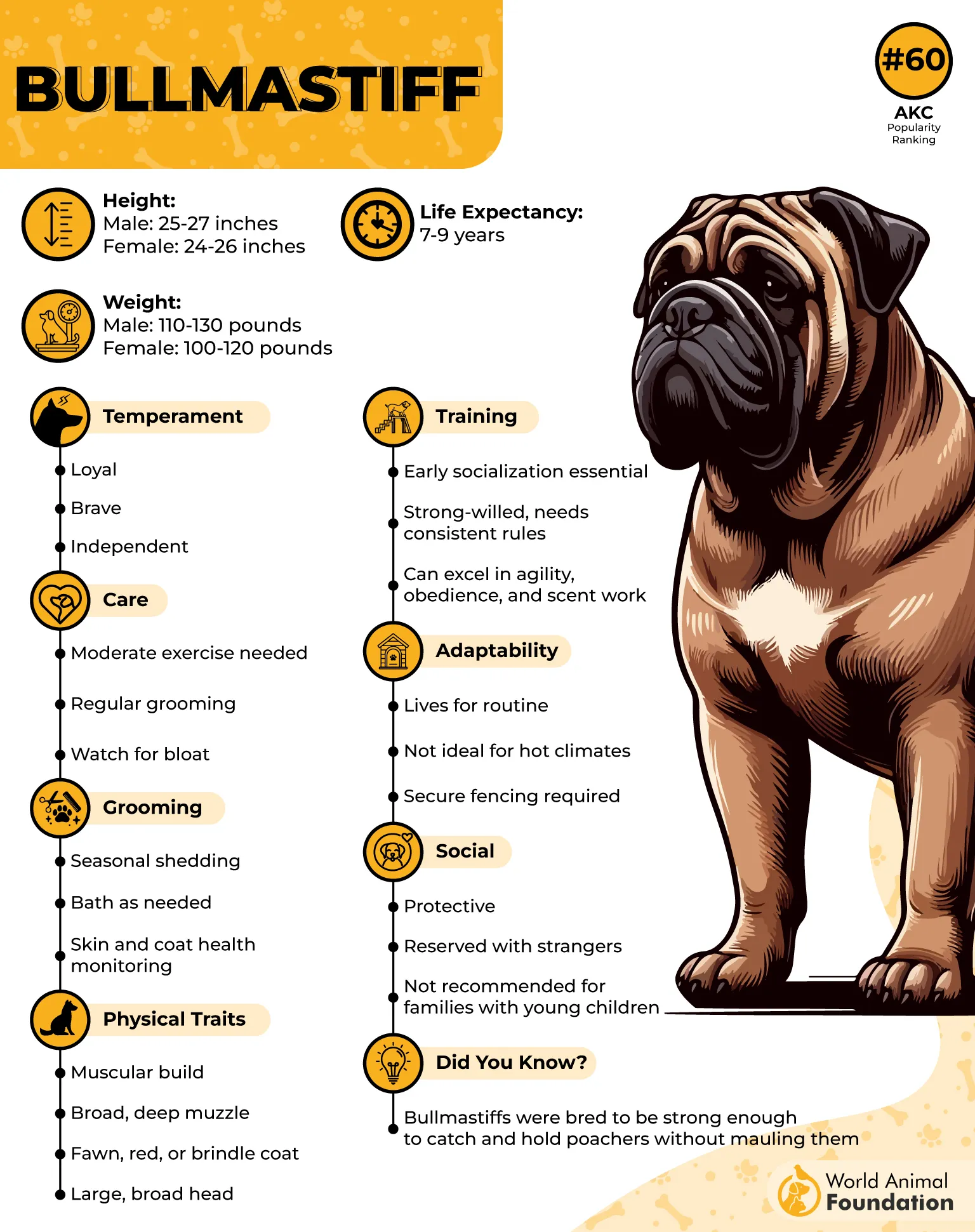
Bullmastiffs excel as guard dogs because, once properly trained, they are confident, fearless, and highly effective protectors. Their obedience training can be challenging due to a naturally stubborn and dominant temperament, but with consistent, experienced handling, they can become exceptionally reliable guardians.
Despite their toughness, Bullmastiffs are born with strong protective instincts and a surprisingly friendly nature toward their families. They don’t require intense daily exercise and have minimal grooming needs, making them a solid choice for owners seeking a low-maintenance yet dependable guard dog.
4. Neapolitan Mastiff
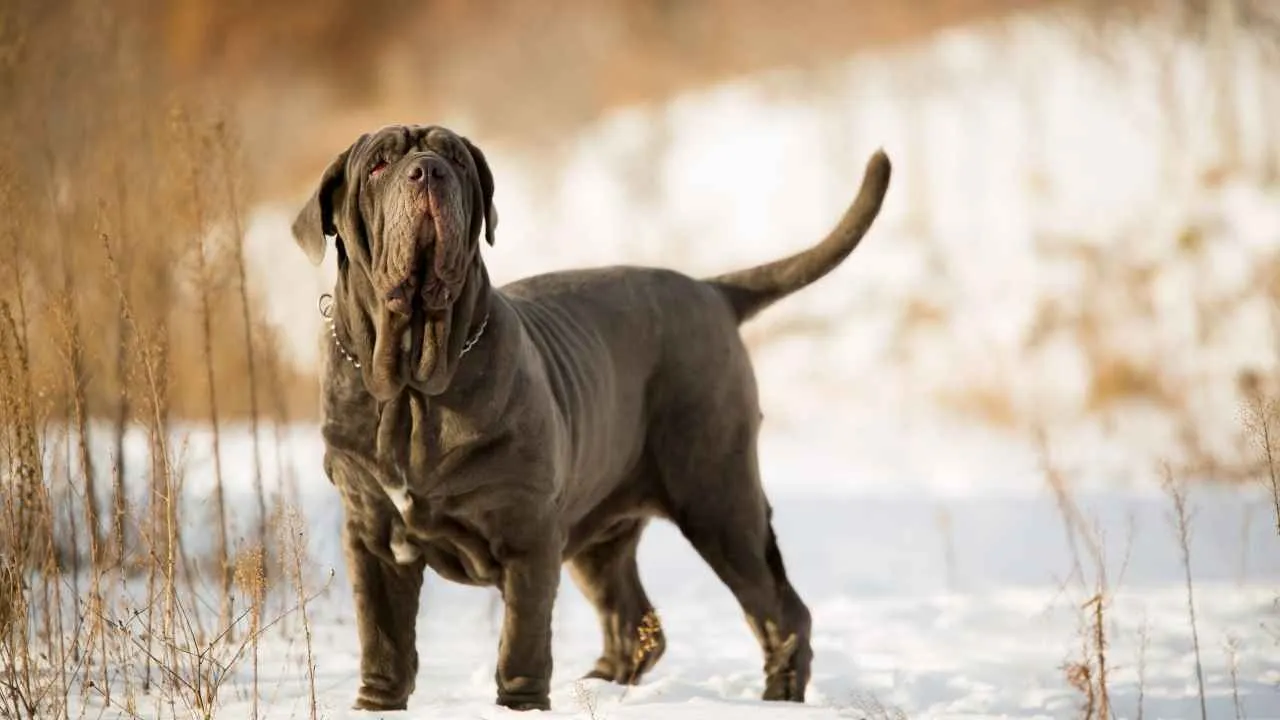
Originally bred as a watchdog and guardian, the Neapolitan Mastiff is extremely devoted to its family and will defend them if necessary. These dogs are extremely loyal and may develop jealousy if they are not properly socialized from an early age. Although Neapolitan Mastiffs often appear calm and even somewhat lazy, they remain very aware of their surroundings at all times.
Omlet notes that they can be slow learners, but their affectionate nature often shows when they try to sit close to their owners and seek attention. Neos need a firm yet fair leader and respond best to positive reinforcement rather than harsh training methods.
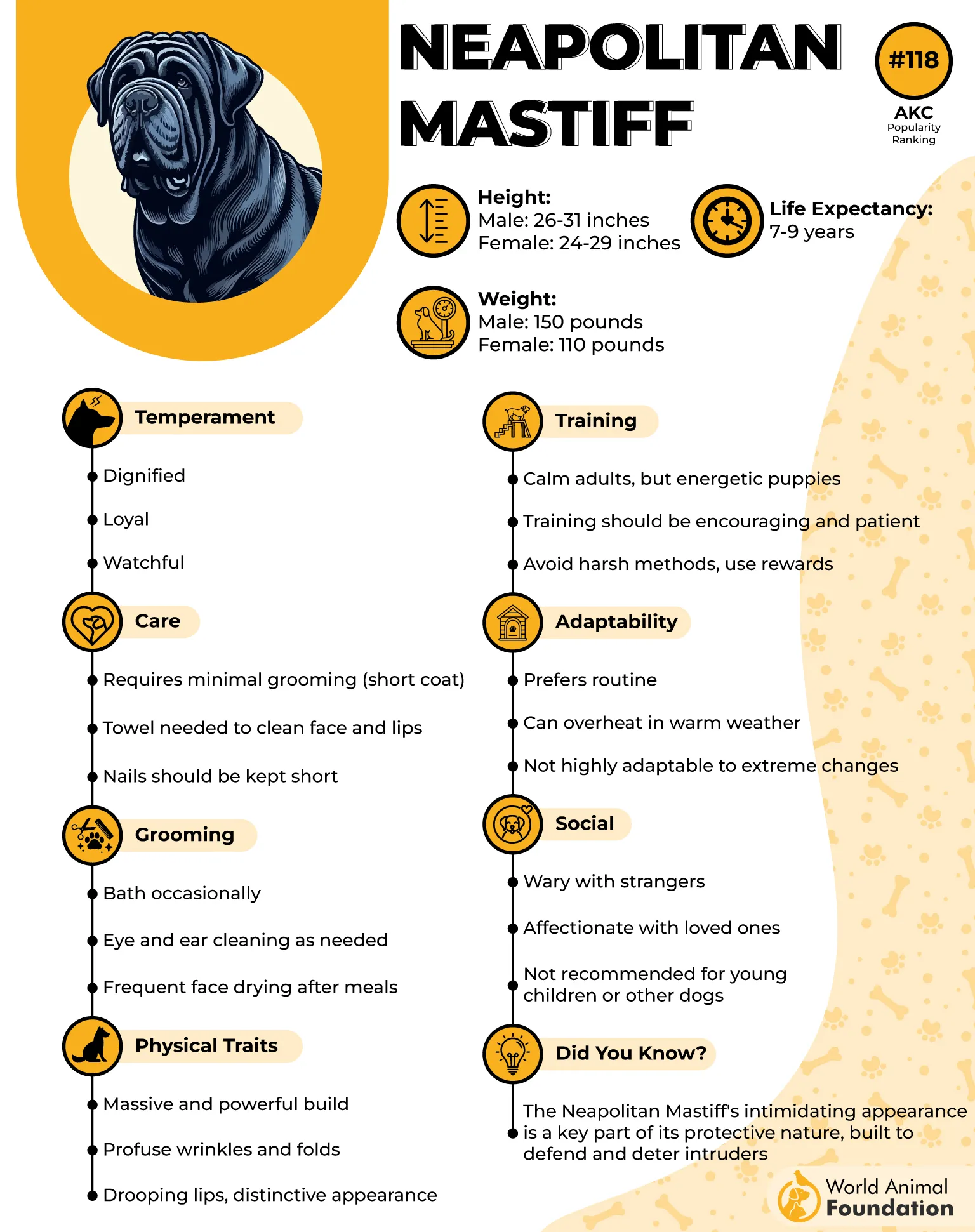
In terms of activity, they require daily walks but do not need excessive exercise. Because they struggle in hot weather, it is best to walk them during the cooler parts of the day, such as early morning. Due to their large size, they need more living space than many other breeds, even though their exercise needs are relatively moderate.
Their deep facial and neck wrinkles can make them prone to skin infections, so regular cleaning of these folds is important. Their coat is fairly easy to maintain and usually only requires brushing a few times a week to remove loose hair.
5. Saint Bernard
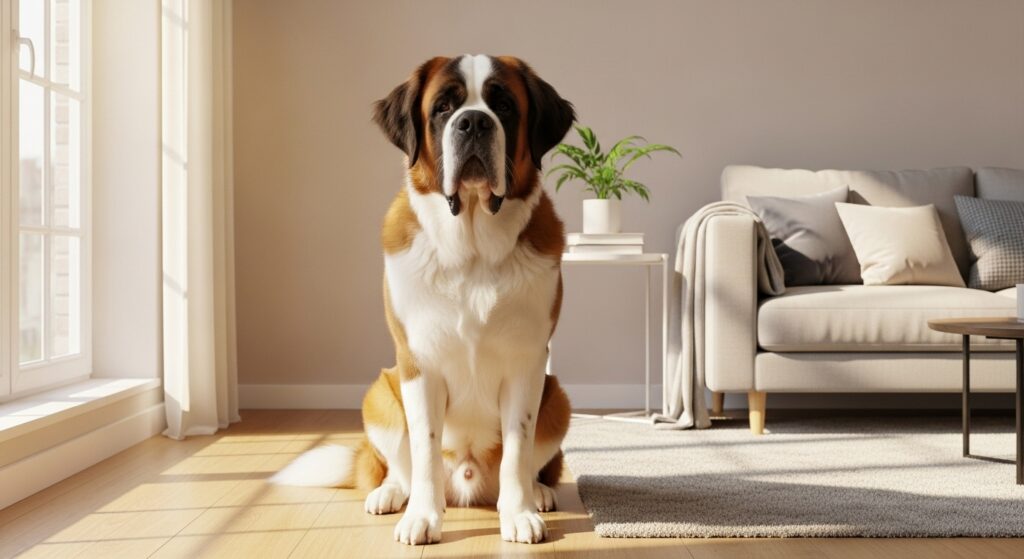
Saint Bernards are legendary giant dogs originally trained by monks in the Swiss Alps to locate and rescue travelers buried under snow and avalanches. While some still serve in search-and-rescue roles today, most Saint Bernards now live in family homes.
As a low-maintenance guard dog option, Saint Bernards rely more on awareness than aggression. They are naturally watchful and will bark at unfamiliar people, making them an effective early-warning system. Often called “gentle giants,” they are patient, loving, and friendly, yet they can become protective if they sense a genuine threat to their home or family.
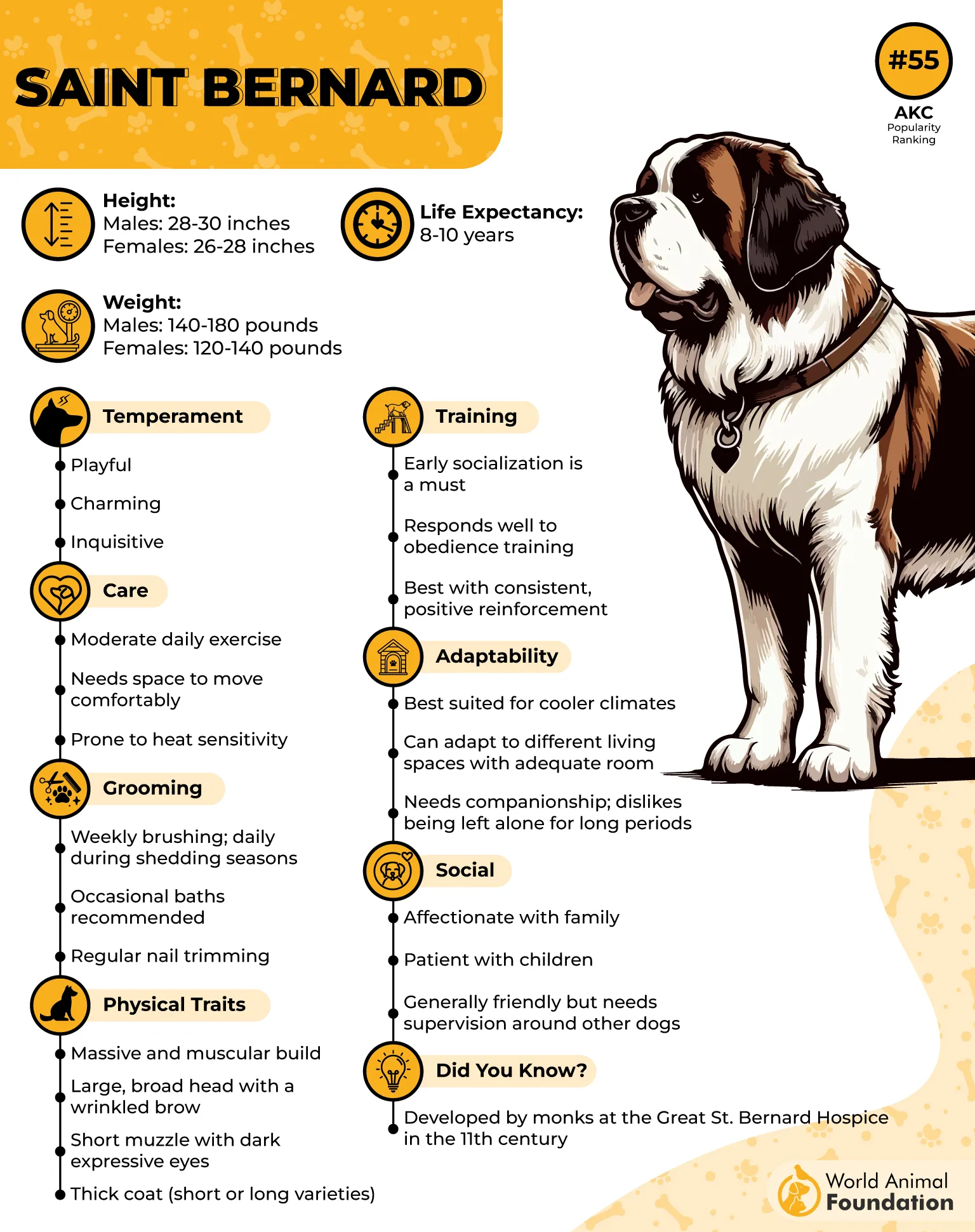
They have moderate energy levels and typically need one daily walk of about 30 minutes to stay healthy and content. Their coats can be either medium-length or short, both requiring regular brushing, occasional baths, and routine nail care.
One notable trait is their large head and tendency to drool, so keeping the mouth area clean is important.
6. Mastiff
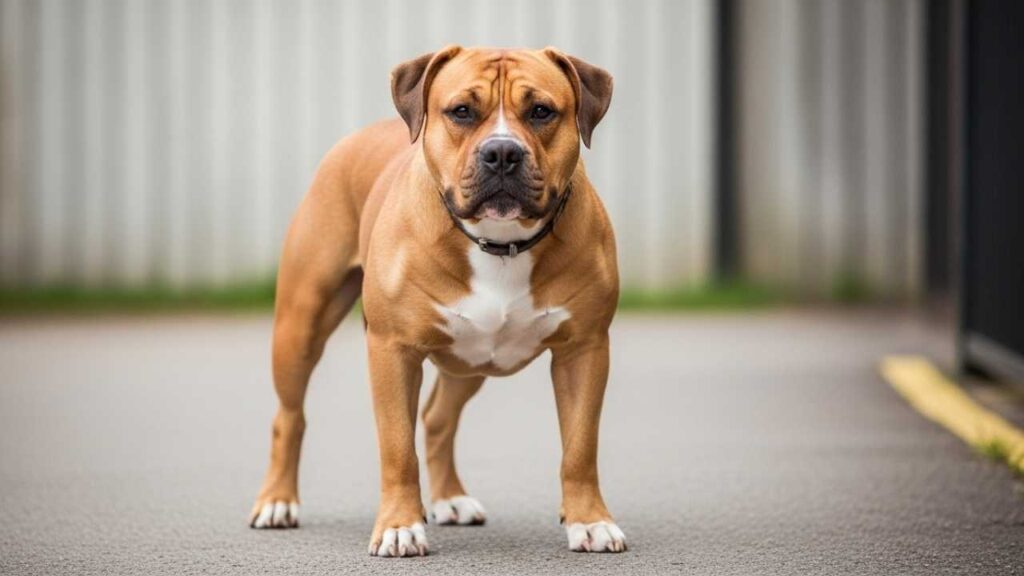
The Mastiff is a massive and powerful breed known for its calm nature, sensitivity, and quiet confidence. With a long and rich history, these Working Group dogs are excellent guard dogs. Despite their imposing size, they are also affectionate and relaxed companions who enjoy lounging close to their owners.
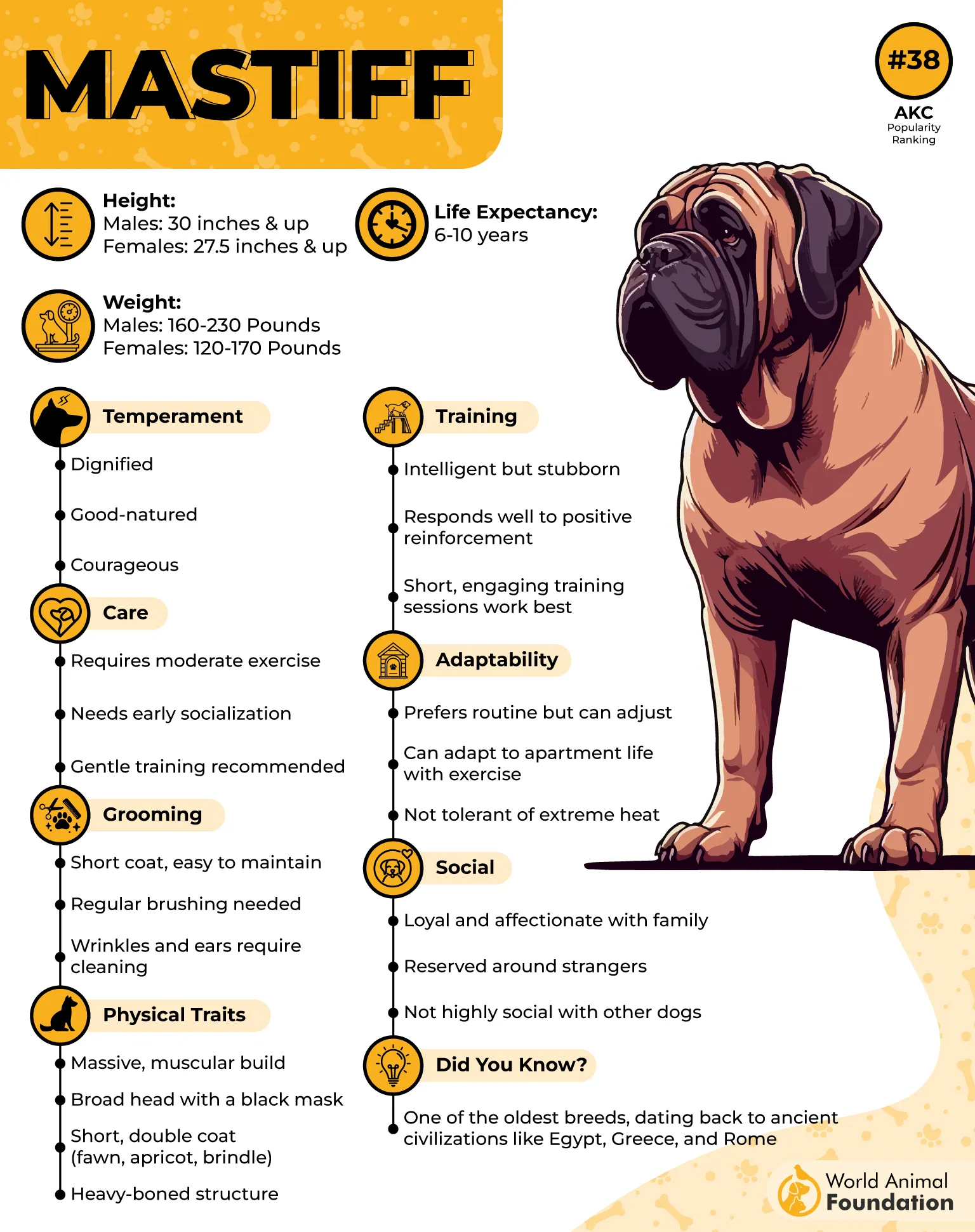
Historically, Mastiffs served as guard dogs, war dogs, and even fighting dogs. In modern times, however, they are more commonly found in family homes, where they are cherished companions. Despite their gentle role today, they still maintain a strong instinct to protect their families.
They are relatively low-maintenance when it comes to grooming and exercise because they have short coats and generally moderate energy levels. However, they can be demanding in other ways.
PetMD notes that owners often need to clean up frequent drool and maintain their skin folds regularly, and their large size means higher expenses for food and veterinary care.
7. Doberman Pinscher
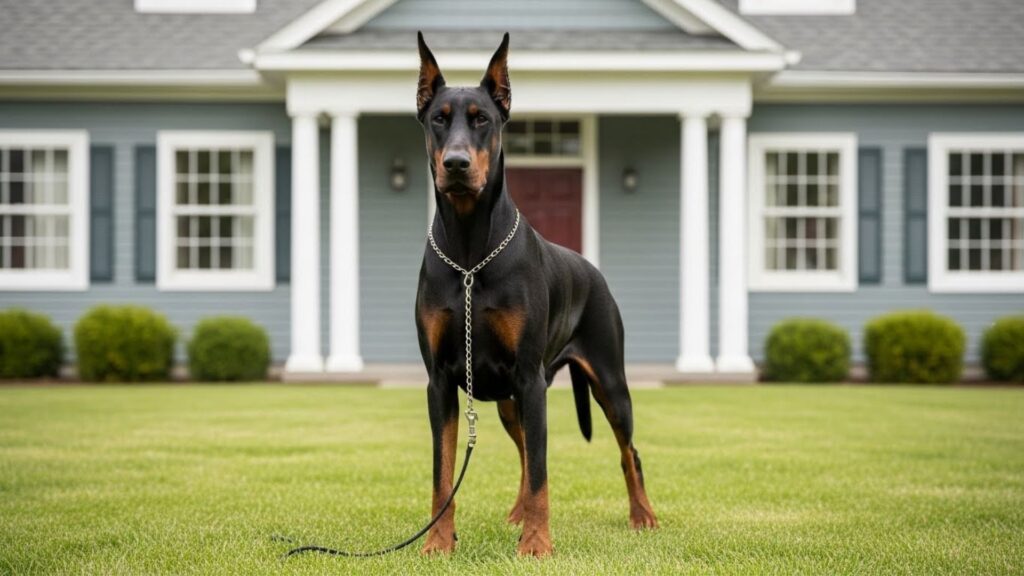
Last but not the least, the Doberman Pinscher. If you are on a hunt for a personal protection dog, a Doberman is the one for you. Although their protective instincts may lead them to respond forcefully if they feel threatened, Dobermanns rarely initiate aggression and prefer spending time with the people they trust and love.
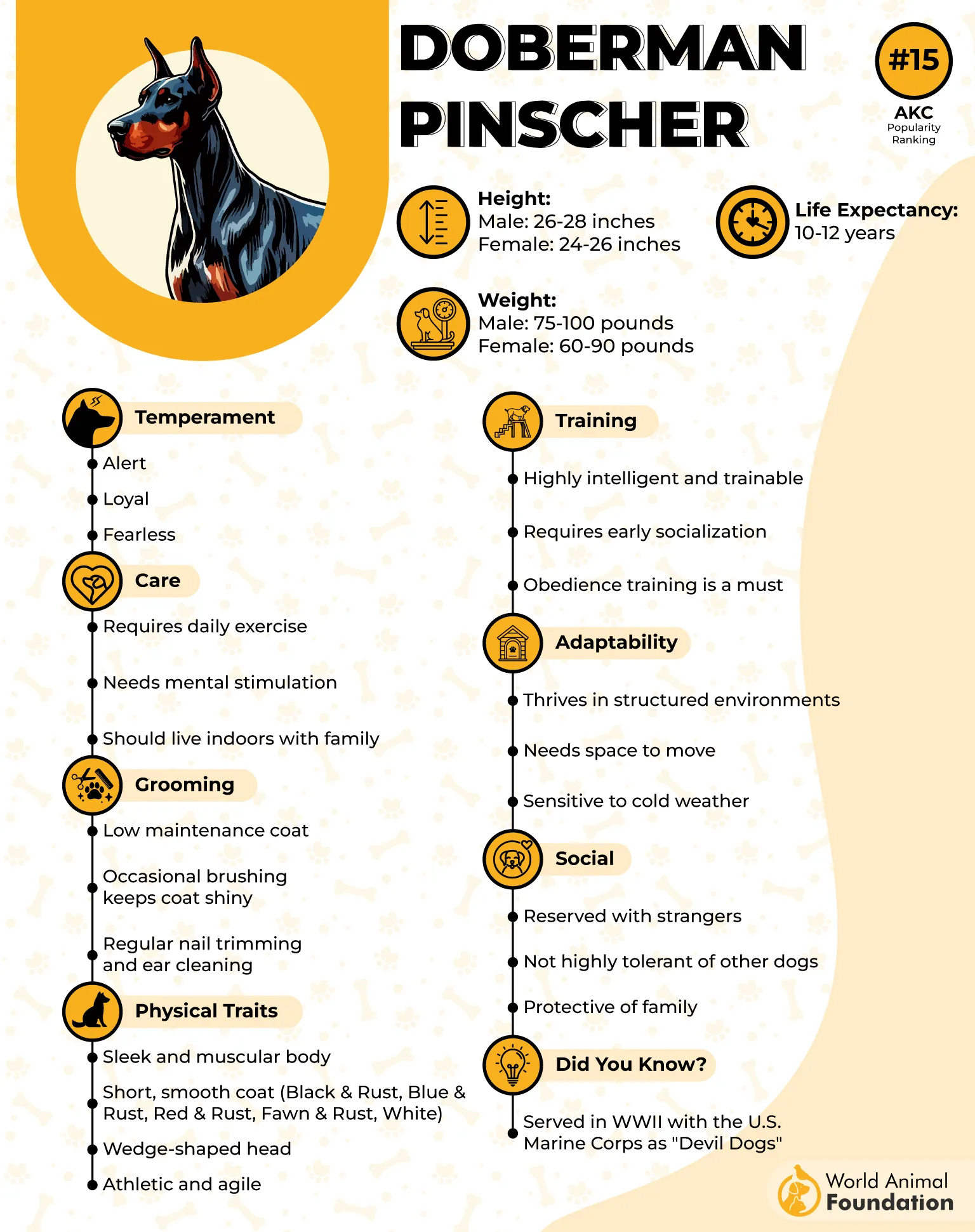
PetPlan mentions that due to their demanding training and exercise needs, this energetic breed is best suited for experienced dog owners rather than first-time pet parents. Training should be consistent and ongoing throughout their lives.
Highly intelligent and naturally obedient, Dobermanns respond very well to structured training and enjoy being involved in daily household activities. However, they shouldn’t be left alone for long periods, as they are prone to separation anxiety. When it comes to grooming, they are relatively low-maintenance.
Conclusion
For some, owning a dog is a passion; for others, it’s about finding a reliable guardian. Choosing the right guard dog breed for personal protection ultimately depends on your lifestyle, experience, and preferences.
Important Note: Always check local regulations and consult your veterinarian before choosing a breed to avoid any inconvenience. While many of these breeds are manageable and rewarding, responsible ownership and proper training are essential.
Above all, remember that when a dog chooses you as their companion, it’s a bond built on trust and care. Treat them with kindness and respect, and you’ll gain one of the most loyal and loving companions imaginable.
Guard Dog Experts Only 🐕 Can You Score 6/6?
Where did the Boerboel breed originate?
Why is the Rhodesian Ridgeback called the “lion dog”?
Which breed is known for being stubborn and dominant during training?
Which breed requires cleaning of skin folds to avoid infections?
Which breed was originally used by monks for rescue in the Swiss Alps?
Which breed is best suited for experienced owners due to high training needs?
