




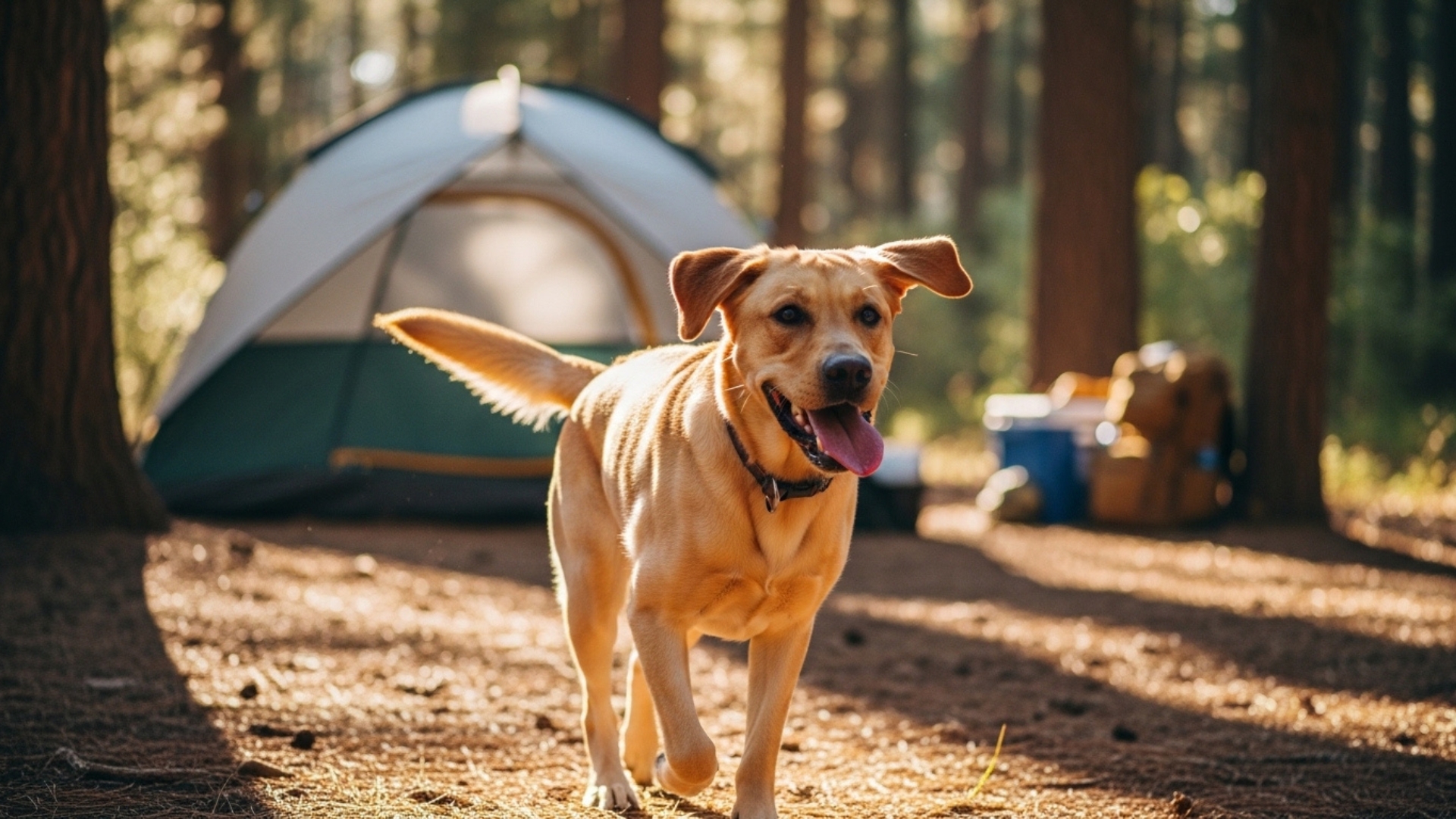
Forest camping isn’t just a getaway—it’s an adventure that tests endurance, adaptability, and spirit. For outdoor enthusiasts, choosing the right canine companion can make every trail, river crossing, and mountainside climb even more rewarding. High-energy dogs thrive on outdoor adventures because they were bred for movement, work, and stamina. When their physical and mental needs are met in the wild, they become focused, fulfilled partners rather than restless companions.
What makes a dog ideal for forest camping trips goes beyond excitement for the outdoors. Stamina, agility, and temperament are key traits to consider, especially in unpredictable environments. Working, herding, and sporting breeds often excel thanks to their endurance and trainability, but obedience and reliable recall are just as important when navigating wildlife encounters or rugged terrain.
Preparing your active dog for wilderness excursions requires thoughtful planning. Proper training, socialization, a vet-approved high-performance diet, and conditioning hikes all help ensure your dog is ready for the demands of the forest—so both of you can explore confidently and safely.
Energetic Dog Breeds for Forest Camping Excursions
1. Siberian Husky
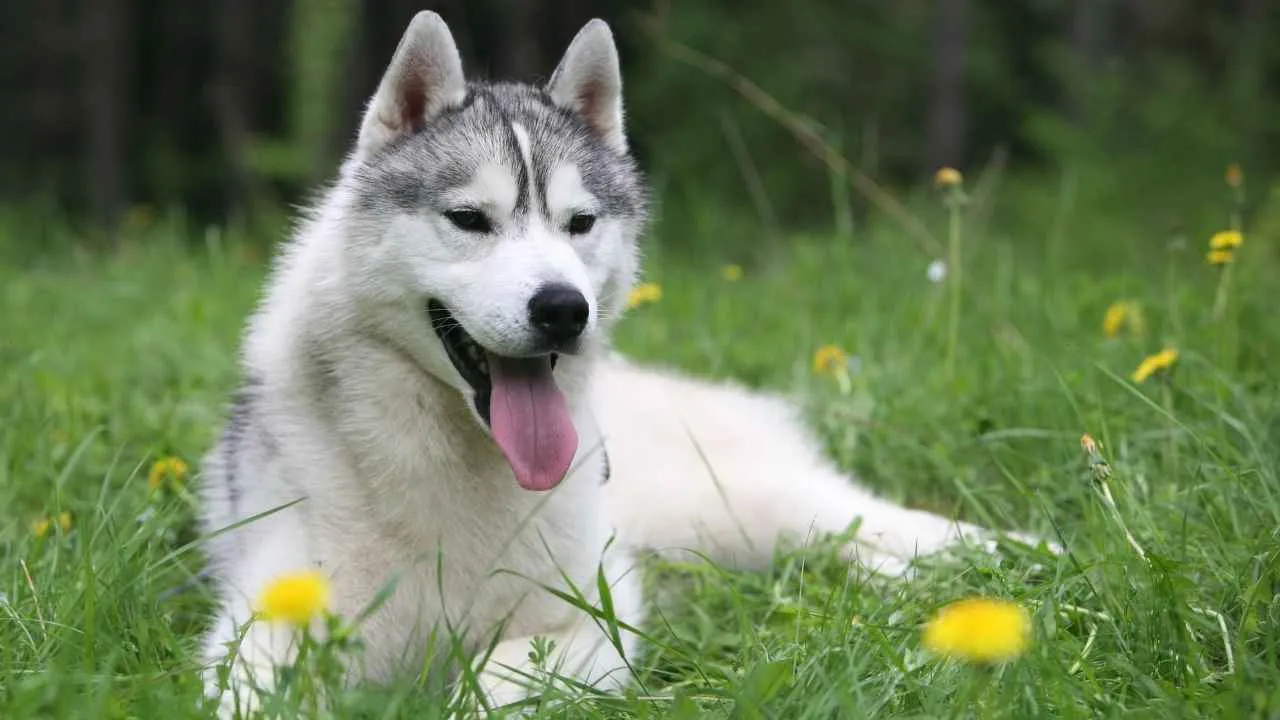
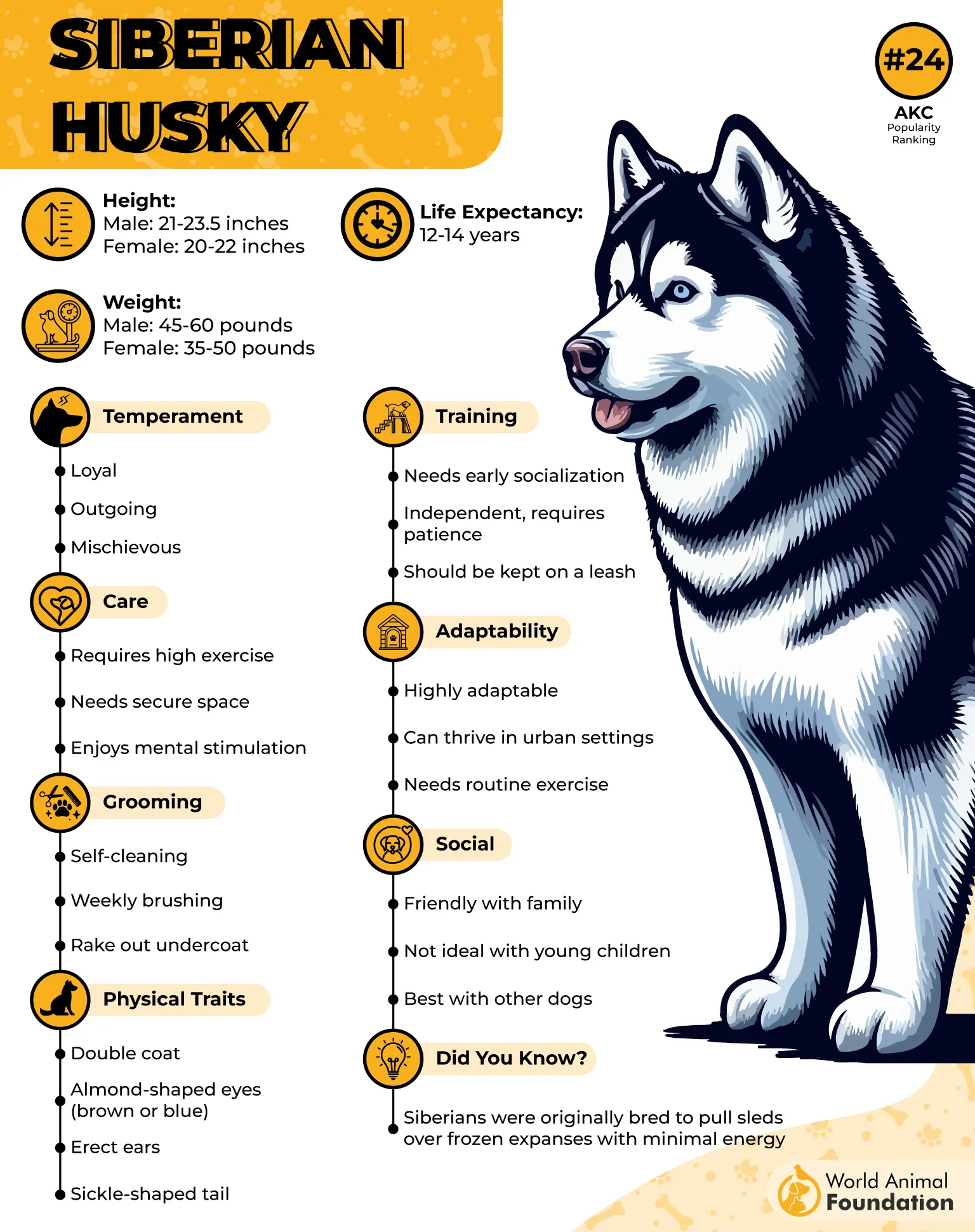
The Siberian Husky, often simply called the Husky, is a medium-sized sled dog known for its thick double coat, curled tail, and wolf-like appearance.
Originally bred in northeastern Asia to pull sleds across frozen landscapes, this cold-resistant athlete is built for endurance and movement. Hill’s Pet explains that the Siberian Husky typically has upright ears and striking eyes that may be brown, blue, or even one of each color.
The Tireless Trail Runner Built for Distance
Huskies are natural distance runners, capable of reaching speeds near 30 miles per hour in short bursts. What truly sets them apart for forest camping excursions, however, is their ability to maintain a steady pace for hours without tiring.
Their deep chest supports strong lungs, while long legs and well-padded paws provide smooth strides over varied terrain. Whether trekking snowy mountain paths or cool forest trails, they thrive when given consistent physical and mental challenges.
Independent and intelligent, Huskies require firm training and reliable recall before off-leash adventures. They bond closely with active families but may chase small wildlife due to their prey drive.
They prefer cooler climates and can overheat easily, so forest trips are best planned in mild or cold conditions.
2. Vizsla
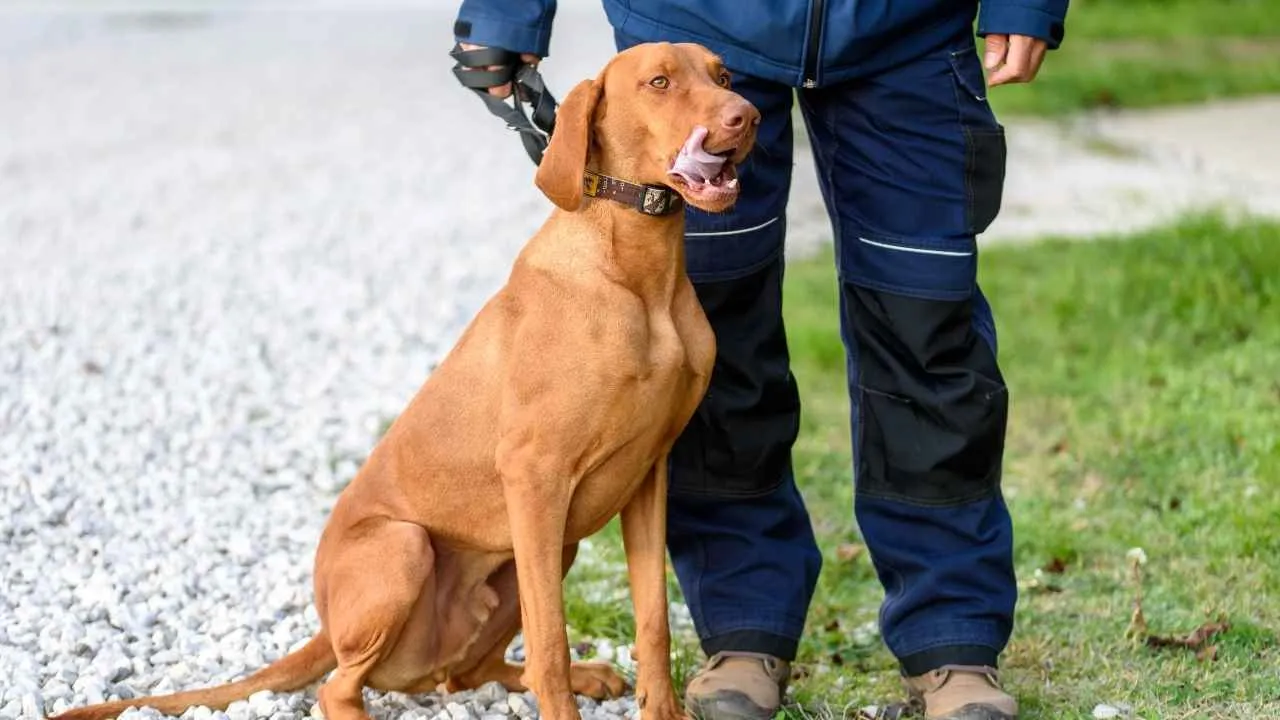
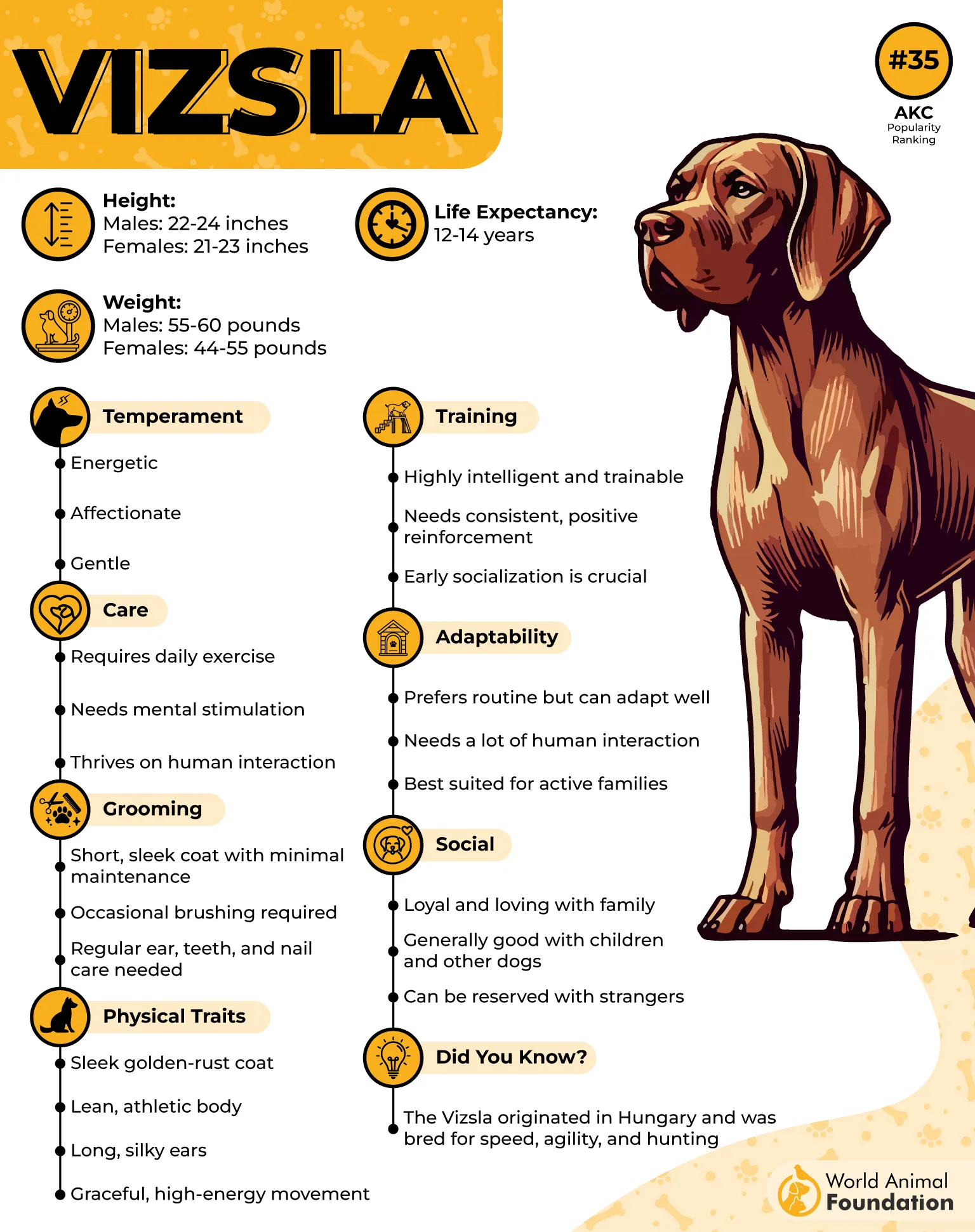
The Vizsla, also known as the Hungarian Vizsla, is a sleek, golden-rust sporting dog originally developed by the ancient Magyars for hunting and fieldwork. With a lean, muscular frame and expressive eyes, this agile athlete combines elegance with remarkable stamina.
PetMD explains that because these pups truly cherish time with their families, they are best suited for pet parents who are committed to building a close bond and providing plenty of daily exercise and affection.
Breed #2: An Agile Explorer Who Loves Rugged Terrain
Vizslas are built for movement and thrive in forest camping environments where they can hike, run, and explore. Their athletic build and natural endurance allow them to tackle uneven trails, dense woods, and long-distance treks with enthusiasm.
Highly intelligent and eager to please, they respond well to positive reinforcement training. Because of their strong prey drive, reliable recall and leash control are essential when navigating wildlife-rich camping areas.
They form deep bonds with their families and prefer being active partners rather than casual companions. Without sufficient physical and mental stimulation, they may become restless or destructive, making daily adventure a necessity rather than a luxury.
Fun fact: The Vizsla nearly faced extinction after World War I but was preserved by dedicated breed enthusiasts and later recognized by the American Kennel Club.
FAQ: Do Vizslas do well on multi-day forest camping trips?
Yes, provided they receive vigorous daily exercise, structured training, and plenty of companionship during the excursion.
3. Labrador Retriever
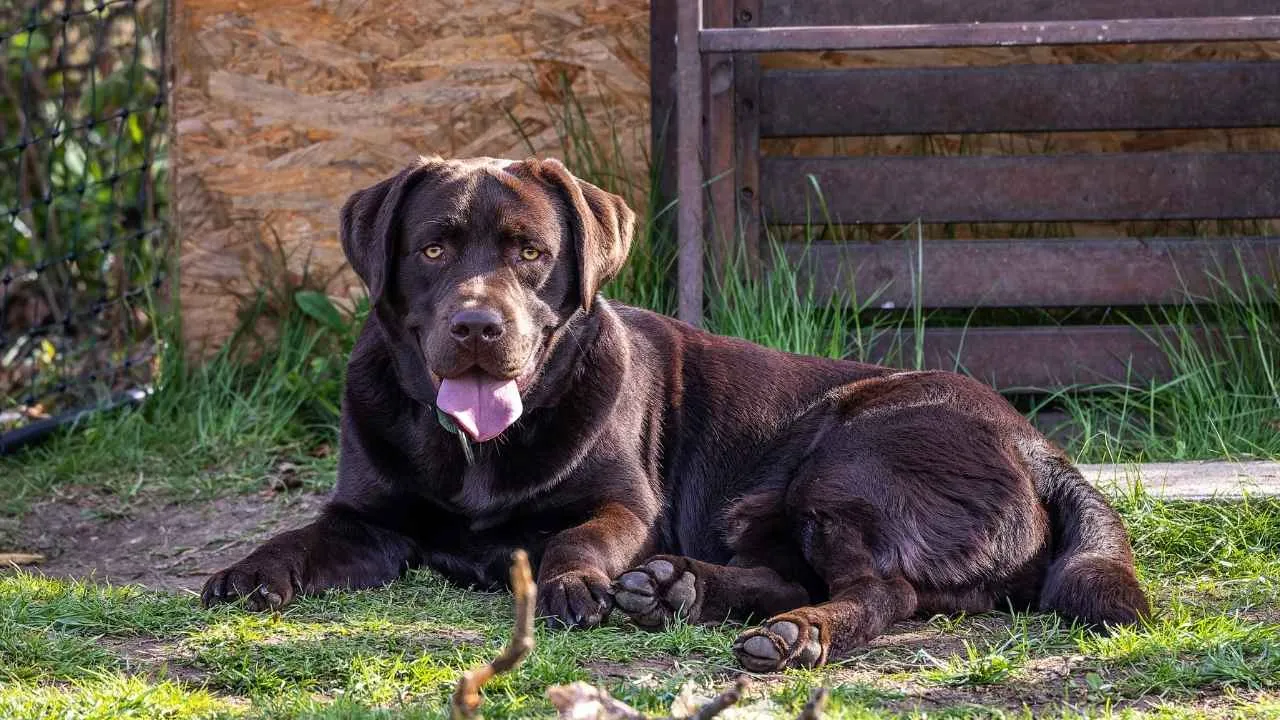
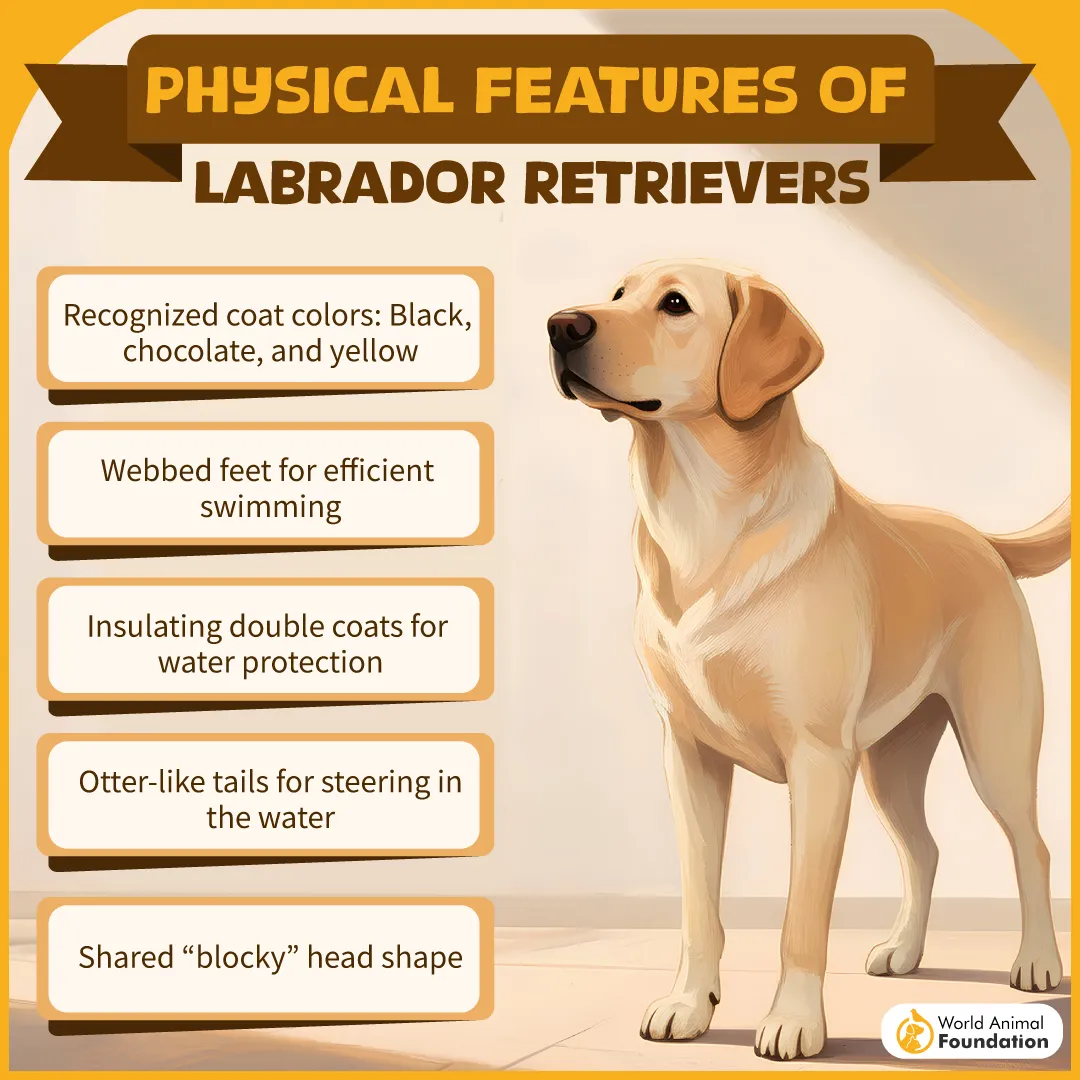
The Labrador Retriever, often simply called the Lab, is a sturdy sporting dog known for its water-resistant coat, broad head, and powerful “otter” tail. Originally bred as a working retriever, this adaptable and friendly companion thrives in both rugged wilderness and active family life.
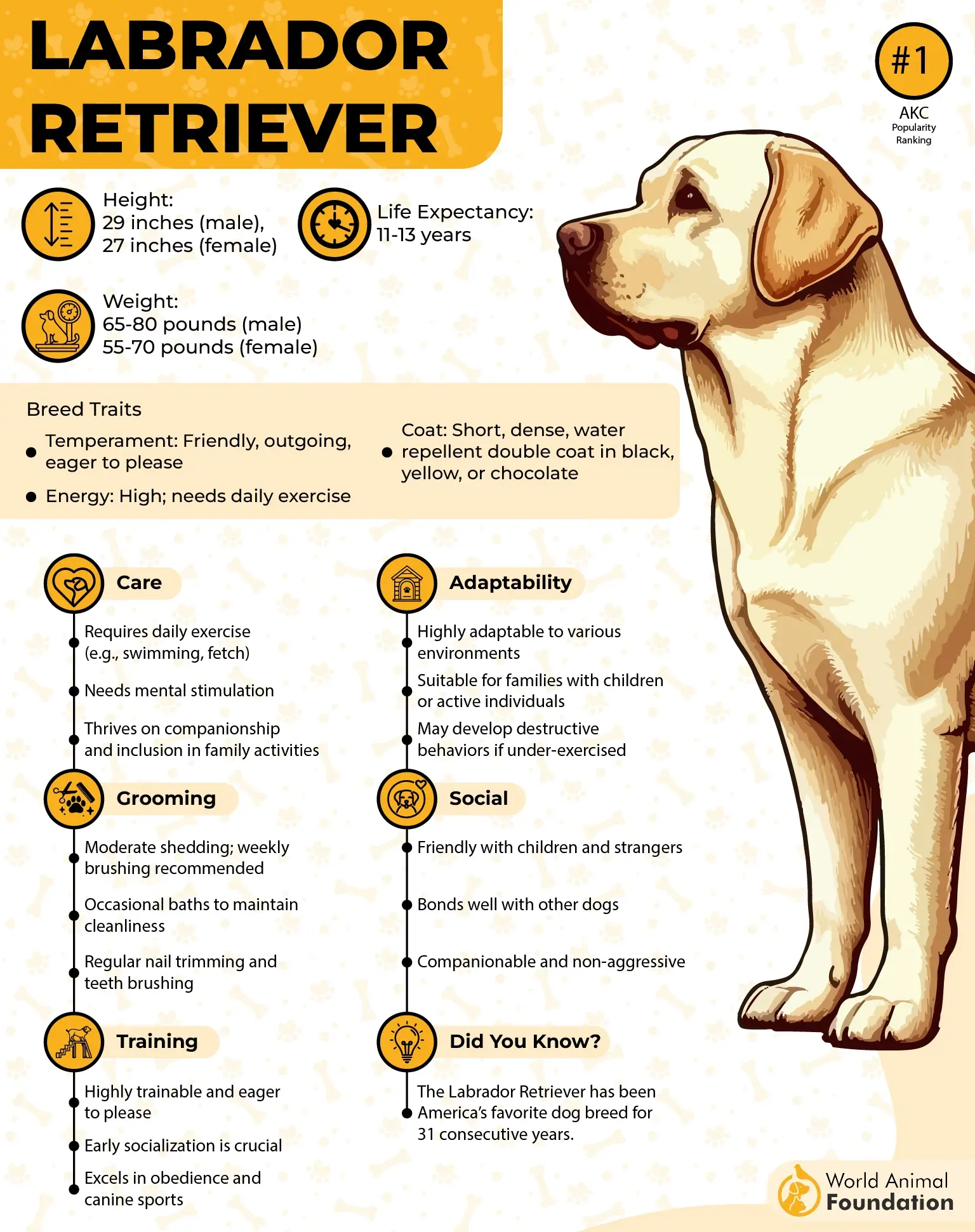
Purina shares that they are friendly and outgoing dogs who are deeply devoted to their families. They’re eager to please, generally easygoing in nature, and still maintain a lively, energetic spirit.
Breed #3: The Fearless Forest Companion with Endless Stamina
Labradors are built for adventure and adjust well to varied climates and terrain. Whether trekking wooded trails or splashing through forest streams, their strong swimming ability and durable coat make them natural outdoor partners.
Highly intelligent and eager to please, Labs are among the easiest breeds to train. With consistent positive reinforcement, they develop reliable recall skills, making them suitable for supervised off-leash exploration during camping trips.
They require at least one to two hours of daily exercise to stay balanced and content. Without enough activity and mental stimulation, their boundless energy can turn into destructive behavior.
Fun fact: Labrador Retrievers are natural swimmers, using their thick, otter-like tails to steer efficiently through water.
FAQ: Can Labrador Retrievers handle multi-terrain forest hikes?
Yes, their stamina, trainability, and love of water make them well-suited for trails, lakesides, and varied outdoor conditions.
4. Australian Shepherd
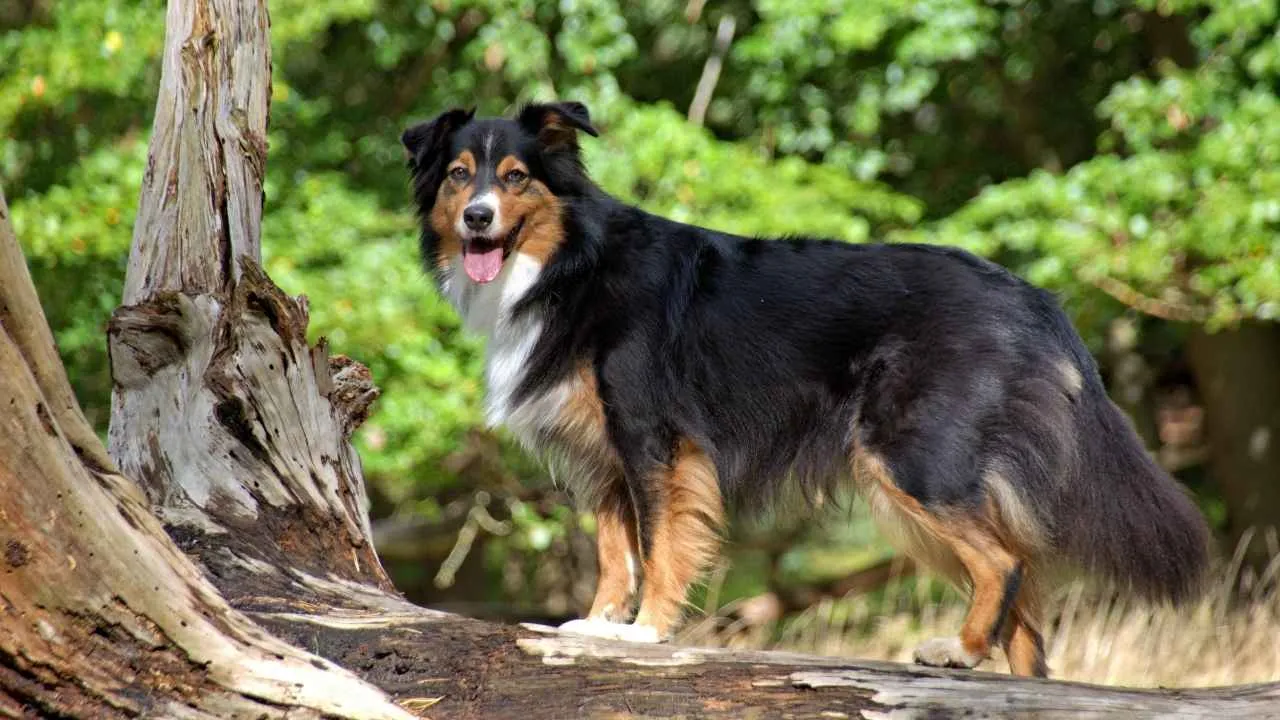
The Australian Shepherd, often called the Aussie and sometimes historically referred to as the Spanish Shepherd or Pastor Dog, is a lean, muscular herding breed known for its striking merle coat and expressive eyes that may even be two different colors. Developed in the United States as a ranch dog, this intelligent athlete was bred to work tirelessly alongside humans.
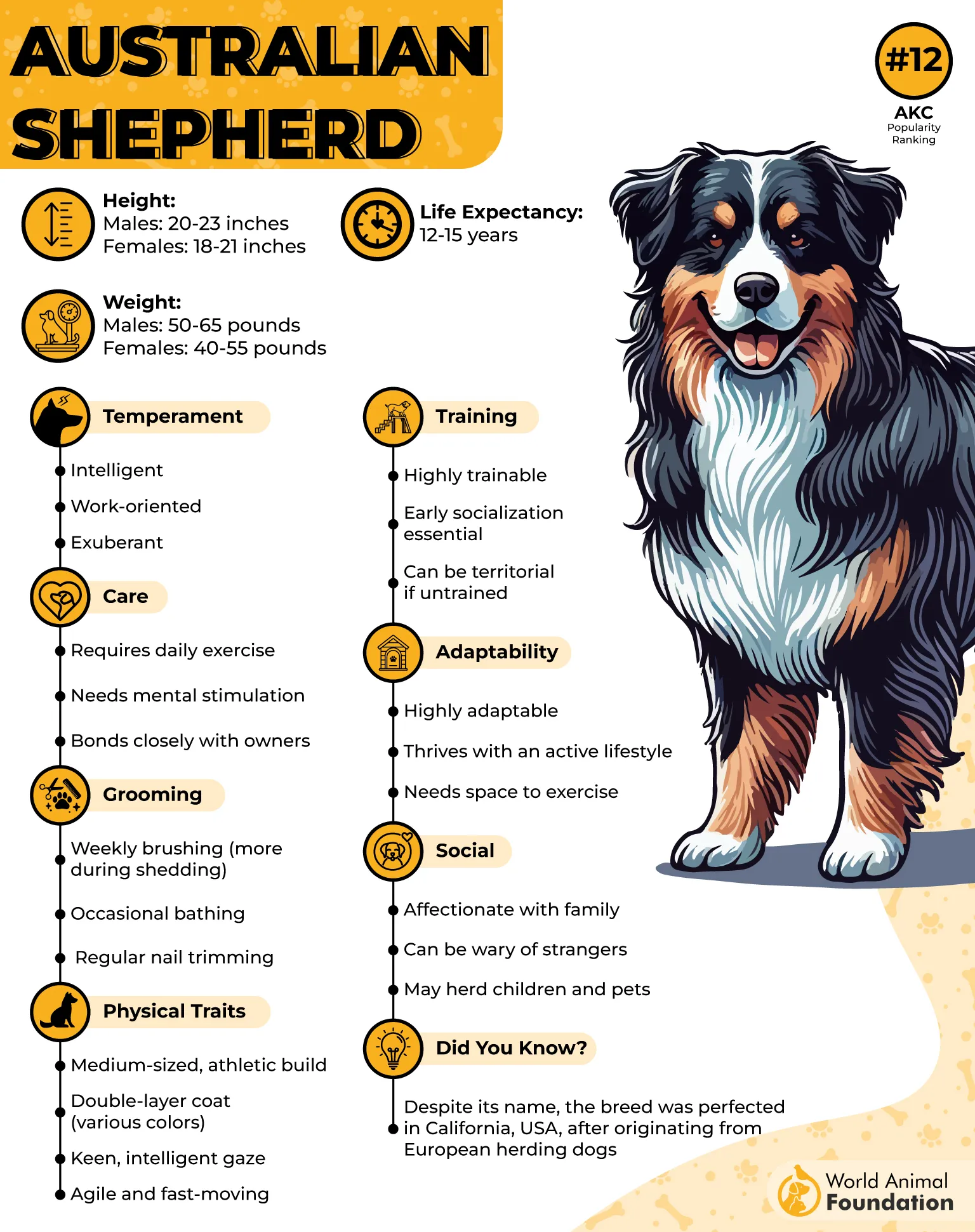
Breed #4: A Swift and Athletic Partner for Long Hikes
Aussies are built for endurance and agility, making them exceptional companions for forest camping and long backcountry hikes. With speed, toughness, and sharp reflexes, they navigate uneven trails and rugged terrain with confidence.
Their herding instincts mean they thrive when given a purpose, whether that’s trail games, agility-style challenges, or carrying light gear. Without consistent mental and physical stimulation, they can become bored and destructive, so daily activity is essential.
Highly trainable and eager to please, they respond best to structured, positive reinforcement training and early socialization.
Fun fact: Despite the name, the Australian Shepherd was refined in the United States and became popular with ranchers and rodeo performers for its athletic skill.
FAQ: Can Australian Shepherds handle multi-day forest treks?
Yes, provided they receive consistent exercise, structured tasks, and daily mental engagement throughout the trip.
5. Border Collie
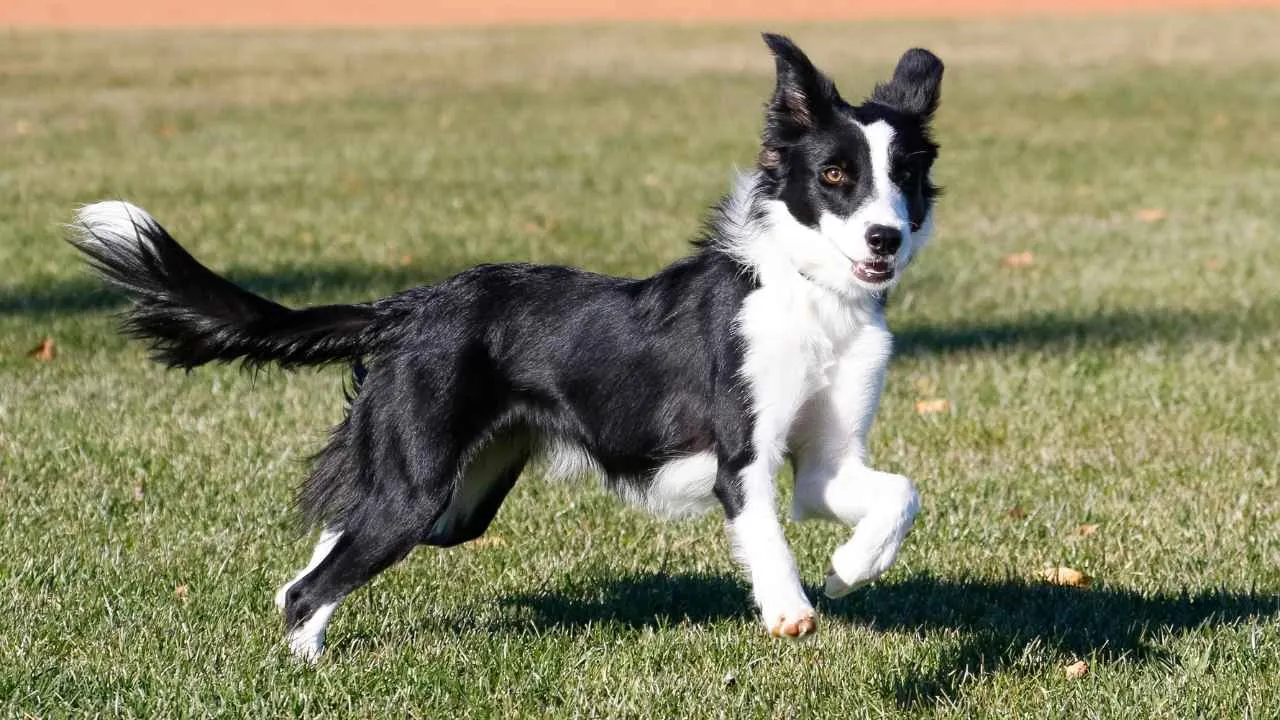
The Border Collie, sometimes simply called the Collie, is a medium-sized herding dog famed for its sharp mind, athletic frame, and intense focus. Recognized for its dense double coat and alert expression, this tireless worker was bred to herd livestock across rugged landscapes with precision and speed.
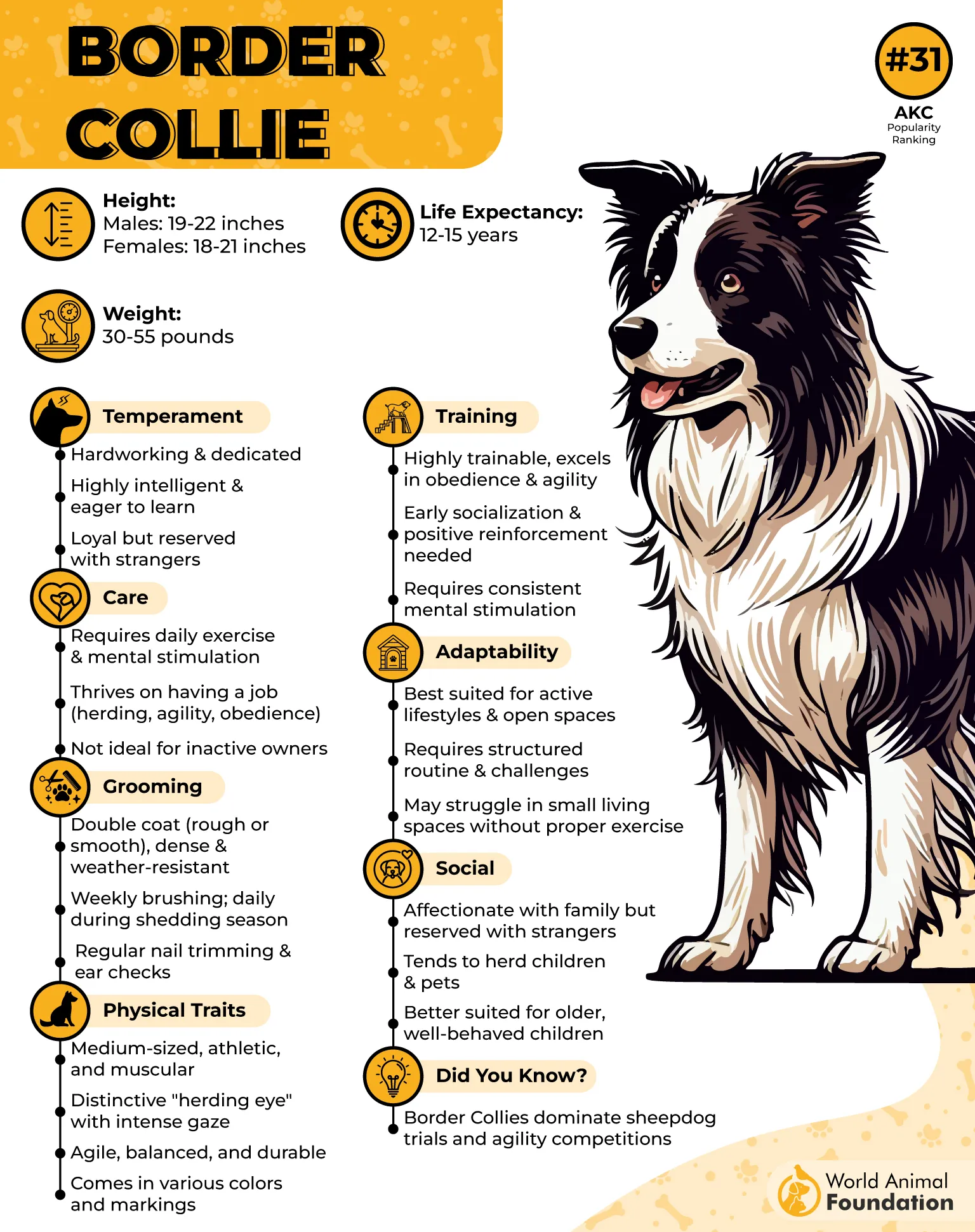
Breed #5: The Loyal Adventure Buddy Who Stays Close on Trails
Border Collies form strong bonds with their owners and are highly responsive on hikes, often staying naturally attentive to their handler. Their intelligence and eagerness to please make off-leash trail training achievable with consistency and positive reinforcement.
Built for endurance, they require at least 1.5 to 2 hours of daily exercise, thriving on long forest treks, agility-style challenges, and interactive trail games. Physical stamina alone isn’t enough—mental stimulation is essential to prevent frustration or destructive habits.
Adaptable to various climates, their weather-resistant coat supports outdoor exploration in changing conditions. However, they need structured tasks and engagement even when not camping to remain balanced and content.
Fun fact: Border Collies are widely regarded as one of the most intelligent dog breeds in the world.
FAQ: Can a Border Collie handle off-leash forest hiking?
Yes, with advanced recall training and consistent mental engagement, they excel at attentive, close-range trail work.
6. German Shorthaired Pointer
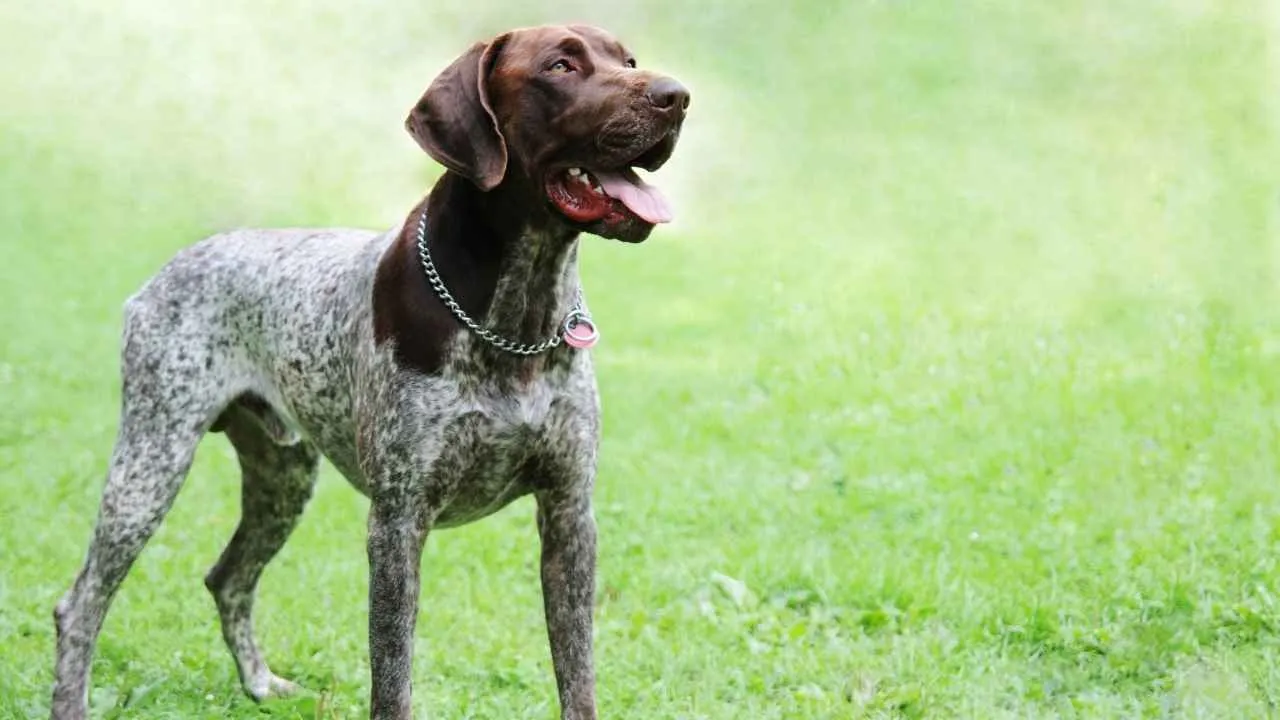
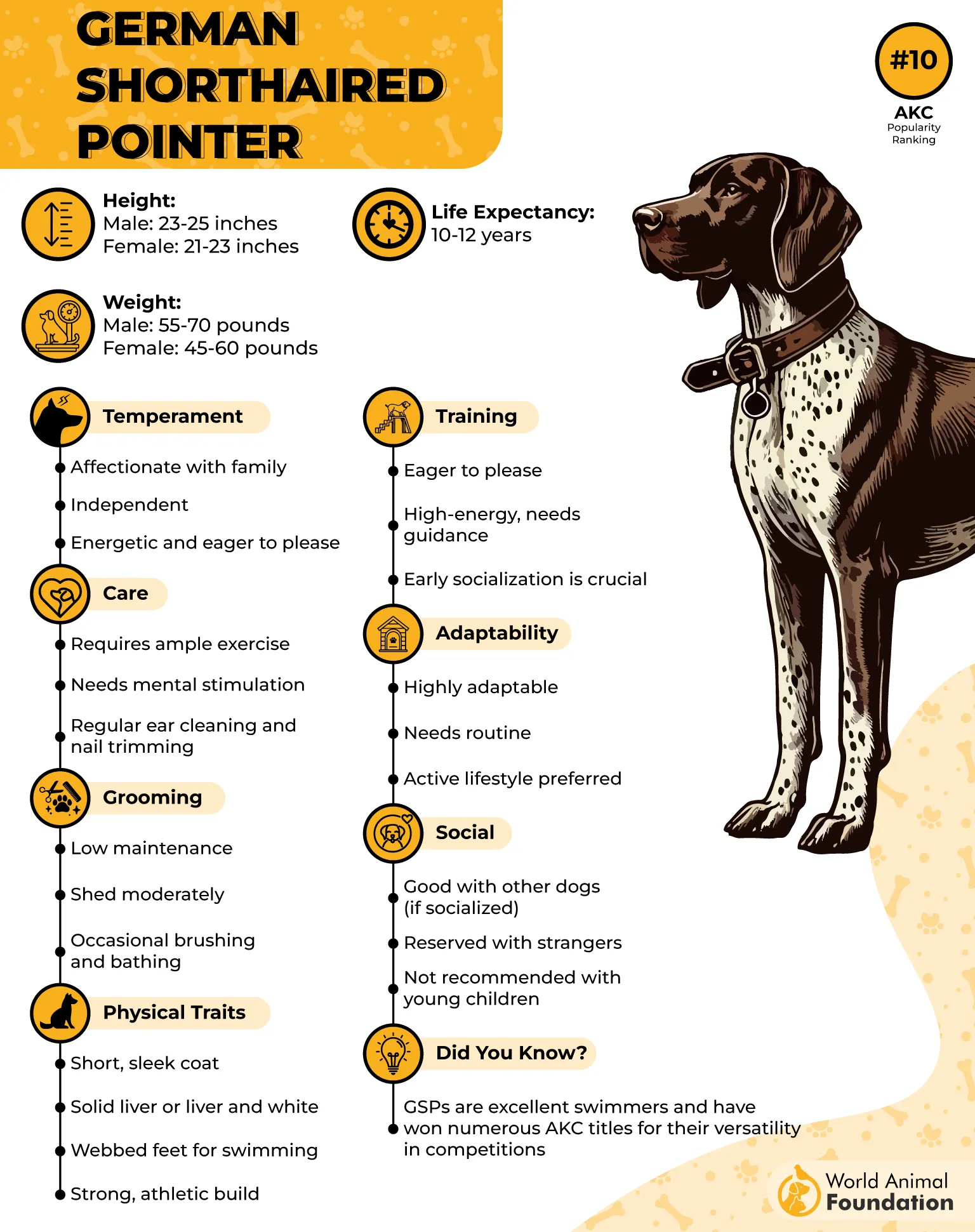
The German Shorthaired Pointer, often called the GSP, is a versatile sporting breed recognized for its sleek, athletic build and distinctive liver-and-white coat. Originally developed in Germany for pointing and retrieving game on both land and water, this energetic hunter is admired for its stamina and drive.
Breed #6: A High-Drive Worker Who Thrives in the Wild
GSPs are built for rugged outdoor environments and excel during forest camping trips that involve hiking, tracking, and water retrieves. Their endurance and agility allow them to cover large distances while remaining alert and responsive.
With webbed feet and strong swimming ability, they handle streams and lakes confidently, though cold-water excursions may require protective gear. Early training and consistent structure are essential, as their powerful prey drive and rapid development can otherwise lead to unruly behavior.
Highly intelligent and eager to work, they flourish when given a purpose and daily physical challenges. Without direction, their energy can become destructive, making them best suited for committed, active owners.
Fun fact: The German Shorthaired Pointer was specifically bred to point, track, and retrieve both upland birds and waterfowl.
FAQ: Do German Shorthaired Pointers need special gear for cold forest camping?
Yes, in icy or wet conditions, fitted neoprene vests can help maintain body temperature during water retrieves.
7. Rhodesian Ridgeback
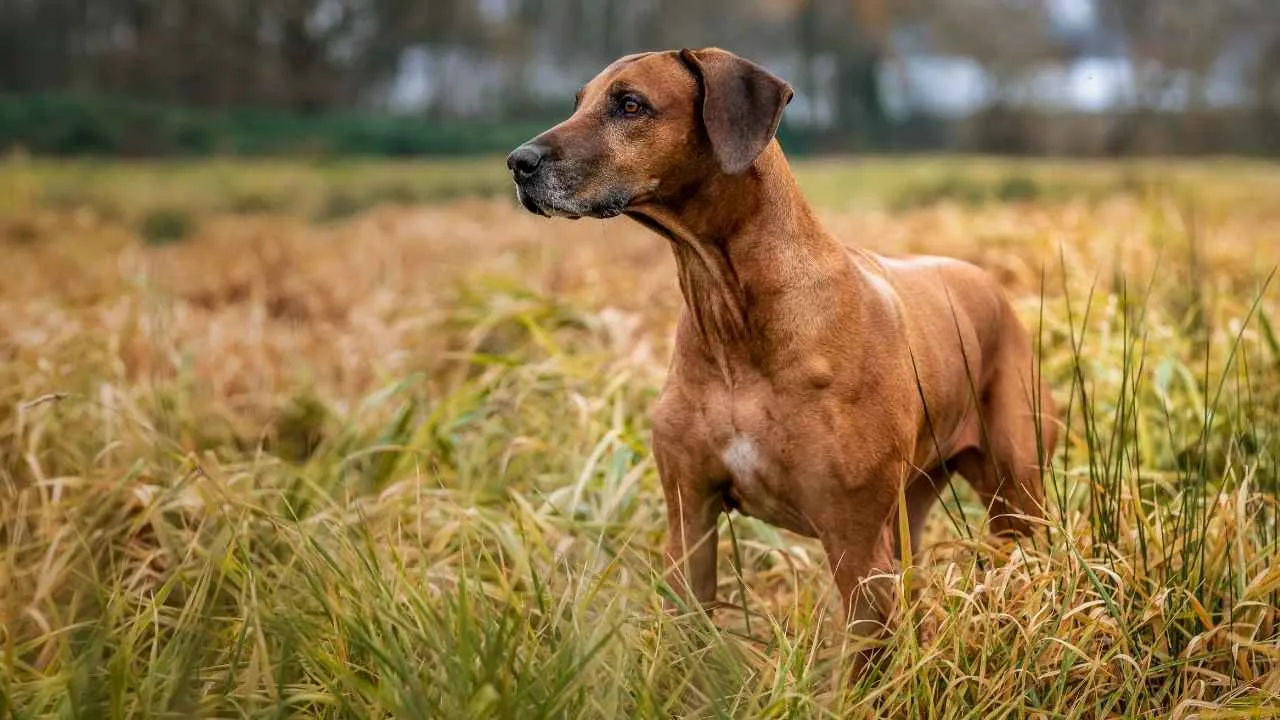
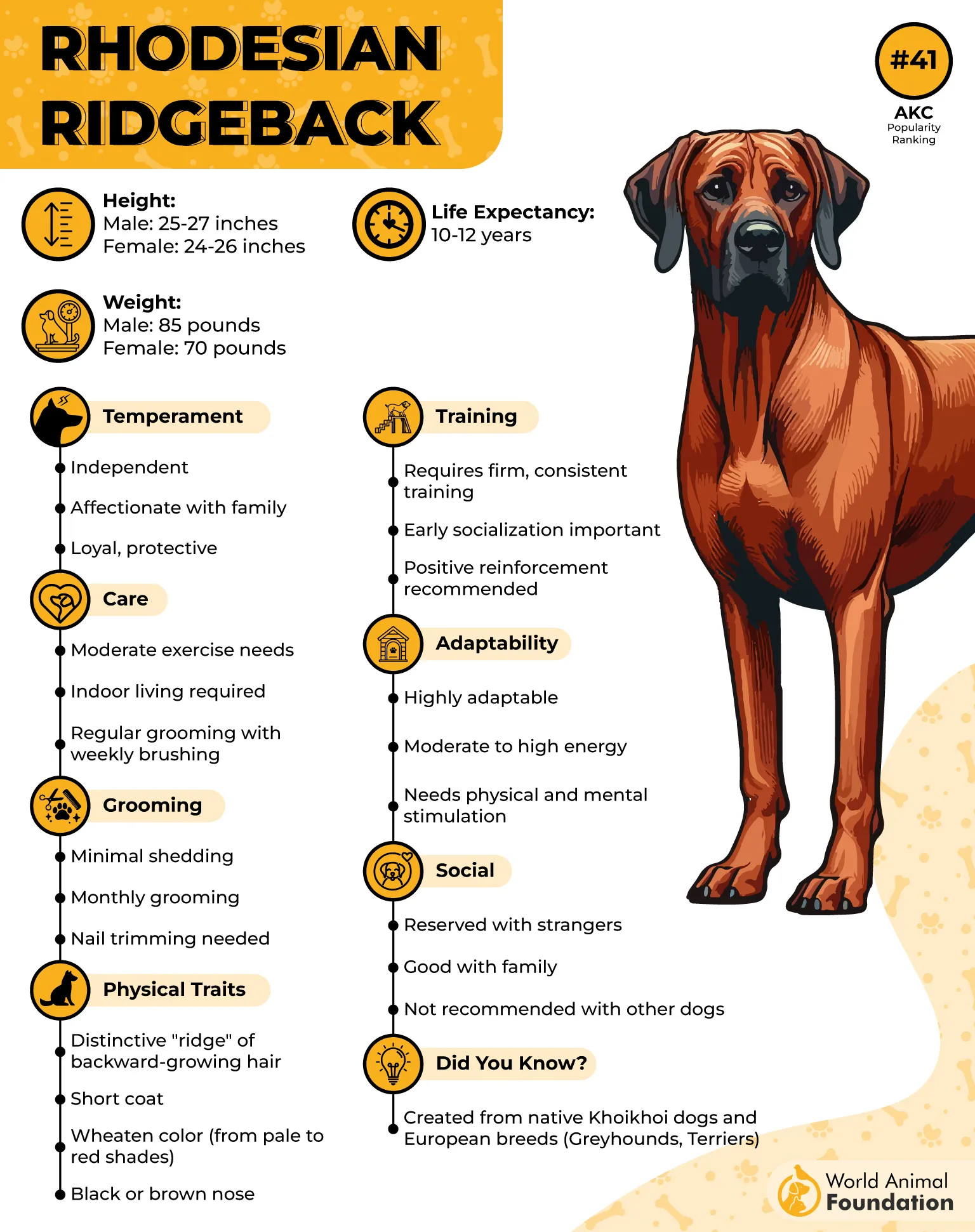
The Rhodesian Ridgeback, once called the African Lion Hound, is a powerful, athletic breed known for the distinctive ridge of hair running along its back. Developed in southern Africa by crossing European hunting dogs with the native Khoikhoi dog, this strong and intelligent companion was bred to track and distract large game.
Breed #7: The Water-Loving Camper Ready for Lakeside Stops
Though famed for endurance on rugged terrain, Ridgebacks can also become enthusiastic lake companions when properly introduced to water. Early, positive exposure—especially during puppyhood—helps build confidence around streams, ponds, and campsite shorelines.
Naturally fast and agile, they make excellent running and hiking partners, capable of keeping pace on long forest trails. Their independence means consistent obedience work and recall training are essential before off-leash exploration.
While some may hesitate around rain or wet grass, others happily swim and romp once encouraged. Patience, treats, and gradual acclimation can turn a cautious pup into a confident water explorer.
Fun fact: Not every Rhodesian Ridgeback is born with the signature ridge due to a genetic variation.
FAQ: Do all Rhodesian Ridgebacks naturally enjoy swimming during camping trips?
No, enjoyment varies by individual, but early exposure and positive reinforcement greatly increase water confidence.
8. Jack Russell Terrier
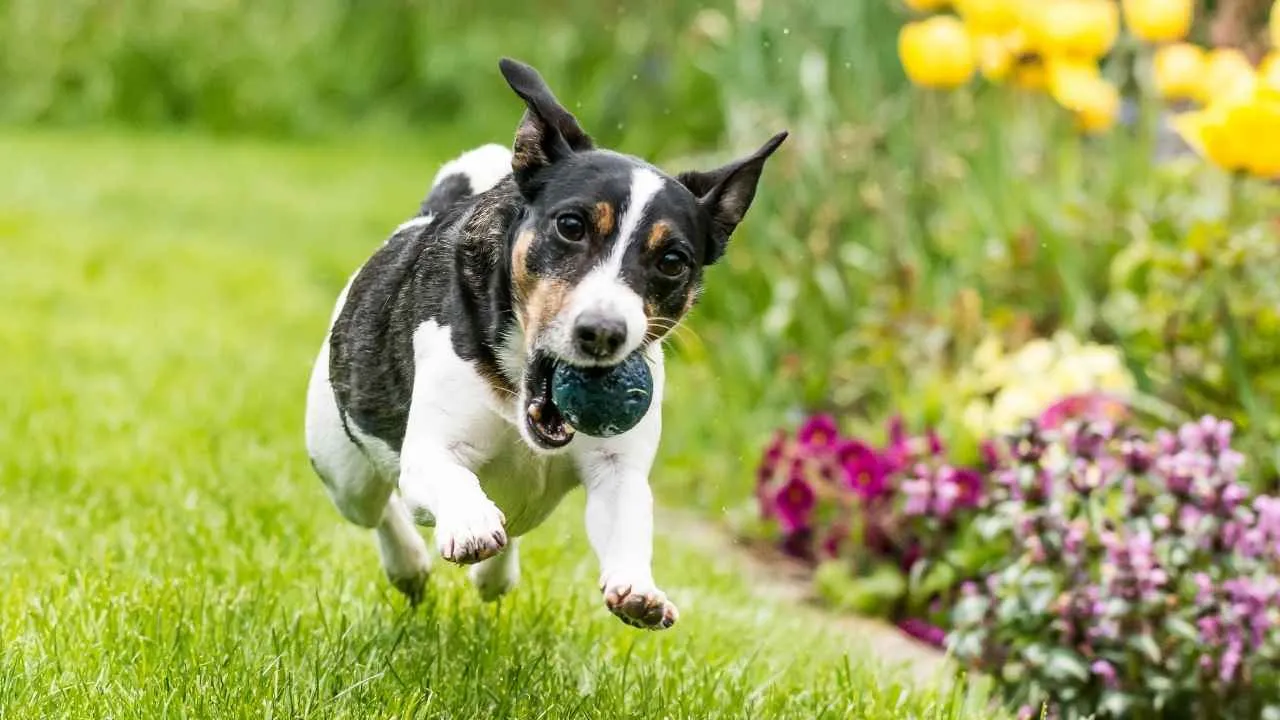
The Jack Russell Terrier, sometimes simply called the JRT, is a compact English hunting breed developed for chasing foxes and vermin underground. Small in stature but bold in spirit, this athletic terrier is known for its bright eyes, strong legs, and lively expression.
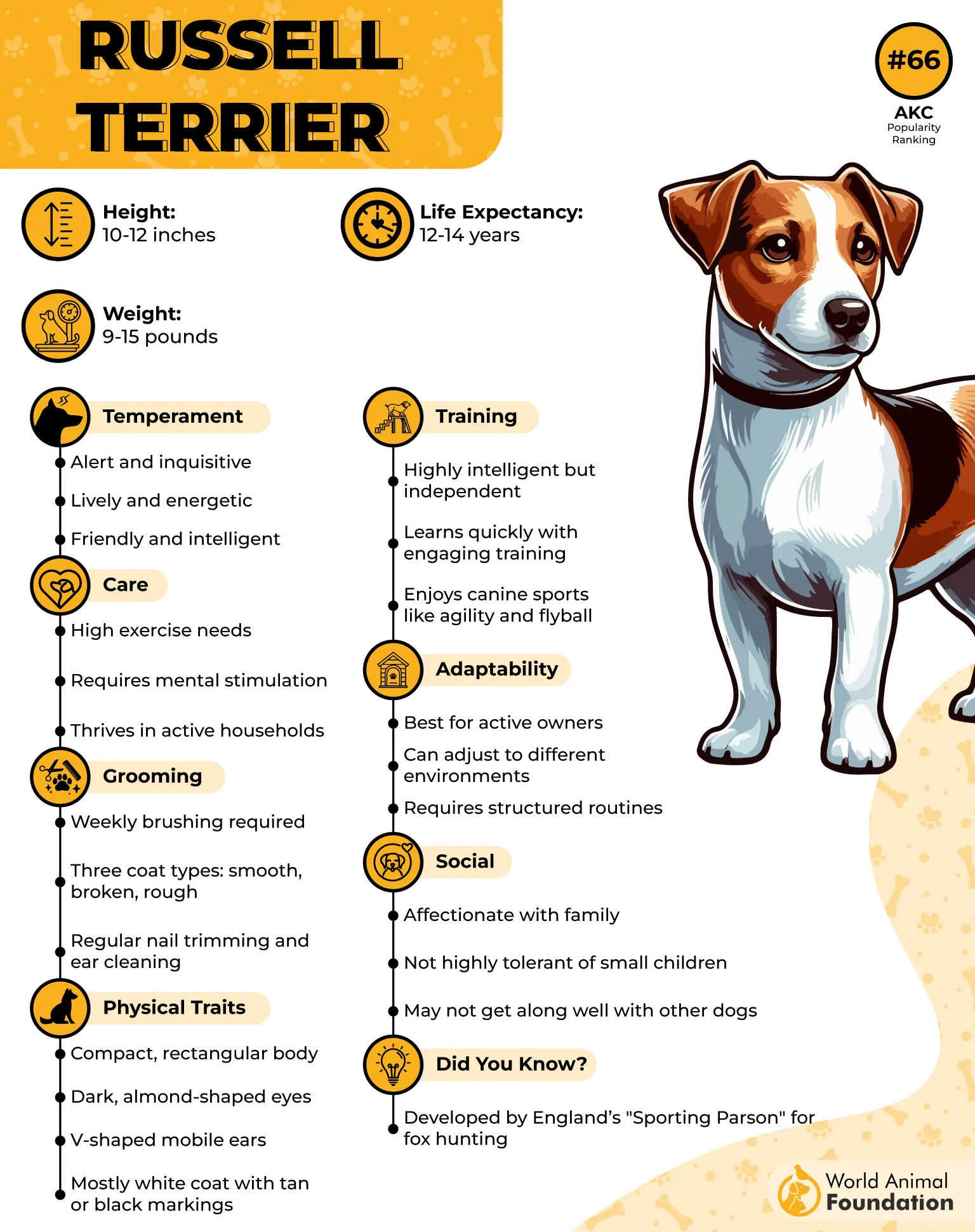
Breed #8: An Intelligent Trekking Companion with Boundless Energy
Don’t let their size fool you—Jack Russells have stamina that rivals much larger dogs. Long forest hikes, trail runs, and campsite games are perfect outlets for their relentless drive and love of movement.
Highly intelligent yet independent, they respond best to firm, positive reinforcement training. Reliable recall and lead manners are essential, as their strong prey drive can send them darting after wildlife in wooded areas.
Mental enrichment is just as crucial as physical exercise, especially during camping downtime. Puzzle toys, scent games, and fetch sessions help prevent digging, barking, or destructive habits born from boredom.
Fun fact: The Jack Russell Terrier was originally bred to “go to ground,” burrowing into fox dens during hunts.
FAQ: Are Jack Russell Terriers suitable for multi-day forest camping trips?
Yes, provided they receive daily vigorous exercise and mental stimulation to manage their high energy levels.
9. Dalmatian
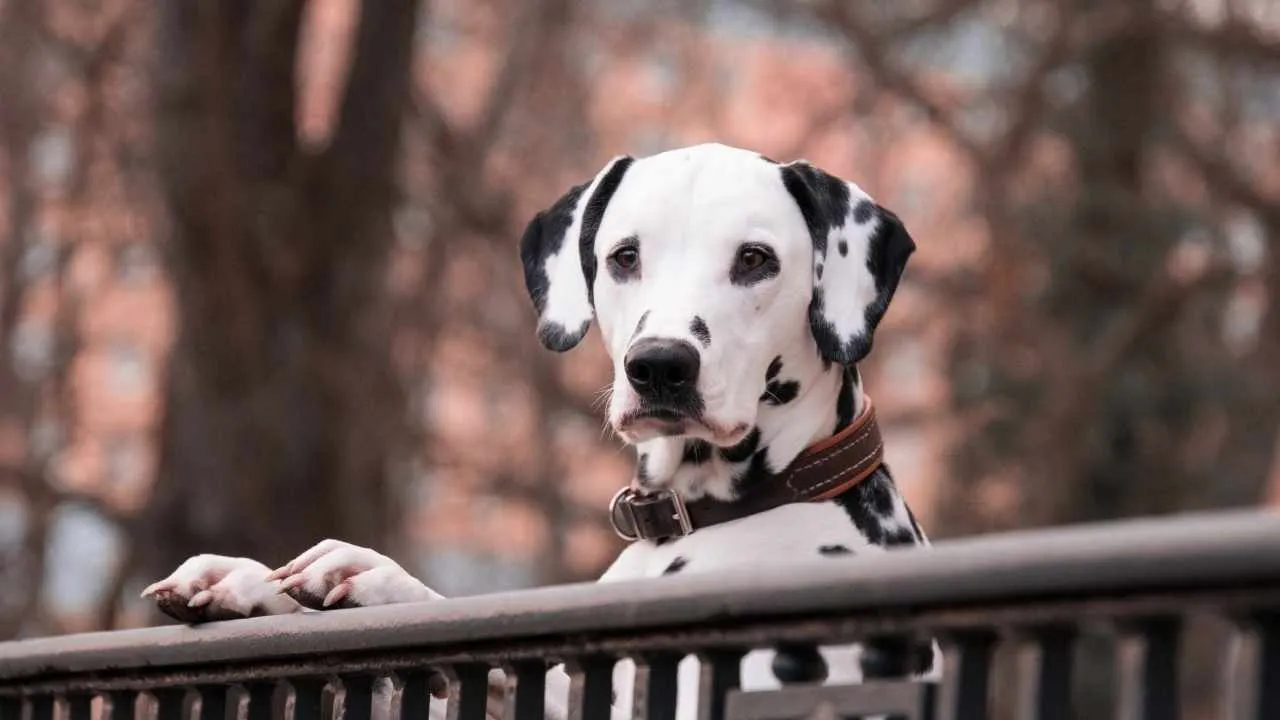
The Dalmatian, famous for its striking black-and-white spotted coat, was historically known as a carriage dog and guardian alongside horses. Athletic and elegant, this medium-sized breed was developed for endurance work, making it both protective and highly energetic.
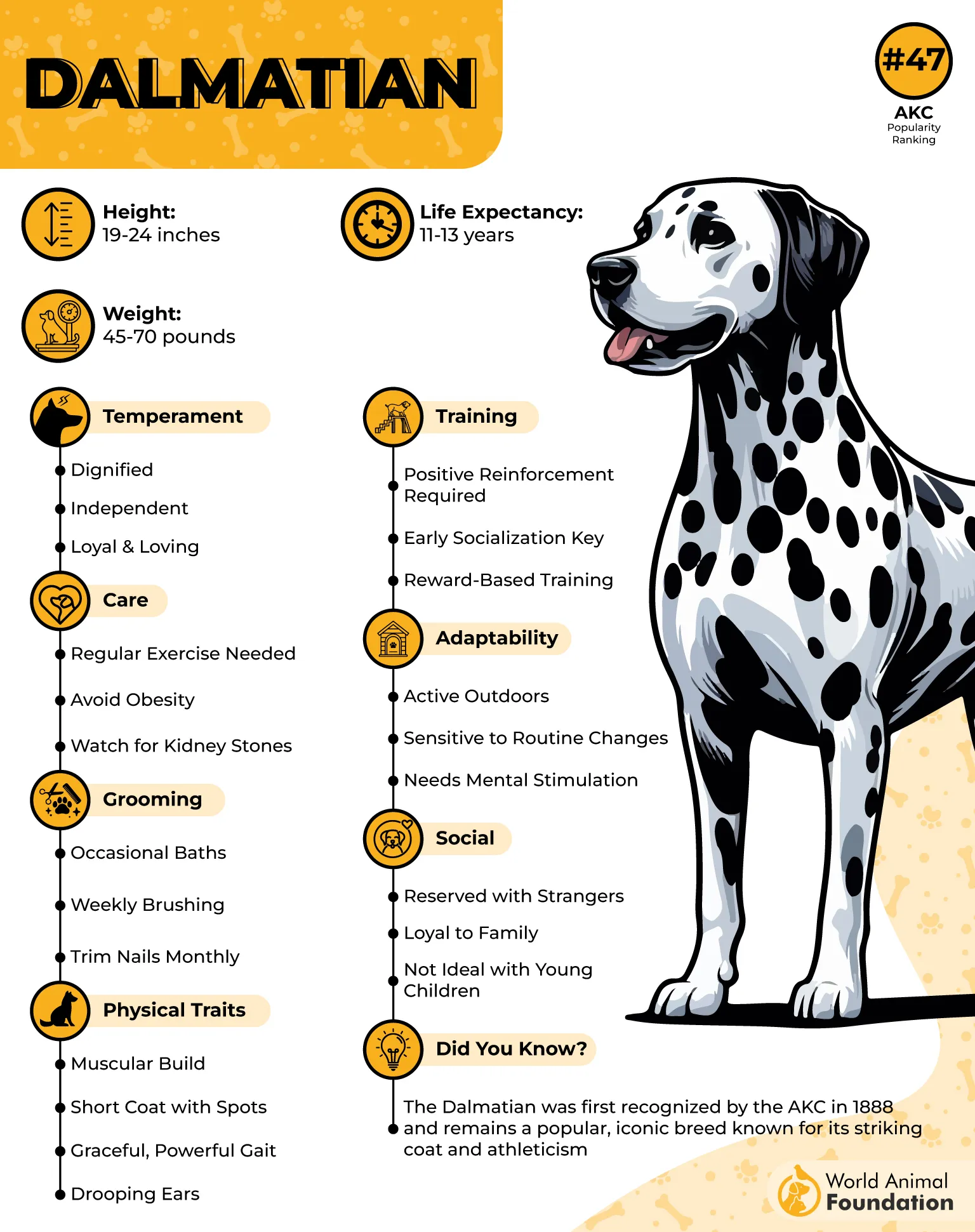
Breed #9: The Outdoor Enthusiast Who Never Tires of Exploration
Bred to trot beside carriages for miles, Dalmatians possess remarkable stamina that translates perfectly to forest camping adventures. They thrive on long hikes, trail runs, and even cycling sessions through wooded paths.
These high-drive companions require vigorous daily exercise—far more than casual strolls—to stay balanced and well-behaved. Without adequate activity, boredom can lead to destructive habits or excessive barking.
Despite their boundless outdoor energy, they prefer relaxing indoors with their family after a full day of exploration. Early training and structured routines help channel their athleticism into safe, enjoyable wilderness experiences.
Fun fact: Historically, Dalmatians ran alongside horse-drawn carriages to guard both the horses and passengers.
FAQ: Can a Dalmatian handle multi-mile hikes during forest camping trips?
Yes, a healthy Dalmatian can comfortably manage long-distance hikes and runs when properly conditioned and hydrated.
Conclusion
Choosing energetic dog breeds for forest camping excursions means embracing an active lifestyle filled with trail miles, lakeside swims, and rugged exploration. From tireless runners to high-drive workers, these loyal dogs thrive on human interaction and purposeful outdoor experiences.
With proper training, structure, and conditioning, they become an ideal companion for the great outdoors—ready to stay active in cold weather, navigate dense forests, and create unforgettable memories by your side.
Beyond the breeds discussed, other adventure dog options like the Australian Cattle Dog, Alaskan Malamute, Belgian Malinois, Norwegian Elkhound, Bernese Mountain Dog, and even livestock guardians such as the Great Pyrenees can be a great match for cold climates and demanding terrain.
Whether built with a short coat for endurance or strong enough to pull carts, the best dog breeds for camping share a steady work ethic, gentle personality, and devotion that make them excellent companions on every wilderness journey.
