




If you’ve ever wished for a dog that feels less like a pet and more like a devoted, furry roommate who would absolutely help you move a couch—welcome. Giant breeds have a special kind of magic. They’re often gentle at home, impressive in presence, and absurdly loyal once you’re “their person.”
But here’s the twist: everyone knows the popular giants (hello, Great Dane and Bernese Mountain Dog). This list is for the underrated big softies—the majestic “wait… what breed is that?” dogs that turn heads at the park and earn hearts everywhere they go.
These seven breeds aren’t just large; they’re loaded with personality, history, and charm. And yes, they’re the kind of dogs that make you feel like you’ve joined an exclusive club—one where the membership fee is shedding, drool, and a whole lot of love.
Hidden Giant Dog Breeds That Offer Unmatched Loyalty and Charm
1. Leonberger
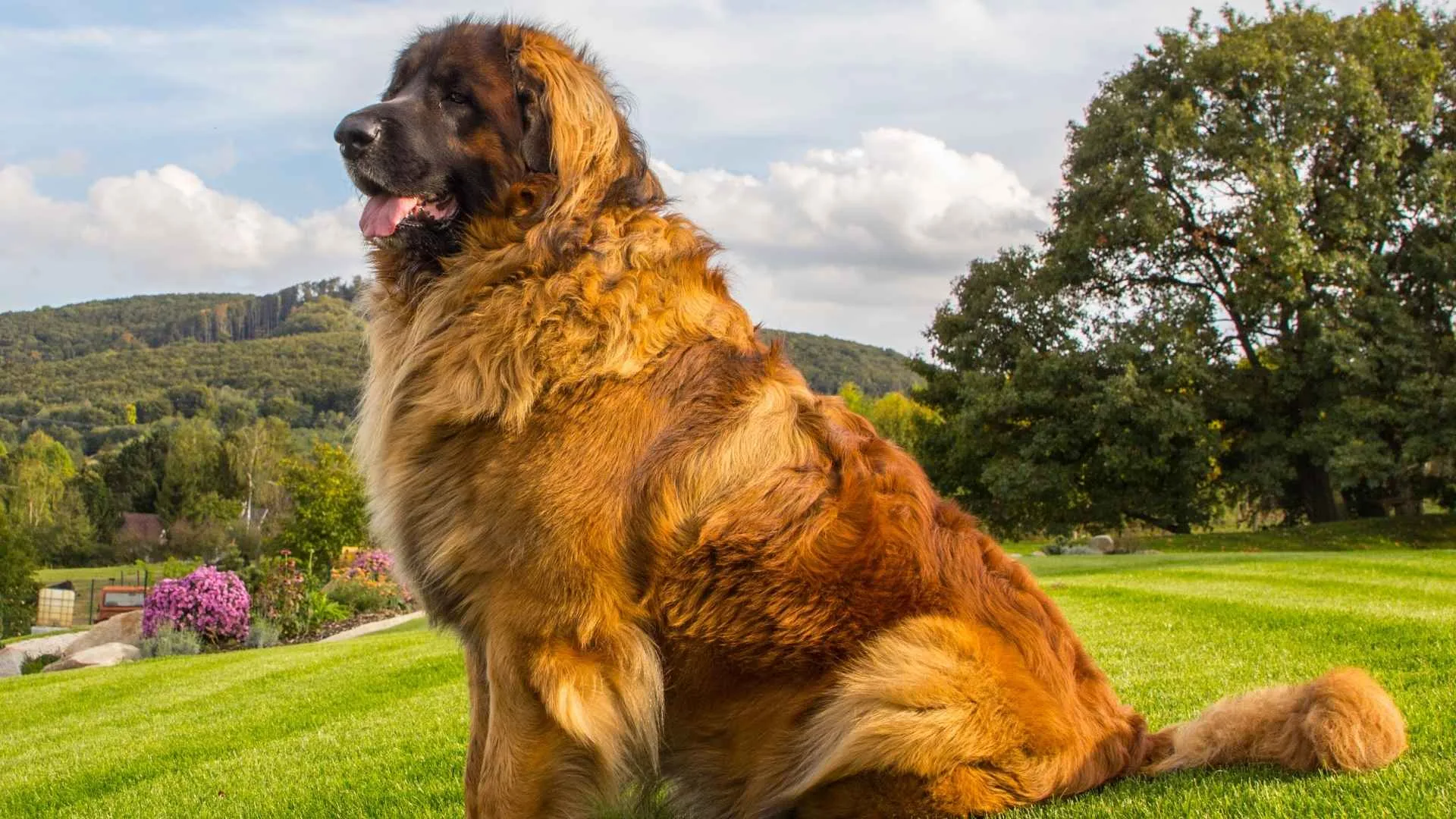
The Leonberger is basically what happens when “giant family dog” meets “storybook lion,” and they decide to collaborate. This large breed originated in Germany and was developed to resemble the lion on the town crest—so yes, your dog is allowed to look dramatic and regal on purpose.
Personality-wise, the Royal Kennel Club claims that the Leonbergers tend to be social and people-centered. They’re not the kind of dog who’s happy being a backyard ornament. They want to be near the action—whether that action is a family movie night or you making a sandwich (important business). Their temperament is often described as gentle and devoted, and they typically thrive when included in daily life.
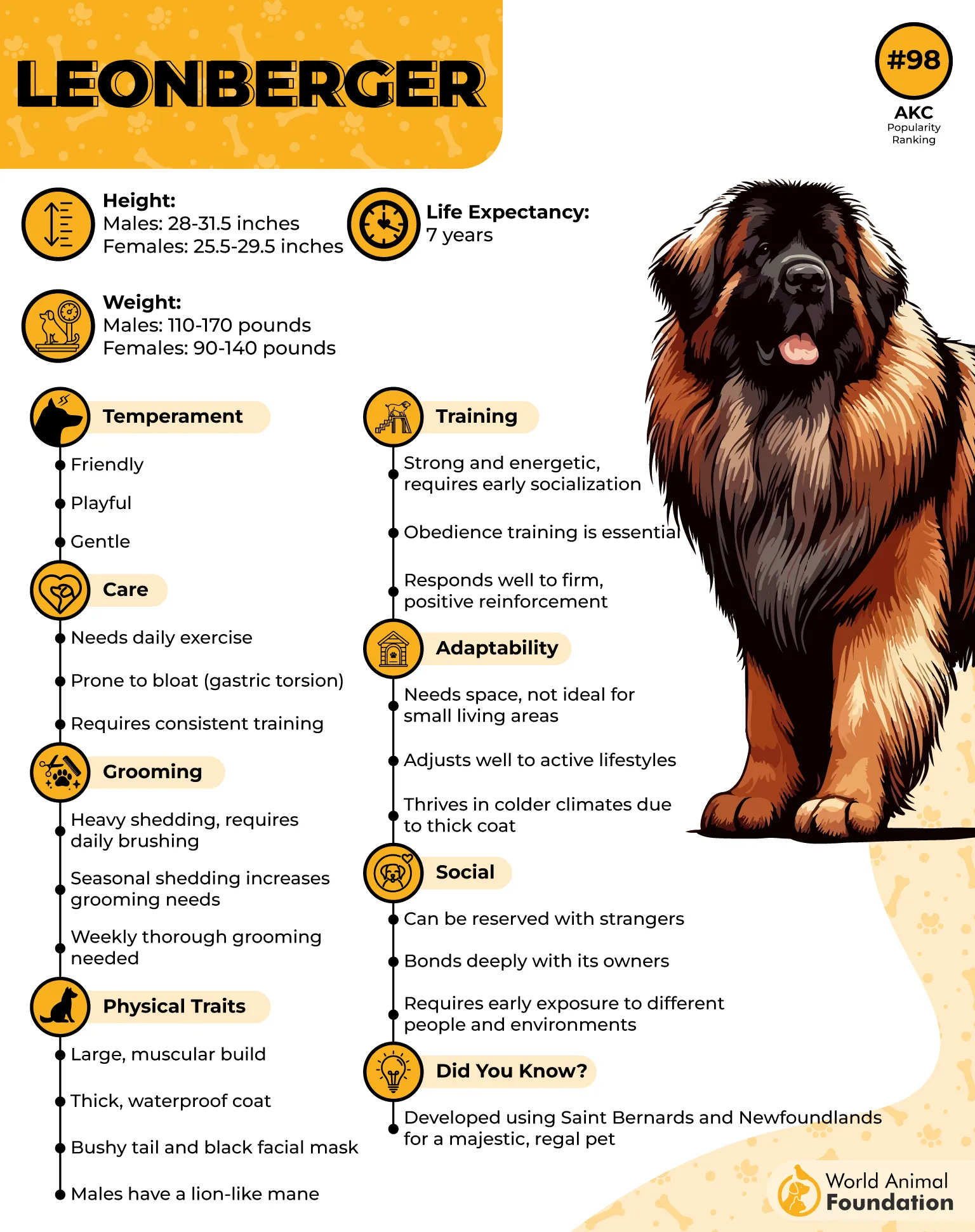
Now, let’s talk practicality: they’re big, they’re fluffy, and they will bring nature indoors. That thick coat means regular brushing is a lifestyle, not a once-in-a-while hobby. If you stay consistent, you’ll prevent mats and keep shedding manageable.
And if you’re thinking, “But will they exercise me into exhaustion?”—Leonbergers are generally more moderate than you’d expect, though they still need daily movement and mental engagement.
Because they’re a giant breed, health planning matters. Large dogs are prone to orthopedic issues and bloat (gastric torsion), so it’s smart to consult a vet about feeding routines, weight management, and risk-reduction strategies. In other words, your Leonberger might be chill, but your preventative care game should be sharp.
2. Scottish Deerhound
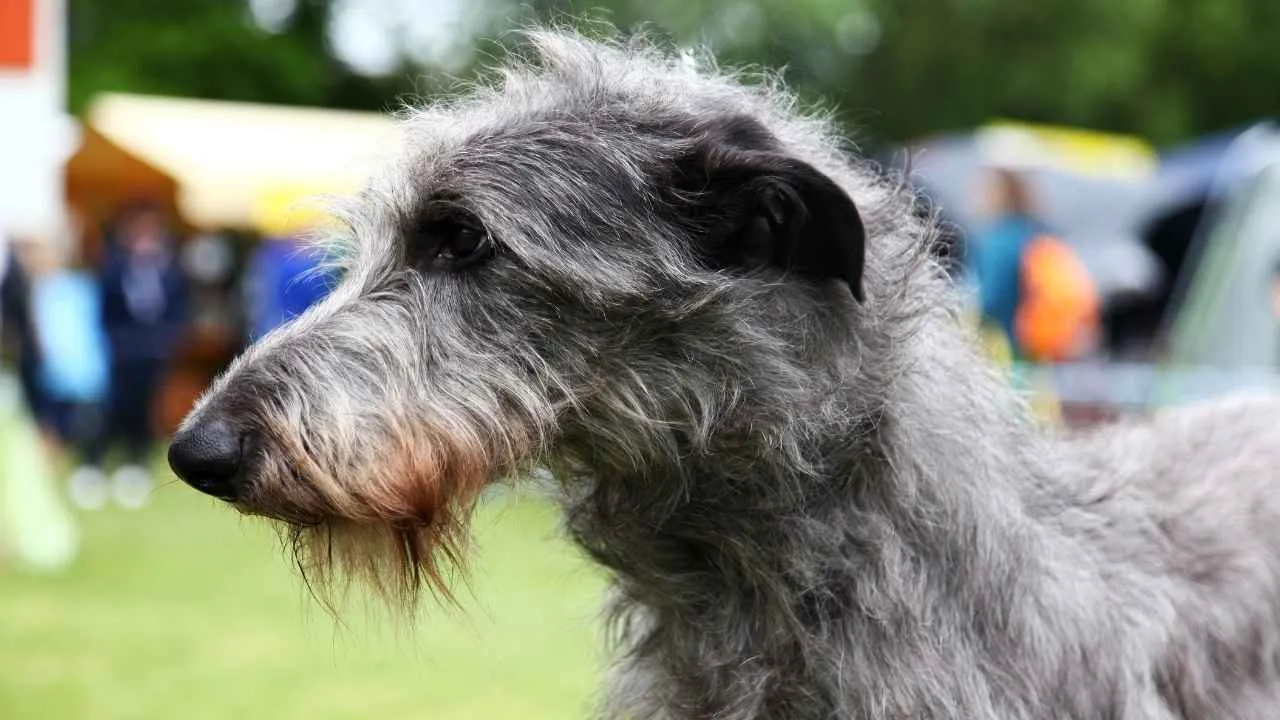
If elegance could sprint, it would look like a Scottish Deerhound. These dogs were bred for coursing deer in the Scottish Highlands, and they still carry that noble, athletic charm. The breed became highly prized historically, to the point that ownership and breeding were restricted, which contributed to its rarity at times.
In the home, Deerhounds are often described as gentle and dignified. They’re usually not the chaotic “look at me!” type. Instead, they have a calm presence—sweet, soft-eyed, and surprisingly tender with their people. Think: quiet loyalty rather than loud theatrics. (Though they absolutely can get goofy—just when you least expect it.)
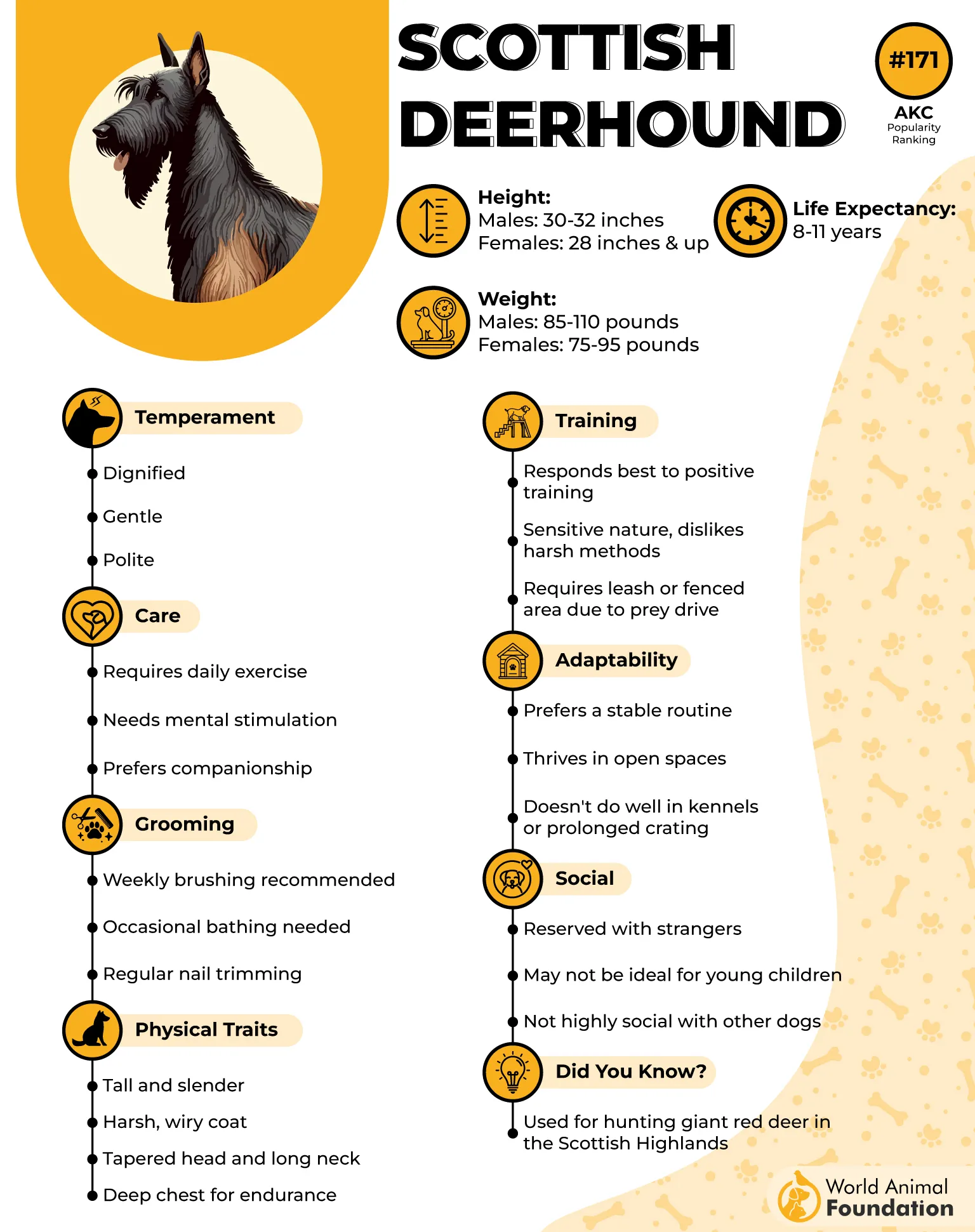
Exercise is where you’ll want to be honest with yourself. Deerhounds aren’t hyper all day long, but they do need real opportunities to stretch those legs. Secure areas for running are ideal because they’re sighthounds—once they lock onto a moving target, their brain can go into “goodbye, world” mode. So yes: leashes and fencing are your friends.
Hills Pet says that owners take conditions such as cardiomyopathy and osteosarcoma seriously. Choose carefully, screen thoughtfully, and don’t skip vet checkups just because your dog looks like a mythical creature.
3. Tibetan Mastiff
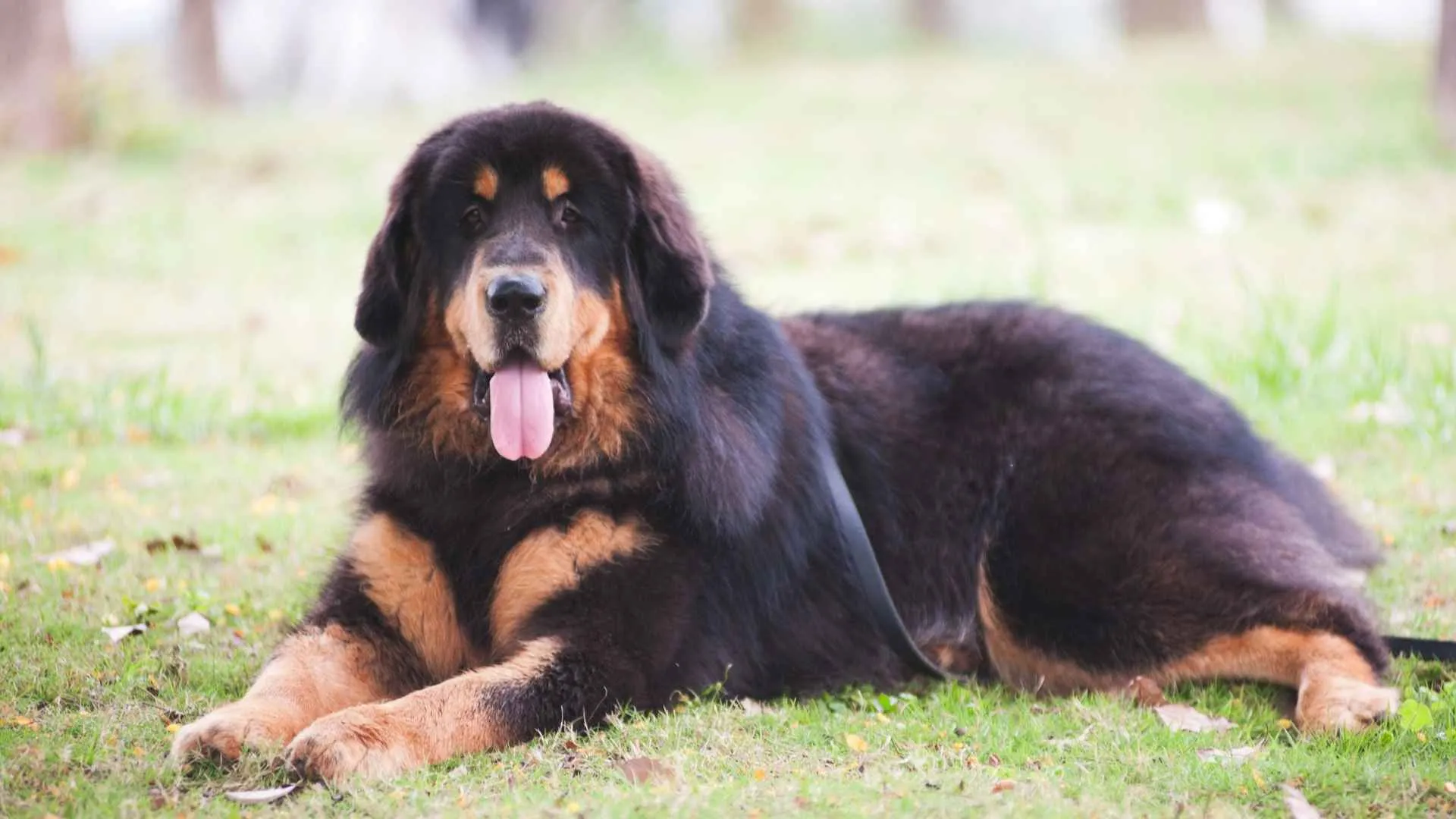
Tibetan Mastiffs are not just big—they’re legendary big. They originate from Tibet and are famously associated with guarding roles, which shows up in their temperament today: independent, watchful, and not particularly impressed by strangers. Responsible breeders screen for conditions such as hip and elbow dysplasia, hypothyroidism, and certain eye issues—so they’re hardy in spirit, but still require smart health stewardship.
Let’s be real: this breed is not for someone who wants a “yes, boss” dog. These Mastiffs tend to think for themselves. PDSA says that you can train them, absolutely—but you’ll be negotiating more than commanding. They do best with experienced owners who understand guardian-breed psychology: calm leadership, early socialization, and consistent boundaries that don’t turn into power struggles.
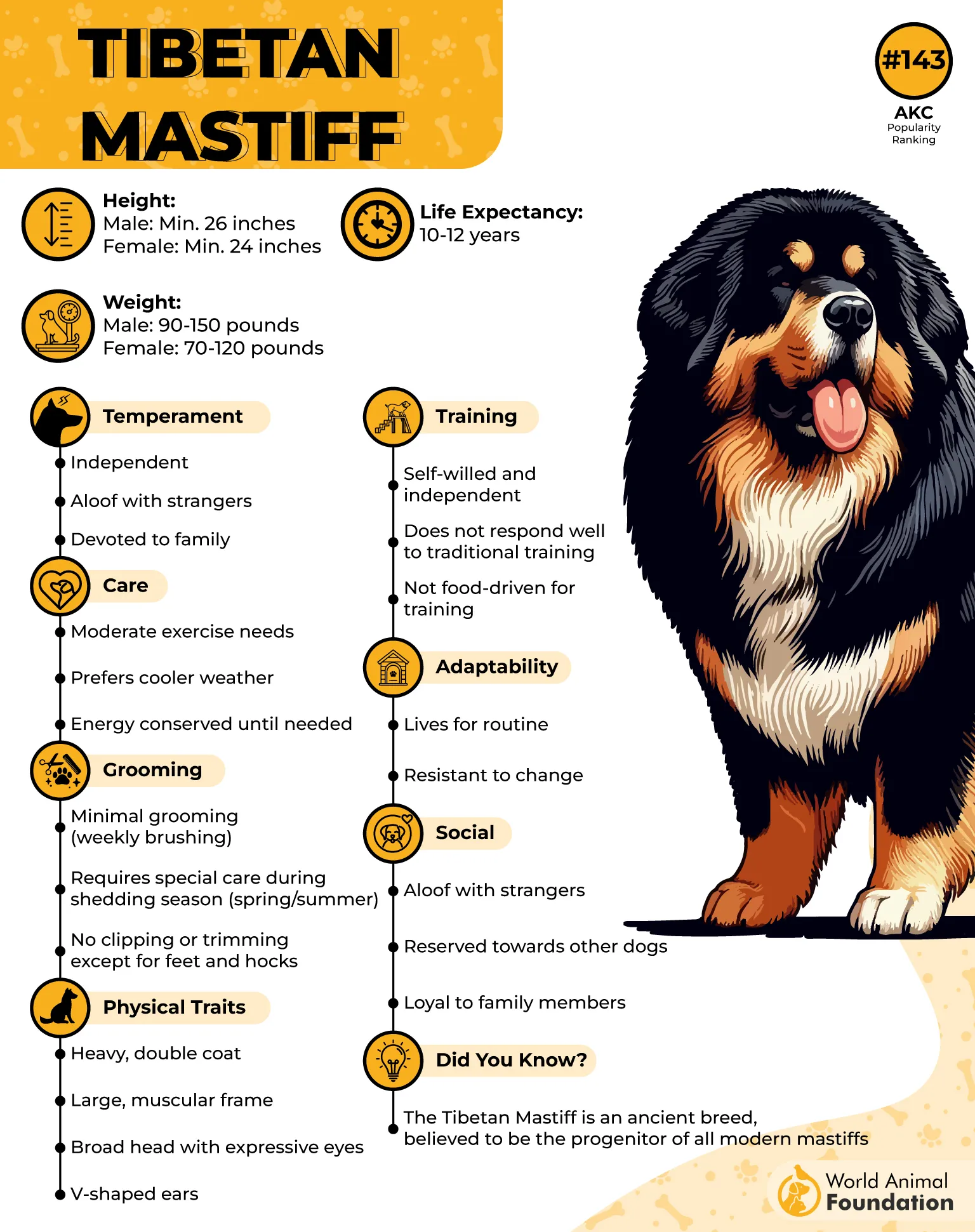
Compared to other dogs, their coat is a strong feature—thick, protective, and often “lion-like” in appearance. Grooming is typically straightforward most of the year, but seasonal shedding can be… memorable. (Your vacuum will learn new emotions.) Regular brushing keeps the coat healthy and reduces matting, especially around the mane and feathering.
What they do need is a job-like purpose: consistent training, calm routines, and a home that respects their territorial instincts.
One more crucial point: if you want a loyal breed that loves everyone immediately, this is not your golden retriever moment. Tibetan Mastiffs tend to be devoted to their family and reserved with outsiders—a trait that can be wonderful in the right home, and overwhelming in the wrong one.
Done well, though? You get a stunning, loyal guardian with an undeniable presence and a heart that’s surprisingly soft once you’re “in the inner circle.”
4. Komondor
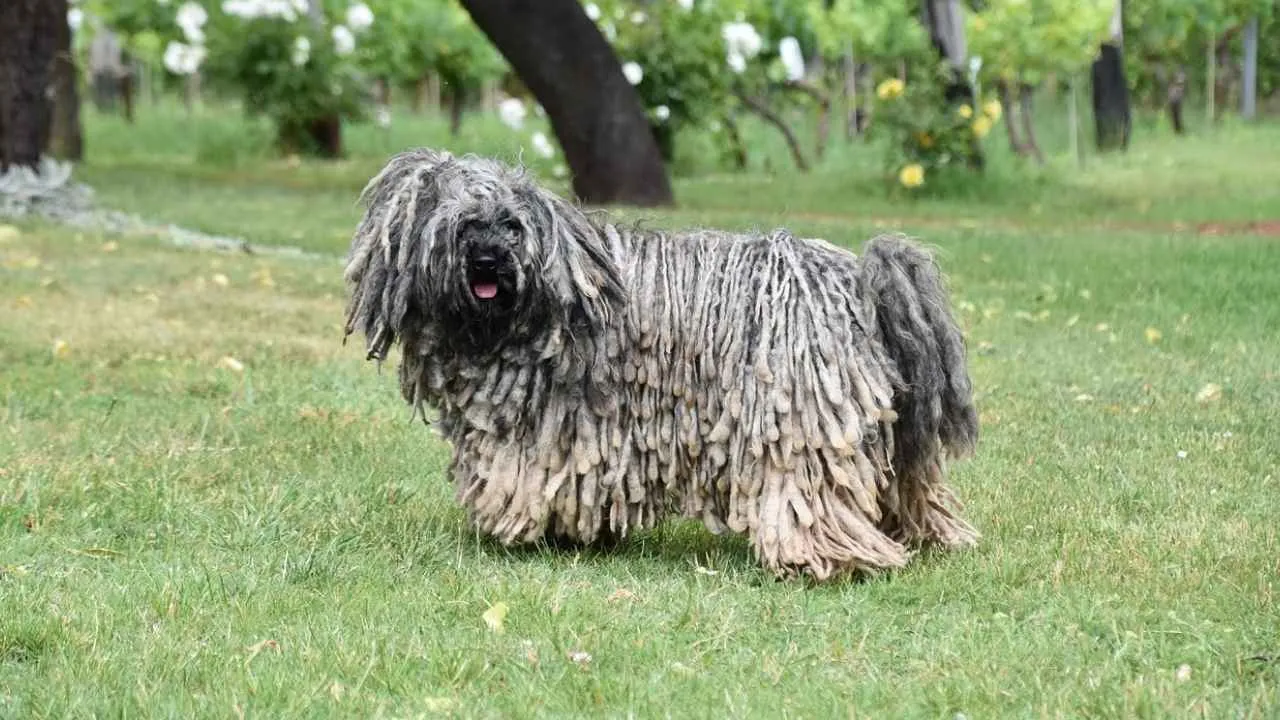
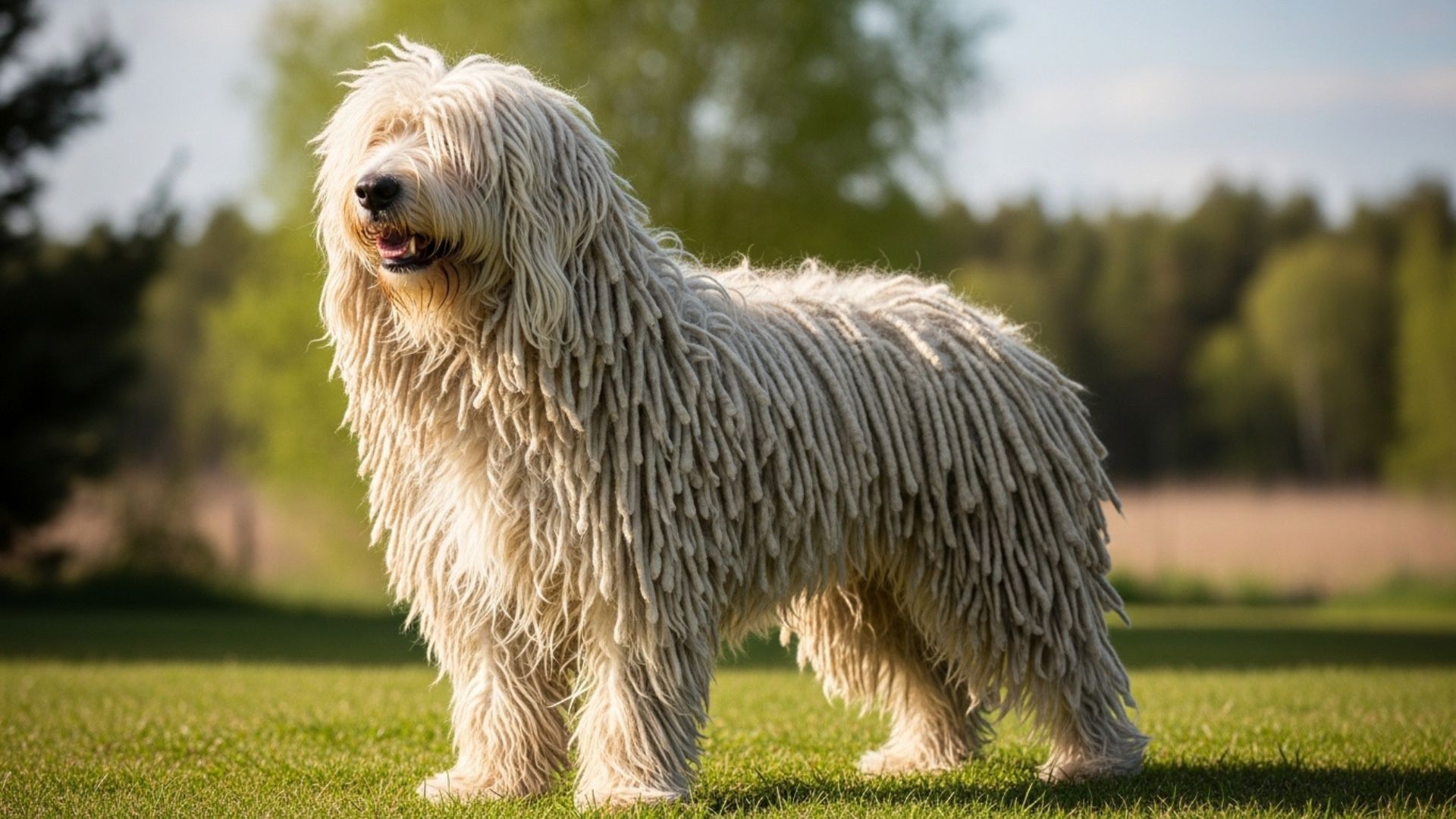
The Komondor is the dog equivalent of an optical illusion: is it a mop? a mythical beast? a very serious cloud? This Hungarian livestock guardian is famous for its corded white coat and its independent, protective nature.
The coat is iconic—but it’s also a commitment. As per Purina, those cords form as the coarse outer coat traps the softer undercoat, creating rope-like cords over time. It’s gorgeous and functional for guarding work (camouflage and protection), but it’s not a “quick brush and go” situation. Owners need to keep cords separated, clean, and dry; this maintenance is distinct from typical grooming.
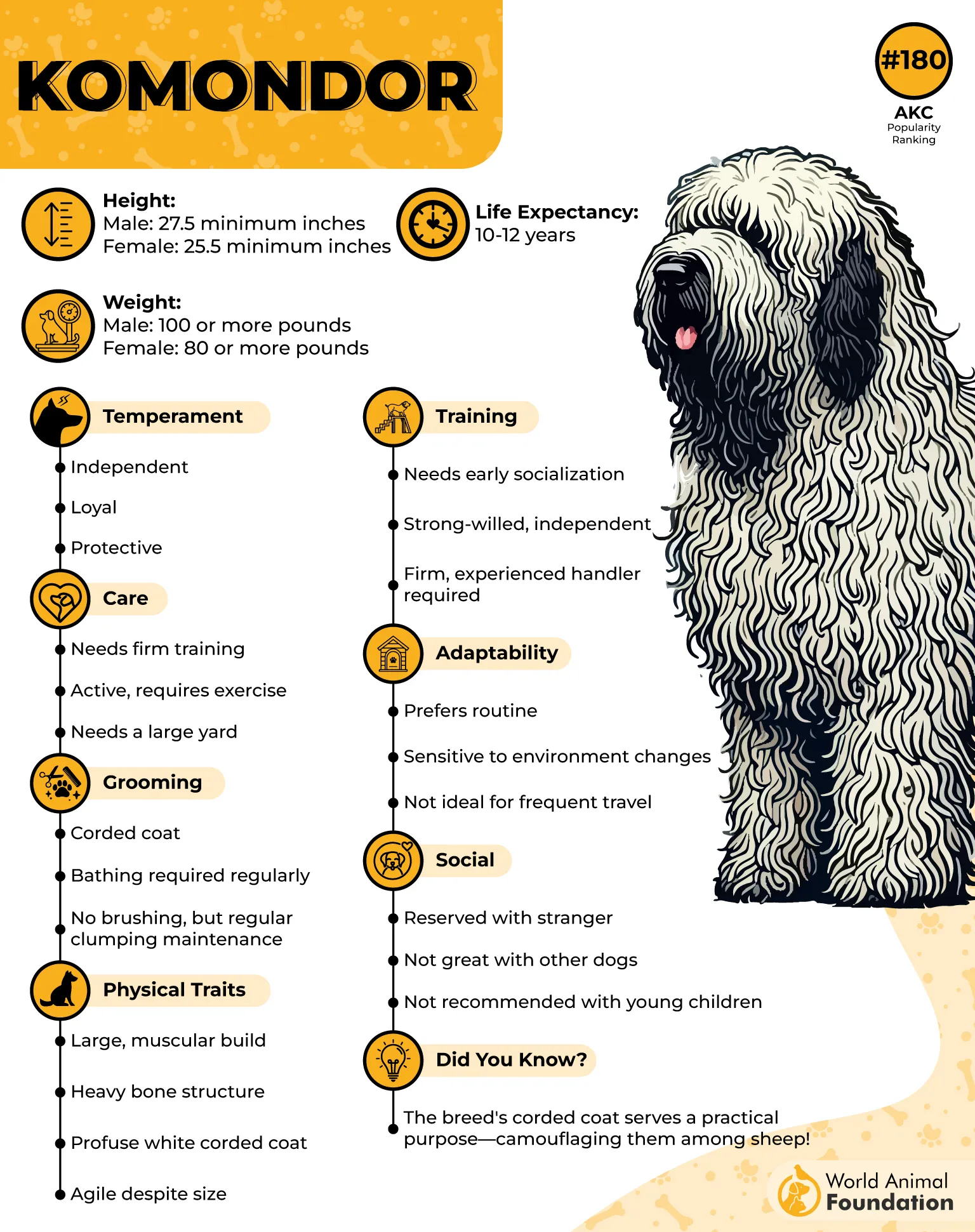
With their strong protective instincts, these popular breed dogs are serious guardians. They’re not usually indiscriminately friendly, and they’re not designed to be dog-park social butterflies. Their loyalty runs deep, but so does their protective instinct. That means early socialization, skilled training, and a confident owner are essential—because a giant guardian who makes their own rules is… a lot.
Exercise needs are often moderate, but mental stimulation is key.
They’re thinkers and watchers. If you give this large breed structure—training routines, purposeful tasks, calm boundaries—they tend to settle well. If you don’t, they may decide to self-assign a job like “defend the house from the mailman,” which is not the vibe we want.
For the right person, this guard dog is unmatched: a loyal, striking, ancient guardian with a look that no one forgets. Just know what you’re signing up for—because this “mop dog” is actually a highly capable protector with a very real opinion about everything.
5. Kuvasz
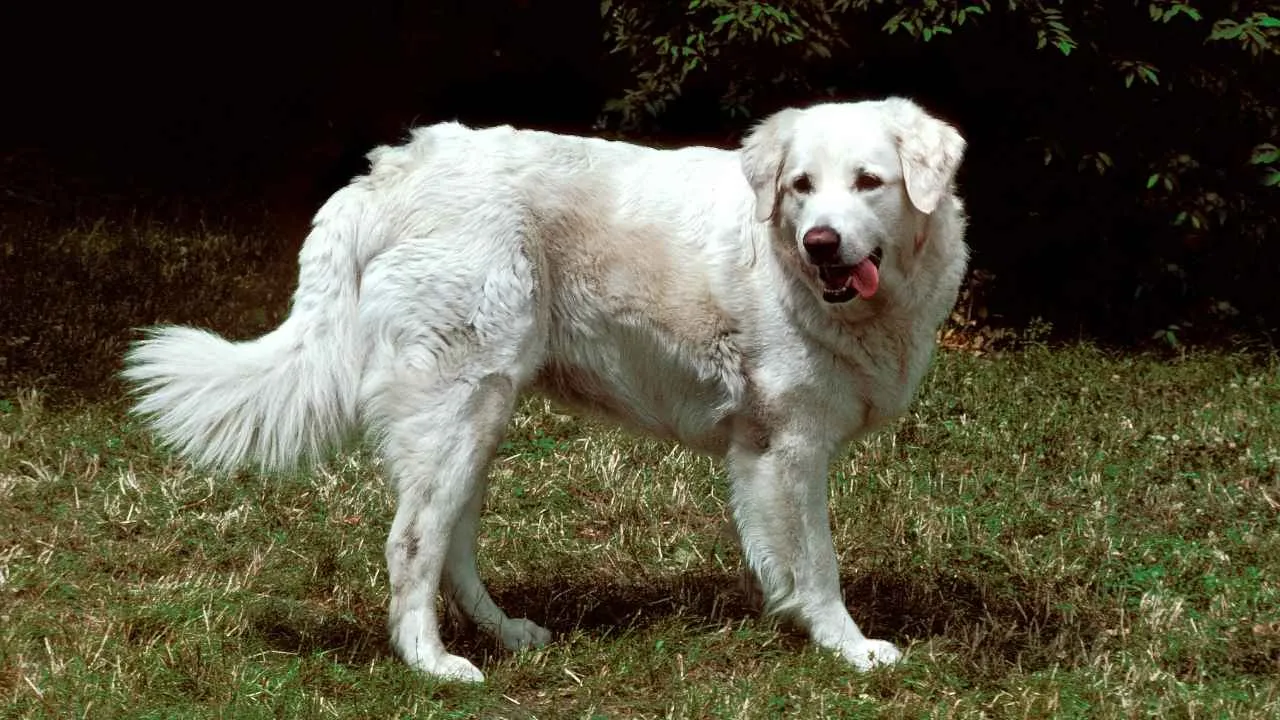
The Kuvasz is another Hungarian guardian breed, and it has that classic “white-coated protector” look—beautiful, powerful, and quietly intense.
Historically, Kuvaszok (plural of Kuvasz) were used to guard livestock and served as protectors in royal settings—this isn’t a breed bred to be passive. What that means today is that they’re loyal, intelligent, and protective—but they need guidance, training, and early socialization so those instincts become a strength rather than a liability.
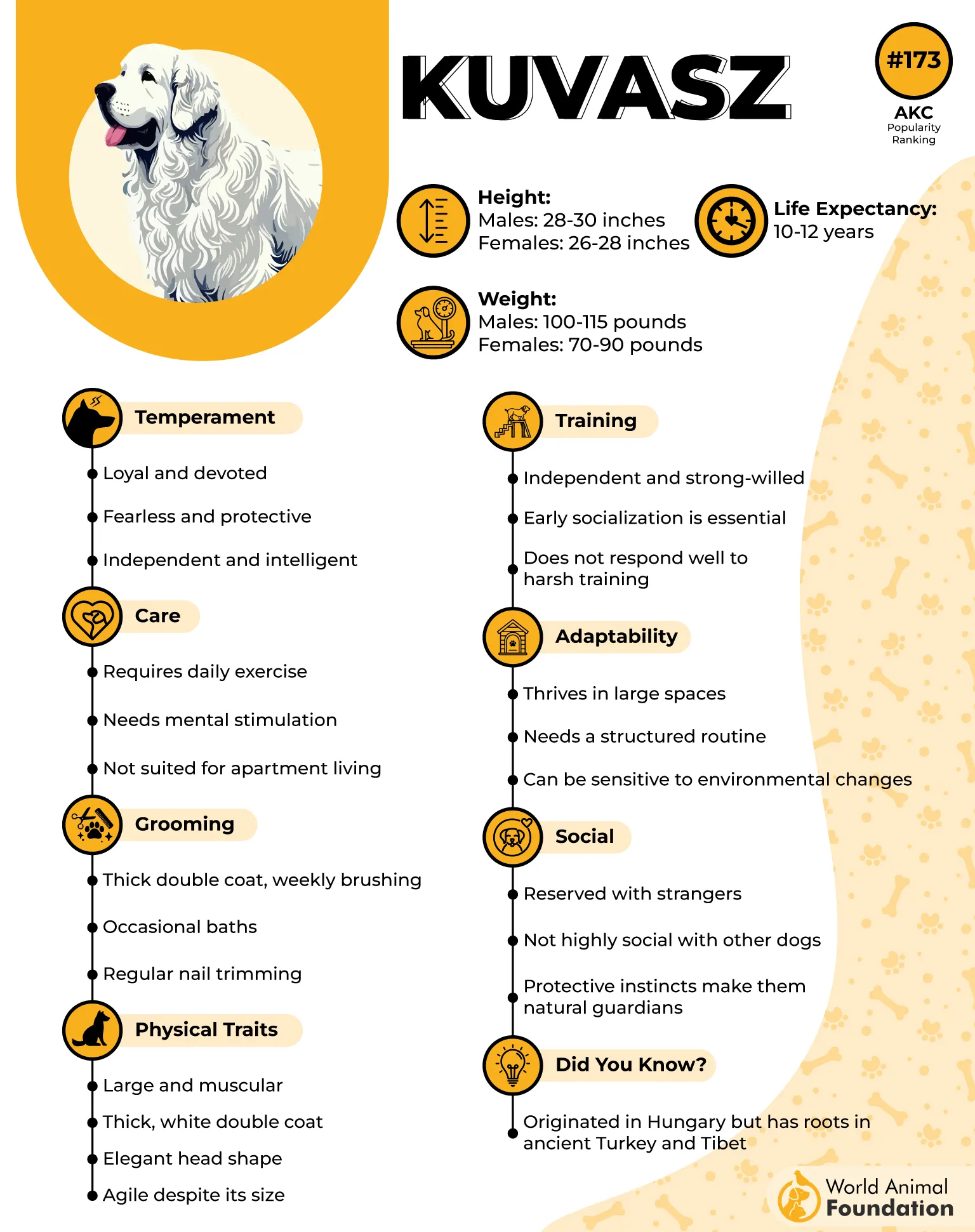
Daily life with this rare dog breed tends to be steady for the family members of active households. PetMD claims that they often bond strongly with their family and can be reserved with strangers. You may not get instant friendliness, but you do get deep trust over time. This is the dog who watches the room quietly, then chooses you with purpose.
However, they are better suited for experienced dog owners.
Care requirements are manageable, but not “set it and forget it.” Their thick white coat needs regular brushing to handle shedding and keep it clean. The good news: it’s not a corded-coat situation. The more important “maintenance” is behavioral—these dogs thrive when owners invest in training and structured exposure to the world.
Want an incredibly loyal giant dog that’s faithful to the bone, dignified, and protective without being chaotic? The Kuvasz is a hidden gem. But it’s a gem that needs polishing—meaning time, training, and respect for what the breed was built to do.
6. Neapolitan Mastiff
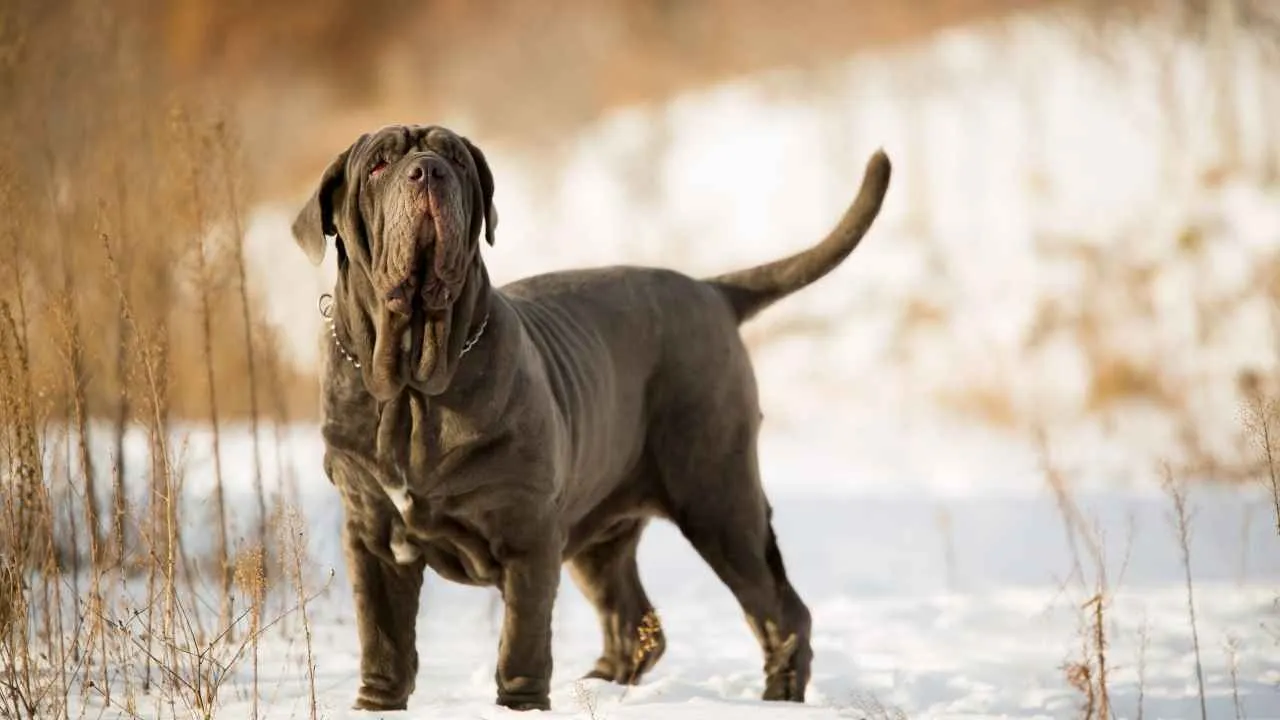
The Neapolitan Mastiff looks like a wrinkly fortress that gained sentience and decided to love you forever. This Italian giant is known for heavy bones, loose skin, and unmistakable drooping jowls.
Their temperament often blends protectiveness with deep devotion. When well socialized, Neos can be calm and affectionate with their family, while remaining appropriately suspicious of unfamiliar situations.
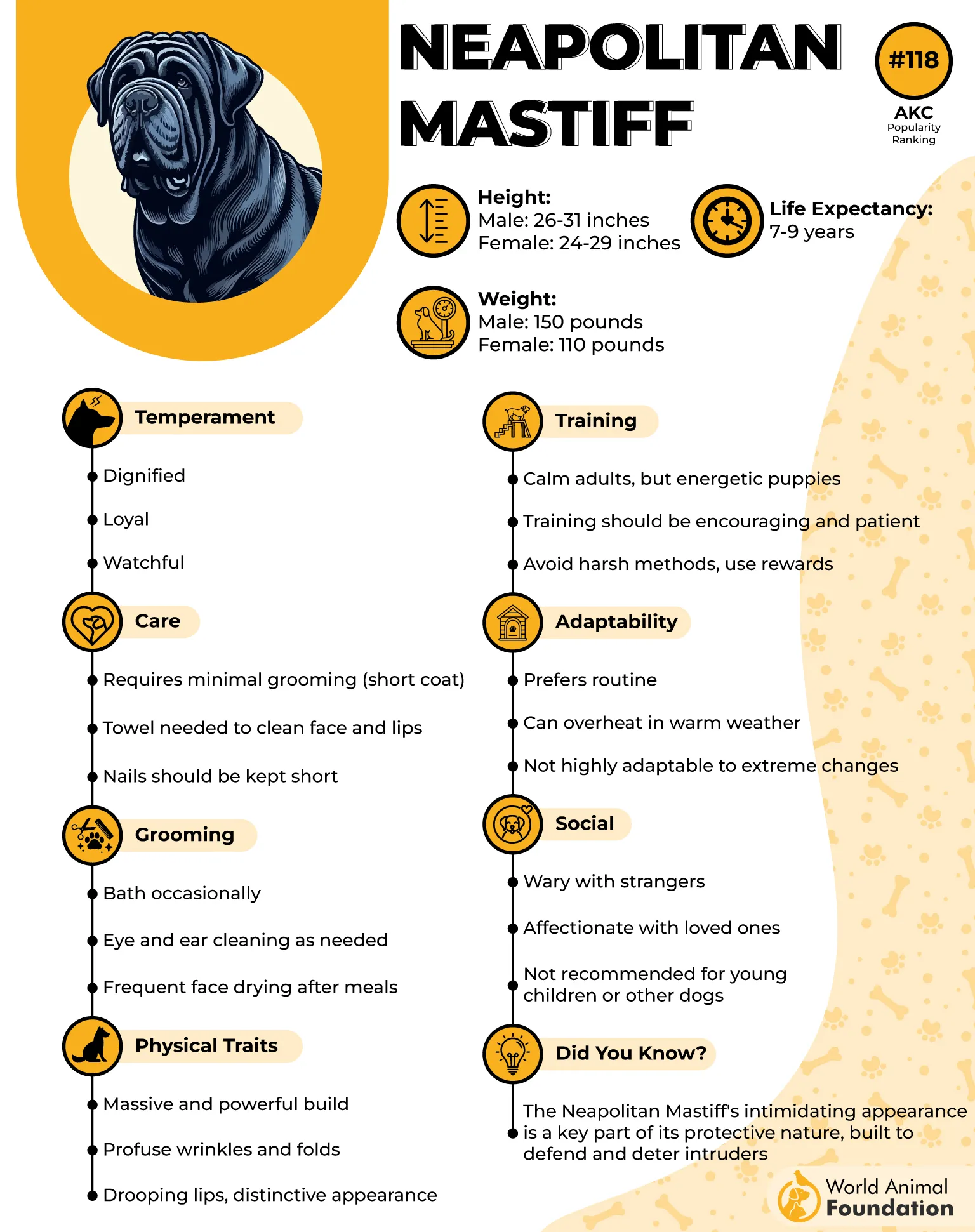
Grooming is easier than their dramatic appearance suggests. Their coat is short, so brushing is simple. The real “grooming” work is skin-fold care: keeping wrinkles clean and dry helps prevent irritation or infection. And yes, you will also be managing drool. Consider it a bonding activity. (And also consider keeping a towel within arm’s reach, always.)
They’re not usually endurance athletes; they’re more “short stroll, then guard the couch.” Still, they need regular exercise and mental stimulation to keep joints healthy, and minds settled—especially because a bored giant can become a creative problem-solver.
This extremely loyal and giant breed can face joint issues and a higher risk of bloat, and Neapolitan Mastiffs may also have considerations related to their structure and skin. This is a breed where thoughtful breeding, early vet partnerships, and smart weight management make a huge difference.
This powerful dog combines ancient-warrior energy with “secretly a lover.” Just be prepared: people will stop you constantly to ask what kind of dog you have—and your answer will sound like you’re naming a Roman gladiator.
7. Greater Swiss Mountain Dog
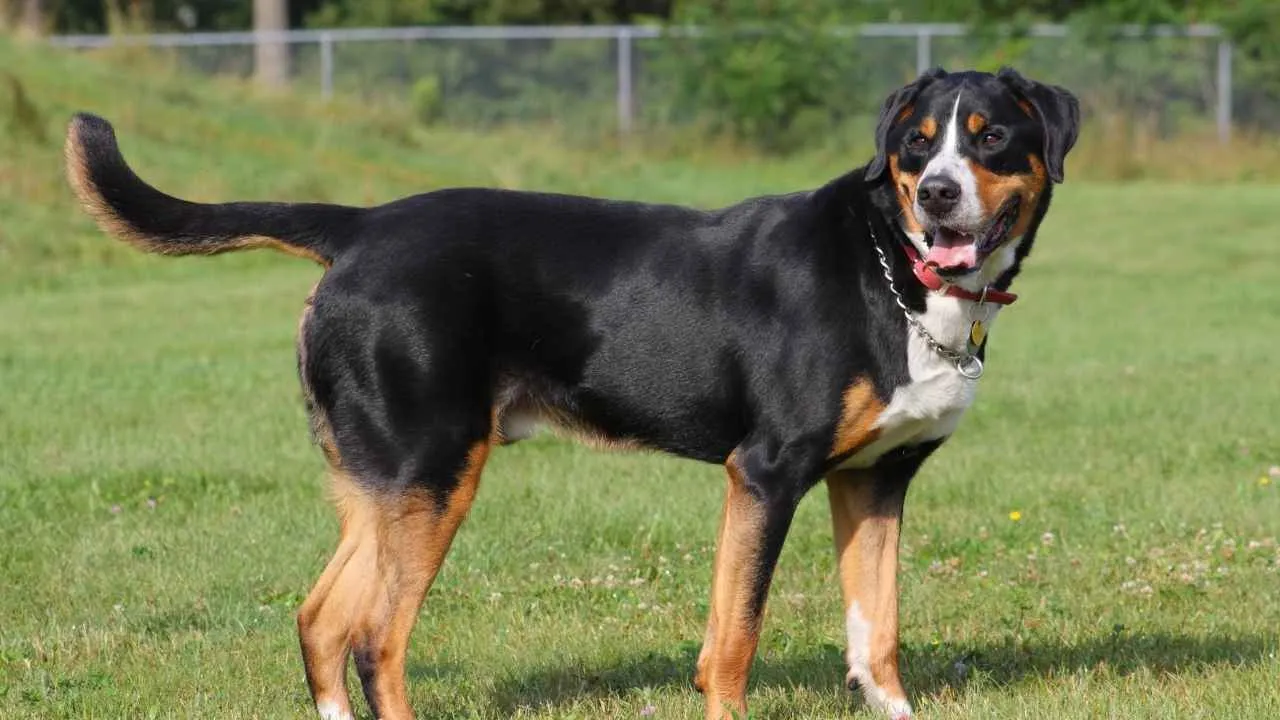
If reliability had four legs, it might be a Greater Swiss Mountain Dog—also known as the “Swissy.” Originally bred as working dogs, they are both dependable and faithful.
These herding dogs were built to work and protect livestock. Historically, Swissies earned their keep as herders, drafters, and all-around farm helpers. Drafting/carting is part of their heritage—pulling heavy carts from farms to market—so their strength isn’t just for show.
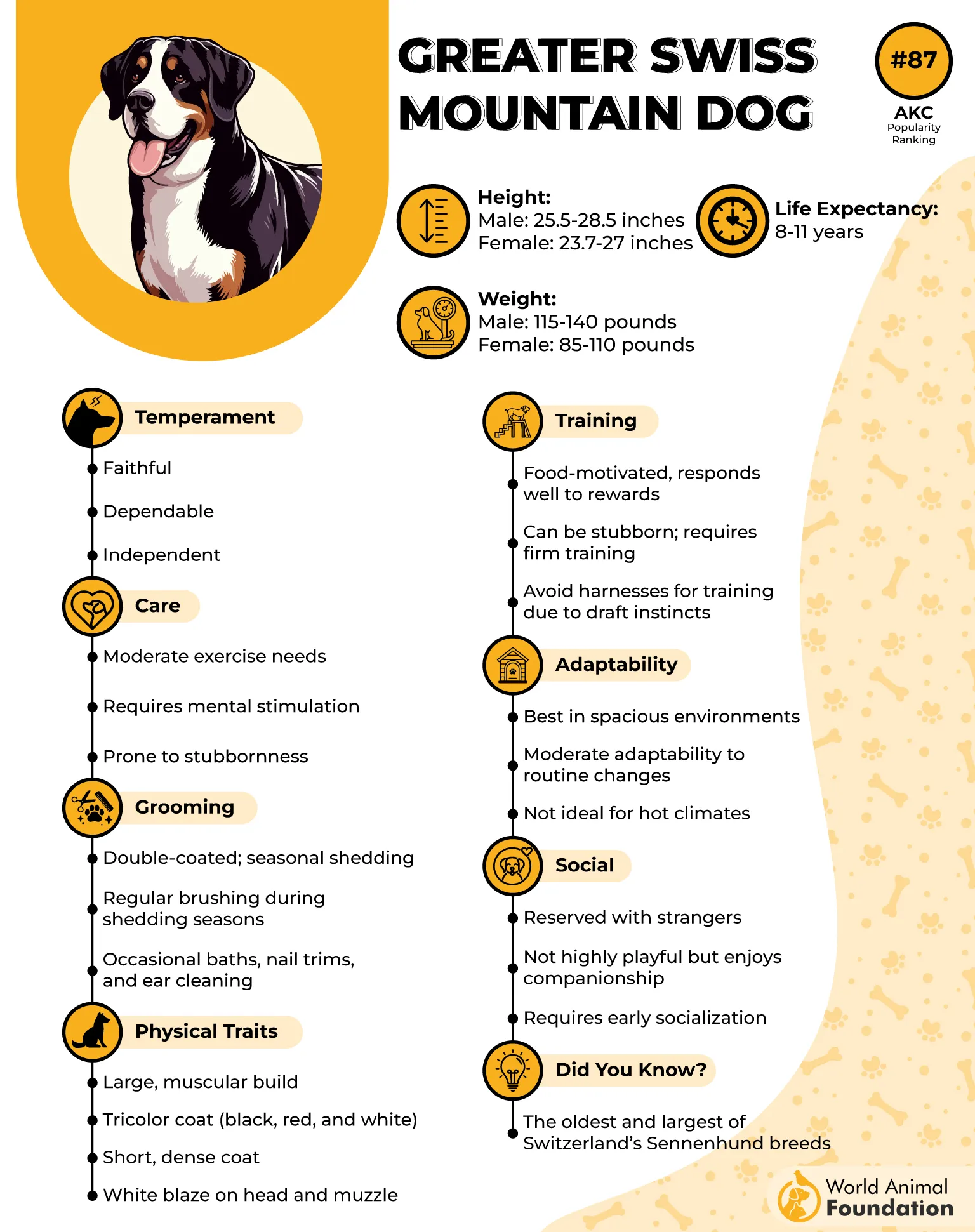
These high-energy companions often bring a balanced mix: confident, affectionate, and family-oriented, without being overly clingy. Many come with a friendly and outgoing nature, but not chaotic; eager to participate, but not usually frantic. They tend to do best when they have routine, training, and a sense that they’re part of the “team.”
Grooming is manageable. Their coat is dense and sheds, but it’s not a constant salon situation. Regular brushing helps keep hair under control, especially in shedding seasons. The bigger “maintenance” is exercise and training: these are strong dogs, and good manners aren’t optional when your dog can accidentally body-check a coffee table into another dimension.
Health considerations for large working breeds can include hip and elbow dysplasia and bloat risk, so it’s wise to choose reputable sources and practice preventive care.
Conclusion
Giant dogs have a way of making life feel bigger—in the best sense. These “hidden” breeds bring devotion, presence, and personality that’s hard to match, and each one offers a different flavor of loyalty: the Leonberger’s serene family warmth, the Deerhound’s gentle dignity, the Tibetan Mastiff’s steadfast guardianship, the Komondor’s ancient protector energy, the Kuvasz’s noble watchfulness, the Neo’s wrinkly devotion, and the Swissy’s dependable workhorse heart.
One last friendly reality check: giant breeds are fiercely loyal—but they’re not “big dogs on easy mode.” They need space planning, training, and health-aware ownership. When you match the breed to your lifestyle (and respect what the breed was created to do), you don’t just get a pet—you get a partner.
