




Some dogs look like an aerodynamic engineer designed them—and honestly, they kind of were. Long, pronounced snouts (often paired with narrow skulls) are common in many “dolichocephalic” breeds, especially sighthounds built to spot motion and chase fast prey.
Scientists have also documented that dog head shapes vary dramatically across breeds and are strongly influenced by selective breeding.
A longer muzzle isn’t just a style choice—it can connect to what the dog was bred to do: sprint, scent, clamp, carry, or look elegant while doing absolutely nothing on your sofa.
Below are seven breeds with famously interesting snouts, plus the real-world traits that come with them—speed, temperament, quirks, and care needs.
Dog Breeds With Pronounced, Interesting Snouts
1. Saluki
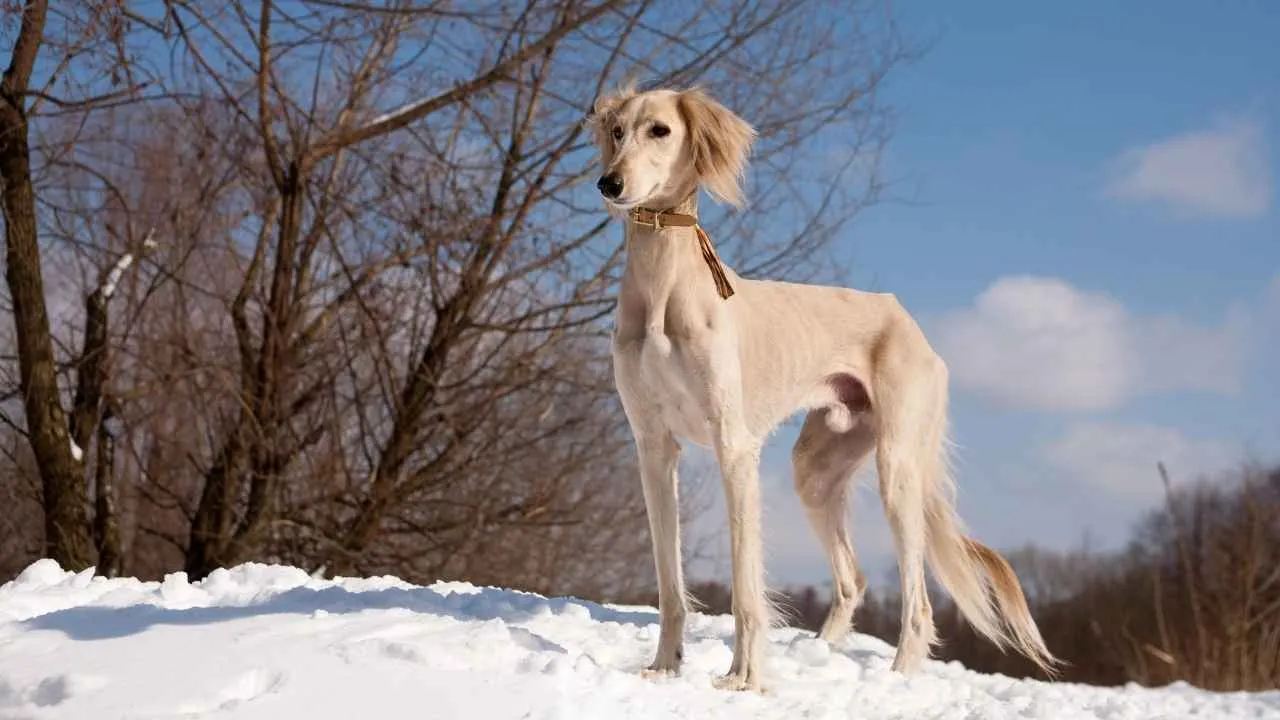
The Saluki is basically the supermodel of ancient hunting dogs: tall, fine-boned, and built to float over the ground. The American Kennel Club calls it the “royal dog of Egypt” and notes that historians have identified the breed as a distinct type as far back as 329 BC, tied to elite hunting traditions.
That long, narrow muzzle pairs with keen sight and a deep chest—classic sighthound engineering. They have historically chased and tracked gazelles, one of the fastest antelopes, to bring them down.
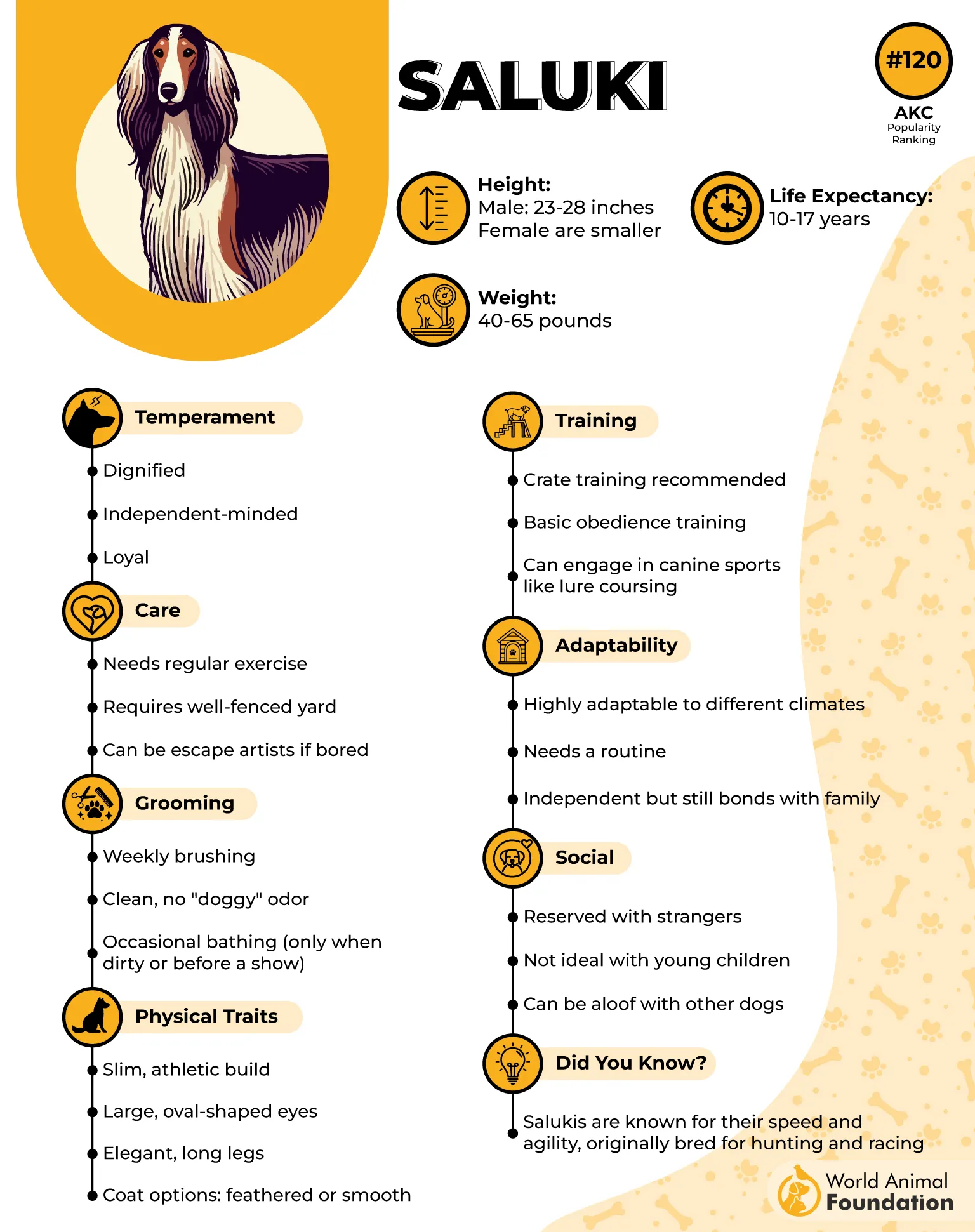
They have been described as capable of reaching speeds up to 43 mph, which is wild for an animal that also looks like it’s always late for an art gallery opening. Their speed comes with a strong prey drive, so “off-leash in an unfenced area” is usually a no-thank-you.
This is one of the oldest dog breeds on the list, thanks to its ancient origin! These dogs are quiet, gentle, and a bit reserved at home —more “polite roommate” than “golden retriever party host.” They typically need substantial daily exercise (think real running, not just a quick sidewalk loop), and a secure area is a big plus for safely stretching those long legs.
At the dog park, you’ll see it being all fun and enthusiastic! At home, give them interactive toys and see the joy on the face.
2. Whippet
Whippets are the “small greyhound” vibe: sleek, long-snouted, and shockingly fast—then instantly sleepy. Their muzzle is narrow and refined, and the whole head looks as if it were shaped for slicing through the air, which makes sense for a breed created for speed sports like coursing.
Breed standards highlight their height range: dogs 19–22 inches and bitches 18–21 inches at the withers. That height sits in a sweet spot where they’re athletic without being gigantic, which is part of why they fit so nicely into many homes.
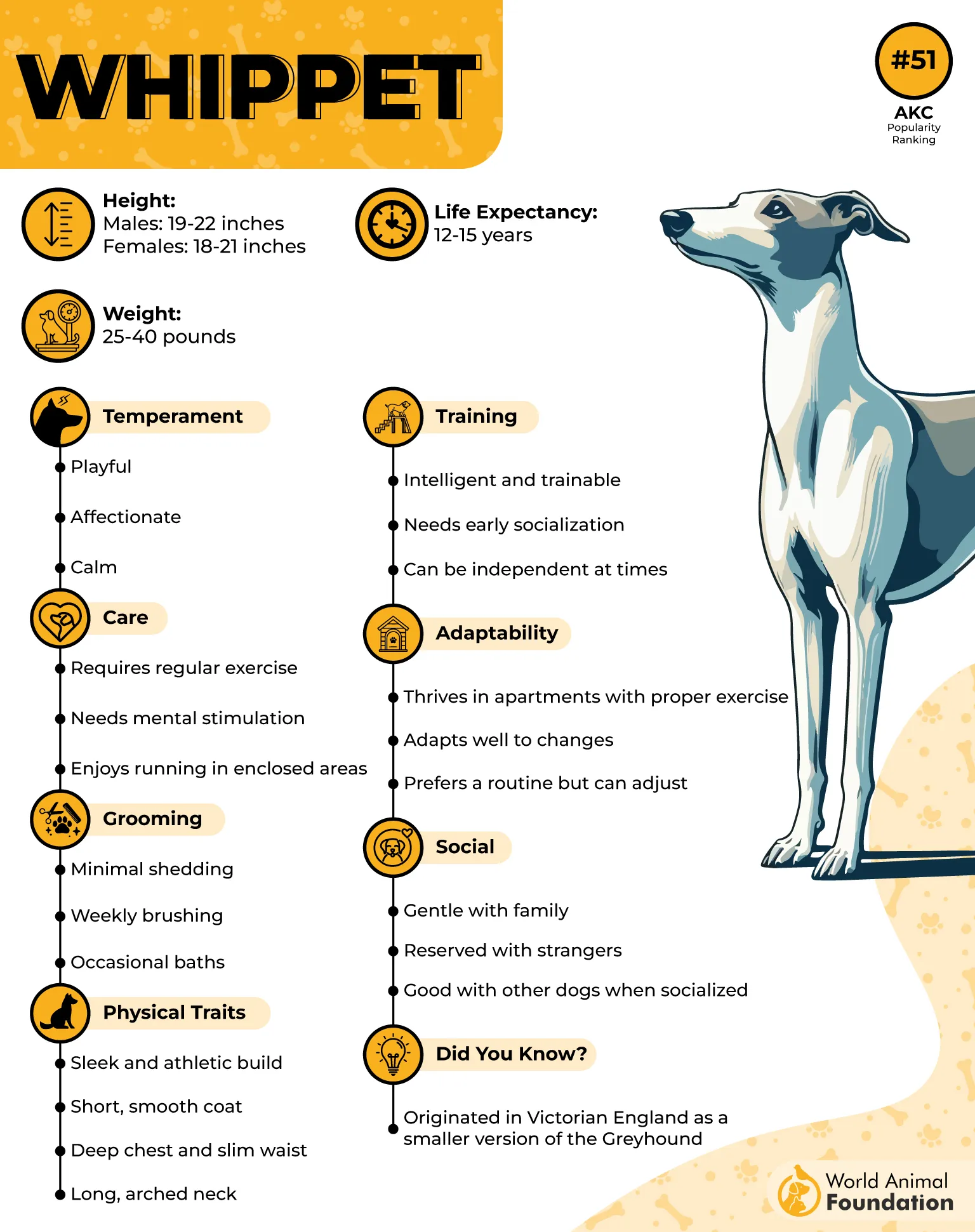
The Royal Kennel Club mentions that these canine companions have famously “switchable” energy: outside, they can sprint like a missile, but indoors, many are calm and content to lounge. That long snout and sighthound wiring still mean they can be enthusiastic chasers, so recall training and safe running spaces matter.
They’re often described as sensitive dogs, which usually means training works best when it’s upbeat, consistent, and not heavy-handed. If you want a long-nosed dog that can be sporty and polite in the house, Whippets are one of the best “two-modes” breeds you’ll ever meet.
Coat care is refreshingly simple: short hair, quick brushing, and you’re done—no dramatic grooming saga required. The bigger “maintenance” is giving them the chance to run safely, because a Whippet without an outlet becomes a tiny, elegant stress machine.
3. Dachshund
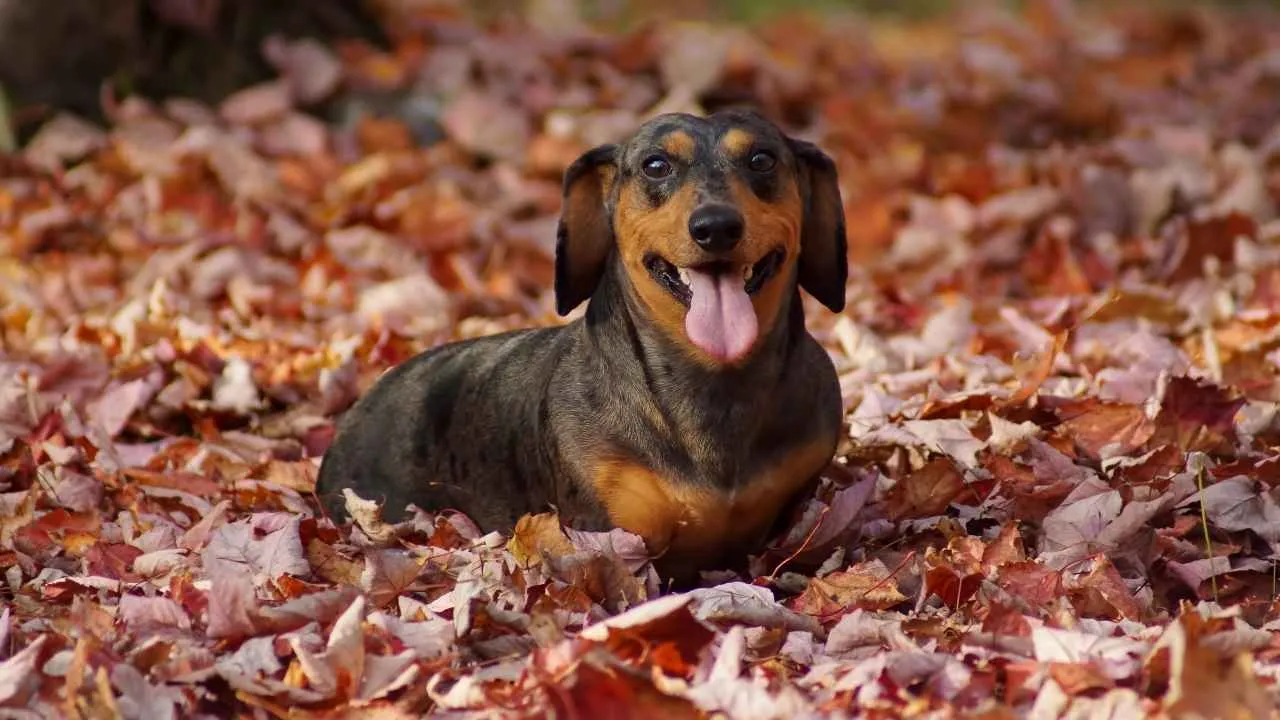
The Dachshund’s snout is a different kind of fascinating: long, forward-pointing, and paired with a famously elongated body. That muzzle wasn’t designed for open-field sprinting—it was built for hunting work, helping them follow scent and confront quarry in tight spaces.
Their long nose is part of why they’re so good at “sniffing with intent.” They tend to investigate everything like it personally offended them, and that’s part of the charm—your apartment becomes a detective novel.
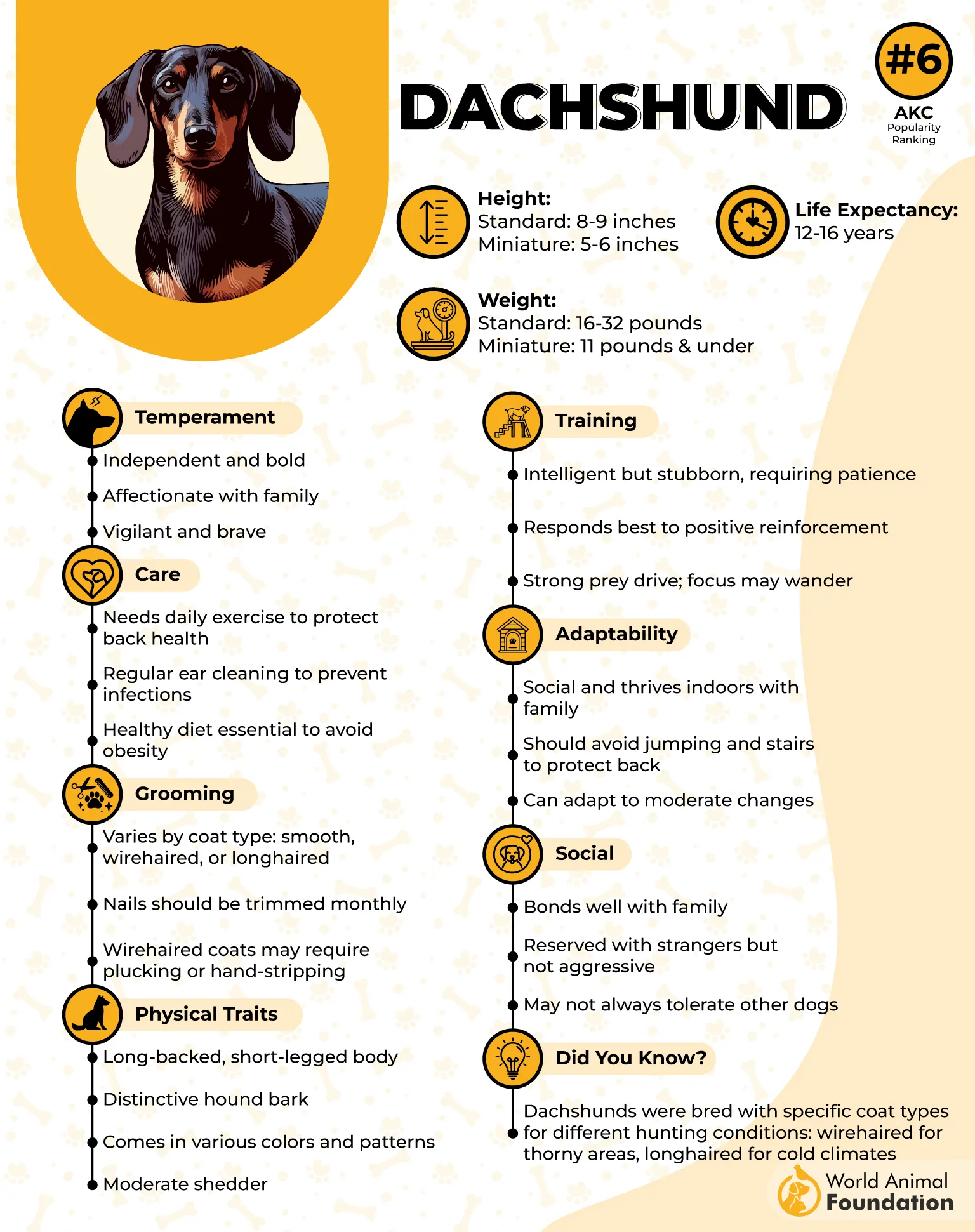
But the breed’s iconic shape comes with real health considerations. Research on Dachshunds notes that the breed has a much higher risk than other breeds, with estimates that 19–24% may show clinical signs during their lifetime (depending on population and study design).
That doesn’t mean “don’t get a Dachshund,” it means “own smart.” Managing body weight, discouraging repeated high jumps (especially off furniture), using ramps where helpful, and keeping them strong through appropriate exercise can make a meaningful difference for long-term comfort.
Coat type changes the grooming story: smooth coats are easy, longhaired needs more brushing, and wirehaired often benefits from more structured grooming. No matter the coat, PDSA says the personality is usually the same: brave, funny, and extremely convinced they’re in charge of the household.
4. Doberman Pinscher
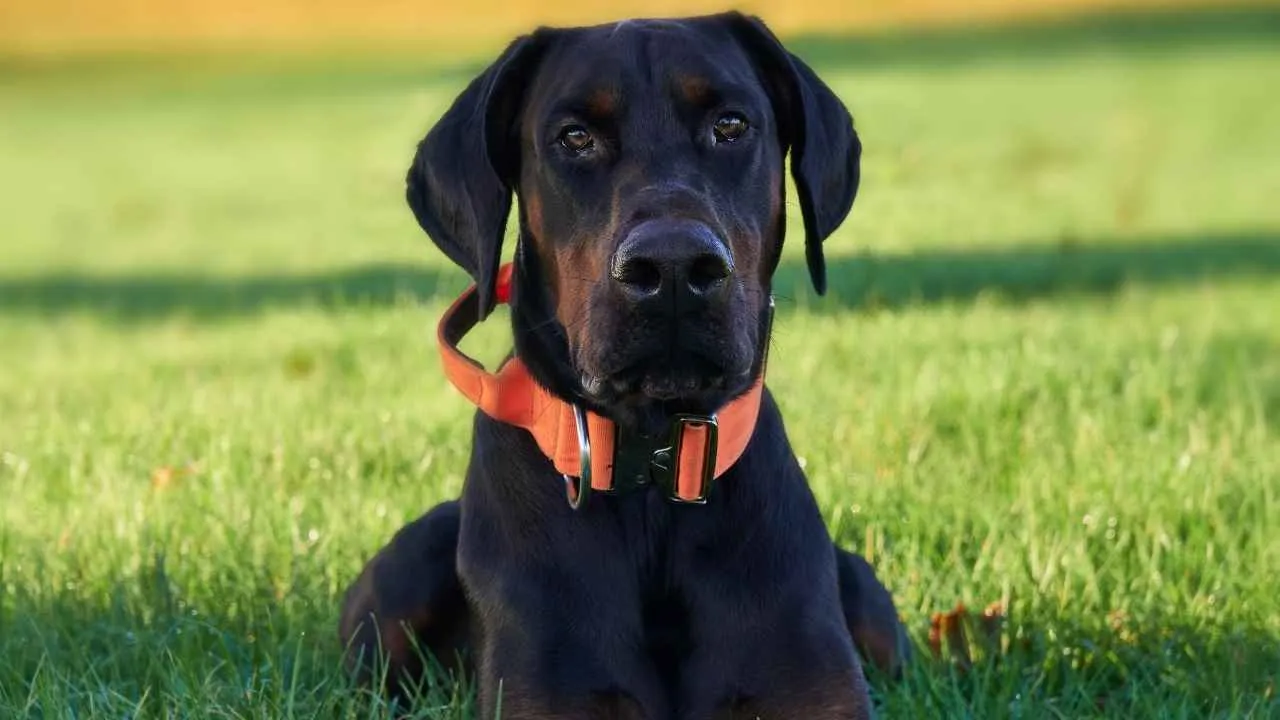
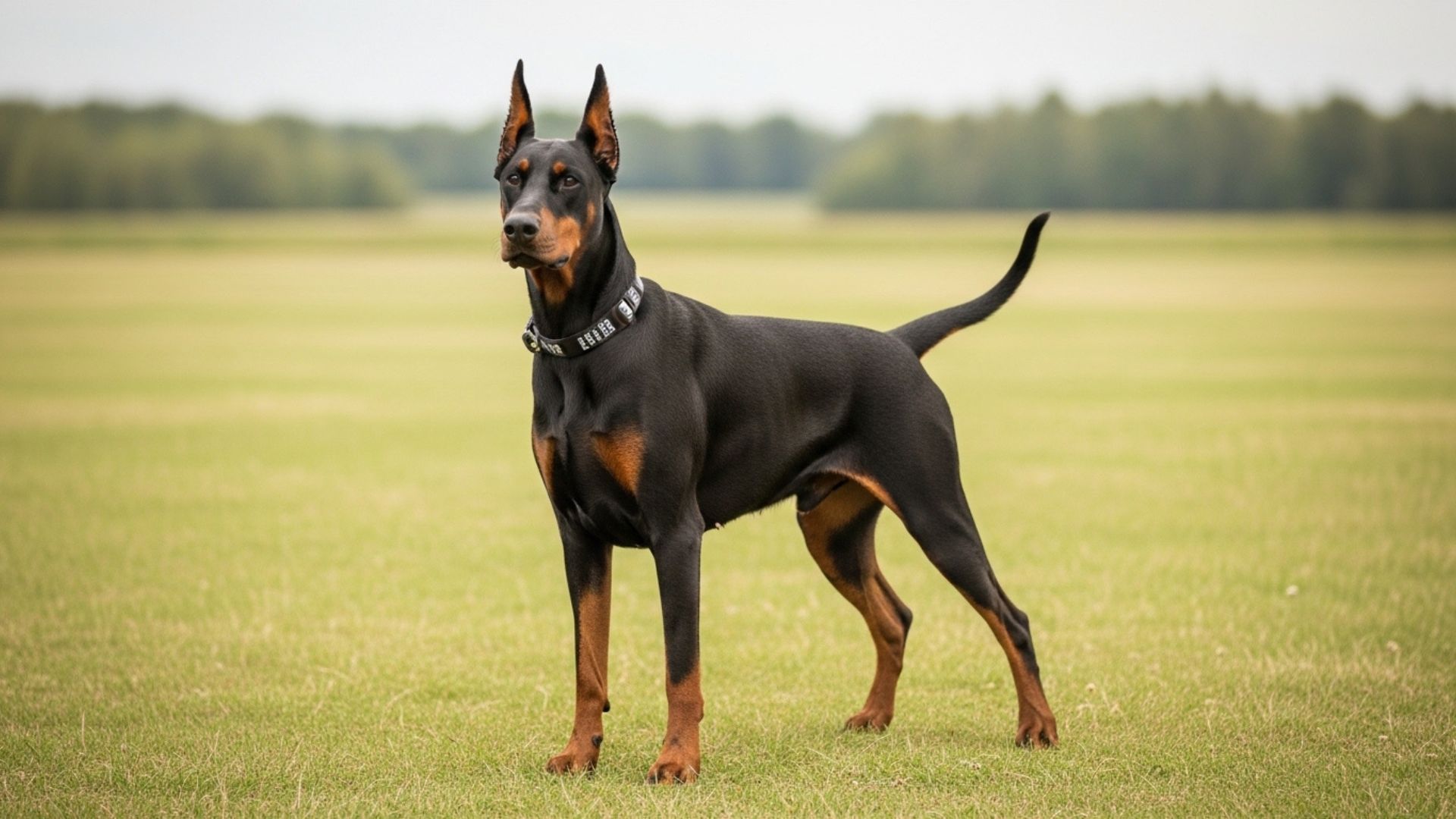
The Doberman’s muzzle is long, clean, and wedge-like—built for a powerful bite, serious athleticism, and that unmistakable “I’m watching everything” silhouette. Breed standards emphasize a dog that is compact, muscular, square-built, and capable of endurance and speed.
That longer head profile isn’t just aesthetics; it’s part of what makes it look so precise and “engineered.” Combined with a strong neck and an alert expression, the overall look signals readiness, which is exactly what the breed was historically developed for as a protection and working dog.
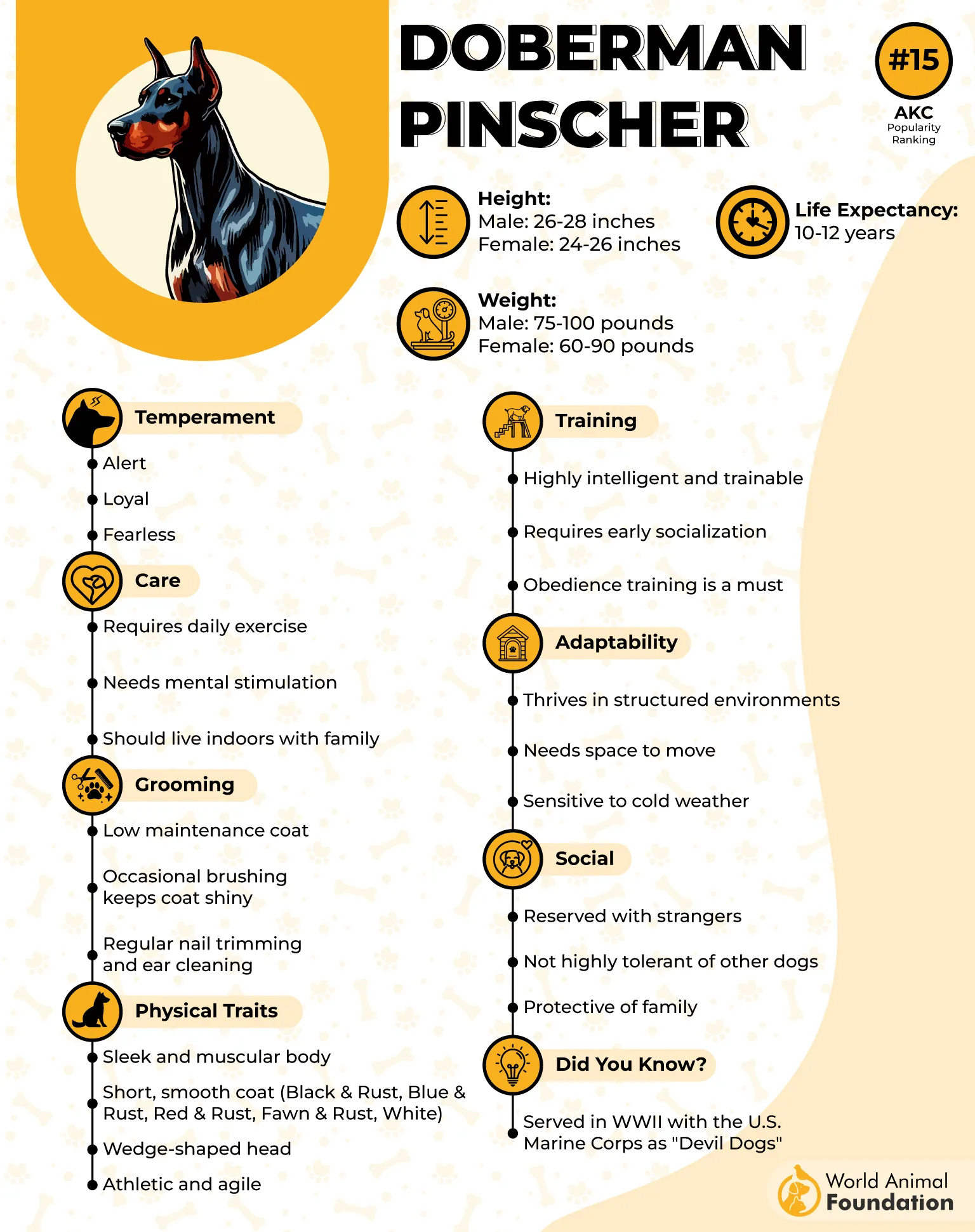
Compared to other dogs, they are often intensely people-focused when well-bred and well-trained. They tend to thrive when given structure, meaningful training, and daily exercise that challenges both body and brain—think obedience, scent games, agility foundations, and long purposeful walks.
Because they’re smart and responsive, they’re also incredibly shaped by your handling. Consistent training creates a steady, reliable dog; inconsistent rules often produce a confused dog with opinions.
Puzzle toys and long walks are excellent tools for keeping a Doberman Pinscher mentally sharp and physically balanced. They are highly intelligent working dogs with strong problem-solving ability. Without mental stimulation, they can become bored, restless, or even destructive.
5. Borzoi
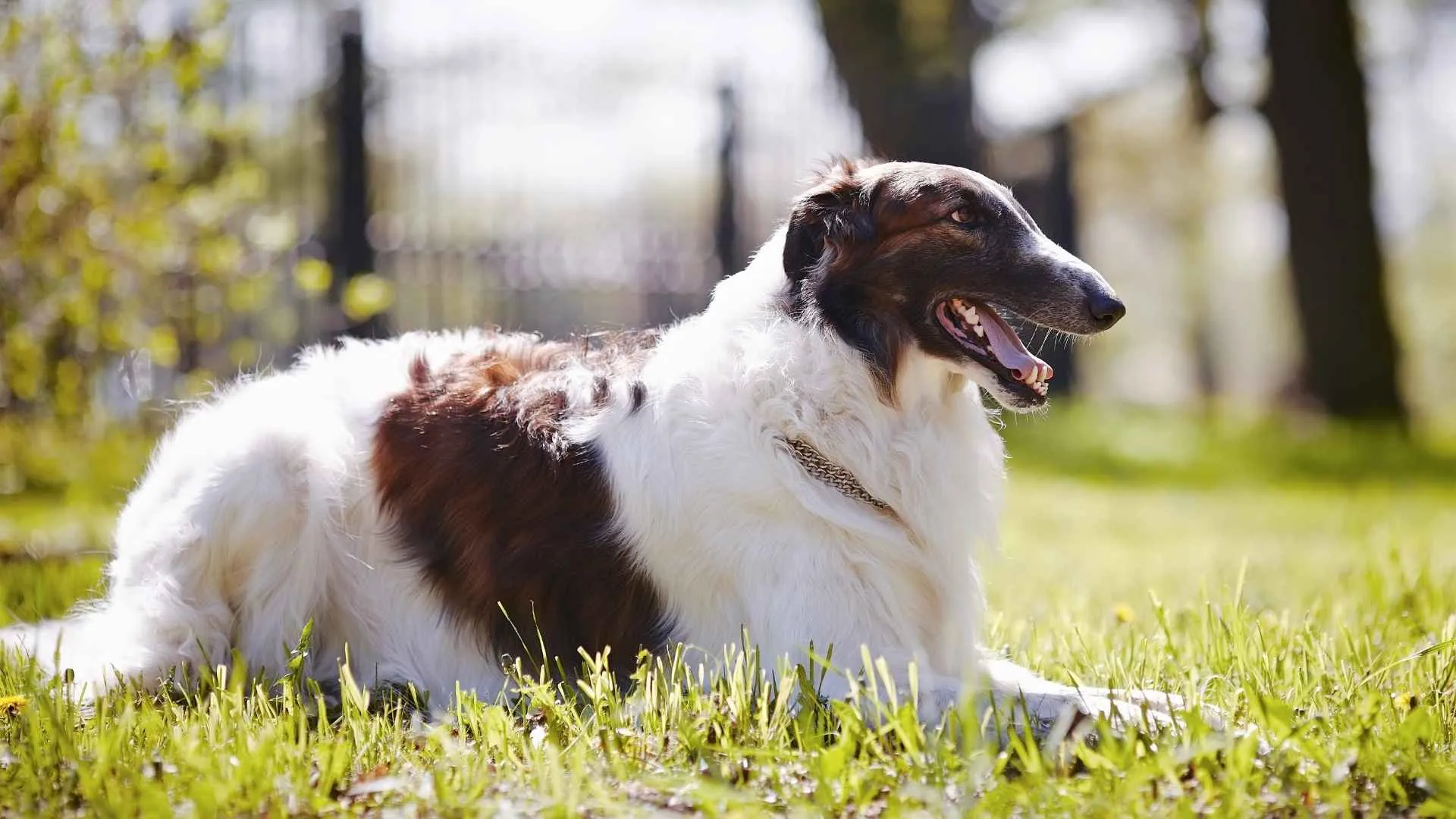
Borzoi snouts are practically sculptures—long, narrow, and aristocratic, matched with a graceful, flowing outline. The head shape contributes to the breed’s signature look: elegant and slightly otherworldly, like a dog designed for a fantasy novel cover.
They are tied to Russian coursing traditions, and you can see “speed + sight” written all over their body. Their long muzzle and streamlined skull help support the classic sighthound toolkit: track with eyes, chase with legs, and cover ground with huge strides.
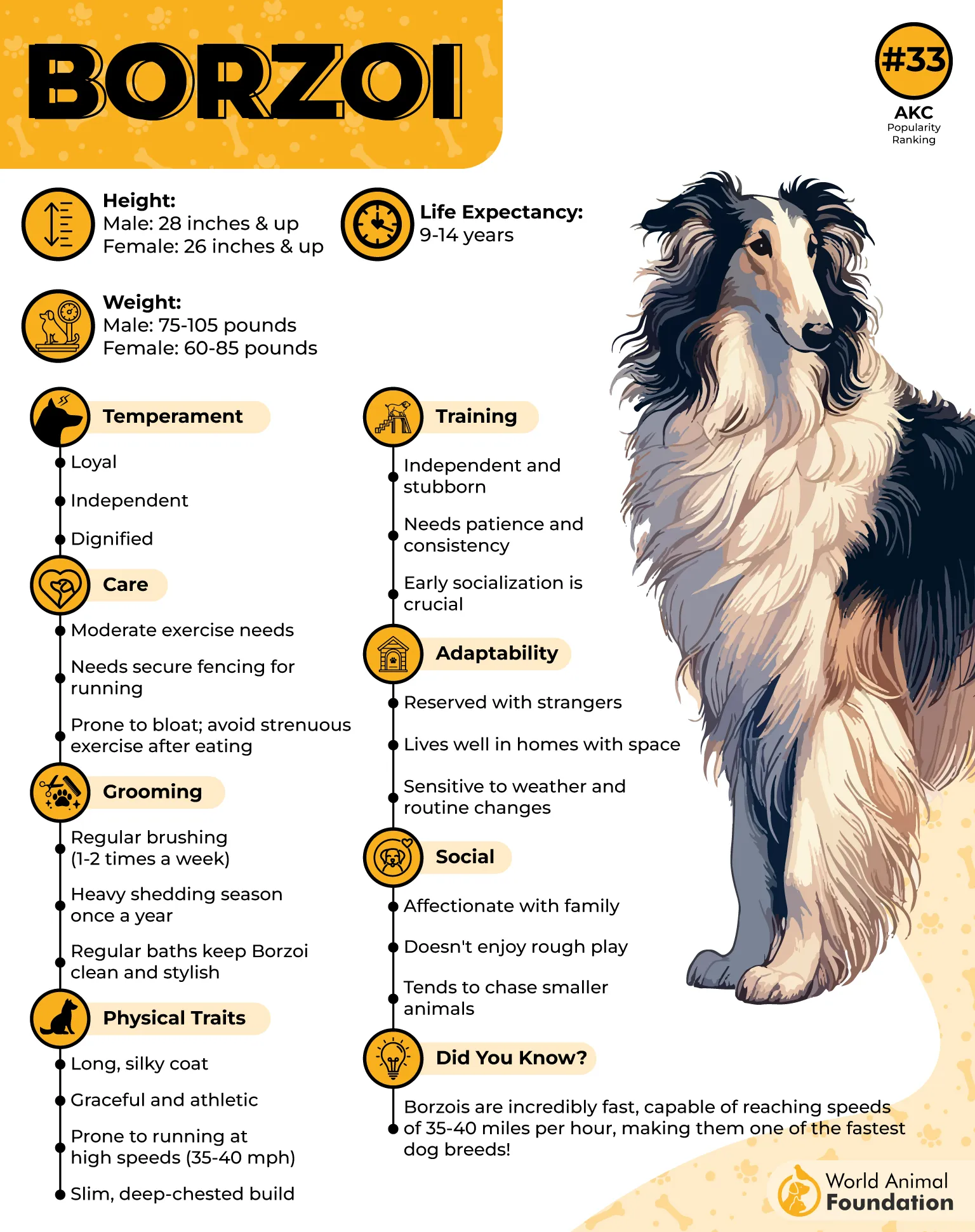
They’re often calm indoors—many Borzoi are surprisingly peaceful house companions once their exercise needs are met. Outside, though, the chase instinct can flip on instantly, so safe areas and leash habits are a must unless you’ve got truly reliable recall and the right environment.
They’re not “robot obedience” dogs; they’re more like polite freelancers who’ll cooperate if the request makes sense and the reward is worth it.
Chewy mentions that regular brushing helps avoid mats and keeps shedding under control. For pet parents who want a dog that feels calm and regal at home but still carries that ancient “runner” wiring, the Borzoi is a beautiful example.
6. Pharaoh Hound
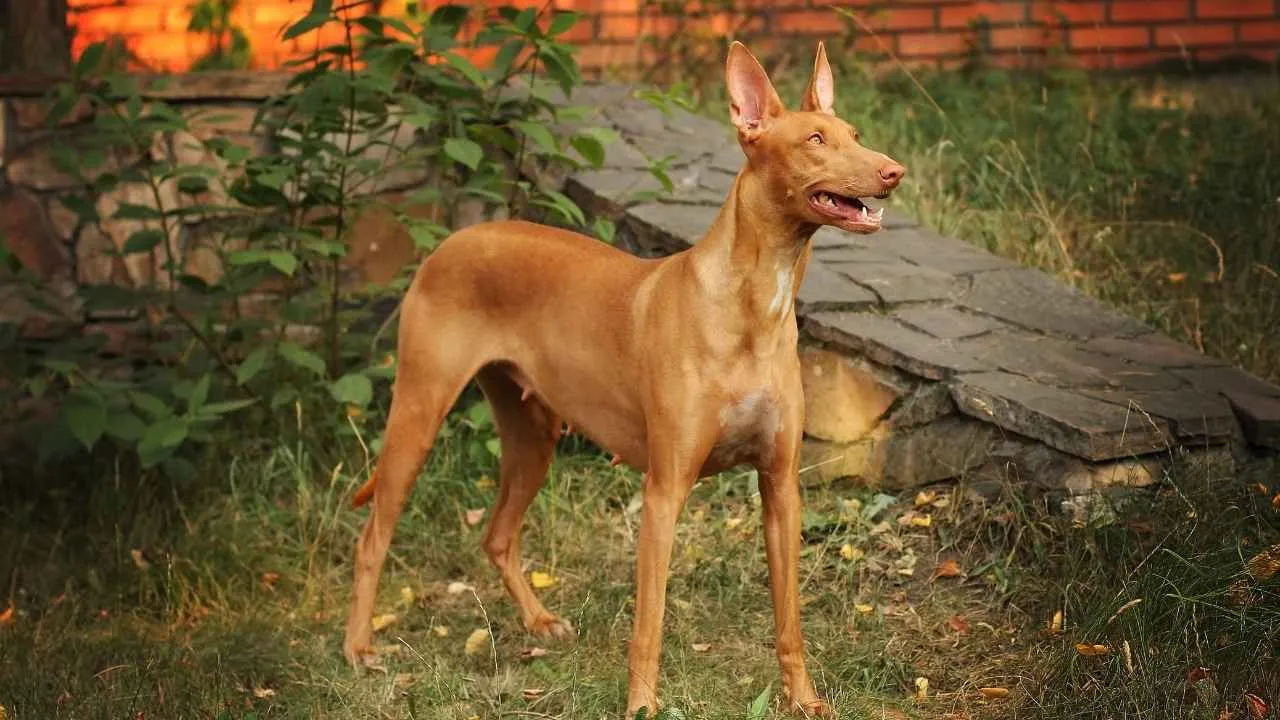
The Pharaoh Hound has a long, clean muzzle and huge pointy ears that scream, “I heard that snack bag from three rooms away.” They’re famously nicknamed the “Blushing Dog of Malta,” because they can show a rosy flush on their ears and nose when excited.
These hounds were originally bred for rabbit-hunting traditions in Malta, and their long snouts pair with athletic bodies built for quick acceleration. In terms of numbers, they are commonly described as standing 21–25 inches tall and weighing 45–55 pounds, with a typical lifespan of 12–14 years.
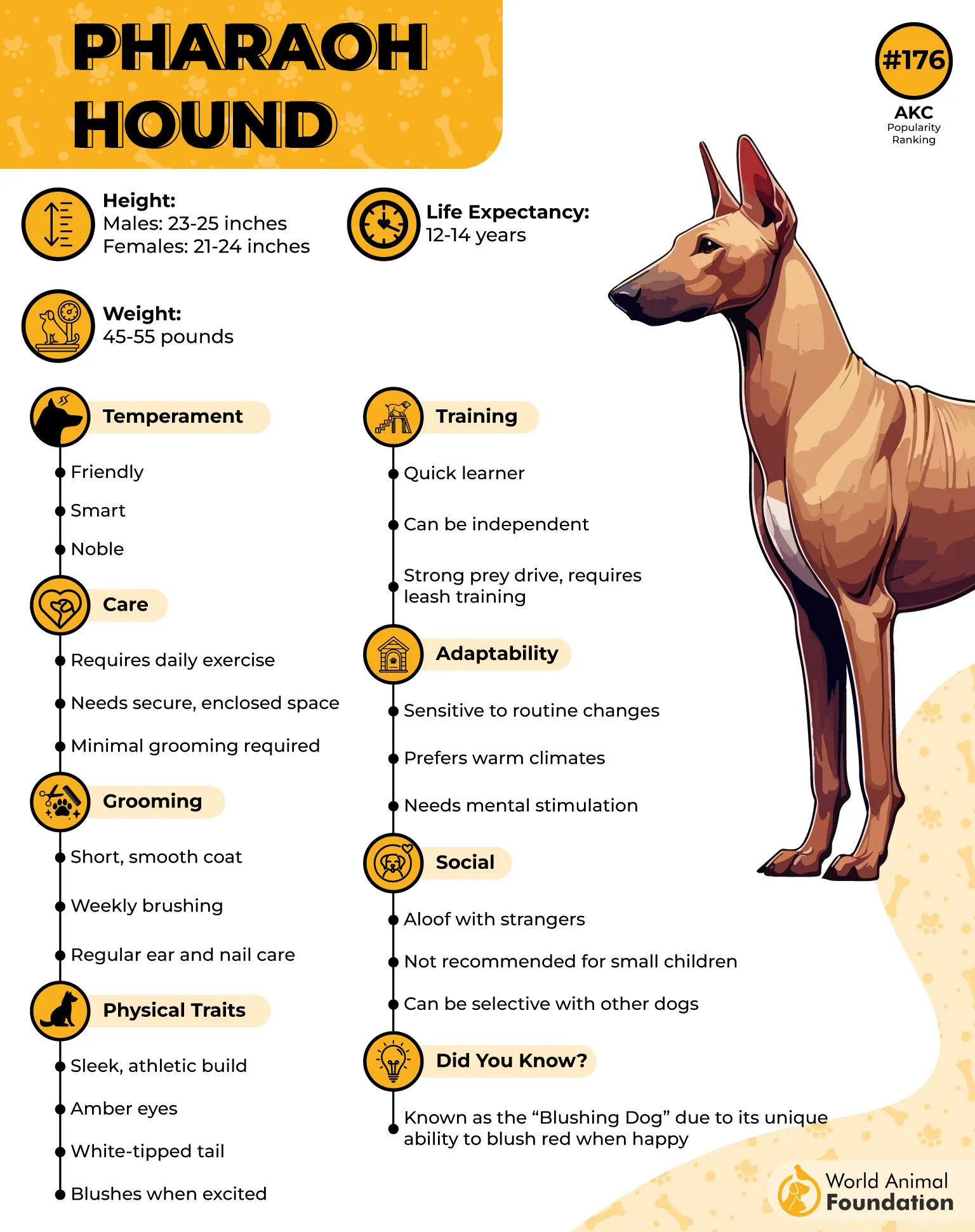
They’re energetic and enjoy real activity—running, lure coursing, and dog sports are their happy place. Training tends to go best when sessions are short, positive, and clever, because they’re intelligent yet allow for independent repetition of drills.
Compared to other lazy pets, Purina says these are affectionate and playful, especially when families include them in daily life rather than treating them like yard ornaments. Because of prey drive, small animals can trigger chase mode, so early training and sensible management are key.
What makes them a popular breed is the ease with which you can manage their short coats. BUT, weather comfort matters: these sleek dogs can be sensitive to cold. Translation: they may love a winter walk, but they’ll also appreciate a warm coat and a heated nap location afterward.
7. Greyhound
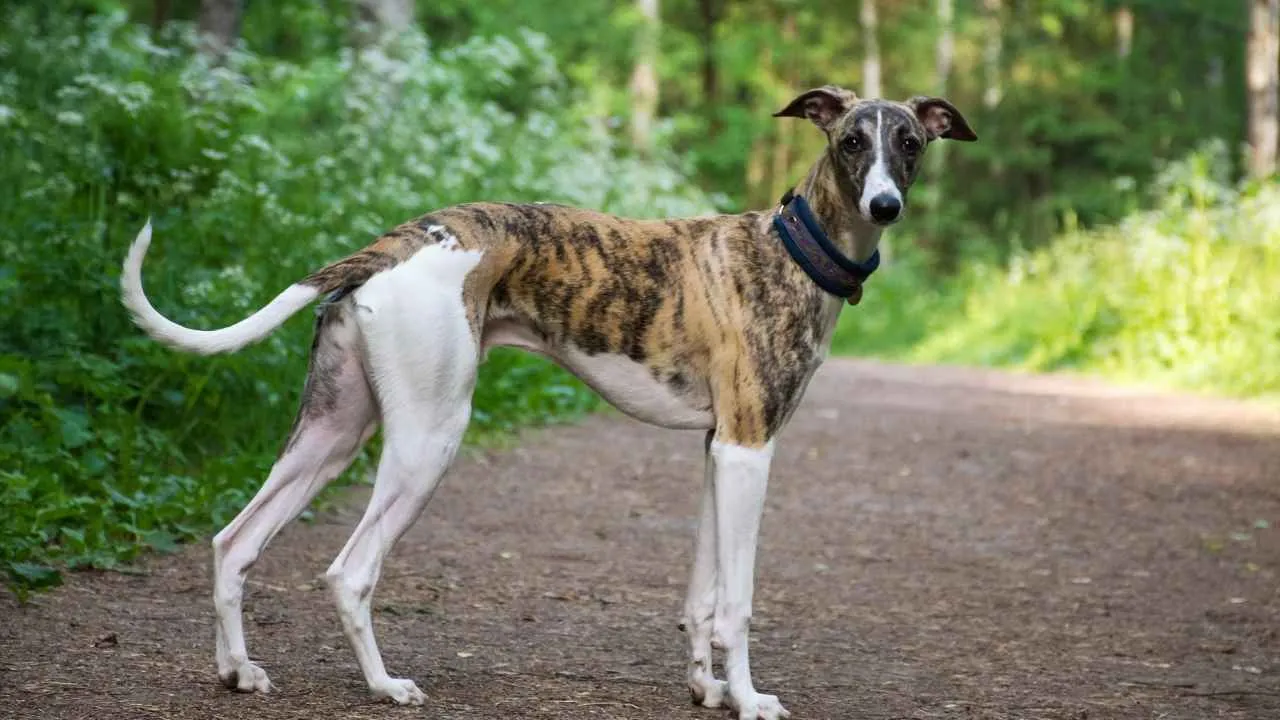
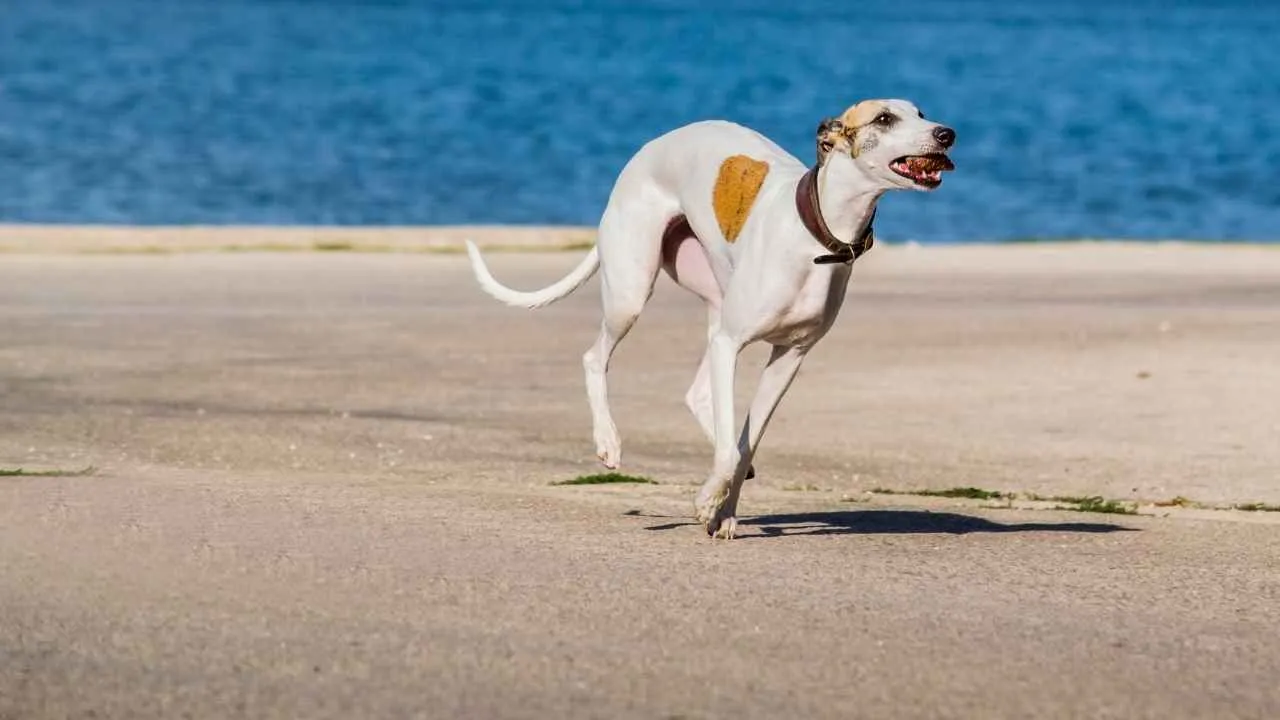
Greyhounds are the headline act of long-snouted speed: slim head, long muzzle, deep chest, and legs that look like they were borrowed from a gazelle. Britannica calls the Greyhound “the fastest of dog breeds” and notes speeds of about 45 miles per hour.
Despite that track-star reputation, they are famously calm in the house. Plenty of them are “45 mph for 45 seconds, then nap for 45 hours” types—still needing daily walks, but not always demanding nonstop exercise.
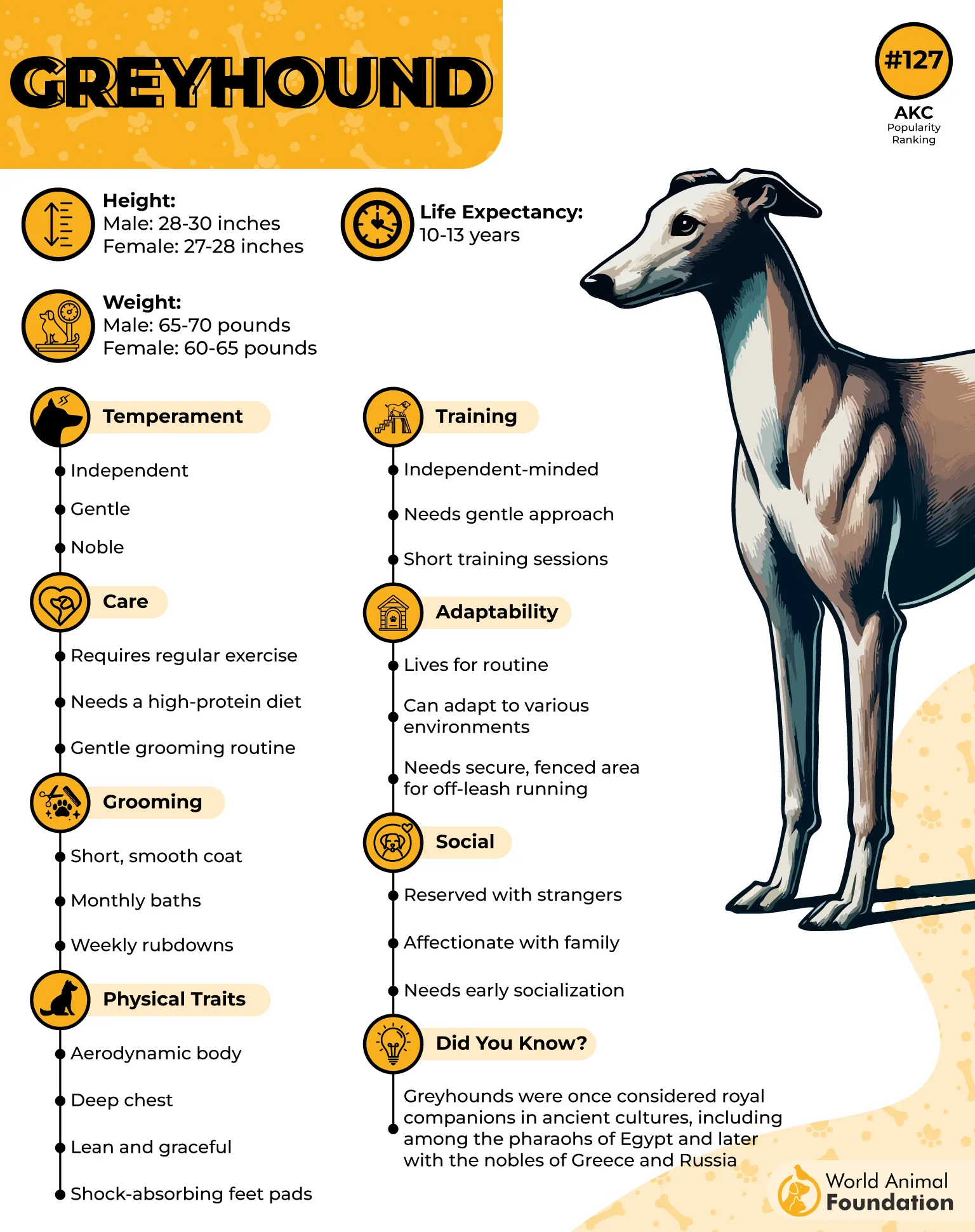
Their long muzzle and sighthound nature mean they’re often visually oriented and can be triggered by fast movement (squirrels, rabbits, bikes). Safe exercise setups—secure fenced areas, long lines, or structured sports like lure coursing—help you enjoy their athleticism without chaos.
These dogs have very low body fat percentages, often significantly lower than most other breeds. This is part of what makes them elite sprinters, but it also means they:
Feel cold easily
Prefer soft bedding
May need coats in cooler weather
Their lean build is normal and healthy for the breed — what looks “too skinny” to some people is actually typical.
They are also a classic example of how form follows function. The long nose isn’t just pretty; it completes an aerodynamic head and jaw structure that complements a body built for sprinting, with an “S-shaped” outline and powerful rear drive.
Conclusion
Long snouts aren’t just a look—they’re a clue.
Salukis, Whippets, Borzoi, Pharaoh Hounds, and Greyhounds often share a sighthound blueprint built for speed and visual tracking. At the same time, Dachshunds and Dobermans showcase how a pronounced muzzle can support very different jobs—scent-driven hunting versus high-performance working roles.
And across the wider science of dogs, researchers have shown that skull shape diversity is deeply tied to selective breeding and the functions people shaped dogs to perform.
So the next time you notice a long-snouted dog, remember—you’re looking at centuries of purpose, performance, and canine evolution in action.
