




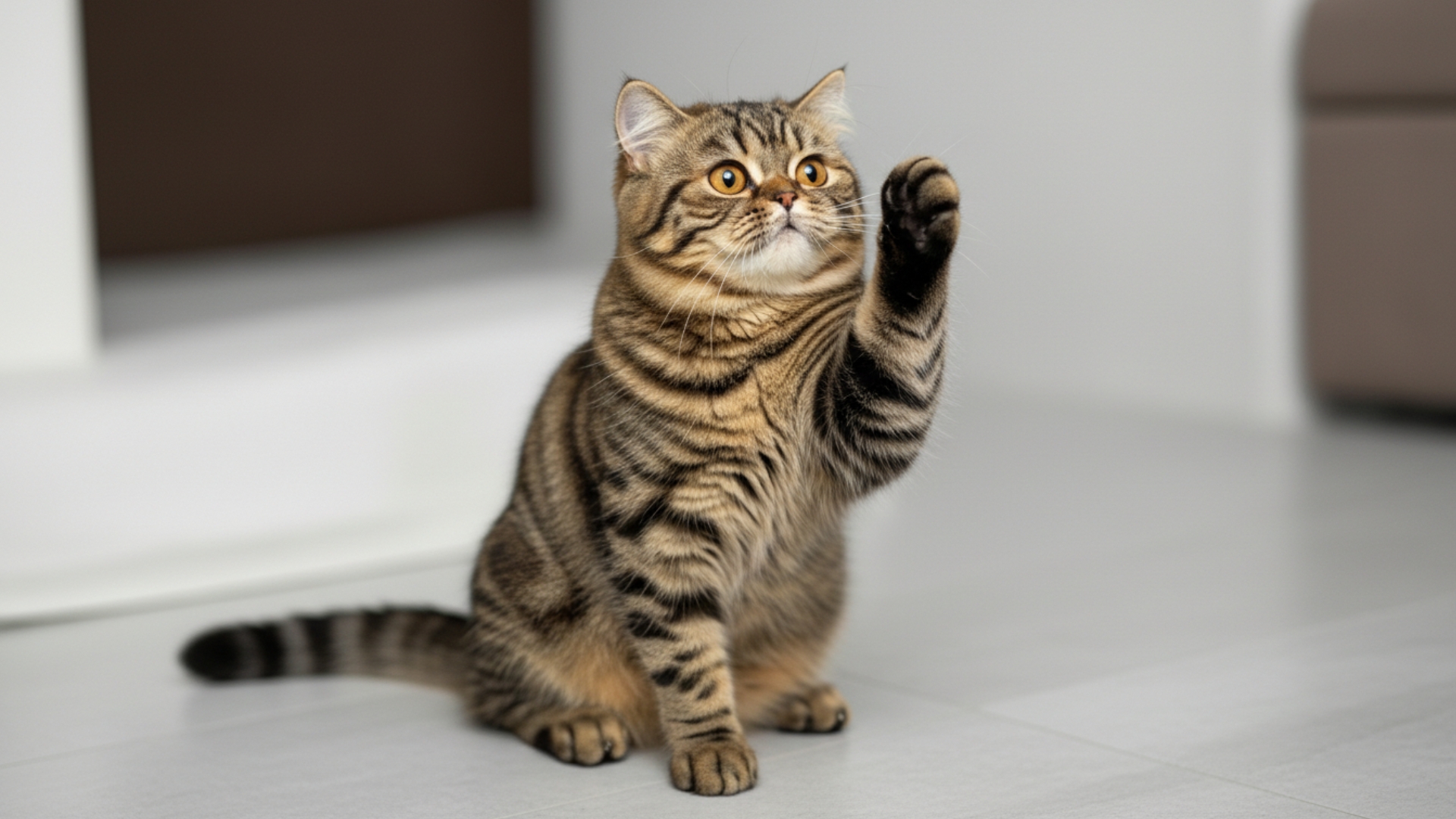
Not all cats turn playtime into a full-speed chase across the living room. Some instinctively know when to pounce—and when to pause. In this guide to cat breeds that self-regulate play intensity, we explore felines that balance fun with restraint, making them ideal companions for families, apartment dwellers, and anyone who prefers harmony over chaos.
But what does it actually mean for a cat to self-regulate play? It’s the ability to engage in interactive games without escalating into rough, overstimulated behavior. Research suggests that breed traits influence activity levels, sociability, and even aggression, meaning some cats are naturally wired to moderate their own energy output.
Balanced breeds tend to be confident, emotionally steady, and less reactive, allowing them to enjoy toys and social interaction without becoming overly intense. While every cat is unique, some are simply predisposed to a calmer, more controlled style of play.
Cat Breeds That Self-Regulate Play Intensity
1. Ragdoll
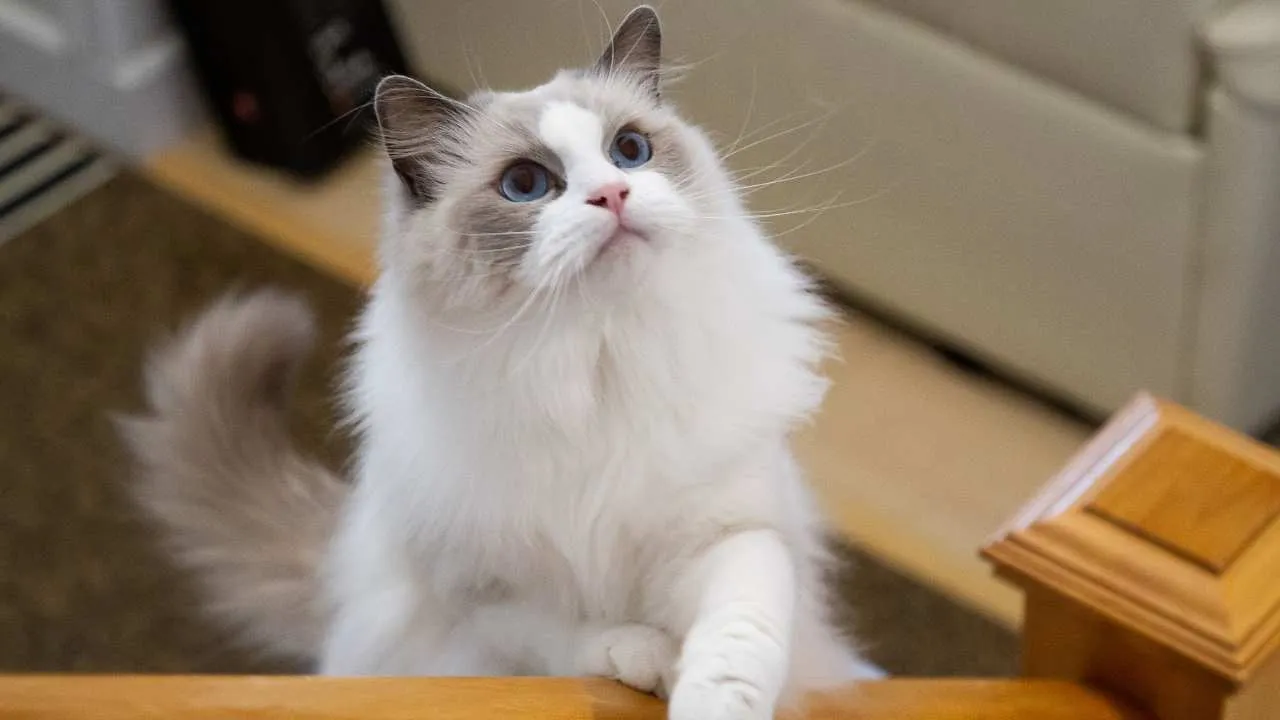
The Ragdoll, often nicknamed the “gentle giant,” is admired for its striking blue eyes, plush semi-long coat, and exceptionally relaxed temperament.
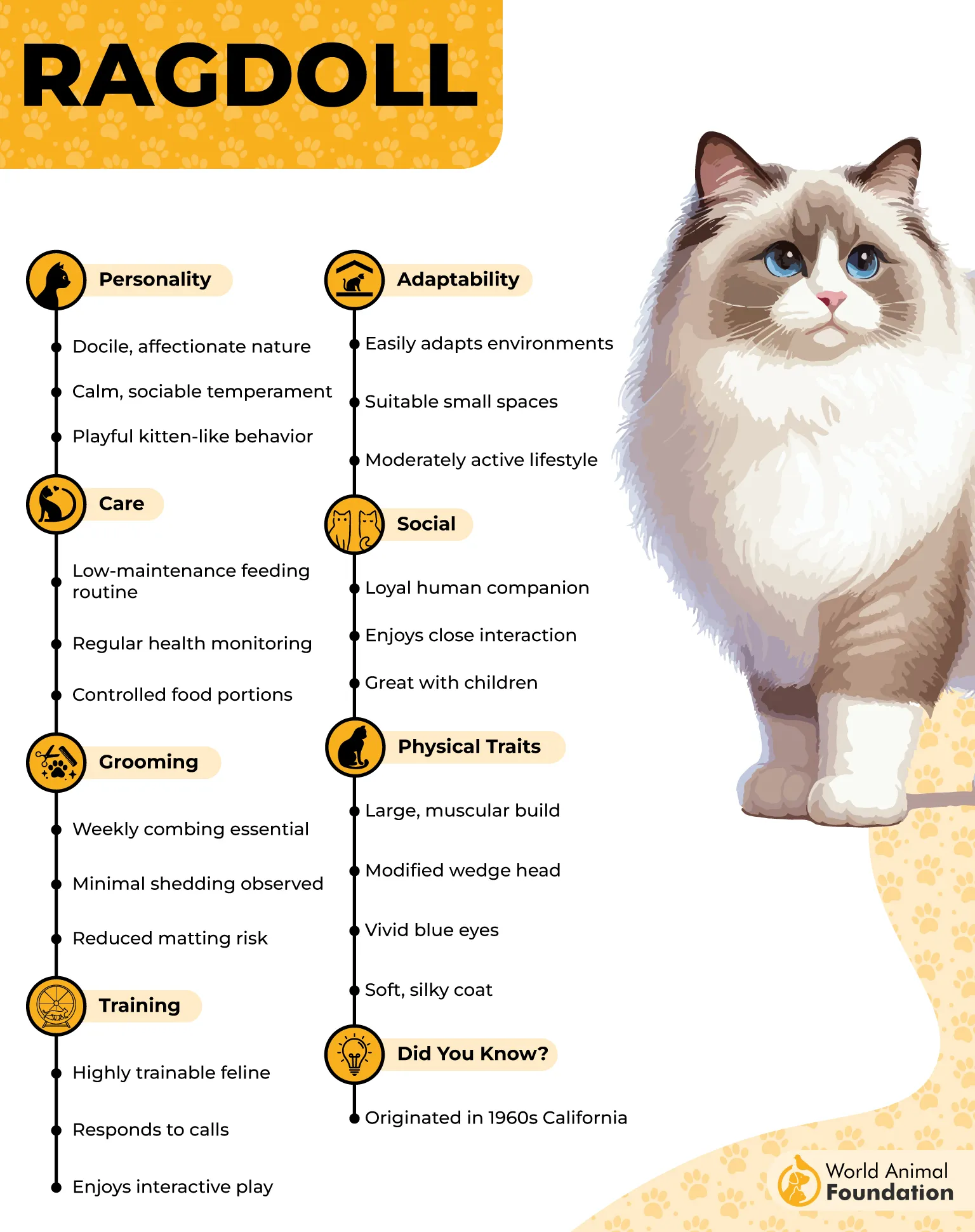
Developed to emphasize a calm, affectionate personality, this large and loving breed is famous for going limp in your arms—an endearing trait that inspired its name. According to Purina, Ragdolls are characterized as affectionate, intelligent, and playful cats.
Playful but Always in Control
Ragdolls enjoy interactive games and lighthearted fun, but they rarely let excitement turn into chaos. Whether chasing a feather toy or engaging in a short play session, they instinctively keep their movements controlled and gentle, especially around children or other pets.
One of their standout traits is emotional awareness. If play becomes too rowdy, a Ragdoll is more likely to step back and settle down rather than escalate the situation, making them a wonderful match for homes that value balanced energy.
Despite their impressive size, they’re soft-voiced, patient, and tolerant companions. In fact, this breed is well known for completely relaxing in a person’s arms, living up to its reputation as the ultimate calm and cuddly lap cat.
2. British Shorthair
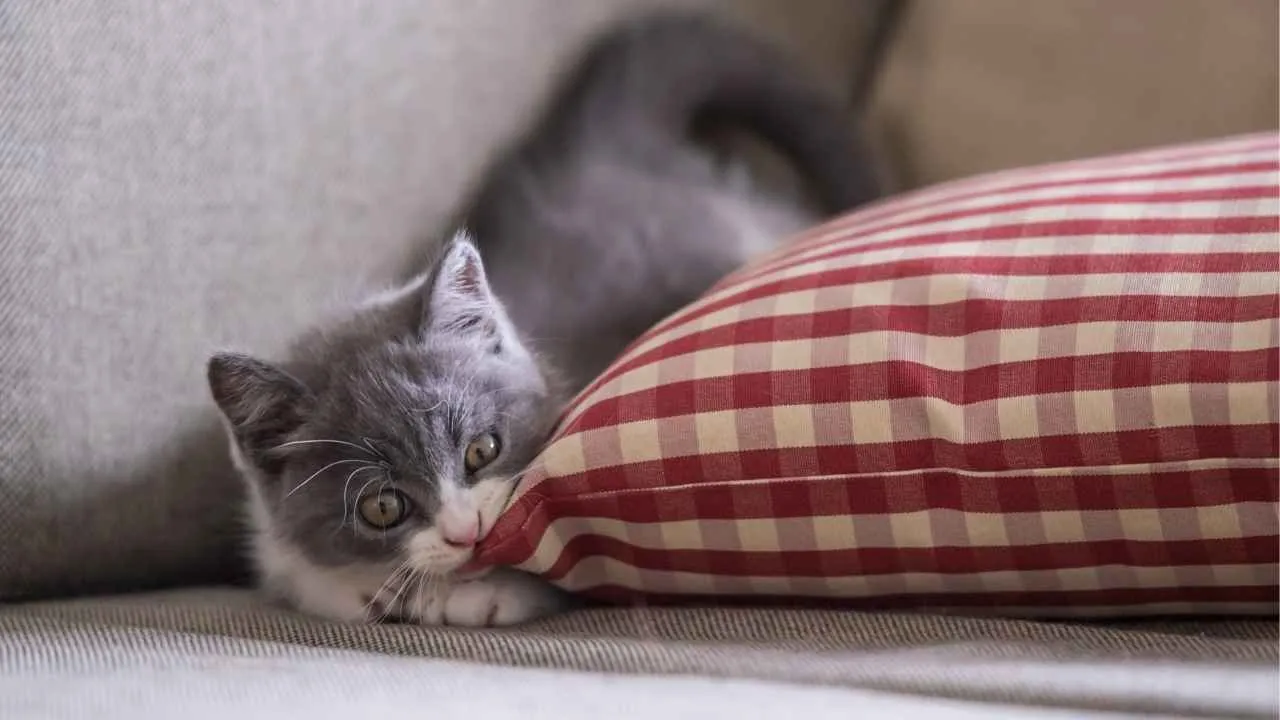
The British Shorthair, sometimes affectionately called the “teddy bear cat,” is known for its round face, dense short coat, and sturdy, medium-to-large build.
With a calm, dignified presence and a gentle personality, this breed matures slowly, often retaining a touch of kitten-like charm before settling into composed adulthood.
According to WebMD, British Shorthairs are friendly and relaxed pets that appreciate human company and enjoy resting on the couch.
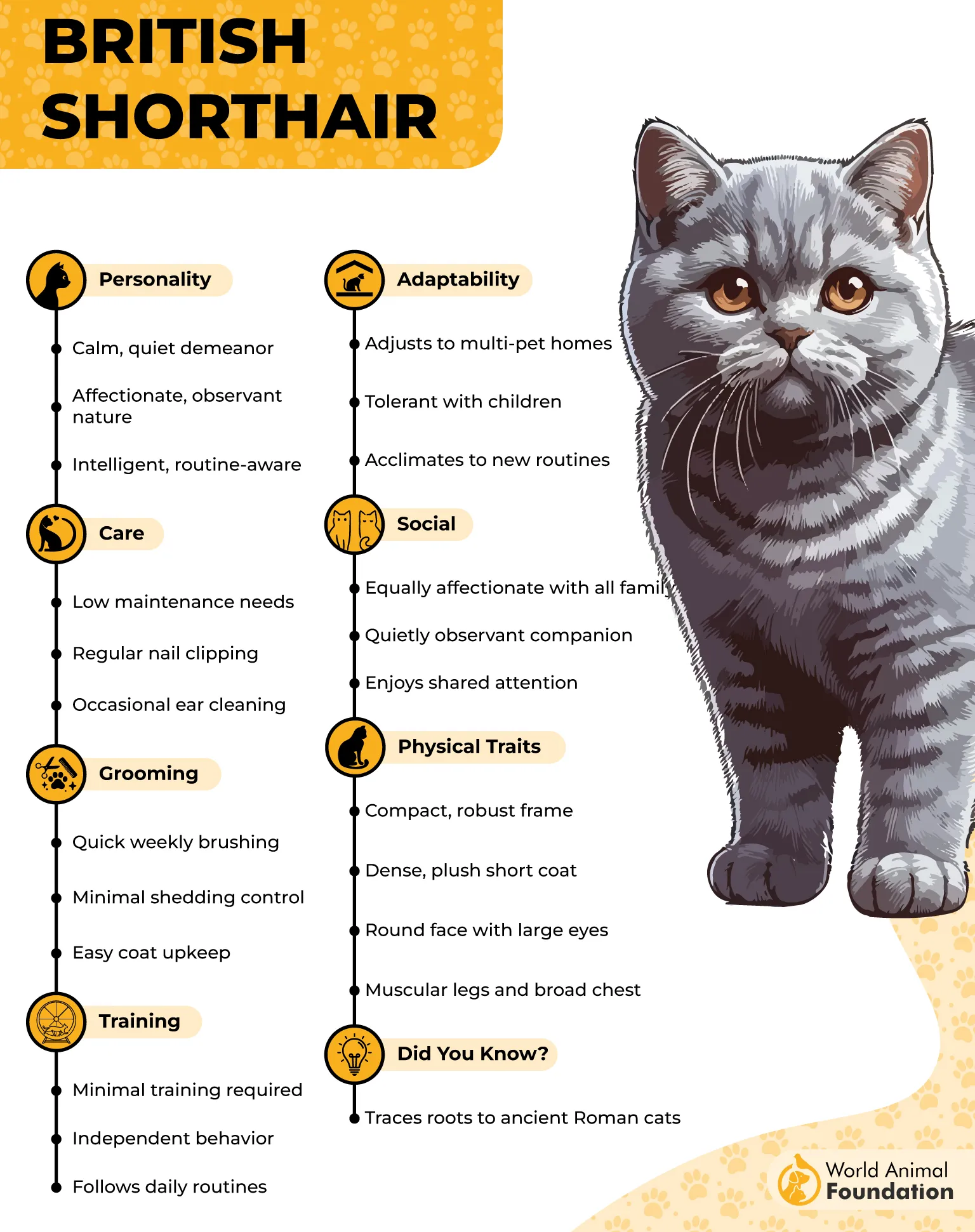
Gentle Energy with Thoughtful Engagement
As kittens, British Shorthairs can be lively and curious, but their play rarely becomes overwhelming. Even during energetic moments, they tend to engage in measured bursts rather than chaotic zoomies, showing a natural ability to pace themselves.
Once fully mature, their temperament shifts toward steady calmness. They enjoy interactive toys and short play sessions, but are just as content observing their surroundings from a comfortable perch nearby instead of launching into nonstop activity.
Affectionate yet never clingy, they prefer being close to their people without demanding constant attention. A notable fact: this breed is slow to reach full physical and mental maturity, often taking three to five years to fully develop its famously composed nature.
3. Persian
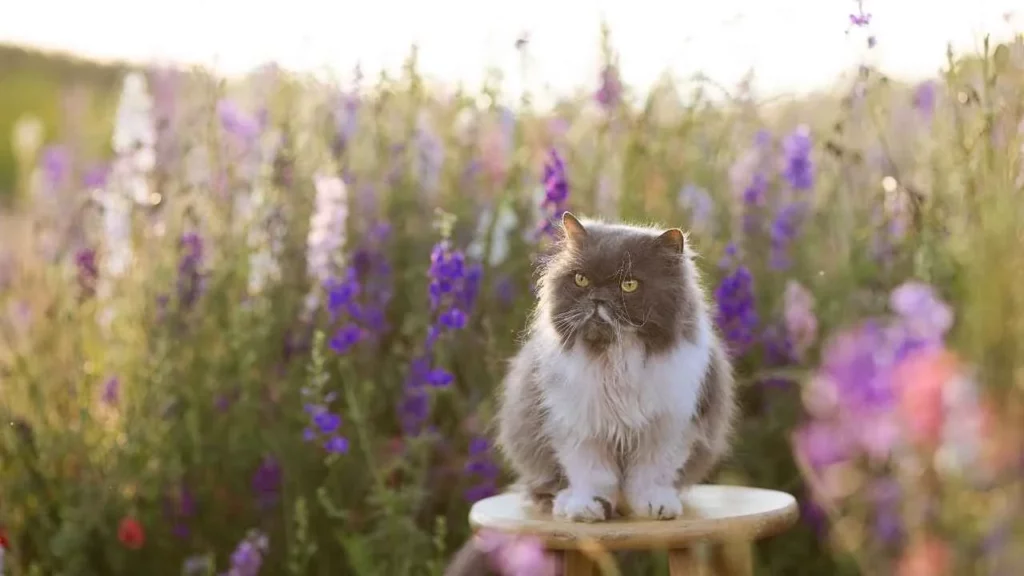
The Persian, also known as the Persian Longhair or Shirazi cat, is a medium-to-large breed admired for its round, flat face and flowing, luxurious coat. One of the oldest purebred cats, often called the “long-haired beauty,” this breed is cherished for its gentle expression and affectionate, composed personality.
According to PetMD, Persian cats are described as docile and intelligent, making them well-suited companions for calm and relaxed households.
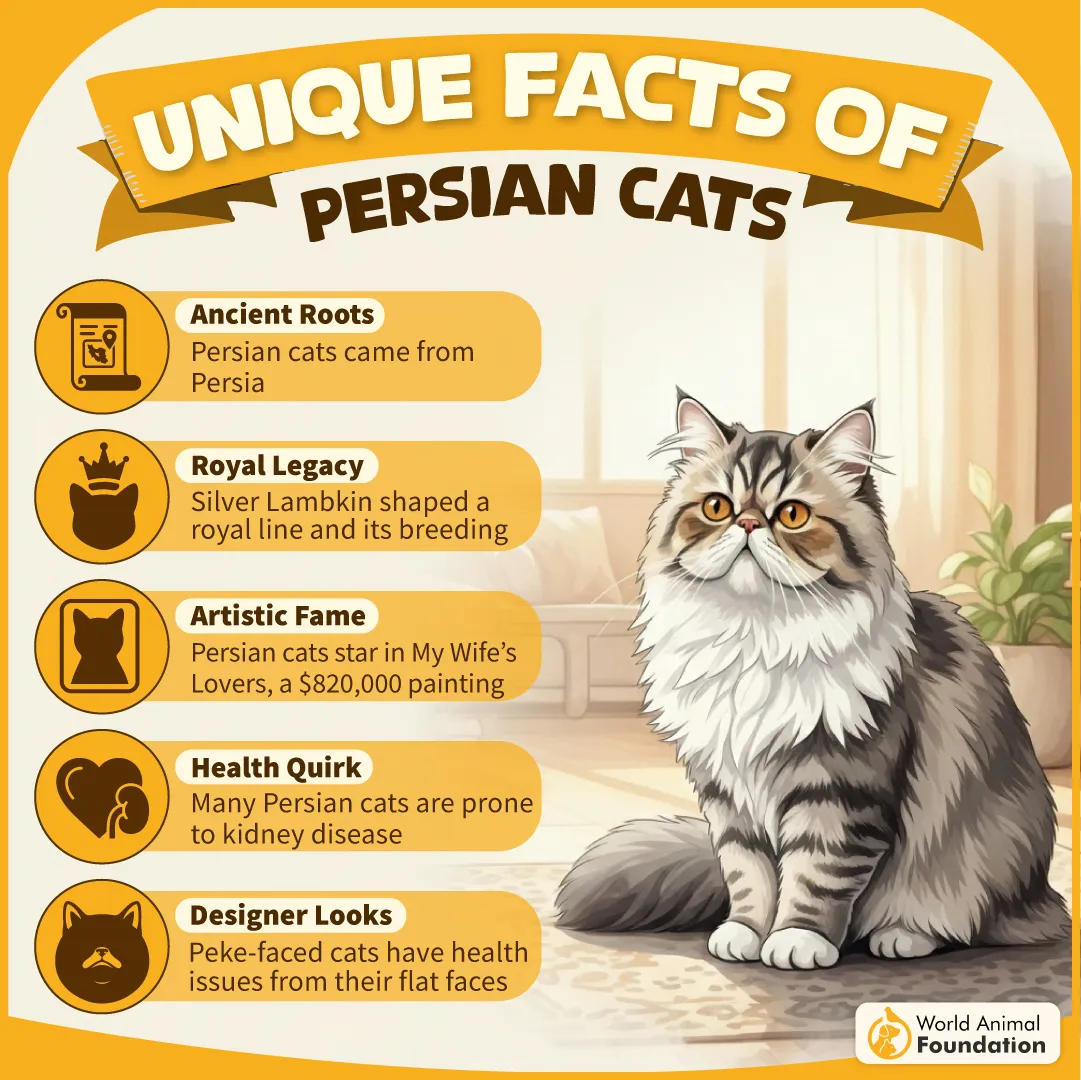
Social, Smart, and Moderately Active
Though famously relaxed, Persians are far from dull. They enjoy interactive play and can learn simple cues through patient, positive reinforcement, showing a quiet intelligence beneath their serene exterior.
Rather than engaging in rough or frantic bursts of energy, they prefer short, measured play sessions followed by long stretches of lounging beside their favorite people. You’re unlikely to see a Persian bouncing off the walls; they instinctively keep their activity balanced and controlled.
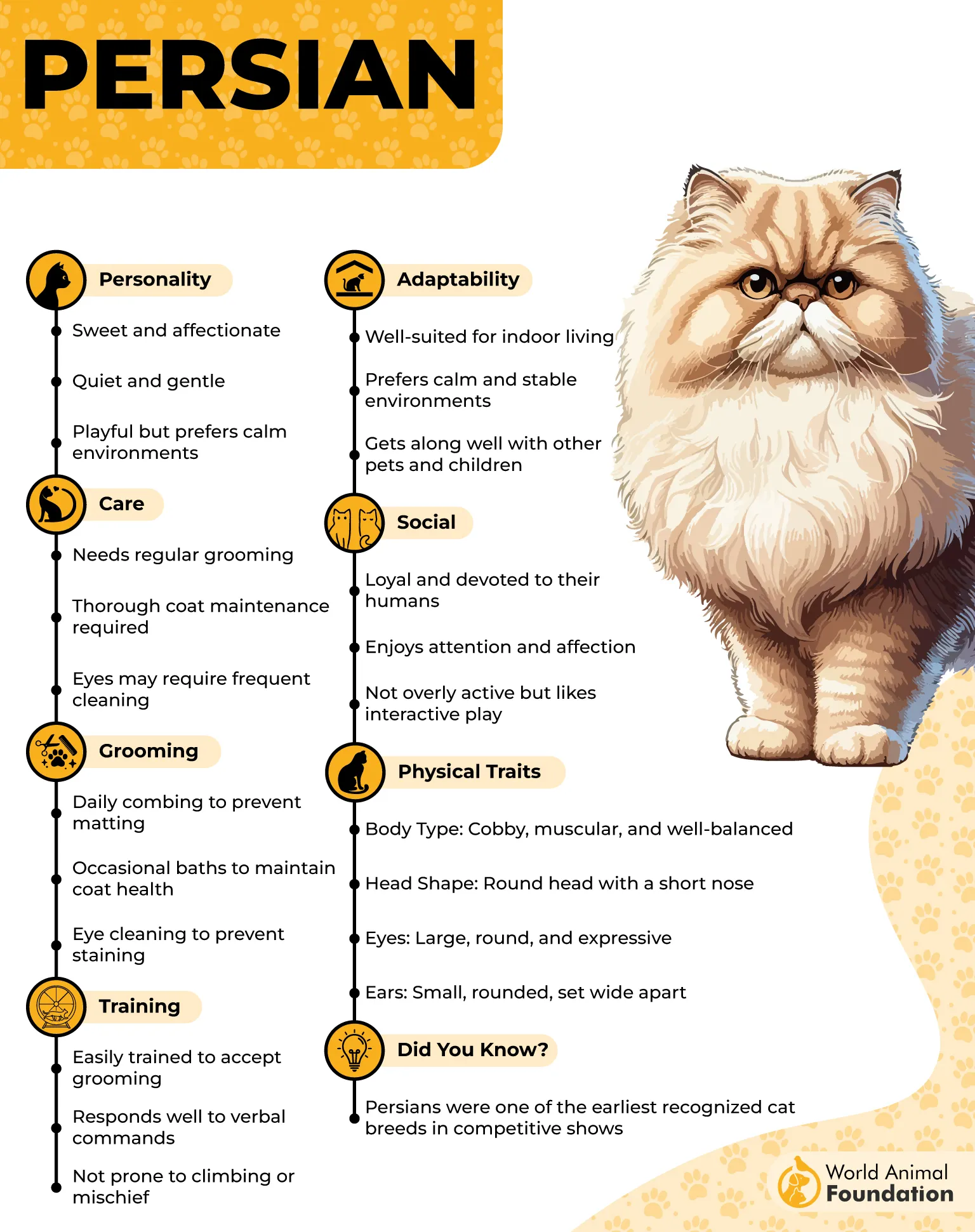
Their soft, sweet meow mirrors their calm demeanor, and they express affection through steady companionship instead of high-intensity antics. A notable fact: Persians are believed to date back to the 1600s and even appeared at the very first modern cat show in 1871.
4. Scottish Fold
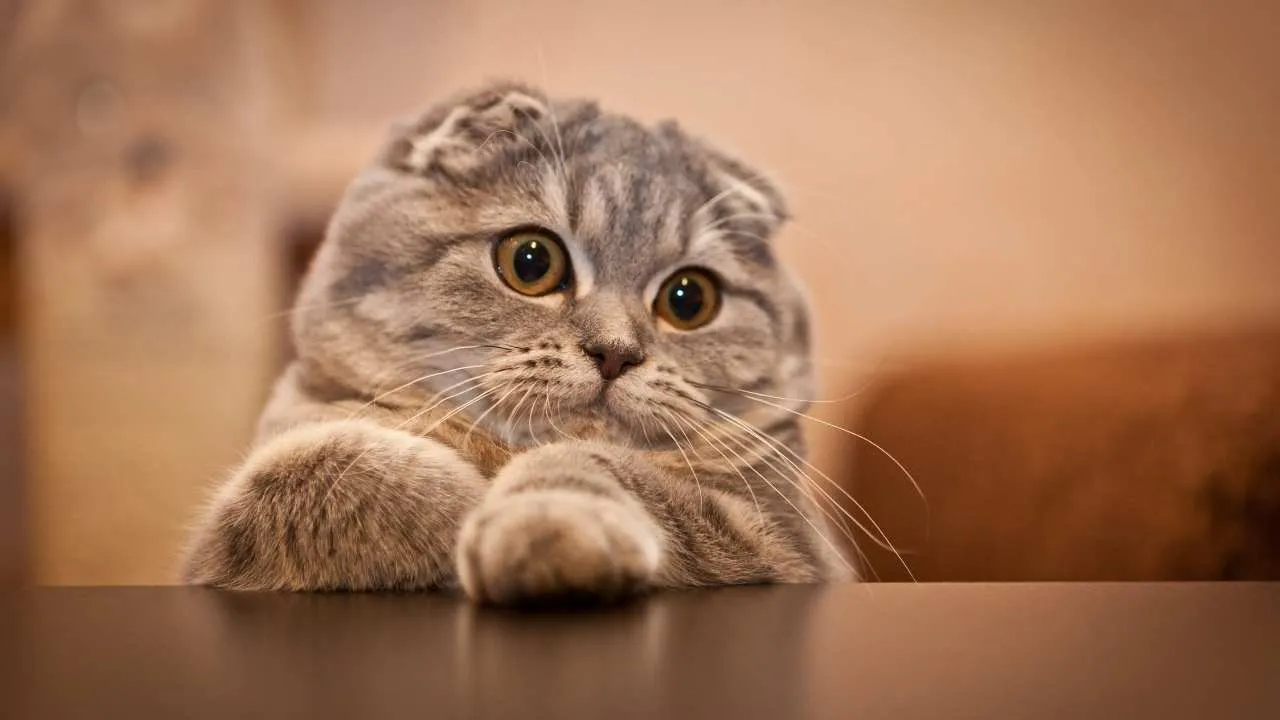
The Scottish Fold, instantly recognized by its signature folded ears and round, owl-like eyes, is a sweet-natured and loyal companion. Sometimes simply called the “Fold,” this breed has a soft voice, a gentle expression, and a naturally calm presence that makes it a favorite in relaxed households.

Calm Companion with Controlled Bursts of Fun
Although they adore human company, Scottish Folds are not overly demanding. They enjoy attention and interactive play, but their activity comes in balanced, thoughtful spurts rather than nonstop high-energy antics.

These intelligent cats appreciate puzzle toys, fluttering wands, or even treat-hunting games around the house. Still, they instinctively know when to wind down, often choosing a cozy lap or quiet perch over extended roughhousing.
Their playful moments are mild and measured, making them excellent for families, seniors, or multi-pet homes seeking steady energy instead of chaos. A notable fact: the entire Scottish Fold breed traces back to a white barn cat named Susie, born in Scotland in 1961.
5. Russian Blue
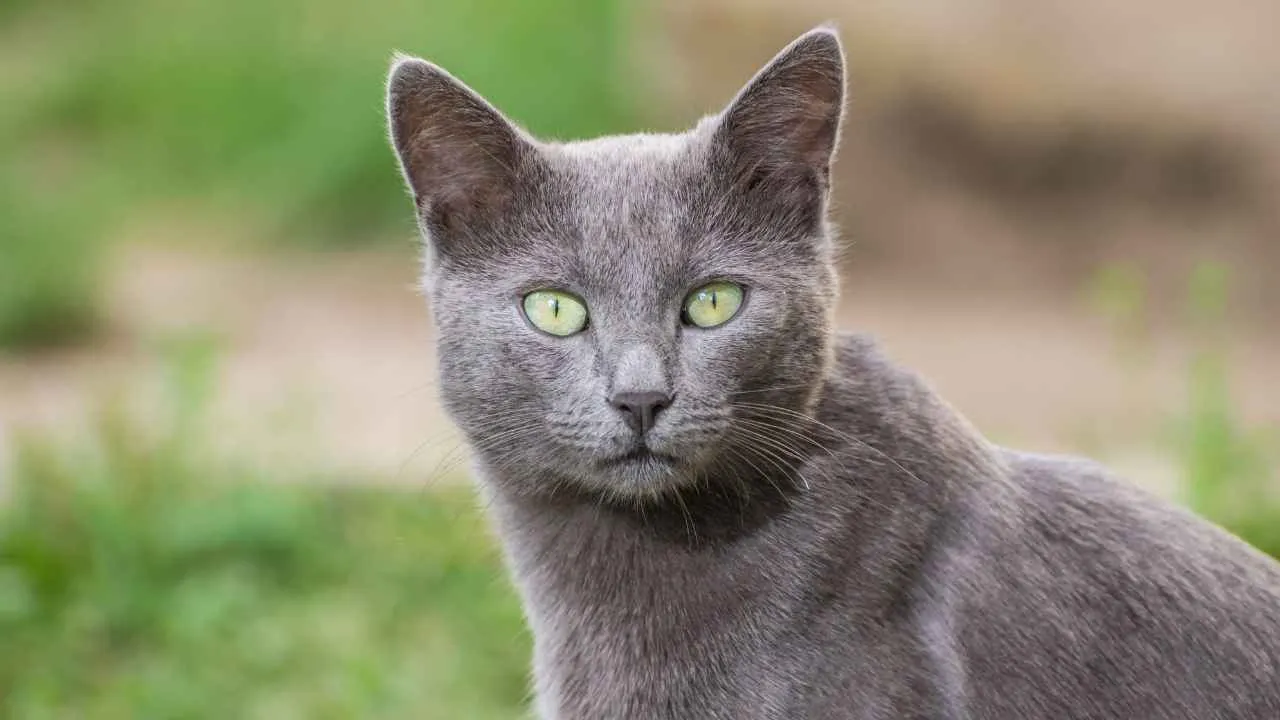
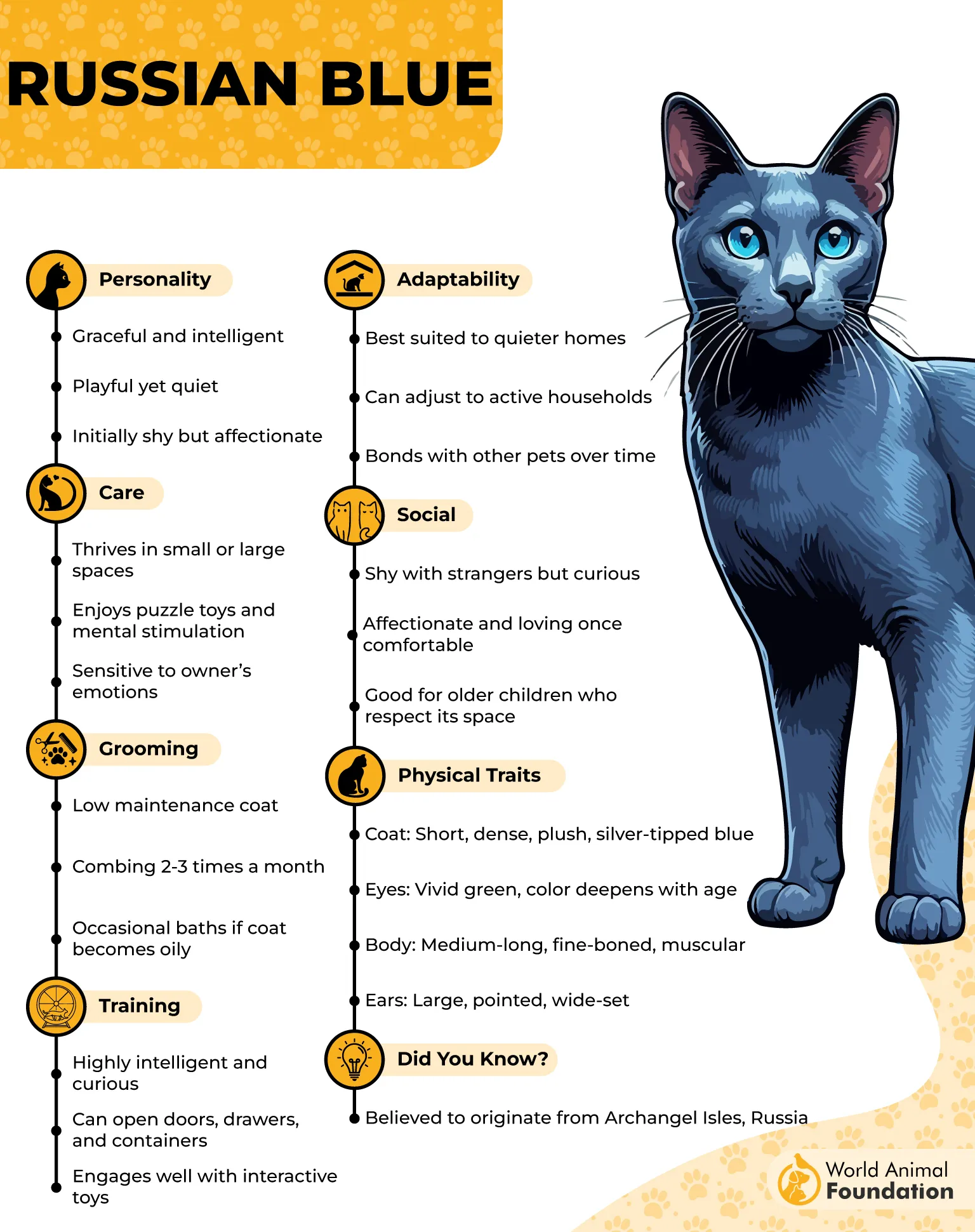
The Russian Blue, sometimes simply called the “Archangel Blue,” is admired for its plush blue-gray coat, vivid green eyes, and refined elegance. Once treasured by Russian royalty, this graceful breed combines aristocratic charm with a loyal, deeply affectionate nature.
Affectionate and Even-Tempered
Russian Blues are devoted companions who often bond closely with one favorite person, yet they remain loving toward the entire household. They greet their humans warmly but never overwhelm with hyperactivity or excessive demands.
When it comes to play, this breed shows impressive balance. They enjoy interactive sessions and clever games, yet instinctively retreat to a quiet nook when they’ve had enough stimulation, demonstrating natural control over their energy levels.
Comfortable in smaller homes, they don’t require sprawling space to stay content. A notable fact: despite their regal appearance, Russian Blues are known to “train” their owners just as much as they are trained themselves.
6. Chartreux
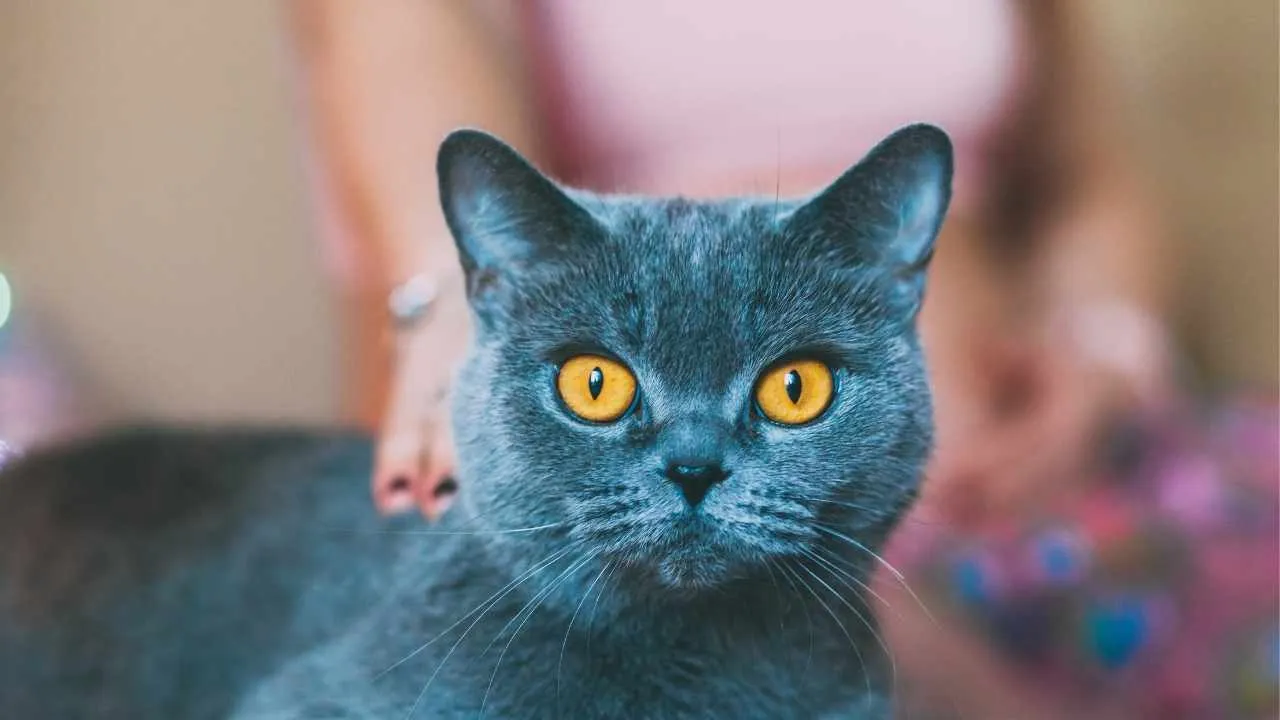
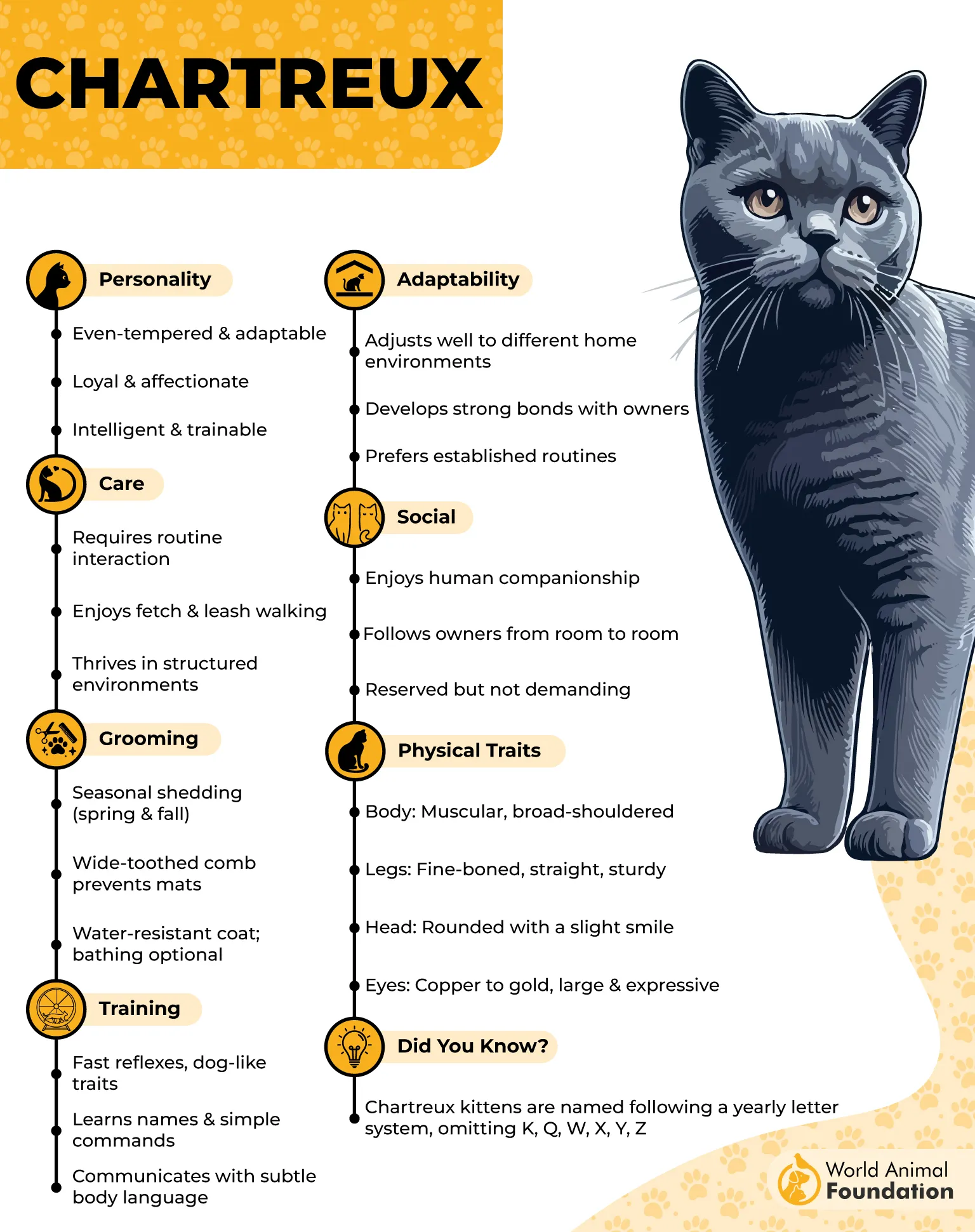
The Chartreux, sometimes called the French Blue, is a rare natural breed from France known for its woolly blue-gray coat and copper-to-gold eyes. With a sturdy build and a famously subtle smile, this historic cat combines quiet charm with sharp intelligence.
Intelligent Play Without Overstimulation
Chartreux cats are quick and agile, yet they rarely let excitement spiral into chaos. They enjoy retrieving toys, learning their names, and even leash training, but their play style remains measured and purposeful rather than frantic.
Deeply bonded to their families, they often follow their favorite person from room to room. Still, they are polite companions who won’t demand nonstop attention, communicating instead through soft chirps, expressive eyes, and gentle paw taps.
They thrive on routine and balanced interaction, making them excellent at engaging in stimulating games without becoming overstimulated. A notable fact: references to France’s blue cats date back as early as the 16th century, and modern preservation breeding began in the 1920s.
7. American Shorthair

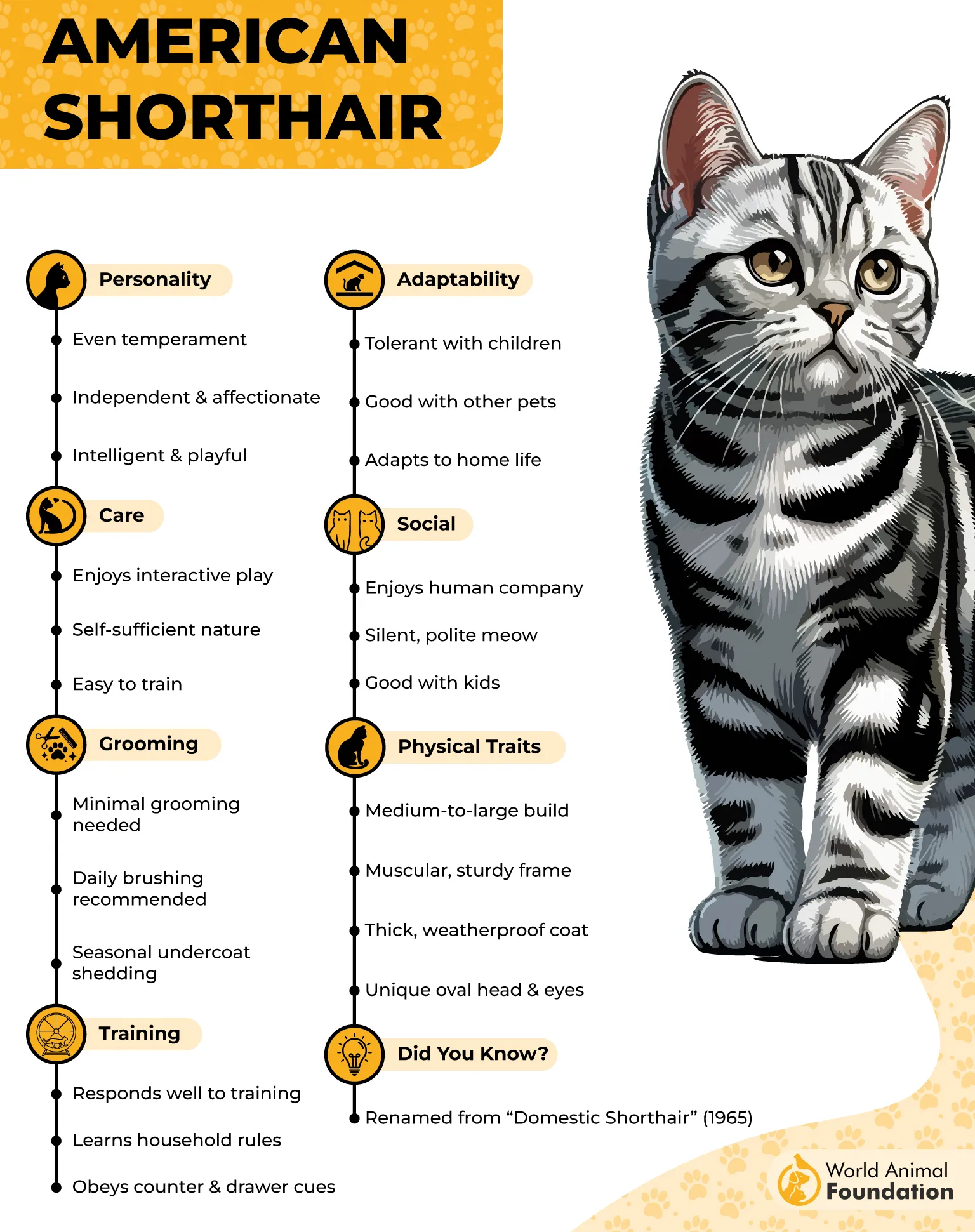
The American Shorthair, sometimes affectionately called the “working cat,” is known for its sturdy build, round face, and classic silver tabby coat. Descended from skilled mousers, this breed combines rugged independence with a warm, family-friendly personality that has made it one of the most popular cats in the United States.
Balanced Personality with Steady Energy
While playful and curious, the American Shorthair doesn’t overdo it. They enjoy chasing a crinkly ball, climbing a cat tree, or watching birds from a window, but they instinctively pace themselves and happily settle in for a nap afterward.
Their self-regulated play style makes them ideal for families with children or other pets. They can entertain themselves for stretches of time yet still appreciate interactive sessions that stimulate their hunting instincts in a controlled way.
Calm and adaptable, they supervise household activity with quiet interest rather than constant demands. A notable fact: because of their moderate activity levels, this breed can be prone to weight gain if regular exercise isn’t encouraged.
Conclusion
Choosing cat breeds that self-regulate play intensity can make daily life smoother for both pet owners and their feline companions. Many indoor cats and domestic cats naturally balance activity with rest, shifting from chasing prey with wand toys to relaxing in cozy resting spots after just a few minutes.
Unlike high-energy breeds, certain easygoing breeds manage pent-up energy without tipping into destructive behaviour. Their steady behavior, clear body language, and comfort with alone time make them ideal for busy owners seeking calm companionship and predictable play sessions.
Even territorial cats benefit from structured outlets that support a healthy lifestyle, reduce stress relief needs, and minimize reactions to loud noises.
With guidance from animal behaviourists, choosing the right cat and right breed ensures low maintenance harmony—complete with good litter box habits and relaxed human presence.
