




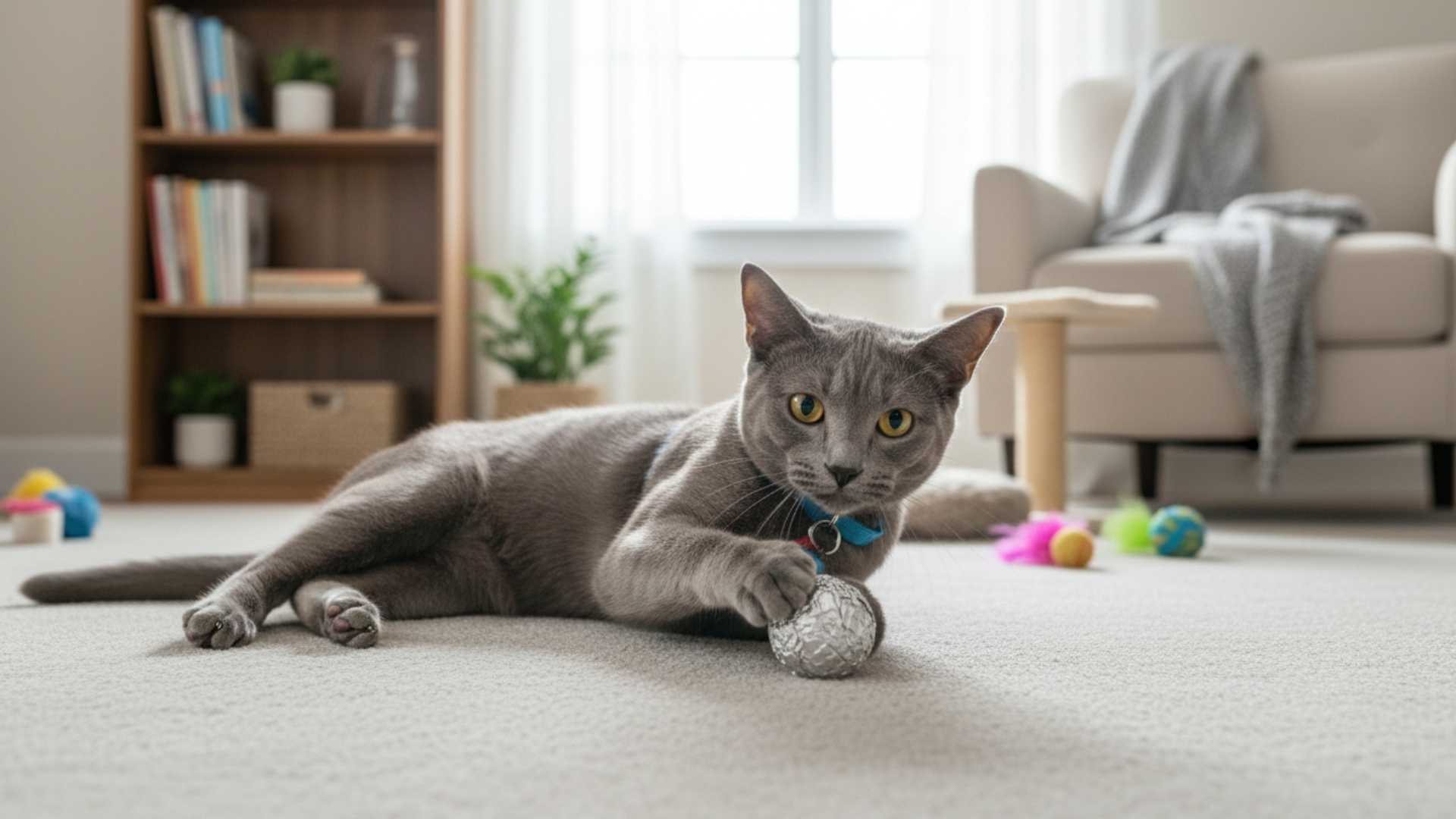
Not every cat needs constant cuddles or round-the-clock attention. Some felines are perfectly content batting a toy across the floor, exploring a sunlit room, or inventing their own games while you’re away. If your schedule is packed but your heart is set on a companion, exploring cat breeds that self-entertain well can help you find the perfect balance between affection and independence.
Why are some cats naturally independent? Breed traits often play a significant role. Certain cats are wired to be self-sufficient, confident, and comfortable spending stretches of time alone without becoming anxious or destructive. This doesn’t mean they’re aloof—it simply means they’re secure enough to occupy themselves.
But what does “self-entertaining” really mean in cats? It’s about curiosity, problem-solving skills, and a playful spirit that doesn’t rely entirely on human interaction. Cats that excel at solo play typically enjoy puzzle toys, window watching, and independent exploration—making them ideal companions for busy households.
Cat Breeds That Self-Entertain Well
1. British Shorthair
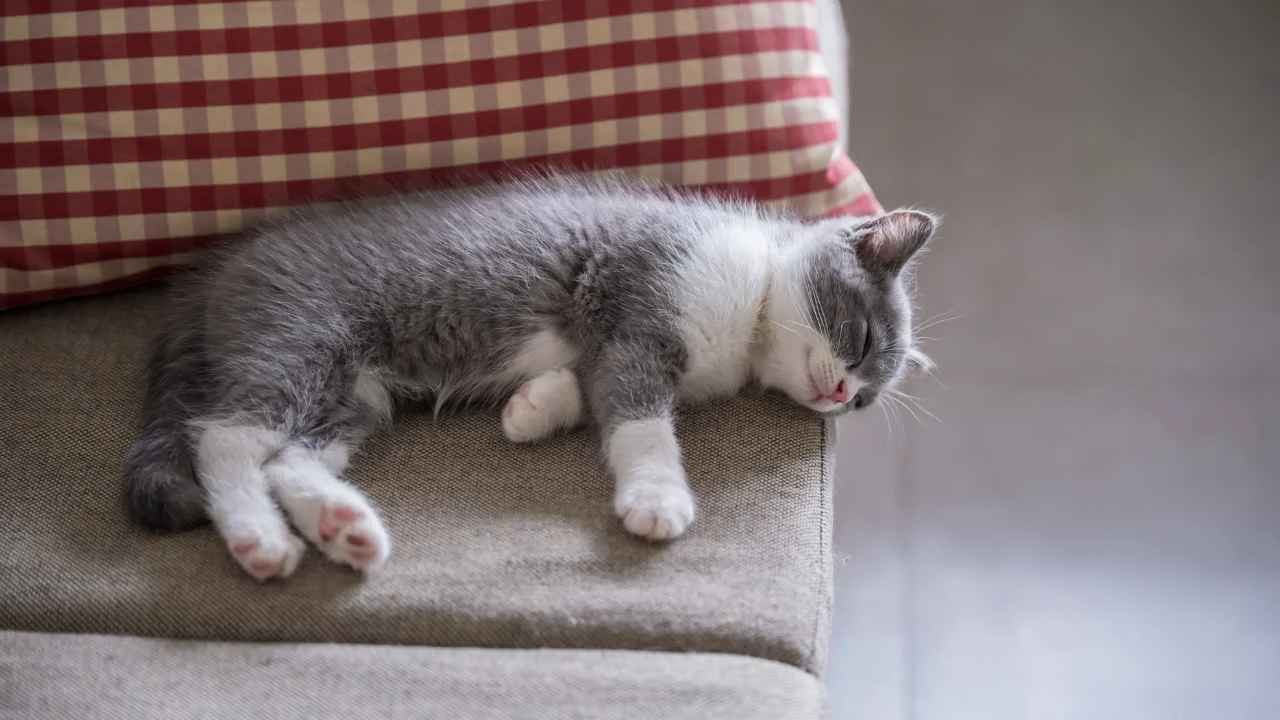
The British Shorthair—often called the “British Blue” in its classic gray-blue coat—is instantly recognizable by its round face, plush fur, and chubby cheeks.
Though best known for that teddy-bear look, this medium-sized breed comes in a variety of colors and carries a calm, confident presence.
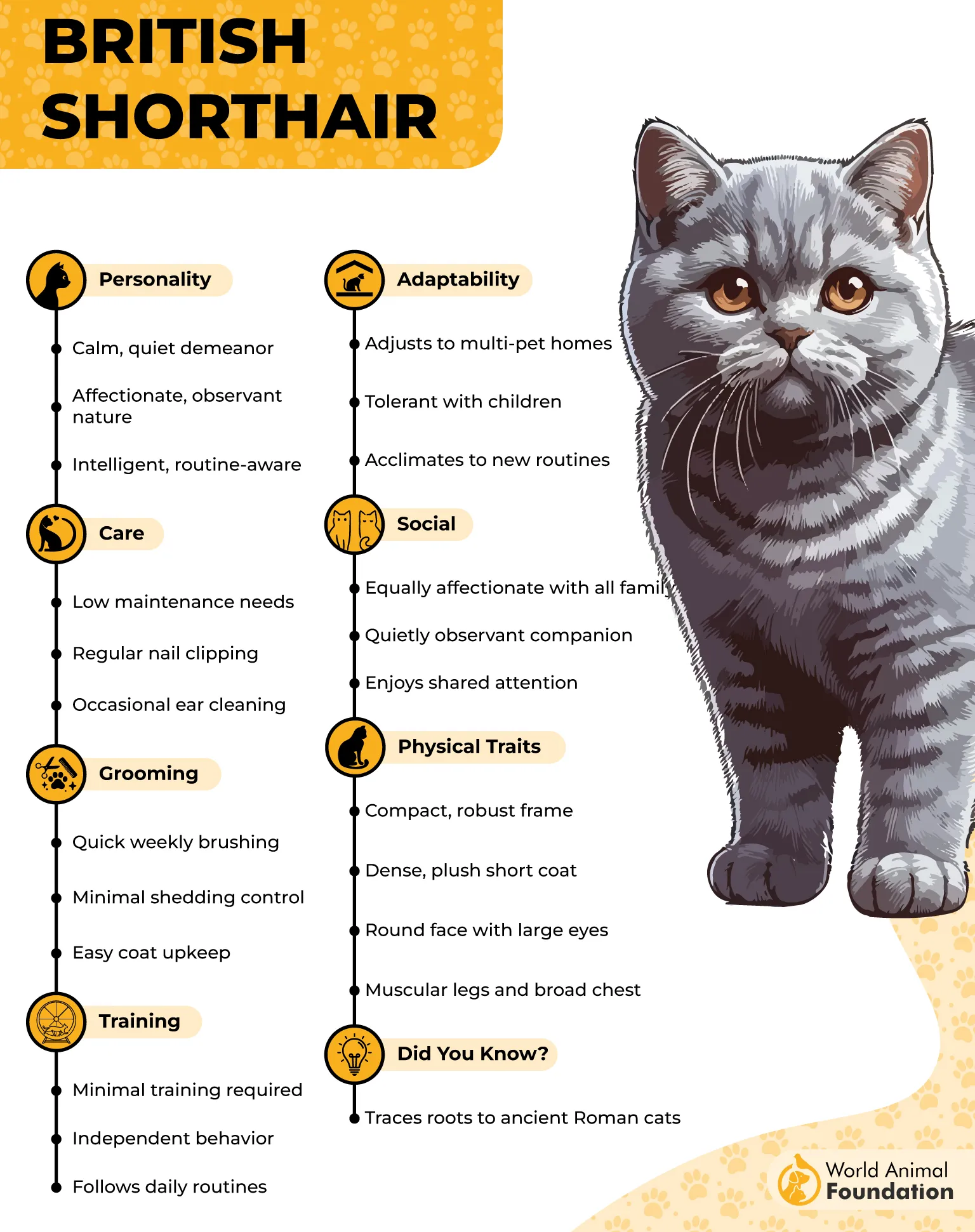
According to WebMD, British Shorthairs strike a rare balance between affection and independence. They enjoy human company but are equally content entertaining themselves, whether that means surveying a room from a favorite perch or batting around prey-like toys.
Their strong hunting instinct makes enrichment essential, and they’re surprisingly clever when it comes to figuring out puzzle feeders or interactive games. Rather than demanding attention, they quietly explore and solve small challenges on their own.
Laid-back yet observant, they form loyal bonds without being clingy. A notable fact: although playful and curious, this breed typically meows only when they truly have something important to communicate.
2. Chartreux
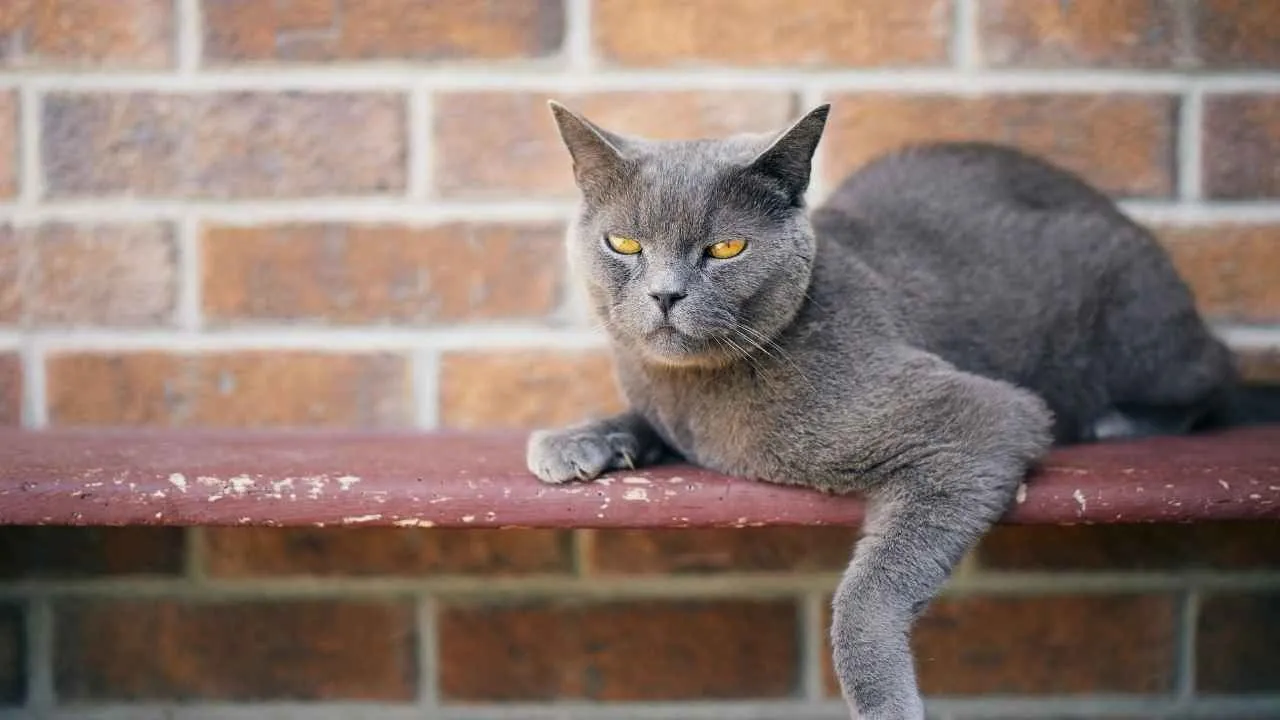
The Chartreux (pronounced shar-true) is a centuries-old French breed recognized for its solid blue-gray coat and striking copper eyes. Sometimes affectionately described as “a potato on toothpicks” due to its sturdy body and fine limbs.
According to Hill’s Pet, this breed is heavily muscled with substantial bone structure and a thick, rounded appearance, with males typically being larger than females.
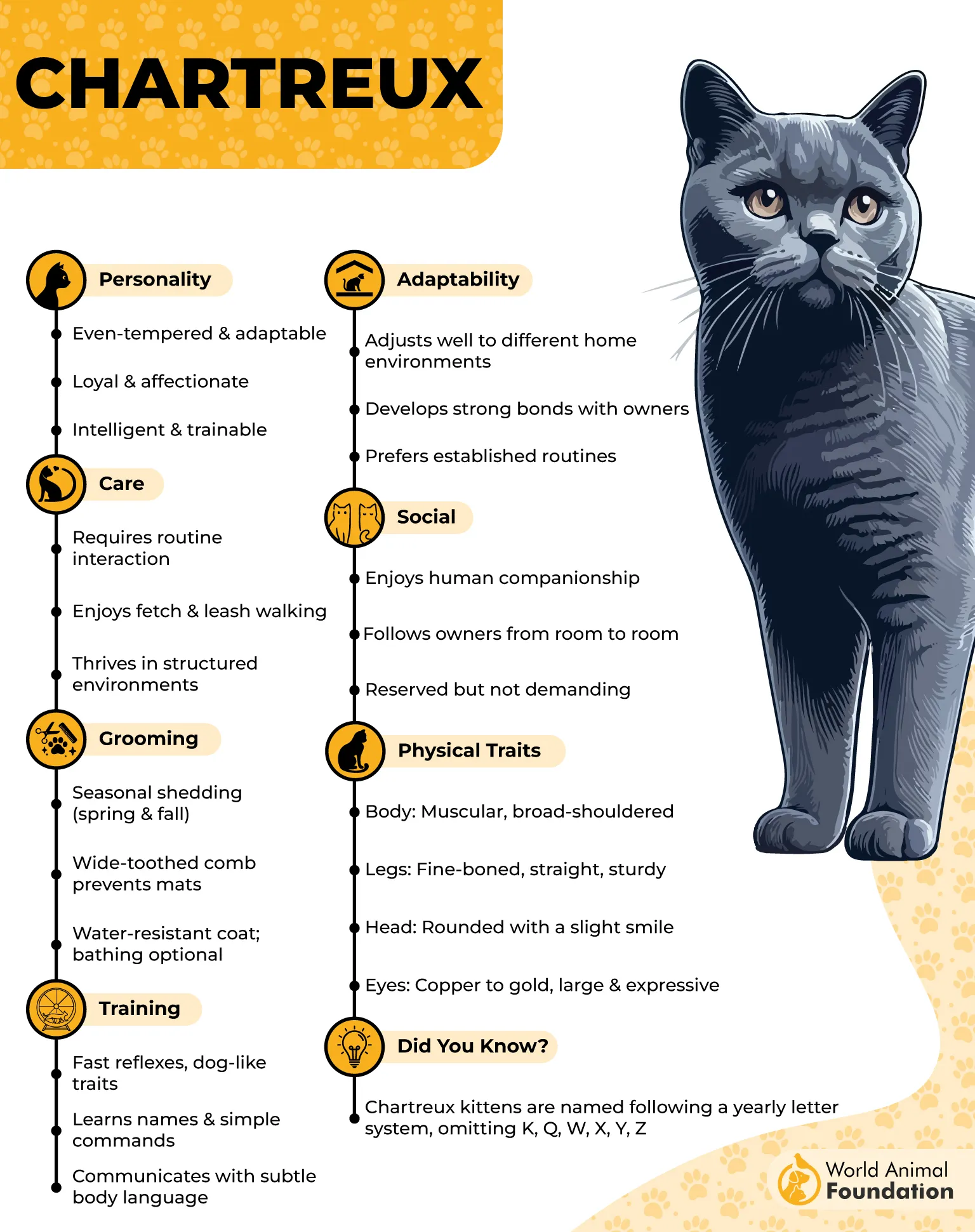
Calm and undemanding, the Chartreux is perfectly capable of entertaining itself for hours. Whether batting a toy across the floor or quietly observing birds from a window, this thoughtful breed balances independence with quiet curiosity.
Though affectionate and loyal—often bonding closely with one person—they don’t require constant attention. Short bursts of play followed by long, peaceful naps suit their rhythm, making them ideal for busy households.
Their woolly-textured short coat is easy to maintain, and their high intelligence makes them quick learners. A notable fact: despite their quiet nature, Chartreux kittens are relatively rare and can cost between $1,000 and $1,500, depending on pedigree.
3. American Shorthair
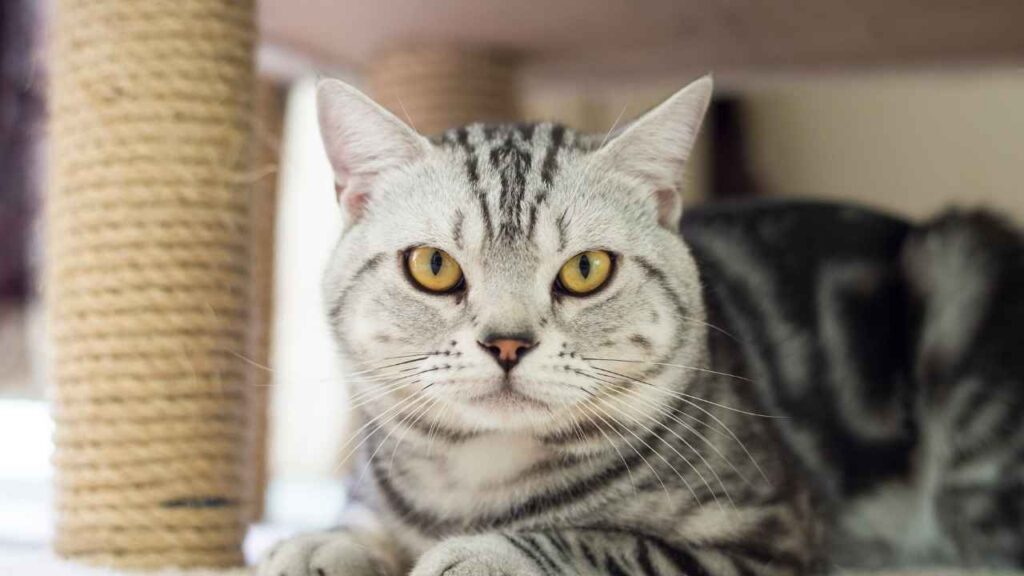
The American Shorthair, sometimes confused with the British Shorthair but distinctly North American in origin, is a sturdy, plush-coated feline known for its wide range of colors and patterns.
According to Purina, the American Shorthair was historically used to control rodents and protect food supplies, and continues to display its natural hunting instincts by pursuing insects.
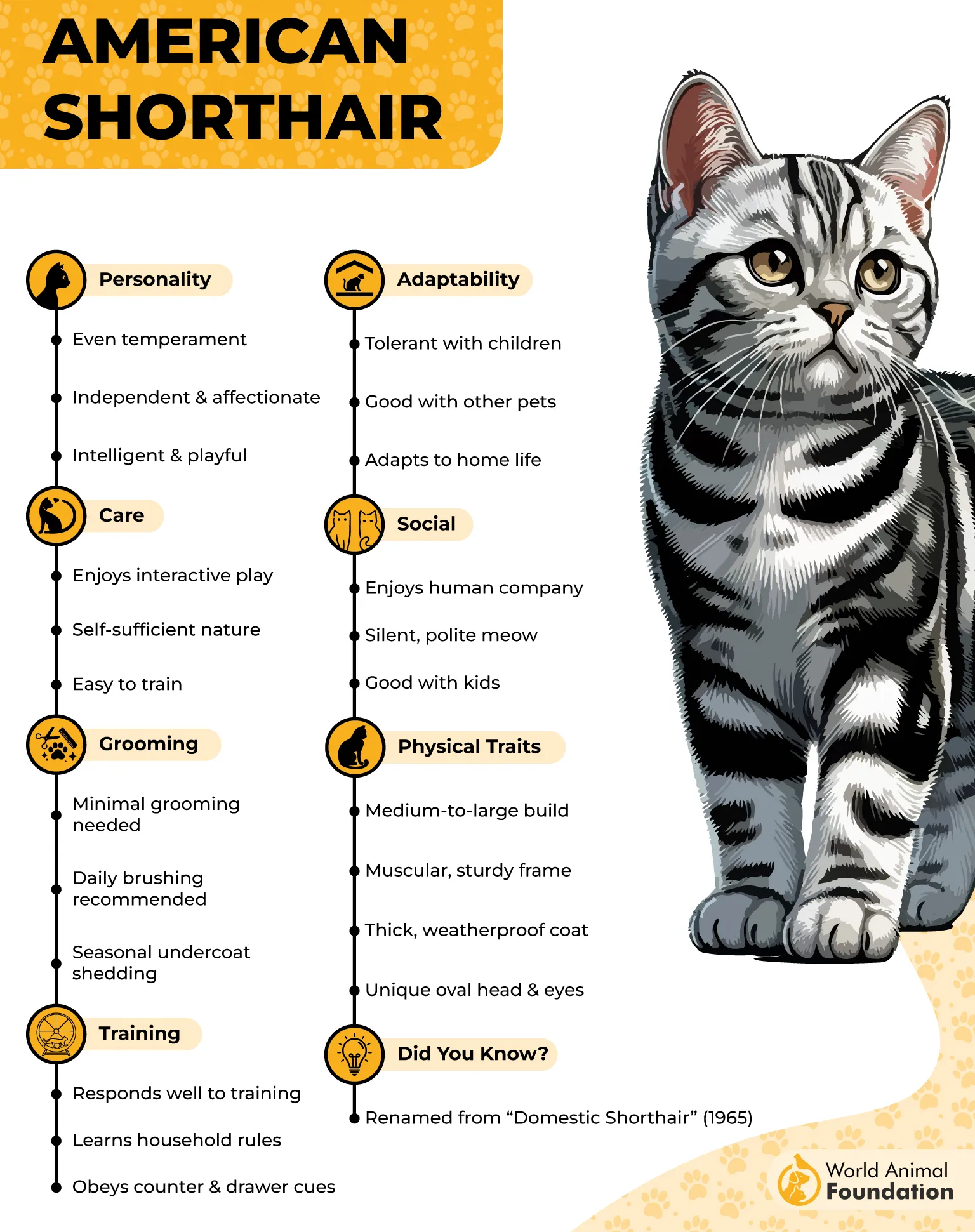
American Shorthairs strike an ideal balance between affection and independence. While they enjoy companionship, they’re perfectly capable of entertaining themselves with a favorite toy or climbing session on a cat tree.
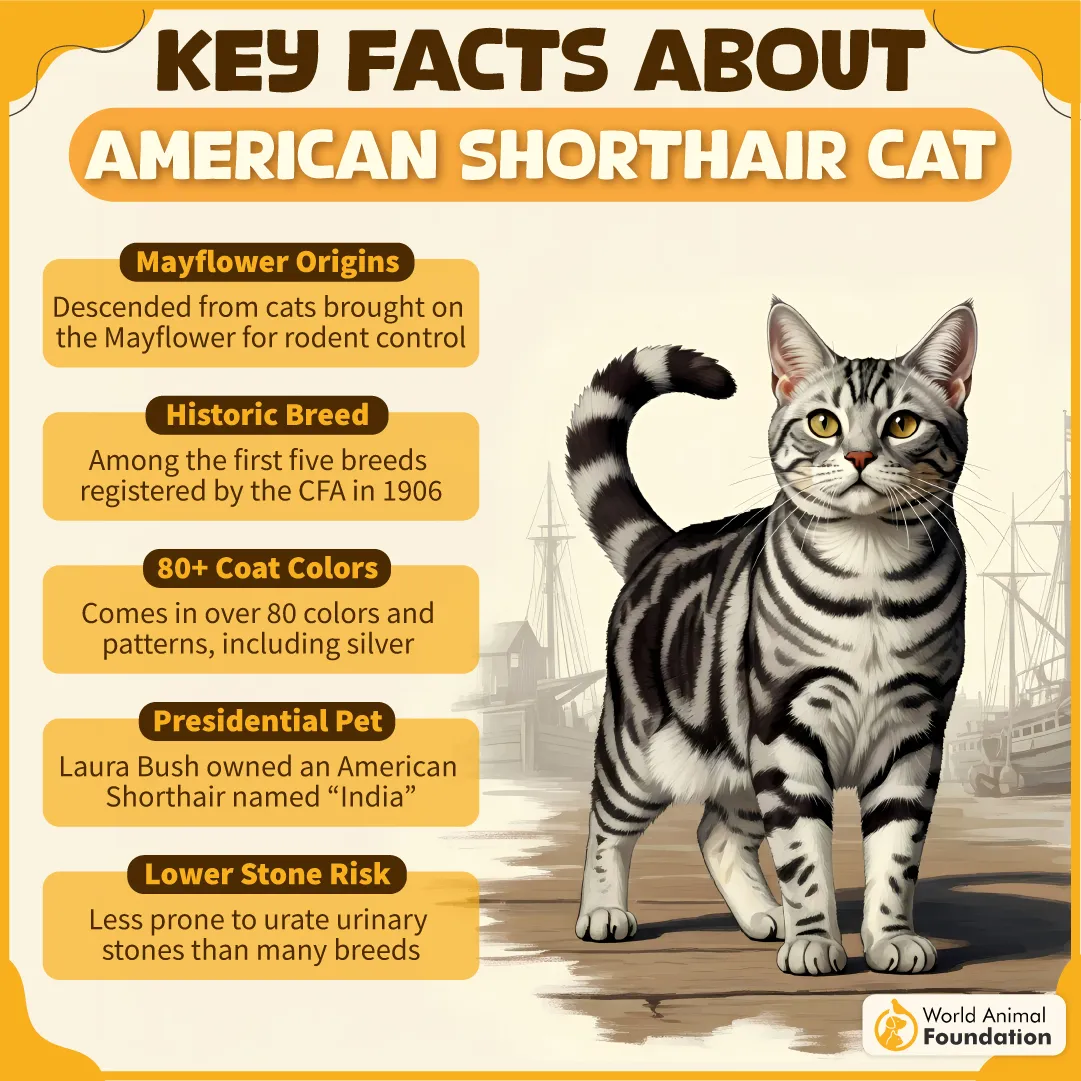
Natural mousers at heart, they love activities that tap into their hunting instincts. Puzzle feeders, wand toys, or even a window perch can keep them mentally stimulated while you’re away.
Easygoing and adaptable, they get along well with children, other cats, and cat-friendly dogs. A notable fact: thanks to their generally long lifespan and resilient nature, American Shorthairs are a wonderful choice for families wanting a pet to grow up alongside their children.
4. Russian Blue
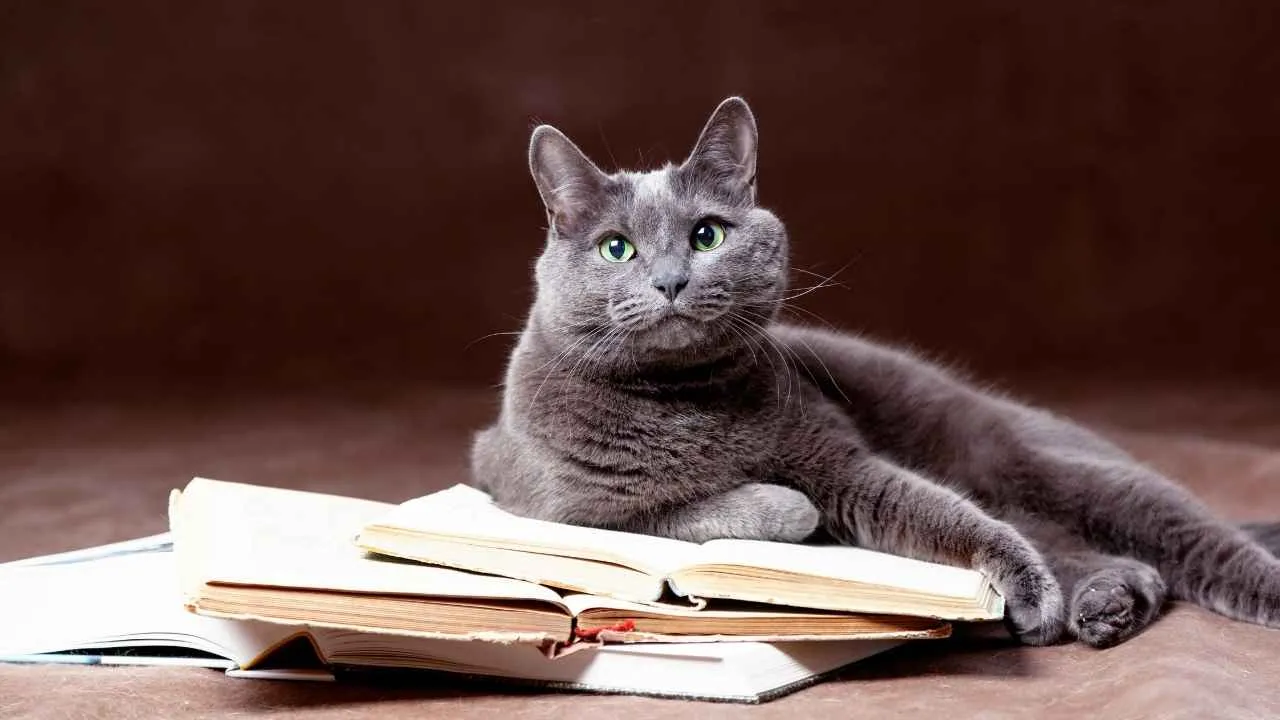
The Russian Blue, sometimes called the Archangel Blue, is a naturally occurring breed from the Russian port city of Arkhangelsk. Instantly recognizable for its shimmering blue-silver coat and elegant build, this quiet feline combines grace with a thoughtful, observant personality.
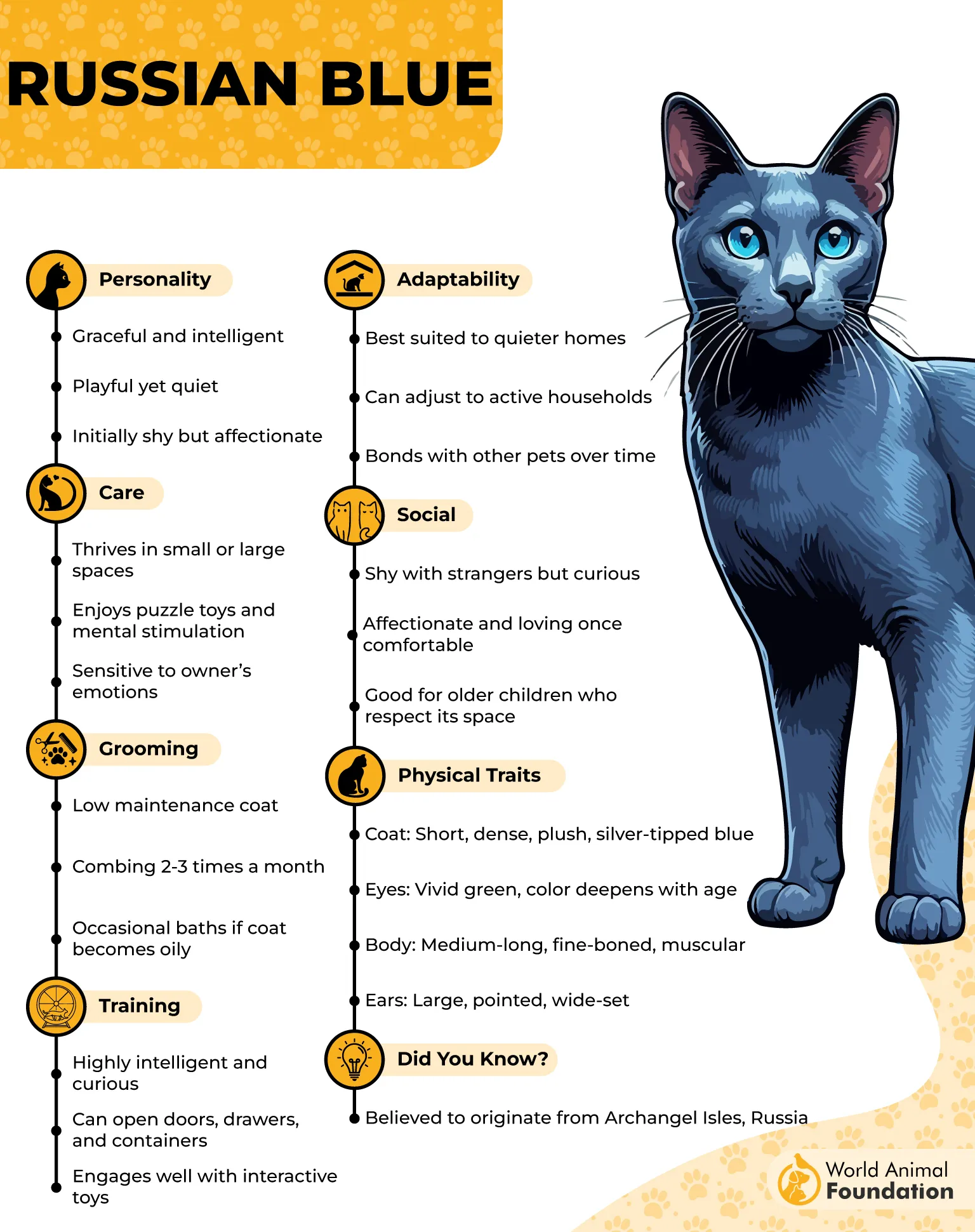
Russian Blues are independent without being distant, making them excellent self-entertainers. They often perch in high places to survey their surroundings or watch birds from a window, content to create their own quiet amusement.
Playful yet measured, they enjoy interactive toys but don’t demand nonstop engagement. After a short burst of activity, they’re perfectly happy to relax and recharge on their own.
Their short, dense coat requires only weekly brushing, adding to their low-maintenance appeal. A notable fact: while not truly hypoallergenic, Russian Blues produce less of the Fel d1 protein than many other breeds, which may suit some allergy-prone households.
5. Norwegian Forest Cat
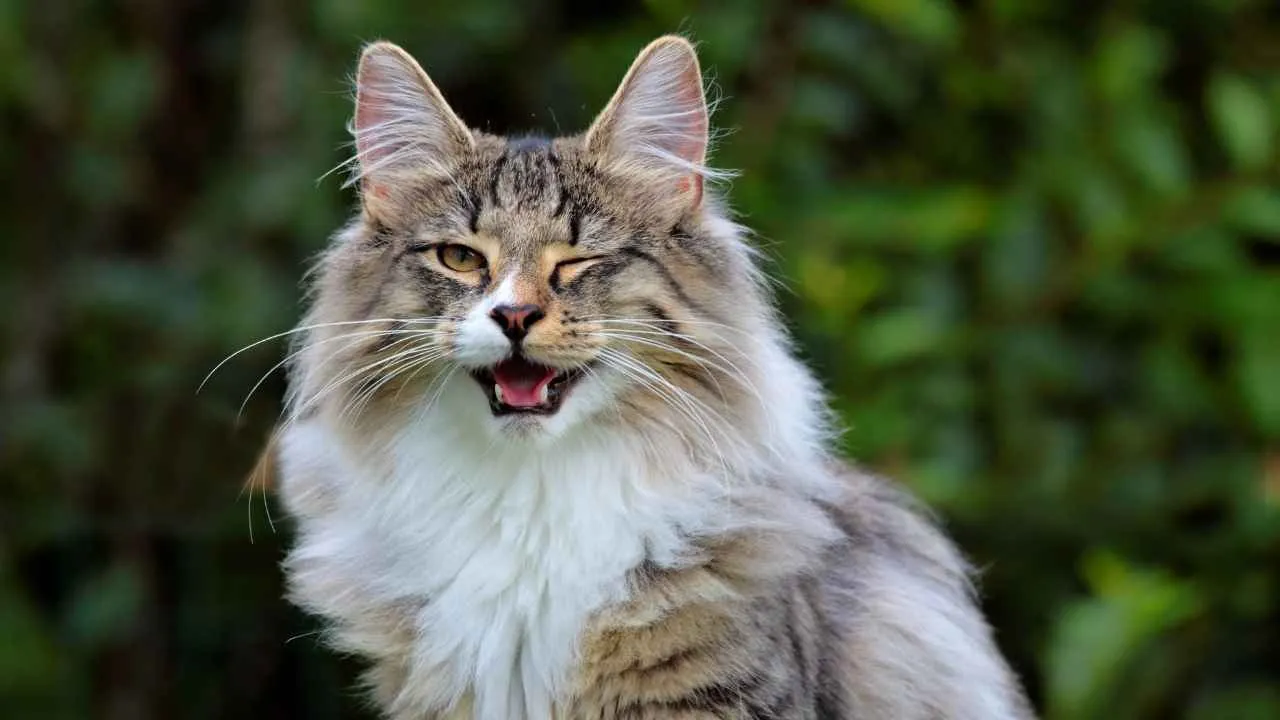
The Norwegian Forest Cat, affectionately called the “Wegie,” is a naturally developed Scandinavian breed known for its thick, weatherproof coat and sturdy build. With a semi-domestic heritage and striking appearance, this intelligent feline combines gentle affection with impressive self-reliance.
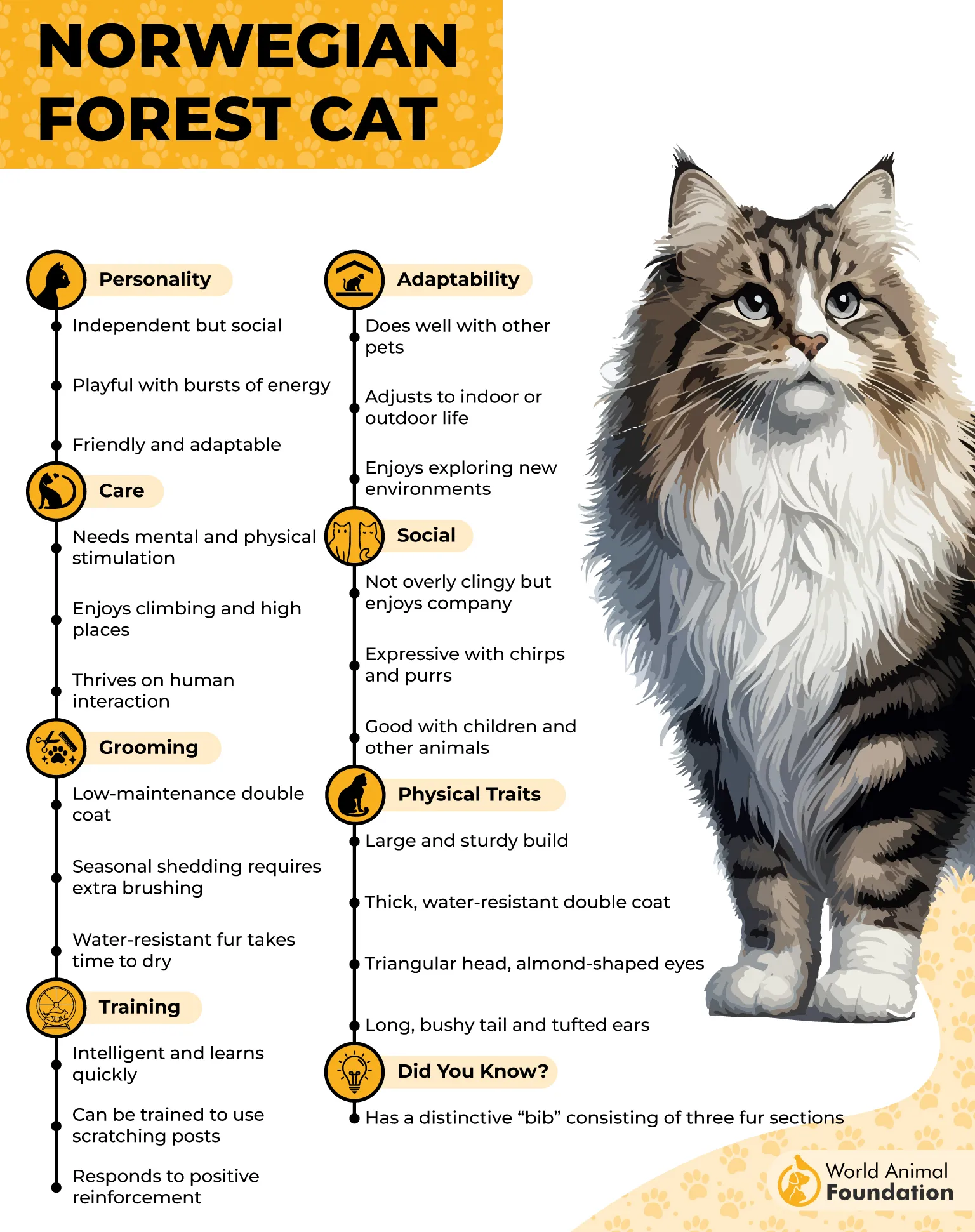
Norwegian Forest Cats are devoted to their families but never clingy. They enjoy companionship on their own terms, often staying nearby before wandering off to pursue independent interests.
Highly intelligent and equipped with strong hunting instincts, they excel at entertaining themselves. Puzzle toys, climbing trees, and solo play sessions keep them mentally engaged, making them ideal for busy households.
Moderately active with occasional bursts of energy, they may dash, hide, and “ambush” toys like prey. A notable fact: these adaptable cats produce unique bird-like chirps in addition to soft purrs, especially when excited.
6. Turkish Van
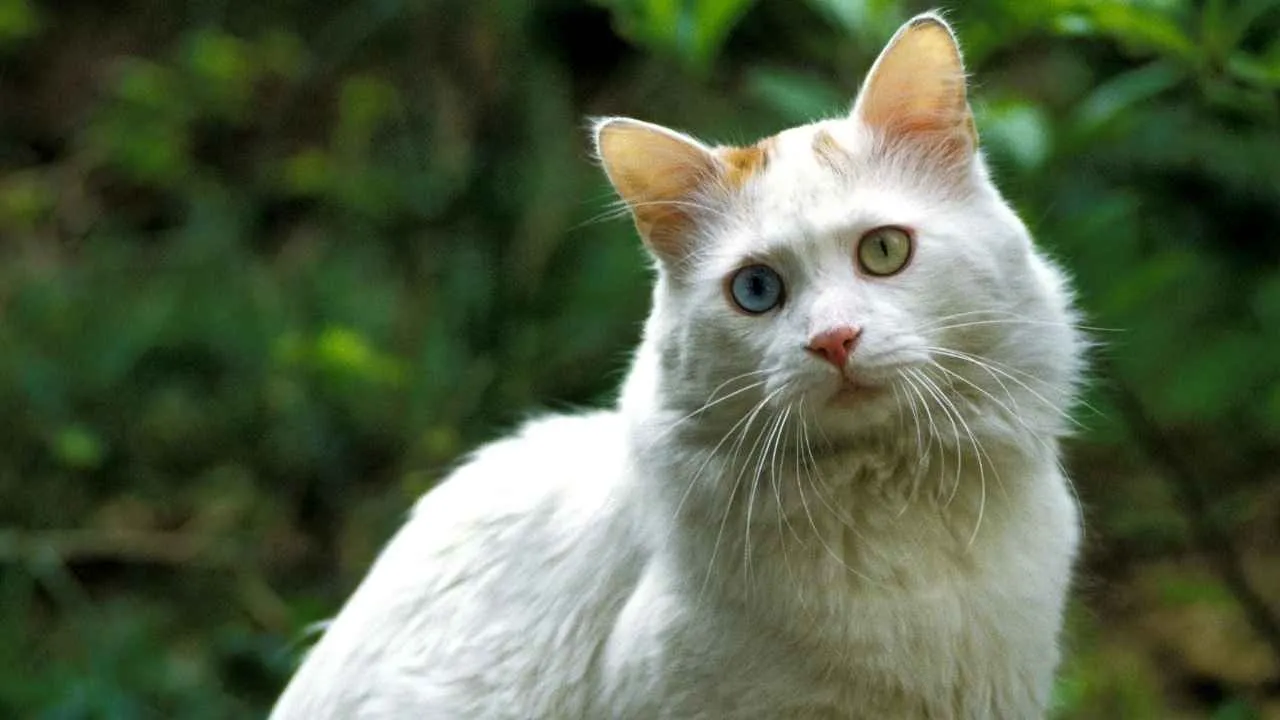
The Turkish Van, often called the “Swimming Cat,” is a rare, large-bodied breed originating from the Middle East. Recognized for its striking white coat with color limited to the head and tail—known as the “van pattern”—this athletic feline stands out for both beauty and bold personality.
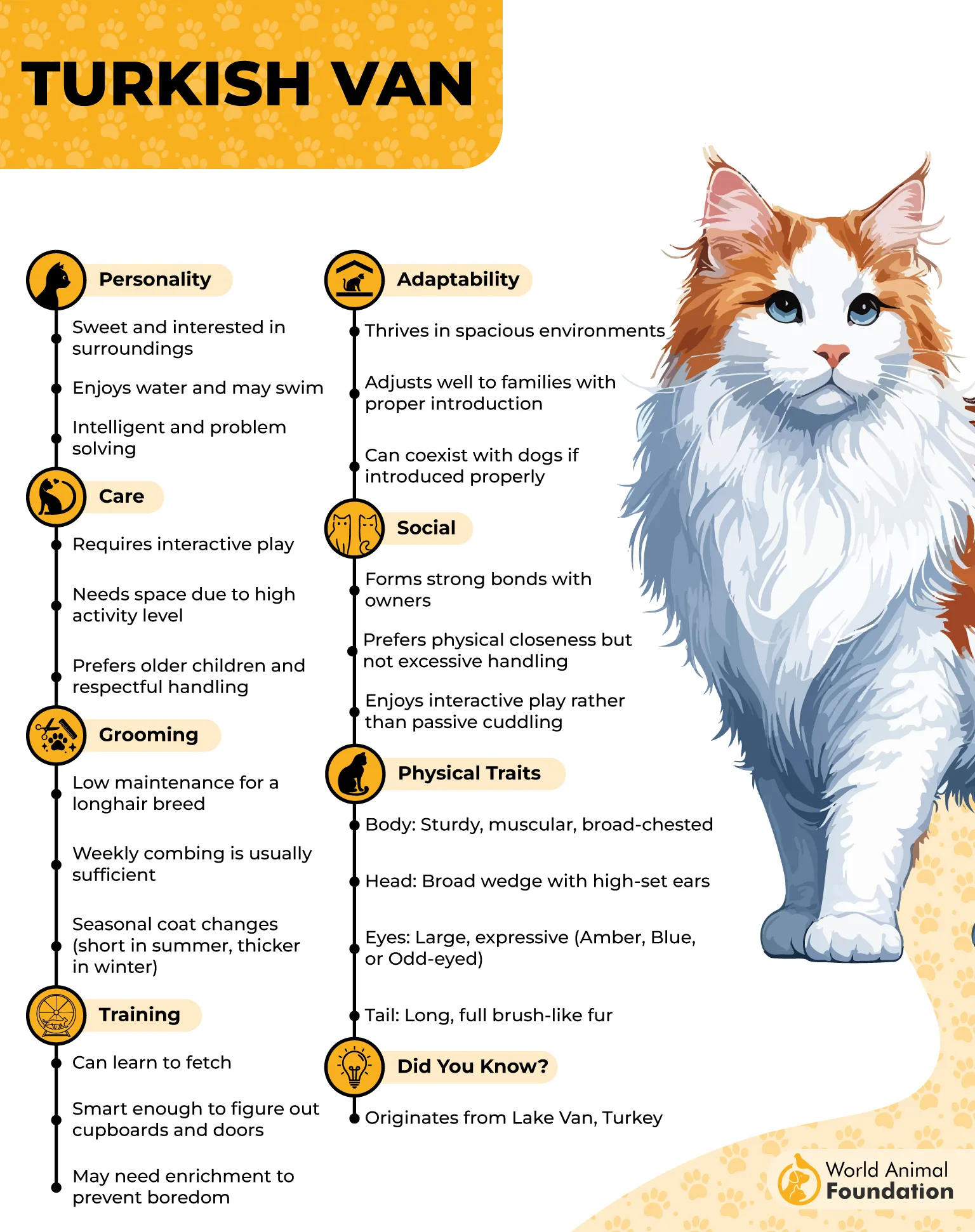
Turkish Vans are energetic, agile climbers who love to explore their surroundings. Their independence and intelligence allow them to invent games, scale furniture, and investigate every corner without relying heavily on constant human interaction.
Though affectionate and loyal, they prefer companionship on their own terms. Rather than being carried around, they’ll often follow their owners from room to room, staying engaged while still entertaining themselves.
Weighing up to 20 pounds and measuring up to 30 inches in length, they’re both sturdy and adventurous. A notable fact: their unusual fondness for water has earned them the enduring nickname “Swimming Cat.”
7. Abyssinian
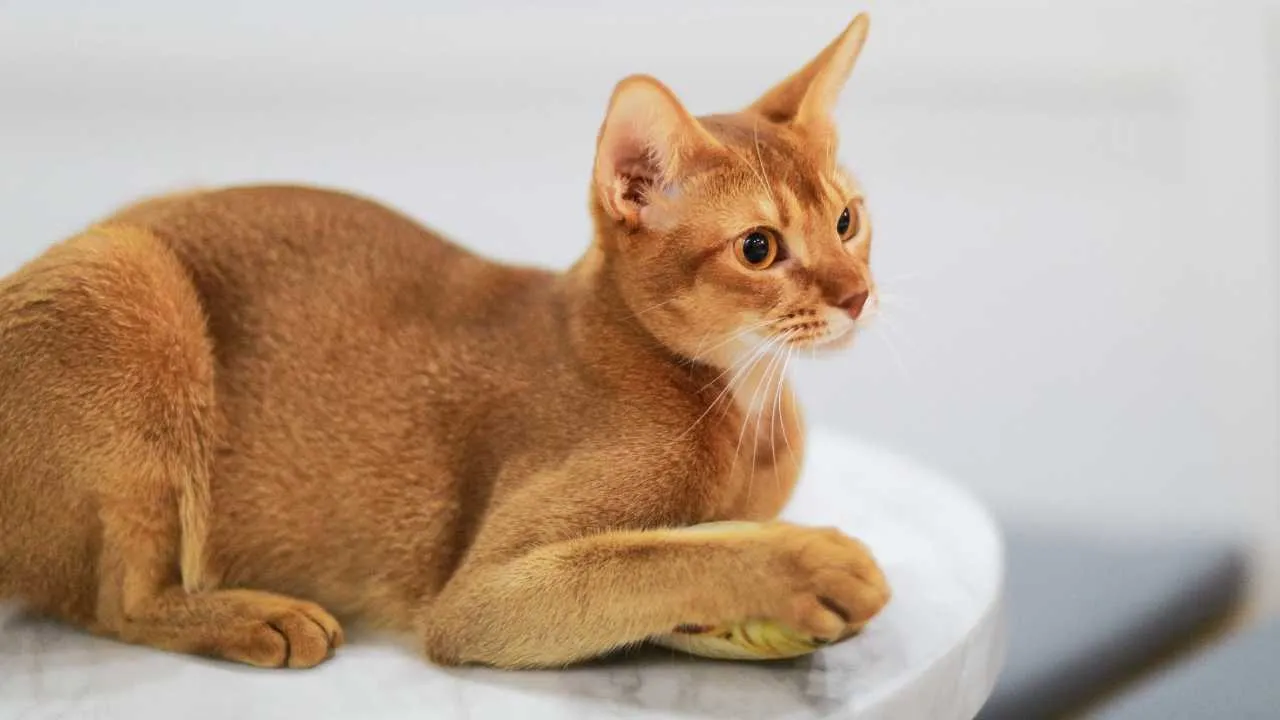
The Abyssinian, sometimes affectionately called the “Aby,” is a sleek, athletic breed known for its ticked coat and expressive almond-shaped eyes. With roots tracing back to early show cats in the 1870s, this agile feline has long been admired for both elegance and lively charm.
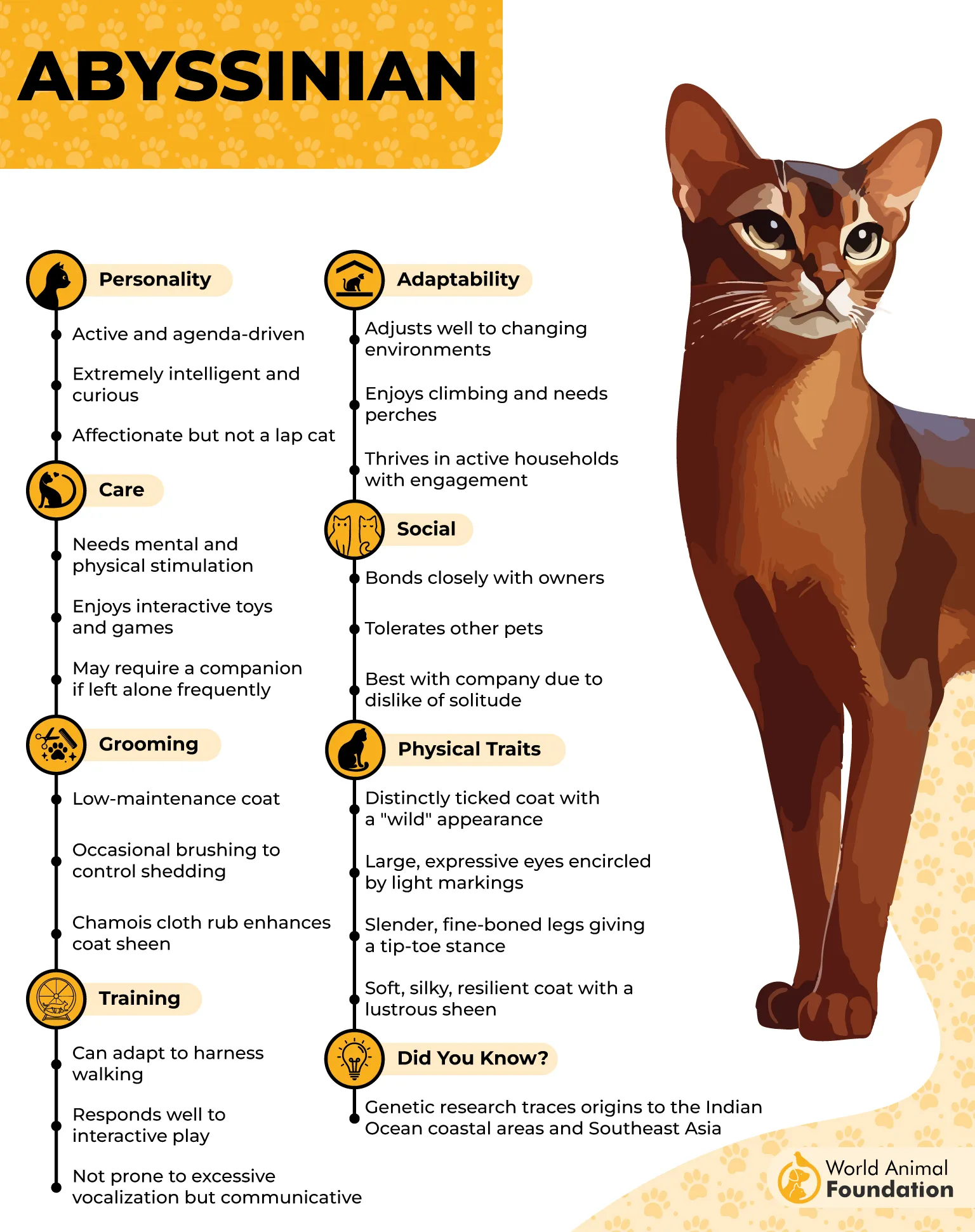
Abyssinians are naturally inquisitive and thrive on mental stimulation, making them masters of self-entertainment. Their curiosity drives them to explore every corner, often earning them the playful nickname “Aby-grabbys” for snatching intriguing objects.
Energetic yet independent, they happily tackle puzzle feeders and interactive toys to keep their sharp minds engaged. While they enjoy human company, they’re perfectly capable of keeping busy when left alone for part of the day.
Weekly grooming keeps their short, banded coat in top shape, though they may shed more seasonally. A notable fact: the first recorded Abyssinian appeared at the 1871 Crystal Palace cat show, where she earned third place.
8. Turkish Angora
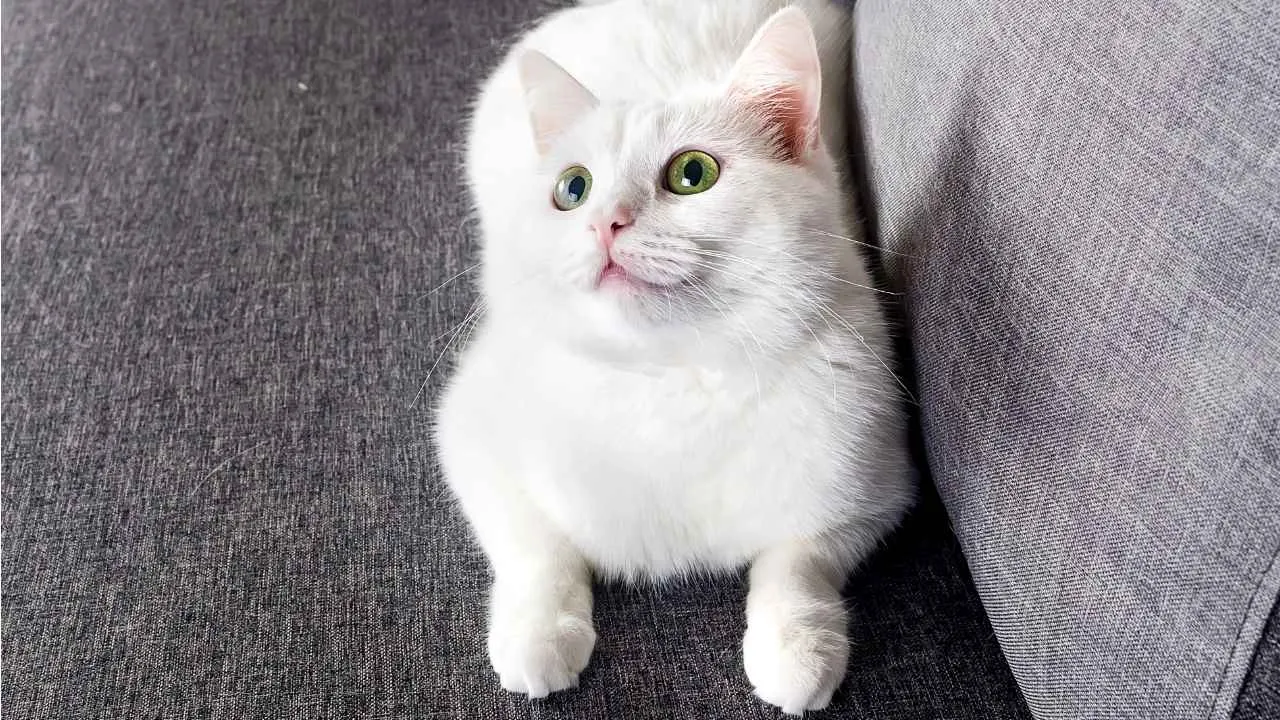
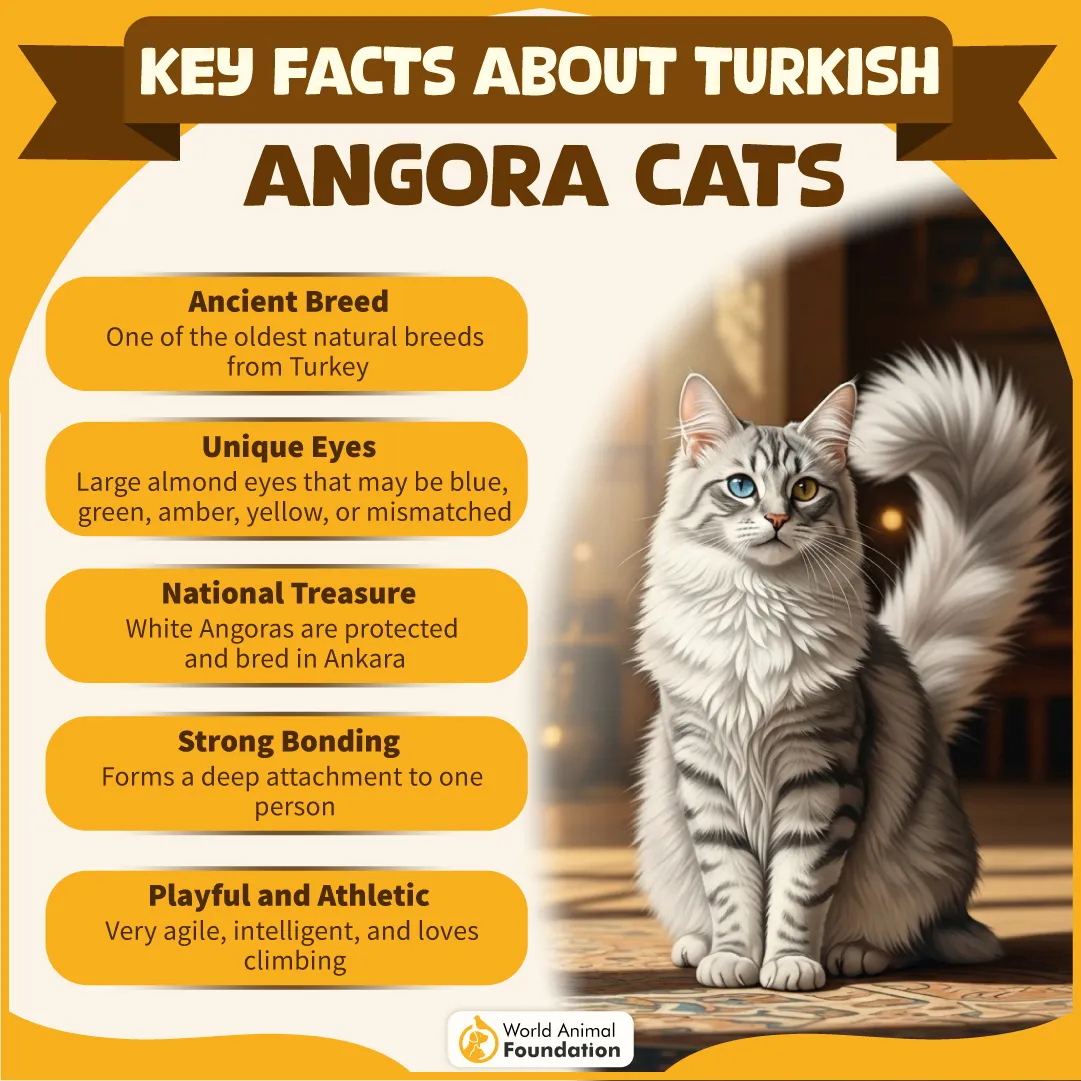
The Turkish Angora, sometimes simply called the Angora, is an elegant long-haired breed with roots tracing back to the 1600s in the Middle East. Known for its silky single coat, plumed tail, large upright ears, and almond-shaped eyes—often even odd-colored—this graceful cat blends beauty with sharp intelligence.
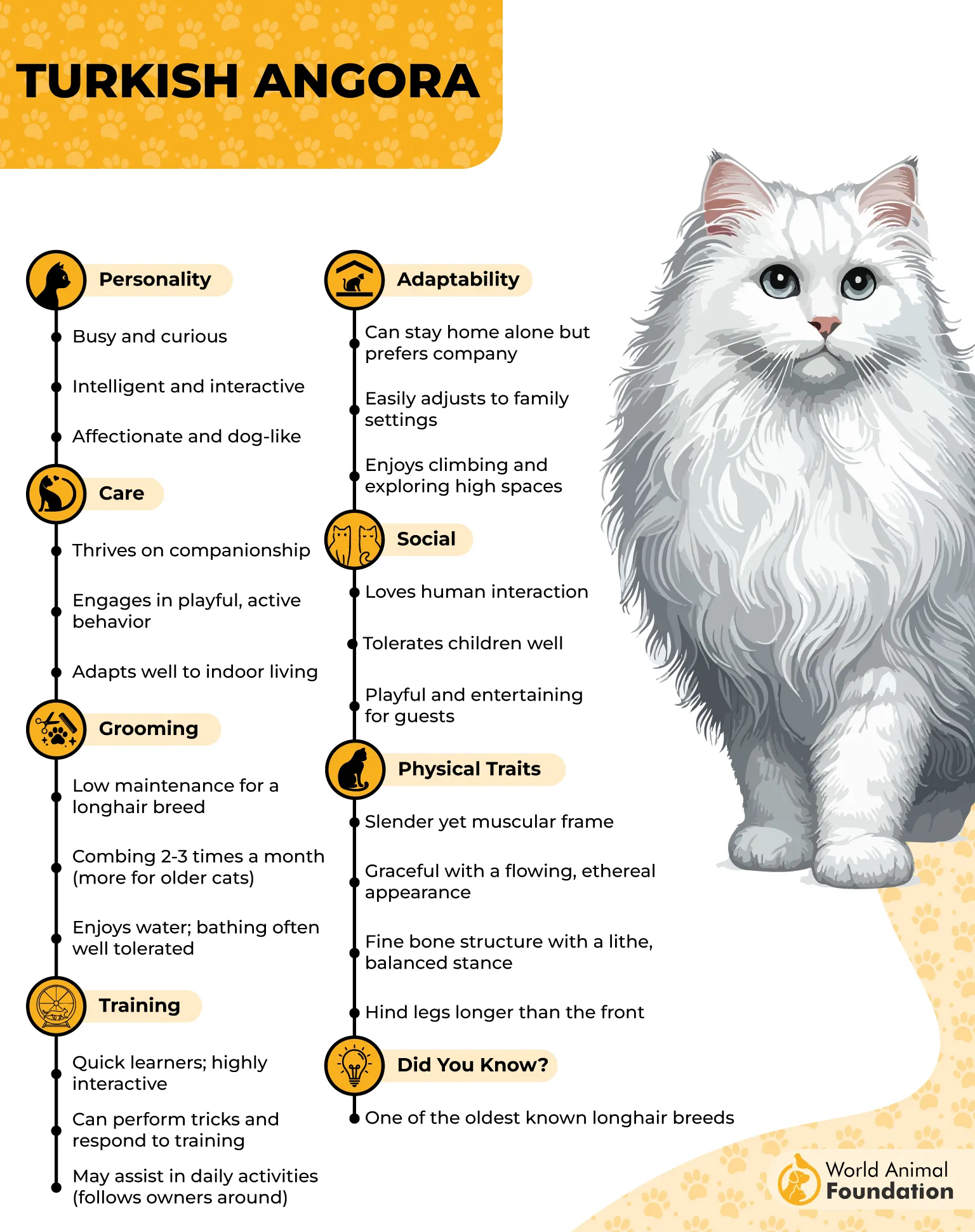
Turkish Angoras are lively thinkers who enjoy figuring things out on their own. While affectionate and interactive, they’re independent enough to stay home alone during the workday without becoming stressed or destructive.
Playful well into adulthood, they invent their own entertainment—chasing light reflections, scaling furniture, or investigating dripping faucets with fascination. Their clever, sometimes “Einstein-like” problem-solving skills make solo play both stimulating and satisfying.
Though they don’t always enjoy being held, they form strong bonds and eagerly greet their humans at the door. A notable fact: their easy-care single coat rarely mats and typically requires combing only two or three times a month.
9. Korat
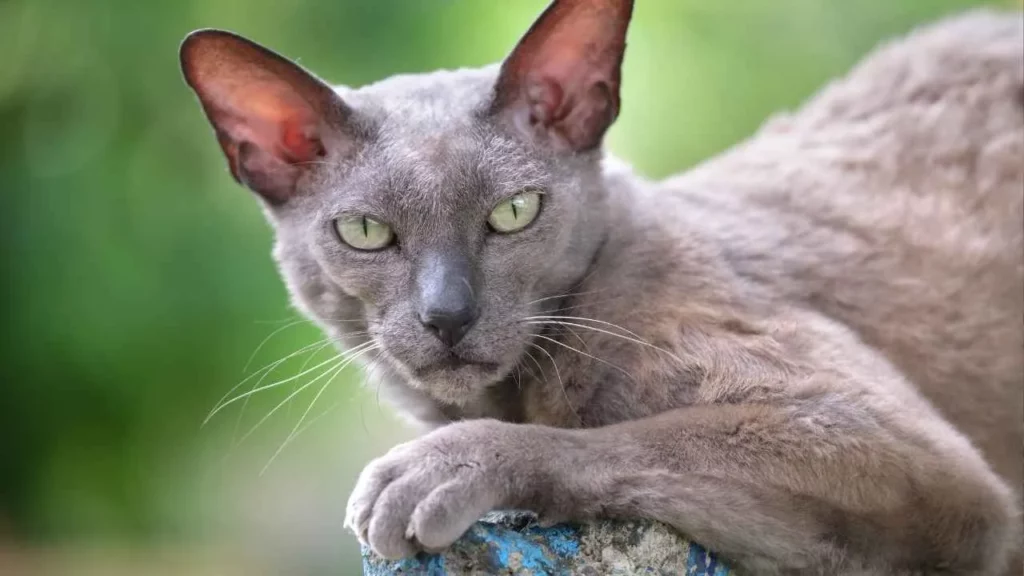
The Korat, sometimes called the “good luck cat” in its native Thailand, is a rare and ancient breed with a silver-tipped blue-gray coat and luminous green eyes. Recognized for its heart-shaped face and sturdy build, this intelligent feline blends elegance with quiet confidence.
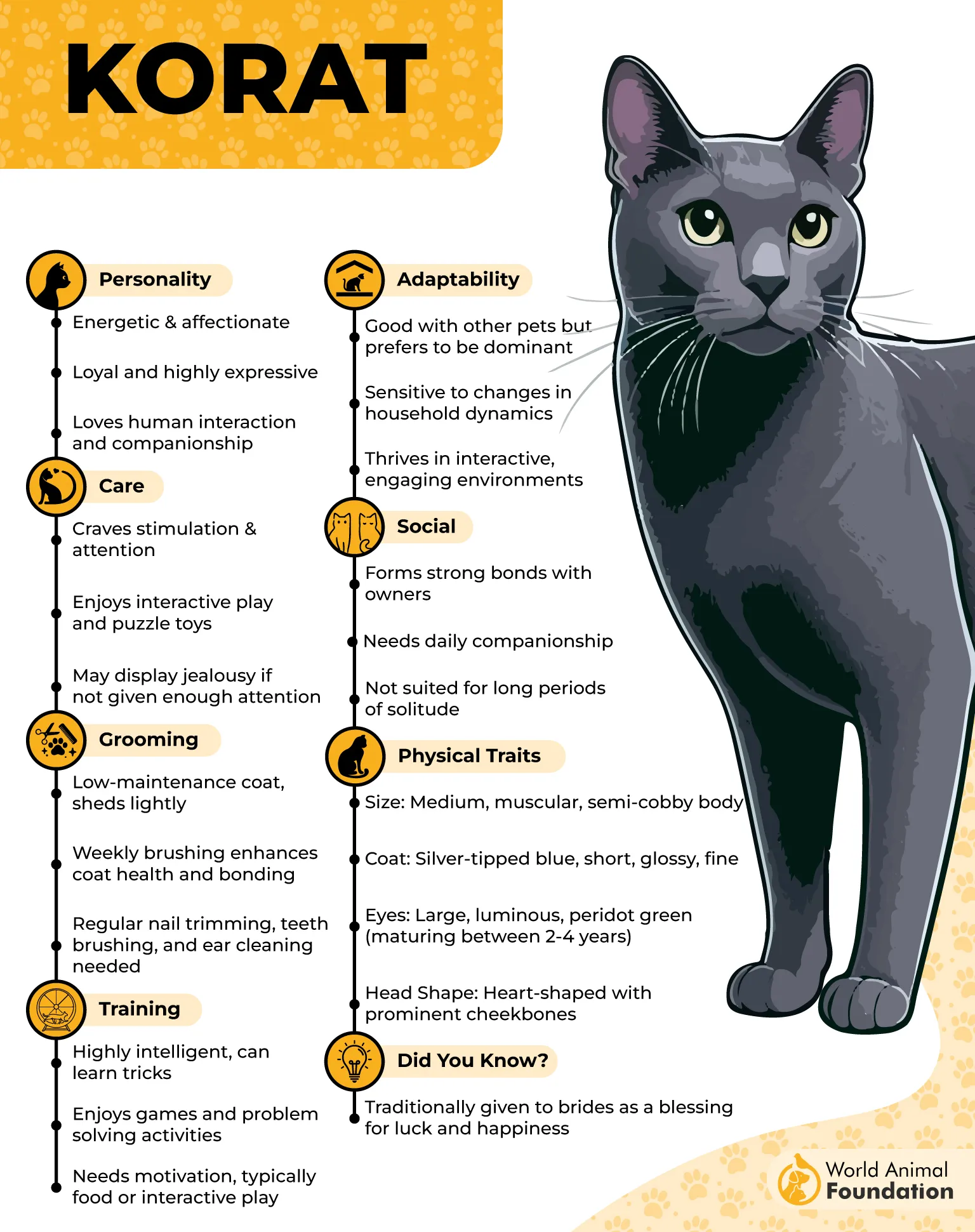
Korats are bright, curious cats that thrive on mental engagement. While they enjoy interactive play with their humans, they’re equally capable of entertaining themselves with puzzle feeders, toys, or quiet observation of their surroundings.
Highly perceptive with keen senses of sight and hearing, they move softly and prefer peaceful environments. Their calm demeanor allows them to stay content alone for several hours, provided they have stimulating activities available.
Though independent, Korats form deep bonds and love close cuddles once they’ve warmed up. A notable fact: regarded as a symbol of good fortune in Thailand, the Korat is considered one of the oldest cat breeds in the world.
Conclusion
In conclusion, several independent cat breeds stand out for their ability to self-entertain while still enjoying human companionship.
Siamese cats, known for being extremely inquisitive and cat active, also thrive around the house when given stimulation. These top cat breeds are suitable for cat owners seeking low-maintenance cats that can enjoy their own company and coexist peacefully with other pets or other animals.
For busy owners or a busy person with busy after-school schedules, choosing the right feline companion is essential.
Whether considering a large cat like the maine coon or one of the most cat-friendly and adaptable breeds, these cats can remain content and engaged independently while still forming strong bonds with their families.
