




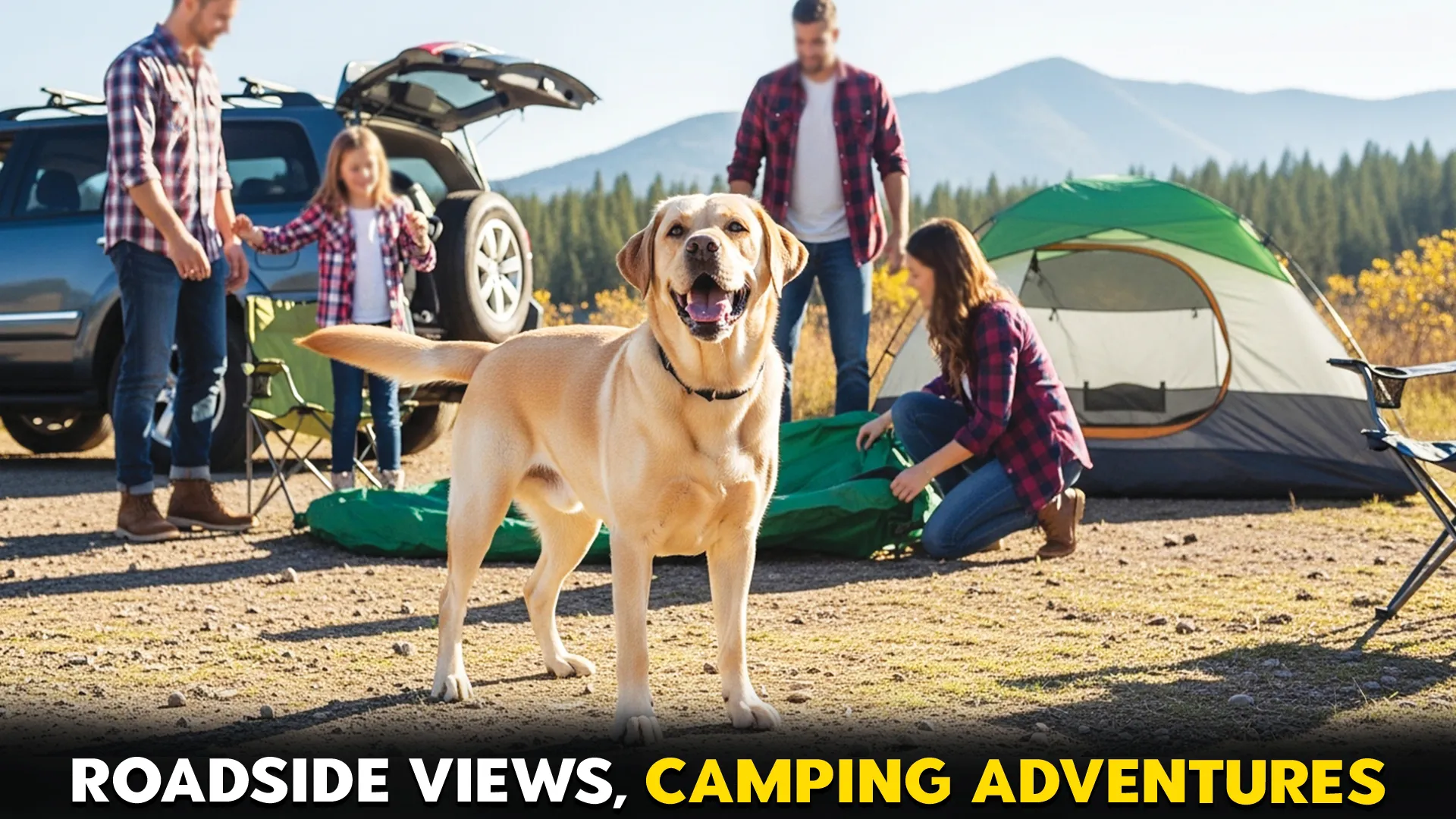
There’s something magical about loading up the car, rolling down the windows, and heading toward mountains, lakes, or open highways — especially when your dog is along for the ride.
According to the American Pet Products Association, over 60% of dog owners travel with their pets each year, and road trips remain the most common form of pet travel. Dogs aren’t just tagging along anymore; they’re full-fledged adventure companions.
But not every breed thrives on long drives, campground chaos, hiking trails, and unpredictable weather. The ideal road-trip dog needs more than just enthusiasm. They should be adaptable, social, trainable, physically capable, and emotionally resilient in new environments.
Some breeds were historically developed for fieldwork, hunting, or companionship on long journeys. Others simply possess the stamina and temperament that make them naturals for outdoor living. Choosing the right travel partner can mean the difference between a smooth, joyful adventure and a stressful experience.
If you’re planning your next camping getaway or cross-country road trip, these seven friendly dog breeds stand out as exceptional travel companions — each in their own unique way.
Friendly Dog Breeds for Family Road Trips and Camping Adventures
1. Labrador Retriever
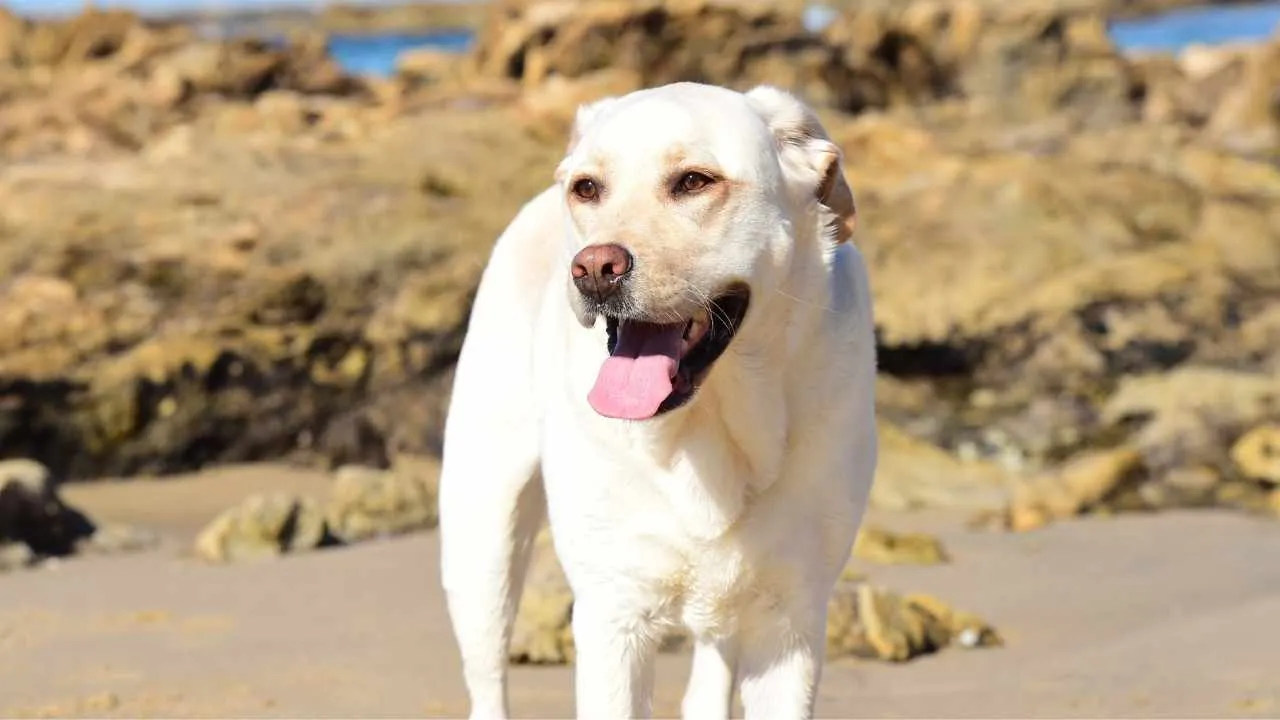
Few breeds embody the spirit of adventure like the Labrador Retriever. Originally bred in Newfoundland to assist fishermen by retrieving nets and fish from icy waters, Labs were literally designed for stamina, endurance, and outdoor conditions.
Today, they consistently rank among the most popular dog breeds in the United States — and for good reason.
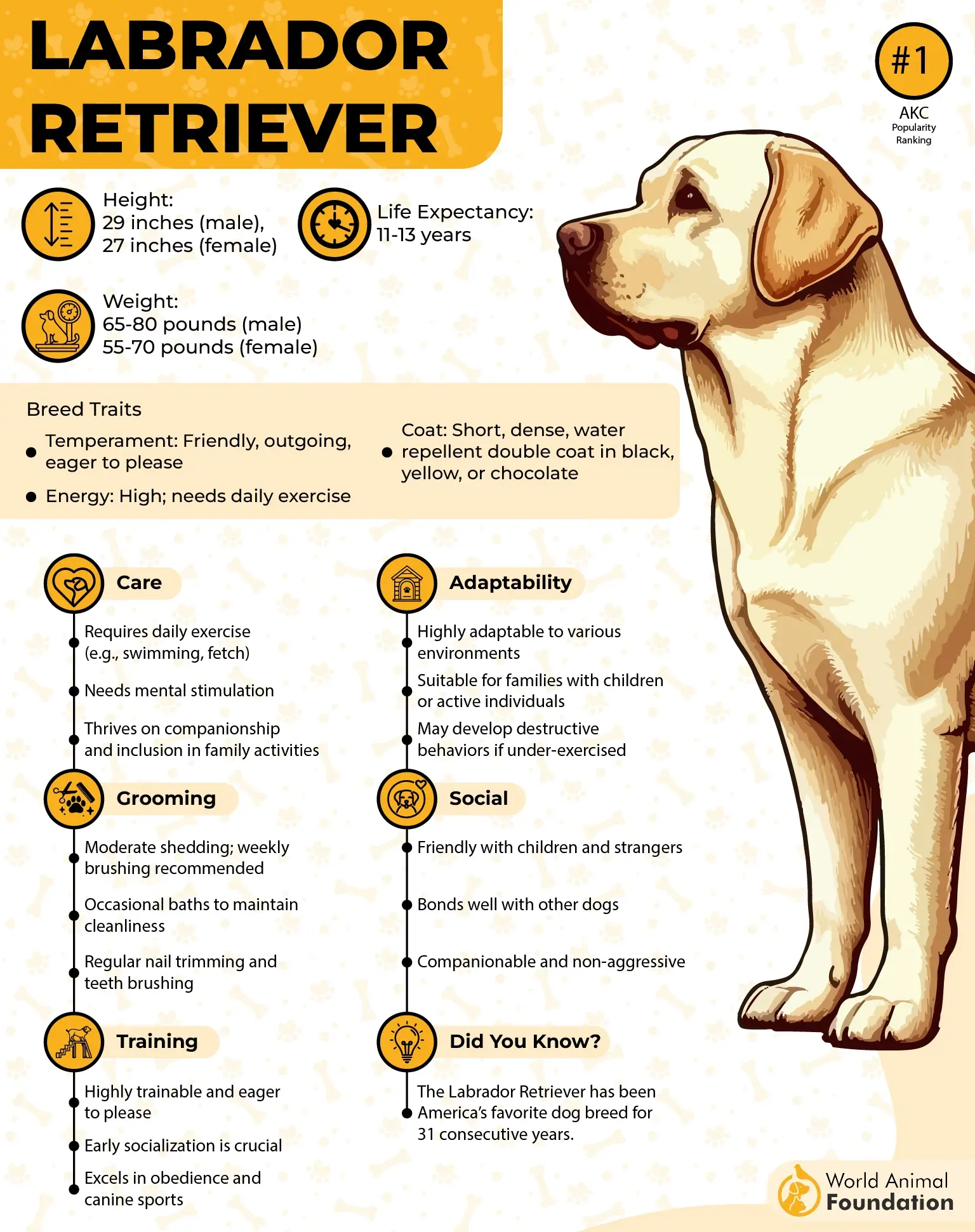
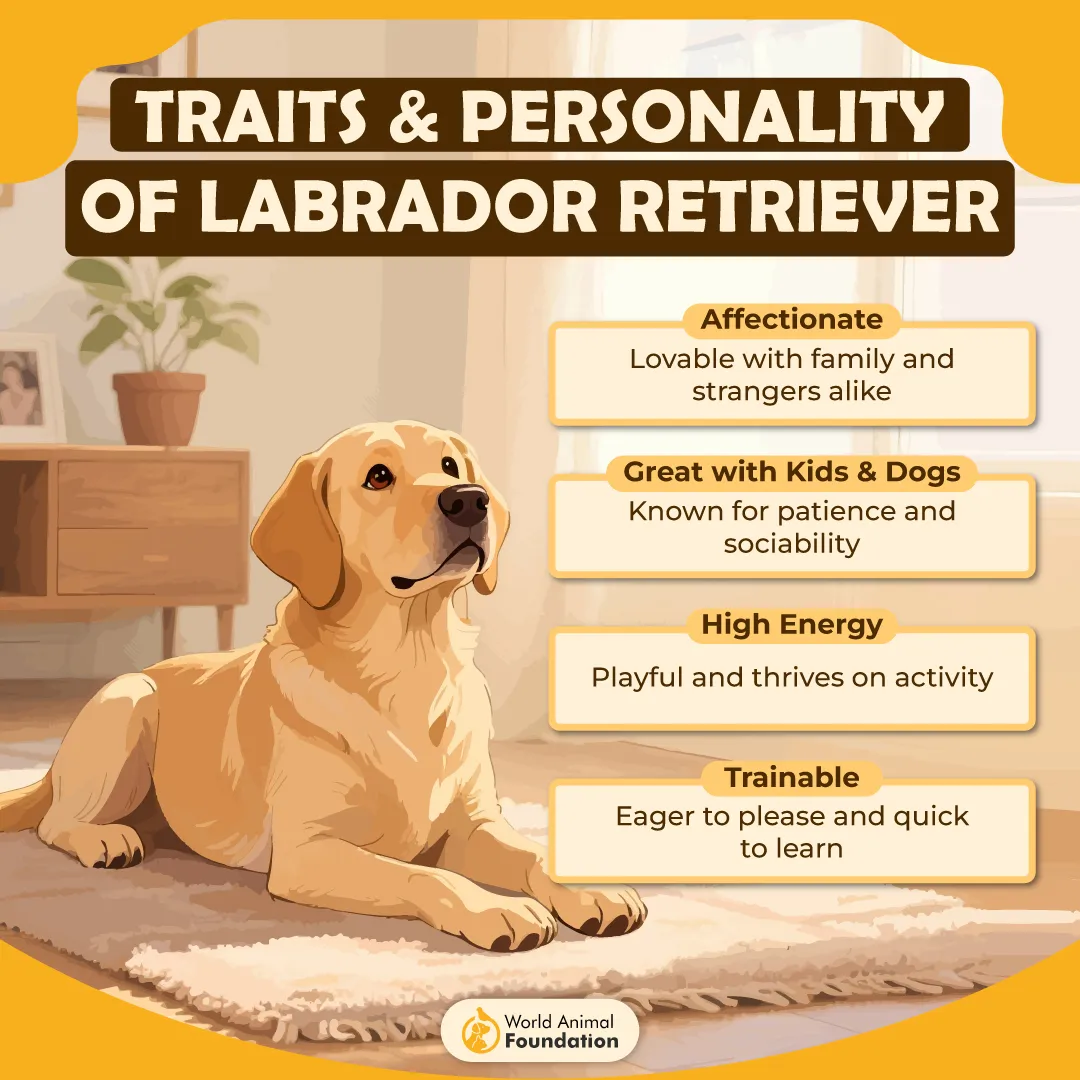
Labradors are rugged, even-tempered, and incredibly social. Their friendly nature makes them campground favorites, whether you’re parked next to another RV or hiking a busy trail. They’re confident without being aggressive and curious without being reckless. That balance makes them wonderful family road-trip dogs.
Energy-wise, Labs are athletes. A well-conditioned adult Labrador can comfortably hike 5–10 miles, and many working-line Labs could go even further. However, conditioning matters.
Car safety is critical with a large, enthusiastic breed. Use a crash-tested harness or secured crate, and never leave them unattended in a vehicle. Even on a mild 21°C day, car interiors can reach dangerous temperatures within minutes. Hydration breaks, familiar bedding, and recreating their sleeping arrangements from home help keep them relaxed during travel.
Labs also require significant mental stimulation. Bring chew toys, puzzle feeders, and plan regular stops to burn energy. A tired Labrador is a happy travel companion — and when their needs are met, they are among the best family adventure dogs in the world.
2. Golden Retriever
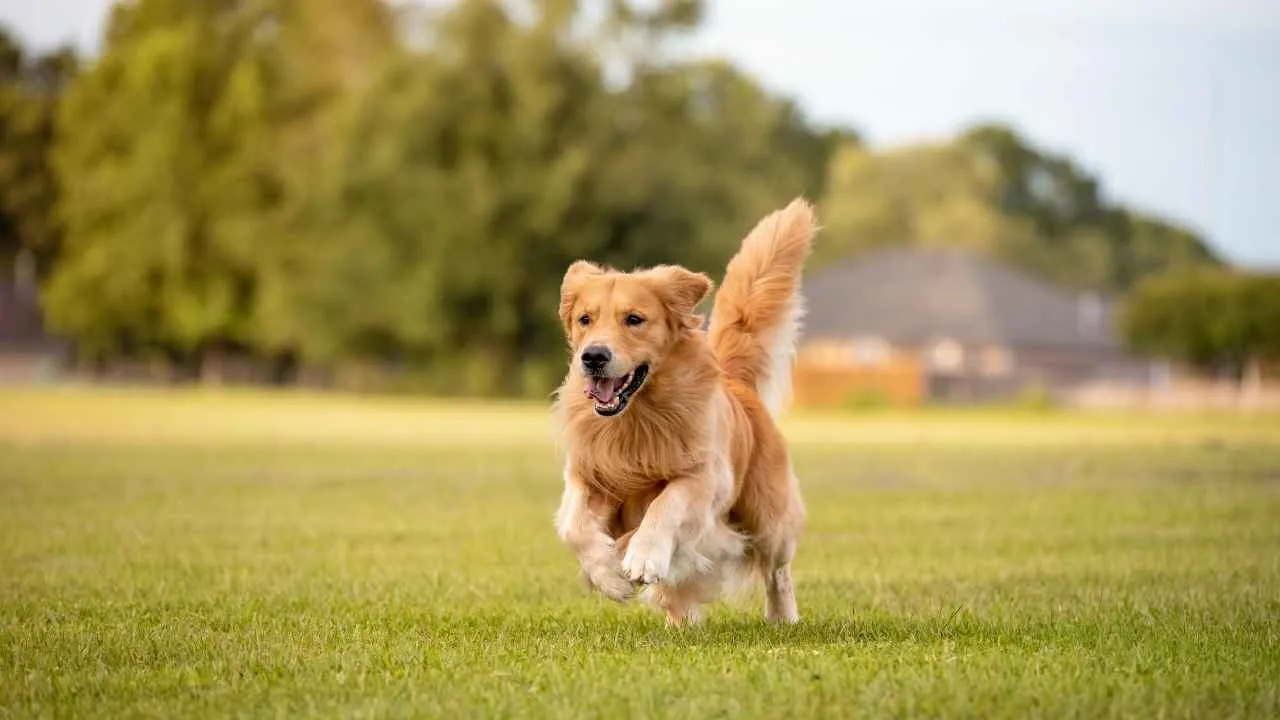
Golden Retrievers are practically synonymous with wholesome family adventures. Developed in Scotland in the mid-1800s as gundogs for retrieving waterfowl, they were bred for stamina, obedience, and close partnership with humans. That history shows up clearly when you take them camping.
They are social butterflies, as per Orvis. They thrive in campground settings where they can greet fellow travelers (politely, with training) and explore new scents. Their affectionate nature also helps nervous family members relax in unfamiliar places — they are natural emotional anchors.
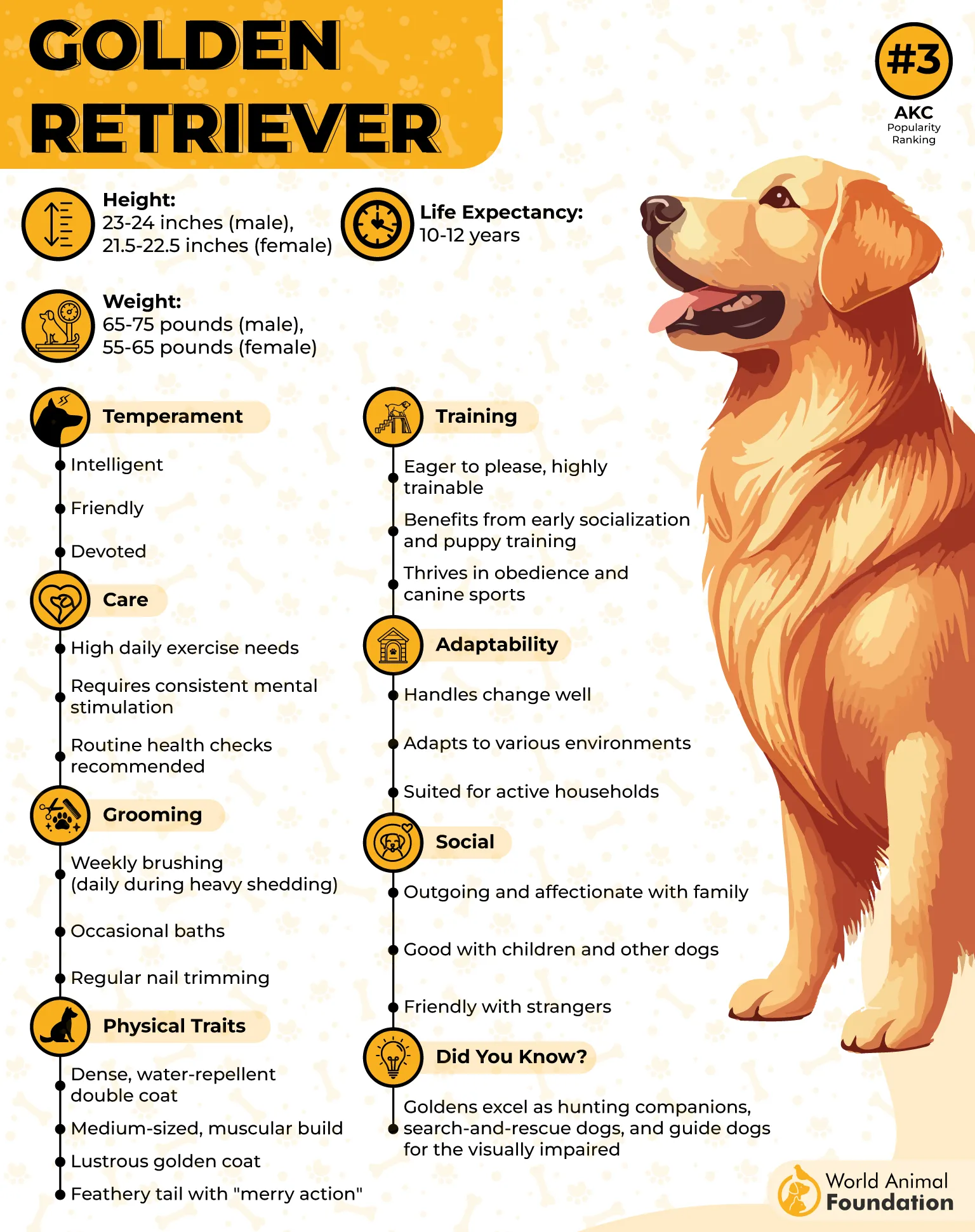
Physically, they are strong hikers. Healthy, conditioned adults can comfortably handle 8–10 miles on moderate terrain. They love swimming, making lakeside camping especially enjoyable. However, their thick double coat means they require shade and cooling breaks in warm climates.
Safety preparation is essential. Updated microchip information, tick prevention, and a solid recall command are non-negotiable. Goldens can be distracted by wildlife or other campers, so leash control in busy areas is wise.
At night, they prefer sleeping in tents or RVs with their family rather than outside. Golden Retrievers don’t just tolerate travel — they flourish in it when included as part of the adventure.
3. Cavalier King Charles Spaniel
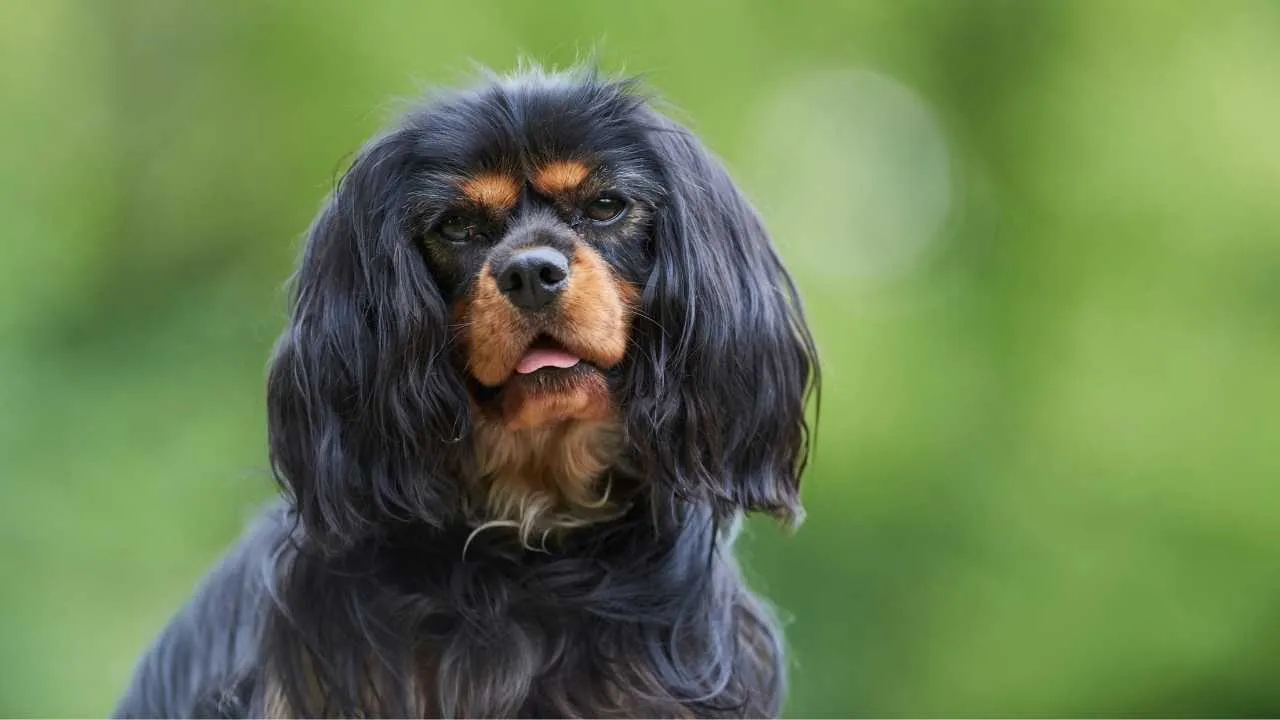
Don’t let their royal name fool you — Cavalier King Charles Spaniels are surprisingly adaptable travelers. Named after King Charles II of England, who was famously devoted to his spaniels, this breed was developed primarily for companionship. That companionship instinct makes them excellent road-trip partners.
Cavaliers are portable, typically weighing between 13 and 18 pounds, which makes them easy to transport. They handle car travel well when secured in crates and tend to enjoy being close to their people during long drives.
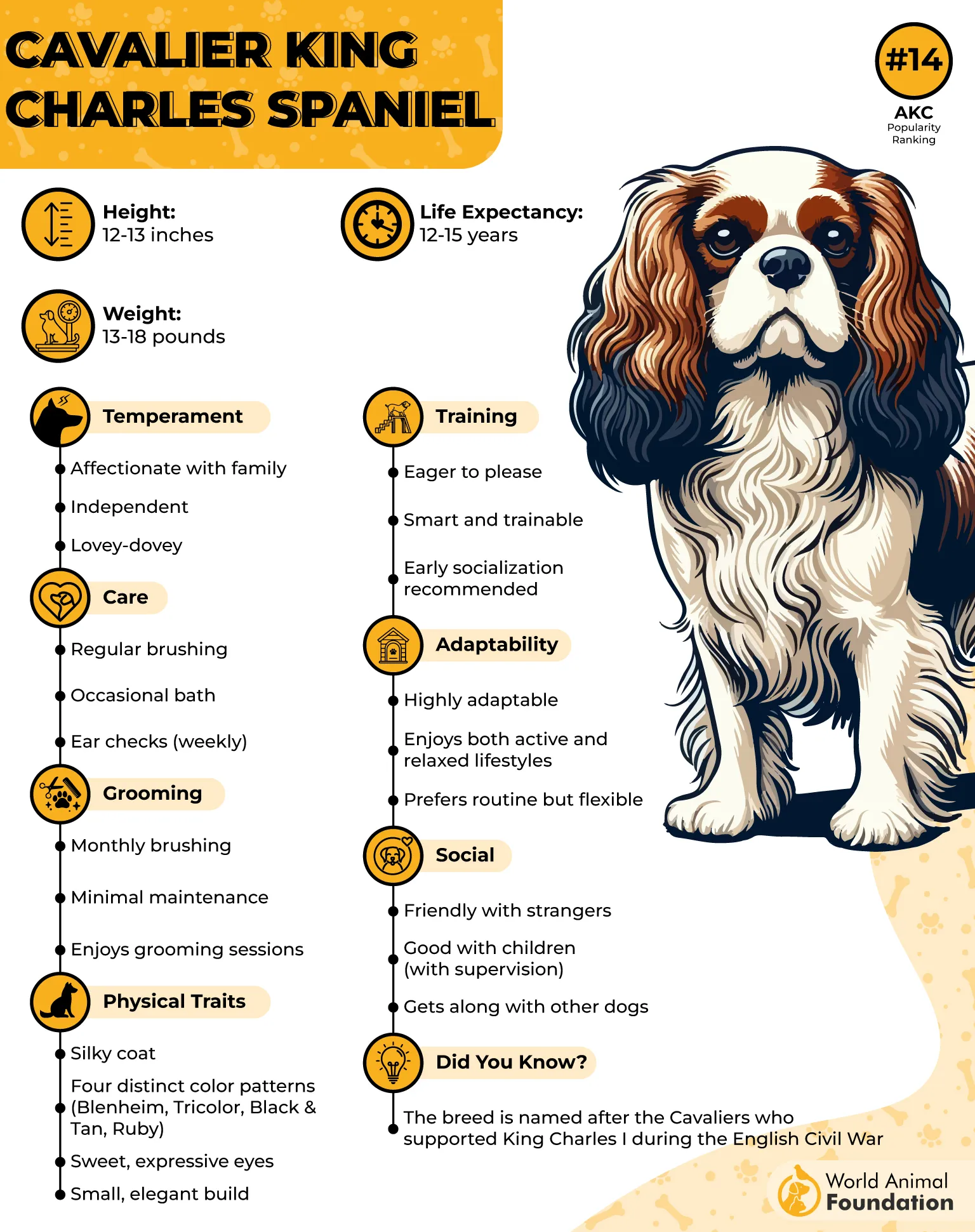
Unlike high-energy working breeds, Cavaliers require moderate exercise. A few daily walks and some woodland exploring are usually sufficient. They enjoy hiking but are not built for extreme endurance treks. This makes them ideal for relaxed camping trips rather than rugged backcountry expeditions.
Health considerations matter. Cavaliers are prone to heart conditions, such as mitral valve disease, so veterinary clearance before extended travel is important. Puppies should never travel until vaccinations are complete.
Because they are social magnets, expect frequent stops from strangers who want to greet them. Their gentle, affectionate personality makes them wonderful companions in campgrounds and pet-friendly hotels alike.
4. Beagle
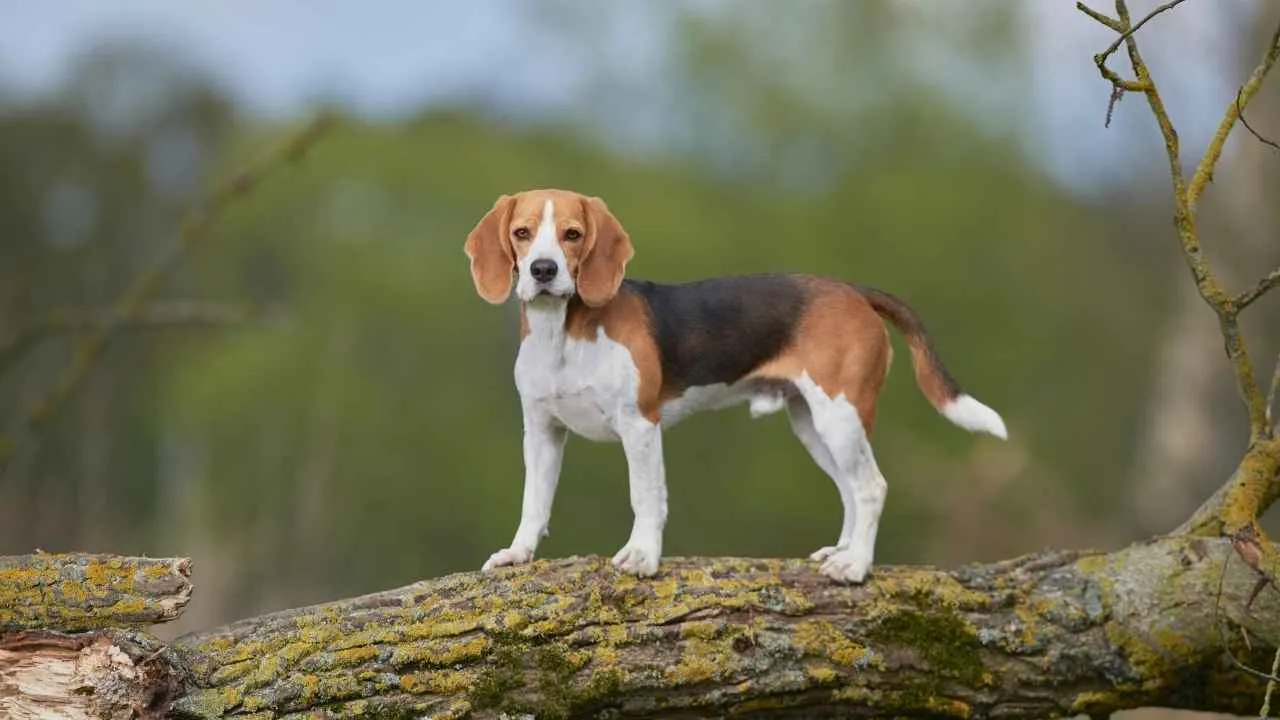
Beagles were bred as scent hounds, developed in England to track rabbits over long distances. That heritage makes them energetic, curious, and surprisingly durable travelers. They are medium-sized, compact, and easy to transport.
They bring enthusiasm to every trip. They love sniffing new trails, exploring campsites, and shadowing their owners. However, their powerful nose can lead them astray. They must remain leashed or securely tethered — once they catch a scent, selective hearing kicks in.
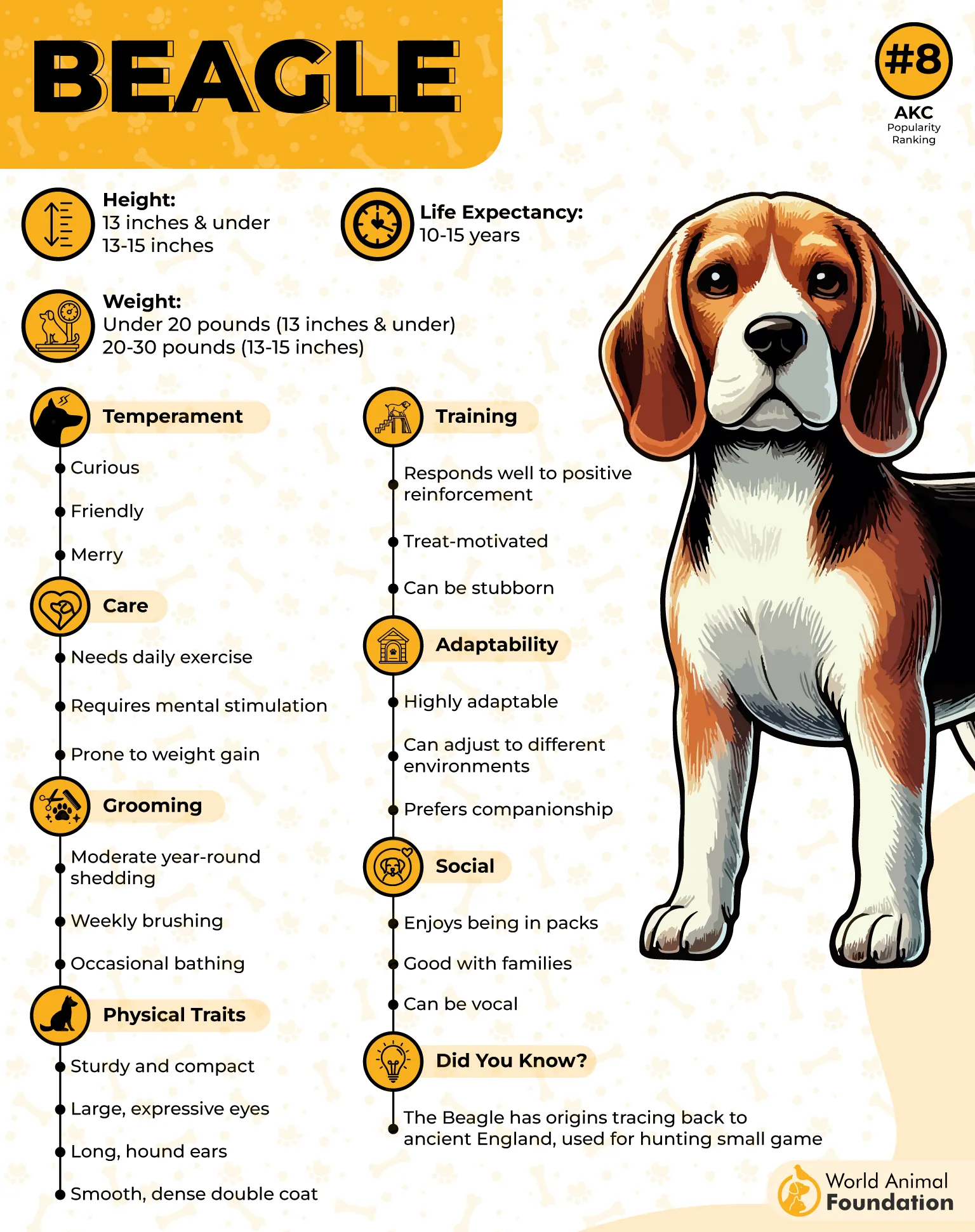
Exercise needs are significant. Beagles require 60–90 minutes of daily activity. Camping is actually ideal for them, as it provides structured outdoor stimulation. However, they are not marathon runners; shorter hikes suit them better than extreme distances.
Tick prevention is critical since Beagles love underbrush. Extra food may also be necessary because high activity increases calorie needs. Check out this Reddit thread for more tips!
They should sleep inside tents. Despite their hardy nature, they are not outdoor-only dogs. With firm boundaries and proper planning, Beagles are joyful, vocal, and affectionate road-trip companions.
5. Border Collie
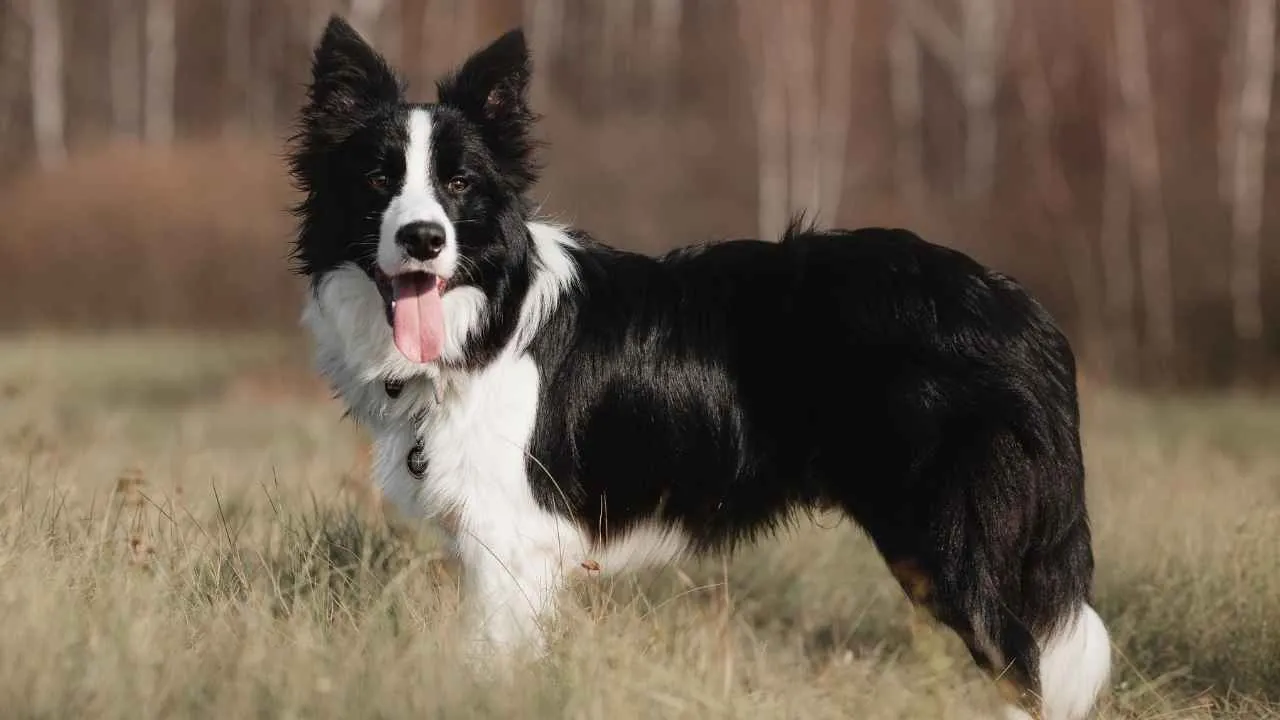
Border Collies are the intellectual athletes of the dog world. Bred in the border region between England and Scotland for herding sheep across vast terrain, they possess unmatched stamina and intelligence.
A Border Collie is ideal for highly active families. They need a minimum of two hours of daily exercise, and camping trips filled with hiking, trail running, and structured play are perfect outlets. A bored Border Collie can become destructive, so activity is essential.
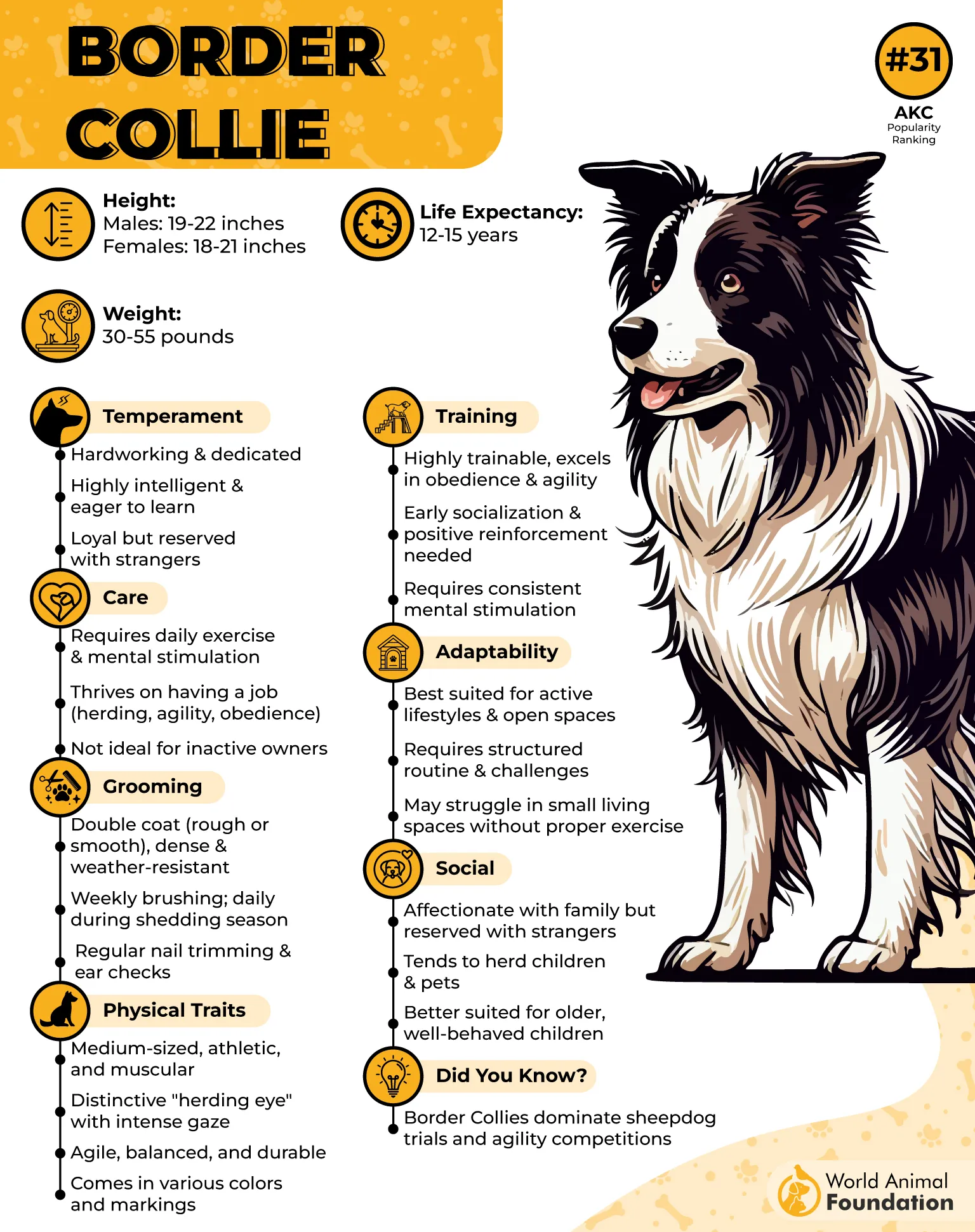
They are incredibly trainable, but solid obedience is required before off-leash adventures. Their instinct to chase moving objects can trigger pursuit behavior in wildlife. Road trips require planning. Exercise before long drives to reduce restlessness. Bring interactive toys and schedule frequent stops.
They are extremely playful, and their playfulness is intense and purposeful. Unlike many breeds that simply enjoy casual games, they approach play as if it’s a job. Bred for herding livestock along the rugged borders of Scotland and England, they were developed to work long hours with focus and stamina. That working drive translates into an energetic, mentally engaged play session
Border Collies are not casual travel companions — they are partners in adventure. For families ready to invest energy, they are extraordinary road-trip dogs.
6. Jack Russell Terrier
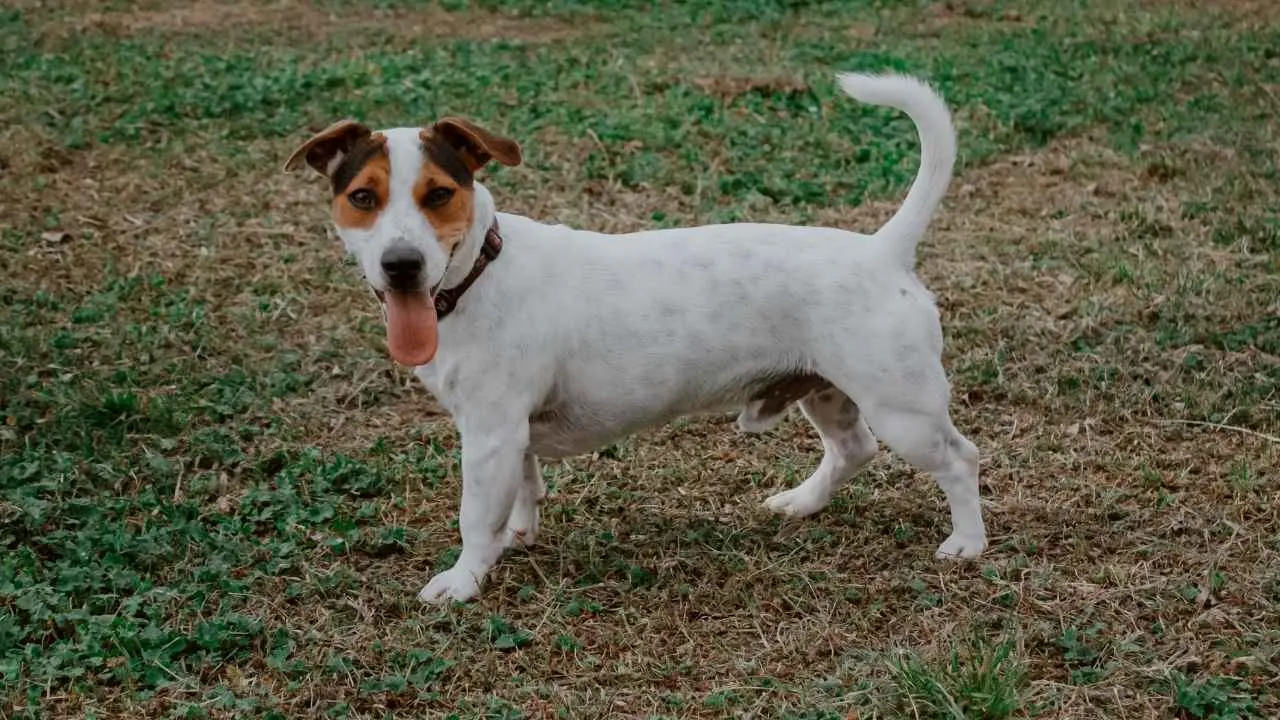
Jack Russell Terriers may be small, but they are packed with stamina. Originally bred in England for fox hunting, they are fearless, muscular, and surprisingly durable for their size.
They excel at shorter runs and 5–10 mile hikes, provided they are conditioned. The AKC says that their compact size makes them easy to travel with in a car, but they must be properly secured in crates or harnesses.
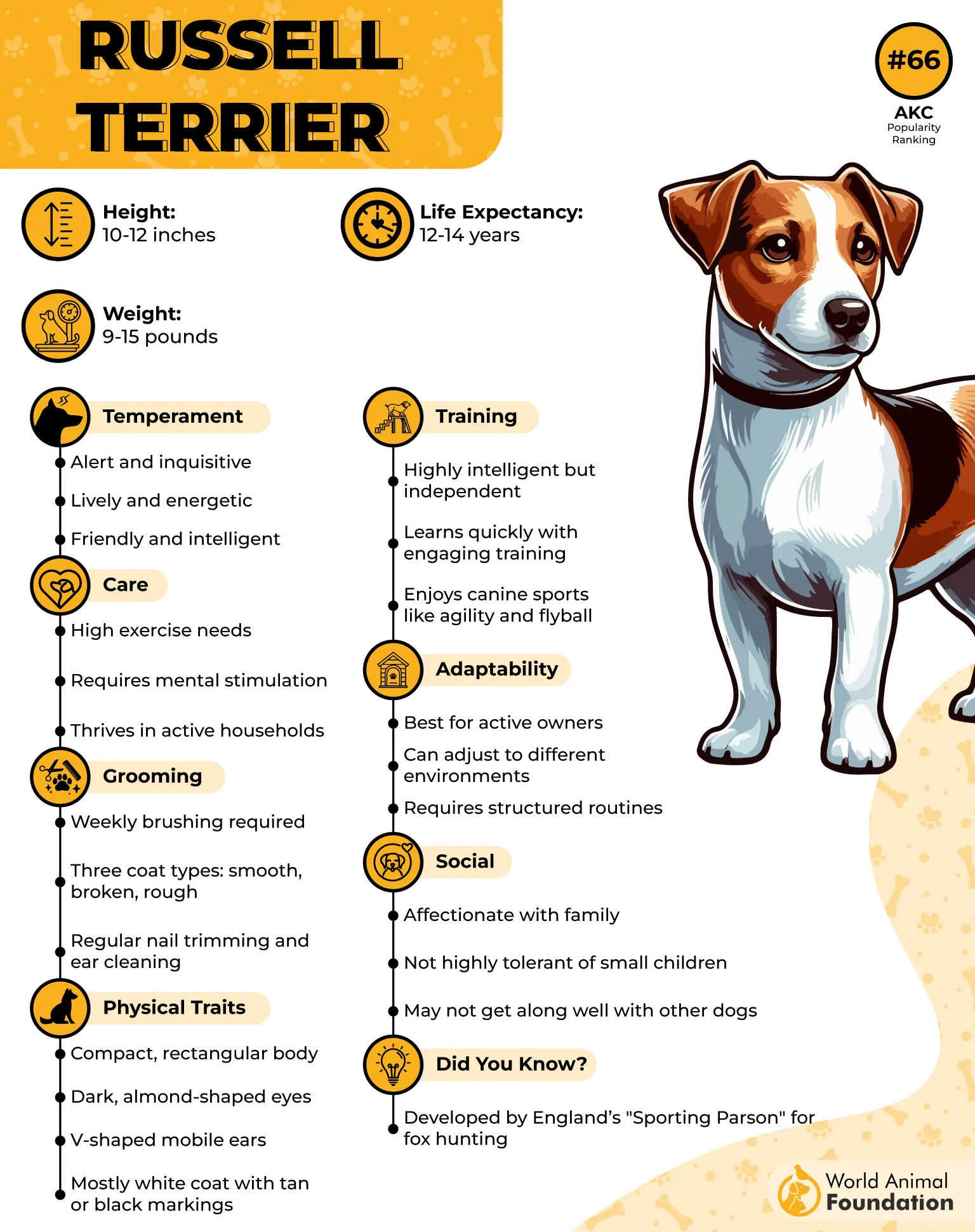
Veterinary checks before travel are important. Vaccinations, identification tags, and a first aid kit are essential for such active dogs. Because they are small (typically 13–17 pounds), many airlines allow them to travel in the cabin if they fit inside an approved carrier under the seat. This is almost always the safer and less stressful option compared to the cargo hold.
Whenever possible, in-cabin transport is recommended for small breeds during air travel.
They are curious and bold, so leash control is critical at campsites. Their prey drive can kick in quickly. Energetic, entertaining, and tough, Jack Russells are lively companions for active road-tripping families.
7. Dalmatian
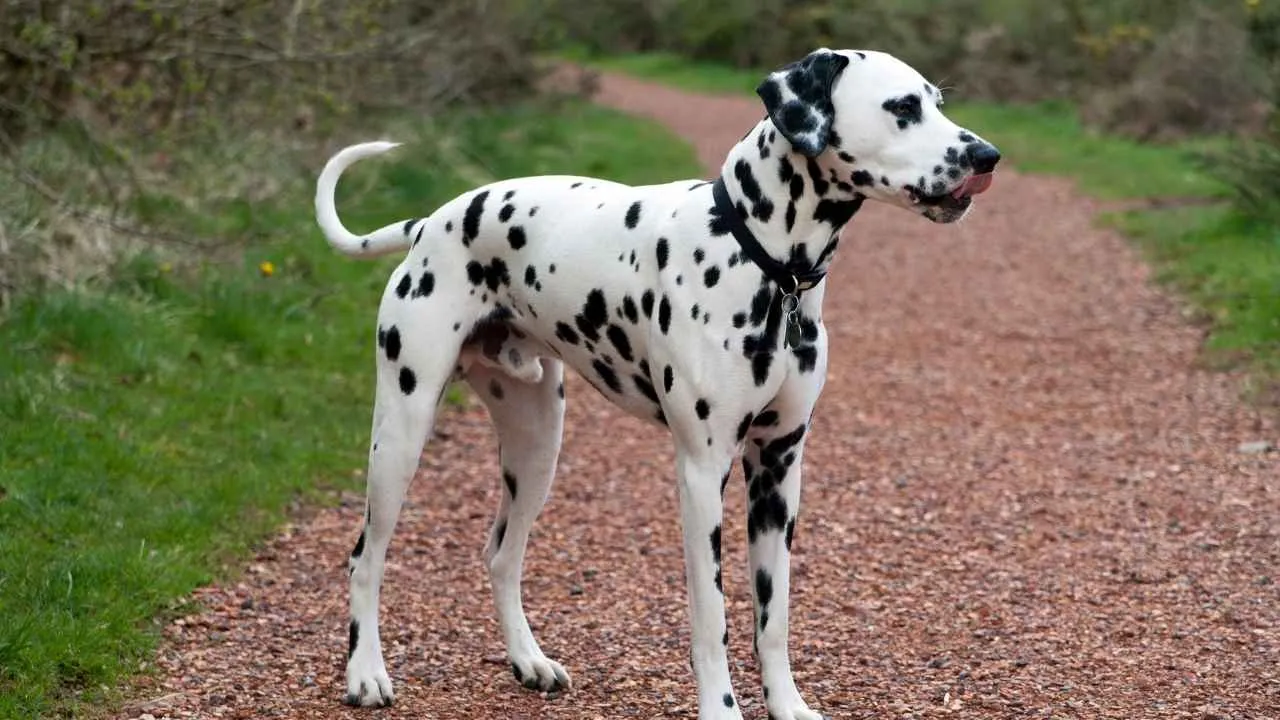
Dalmatians were historically carriage dogs, running alongside horse-drawn coaches for miles. That endurance still defines the breed today. They require at least 2 hours of exercise daily.
They can easily handle 5+ mile hikes and thrive in highly active families. However, they are strong and require leash training.
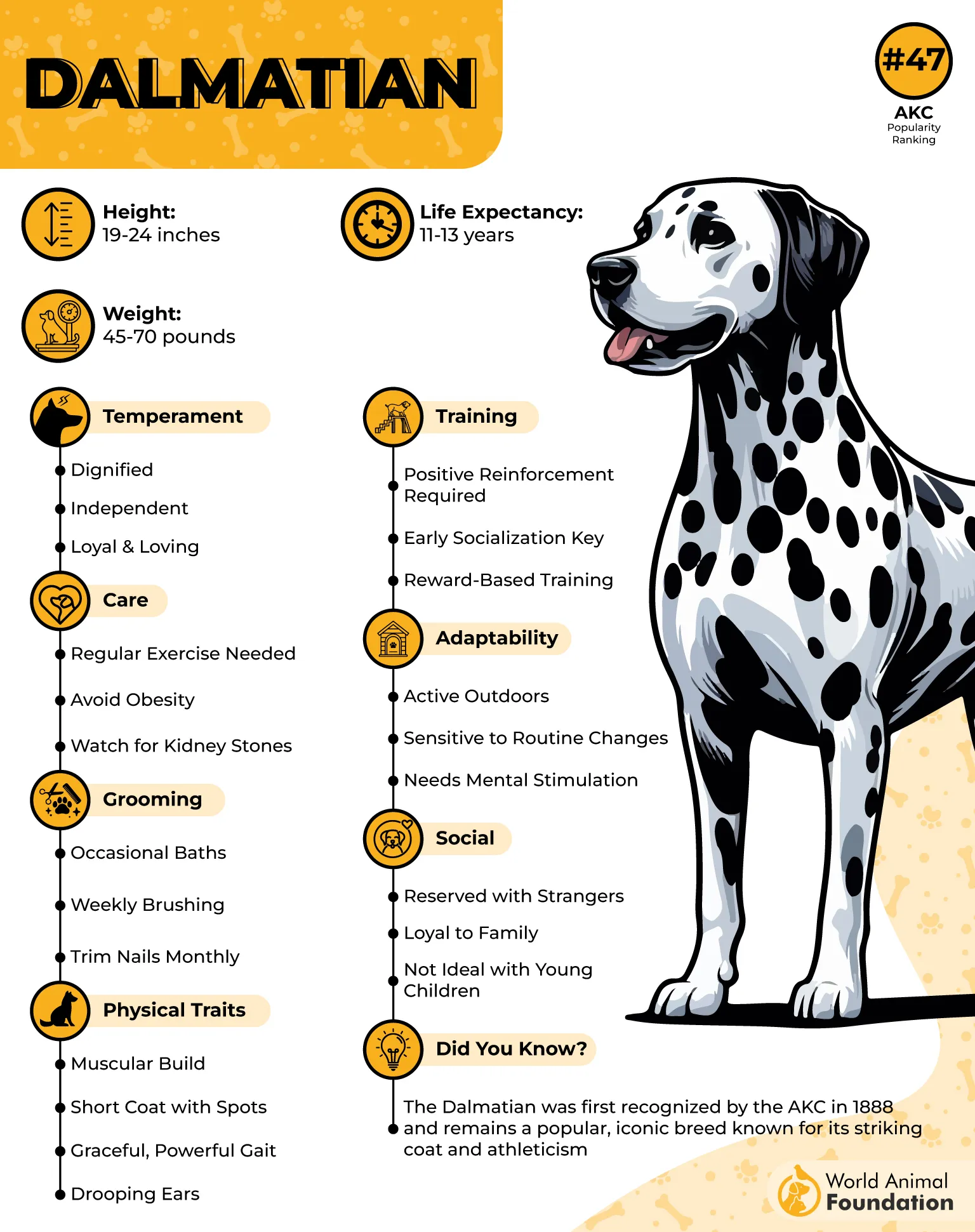
Originally bred as carriage dogs, according to Hills Pet, they historically ran alongside horse-drawn carriages for miles. That endurance translates beautifully to modern road travels, camping adventures, and long hikes.
A healthy adult Dalmatian is a top dog breed for hiking as it can easily handle 5+ mile hikes and requires at least 1.5–2 hours of daily exercise, making them ideal for families who love staying active outdoors.
These outdoor adventure lovers are people-oriented and do not enjoy isolation. They should sleep near their family. They tolerate cold weather well during activity when compared to other dogs, but require protection when stationary. Their short coat provides little insulation when resting.
For experienced, active owners, Dalmatians bring stamina, loyalty, and striking visual flair to every adventure.
Conclusion
Traveling with a dog transforms ordinary trips into unforgettable experiences. The right breed brings not only energy and stamina but emotional connection and security.
From the rugged endurance of the Labrador and Dalmatian to the affectionate portability of the Cavalier and Bichon, each breed offers something distinct. Choosing wisely means considering exercise needs, temperament, health factors, and your family’s travel style.
German Shepherd, Australian Shepherd, Toy Poodle, German Shorthaired Pointer, Yorkshire Terrier, Brussels Griffon, and Portuguese Water Dog are other canine breeds that also make great companions for trips and camping adventures.
Preparation is key — secure transport, hydration, veterinary readiness, and structured activity ensure safe adventures. When done thoughtfully, trips and camping become shared memories between humans and their most loyal companions.
Because sometimes, the best seat in the car isn’t the driver’s — it’s the one next to your dog, heading toward the next great adventure.
