




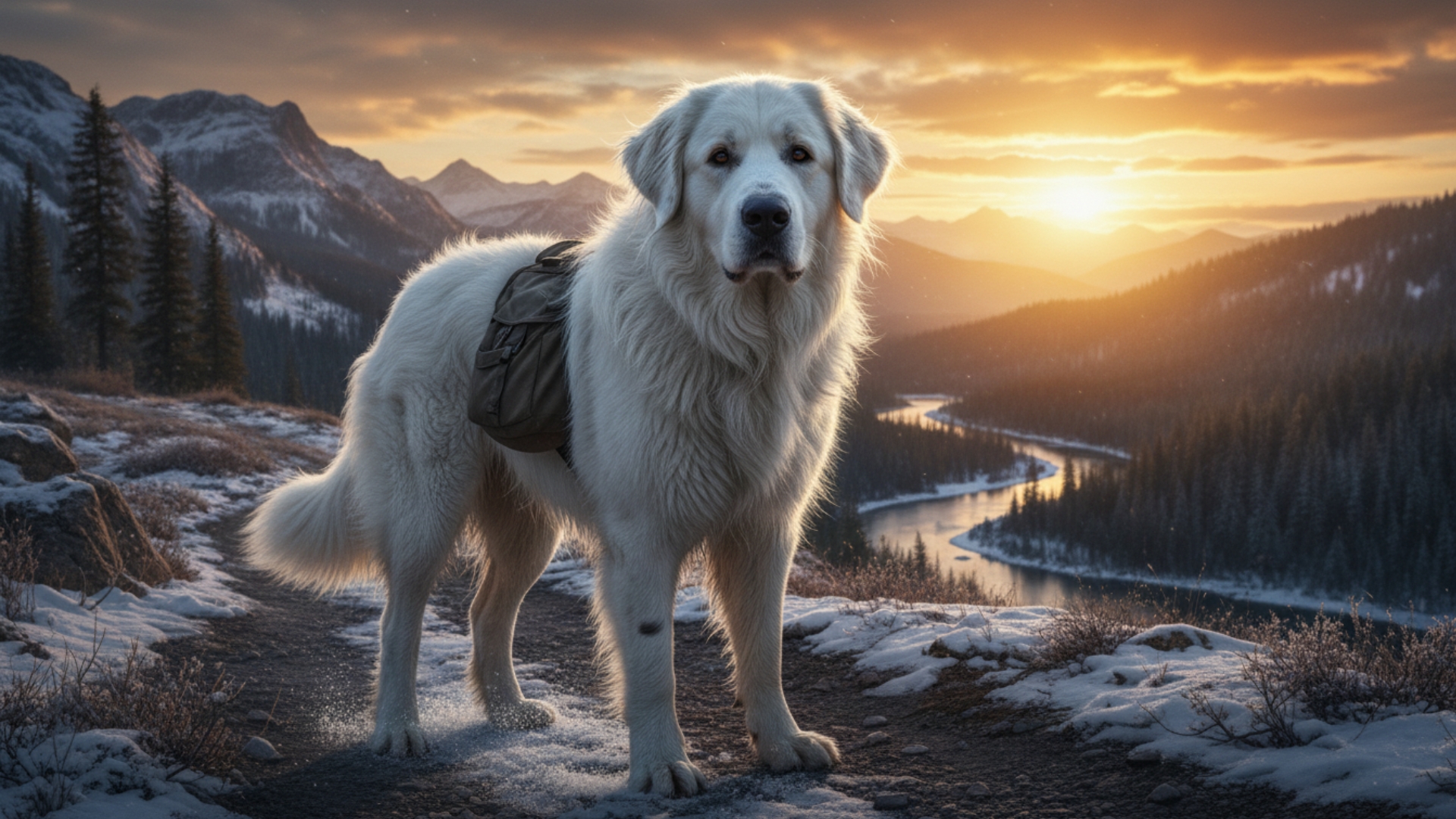
Wilderness demands stamina, resilience, sharp instincts, and unwavering determination – no space for weakness. While many furry friends enjoy being at home, some canines are built for more rugged terrains. They thrive in harsh climates, unpredictable landscapes, and physically demanding conditions.
These unstoppable pooches combine raw strength with incredible stamina, capable of travelling long distances over snow, rock, sand, or forest trails without losing momentum. Their bodies reflect their purpose. Yet their true advantage lies in their mindset.
Many were originally discovered to pull sleds across Arctic tundra, herd livestock across mountainous regions, or track game through dense forests. Their lineage shaped their powerful builds and unmatched determination.
What truly attracts dog lovers is their focus, alertness, and motivation that remain constant even in challenging terrains. For hikers, explorers, and survival enthusiasts, choosing the right canine partner means finding the one capable of matching both the journey’s intensity and its unpredictability.
Unstoppable Dog Breeds for Ultimate Wilderness Expedition
1. Akita
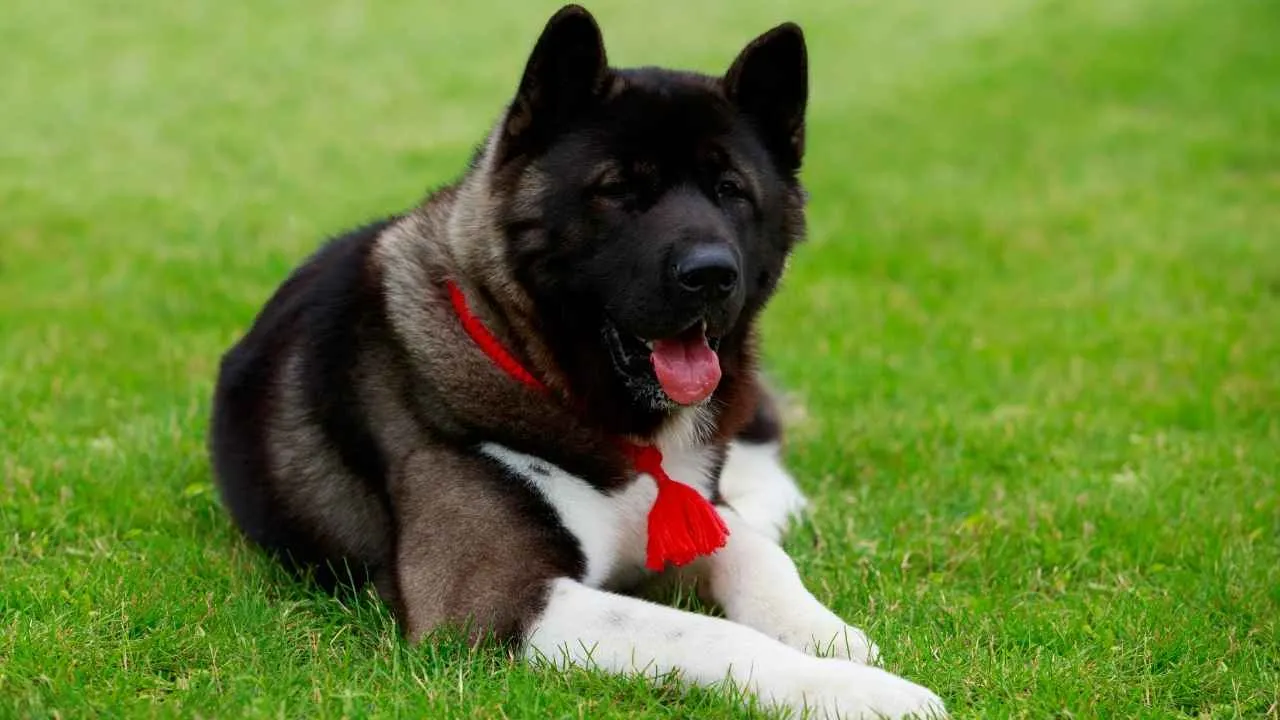
Originally bred in Japan in the 17th century, where they were used for hunting wild boars, deer, and bears. Today, Akita are celebrated as a sign of health and happiness in their native land. They are famous for their selfless love and devotion towards their owners.
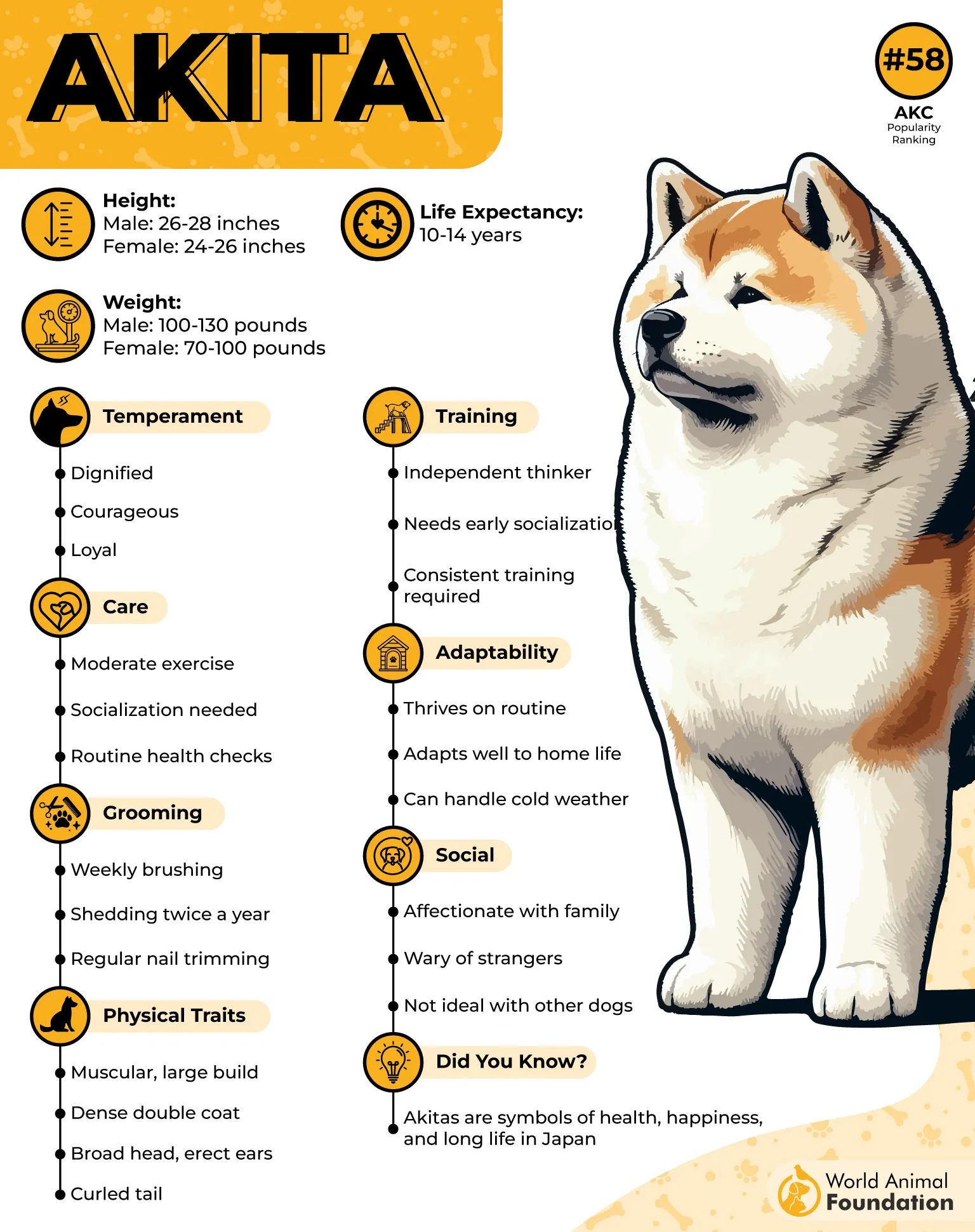
Akitas are large dogs that thrive in an active lifestyle where movement is preferred. Since they were bred to work independently, early socialization and consistent training are important for having them as well-behaved adults. This Japanese dog breed is designated for cold climates only.
With high energy levels, Akitas enjoy physical and mental challenges. They need at least an hour of exercise, and they can also accompany you for hiking and long-distance running as well. However, due to prey drive and aggression towards other dogs, they should never be kept off leash.
2. Saint Bernard
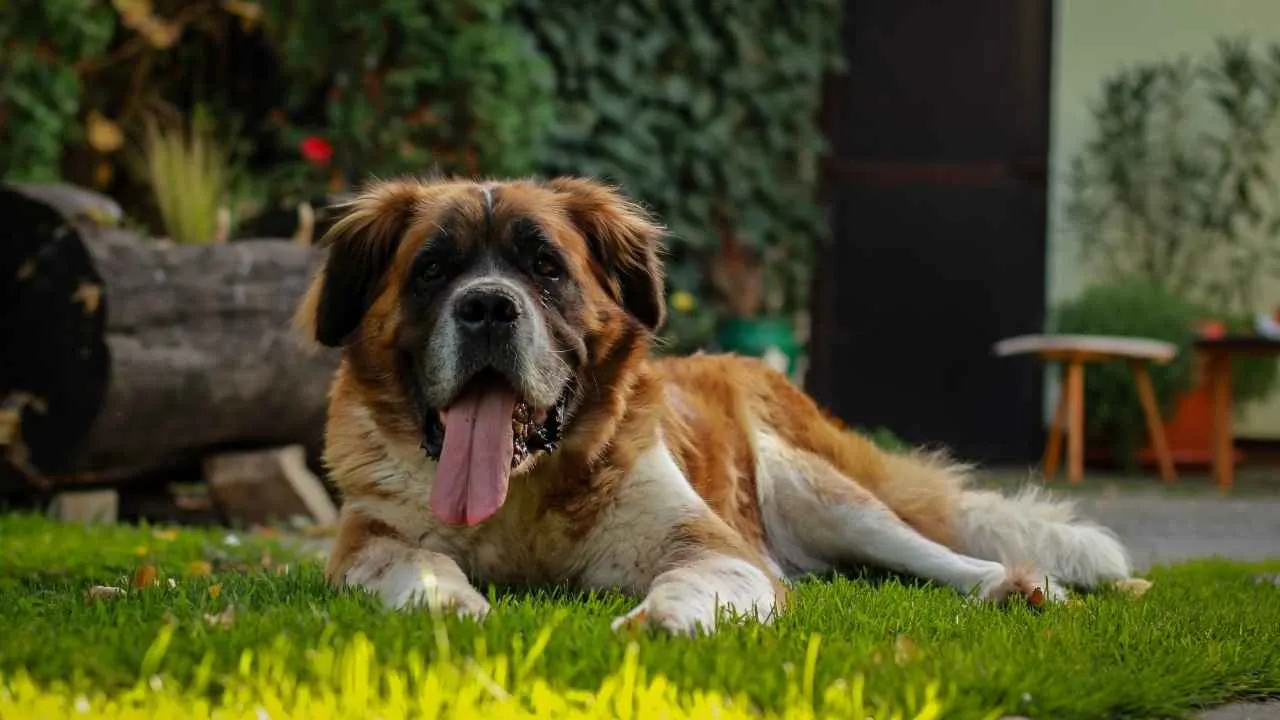
Saint Bernards are loved worldwide, and there are many reasons behind their popularity. Their lineage was used to rescue buried people in the snow, reflecting their big hearts, incredible stamina, and kind demeanor. They are also called the gentle giants with an affinity towards kids.
Hailing from Switzerland, Saint Bernards are known for their affectionate personalities, eagerness to please, and work ethic. They not only make wonderful companions in big homes but are also used for search and rescue work and as service dogs.
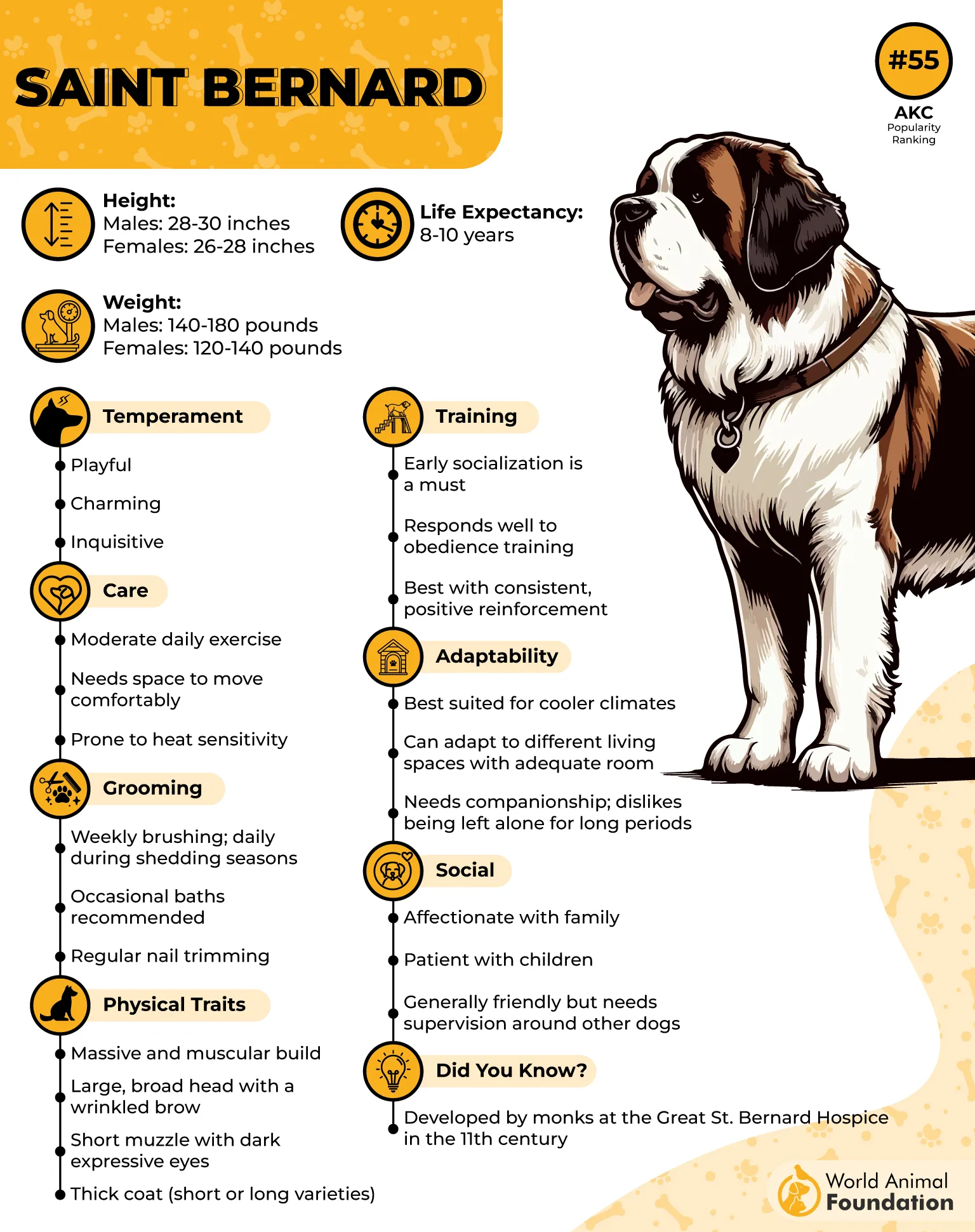
According to the AKC, these powerful working dogs need a moderate amount of physical challenges, but happily join to give company on long hikes, mountain biking, and camping trips. They also adore pulling sleds and compete well in drafting and carting competitions.
3. Great Pyrenees
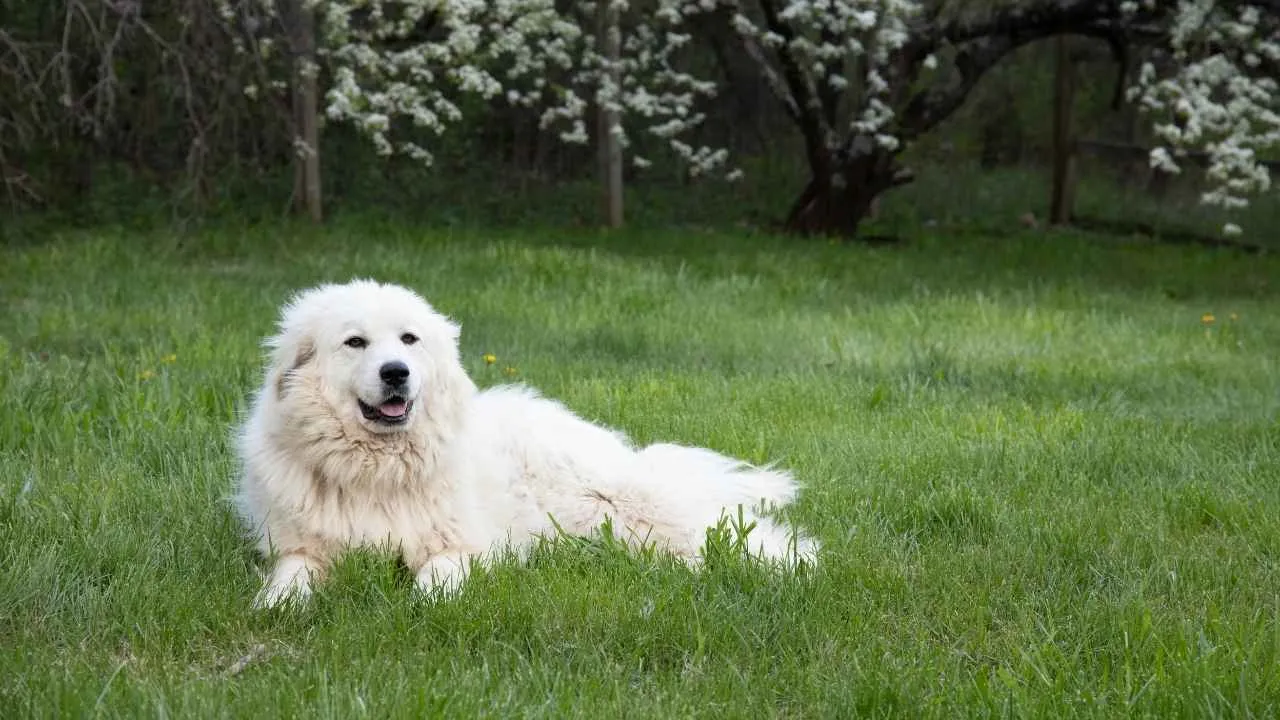
The Great Pyrenees is a breed of dog discovered in the mountains of France and Spain, and used to be one of the best dogs for guarding livestock. These cattle dogs thrive when kept in farms (ample spaces) and show reserved behavior towards unknown people and animals.
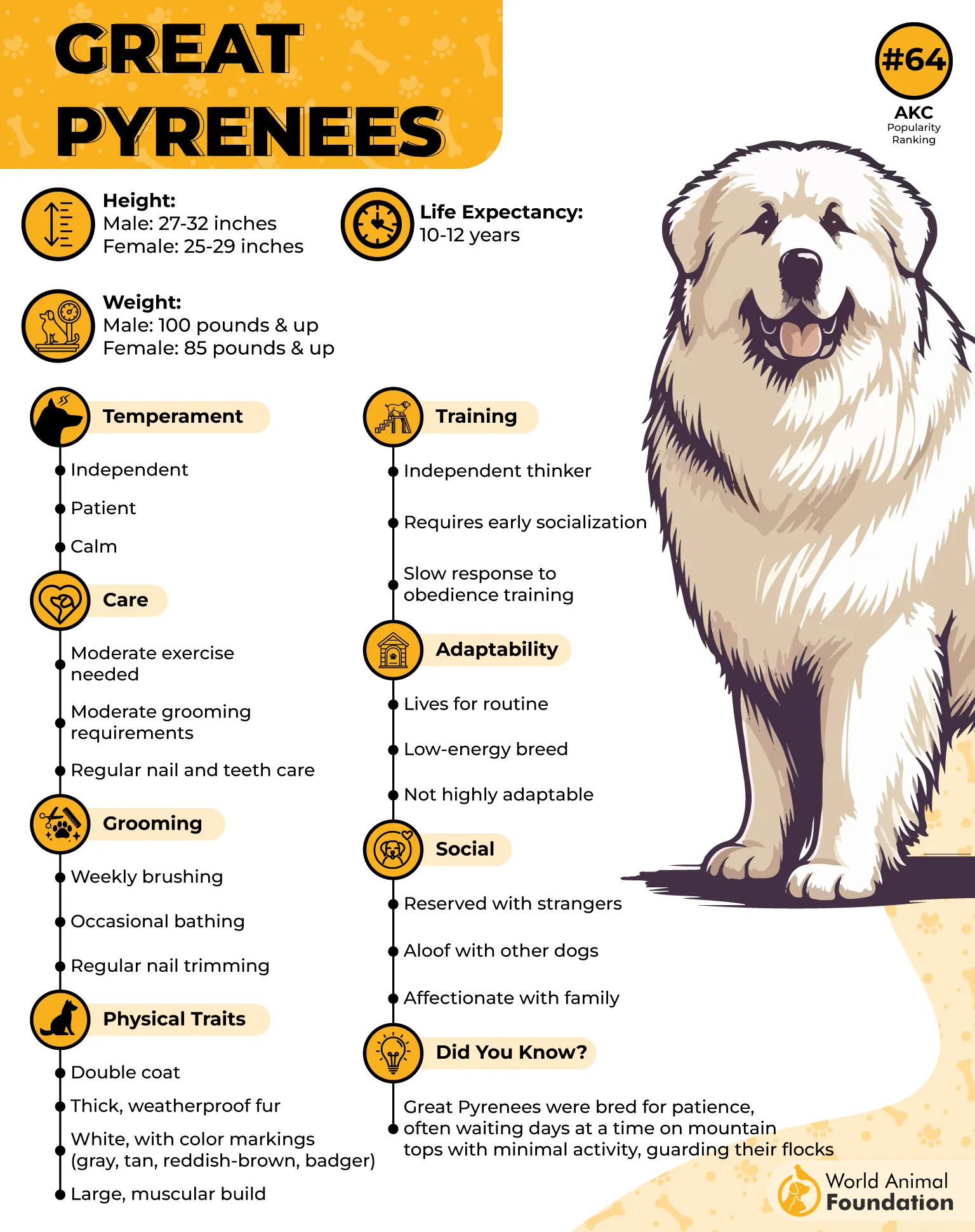
Modern Great Pyrenees still has protective instincts to watch over the homes and family members alike. However, they carry a loving, calm, and gentle temperament, and well-socialized and trained adults get along beautifully with kids and other dogs under the same roof.
Being slow-growing dogs, Pyrs are not made for running unless turned 18 months due to their bone and ligament issues, mentions Orvis. They are strong-willed dogs, and this trait has honed over time; positive reinforcement methods’ incorporation in training is vital, while remaining consistent and patient.
4. Leonberger
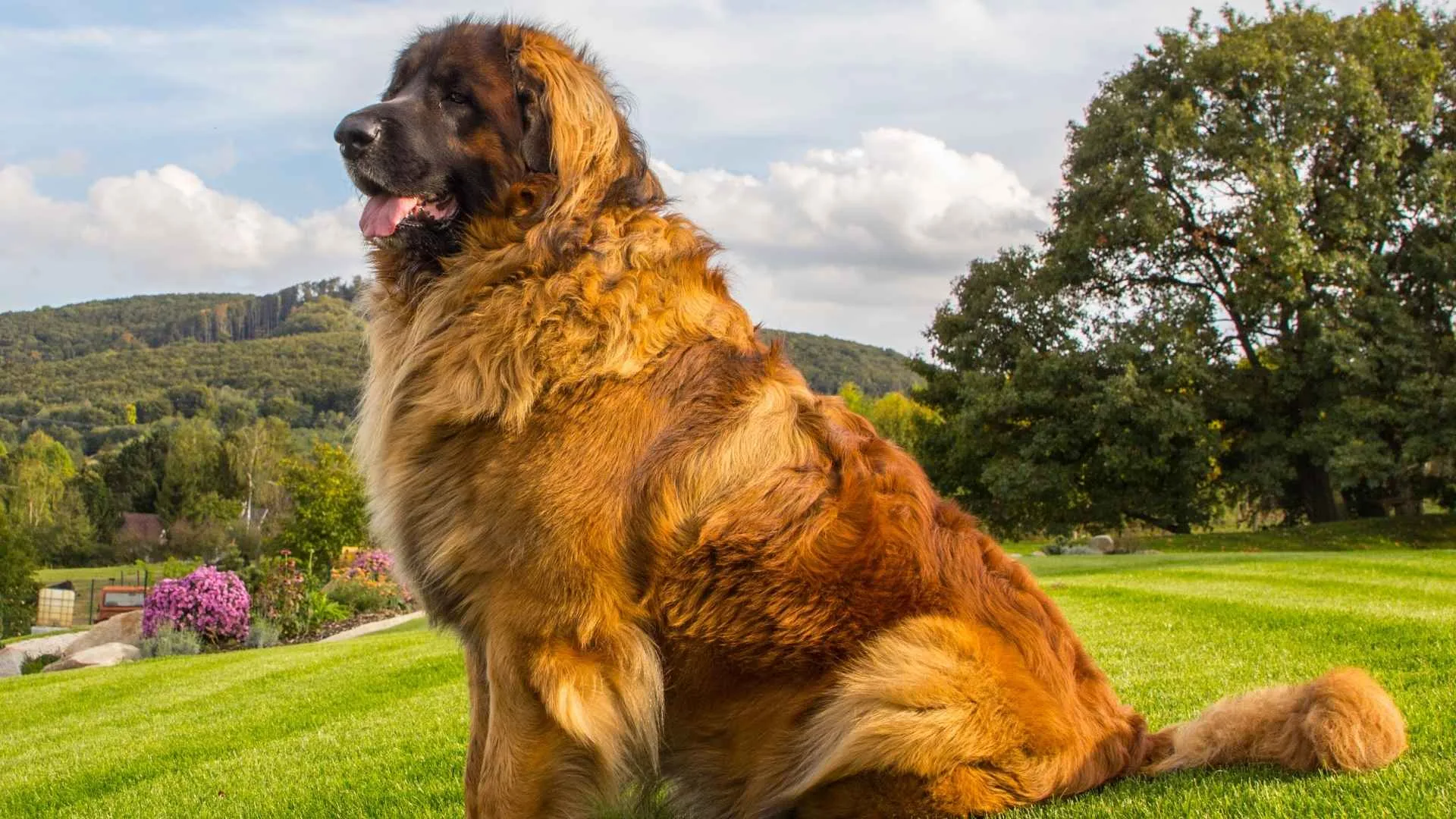
Hailing from Germany, the Leonberger is a large dog breed that is adept in search and rescue missions as well as farm work. These bear-looking dogs also love hiking and going on mountain trails, thanks to their remarkable stamina that keeps them active for long days.
Leonbergers are patient and calm dogs in family settings and do not like conflicts. They can deter any intruder through their massive size and loud barks. Moreover, they carry an easygoing temperament along with smart brains, making training a breeze for owners.
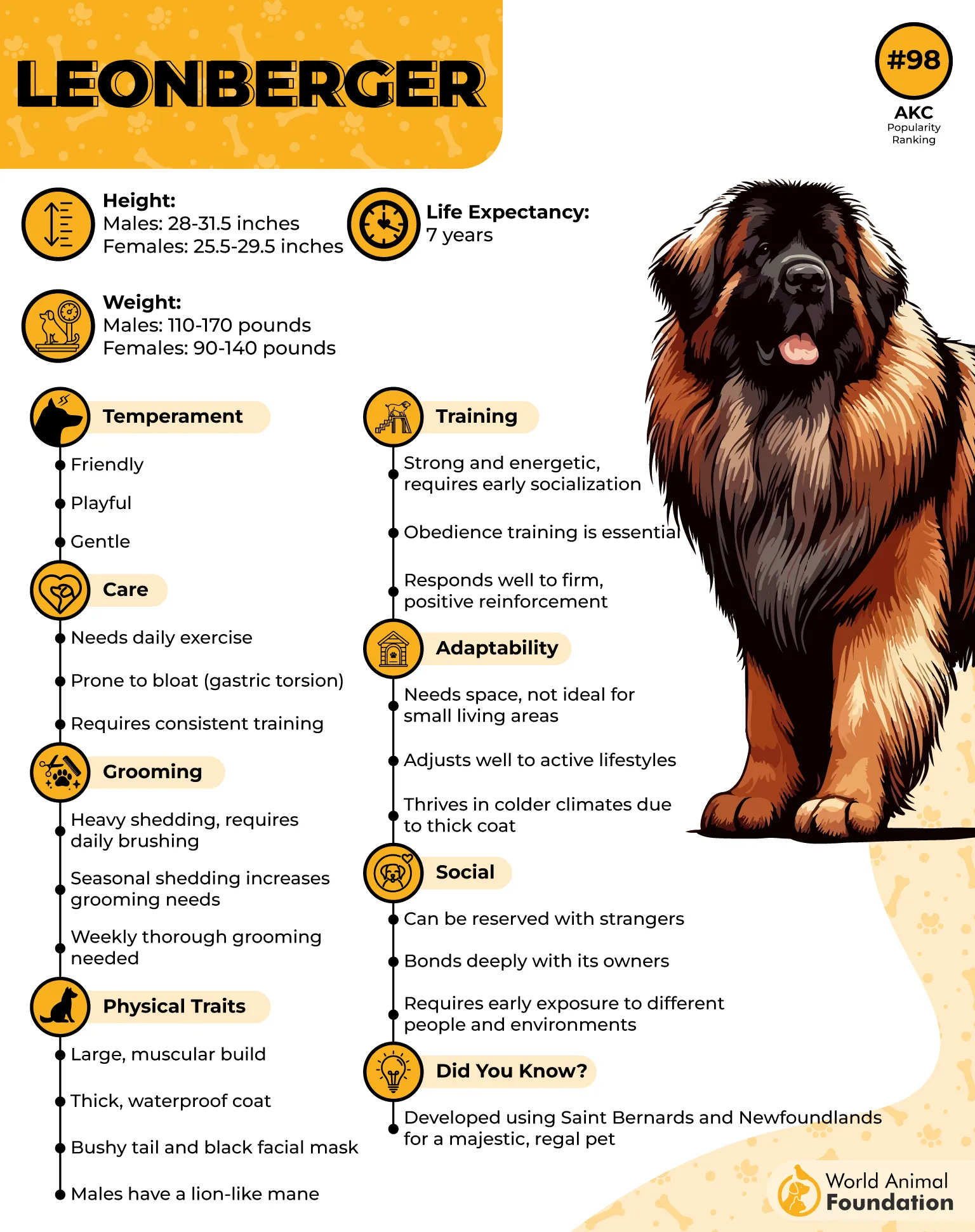
Being velcro dogs, they do not like to be left alone for a long time. Leonbergers thrive in active environments and are not a good fit for people with sedentary lifestyles. Daily walks and long hikes are some ways to burn off their energy levels, and after that, they do not mind lounging with their favorites.
5. Hovawart
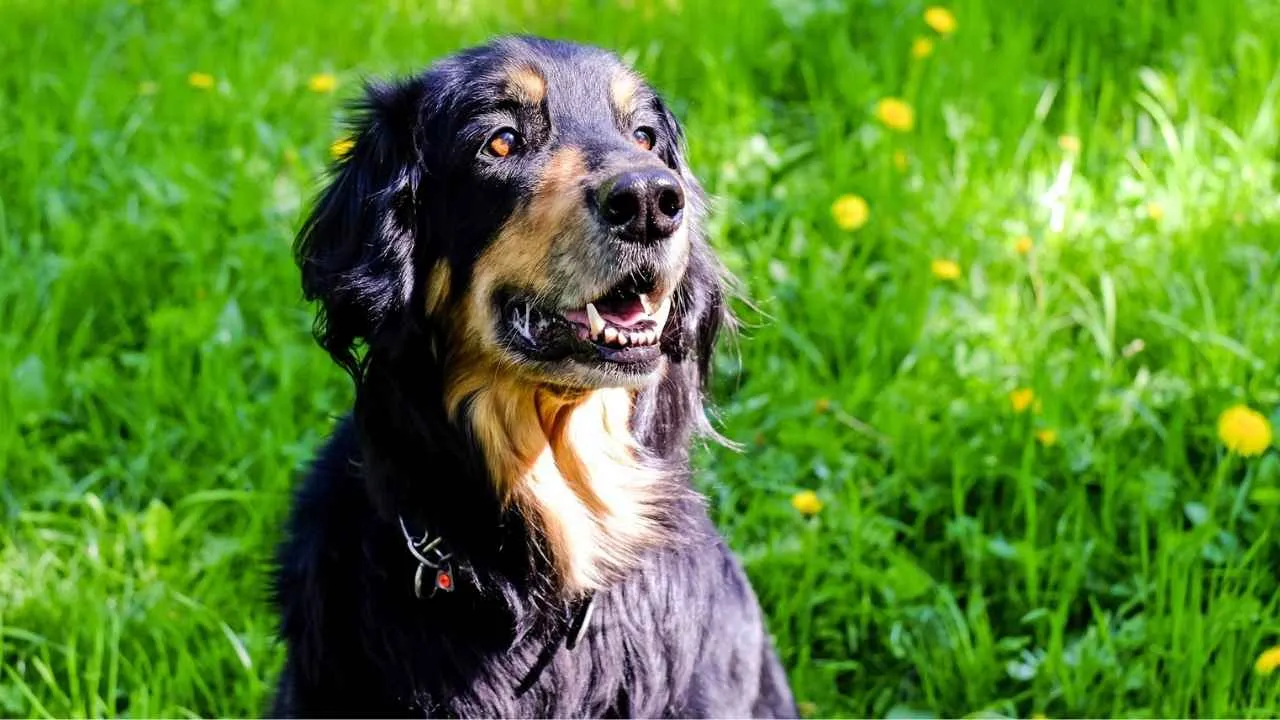
The meaning of this dog breed’s name itself explains its role; Hova means yard or farm, and wart means to watch over. They are rare dogs of Germany, and their heritage dates back to 1220, when they were used for guarding estates, castles, and livestock, according to Purina.
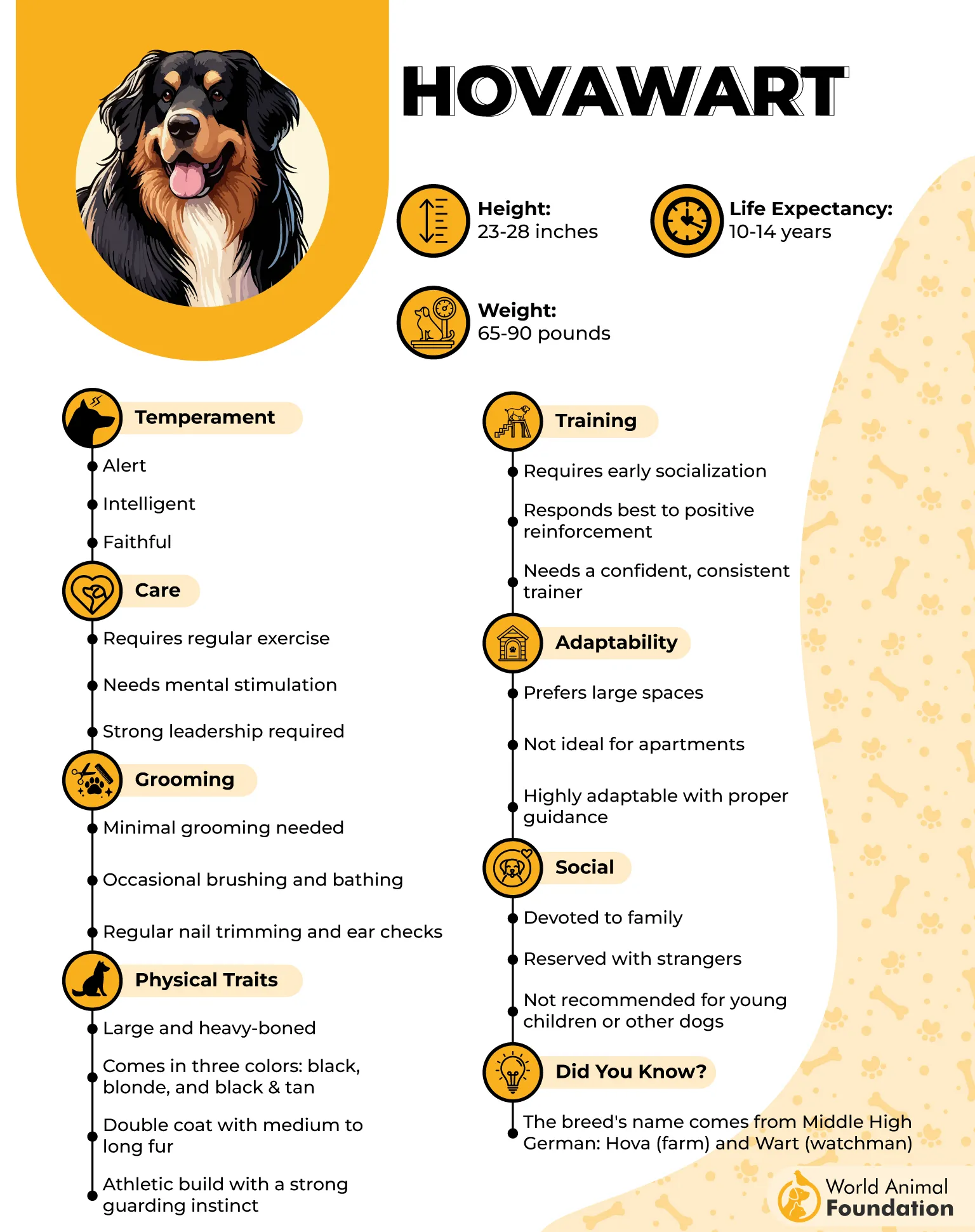
Hovawarts are effective guardians who display deeply loyal and loving personalities, and stay close to their families only, but remain standoffish around strangers. Backed by history, these dogs have worked in many roles, such as therapy dogs and rescue dogs.
Hovawarts are highly trainable with appropriate handling and in reward-based systems. They thrive with active owners who adore going on adventures, especially swimming, hunting, and tracking, thanks to their endurance and love for the outdoors.
6. Australian Shepherd
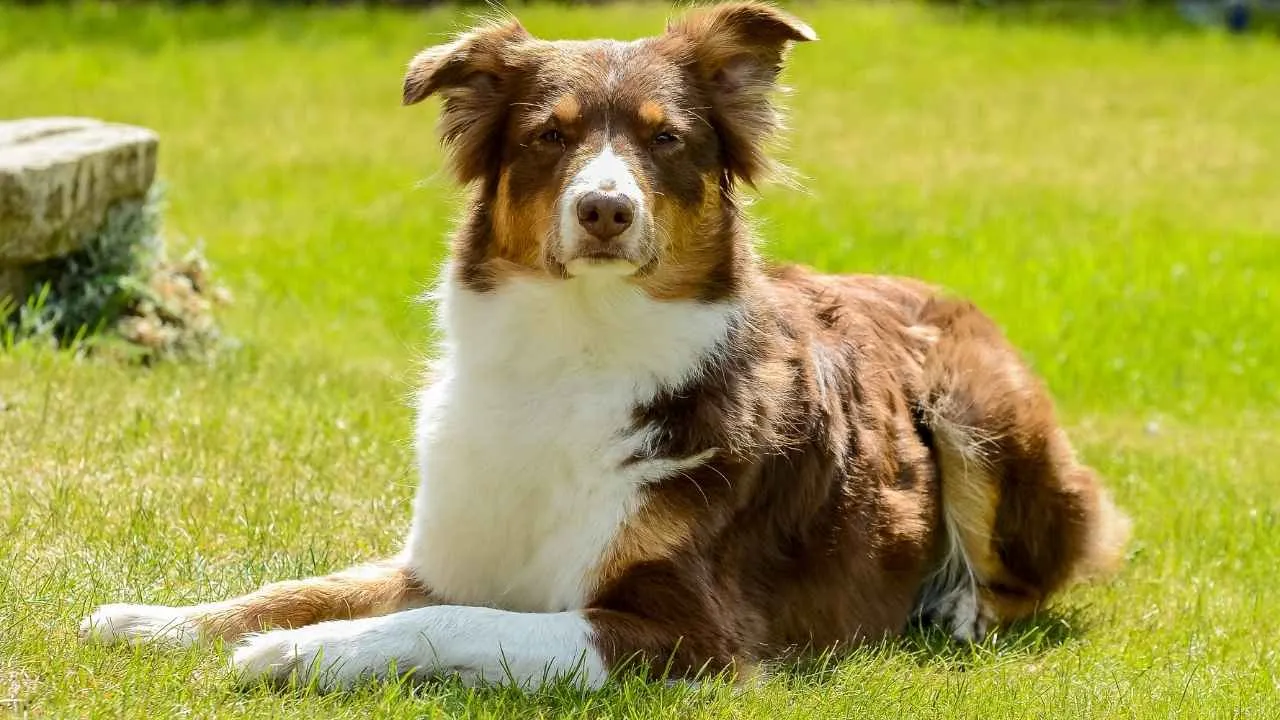
Work-oriented dog. Australian Shepherds are blessed with physical strength, agility, and eager to please nature. They are also highly energetic and intelligent dogs who only excel in active families, and do well in serious adventurers to stay healthy and happy.
With straight or wavy textures of thick coats, Australian Shepherds thrive in cold conditions. Owing to their herding instincts, Aussies have a strong prey drive and always want to chase after small animals. If socialized at a young age, they get along with cats, dogs, and children.
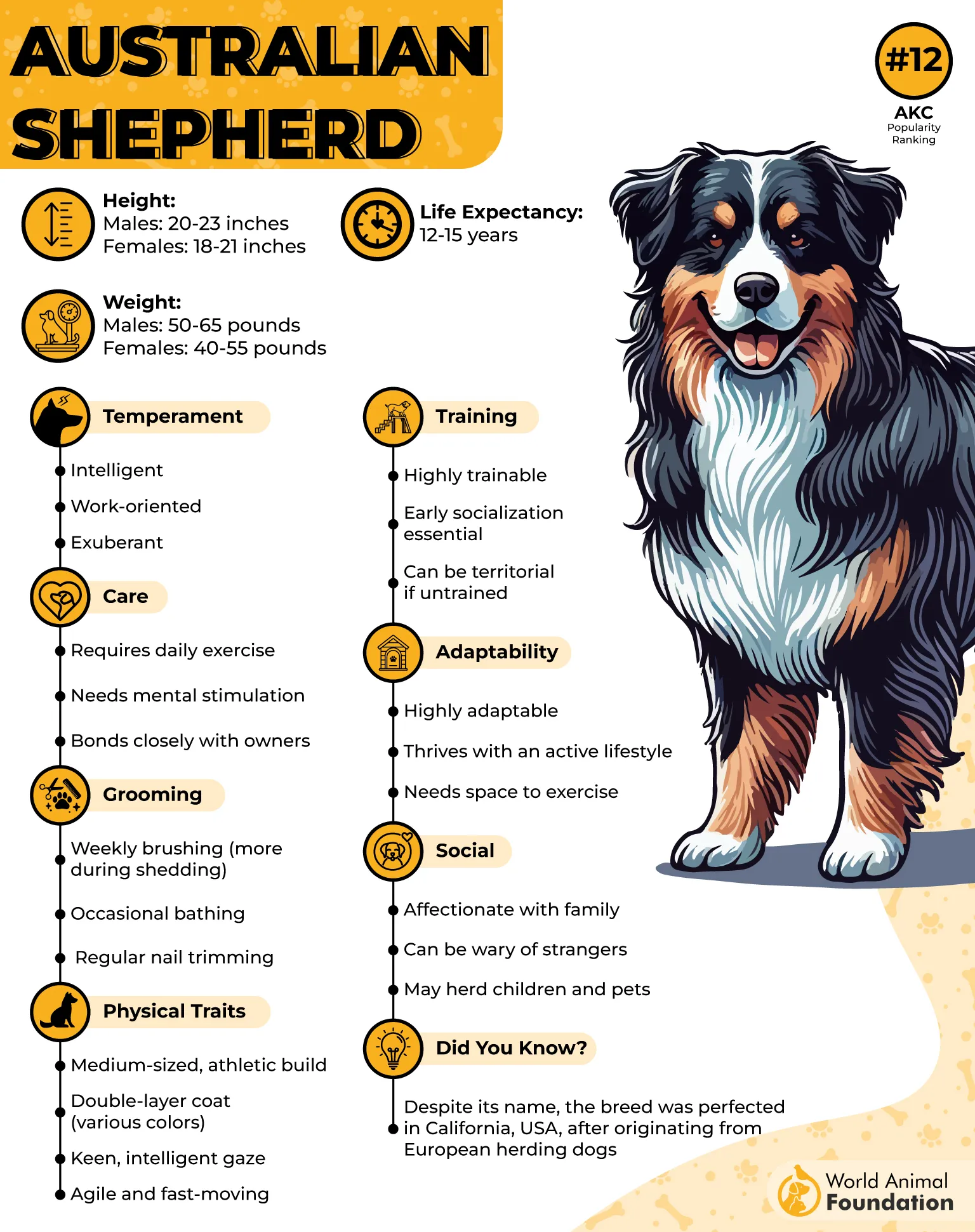
Australian Shepherds are very easy to train, and all credit goes to their smartness and high energy levels. They are known for making unbreakable bonds with their humans and may show aggression or become overprotective about them or their properties.
7. Siberian Husky
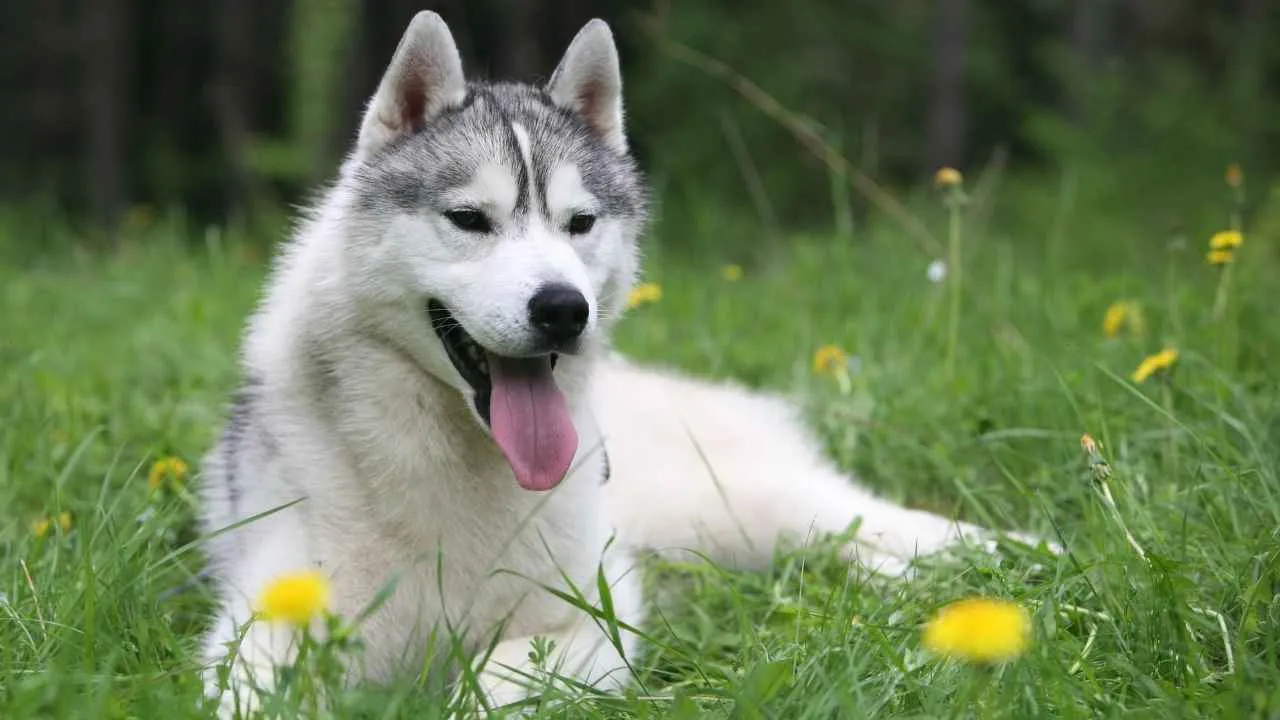
The resilience and endurance of the Siberian Husky has proven many years ago when they were used by the Chukchi people as sled dogs in Siberian conditions. Currently, these beautiful dogs are adored for companionship environment where outdoor adventures define their lives.
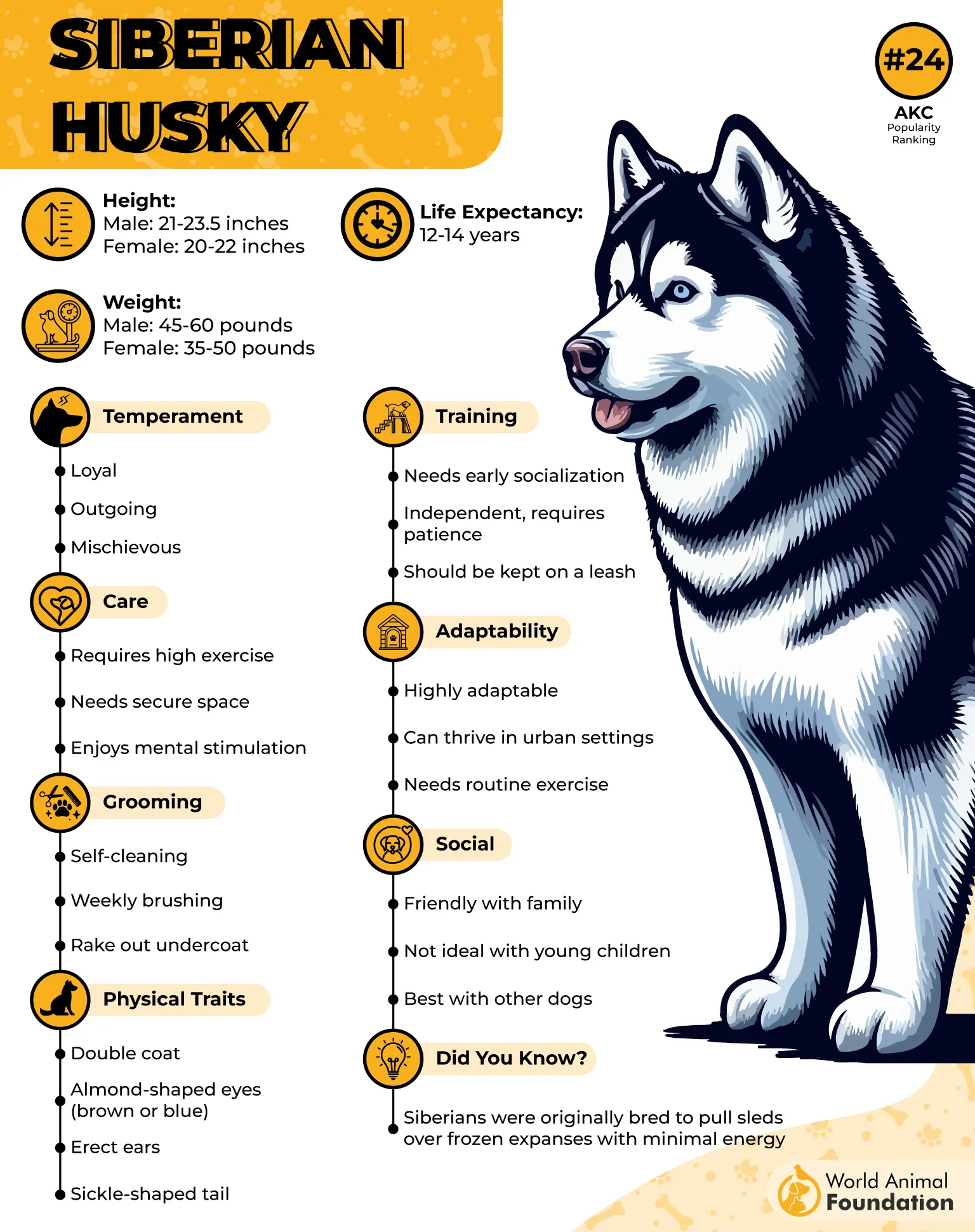
Siberian Huskies are a great fit for demanding tasks, but also thrive in big houses where they have a lot of space to roam. They do not have any instincts of protection and love meeting new people more than scaring them off. Overall, Husky exhibits a friendly and affectionate nature.
As a vocal dog, they love howling and yapping just like children. They are built for environments where the temperature drops from -75 to zero degrees Celsius. Huskies are natural explorers and enjoy long hikes, agility, and running in cold weather only.
8. Alaskan Malamute
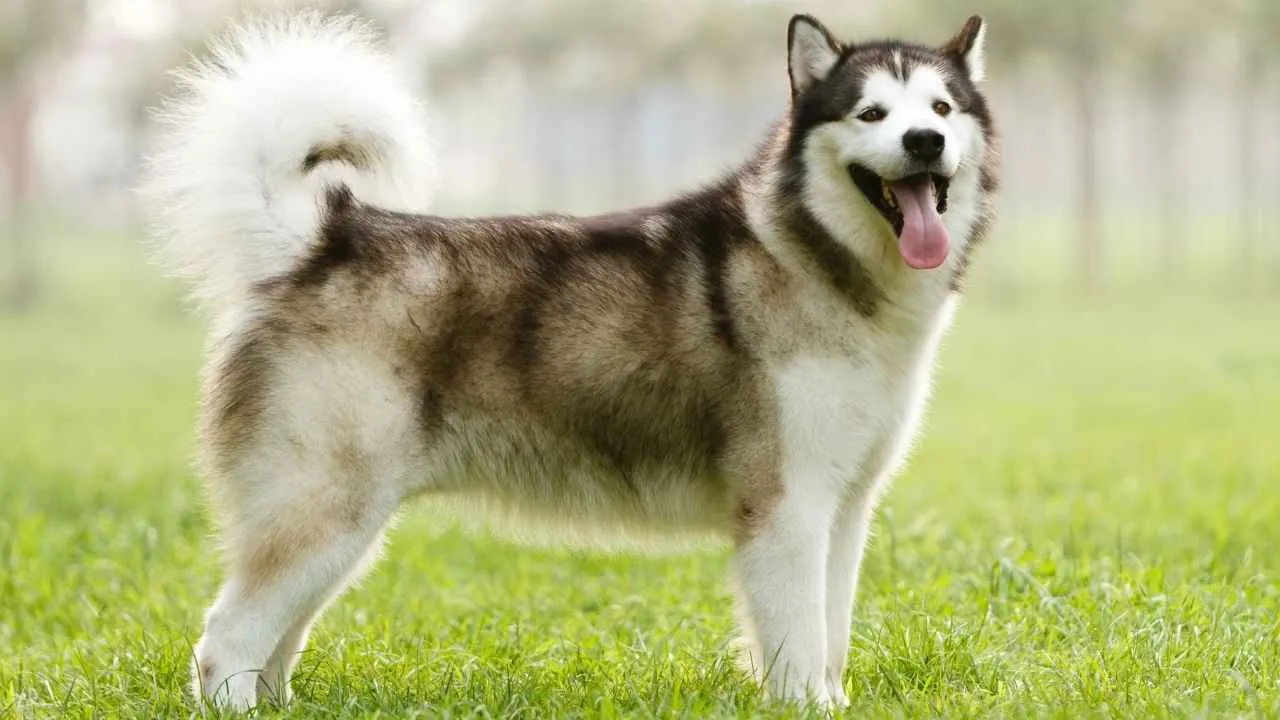
A unique blend of jolly disposition, remarkable strength, and endurance, Alaskan Malamutes are also considered appealing dogs in the canine world. Though their thick double coats shed throughout the year, they also protect them from the freezing temperatures of Alaska.
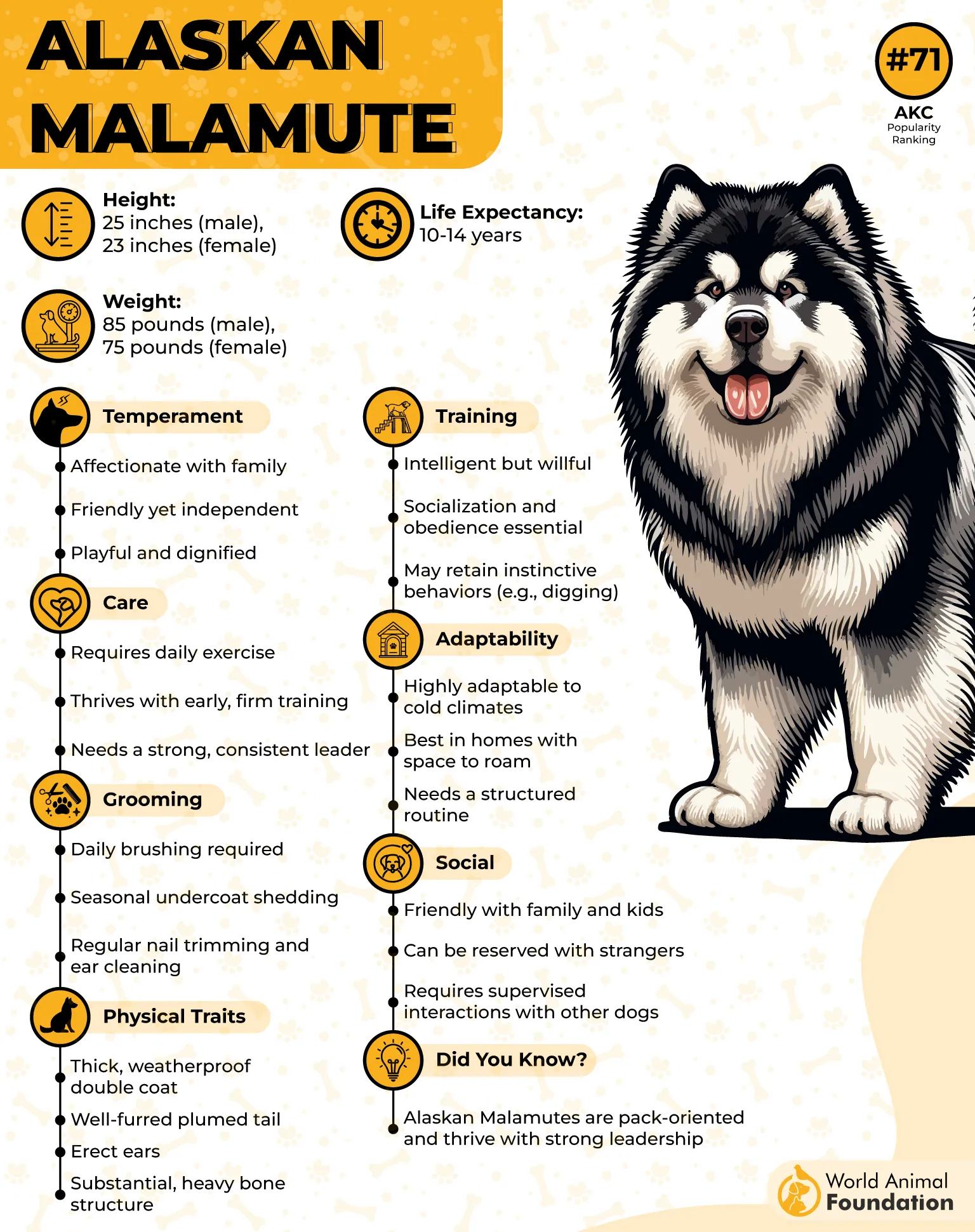
Alaskan Malamutes have a magnificent history to boast on, as their ancestors were brilliant in hunting seals, warding off large predators, and pulling heavy loads in snow. Their energy cannot easily be met through daily walks only, as they demand long hikes and vigorous activities on a daily basis.
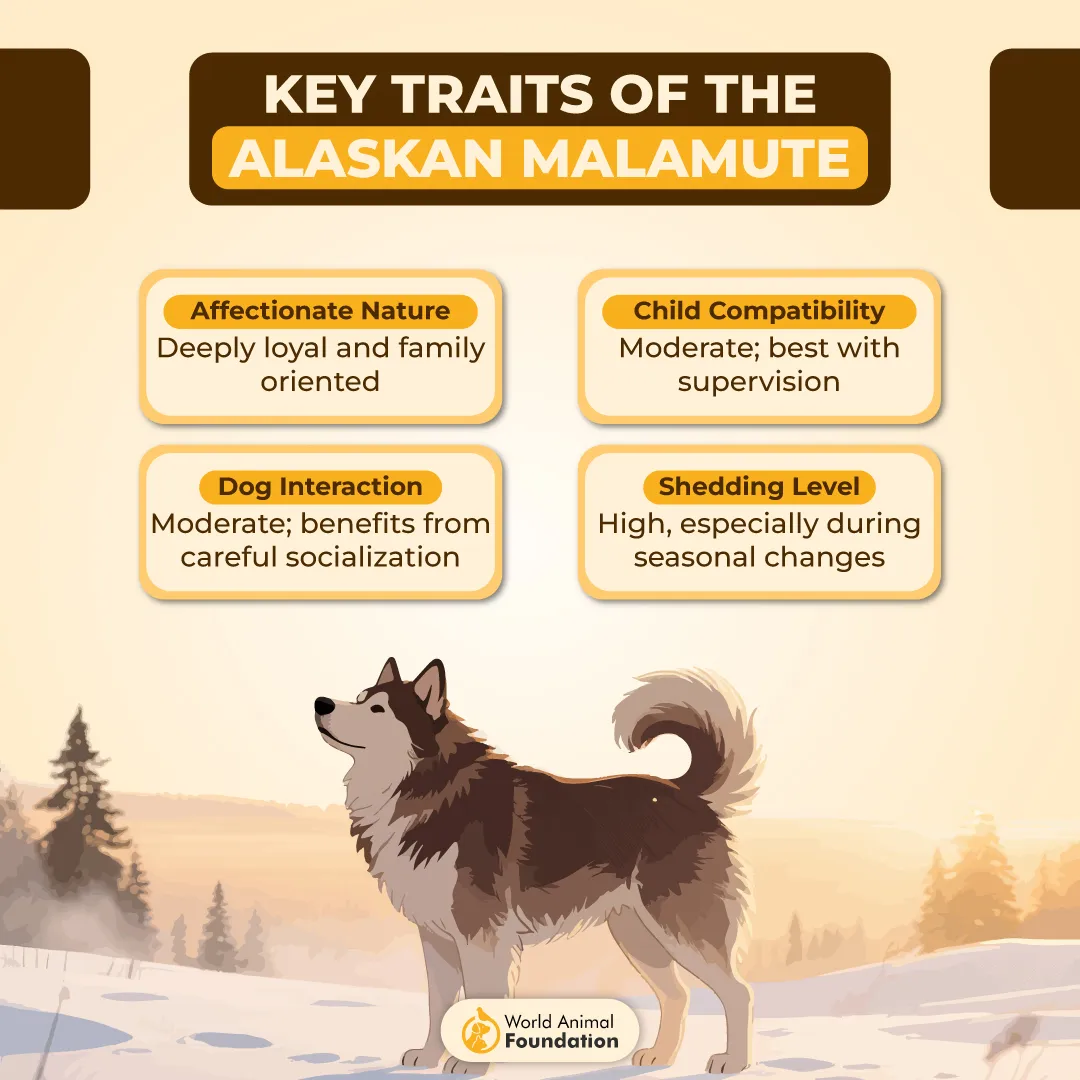
Although prone to various health problems, Alaskan Malamutes are healthy dogs with an average lifespan of 10 to 14 years. They are strong-willed yet sensitive dogs, which is why gentle guidance, along with consistency and patience are the keys for best results.
9. Anatolian Shepherd Dog
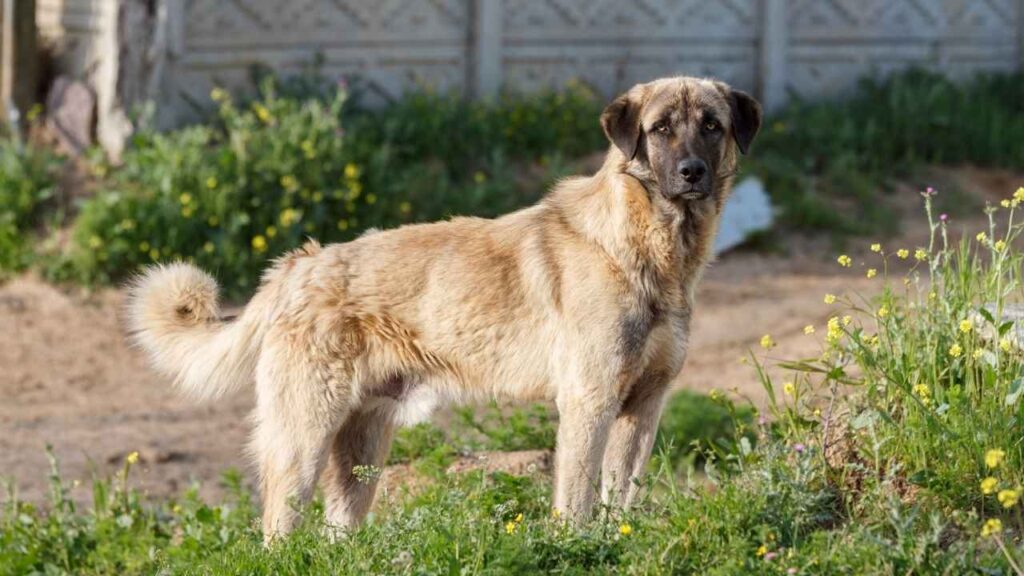
Originally bred to guard flocks, the Anatolian Shepherd has one of the strongest dog bite forces on this planet. Their large, imposing build, powerful legs, and desire to work make them great dogs for outdoors. To this date, they are still used as livestock guardians.
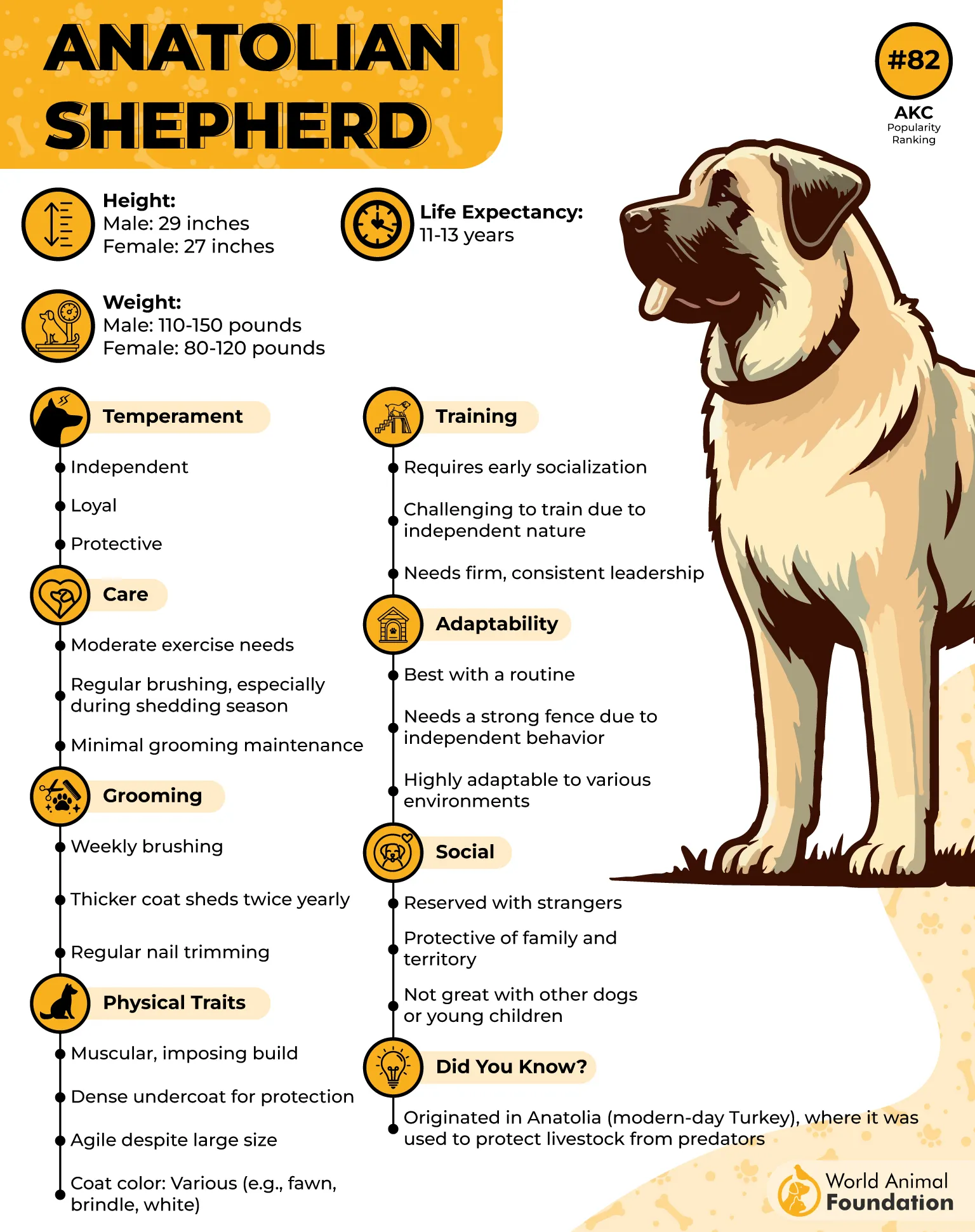
Fun Fact: Anatolian Shepherds had also been used to protect endangered Cheetahs in Africa for many years. These dogs are strongly attached to their family and reserved around strangers and other dogs. If singles are living most of their times in their homes, they can opt for them for their solo adventures.
Their high energy should be channeled well to avoid any undesired behavior in them. Apart from playing with puzzle toys and walking alongside their humans, they also thrive in various dog sports like agility training, fetching, and swimming.
10. Bernese Mountain Dog
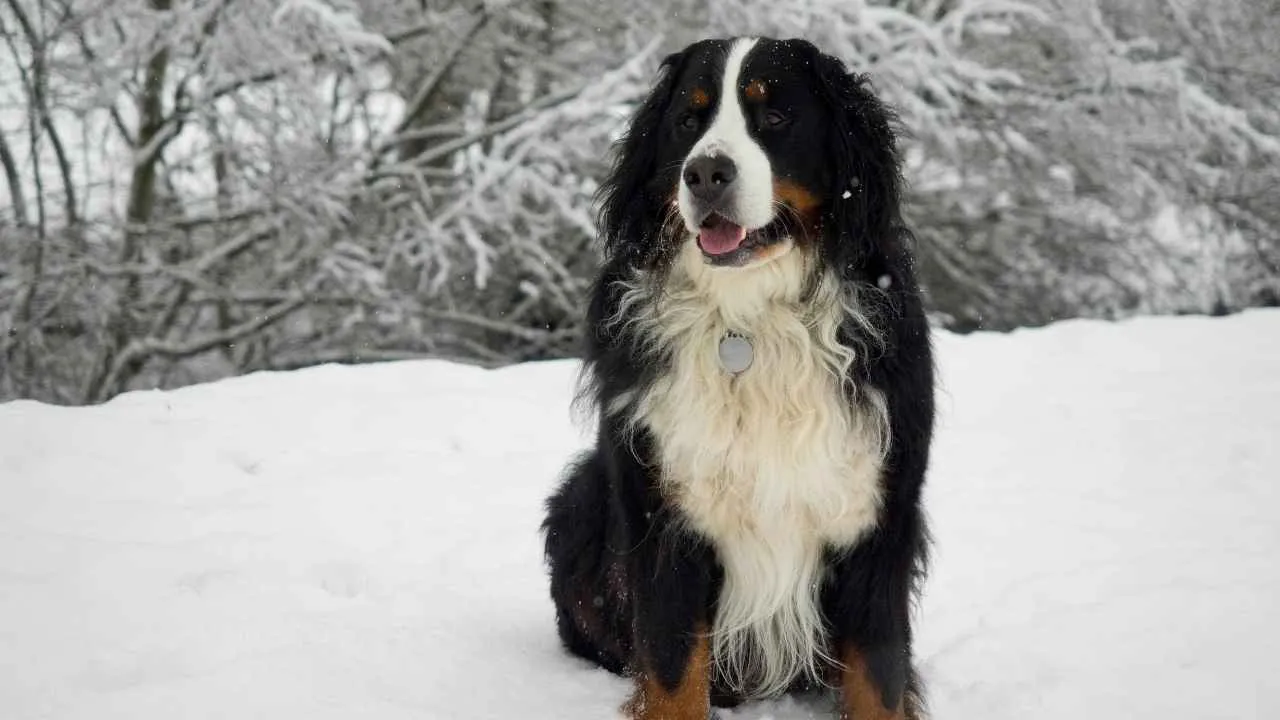
Although the energy levels of Bernese Mountain Dogs are calm, they are always ready to play and join any outdoor games. Bernese have also endowed with tricolored coats that not only make them attractive but also protect them from harsh elements.
Bernese Mountain Dogs are smart and eager to please, which makes their obedience training quite easy. Since they are bred for protecting, they always love to watch over their pack (family), but if socialized well, they do not show aggression and analyze closely before perceiving threats.
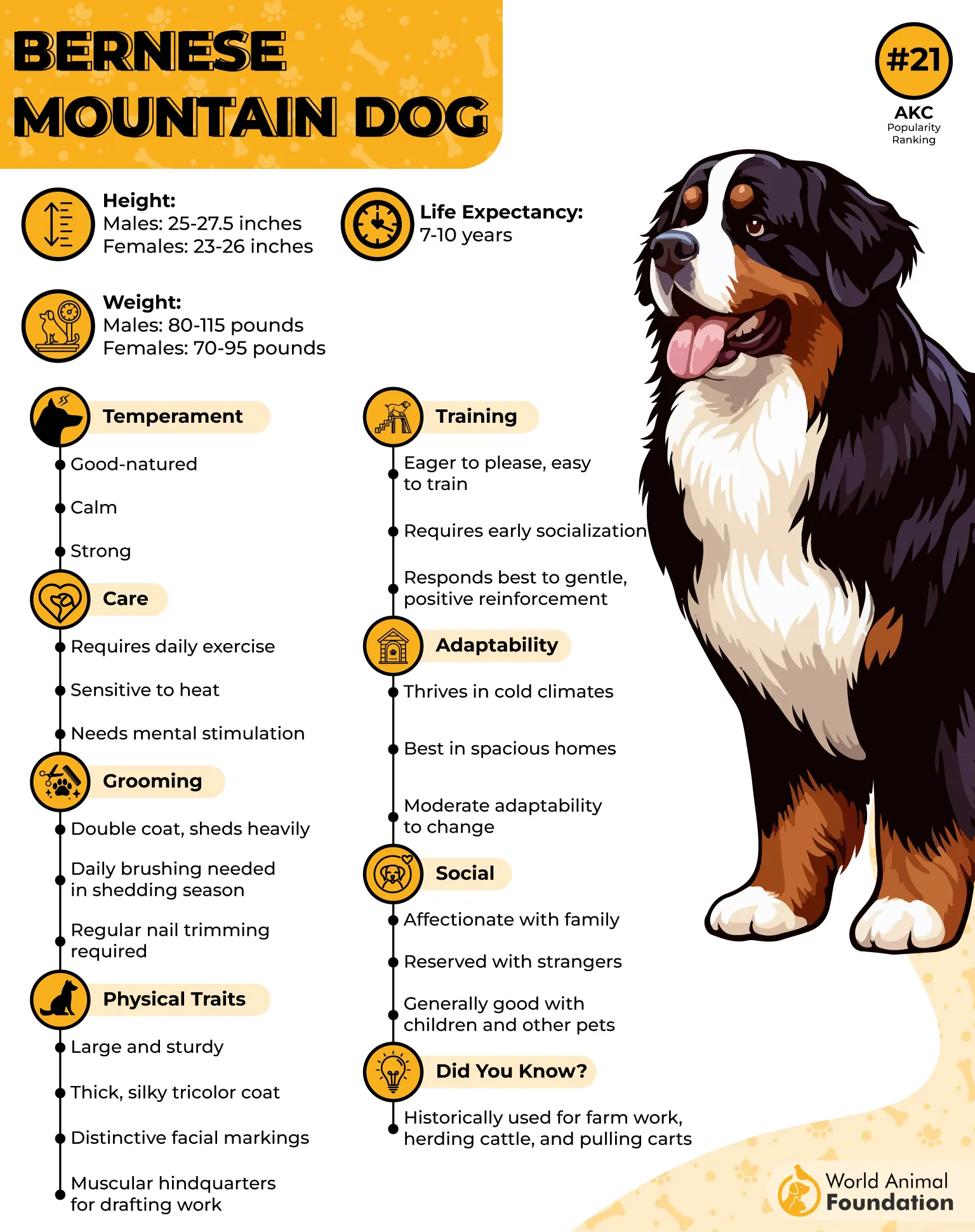
Owing to their specific build for cold climates, Bernese Mountain Dogs do not do well in hot weather, and even if you are going hiking, you should ensure the outside temperature is well-suited to this breed, as they develop heat stress.
Conclusion
The ultimate expedition tests both body and mind, and only certain breeds are naturally equipped for this resilience. Their muscular builds, weather-resistant coats, and relentless drive reflect generations of purposeful breeding.
When properly trained and exercised, they become reliable allies in unpredictable environments. For explorers who refuse to settle for ordinary, these dogs are the gems offering strength, vigilance, and the confidence to venture further into the wild.
