




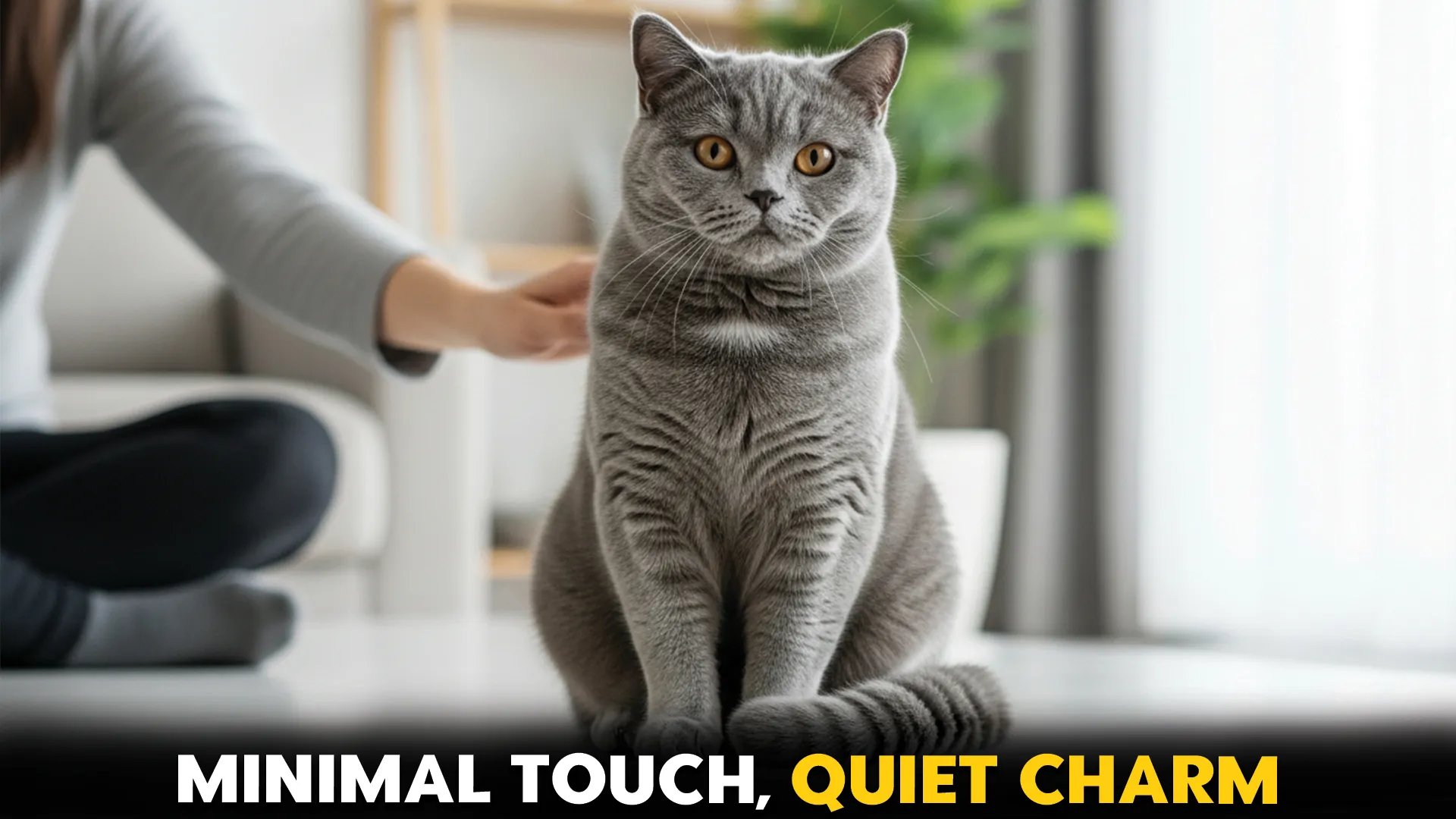
Cats are often portrayed as affectionate lap companions, but anyone who has lived with a few knows that not all felines crave constant contact. Some cats enjoy closeness from a distance, preferring to share a room rather than a cuddle.
These breeds value autonomy, choosing when and how affection happens. Understanding why some cats prefer minimal human touch can help set realistic expectations and build a more respectful bond based on trust rather than forced interaction.
Independent and low-touch personalities are often more observant, cautious, and selective with physical affection, using body language to communicate boundaries clearly. These cats may show love in subtle ways, such as following you quietly or resting nearby.
For the right owner, these breeds are incredibly rewarding. If you appreciate a calm companion who values independence and thrives on mutual respect, these cats prove that affection doesn’t always require constant touch to be meaningful.
Cat Breeds That Prefer Minimal Human Touch
1. British Shorthair

The British Shorthair, sometimes simply called the “Brit,” is one of the oldest English cat breeds, tracing its roots back to Roman domestic cats.
According to PDSA, the British Shorthair is generally a relaxed and inactive breed with a tendency toward laziness. Known for a compact, powerful build, round face, and dense plush coat, this breed carries a calm, dignified presence.
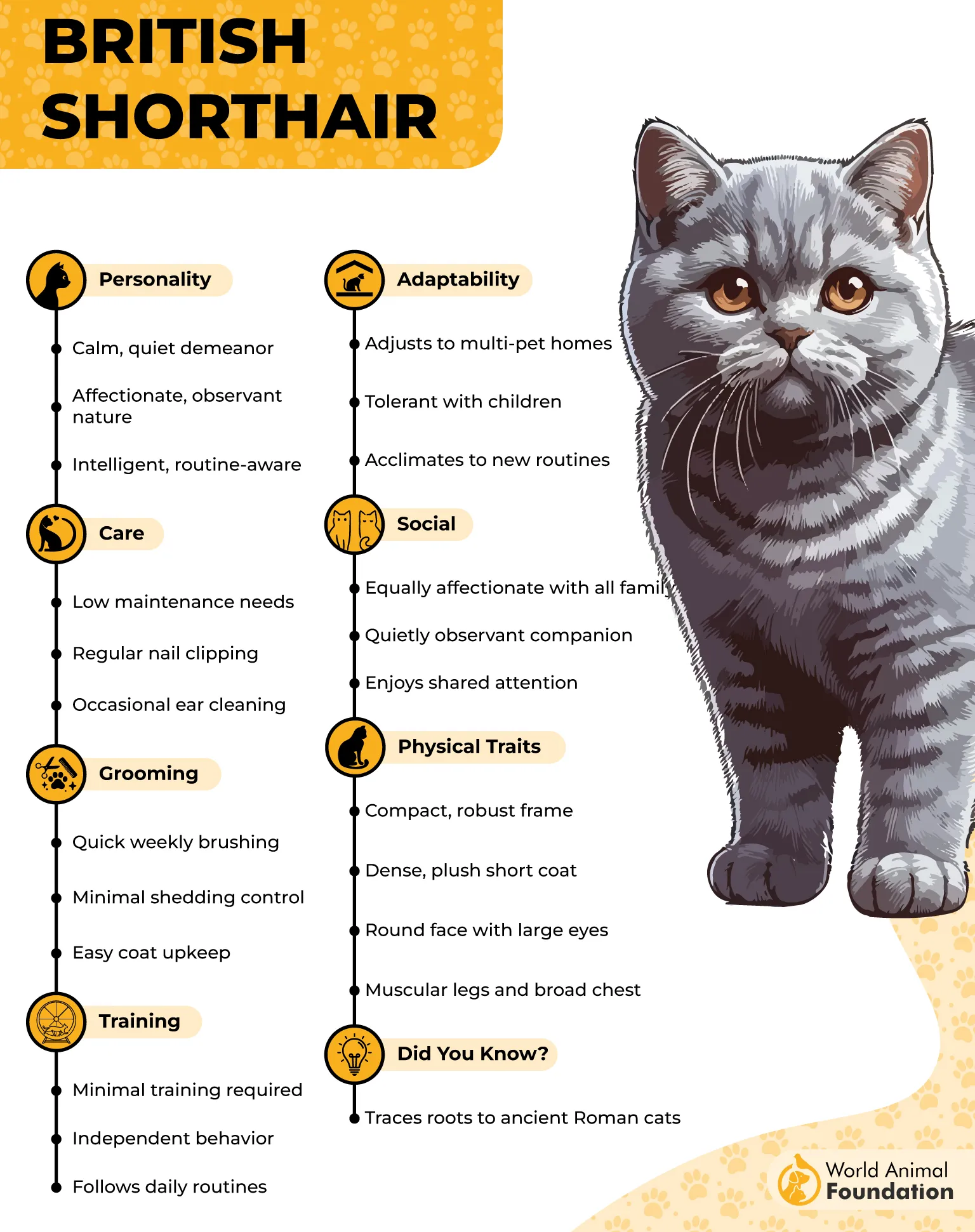
True to their reserved nature, British Shorthairs prefer companionship without constant handling. They enjoy being near their humans—sitting beside you or resting close by—rather than demanding to be held or cuddled for long periods.
This breed shows affection subtly, choosing quiet observation over physical closeness. Their independent streak makes them well-suited for owners who respect boundaries and appreciate a cat that values personal space while still forming strong bonds.
British Shorthairs are patient, tolerant, and gentle, which helps them coexist peacefully with children and other pets. They thrive in calm households where affection is mutual and unforced, making them ideal for low-touch companionship.
Fun fact: The British Shorthair is considered the oldest English cat breed and was originally valued as a skilled rodent hunter in Roman Britain.
2. Russian Blue
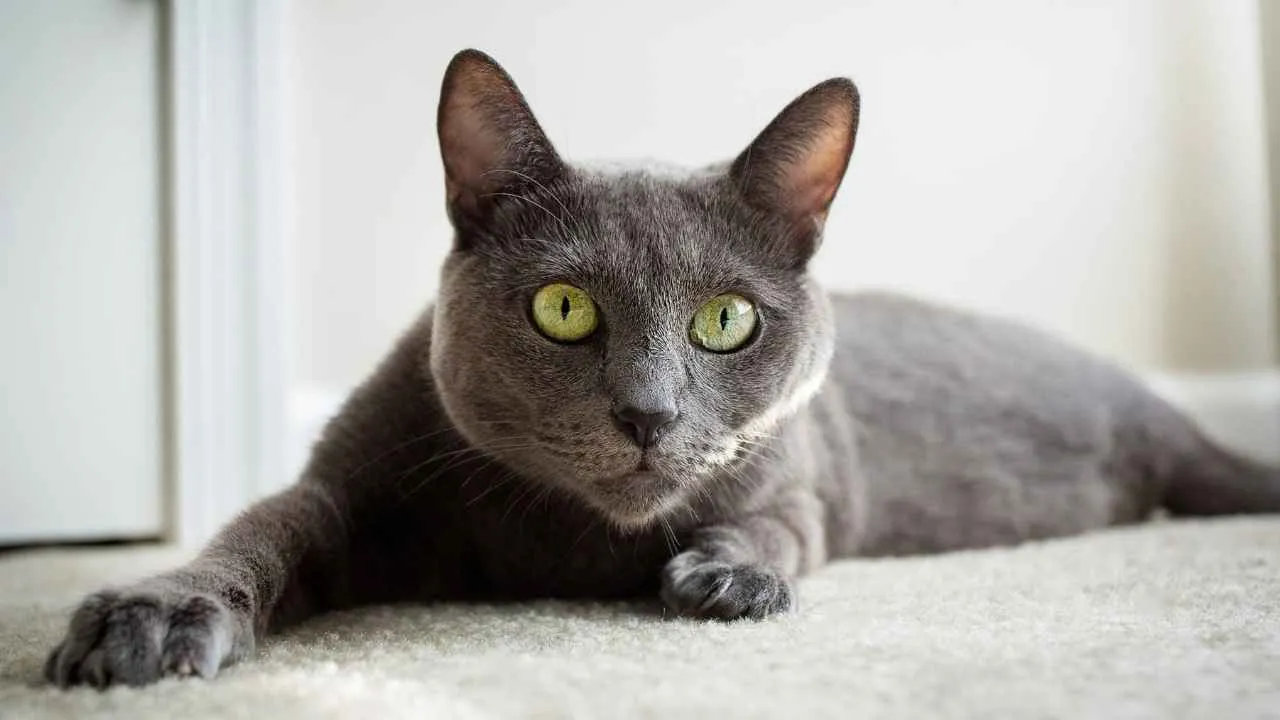
The Russian Blue, also known as the Archangel Blue, is instantly recognisable by its shimmering silver-blue coat and vivid green eyes. This elegant, slender cat carries a calm, reserved presence and is known for its quiet, refined demeanor.
According to PetMD, Russian Blue cats tend to be reserved—particularly around unfamiliar people—and are not typically very clingy, but they are sweet and can form close bonds with their family when properly socialized.
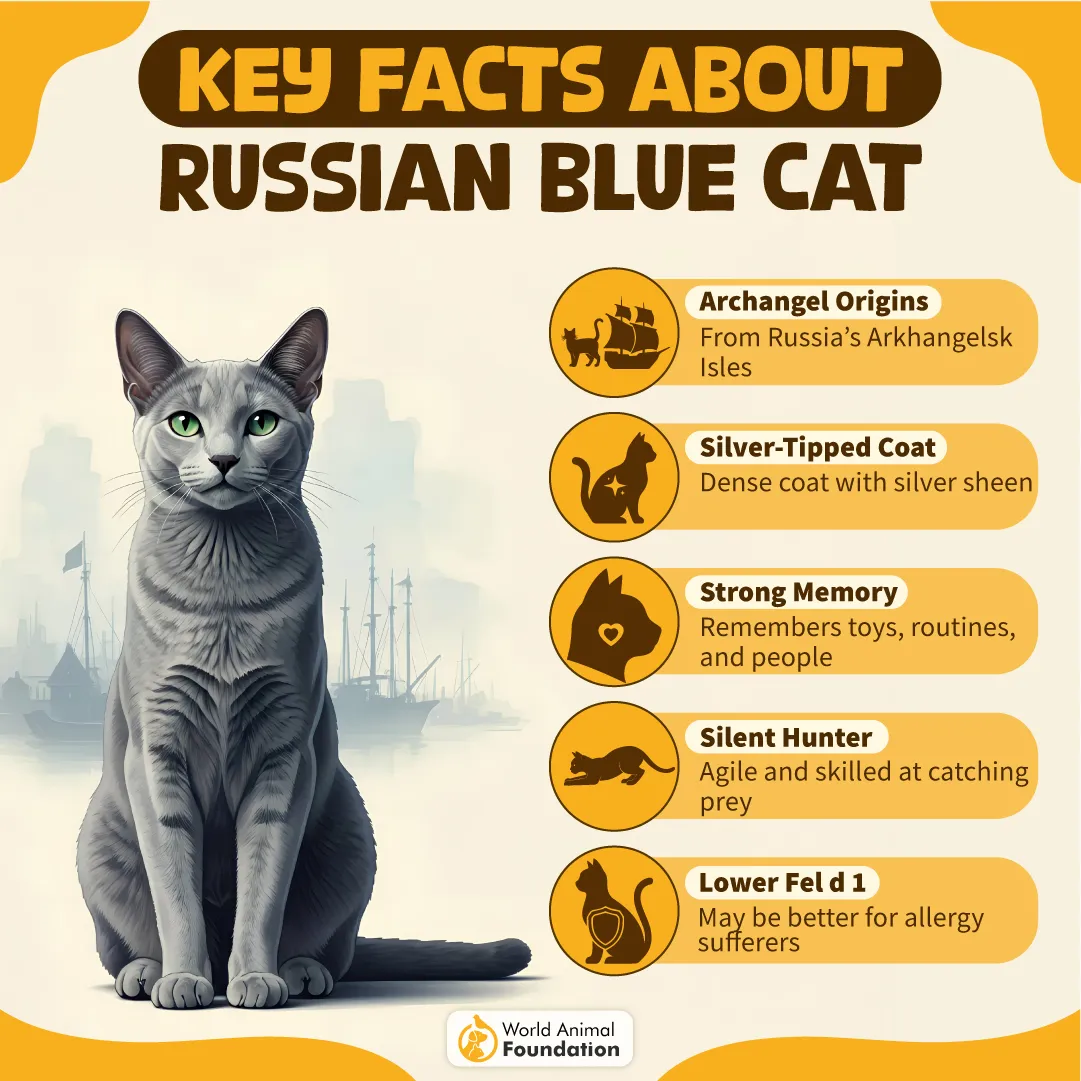
True to its independent nature, the Russian Blue prefers affection on its own terms. Rather than constant handling, it shows loyalty by staying nearby, observing quietly, and choosing moments of closeness without demanding physical contact.
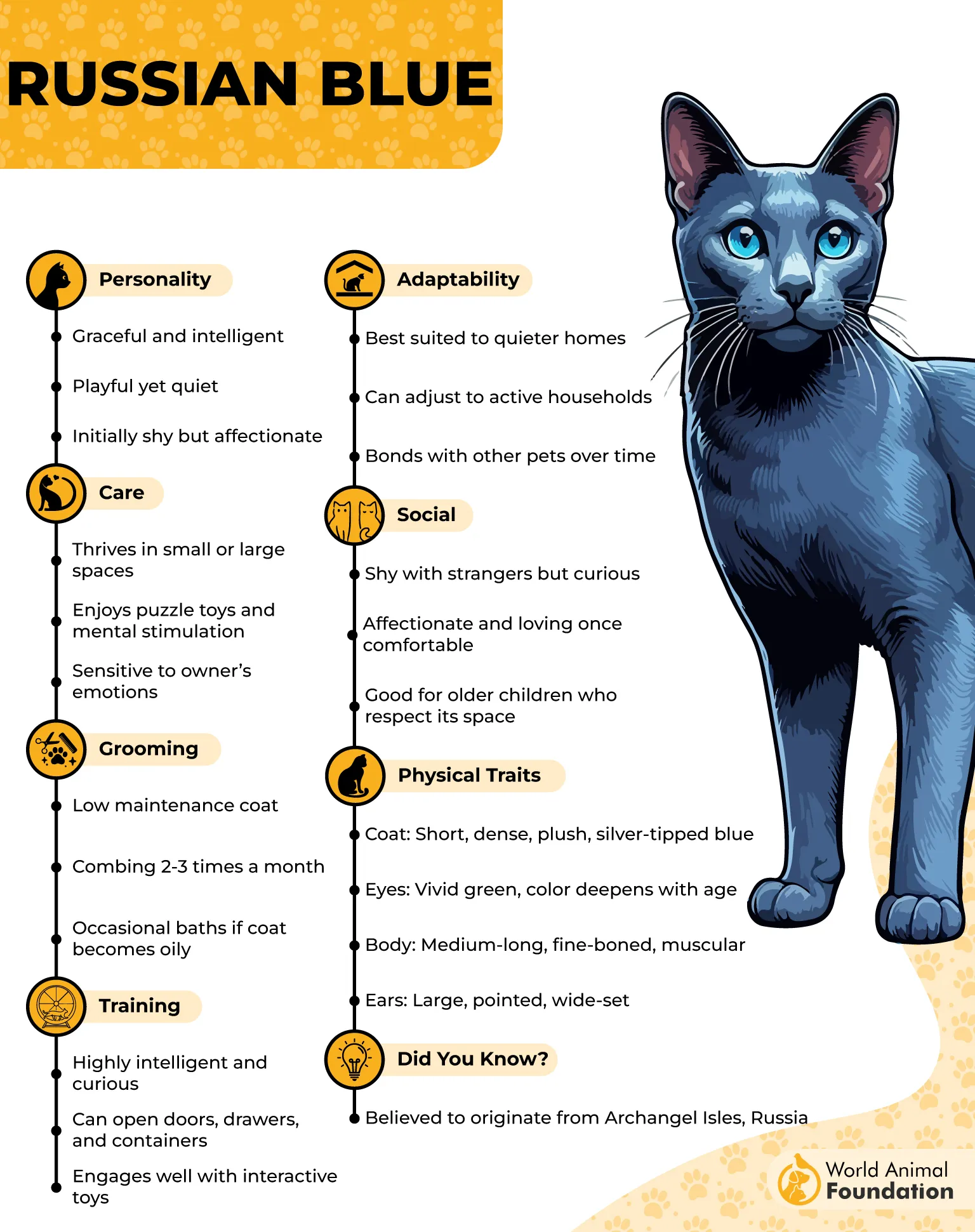
This breed forms deep bonds with its chosen person but values personal space. Russian Blues are sensitive to their environment and tend to retreat when overstimulated, making them ideal for owners who respect boundaries and gentle interaction.
Despite their preference for distance, they are intelligent and playful, often enjoying games like fetch or routine-based activities. Their low-maintenance grooming needs and self-entertaining habits make them excellent companions for calm households.
Fun fact: Russian Blue kittens are born with yellow eyes that gradually change to their signature emerald green as they mature.
3. Norwegian Forest Cat
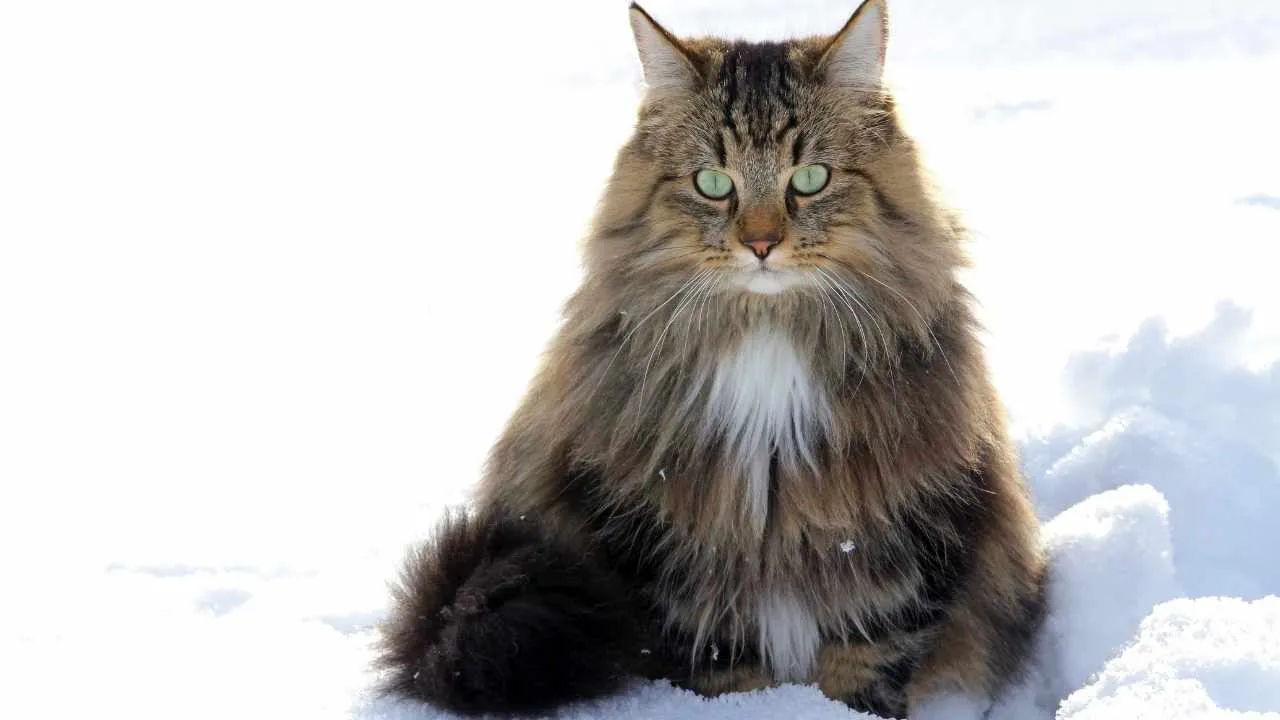
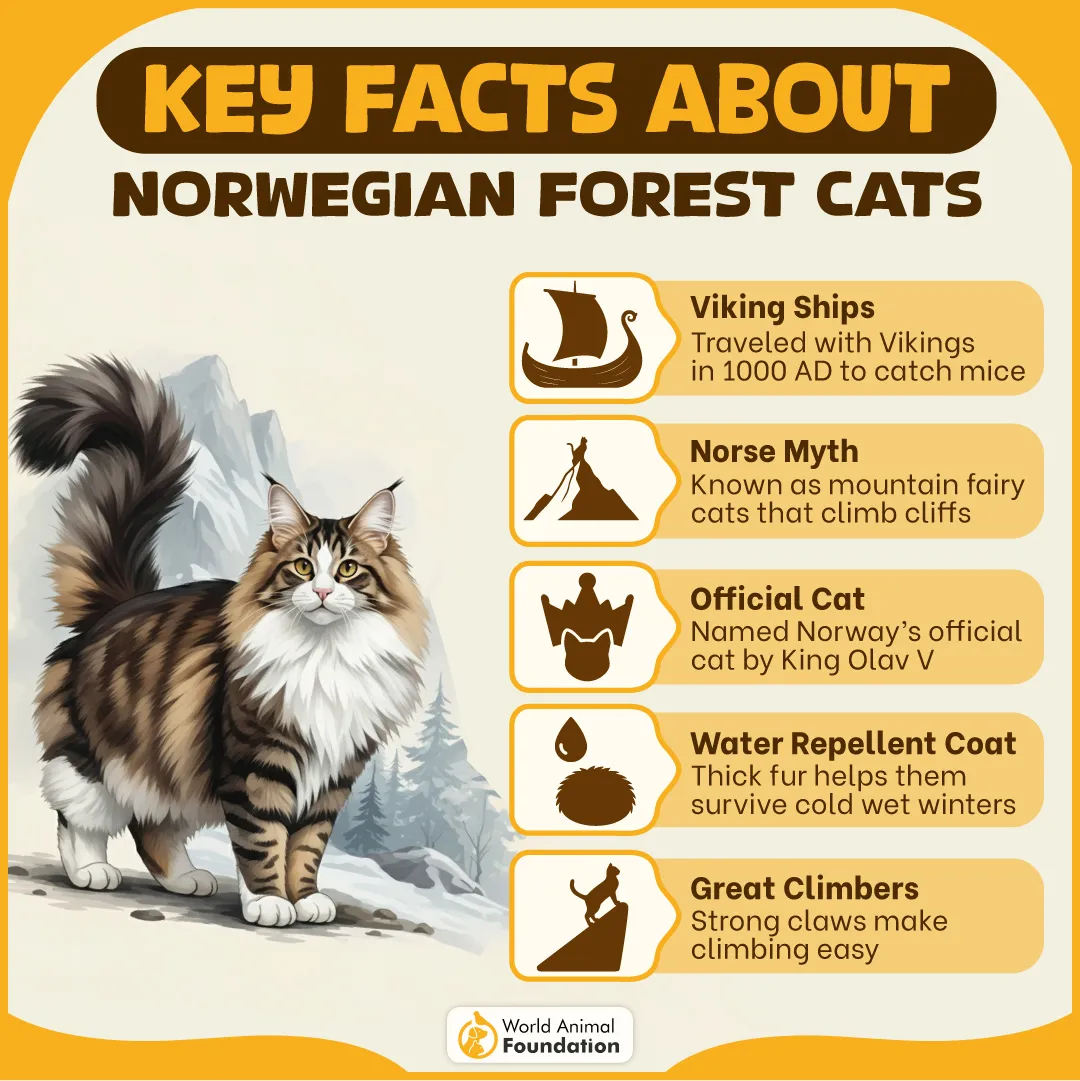
The Norwegian Forest Cat, also known as the Wegie or skogkatt, is a large, ancient breed from Norway with a rugged build and a thick, weather-resistant coat. Developed to survive harsh forests, this cat carries a naturally independent and observant temperament.
According to Petplan, the Norwegian Forest cat is a hardy, intelligent, and muscular breed and is considered one of the more active types of felines.
It may choose brief moments of closeness but generally dislikes prolonged handling, often staying nearby rather than seeking constant physical contact.
These cats enjoy being part of daily household life without needing frequent touch. They’ll quietly watch activities, follow routines, and retreat when they want solitude, making them ideal for owners who respect personal space.
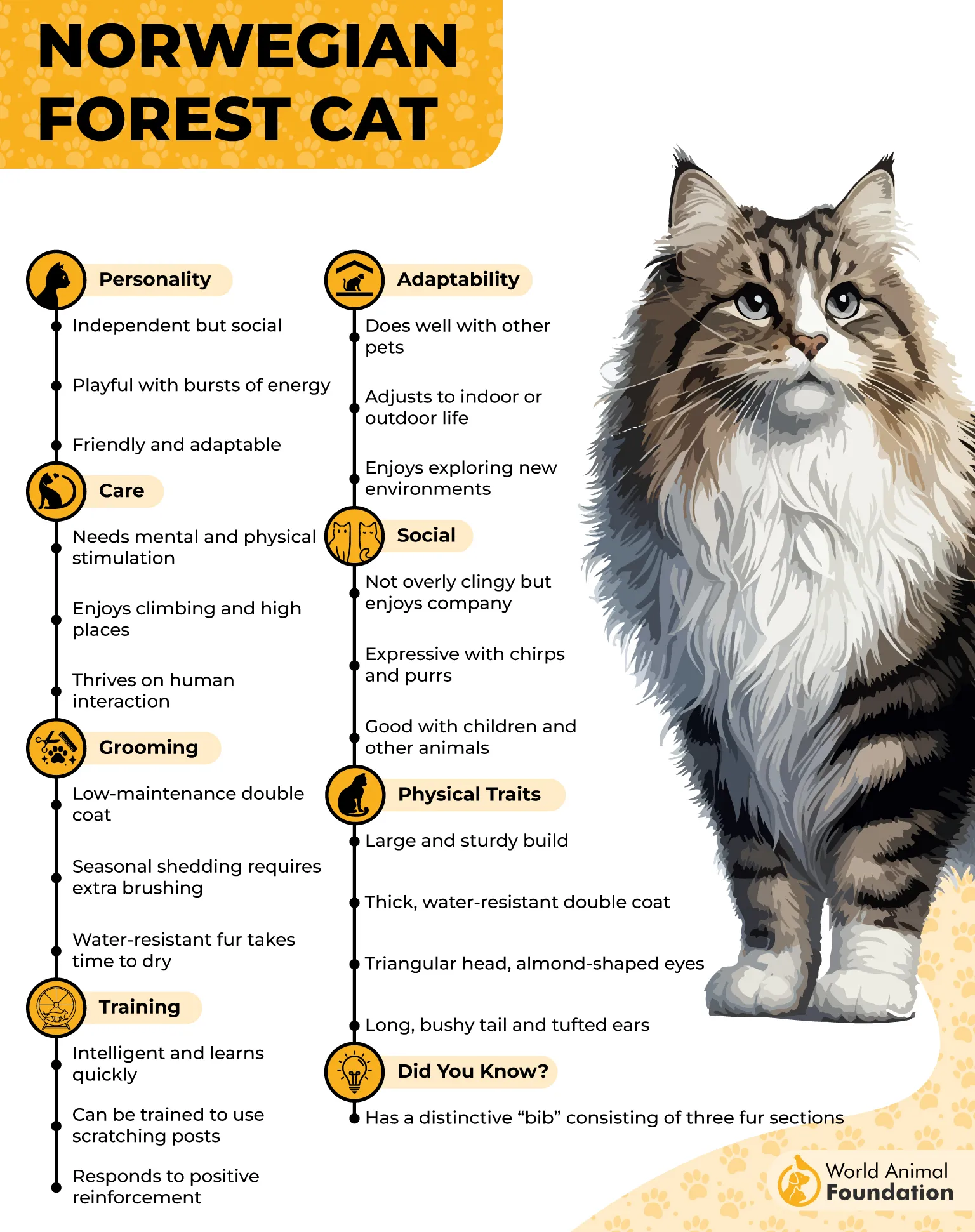
While friendly and adaptable with children, dogs, and other cats, Wegies value autonomy. They entertain themselves easily, enjoy vertical territory, and balance social presence with independence in a calm, confident way.
Fun fact: Norwegian Forest Cats mature slowly and may take up to five years to reach full size, a trait linked to their long history as hardy forest survivors.
4. Siberian
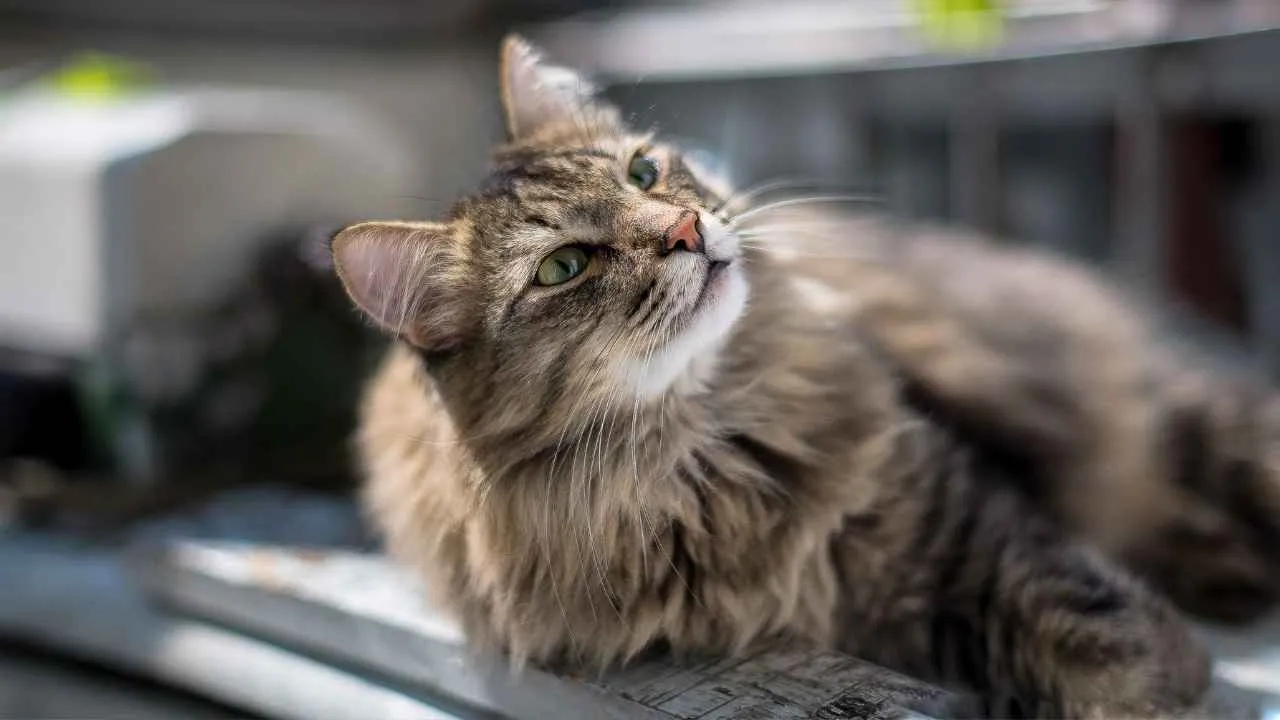
The Siberian, also known as the Siberian Forest Cat or Moscow Semi-Longhair, is Russia’s national cat and a naturally developed breed with a strong, athletic build and a dense, weatherproof coat. Intelligent and adaptable, this breed carries a quiet confidence shaped by its harsh origins.
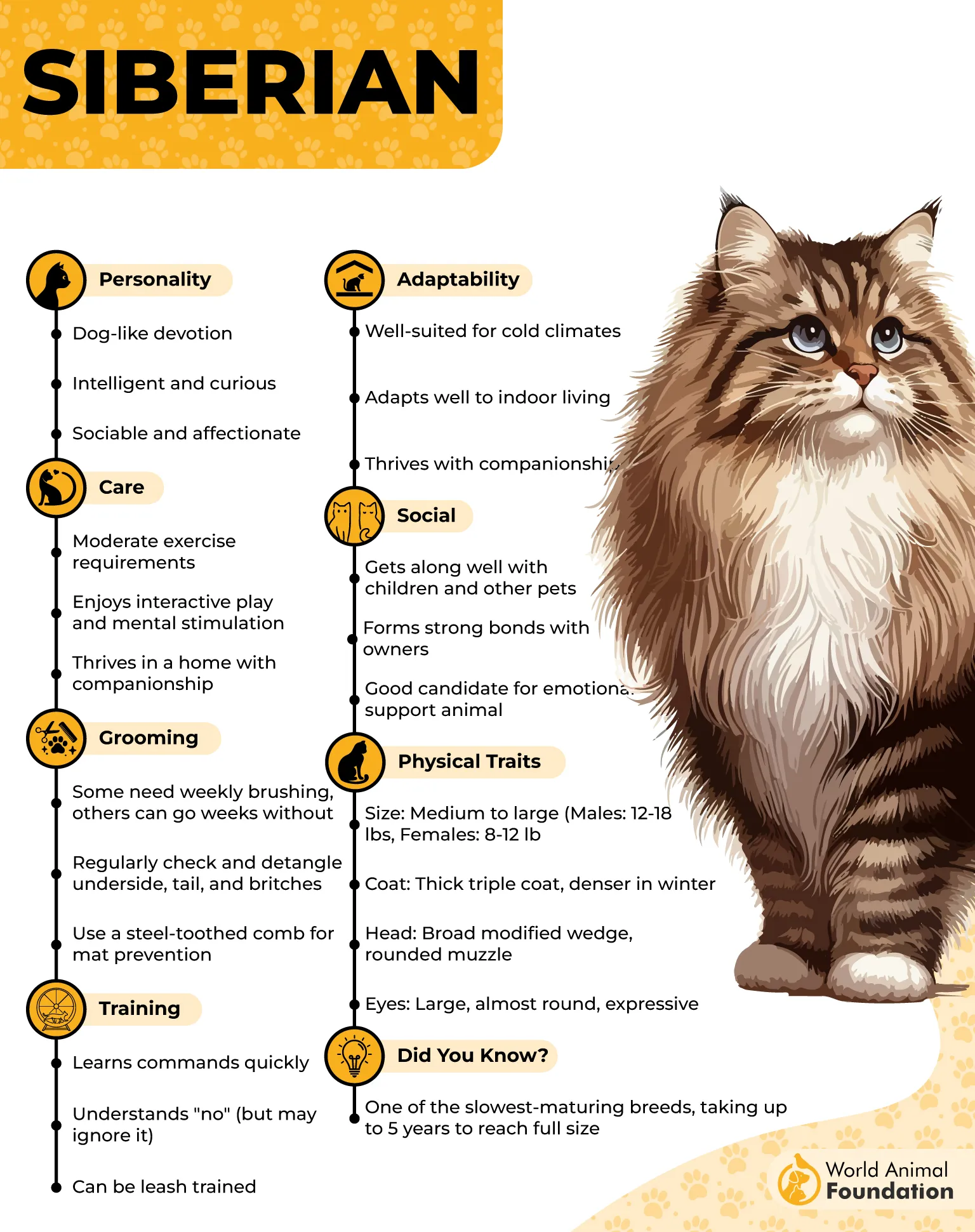
Despite being affectionate, Siberians are not overly touch-dependent. They form selective bonds and prefer choosing when and how they interact, often staying close without constantly seeking physical contact or cuddling.
This independent streak makes them well-suited to owners who respect boundaries. Siberians enjoy companionship on their own terms, observing household activity and joining in when it feels right rather than being handled frequently.
Their semi-long hair coat also contributes to their preference for limited touching, especially from unfamiliar people. They thrive best in calm homes with older children or adults who understand their need for space and mutual respect.
Fun fact: Siberian cats are considered somewhat hypoallergenic because they produce lower levels of the FelD1 protein, a common cat allergen.
5. Egyptian Mau
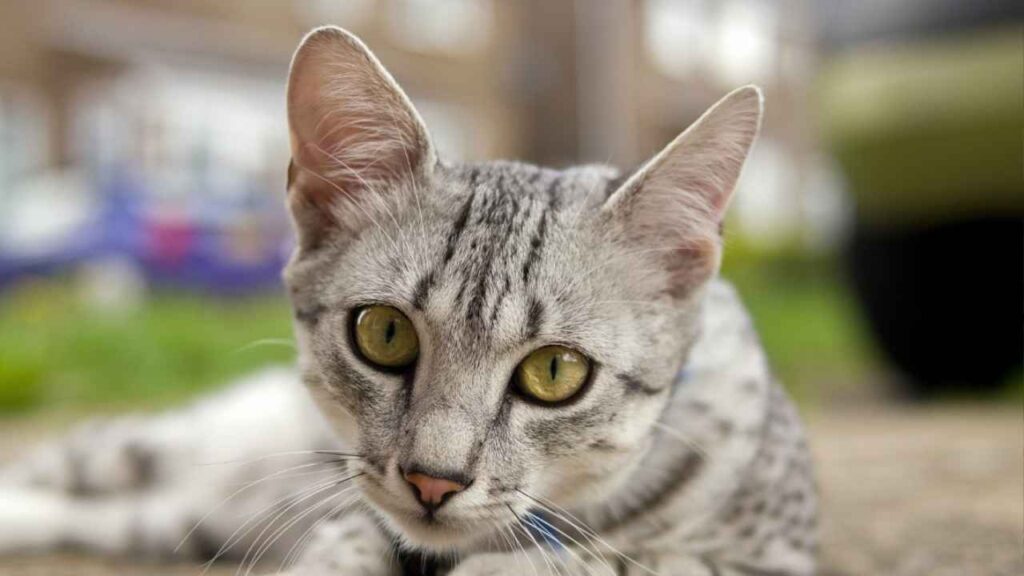
The Egyptian Mau, sometimes simply called the Mau, is an ancient breed revered since the time of the pharaohs. Recognizable by its naturally spotted coat and vivid gooseberry-green eyes, this elegant cat carries a regal, watchful presence.
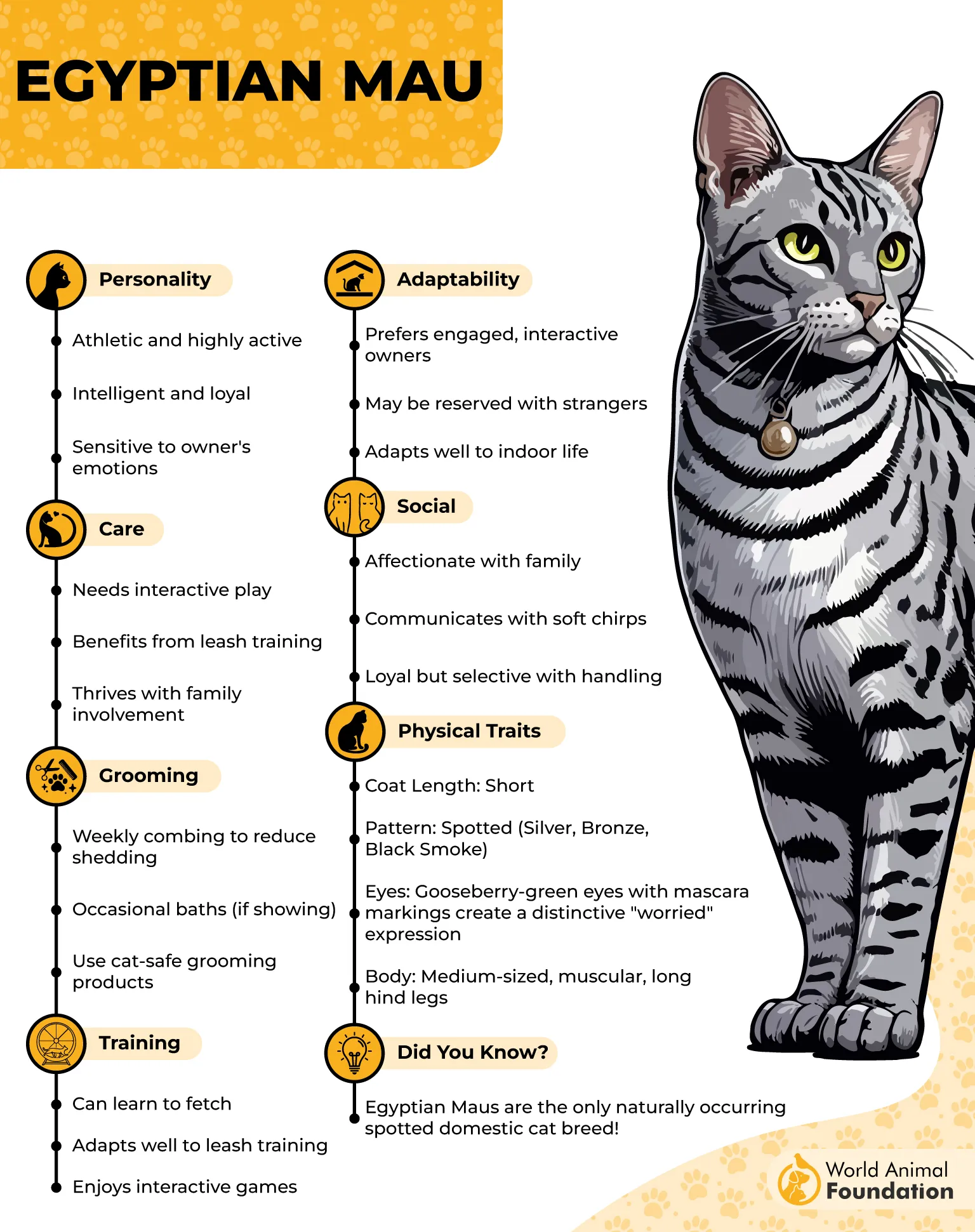
When it comes to affection, the Egyptian Mau is selective and reserved. Rather than seeking constant petting, this breed prefers to observe quietly, offering closeness only when it feels safe and emotionally secure.
Maus often forms a deep bond with one chosen person, expressing loyalty through proximity instead of touch. They value calm environments and may withdraw if overwhelmed by excessive handling or noisy activity.
This emotionally sensitive breed thrives with patient owners who respect boundaries and allow trust to build slowly. In such settings, the Mau becomes a devoted companion that balances independence with subtle affection.
Fun fact: The Egyptian Mau is the only naturally spotted domestic cat breed, with patterns that aren’t the result of selective breeding.
6. Turkish Angora
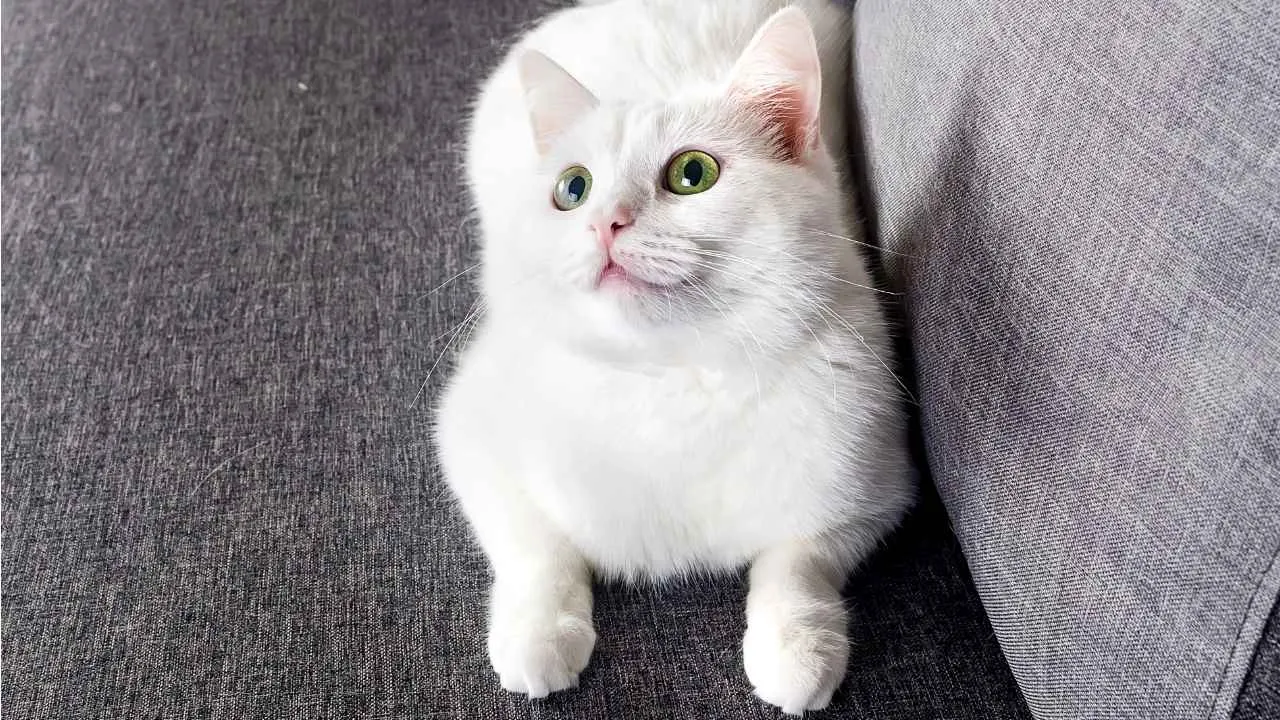
Often called simply the Turk, the Turkish Angora is one of the oldest known longhaired cat breeds and a national treasure in its native Turkey. Elegant, fine-boned, and athletic, this breed pairs a silky coat with a sharp, intelligent mind.
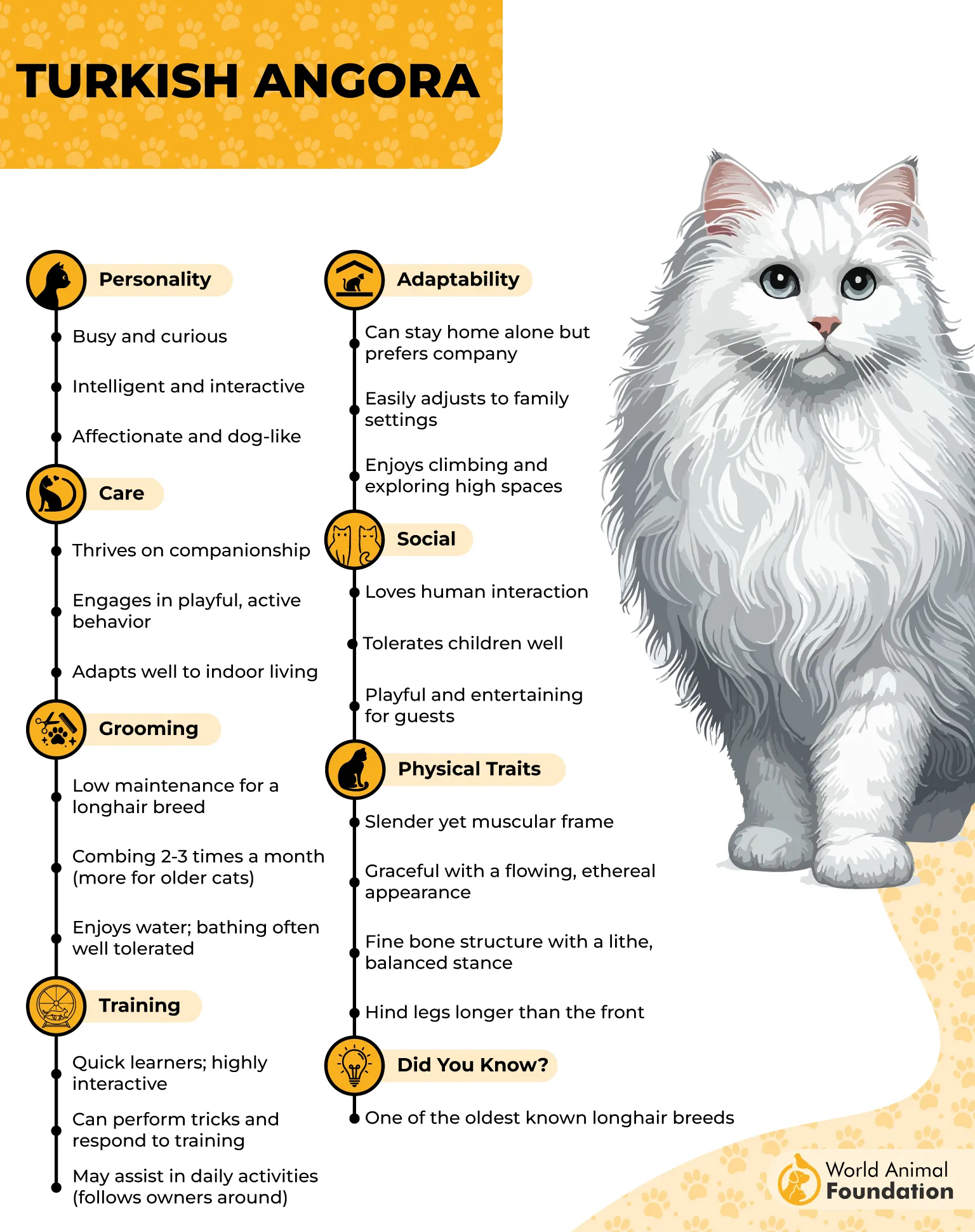
Turkish Angoras enjoy human company but prefer to keep physical affection on their own terms. Rather than prolonged cuddling, they thrive when given freedom to observe, play, and engage without being constantly handled.
Highly independent, they are happiest when interaction is balanced with space. These cats often show affection through play, following their people around, or vocal “conversations” instead of lap time or frequent petting.
Their strong will and curiosity mean they’re perfectly content entertaining themselves, especially with puzzle toys or window watching. This makes them ideal for owners who appreciate a cat that bonds deeply without needing constant touch or reassurance.
Fun fact: The Turkish Angora is considered the oldest longhaired cat breed and is believed to be an ancestor of many modern longhaired cats.
7. Turkish Van
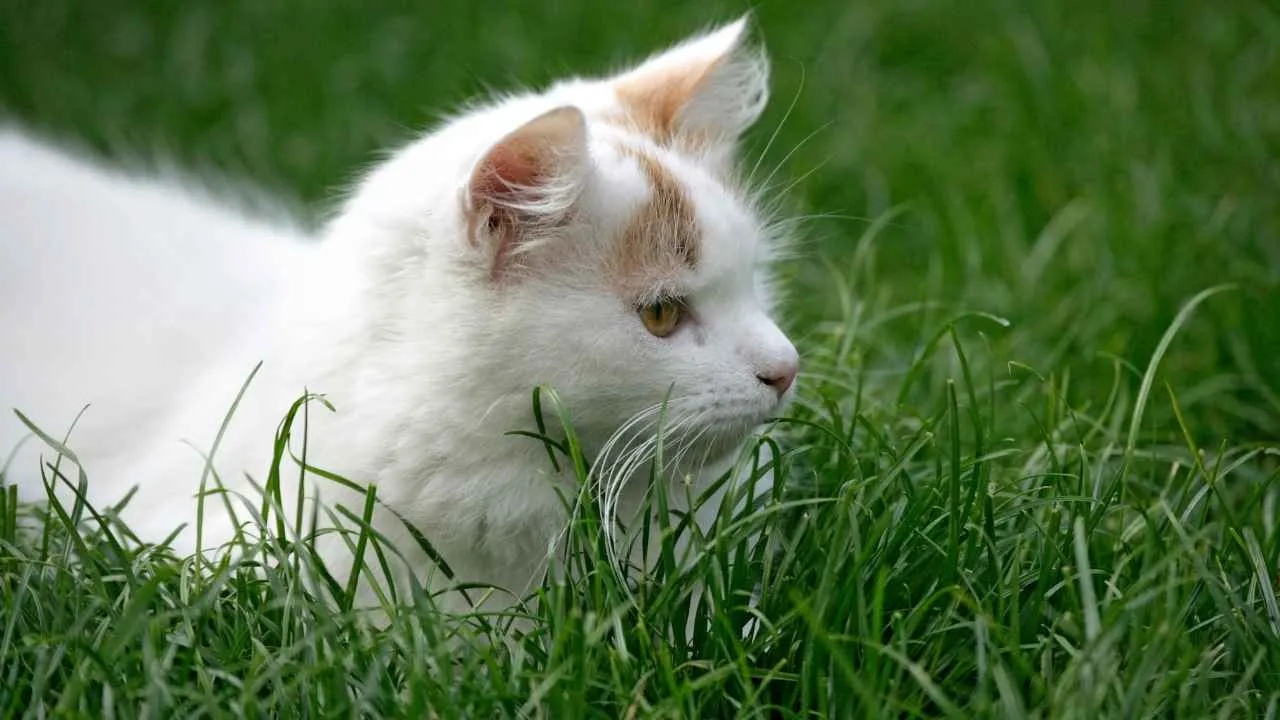
The Turkish Van, sometimes called the “Swimming Cat,” is an ancient, natural breed from the Lake Van region of Turkey. Recognised for its striking Van pattern, waterproof semi-long coat, and athletic build, this breed has a confident, independent presence.
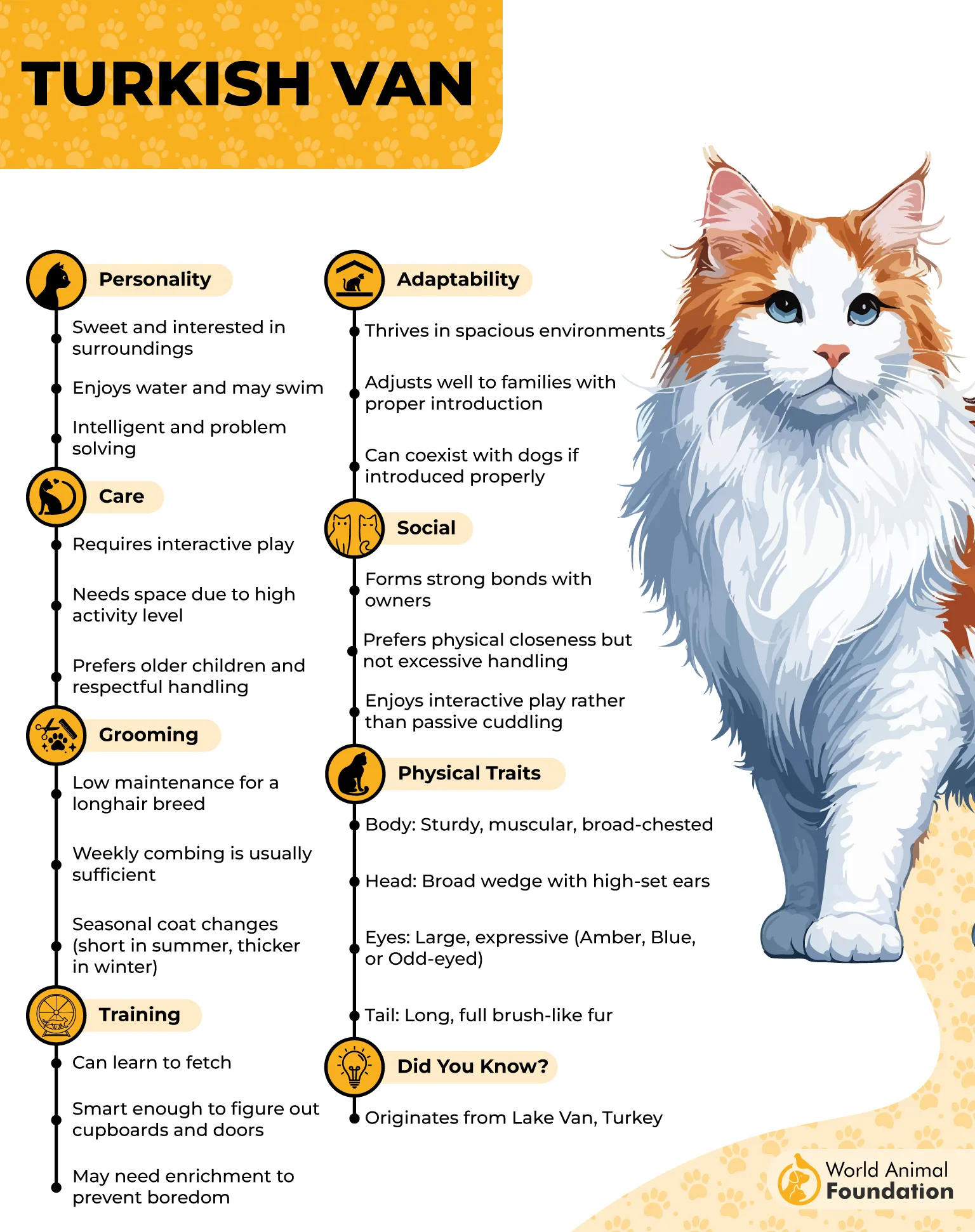
While deeply loyal to its people, the Turkish Van prefers closeness without constant physical contact. Rather than long cuddle sessions, it chooses to sit nearby, observing household activity and maintaining a dignified personal space.
This breed shows affection through interaction and play instead of touch. Highly intelligent and energetic, Turkish Vans enjoy games, exploration, and sharing a room with their favorite human—on their own terms.
Active yet selective with handling, Turkish Vans suit owners who respect boundaries and appreciate a cat that values independence. They thrive in homes where engagement doesn’t always mean being held, but shared space and routine matter.
Fun fact: The Turkish Van is famously known as the “swimming cat” because it enjoys playing in water and even joining humans in showers or baths.
Conclusion
Choosing cat breeds that prefer minimal human touch can be incredibly rewarding for the right home. Calm cat breeds show affection without being overly demanding, making them ideal for apartment living and indoor cats.
Unlike lap cats, these laid-back cats enjoy human interaction on their own terms, often preferring lounging, quiet companionship, and falling asleep nearby rather than constant handling.
With features like dense coat, deep blue eyes, and dog-like traits such as play fetch, these breeds thrive with cat trees, hiding spots, and interactive toys, making them great pets for older cats, allergy sufferers, and low-energy households.
