





Looking for a dog that’s lovable but easy to maintain?
For many pet parents, short-haired breeds are the perfect choice. Dogs with short, easy-care fur save time on grooming while still offering the warmth and companionship every family desires.
According to Orvis, dogs with short fur coats typically require minimal grooming because their hair lies close to the body and sheds less noticeably, making them easier to maintain than long-haired breeds. This means less brushing, fewer tangles, and a cleaner home.
Moreover, short-haired dogs are ideal for apartment living or households where time for frequent grooming is limited.
Their soft coats can stay healthy with simple routines like gentle brushing, occasional baths, and regular nail and ear care. From small, energetic pups to gentle giants, there’s a short-haired dog to fit every lifestyle.
With that in mind, let’s explore the top dog breeds with easy-care short fur coats that make life simpler and more enjoyable for pet owners everywhere.
Top Dog Breeds with Easy-Care, Short Fur Coats
1. Boston Terrier
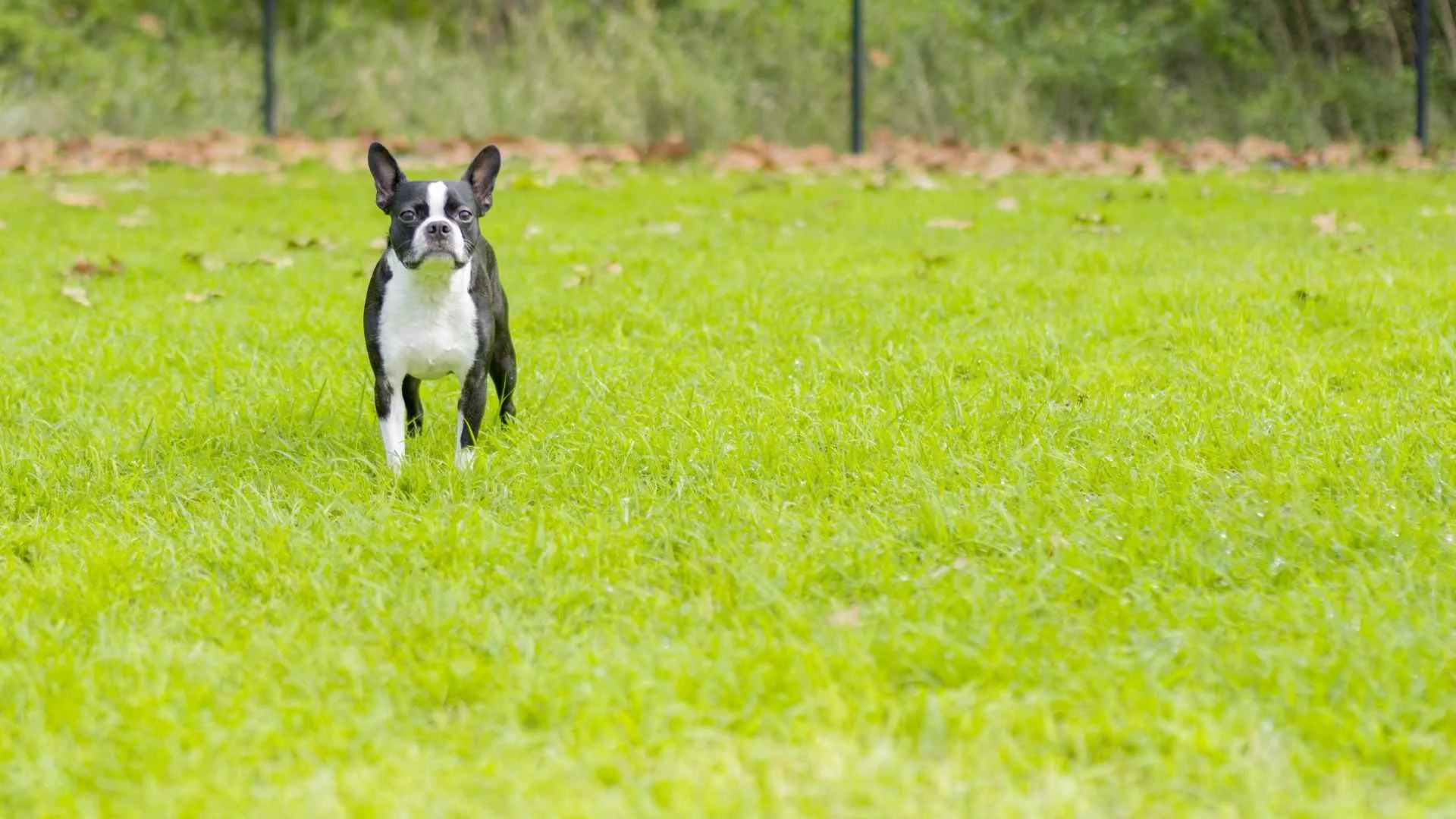
The Boston Terrier is often called one of the true American gentlemen, and this nickname fits because of its polite manners and charming presence in the home. This short-haired dog forms strong bonds with people and enjoys staying close to family members throughout the day.
Many families choose this breed because the dog stays calm indoors and adjusts well to daily home routines. It brings steady joy. According to the AKC, the breed has a natural gift for comedy, and its playful actions often bring smiles during quiet evenings at home.
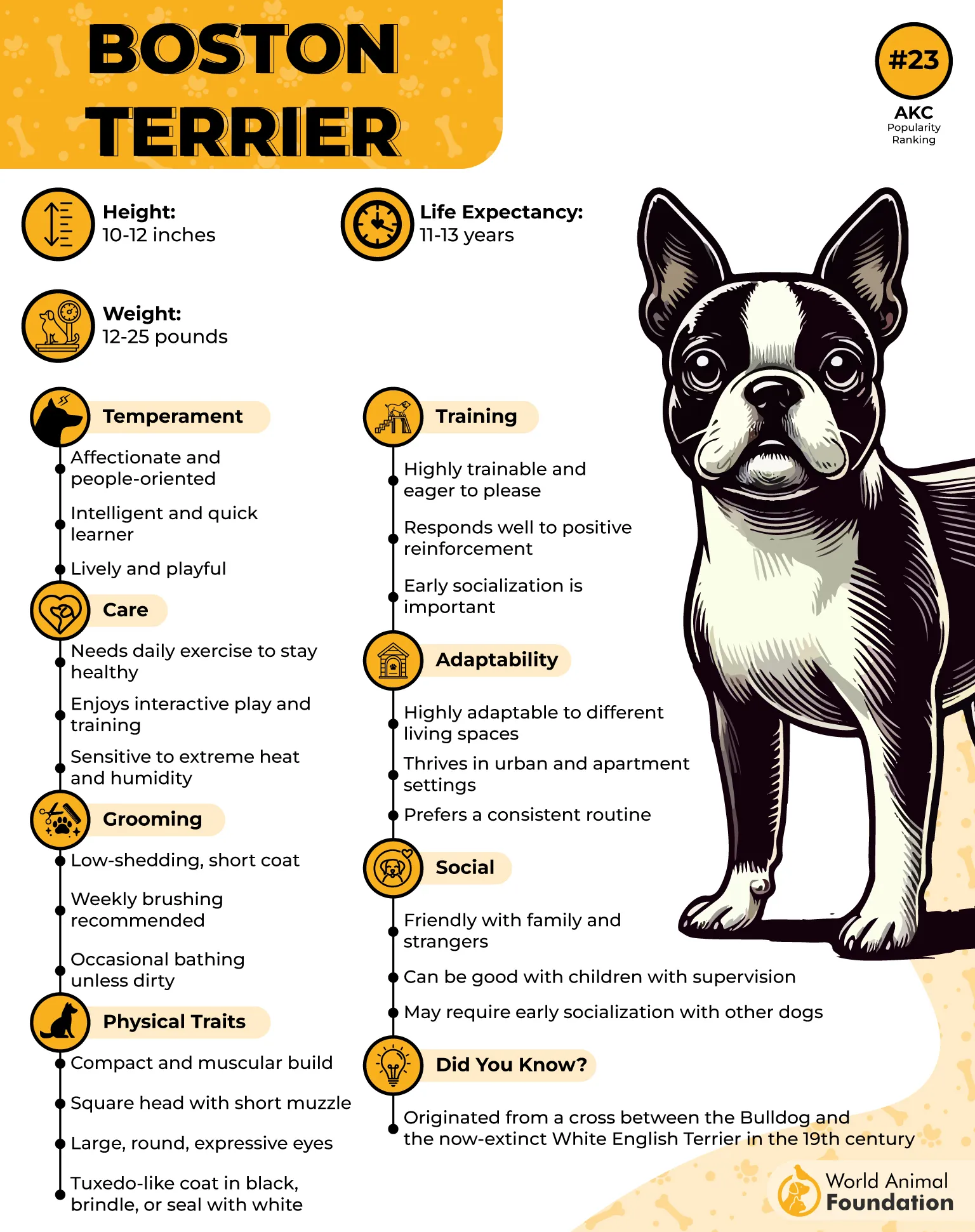
Owners who like markings often admire this breed because its tuxedo-style face and body patterns look neat and expressive. Even in busy homes, the Boston Terrier shows patience and enjoys relaxed time with people after light play.
This short-haired breed fits well with kids and tends to show gentle manners during daily family life. Its short coat stays neat with simple care, and weekly brushing helps remove dead hair and keeps the coat looking smooth.
Life feels lighter with one around.
Why families enjoy this breed at home
Adapts well to small living spaces and shared family rooms
Enjoys quiet time beside owners during eveningsBrings a cheerful mood to calm homes
Shows steady behavior with regular routines
Fits well in homes with other gentle pets
2. Chihuahua
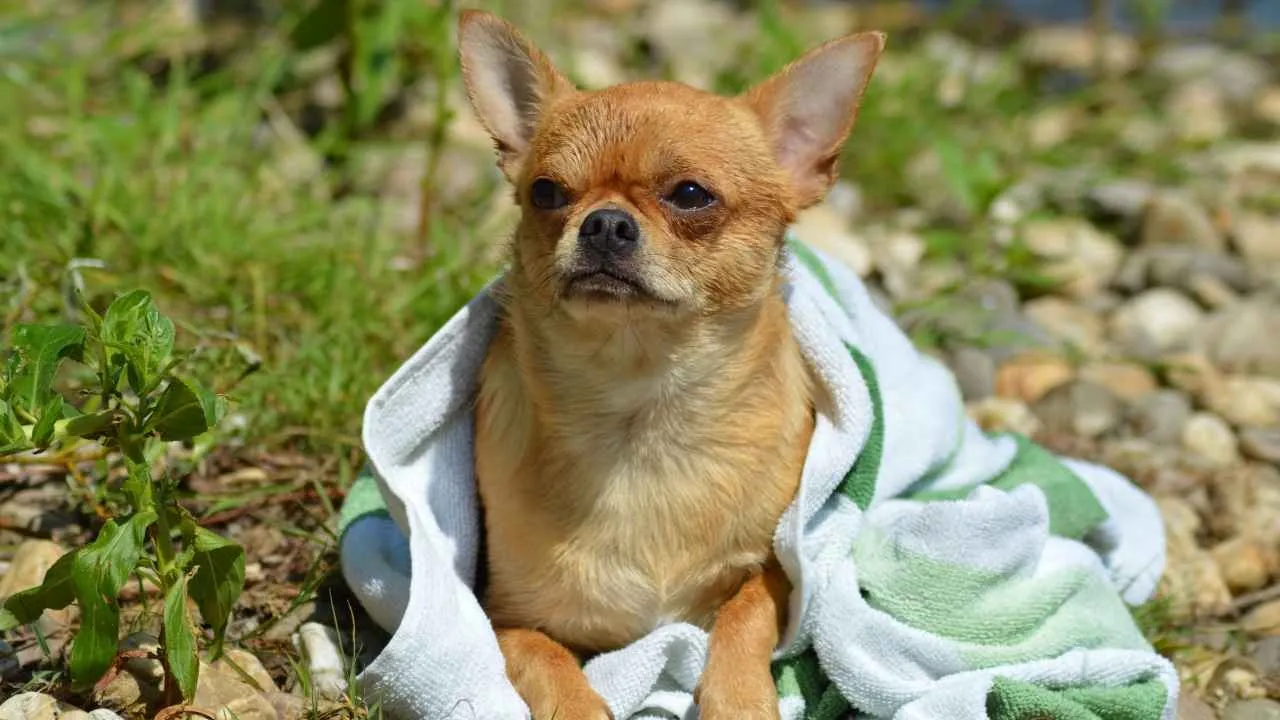
The Chihuahua is a Mexican breed of toy dog and is recognized as one of the smallest dog breeds in the world today. It is also a national symbol of Mexico, and its long history gives the breed deep cultural meaning.
This background helps explain why the breed holds such strong importance for many people across generations. According to Wikipedia, Chihuahuas have a unique feature on their heads called a molera, which is a soft spot much like the fontanel found in human infants.
The head shape is rounded like an apple, and this feature helps define the breed standard in many registries. This short-haired dog breed has a tiny body with a bold presence, and its confidence often surprises new owners.
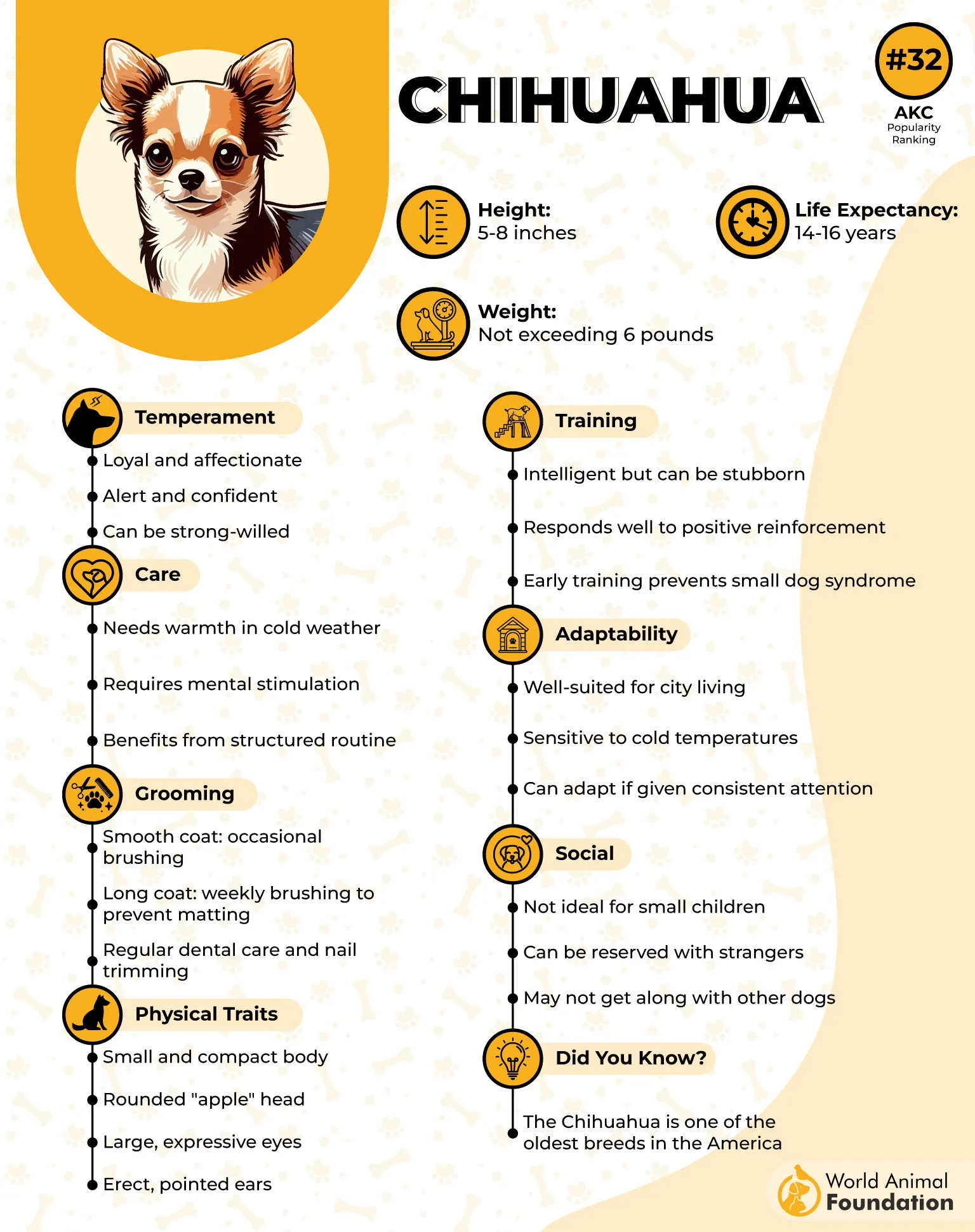
They are confident dog companions who stay alert and aware of their surroundings. Chihuahuas fit small homes well and adapt easily to apartment living with safe indoor play areas. They are easy to carry on trips, which makes them a common choice for owners who travel often.
They bond closely with one person and prefer staying near their chosen human during daily routines. They are too small for roughhousing with kids, so careful handling is always needed. They need warmth in cold weather, and special care must be taken to protect them from low temperatures.
They are adaptable dogs as long as they get quality time and a safe place for play at home. The smooth coat and short hair give the breed a neat look, while some owners prefer the long hair variety.
The smooth coat sheds minimally, so it needs to be brushed regularly to keep the coat clean and healthy. Nail trimming should be done on a steady schedule to support safe movement on indoor floors.
Extra care notes for tiny breeds
Provide warm resting spots during colder months
Use small harnesses for safe walks
Choose soft toys made for tiny mouths
Keep furniture jumps low to protect joints
Set quiet play zones inside the home
3. Dachshund
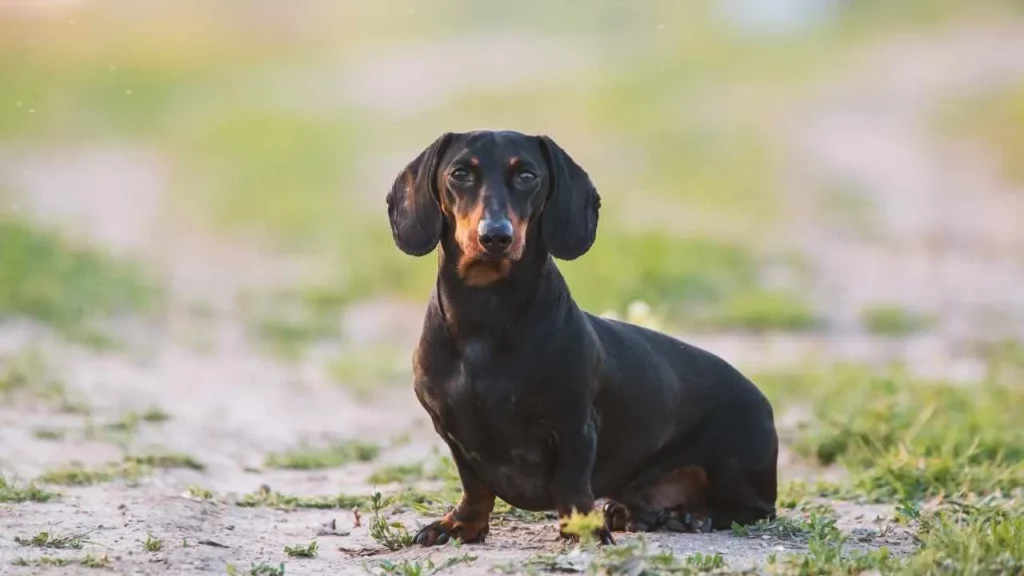
The Dachshund comes from German words and was originally bred in the 18th century to hunt badgers underground. This history explains the long body shape, strong chest, and brave nature seen in the breed today.
This short-haired dog is also known as the wiener dog, sausage dog, badger dog, doxie, and even hot dog in casual talk. The long body needs special care because the spine carries more strain during daily movement and play.
Back safety at home matters because jumps from high places can stress the spine over time. Steps for couches help protect joints and support safe movement in living rooms. They love sniff walks, and their strong sense of smell guides much of their outdoor behavior.
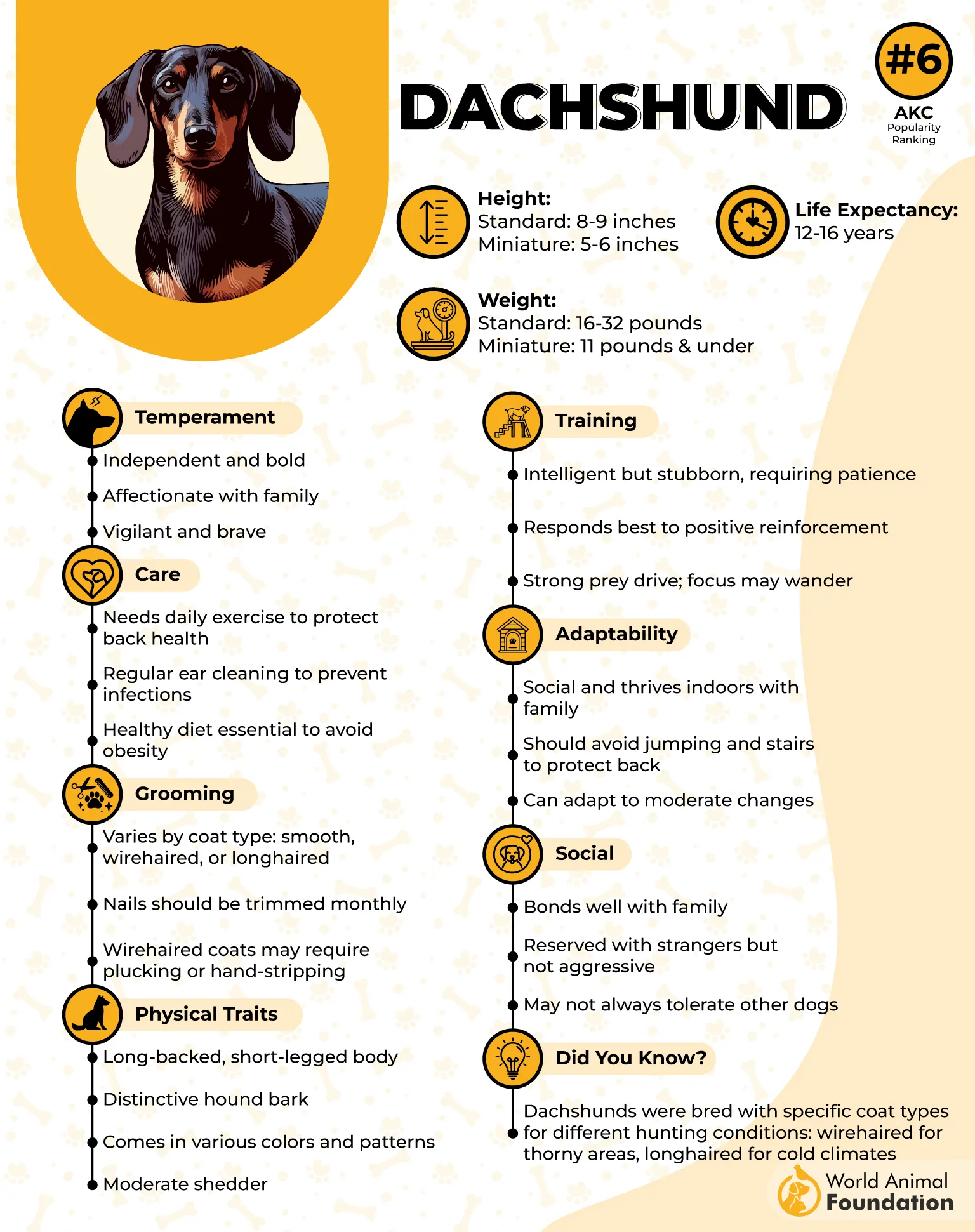
The prey drive stays strong, and the nose often leads the way during walks. They are willful, bold, strong, playful, and mischievous, yet the breed is also smart and attentive to people. This mix of traits gives them an independent nature that still values human attention.
They are playful and friendly dogs that can make great pets for first-time dog parents. They do not tend to bark a lot, yet they stay alert to new sounds and scents. They need regular exercise to keep muscles strong and the body balanced.
It can show a calm demeanor indoors after daily movement needs are met. According to PetMD, the breed comes in three different coat type options: long-haired, smooth, and wire-haired. The smooth-coated variety has a short coat that looks smooth and shiny under light.
This short-coated dog fits well for owners who want a low-shedding breed with simple care needs.
Daily living tips for long bodies and short legs
Use floor-level play spaces to protect the spine
Choose the best toys for short legs to avoid high jumps
Keep walk routes rich with scents for mental exercise
Provide firm bedding to support the back
Keep play sessions short but frequent
4. French Bulldog
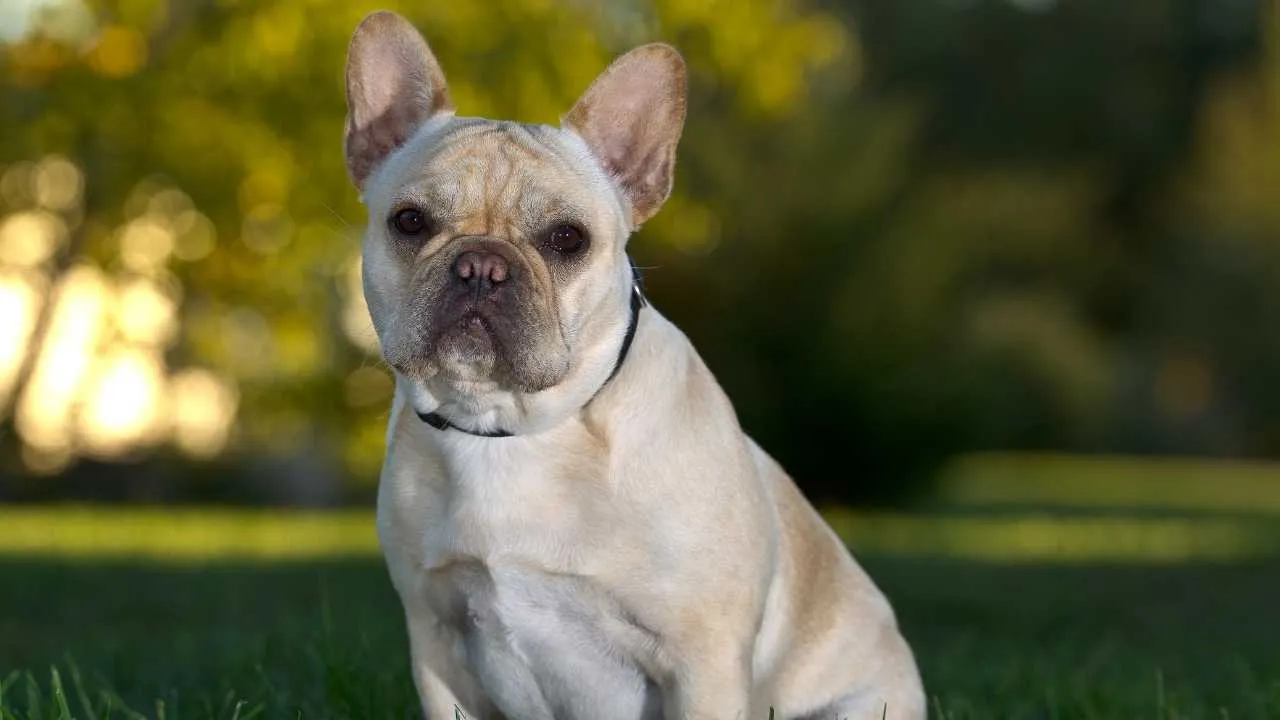
The French Bulldog became popular in the 1800s and early 1900s as a companion for high-class households in France. Fashionable people kept this breed for its calm demeanor and distinctive, charming appearance.
Hill’s Pet notes that one of its most noticeable features is the naturally large ears, which are never cropped or altered, giving it a unique, recognizable look. This short-haired dog is low maintenance, making it ideal for busy city residents who want a stylish yet easy-care companion.
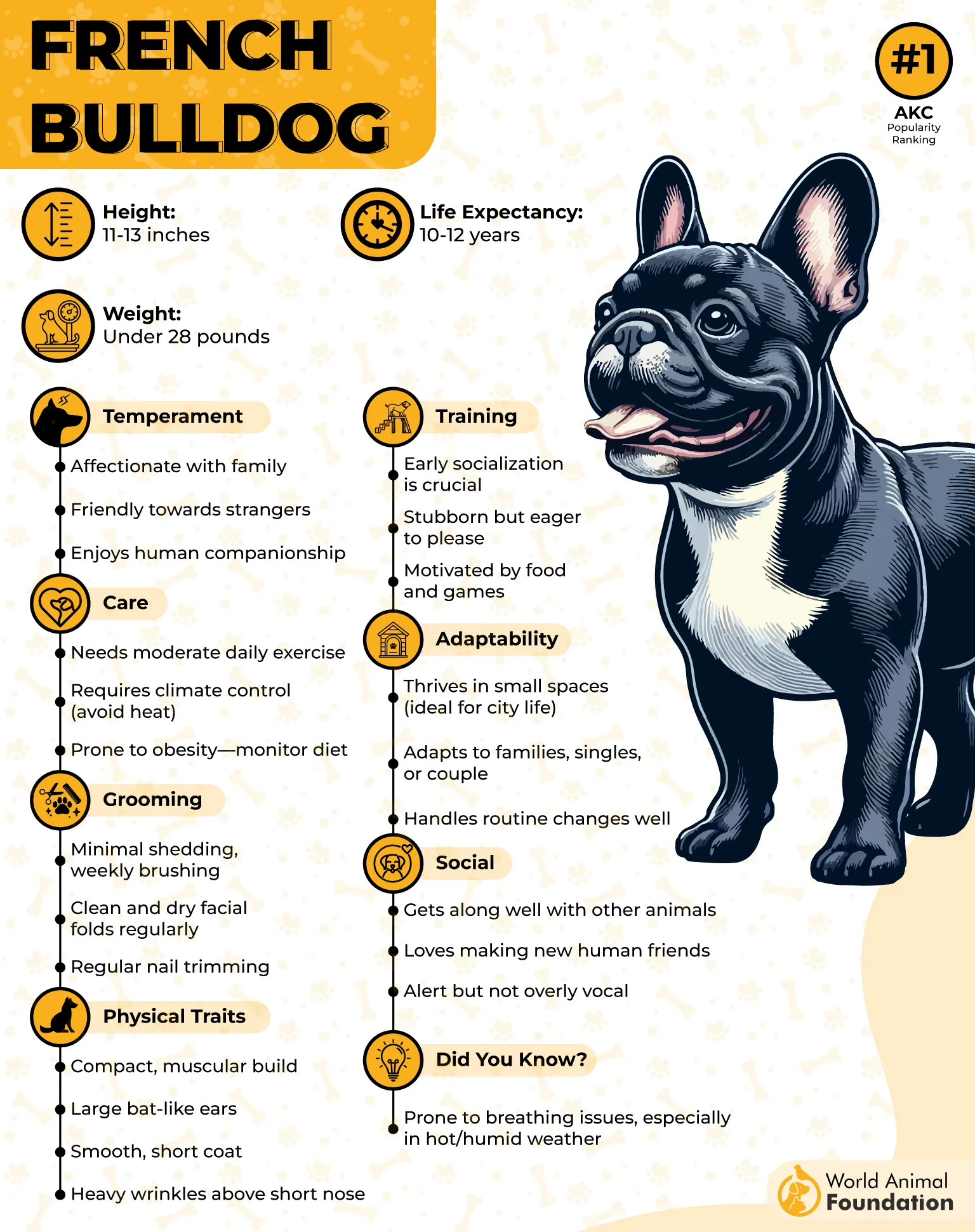
They are even-tempered house dogs that thrive on attention and enjoy staying close to their people throughout the day. French Bulldogs are playful and alert but settle easily indoors, showing a calm demeanor in apartments.
They do not bark much, which is perfect for small homes or shared buildings. Their short coat needs regular grooming to remain healthy and shiny. Brushing a few times a week keeps the skin clean and the coat neat.
Special care around the nose folds is important; gently wiping keeps them free from dirt and moisture. This short-haired dog continues to be completely irresistible to many families, especially single-person households, because of its loyal and affectionate nature.
City owners love them for short walks, low-maintenance care, and the ability to thrive in calm urban spaces.

City-friendly care tips
Regular brushing to maintain a smooth, healthy coat
Wipe nose folds to prevent dirt build-up
Provide short, frequent walks instead of long hikes
Offer cozy spots indoors for rest
Keep playful interactions gentle in small spaces
5. Pug
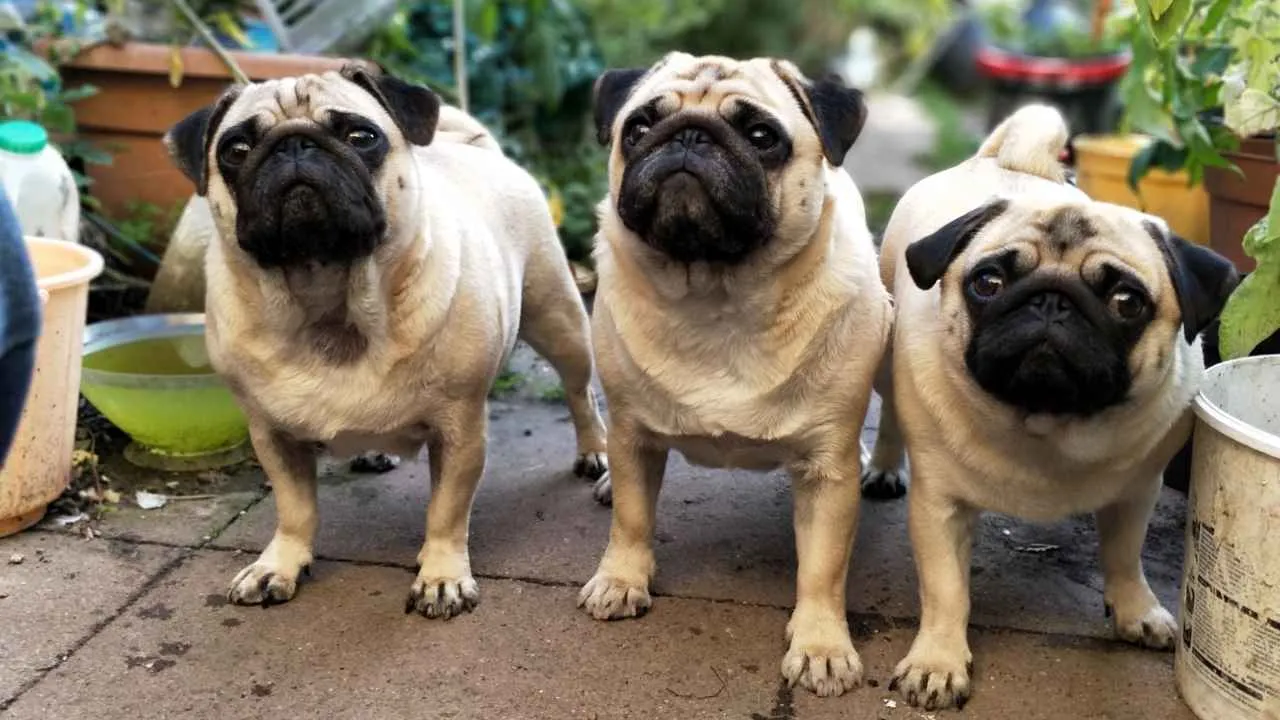
The Pug is an intelligent little dog that loves people and thrives on companionship, making it a favorite choice for families of all ages. This brachycephalic, or flat-faced breed, has a unique head shape that requires special daily attention to stay healthy.
Face folds need gentle wipes to remove dirt and moisture, helping prevent irritation or infection. Eyes should also be checked and cleaned regularly because Pugs are prone to tear staining and minor irritations.
These short-haired dogs are affectionate but strong-willed, so positive reinforcement training works best to teach good habits early. According to PDSA, from a young age, you can train your Pug to enjoy teeth brushing, which helps prevent dental problems later in life.
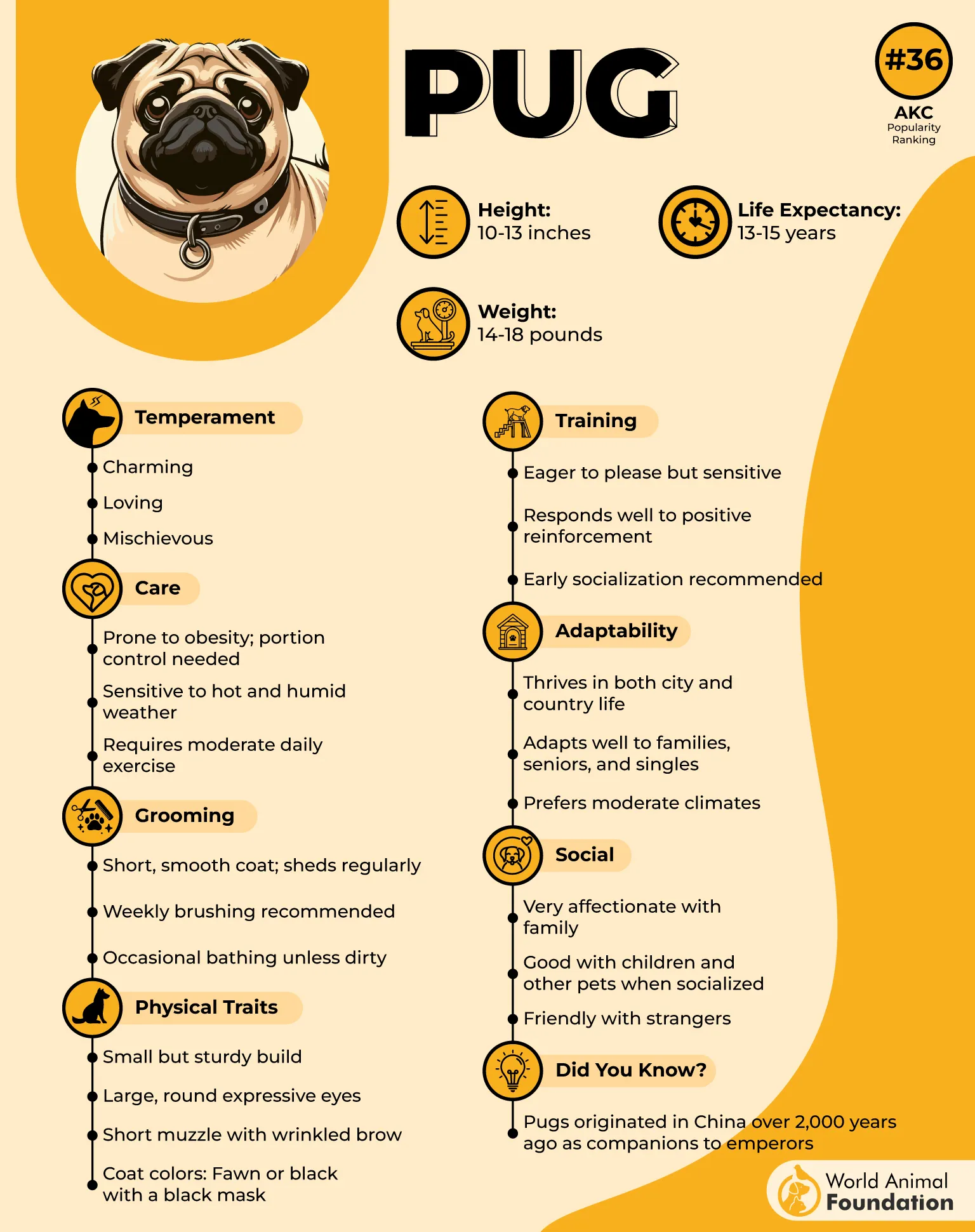
They have a smooth, short coat that is easy to care for, making them a low-maintenance breed. Despite being low maintenance, they do shed, so weekly brushing is recommended to remove loose hair and keep the coat shiny.
Pugs enjoy staying close to their owners, fitting perfectly in quiet homes or apartments. Short play sessions throughout the day satisfy their energy needs without overexerting them, especially because of their facial structure.
Facial and coat care tips for Pugs
Wipe face folds daily with a soft, damp clot
Check eyes regularly for redness or debri
Brush coat weekly to remove dead fur
Introduce tooth cleaning early with positive reinforcement
Keep play sessions short and safe for their flat-faced structure
6. Miniature Pinscher
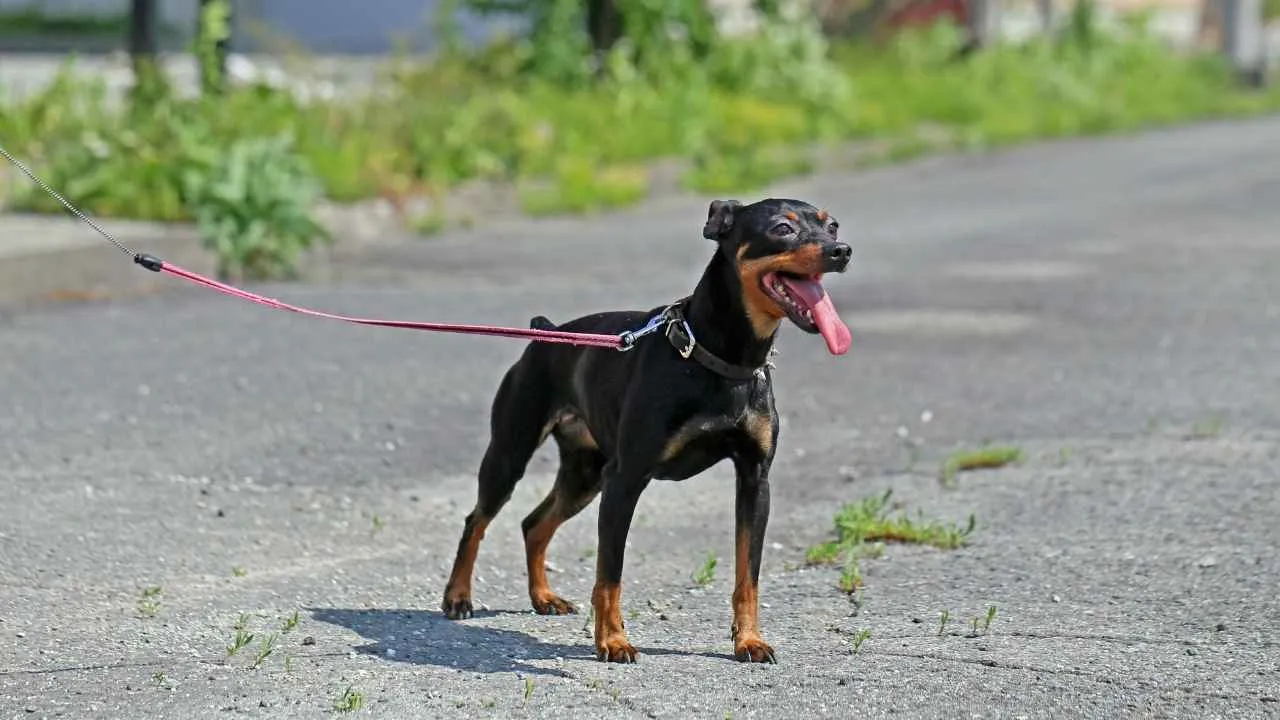
The Miniature Pinscher is a German breed of small dog of the Pinscher type, known for its lively and elegant personality. This animated little dog moves with a jaunty, high-stepping gait that gives it a confident and dapper presence in any home.
As a short-haired dog breed, the Miniature Pinscher has a short, smooth coat that is easy to maintain and requires only occasional brushing. The dog’s coat shines naturally with minimal effort, making it suitable for busy families or first-time dog owners.
According to Purina, they are bold and fearless, always alerting owners to anything they consider worthy of attention, which also makes them excellent watchdogs. These small-breed dogs get along with other dogs when properly introduced and trained, though supervision is recommended at first.
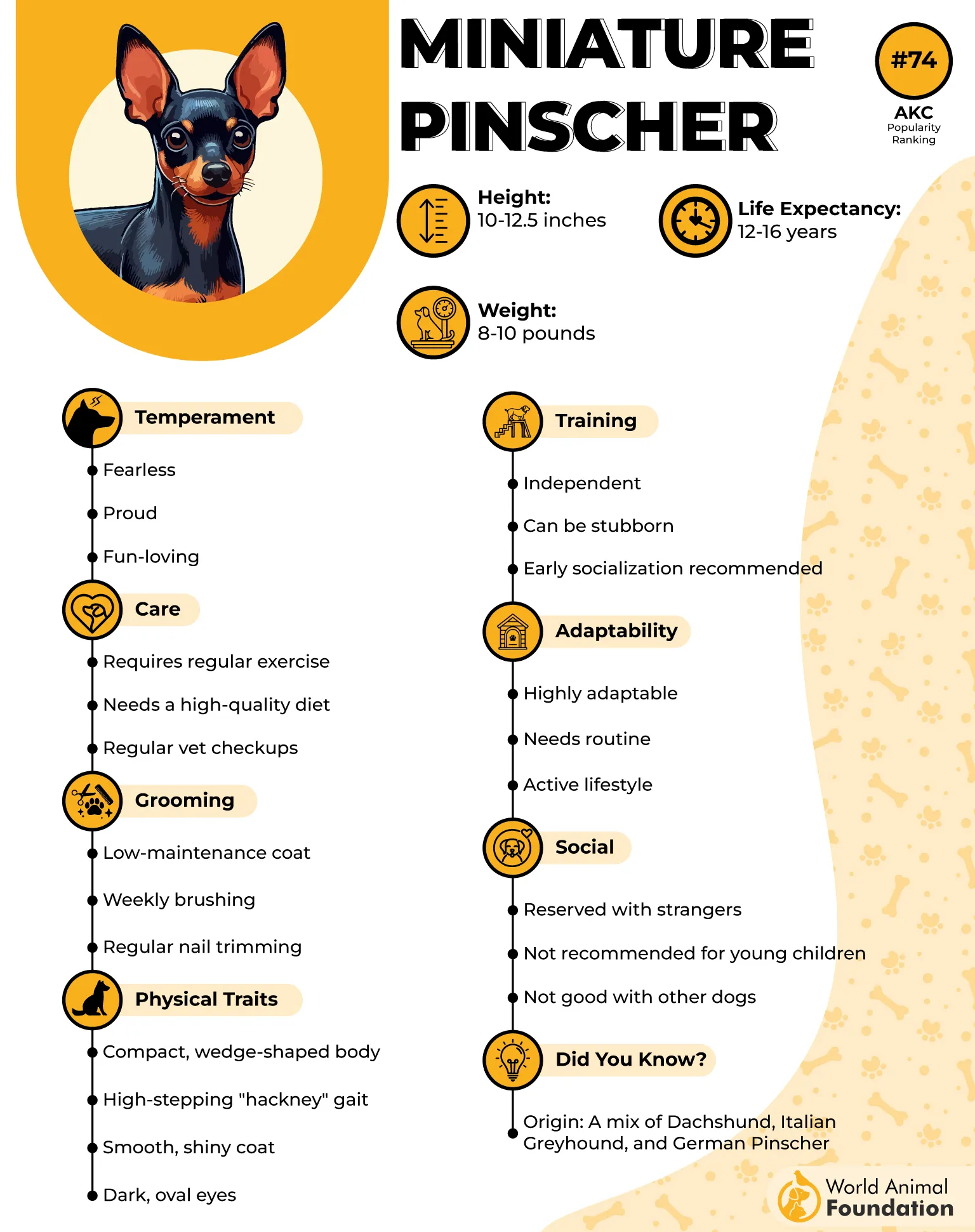
Training sessions should be short but consistent, focusing on basic commands and positive reinforcement to match their high energy and sharp intelligence.
Regular care includes checking ears regularly, keeping nails trimmed, and ensuring they receive sufficient mental and physical stimulation daily.
The Miniature Pinscher thrives in safe, secure play spaces where they can burn energy without risk. They are intelligent and attentive, quickly learning routines and enjoying interactive games that challenge both mind and body.
Tips for managing energy and training
Use short, focused training drills to keep attention
Provide secure areas for daily play and exercise
Check ears regularly and maintain hygiene
Brush coat occasionally to maintain shine and health
Introduce other dogs gradually under supervision
7. Rat Terrier
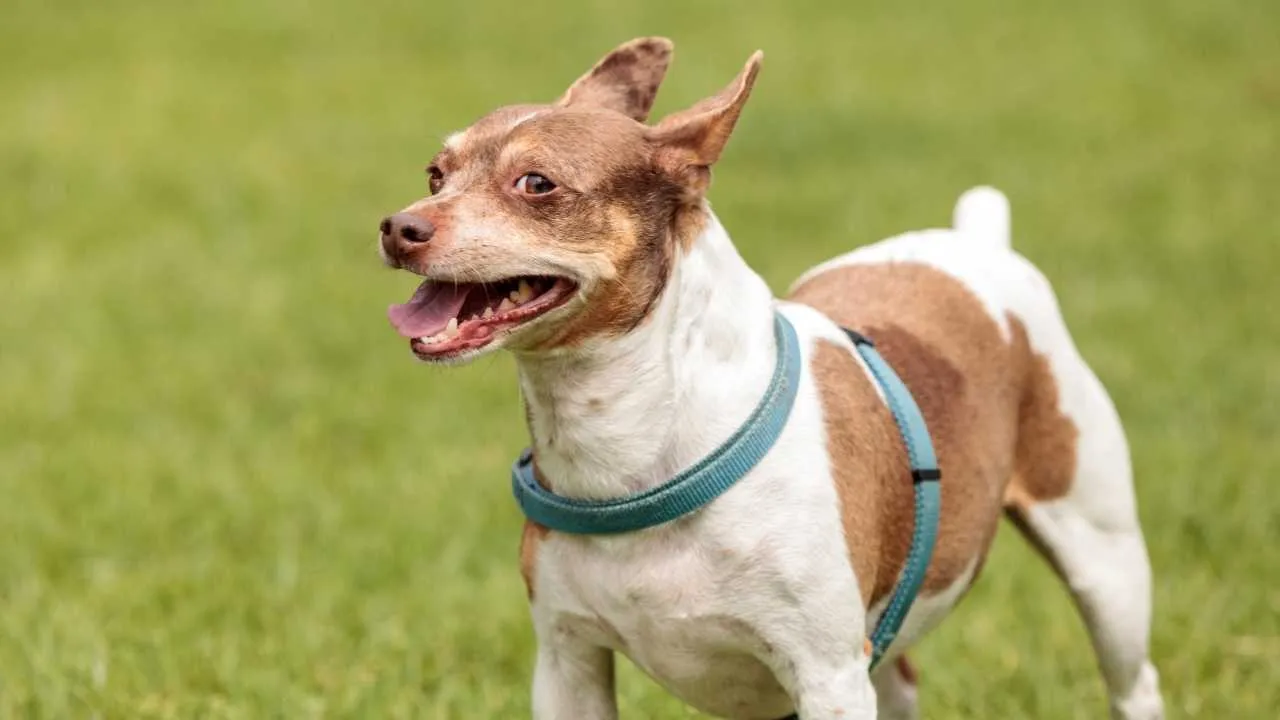
The Rat Terrier is an American breed known for its friendly, lovable, and inquisitive nature. Its name is said to have been coined by Teddy Roosevelt, reflecting the breed’s historic role as a hardworking farm dog.
According to VCA, these happy-go-lucky companions were popular on farms in the early 1900s, valued for hunting small pests and helping with everyday chores. The breed is playful, portable, and makes an excellent companion for active families or first-time dog owners.
Rat Terriers are eager to please, but they can become bored quickly if not given tasks or mental challenges. They are highly energetic and need daily outdoor play to satisfy their strong work drive.
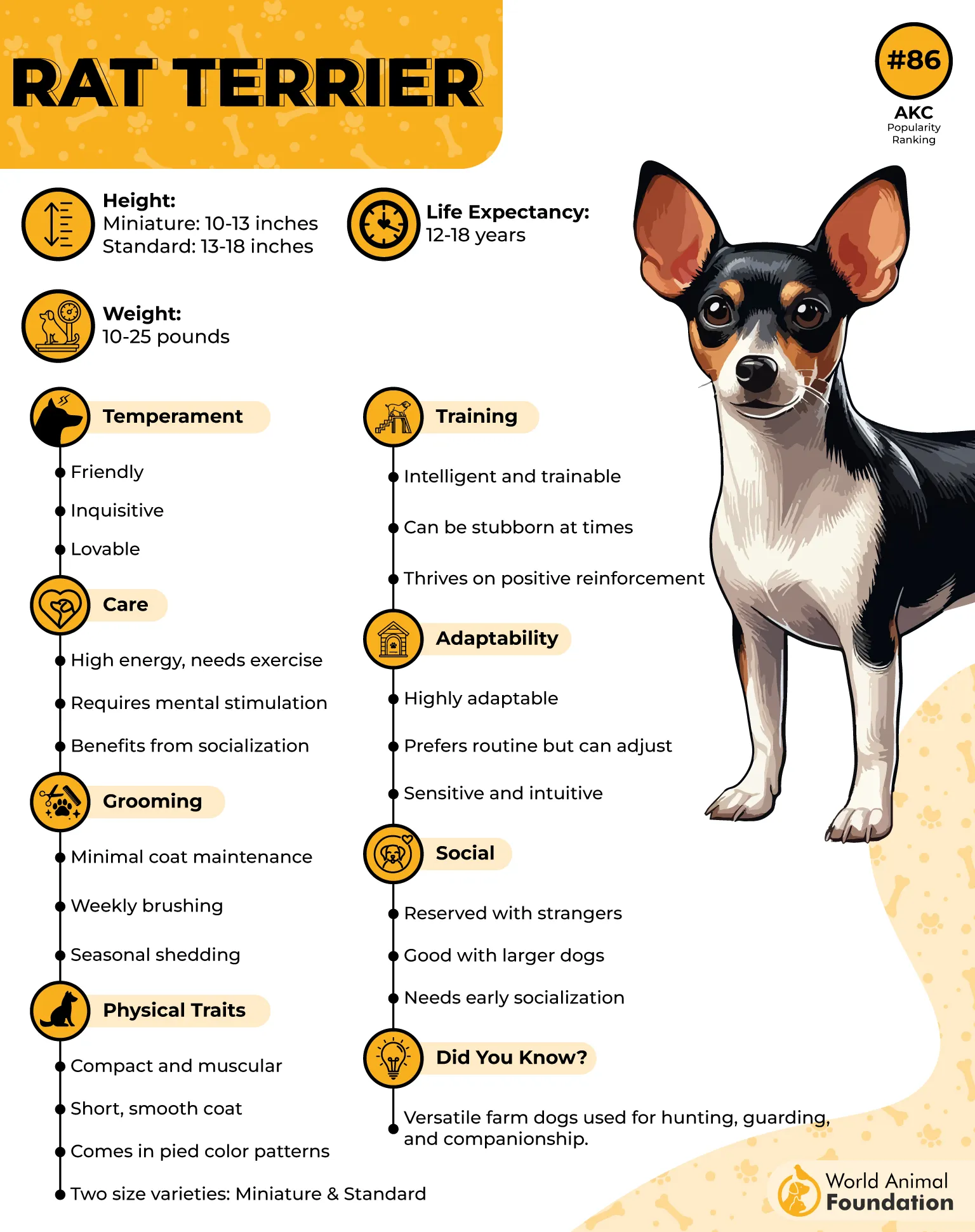
The breed is good with children, often joining in games and exploring safely supervised yards. Rat Terriers have a smooth, low-shedding coat that is easy to maintain. The short coat is easy to maintain, though occasional brushing helps keep the coat shiny and healthy.
Rat Terriers lose their coat mostly during certain seasons, and using a shedding tool or a rubber curry brush can make grooming easier. A balanced diet is important to support their energy levels and active lifestyle.
They enjoy interactive games, basic tasks, and outdoor adventures that let them use their sharp minds and natural hunting instincts.
Tips for supporting a Rat Terrier’s energy
Provide a secure outdoor space for daily exploration
Offer engaging toys that challenge their mind
Feed a balanced diet that matches their activity level
Schedule regular exercise to avoid boredom
Supervise play with children and other pets
8. Basenji
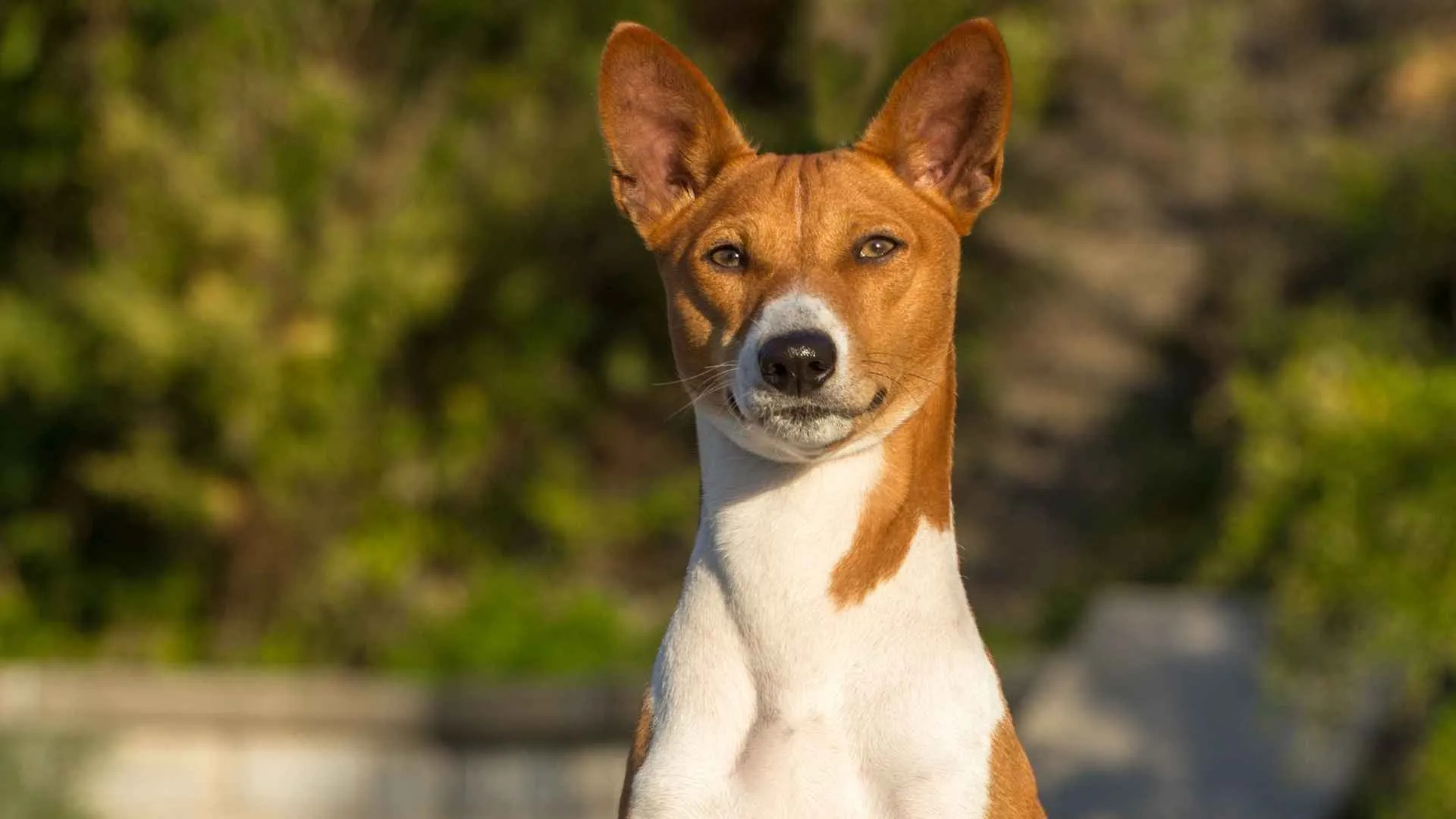
The Basenji is one of the oldest breeds in the world, native to Central Africa, and it has a fascinating history. Britannica notes that its name has been variously translated as “bush thing,” “wild dog,” “dog of the villagers,” and even “jumping up and down dog.”
This hunting dog is athletic, small, and highly alert, making it a remarkable companion for active households. Basenjis are one of the best short-haired dog breeds, with a low-maintenance coat that requires minimal upkeep.
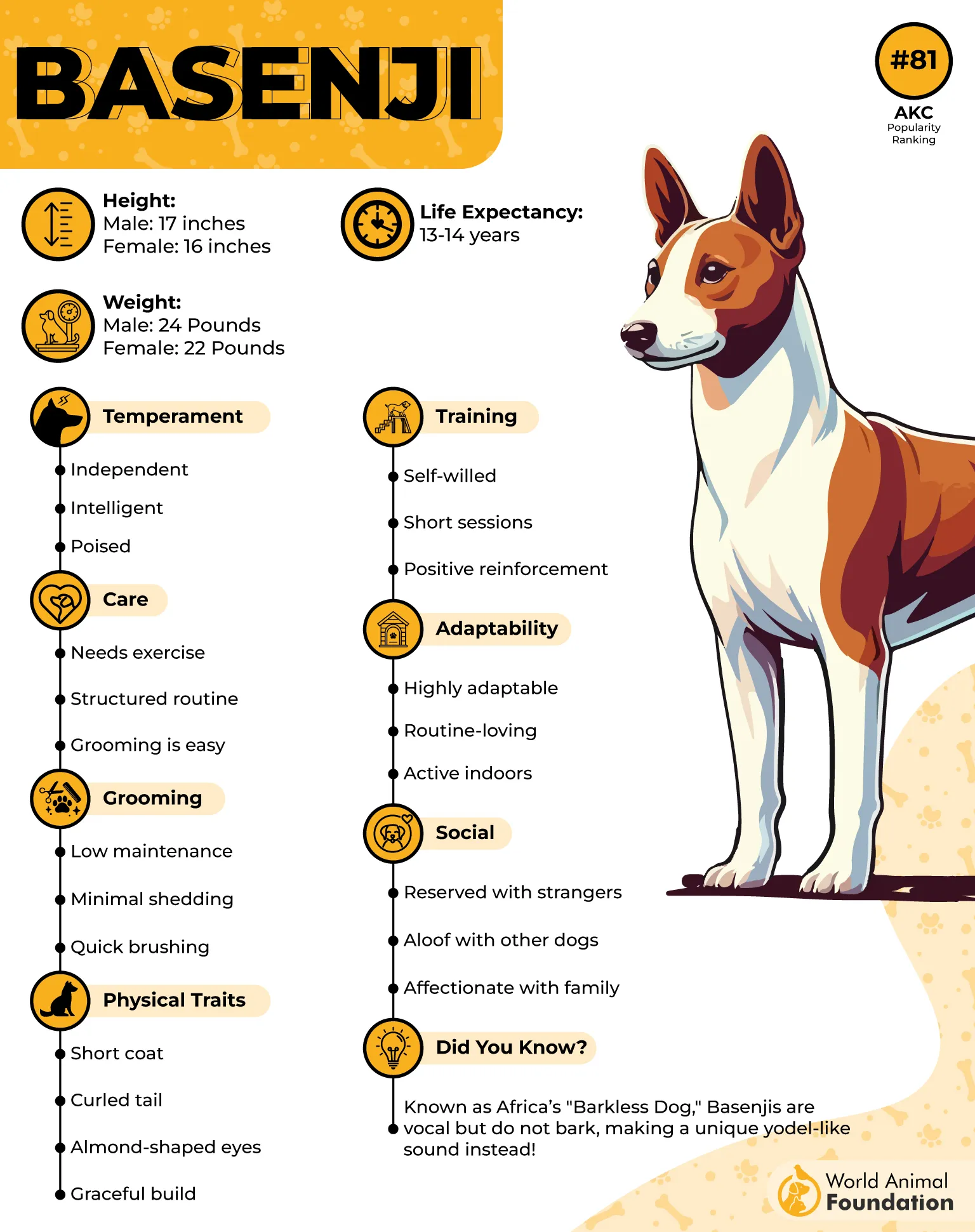
They are famously quiet and rarely bark, a trait due to their unusually shaped larynx. This has earned them the nickname “barkless dog.” Their cat-like self-grooming habits help keep the coat clean and reduce shedding, which makes them a low-maintenance breed for busy families.
Basenjis often enjoy routines and think independently, which means they need a secure, fenced area for safe outdoor play. Owners should check ears regularly to prevent ear infections and maintain overall hygiene.
Despite their independent streak, they form strong bonds with people and are highly intelligent, thriving when given daily mental and physical challenges. Minimal brushing is needed to remove loose fur and keep the coat healthy and shiny.
Care tips for Basenjis
Ensure a secure fence for safe outdoor activity
Let them establish a daily routine to reduce stress
Brush occasionally to remove dead fur and maintain coat shine
Check ears regularly to prevent infections
Provide interactive games to engage their active mind
9. Vizsla
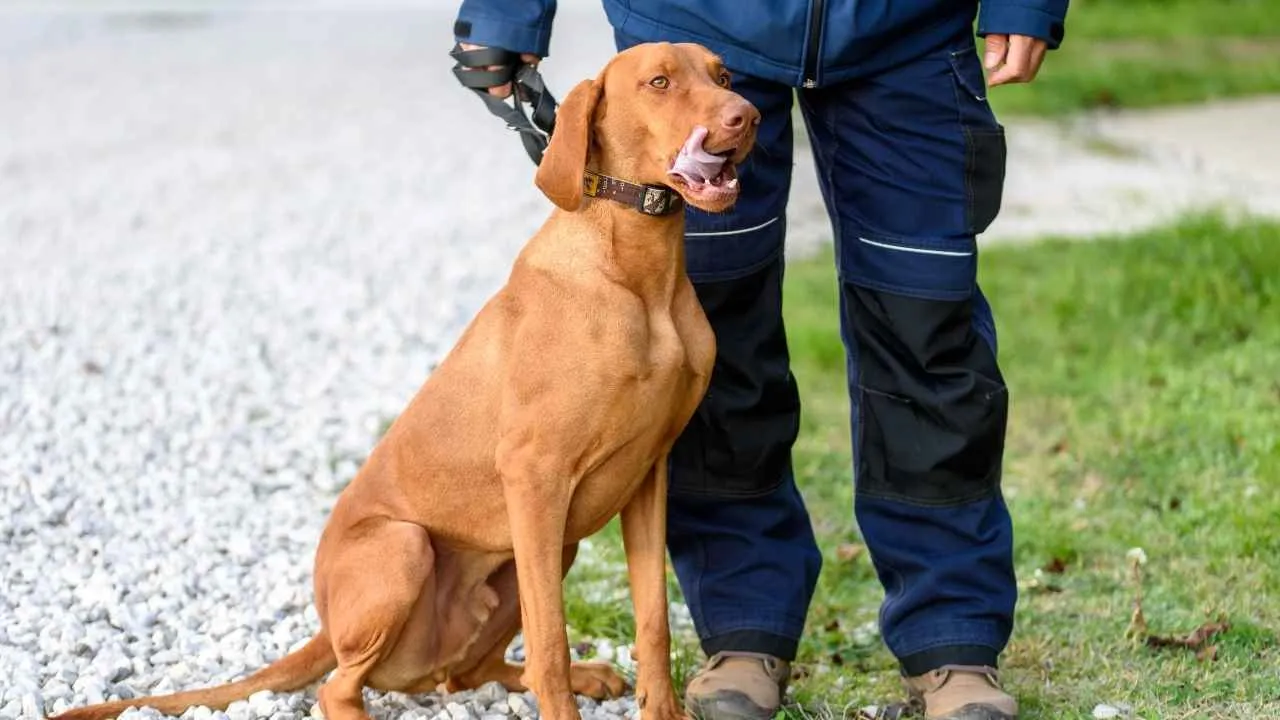
The Vizsla, also known as the Hungarian Pointer, is a hunting dog from Hungary with a long history of tracking and pointing games for hunters, noted by Omlet.
After World War II, the breed spread across the world, becoming a popular pet and working dog in many countries. This short-haired dog breed is lively, energetic, and forms a strong bond with family members, making it an ideal pet for active households.
Vizslas excel at outdoor activities, including running, swimming, and retrieving games, which help satisfy their stamina and natural hunting instincts. They are gentlemanly and responsive, demonstrating consistent behavior that makes training rewarding and enjoyable.
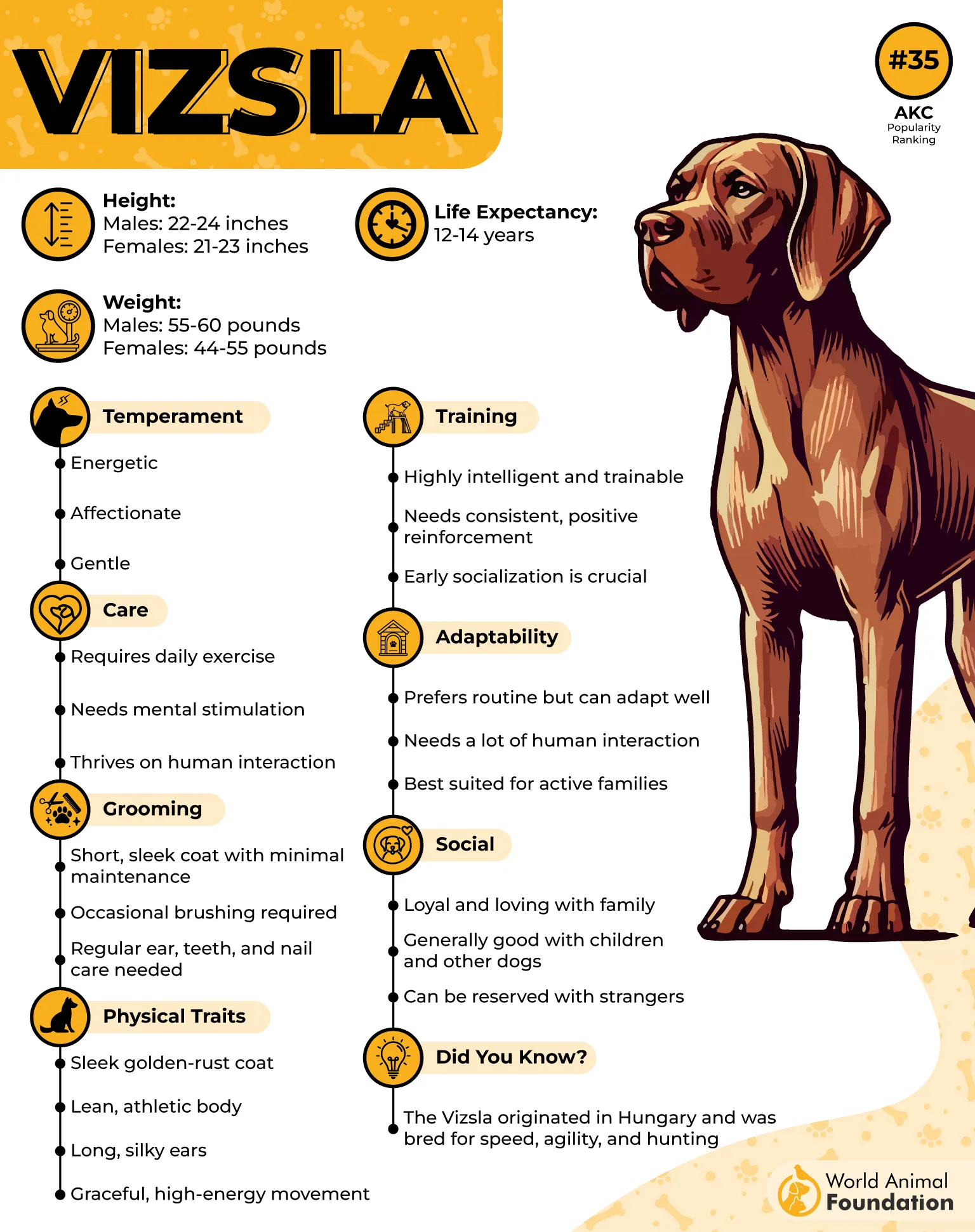
The breed is fearless and has a well-developed protective instinct, alerting owners to anything unusual while remaining gentle with the family. Grooming requirements are minimal, but occasional professional grooming keeps their coat smooth and shiny while helping to minimize shedding.
Even simple brushing with tools can maintain a coat in good condition and keep loose hairs under control. Vizslas thrive when given space to stretch, long walks, and interactive outdoor activities that strengthen their bond with their owners.
Tips for active Vizslas
Schedule daily long walks or runs for exercise
Provide a secure outdoor space for safe play
Include tracking or fetch games to stimulate the mind
Perform occasional grooming to maintain coat health
Use gentle brushes compatible with human hair for smoothness
10. Boxer
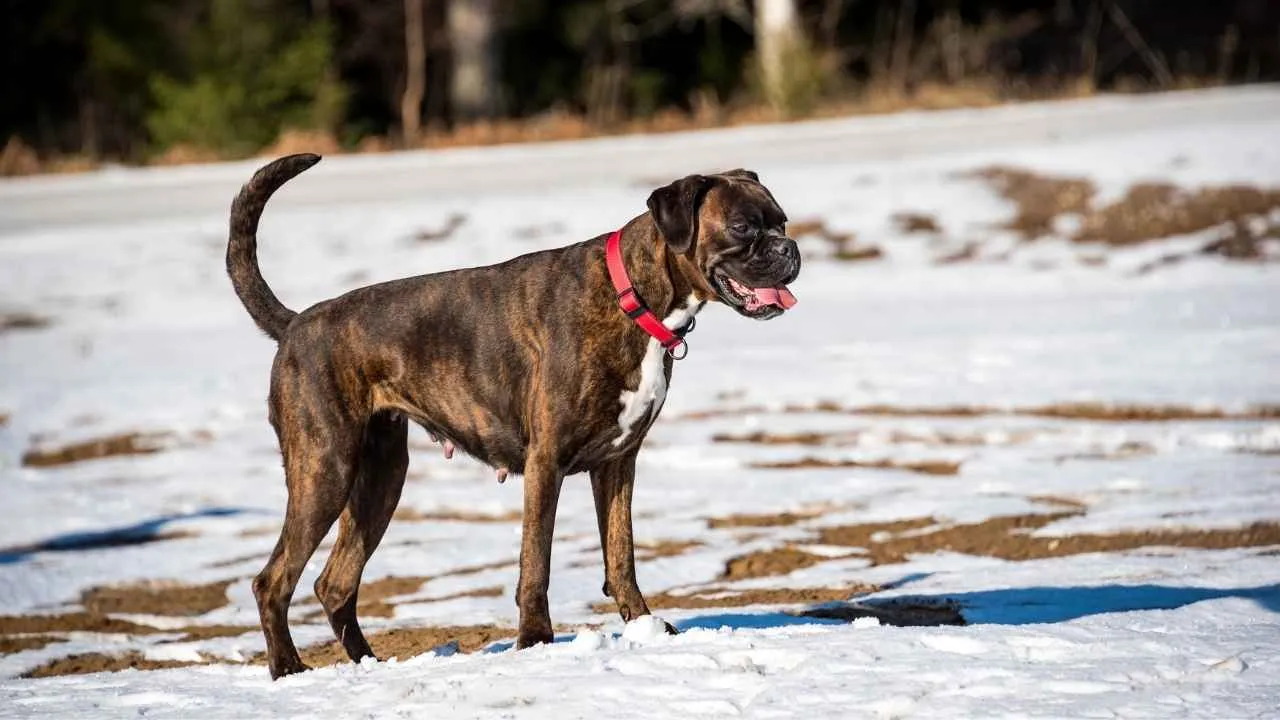
The Boxer is playful at heart and brings endless energy to busy homes, making it a favorite for families with children. This short-haired dog loves yard time, running freely, and enjoying interactive games that keep both body and mind active.
Boxers are gentle with kids and thrive when included in family activities, showing patience and loyalty during play. They need daily movement, such as walks, runs, or fetch sessions, to stay happy and healthy.
The breed is protective and loyal, often barking fearlessly at anything perceived as a threat to their human pack. Boxers have a short, sleek coat that is easy to maintain, with grooming needs being minimal for daily care.
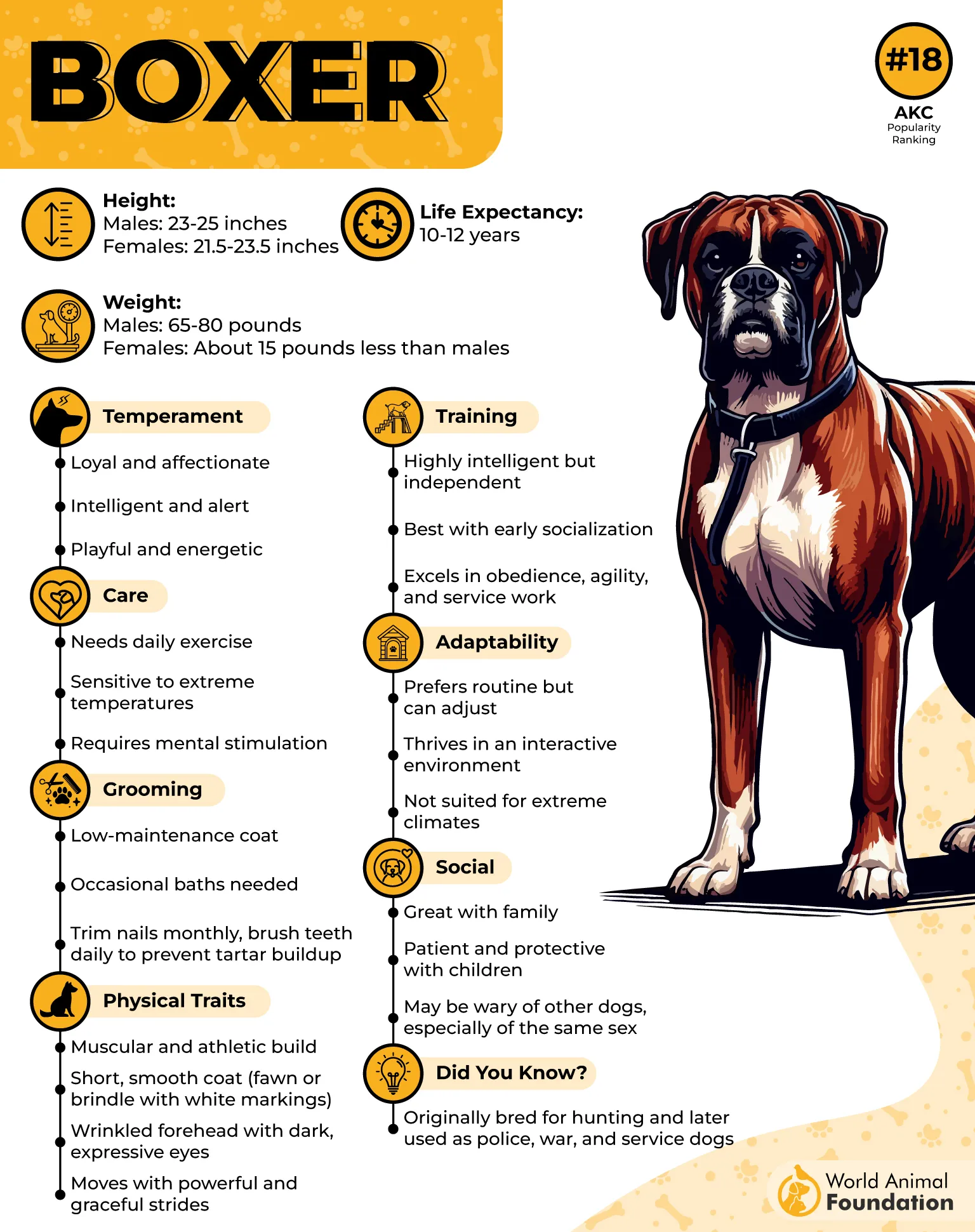
Their muscular, athletic build combines grace and power, and every dog has a distinct look thanks to coloring that can range from dappled brindle to rich red or pure white. Intelligent dark-brown eyes and a distinctive blunt muzzle complete their expressive appearance.
With proper exercise and gentle attention, Boxers are great pets who can be left for extended periods if given sufficient mental stimulation.
Tips for Boxer owners
Schedule daily active play to burn energy
Provide yard space or safe outdoor areas for runnin
Brush the coat occasionally to keep it smooth and healthy
Include children in supervised interactive games
Monitor for signs of boredom to prevent destructive behavior
Conclusion
Across all these breeds, it’s clear that dog ownership can be both joyful and manageable, especially when choosing the right fur type for your lifestyle.
Some dogs, like the Pug, French Bulldog, and Boston Terrier, feature short coats that are easy to maintain, while others, such as certain long-haired varieties or breeds with a curly coat, may benefit from more attention to grooming.
Regular care, whether done at home or with a professional groomer, ensures that your dog’s dense coat or dense double coat stays healthy and comfortable.
Most dogs thrive when their grooming needs are met, helping them look and feel their best.
By understanding each breed’s coat type, energy, and care requirements, pet owners can enjoy a cleaner home and a happier, well-cared-for companion.
