




Long-lived dogs have a way of leaving a lasting impression on our lives. Their energy, resilience, and playful spirits make every moment together memorable. They bring joy to daily routines, from quiet indoor time to lively outdoor adventures, keeping homes full of life and laughter.
Often supported by strong genetics, attentive care, and balanced lifestyles, these breeds are known for aging gracefully while maintaining their playful spirit and devotion. Choosing one means welcoming not just a pet, but a long-term friend ready to grow alongside you for years to come.
This blog explores some of the longest living dog breeds. You’ll discover what contributes to their impressive health, how their personalities support longevity, and why these dogs remain beloved companions worldwide.
Resilient Dog Breeds Celebrated for Their Long Lifespan
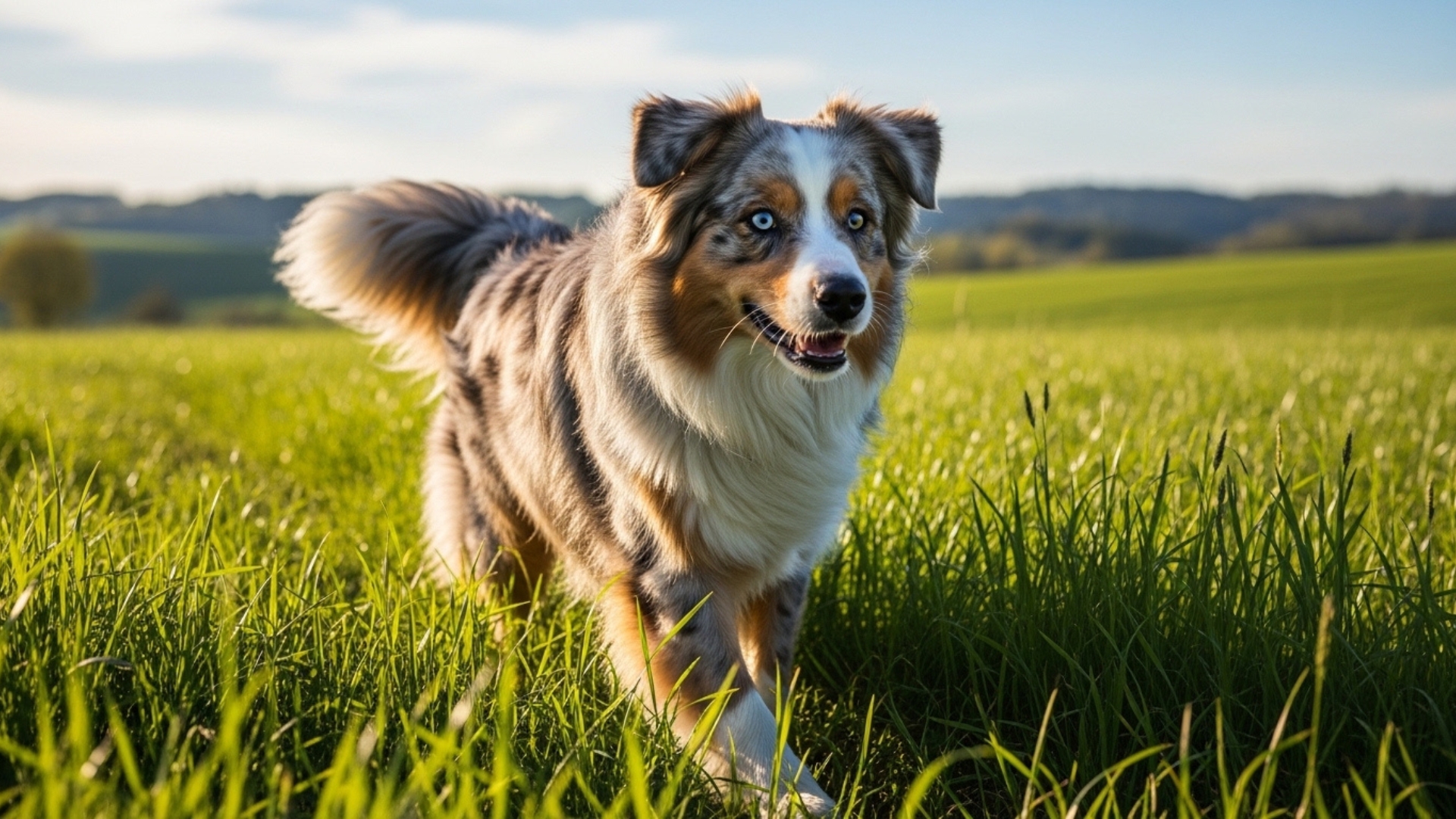
1. Australian Shepherd
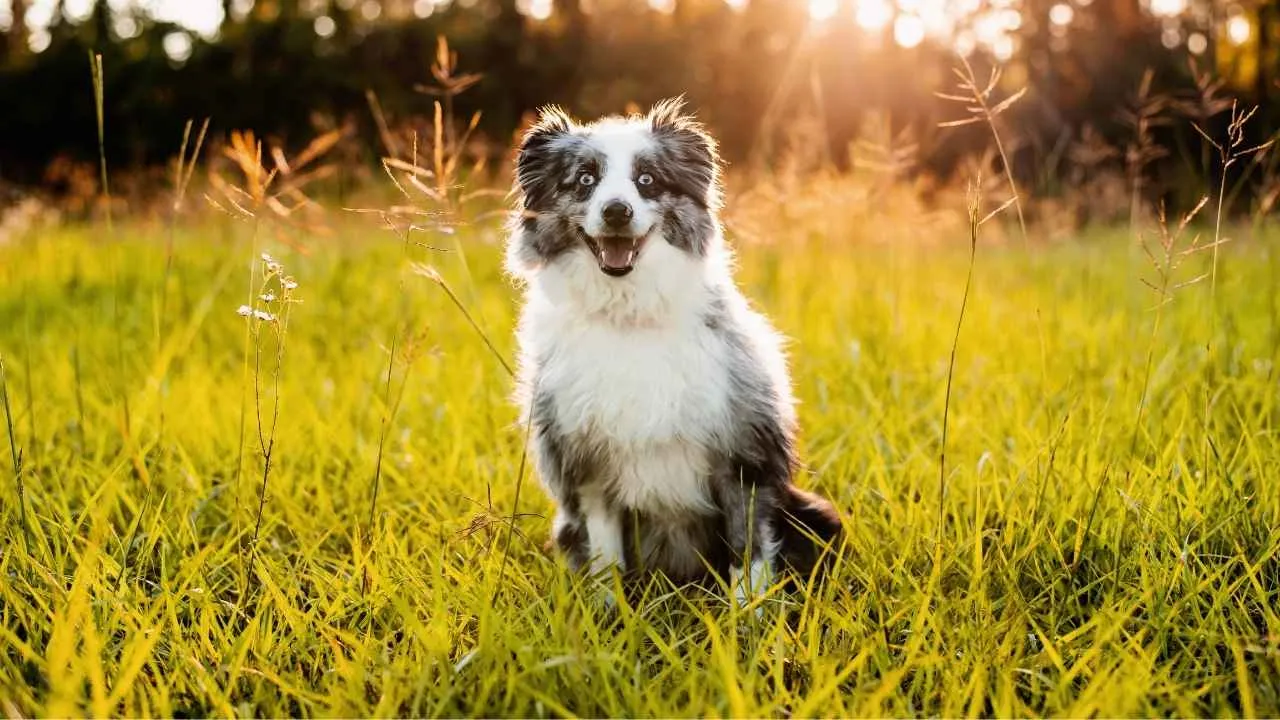
The Australian Shepherd is widely celebrated as one of the healthiest canine breeds around. These energetic puppies stay in peak physical condition by constantly moving and playing. Their high activity level naturally wards off common health issues that often plague other dogs.
Maintaining a comfortable body temperature is easy for an Australian Shepherd thanks to their double coat. This clever insulation keeps them cozy during winter and surprisingly cool throughout the summer. Such a resilient nature significantly helps them enjoy a long, vibrant life.
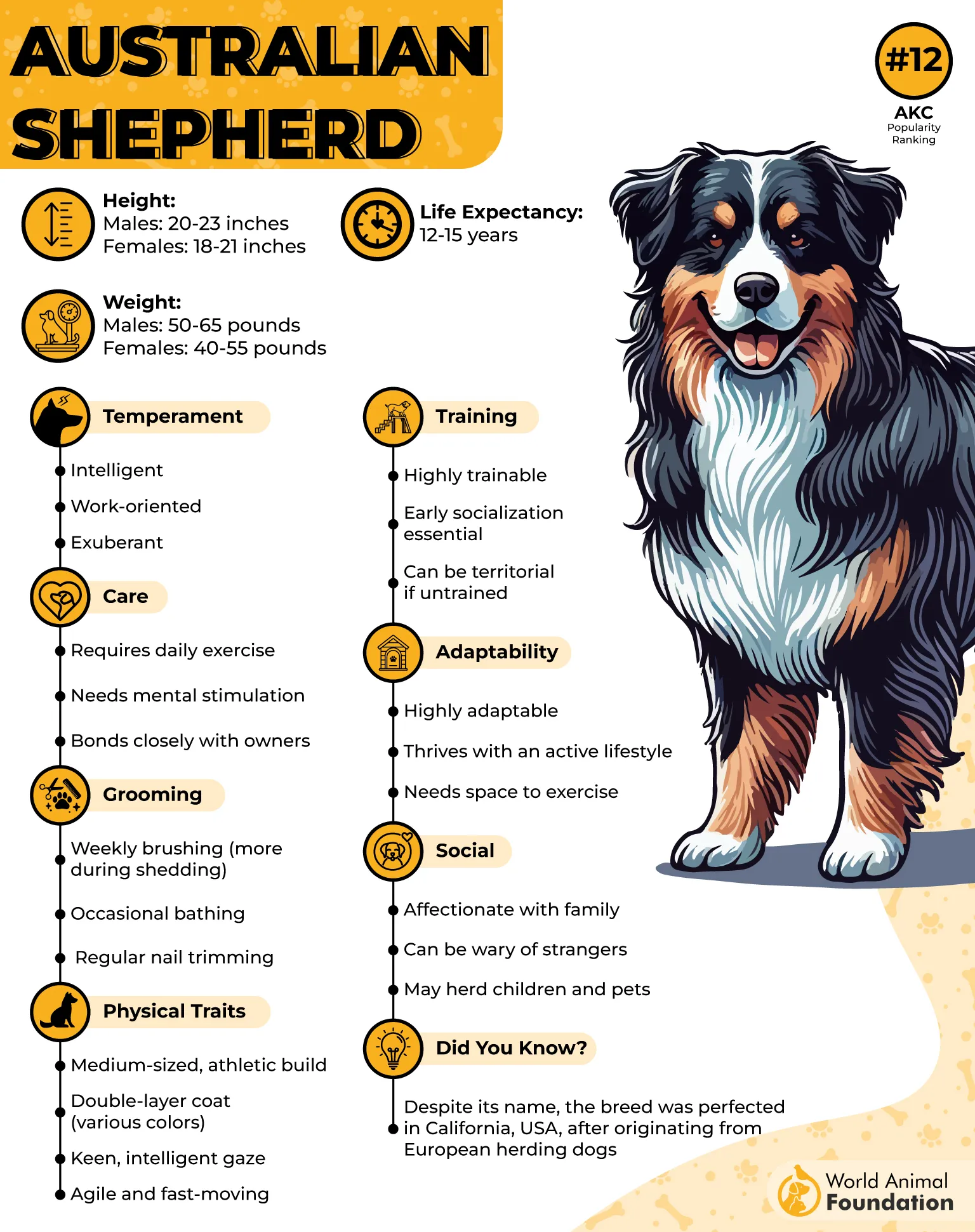
Focusing on herding ability rather than just looks has gifted the Australian Shepherd with incredible stamina. Unlike breeds bred for specific appearances, these dogs possess robust physical features and sharp intelligence. This legacy of health ensures this dog remains a sturdy companion for years.
Did you know the Australian Shepherd shares genes with the long-lived Pyrenean Shepherd? This impressive ancestor often reached nineteen years of age. Such a strong genetic foundation contributes to the longevity of these dogs.
Life Span: 12-15 years
2. Australian Cattle Dog
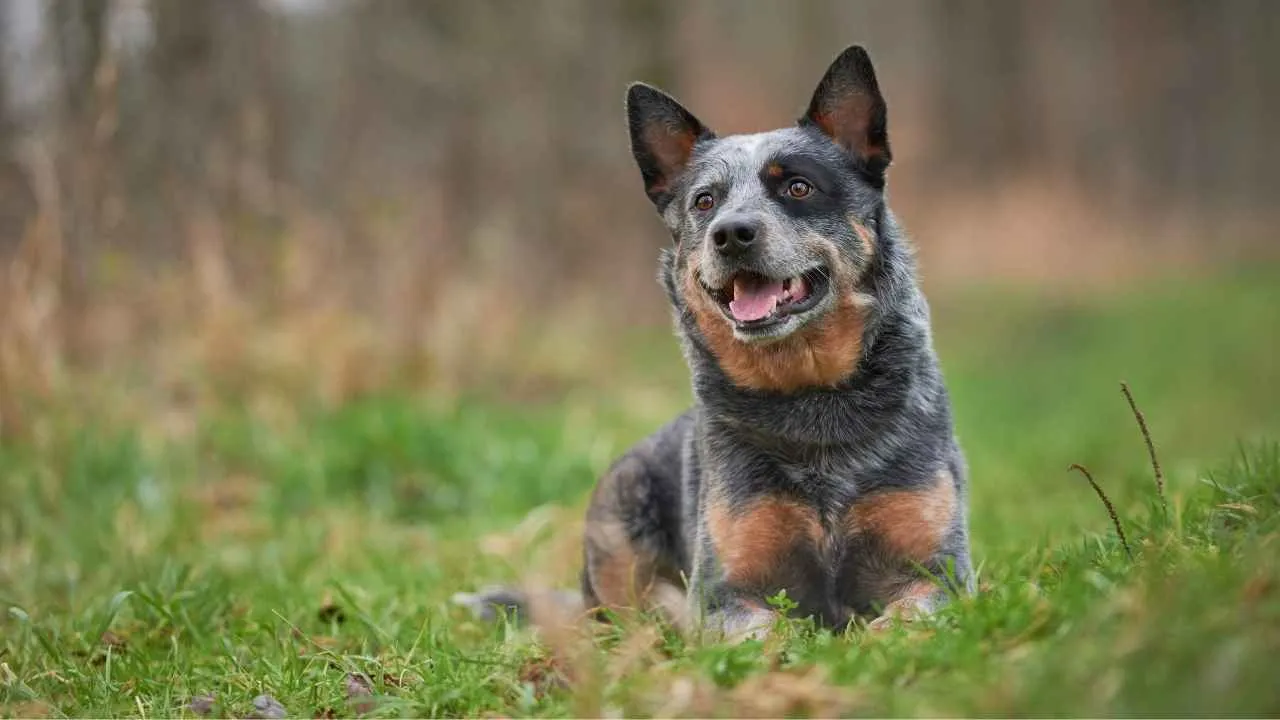
The legendary lifespan of the Australian Cattle Dog starts with their history as rugged workers. They were originally developed to handle the toughest conditions found in the vast Australian outback. This unique heritage provided them with unmatched endurance and physical stamina.
Harsh weather is no match for the dense coat of the Australian Cattle Dog. This protective layer shields them from cold and scorching heat alike. By staying comfortable in various climates, the breed maintains its health for a long time.
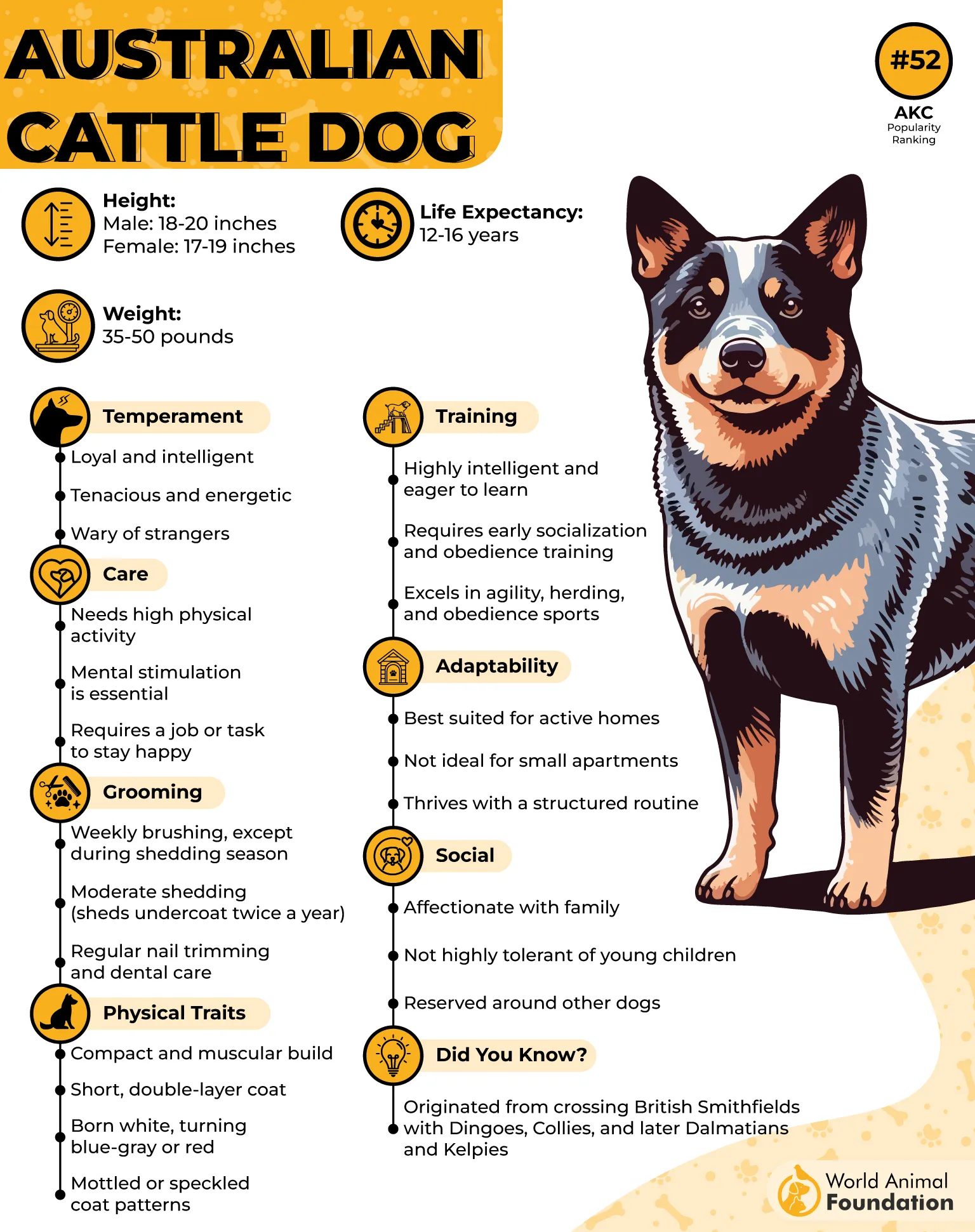
Keeping an Australian Cattle Dog busy is essential because these dogs are incredibly smart. Regular tasks help them maintain great cognitive health throughout their senior years, a sper Purina.
Research shows that mental engagement actually delays decline in the Australian Cattle Dog. These driven animals truly thrive when they have a specific job or a difficult puzzle to solve. This constant activity ensures they enjoy a high quality of life.
Life Span: 12-16 years
3. Miniature Schnauzer
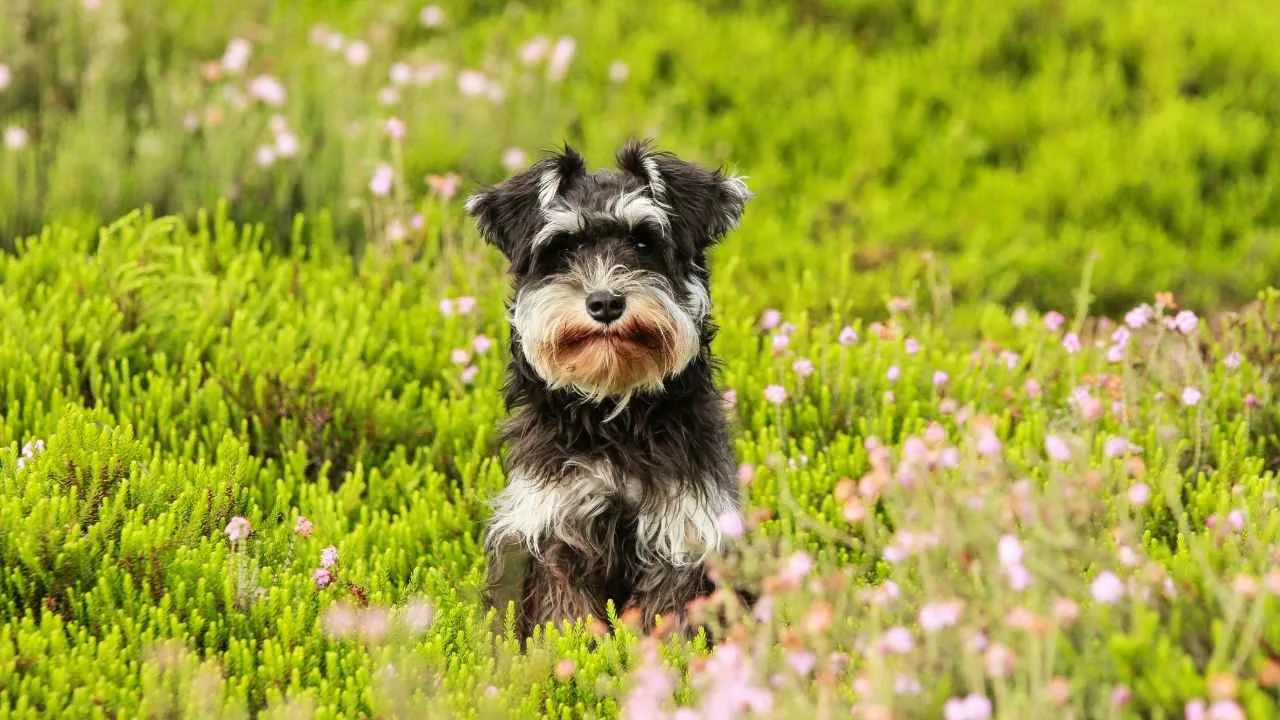
The Miniature Schnauzer features a wonderful double coat that is very low maintenance and sheds minimally. This trait is a huge plus for busy families who struggle with bothersome seasonal allergies. Furthermore, this protective fur helps them stay safe from various life-threatening diseases.
Stronger genes are a natural gift for the Miniature Schnauzer from the moment they are born. This robust genetic makeup provides a solid foundation for a much longer lifespan expectancy. You can count on them to be a sturdy and resilient little friend.
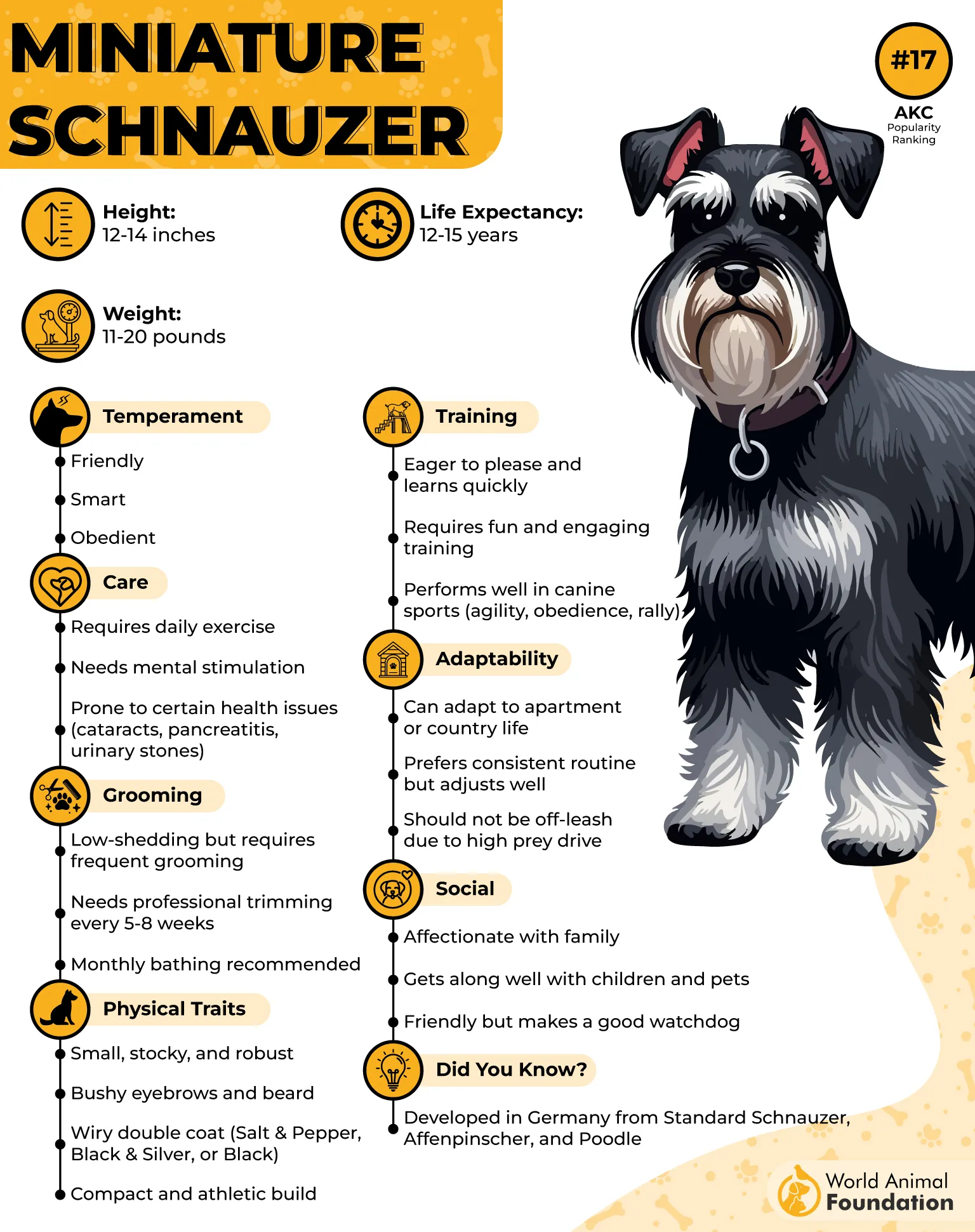
An active household is vital for a Miniature Schnauzer to stay happy and healthy. These energetic companions require intense exercise to burn off their bubbly spirit. Physical movement plays a massive role in helping them stay fit and strong.
Mental stimulation is just as important as daily walks for the clever Miniature Schnauzer. They absolutely love interactive playtime and games that challenge their quick, playful minds. This holistic approach to health allows them to thrive well into their older years.
Life Span: 12-15 years
4. Dachshund

The Dachshund is a famous little dog known for being incredibly playful and friendly with everyone. They possess a surprisingly energetic personality despite having such short, tiny legs. This active and spunky lifestyle helps them remain youthful and live a very long time.
Puzzle games and scent tracking tasks are perfect for the curious Dachshund. These affectionate pets love a good mental challenge to keep their spirits high. Keeping their minds occupied is a secret to their longevity.

It is actually quite common to see this breed celebrate its fifteenth birthday or even more. One famous pup named Chanel even held a world record for her impressive age. This proves that it is truly a resilient breed built to last.
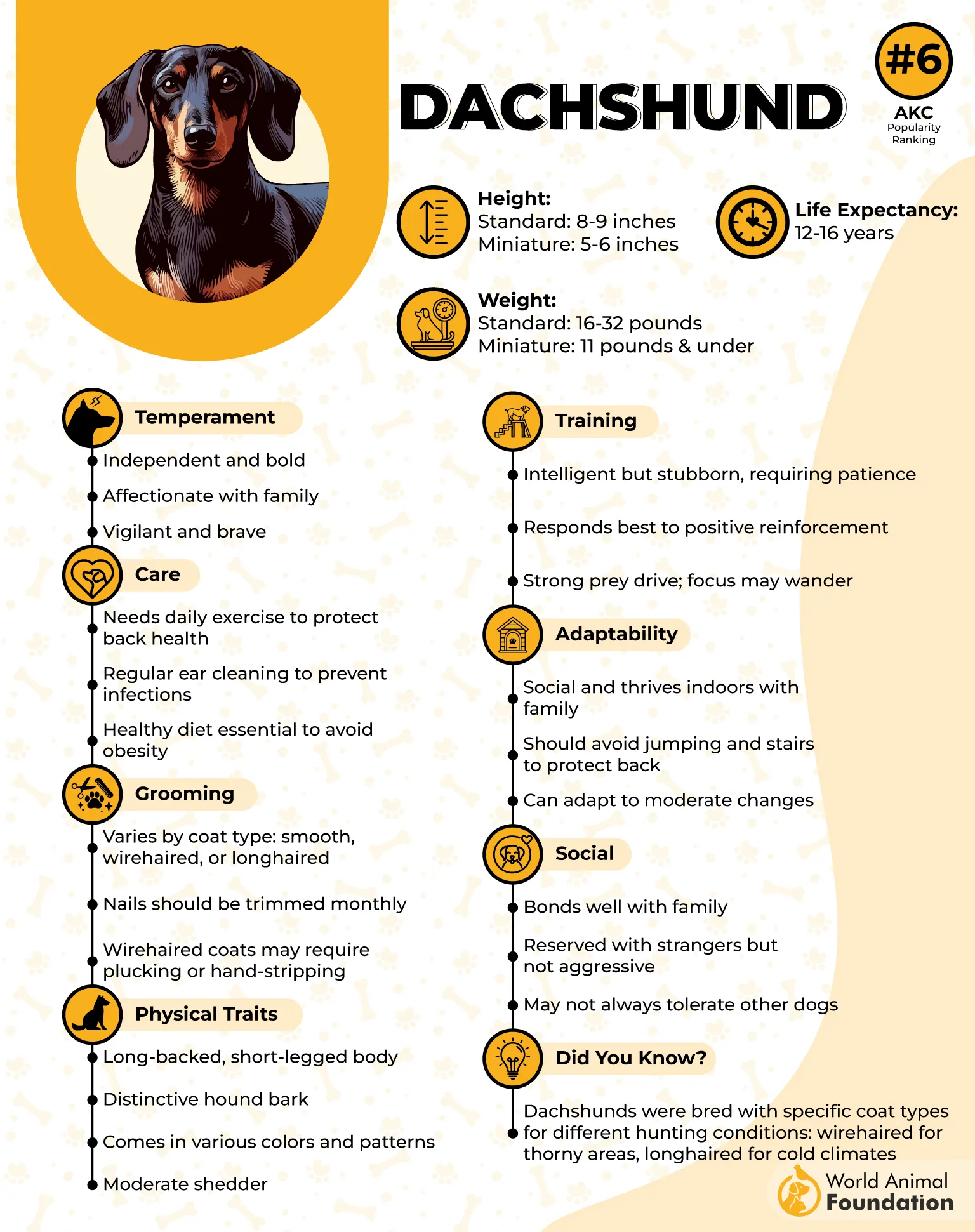
Strong genetics from healthy parents play a huge role in the health of a Dachshund. Inheriting great traits ensures they avoid many potential issues throughout life. A well-bred individual is much more likely to enjoy a healthy and extended journey.
Life Span: 12–16 years
5. Rat Terrier
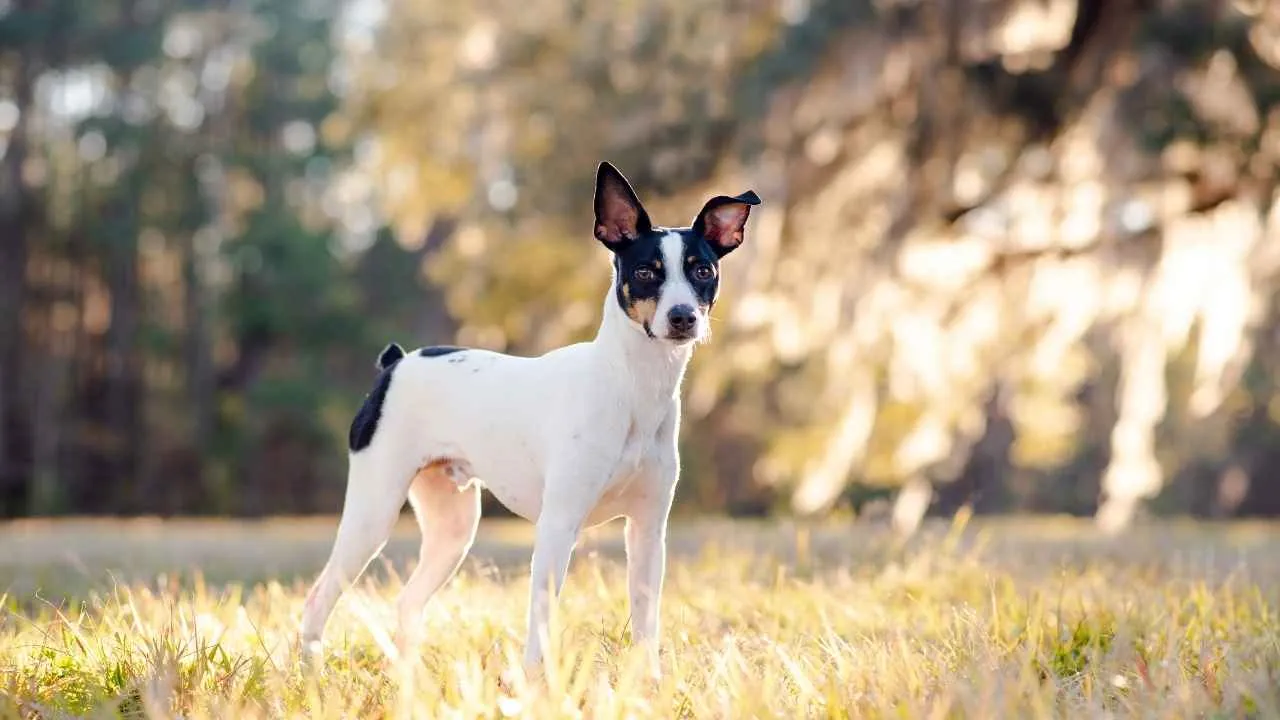
The Rat Terrier is an affectionate friend with a very lively and playful spirit. They form incredibly strong bonds with their families through interactive daily activities. Having such an active family life keeps them feeling young and vibrant for years.
Orvis reports that living in a small city apartment is no problem for the Rat Terrier. Their ability to adapt to almost any living situation reduces stress significantly. This calm flexibility helps them maintain a healthy body and a long life.
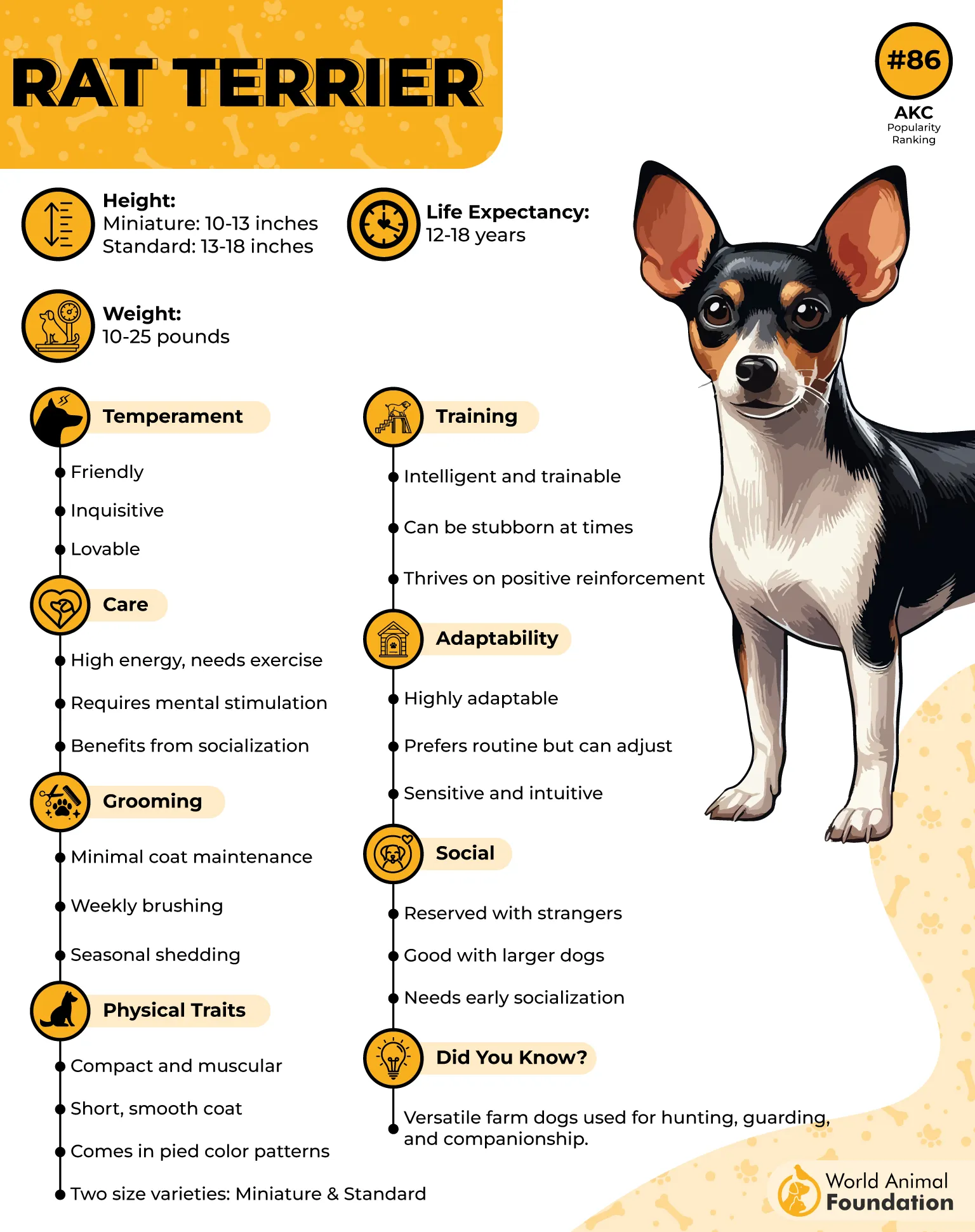
Historically, the Rat Terrier served as a multipurpose hunter for various types of small game. Their energetic behavior and working drive contribute heavily to overall physical fitness. This active background ensures they stay strong and resilient.
A wide range of diverse genes exists within the history of the Rat Terrier. This genetic variety makes them generally much healthier than many other purebred dogs. You will find them to be tough and long-lasting companions.
Life Span: 12–18 years
6. Jack Russell Terrier

The Jack Russell Terrier stands out as one of the healthiest breeds in the world today. They are remarkably free from the serious health complaints that affect other similar terriers. Breeders have worked hard to keep the gene pool pure and strong.
Longevity is a hallmark of the Jack Russell Terrier because of their hardy working constitution. These working dogs are at their best when they have a specific job to complete. Giving them a sense of purpose helps them live much longer.
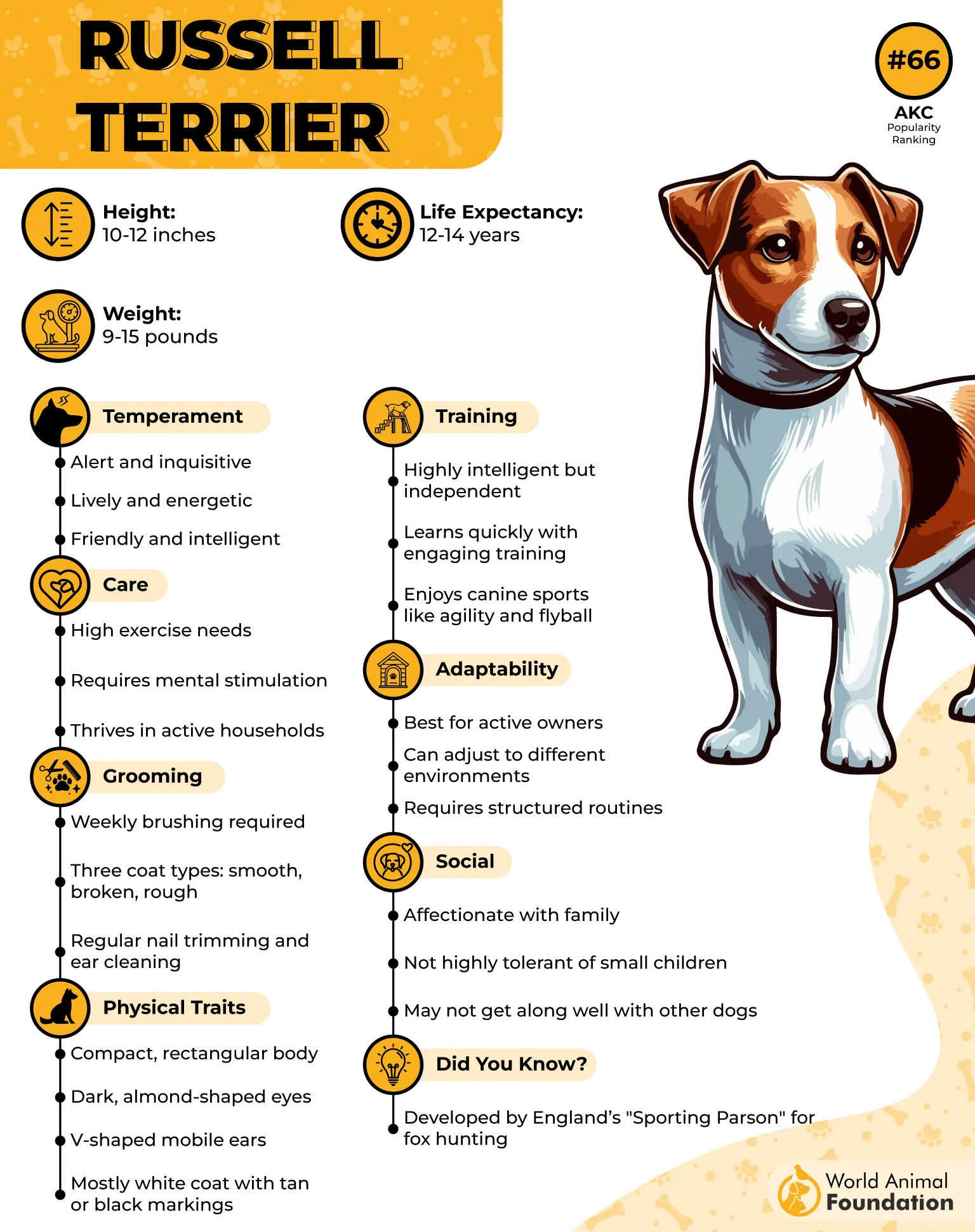
Small size with a big personality is a major advantage for the Jack Russell Terrier regarding life expectancy. It is a known fact that smaller dogs generally live longer than their large breed cousins. This physical trait gives them a natural head start.
Companionship is the final piece of the puzzle for a thriving Jack Russell Terrier. PDSA mentions that they love being around people and staying busy with fun outdoor adventures. This combination of factors ensures they enjoy many healthy years.
Life Span: 12–14 years
7. Shiba Inu
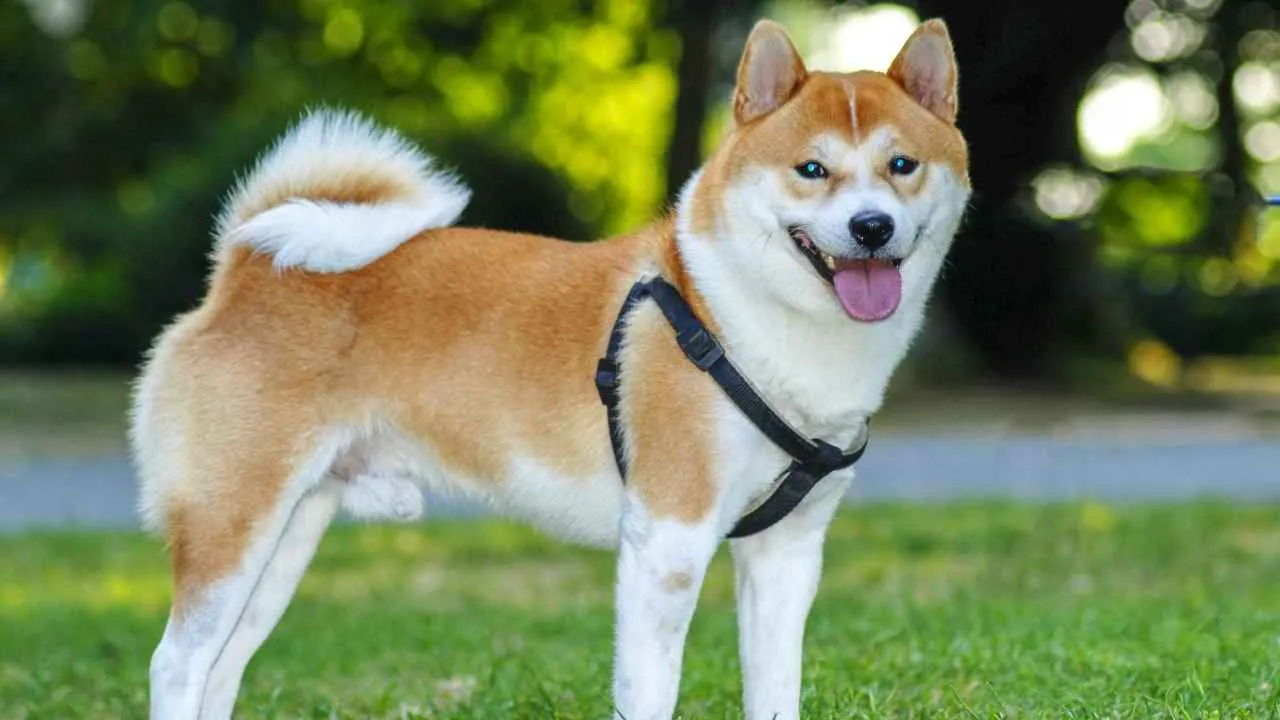
The Shiba Inu has a thick double coat specifically designed for very cold weather. This biological feature allows them to handle freezing environments with total ease and comfort. Such physical resilience directly contributes to their impressive life expectancy.
Daily exercise and regular grooming are essential for a happy Shiba Inu. They adapt quickly to different homes when provided with a stable and consistent habitat. Good senior health is very common for those who are well cared for.
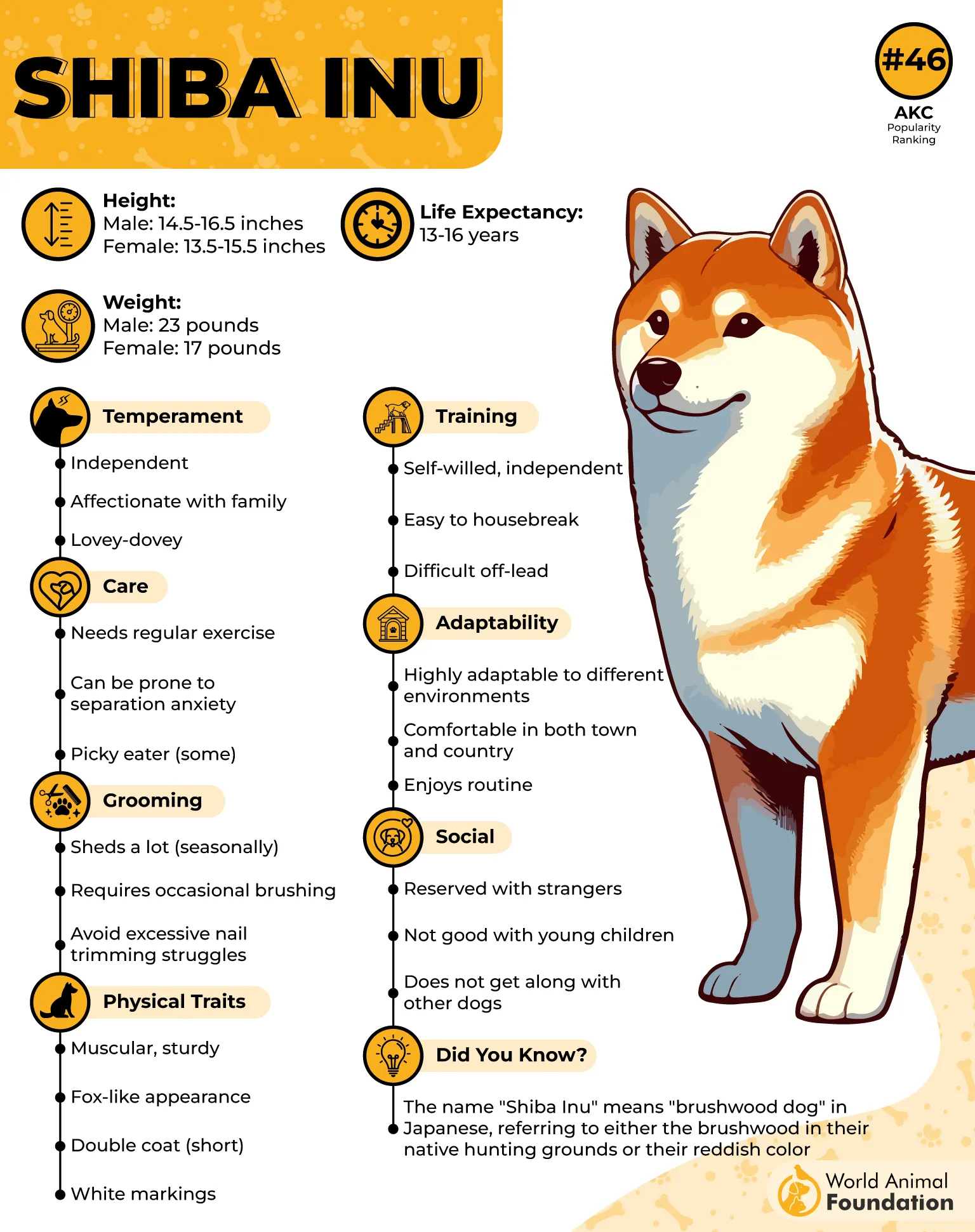
Independence and hardiness are two traits that define the personality of the Shiba Inu. Their balanced body build supports a very steady and graceful physical aging process. Most people find them to be clean and incredibly resilient pets.
Mental and physical stimulation are both required for a Shiba Inu to truly flourish. Thriving on challenges helps them maintain strength as they grow older. This active lifestyle is why they tend to live such a long time.
Life Span: 13–16 years
8. Siberian Husky
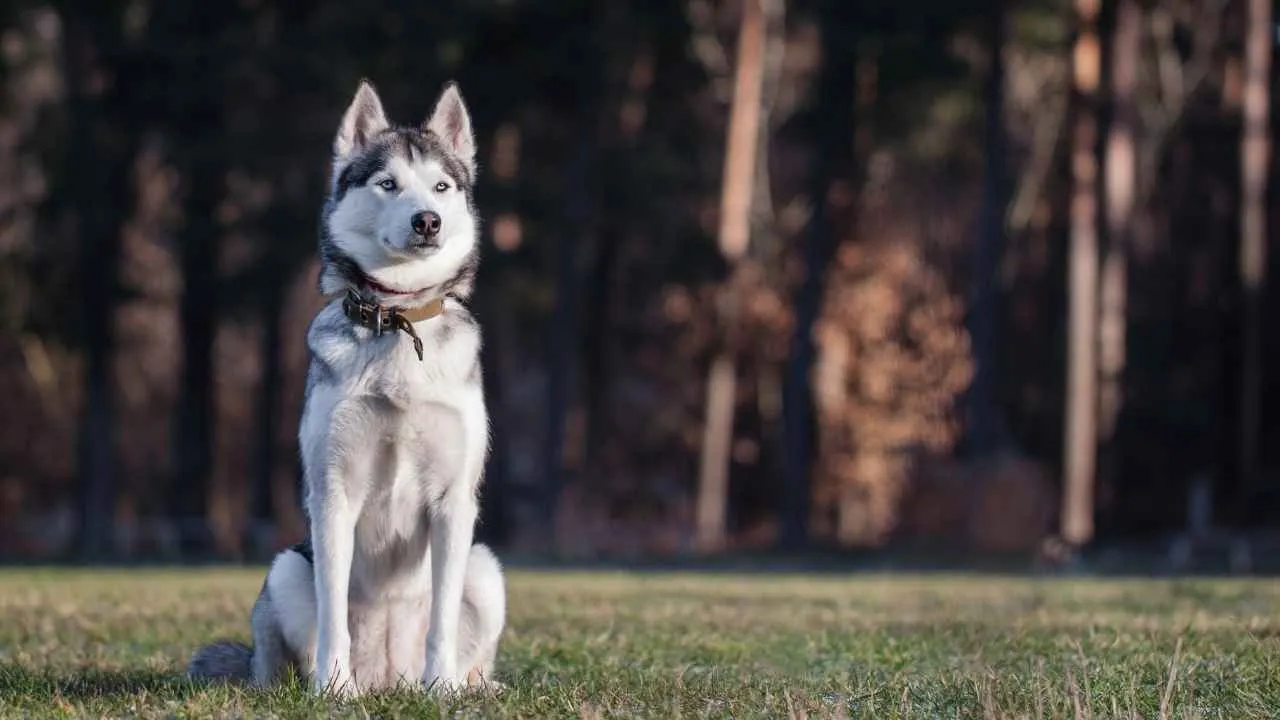
The Siberian Husky possesses a sophisticated double-layered coat system that provides exceptional insulation. Their dense undercoat traps warm air while the outer coat shields them from wind. This biological design allows them to survive temperatures.
Genetics is the starting point for the impressive life expectancy of the Siberian Husky. Dogs from health-tested lineages tend to live longer than those from problematic backgrounds. Strong roots lead to a much healthier future.
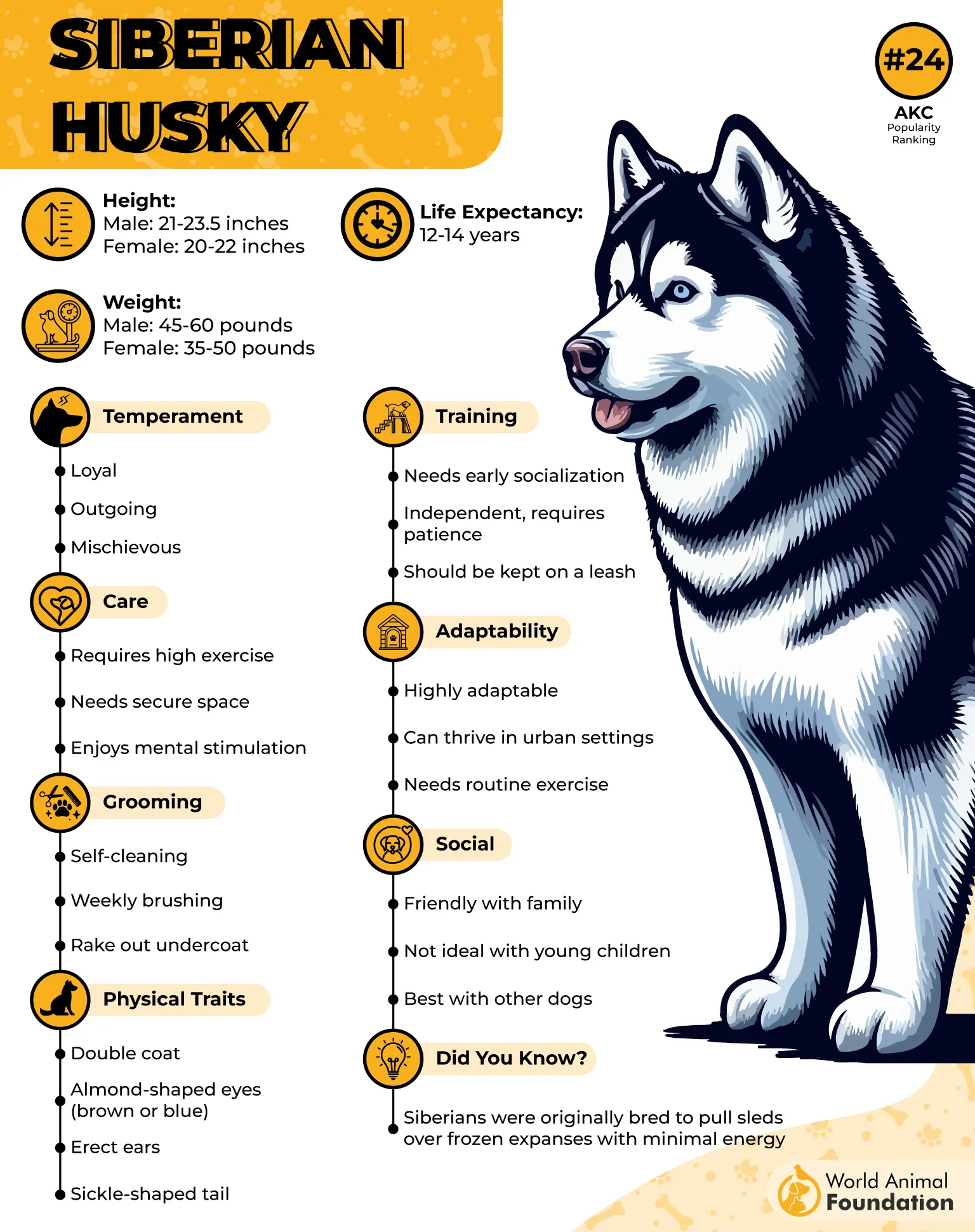
The Siberian Husky was originally bred to be a very active, working dog. Because of this, they do best with families that enjoy frequent outdoor exercise. This affectionate behavior provides the mental stimulation they need.
Constant movement helps the Siberian Husky maintain a healthy weight and strong heart. Their need for a job keeps their spirits high and their bodies working. This dedication to activity contributes to their overall longevity.
Life Span: 12 to 15 years
9. Papillon
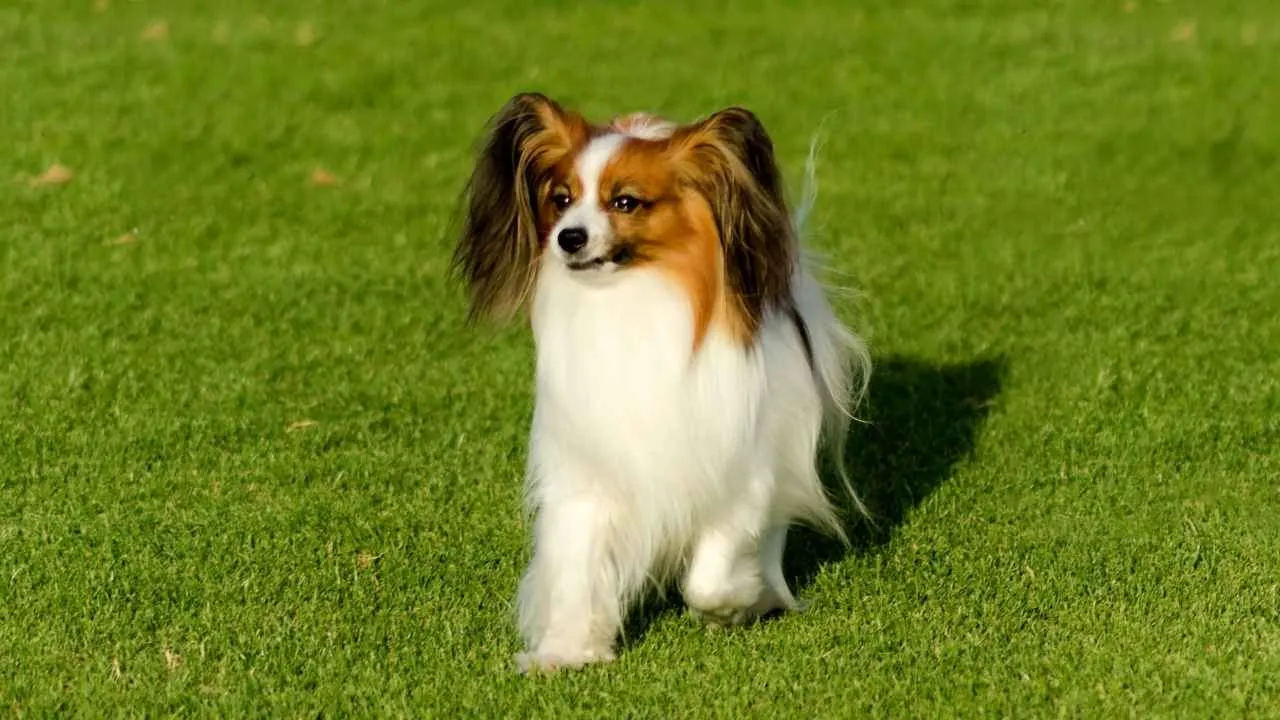
The Papillon is a small dog breed, yet hardy enough with an alert and friendly demeanor. Their watchful behavior helps them stay engaged with the world around them. This active personality is a key factor in their health.
Small and agile, the Papillon is known for having a very long lifespan. Their light frame and high activity levels support a much slower physical aging process. These intelligent dogs truly enjoy mental engagement.
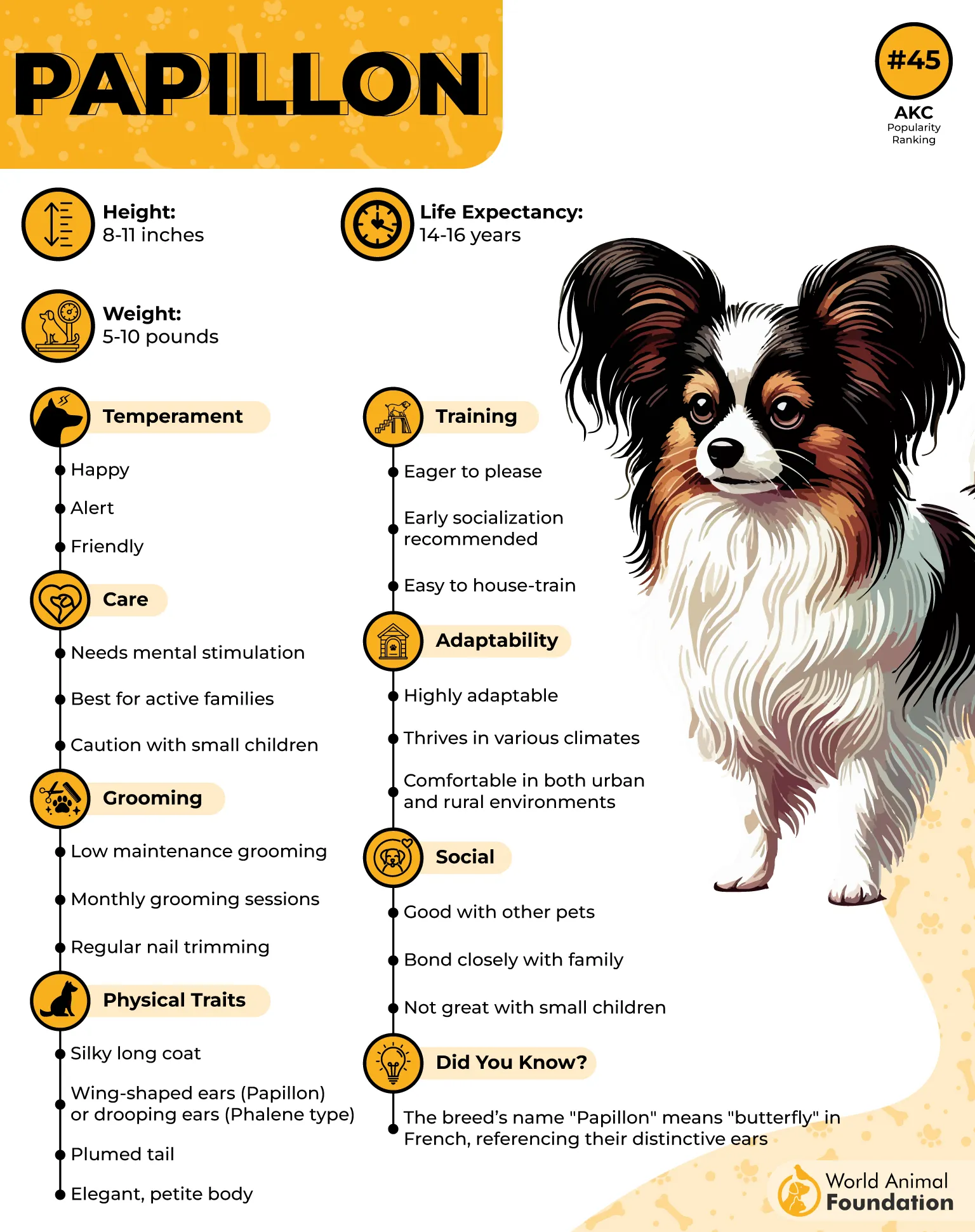
The Papillon is widely recognized for being a healthy breed with a very long lifespan. These small bodies adapt well to apartment living and enjoy structured daily routines. This stability helps them maintain their health for years.
Daily training and play keep the Papillon feeling sharp and physically fit. They love learning new tricks and spending quality time with their owners. This balanced lifestyle ensures they remain happy and resilient companions.
Life Span: 14-16 years
Conclusion
Some dogs are naturally built to thrive, combining strong genetics with playful energy and sharp minds. Their resilience keeps them healthy and active, making every day with them lively and rewarding. Families benefit from their loyalty, adaptability, and endless enthusiasm.
Daily exercise and mental challenges are key to their long lives. Interactive play, puzzles, and consistent routines help them stay sharp, fit, and happy. Their ability to engage with people and stay curious contributes to a vibrant, extended lifespan, letting them remain loving companions well into their senior years.
Ultimately, these breeds show that longevity goes hand in hand with personality and lifestyle. Their enduring health, affectionate nature, and spirited energy make them treasured, lifelong friends who brighten every home.
