




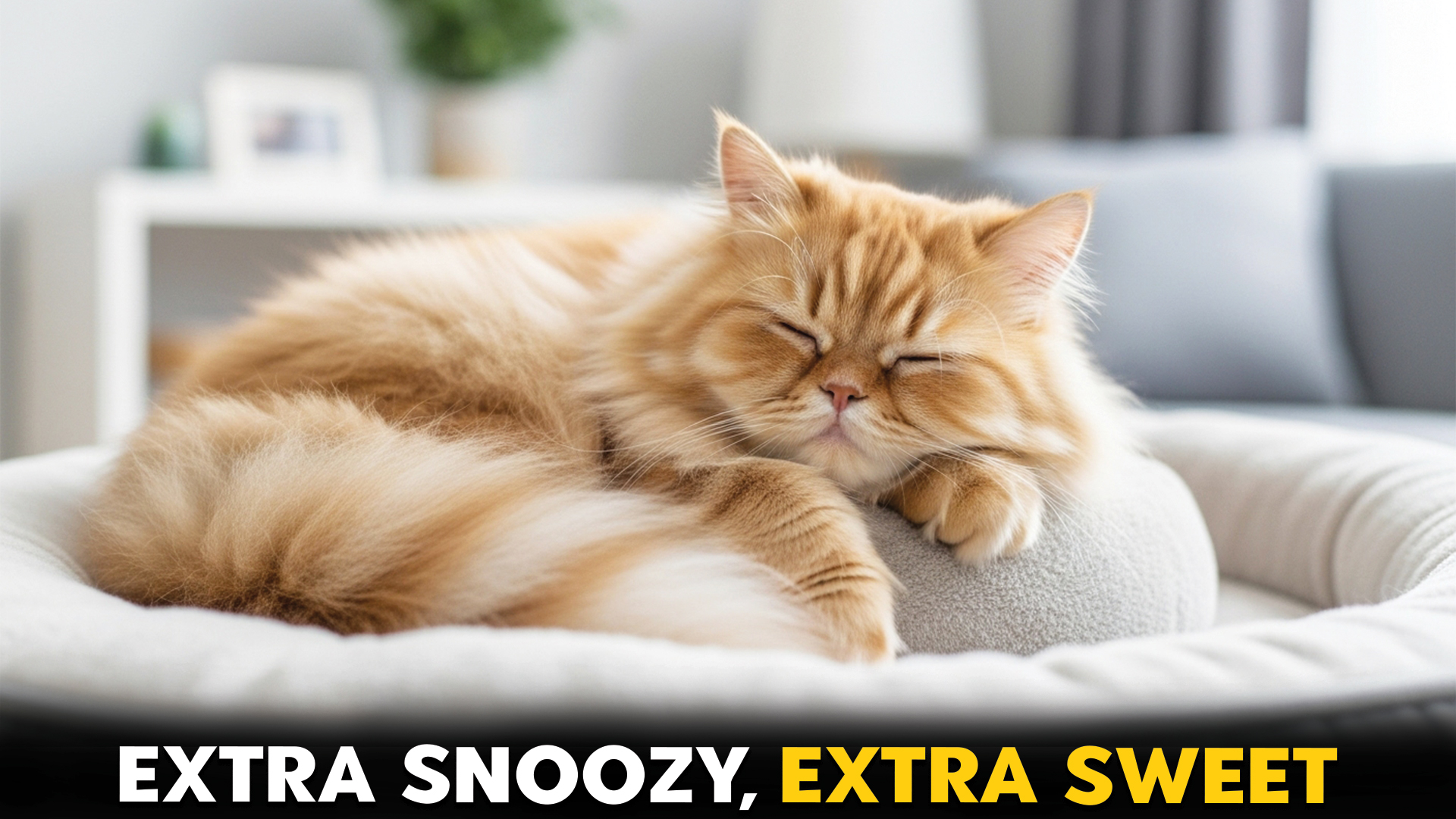
Cats are famous for their love of sleep, but some breeds take rest to an entirely different level. While energetic felines thrive on constant stimulation, others are perfectly content drifting through long, uninterrupted sleep cycles.
These cats often favor calm environments, cozy routines, and plenty of downtime with their humans. Understanding why certain breeds sleep more than others can help owners better meet their needs and appreciate their naturally relaxed rhythms.
Breeds with lower energy levels or more docile temperaments tend to conserve energy, resulting in longer and deeper sleep periods. Age, body structure, and even ancestral traits also influence how much rest a cat prefers. Rather than being lazy, these extended sleep cycles support physical recovery, emotional balance, and overall well-being.
In this article, we’ll explore seven cat breeds known for their love of long sleep cycles. If you’re drawn to a peaceful companion who values rest as much as affection, these breeds may be the perfect match for a slower, more serene lifestyle.
Cat Breeds That Prefer Long Sleep Cycles
1. Persian
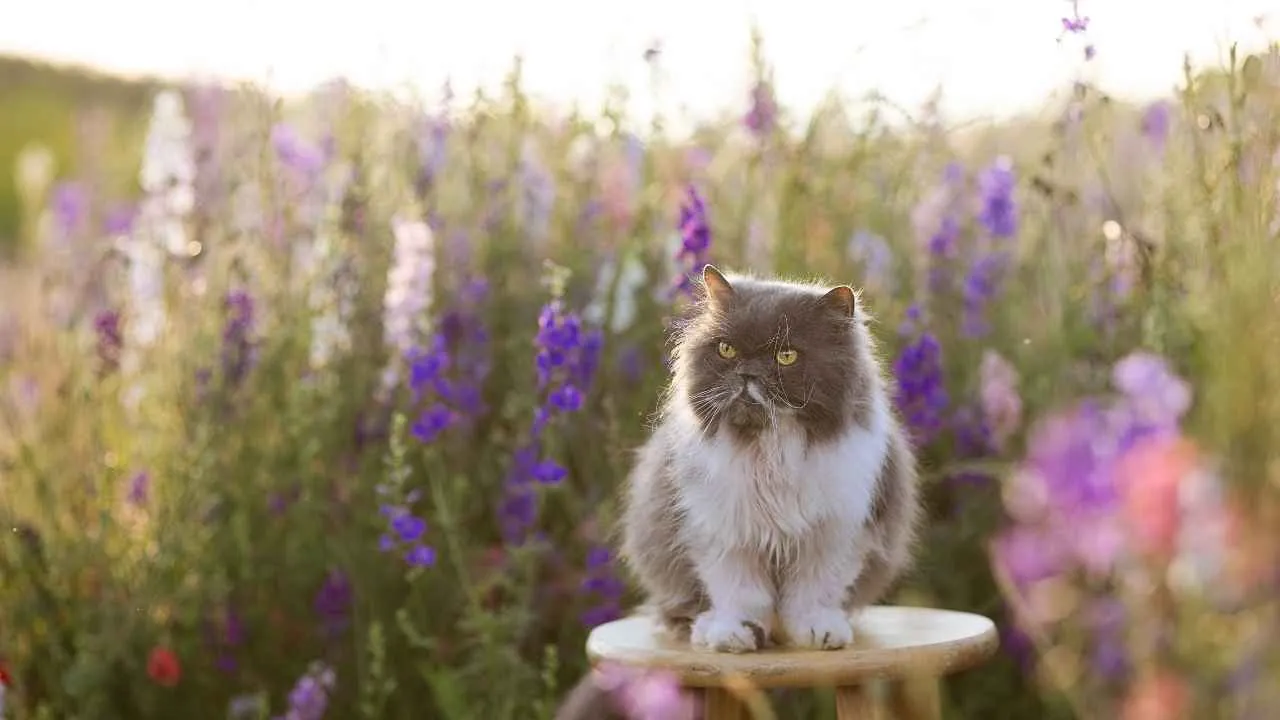
The Persian, sometimes called the Longhair Persian or simply “Persian Longhair,” is instantly recognisable by its flat face, round eyes, and flowing, silky coat. Originating from Persia (modern-day Iran), this breed is celebrated for its serene presence and classic elegance.
According to Britannica, the Persian is a popular long-haired cat breed recognized for its dignified posture, flat nose, doll-like face, and stocky body.
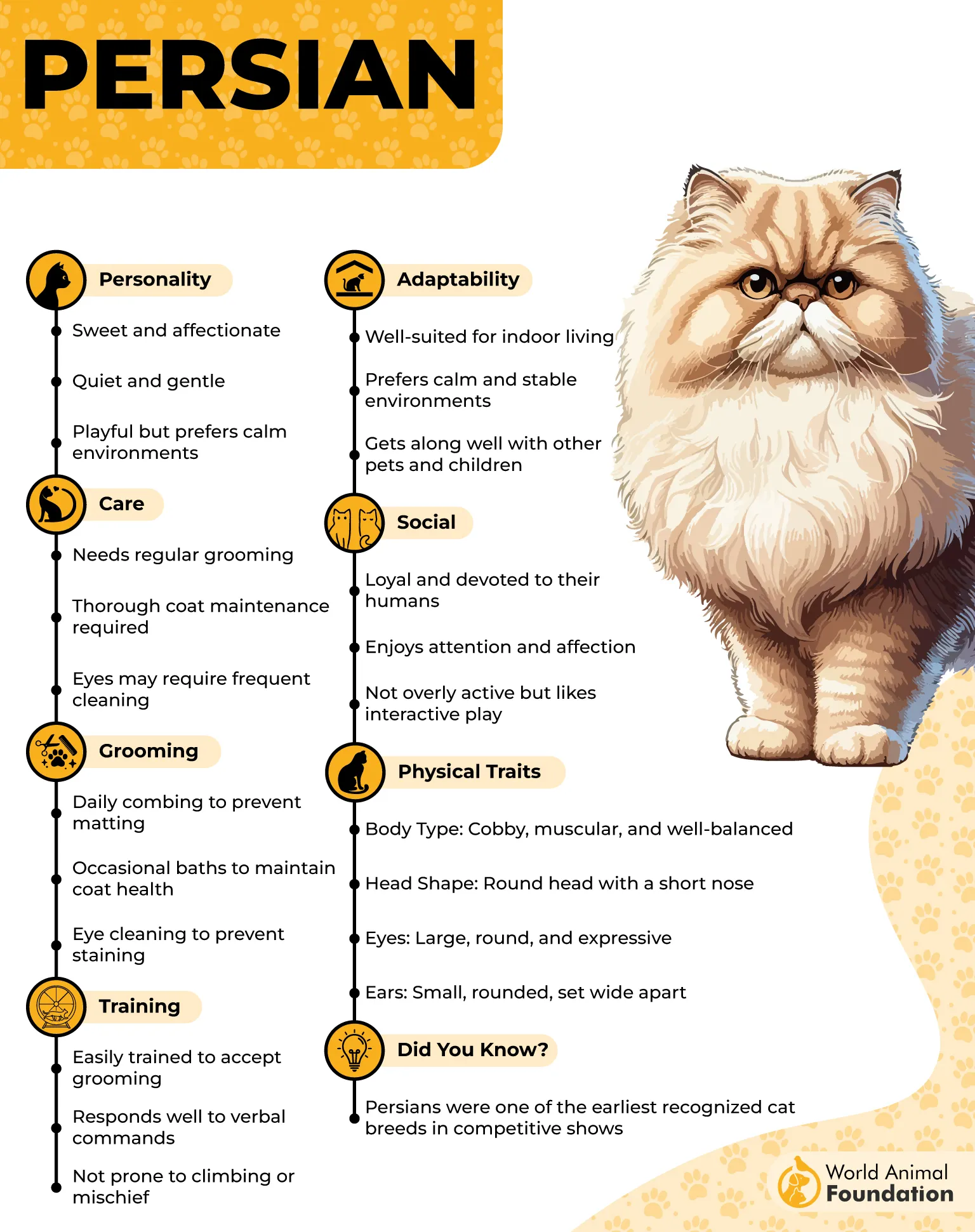
Known as one of the calmest cat breeds, Persians naturally gravitate toward long, uninterrupted sleep cycles. Their low-energy temperament means they prefer lounging on sofas, cushions, or laps rather than engaging in bursts of activity, making naps a central part of their daily rhythm.
Persians thrive in quiet, predictable households where routines are respected. Loud environments or frequent disruptions can interfere with their sense of comfort, which is why they often retreat to cozy spots and settle into extended rest periods that support their relaxed lifestyle.
Despite their inactivity, Persians enjoy gentle affection and light interaction when they’re awake. Their long sleep cycles are paired with a sweet, observant nature, allowing them to conserve energy and remain content with minimal stimulation.
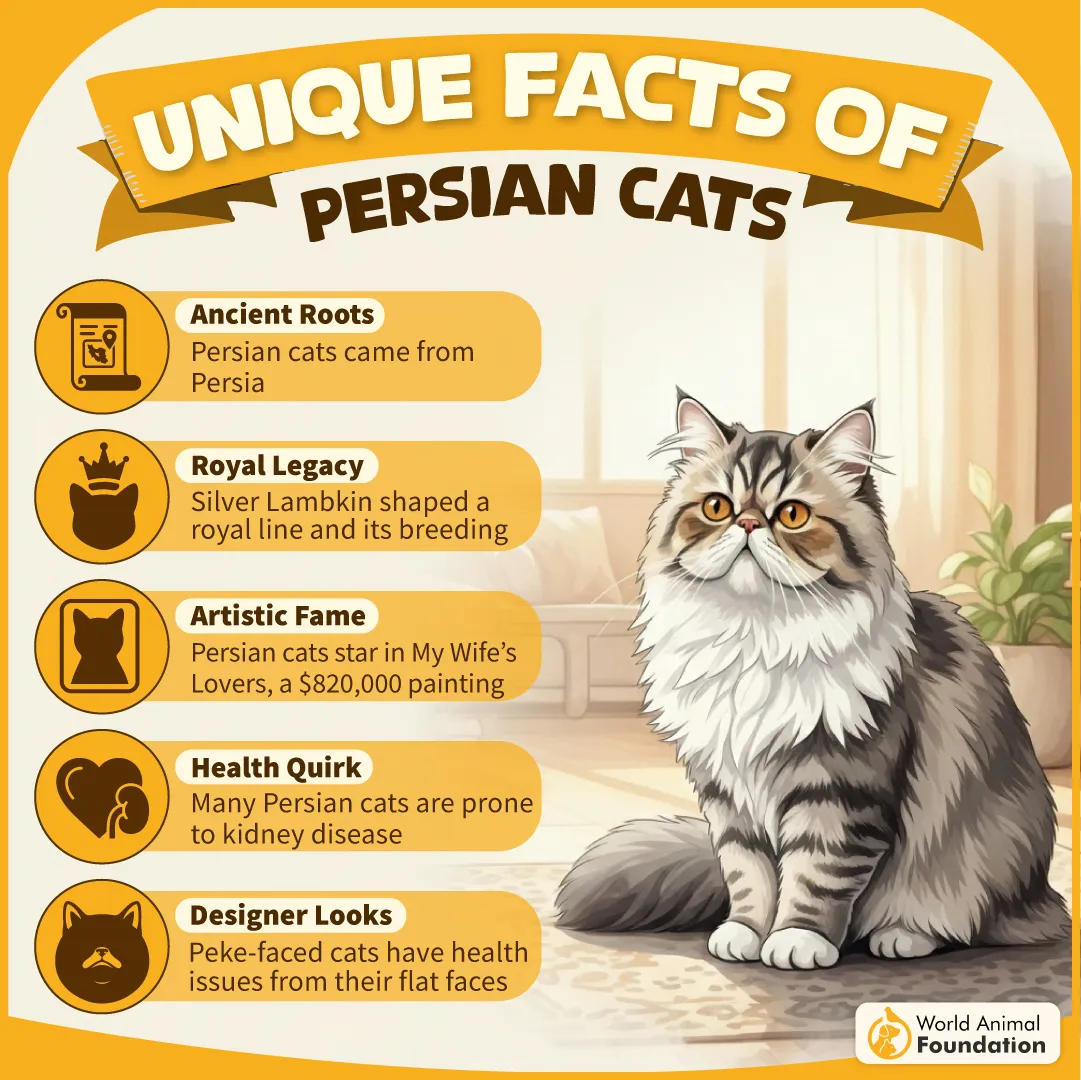
Fact: Persian cats are often nicknamed “furniture with fur” due to their tendency to sleep for long stretches and remain blissfully inactive.
2. Himalayan
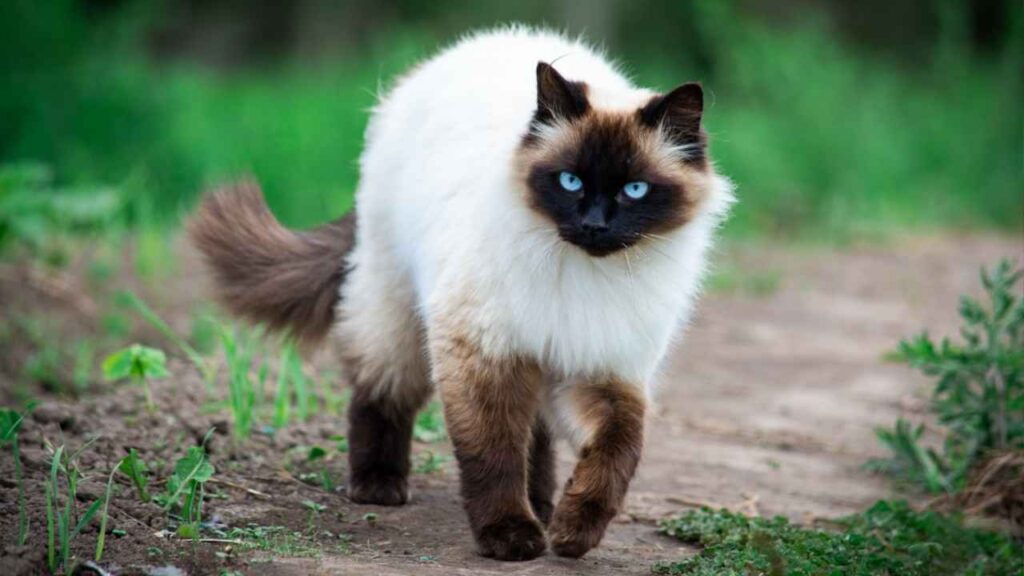
The Himalayan, often called the Himmie, combines long, silky fur with classic colorpoint markings. According to PetMD, Himalayans are a distinct cat breed that originated from crossing Persian and Siamese cats.
Known for their gentle expression and plush coats, these cats are built for comfort rather than constant activity.
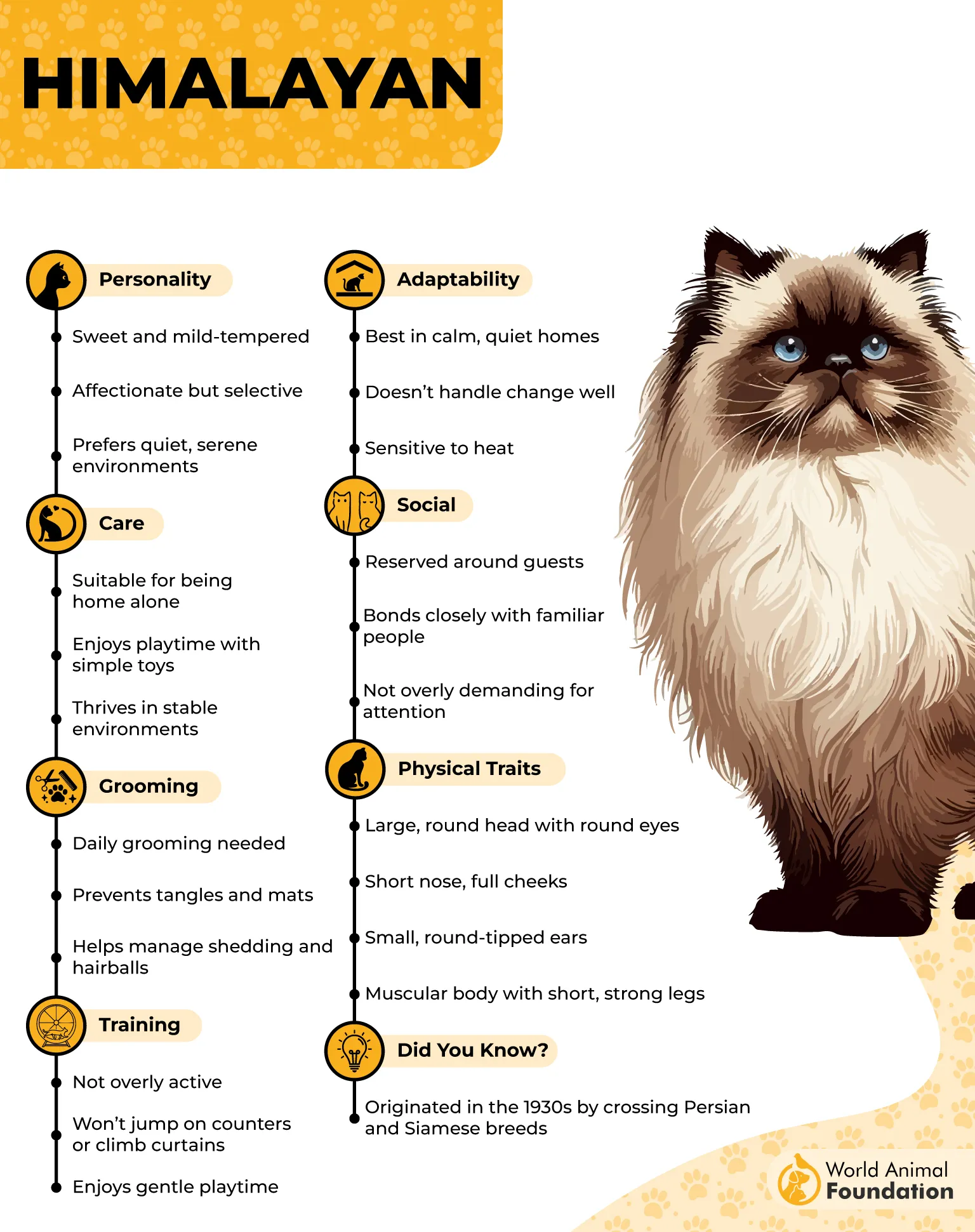
True to their reputation, Himalayans adore long sleep cycles and are happiest curled up on a warm lap or stretched out in a sunny patch. Their calm temperament means they rarely seek high places, preferring ground-level lounging and uninterrupted rest throughout the day.
While they may seem sleepy most of the time, these cats enjoy brief, low-energy play sessions before returning to their favorite nap spot. A predictable, quiet routine suits them perfectly, allowing their bodies to fully relax and recharge between snoozes.
Affectionate but undemanding, Himalayans form strong bonds with their families and often sleep close to their favorite person.
Fact: The breed was developed in the 1920s to combine the Persian’s long coat with the Siamese’s colorpoint pattern.
3. Exotic Shorthair
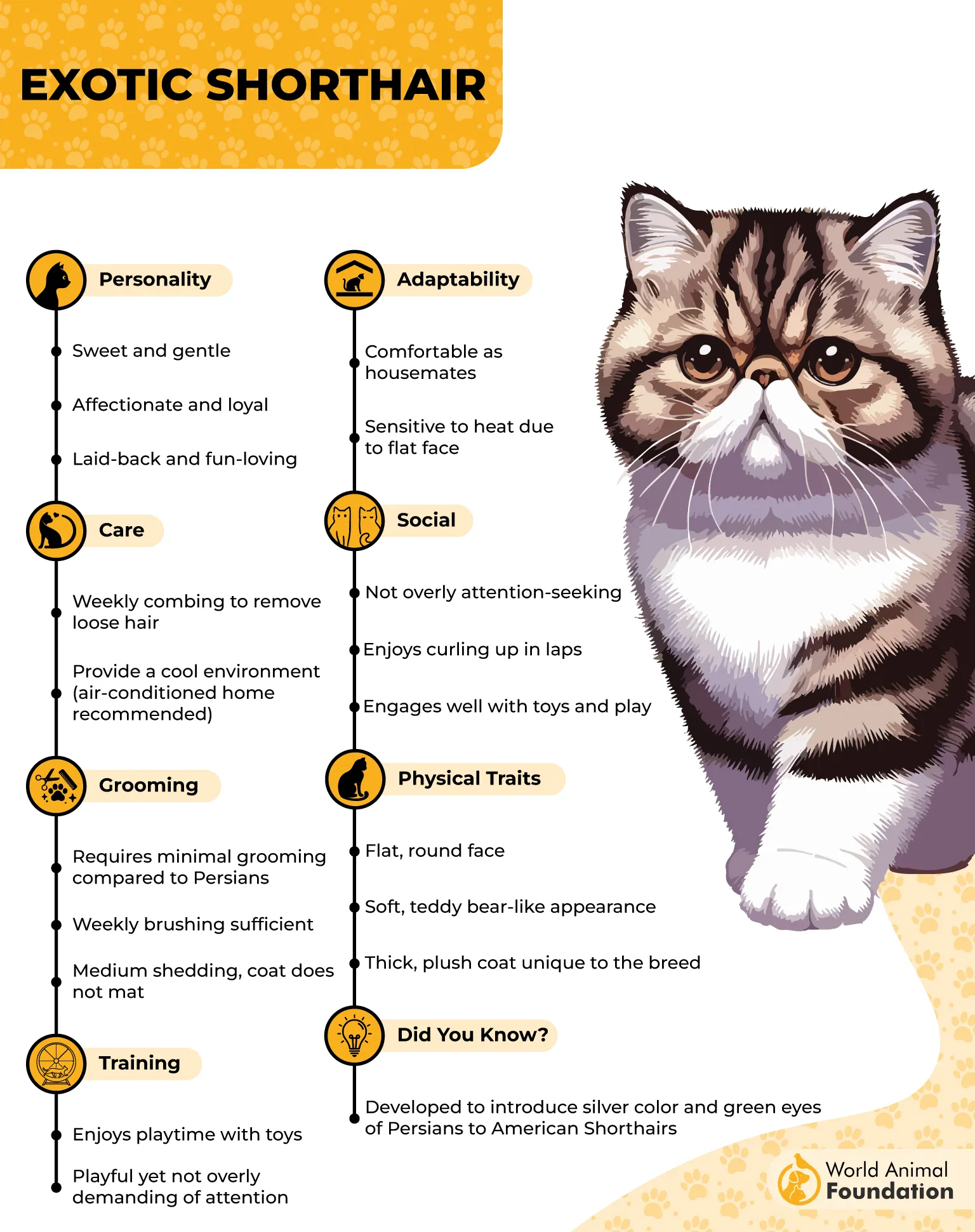
The Exotic Shorthair, often called the “short-haired Persian” or even the “lazy person’s Persian,” was developed in the mid-20th century by crossing Persians with American Shorthairs.
According to WebMD, Exotic Shorthairs are known for being affectionate and gentle cats. It combines a round face, large expressive eyes, and a plush coat with a calm, easygoing personality.
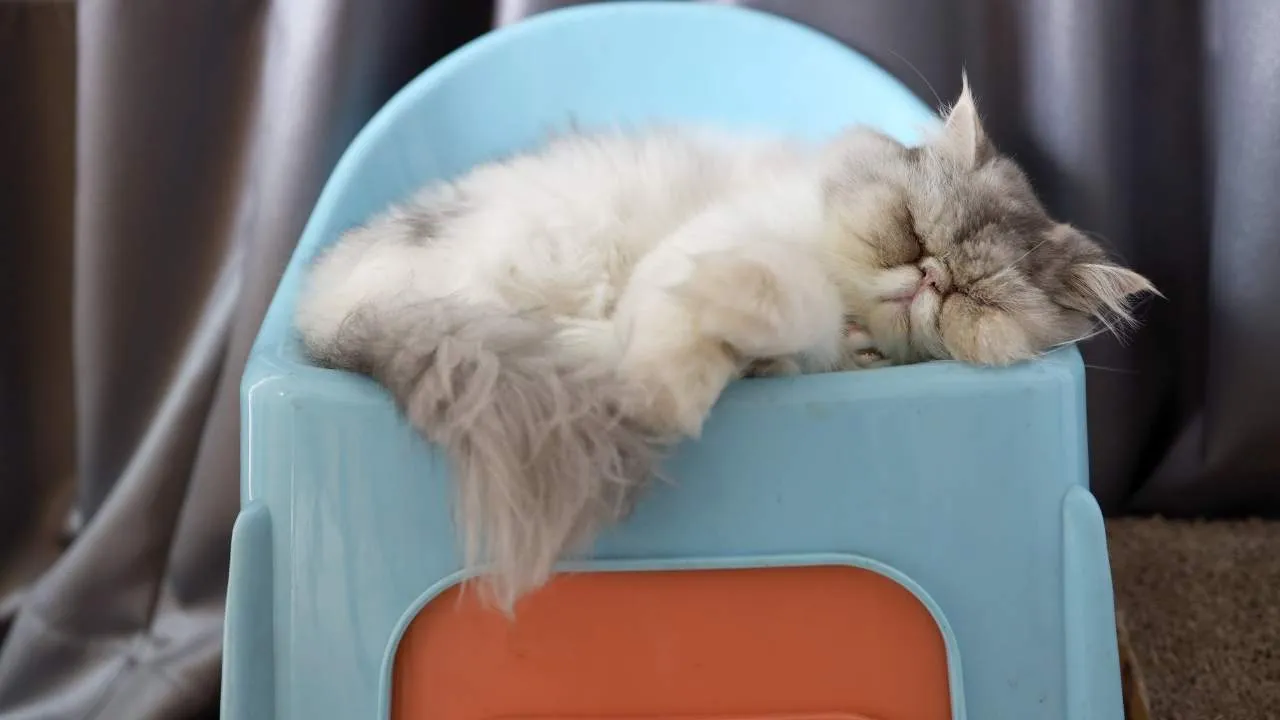
Known for its relaxed temperament, this breed naturally favors long sleep cycles. Exotic Shorthairs enjoy quiet routines, cozy resting spots, and unhurried days, often dozing for hours between short moments of gentle activity. Their low-energy nature makes extended rest feel instinctive rather than forced.
Unlike highly active breeds, they prefer brief play sessions followed by deep, uninterrupted naps. This rhythm suits owners who enjoy a slower pace, as these cats are content lounging nearby and conserving energy rather than climbing or racing around the house.
Emotionally, Exotic Shorthairs bond closely with their people and often nap near familiar scents for comfort. Their calm demeanor and love of rest make them ideal companions for peaceful homes.
Fact: Exotic Shorthairs were intentionally bred to retain the Persian temperament while requiring far less grooming due to their short, dense coat.
4. Ragdoll
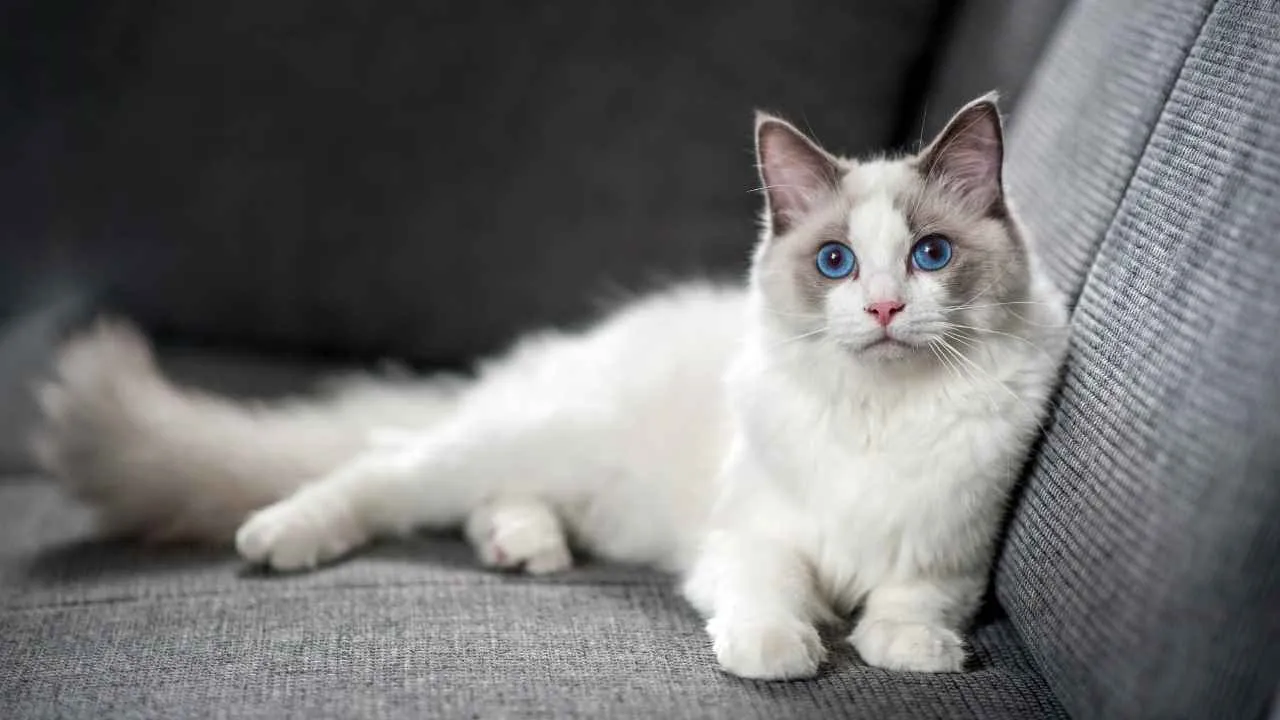
The Ragdoll cat, often simply called the Ragdoll, is a large, plush-coated breed known for its serene temperament and famously relaxed nature. With a semi-long, silky coat and calm presence, this big breed is built for comfort rather than constant activity.
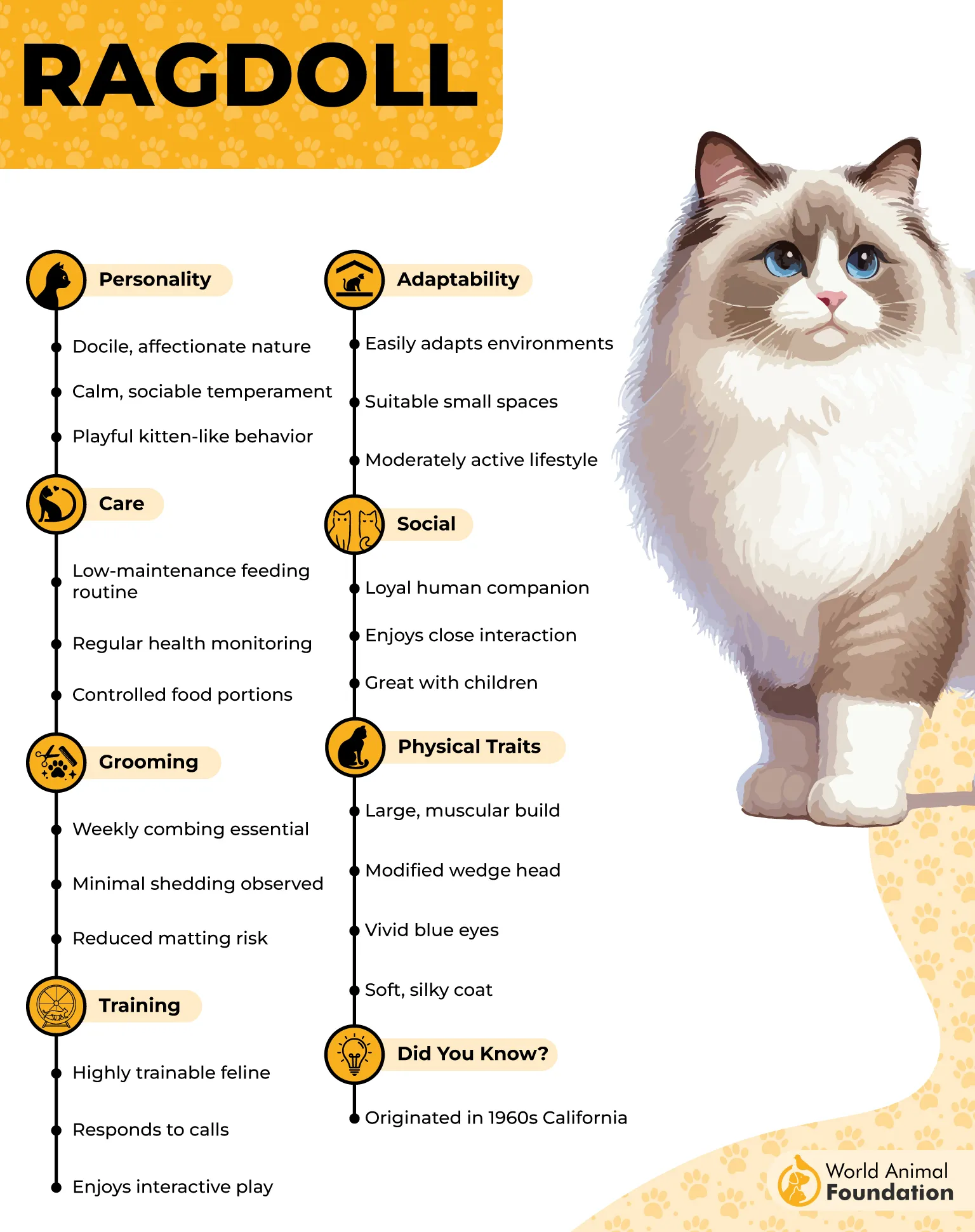
Ragdolls are naturally low-energy cats, making them perfectly suited to long, uninterrupted sleep cycles. They’re happiest lounging near their people, drifting in and out of naps, and conserving energy instead of seeking nonstop stimulation.
Their gentle, affectionate personality means they enjoy quiet companionship more than high-action play. While they do appreciate short bursts of interaction, they’re far more likely to curl up beside a favorite human and settle in for extended rest.
Because they adapt easily to household routines and rarely show aggression, Ragdolls feel secure enough to truly relax. This sense of safety supports their sleep-focused lifestyle and deep, restorative rest.
Fact: Ragdolls are known for having brief “crazy 15 minutes” of play once or twice a day before returning to long naps.
5. British Shorthair
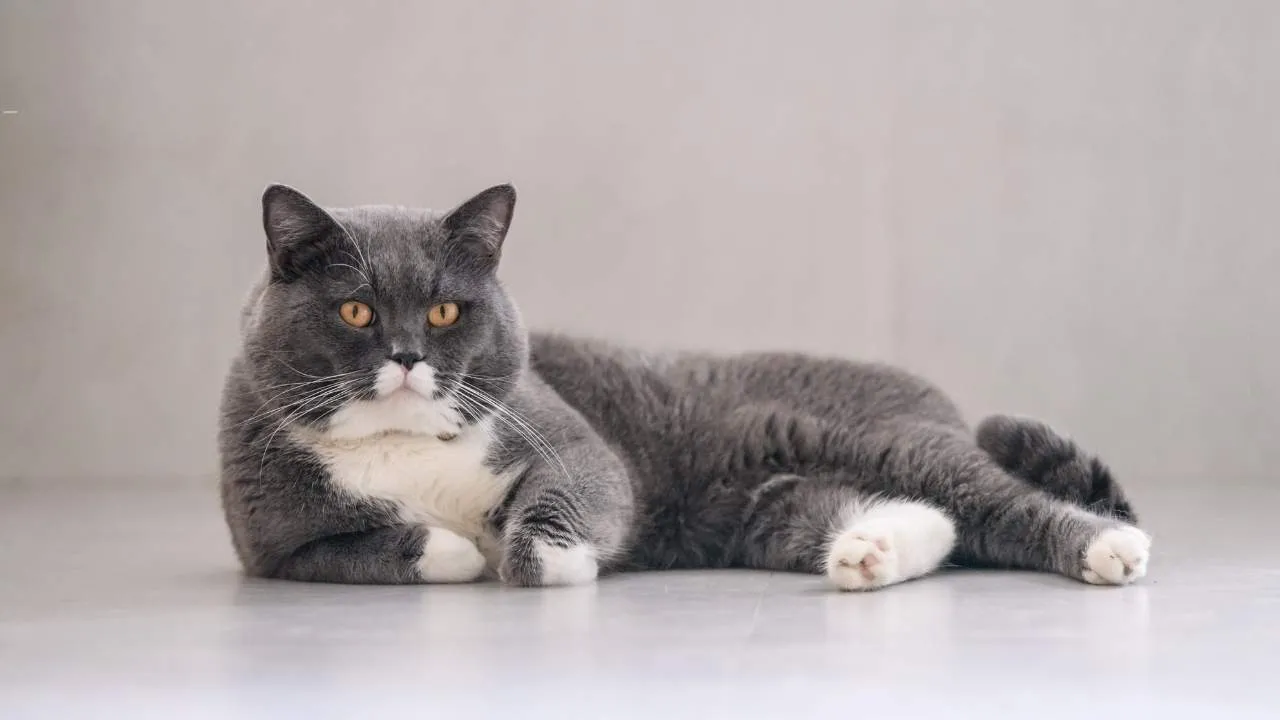
Often called the British Blue in its classic color, the British Shorthair is a sturdy, round-faced breed known for its plush coat and teddy-bear appearance. Medium to large in size, this heavily muscled cat carries a calm, dignified presence that suits a relaxed household.
When it comes to sleep, the British Shorthair is a true champion of long rest periods. Short bursts of playful energy are typically followed by extended naps in sunlit spots, making this breed ideal for owners who enjoy a quieter pace of life.
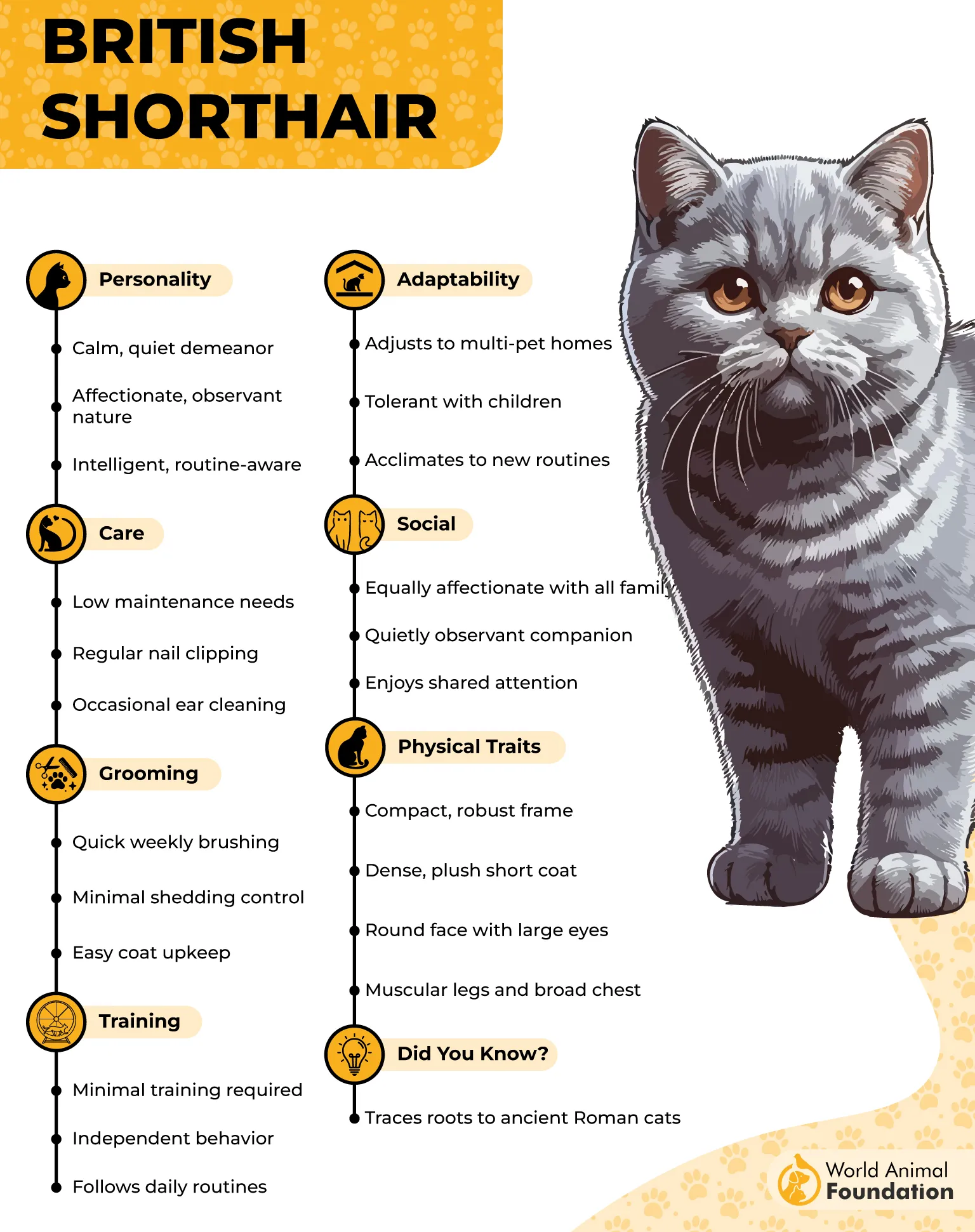
Their laid-back temperament means they’re perfectly content spending hours dozing on a sofa or observing the home from a favorite spot. They’re affectionate without being demanding, preferring quality rest and gentle interaction over constant activity.
Because of their thick build and easygoing lifestyle, British Shorthairs benefit from light daily play to balance their long sleep cycles.
Fact: This breed is known for being tolerant of alone time and often spends much of the day peacefully sleeping in comfortable areas.
6. Scottish Fold
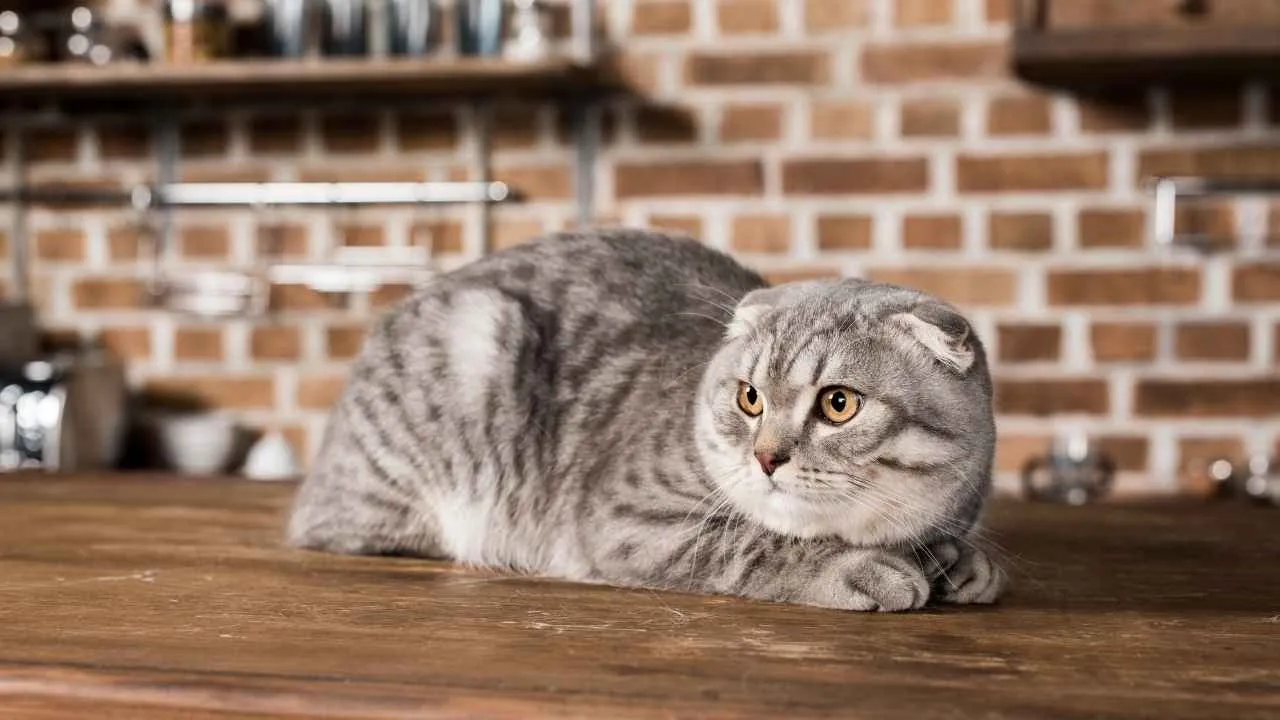
The Scottish Fold, often called the Foldie, is instantly recognizable for its folded, owl-like ears and sweet, round face. Originating in Scotland in 1961 from a barn cat named Susie, this breed is known for its calm, adaptable nature and cozy, home-loving personality.

Scottish Folds are naturally laid back and tend to conserve energy, which makes them well-suited to long, uninterrupted sleep cycles. They enjoy predictable routines and are happiest when they can nap near their favorite humans, often choosing soft sofas or sunny spots for extended rest.
Rather than bursts of nonstop activity, this breed prefers gentle play followed by generous downtime. Their moderate energy level means they’re unlikely to disrupt the household at odd hours, instead favoring restful stretches that support their easygoing temperament.
With an average weight of about 5.5 to 13 pounds, Scottish Folds are compact but sturdy cats who value comfort above chaos.
Fun fact: All Scottish Folds trace their ancestry back to a single cat—Susie—discovered on a Scottish farm in 1961.
7. Birman
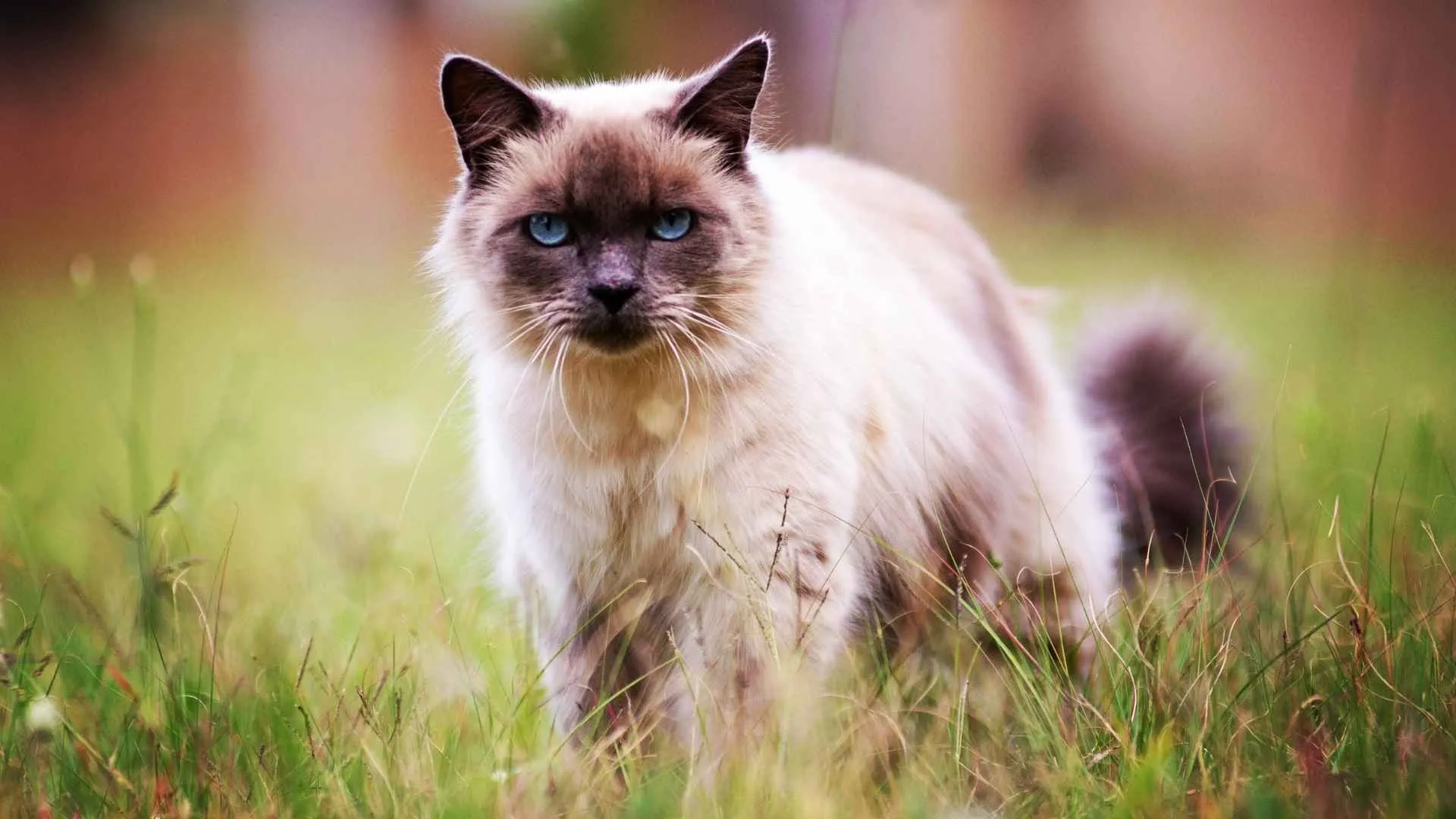
The Birman, also known as the Sacred Cat of Burma, is a semi-long-haired breed admired for its soft coat, deep blue eyes, and white “gloved” paws. Revered in temple legends from Myanmar, Birmans are calm, affectionate cats with an unmistakably serene presence.

These gentle companions are well known for their love of rest. Birmans naturally favor long, uninterrupted sleep cycles, often curling up beside their humans or claiming the warmest, quietest spots in the home. Their laid-back temperament makes them true champions of daytime cat naps.
While they enjoy short bursts of play, Birmans quickly return to relaxation mode. They’re happiest in peaceful households where routines are predictable, allowing them to balance light activity with extended periods of sleep and quiet observation.
This breed’s soothing nature and preference for lounging make them ideal for owners seeking a calm, sleepy companion rather than a high-energy climber.
Fact: Birmans were nearly lost after World War II, with only two cats surviving in France before dedicated breeders rebuilt the breed.
Conclusion
Cats that prefer long sleep cycles remind us that rest is a natural part of feline life. An adult cat or older cat may sleep for hours a day, and most cats truly love sleeping in long periods to recharge.
Whether short hair or long hair, many cats spend a large portion of their time asleep, especially calm breeds with a gentle nature. For cat owners, understanding why cats sleep so much helps support a healthy routine for every feline friend, from playful kittens to a lazy cat who enjoys quiet comfort with family members.
That said, even cats that love sleeping benefit from balance. Occasional play, mental stimulation, and playing games help maintain physical fitness and prevent health issues.
Cat categories vary widely, but all cats need quality time with humans.
If sleep patterns suddenly change or seem excessive, serious medical conditions should be ruled out, just as you would with dogs. Spending time observing your cat ensures both rest and well-being stay in harmony.
