




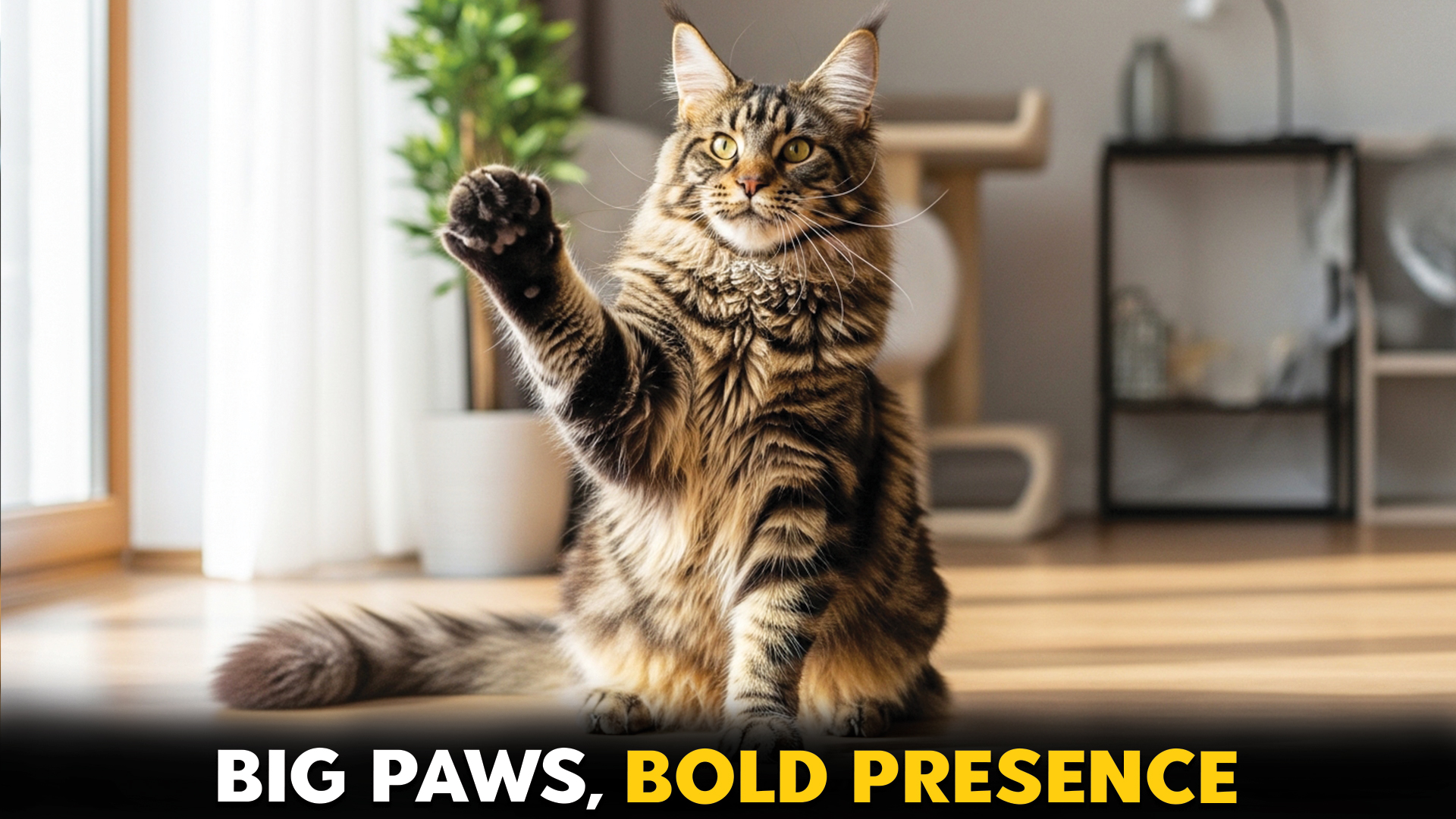
Cats are famous for their dainty toe beans—but in some breeds, those paws are anything but small. Extra-large feline feet can look adorable, almost oversized for their bodies, yet they serve important purposes beyond appearance.
Just like coat color or eye shape, paw size is influenced by inherited traits passed down through generations. In some cases, large paws are linked to overall body size. In others, the genetics behind oversized feline feet trace back to ancestors who evolved in harsh, cold climates where broader paws acted like natural snowshoes, offering better balance and traction.
Big paws aren’t just about surviving the cold—they can also enhance agility. Wider feet help with hunting and climbing, providing stability when leaping, gripping, or navigating tricky terrain. Whether supporting a hefty frame or aiding stealthy movement, these impressive paws are a fascinating example of form meeting function.
In this article, we’ll explore nine cat breeds with unusually large paws and uncover why this striking feature developed in the first place.
Cat breeds with unusually large paws
1. Maine Coon
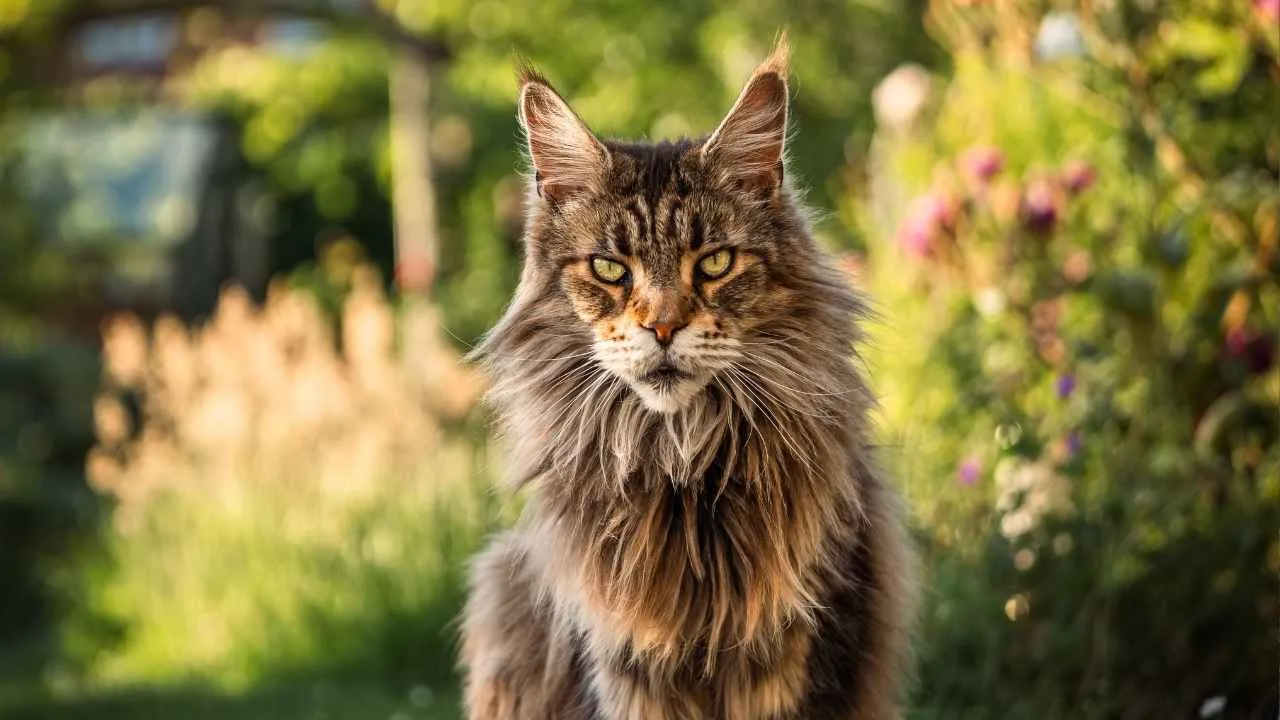
The Maine Coon, often called the Gentle Giant, is one of the oldest native cat breeds in the U.S. Known for its shaggy, silky coat, tufted ears, and muscular frame.
According to Purina, this big breed requires daily grooming and benefits from having access to extensive outdoor space.
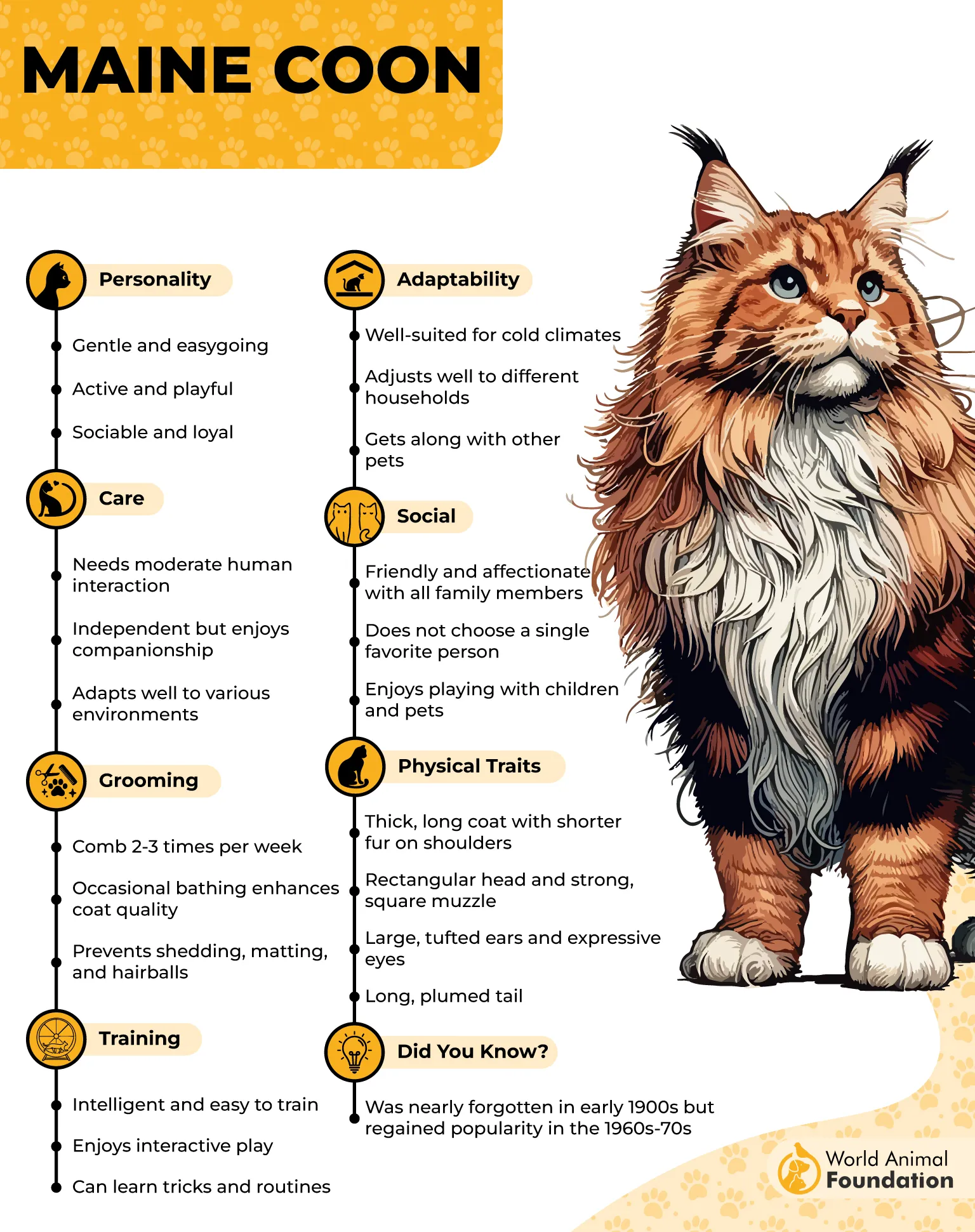
The Gentle Giant with Snowshoe-Sized Paws
As the largest domesticated cat breed, it’s no surprise that the Maine Coon tops the list for unusually large paws. Its broad, round, well-tufted feet are built to support its substantial body and provide steady balance.
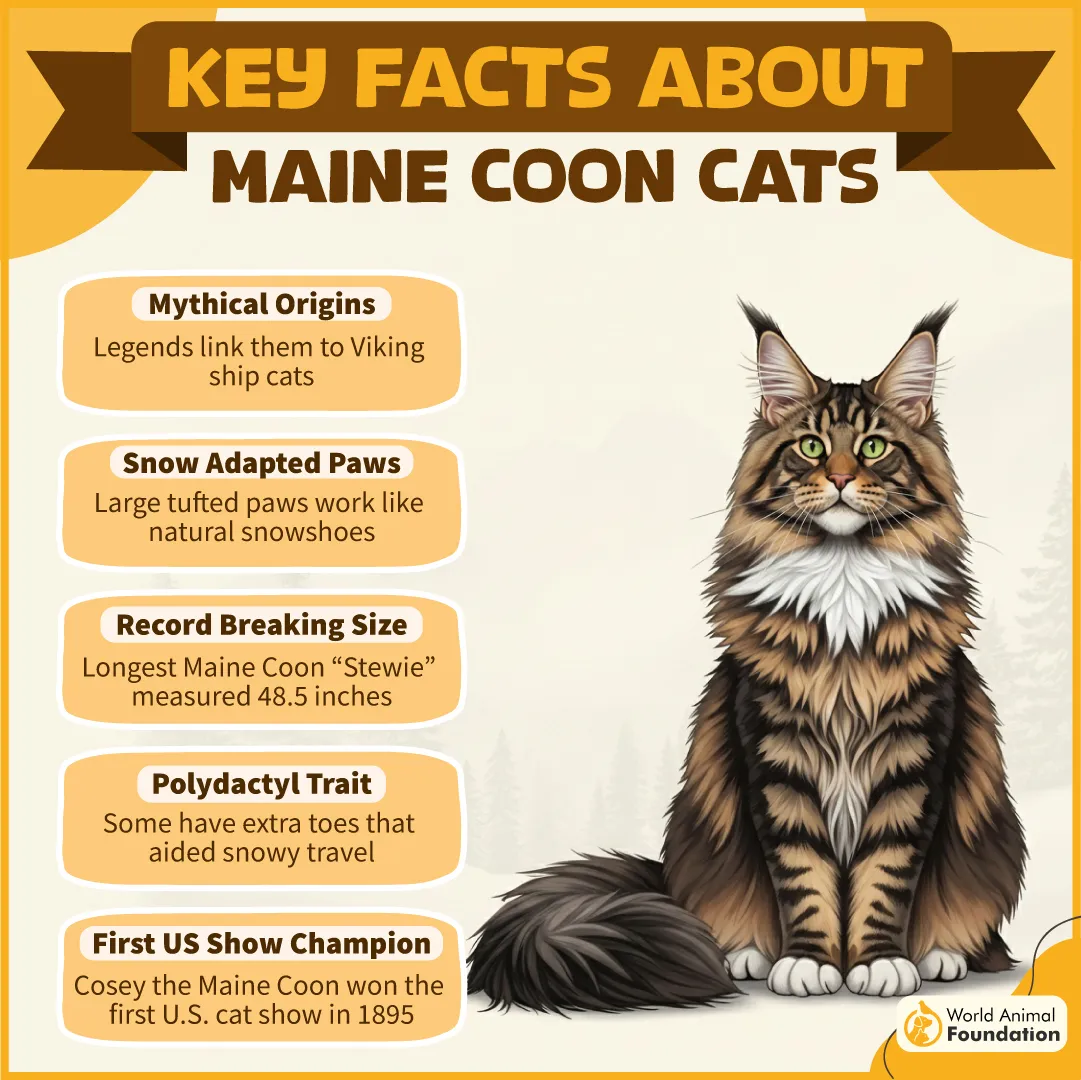
Originating in snowy regions, these oversized paws function like natural snowshoes. They help the cat move across icy ground without sinking, giving it better traction while hunting or exploring winter terrain.
Despite its powerful build, this breed is famously gentle and friendly, often described as dog-like in loyalty. Interestingly, fully grown male Maine Coons typically weigh between 13 and 18 pounds, while females range from 8 to 12 pounds.
2. Norwegian Forest Cat
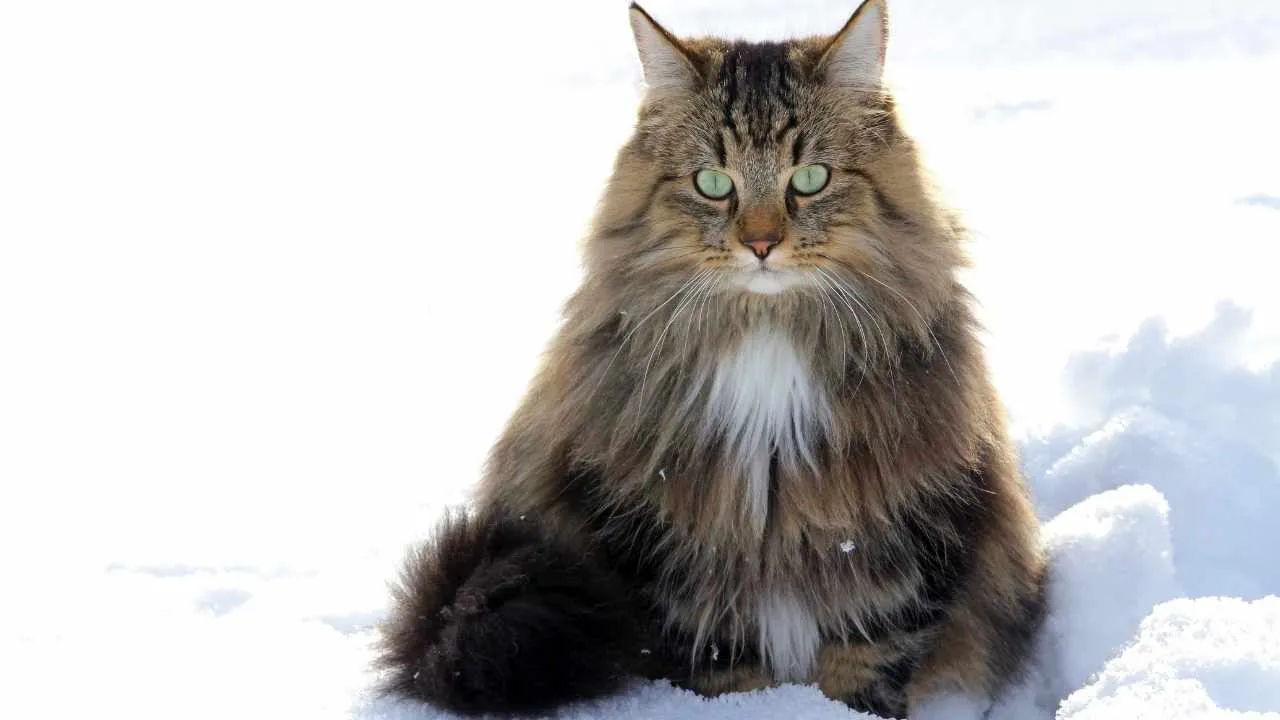
The Norwegian Forest Cat, sometimes affectionately called the “Wegie,” is a natural Scandinavian breed shaped by centuries of survival in icy woodlands.
According to Petplan, this breed has an affinity for water and a water-repellent coat, making it particularly skilled at fishing. With a thick, water-resistant coat, muscular frame, and bushy tail, this striking feline carries a rugged yet majestic appearance.
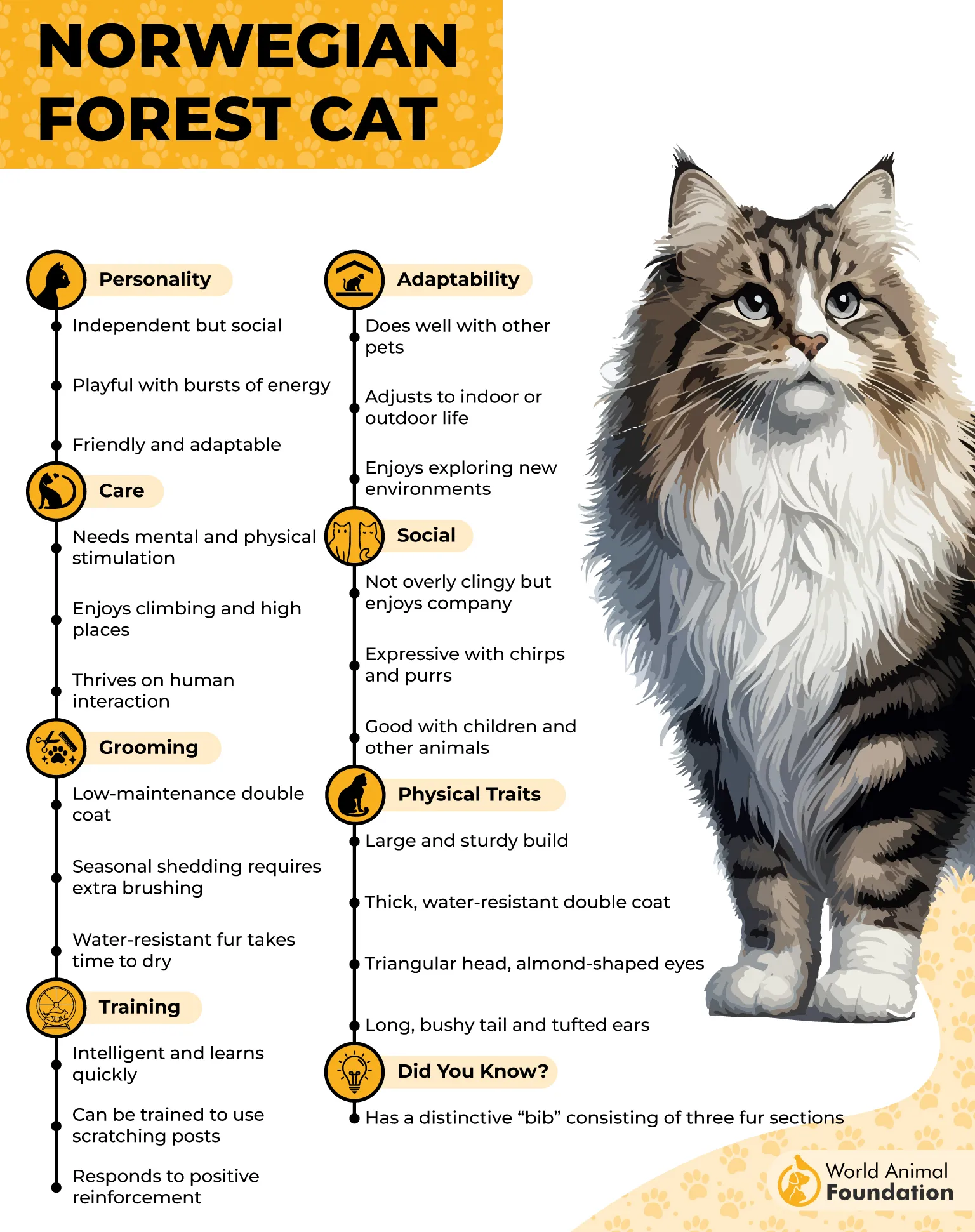
A Forest Cat Built for Harsh Climates
Developed in Norway’s frigid environment, this breed evolved oversized, round paws to handle snow-covered terrain. The broad feet act like built-in snowshoes, helping the cat move across icy ground without sinking.
Tufts of fur between the toes make those already large paws appear even bigger while offering insulation against the cold. Strong and sturdy, these feet also support impressive climbing skills, allowing the cat to scale tall trees and perch at high vantage points indoors.
Though slightly reserved at first, the Norwegian Forest Cat is intelligent, playful, and quietly affectionate. Its thick collar of fur around the neck enhances its wild look, and its large, well-furred paws are often described as noticeably oversized.
3. Siberian
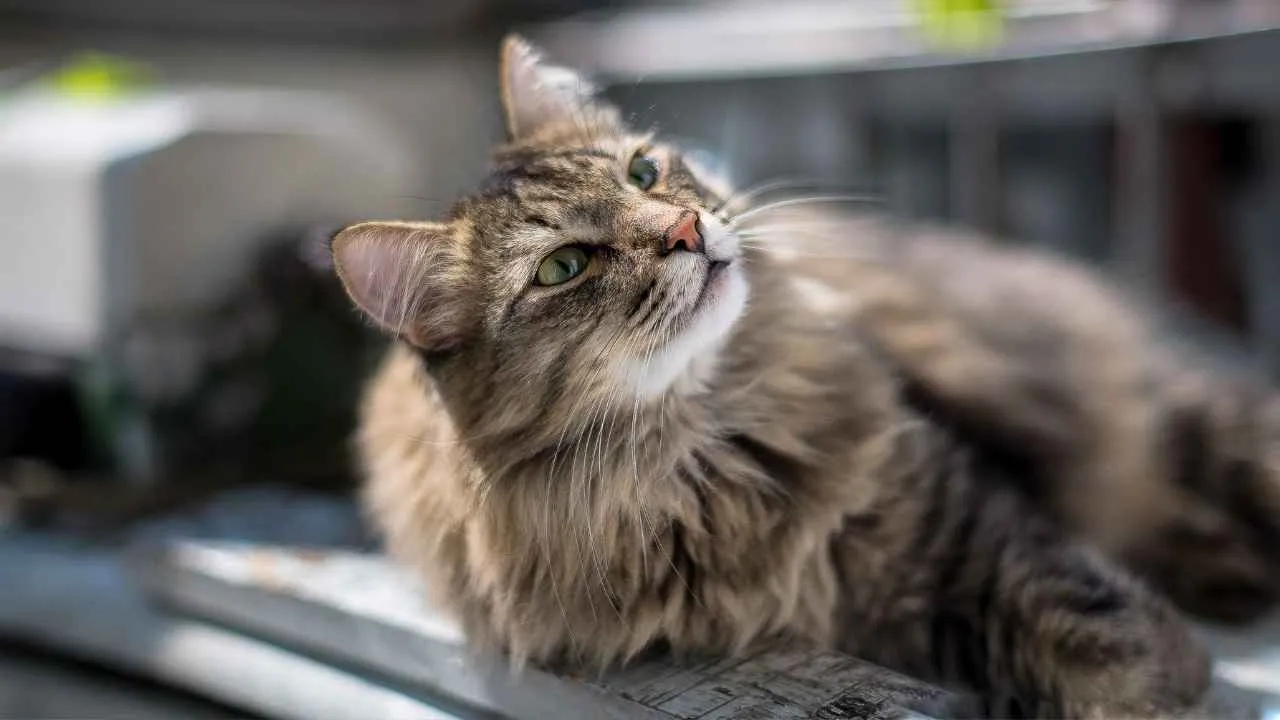
The Siberian, also called the Siberian Forest Cat or Moscow Semi-Longhair, is Russia’s national treasure and an ancient ancestor of many long-haired breeds. Cloaked in a dense triple-layer coat and built with strength and agility, this forest native carries a powerful yet graceful presence.
According to WebMD, Siberian cats have moderate grooming requirements, and their thick coats should be brushed once or twice weekly for most of the year to help prevent tangles.
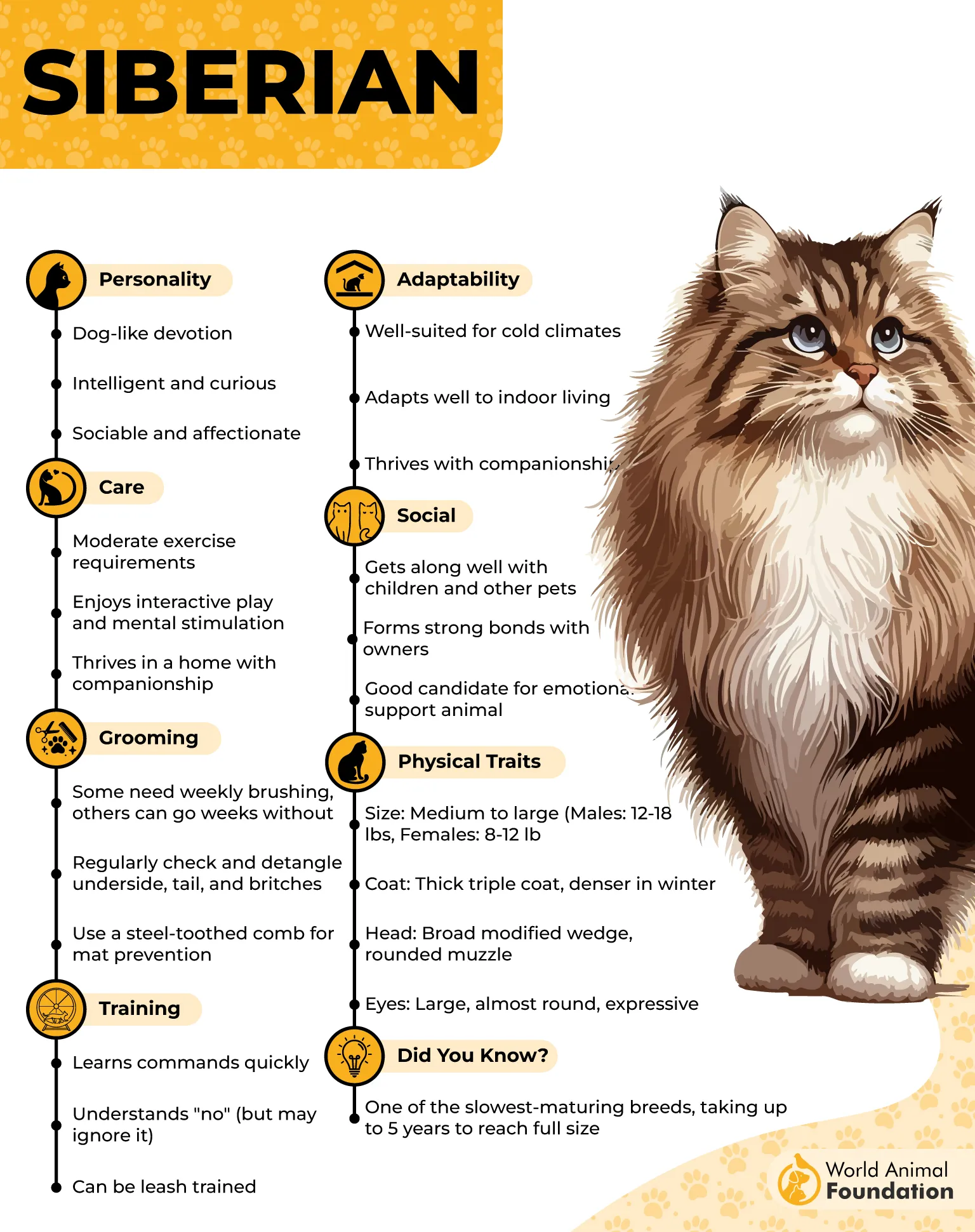
Powerful Paws for Impressive Leaps
Ranked among the top cats with oversized feet, the Siberian boasts large, rounded paws accented by thick tufts between the toes. These well-furred feet not only appear bigger than they are but also provide remarkable grip.
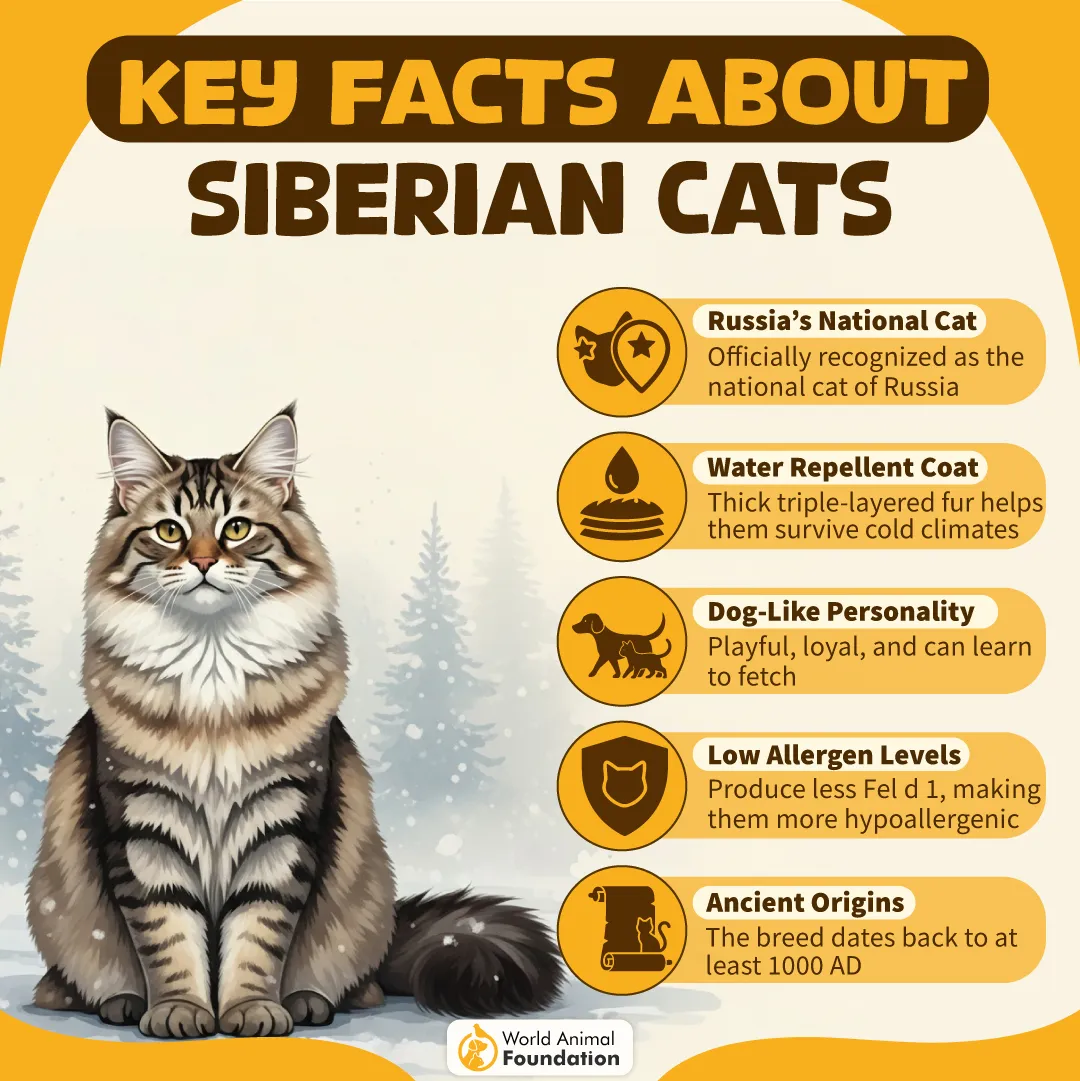
Developed in the freezing forests of Siberia, this breed relies on its broad paws for traction across snow and ice. Combined with muscular hindquarters, those sturdy feet fuel exceptional jumping ability and confident climbing skills.
Though imposing in size, the Siberian is affectionate and relatively quiet, communicating through soft trills and gentle purrs. Interestingly, this breed can retain playful, kitten-like behavior for up to five years.
4. Pixie-bob
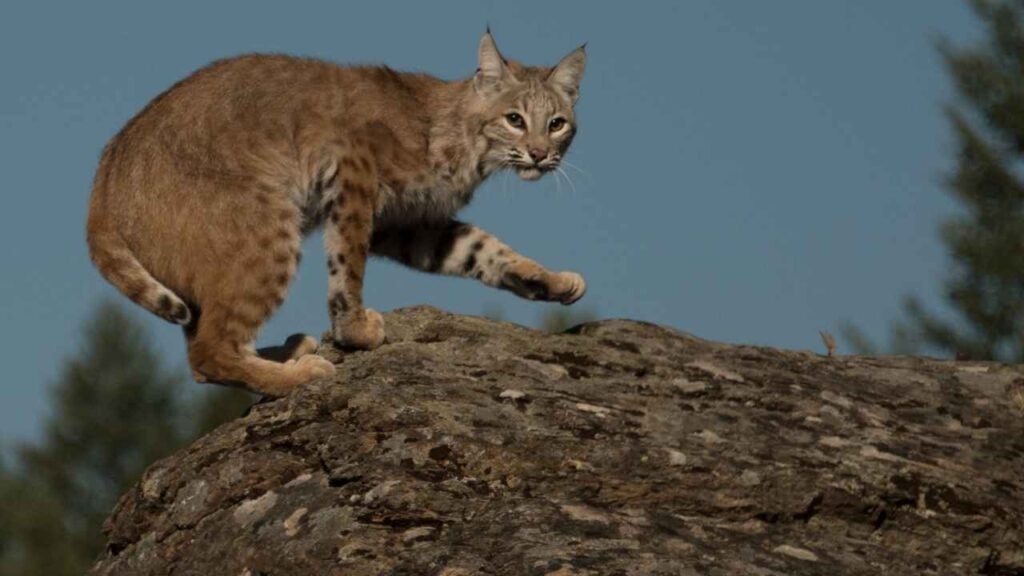
The Pixie-bob, sometimes simply called Pixiebob, is a striking breed that resembles a wild bobcat with its short tail, spotted brown tabby coat, and tufted ears. Distinct facial markings and pronounced brow ridges give this cat a rugged, untamed expression despite its domestic roots.
Thick-Toed and Strong-Boned
True to its powerful appearance, the Pixie-bob is known for broad, thick-padded paws that look almost oversized. The breed standard even allows polydactylism, meaning some individuals have extra toes, which makes their feet appear even larger and more formidable.
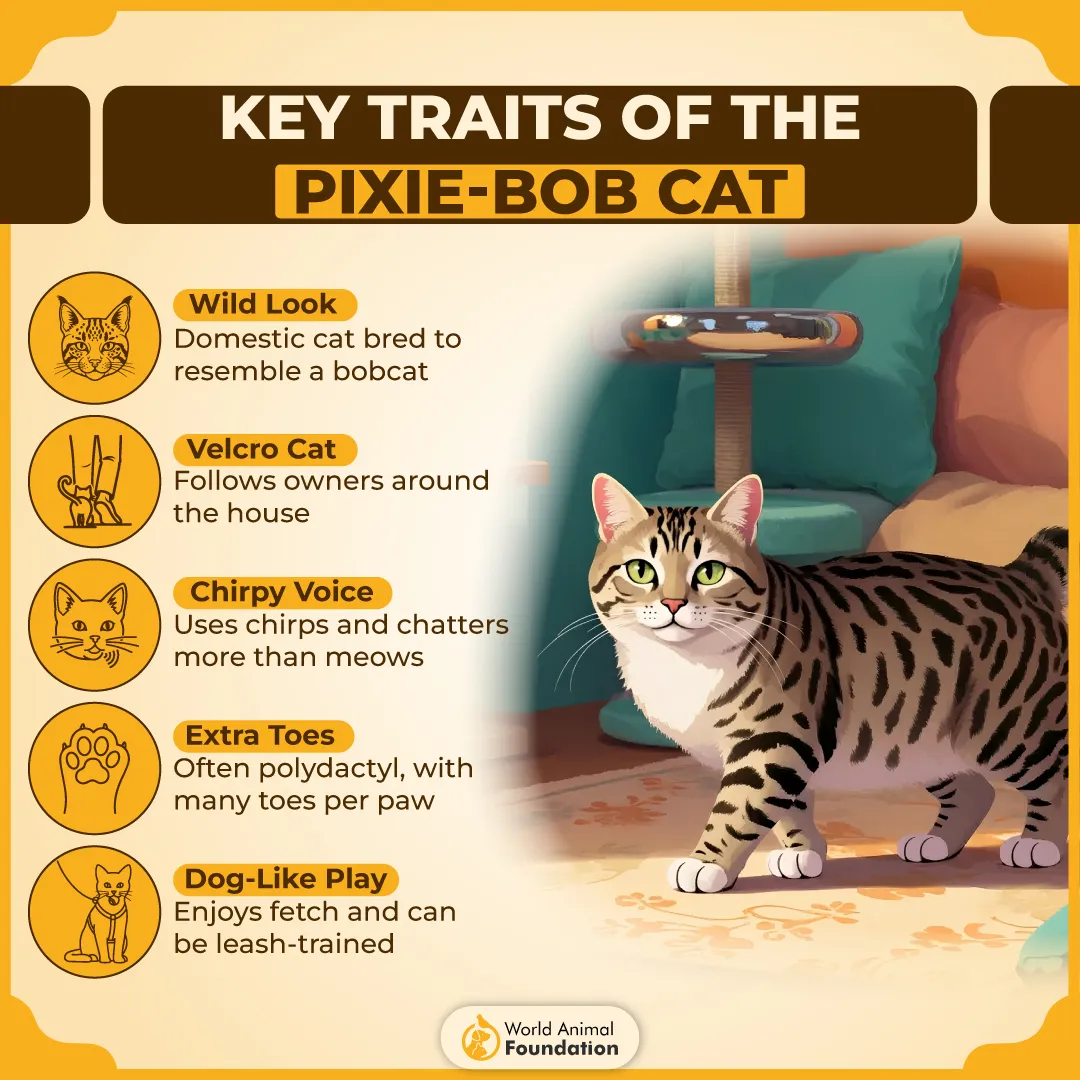
These strong, well-structured paws provide excellent stability for climbing and active play. Built to support a sturdy frame, they enhance balance and grip, adding to the breed’s athletic confidence and wildcat illusion.
Although the Pixie-bob looks fierce, its temperament is calm and devoted, often communicating through chirps and chatters. Notably, polydactyl paws—sometimes with five to seven toes—are accepted in this unique breed and contribute to its bold, powerful image.
5. Highlander
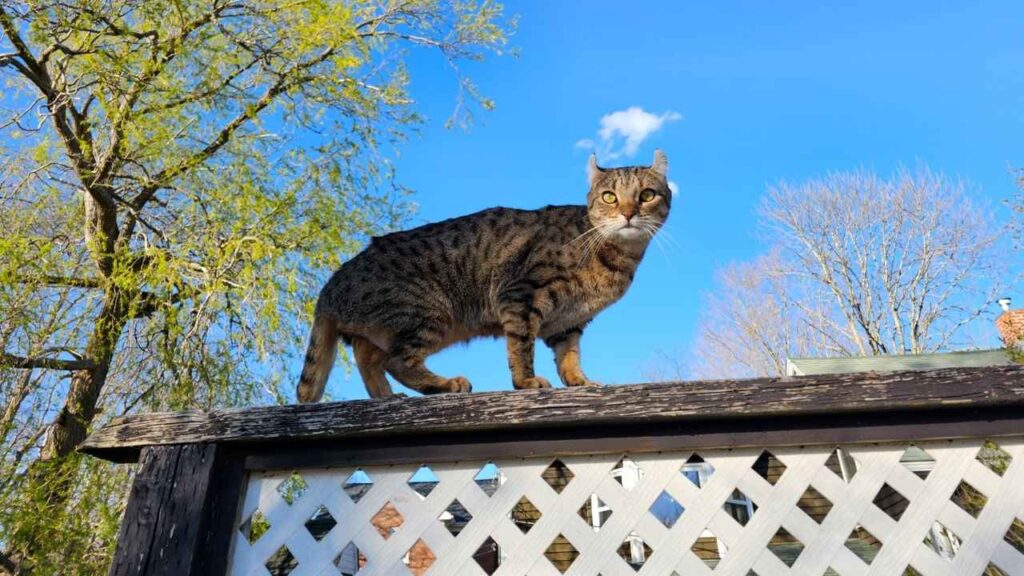
The Highlander, sometimes called the Highlander Cat, is a striking hybrid breed developed from the Desert Lynx and Jungle Curl. With curled-back ears, a muscular rectangular frame, and a short or kinked tail, this cat was intentionally bred to look wild—despite having no wildcat DNA.
Large Frame, Even Larger Feet
One of the Highlander’s most noticeable features is its oversized, rounded paws with prominent knuckles. Many individuals are polydactyl, meaning they have extra toes that make their already large feet appear even broader and more powerful.
These substantial paws support a strong, athletic body built for movement and balance. Longer rear legs and a straight back give the cat a confident stance, while toe tufts—especially in long-haired varieties—add to the bold, untamed aesthetic.
Though its appearance is exotic, the Highlander is people-focused and trainable, blending strength with a calm, steady temperament. Notably, polydactyl paws are common in this breed and contribute to its impressively large-footed look.
6. Ragdoll
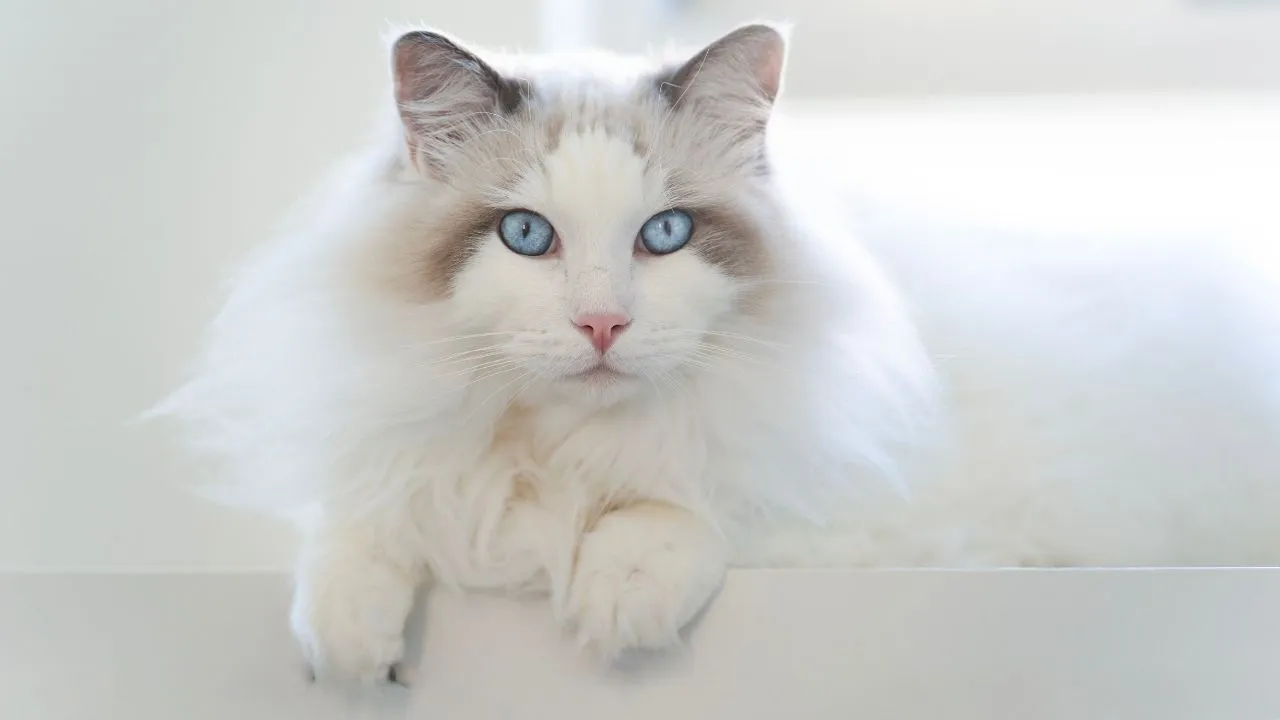
The Ragdoll, a semi-longhaired breed developed in California during the 1960s, is admired for its vivid blue eyes and silky coat. Often described as “dog-like,” this affectionate cat is famous for going limp in a person’s arms—an endearing trait that inspired its name.
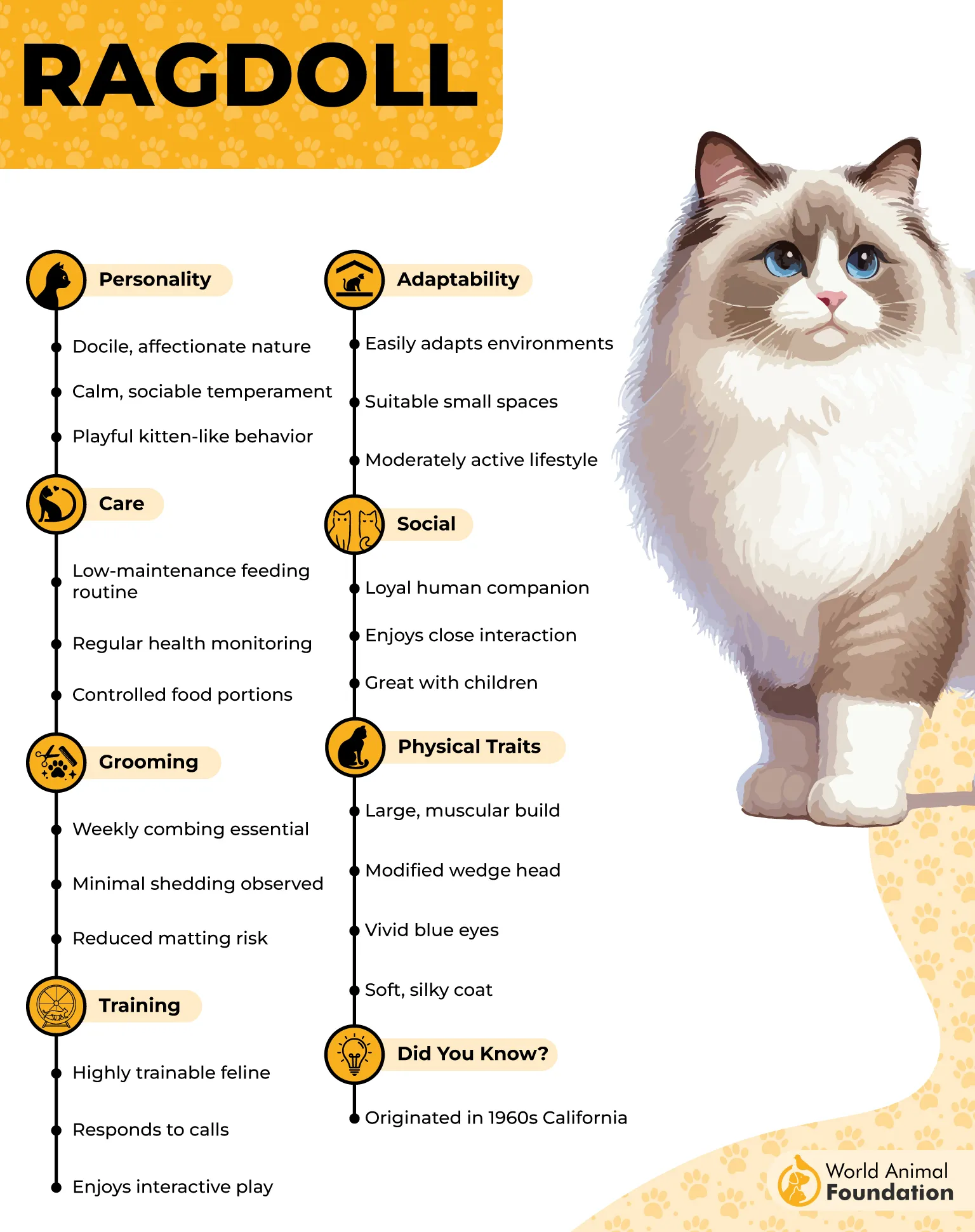
Fluffy Toe Tufts and Wide Pads
Beneath that plush coat are notably large, well-structured paws designed to support the breed’s substantial frame. Their wide pads provide steady balance, while their overall size enhances the impression of soft yet powerful feet.
Like many long-haired breeds, Ragdolls have tufts of fur growing between their toes. These fluffy accents help shield paw pads from rough surfaces, improve grip on slippery floors, and even offer warmth in cooler conditions.
Beyond their impressive paws, Ragdolls are deeply devoted companions who often follow their favorite humans from room to room and enjoy games like fetch. Interestingly, they earned their name because they tend to relax completely and flop when picked up.
7. Savannah
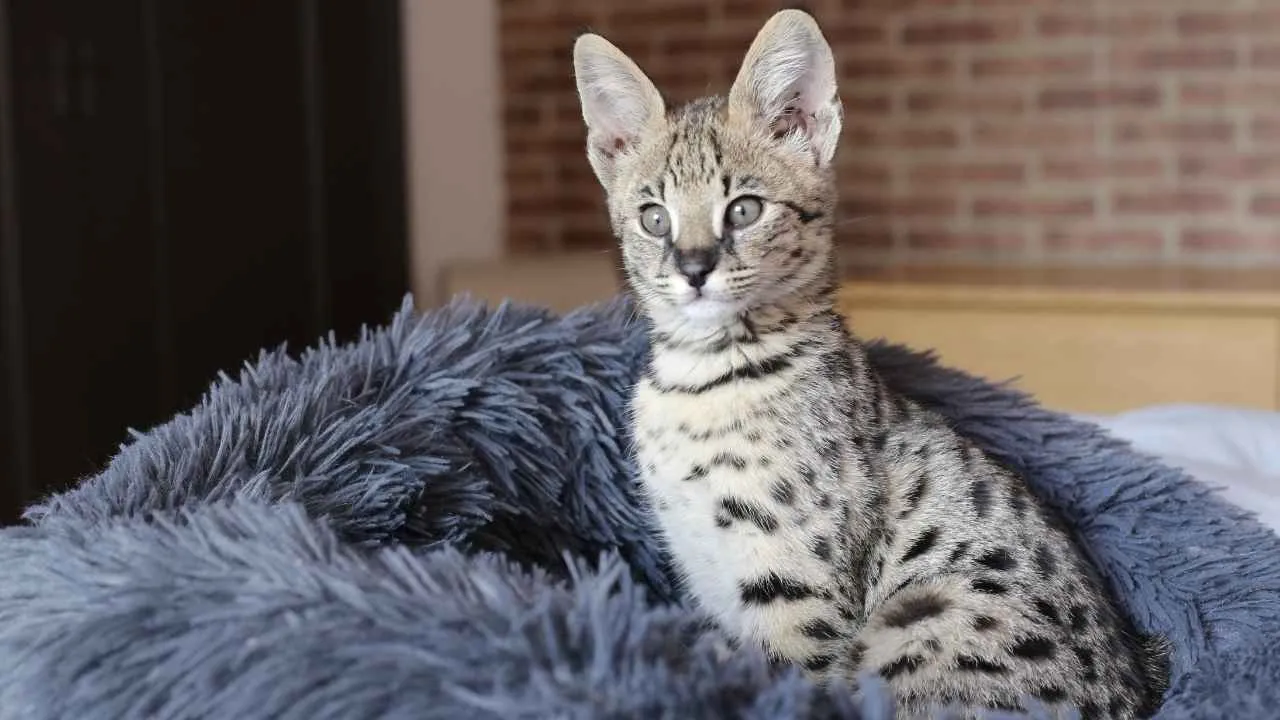
The Savannah, a striking hybrid descended from the African Serval, is known for its exotic appearance and athletic frame. With a triangular head, tall upright ears—sometimes tipped with tufts—and a sleek, spotted coat, this breed carries a distinctly wild elegance.
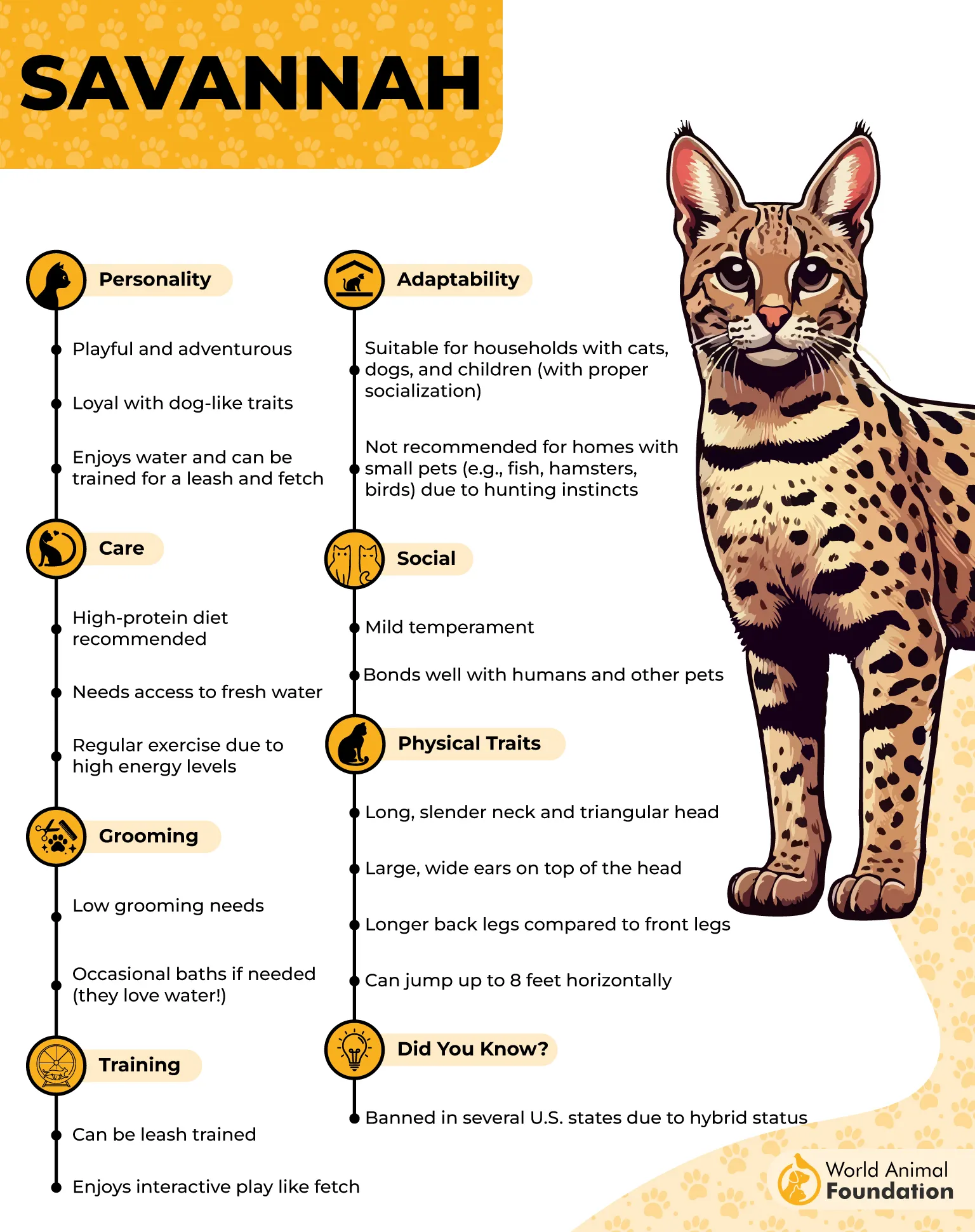
Athletic Build with Strong Support
Savannahs are taller and more leggy than most domestic cats, with long, lean limbs built for speed and precision. Their large, oval-shaped paws feature thick pads and strong, straight toes that provide excellent support for their agile movements.
Those oversized paws aren’t just for show—they help the Savannah adapt to various terrains, from climbing structures indoors to navigating outdoor spaces. Combined with muscular legs, they allow for impressive leaps and graceful strides.
Despite their bold, untamed look, Savannahs can adapt well to domestic life while retaining their natural athleticism. Interestingly, although their short coat feels slightly coarse, the distinctive spots are surprisingly soft to the touch.
8. Chausie
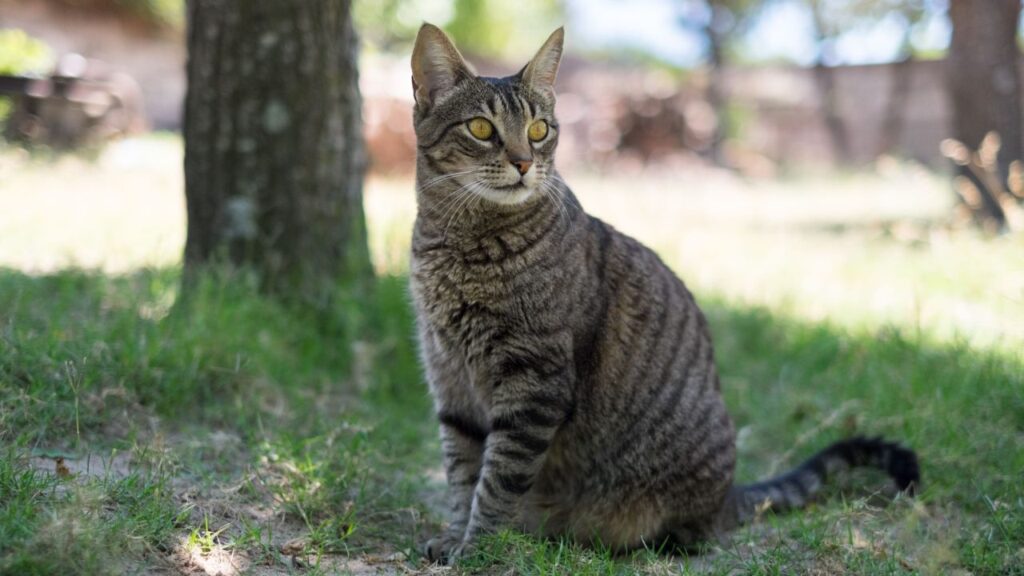
The Chausie, named after the Latin term Felis chaus for jungle cat, is a striking hybrid developed from crossings between wild jungle cats and domestic breeds like the Abyssinian. With large, high-set ears, a lean, muscular frame, and a short, dense coat in brown ticked tabby, solid black, or black grizzled tabby, this breed carries an exotic presence.
Heavy-Boned and Big-Footed
Bred to resemble its wild ancestor while maintaining a manageable temperament, the Chausie has a strong, athletic build supported by medium-to-large, oval-shaped paws. These sturdy feet give the cat steady balance and agility across different surfaces.
Though not as massive-footed as some northern breeds, the Chausie’s paws are notably large for a domestic cat. Their robust structure complements long, lean legs, helping them leap, climb, and explore with confidence.
Energetic yet even-tempered, this intelligent breed thrives in active households and enjoys interactive play. Interestingly, Chausie breeding programs use labels like F1 and F2 to indicate how closely a cat is related to its wild jungle cat ancestor.
9. Bengal
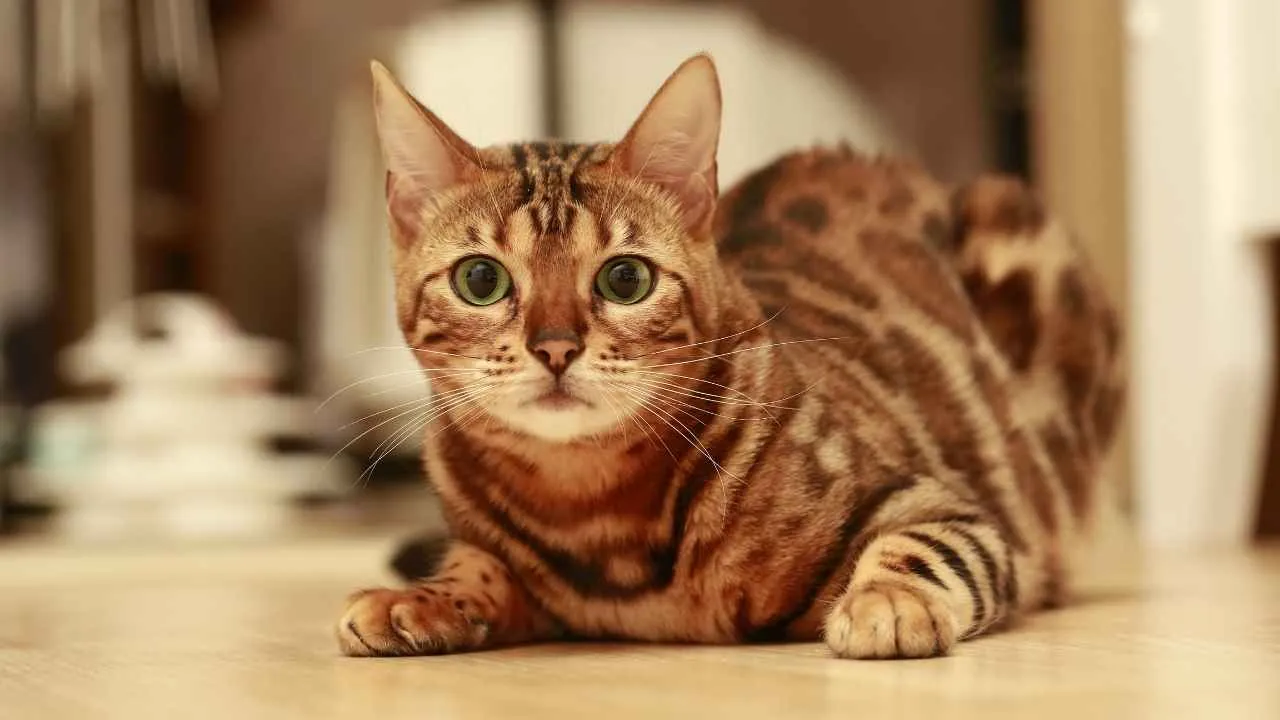
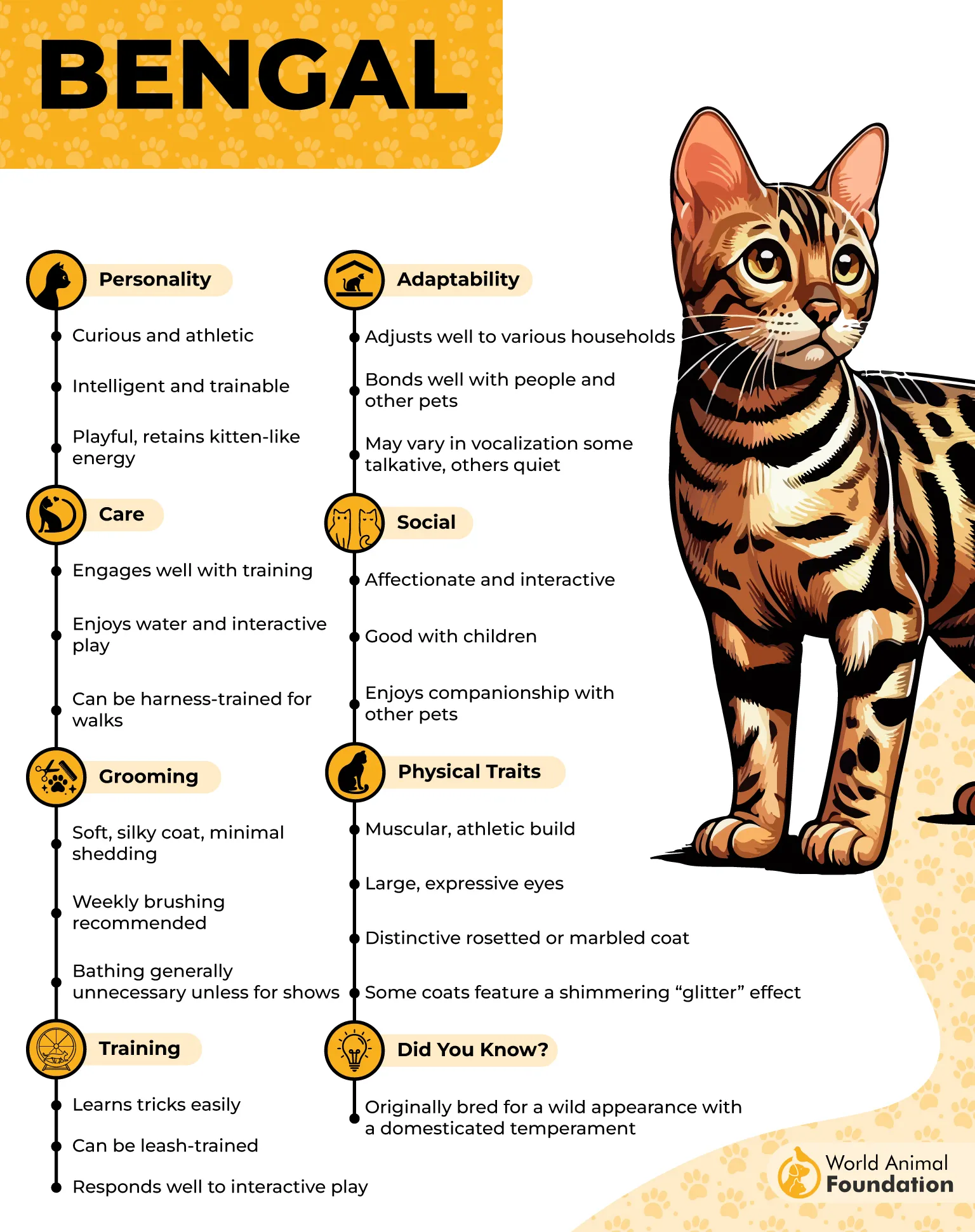
The Bengal, sometimes referred to as the Leopard Cat hybrid, is a striking short-haired breed developed from crosses between domestic cats and the Asian Leopard Cat. Its sleek, spotted coat and muscular frame reflect its wild ancestry, giving it a bold, exotic appearance.
Massive Paws with a Playful Personality
Unlike many other short-haired breeds, the Bengal boasts large, rounded paws that enhance its athletic build. These sturdy feet provide excellent grip and balance, supporting high jumps, swift turns, and confident climbing.
Inherited from its wild lineage, those oversized paws contribute to impressive agility and hunting skill. Whether scaling cat trees or exploring every corner of the house, the Bengal relies on a strong footing to fuel its endless curiosity and energetic play.
Highly intelligent and lively, this breed thrives on stimulation and interactive games. Interestingly, the Bengal was originally created by accident when a domestic cat was left near an Asian Leopard Cat, resulting in this uniquely pawed and adventurous feline.
Conclusion
From snowy forests to modern living rooms, large paws serve a real purpose in the cat world. Some breeds showcase how huge paws support balance, climbing, and hunting.
Broad front paws and sturdy hind paws help these large cat breeds move across snow, grip tree trunks, and power strong hind legs. In some cases, like polydactyl cats, extra fingers create mitten cats, thumb cats, or even a six-toed cat appearance, adding both function and charm.
Whether a tabby pattern, blue cream coat, pure white fur with a white chest, yellow eyes, a long tail, or just one paw slightly larger than the back paw, these traits captivate cat lovers.
From two kittens tumbling around the house to an extremely intelligent feline bonding with a little girl, oversized paws remain one of the most intriguing features in the feline world.
