




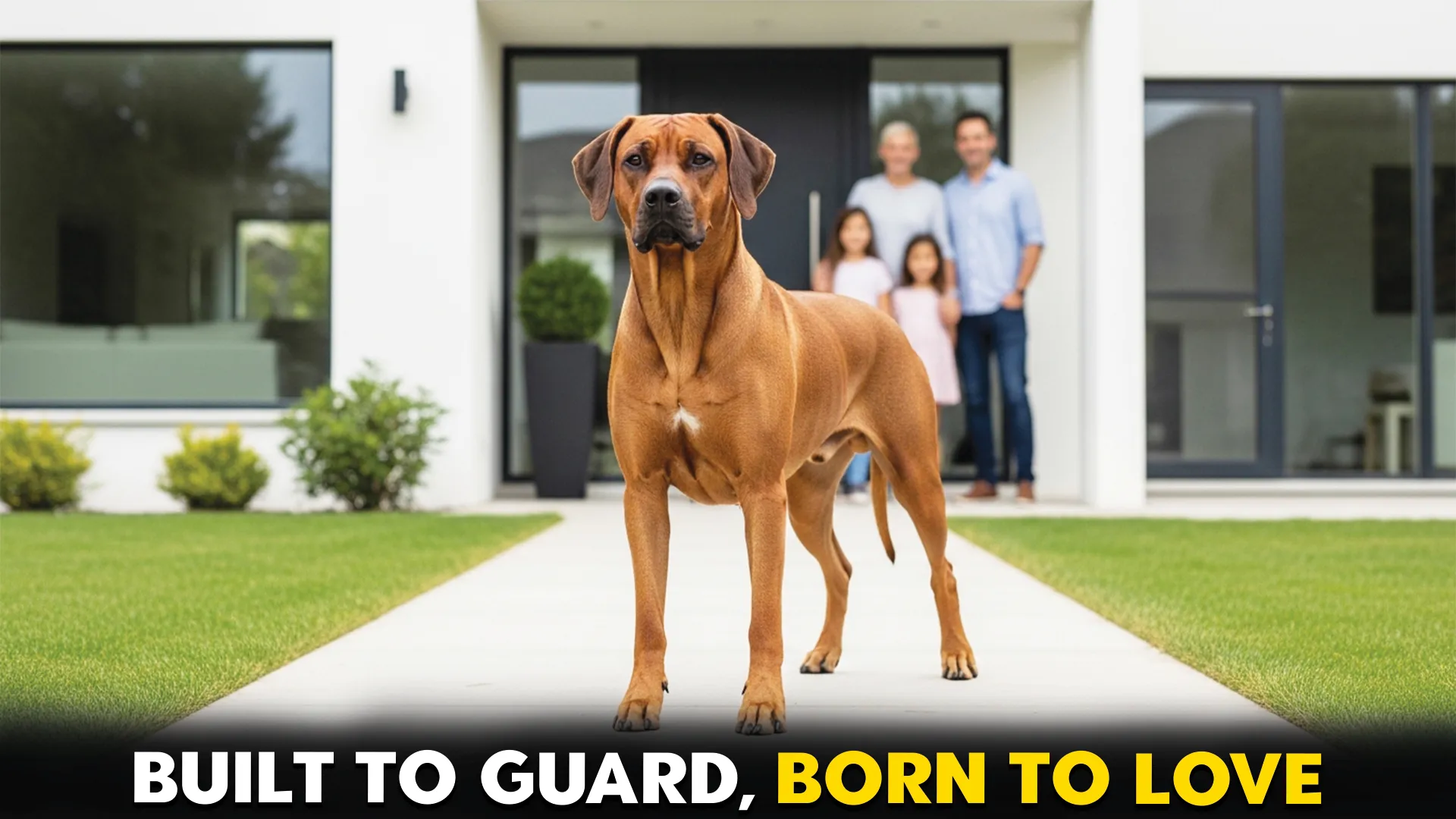
A home is more than four walls—it’s where your loved ones feel safe, comfortable, and at peace. For many families, adding a protective dog isn’t just about security; it’s about welcoming a loyal guardian who naturally watches over both property and people.
There’s something deeply reassuring about a loyal dog watching over your home.
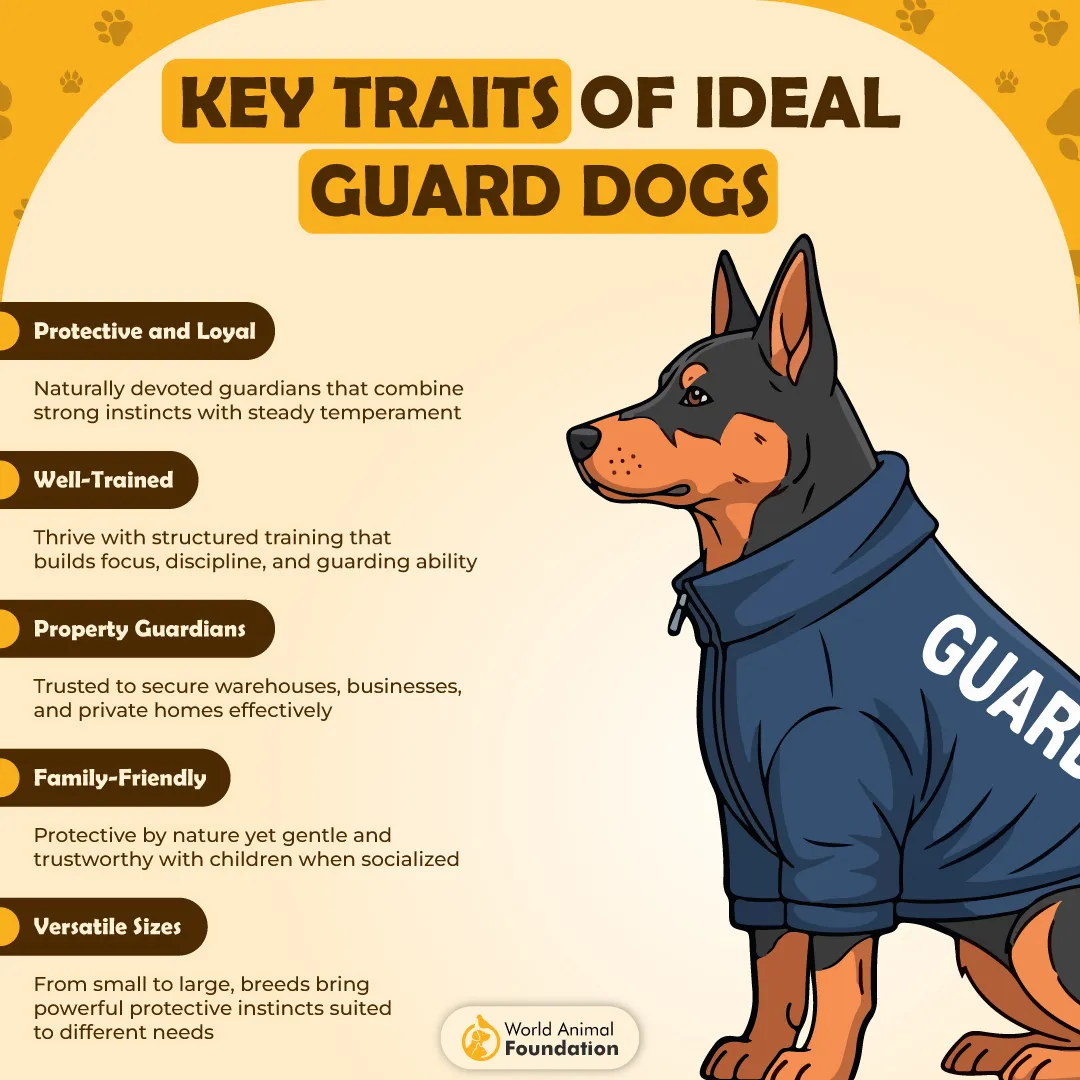
A protective breed doesn’t just guard walls and fences — they protect the people inside them. Throughout history, certain dogs have stood beside soldiers, farmers, police officers, and families as trusted guardians.
The best protective dog breeds combine intelligence, courage, and unwavering devotion. They are alert without being reckless, strong yet deeply affectionate with those they trust.
With proper training and socialization, these dogs become steady protectors who bring not only security but also companionship, confidence, and a powerful sense of reassurance to your home.
Let’s explore the best guard dog breeds known for protecting property and loved ones — and what makes each one so special.
Best Dog Breeds to Protect Your Property and Loved Ones
1. Doberman Pinscher
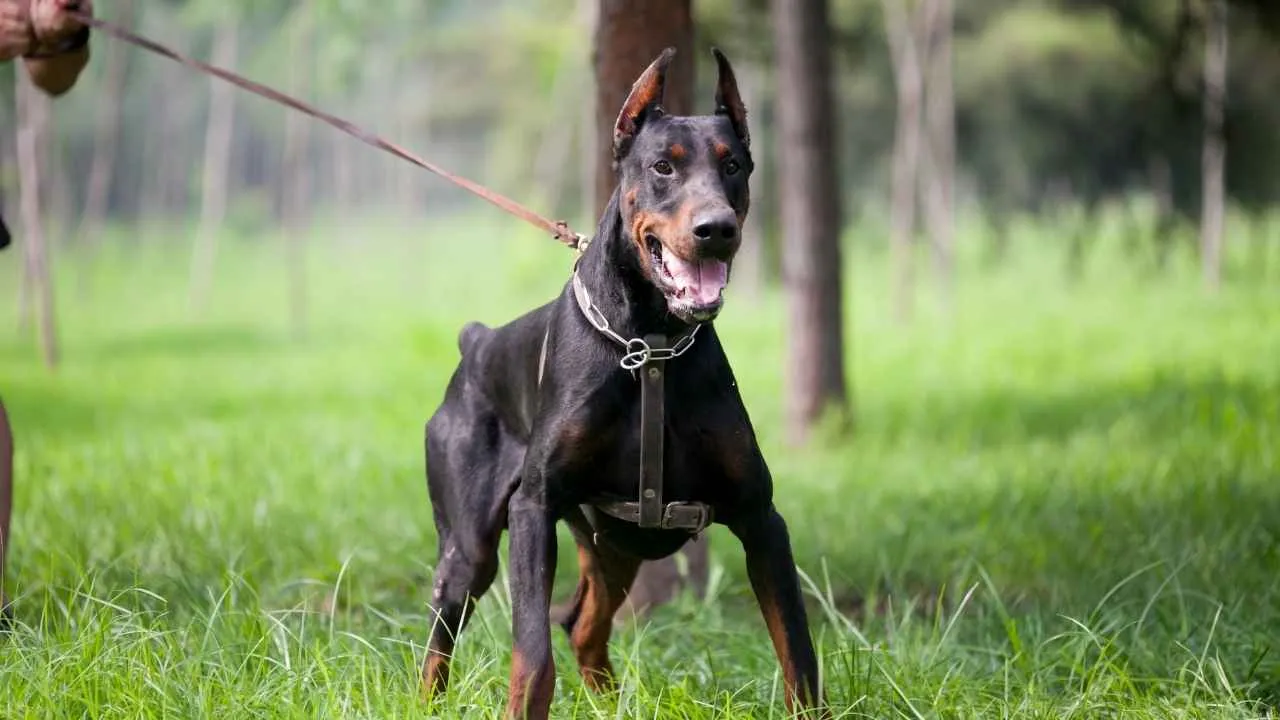
The Doberman Pinscher was developed in Germany in the late 1800s by Karl Friedrich Louis Dobermann, a tax collector who wanted protection during his rounds. The result was a sleek, muscular, lightning-fast guardian with a sharp mind.
Adult males can weigh up to 100 pounds, combining athleticism with elegance. Their imposing stance alone is often enough to deter intruders.
They are ranked among the top five most intelligent dog breeds. That intelligence makes them highly trainable and exceptionally responsive to structured obedience programs. Police and military forces around the world have relied on them for decades because of their quick decision-making skills.
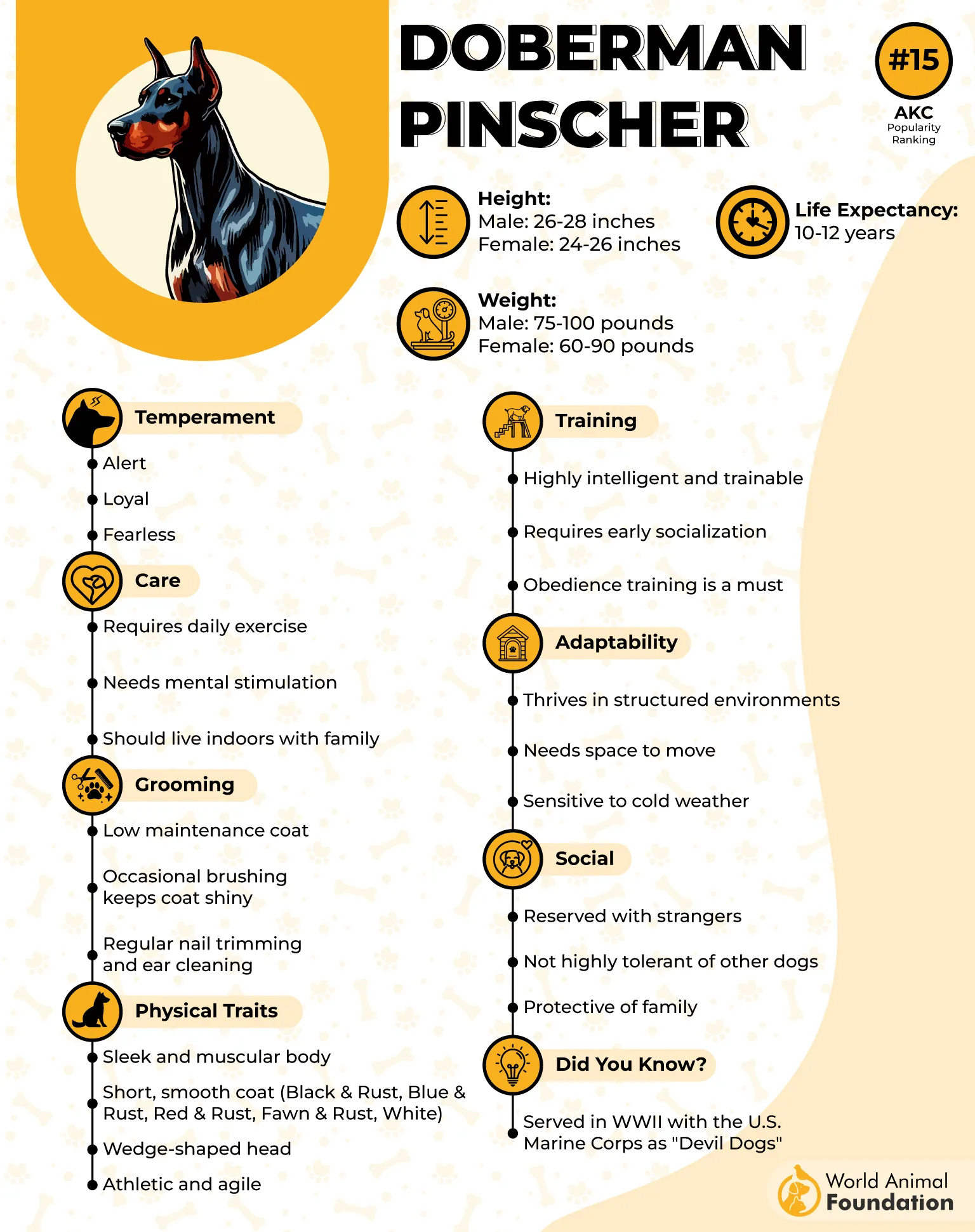
According to PetMD, what makes them popular guard dog breeds is that they’re not just alert; they’re incredibly perceptive. This breed has an uncanny ability to read subtle human body language and emotional shifts.
One fascinating trait is their ability to read human body language. They are incredibly perceptive and often respond to subtle emotional cues from their owners. Many owners swear their Dobie just knows when something feels off.
Despite their fierce reputation, these great guard dogs are affectionate and gentle with family members. With consistent training and early socialization, a Doberman becomes both a loving companion and a confident protector.
2. Rhodesian Ridgeback
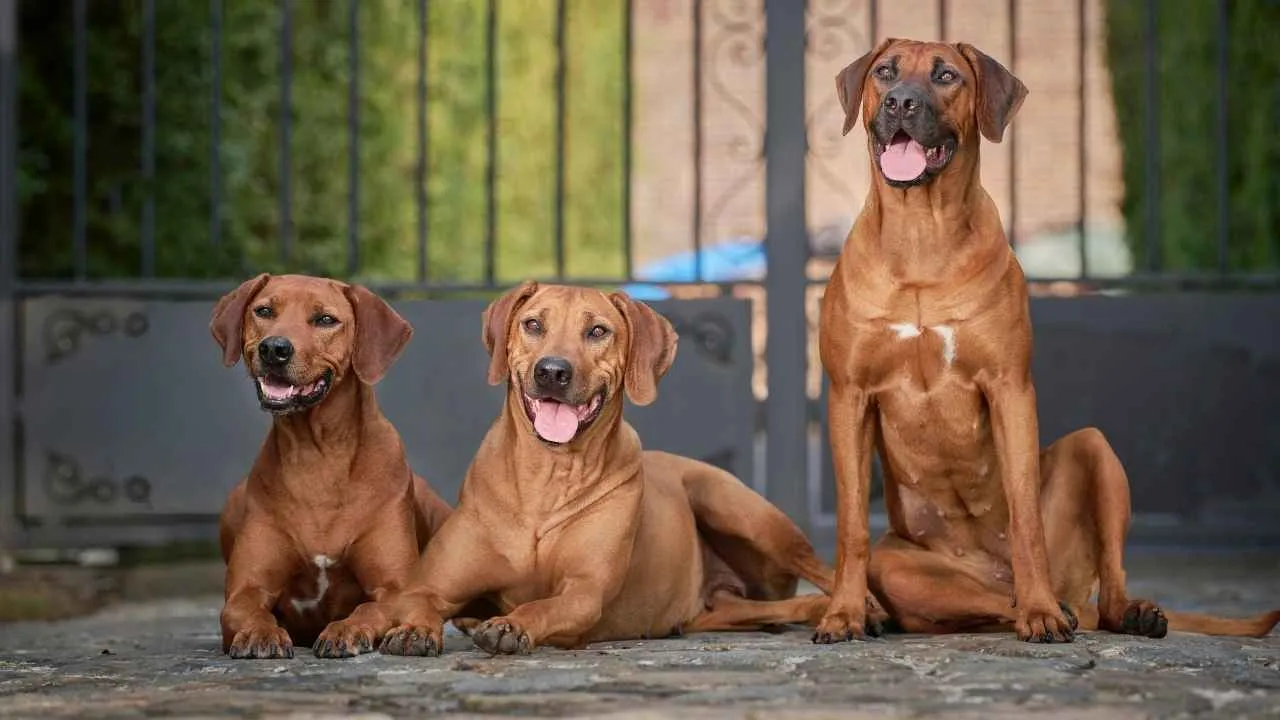
The Rhodesian Ridgeback originated in southern Africa and was famously used to hunt lions — not by attacking them, but by tracking and holding them at bay. The breed’s distinctive ridge of backward-growing hair along its spine sets it apart.
Ridgebacks are strong-minded and naturally protective. They bond deeply with their families and will stand their ground if they sense a threat. Unlike some guard breeds, they tend to be reserved rather than overly vocal.
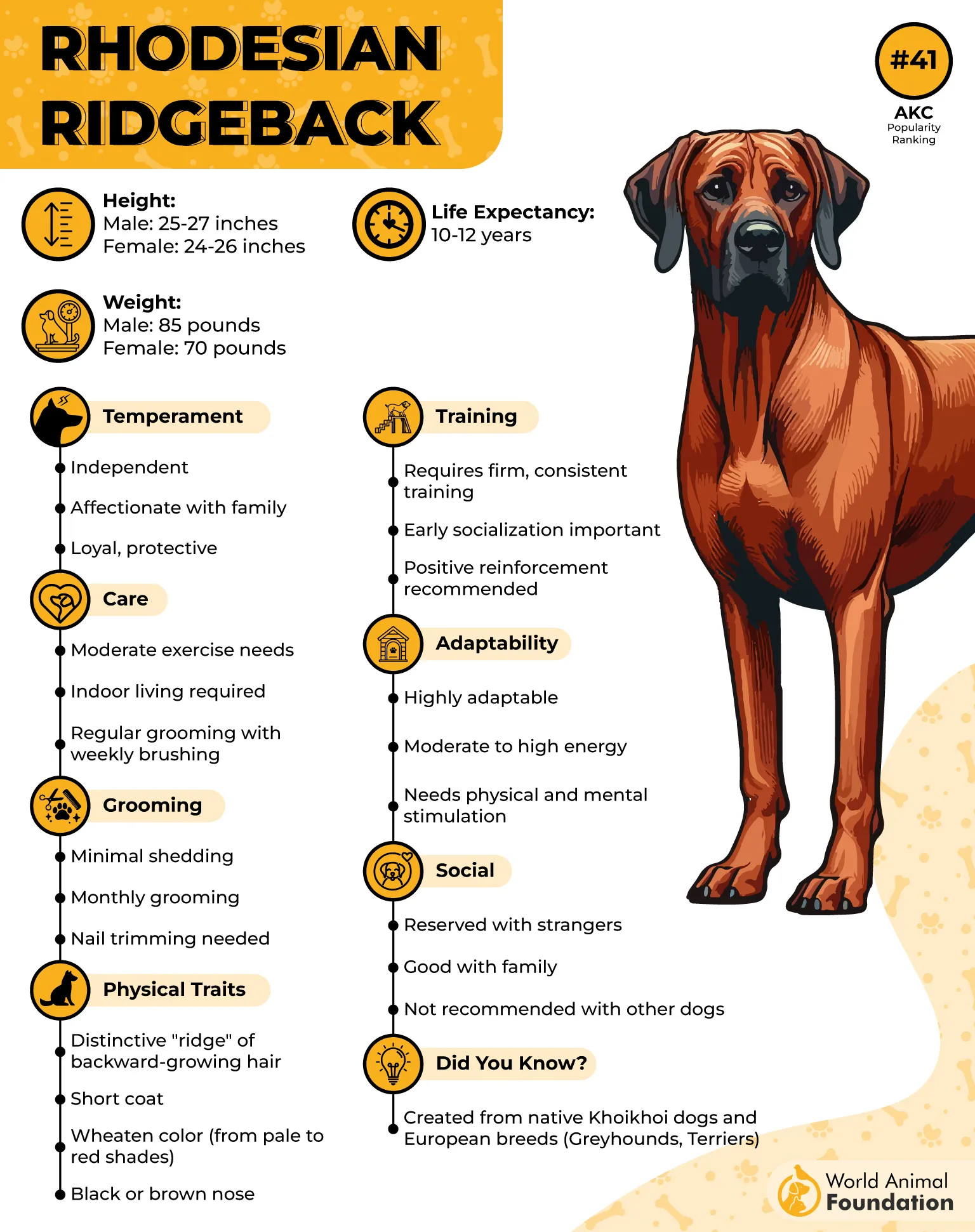
Purina says that these dogs require early training and socialization. An untrained adult Ridgeback can be stubborn and difficult to manage due to its independent streak. Puppy obedience classes are strongly recommended.
They form deep bonds with their families and are incredibly devoted. At the same time, they are independent thinkers, which makes them resilient and adaptable. This balance of loyalty and self-reliance creates a dog that is both affectionate at home and strong-minded enough to protect when necessary.
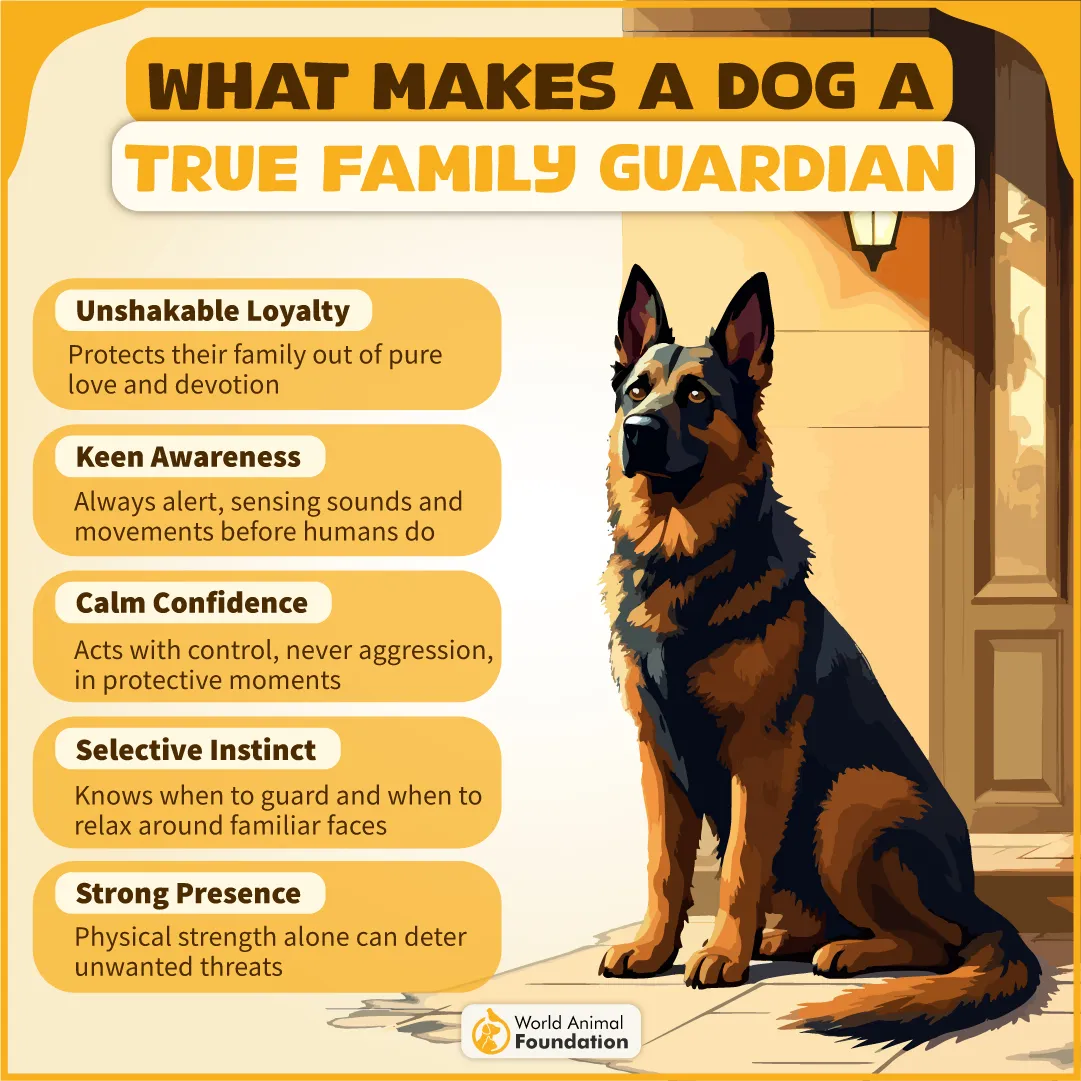
They are athletic, with moderate energy levels, and adapt well to daily exercise. Interestingly, you don’t have to teach them to protect; it’s already in their instincts.
3. Giant Schnauzer
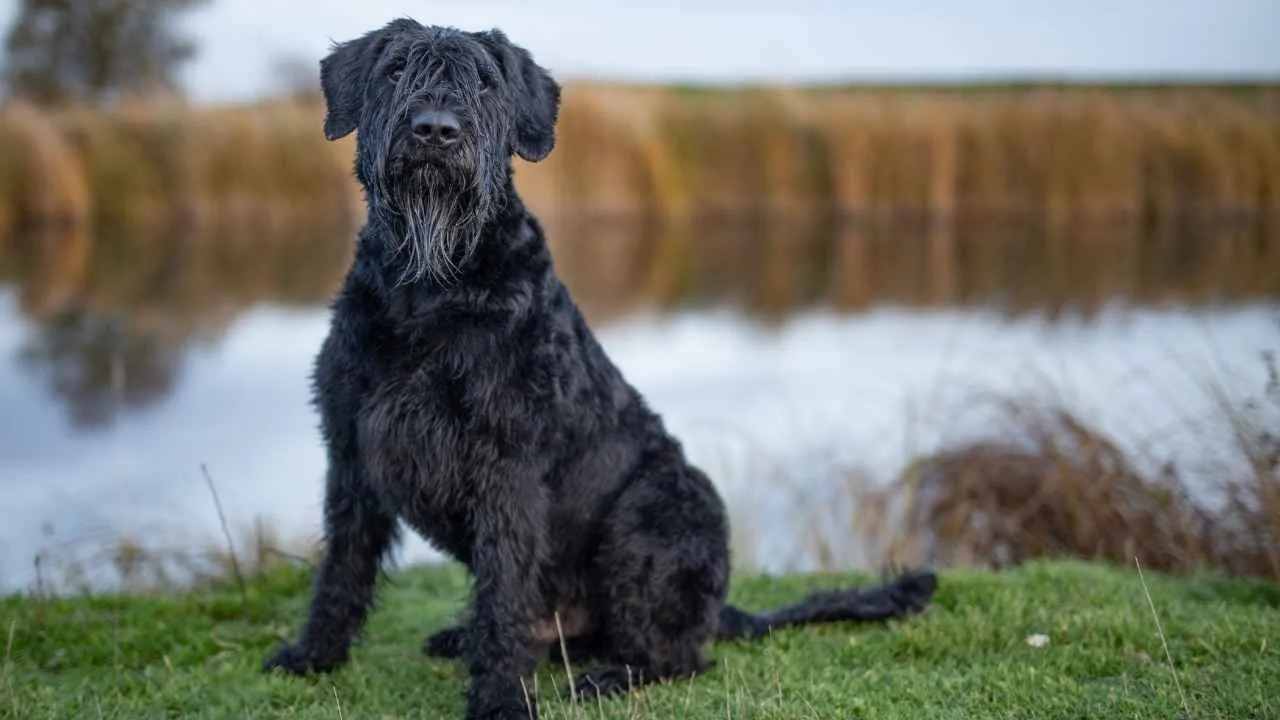
Originally bred in Germany to drive cattle and guard breweries, the Giant Schnauzer is a true working dog. They combine power with endurance. Their imposing eyebrows and beard give them a commanding presence.
Guarding runs deep in their genetic history. They have served as police and military dogs and were once trusted to haul carts and protect property. Their territorial instincts remain strong today.
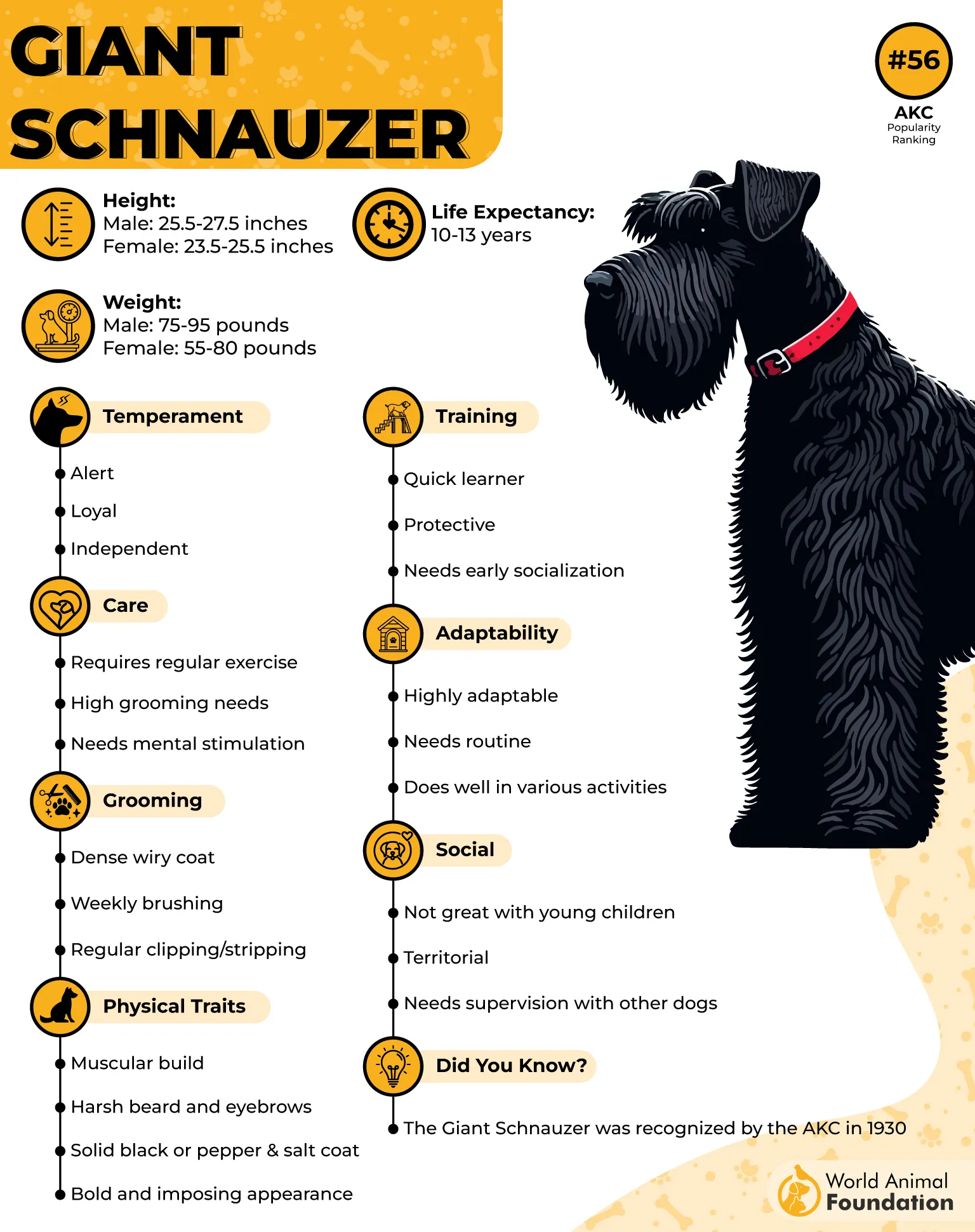
This breed is highly intelligent and needs daily exercise and mental stimulation. Puzzle toys, scent games, obedience training, agility courses, and advanced commands keep their minds sharp. They excel in dog sports like Schutzhund, tracking, and agility because they love structured challenges.
Exercise is essential for this breed, according to the AKC. A bored Giant Schnauzer can become destructive or high-strung. Long hikes, agility training, jogging, and structured tasks keep them balanced and content.
They bond closely with their families and are intensely loyal. While intimidating to strangers, they are playful and affectionate at home when properly trained.
This breed thrives in rural or suburban environments rather than cramped city living. With the right owner, they become confident, disciplined guardians.
4. Cane Corso
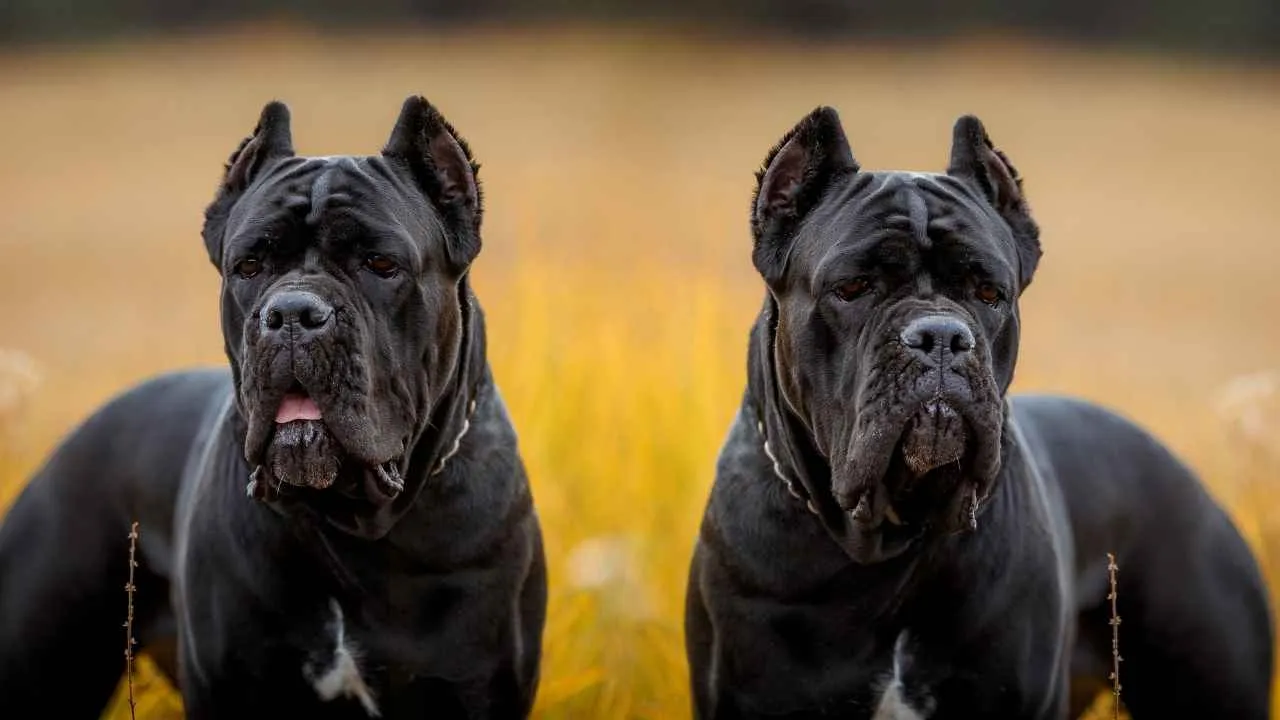
The Cane Corso descends from ancient Roman war dogs and was historically used to guard estates and livestock in Italy. This powerful breed can weigh up to 120 pounds and has an unmistakable muscular frame: their large head and alert expression project authority.
These excellent guard dogs are defensive guardians rather than aggressive instigators. They won’t seek trouble, but they will not hesitate to protect their territory. Their presence alone is often enough to deter intruders.
This breed bonds intensely with its household. A Cane Corso doesn’t just live with you — it attaches to you. They are highly attuned to their owner’s emotions and often position themselves physically between their loved ones and strangers.
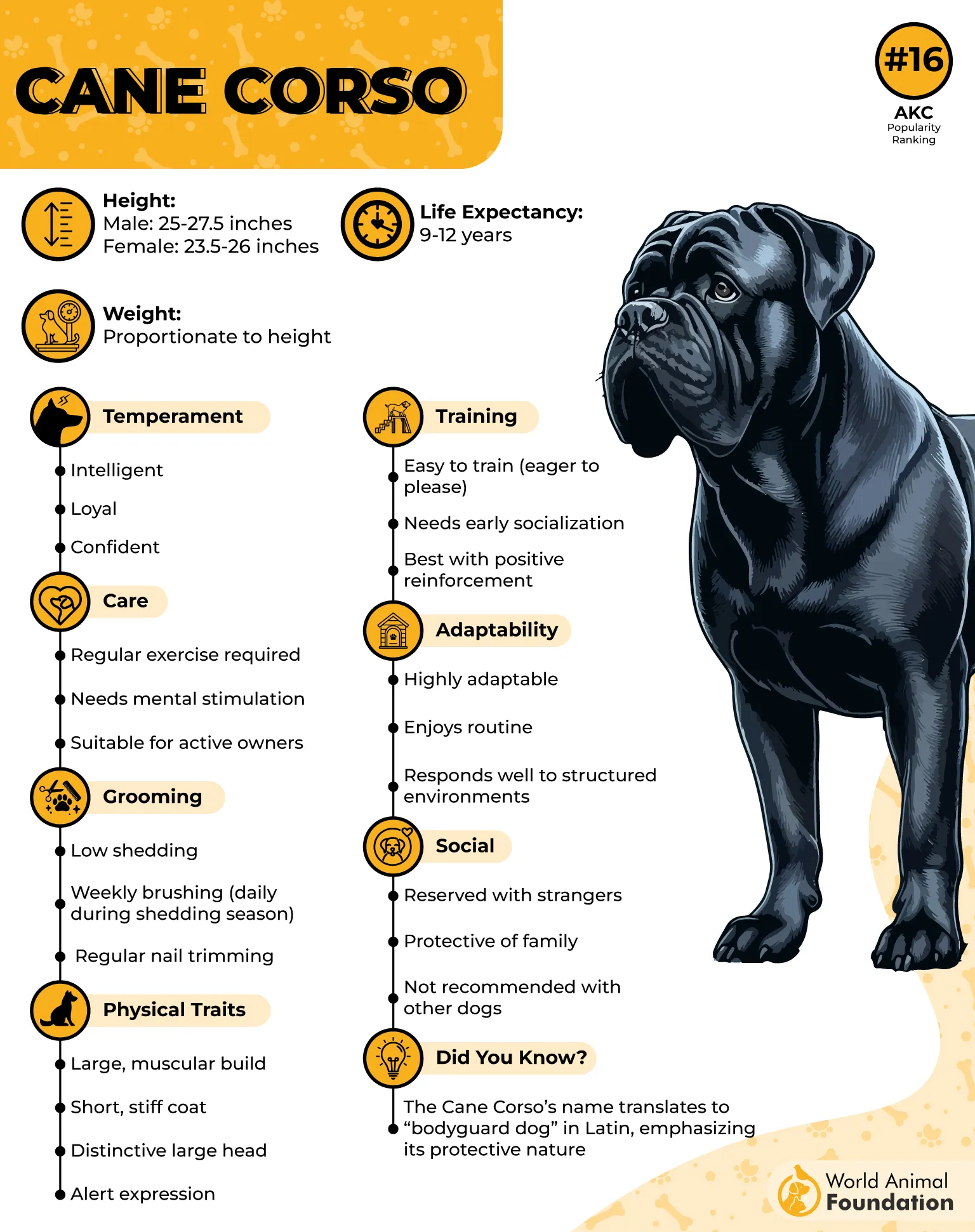
They are deeply attuned to their owners’emotions. Many owners describe a strong, almost intuitive bond with their Corso. However, this emotional depth requires responsible training. Early socialization and firm leadership are crucial. This breed needs clear boundaries and consistent guidance from an experienced owner.
Though powerful, these protection dogs are not inherently aggressive. With proper structure, they become loyal, calm, and formidable protectors.
5. Akita
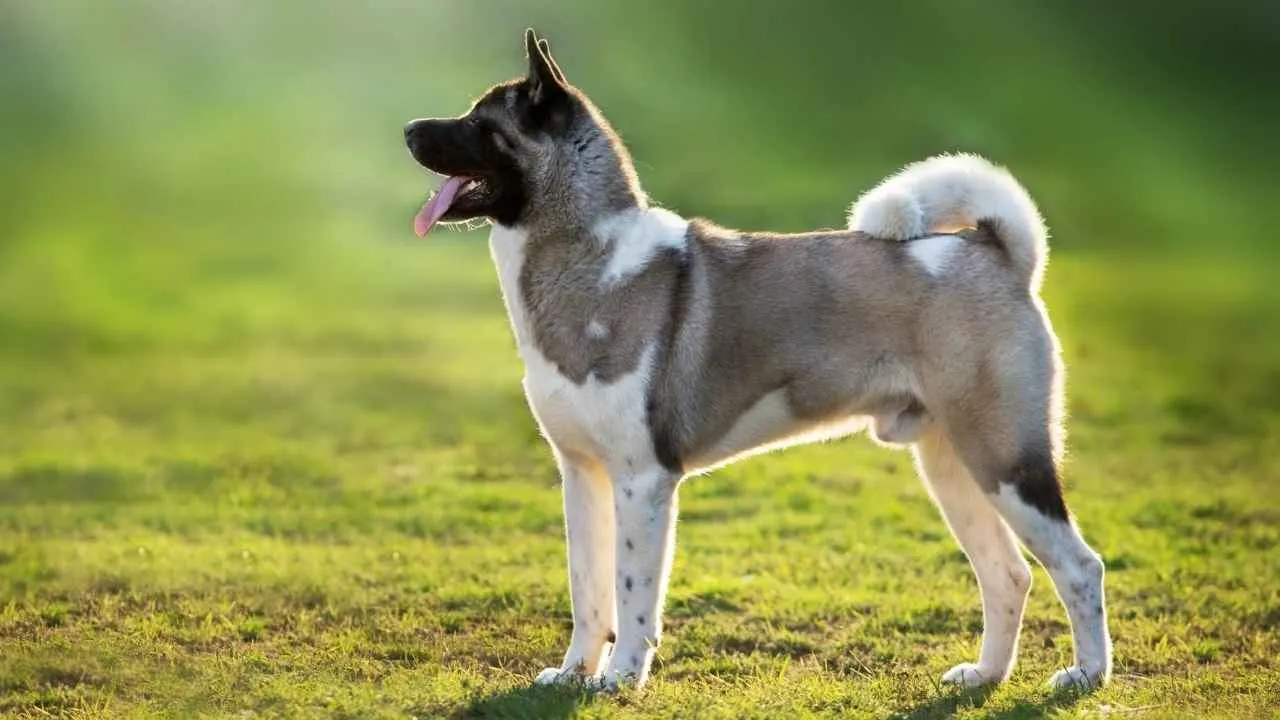
The Akita originates in northern Japan and was historically used to guard homes and hunt large game, such as deer and bears. In Japan, the Akita symbolizes loyalty and courage.
They are naturally protective and will position themselves between their family and perceived danger. Around 12–18 months of age, their guarding instincts often become more noticeable.
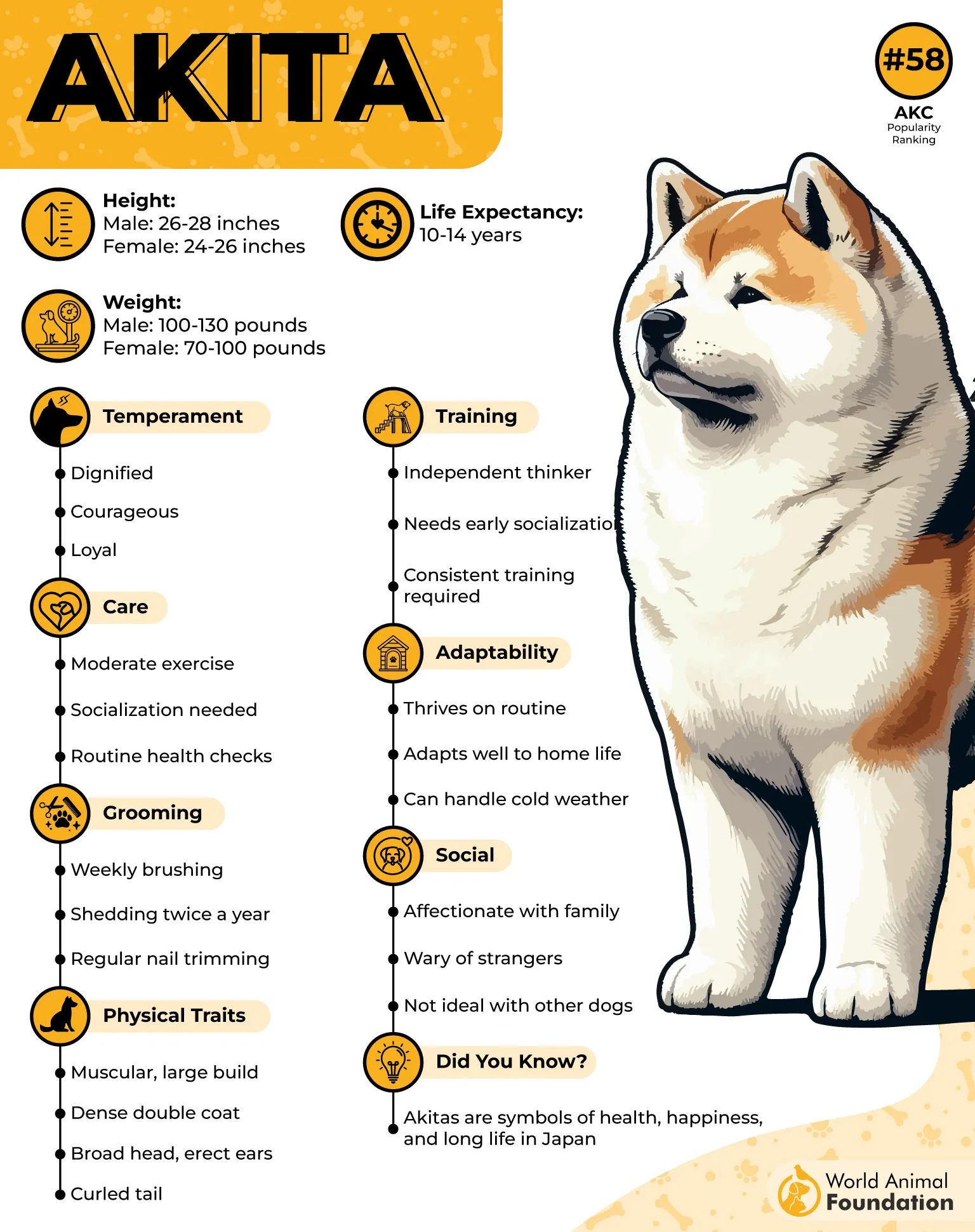
One of the most noticeable traits of these dogs is their tendency to position themselves between their family and something unfamiliar.
Around 12–18 months of age, PDSA reports that many Akitas begin to show stronger territorial and guarding behaviors as they mature. Despite this dog’s natural protective instincts, it is not typically an excessive barker.
Instead, it observes quietly and reacts only when it believes iit’snecessary — a sign of a confident, natural guardian.
They are independent thinkers and strong-willed. They require consistent training and early socialization to thrive in a family setting. Experienced owners are best suited for this breed.
They are not excessive barkers but are alert and observant. Their thick double coat makes them better suited for cooler climates.
Loyal to the core, the Akita is unwavering once bonded to its family.
6. German Shepherd
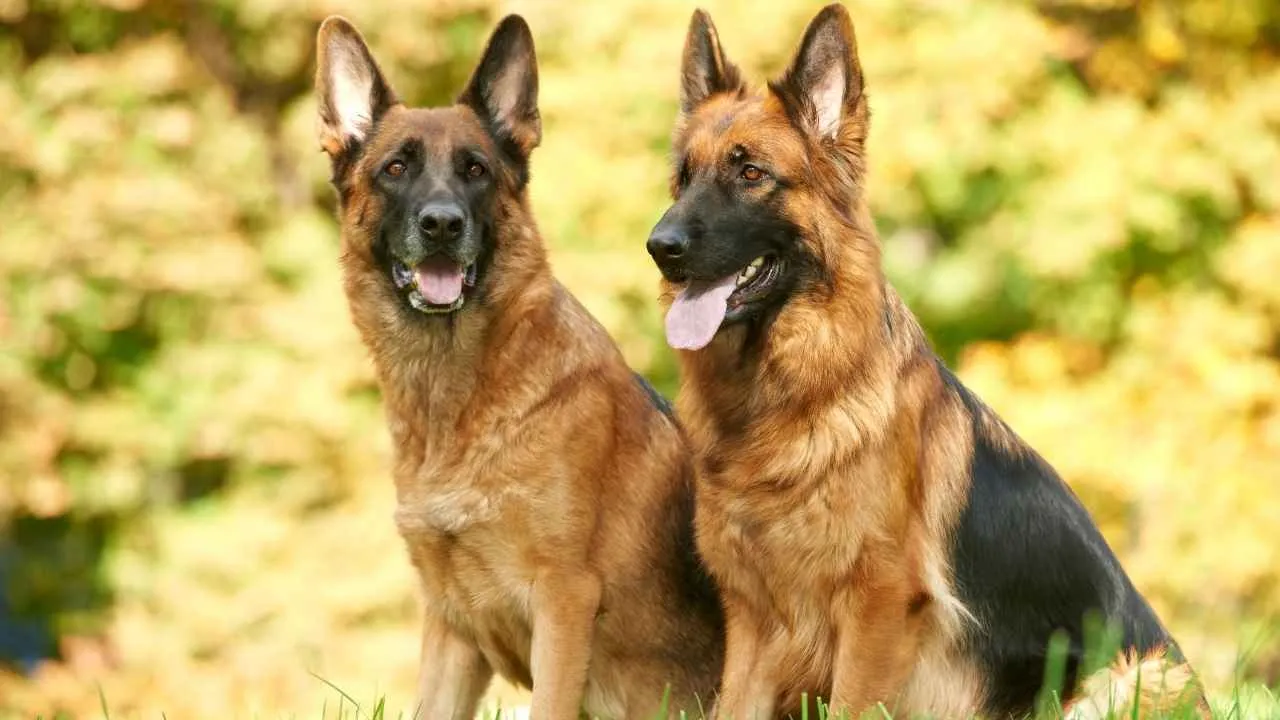
Few breeds are as iconic in protection work as the German Shepherd. Developed in Germany in 1899, they quickly became favorites for military, police, and search-and-rescue roles. The German Shepherd dogs combine speed with agility.
They are intelligent, fearless, and incredibly trainable. They excel at obedience and can quickly distinguish friends from strangers. This makes them dependable family guardians.
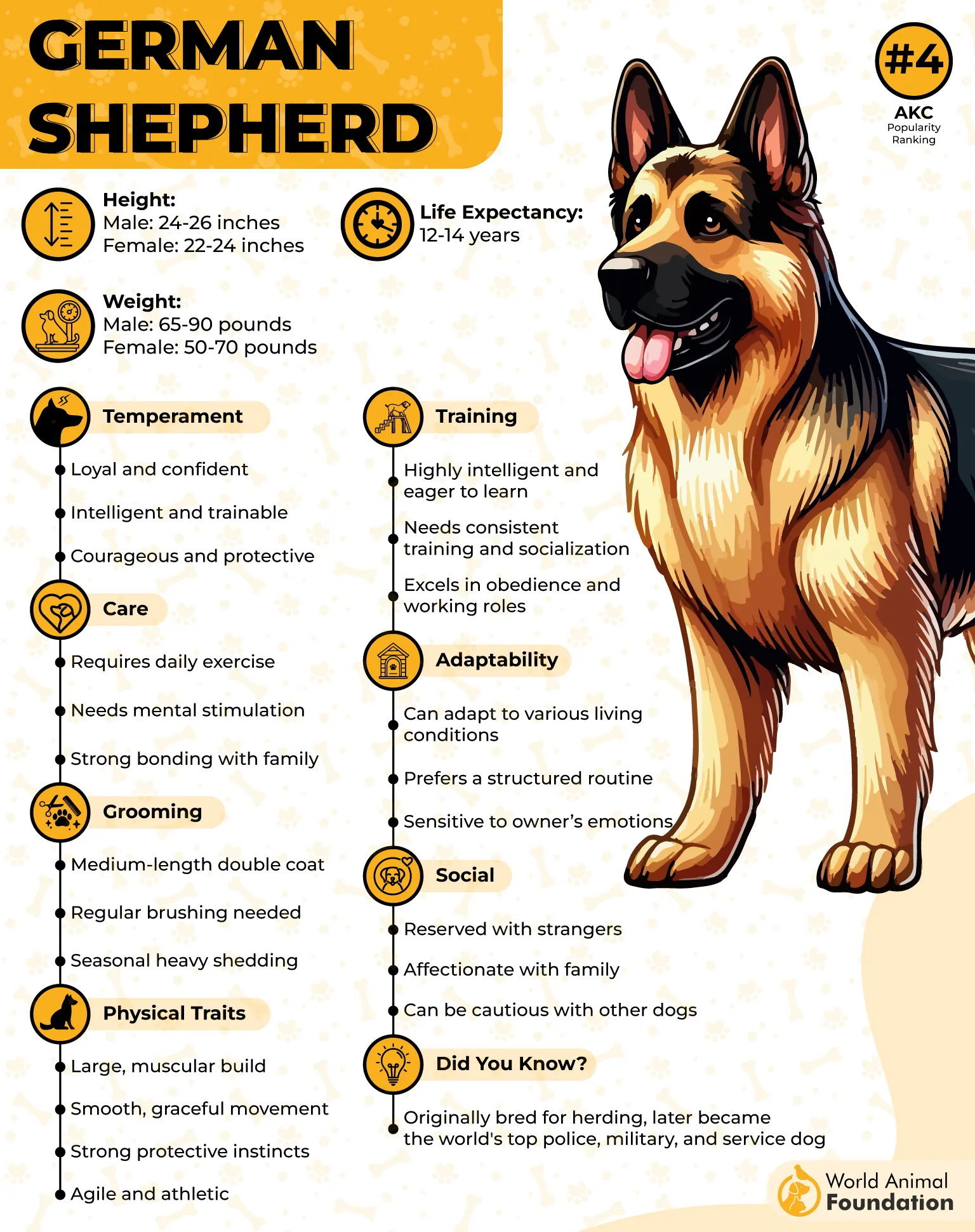
They are naturally territorial and protective, as per PetPlan. Walking them along property boundaries helps reinforce their sense of territory. Proper training ensures their instincts are channeled safely.
This breed is intelligent and eager to please, but they need consistent, firm, positive training from an early age. A poorly trained German Shepherd can become difficult to manage.
They form strong bonds with children and family members. With guidance, they balance gentleness at home with alert vigilance outside. Their physical strength and mental sharpness make them one of the most versatile guard dogs in the world.
7. Rottweiler
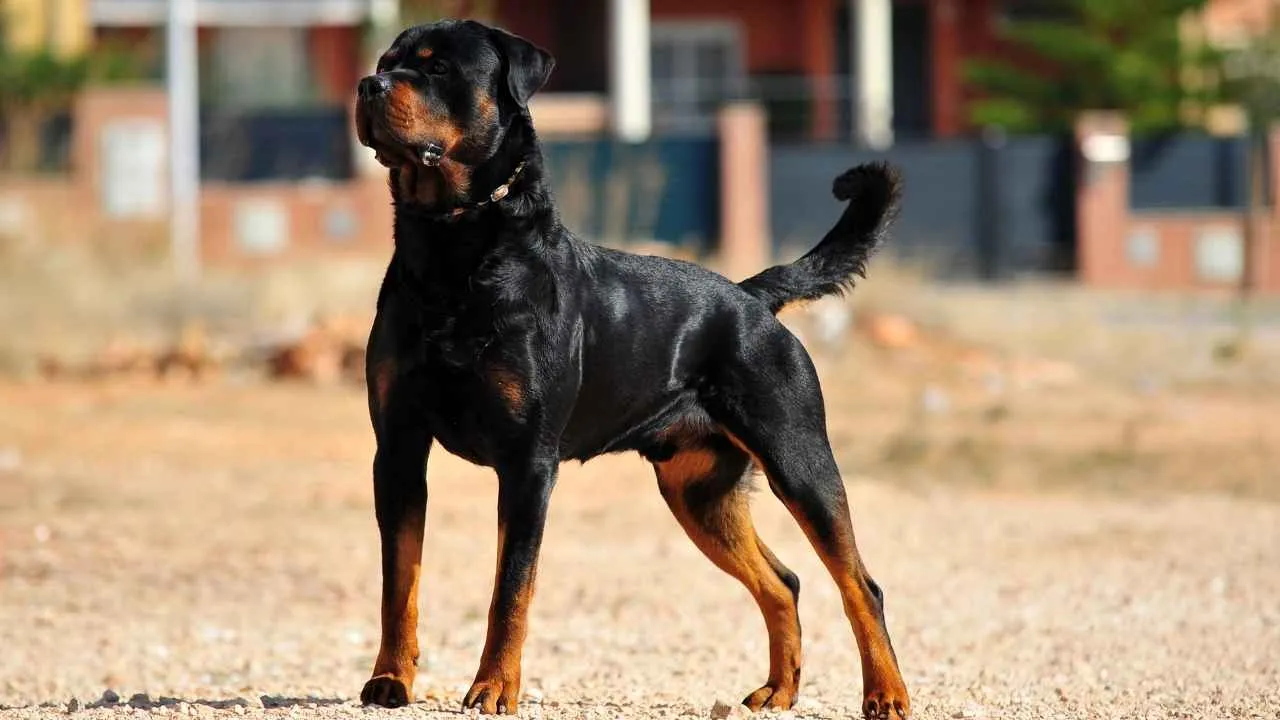
The Rottweiler descends from Roman mastiffs used to drive cattle and guard camps. Today, males can weigh over 100 pounds and possess a bite force of approximately 328 PSI. Their robust build and confident demeanor command respect.
They have been bred for guarding for centuries. Their natural guarding instincts and loyalty to family are unmatched, and they naturally protect their home environment. They are particularly effective deterrents against intruders.
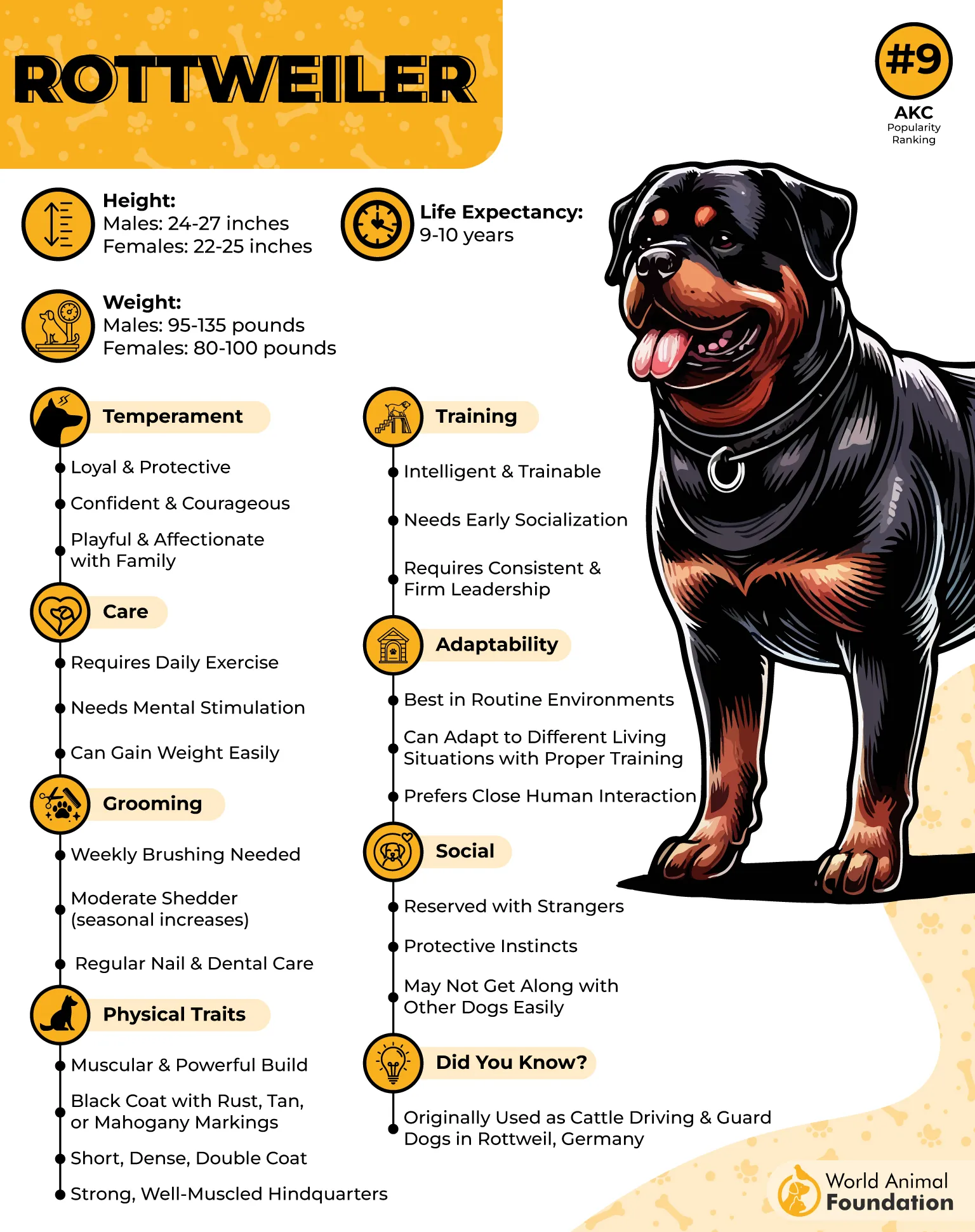
Despite their tough exterior, they are affectionate and playful with loved ones. They can serve as therapy dogs, service dogs, and obedience champions in addition to guardians. Their strong guarding instinct makes them excellent family protectors.
However, a well-bred, properly trained Rottweiler should be confident and controlled—not reactive or unpredictable.
Training and responsible ownership are essential. With proper guidance, they become steady, confident protectors rather than reactive dogs. Within the family circle, they are gentle companions. Outside of it, they maintain a calm but watchful aloofness.
Conclusion
Choosing a protective dog is about more than strength — it’s about partnership. These breeds have spent centuries working alongside humans, guarding farms, homes, and even entire armies. But with that power comes responsibility.
Staffordshire Bull Terriers and Belgian Malinois are also family pets known for being natural guard dogs.
Proper training, socialization, and exercise are essential for any guard breed. When raised with structure and love, these dogs become not only protectors but devoted family members. In the right hands, they offer both security and an unbreakable bond that lasts a lifetime.
