




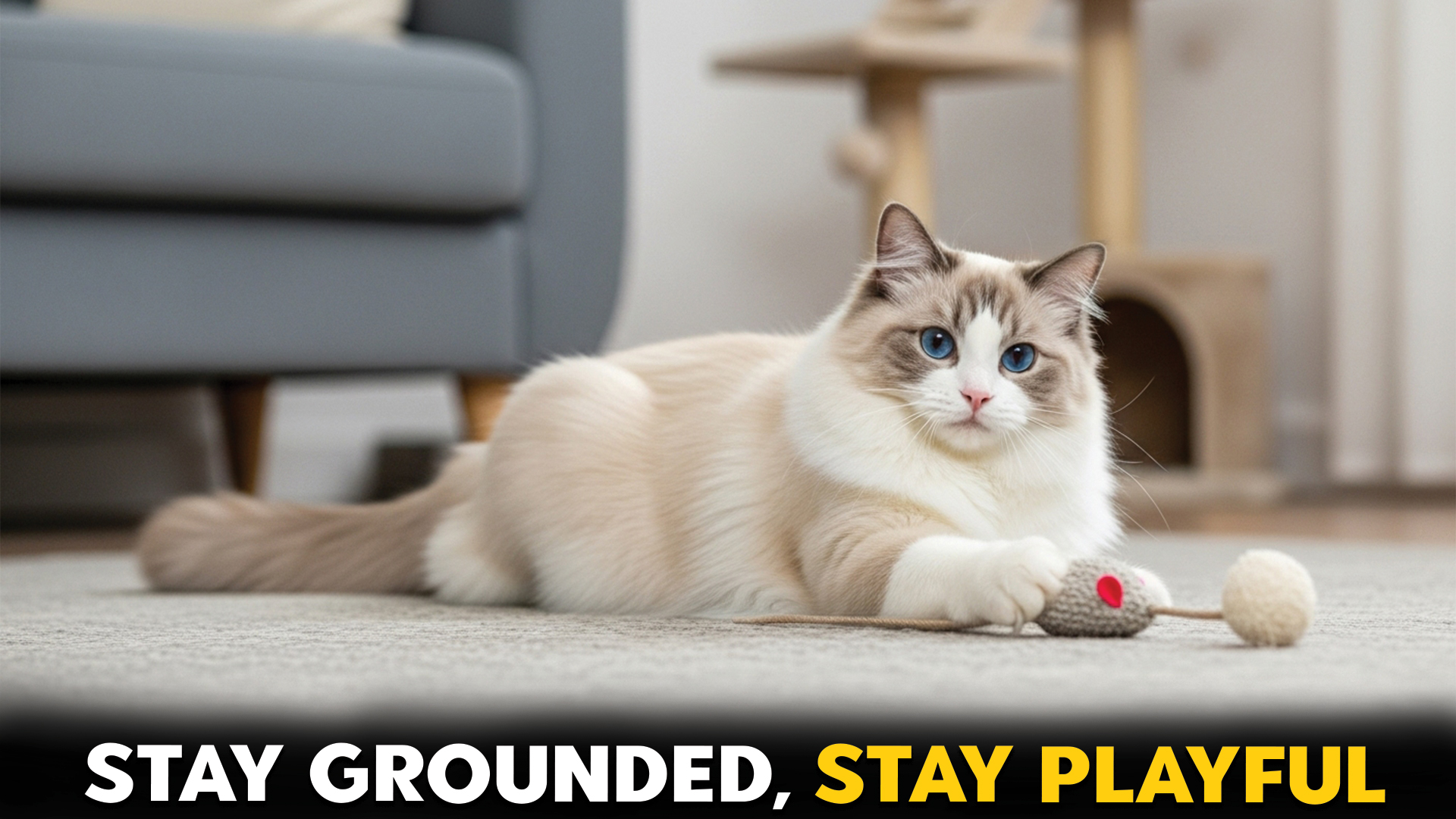
Cats are famous for their agility, but not every feline feels the urge to scale shelves or perch at the highest point in the room. Some cat breeds are far more content keeping all four paws on the ground, preferring games that unfold across the floor rather than vertical adventures.
Stockier builds, heavier frames, or naturally calm temperaments often make floor-focused play more appealing than climbing. While vertical play styles suit athletic jumpers, grounded cats thrive on slow chases, interactive floor toys, and relaxed exploration within their immediate space.
Understanding floor-focused play versus vertical play styles can help cat owners create a more fulfilling environment. Choosing the right toys, play routines, and layouts ensures these cats stay mentally engaged without pressure to climb.
In this article, we’ll explore cat breeds that favor floor play and uncover what makes their grounded approach just as enriching and enjoyable.
Cat Breeds That Prefer Floor Play Over Climbing
1. British Shorthair
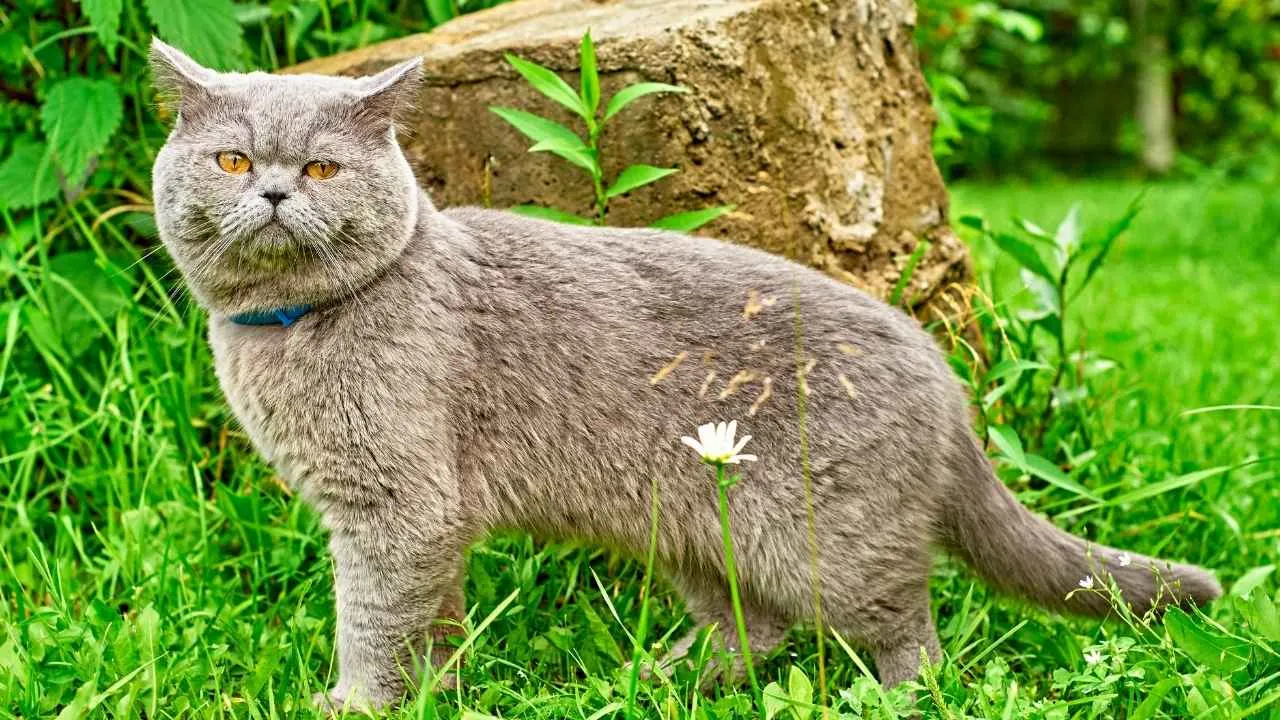
The British Shorthair, sometimes linked to its Roman-era roots and famously inspiring the Cheshire Cat, is a sturdy, plush-coated breed from Great Britain. With its round face, copper or gold eyes, and dense coat, it has a calm, grounded presence that suits relaxed homes.
According to Britannica, the British Shorthair is a cat breed noted for its strength, naturally good health, and tendency to sleep frequently.
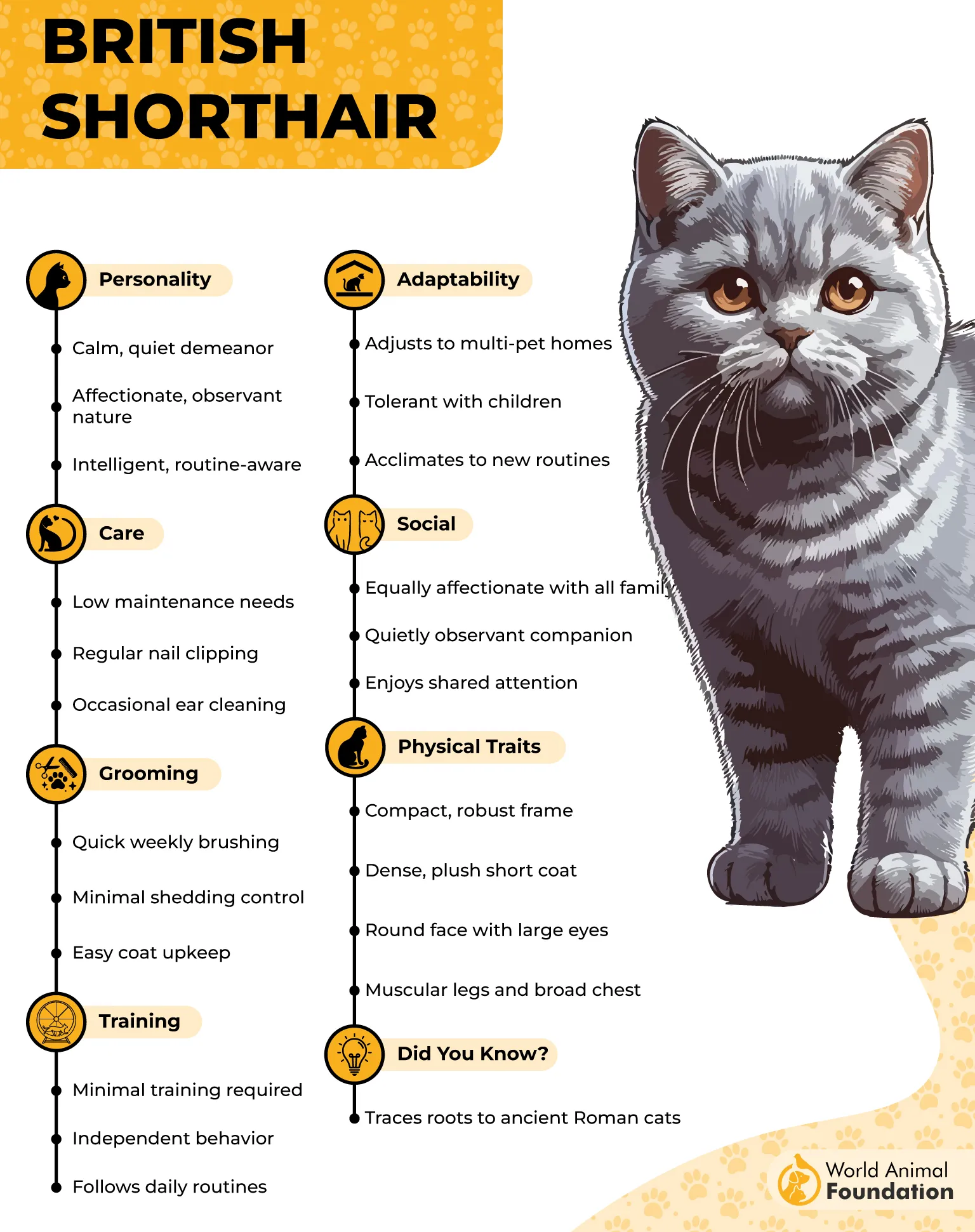
Thanks to its stocky build and shorter legs, this breed prefers floor-based play over climbing. British Shorthairs enjoy gentle bursts of activity, such as batting toys across the floor or slow-paced chasing games, rather than leaping onto high surfaces.
Their balanced, low-energy temperament means they’re content observing their surroundings and engaging when the mood strikes. Instead of scaling cat trees, they favor interactive toys that slide, roll, or move close to the ground, matching their measured play style.
Affectionate without being demanding, British Shorthairs enjoy companionship while still valuing personal space. Their relaxed nature makes them ideal for quieter households where play happens on their terms, often right at floor level.
Fact: British Shorthair males typically weigh between 11 and 20 pounds, while females range from 7 to 14 pounds.
2. Persian
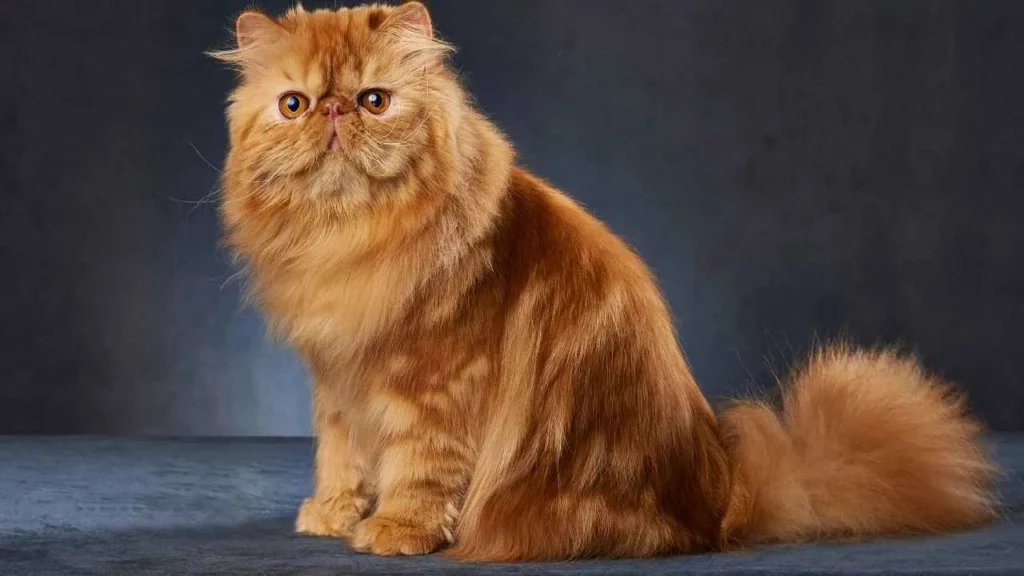
The Persian, sometimes called the Iranian cat, is a long-established breed known for its round face, copper eyes, and flowing coat.
According to PetMD, Persians are referenced in historical Persian records as “the long-haired beauties.” With a stocky body and short legs, this medium-to-large cat is built more for comfort than climbing.
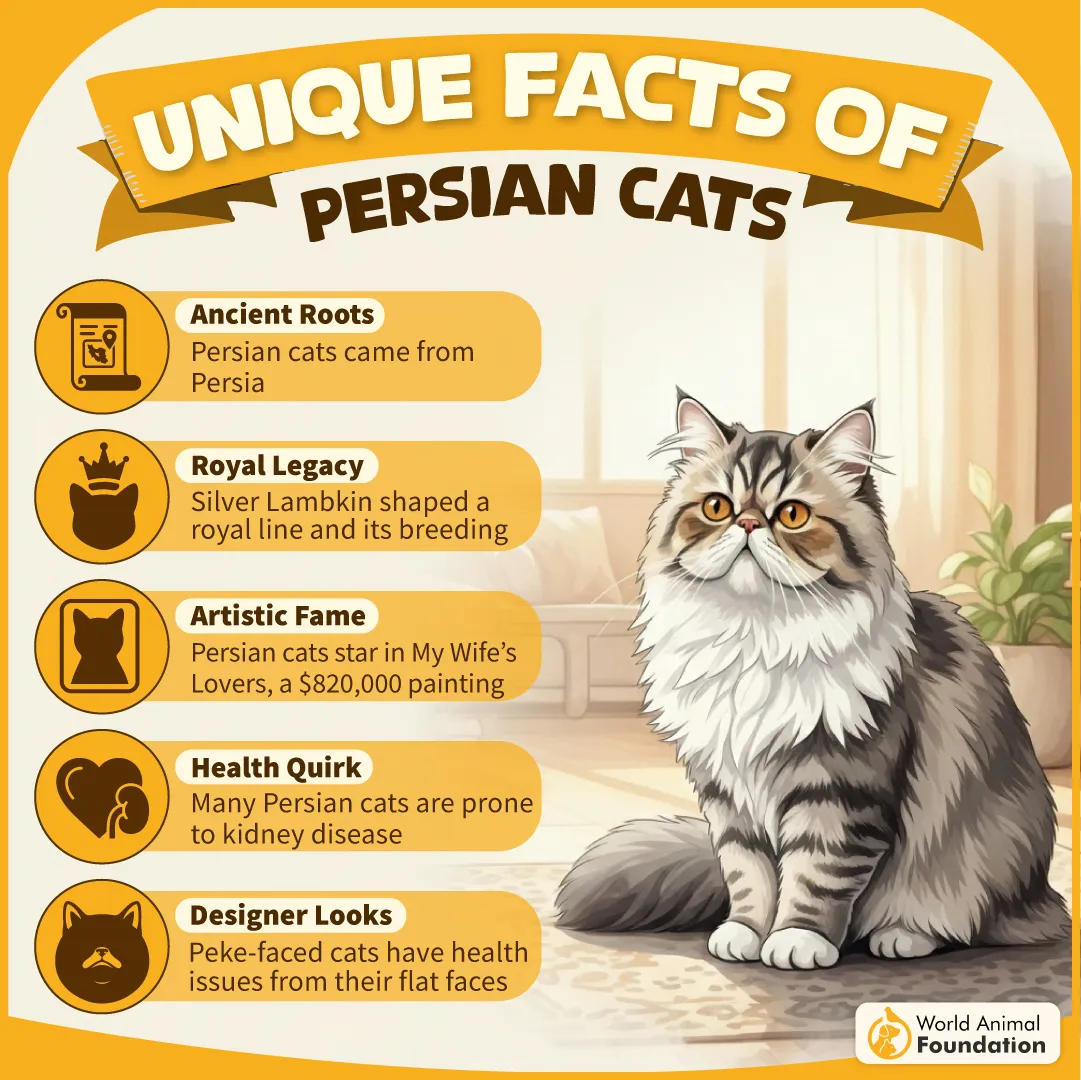
Persians naturally gravitate toward floor-level play, preferring slow, deliberate movements over vertical leaps. Their sturdy physique and calm temperament make chasing toys across rugs or lounging while batting at nearby objects far more appealing than scaling furniture.
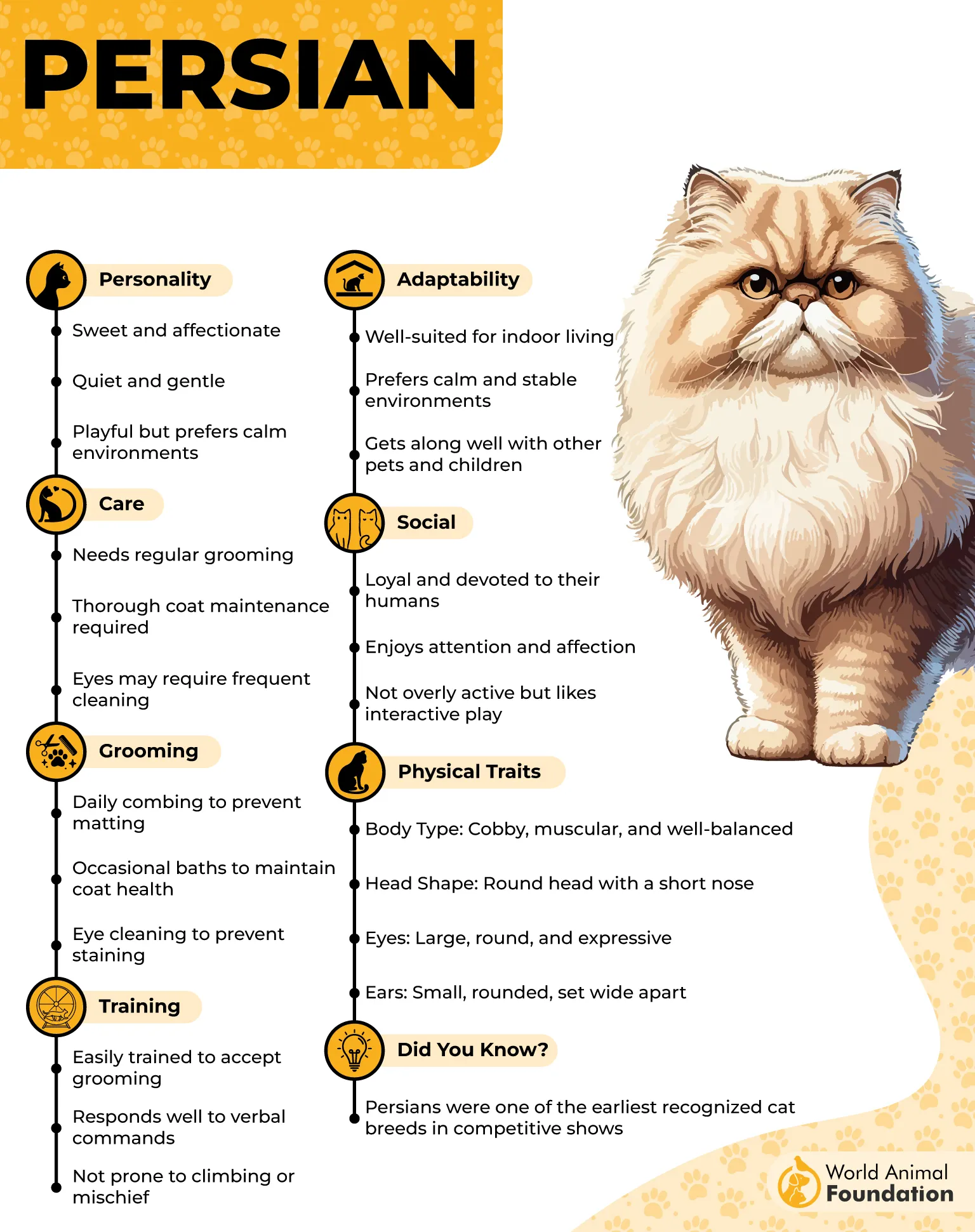
As a ground-focused hunter, the Persian enjoys observing its surroundings from low vantage points, often sprawling comfortably while keeping watch. Interactive floor toys suit them well, allowing gentle engagement without the strain of jumping or climbing.
This breed thrives in quiet indoor spaces where play remains relaxed and close to the ground, matching their balanced and uncomplicated nature.
Fact: Despite their laid-back reputation, female Persians are noted for being particularly skilled at catching mice.
3. Exotic Shorthair
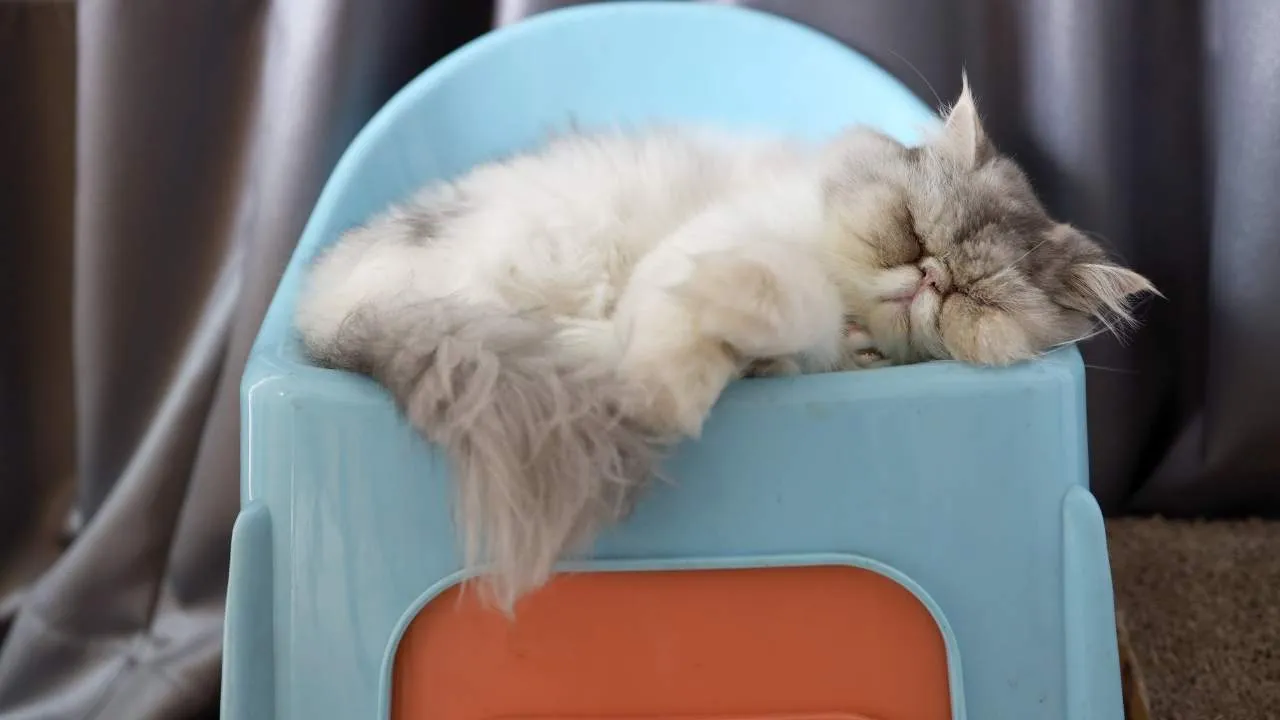
The Exotic Shorthair, sometimes called the “short-haired Persian,” is a cross between the Persian and the American Shorthair.
According to WebMD, Exotic Shorthairs are affectionate cats with a gentle temperament. With a round face, plush coat, and compact build, this breed combines calm charm with a gentle curiosity.
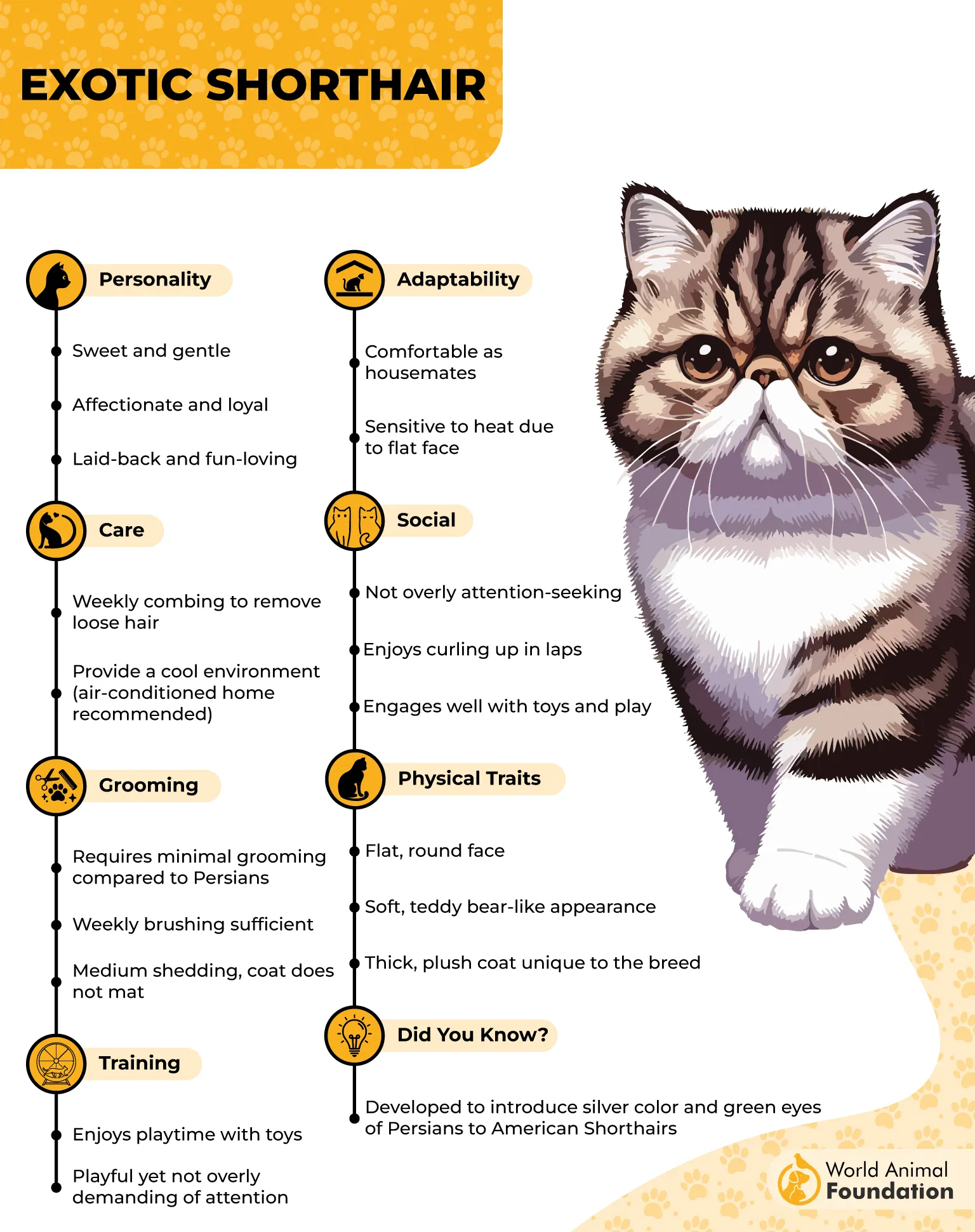
When it comes to play, Exotic Shorthairs prefer staying grounded rather than scaling heights. Their relaxed bodies and easygoing nature make floor toys, rolling balls, and slow-moving interactive games far more appealing than climbing shelves or cat trees.
These cats enjoy playful moments without overexertion, often batting toys across the floor or engaging in short bursts of activity before settling down nearby. Their curiosity keeps them engaged, but they rarely feel the need to seek vertical adventures.
Well-suited to indoor life, Exotic Shorthairs are content playing at ground level and then returning to a cozy nap spot. Despite their laid-back reputation, they’re not lazy—just selective about how they play, favoring calm, floor-focused fun over climbing challenges.
Fact: Exotic Shorthairs were developed in the 1950s by crossing Persians with American Shorthairs.
4. Scottish Fold
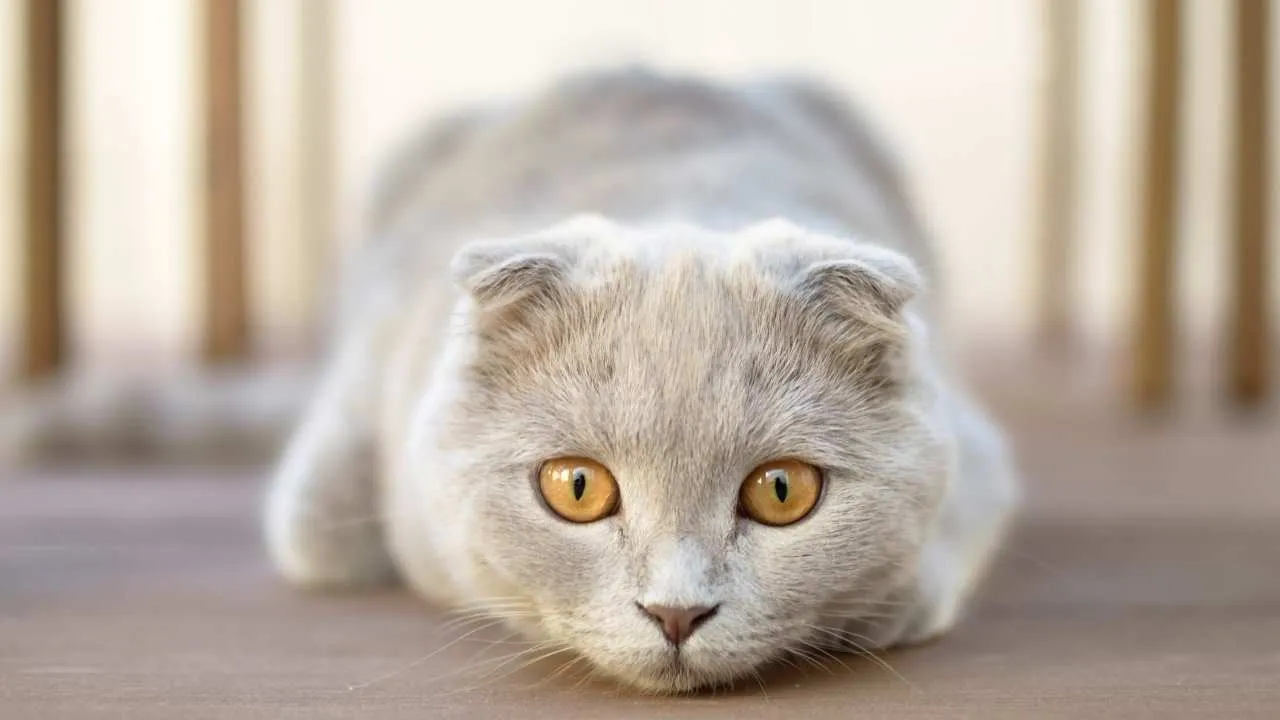
The Scottish Fold, sometimes simply called the Fold, is instantly recognisable by its folded ears, rounded face, and wide, owl-like eyes. Originating from a Scottish barn cat, this breed is medium-sized with a compact build and a naturally gentle presence.

Rather than seeking high vantage points, Scottish Folds often favour floor-level play. Their calm temperament and sturdy bodies make chasing toys across the ground, batting rolling balls, or engaging in slow-paced interactive games far more appealing than climbing tall furniture.
Floor games suit their easygoing personality and preference for staying close to their humans. Many Scottish Folds enjoy relaxed play sessions that don’t require jumping, making wand toys dragged along the floor, or puzzle toys especially engaging for them.
This grounded play style can also align with their physical needs, as some individuals are less inclined to leap frequently.
Fact: Scottish Folds are known for their affectionate yet undemanding nature.
5. Selkirk Rex
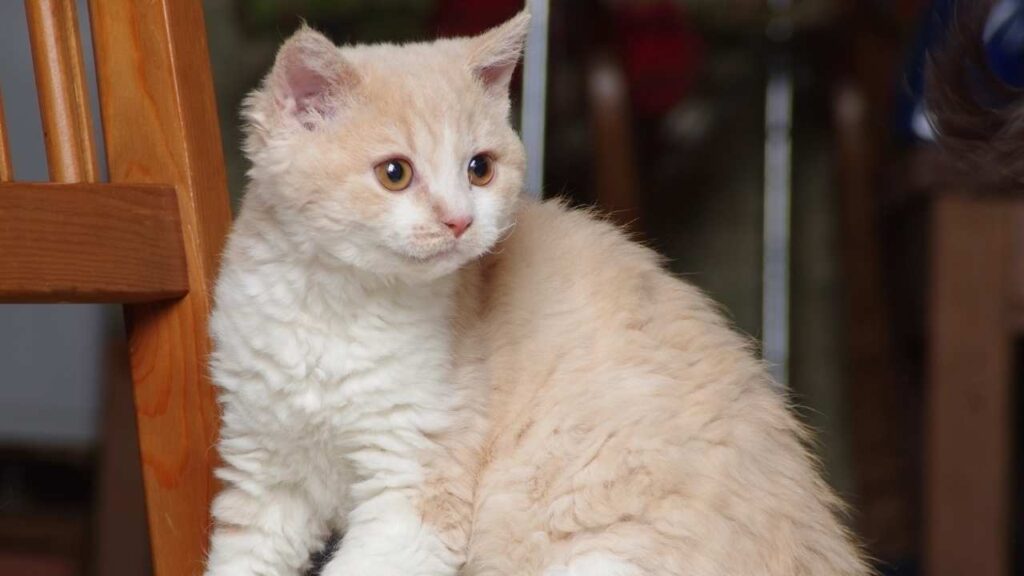
Often nicknamed the “teddy bear cat,” the Selkirk Rex—sometimes called the Curly Rex—is a medium-to-large breed known for its plush, curly coat and solid, rounded build. Originating in the United States, this breed stands out for its broad head, short muzzle, and relaxed presence.
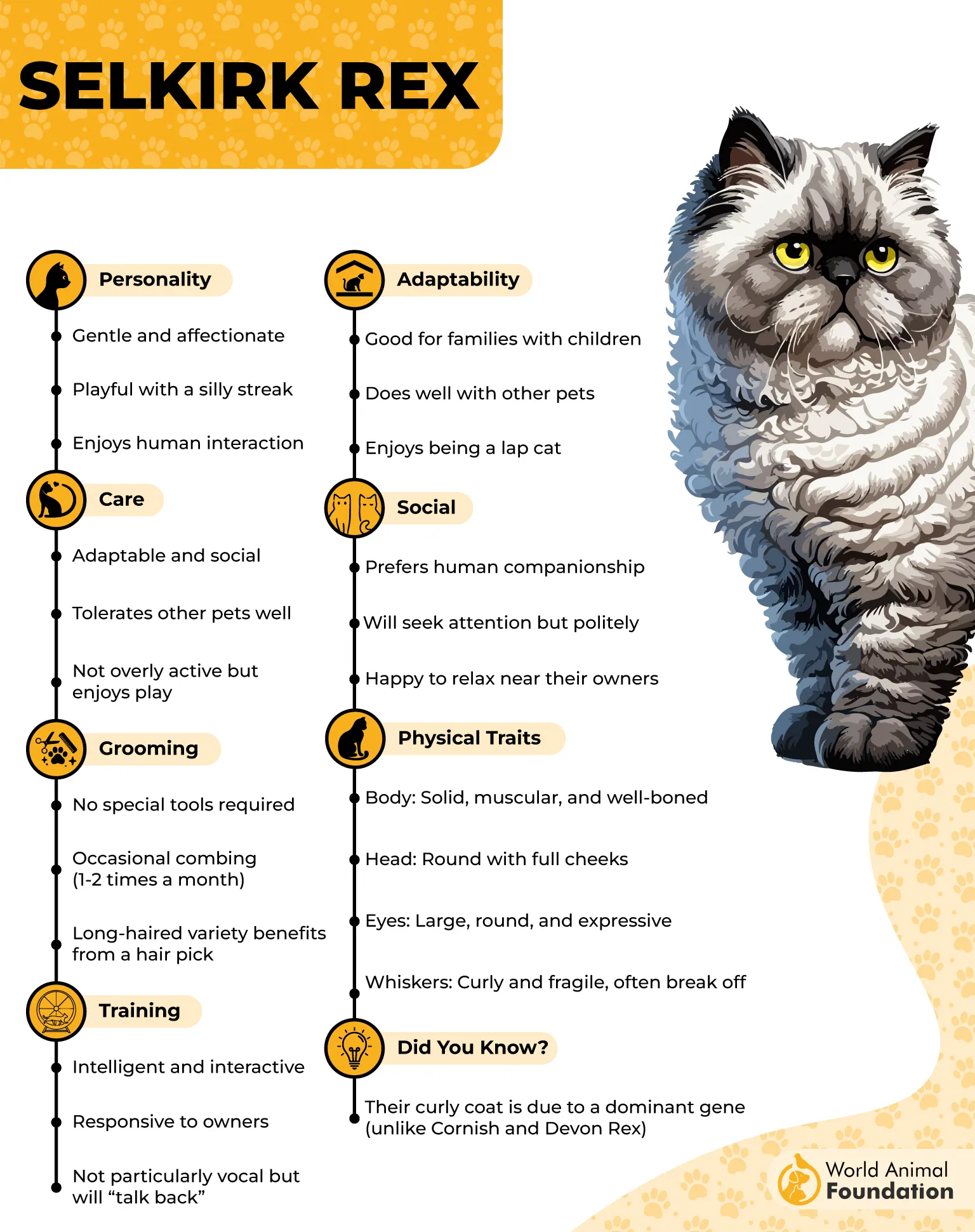
Because of their heavier frame and substantial bone structure, Selkirk Rex cats tend to favor floor play over climbing. Rather than scaling furniture, they enjoy staying grounded, watching toys move across the room, and engaging in slow, deliberate play.
Their play style reflects their easygoing temperament. Selkirks are content stalking toys along the floor, batting at puzzle feeders, or gently chasing objects without bursts of vertical activity. This makes floor-based games far more appealing than jumping or perching high.
Affectionate and calm, Selkirk Rex cats are just as happy curling up nearby once playtime ends. They balance gentle play with lots of lounging and cuddling, preferring comfort and interaction at ground level.
Fact: The Selkirk Rex’s distinctive curly coat comes from a natural genetic mutation discovered in Montana in 1987.
6. Himalayan
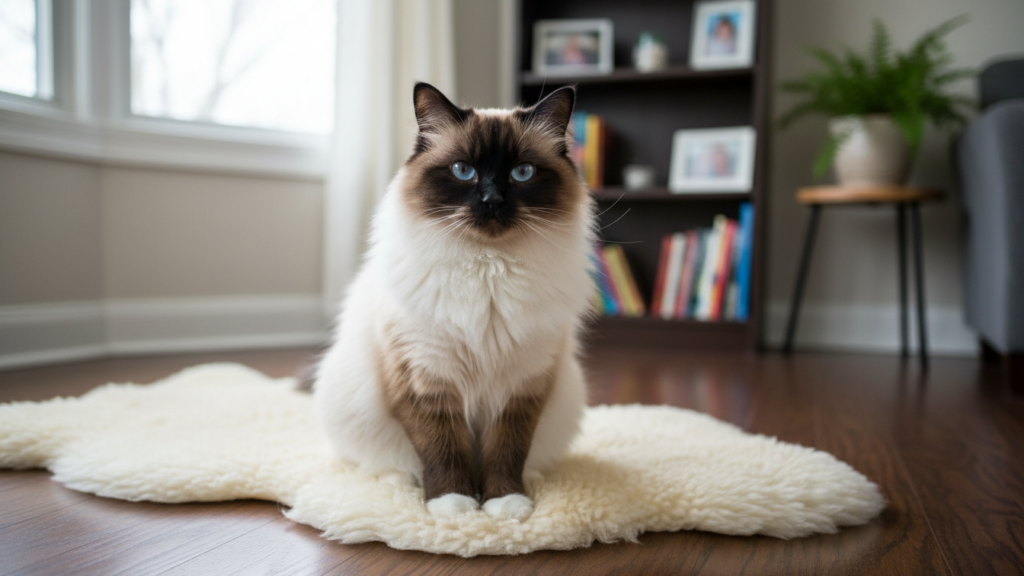
Himalayan cats, often called Himmies or pointed Persians, blend Persian elegance with Siamese markings. Their long coats, blue eyes, and calm personalities give them a soft, grounded presence.
Rather than seeking high perches, Himalayans favor floor-level interaction that matches their relaxed build. They enjoy gentle play that unfolds nearby, making rolling toys and slow chases more appealing than climbing.
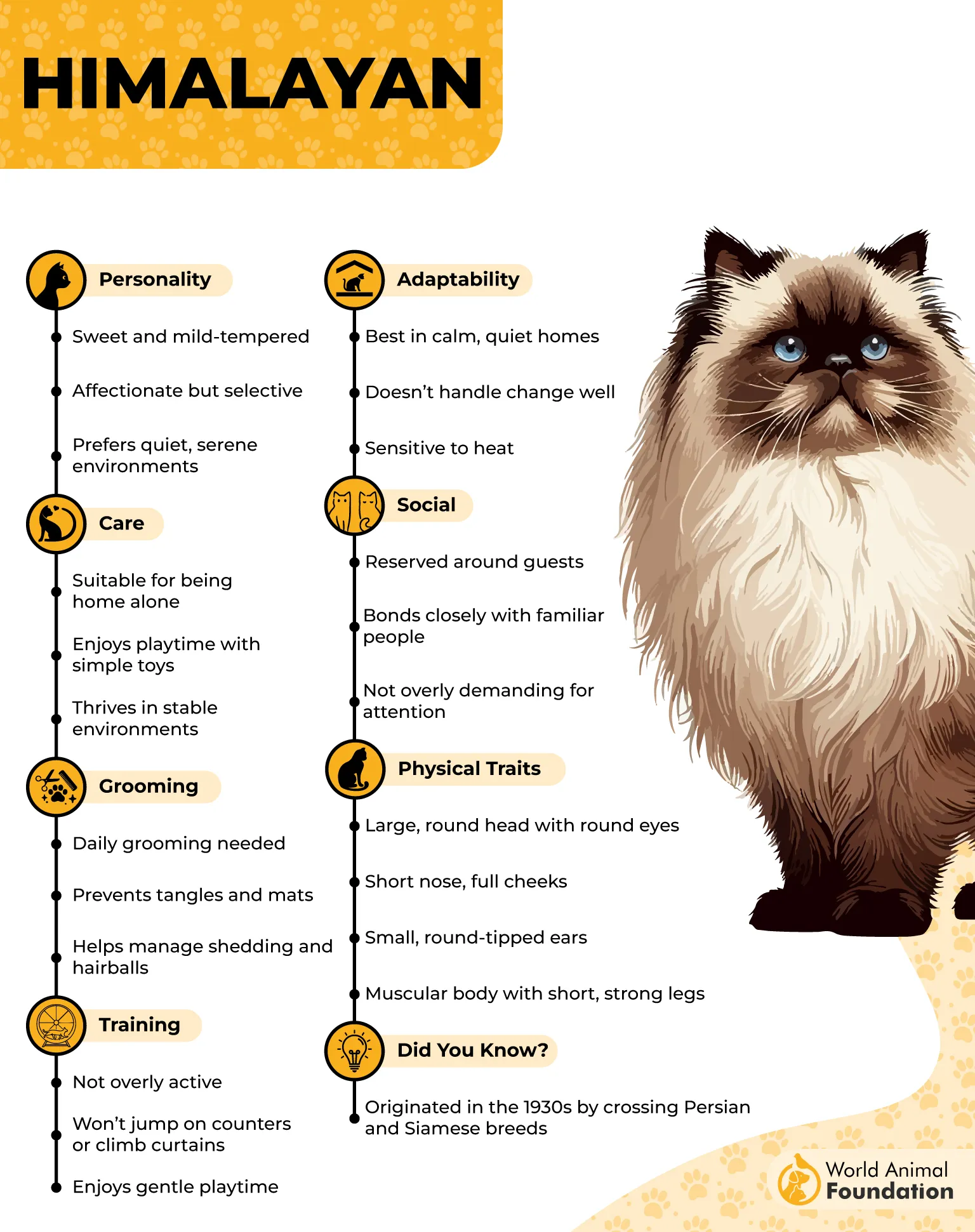
These cats show bursts of playfulness but usually keep activities close to the ground. Interactive floor toys help them stay engaged without demanding athletic jumps or vertical exploration.
Because they’re affectionate lap cats, Himalayans often mix play with lounging, happily batting at toys beside their humans.
Fact: The Himalayan breed was developed in the 1950s by crossing Siamese and Persian cats, creating a pointed-pattern Persian with a calm temperament.
7. Chartreux
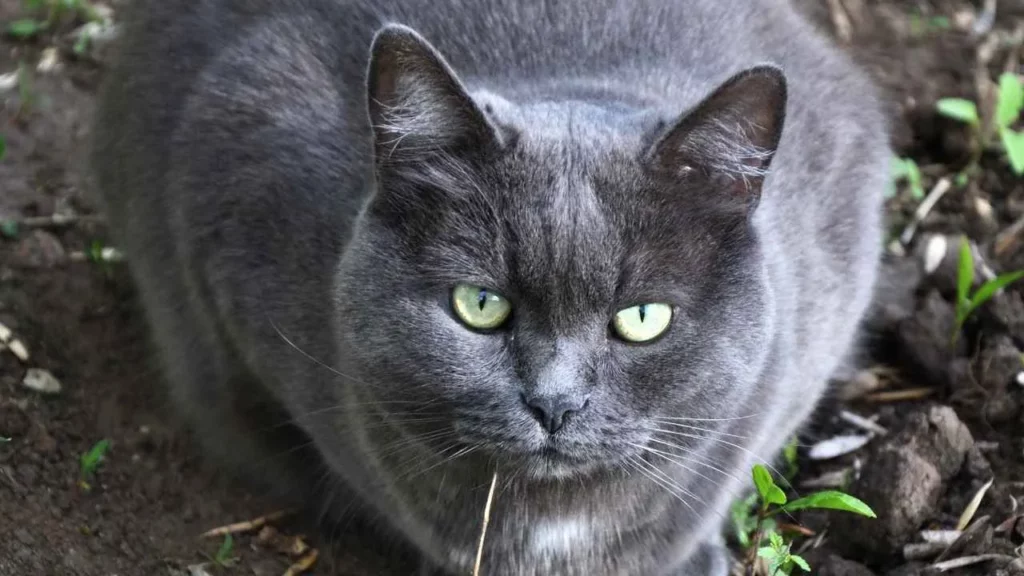
The Chartreux, sometimes confused with the Russian Blue due to its silver-grey coat, is a distinctly built French breed known for its copper-to-gold eyes and muscular frame. Often described as quietly dignified, this medium-to-large cat combines strength with a calm, composed presence.
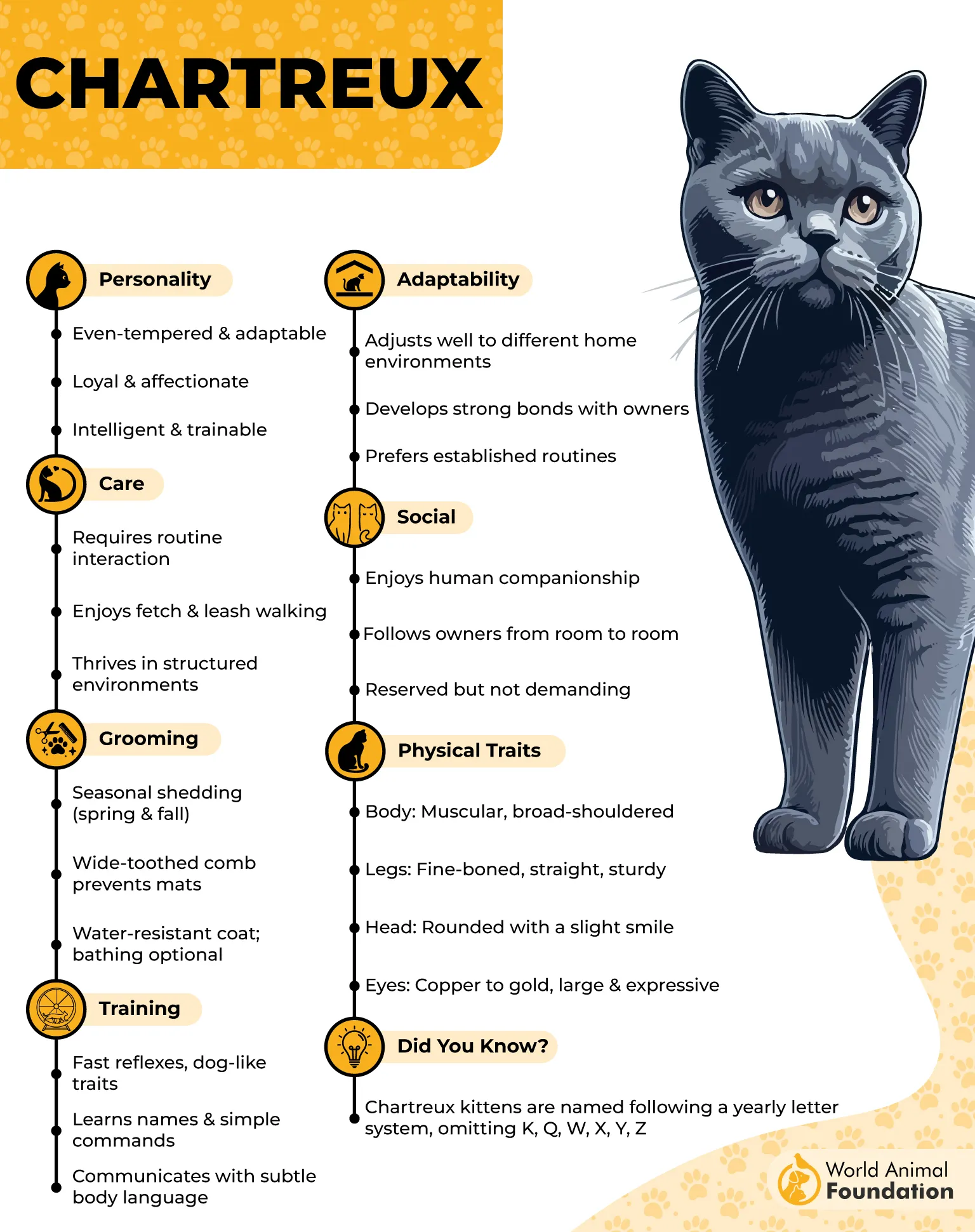
When it comes to play style, the Chartreux is perfectly happy keeping things grounded. Rather than racing upward or leaping between shelves, this breed prefers floor-level games that allow it to stalk, bat, and pounce at a relaxed pace, making low-energy play especially appealing.
Their even temperament and dislike of excessive stimulation mean they enjoy predictable, low-key interaction. Floor toys, gentle chase games, and interactive sessions on the carpet suit their stress-resistant nature far better than constant climbing or high perches.
Despite their calm demeanor, Chartreux cats remain engaged companions who bond closely with their people and enjoy quiet playtime.
Fact: The Chartreux is known for its dense, woolly double coat that stands slightly away from the body, giving it a plush appearance despite being short-haired.
Conclusion
In the cat world, not all domestic cats are drawn to high shelves or navigating vertical spaces. While some breeds are famous for powerful hind legs and climbing abilities rooted in wild ancestry, many cats prefer grounded fun.
Even the gentle giant personalities seen in other breeds, floor-focused play satisfies natural instincts without relying on climbing structures or window perches.
For these intelligent cats, interactive play offers vital mental stimulation without constant pressure to enjoy climbing structures. Cats love activities like playing fetch, stalking toys, and bonding closely with human companions.
A few breeds may show a playful nature and muscular build, yet still favor moderate energy level games. While most cats can climb, floor play remains deeply ingrained for many pets, proving that cats enjoy variety just as much as high spaces.
