




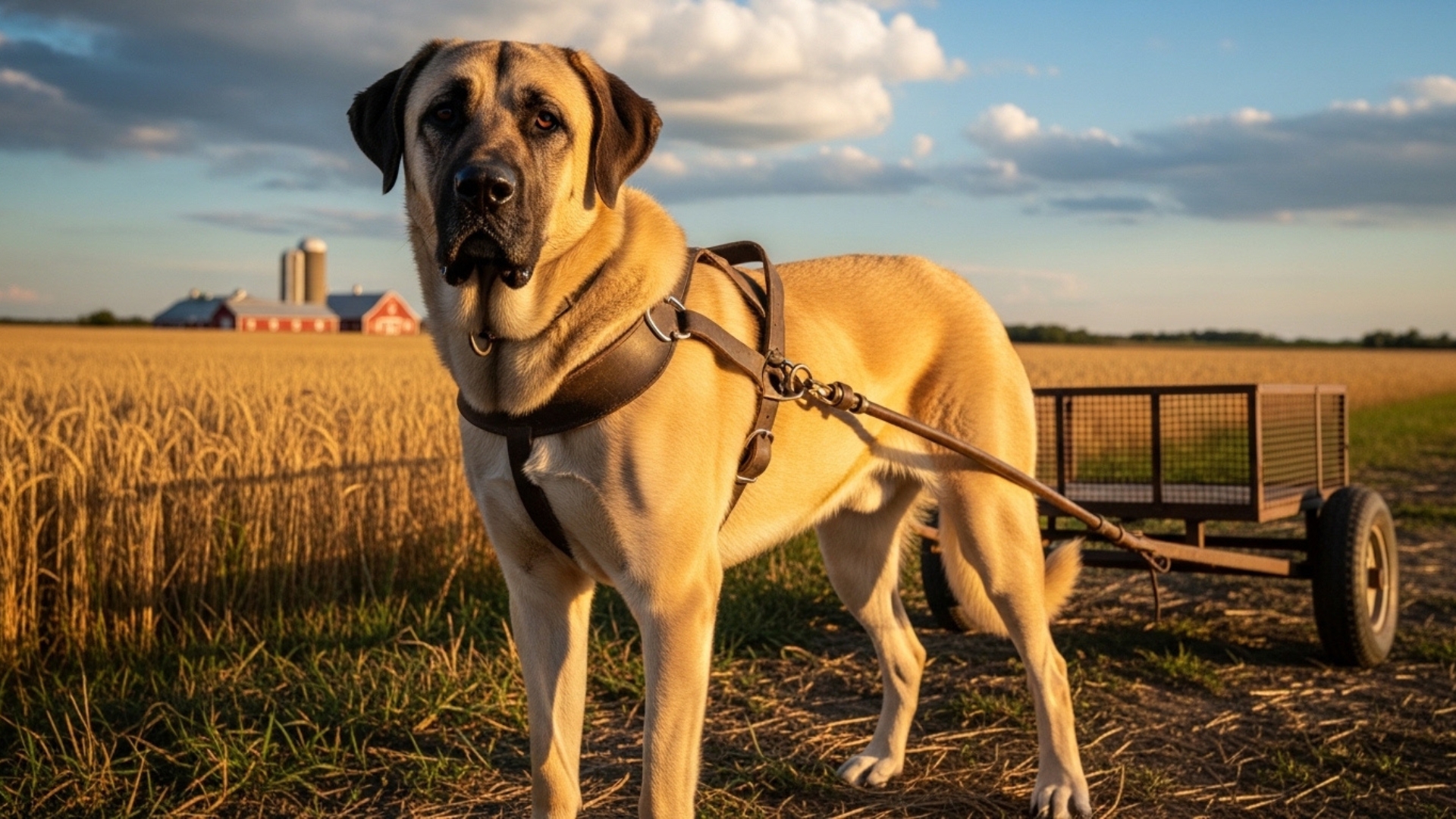
Life on a working farm is no place for half-hearted help.
When livestock scatter, predators lurk, or long days stretch from sunrise to dusk, the right dog becomes as essential as any piece of equipment. In the demanding rhythm of rural life, power, precision, and loyalty come together in four-legged partners bred to handle the toughest tasks.
But what makes a dog truly suited for heavy-duty farm work? Strength and stamina are non-negotiable—these dogs must cover acres of land, push stubborn cattle, or stand guard through harsh weather. Just as vital is intelligence.
A top farm dog reads subtle cues, responds instantly to commands, and solves problems on the fly. The ultimate farm companion combines muscle with a sharp mind and an unshakable work ethic.
Farm roles also vary widely. Herding breeds expertly move and control livestock, guardians protect flocks from predators, and draft dogs lend raw pulling power when needed. Each role demands distinct traits, and the following powerhouse breeds rise to the challenge in remarkable ways.
Powerhouse Dog Breeds Ideal For Heavy‑Duty Farm Work
1. Anatolian Shepherd
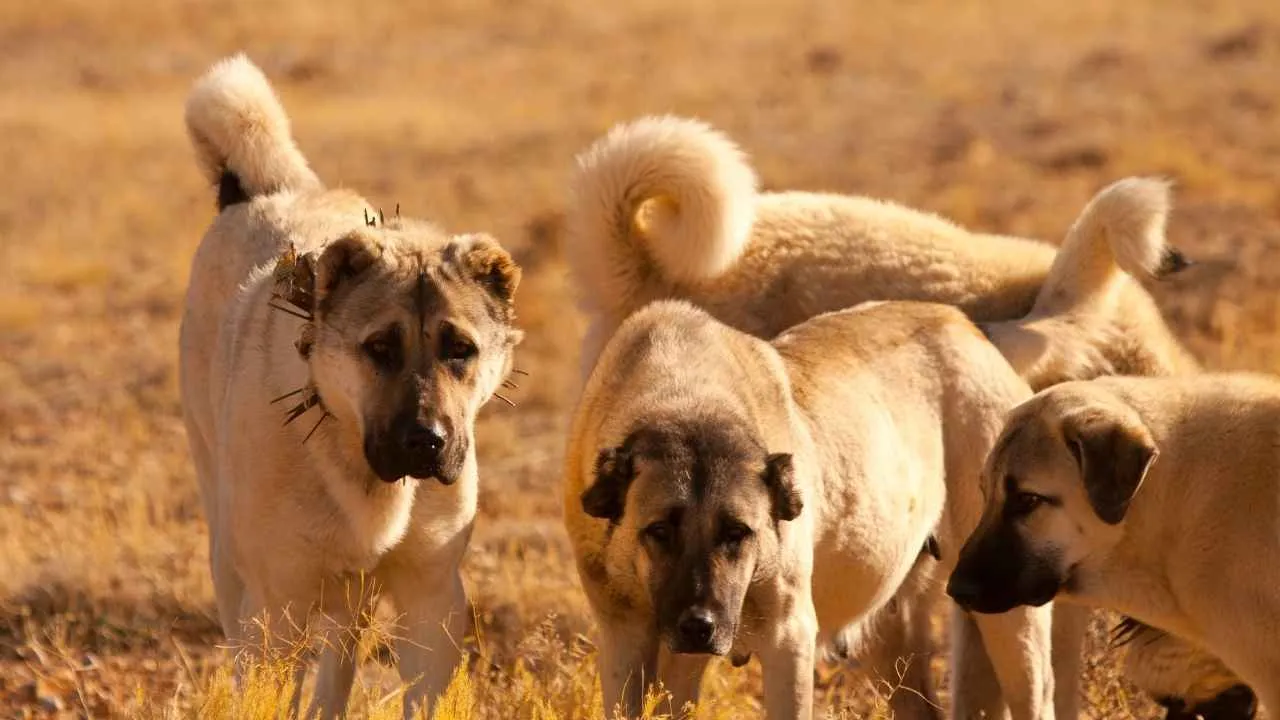
Also known as the Anatolian Karabash or Turkish Shepherd Dog, the Anatolian Shepherd is an ancient livestock guardian descended from Middle Eastern mastiff and flock-protecting lines.
According to the AKC, Anatolian owners must demonstrate strong leadership, as the breed can be both dominant and demanding, despite its calm and affectionate nature.
Developed in Turkey’s rugged countryside, this commanding and athletic breed was created to defend sheep and goats from wolves, bears, and even human thieves.
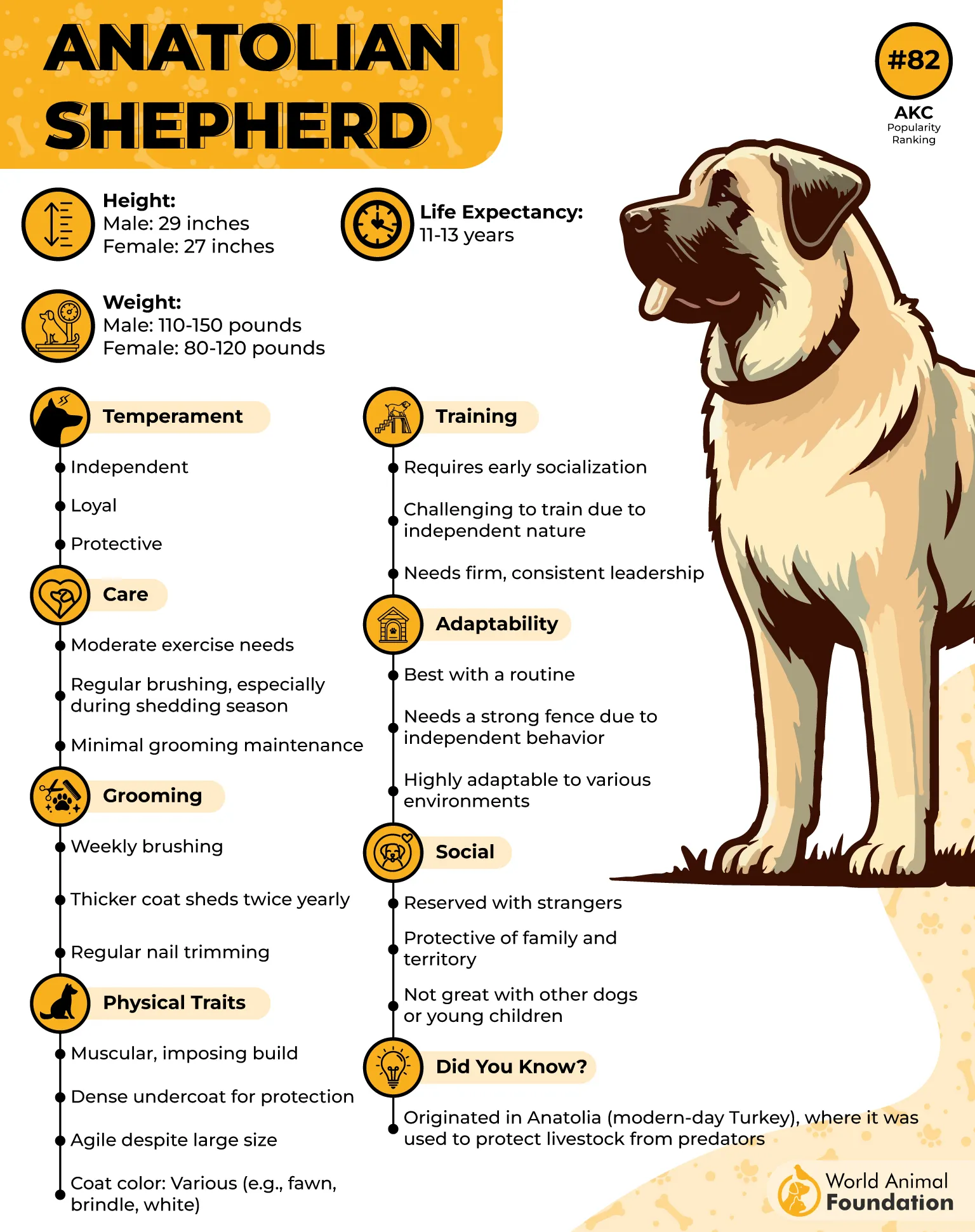
A Tireless Herder Built for Long Days
Endurance defines the Anatolians’ work ethic. Bred to roam vast pastures with minimal direction, this dog thrives in demanding farm conditions where independence and resilience are essential. Their natural ability to assess situations and respond without waiting for instruction makes them invaluable on remote properties.
Rather than actively driving livestock, the Anatolian specializes in protection. Calm yet intensely watchful, they patrol boundaries, deter predators with a booming bark, and maintain steady control without unnecessary aggression—an ideal balance for large-scale farm operations.
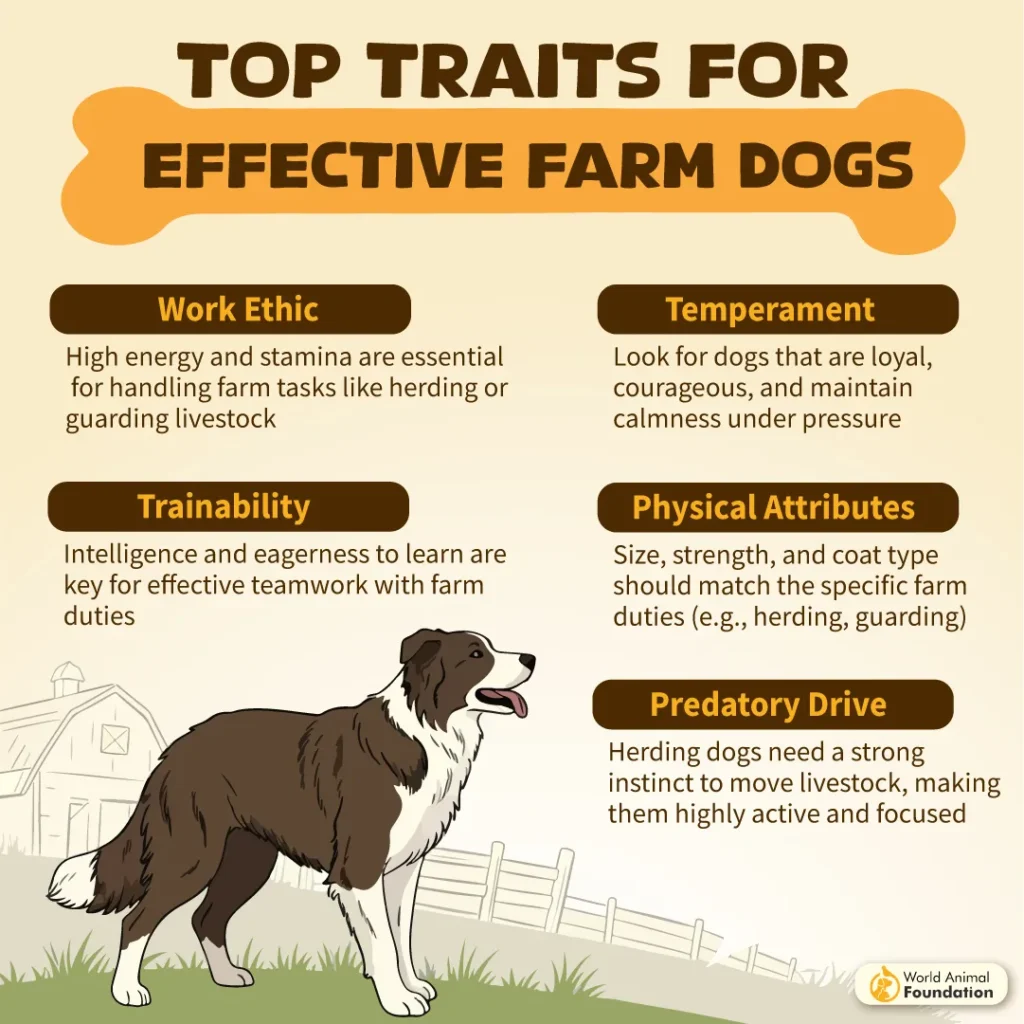
Early socialization and firm leadership are crucial due to their instinctive distrust of strangers. They require up to two hours of daily exercise along with consistent mental challenges to stay balanced and responsive.
Fact: The Anatolian Shepherd is considered the original livestock guardian dog of Turkey and still works with nomadic herders practicing transhumance.
2. Rottweiler
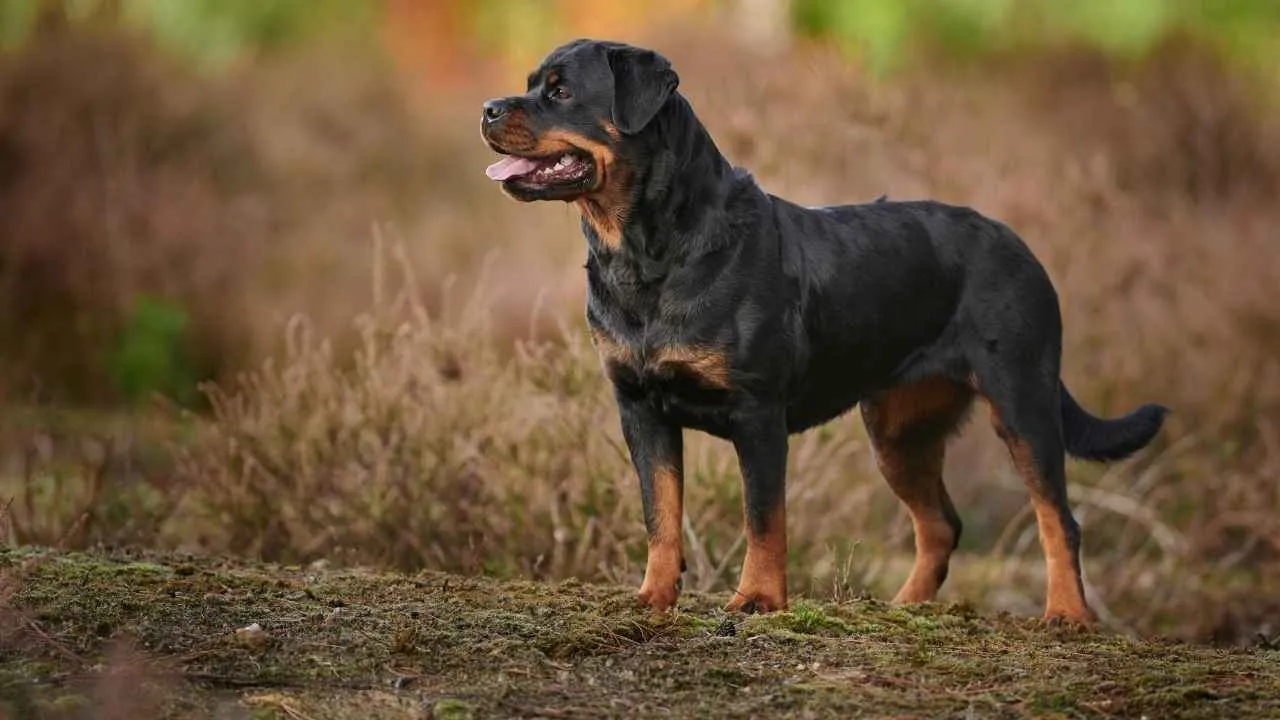
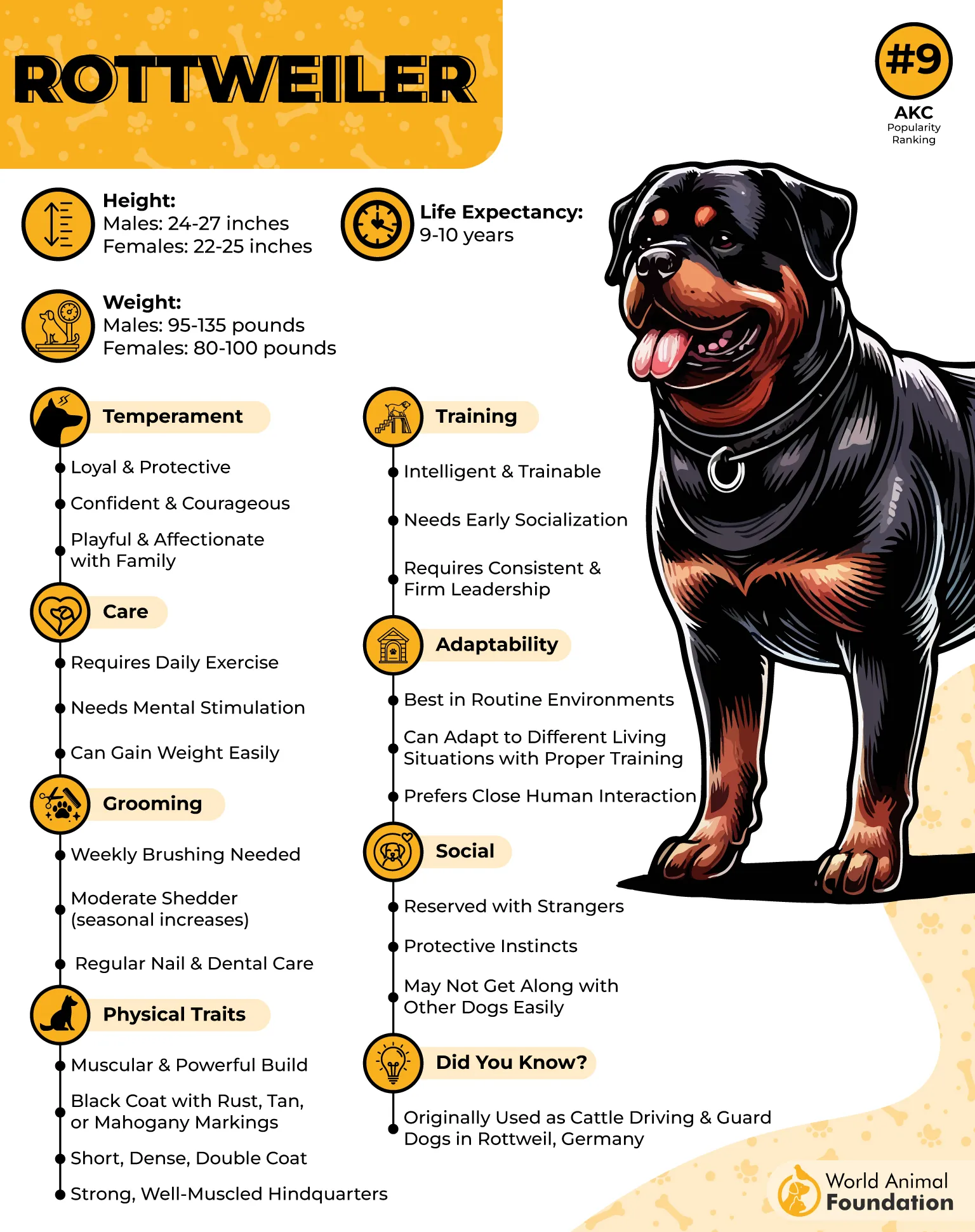
Also known as the Rottie or Rott, the Rottweiler is a powerful working breed. According to PetMD, Rottweilers are described as a large dog breed characterized by a broad head, short coat, and wide-set eyes.
Originally developed for guarding and protection, this confident and alert dog carries itself with steady composure, always ready to confront a threat.
Muscular Guardian of Livestock
On a farm, the Rottweiler’s solid, heavily muscled build and natural vigilance make it an exceptional livestock guardian. Bred to protect, they patrol property lines with quiet authority, deterring intruders through presence alone before escalation becomes necessary.
Beyond guarding, this breed thrives when given purposeful work. From pulling carts loaded with supplies to assisting with daily chores, Rottweilers channel their strength into practical tasks, making them valuable partners in heavy-duty farm operations that require both muscle and reliability.
Early socialization and consistent leadership are essential, as their protective instincts run deep. With structured training and regular mental challenges, they become steady, dependable workers rather than dominant decision-makers.
Fact: Carting is a traditional activity for Rottweilers, and they are known to pull wagons or help haul items when properly trained.
3. Bernese Mountain Dog
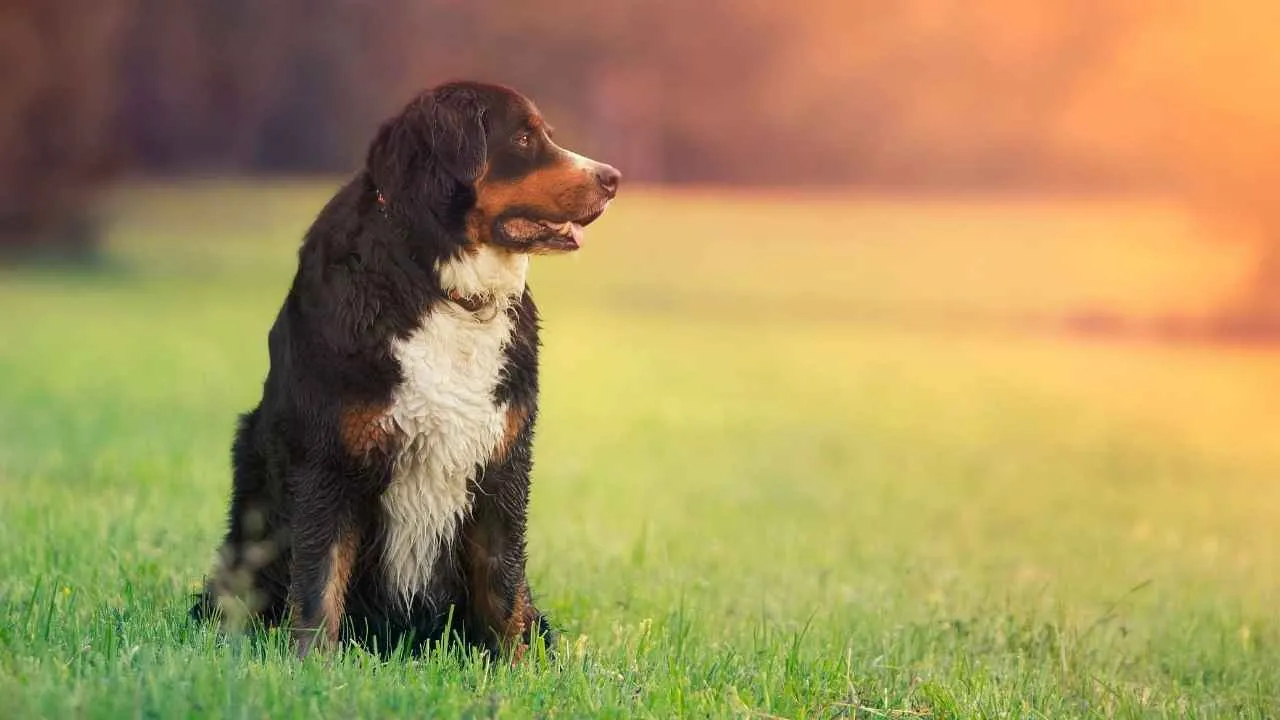
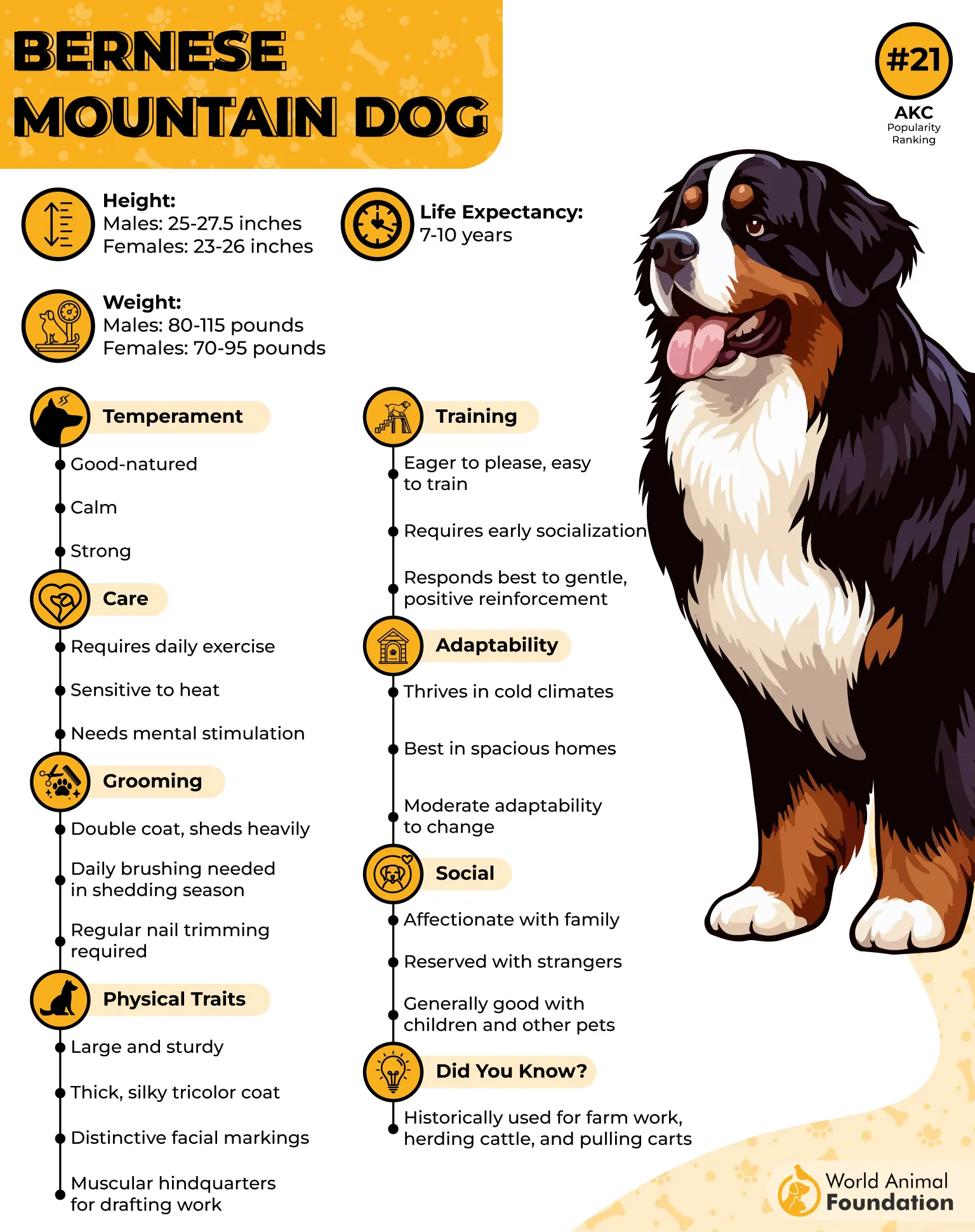
Also known simply as the Berner, the Bernese Mountain Dog takes its name from Switzerland’s Bern Canton, where it once served as a farmer’s dependable helper.
According to WebMD, Bernese Mountain Dogs are described as large and beautiful dogs, with puppies considered especially cute.
Recognized for its sturdy frame, silky tri-colored coat, and noble presence, this large yet affectionate breed blends impressive strength with a calm, devoted temperament.
Draft Powerhouse with Incredible Pulling Strength
Before machinery was common, farmers relied on Berners to haul carts of milk and produce to market. Their muscular build and steady drive allow them to pull up to 10 times their own weight, making them one of the true draft specialists of the farm world.
Beyond carting, they assisted with livestock protection and general chores, using both intelligence and physical power to meet daily demands. Despite their size, they are thoughtful workers who respond well to guidance and take pride in purposeful tasks.
Berners thrive with space to roam and benefit from at least 30 minutes of brisk daily exercise to maintain condition.
Fact: Historically, many Swiss farmers who couldn’t afford horses used Bernese Mountain Dogs to pull carts of goods to market.
4. Beauceron
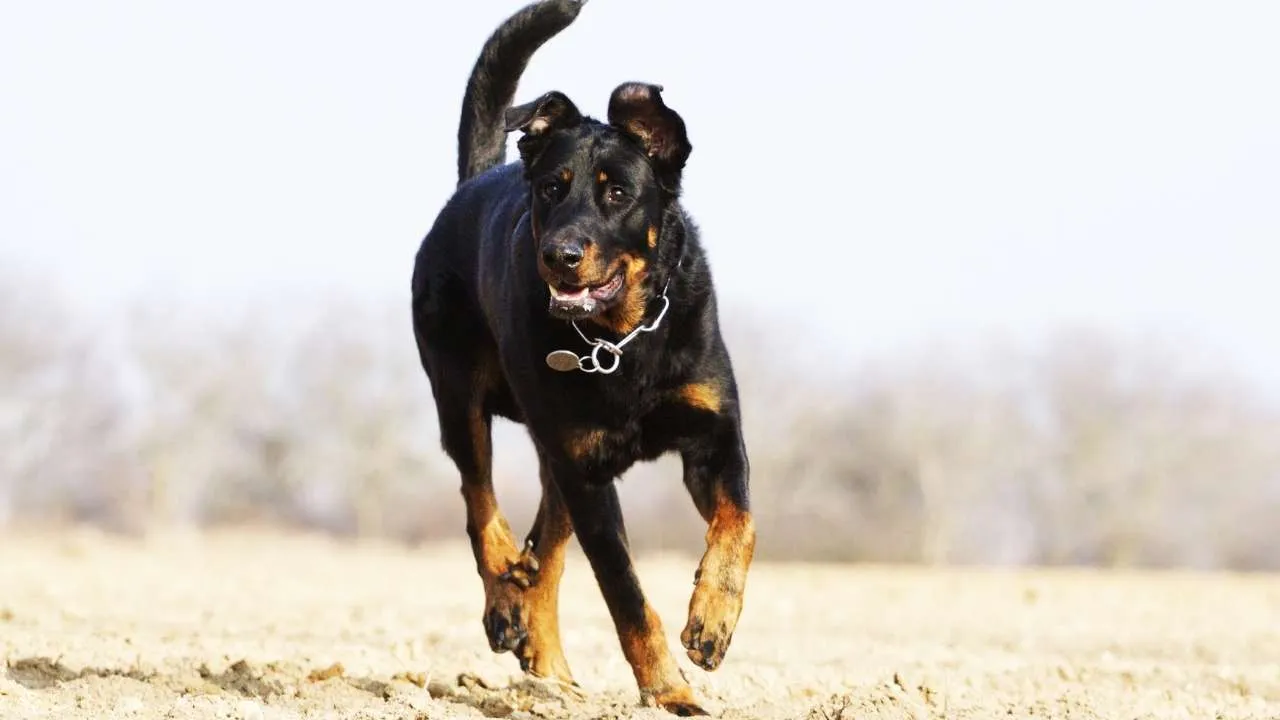
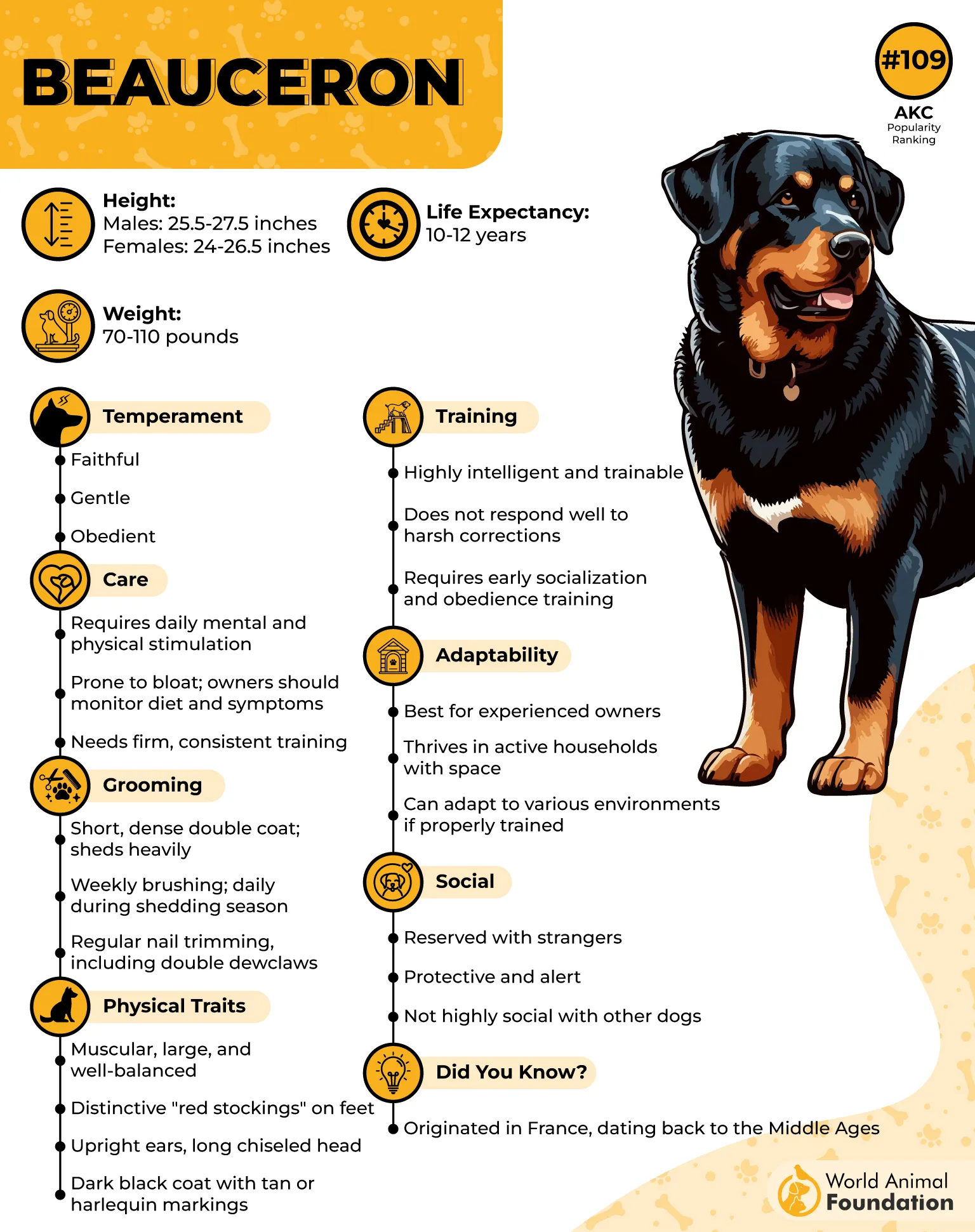
Also known as the Berger de Beauce or Bas Rouge, the Beauceron is a powerful French herding breed recognized for its short, dense double coat and striking black-and-tan or harlequin coloring.
Originally developed to manage large flocks and protect shepherds, this confident and commanding dog combines strength with sharp intelligence.
Agile Worker with Exceptional Endurance
Historically capable of controlling 200 to 300 animals at a time, the Beauceron earned its reputation through stamina and courage. Long days covering vast pastures shaped a dog that thrives on movement, responsibility, and purposeful work in demanding farm environments.
Independence is deeply rooted in the breed’s character, sometimes mistaken for stubbornness. With firm, consistent leadership and structured training, however, the Beauceron becomes highly responsive, executing commands quickly and tackling chores with focused enthusiasm.
Daily life with this breed requires serious commitment—at least two hours of exercise paired with mental challenges to prevent boredom. Whether herding livestock, assisting in protection duties, or accompanying a farmer on horseback, the Beauceron needs constant engagement.
Fact: An adult Beauceron should receive a minimum of two hours of exercise every day to remain balanced and well-behaved.
5. Caucasian Shepherd
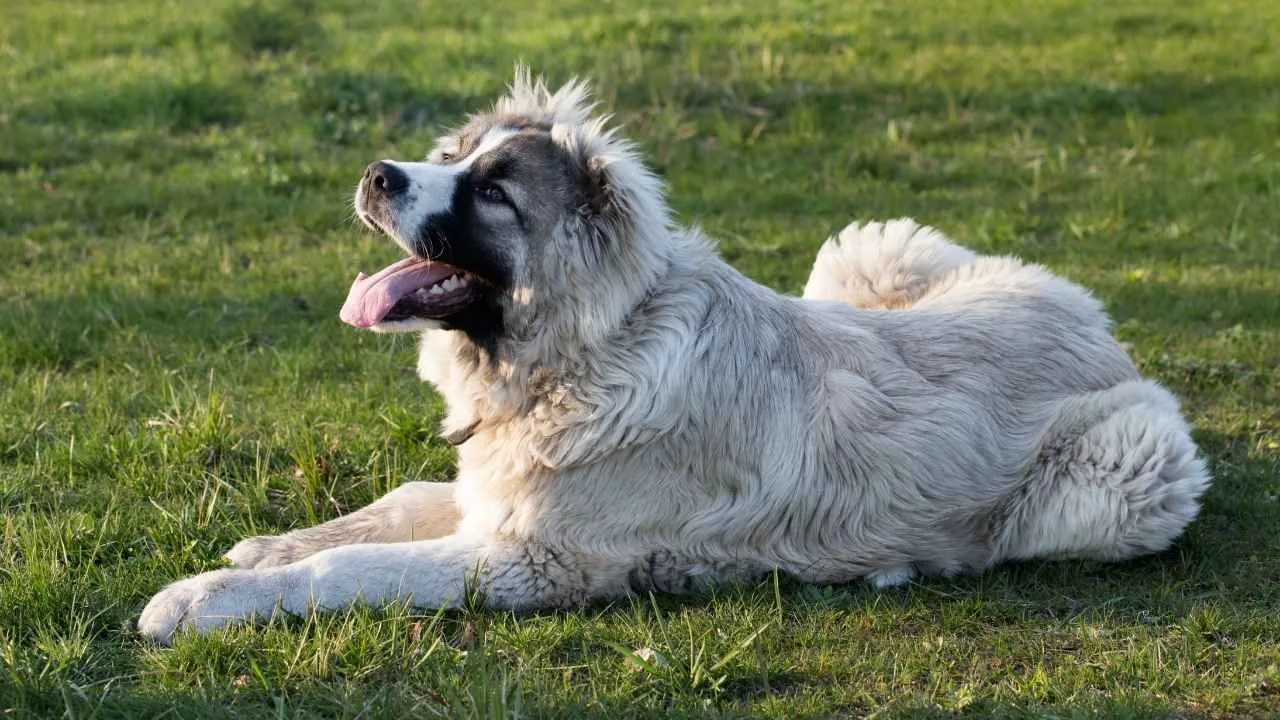
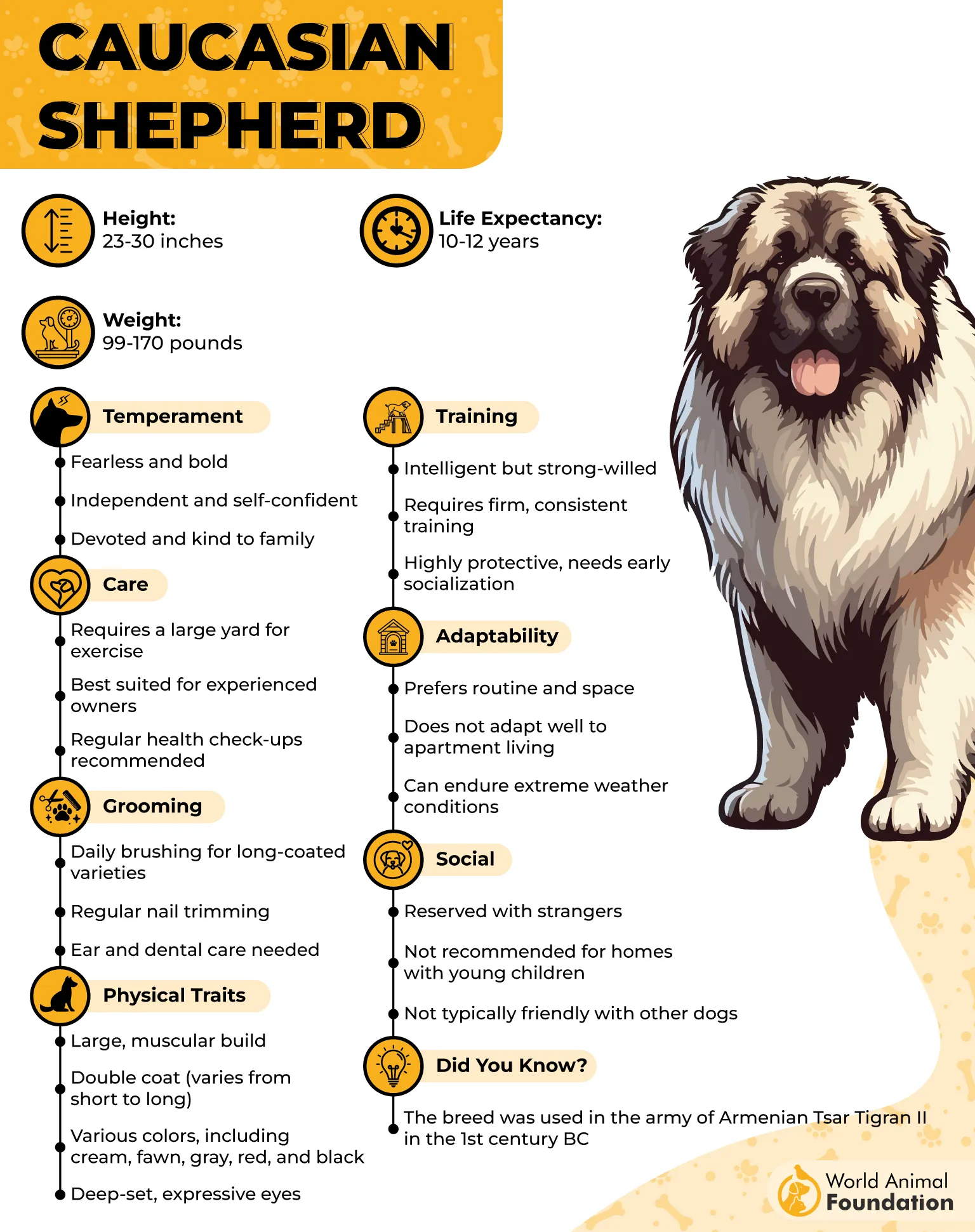
Also known as the Caucasian Ovcharka, Russian Bear Dog, or Caucasian Mountain Dog, the Caucasian Shepherd is an ancient guardian from the rugged Caucasus region between the Black and Caspian Seas.
With its massive frame, thick coat, and commanding presence, this breed was shaped by centuries of protecting livestock in harsh mountain climates.
Fearless Protector of Flock and Field
For more than 600 years, the Caucasian Shepherd has defended herds against wolves, bears, and intruders without hesitation. Bred to live outdoors alongside livestock for days at a time, it works independently, standing its ground in extreme weather and high-pressure situations.
This breed’s courage is matched by deep-rooted self-confidence. Unlike dogs bred to constantly seek human approval, the Caucasian Shepherd makes its own judgments, a trait that demands experienced, consistent leadership on a working farm.
Early socialization and firm, patient training are essential to channel its powerful guarding instincts appropriately. Given proper structure and space, it becomes a steadfast, loyal watchdog devoted to both flock and family.
Fact: The Caucasian Shepherd Dog was officially recognized by the FCI in 1984 under a Russian-established breed standard.
6. Giant Schnauzer
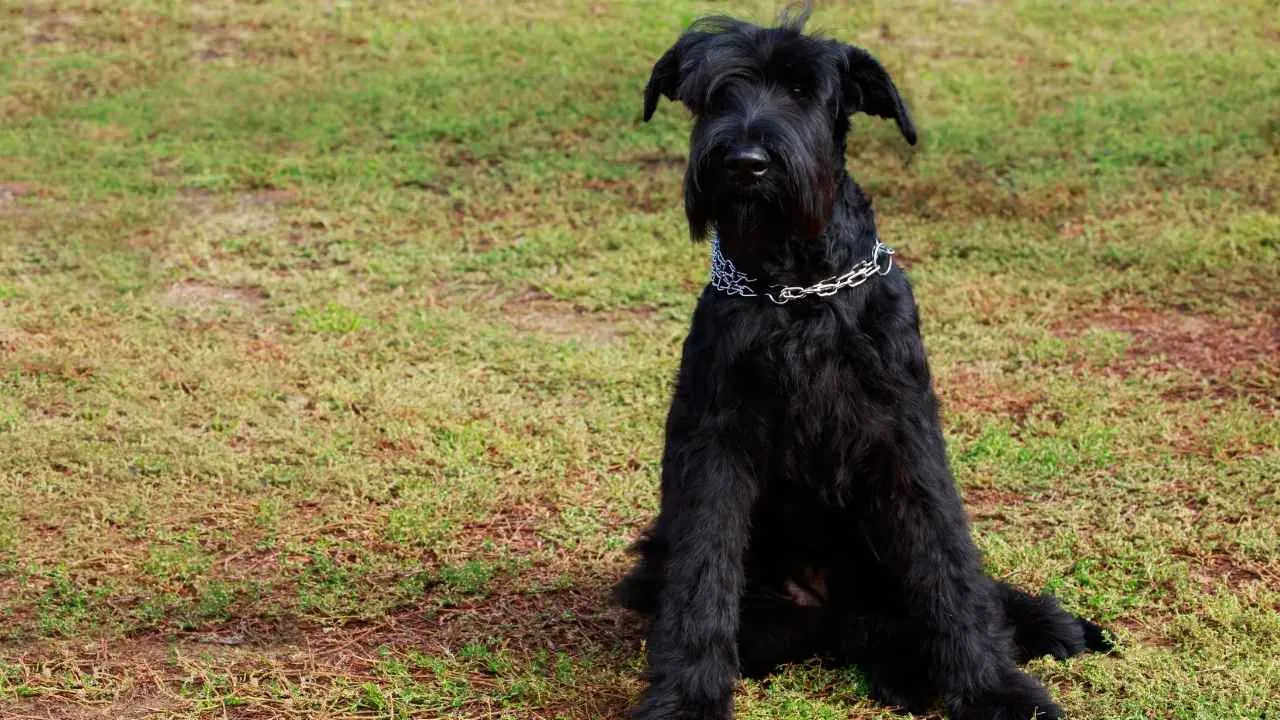
Known simply as the Giant Schnauzer, this imposing German working breed stands apart from its smaller Schnauzer relatives through size, strength, and purpose.
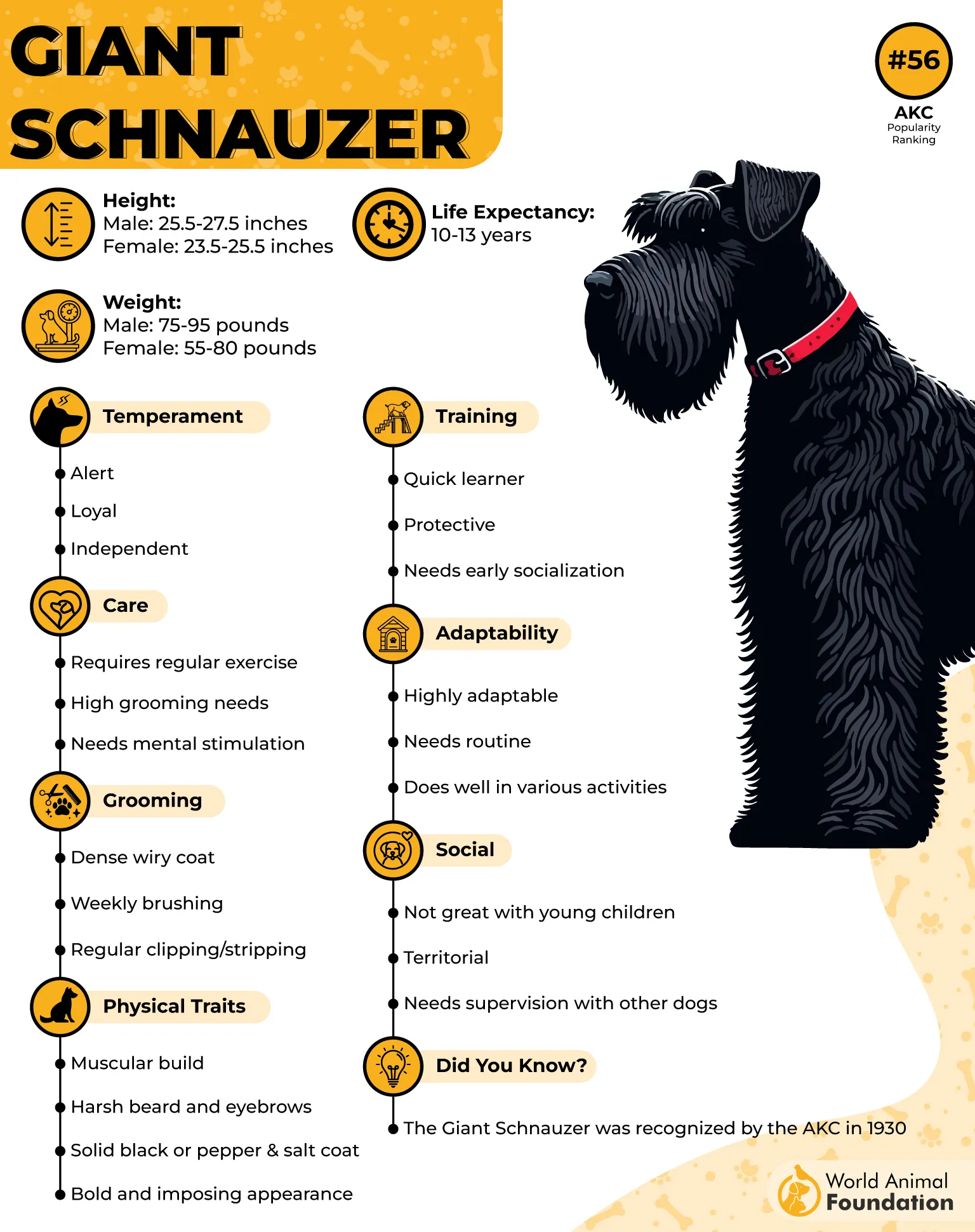
With a dense, wiry double coat, bushy eyebrows, and a bristled beard framing a powerful muzzle, it was developed for demanding tasks like cattle driving and property guarding.
Versatile All-Around Farm Companion
Unlike companion-focused Schnauzers, the Giant was bred for grit and stamina. Its muscular, nearly square build and weather-resistant coat allow it to handle long days outdoors, moving livestock, patrolling boundaries, and responding quickly to threats.
Speed and endurance make this breed adaptable across varied farm duties. Bold yet composed, the Giant Schnauzer combines alertness with intelligence, excelling in obedience work and structured tasks that challenge both body and mind.
To stay balanced, they require 90 minutes to two hours of vigorous daily exercise along with mental stimulation such as advanced training or puzzle-solving. Regular brushing and periodic professional grooming keep their coat in working condition.
Fact: Giant Schnauzers were originally bred for cattle driving and guarding, setting them apart from their smaller ratting-focused cousins.
7. Tibetan Mastiff
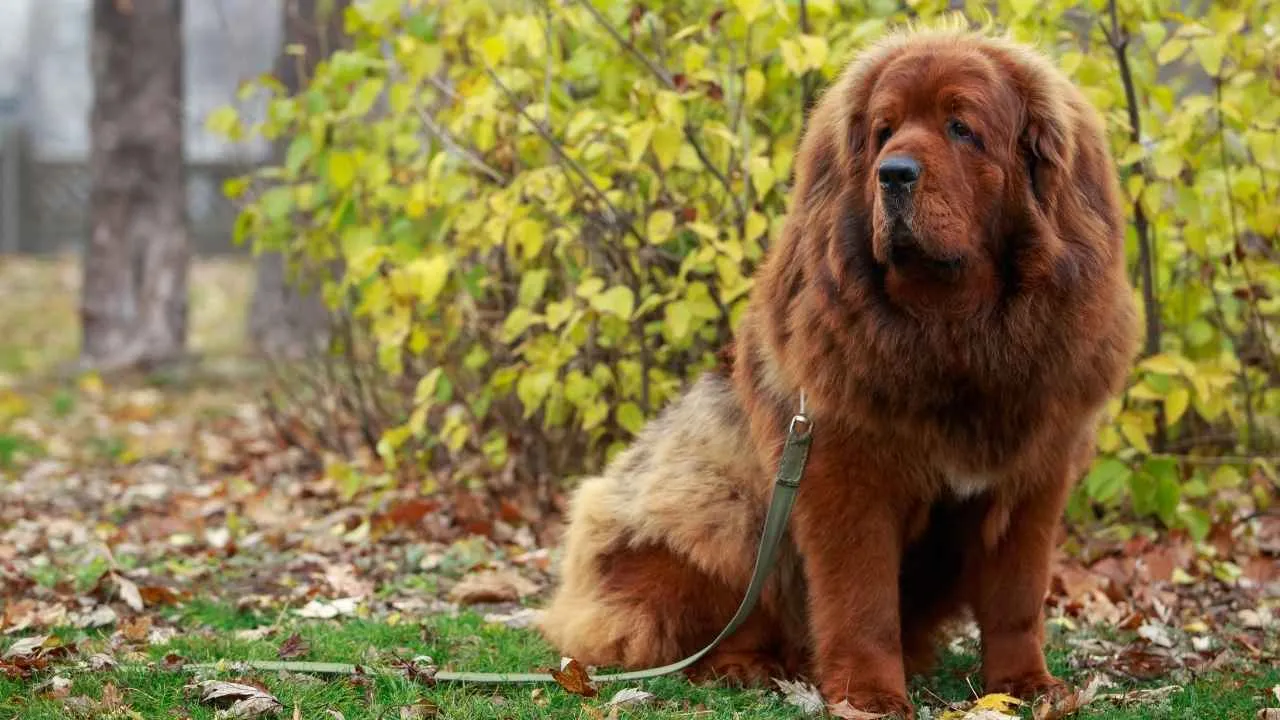
Also known as the Chinese Tibetan Mastiff, this ancient Himalayan guardian was bred to protect nomadic herds and remote monasteries.
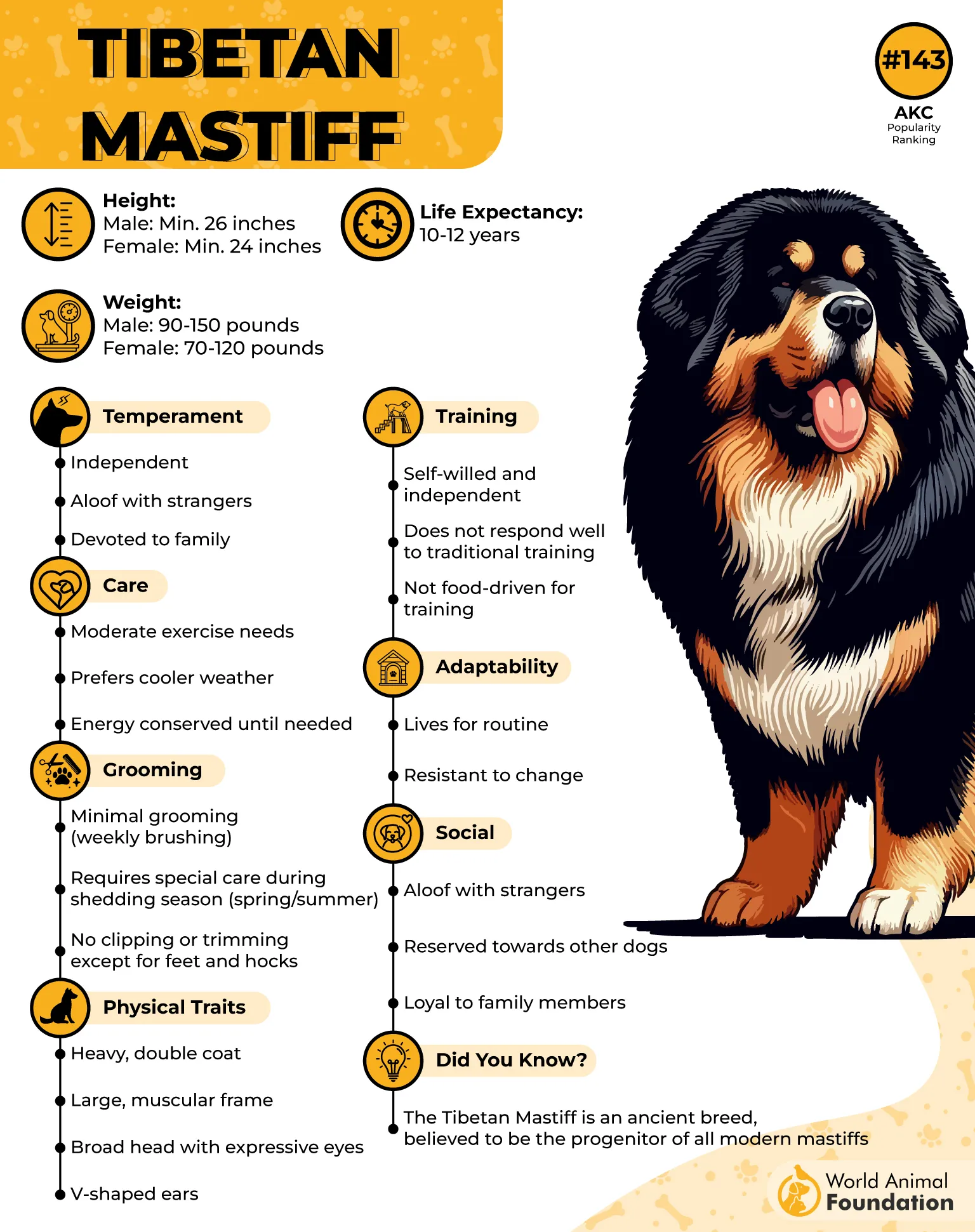
With its massive frame, heavy bone structure, and thick insulating coat, the Tibetan Mastiff was shaped by centuries of surviving brutal mountain winters while standing watch over livestock.
Heavy-Boned Workhorse with Calm Authority
Unlike high-energy herders, the Tibetan Mastiff rules its territory with quiet confidence. Its imposing presence alone is often enough to deter predators, while its deep loyalty ensures unwavering protection of flock and property.
Accustomed to working without close supervision, this breed thinks independently and evaluates threats on its own. That self-reliance makes it highly effective on expansive farms where constant human direction isn’t always possible.
Though not overly active, it requires 45 to 60 minutes of daily exercise and a secure space to roam. Early socialization and respectful, consistent training are essential to guide its territorial instincts.
Fact: Male Tibetan Mastiffs typically stand between 26 and 30 inches tall and can weigh up to 158 pounds.
8. Catahoula Leopard Dog
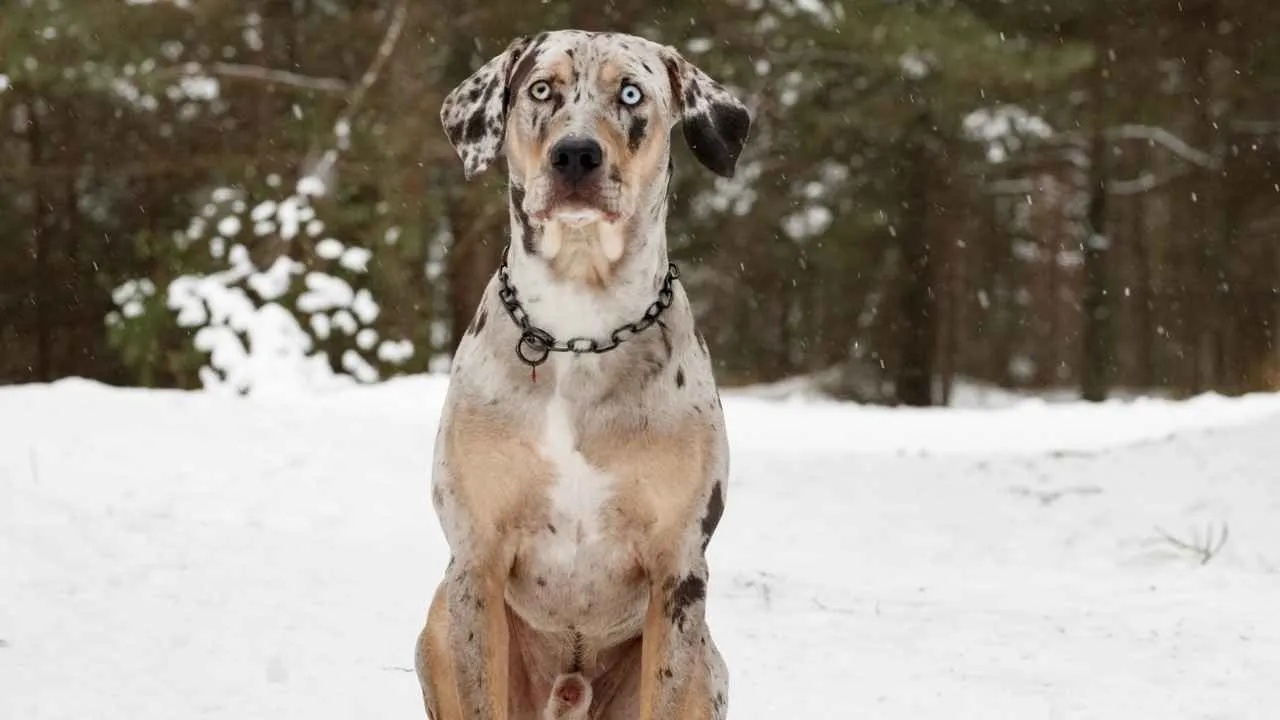
Also known simply as the Catahoula or Catahoula Cur, the Catahoula Leopard Dog is an American working breed recognized for its striking merle coat patterns and sharp, alert expression.
Bred in the southern United States to navigate swamps and forests, this athletic dog combines endurance, independence, and a strong herding instinct.
High-Energy Driver of Cattle
Catahoulas were developed to locate, drive, and hold livestock, using their keen nose and natural authority to control stubborn cattle. Agile and determined, they excel in rough terrain where stamina and quick decision-making are essential.
This breed thrives on responsibility. Without demanding daily tasks, their high energy can turn into digging or chewing, making them best suited for active farms with wide, securely fenced spaces and structured work routines.
They require at least two hours of exercise each day, along with consistent training and early socialization to manage their territorial tendencies. Grooming is minimal thanks to their short coat, but mental engagement is non-negotiable.
Fact: The Catahoula Leopard Dog has a life span of 10 to 14 years.
9. Maremma Sheepdog
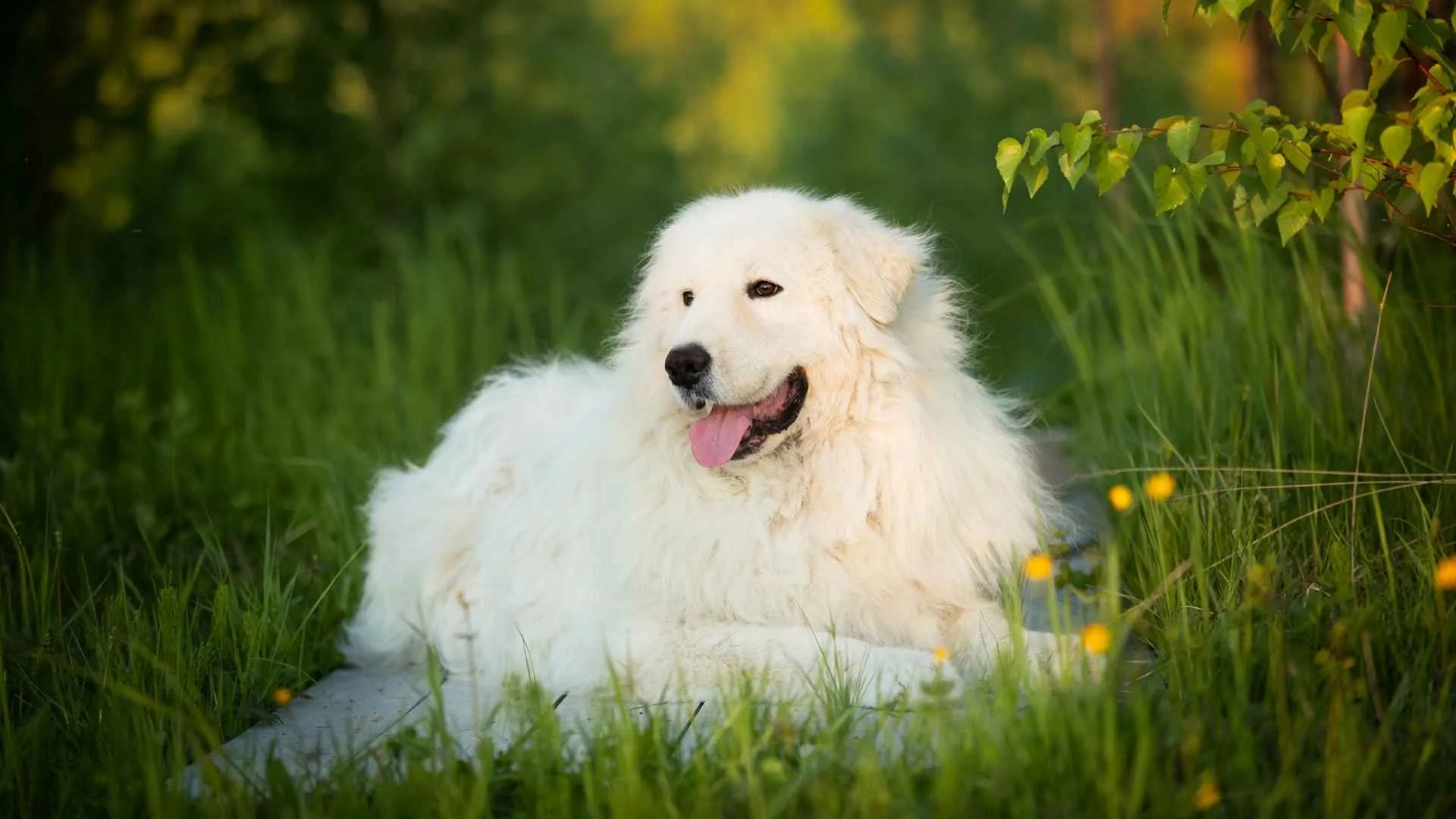
Also known as the Maremmano or Maremma-Abruzzese Sheepdog, the Maremma Sheepdog is an Italian livestock guardian recognized for its thick white double coat and sturdy, muscular build.
With a broad head, dark expressive eyes, and a dignified presence, this large countryside breed was developed to shield flocks from predators in rugged terrain.
Rugged Defender in Harsh Conditions
The Maremma’s coarse outer coat and dense underlayer protect it from cold, wind, and rain, allowing it to remain outdoors for extended periods. Bred to guard sheep independently, it patrols calmly yet reacts decisively when threats approach.
Naturally alert and reserved with strangers, this breed barks to warn and will step in physically if needed. Its imposing frame—males typically weighing between 80 and 100 pounds—adds to its effectiveness as a deterrent on expansive farms.
Best suited to rural properties with large gardens or open land, the Maremma requires one to two hours of daily walking and consistent training to manage its protective instincts. Grooming every other day keeps the coat functional and clean.
Fact: The Maremma Sheepdog’s coat is predominantly white, sometimes showing pale cream or lemon shades.
10. Spanish Mastiff
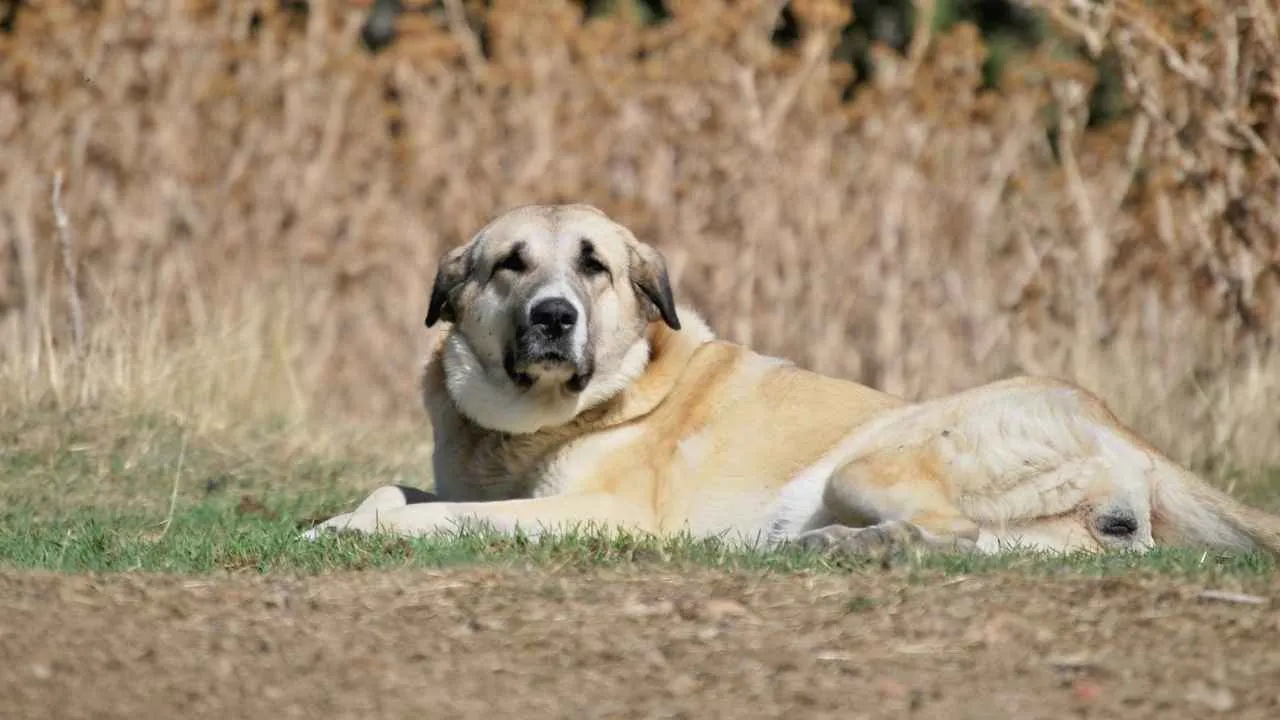
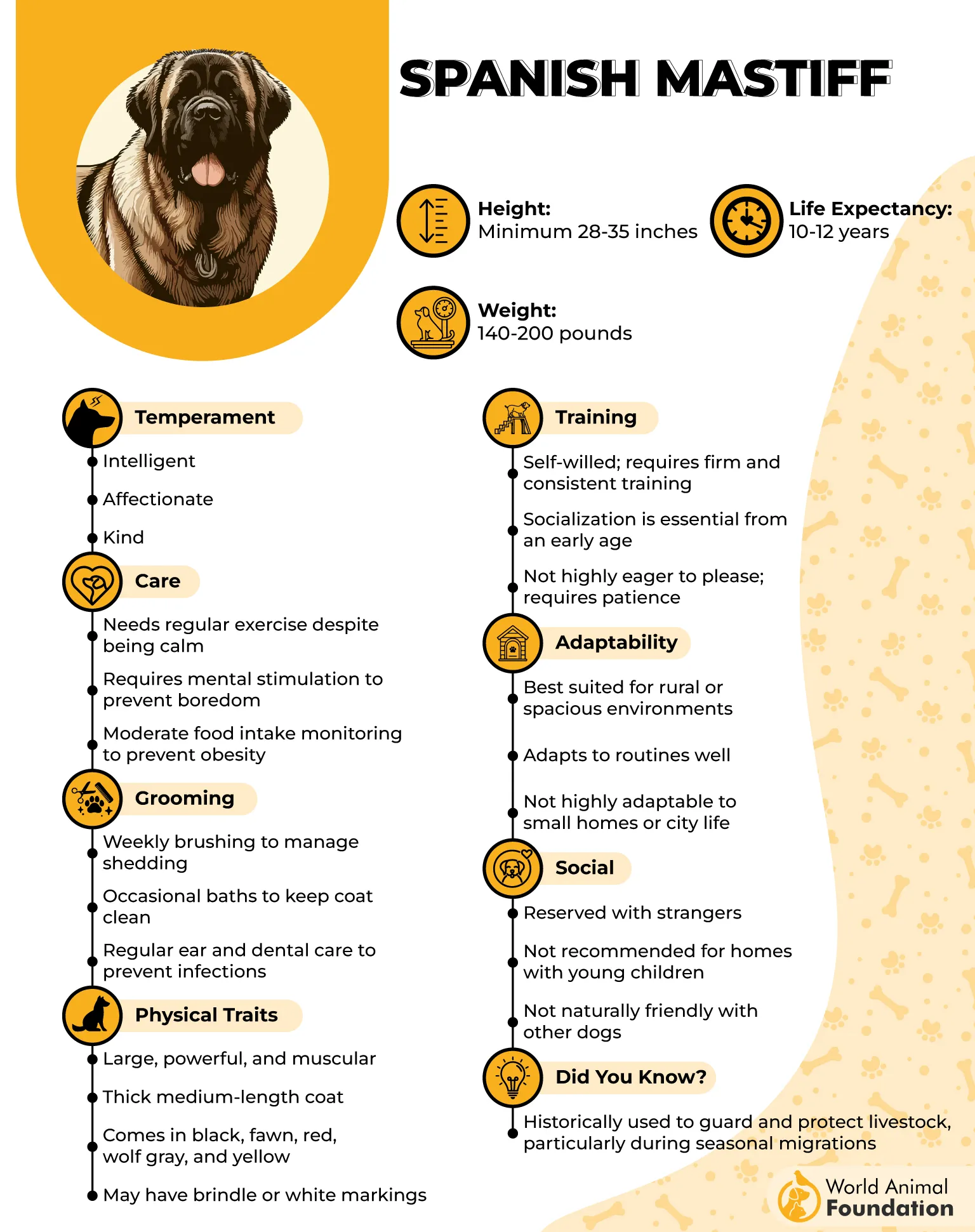
Also known as the Mastín Español, the Spanish Mastiff is a colossal livestock guardian from Spain, recognizable by its massive head, loose double dewlap, and dense coat that appears in shades like fawn, black, red, wolf-gray, or yellow. Beneath its heavy frame lies powerful muscle and surprising agility.
Loyal Farmhand with Unmatched Work Ethic
For centuries, Spanish Mastiffs have accompanied enormous flocks during transhumancia, traveling miles while remaining firmly positioned among the sheep. Rather than roaming far, they anchor themselves at the heart of the herd, creating a living shield against predators.
Though often labeled slow or low-energy, this breed can unleash impressive bursts of speed when danger strikes. Its sheer strength and bone density make it one of the most formidable livestock guardian dogs on large-scale farms.
Early obedience training and socialization are essential, especially given their independent mindset. They require about an hour of daily exercise, thriving best on spacious farms or properties with secure fencing.
Fact: In Spain, it’s common for eight to twenty Spanish Mastiffs to guard a single migrating flock.
Conclusion
Powerhouse farm dog breeds stand apart because of their strength, endurance, and sharp minds.
From guardians like the Anatolian Shepherd and Caucasian Shepherd to draft specialists like the Bernese Mountain Dog and agile drivers like the Catahoula Leopard Dog, these working dogs embody the physical and behavioral traits required for demanding farm life.
Whether guarding livestock from wild dogs, pulling loads, or herding sheep across rough terrain, effective farm dogs thrive when given purpose, space, and proper training.
While this list highlights some of the best farm dog breeds for heavy-duty tasks, many others also shine in rural settings. The Australian Cattle Dog, Border Collie, Australian Shepherd, and German Shepherd are renowned herding dogs, while the Great Pyrenees dogs remain trusted guard dogs for farm animals.
Even versatile rescue dogs can adapt to farm work with guidance. Ultimately, the perfect farm dog depends on your needs—whether it’s managing stock, protecting property, or supporting daily chores on a busy farm.
