




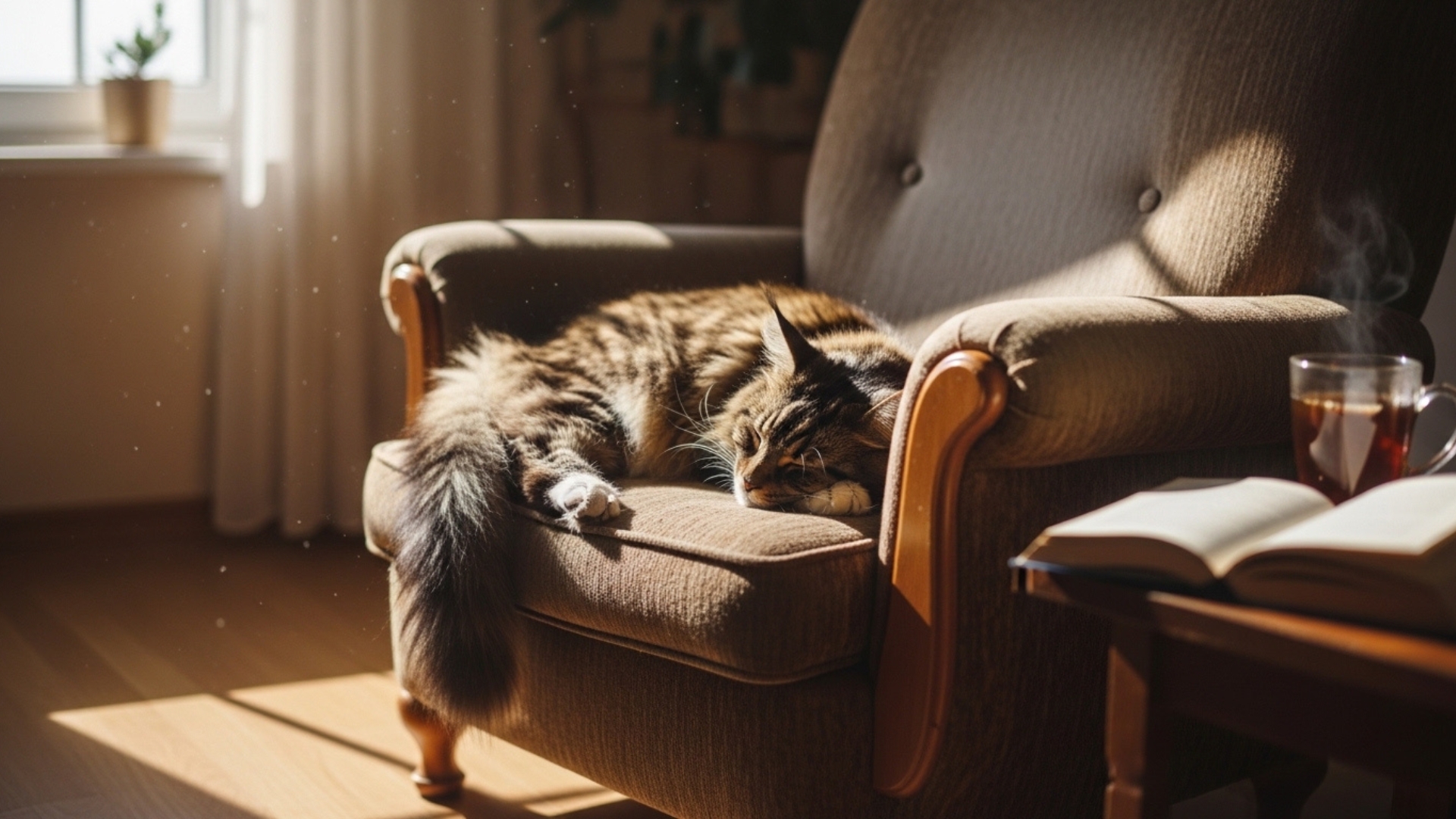
Some cats seem to run on their own internal clock, while others naturally fall into step with the people around them. Household rhythm, for cats, refers to how well a feline adjusts to daily routines like wake-up times, meals, work hours, and quiet evenings at home.
Breeds that mirror this rhythm tend to feel most comfortable when life follows a predictable flow, making them easier companions for structured households.
They notice patterns—when the house is busy, when it’s calm, and when it’s time to rest. These cats often follow family members from room to room, settle in during downtime, and become more active during shared moments, creating a sense of harmony rather than disruption.
Adaptability plays a major role in this behavior. Cats with gentle temperaments, strong social bonds, and a preference for consistency are more likely to thrive in routine-based homes. Whether it’s matching sleep schedules or daily activity levels, these breeds don’t just live in a house—they become part of its natural rhythm, blending seamlessly into everyday life.
Cat Breeds That Mirror Household Rhythm
1. Ragdoll
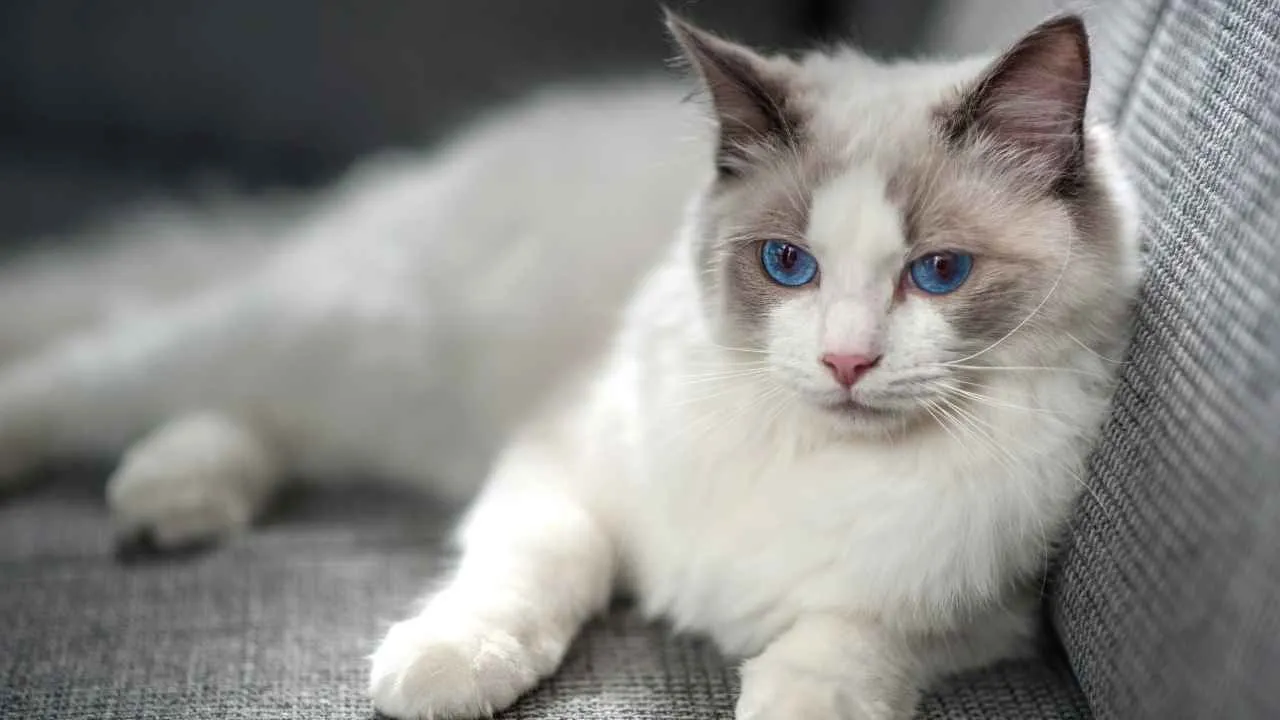
Ragdolls, sometimes called “puppy-like cats,” are instantly recognizable for their striking blue eyes, silky coats, and notably calm demeanor.
According to Britannica, the Ragdoll is a long-haired cat breed noted for its habit of fully relaxing its muscles when lifted, causing it to resemble a limp rag doll.
Developed in the United States during the 1960s, this breed was intentionally shaped around an exceptionally gentle and people-focused temperament.
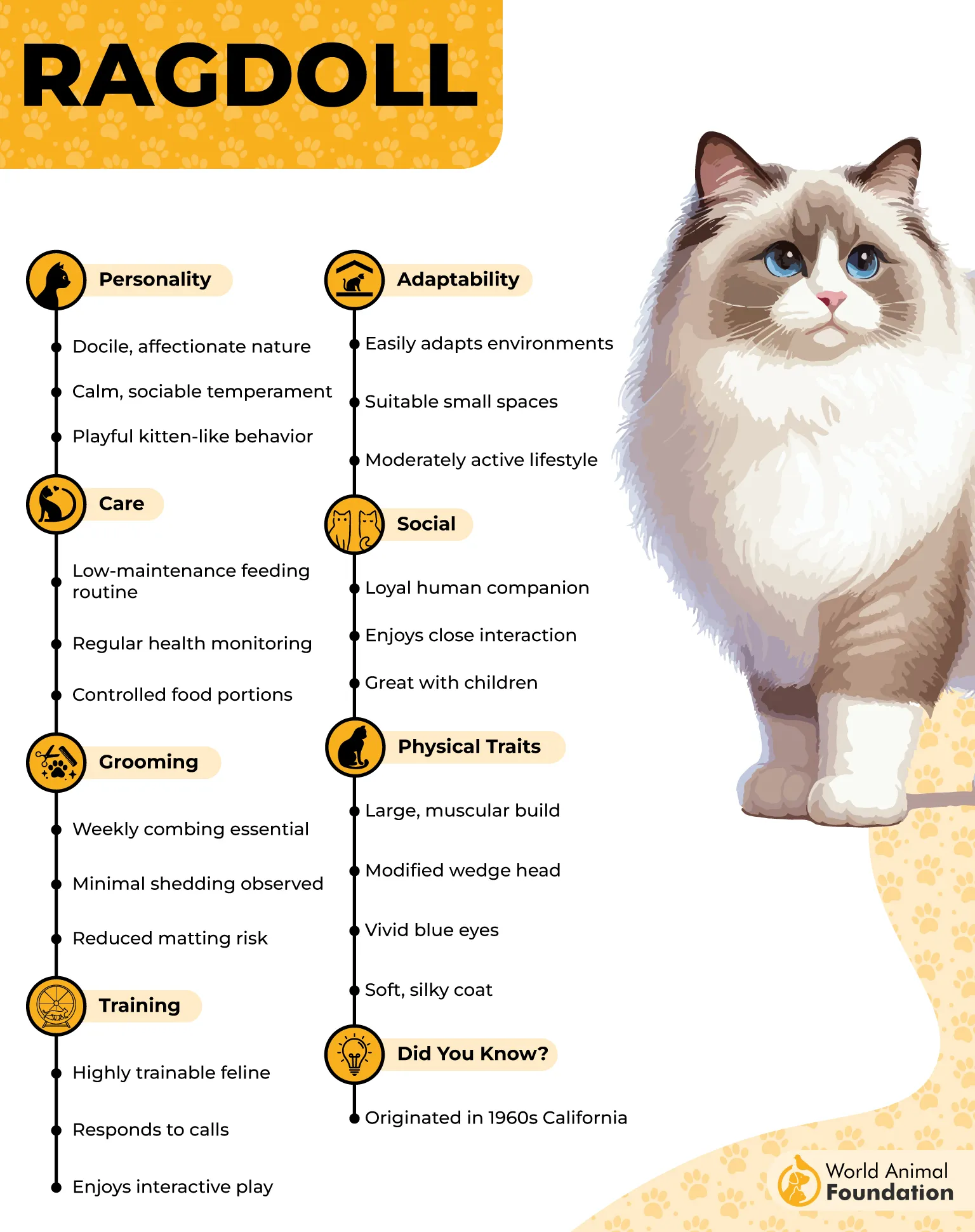
When it comes to mirroring household rhythm, Ragdolls truly shine. They remain relaxed amid daily noise and activity, adjusting easily to busy mornings and quiet evenings without becoming stressed or withdrawn. Their steady nature makes them well-suited to homes with children, guests, or other pets.
These cats thrive on consistency and human presence, often following family members from room to room and settling nearby during routine activities. Rather than demanding constant stimulation, they prefer shared downtime, syncing their naps and play moments with the household’s natural flow.
Despite their laid-back attitude, Ragdolls are intelligent and eager to please, which helps them adapt quickly to schedules. They enjoy predictable interactions like greeting owners at the door or winding down together at night.
Fact: The Ragdoll breed was developed in the 1960s by breeder Ann Baker, who selected cats specifically for their unusually calm temperament.
2. British Shorthair
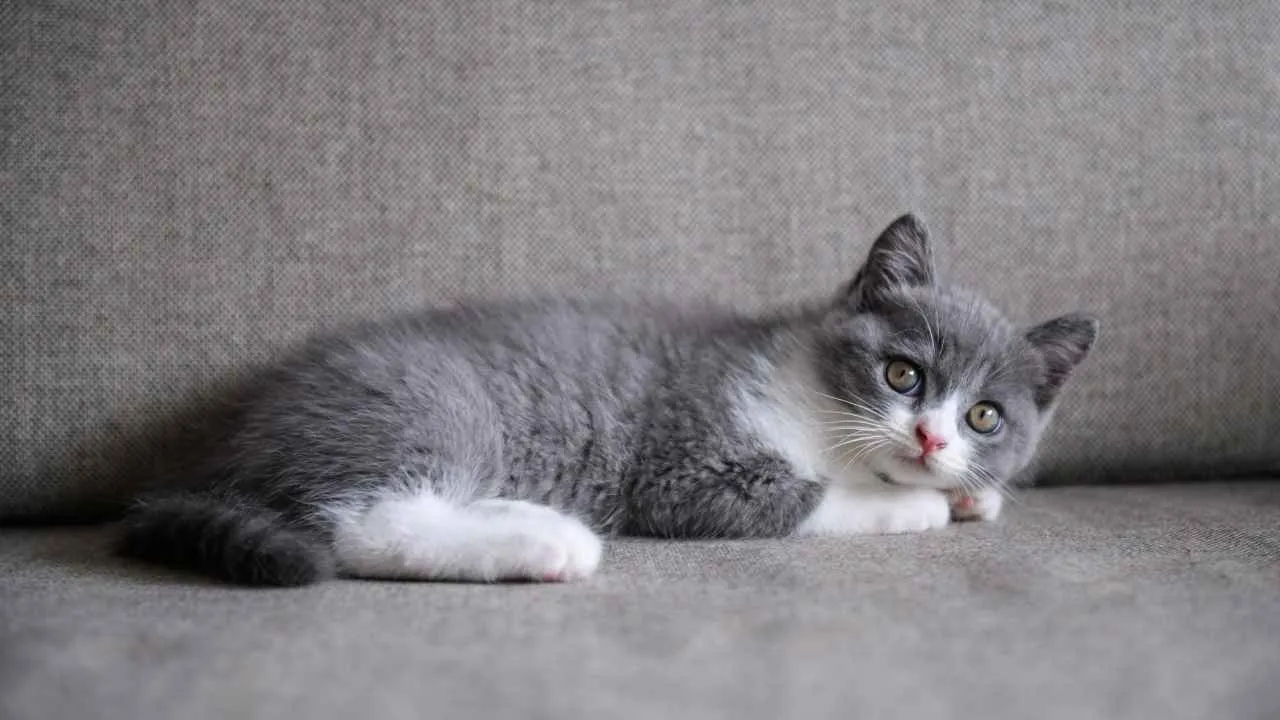
Often simply called the Brit or Brit Shorthair, the British Shorthair is instantly recognizable for its round face, dense plush coat, and calm, dignified presence. This breed is known for independence balanced with quiet affection, making it well-suited to structured homes.
According to PetMD, British Shorthairs can be quite independent and often enjoy spending time on their own; however, they are also adaptable and gentle, which makes them well-suited to many different types of households.
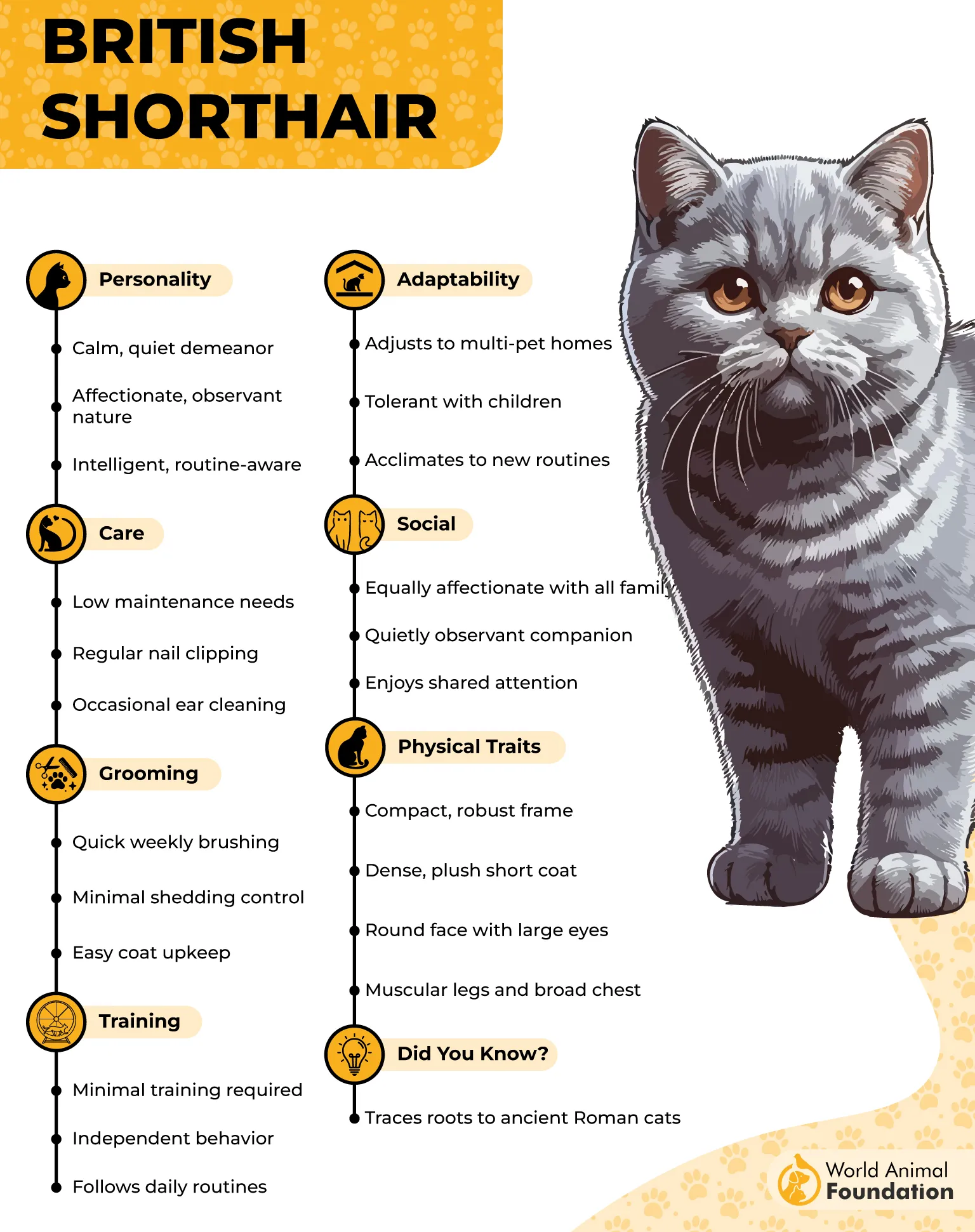
British Shorthairs naturally adapt to household rhythm, becoming playful during active moments and content to relax when the home is calm. They tend to observe daily routines closely, following familiar schedules without demanding constant attention.
When left alone during work hours, this breed handles solitude well, often napping or quietly entertaining itself. Their ability to settle into predictable patterns makes them ideal for busy households that still value companionship.
Rather than insisting on laps, British Shorthairs prefer nearby company, happily sharing space while mirroring your energy level. As they mature, they often become more sedentary, aligning even more smoothly with slower-paced routines.
Fact: British Shorthairs are known to become increasingly calm with age, with males typically more playful than females.
3. Maine Coon
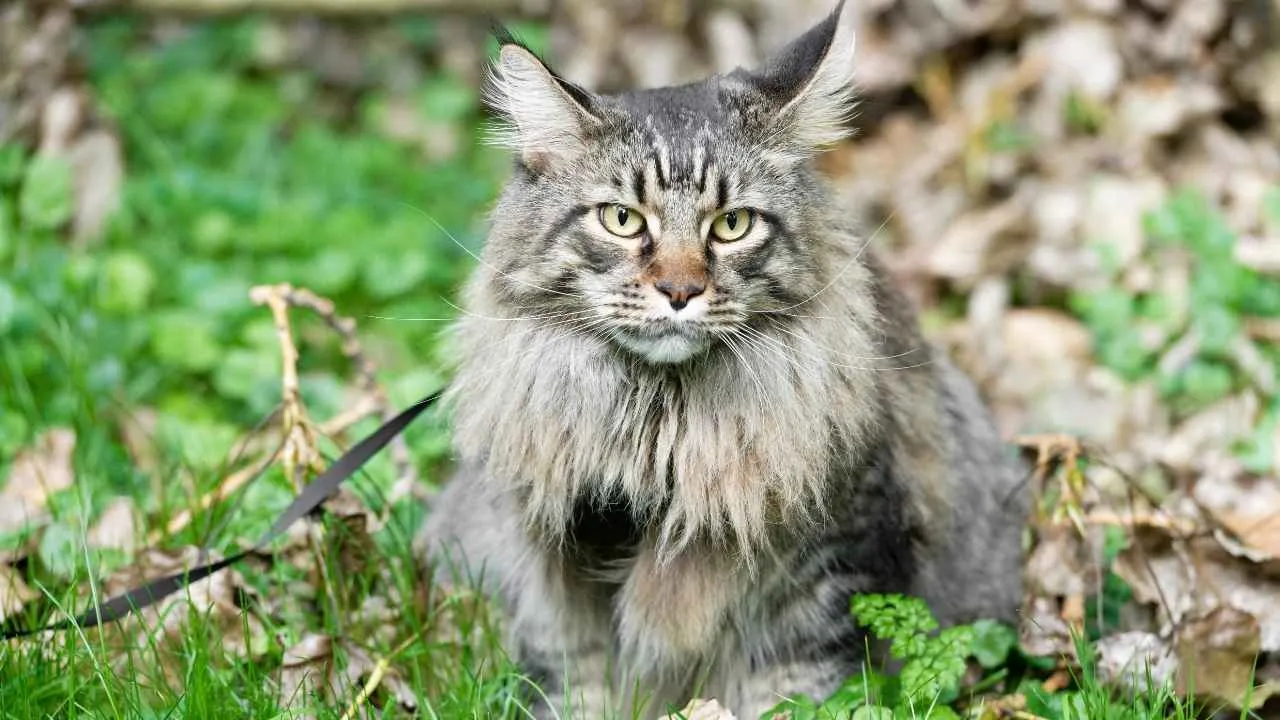
The Maine Coon, often called the “gentle giant,” is instantly recognizable for its shaggy coat, tufted ears, and impressive size. This large breed is known for a calm, approachable personality that makes it a natural fit in busy households.
According to WebMD, Maine Coon cats are a large breed and are generally known for being affectionate and friendly.
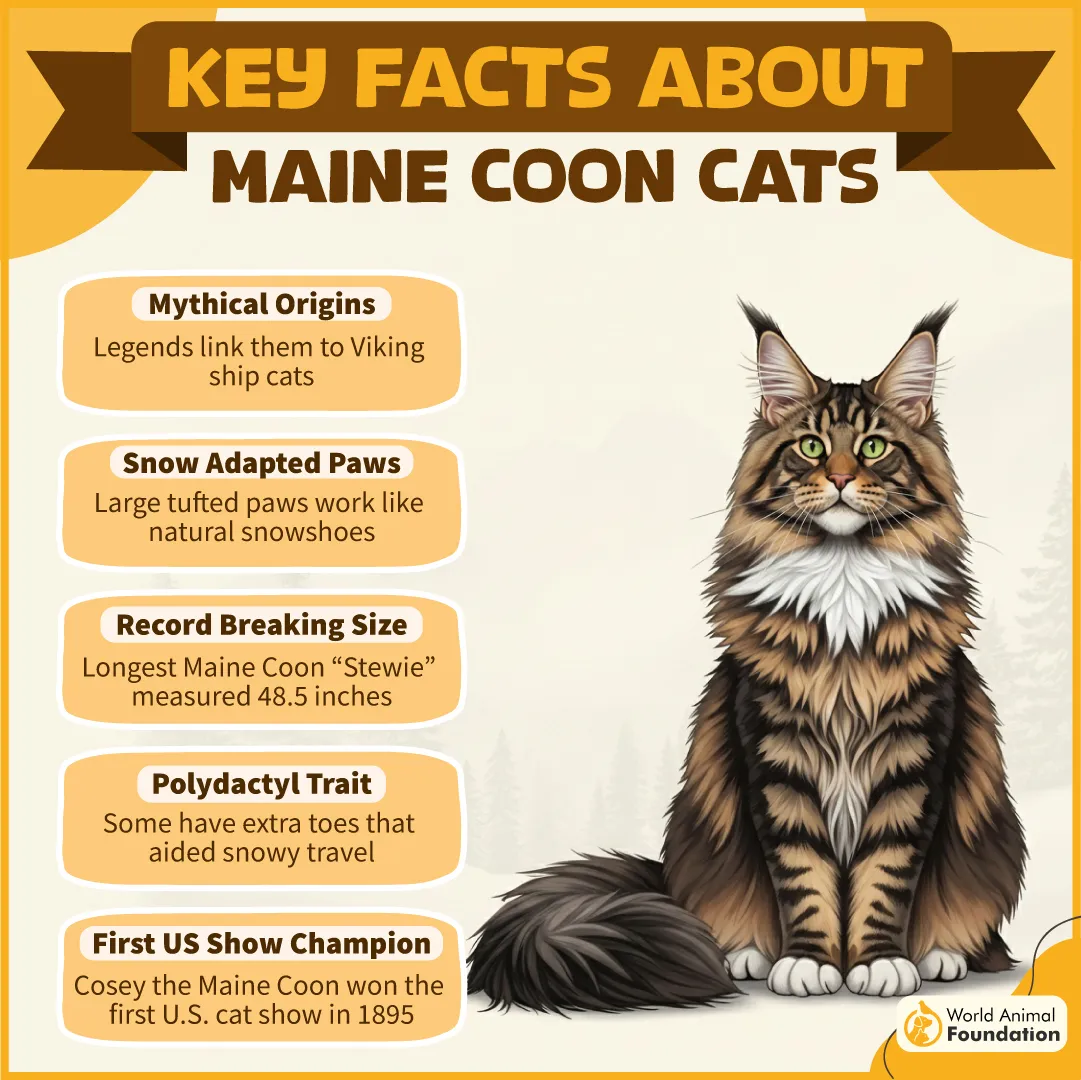
Maine Coons thrive in homes with steady routines, whether the family is constantly on the move or working from home. They enjoy being present during daily activities, quietly observing or following their people from room to room without demanding constant attention.
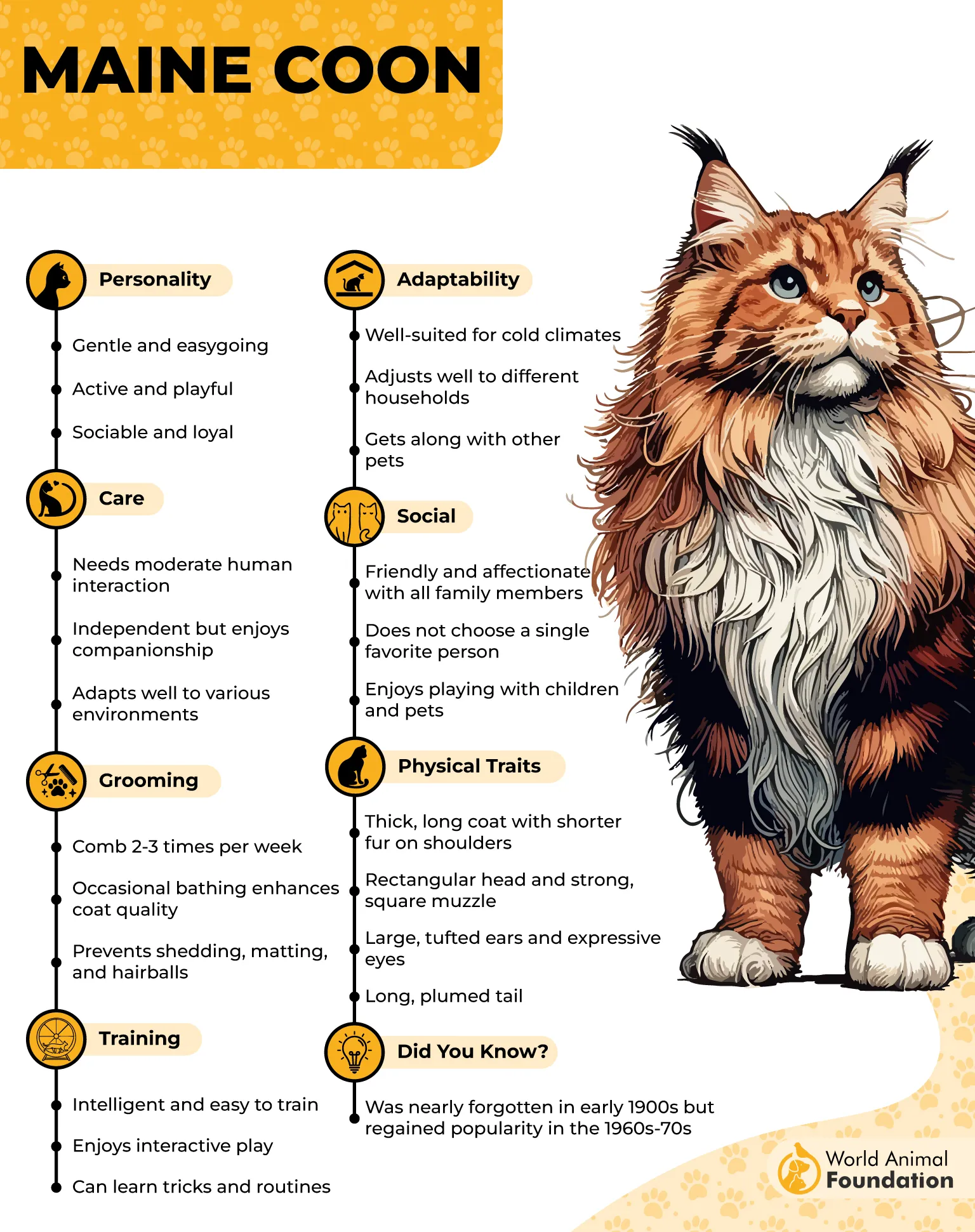
Highly intuitive and emotionally aware, this breed seems to sense shifts in household energy. Maine Coons adjust easily to changes in schedules, offering playful moments during active hours and relaxed companionship when the home settles down.
While they’re not typical lap cats, their loyalty is unmistakable. Many form a strong attachment to one person and stay nearby throughout the day, blending seamlessly into everyday life.
Fact: Maine Coons are famously nicknamed “the clowns of the cat world” because their intelligence often shows up in playful, curious antics.
4. Scottish Fold
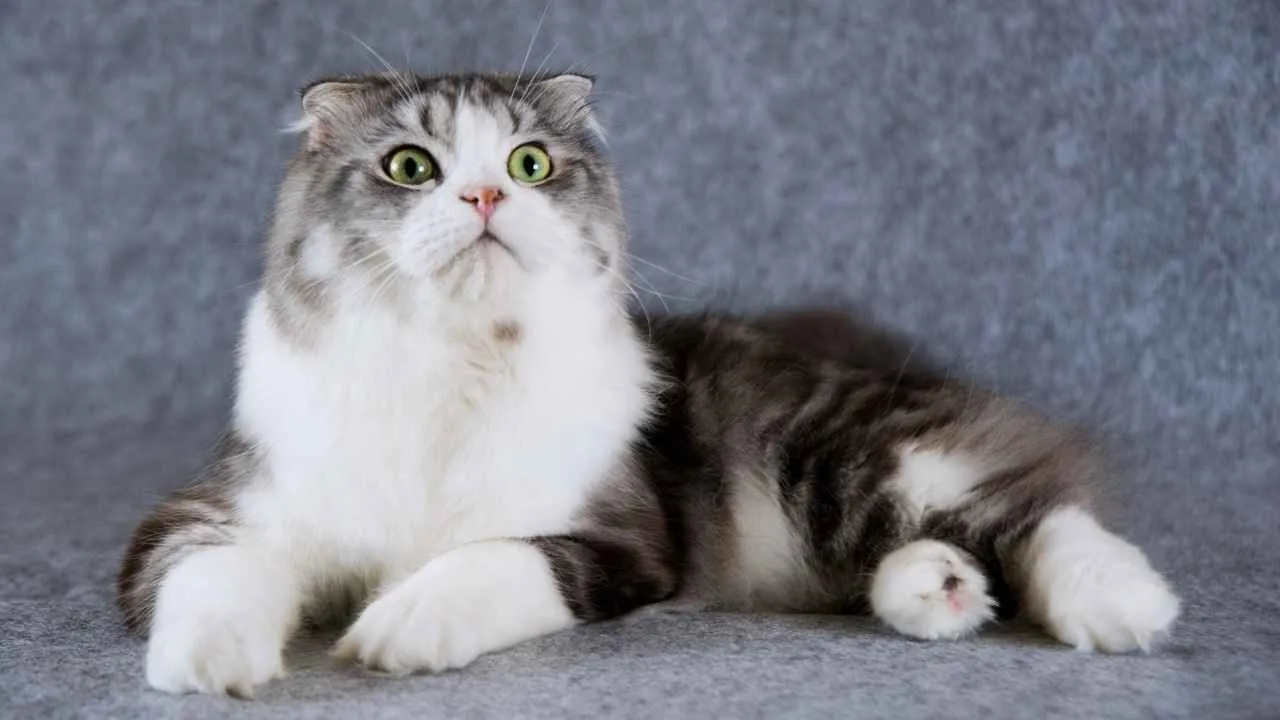
Often called the Fold, the Scottish Fold is instantly recognizable by its rounded face and signature folded ears, a trait that originated from a barn cat in Scotland. This short-haired breed has a calm presence and a soft, expressive look that fits naturally into structured homes.

They enjoy predictable schedules and tend to settle in when the household quiets down, making them well-suited to families with steady work, school, or evening rhythms. They prefer being nearby without demanding constant attention.
Their affectionate yet undemanding personality helps them blend smoothly into family schedules. Scottish Folds often follow familiar patterns—resting during busy hours and seeking gentle interaction during shared downtime—which makes them a comforting presence rather than a disruptive one.
They also adjust well to multi-pet homes and respectful children, responding best to calm handling and consistent routines.
Fact: All Scottish Fold kittens are born with straight ears, and folding usually begins around three to four weeks of age if the genetic trait is present.
5. Burmese
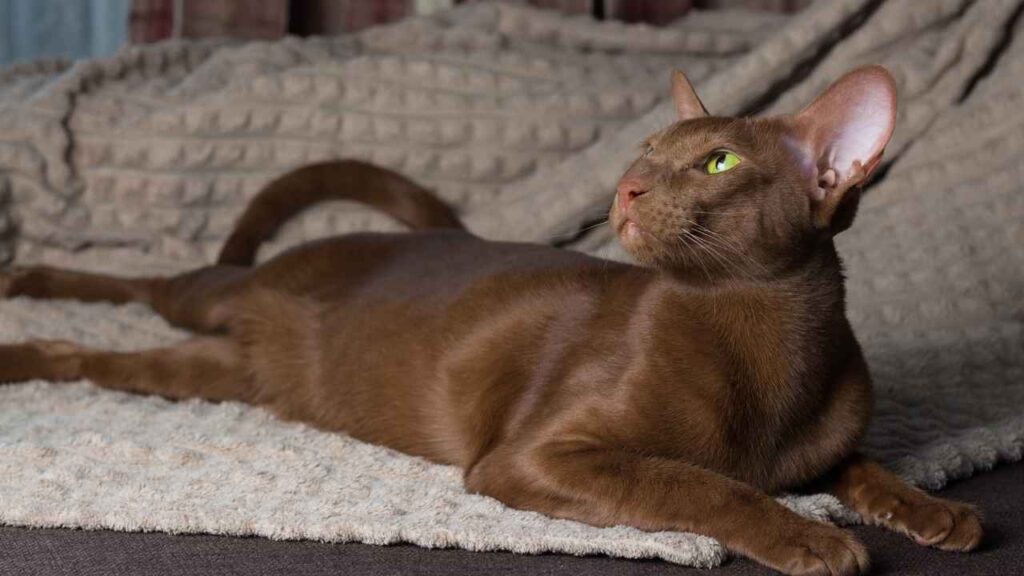
Often simply called the Burmese, this sleek, round-faced breed traces its roots to Southeast Asia and later gained fame worldwide. Known for a glossy coat and expressive eyes, Burmese cats combine elegance with an engaging, people-focused personality.
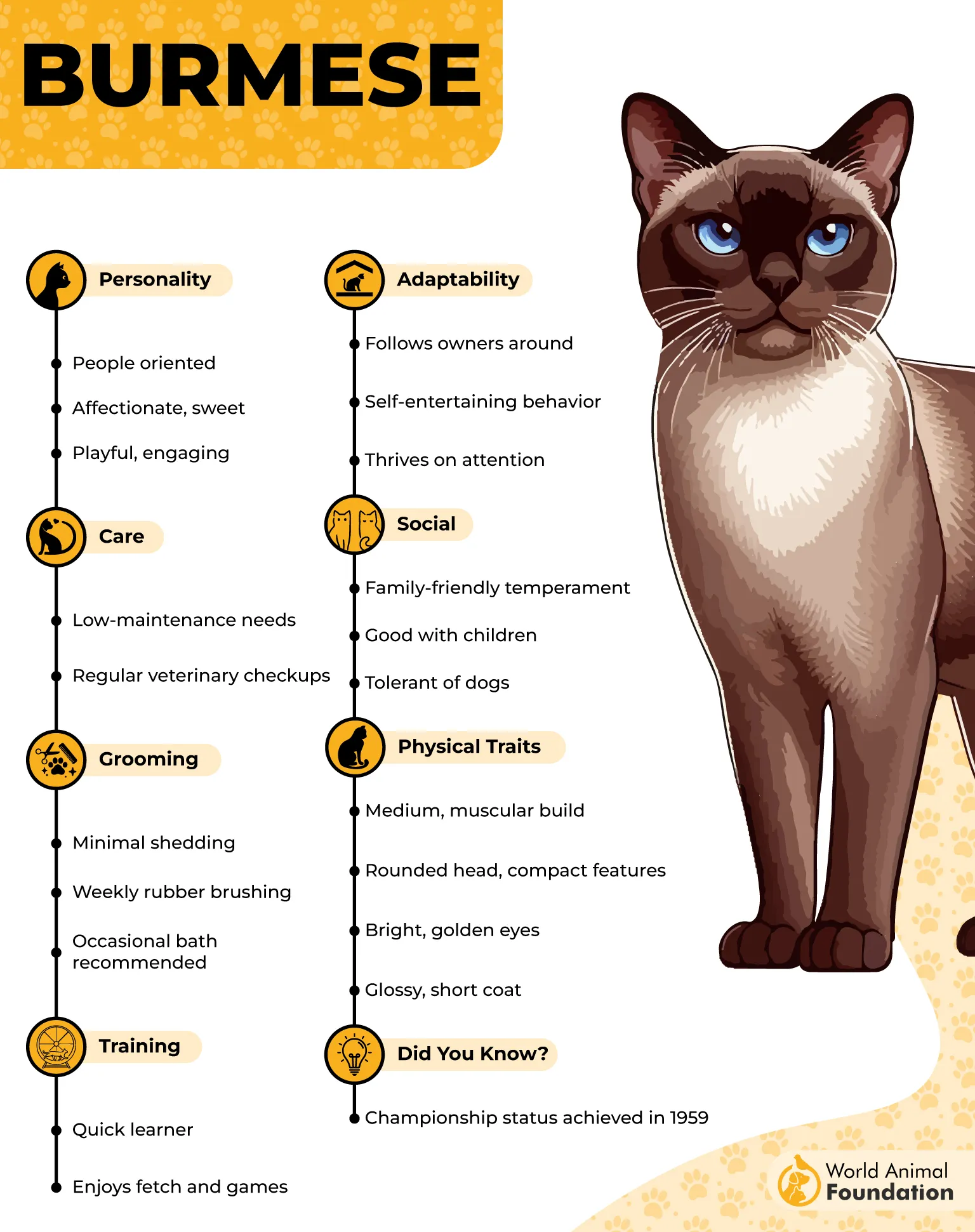
Burmese cats excel at syncing with daily activity. They enjoy being present during busy moments and naturally settle when the home grows quiet, making them well-suited to predictable routines and steady schedules.
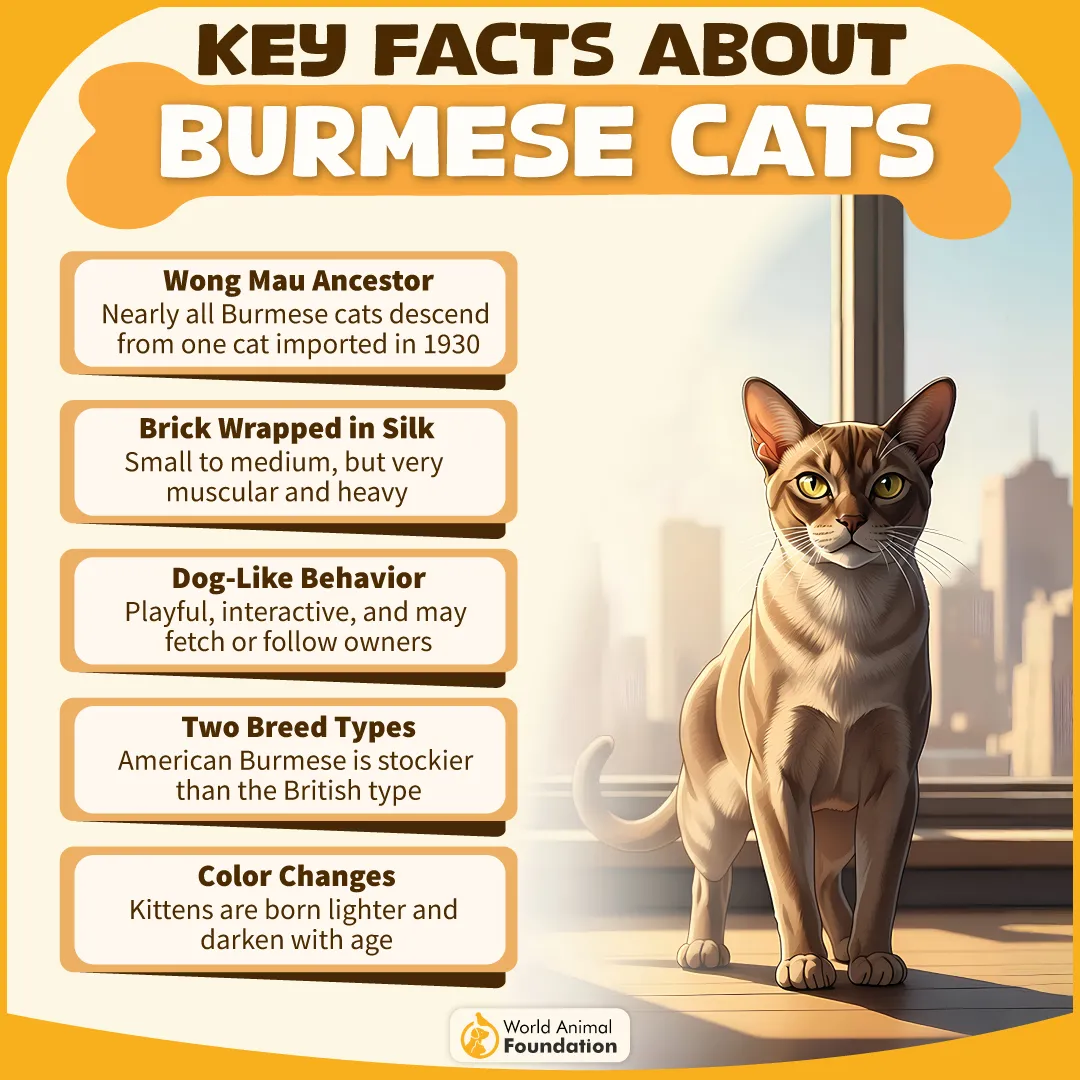
Though confident and somewhat independent, they stay closely tuned to human movement and habits. A Burmese will often follow family members from room to room, nap nearby during work hours, and perk up right on cue when it’s time for shared interaction.
This balance of independence and attentiveness allows them to adapt without becoming demanding. Their ability to observe, wait, and reengage helps them blend seamlessly into everyday life without disrupting the flow of the home.
Fact: Burmese cats were once so valued in Southeast Asia that they were given as gifts to royalty and visiting dignitaries.
6. Birman
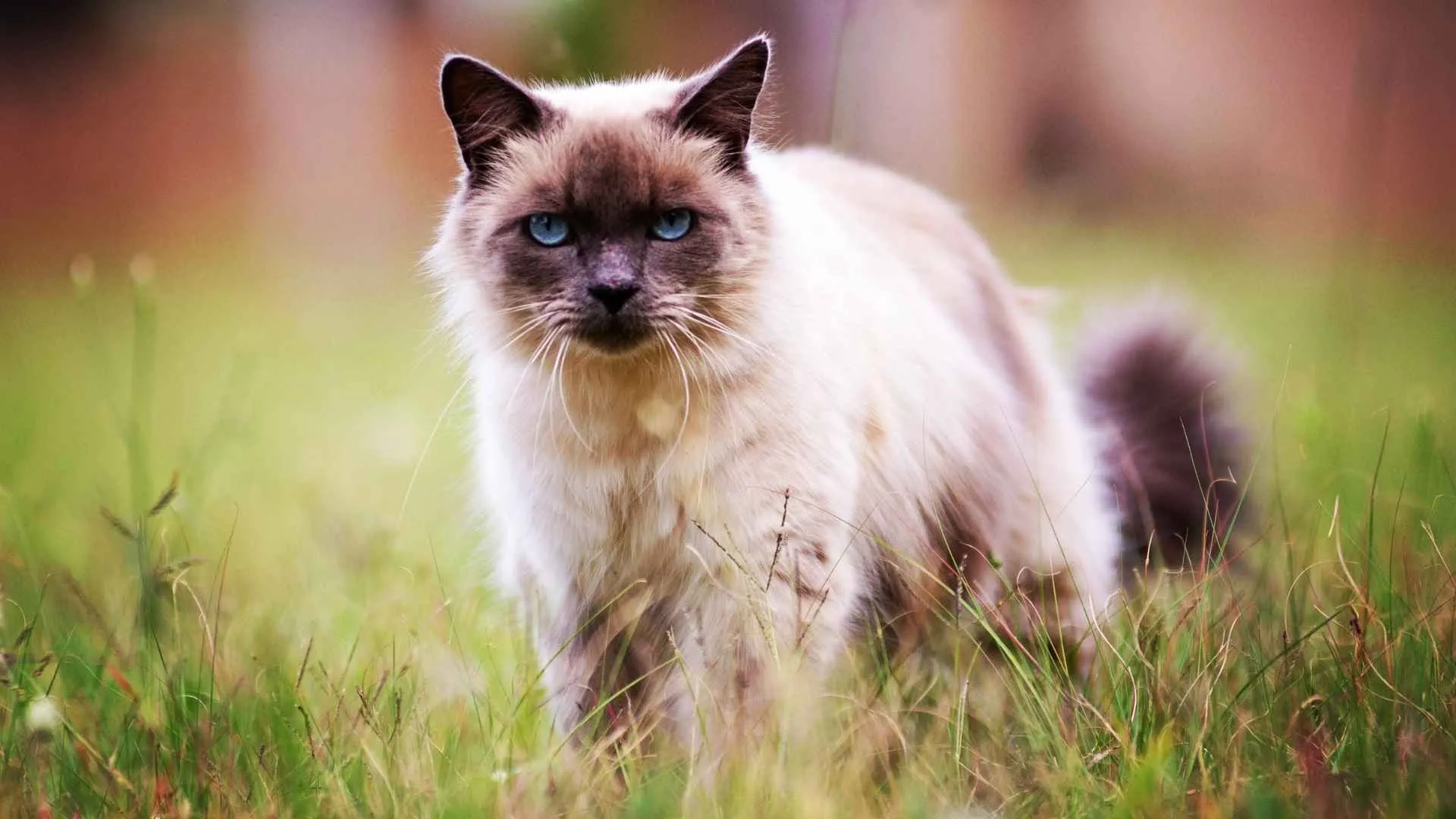
Often called the Sacred Cat of Burma, the Birman is also known simply as Birman and is famed for its striking blue eyes, silky medium-length coat, and signature white paws. Though linked to ancient Burmese legends, the breed was formally developed in France and is prized for its calm, balanced presence in the home.

Birmans naturally align themselves with household routines, making them ideal for families who value structure and predictability. They tend to observe daily patterns quietly, joining in when the home is active and settling peacefully during calmer moments without becoming disruptive.
This breed thrives in gentle, steady environments where meals, rest, and play follow a familiar rhythm. Birmans enjoy being near their people, often shadowing family members from room to room, yet they’re content to relax independently when the household slows down.
Adaptable by nature, Birmans do well in apartments or larger homes as long as they have consistent interaction and a cozy space to retreat.
Fact: Birman registrations have steadily increased in recent decades due to their affectionate temperament and adaptable lifestyle.
7. Exotic Shorthair
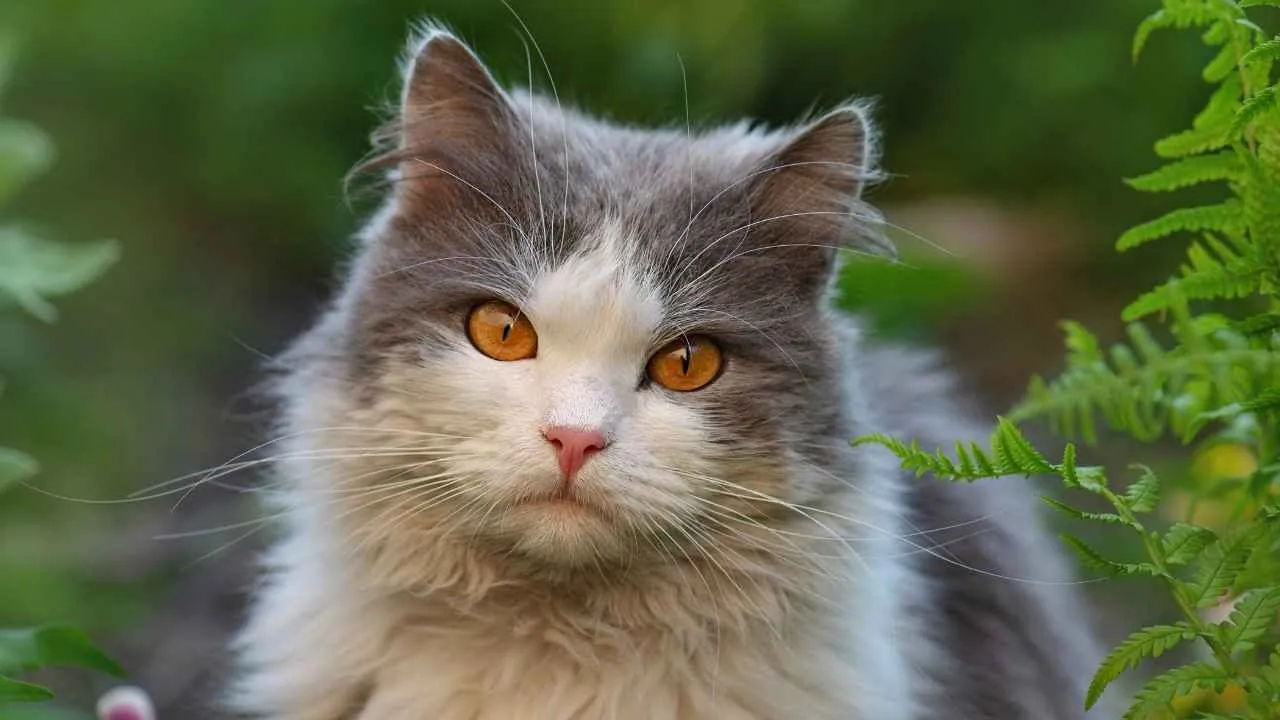
Often nicknamed the “lazy man’s Persian,” the Exotic Shorthair closely resembles the Persian but features a short, dense coat and a round, expressive face. This breed is instantly recognizable for its plush look, large eyes, and people-focused personality that fits well into structured homes.
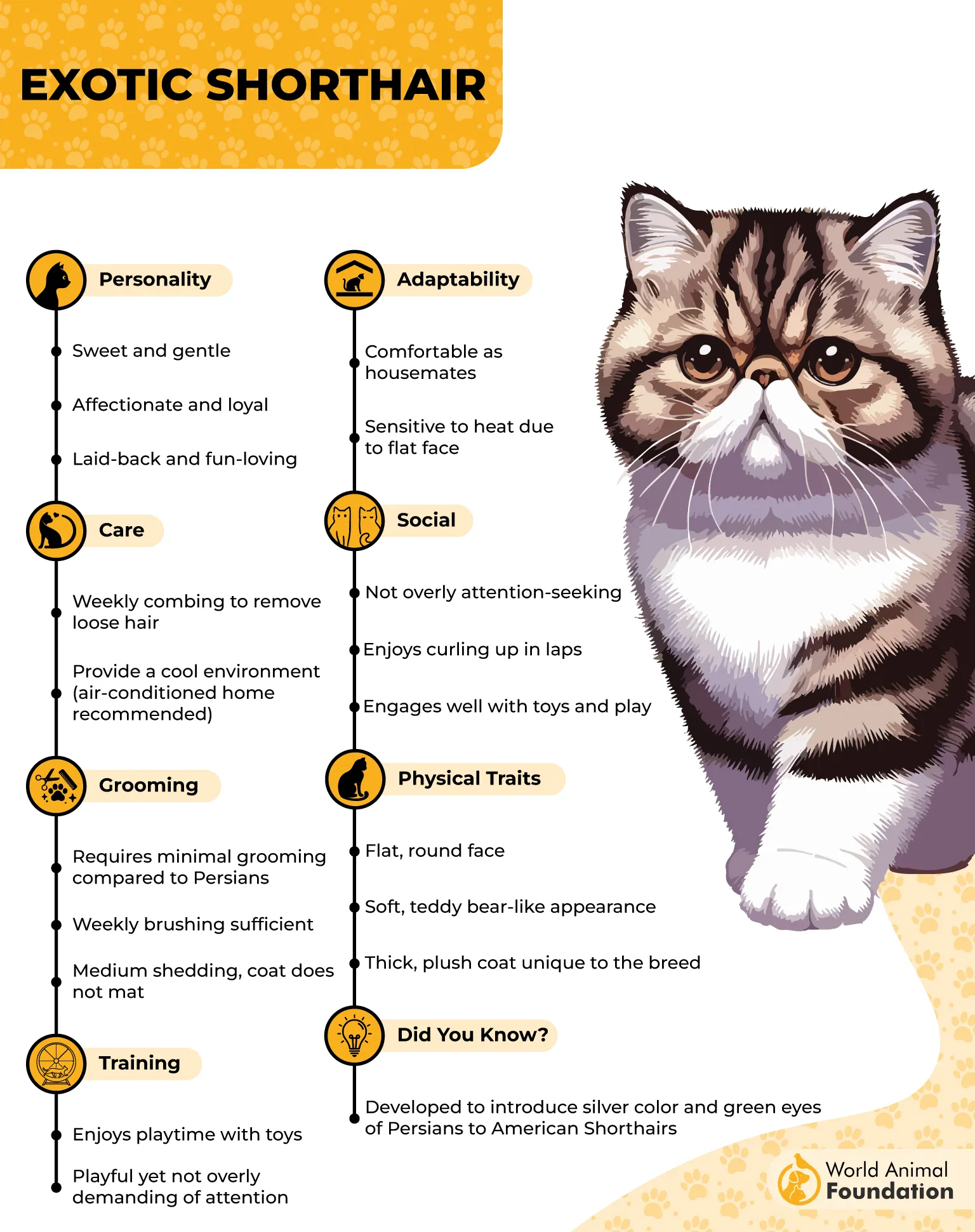
Exotic Shorthairs naturally adapt to household rhythm, matching their activity to the energy around them. When the home is lively, they enjoy gentle interaction, and when things slow down, they’re perfectly content lounging nearby, making them ideal for families with predictable routines.
These cats thrive on consistency and human presence without being overly demanding. They enjoy affection, brief play sessions, and quiet companionship, often choosing to nap close to family members rather than seeking constant stimulation.
Their calm temperament and low energy level help them sync effortlessly with daily schedules, from work hours to relaxed evenings.
Conclusion
Cats that mirror household rhythm bring a sense of balance to everyday life, adjusting naturally to routines, energy levels, and human schedules.
Whether it’s people-oriented cats, velcro cat personalities, or dog-like cats that play fetch, these domestic cats thrive on quality time and close bonds.
Many adult cats enjoy lap time, seek warmth, and use interactive toys or puzzle toys for mental stimulation, making them a great feline companion for structured homes.
While other breeds and other cats may vary, most cats that fit this rhythm respond well to positive reinforcement, interactive play, and even learning new tricks.
These great companions enjoy regular grooming, interactive play, and shared routines. With patience, mental engagement, and consistency, breed loves turn into lasting bonds that support their best life alongside humans.
