




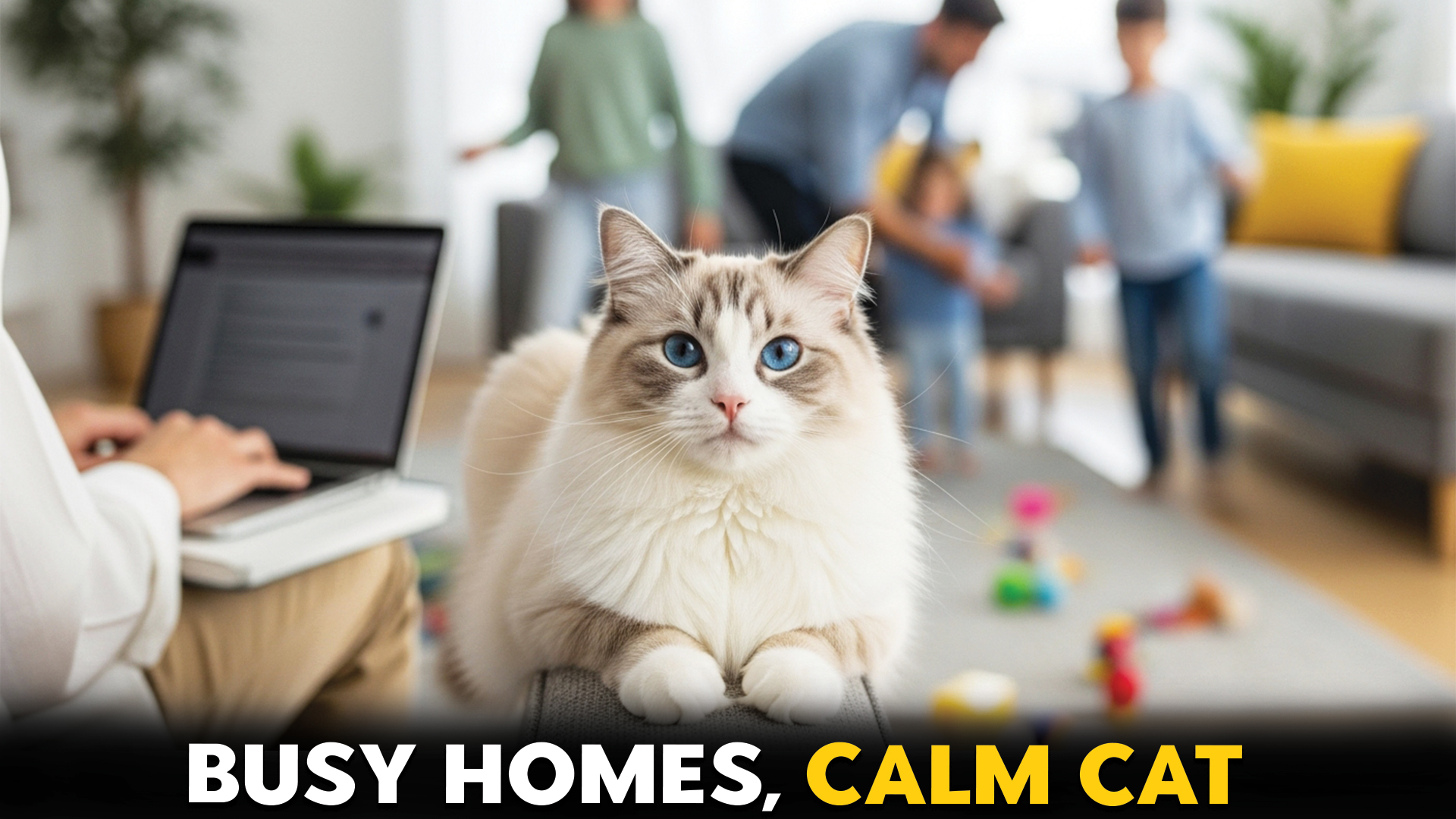
Busy homes are full of movement, noise, and changing routines—and not every cat is comfortable in that kind of environment. While some felines prefer quiet corners and predictable days, others truly thrive when life is lively. Factors like confidence, adaptability, and sociability play a major role in how well a cat handles constant activity.
Personality traits matter more than stereotypes. Cats that cope well with bustling homes tend to be easygoing, curious, and resilient rather than skittish or easily overwhelmed. They’re often comfortable around visitors, tolerant of household sounds, and able to entertain themselves when attention is divided.
For busy professionals, families, or apartment dwellers, the right cat can offer companionship without stress. In this article, we’ll explore cat breeds that handle noise and activity with ease, making them great companions for energetic, fast-paced households.
Cat Breeds That Thrive in Busy Homes
1. Maine Coon
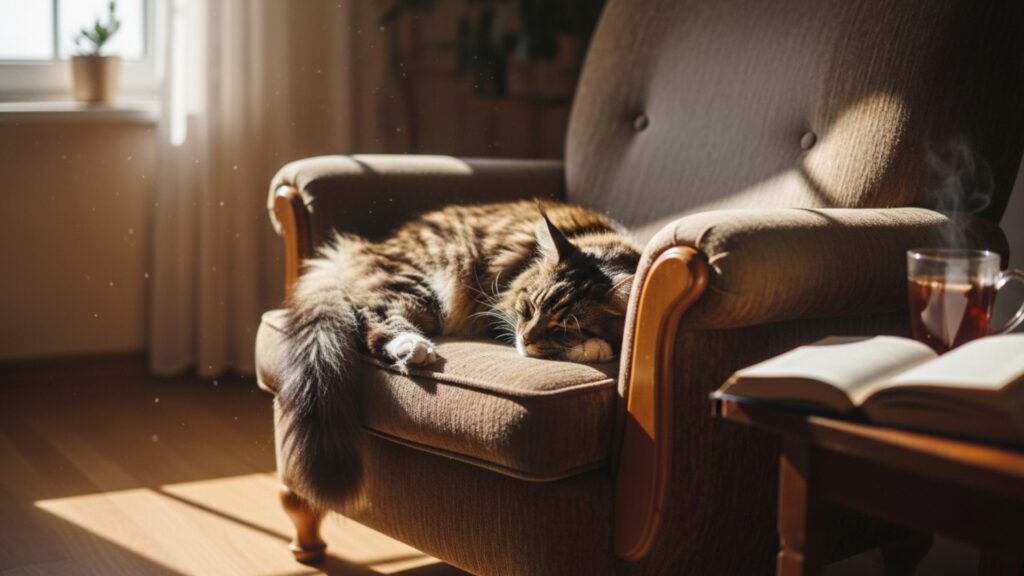
The Maine Coon, often called the “gentle giant,” is a large breed known for its friendly expression and easygoing charm.
According to Britannica, the Maine Coon is North America’s only native breed of long-haired domestic cat. With tufted ears, a shaggy coat, and a sturdy build, this breed combines an impressive look with a warm, sociable personality that suits active households well.
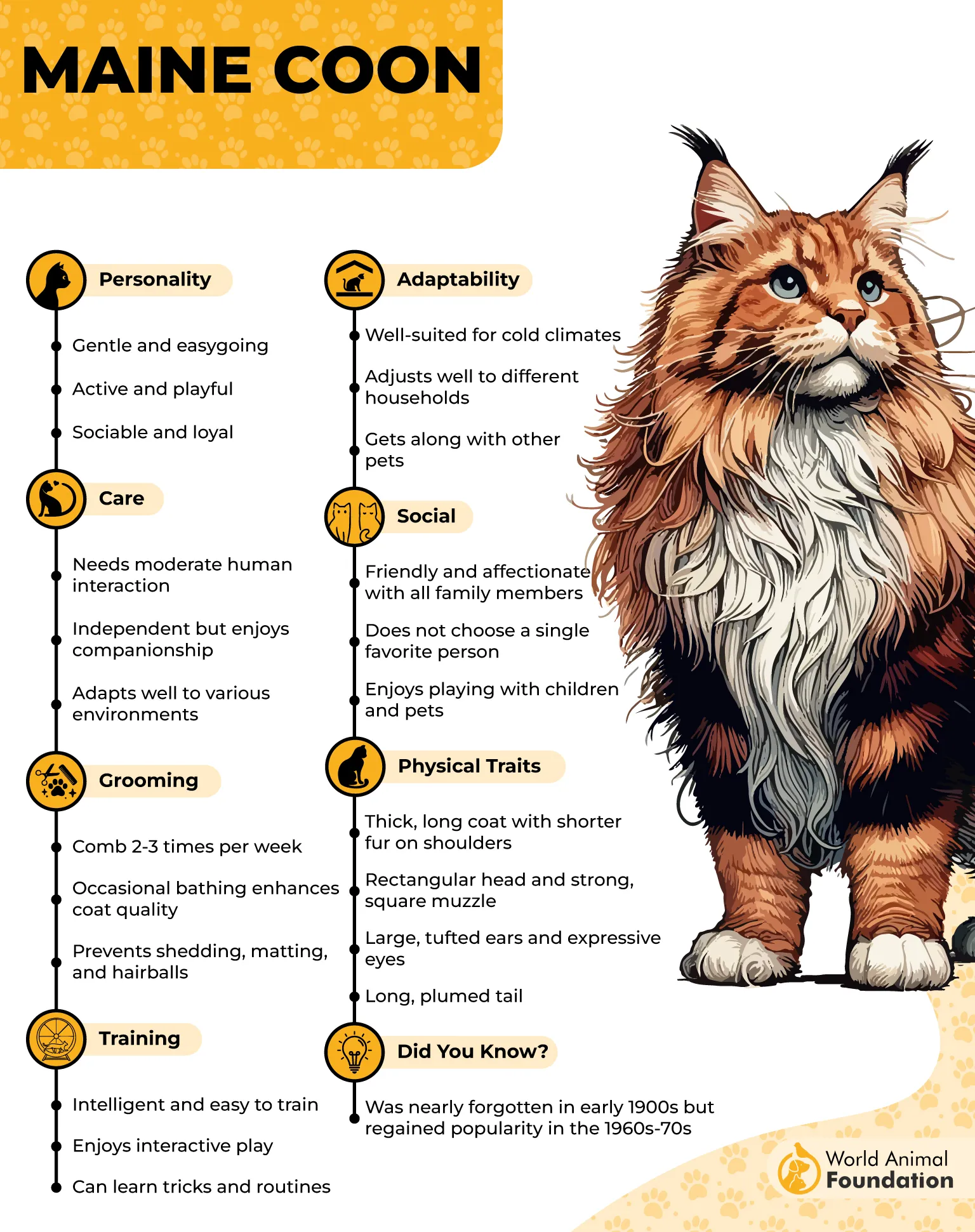
In busy homes, Maine Coons shine thanks to their calm confidence and people-loving nature. They’re comfortable around everyday noise, visitors, and constant movement, making them well-suited to families or professionals with packed schedules. Rather than hiding, they often stay nearby, quietly observing household activity.
While playful and intelligent, Maine Coons aren’t overly demanding. They enjoy interactive moments but are equally content entertaining themselves or relaxing when attention shifts elsewhere. This balance allows them to adapt smoothly to changing routines without becoming stressed.
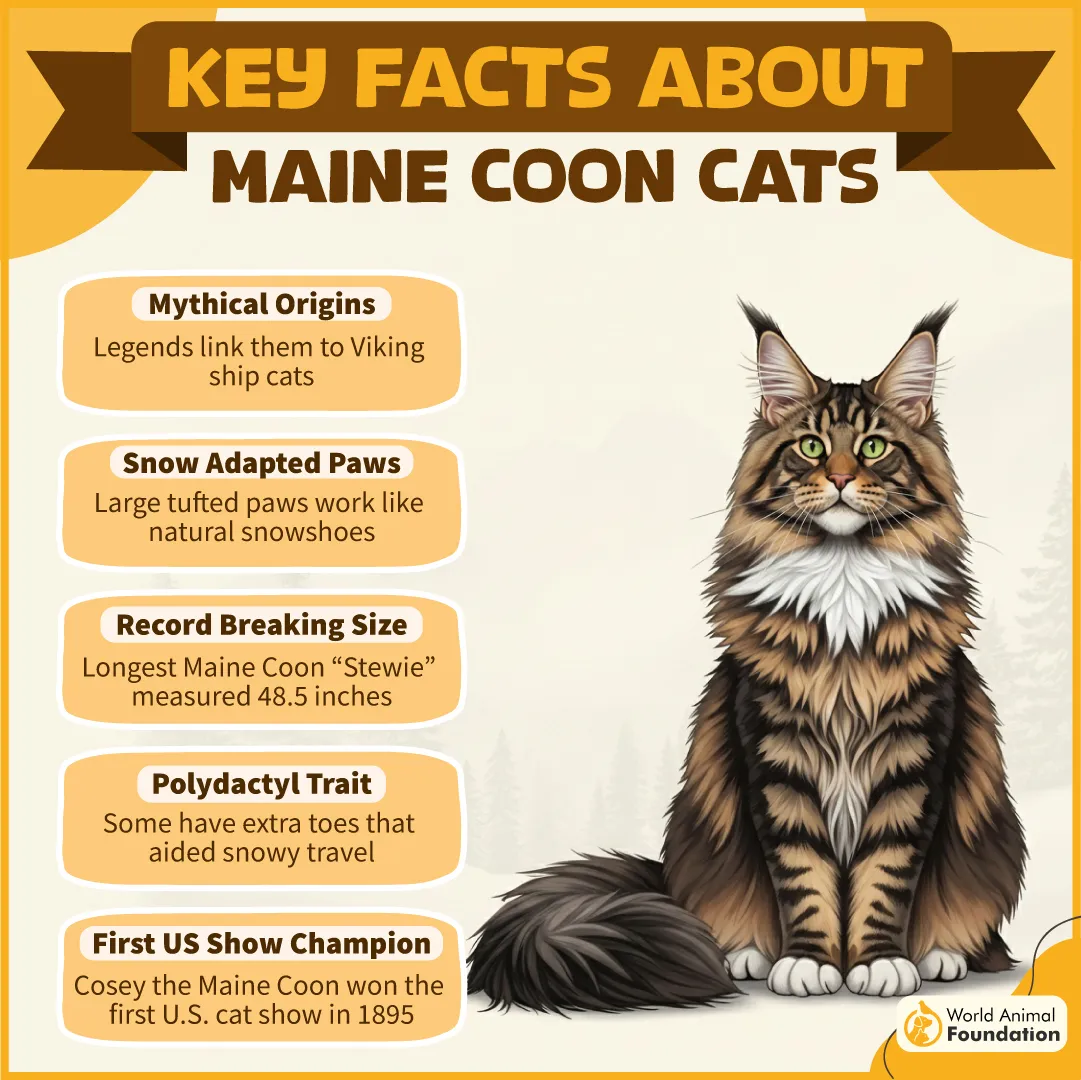
Their gentle temperament also helps them coexist easily with children, dogs, and other pets, making them reliable companions in lively environments.
Fun fact: Maine Coons are famously family-oriented and are often compared to dogs for their loyal, social behavior.
2. Ragdoll
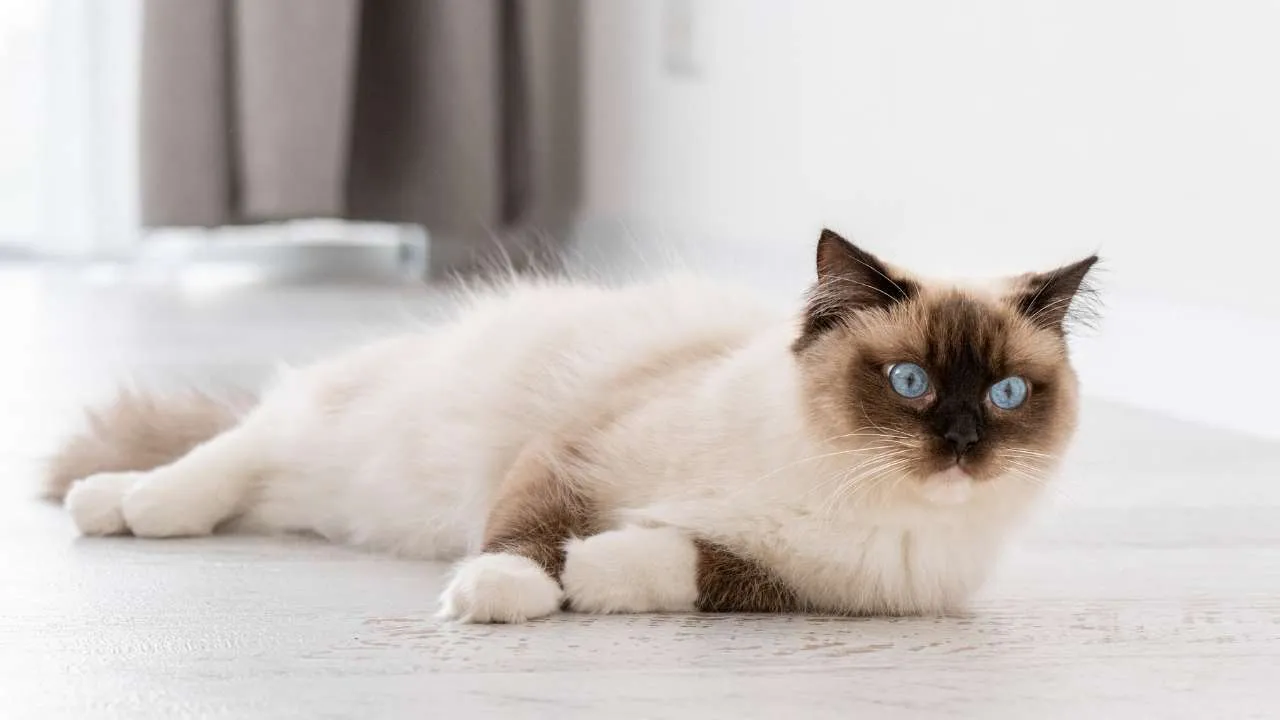
The Ragdoll, often nicknamed the “puppy cat,” is instantly recognisable for its striking blue eyes. According to PetMD, the Ragdoll gets its name from its tendency to relax completely and become floppy when being petted, cuddled, or held.
This large, people-oriented breed is known for going limp when picked up, a trait that reflects its trusting and easygoing nature.
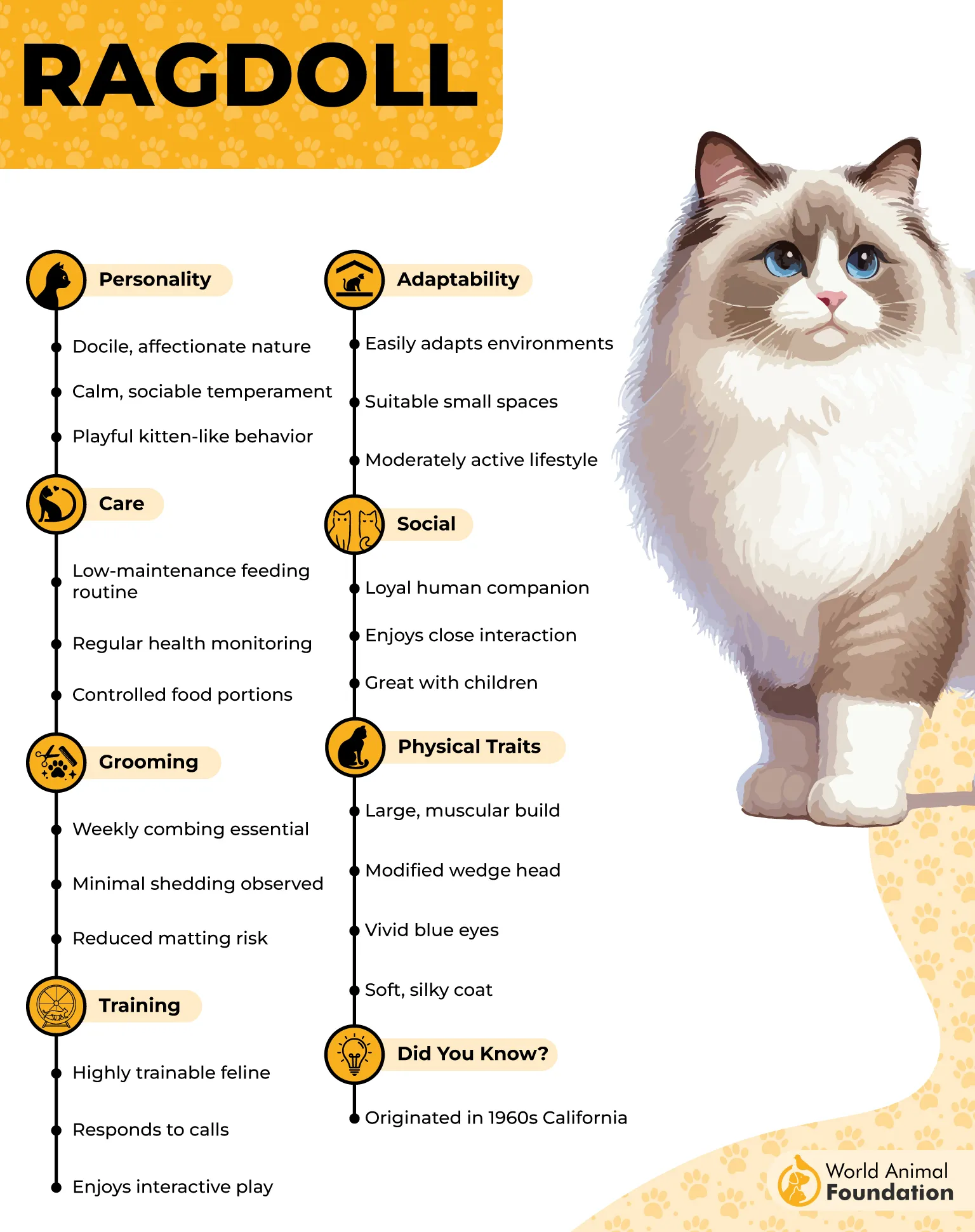
In busy homes filled with movement and changing routines, Ragdolls tend to remain calm and unbothered. Sudden noises, visitors, or active children rarely faze them, making them well-suited to lively family environments where activity is constant.
Their social personality allows them to adapt smoothly to indoor living, and they’re happy to be part of daily household life without demanding nonstop attention. Ragdolls often enjoy following family members from room to room, quietly observing or settling nearby.
Despite their laid-back attitude, they’re playful and affectionate, forming strong bonds with everyone in the household.
Fun fact: Ragdolls are widely known for their exceptional patience and are considered one of the most trustworthy breeds around young children.
3. Bengal
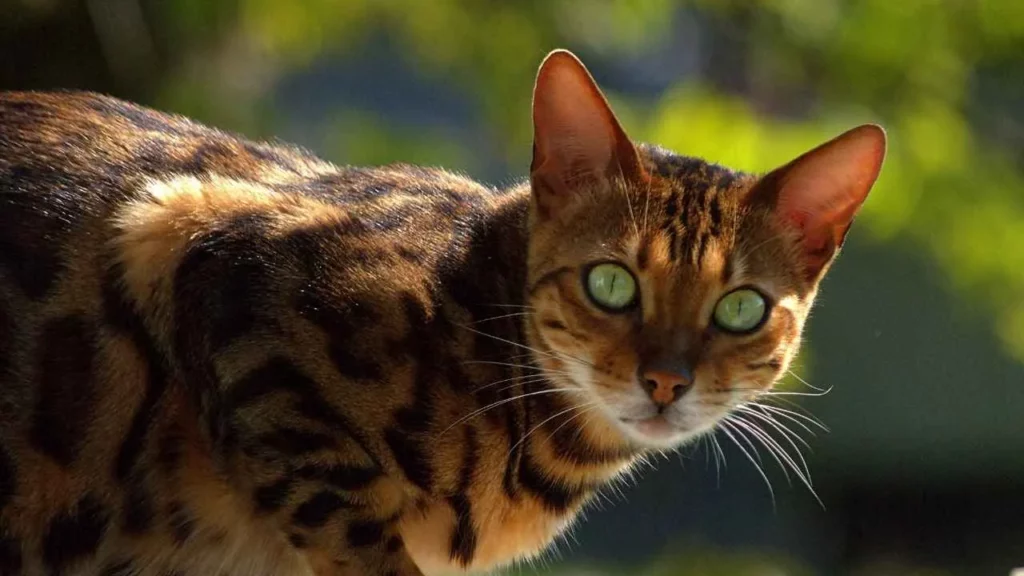
The Bengal cat, sometimes linked to its Asian Leopard Cat ancestry, is instantly recognizable for its athletic build, short coat, and bold, wild-inspired markings.
According to WebMD, Bengal cats are well known for their leopard-like coats and can make a wonderful addition to family households. Confident and curious, this breed brings a dynamic presence that suits lively households filled with movement and activity.
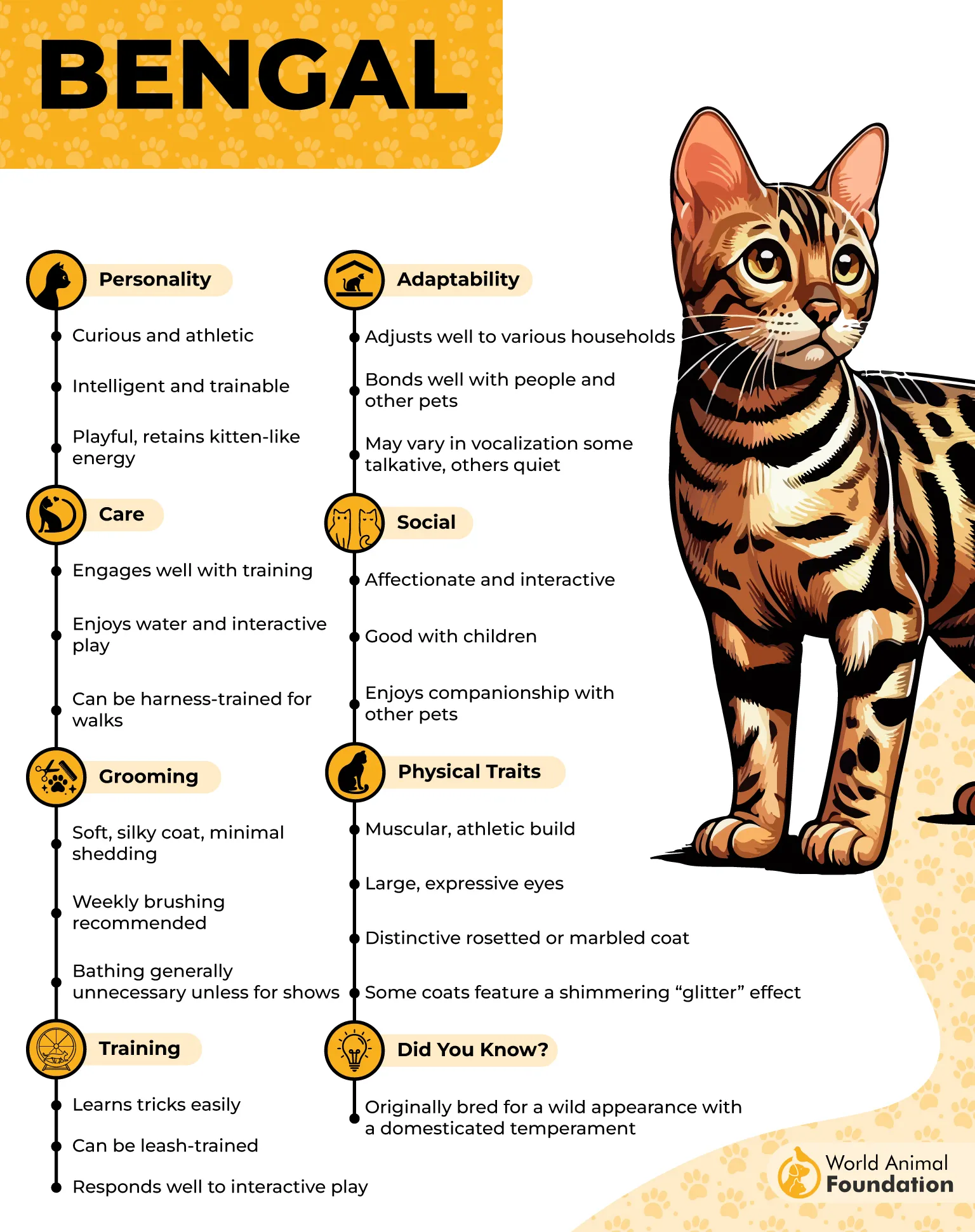
In busy homes, Bengals shine because their playful energy easily matches an active environment. They enjoy constant stimulation, whether that’s climbing, exploring, or chasing toys, making everyday household noise feel like part of the fun rather than a disruption.
What sets Bengals apart is their ability to stay engaged even when owners are occupied. Puzzle toys, interactive feeders, and climbing spaces allow them to entertain themselves, which helps them adapt well to long workdays or packed family schedules.
Despite their independence, Bengals are highly people-oriented and enjoy being involved when their humans are around. Their intelligence and curiosity keep them mentally sharp, making them a great fit for homes where something is always happening.
Fun fact: Bengals are known for loving water and can even learn tricks or walk on a leash.
4. Siamese
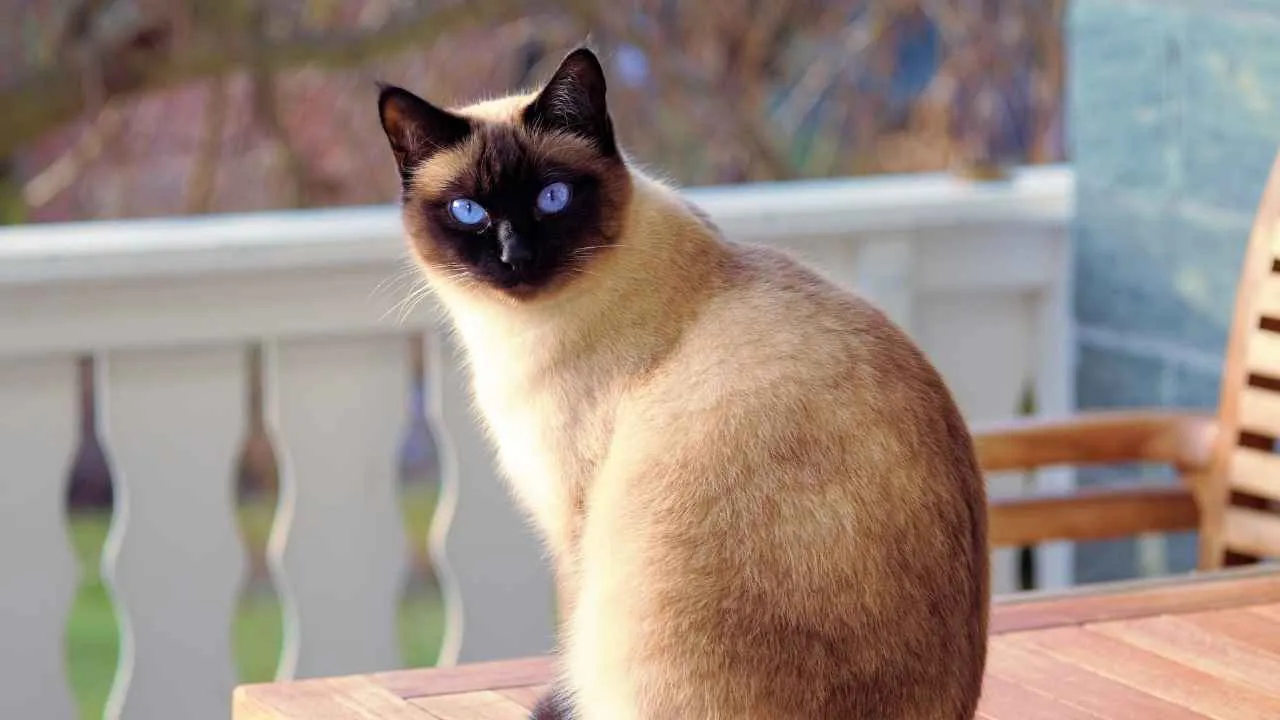
The Siamese, also known as the Thai cat, is instantly recognizable for its sleek body, short coat, and vivid blue, almond-shaped eyes. Originating in Thailand, this breed is famous for its vocal nature, intelligence, and strong attachment to people, making it a lively presence in any home.
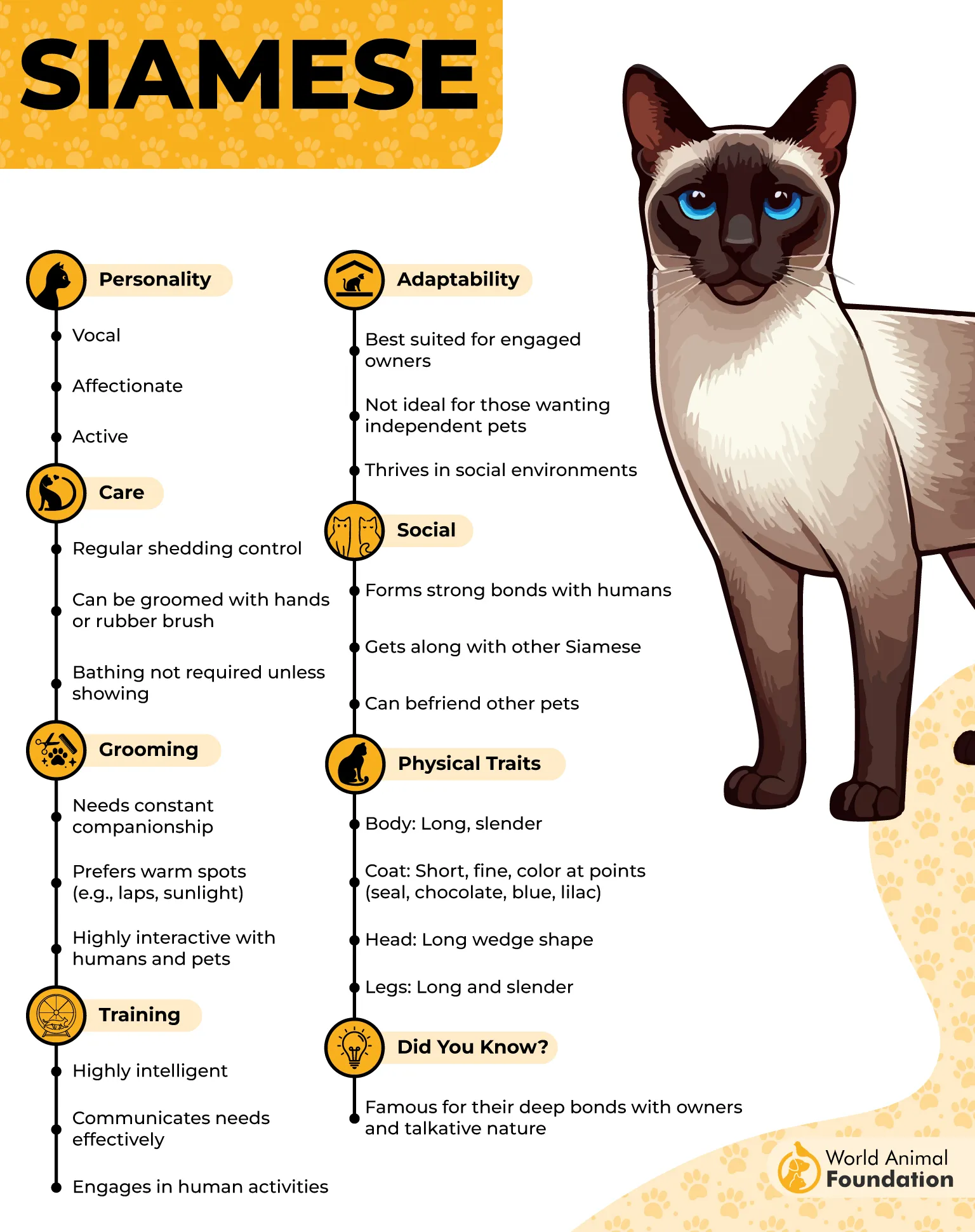
In busy households, Siamese cats often shine because they enjoy constant activity and interaction. They’re not easily rattled by noise or movement and tend to follow family members from room to room, eager to stay involved. Their curiosity helps them adapt quickly to changing routines.
Despite their social nature, Siamese can handle independence when their environment is enriching. Puzzle toys, climbing shelves, and window perches keep them mentally stimulated while owners are occupied. Many families choose to adopt Siamese in pairs, which helps meet their social needs during long workdays.
With the right balance of engagement and structure, Siamese cats thrive in active family settings and remain affectionate companions well into adulthood.
Fun fact: Siamese cats are known for their distinctive low-pitched vocalizations, often nicknamed “meezer” voices.
5. Birman
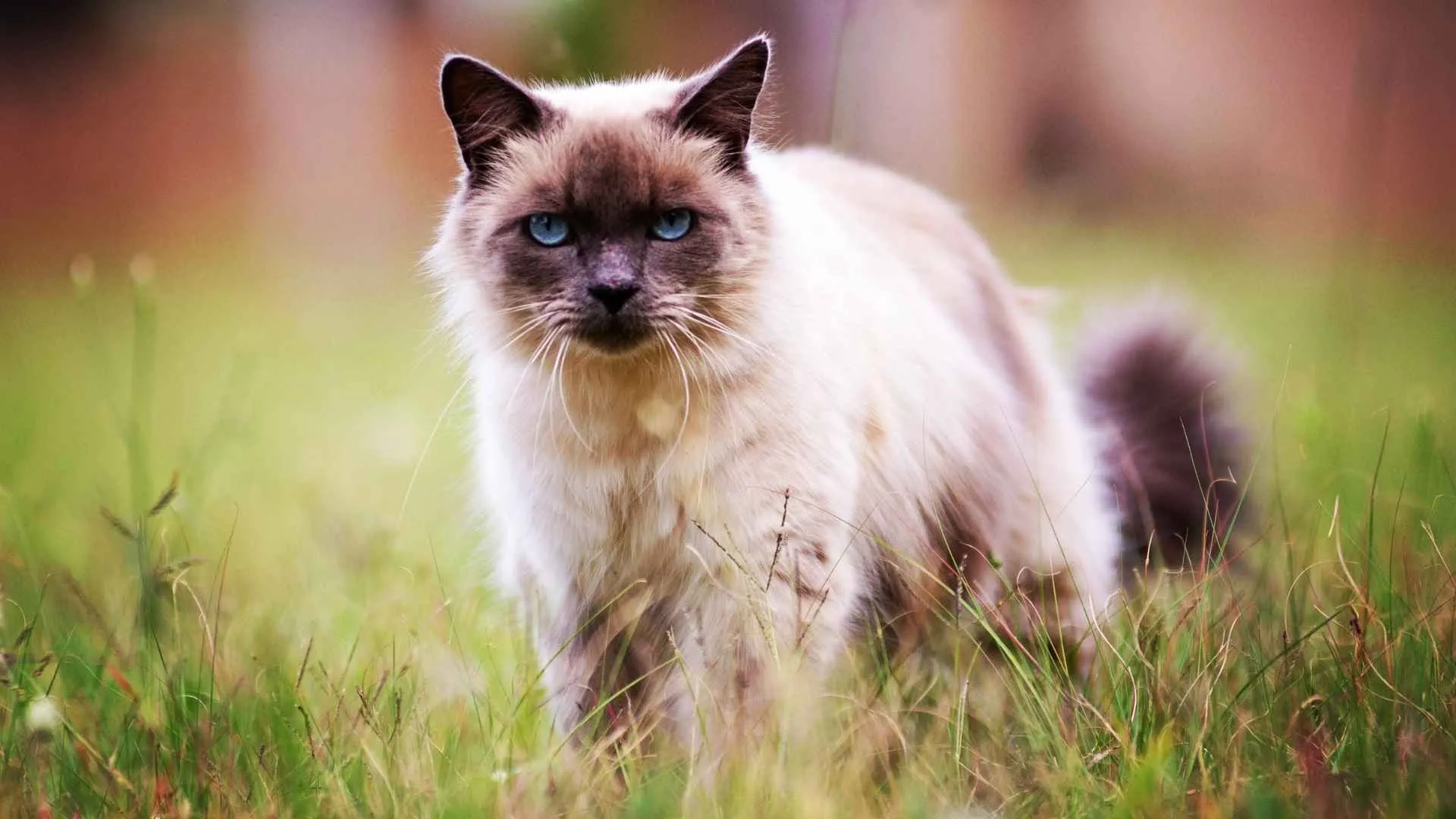
Often called the Sacred Cat of Burma, the Birman is instantly recognizable by its silky coat, deep blue eyes, and white “gloved” paws. This breed combines a calm elegance with a people-focused personality that suits active households surprisingly well.

In busy homes, Birmans shine because they’re social without being demanding. They enjoy being part of the action, calmly observing family life, greeting visitors, and moving easily between rooms without becoming overstimulated by noise or movement.
Their strong bonds with people make them especially comfortable around children and other pets. While not overly vocal, they’re attentive companions who like gentle interaction, short play sessions, and simply being near their humans throughout the day.
Highly intelligent and eager to please, Birmans respond well to positive reinforcement and can learn simple commands even in lively environments. This adaptability helps them stay relaxed and engaged, even when household routines are constantly shifting.
Fun fact: Birmans are known to learn basic commands like “sit” and “come” using praise and affection as rewards.
6. British Shorthair
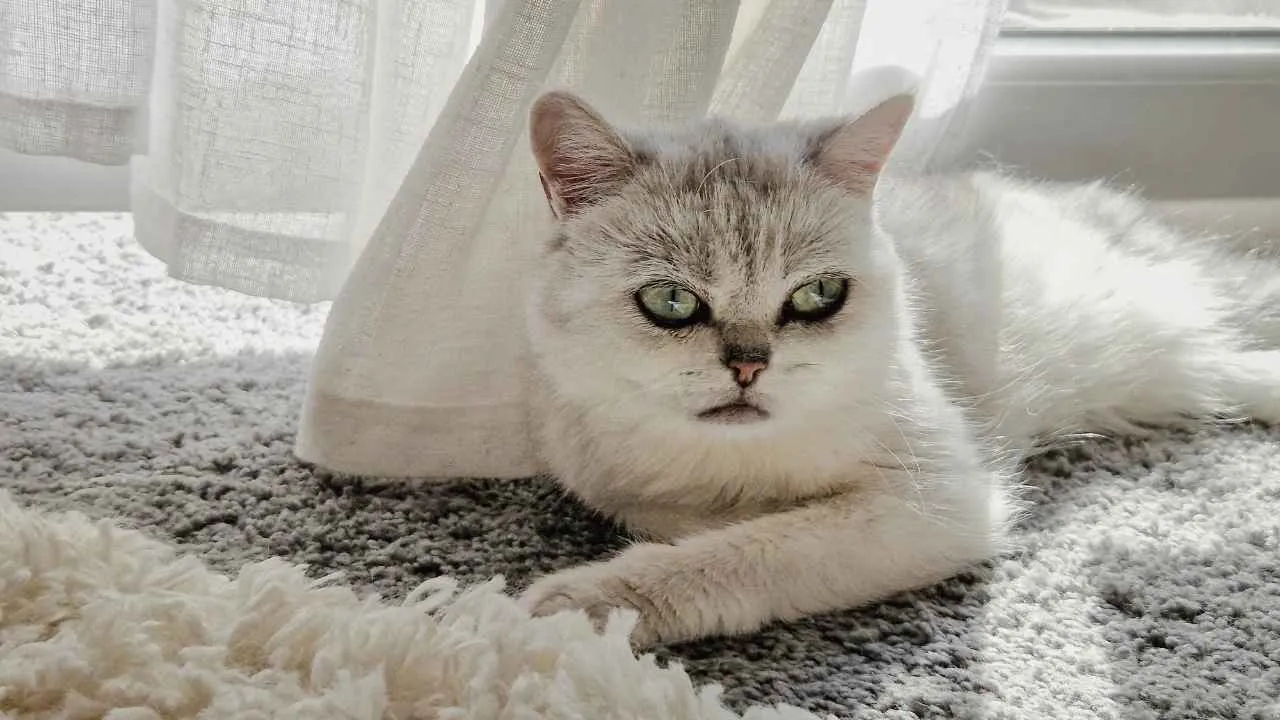
Often called the British Blue, the British Shorthair is instantly recognizable by its round face, plush coat, and solid build. This iconic breed is calm, sturdy, and quietly confident, making it a natural fit for active households.
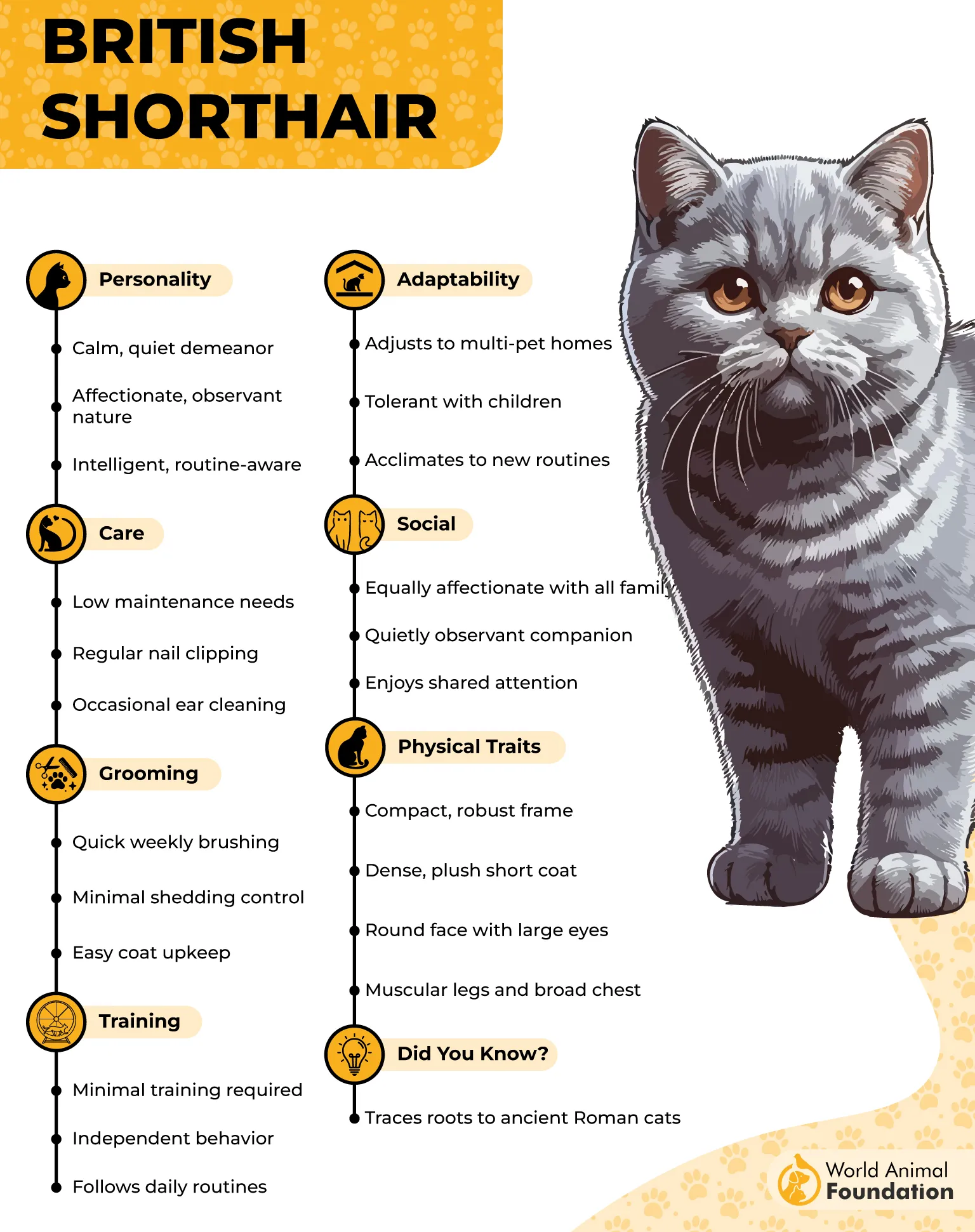
In busy homes, British Shorthairs shine because they’re affectionate without being needy. They enjoy being around people but don’t demand constant attention, happily observing household activity from a favorite spot.
Their easygoing temperament helps them stay relaxed amid noise, visitors, and daily comings and goings. They adapt well to children, other pets, and changing routines without becoming anxious or overstimulated.
Independent yet friendly, they’re content to nap or play alone when the house is hectic, then rejoin family life on their own terms. This balance makes them ideal for lively environments that still value harmony.
Fun fact: British Shorthairs are known for their strong overall health and are considered one of the more resilient, low-maintenance purebred cats.
7. Oriental Shorthair
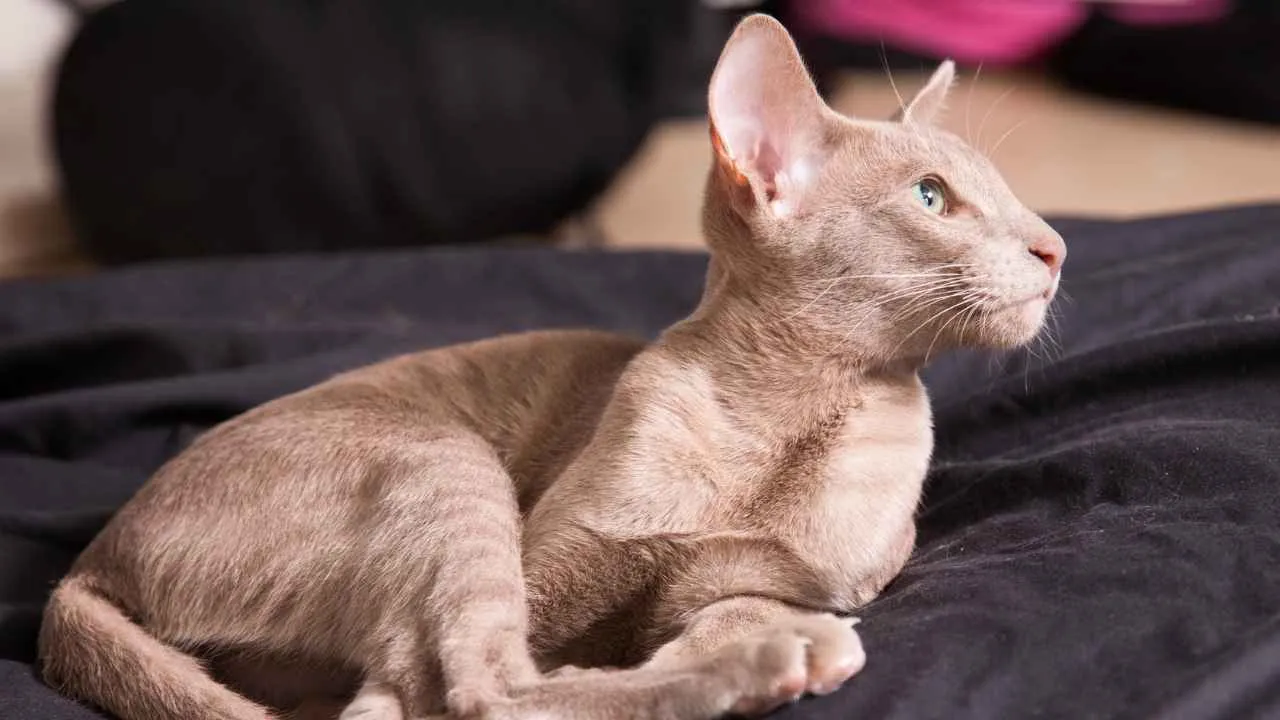
The Oriental Shorthair, also known as the Rainbow Cat or Honking Cat, is a close relative of the Siamese with a sleek build, large ears, and an eye-catching coat that comes in hundreds of colors and patterns. This elegant breed is instantly recognizable for its expressive face and people-focused personality.
They are highly social, thrive on activity, and enjoy being in the middle of household life rather than hiding from it. Noise, visitors, and daily movement don’t faze them, as long as they feel included and engaged.
Their affectionate and vocal nature makes them great companions for older children who understand feline body language. They’re playful, energetic, and love interactive games, which helps them channel their intelligence and avoid boredom in active households.
Oriental Shorthairs also tend to get along well with other pets when properly introduced, making them a strong choice for multi-pet families. They dislike being left alone for long periods and prefer homes where someone is usually around.
Fun fact: The Oriental Shorthair is nicknamed the “Rainbow Cat” because it comes in over 300 recognized color variations.
8. American Shorthair
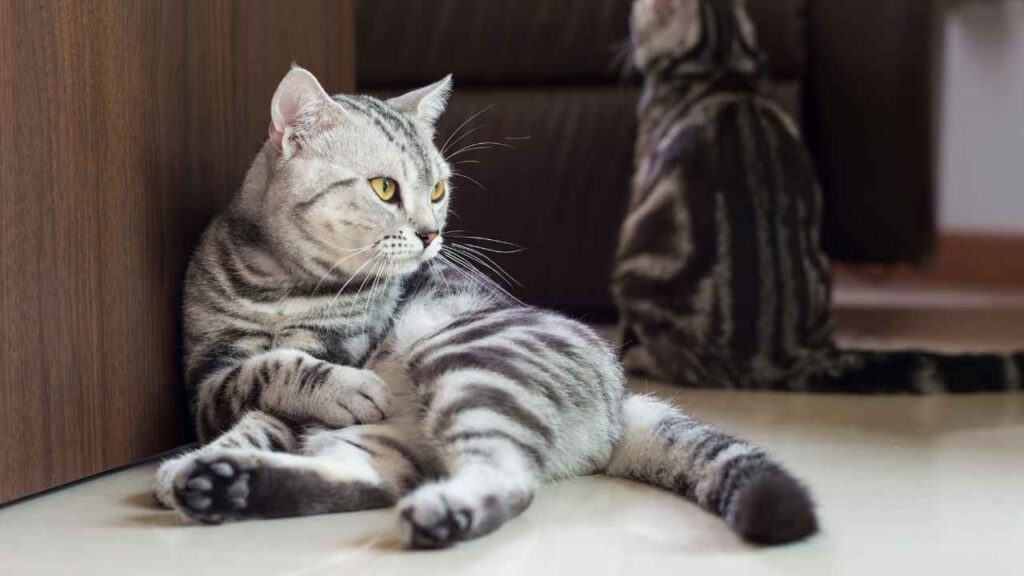
The American Shorthair, sometimes called the Domestic Shorthair’s pedigreed cousin, is a classic all-American cat known for its sturdy build and friendly nature. With a muscular body, round features, and dozens of coat colors, it fits easily into active households.
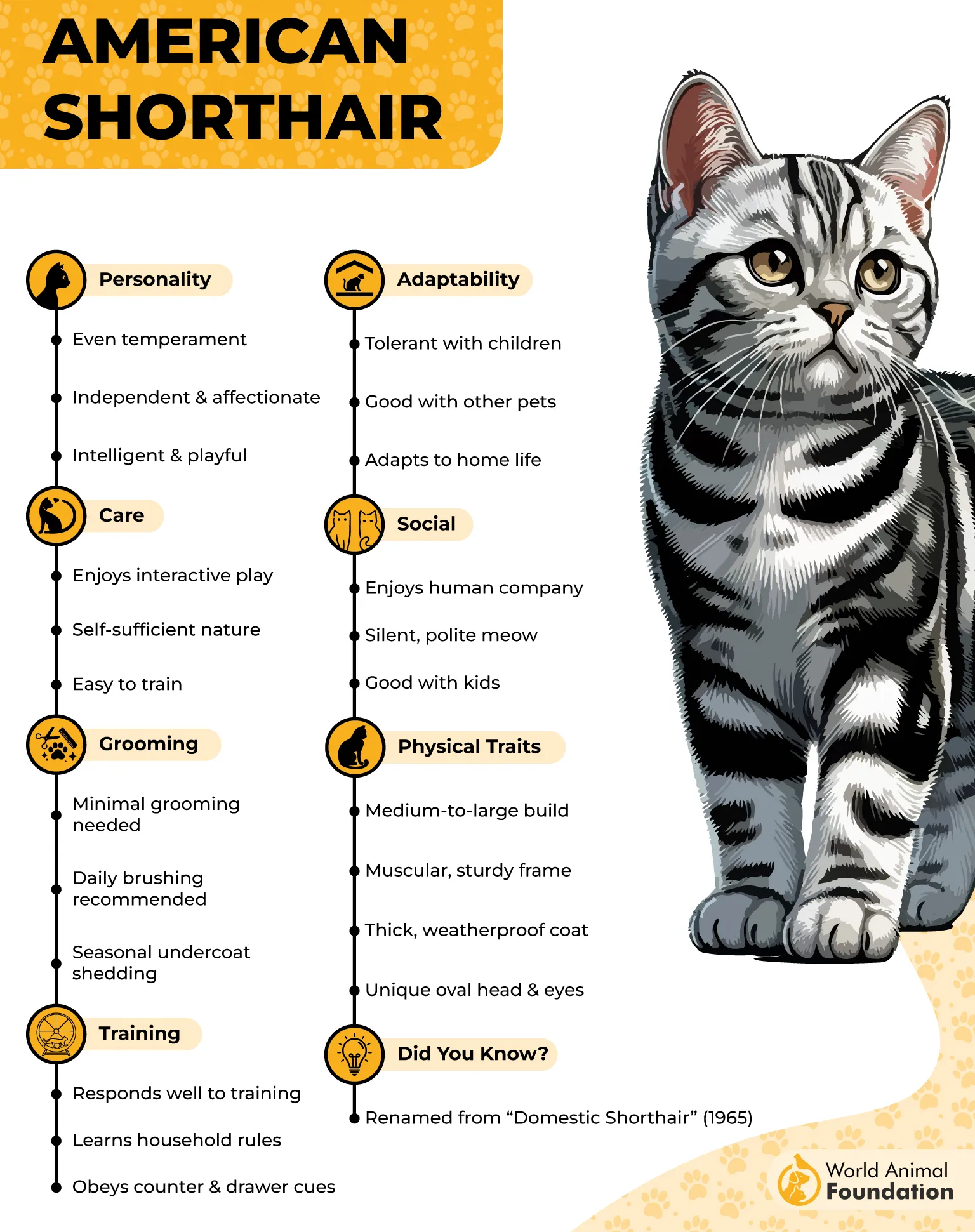
This breed is playful without being needy, making it ideal for busy homes. American Shorthairs enjoy interactive play but are perfectly content entertaining themselves when family members are occupied or out of the house.
Their calm, adaptable personality helps them handle noise, visitors, and changing routines with ease. They tend to get along well with children, dogs, and other pets, which is essential in lively, multi-pet environments.
Despite their independence, they still enjoy winding down with their people at the end of the day.
Fun fact: American Shorthairs were prized mousers on early ships to the Americas, a role that helped establish the breed in family homes.
9. Norwegian Forest Cat
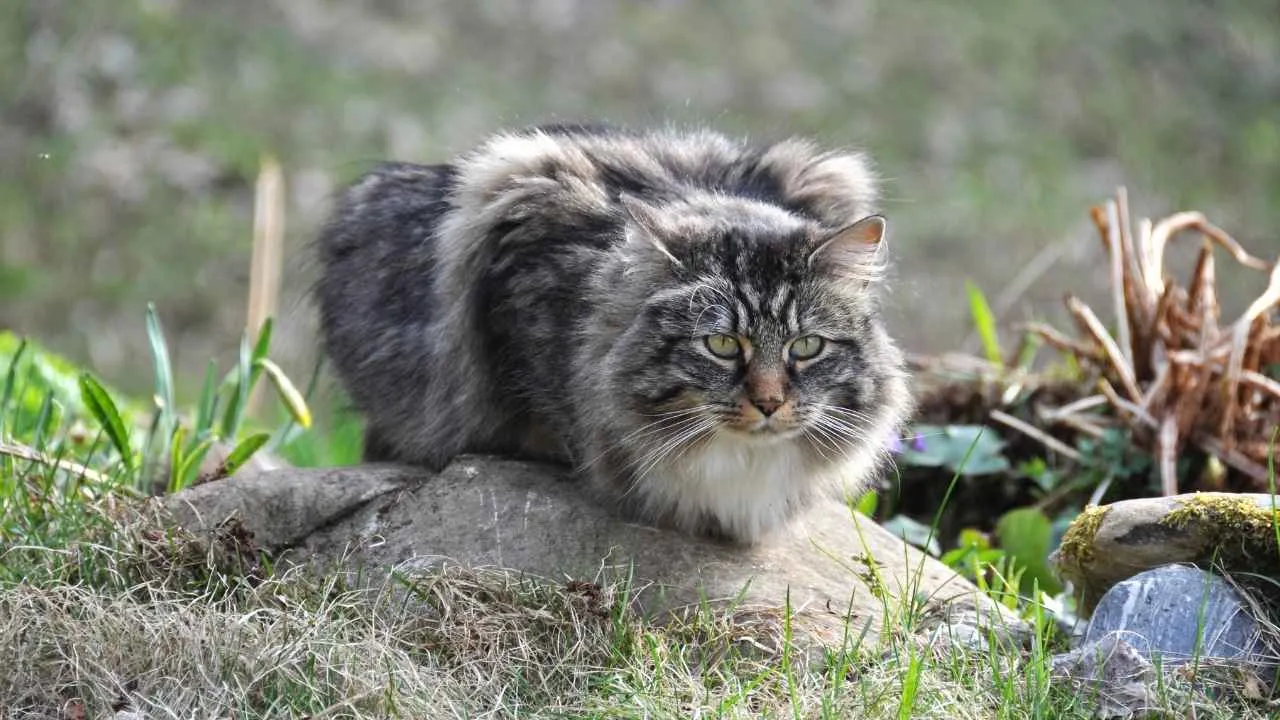
Often called the Wegie or skogkatt (“forest cat”), the Norwegian Forest Cat is a large, semi-long-haired breed shaped by centuries of Scandinavian life. With a muscular build, tufted ears, and a thick, weather-resistant coat, it was built to thrive in demanding environments.
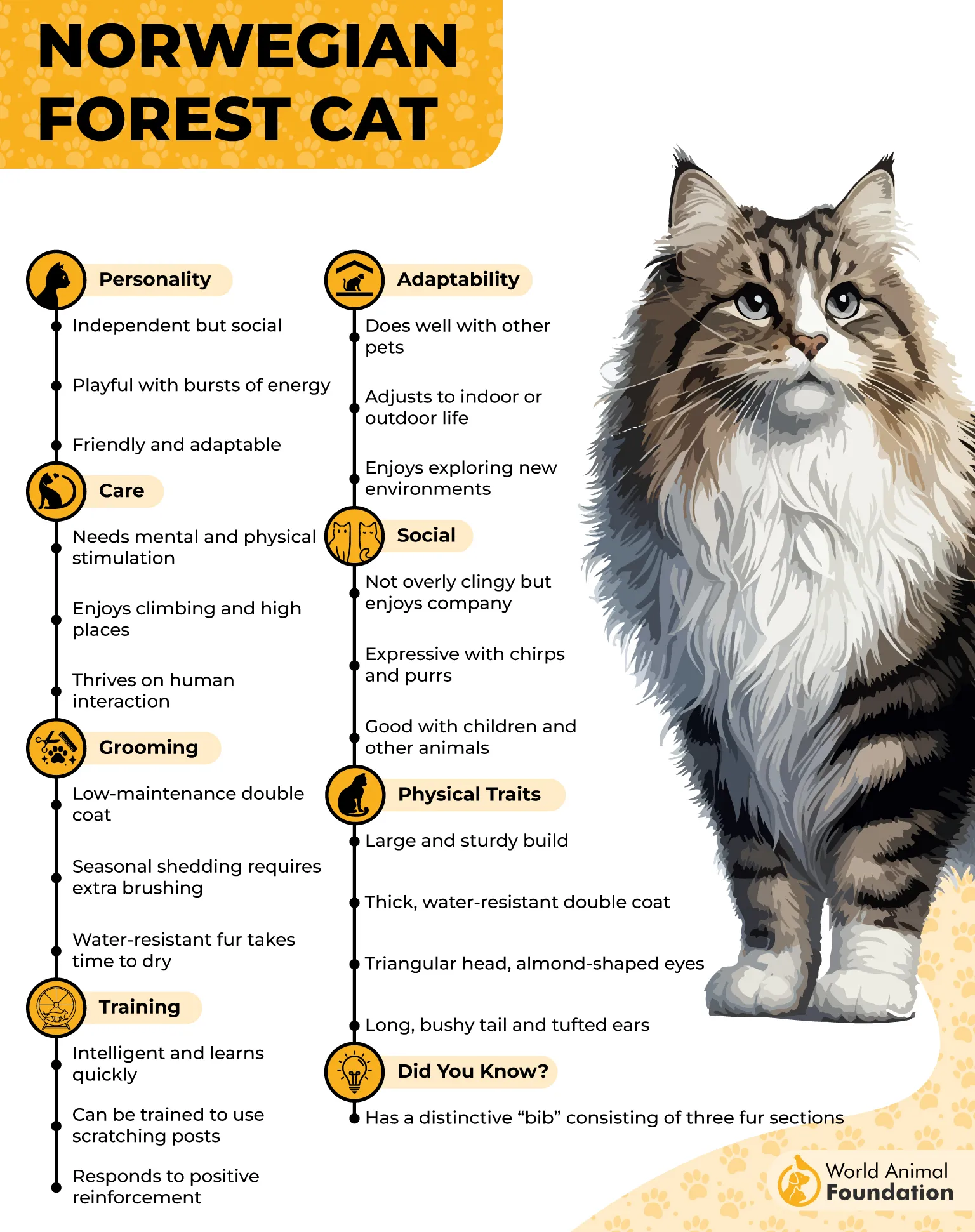
In busy homes, this breed strikes an ideal balance between calm and curiosity. Norwegian Forest Cats are confident and unflappable, making them comfortable around noise, visitors, and daily activity without becoming stressed or withdrawn.
They enjoy being part of household life but aren’t clingy. Instead, they’ll observe from a perch, join in when interested, and happily retreat when things get overwhelming—perfect for families or active households.
Despite their independent streak, Wegies are friendly and social. They get along well with children and other pets, and their playful, intelligent nature keeps them engaged even as routines shift throughout the day.
Fun fact: Norwegian Forest Cats are known to be unusually comfortable around water, a trait linked to their rugged Viking-era origins.
Conclusion
Choosing from the best cat breeds for active households means looking for personalities that balance independence with affection. Many indoor cats suited to a busy lifestyle are self-sufficient yet still enjoy human interaction, making them ideal companions for busy owners with hectic schedules.
Whether it’s breeds with a thick coat or dense coat that need only weekly brushing, or cats that thrive with easy grooming, the right cat breed can fit seamlessly into daily life.
From calm, observant types to adaptable personalities, there are plenty of cat breeds for busy people.
Even energetic or hairless options can be great pets when given puzzle feeders and enough mental stimulation. With the right match, you can save money, reduce stress, and enjoy truly ideal companions among many wonderful other breeds.
