




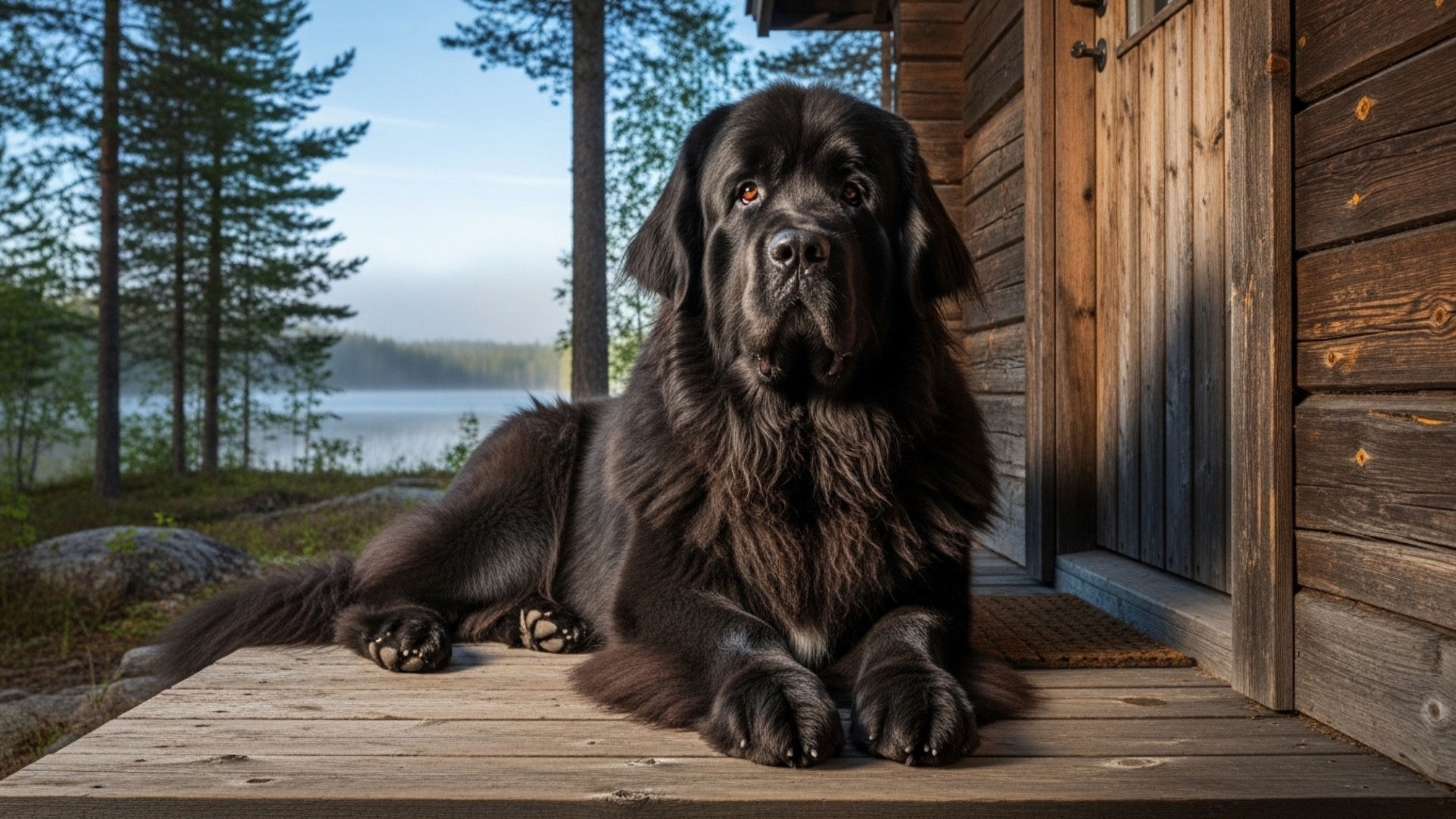
Not all guard dogs are intense, reactive, or constantly on high alert. Some of the best protectors are actually calm, steady, and deeply loyal companions who guard through confidence rather than chaos. These breeds combine size, instinct, and emotional balance — offering security without unnecessary aggression.
This blend of serenity and protectiveness isn’t accidental — it comes down to instinctive intelligence and selective response. Guard dogs can distinguish between routine, harmless stimuli and true threats, allowing them to remain relaxed most of the time while remaining ready when it counts.
Rather than barking at every rustling leaf, these dogs use loyal vigilance — a quiet watchfulness rooted in centuries of selective breeding for roles that required patience as well as protection.
Their calm nature often makes them excellent companions for dog owners with children or other pets, as they are equally attentive to the family’s needs and physical safety.
If you’re looking for a dog that can protect your home while still being gentle with family, here are the top calm guard dog breeds: loyal and easygoing.
Top Calm Guard Dog Breeds: Loyal and Easygoing
1. Newfoundland
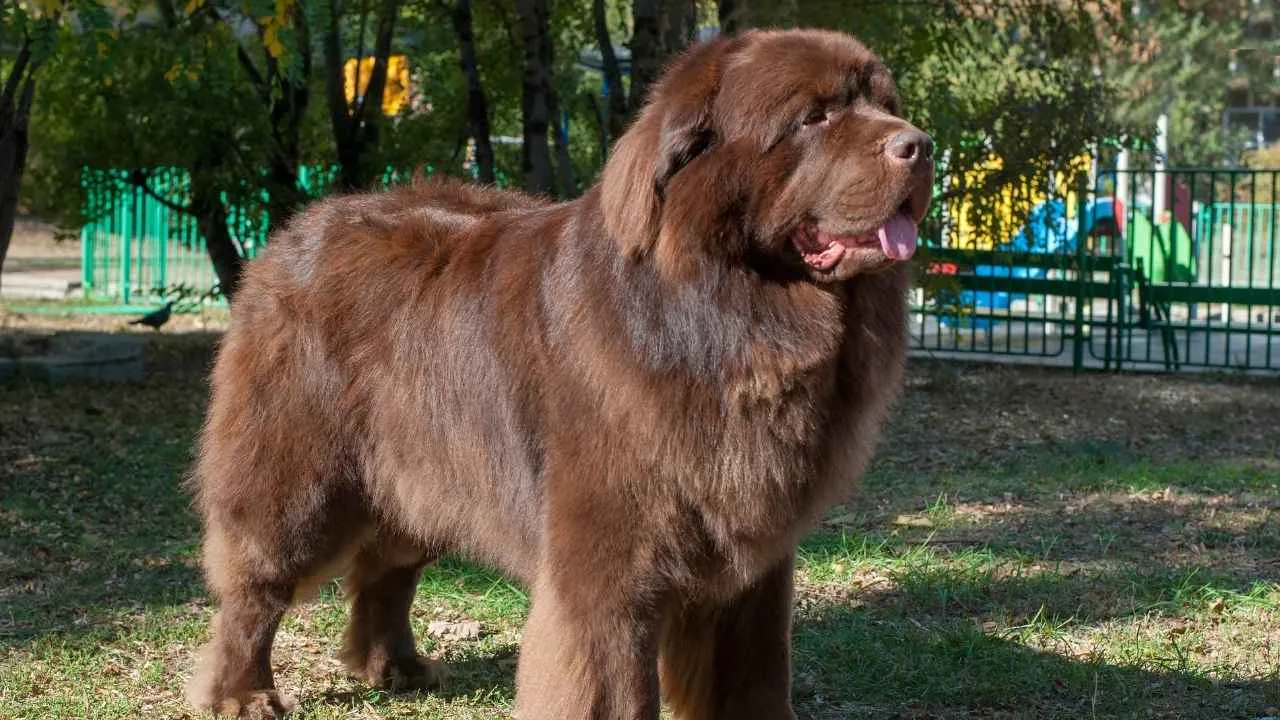
The Newfoundland is often called”the gentle giant” of the dog world, and for good reason. Males typically weigh between 100 and 150 pounds and stand 26–28 inches tall, yet they are famously sweet-tempered and patient. Their average lifespan ranges from 9 to 10 years.
PetMD says they were originally bred in Canada to assist fishermen. Newfoundlands hauled nets, pulled carts, and performed water rescues. That working heritage gave them strength and problem-solving intelligence, as well as a steady, composed nature. They are more “presence pro”ectors than confrontational guard dogs.
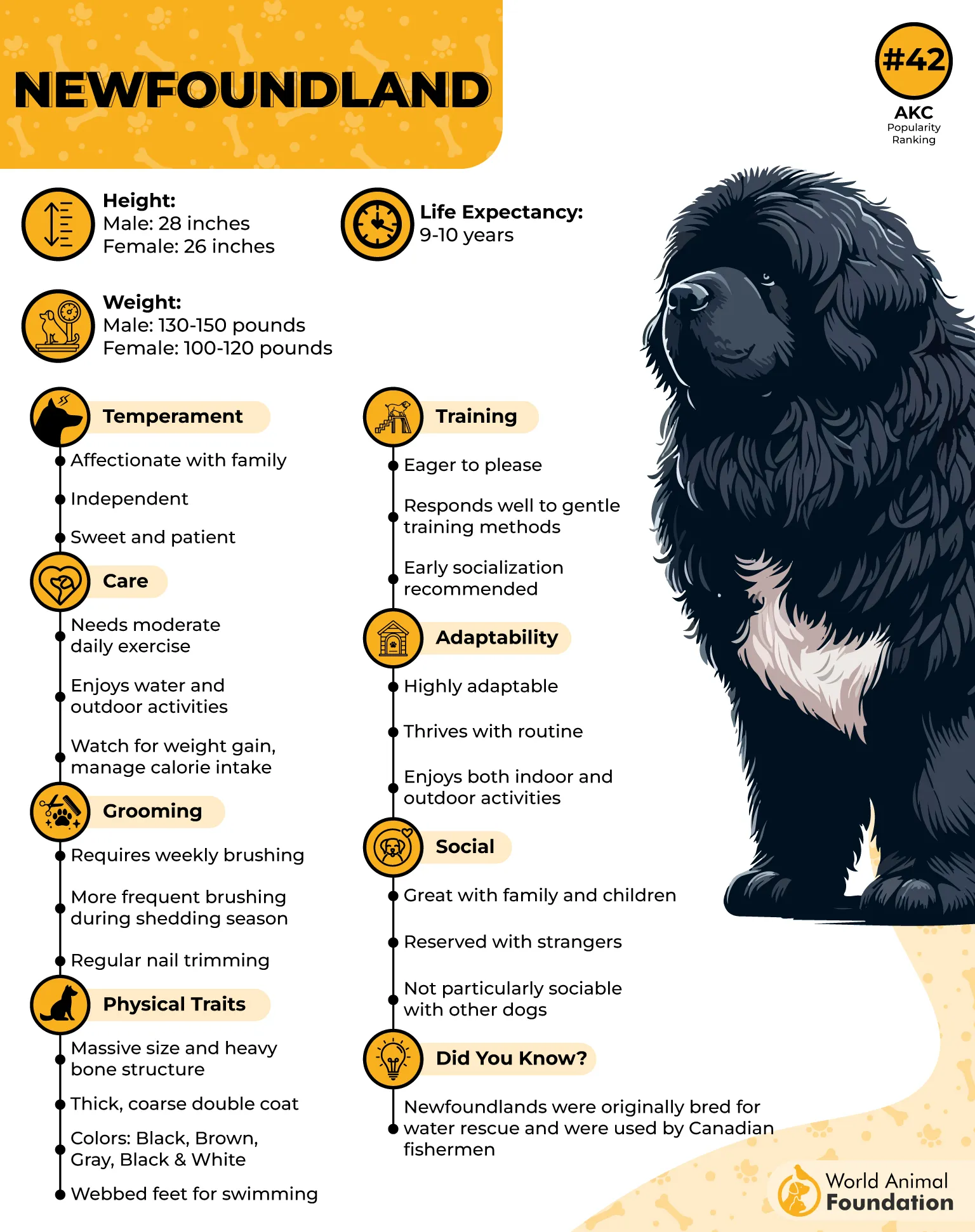
These excellent guard dogs are not attack-oriented protection dogs like a trained Malinois or Doberman. Their guarding style is defensive, not aggressive. With proper socialization and training, they provide a reassuring balance of sweetness at home and serious presence at the door.
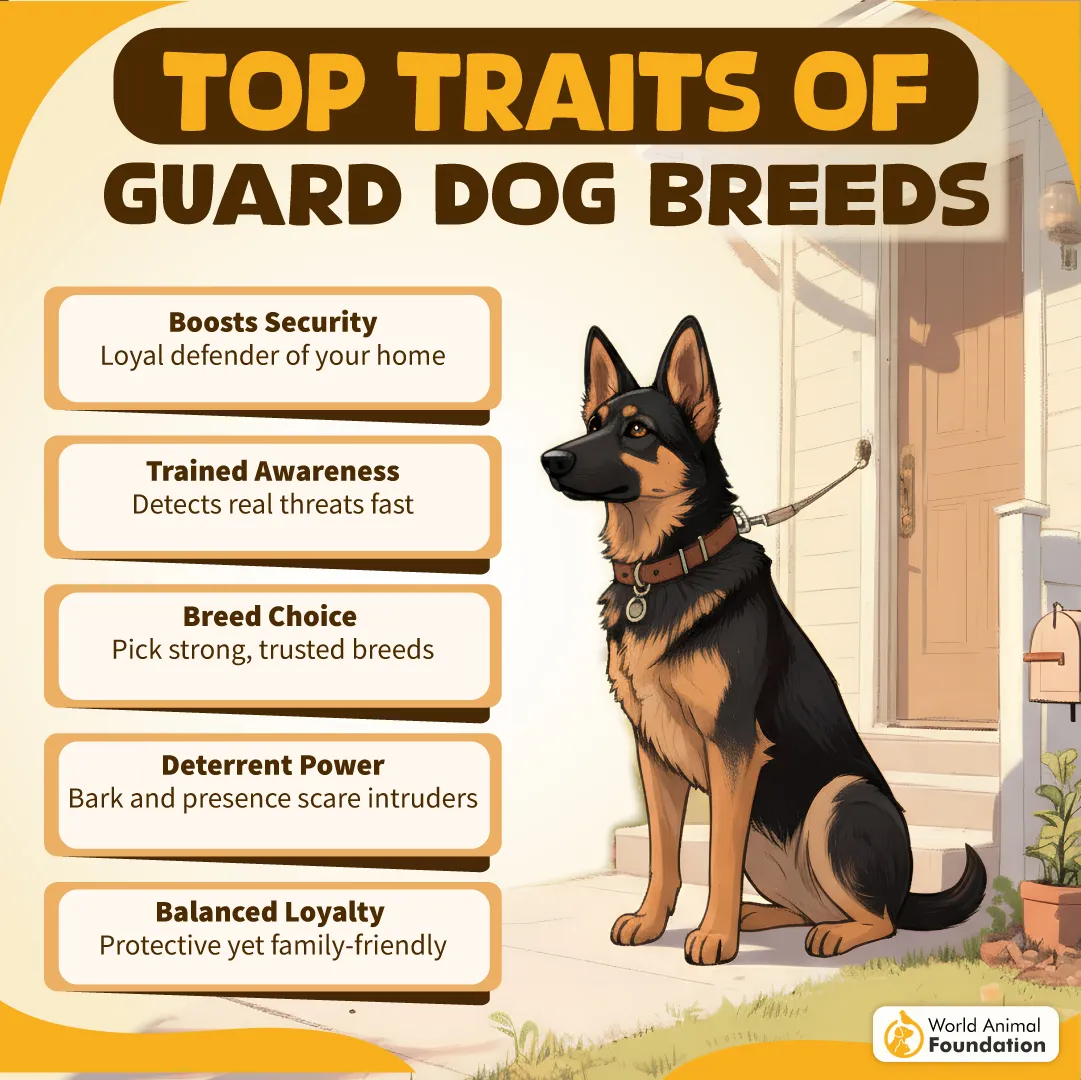
Their massive build and deep bark alone can deter intruders. However, these great guard dogs are generally calm and affectionate with family members, including children.
Protection comes from devotion and size, not aggression.
2. Great Dane
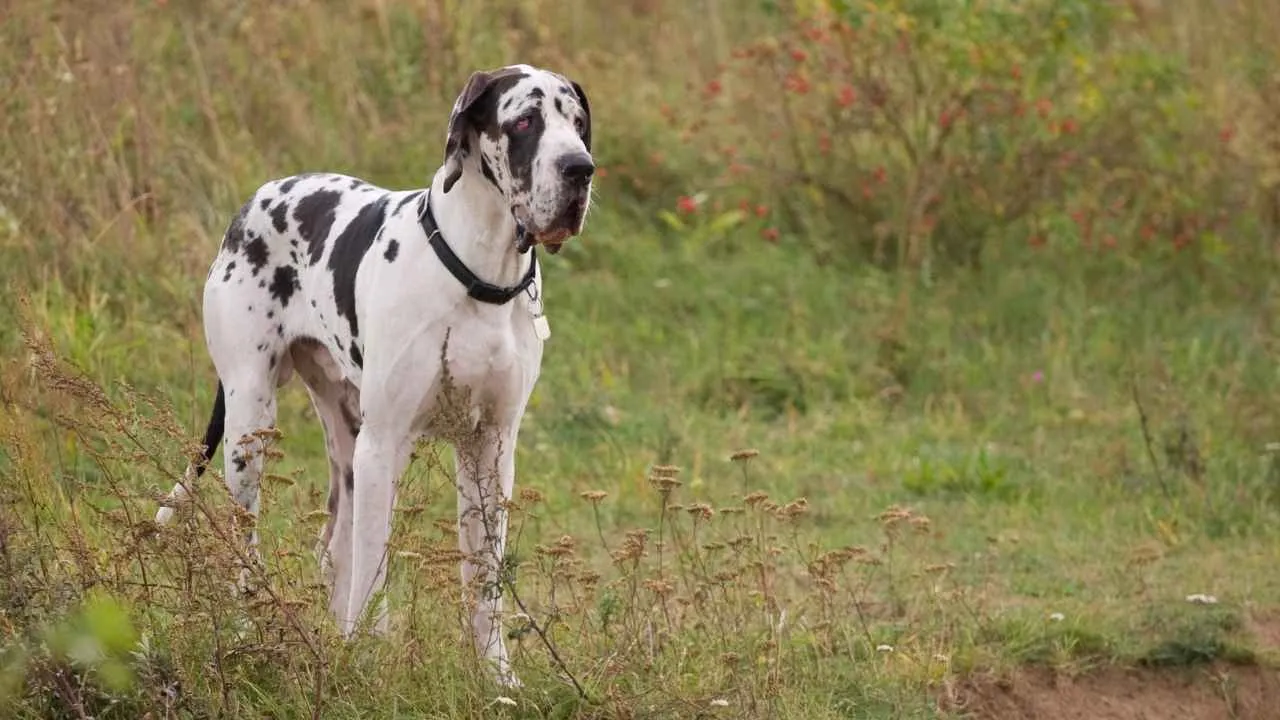
The Great Dane is one of the tallest dog breeds in the world. Despite their towering stature, they are famously gentle and affectionate. They are natural watchdogs and will often bark at unfamiliar activity. Instead of encouraging constant barking, teach a structured alert command.
Developed in Germany to hunt large game such as boar, these loving family pets evolved into dignified companion guardians. They are naturally watchful but not overly reactive. Their size alone acts as a powerful deterrent.
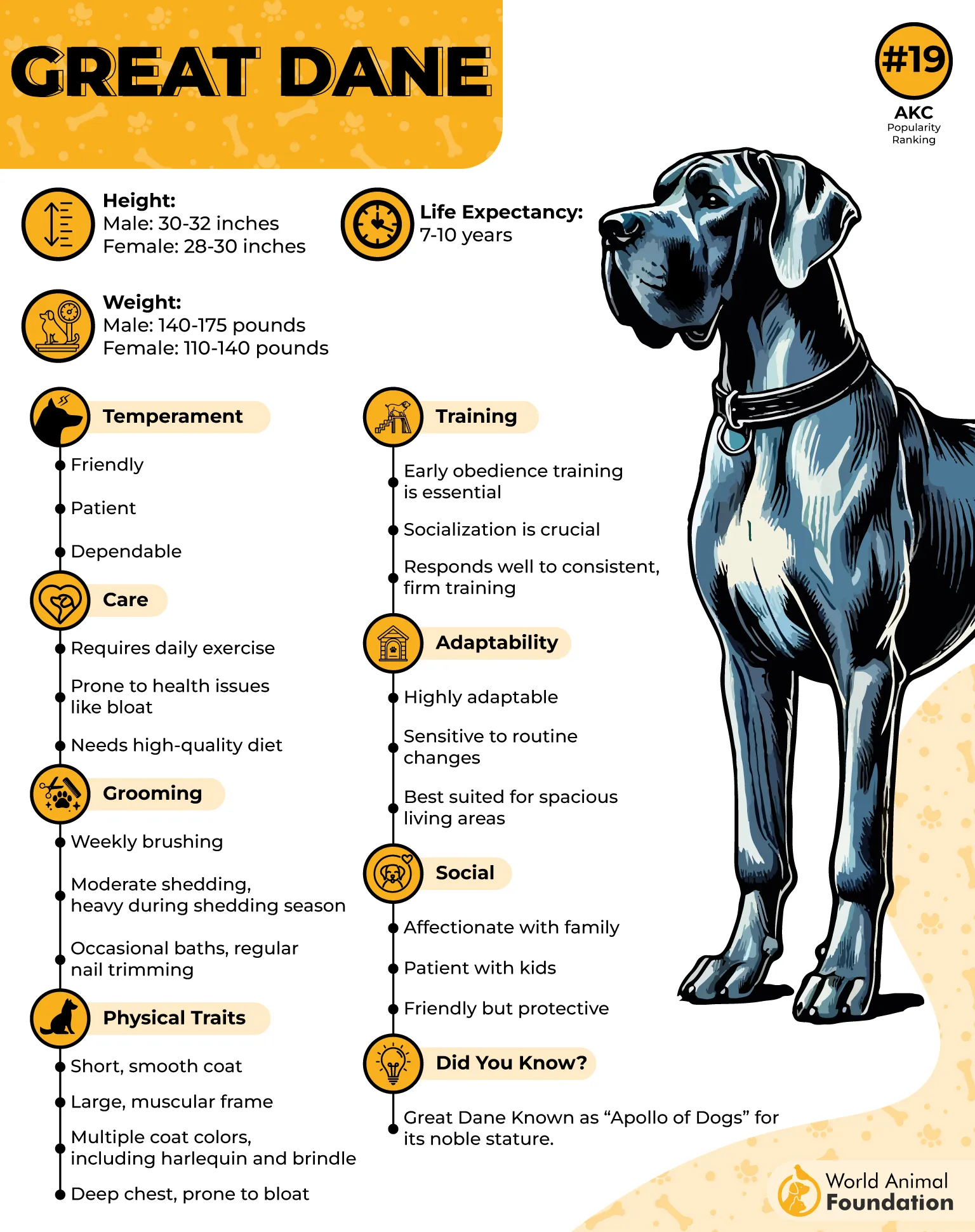
A well-trained guard dog is confident, not suspicious of everything, according to Britannica. Expose your Great Dane to different people, sounds, environments, and situations so they learn what is normal.
Proper socialization prevents fear-based aggression in these excellent guard dogs. A Dane should calmly ignore friendly strangers unless they signal otherwise. Confidence is what makes a guard dog stable.
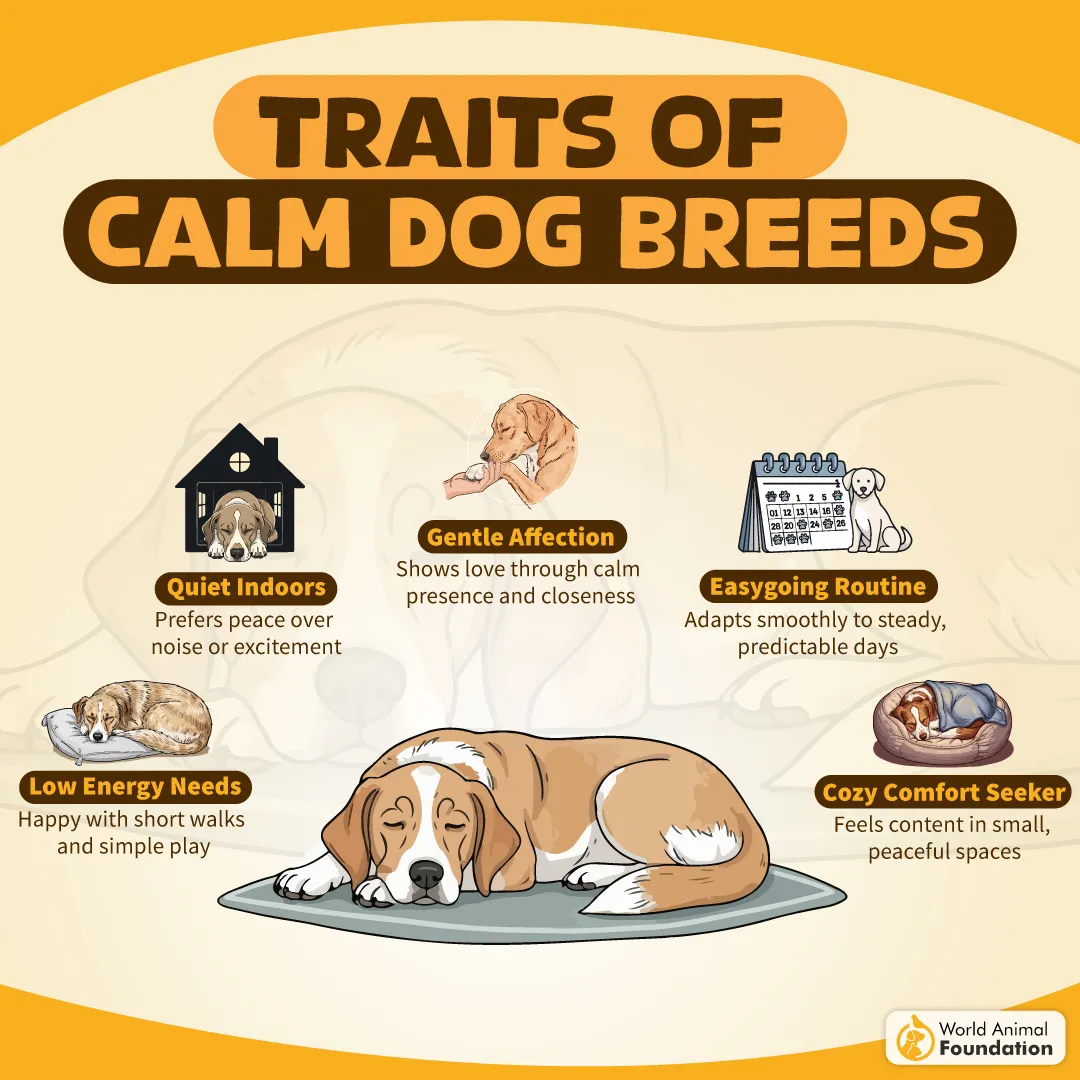
Danes are generally incredibly loyal, friendly, and calm indoors, making them surprisingly good family dogs for their size. They do not require intense guarding training to be effective protectors. Their steady temperament makes them ideal for owners who want both security and softness.
3. Shar Pei
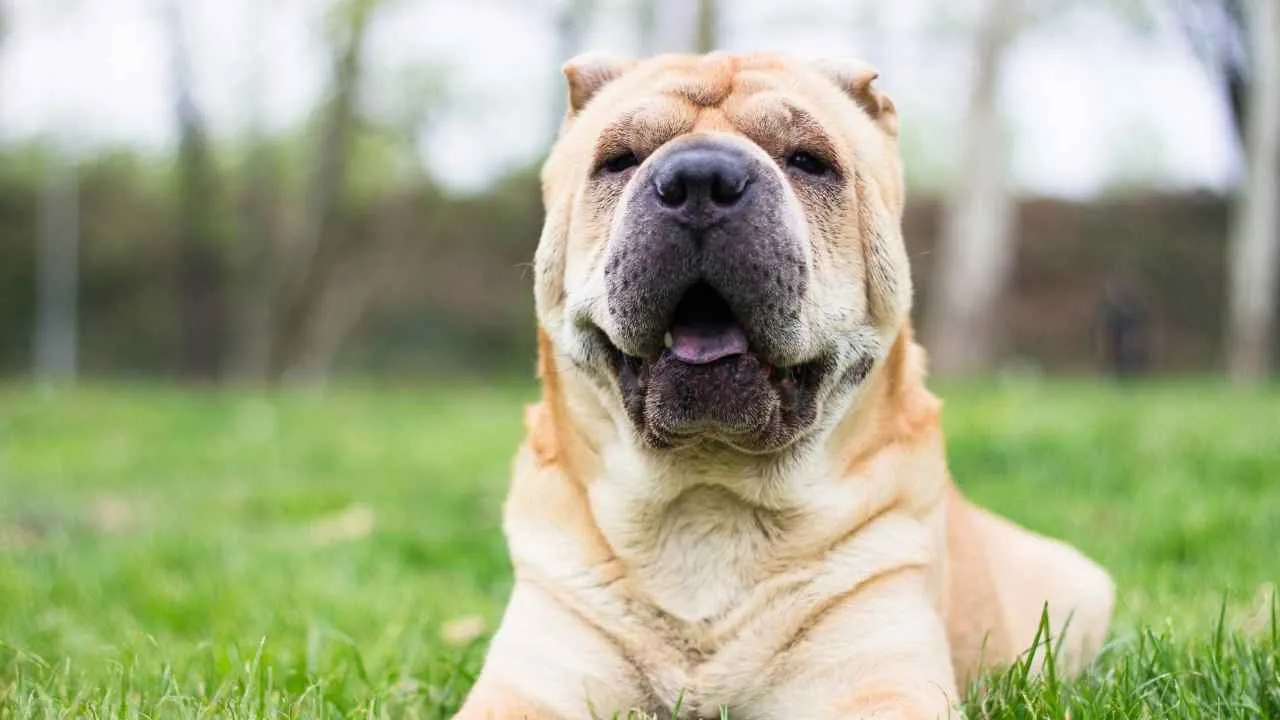
The Shar Pei is an ancient Chinese breed dating back over 2,000 years. Loyalty is one of their strongest traits. They often bond very closely with their owners and can be surprisingly affectionate with the people they trust. While they may not be overly demonstrative like some companion breeds, their devotion is quiet and consistent.
However, Hill’s Pet claims that their calm loyalty also comes with a reserved nature. They are often wary of strangers and can be protective of their home and family. Early socialization is essential to ensure that this protectiveness remains balanced and controlled rather than suspicious or reactive.
Originally used as farm and property guardians in China, these dogs, with an instinct to protect, have retained a protective streak. While not overly aggressive, they are territorial and deeply devoted to their families. Early socialization helps balance their natural suspicion of strangers.
Children generally do best in families with older, respectful kids. Because they value personal space and have a dignified temperament, they may not tolerate rough handling or chaotic environments as well as some more easygoing breeds.
Their calm indoor temperament also makes them pleasant companions in structured homes and some of the best guard dogs out there.
4. Boerboel

The Boerboel is a powerful South African guardian breed.
They are described as intelligent, confident, and calm. They are serious guardians with strong territorial instincts, but are typically steady and composed at home. Their protection style is defensive rather than reactive.
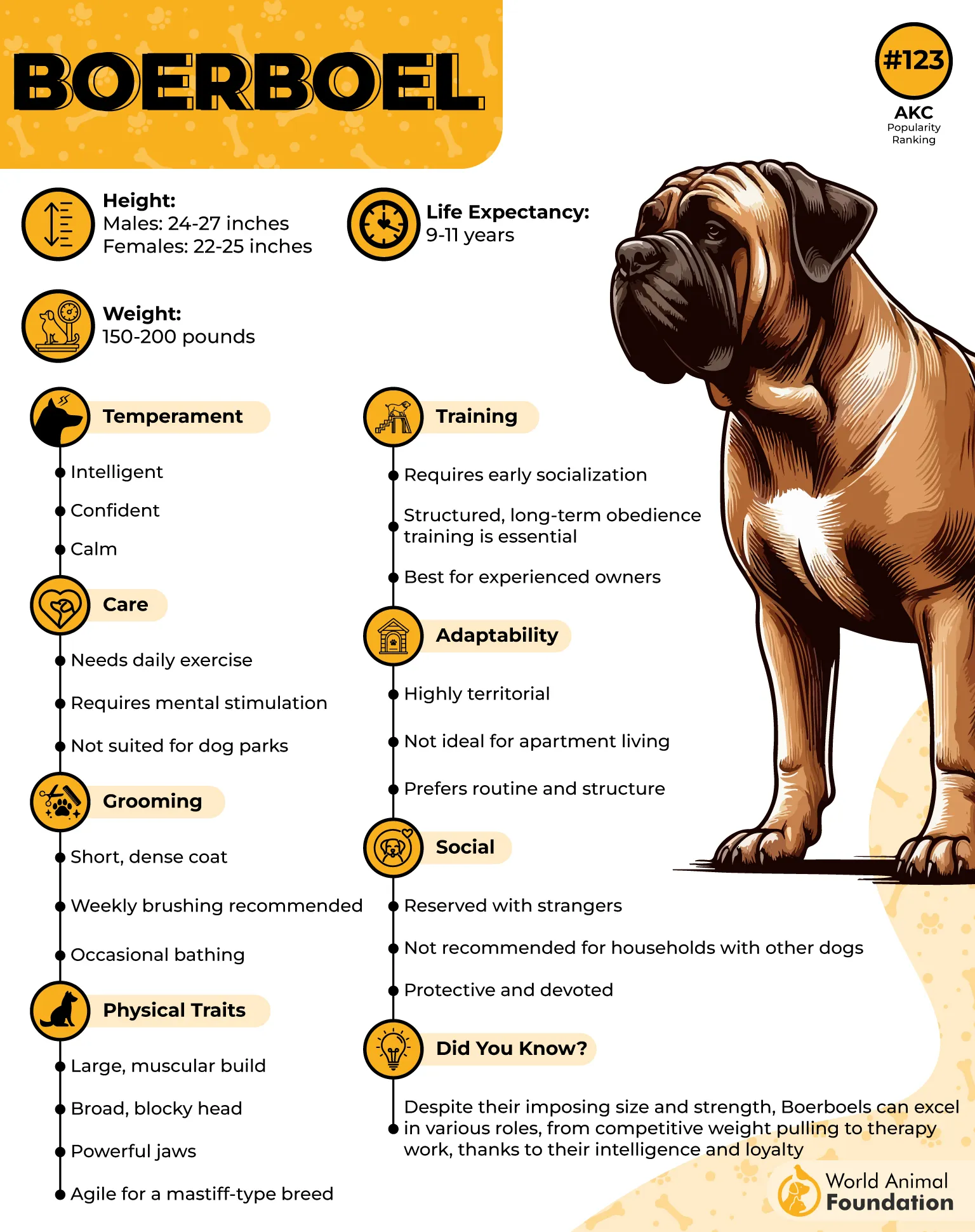
A well-bred Boerboel tends to be calm indoors, especially when its exercise needs are met, as per AKC. They usually need at least 60–90 minutes of structured activity daily, including walks, training sessions, or supervised outdoor time.
Without enough physical and mental stimulation, they can become bored, restless, or destructive.
Their energy is often described as “steady dri”e” rather than high-speed intensity. They enjoy having a job, whether that’s obedience work, property guarding, or structured play. Mental stimulation is just as important as physical exercise for this intelligent breed.
These dogs bond deeply with their family and are naturally watchful. Because of their size and strength, consistent training and confident leadership are essential. When raised properly, they are calm, loyal protectors who rarely act without reason.
5. Bullmastiff
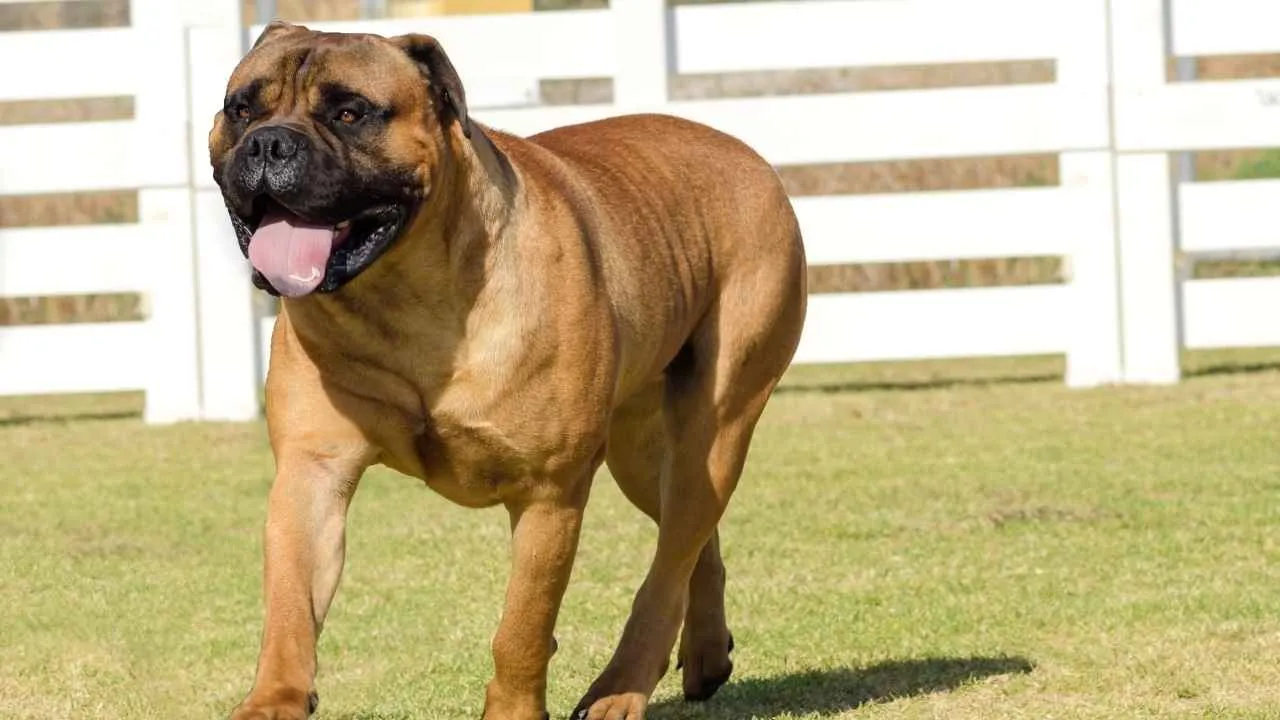
The Bullmastiff was developed in England in the 19th century to guard estates and deter poachers. They typically weigh between 100 and 130 pounds and have an average lifespan of around 10 years. Their job historically was to track and pin intruders rather than attack silently.
Despite their imposing appearance, they are known for being affectionate and even-tempered with their families. They are calm indoors and not excessively vocal. Their guarding instinct is natural and steady.
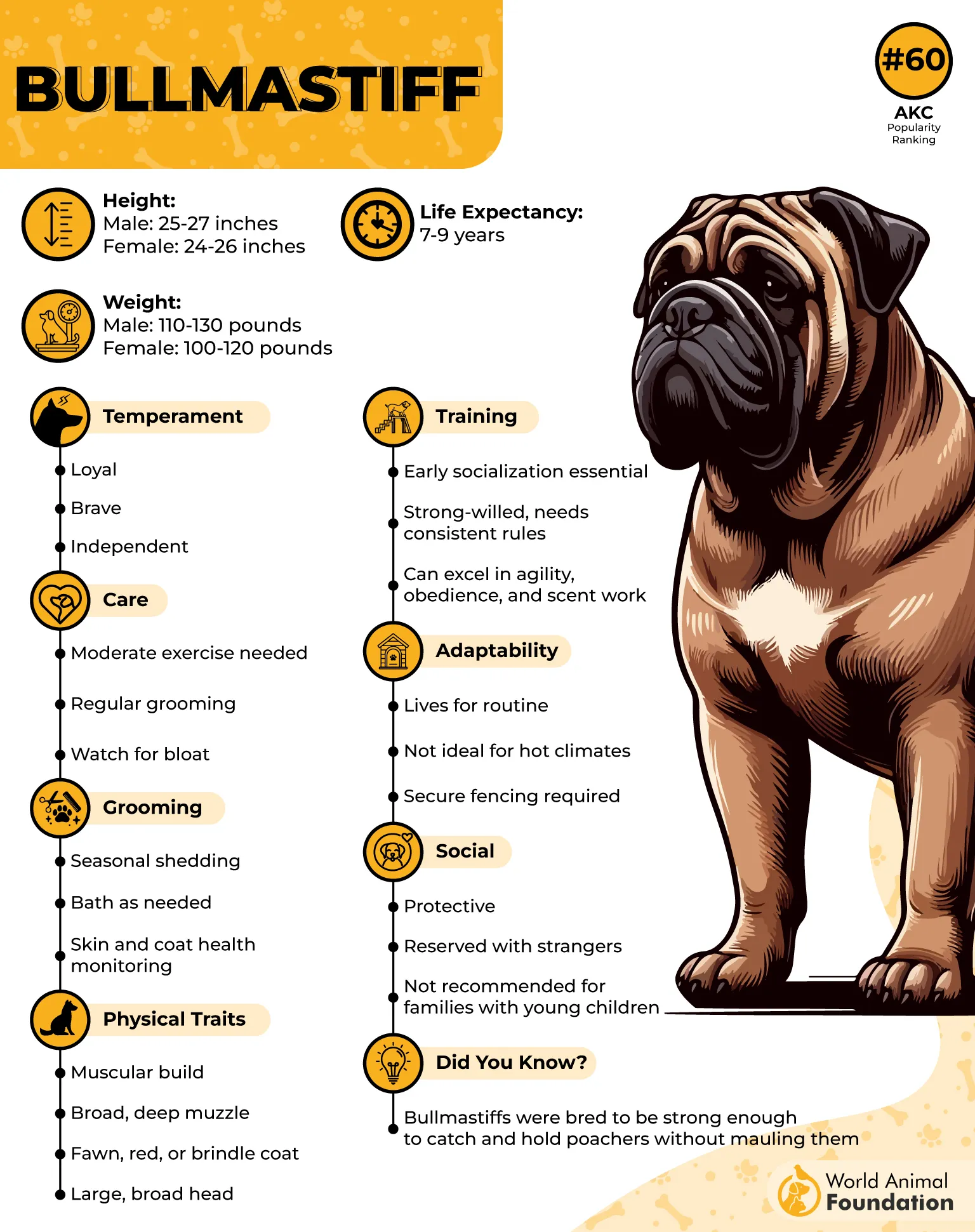
One of their greatest strengths is their natural protective instinct. These excellent protectors tend to be deeply devoted to their families and highly territorial about their home. Unlike high-drive working protection breeds, they usually guard through presence, body blocking, and intimidation rather than constant aggression.
They are naturally wary of unusual guests and situations!
This excellent protection comes with responsibility. PDSA suggests that early socialization and consistent obedience training are essential to ensure their guarding instinct remains stable and appropriate.
When raised correctly, Bullmastiffs are calm, loyal, and dependable guardians who protect without unnecessary chaos.
They are often described as “fearless but gentle.” With proper training, they are protective without being unnecessarily aggressive. Their quiet confidence makes them ideal for owners seeking a calm yet capable guardian.
6. Saint Bernard
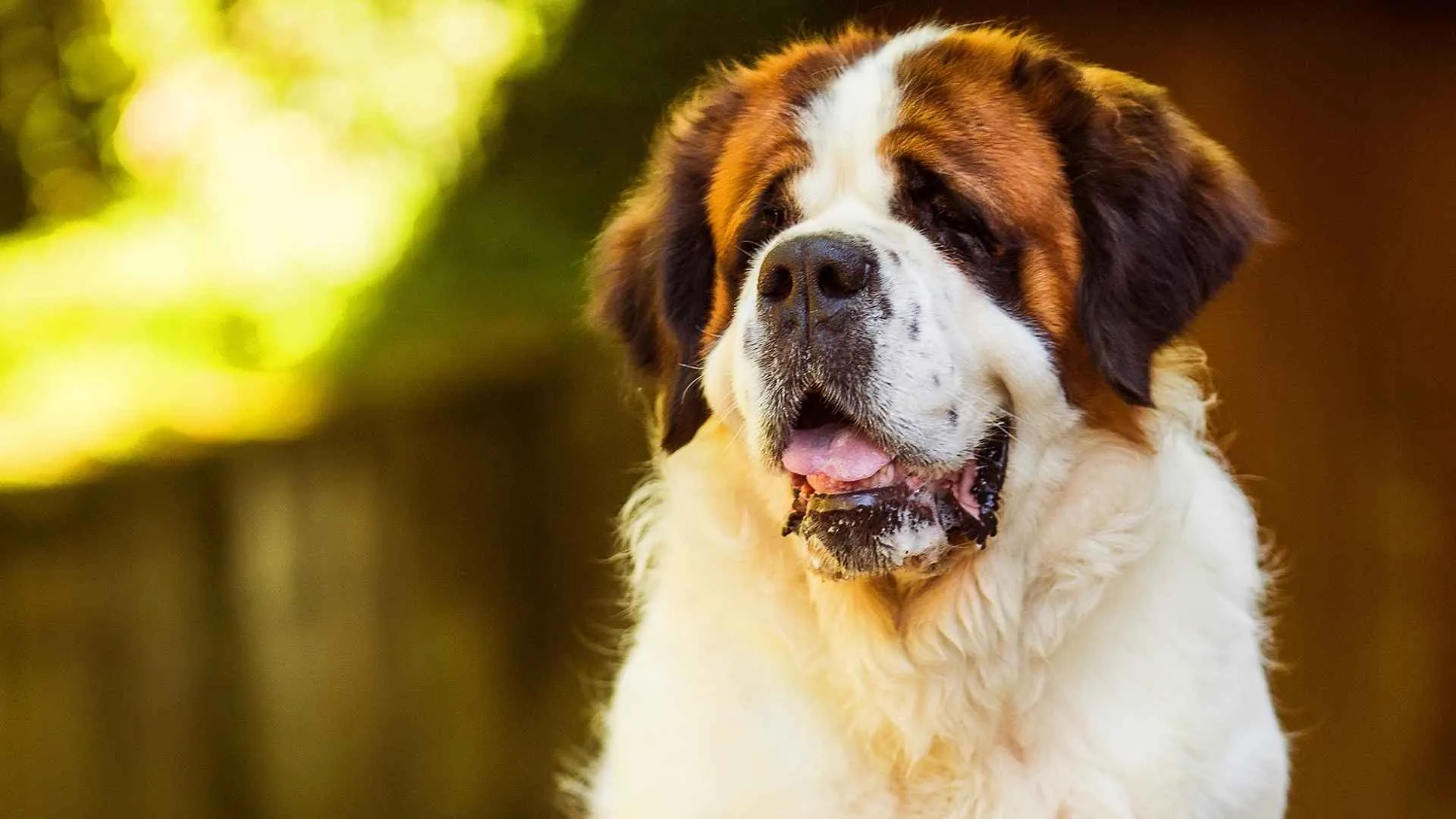
Saint Bernards are giant dogs originally bred in the Swiss Alps for rescue work.
While famous for saving travelers in snowy mountain passes, Saint Bernards are not aggressive guard dogs. Instead, their calm presence, immense size, and deep loyalty provide a sense of security. Few intruders would challenge a 150-pound dog at the door.
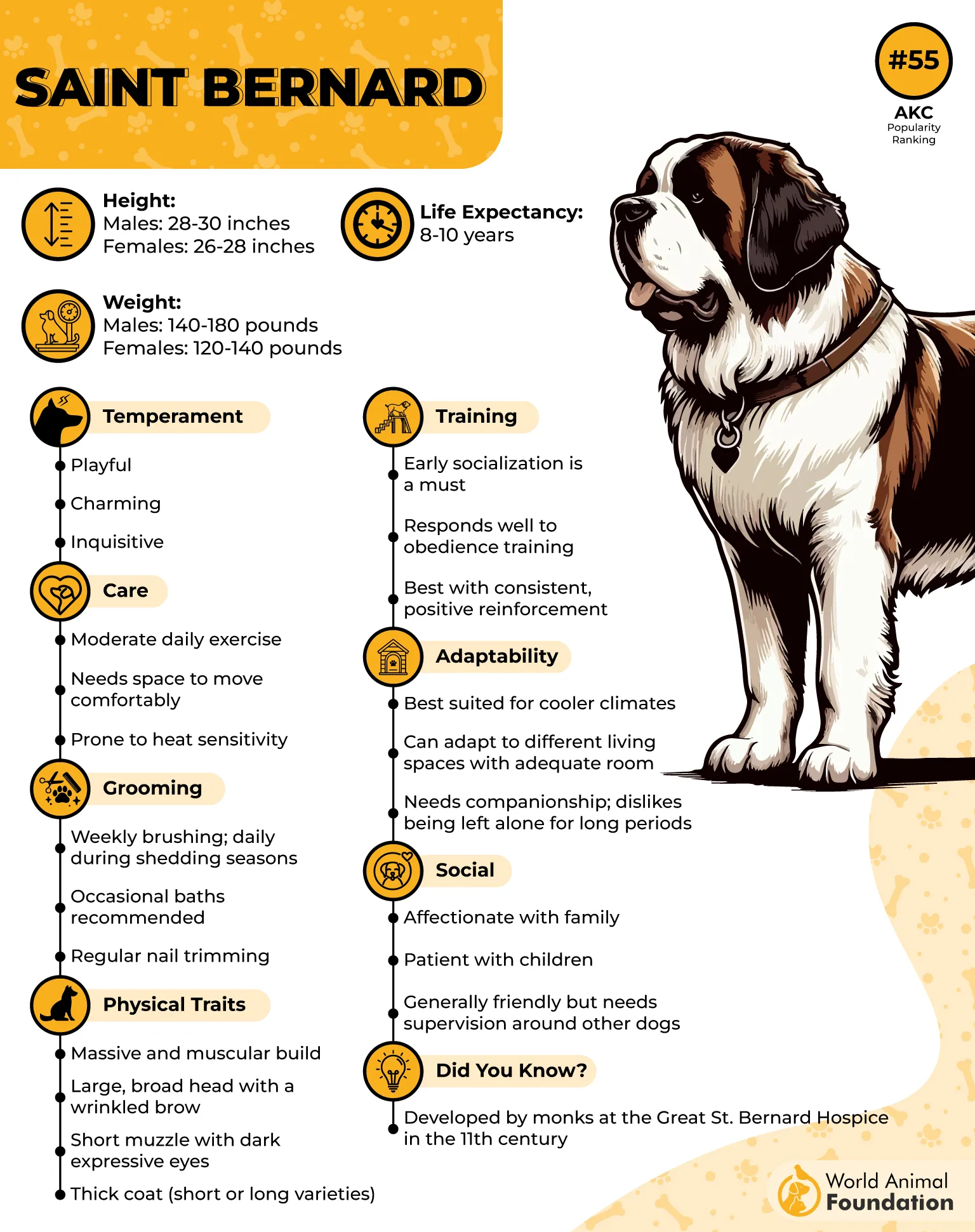
That said, they will bark if something genuinely catches their attention. Their bark is deep and powerful, so even a single alert can sound dramatic. If a Saint Bernard begins barking excessively, it’s usually linked to boredom, lack of exercise, insufficient mental stimulation, or inadequate training.
Early training helps a lot. Teaching commands and reinforcing calm behavior around everyday household sounds helps prevent nuisance barking. Because they are intelligent and responsive to consistent guidance, most Saints learn boundaries quickly.
These dogs have a calm demeanor; they are gentle, patient, and especially tolerant with children. Protection from a Saint Bernard is more about deterrence and devotion than confrontation. Their calm nature makes them excellent for families who want security without sharp-edged intensity.
7. Akita
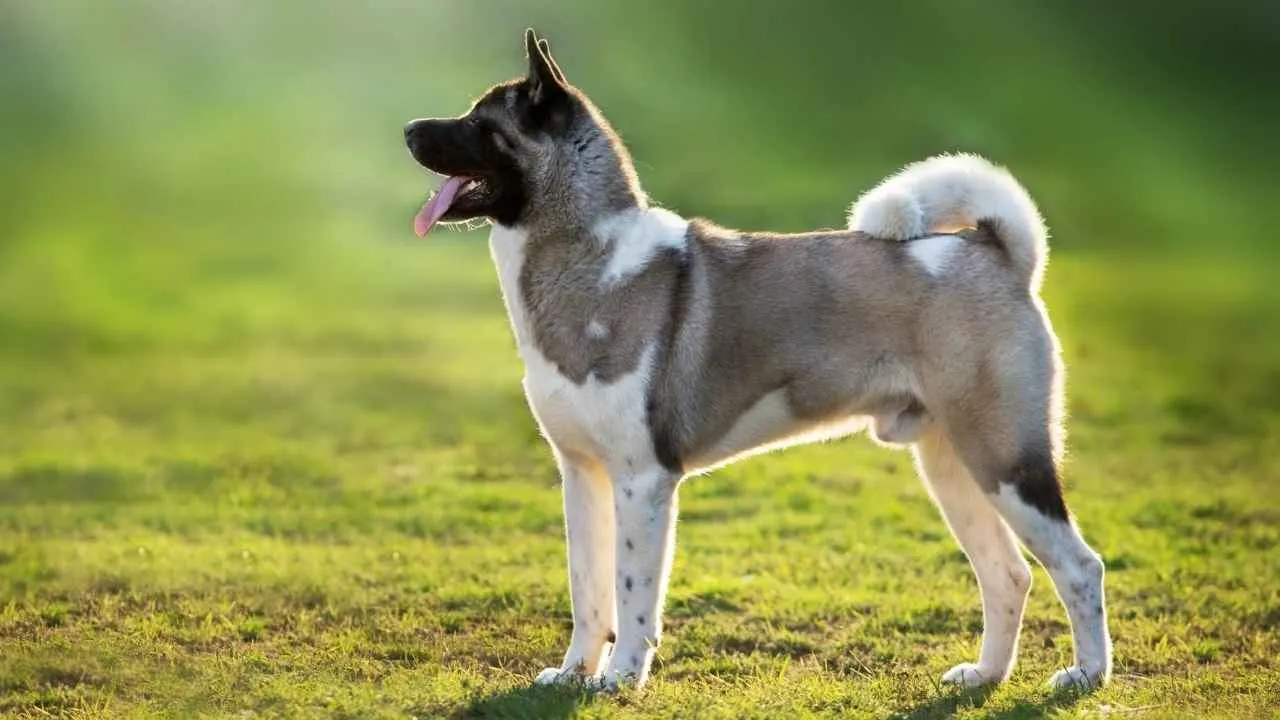
The Akita originates from northern Japan and was historically used for hunting and guarding. They typically weigh 70–130 pounds and have an average lifespan of 10–13 years. Their thick double coat reflects their cold-climate heritage.
They are naturally protective and deeply loyal, often forming a strong bond with one primary person. They are quiet, observant, and not prone to unnecessary barking. Their calm exterior hides a powerful guardian instinct.
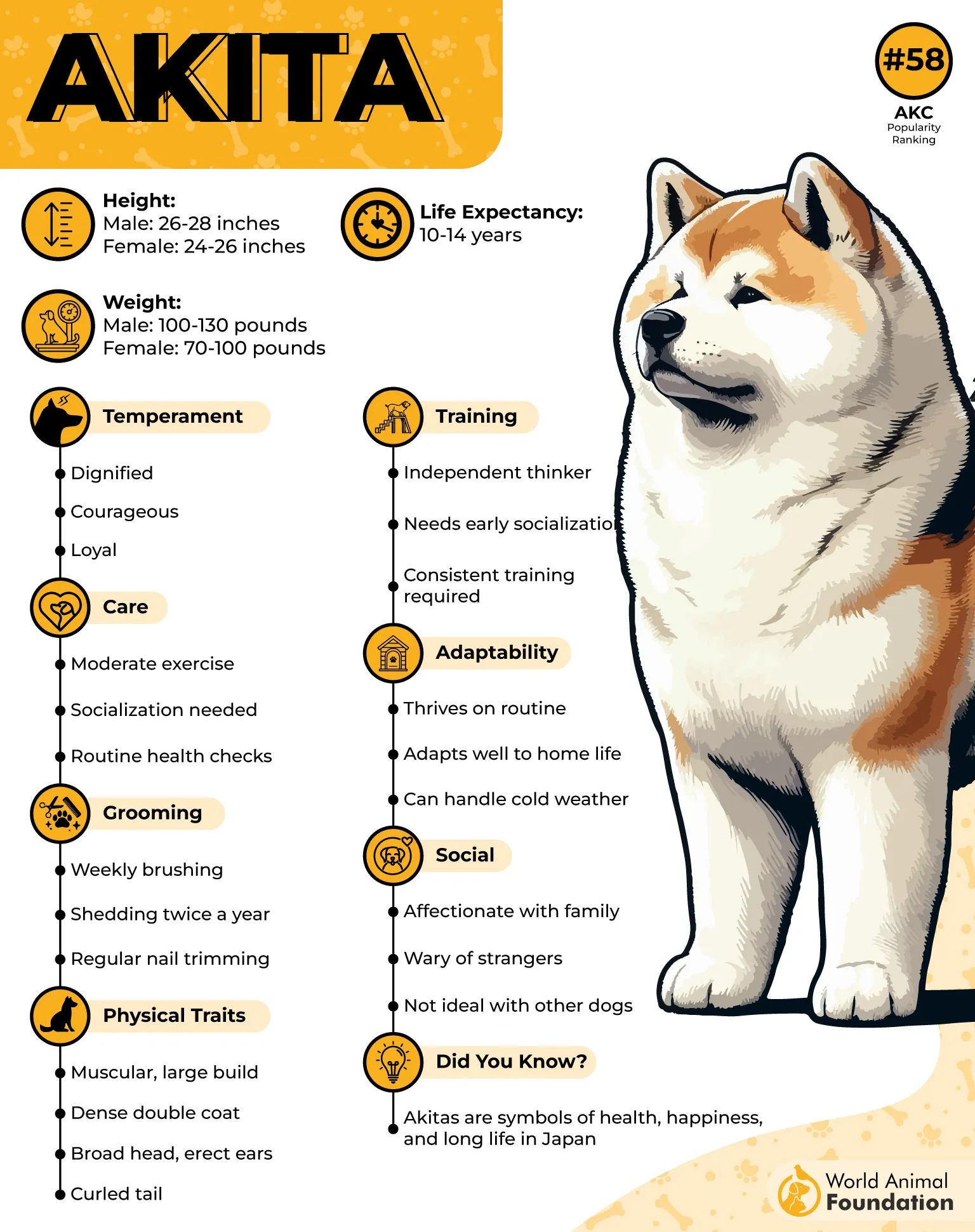
Unlike more sociable breeds, they are reserved around strangers. Early socialization is critical to ensure balanced behavior. With experienced ownership, they are dignified, composed, and fiercely devoted protectors.
The Reddit Thread is all about praising Thidog’s calm demeanor!
Despite their large size and powerful build, these dogs are not hyperactive, high-endurance dogs like Belgian Malinois or Border Collies. Most adult Akitas do well with about 45–60 minutes of daily moderate exercise, typically in the form of brisk walks, controlled play sessions, or structured training activities.
They are not energetic dogs and tend to be calm indoors once their physical and mental needs are met.
Conclusion
Calm guard dogs prove that protection does not have to mean chaos. Breeds like the Newfoundland and Saint Bernard offer massive size with gentle hearts, while the Boerboel and Akita bring quiet vigilance and strong loyalty. Each of these breeds uniquely combines stability, devotion, and a natural guarding instinct.
Some of these dogs are better suited to first-time giant-breed owners, while others require confident handling. But when matched correctly, these loyal companions provide both comfort and security — proving that true strength is often steady and serene.
