




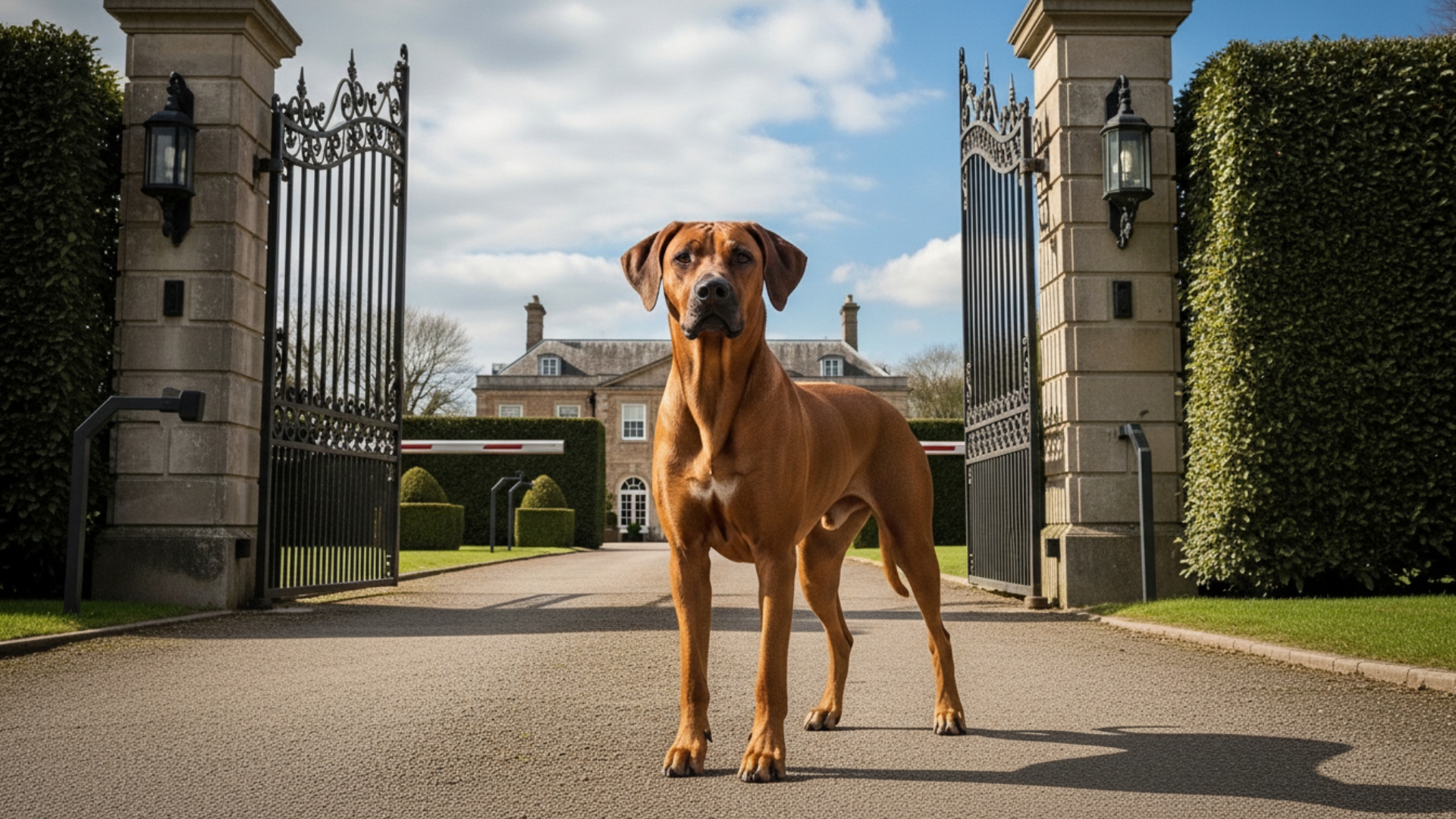
Modern security systems rely on cameras, sensors, and silent alerts sent to your phone. A protective dog brings something far more immediate.
The best dog breeds to keep your property secure respond in real time, guided by instinct and loyalty rather than software. They sense subtle changes in their surroundings and react with purpose. While technology records events, a guardian dog actively deters them.
Presence alone can influence behavior at your gate or doorstep. Effective protection depends on temperament, composure, and the ability to distinguish normal activity from genuine concern. These breeds are attentive without being unnecessarily aggressive.
In the sections that follow, you will learn which traits matter most in a property guardian and how to make an informed, responsible choice.
Key Takeaways
A truly protective dog senses danger before it becomes visible and responds with purpose rather than noise.
Mastiffs and Cane Corsos combine sheer size with calm confidence, turning any property into a guarded fortress without constant barking.
German Shepherds and Dobermans mix intelligence with loyalty, reading subtle changes around the home and responding instantly to protect their family.
Keep reading to discover all seven breeds that can transform peace of mind into a living, breathing presence on your property.
Best Dog Breeds to Keep Your Property Secure
1. Mastiff
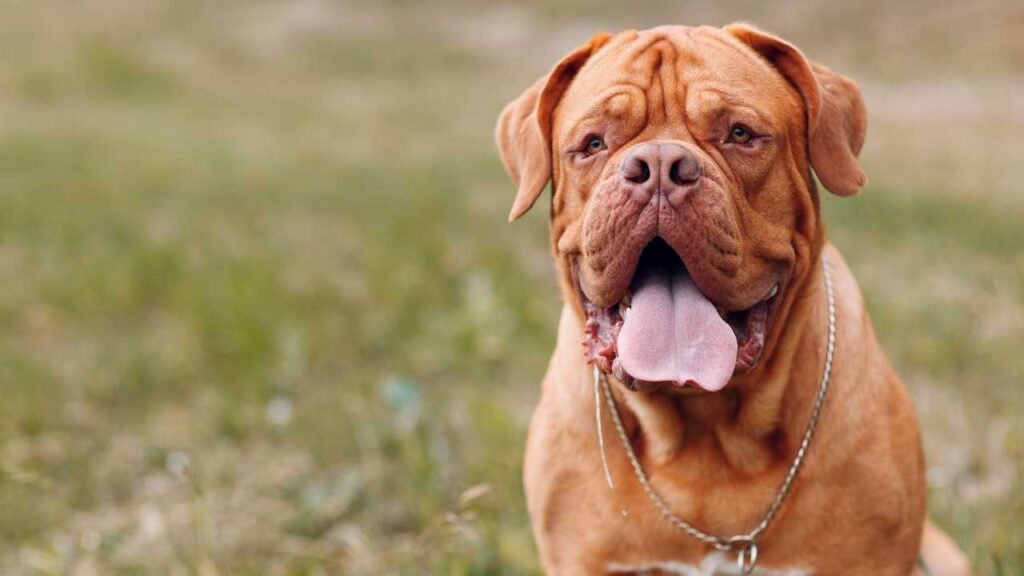
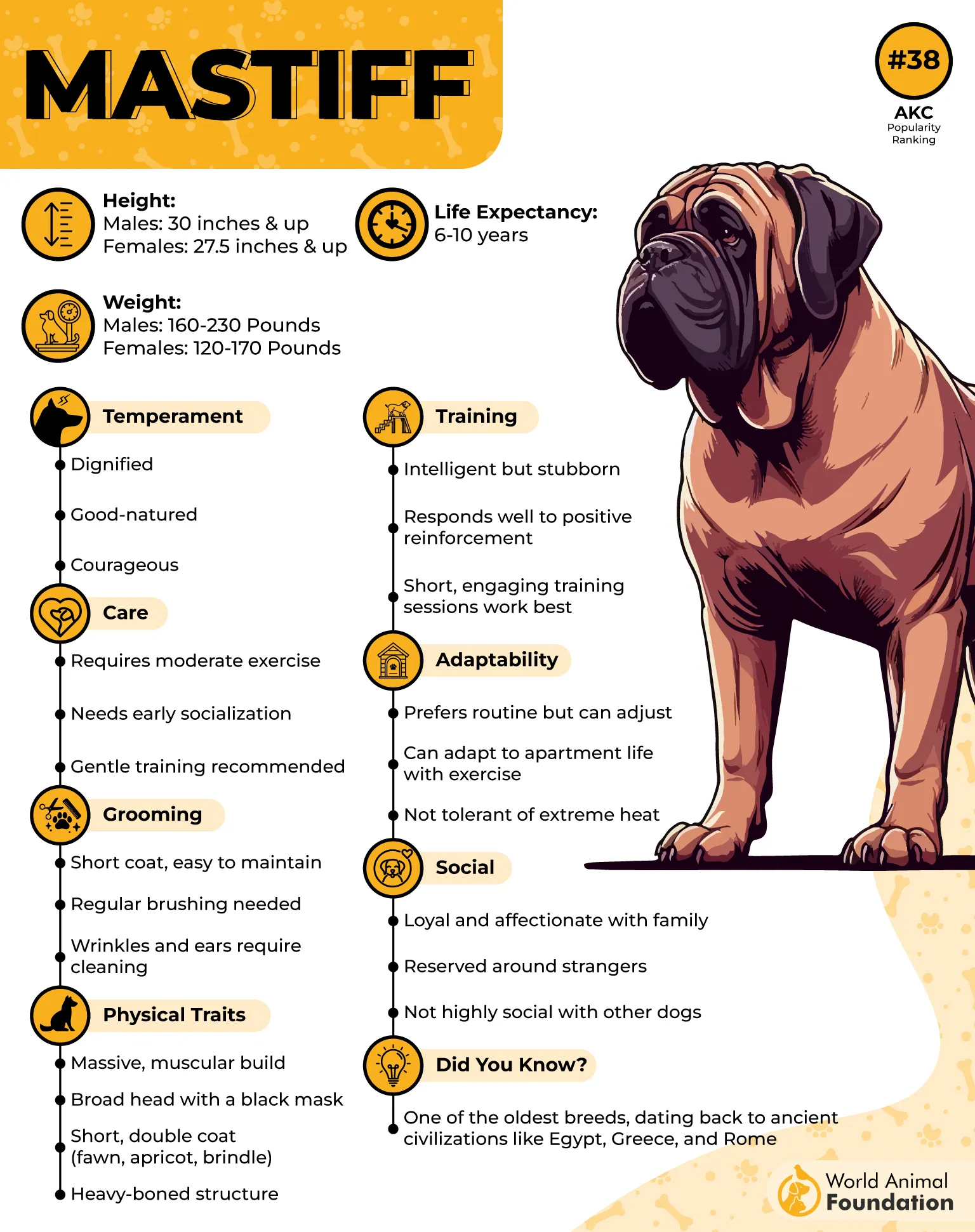
Mastiff commands attention with sheer mass, a broad head, and a black-masked face that leaves a lasting impression. Standing at least 30 inches tall, this heavy-boned giant has guarded homes since ancient times. Their quiet watchfulness alone can make an unwanted visitor reconsider.
Built to Deter
Mastiff combines immense strength with a calm, steady demeanor that suits property protection. Physical power is matched by instinctive loyalty to household members.
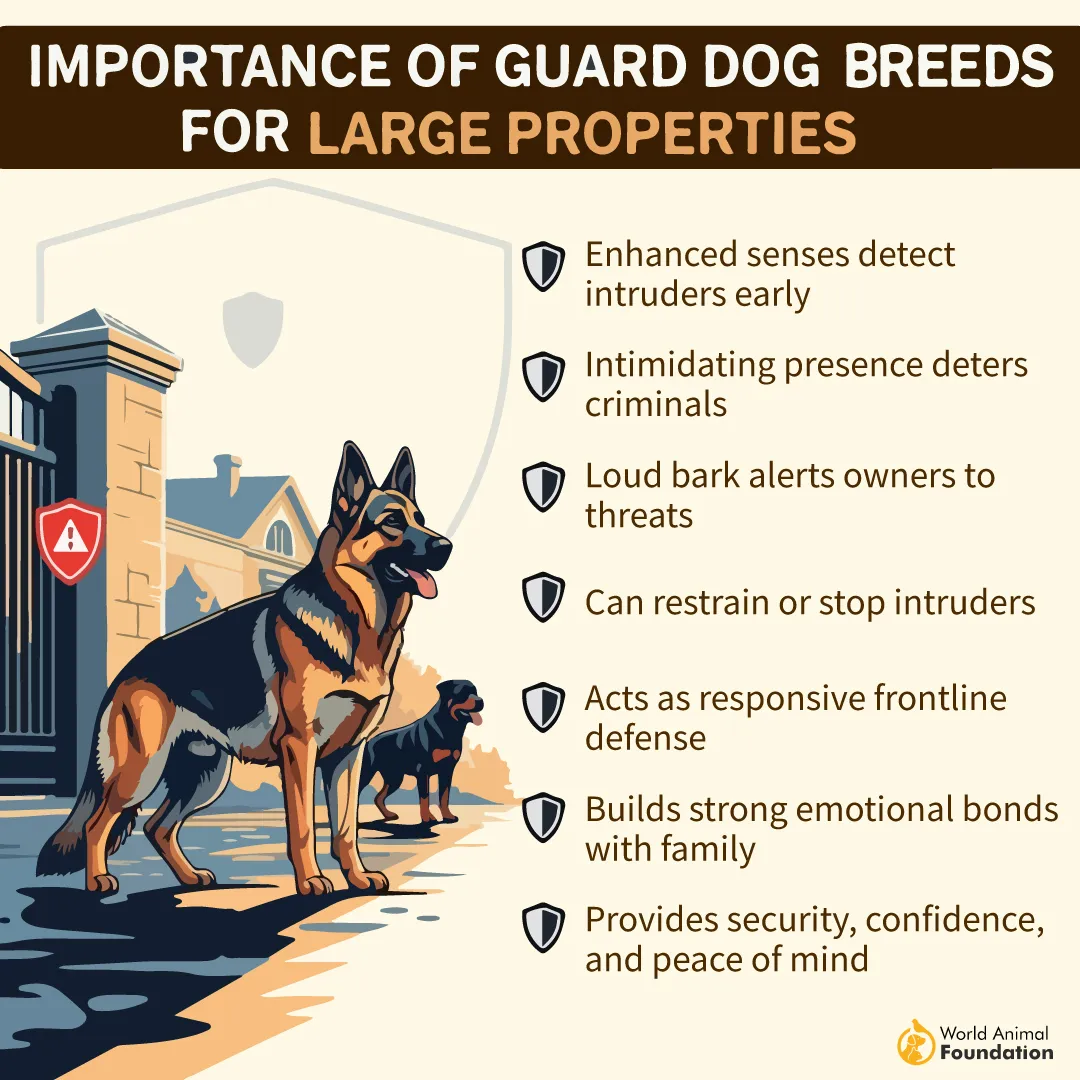
Key security traits of this protective dog breed include:
Massive, muscular frame that intimidates at first sight
Natural suspicion toward unfamiliar visitors
Deep presence and steady courage under pressure
Temperament and Control
They are patient and affectionate within the family circle, yet remain alert to changes around the home, as per the AKC. Early socialization shapes their natural wariness into controlled confidence. Gentle, varied training works best, as repetitive drills quickly lose interest.
2. Rhodesian Ridgeback
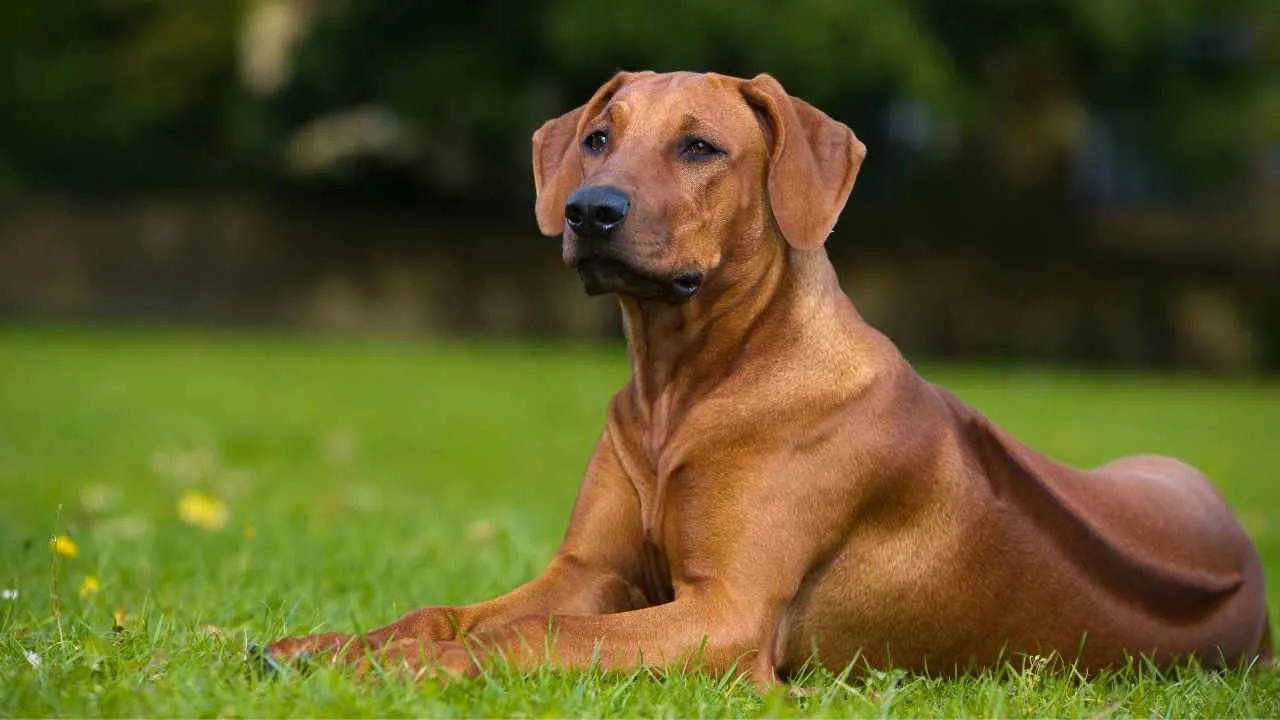
Rhodesian Ridgeback is a powerful hunter turned household guardian, known for watching first and reacting when it matters.
They rarely bark, so when a deep alert sounds, it signals something is off. Keen eyesight and a sharp nose allow them to detect movement around your property long before you notice it.
Territorial Awareness
This guard dog breed keeps a measured distance from strangers entering the home and can be protective of family and space, as mentioned by Purina.
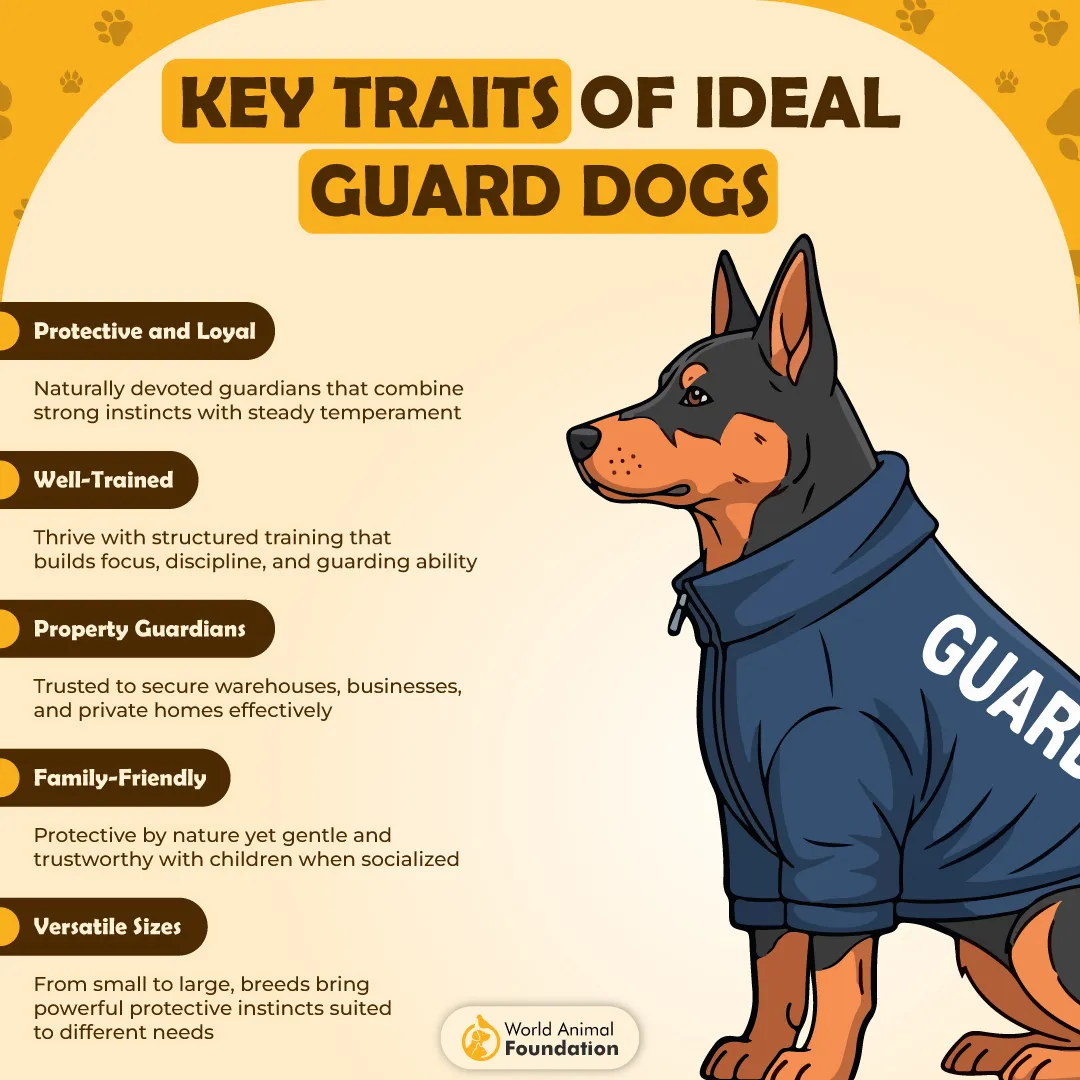
That guarded nature becomes clear through behaviors like:
Low, deliberate warning barks
Intense visual scanning of surroundings
Strong prey focus that reacts to sudden motion
Strength With Boundaries
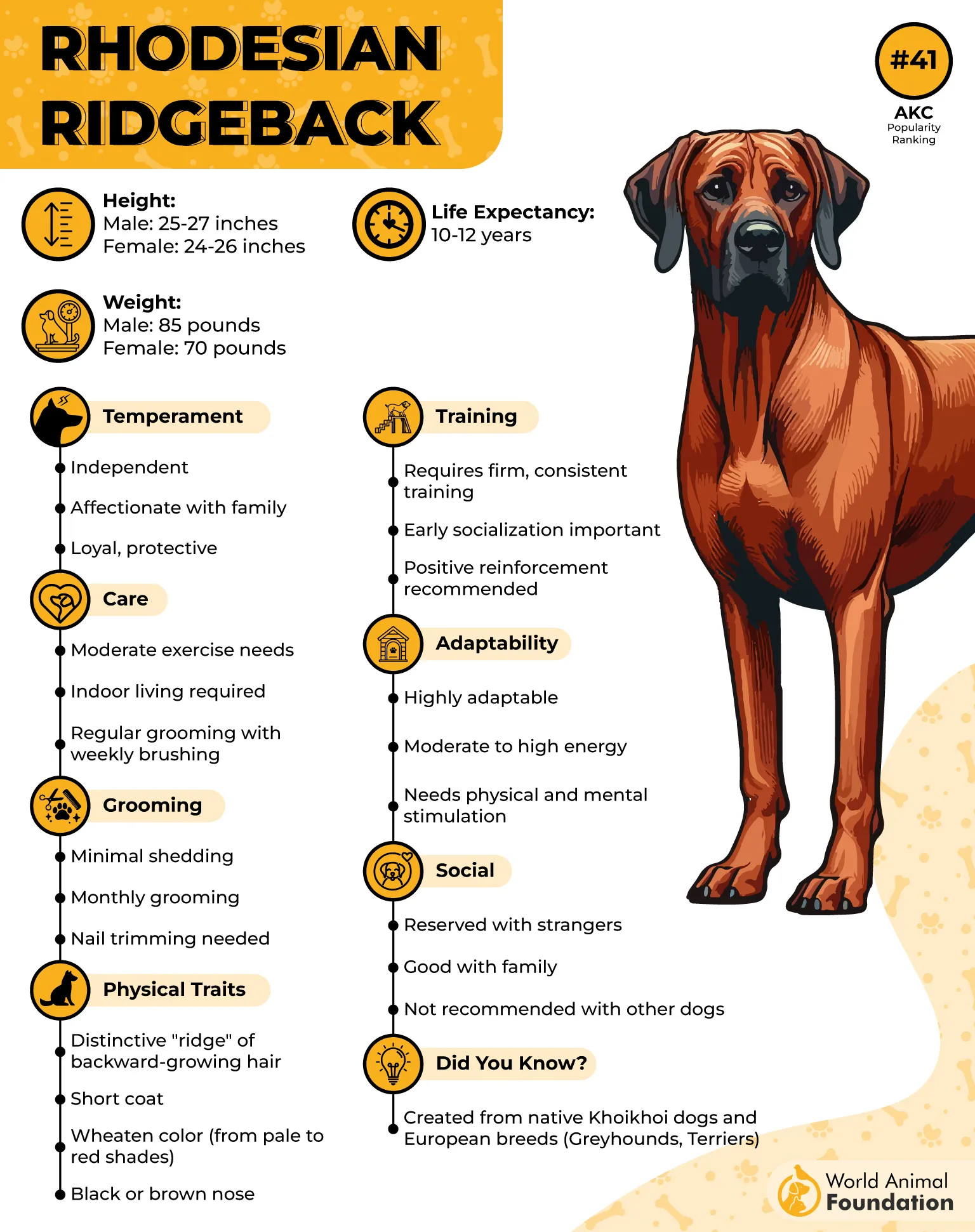
They require firm, proper training because intelligence alone does not guarantee obedience. They respond well to reward-based methods but will test limits if consistency slips. Their energy as youngsters means secure fencing and controlled walks are essential for property safety.
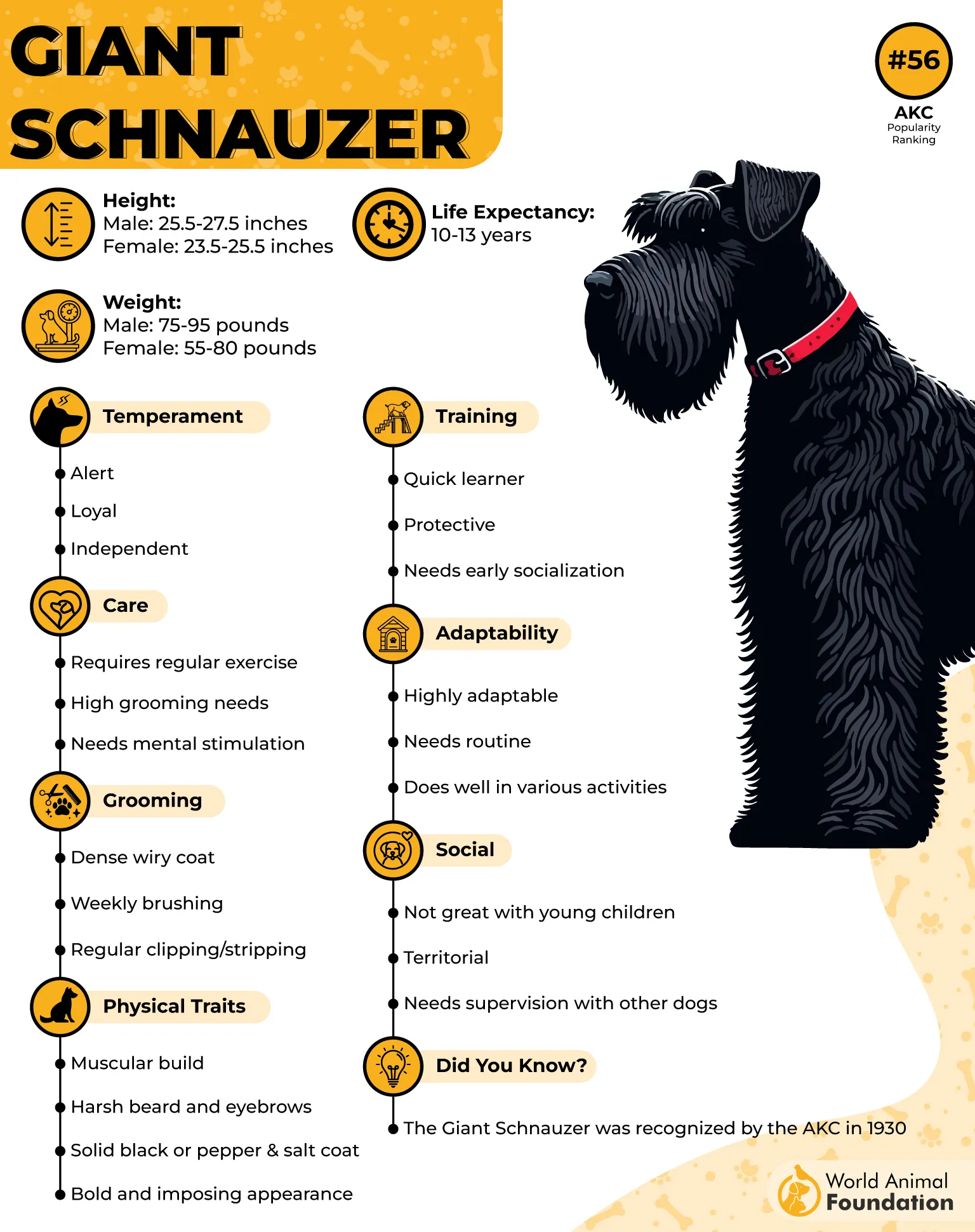
3. Giant Schnauzer
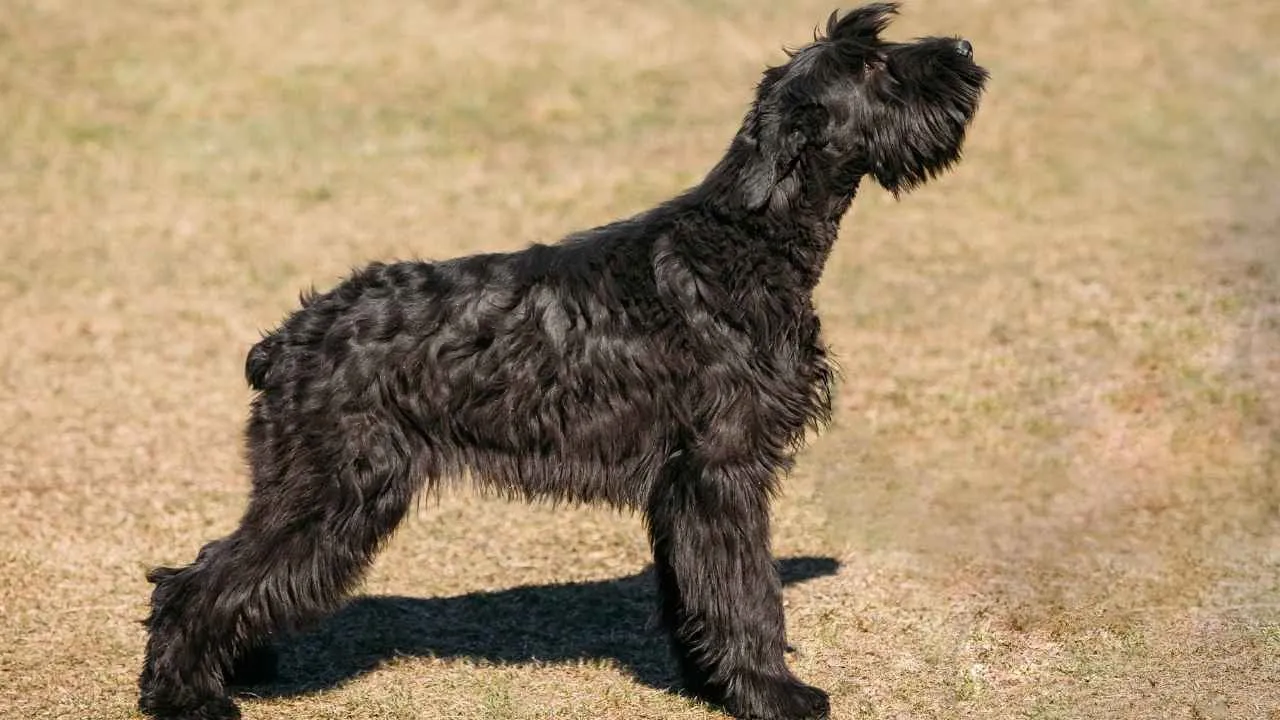
Giant Schnauzer is a powerful working breed originally developed for serious tasks, and that purpose still shapes its mindset today. Calm and loyal with family, it keeps a watchful eye on its surroundings without unnecessary noise. This is a dog that treats the home as a responsibility, not just a place to live.
Sharp Mind, Clear Boundaries
This protection dog learns quickly and remembers what it is taught, which makes structured training essential from the start. Leadership must be clear, as this breed will test limits if structure fades.
Its security strengths show up in practical ways:
Naturally cautious with unfamiliar visitors
Quiet temperament, barks only with reason
Strong territorial awareness indoors and out
Early Social Lessons Matter
Giant Schnauzer benefits from controlled introductions to guests during puppyhood so it understands who is welcome, as Omlet notes. Without that guidance, their protective instincts can harden into over-guarding. Consistent reinforcement keeps its judgment balanced and reliable.
4. Cane Corso
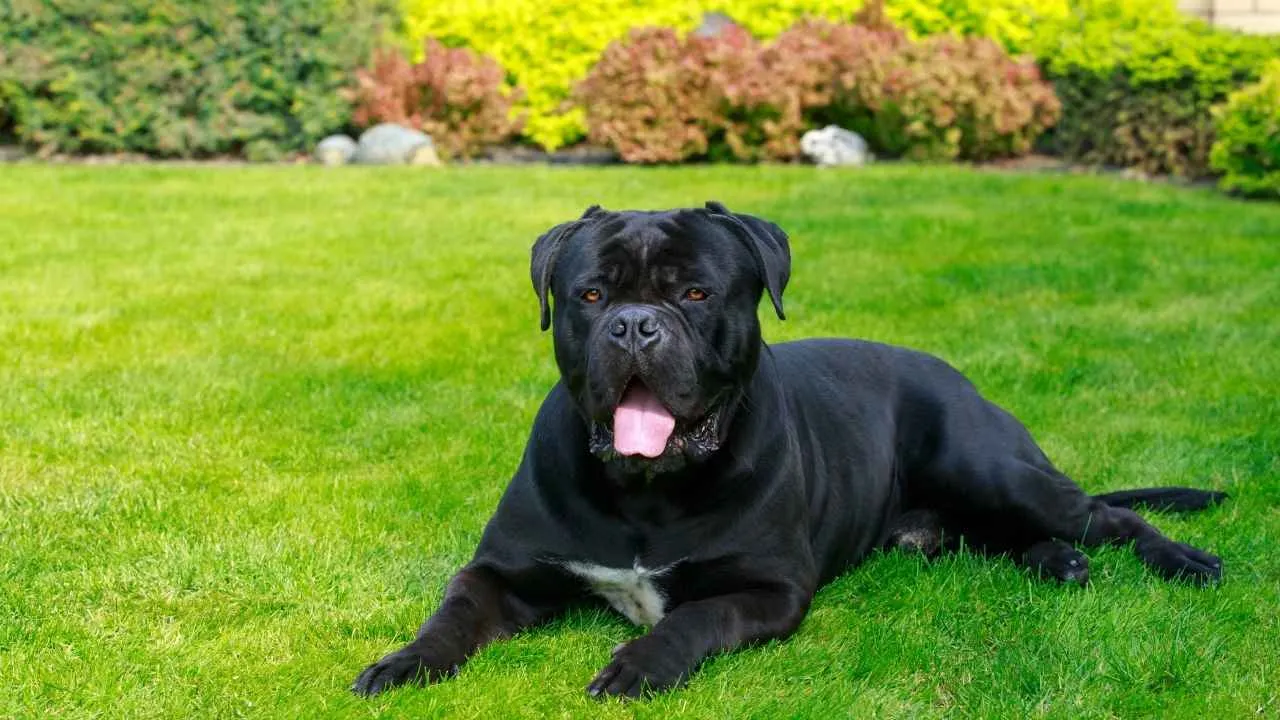
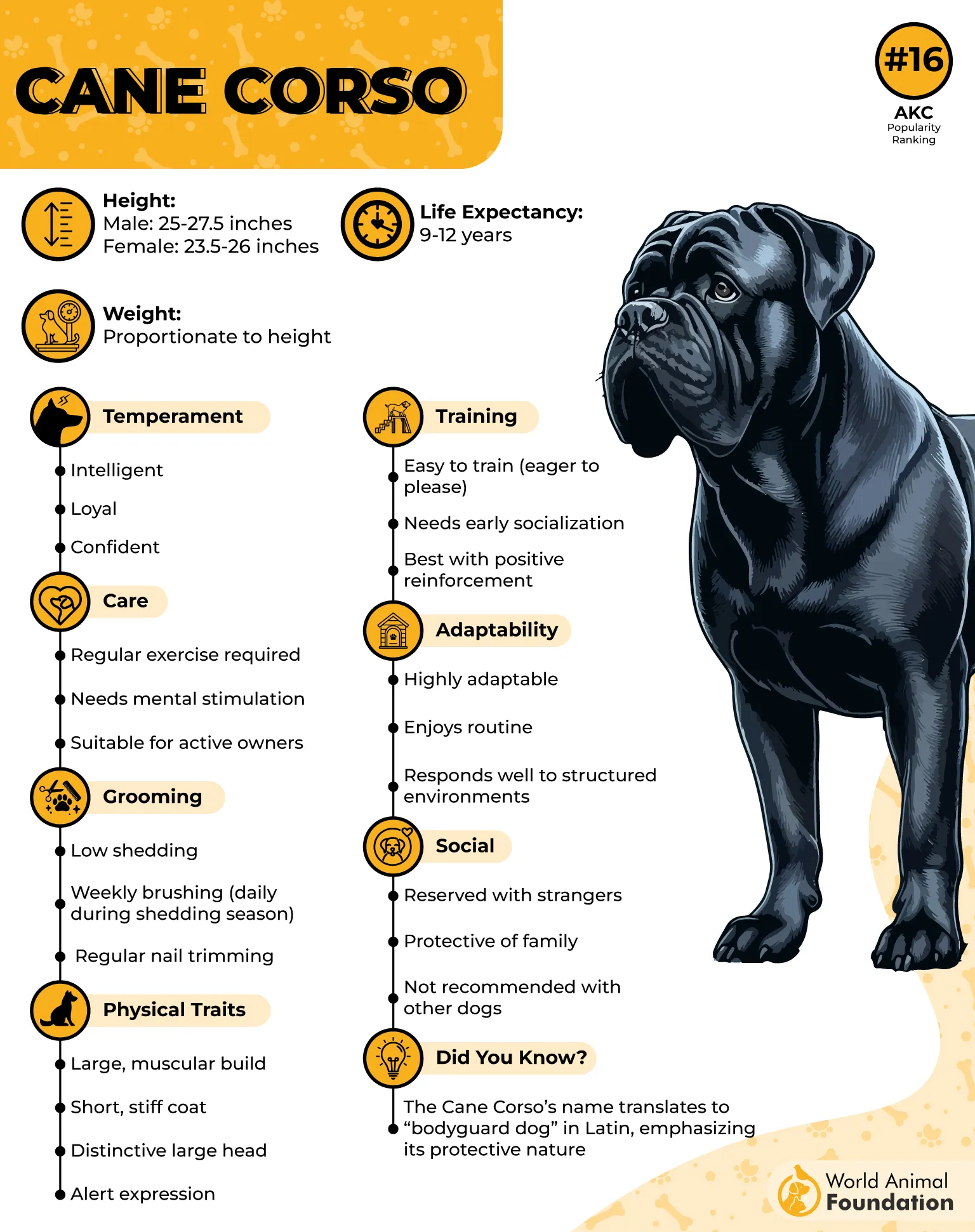
Cane Corso descends from ancient Roman war dogs, and even its name translates to “bodyguard dog.” That legacy shows in its confident stance and controlled intensity. This is a breed shaped for protection, not ornament, and its imposing physique is the reason why.
Built to Deter
Cane Corso stands nearly 28 inches tall with a massive head and heavily muscled frame. One look often stops trespassers before a sound is made.
That physical authority speaks clearly:
Large, imposing build
Alert, watchful expression
Short, stiff coat over dense muscle
Serious Home Protection
Cane Corso responds best to proper socialization and mental stimulation paired with reward-based training. Harsh handling weakens trust, while consistent direction strengthens reliability. When properly raised, this excellent guard dog patrols its territory with calm confidence and steady judgment.
5. German Shepherd
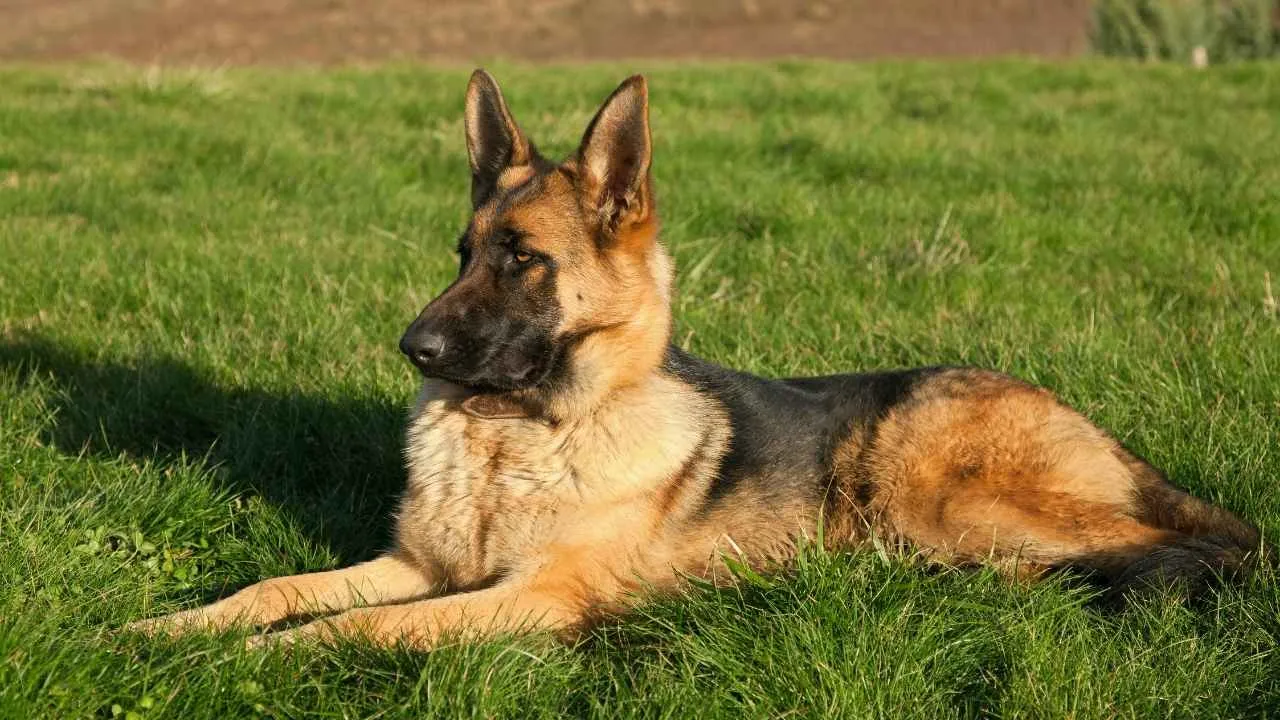
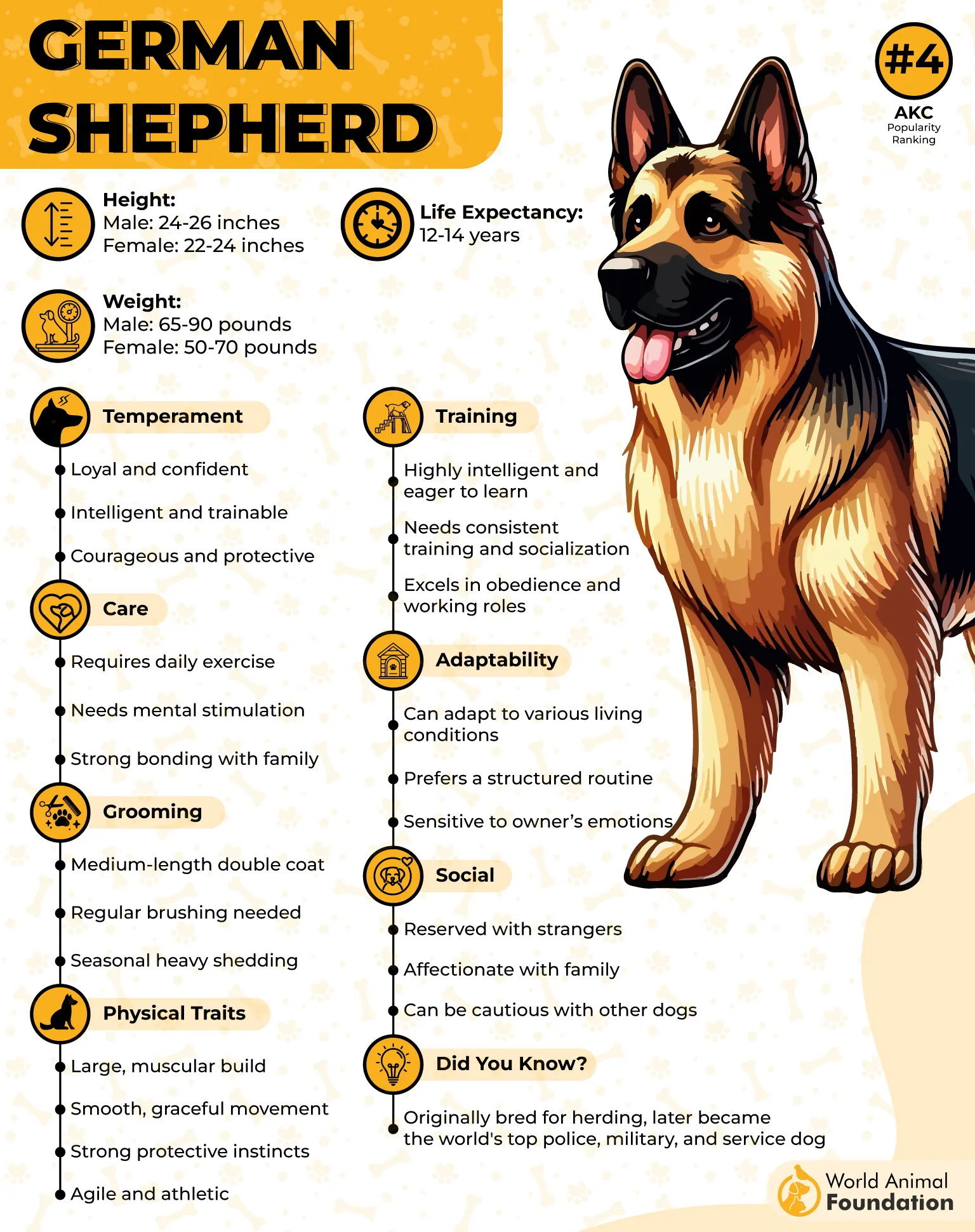
German Shepherd commands attention with a muscular frame, sharp focus, and steady confidence. Originally bred for herding, this intelligence now translates into structured protection roles. Their alert posture signals a dog constantly assessing its surroundings.
Operational Strength
German Shepherd excels when given structured responsibility and advanced training. They combine bravery with responsiveness, creating a strong presence around homes and large properties.
That reliability shows up in real-world security roles such as:
Police and military patrol duties
Detection work, including explosives
Search and rescue coordination
Discipline and Control
German Shepherd responds exceptionally well to firm, consistent training, which sharpens both obedience and judgment.
Early socialization builds confidence and ensures reactions are measured rather than impulsive. This balance makes them dependable in environments where clear decision-making matters.
6. Doberman Pinscher
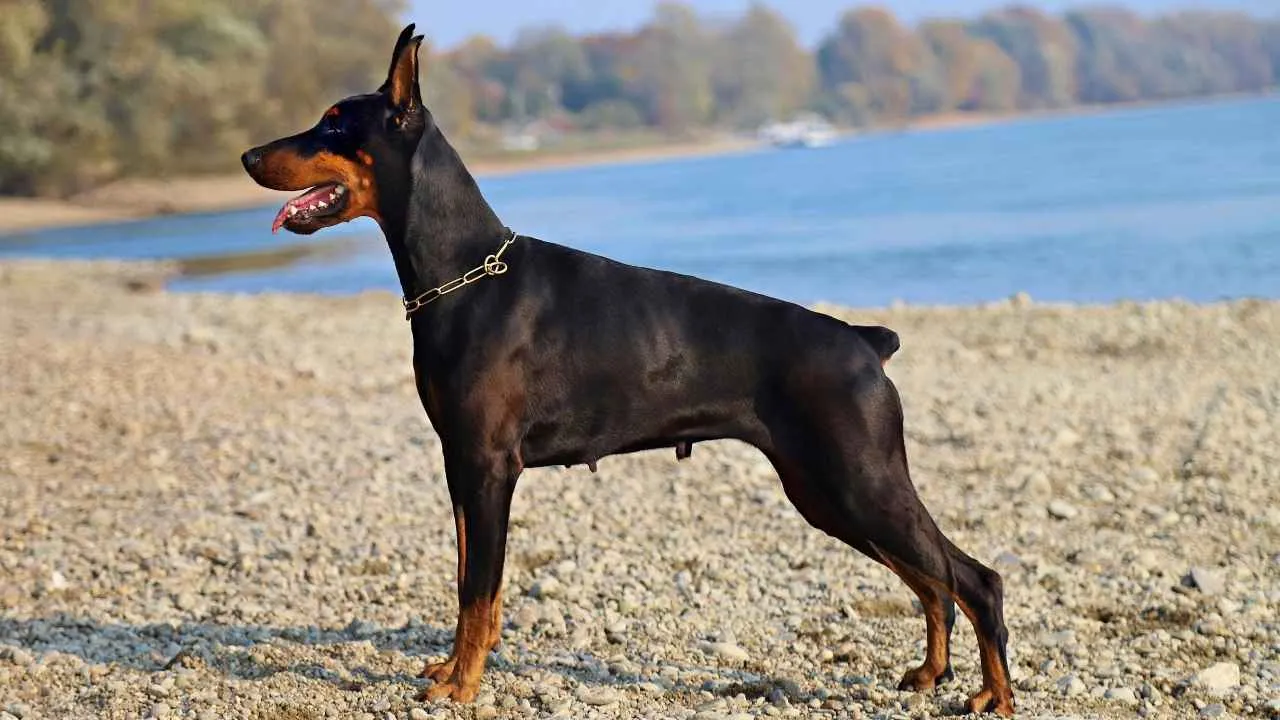
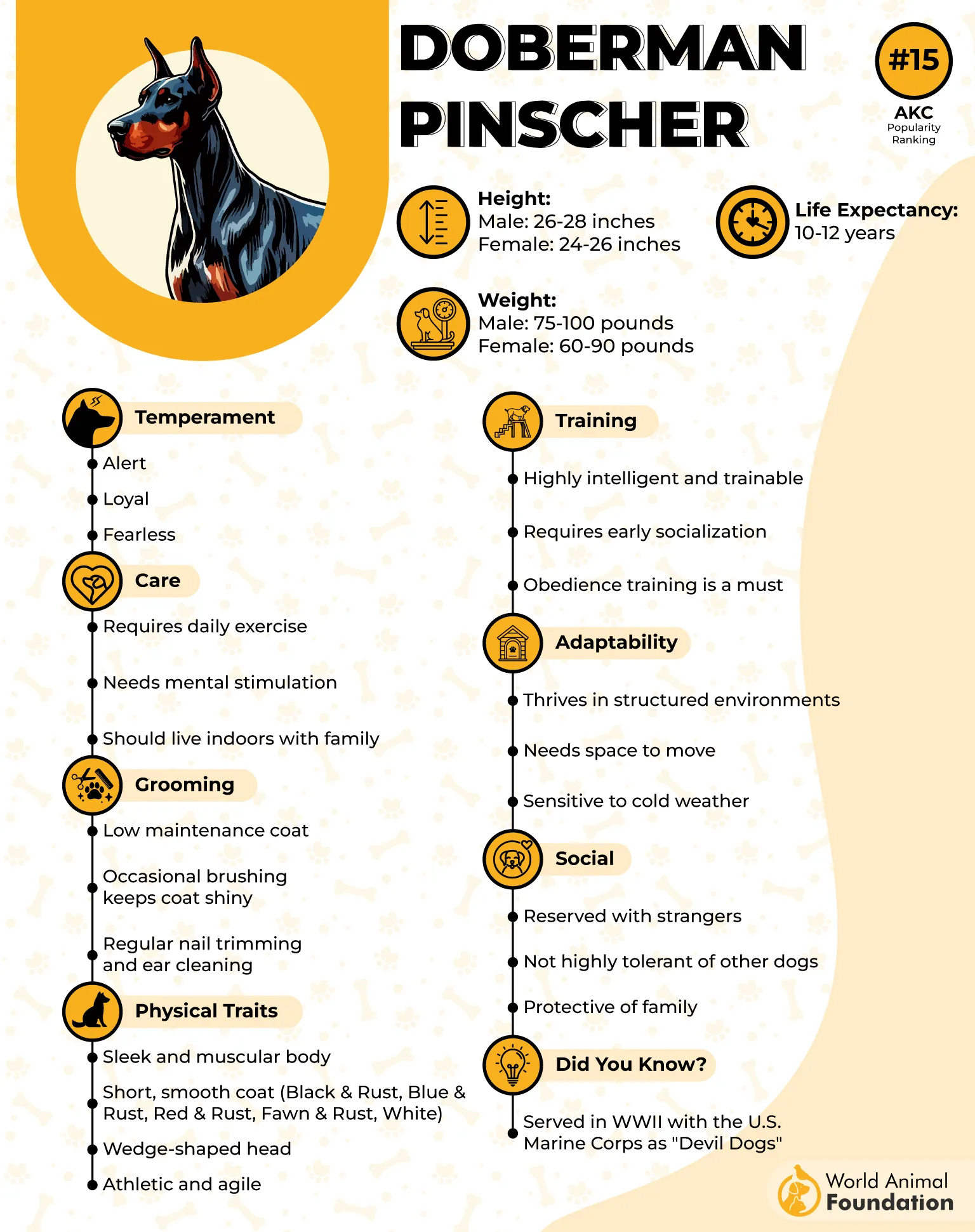
Doberman Pinscher stands tall with a muscular frame and constant alertness, making its presence immediately known on any property. Bred to stay watchful, this breed reacts quickly to movement and unfamiliar activity. It natural instinct to protect, which places them among the best guard dogs.
Precision and Control
Dobies combines sharp intelligence with physical speed, allowing it to respond without hesitation. They may be cautious around strangers or unfamiliar other dogs, a behavior rooted in guarding awareness
That responsiveness shows up clearly in:
Strong obedience performance
Quick reaction to unfamiliar visitors
Confident territorial awareness
Protective Yet Connected
These dogs remain deeply loyal to family members, often staying physically close inside the home. Suspicion toward strangers strengthens property security, while proper training keeps behavior measured. Structured guidance prevents domineering tendencies and reinforces dependable control.
7. Rottweiler
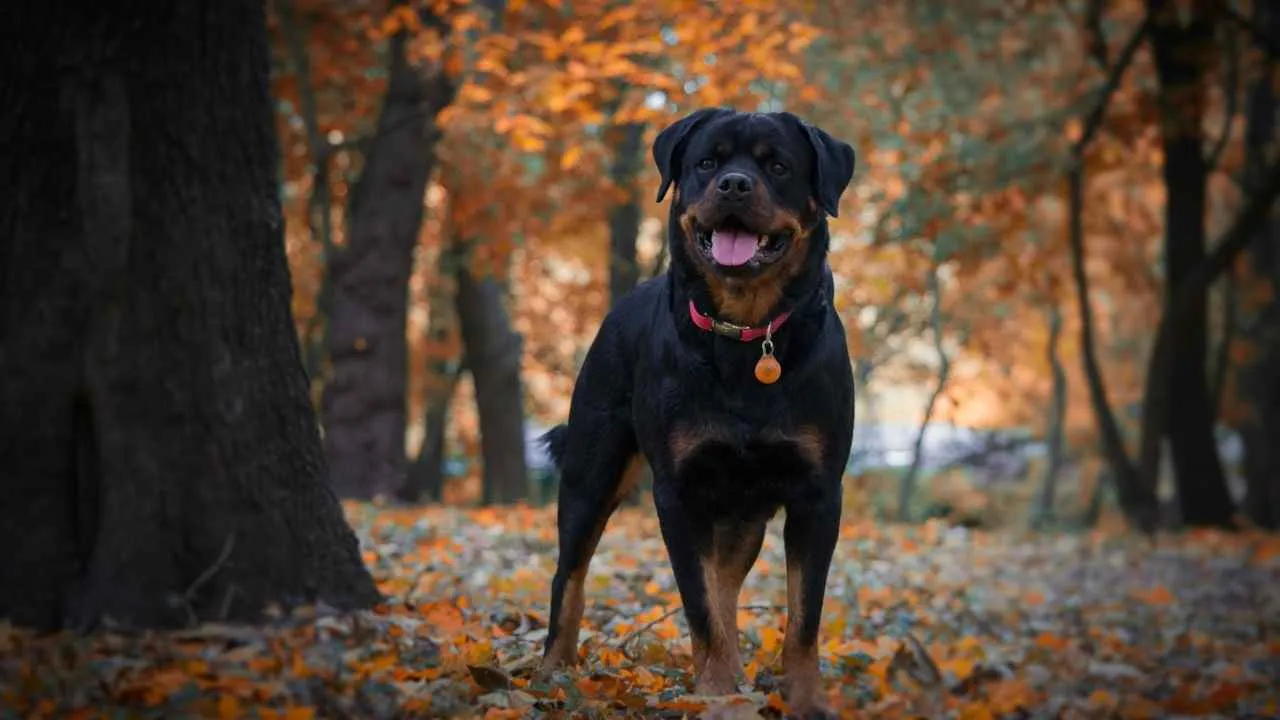
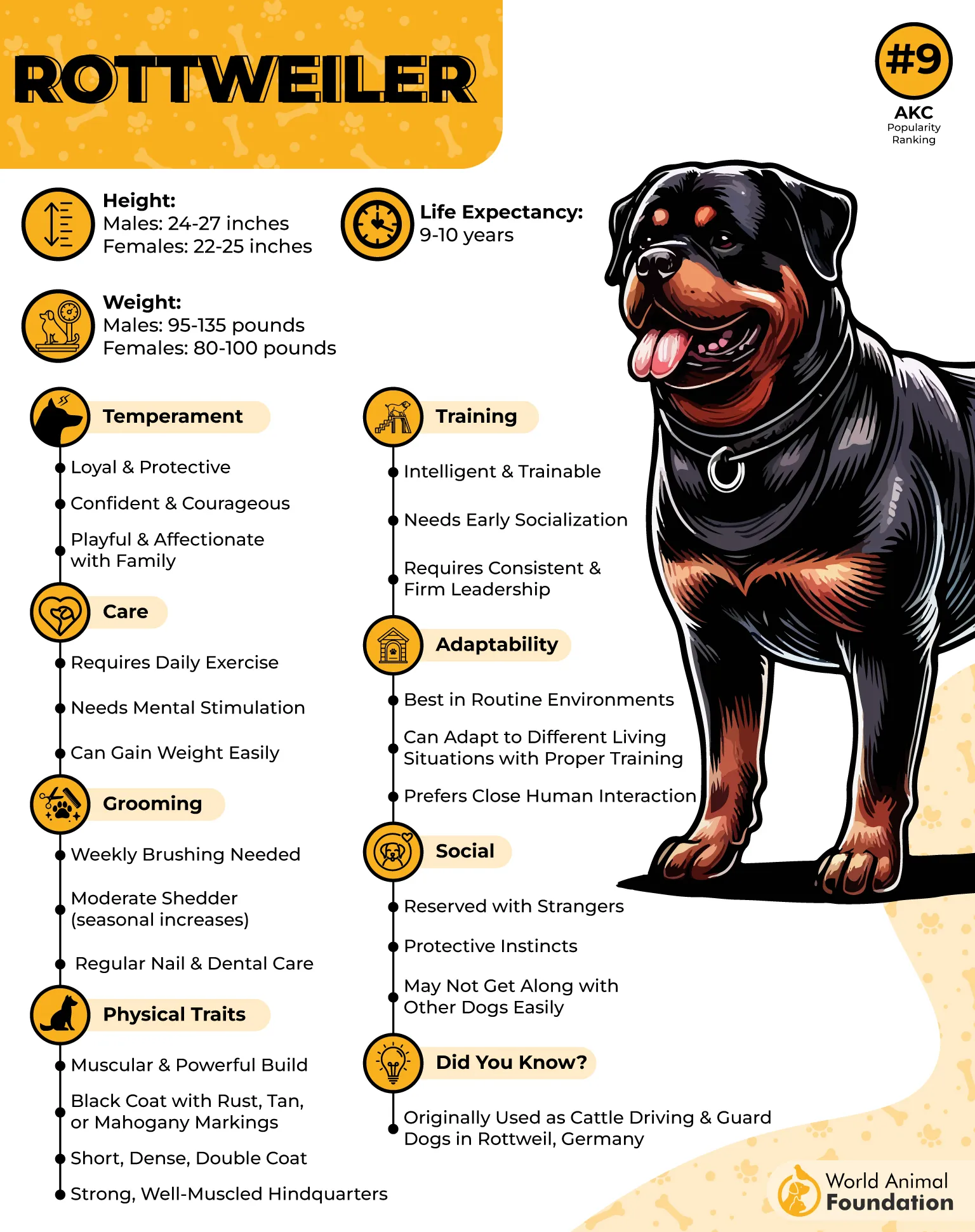
Likely descended from Roman cattle-driving dogs, the Rottweiler traces its roots to the town of Rottweil in Southern Germany. Their natural guarding instinct keeps them alert without nervous behavior. Around family life, they are affectionate and closely attached to their people.
Instinct Meets Control
Rottweiler protection is powerful, but it must operate under clear leadership and structure. Their strength and intelligence demand early boundaries and steady guidance.
That working mindset shows in:
Intervening when tension rises in the household
Watching strangers from a distance before reacting
Excelling in obedience, tracking, and agility tasks
Loyalty on Your Terms
Rottweiler becomes incredibly loyal when training is firm, calm, and consistent. Their ability to learn quickly means dog owners must set authority early and reinforce it. Guided correctly, they are a great guard dog that balances protection with stability inside everyday family life.
Conclusion
Selecting among the best guard dog breeds means balancing strength with stability. The most protective dogs listed here combine presence, discipline, and a steady protective nature that deters trouble before it starts. From imposing Mastiffs to focused working lines, they make excellent guard dogs when training is clear and consistent.
Many are also loyal companion animals and affectionate dog partners within family pet settings. Some even stand out as gentle giants, calm indoors yet powerful when needed. With guidance and structure, these family pets become a great family dog presence that secures the property while remaining devoted at home.
