




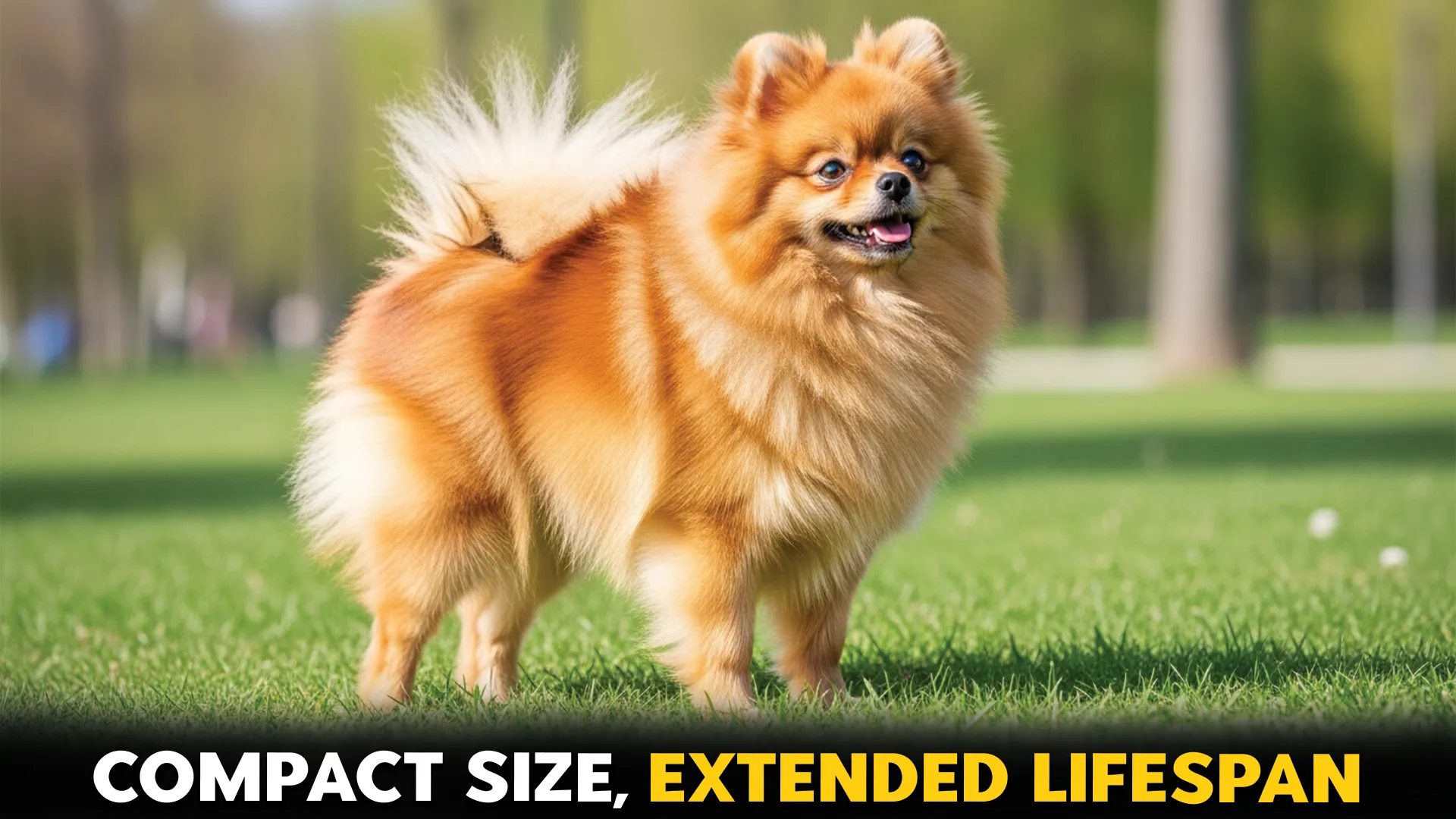
If you are hoping for a dog who will be by your side for many happy years, small breeds are a great place to start.
Many little pups are known for their long lifespans, big personalities, and loyal hearts packed into compact bodies. For families, singles, and seniors alike, that can mean more time for adventures, cuddles, and everyday moments together.
Of course, every dog is an individual, and loving care plays a big role in how long they thrive. Still, certain small breeds have earned a reputation for sticking around well beyond 14 years.
Let’s take a closer look at the tiny companions known for their impressive longevity.
Top Small Dog Breeds With Longevity Beyond 14 Years
1. Pomeranian

A Pomeranian does not walk into a room quietly. With a thick ruff framing a foxlike face and a plume of a tail carried high, this tiny dog tends to assume everyone is there to admire it. Descended from much larger Spitz dogs, they still carry that bold, watchful attitude in miniature form.
Training needs to start early, not because they are not smart, but because they are. They quickly learn what works in their favor. PetMD notes that positive reinforcement and steady socialization help prevent behaviors like excessive barking or reactivity.
Their small frame also means rough handling can lead to injury, so supervision around young children is important.
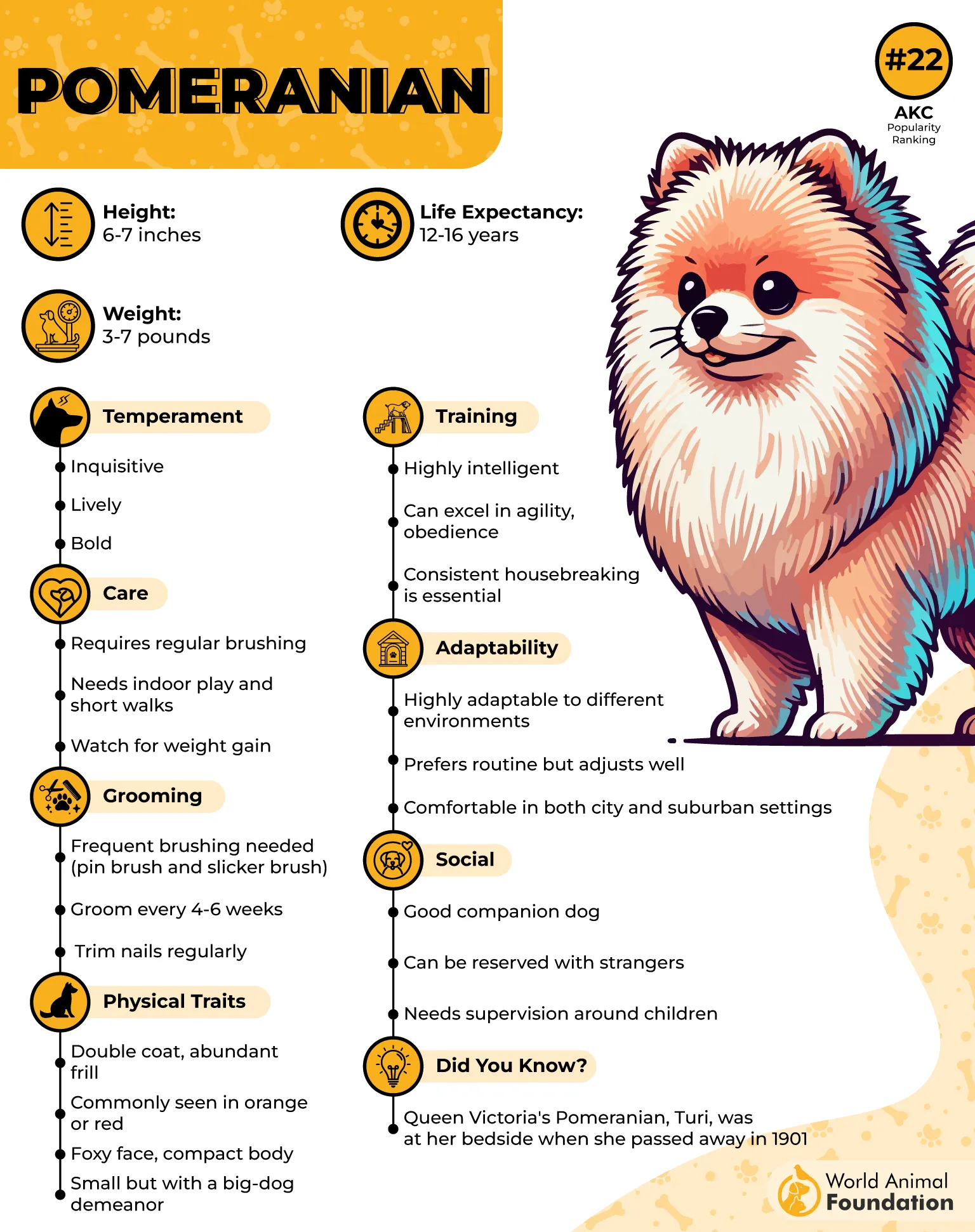
This fluffy dog breed often reaches 12 to 16 years. Along the way, owners may encounter concerns such as dental disease, hypoglycemia in young puppies, eye disorders, patellar luxation, Legg-Calve-Perthes disease, or collapsing trachea.
Why This Breed Is a Good Fit
Frequently remains an active companion into the mid-teens
Compact enough for smaller homes without sacrificing personality
Enjoys being deeply involved in daily family life
2. Rat Terrier

The Rat Terrier has a ready-for-anything expression that matches its personality. Originally prized for pest control on American farms, today’s Rat Terrier is more likely to be found racing across a backyard or inventing a new game in the living room.
Friendly and affectionate, they often get along well with children and other pets. Their intelligence shows in how quickly they pick up new skills, but their energy level means they need more than a quick stroll. As per WebMD, activities like agility, obedience, or structured play keep them satisfied. Without enough stimulation, they can turn to digging or chewing.
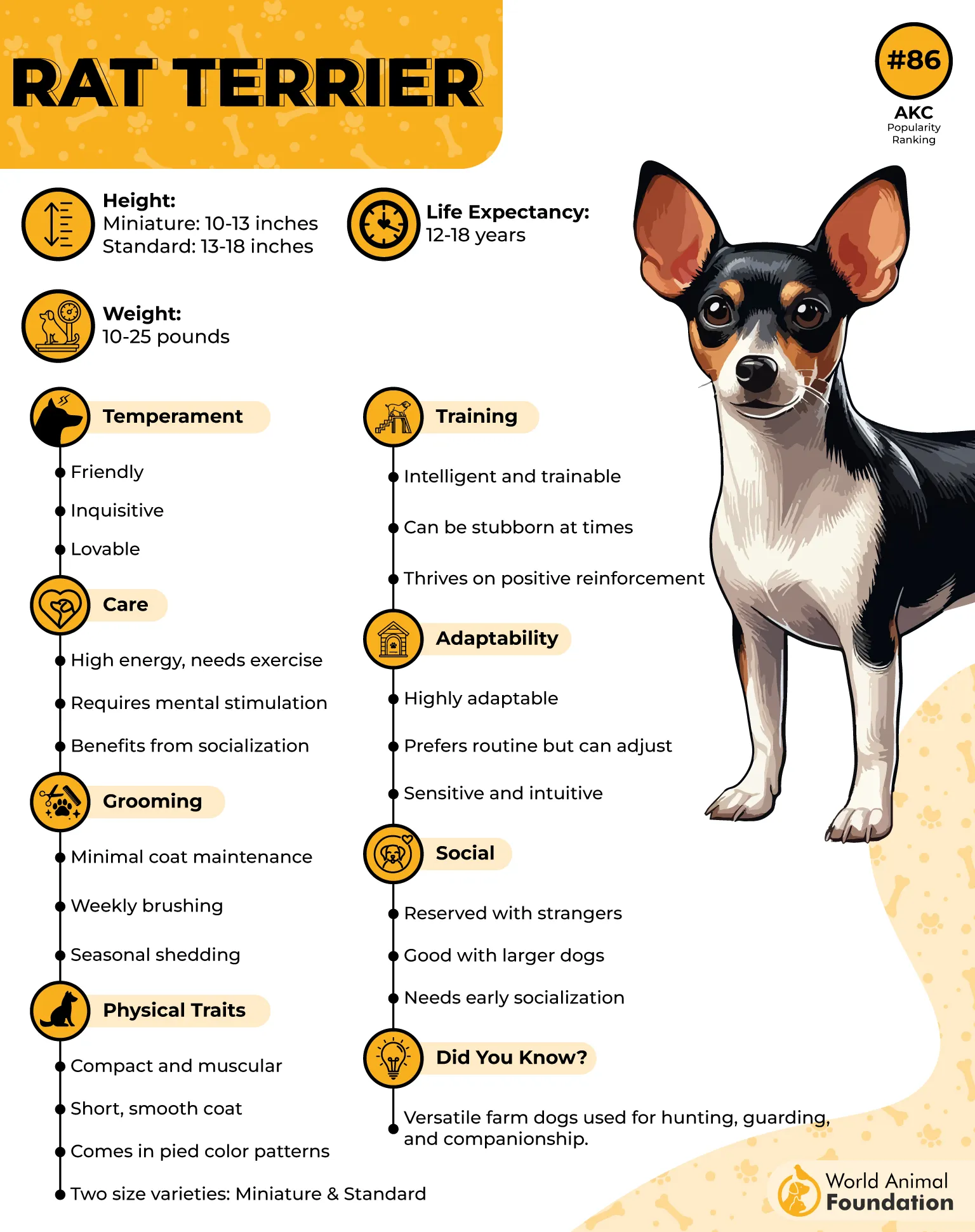
They typically live 12 to 18 years. While generally healthy, breeders are encouraged to screen for hip dysplasia, patellar luxation, Legg-Calve-Perthes disease, cardiac conditions, and eye disorders.
Why This Breed Is a Good Fit
Known to reach the later teen years
Thrives in homes that enjoy interactive play
Short coat keeps grooming simple over the long term
3. Dachshund

Determined and alert, the Dachshund approaches life nose first. As a scent hound, following interesting smells is second nature, which is why recall training should begin early. Their loyalty runs deep, and many become especially attached to their chosen person.
They come in three coat types, each with its own grooming routine, but all share that unmistakable long body and strong bark. Because of their structure, frequent jumping or stair climbing can strain their backs. Daily walks and games like hide and seek help safely channel their curiosity.
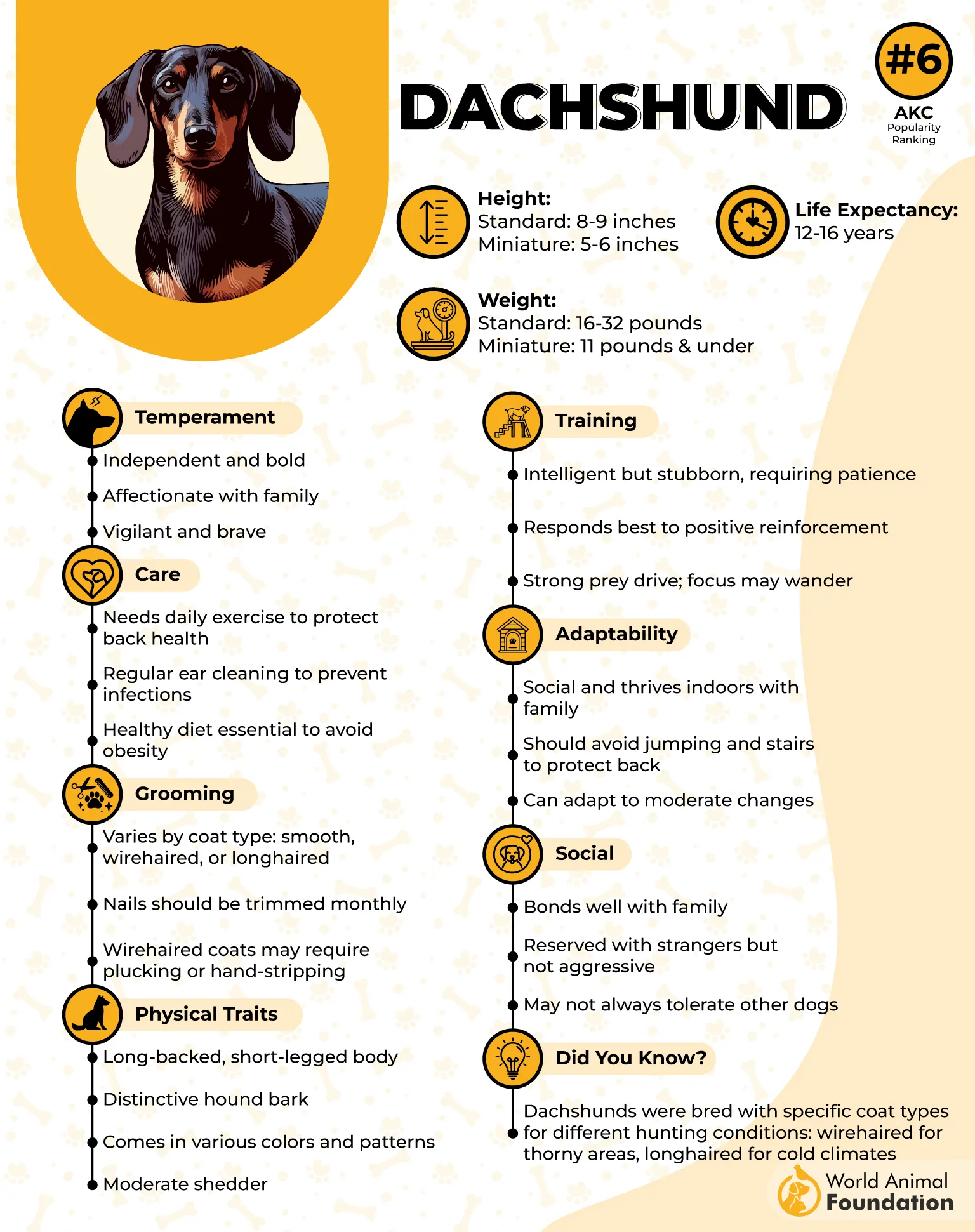
The typical life span is 12 to 13 years. Keeping them fit and at a healthy weight helps reduce pressure on their spine and joints, as noted by PetPlan.
Why This Breed Is a Good Fit
Forms close, lasting bonds with its family
Spirited nature keeps things lively for years
Small size paired with a surprisingly brave outlook
4. Poodle
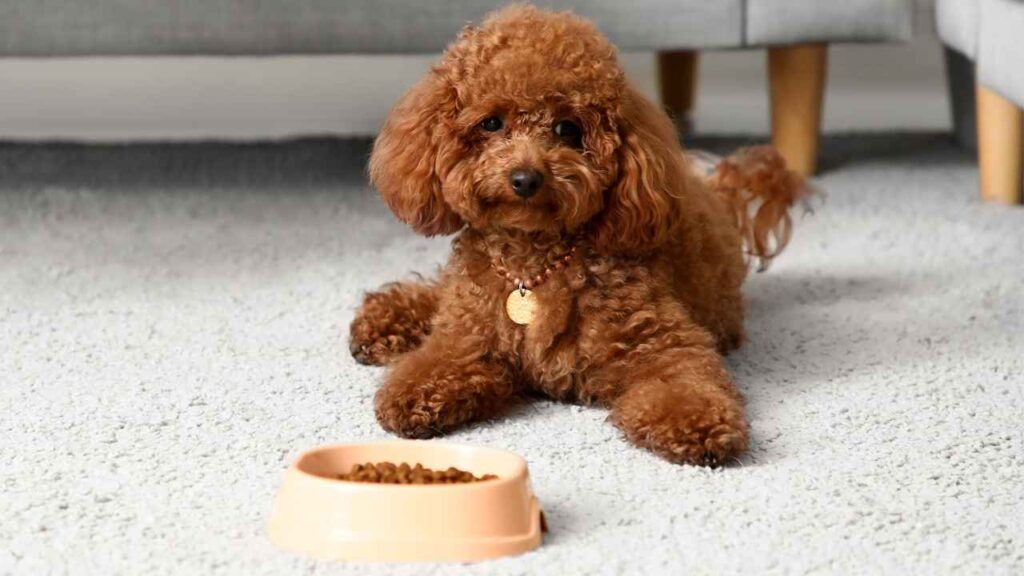
The Poodle’s elegant look can fool people into thinking they are delicate, but this breed was developed to work. Whether standard, miniature, or toy, they share a sharp mind and athletic ability that shines in training and dog sports.
Their curly coat requires commitment. Many pet parents schedule grooming every four to six weeks, and brushing helps prevent matting. Mental exercise is just as important as physical activity. Agility courses, obedience drills, and even swimming suit their background and temperament.
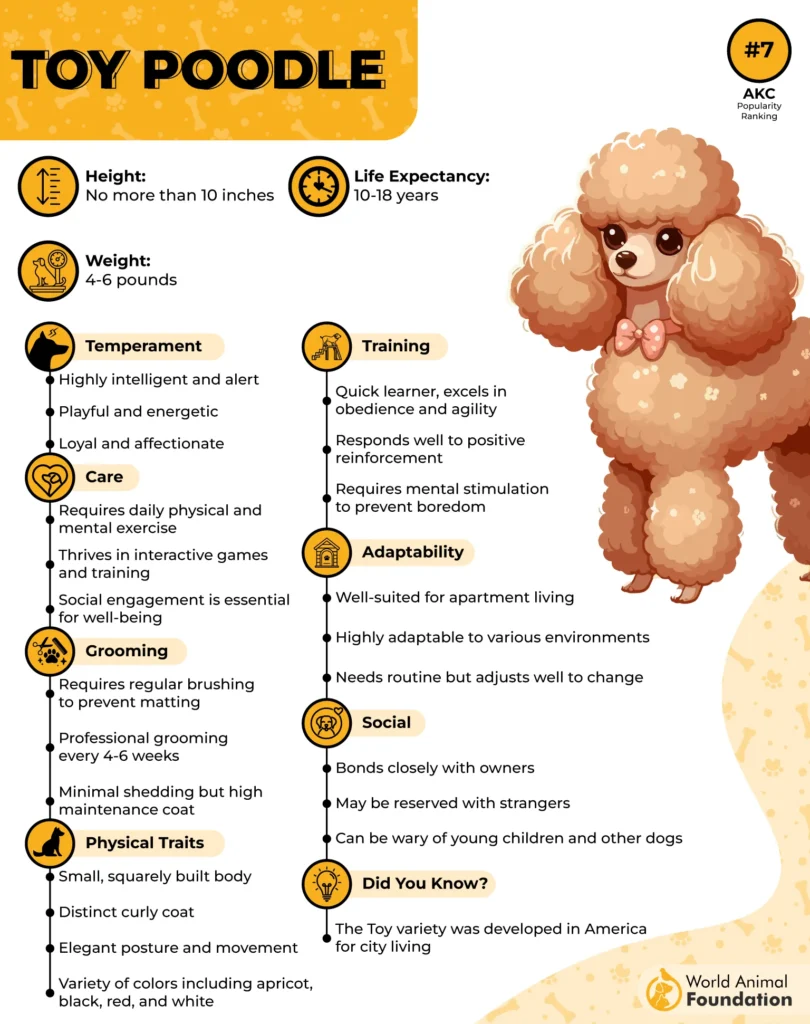
Poodles, especially Toy Poodles, generally live between 12 and 15 years. Health conditions to watch for include dental disease, hip dysplasia, eye disorders, epilepsy, endocrine conditions such as Addison’s and Cushing’s, heart disease, and diabetes.
Why This Breed Is a Good Fit
Stays mentally engaged well into adulthood
Affectionate dog, available in three sizes with the same core personality
Often suits active households that enjoy structured activities
5. Chihuahua
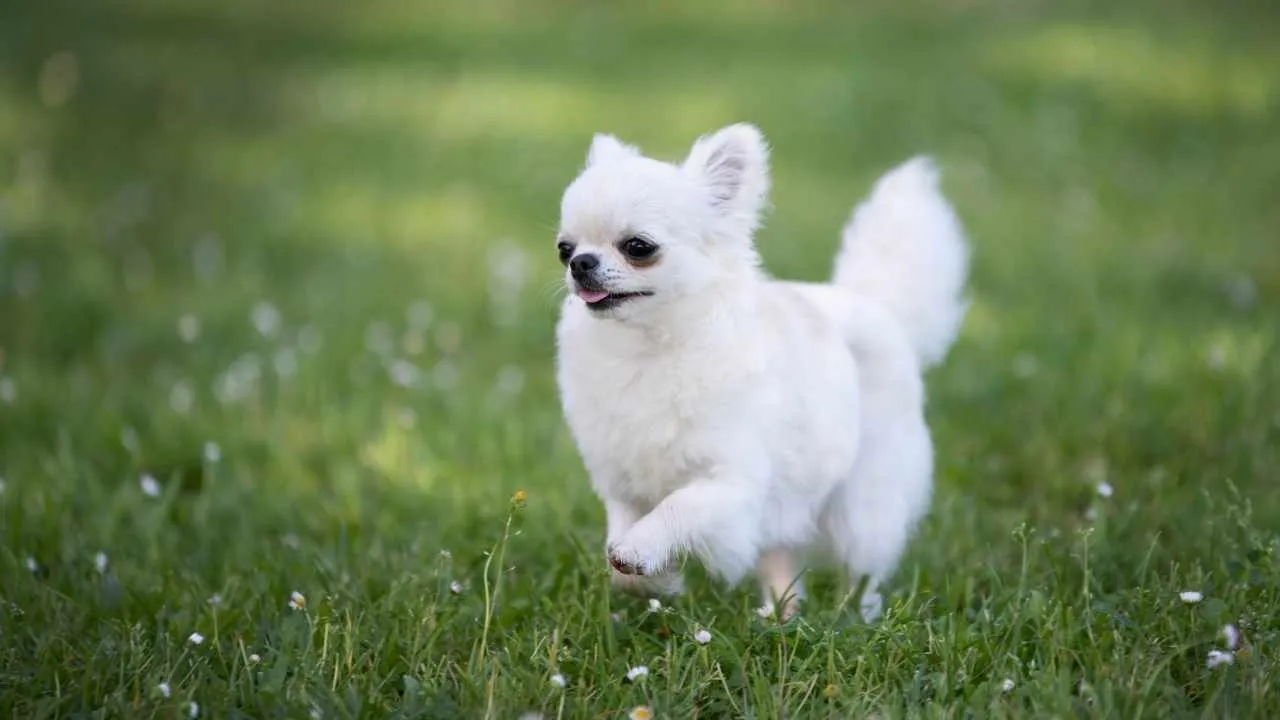
The Chihuahua may be the smallest dog breed in the world, but it rarely behaves like it. Many bond intensely with one or two people and prefer to stay close at all times. Their large ears and expressive eyes make every reaction obvious.
Without early socialization, they can become anxious around strangers or unfamiliar settings. They are alert and vocal, sometimes acting protective despite their size. Because they attach so strongly, they do best with owners who can offer consistent companionship.
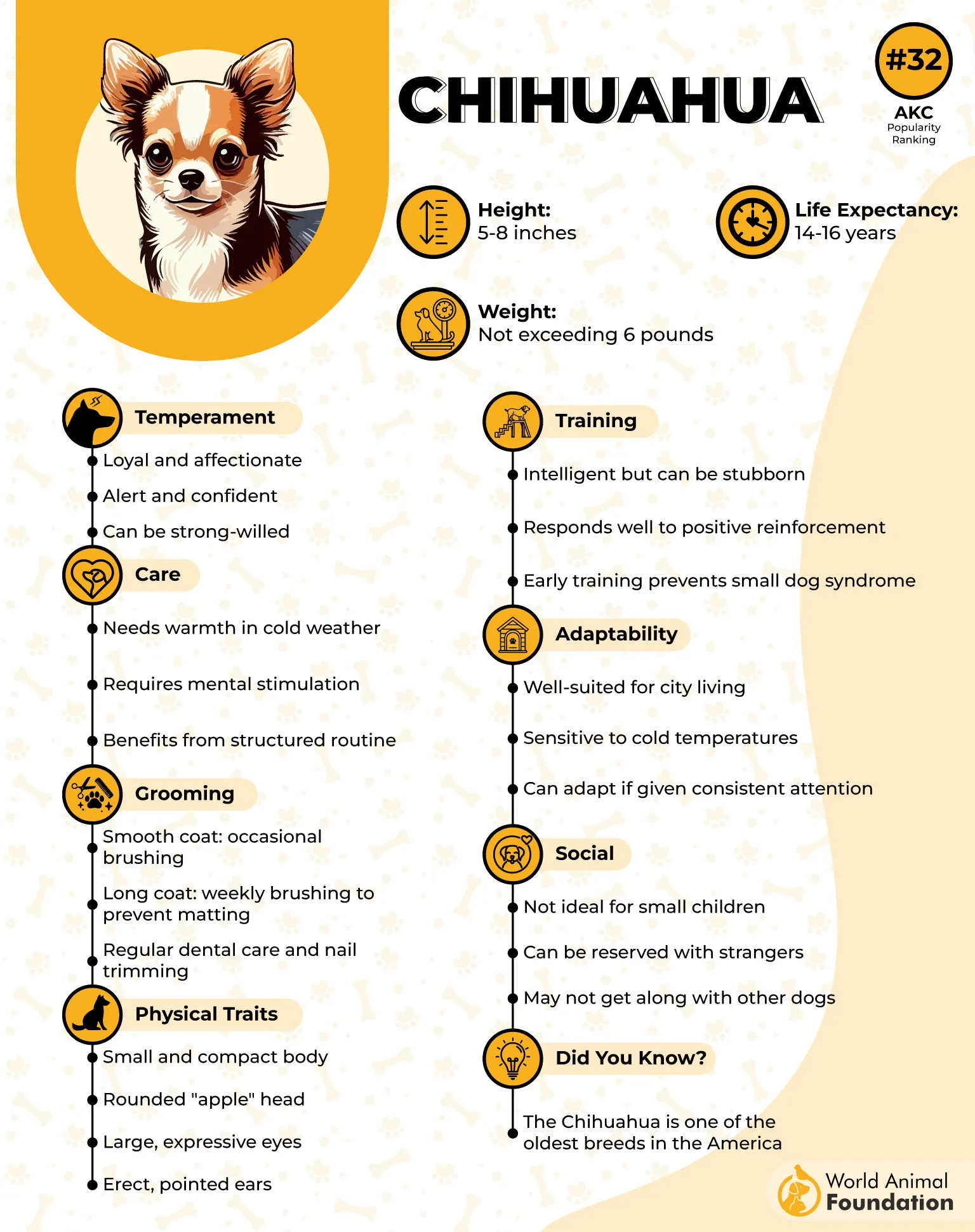
Chihuahuas can live from 10 to 18 years. Commonly reported health concerns include dental disease, retained baby teeth, obesity, slipping kneecap, aggression, and heart-related conditions.
Why This Breed Is a Good Fit
Among the longest-living toy breeds
Well-suited to city apartments and smaller spaces
Deep attachment creates a devoted, long-term companion
6. Papillon
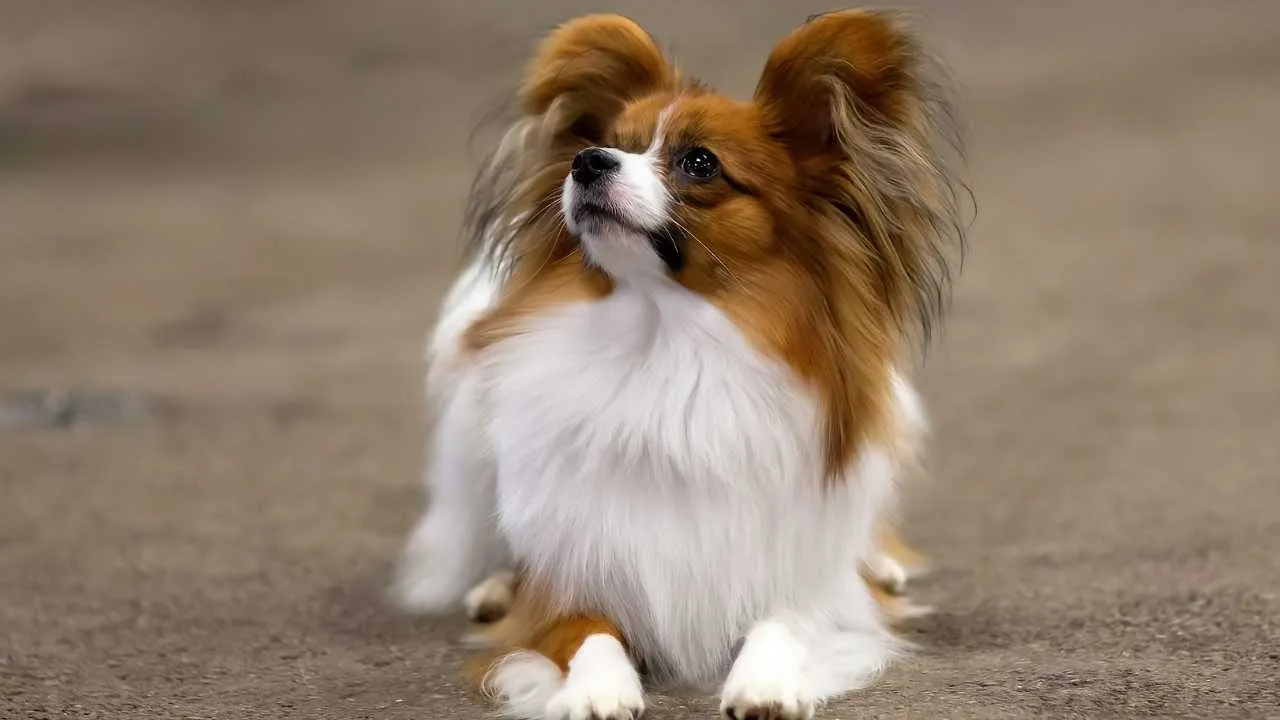
“Papillon” means butterfly in French, and the nickname makes total sense once you see those big butterfly-like ears with long, wispy fringe. They’ve shown up in Western European artwork dating back to the 16th century, and today they’re still popular as family dogs and close companions.
They are friendly, happy little dogs who love being with their humans, whether that means lap time or tagging along from room to room.
Do not let the elegant coat fool you into thinking it is delicate couch décor. Papillons are bright and have what is called “boundless energy,” so they need daily exercise plus mental stimulation to stay satisfied. They can do well in apartments, but they also love having a fenced space where they can run and play, and they often shine in agility.
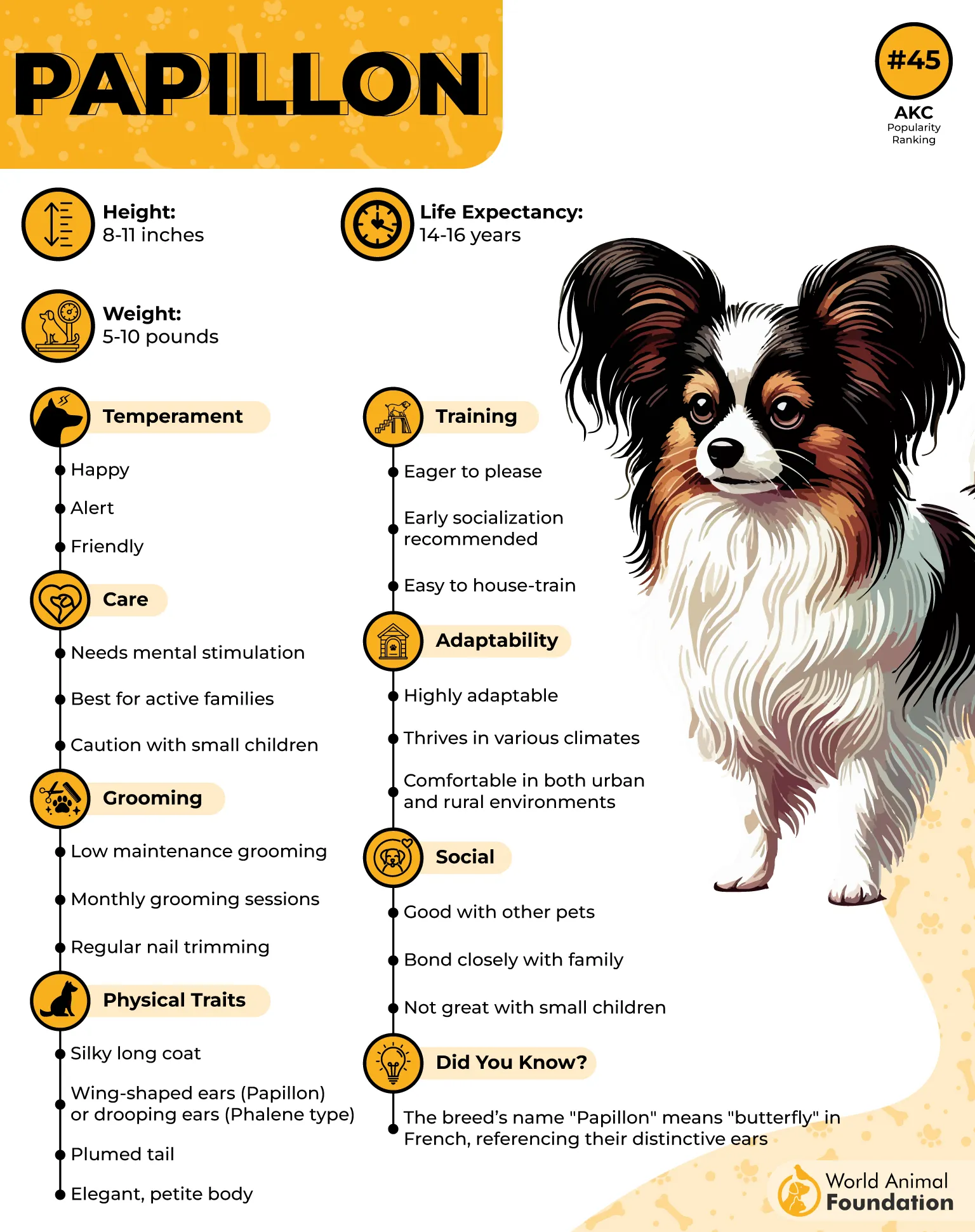
Their average lifespan is 14–16 years, placing them among the longer-lived breeds. Potential inherited concerns include luxating patella, open fontanelle, collapsing trachea, and progressive retinal atrophy, and they need consistent dental care at home alongside routine cleanings.
Why This Breed Is a Good Fit
A small companion with a long outlook, often reaching the mid-teens
Active enough to keep things interesting without needing a giant backyard
Smart and people-focused, which makes long-term bonding feel effortless
7. Miniature Pinscher
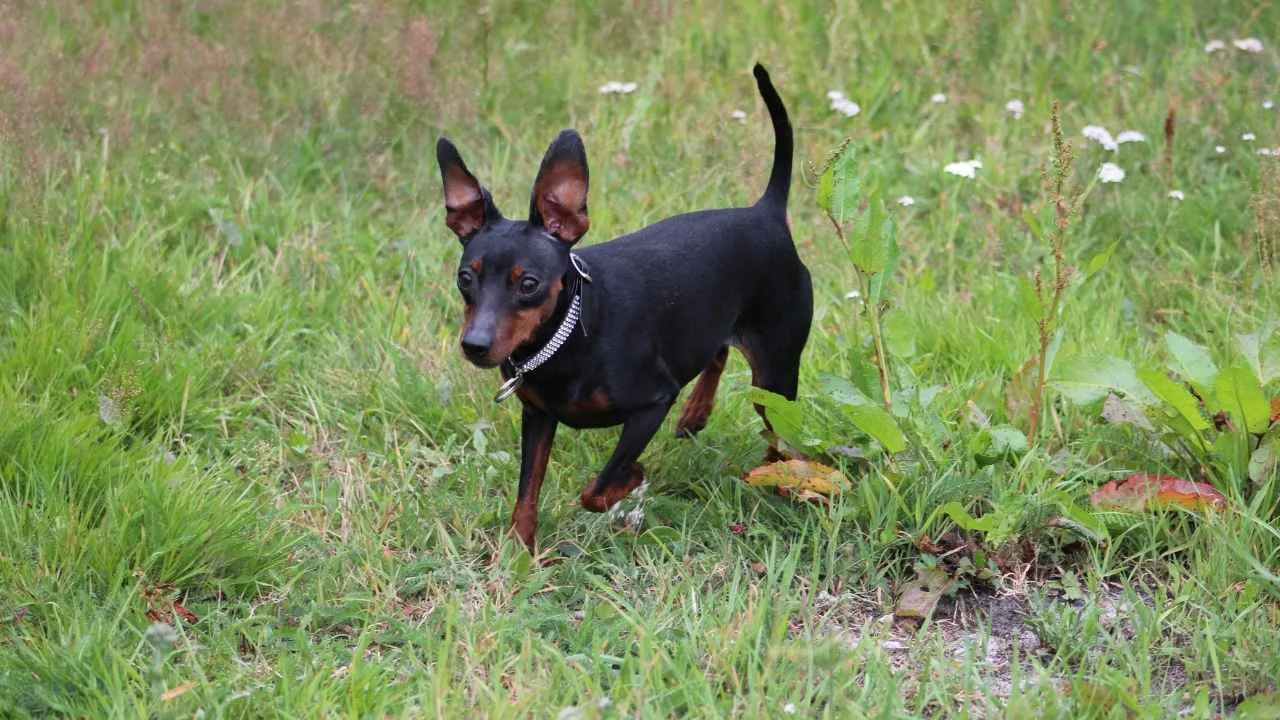
Miniature Pinschers have been called the “king of toys,” and they act like it. Cocky, curious, and impetuous, a Min Pin can turn an ordinary hallway into a personal racetrack, complete with that distinctive high-stepping “hackney” gait. If you prefer calm background pets, this is not your type of dog.
These dogs are forever on the move, which is great news if you like built-in entertainment. Many burn off energy indoors, but they still benefit from daily walks and at-home exercise to keep both body and brain busy.
They can be scrappy with other dogs and may ignore commands when something more interesting is happening, so early training and socialization matter, and they are not safe to let off-lead casually.
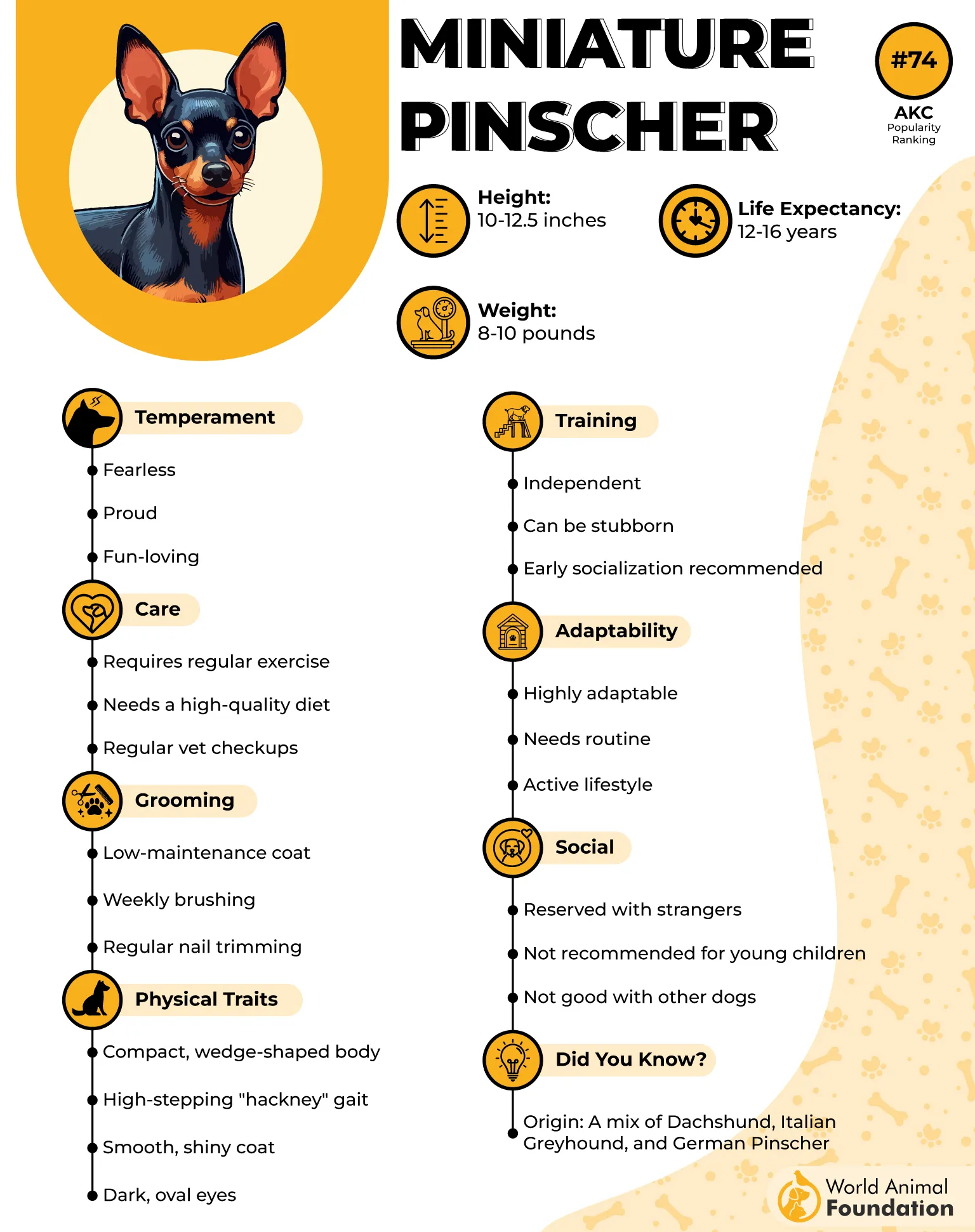
Depending on the source, lifespan is estimated around 12–16 years. Health issues discussed for the breed include orthopedic concerns such as patellar luxation and Legg-Calve-Perthes disease, plus eye problems like progressive retinal atrophy and cataracts, and endocrine concerns such as hypothyroidism.
Why This Breed Is a Good Fit
A long-term sidekick for people who enjoy a busy, animated little dog
Short, smooth coat keeps grooming simple over the years
Great match for owners who like training challenges with a comedic payoff
8. Shiba Inu
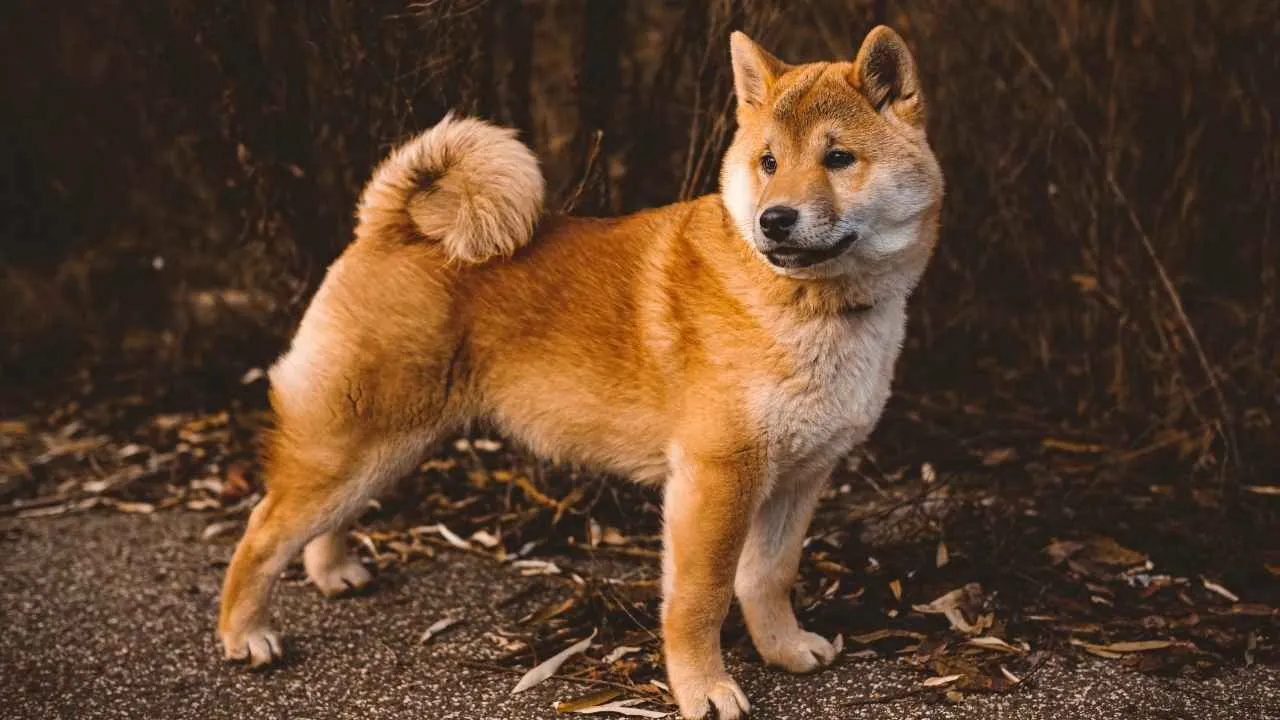
Shiba Inus look like they were designed by someone who loves foxes and refuses to compromise. They are loyal, alert, and lively, with an independent streak that can make them feel like a roommate who pays rent in side-eye.
They tend to form strong bonds, but they also like their own ideas, so boundaries and positive reinforcement need to start early.
They are known for being clean and may even self-groom in a cat-like way. Do not celebrate too quickly, though, because the thick double coat is a heavy-shedding situation and needs regular brushing, especially during seasonal shedding.
They also have a strong prey instinct and a knack for escaping gardens, so secure fencing and lead use are common-sense habits.
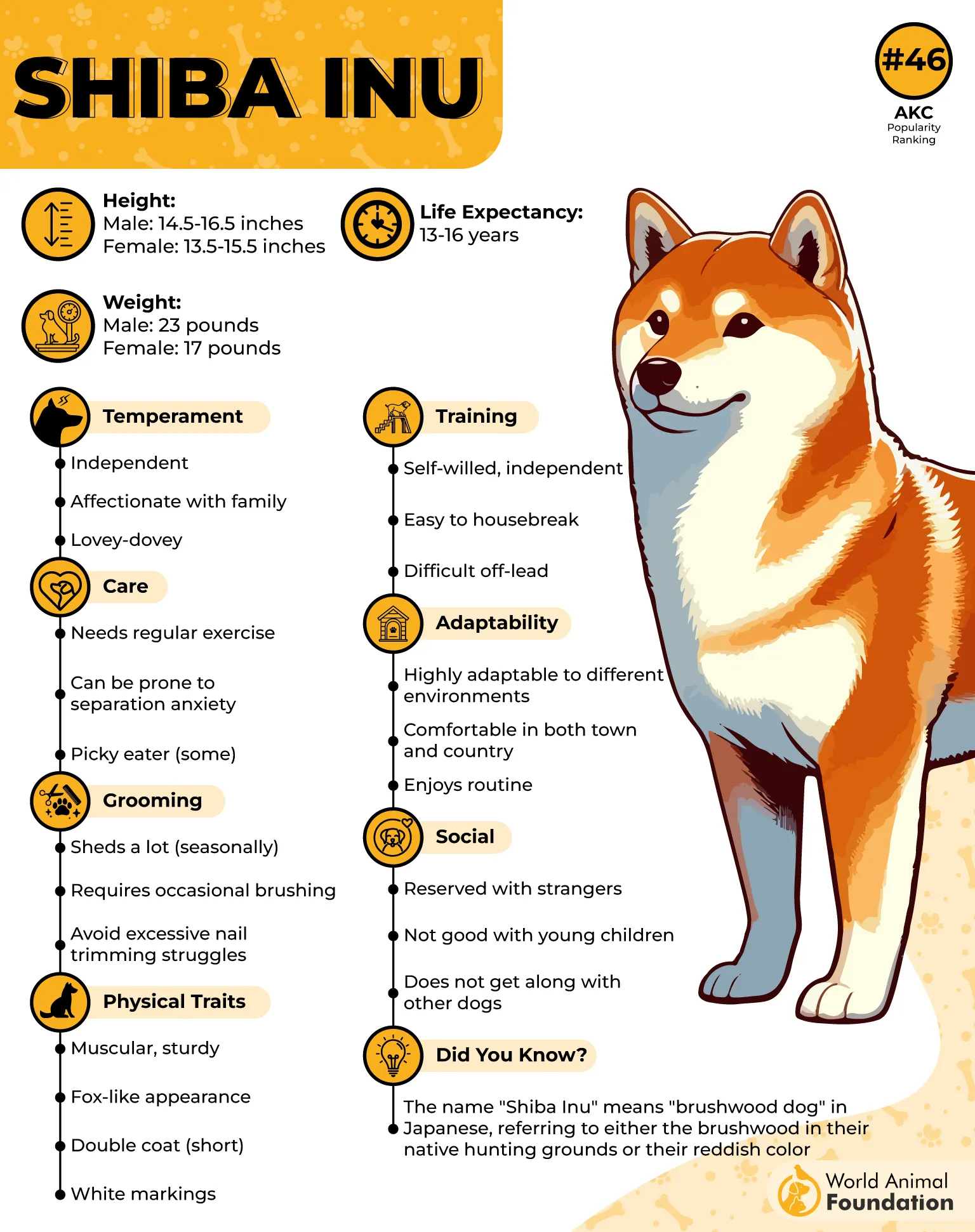
Life span is typically 12–15 years. Daily exercise and mental stimulation help prevent boredom-driven destruction, and their food motivation can make portion control important for maintaining a healthy weight.
If you want a quiet dog, note that Shibas have “peculiar” communications, including yodeling and even a high-pitched scream when excited.
Why This Breed Is a Good Fit
Often stays part of the family well past the 12-year mark
Best for experienced owners who want a loyal dog with personality twists
The “clean dog” vibe can be a nice bonus during a long life together
9. Shih Tzu

Shih Tzus were bred to be lap dogs and companions, and they still take that job seriously. Expect a friendly, sociable dog who would rather not spend time alone and is happiest parked near their people, whether that’s during a walk or a couch marathon.
Their long, dense double coat grows continuously, and many owners choose a shorter “puppy cut” to avoid nonstop brushing battles.
They do not need intense workouts to be satisfied, often doing well with a 30-minute walk plus playtime. Because of their anatomy, a harness is recommended instead of clipping a leash to the collar. They can learn quickly when training uses high-reward treats and positive reinforcement, but treat calories can add up fast in a small dog.
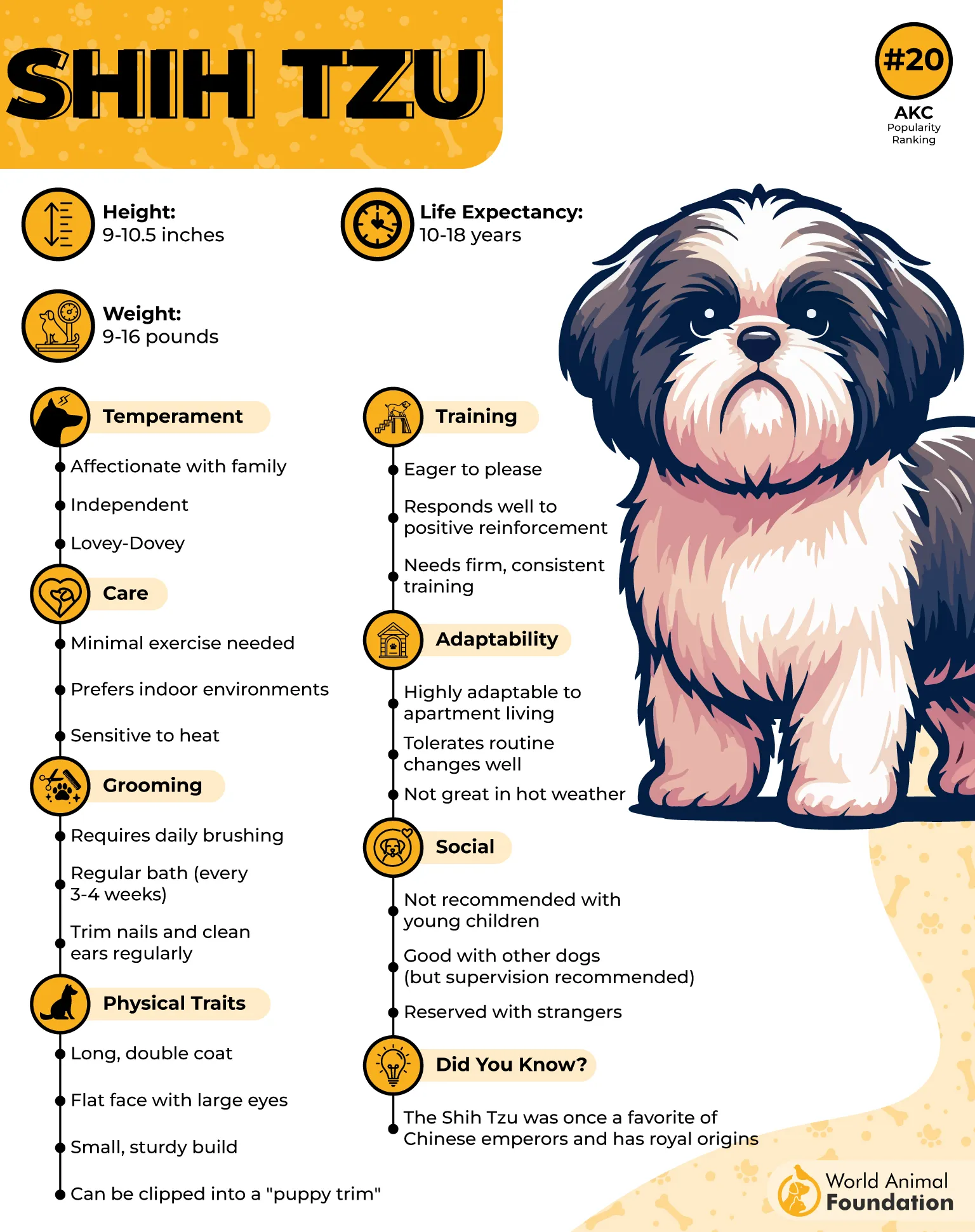
Average lifespan is 10–18 years. As a brachycephalic breed, they can be at higher risk for overheating and need to avoid hot summer weather.
Conditions mentioned include brachycephalic syndrome, obesity, luxating patella, periodontal disease, hip dysplasia, inherited eye conditions, ear infections, liver shunts, and kidney issues.
Why This Breed Is a Good Fit
A long-lived cuddle buddy that can fit many lifestyles
Moderate exercise needs make day-to-day care manageable
Strong people focus makes them wonderful family pets
10. Chinese Crested

Chinese Cresteds are among the longest living breeds and come in two varieties, hairless and “powderpuff,” and the twist is that both can appear in the same litter.
They are playful, affectionate, and highly portable, originally bred to travel on boats and now content to go on adventures with you by basically any mode of transportation.
They are also alert enough to keep an eye on things for their family, without acting like a full-time security system.
Grooming depends on which version you bring home. Powderpuffs need daily brushing because the silky coat can mat easily and may develop a typical doggy smell, so baths happen when the odor gets strong.
Hairless Cresteds skip the heavy brushing, but their exposed skin needs regular sunscreen and acne lotions, and your vet can help pick the right routine.
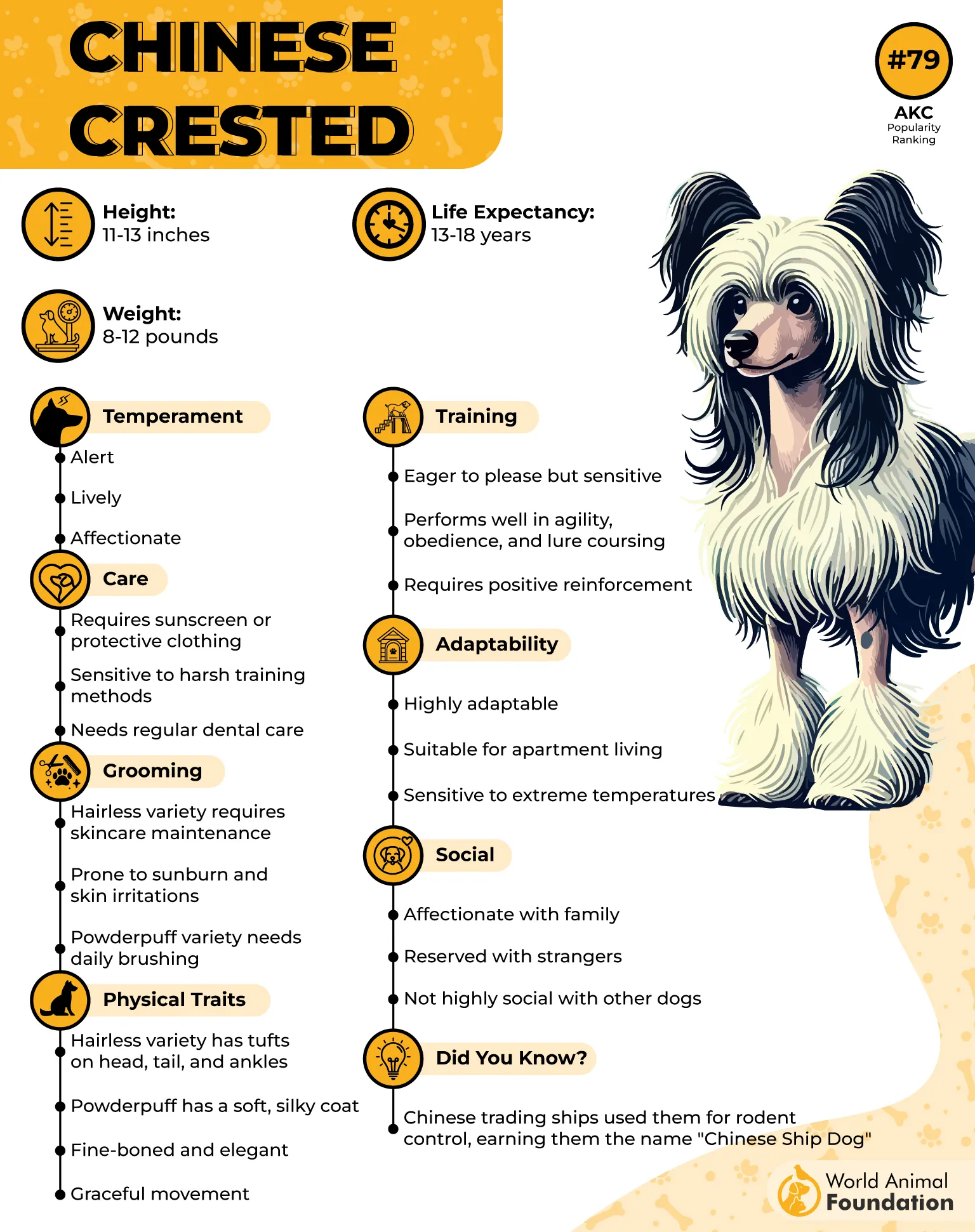
Their average life expectancy is 13–18 years, so this is a long relationship. Health issues mentioned include eye conditions such as progressive retinal atrophy, glaucoma, and primary lens luxation, plus patellar luxation and idiopathic epilepsy.
They can be sensitive, so harsh training can damage trust, while calm encouragement goes a long way.
Why This Breed Is a Good Fit
A breed built for the long haul, often living well into the teen years
Two coat options let owners choose the kind of upkeep they can handle
A devoted personality suits people who want a close companion for years
Conclusion
Choosing a small dog with a reputation for living beyond 14 years can mean more time for road trips, couch cuddles, and those daily “what are you even barking at?” moments. Still, no breed comes with a lifetime guarantee, and the biggest difference-maker is the life you provide.
Other dog breeds such as the Australian Cattle Dog, Jack Russell Terriers, Cocker Spaniel, Bichon Frise, Miniature Schnauzer, Yorkshire Terrier, Maltese dogs, Italian Greyhound, and Cairn Terrier are among the longest living dog breeds with impressive lifespan.
Good food, a healthy weight, mental stimulation, and routine veterinary care help many dogs stay comfortable as they age.
Just as important, pick a breed whose energy level, grooming needs, and personality match your household. When the fit is right, the years tend to feel longer in the best way possible.
