




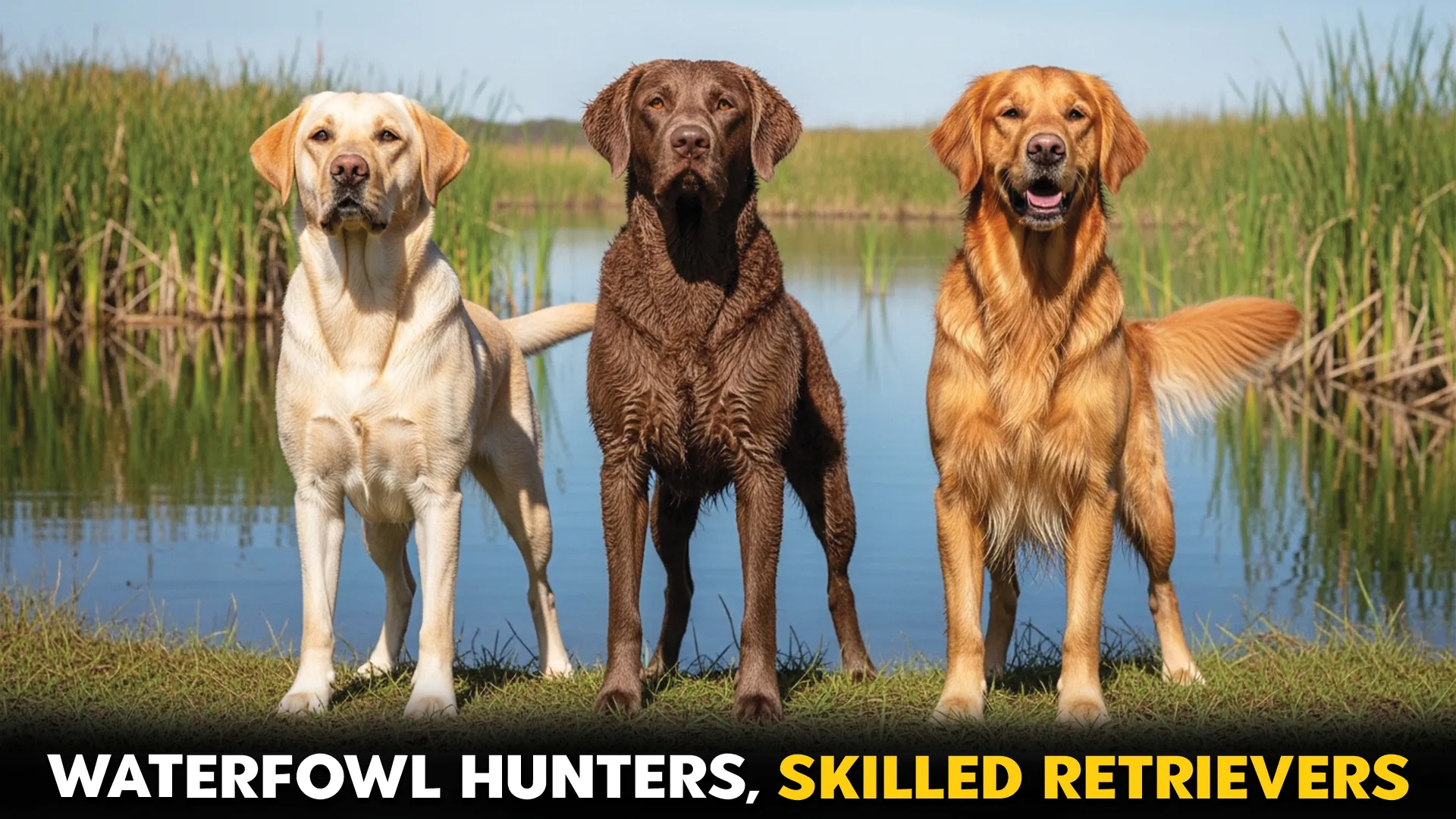
Who doesn’t love a dog that’s smart, eager, and ready to work? For centuries, humans and canines have teamed up in the great outdoors, forming a partnership that goes back long before modern farming or organized hunting.
Some dogs have a natural knack for water, a keen nose, and an unstoppable drive to retrieve—traits that make them invaluable companions for waterfowl hunting.
Imagine standing by a misty marsh at dawn, your loyal four-legged partner by your side, eyes locked on the water, ready to spring into action at the slightest hint of movement. These dogs don’t just fetch—they make the hunt smoother, safer, and more rewarding.
While the origins of today’s waterfowl hunting dogs are somewhat mysterious, one thing is clear: these breeds were honed over generations to combine intelligence, trainability, and natural instincts.
Whether you’re a seasoned hunter or just exploring the idea of adding a hunting companion to your adventures, there’s something magical about watching a well-trained dog work in sync with nature. And the best part? Their dedication isn’t just for the hunt—it’s a bond that lasts a lifetime.
Key Takeaways
See how the Tollers’ playful dance lures ducks close every hunt.
Discover why GSPs and Labs excel with ducks, geese, and quail.
Find out how Goldens, Chessies, and Boykins conquer icy waters and swamps.
Meet the rare Irish Water Spaniel, a water-loving family companion.
Dog Breeds Known for Their Waterfowl Hunting Prowess
1. Nova Scotia Duck Tolling Retriever
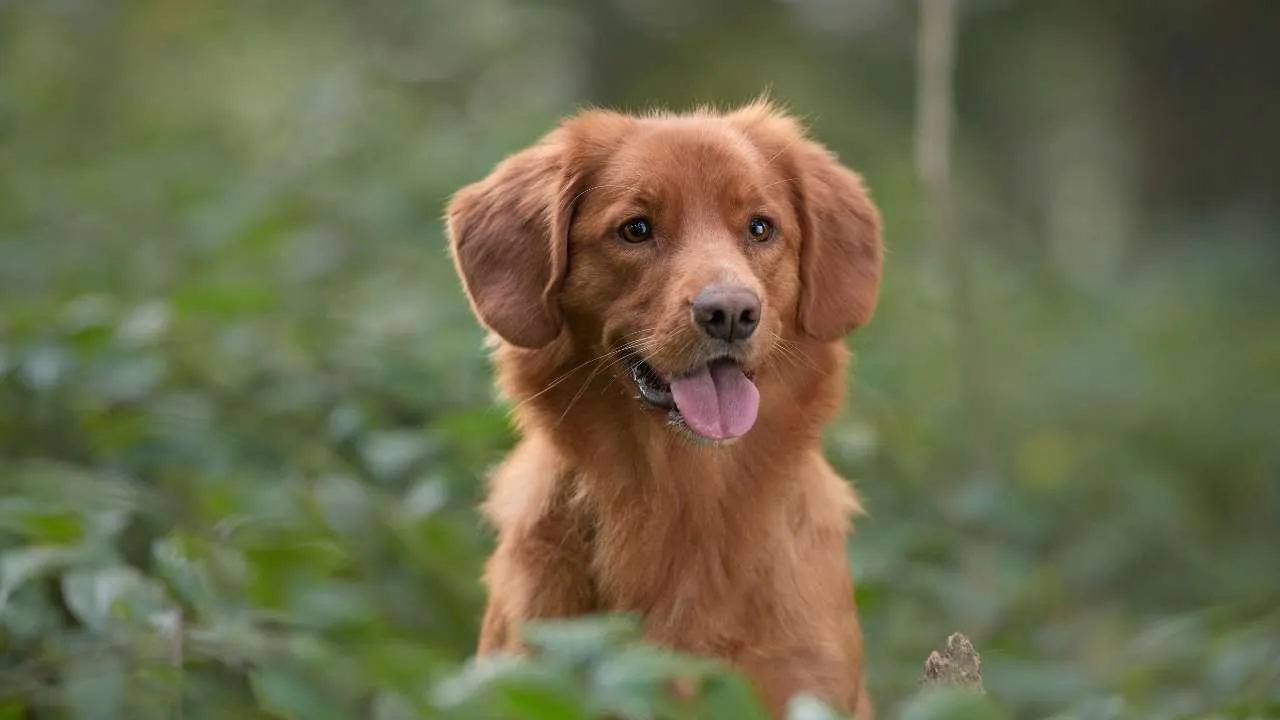
The Nova Scotia Duck Tolling Retriever, or “Toller,” is a unique waterfowl hunting dog. Its name comes from the clever way it lures ducks closer. Tollers perform an enchanting dance along the shoreline, wagging their tails and playing in the water.
Curious ducks can’t resist and come within range, making retrieval easier for hunters. This playful style makes them one of the most fascinating breeds for duck hunting.
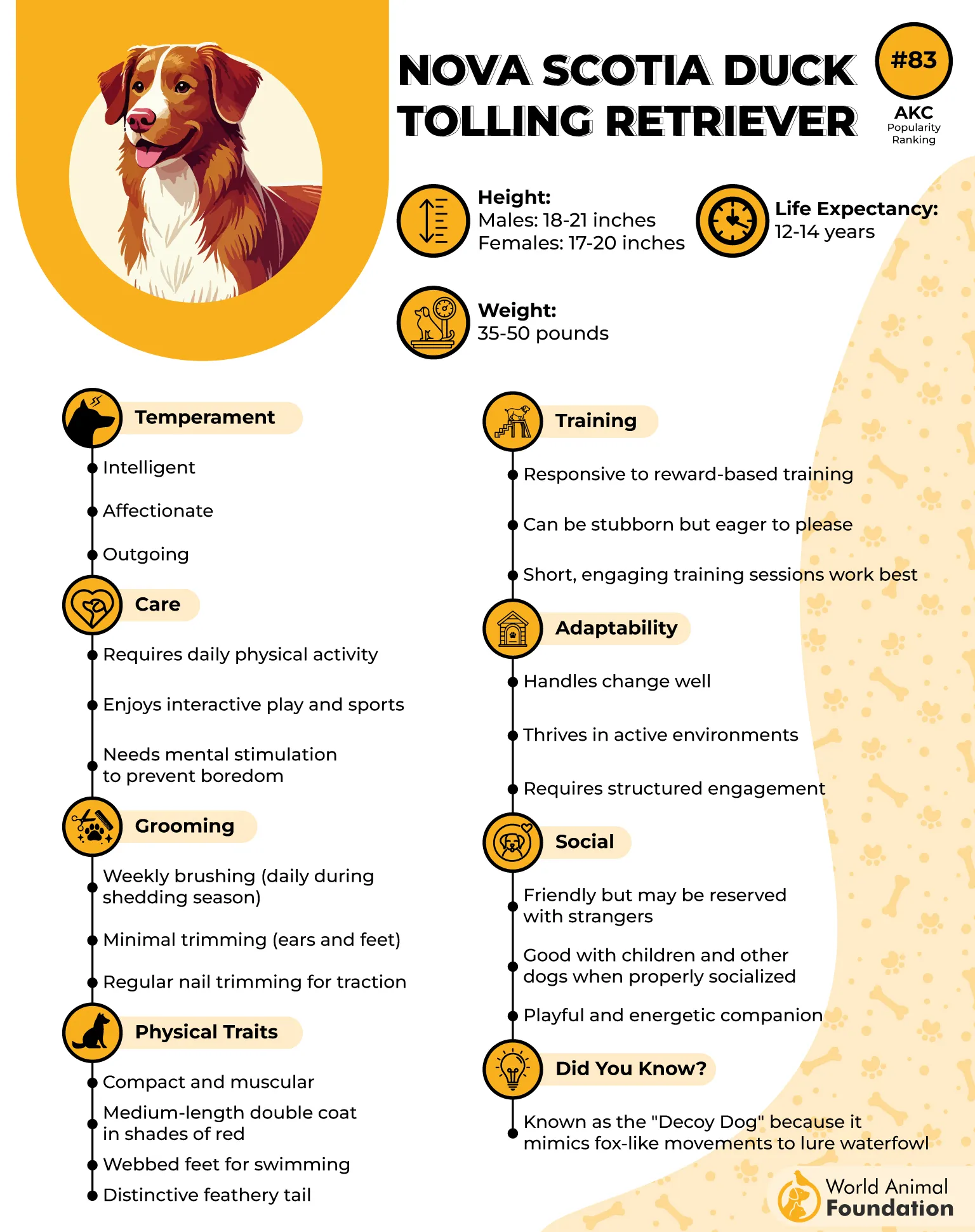
Built for the Water
Tollers have a water-repellent double coat that keeps them warm and protected in cold water. They are highly energetic and love to work. When not active, they may seem sad or sluggish.
Tollers are intelligent and respond best to gentle, patient training. Heavy-handed methods or force do not work with this breed, making a kind approach essential for success.
Loyal Family Companions
Beyond the hunt, Tollers are affectionate and great with families. Their playful nature and strong swimming skills make them ideal companions for outdoor adventures.
Originally developed in the 1800s in Nova Scotia, Tollers were bred from several breeds, including setters, spaniels, and collies, as mentioned by Purina. This mix created a small, hardworking retriever that excels in both hunting and family life.
2. German Shorthaired Pointer
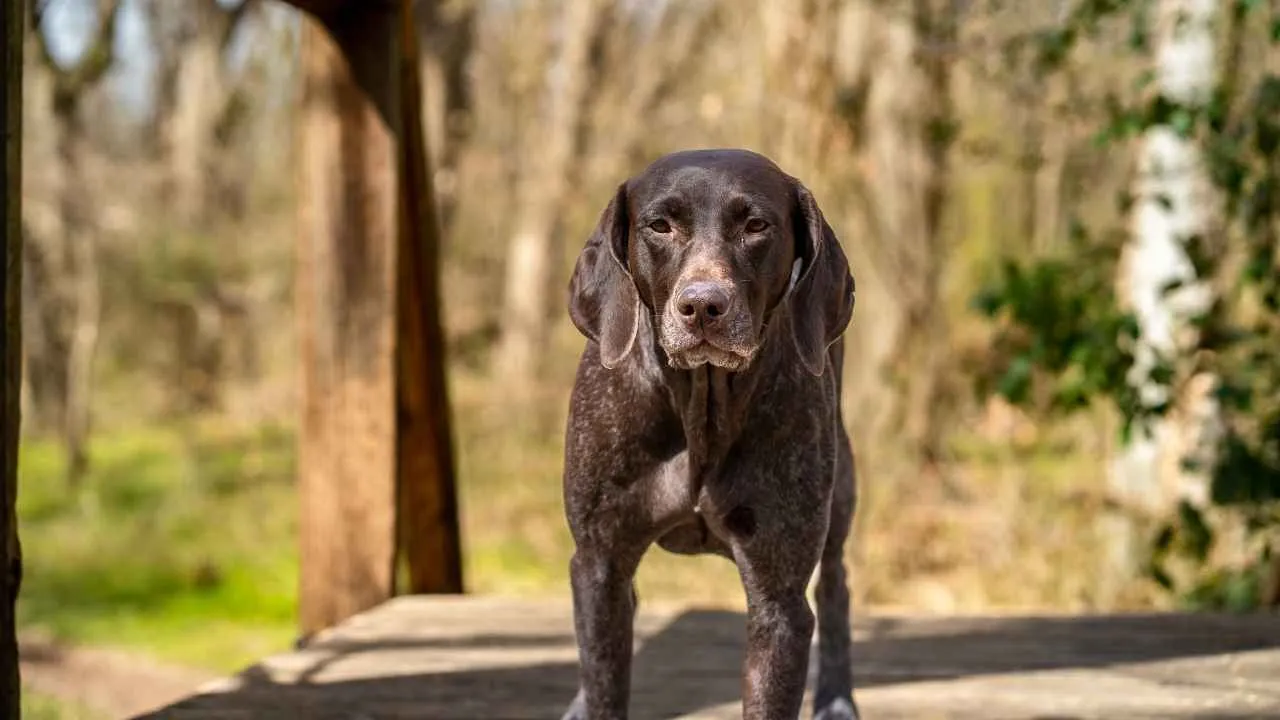
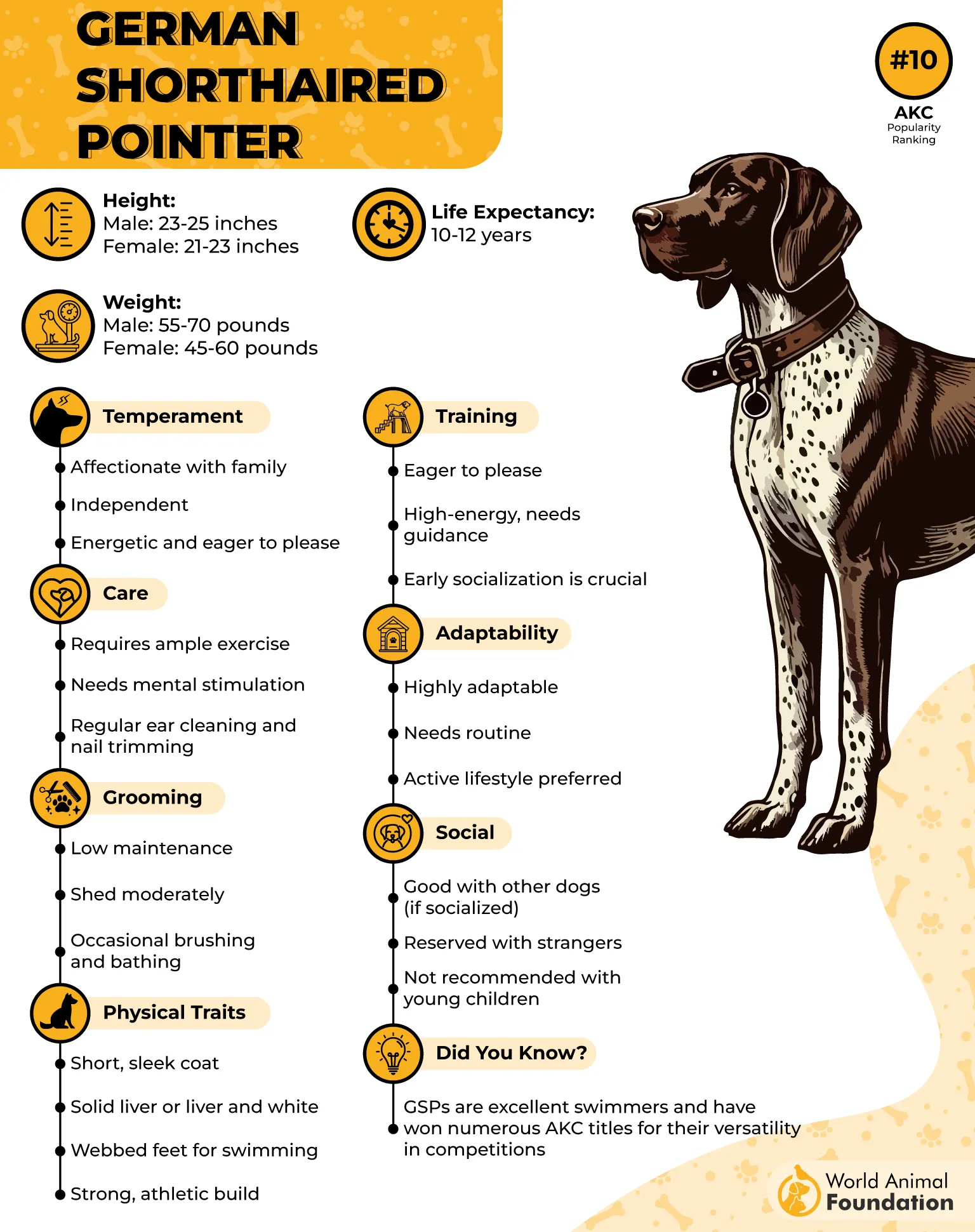
The German Shorthaired Pointer, or GSP, is a true all-rounder. Bred in Germany in the mid-19th century, these dogs were designed for long hunting days.
They combine endurance, speed, agility, and power, making them ideal for waterfowl, upland birds, and even tracking small game. Their natural pointing ability helps hunters know exactly where their prey is, while their webbed feet and waterproof coat make them excellent in the water.
Energetic and Trainable
GSPs are highly energetic and thrive on physical activity. They respond well to positive, gentle training and are quick learners. Their strong prey drive means they are focused in the field, but they also have a calm “off switch” at home.
This makes them low-maintenance family dogs that can transition easily from fieldwork to lounging indoors. They are affectionate with kids and loyal to their families.
Balanced and Hardy
GSPs are friendly, intelligent, and highly adaptable. Their short coat keeps them clean from mud and duckweed, while their stamina and instincts make them natural retrievers, pointers, and trackers with minimal training.
Like other deep-chested breeds, these bird dogs can be prone to bloat, so owners should monitor them carefully. Overall, GSPs combine athleticism, versatility, and family-friendly traits, making them a favorite for hunters and pet owners alike.
3. Labrador Retriever
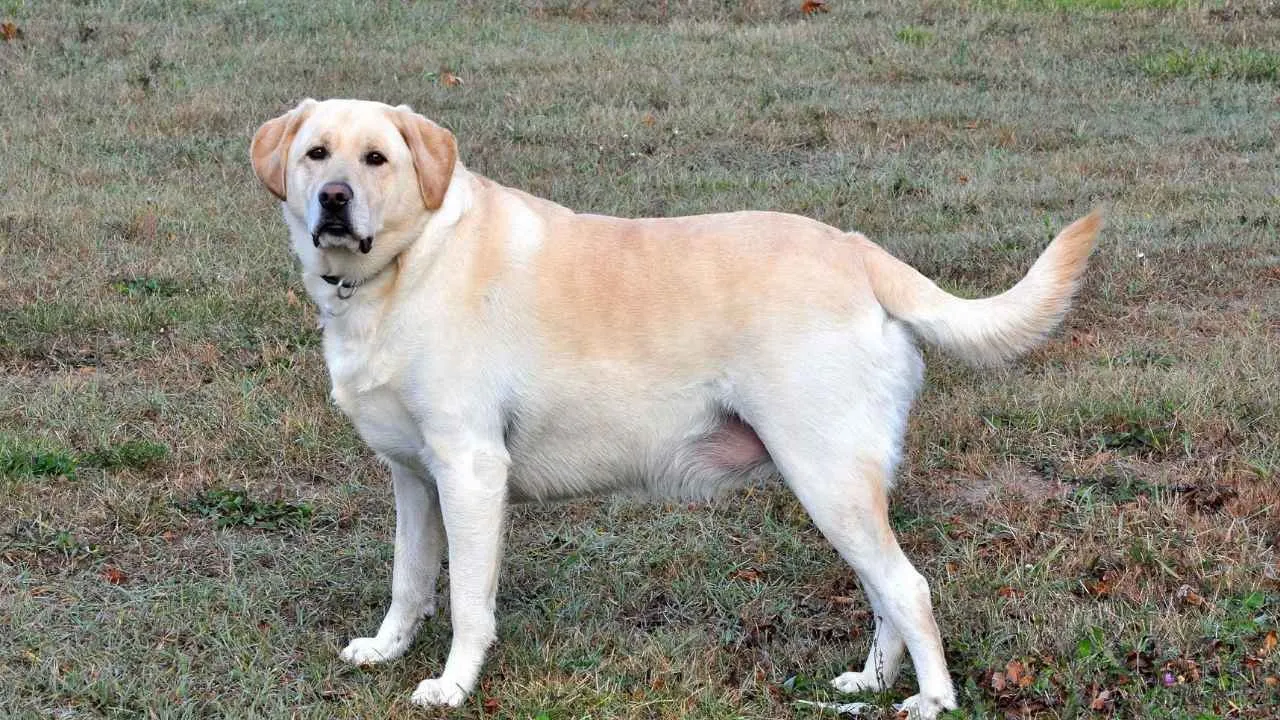
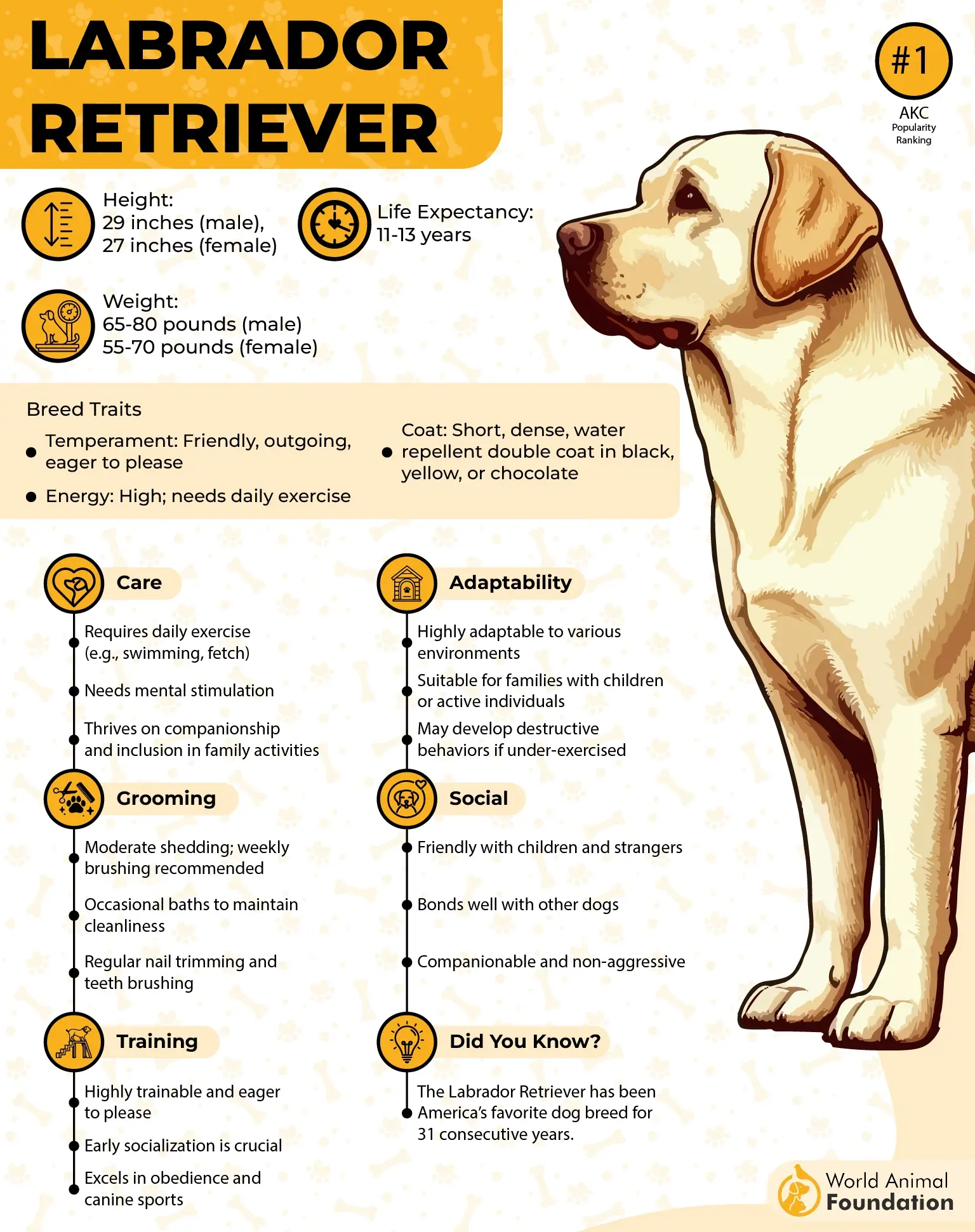
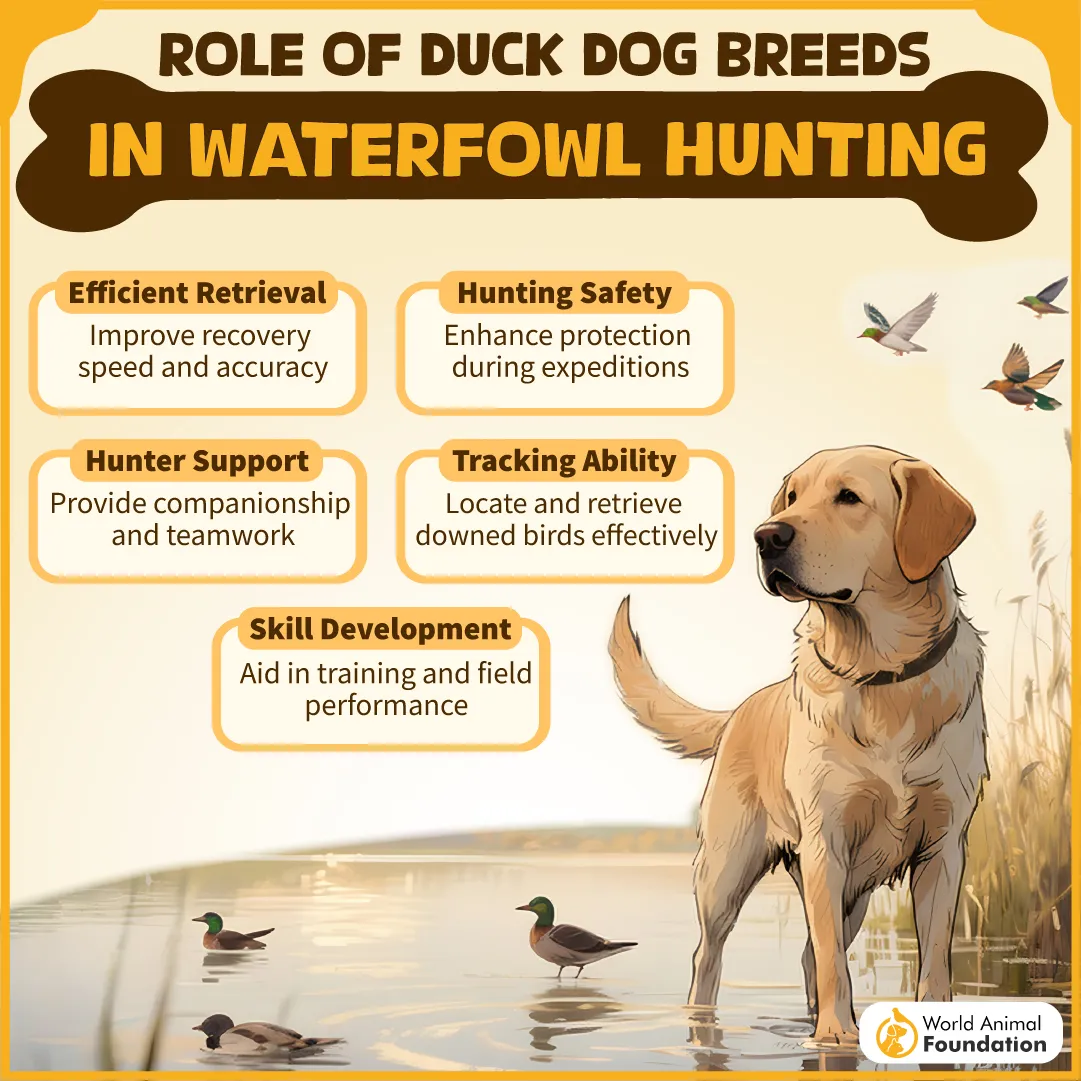
The Labrador Retriever is a proven waterfowl hunter and a favorite among hunters for good reason. Labs are strong swimmers with webbed feet, dense waterproof coats, and rudder-like tails, making them ideal for cold, wet conditions.
They have a natural talent for retrieving birds on both land and water and are quick learners with a strong desire to please. Their concentration, obedience, and high energy ensure an excellent duck hunting experience.
Athletic, Intelligent, and Versatile
Labradors are athletic and built for long days in the field. Their stamina and eagerness make them perfect for hunting, while their intelligence and trainability allow them to excel in a variety of tasks.
Labs are highly adaptable, moving easily from intense fieldwork to relaxed family life at home. Their low fear and gentle temperament make them safe around children, though their love of food means owners must watch portion control carefully.
Loyal Family Companions
Beyond hunting, Labs are affectionate, friendly, and social dogs. They thrive as family pets and outdoor companions alike. Originally developed from the St. John’s water dog in Newfoundland in the 1800s, Labs were later refined in England and recognized by the American Kennel Club in 1917.
Over generations, selective breeding has made them hard-wired to work alongside humans, making them intelligent, reliable, and loving partners both in the field and at home.
4. Golden Retriever
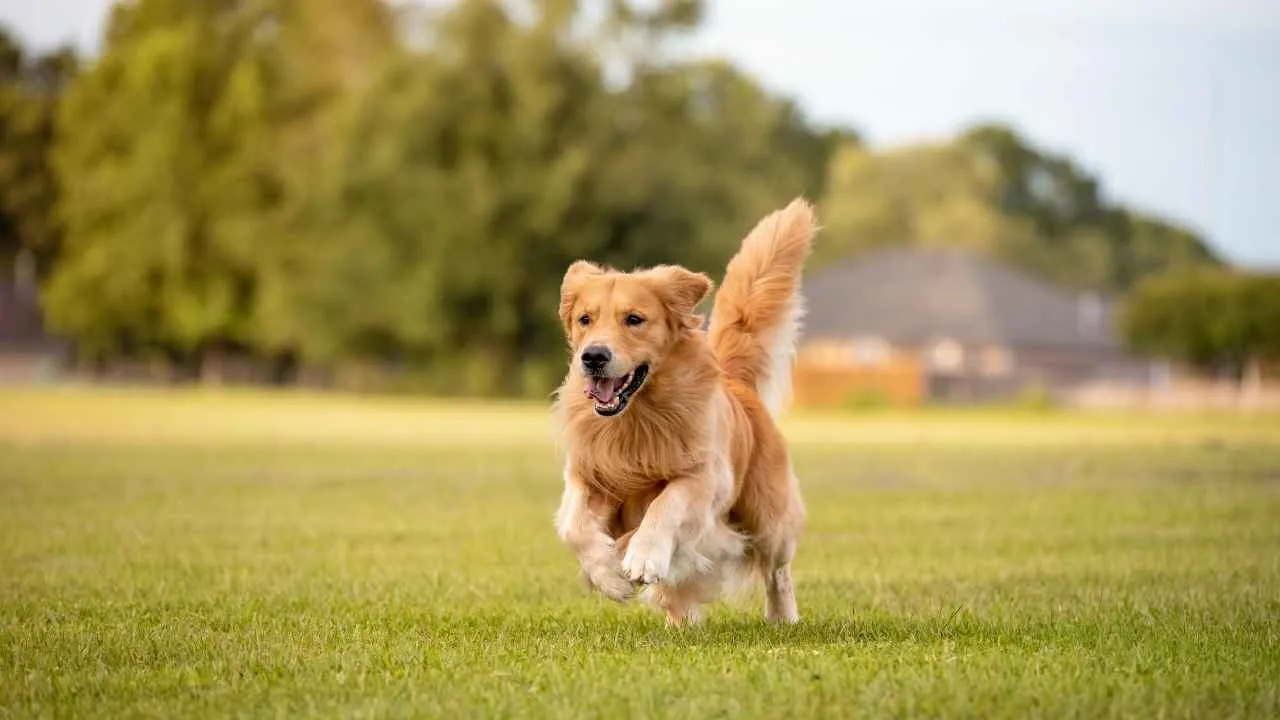
Golden Retrievers are natural hunters with a strong retrieving instinct. They are excellent swimmers and thrive in waterfowl hunting. Their sharp noses and tender mouths allow them to retrieve birds quickly and without damage.
High energy and a positive attitude make them eager participants in hunting adventures. Daily activity is essential to keep them happy and focused.
Intelligent, Trainable, and Versatile
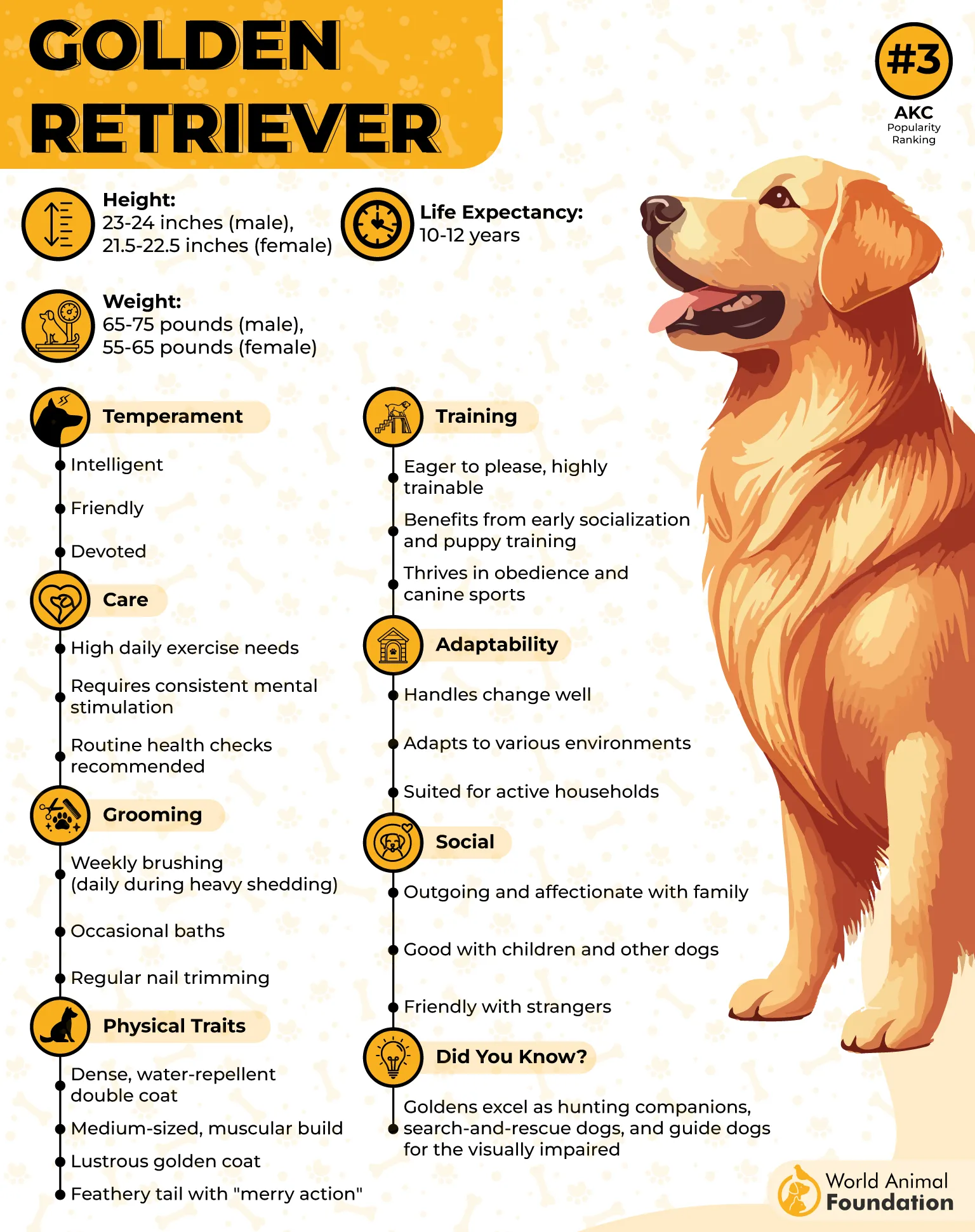
Goldens are intelligent and quick learners, making them easy to train for beginners and experienced handlers alike. Their water-resistant coats keep them warm in cold and wet conditions, and their stamina allows them to work long hours in the field.
While their long coat requires regular grooming, it also protects them from harsh hunting environments. They excel in multiple hunting scenarios, including upland hunting and waterfowl retrieval.
Loyal Family Companions
Beyond the hunt, Golden Retrievers are affectionate and loyal, making them excellent family dogs. They bond deeply with their owners and are gentle with children.
Originally developed in the 1800s by Lord Tweedmouth in Scotland, Goldens were bred from several sporting dogs, including wavy-coated retrievers, Tweed water spaniels, setters, and bloodhounds. Properly bred hunting lines retain the traits that make Goldens exceptional both in the field and at home.
5. Chesapeake Bay Retriever
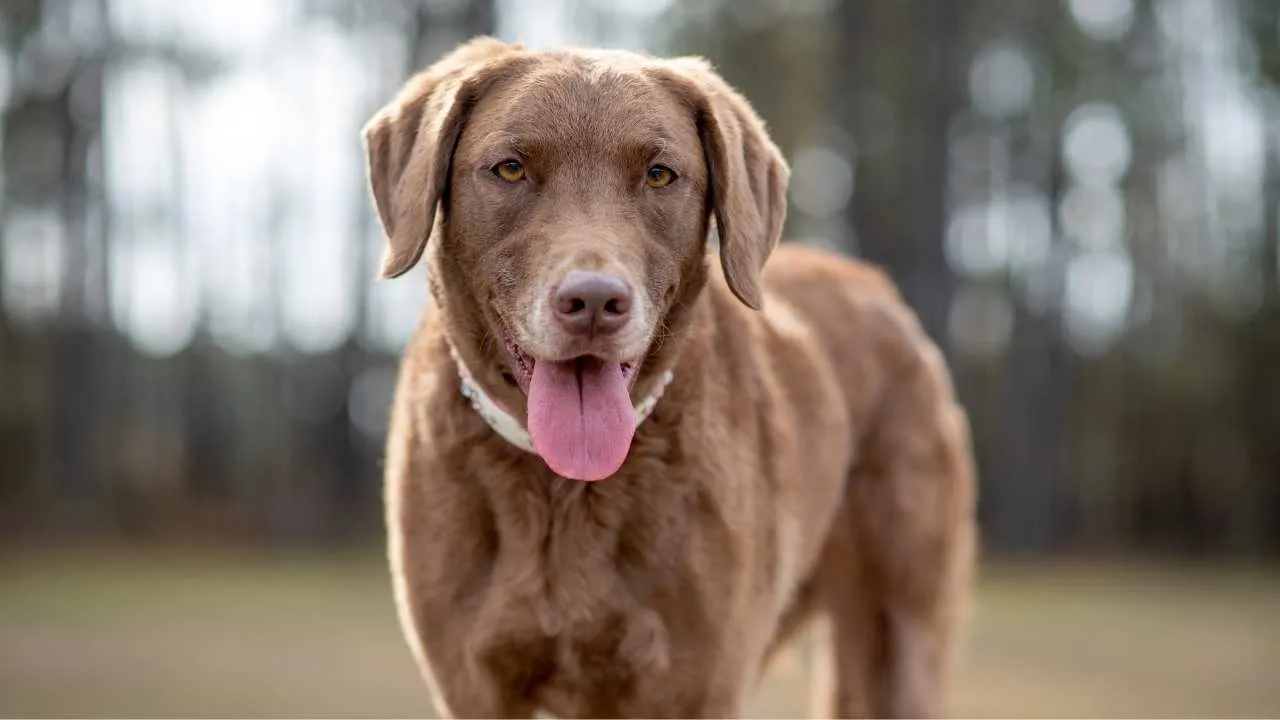
The Chesapeake Bay Retriever, or “Chessie,” was bred for hunting waterfowl along the Chesapeake Bay, its bays, estuaries, and salt marshes.
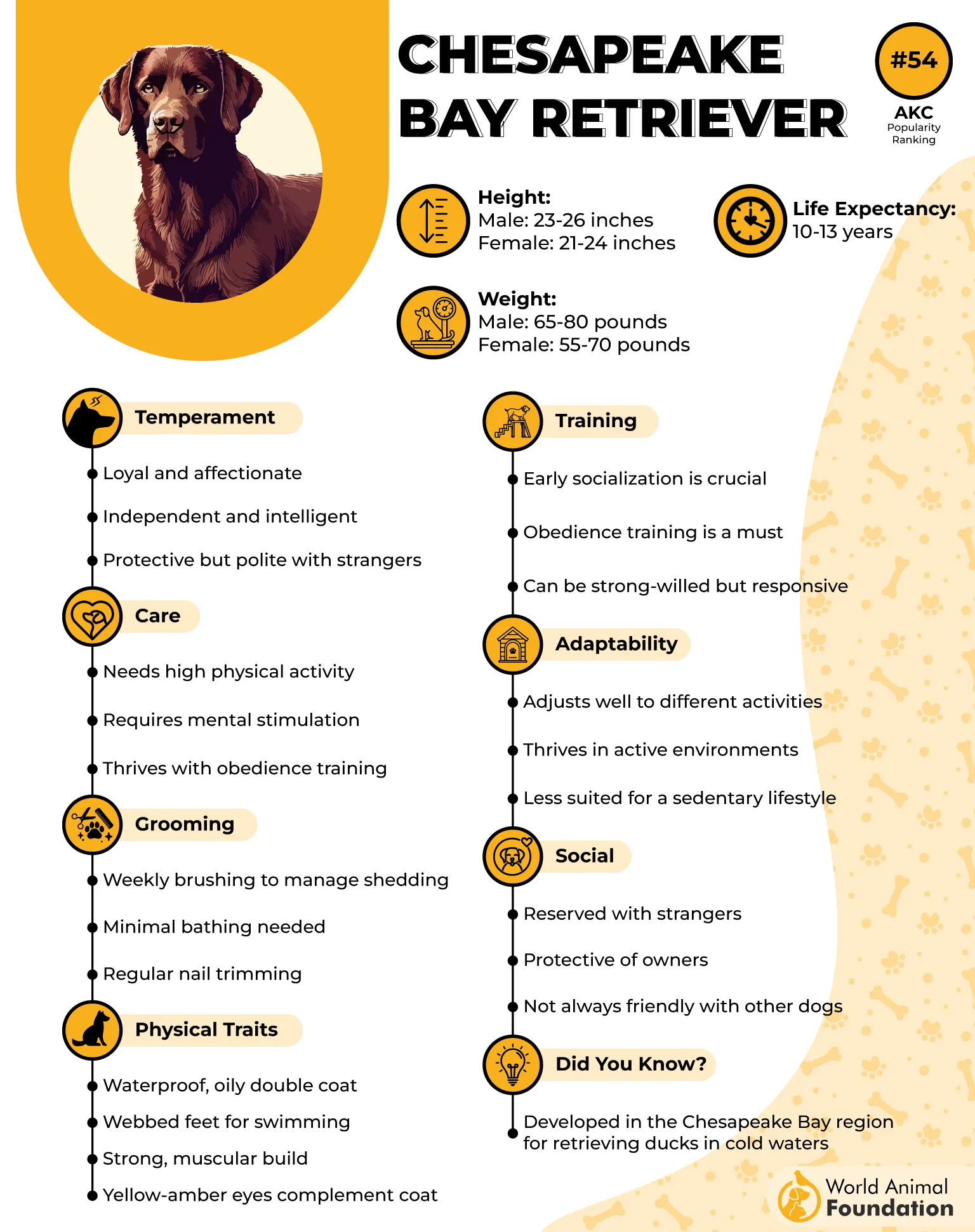
With a muscular build and a distinctive oily double coat, Chessies can handle icy water, strong currents, and rough seas. Their resilience and drive make them one of the most capable retrievers for challenging hunting conditions.
Strong-Willed but Trainable
Chessies are bold and determined, sometimes appearing headstrong or stubborn. They do not respond well to heavy-handed training, so handlers need patience and balance.
While they may seem aloof or wary of strangers, Chessies are affectionate and loyal with their family. Their intelligence and independence make them a better fit for experienced hunters or owners working with professional guidance.
Loyal Companions at Home
Beyond hunting, Chesapeake Bay Retrievers are devoted family dogs. They can also be trained for upland game like pheasants, quail, and grouse. Like Labs, their double-layered coat keeps them warm during cold water hunts.
Though tough and driven in the field, Chessies are soft and gentle with their loved ones, creating a unique combination of strength, loyalty, and hunting prowess.
6. Boykin Spaniel
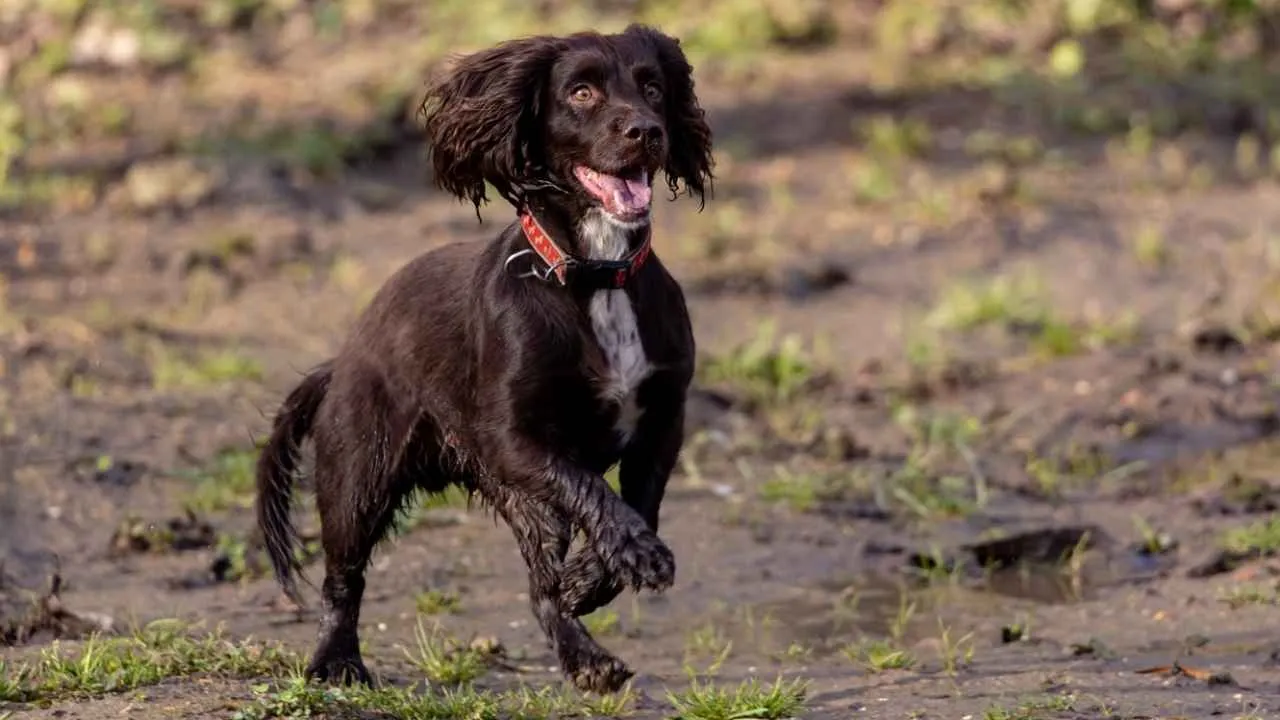
The Boykin Spaniel was developed in South Carolina to hunt ducks and wild turkey in lakes, swamps, and tight spaces, as mentioned by Orvis. Despite its compact size, this breed is energetic and determined, excelling in small boats and marshy areas.
Boykins are excellent swimmers and bring enthusiasm and focus to every hunt, making them a favorite for hunters who need a versatile, agile retriever breed.
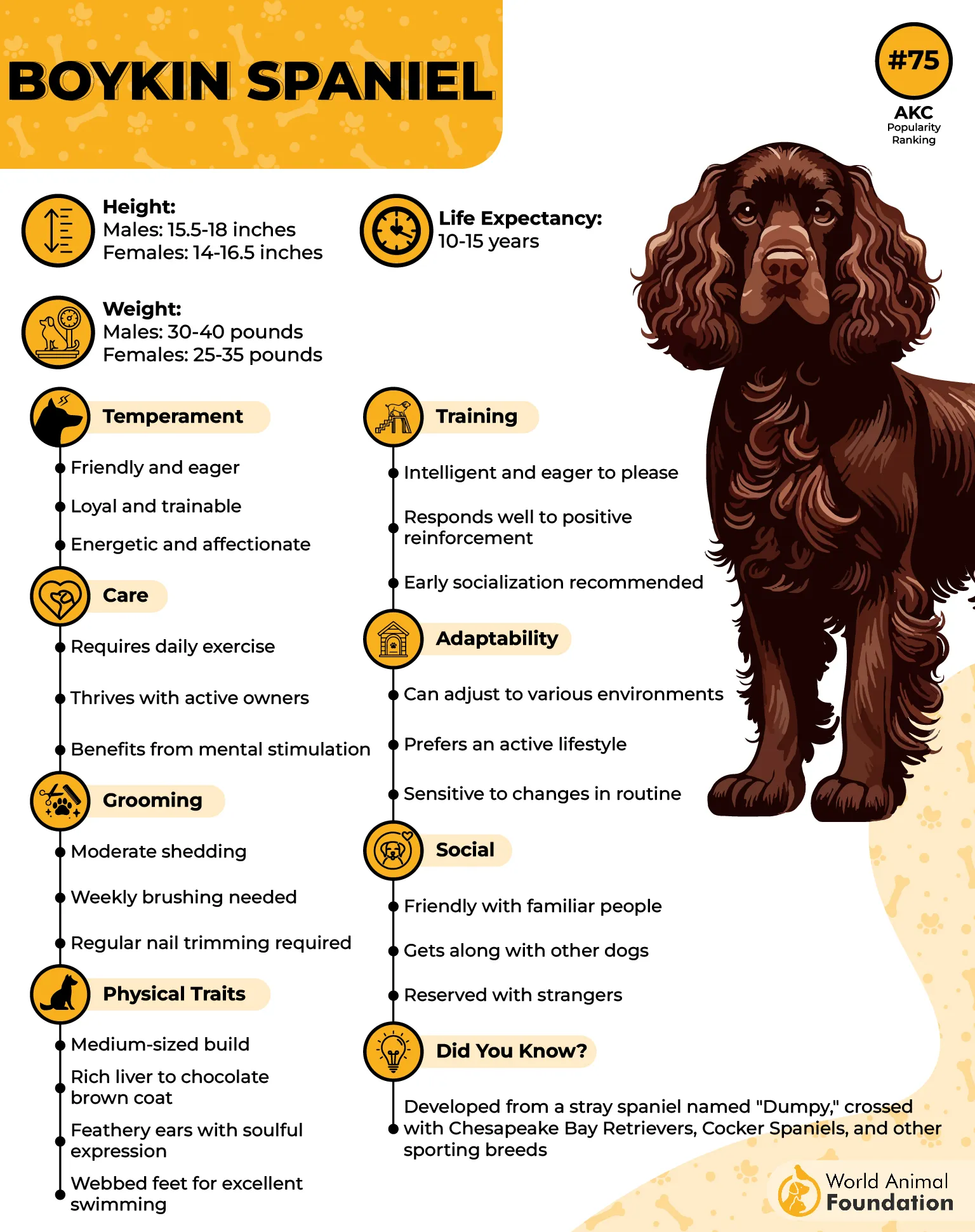
Intelligent and Trainable
Boykins respond well to positive training and are eager to please. They are biddable, quick learners, and adapt easily to field conditions. Their moderately wavy coat and well-developed chest make them strong and durable in the water.
Originally developed from breeds like Chesapeake Bay Retrievers, Springer Spaniels, American Water Spaniels, and Cocker Spaniels, Boykins are true all-American hunting dogs.
Loving Family Companions
Beyond the hunt, Boykin Spaniels are affectionate and social dogs. They bond well with children and can get along with other pets when introduced early.
Their high energy requires regular exercise, but in active homes, they make loyal and fun companions. Recognized as South Carolina’s official state dog, Boykins combine hunting talent with family-friendly traits in a compact, lovable package.
7. Irish Water Spaniel
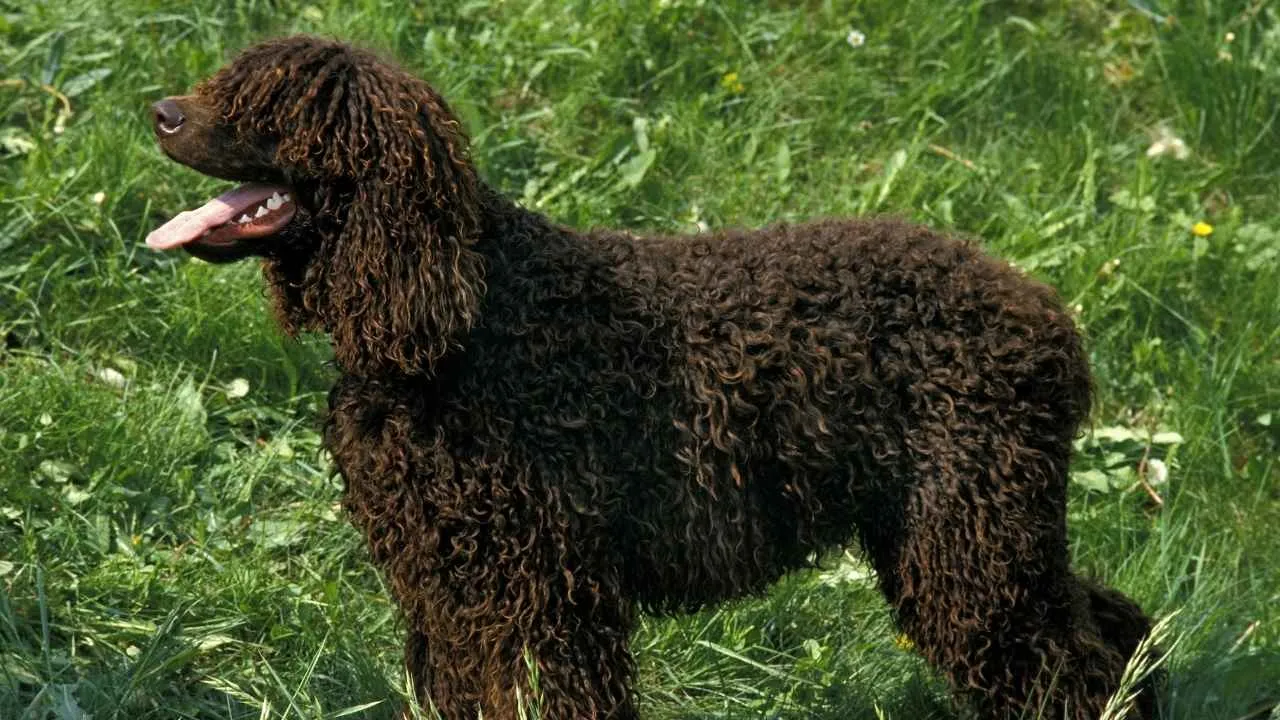
Hailing from Ireland, Irish Water Spaniels were originally bred as hunting dogs, prized for their ability to retrieve game from water. According to PetMD, they are one of the oldest and rarest spaniel breeds, with roots dating back to the 7th century.
Known for their distinctive curly, waterproof coat, these dogs excel at retrieving birds from wetlands, sloughs, and tidal marshes. Webbed feet and a strong, muscular build make them powerful swimmers, while their agility allows them to navigate rugged terrain with ease.
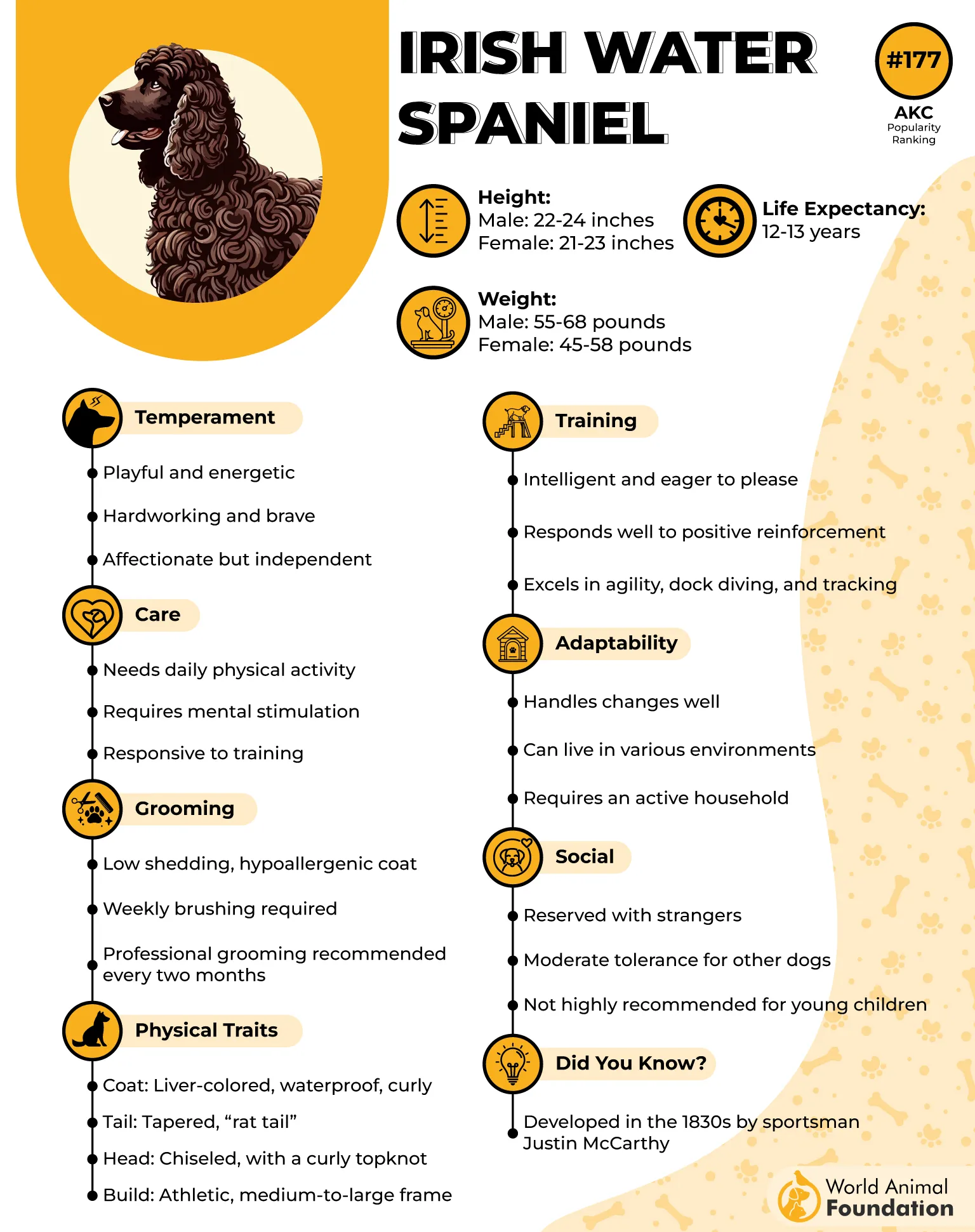
Intelligent and Trainable
Highly intelligent and eager to please, Irish Water Spaniels respond well to training. They are quick learners and thrive on work in the field. Their medium-length coat sheds minimally, making it easier to manage after waterfowl hunts.
With historical roots dating back centuries, this breed was developed from Irish setters, poodles, and other water dogs, creating a reliable and versatile hunting dog.
Affectionate Family Companions
Irish Water Spaniels are playful and affectionate, making them excellent family pets. They are good with children and enjoy active households.
With their unique curly coat, “rat tail,” and spirited personality, they combine hunting skill and family-friendly traits in one elegant, hardworking package.
Conclusion
Waterfowl hunting dogs are more than just skilled retrievers—they’re loyal partners, family companions, and hard-working athletes all rolled into one.
Whether it’s endurance, intelligence, or a natural instinct for water, these dogs have been honed over generations to make every hunt smoother, safer, and more rewarding.
If you’re considering adding a hunting dog to your life, think about your needs, your environment, and the breed’s personality. Spend time with your future companion, train with patience, and enjoy the bond that forms between hunter and dog.
Beyond the marshes and ponds, these breeds teach us teamwork, trust, and the joy of sharing adventures with a four-legged friend. After all, the best hunting memories are often made with a loyal dog by your side.
