




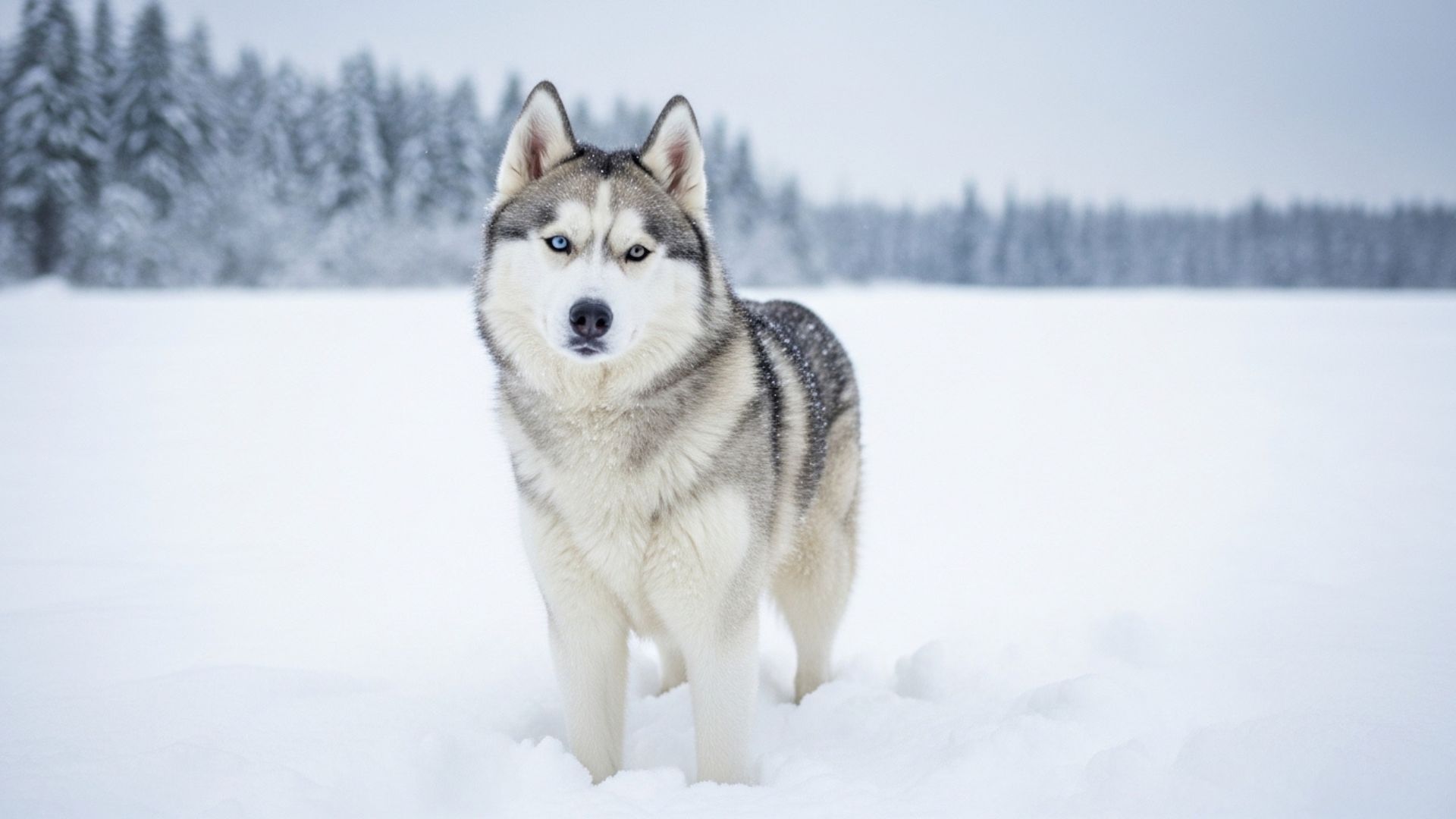
Some dogs are made for blizzards and biting winds. Snow dog breeds thrive where temperatures plummet, thanks to thick double coats, sturdy builds, and natural insulation that shields them from icy gusts and deep drifts. Many trace their roots to Arctic and mountainous regions, where they were bred to pull sleds, guard livestock, or trek tirelessly across frozen terrain.
From powerful working companions to loyal family pets, these cold-weather canines don’t just survive winter — they embrace it. Dense fur, padded paws built for traction, and bushy tails for added warmth make them perfectly equipped for snowy adventures and mountain living.
Still, even the fluffiest winter warrior needs thoughtful care. Regular brushing, paw checks, and protection from extreme cold or heat ensure these remarkable breeds stay healthy and comfortable year-round.
Remarkable Dog Breeds That Excel In Snow And Ice
1. Alaskan Malamute
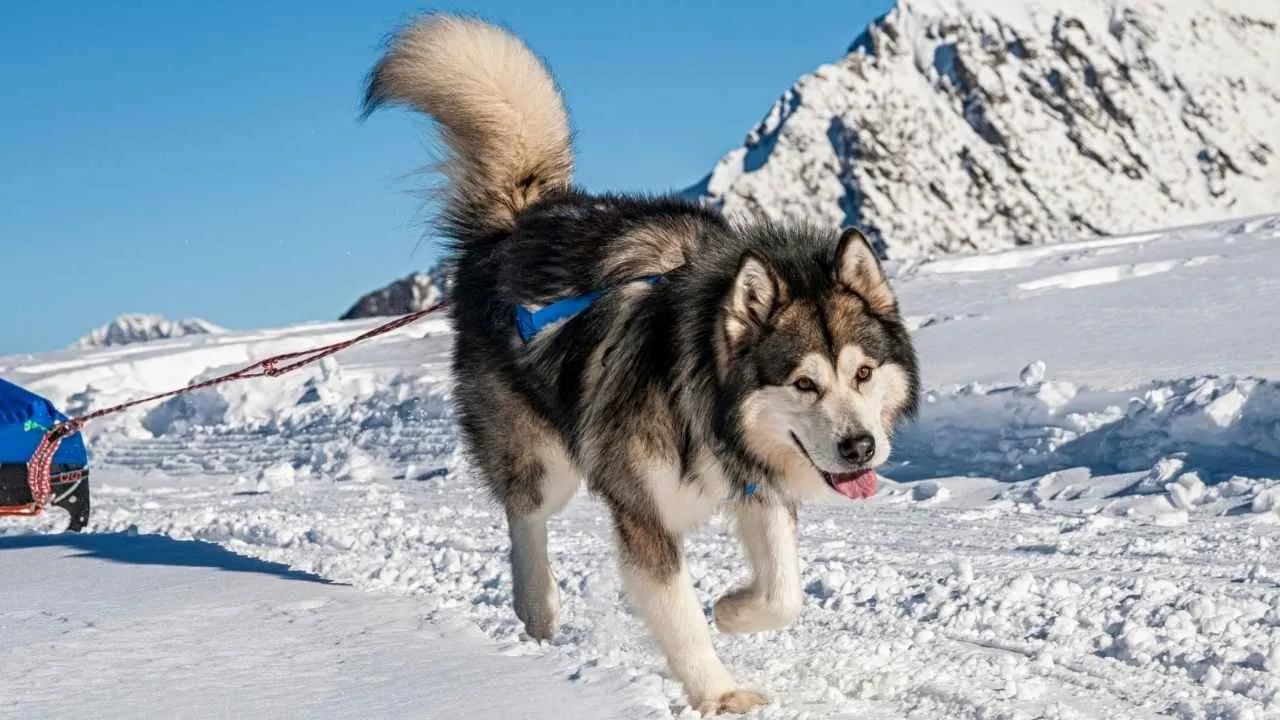
The Alaskan Malamute descends from the Mahlemiut Inuit people of northwestern Alaska, who relied on these powerful dogs to haul heavy freight across vast stretches of ice and snow. Unlike lighter racing sled dogs, Malamutes were bred to move massive loads at steady speeds through some of the harshest Arctic conditions on Earth.
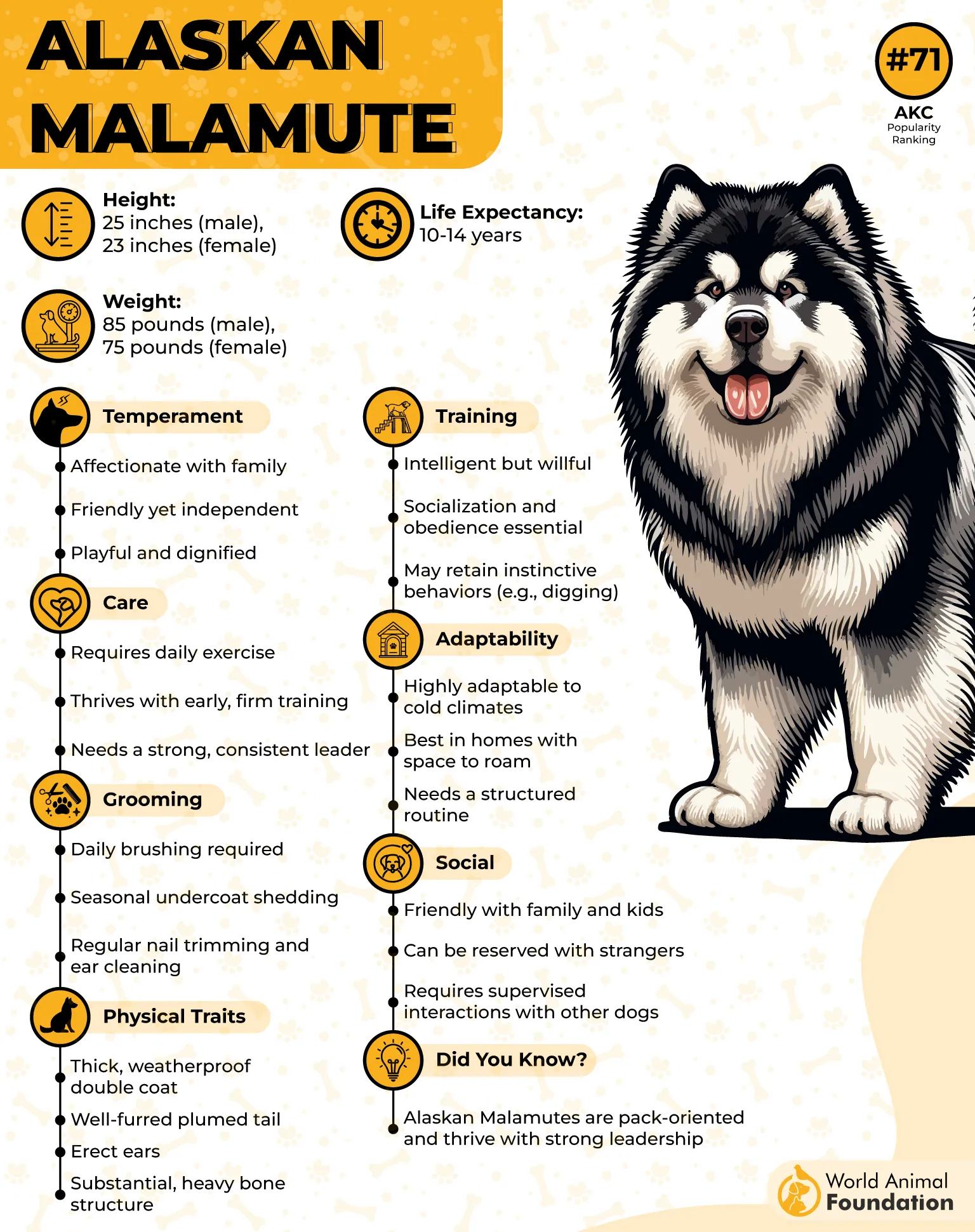
A Loyal Heart with a Playful Voice
Beneath their wolf-like appearance, Malamutes are affectionate, devoted, and deeply connected to their human “pack.” They are famously vocal, often expressing themselves with dramatic “awoos” and playful backtalk that can feel like a full conversation.
Intelligent, Independent, and Energetic
Brilliant but strong-willed, Malamutes respond best to firm, positive reinforcement that begins early in puppyhood. They are known for selective hearing, sometimes choosing whether a command suits them before complying.
Daily vigorous exercise—running, pulling, or winter sports—is essential, and early socialization helps manage their natural prey drive.
Engineered for Life on Ice
Thick double coat insulates against extreme Arctic temperatures
A heavy bone and muscular frame supports pulling heavy sled loads
Broad, fur-lined paws act like natural snowshoes
Plumed tail wraps around the body for added warmth
Exceptional stamina enables long-distance travel across frozen terrain
2. Siberian Husky
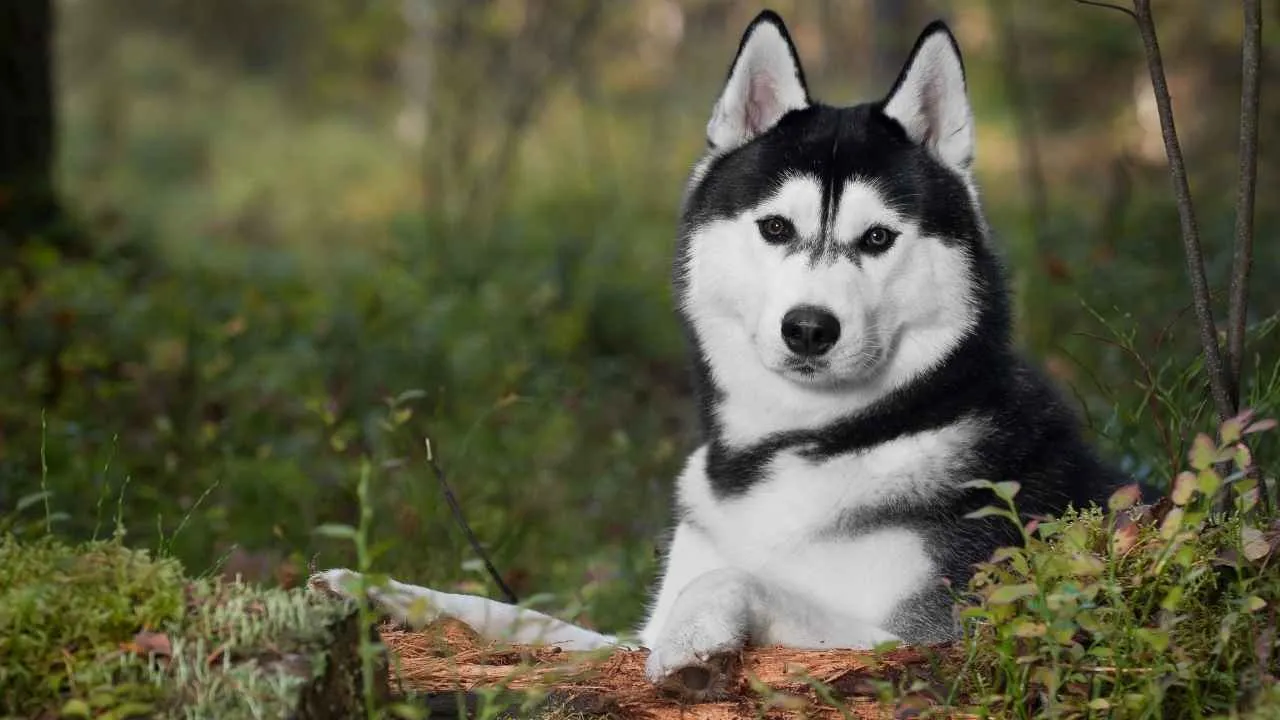
The Siberian Husky originated in Northeast Asia, where the Chukchi people bred them to pull sleds across vast, frozen landscapes with remarkable speed and stamina, as per Britannica. Unlike heavier freight dogs, Huskies were designed for endurance racing, capable of running for hours without tiring.
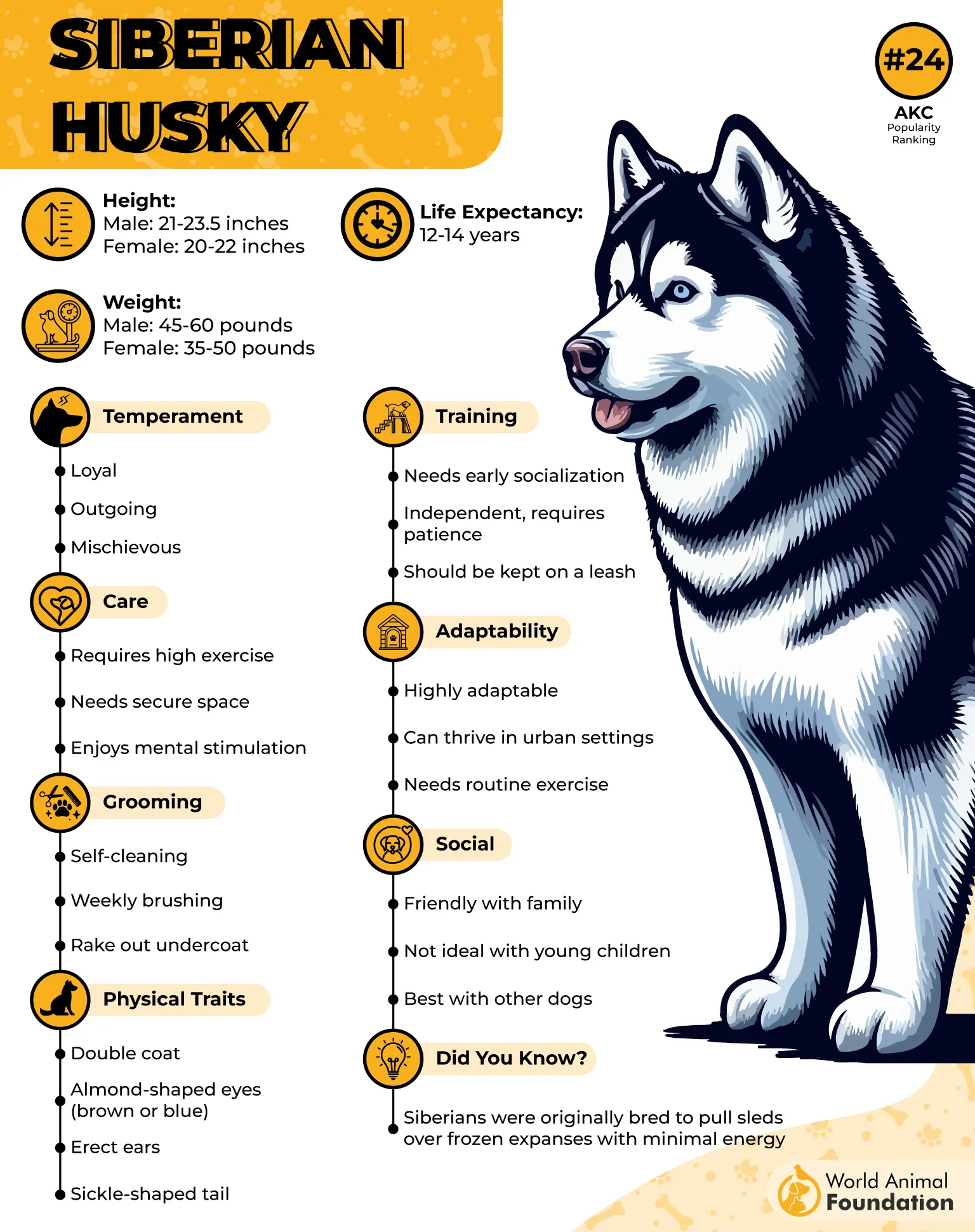
A Social Spirit with a Mischievous Spark
Friendly, playful, and endlessly energetic, Huskies greet strangers like long-lost friends and thrive in lively households. Though affectionate and gentle when properly raised, their independent streak and love of adventure make them unsuitable as guard dogs.
Clever Minds That Need Direction
Highly intelligent yet famously strong-willed, Huskies require consistent, reward-based training from experienced owners. With at least two hours of daily exercise and plenty of mental stimulation, they channel their boundless energy into becoming joyful, well-balanced companions.
Designed for Daring Winter Feats
Thick double coat insulates against extreme cold
Incredible endurance allows hours of running in the snow
Compact, athletic build enhances speed on icy terrain
Fur-lined paws provide traction and protectio
Natural tolerance for freezing climates makes them ideal mountain partners
3. Samoyed
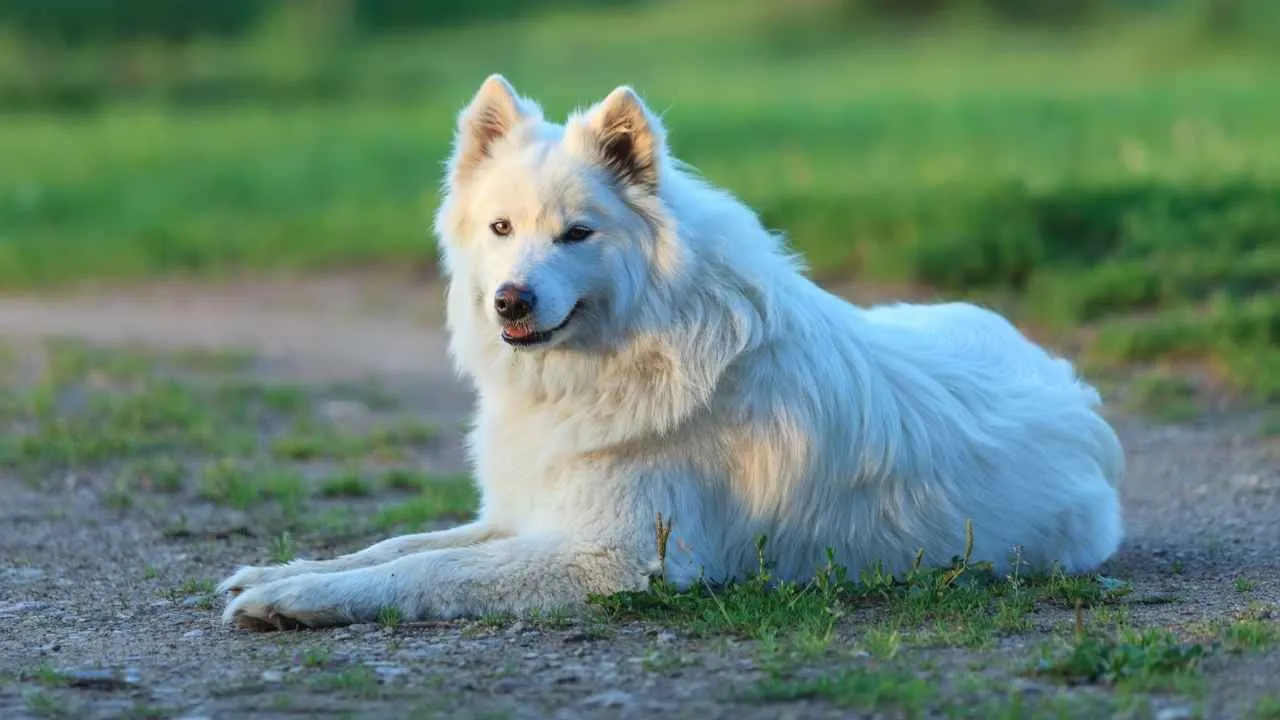
The Samoyed began its journey in ancient Siberia alongside the nomadic Samoyede people, who relied on these smart dogs to herd and guard reindeer and pull sleds across the tundra. Living closely with their families in tents, Sammies developed an unusually warm and companionable nature.
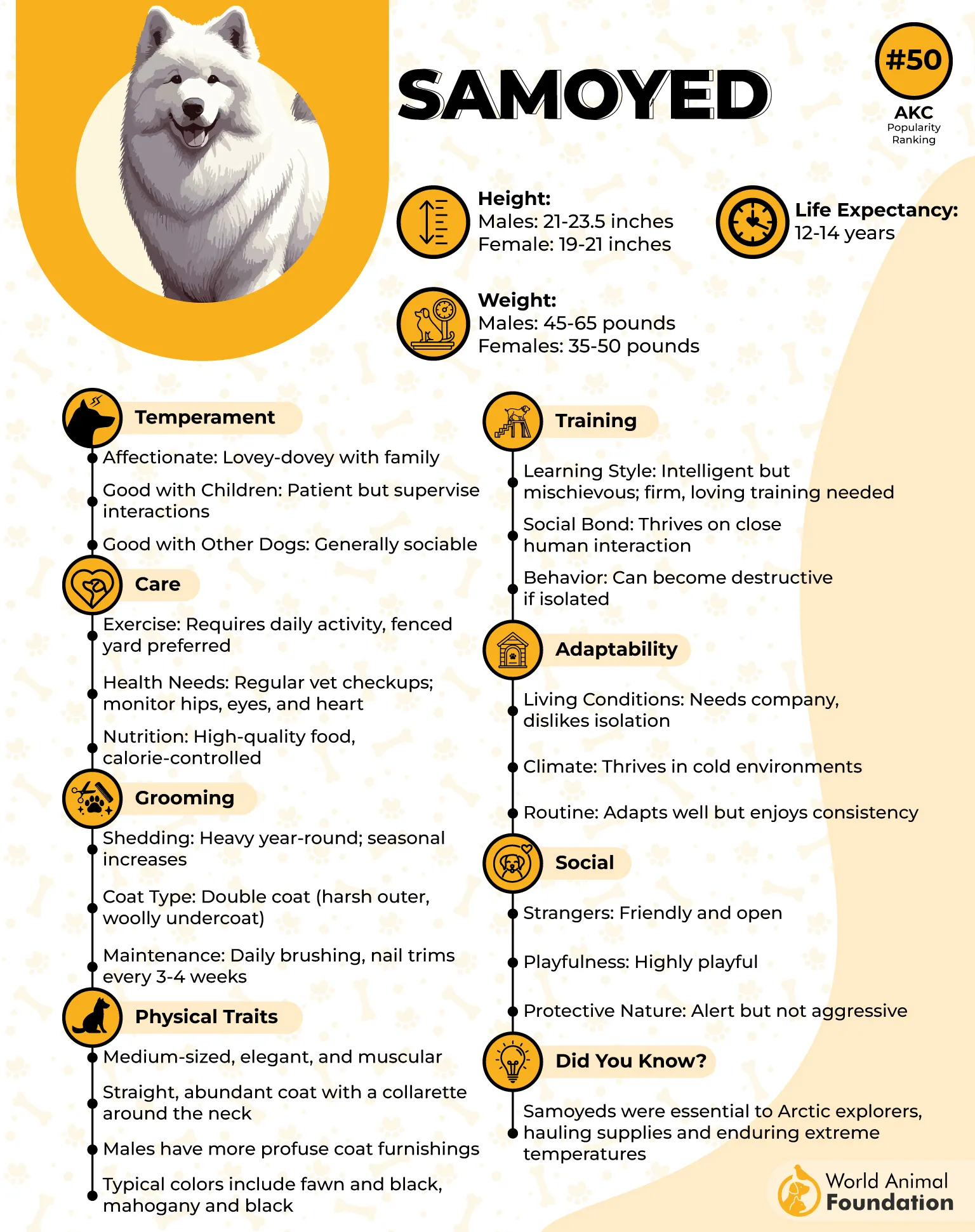
The Smiling Companion with a Purpose
Famous for the “Sammie smile,” their curved black lips do more than charm—they prevent drool from freezing into icicles in subzero temperatures. Friendly, gentle, and devoted, Samoyeds thrive on human company and are especially affectionate with children.
Active Minds Wrapped in White
Intelligent and slightly independent, Sammies excel with early training and consistent, positive guidance. They retain a playful, puppy-like spirit well into adulthood and need daily exercise to stay balanced and fit.
Whether competing in agility, herding, or sledding, they are happiest when given a meaningful task to accomplish.
Crafted for Arctic Endurance
Dense double coat insulates against brutal Siberian cold
Strong, compact frame enables pulling heavy sled loads
Fur-covered paws protect against ice and sharp snow
Signature smile prevents drool from freezing
Natural stamina supports long days in frigid climates
4. Bernese Mountain Dog
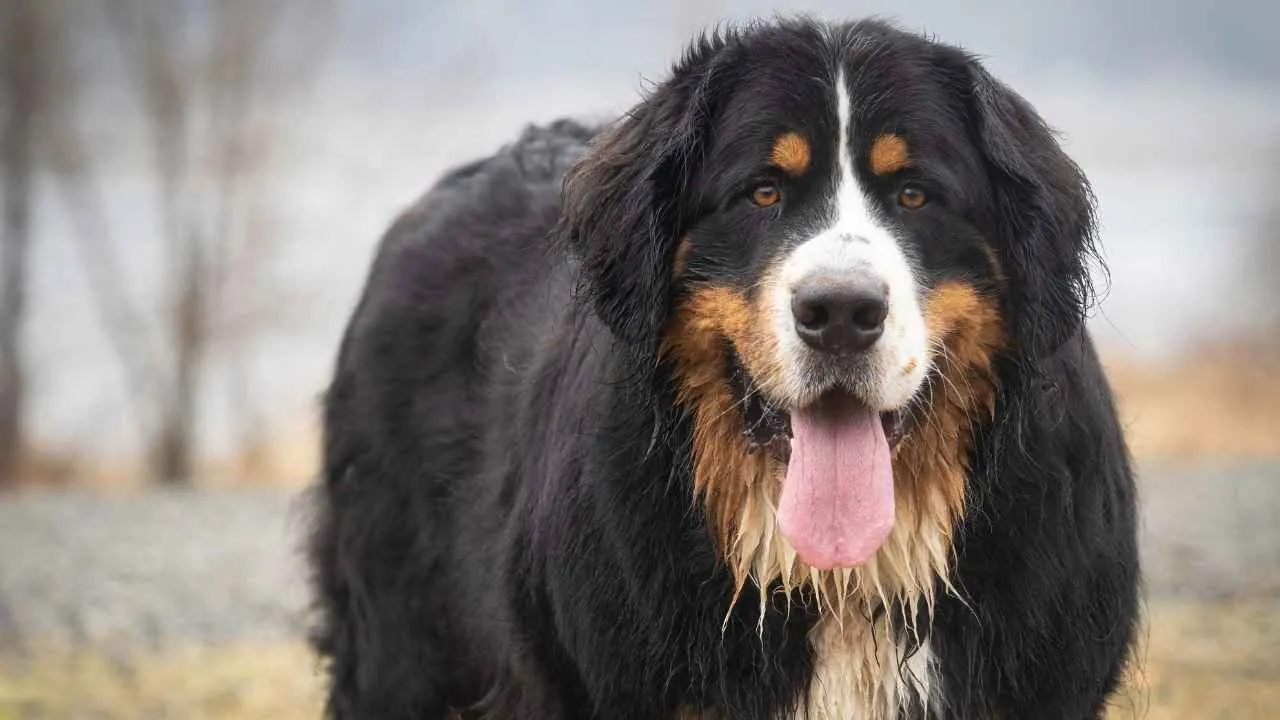
The Bernese Mountain Dog traces its history back over 2,000 years, when Roman invaders brought large working dogs to Switzerland’s canton of Bern. By the early 20th century, Swiss breed clubs revived their numbers, and the American Kennel Club officially recognized the breed in 1937.
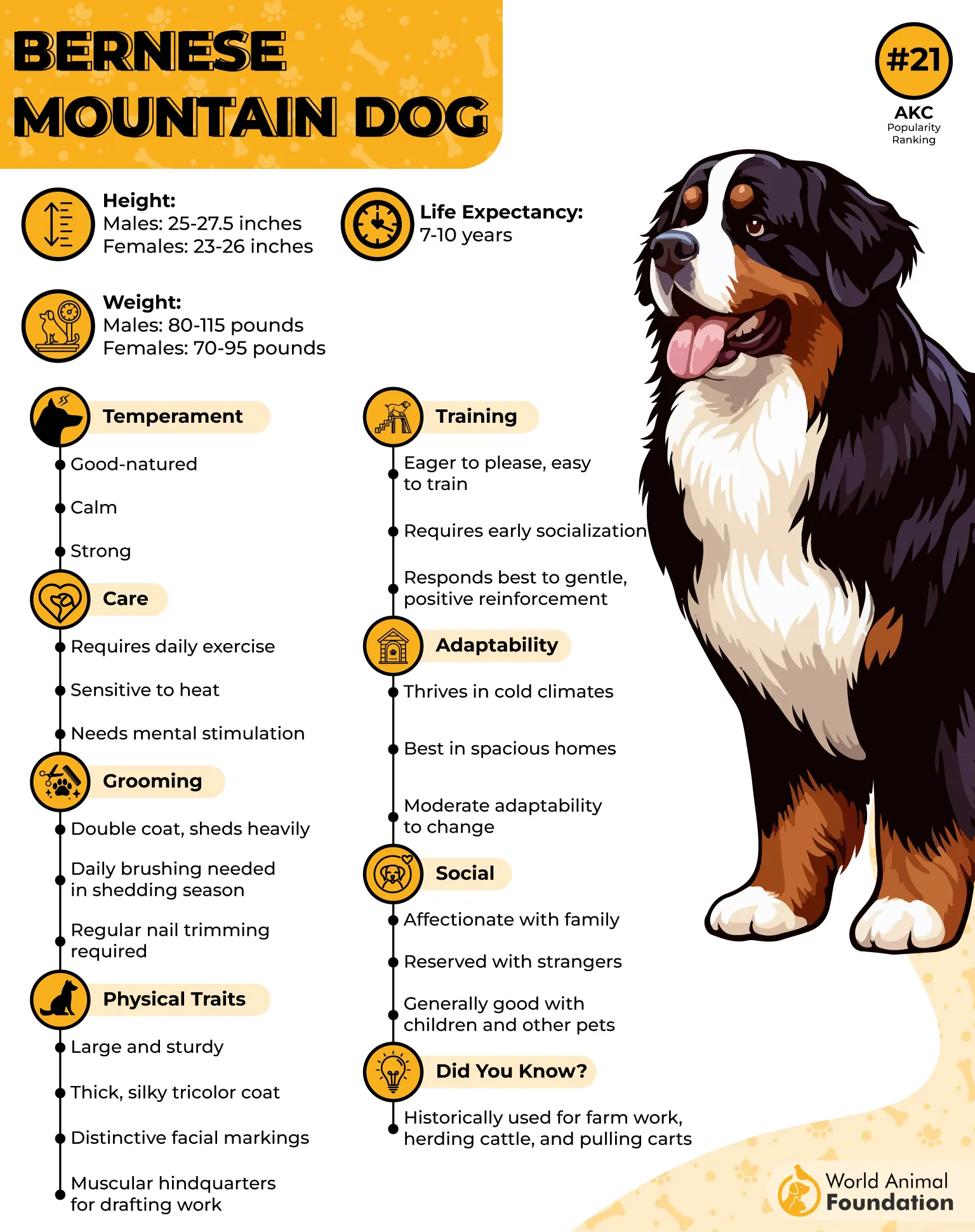
Gentle Giant of the Homestead
Known for their broad chest and striking tricolor coat, Berners combine strength with a calm, affectionate temperament. They are deeply devoted to their families, often forming especially close bonds with one person while remaining friendly toward others.
Steady Workers with Sensitive Souls
Bernese Mountain Dogs are intelligent and eager to please, responding well to positive, consistent training and early socialization. While active for a giant breed, they are moderate in energy and content with daily walks, draft work, or pulling activities in cool weather.
Sensitive by nature and slow to mature, they thrive on praise, companionship, and environments that offer both purpose and space.
Built for Snowy Mountain Life
Thick double coat protects against cold Alpine climates
Powerful frame enables pulling carts and sleds through snow
Large, sturdy paws provide stability on icy ground
Natural preference for cool temperatures over heat
Enduring strength suited for mountainous winter terrain
5. Saint Bernard
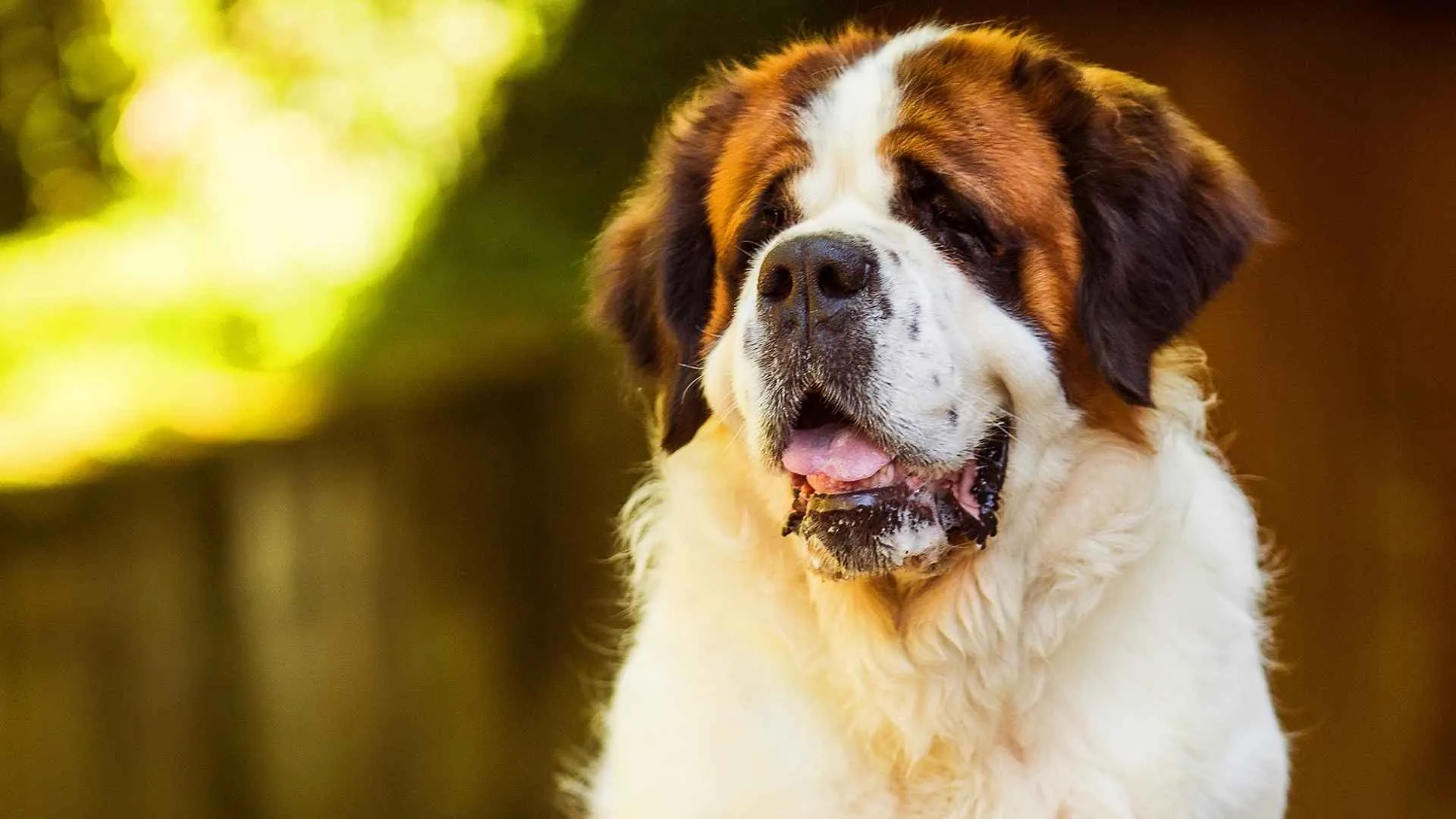
The Saint Bernard’s story begins over a thousand years ago in the treacherous Swiss Alps, where monks at the hospice founded by Bernard de Menthon bred these giants to rescue lost travelers. With powerful builds and an extraordinary sense of smell, they navigated deep snow and deadly drifts to save lives.
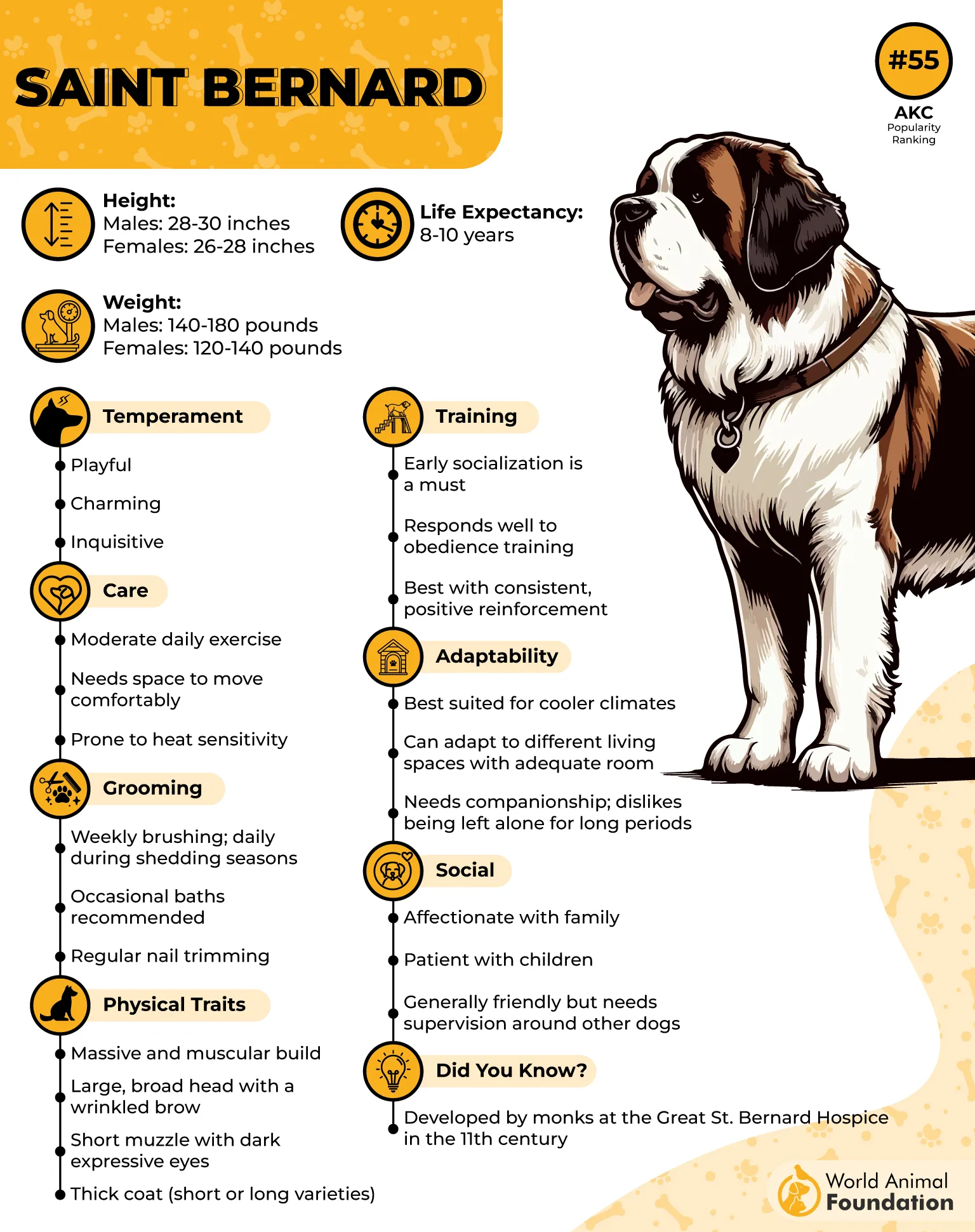
The Gentle Guardian of the Family
Though imposing in size, they are good-humored and patient, especially with children, and typically coexist peacefully with other pets. Loyal and protective when necessary, they rarely bark without reason but will stand their ground if loved ones are threatened, as per Hill’s Pet.
Big Heart, Steady Mind
Saint Bernards are intelligent and eager to please, responding best to early socialization and consistent, positive training. Moderate daily exercise and mental stimulation keep them balanced, while their sensitivity means harsh corrections should always be avoided.
Masters of Mountain Rescue
Powerful, muscular frame capable of crossing deep snow
Dense coat provides insulation in freezing Alpine weather
Exceptional sense of smell for locating people beneath snow
Large paws offer stability on icy, uneven terrain
Calm endurance allows steady work in extreme winter conditions
6. Great Pyrenees
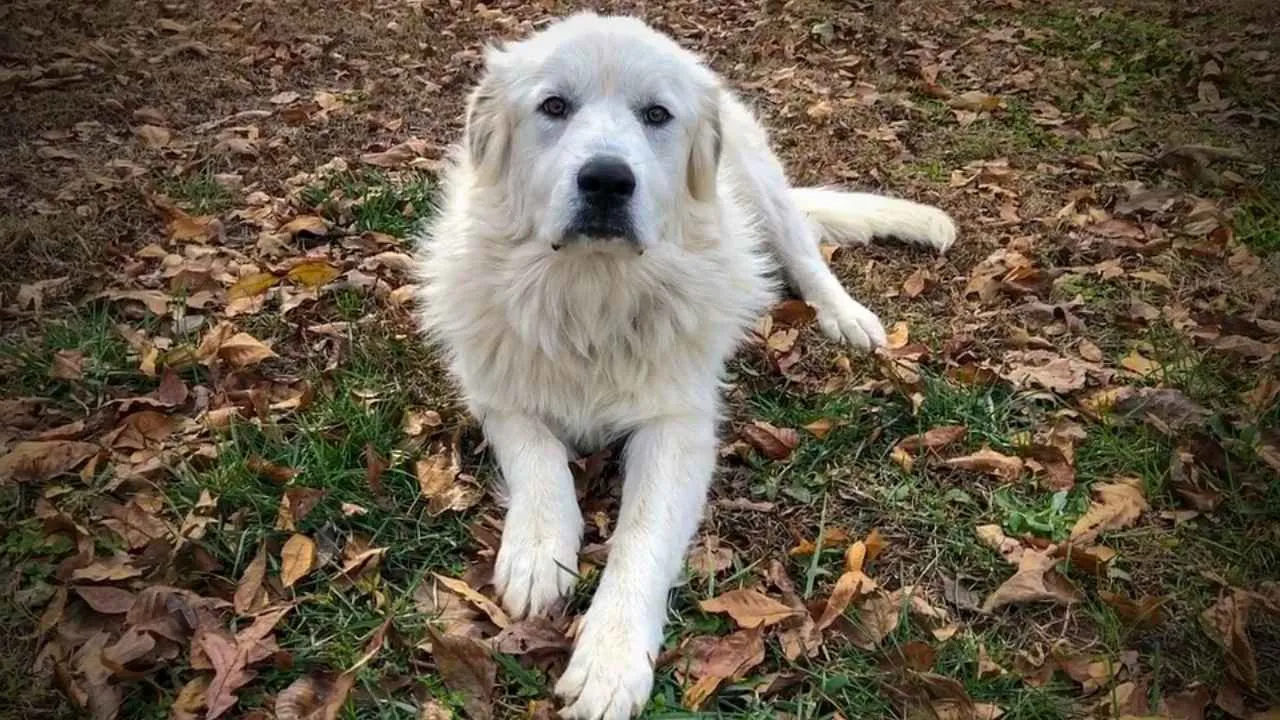
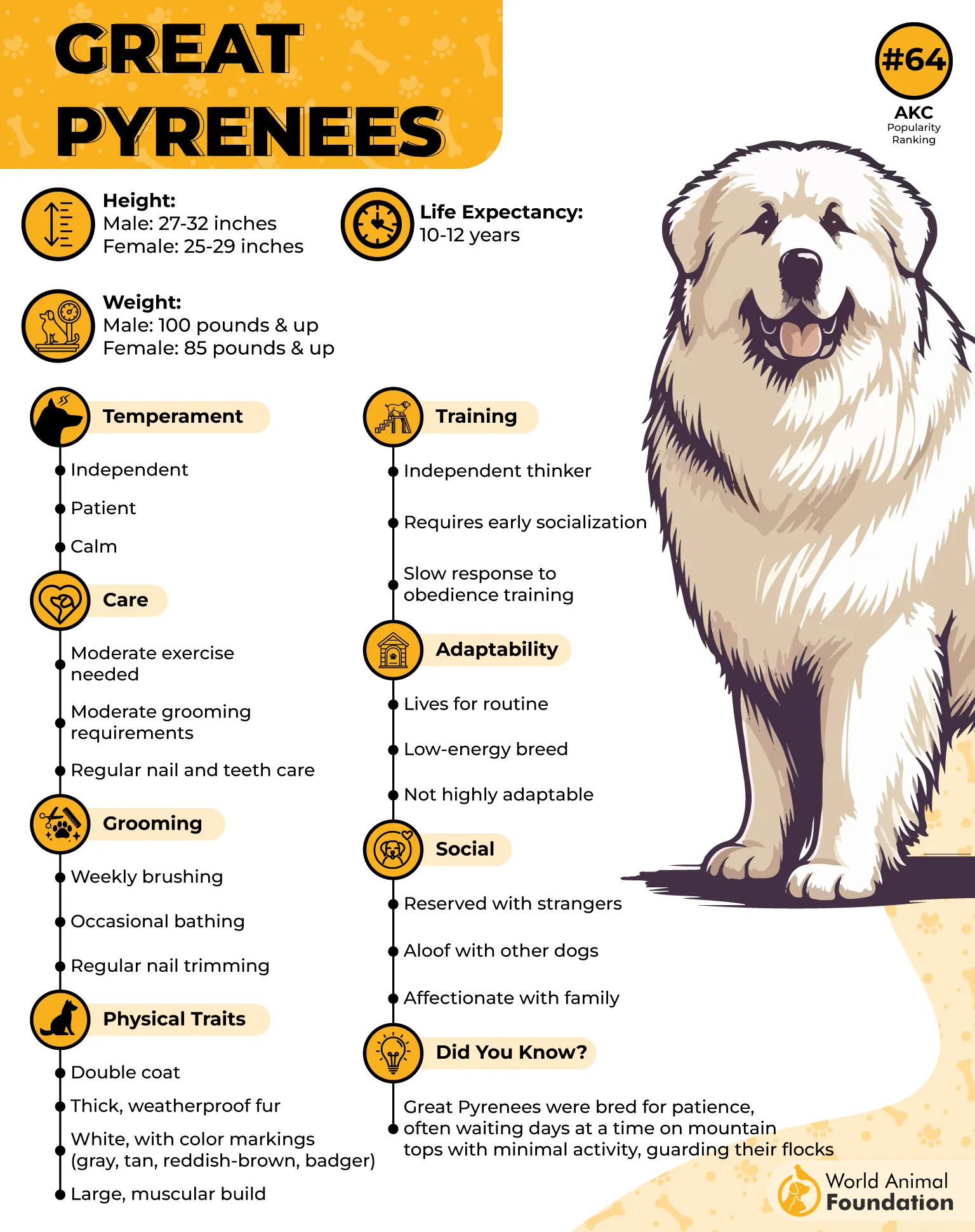
The Great Pyrenees has roamed Europe since ancient times, likely of Asian origin, serving as a vigilant guardian of sheep in the rugged Pyrenees Mountains.
Revered by French royalty in the 17th century, they earned the title of Royal Dog of France and were admired for their grace, intelligence, and imposing presence, as per Purina.
The Gentle Sentinel of Home and Herd
Calm, affectionate, and devoted, the Great Pyrenees is a trustworthy companion for families and well-behaved children. Though naturally protective, they rarely show aggression without cause, balancing watchful independence with a gentle temperament.
Independent Thinkers with Enduring Strength
Bred to work alone in mountain valleys, Great Pyrenees are naturally independent, which can make training more challenging than other breeds. Their thick, long coats require moderate maintenance, and while daily brushing keeps them neat, the annual shed demands extra care.
Adapted for Alpine Life
Thick double coat insulates against snow and freezing temperatures
Large dog, sturdy frame allows control over livestock and stability on slopes
Powerful, rolling gait provides balance on rough terrain
Independent instincts ensure vigilant protection of family and flocks
Calm endurance supports long hours in cold mountain environments
7. Norwegian Elkhound
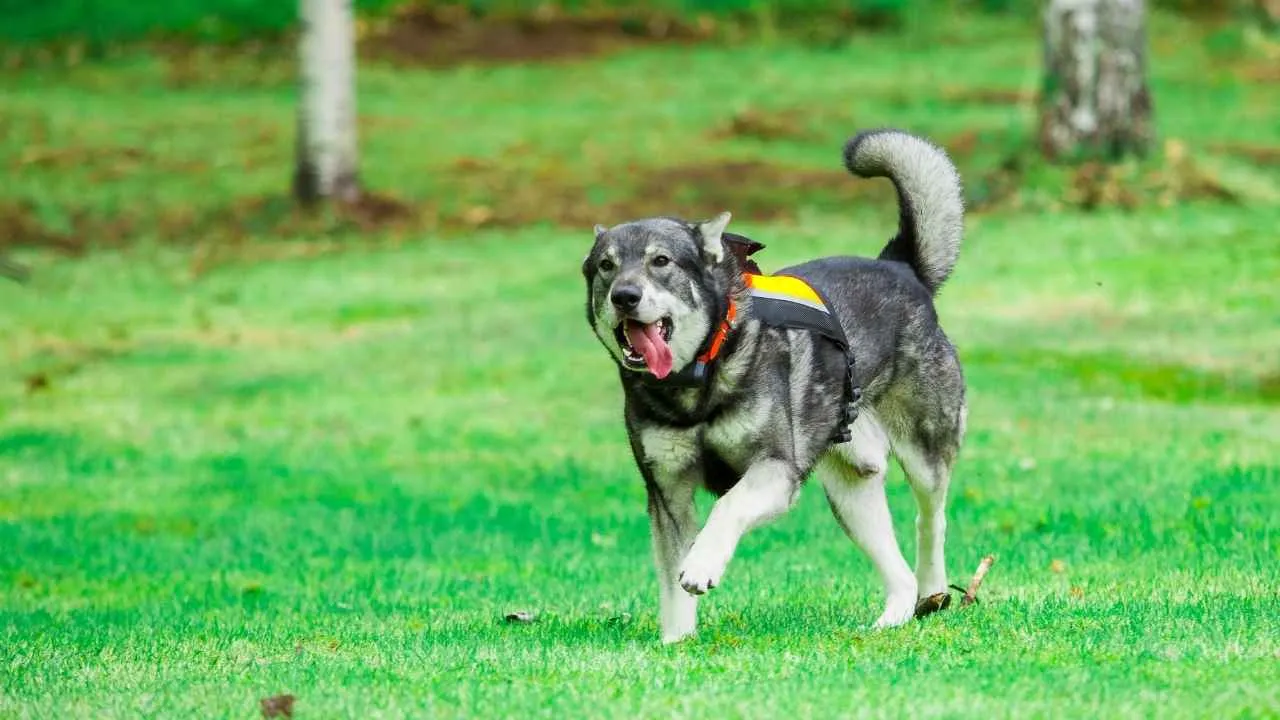
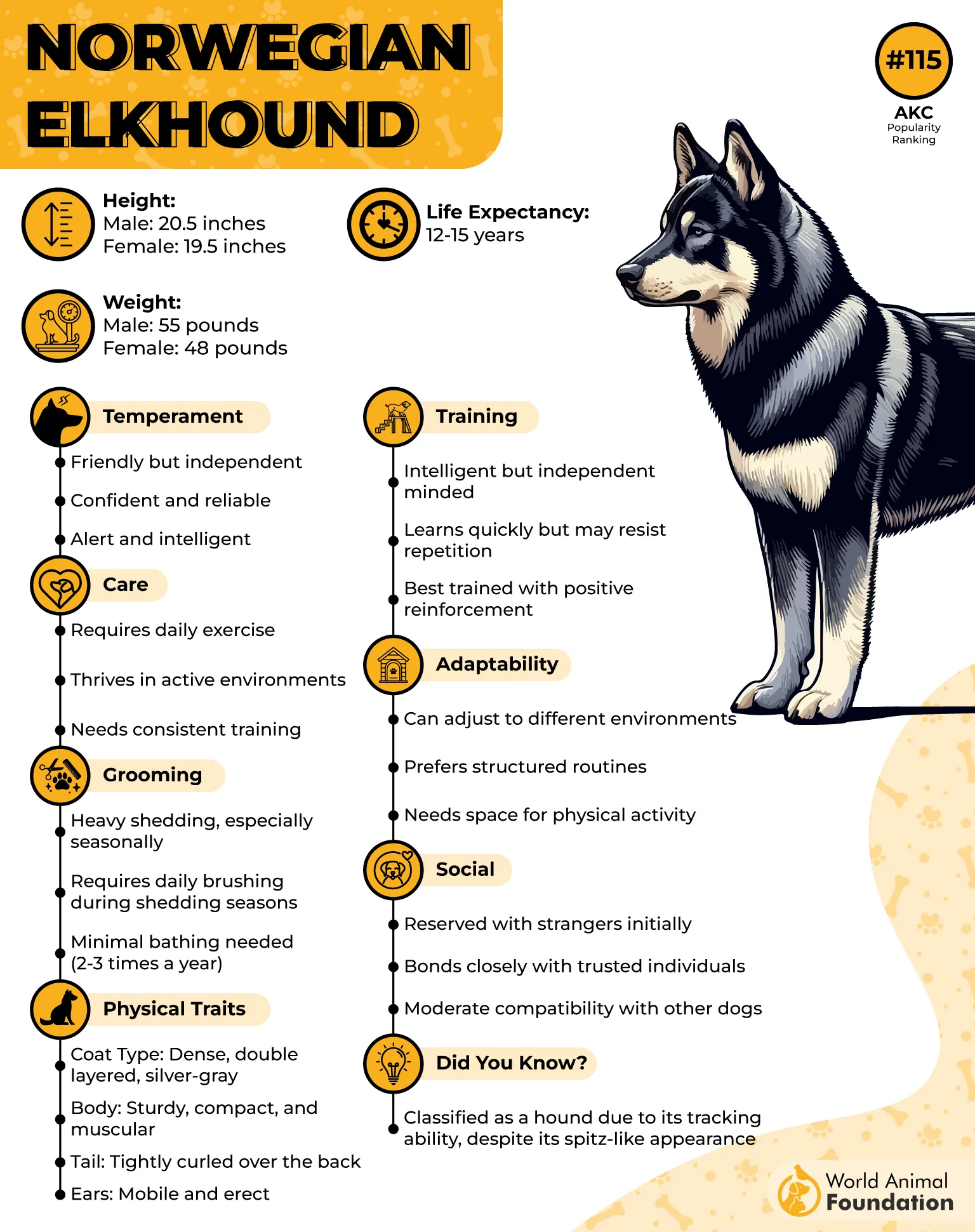
The Norwegian Elkhound is a resilient spitz-type dog, famed for its silver-gray coat and alert, dignified expression. One of Europe’s oldest breeds, it sailed with Vikings, appeared in Norse sagas, and guarded farms and flocks for millennia.
The Faithful Guardian and Playful Friend
Elkhounds are loyal, intelligent, and affectionate with family, yet retain a streak of independence. While they enjoy play and companionship, they are wary of strangers and require careful socialization from an early age to balance their guarding instincts.
Enduring Strength with Sharp Instincts
Bred to traverse rugged terrain for hours or days, Norwegian Elkhounds need daily exercise, mental stimulation, and structured activities. Highly versatile, these dogs thrive as hunting partners, hikers’ companions, or active family pets who can handle both snow and cold climates.
Masters of Nordic Conditions
The thick double coat provides warmth and protection in freezing weather
Compact, muscular build for stamina and agility in rugged terrain
Alert eyes and erect ears for tracking and guarding
Independent instincts allow for long hours of working alone
Fearless and resilient in snowy, mountainous environments
Conclusion
Living in cold climates doesn’t mean you have to give up on having a furry companion. Dogs bred for snowy, icy conditions thrive where others might struggle, offering loyalty, protection, and boundless energy for outdoor adventures. Their thick coats and instincts make them perfect partners for winter fun.
These dogs are not just resilient workers—they are affectionate, intelligent, and devoted to their families. With proper socialization, training, and daily exercise, they can adapt beautifully to home life, becoming both playful companions and reliable guardians.
Their love for adventure can inspire you to embrace the outdoors in ways you never imagined.
If you’re ready to welcome a dedicated, snow-loving companion into your life, preparation is key. Investing time in training, exercise, and grooming ensures a happy, healthy bond that lasts for years. With patience and care, you’ll gain a friend who not only endures the cold but thrives in it alongside you.
