




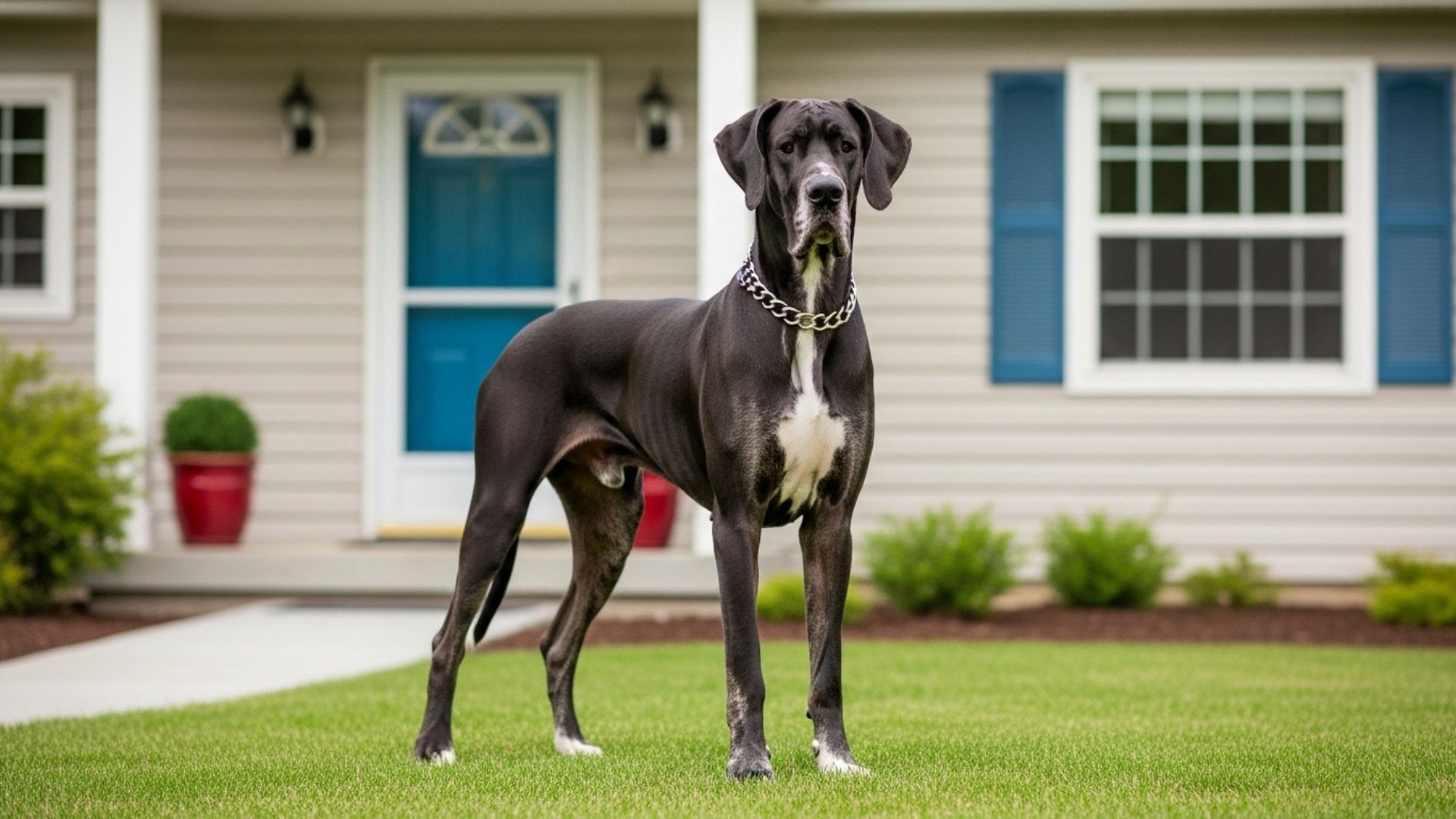
There is a big difference between a dog who barks at the mail truck… and a dog who quietly positions themselves between you and whatever just made that noise outside.
Some breeds were built for this. Not in a dramatic, action movie way. In a steady, watchful, I’ve-got-this-covered kind of way. They notice unfamiliar footsteps. They read body language. They stand their ground without needing to make a scene.
And honestly, there is something wildly reassuring about seeing a powerful, loyal dog calmly scanning the yard like it is part of their daily checklist.
So which breeds step into protector mode naturally when it counts? Let’s take a closer look.
Did you know?
Dogs are among the few animals known to show kindness to other species. Their loyalty runs so deep that some have even pushed themselves to exhaustion for the people they love.
Best Dog Breeds to Defend Against Unwanted Visitors
1. Cane Corso
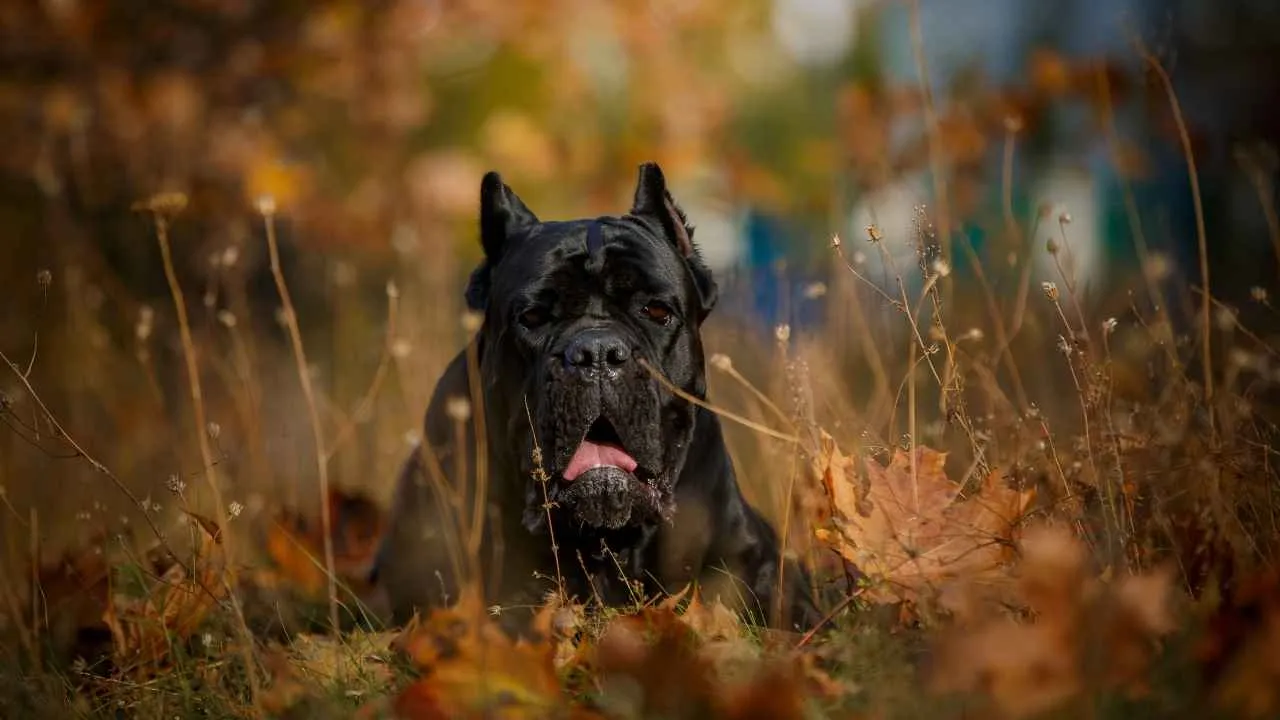
A Cane Corso does not make a scene. He makes an impression. The moment someone unfamiliar steps near your gate, this noble Italian guardian simply rises, locks in, and watches. No frantic noise. Just quiet authority that says, I am aware.
They carry themselves with confidence that feels almost professional. Intelligent and eager to please, they bond deeply with their people and take that loyalty seriously. They have strong natural protective instincts, which is why they do not trust strangers easily and are considered a good guard dog breed.
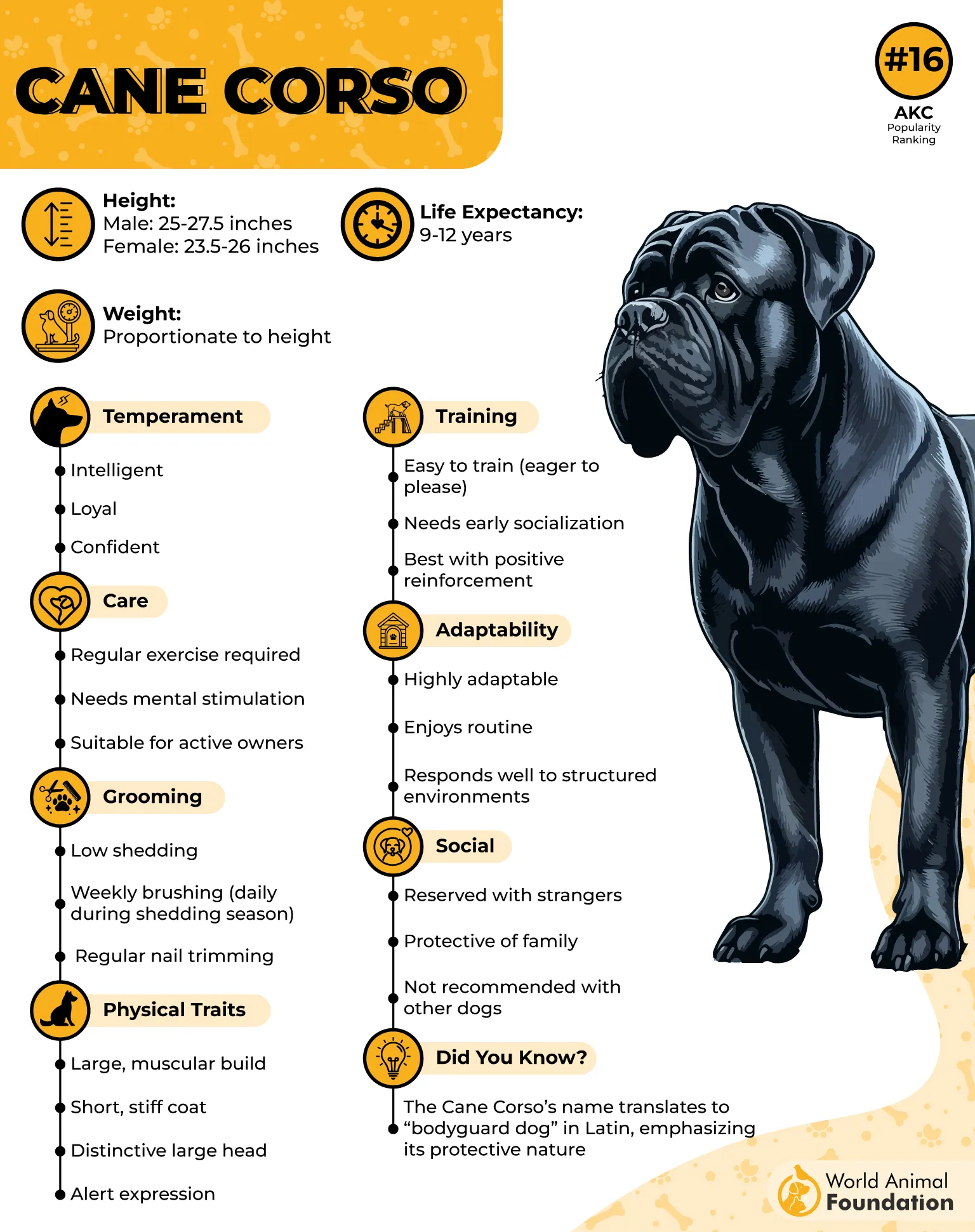
Defense for a Corso is deliberate. Historically used for guarding farmsteads and even charging into battle, today that bold spirit translates into steady watchfulness at home. Early socialization keeps that assertive edge balanced, so strength stays controlled and purposeful.
Special Considerations For this Breed
Can be willful, so inexperienced dog owners may struggle without firm, consistent leadership.
Short double coat sheds year-round and needs weekly brushing, more during heavy shedding periods.
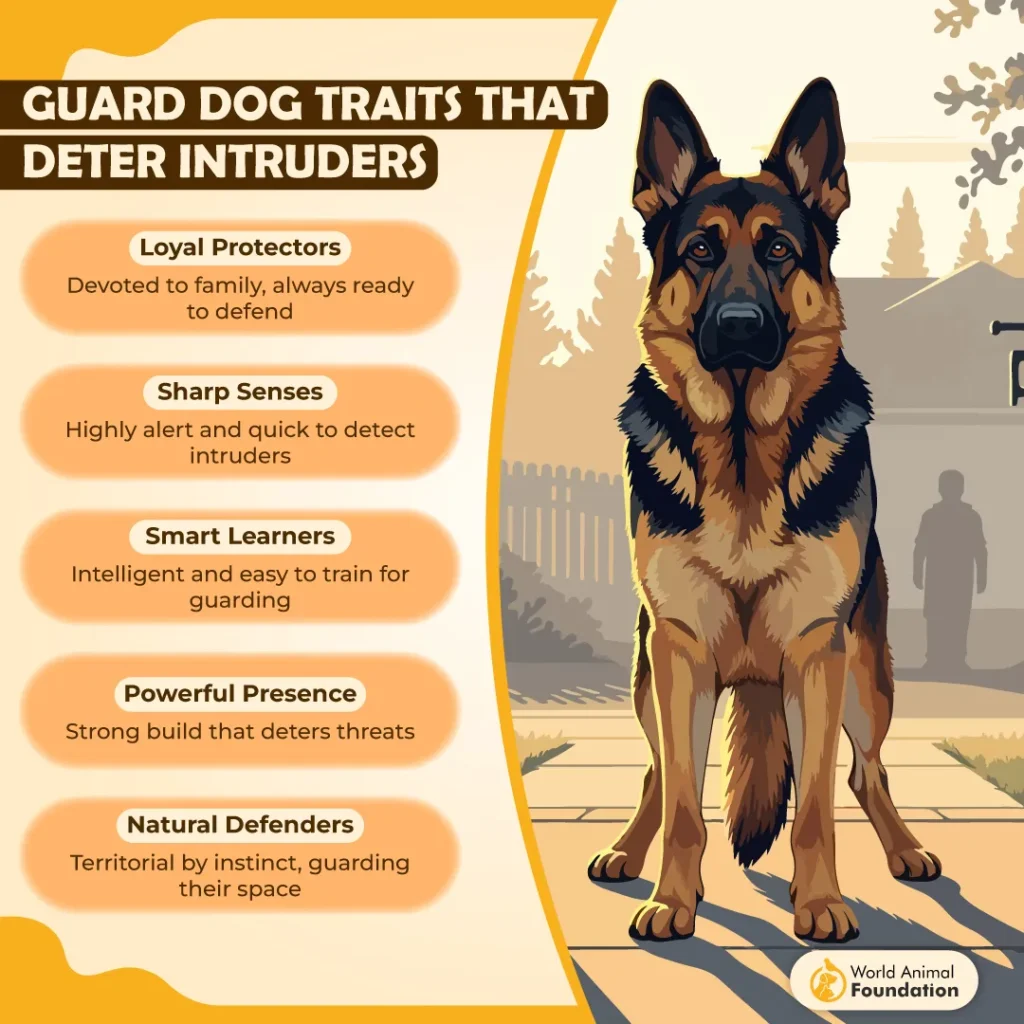
2. German Shepherd
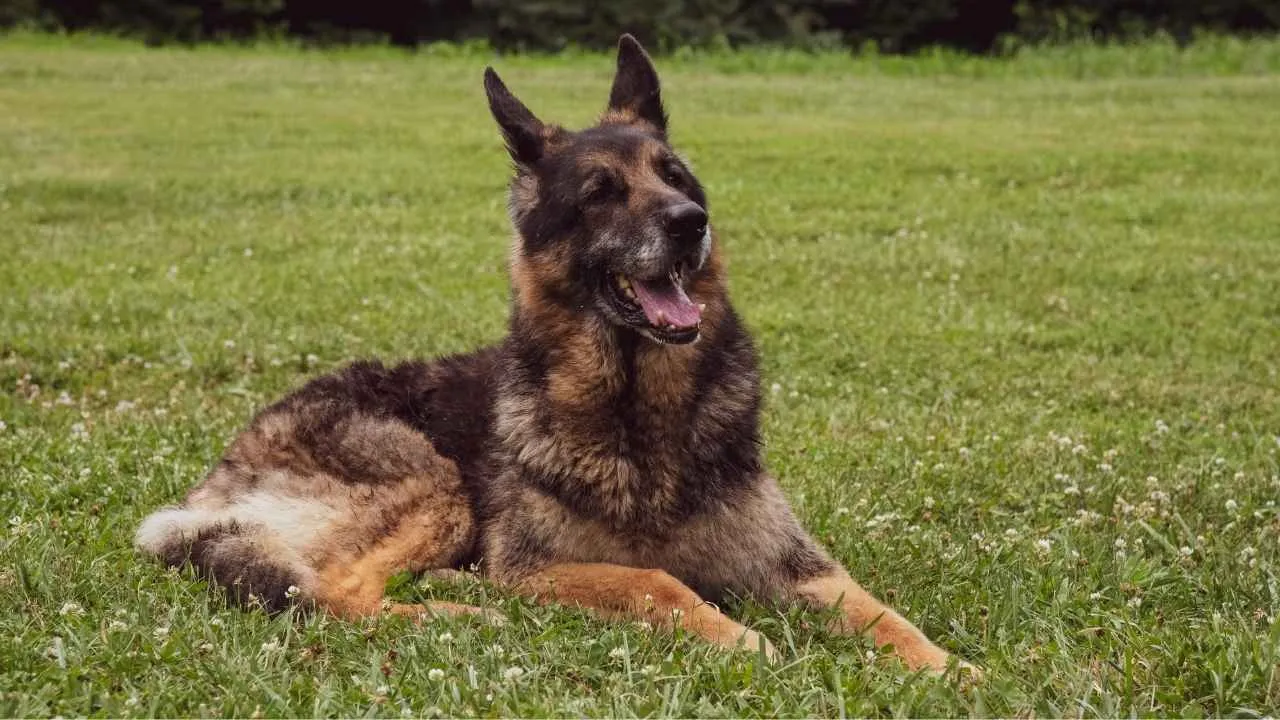
Some dogs bounce through life chasing whatever moves. A German Shepherd moves with intention. You can almost see the focus in their eyes as they take in every detail around them. This is a guard dog breed that thrives on purpose, not idle lounging.
Protective instincts come naturally thanks to their background as herders and guardians. Incredibly loyal to their family and often reserved with strangers, they stay tuned in to what is happening around them. Confidence and bravery are part of their everyday personality.
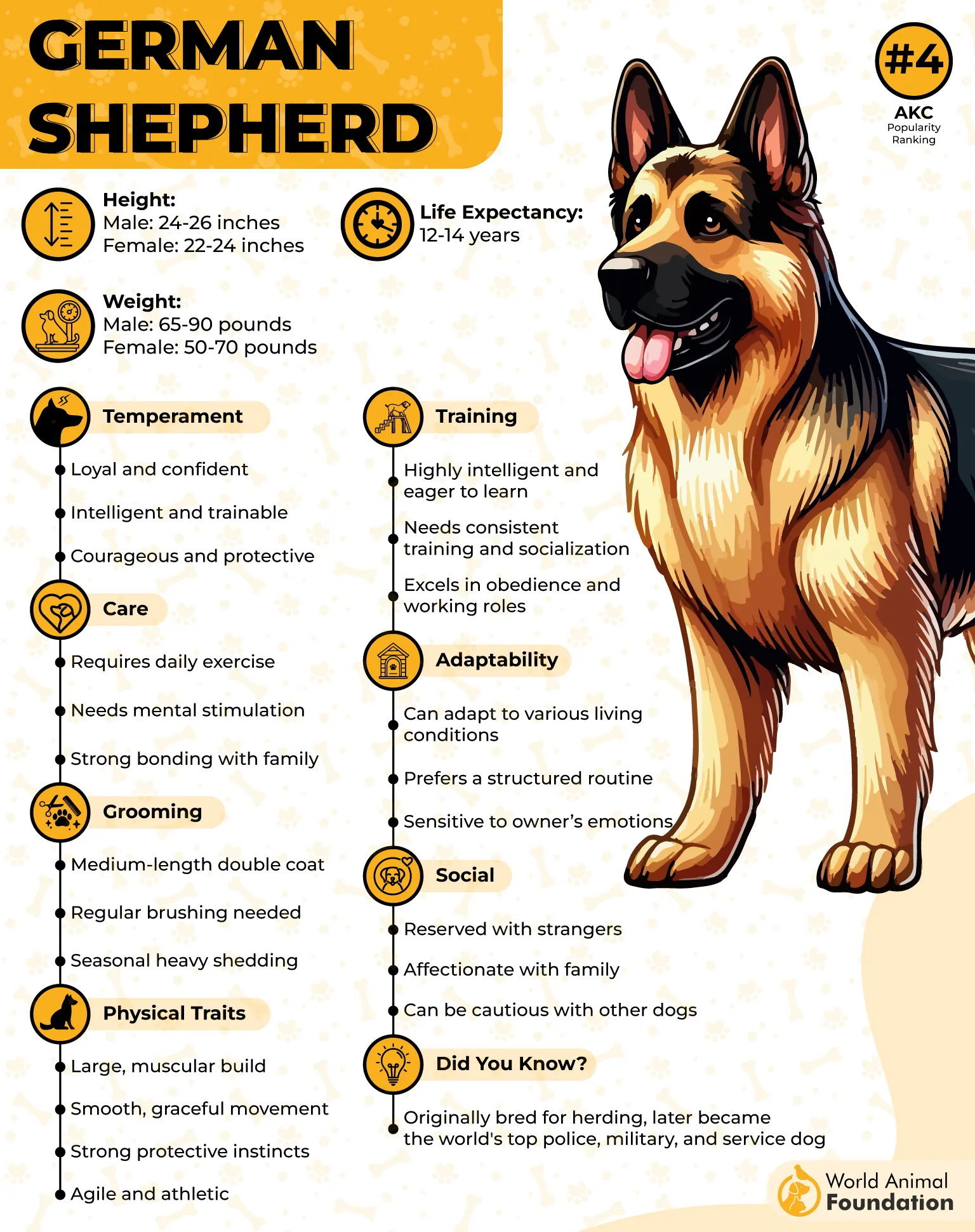
As noted by PetMD, early socialization and obedience training are essential for this breed. They thrive on consistency and positive reinforcement, learning quickly when expectations are clear. Structure helps channel their energy into steady, reliable behavior.
Special Considerations For this Breed
Requires substantial daily activity, or frustration and unwanted behaviors can develop.
Should be kept on leash or in secure areas due to strong drive to chase moving animals.
3. Bullmastiff
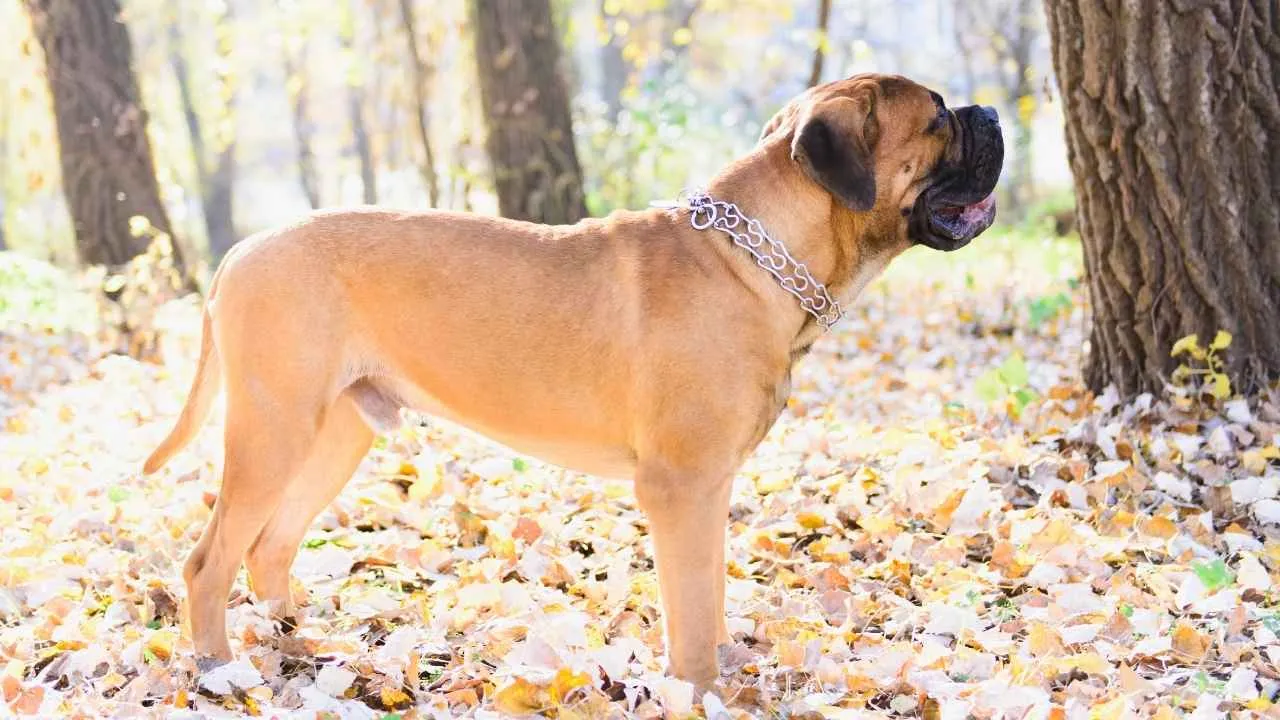
The Bullmastiff feels like the strong, silent type in dog form. Originally known as the Gamekeeper’s Night Dog, he was bred to track and hold intruders without unnecessary drama. Calm at home, fearless when needed, he carries that history with quiet confidence.
This muscular guardian forms deep attachments to his household and keeps a watchful eye without constant barking. He is reliable, steady, and not easily rattled. When something is out of place, he notices, and he does not hesitate to step forward.
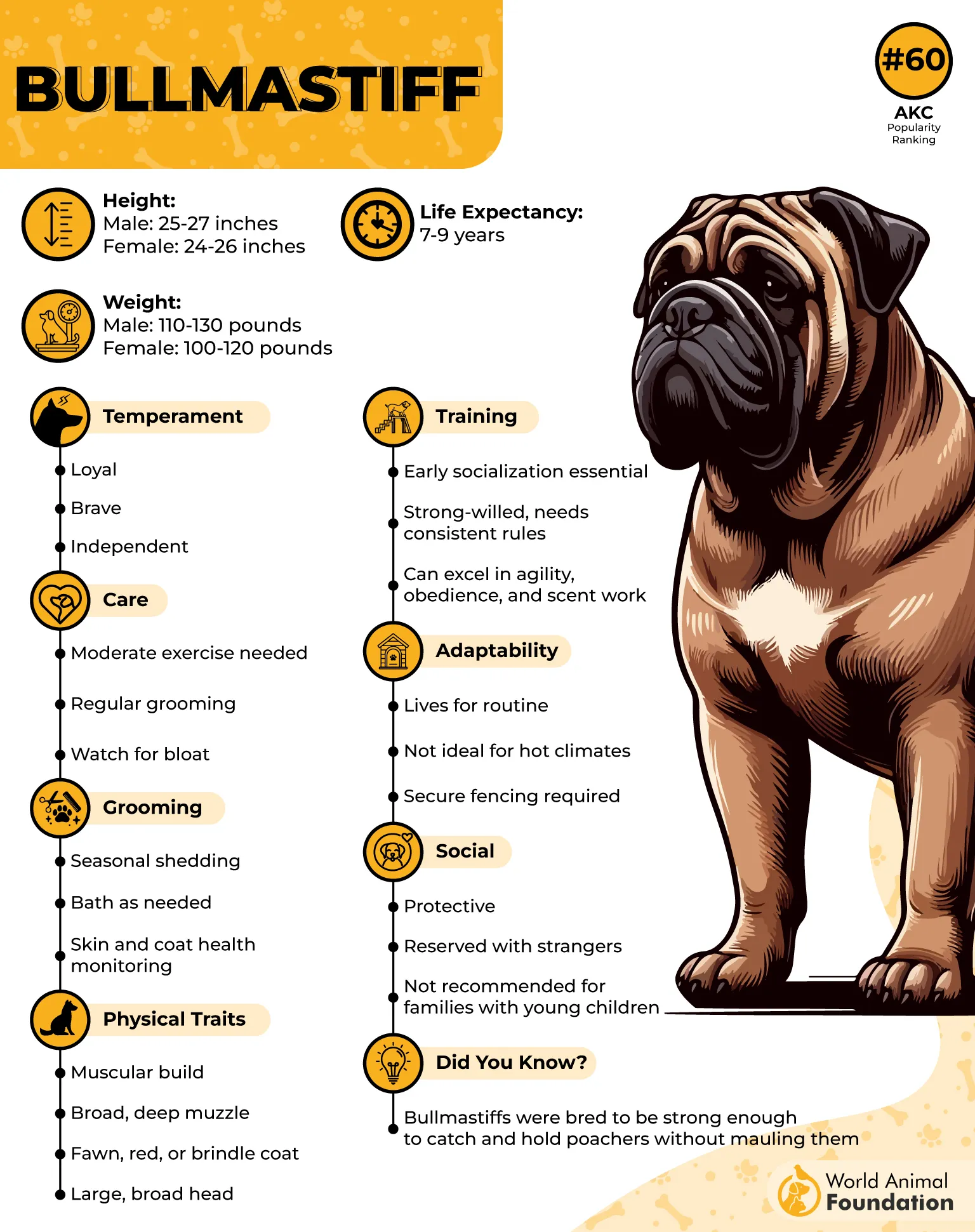
Living with other dogs requires thoughtful introductions. Secure fencing is important, since this breed takes territory seriously. Clear routines and early training set expectations that help this strong-willed dog grow into a balanced adult.
Special Considerations For this Breed
Rapid growth in puppyhood means exercise should be moderate, not excessive.
Coat and skin should be monitored for dryness or oiliness, which can relate to diet or allergies.
4. Great Dane
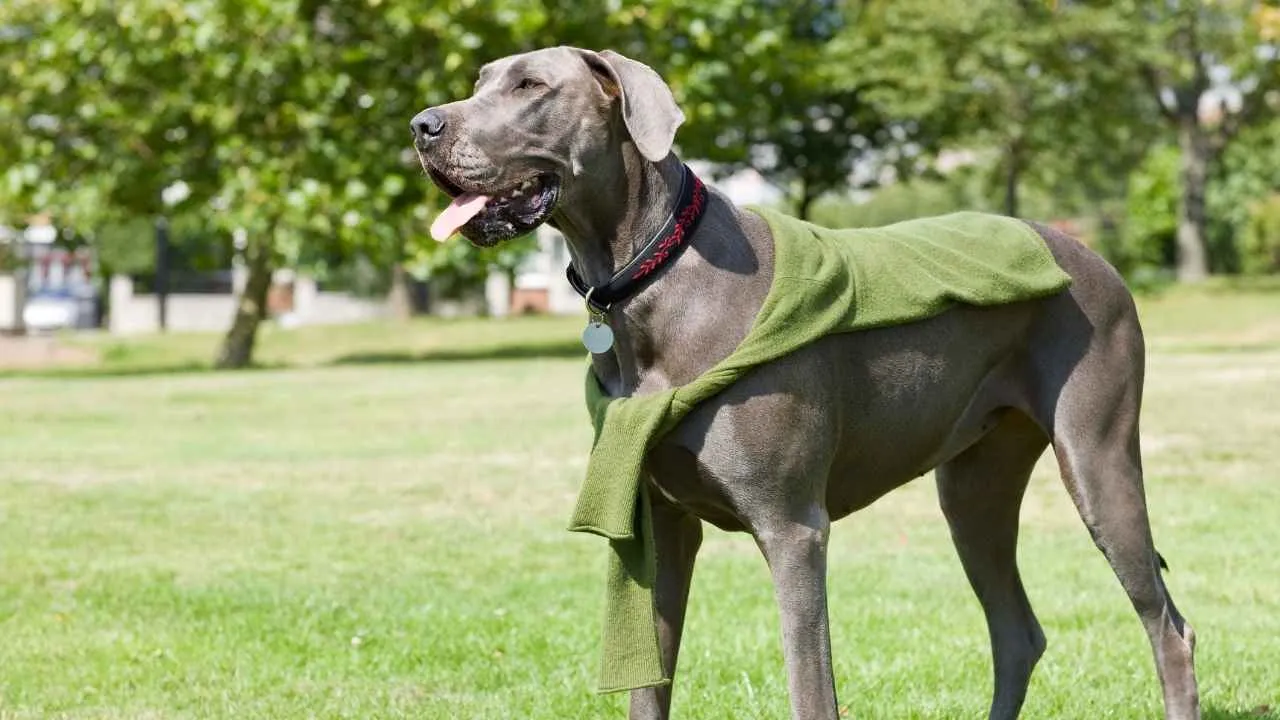
The Great Dane does not need to bark to make an intruder rethink their plans. Recognized by the AKC in 1887, this towering guardian has long protected estates while somehow remaining a total softie with family. It is an impressive combination.
Often called a gentle giant, Danes are friendly, patient, and eager to please. They enjoy human company and typically do well with children when properly socialized. Beneath that grand appearance is a protective dog who genuinely loves being close to their people.
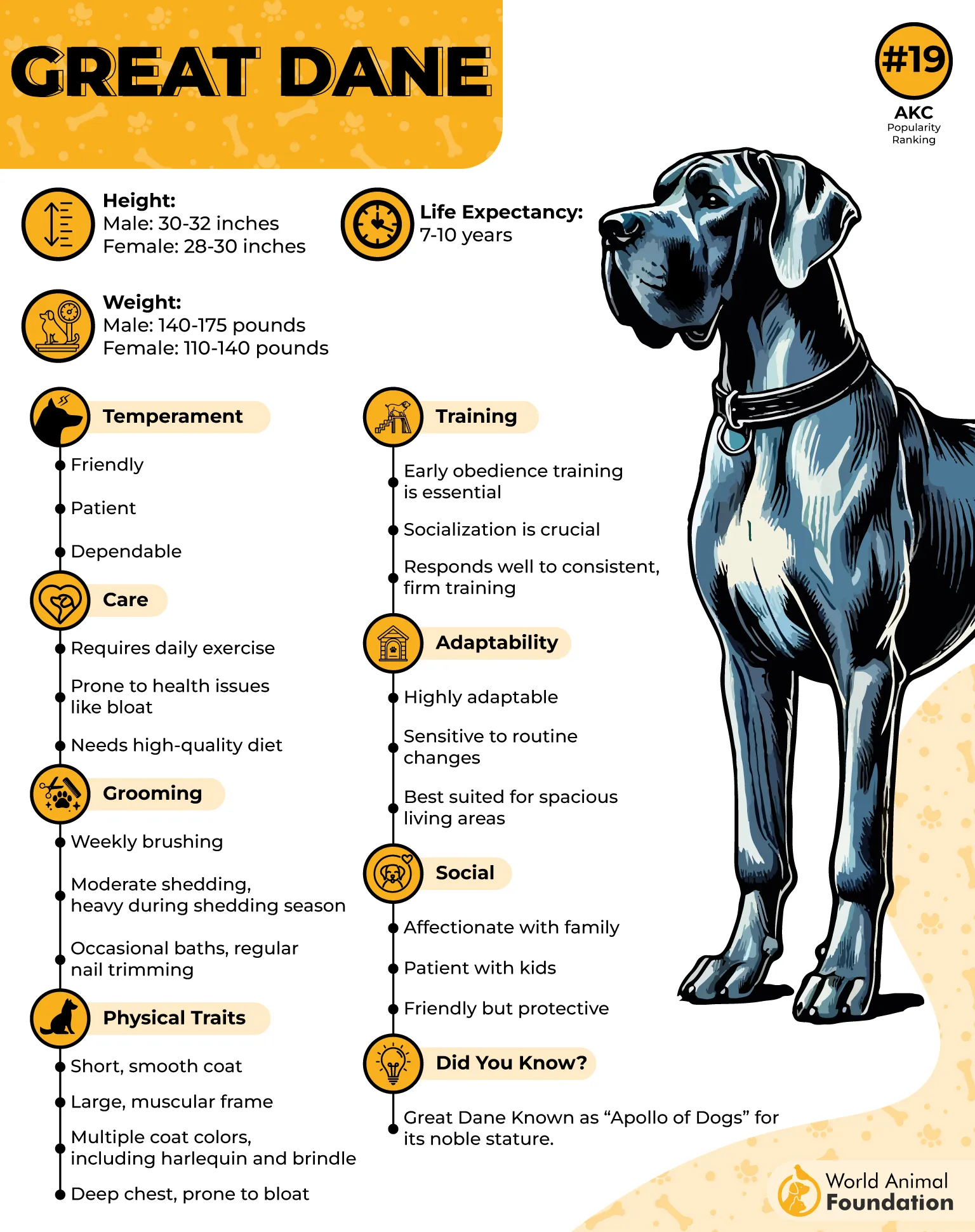
When faced with something suspicious, their sheer presence speaks volumes. Alert by nature, they stand tall and steady, and that alone is often enough to send unwanted visitors in the opposite direction. Courage sits quietly behind those calm eyes.
Special Considerations For this Breed
Short coat requires regular brushing, and shedding can still be noticeable due to their size.
Early socialization is important to prevent timidity or anxiety in unfamiliar situations.
5. Akita
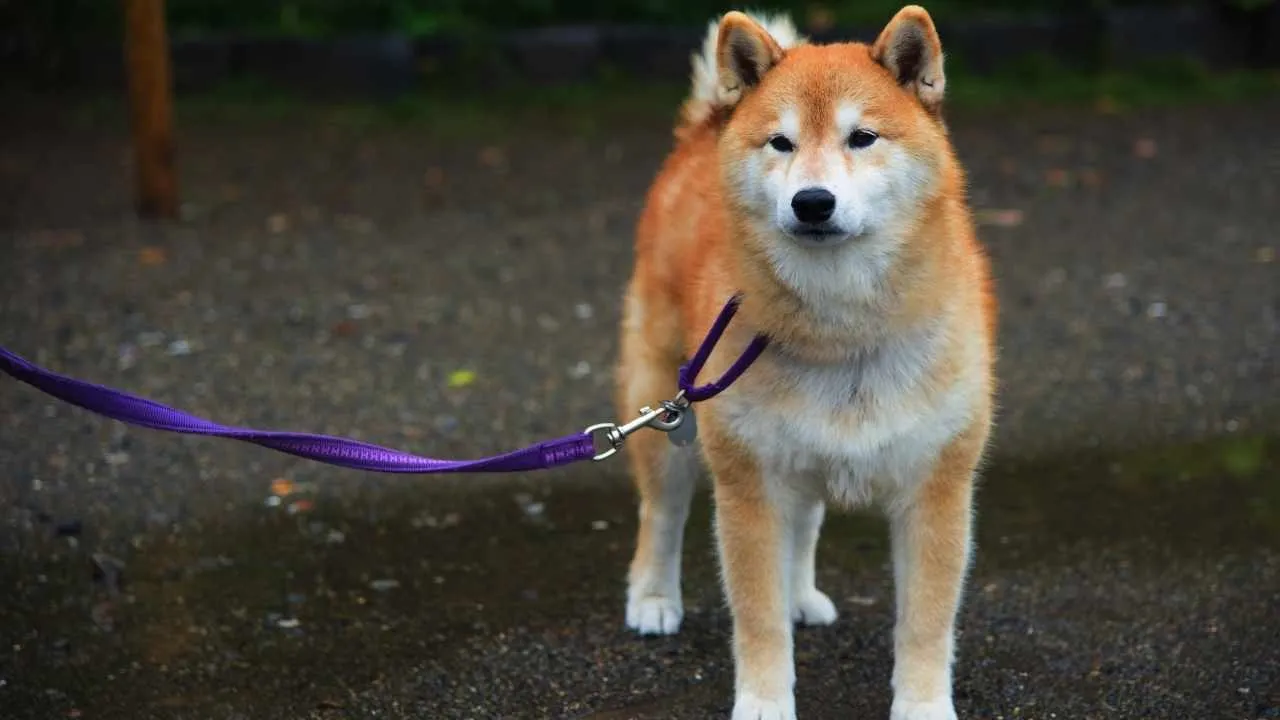
An Akita does not flutter around the front door making noise. This is the strong, quiet type who simply plants their paws and watches. Originally bred as a hunting and guarding dog in Japan, the Akita carries a serious, no-nonsense presence.
In the snowy mountains of Japan, these dogs tracked large game and later guarded homes and livestock. They were once associated with nobility and even became cultural symbols of health and long life. That heritage still shapes their composed, watchful character.
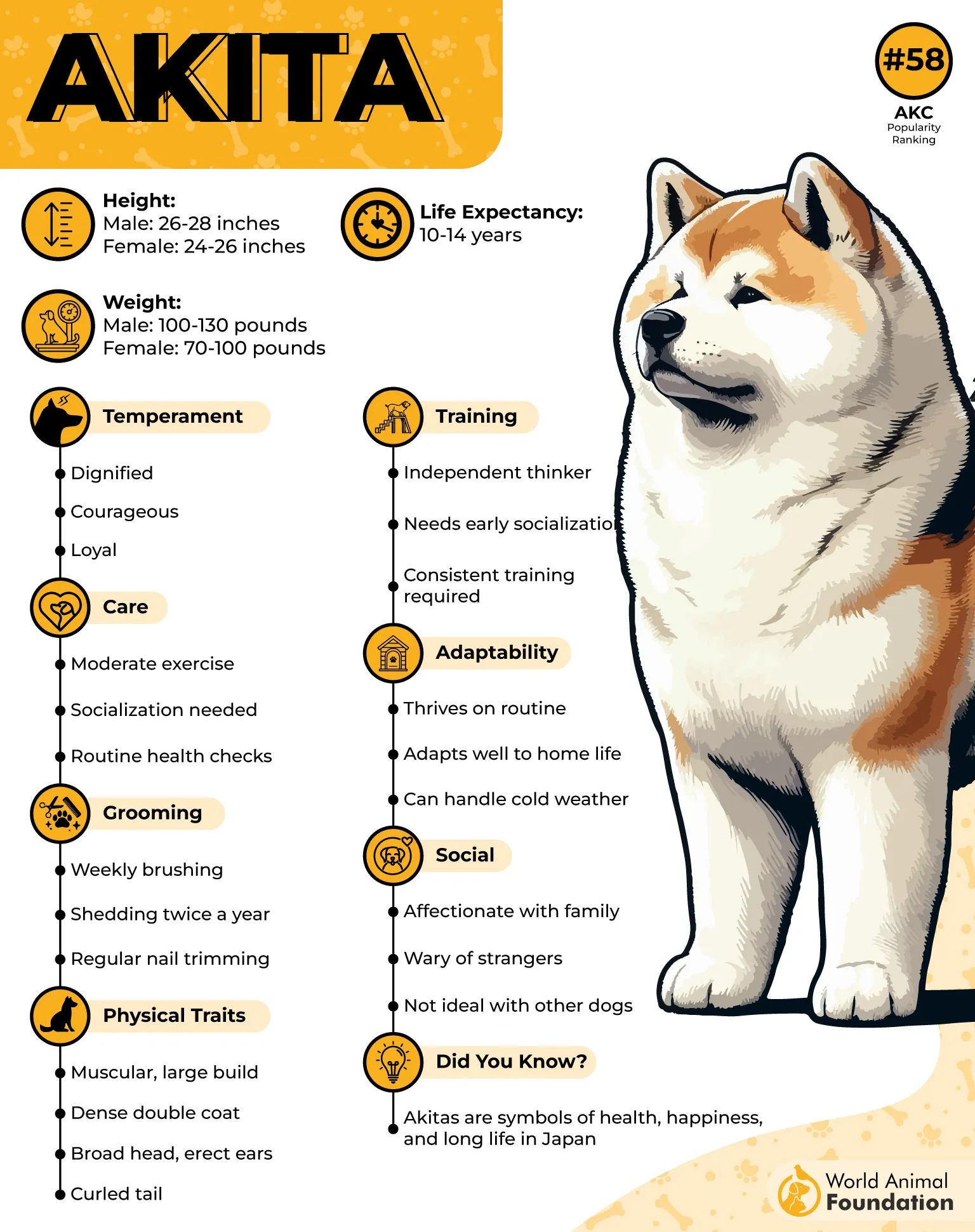
Inside their circle, Akitas are deeply devoted and bond closely with their people. They are calm, often reserved, and prefer interaction on their own terms. Supervision is important around young children, and smaller animals may trigger their natural prey drive.
Special Considerations For this Breed
Sensitive to heat because of their thick double coat and do better in cooler climates.
May prefer being the only pet due to strong prey drive e.
6. Australian Shepherd
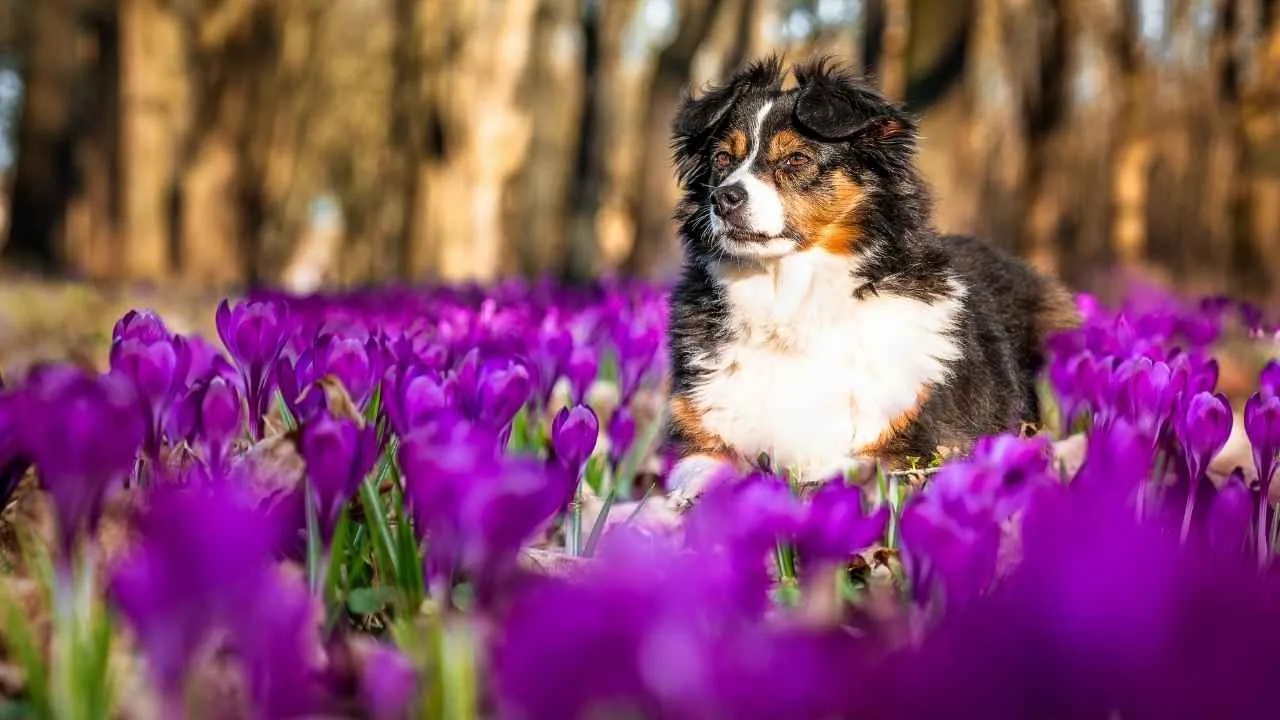
The Australian Shepherd is the dog who notices everything. A leaf moves, a kid runs, a gate creaks, and they are already calculating. Bred as a ranch hand and closely tied to cowboy culture, this brainy worker thrives on having something to do.
Smart, exuberant, and intensely work-oriented, Aussies bond closely with their people. They may bark at strangers and can act territorial over property. Many are excellent watchdogs, though they typically lack the deep guarding instincts of traditional protection breeds.
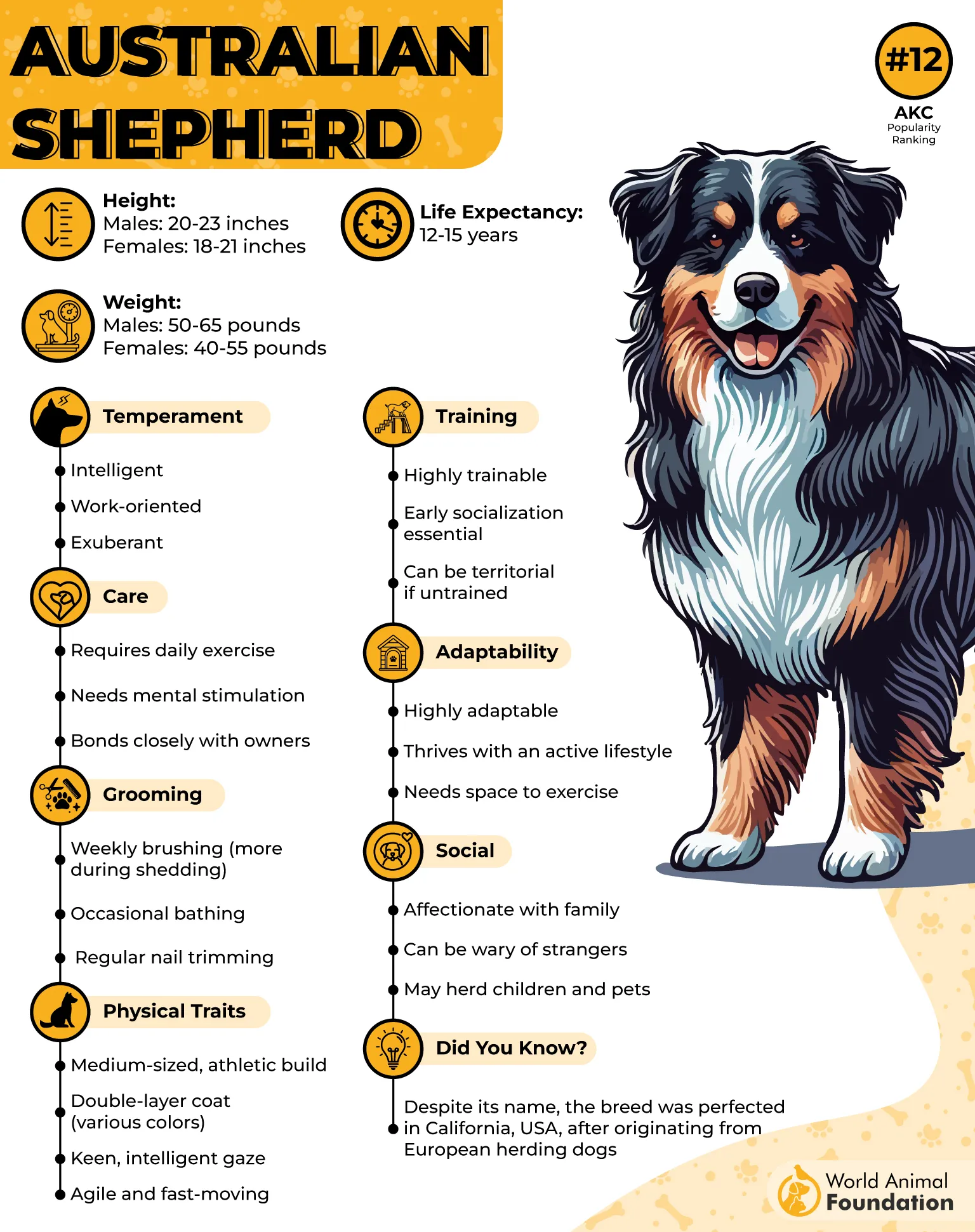
As mentioned by Purina, the Australian Shepherd does not need a lavish interior, but a large, secure garden is important. They thrive with access to varied walks and safe outdoor spaces for running and training, and may feel overwhelmed in busy cities.
Special Considerations For this Breed
A strong herding impulse can lead to nipping behaviors toward children if not managed.
Ears should be checked regularly to avoid wax buildup and foreign debris.
7. Giant Schnauzer
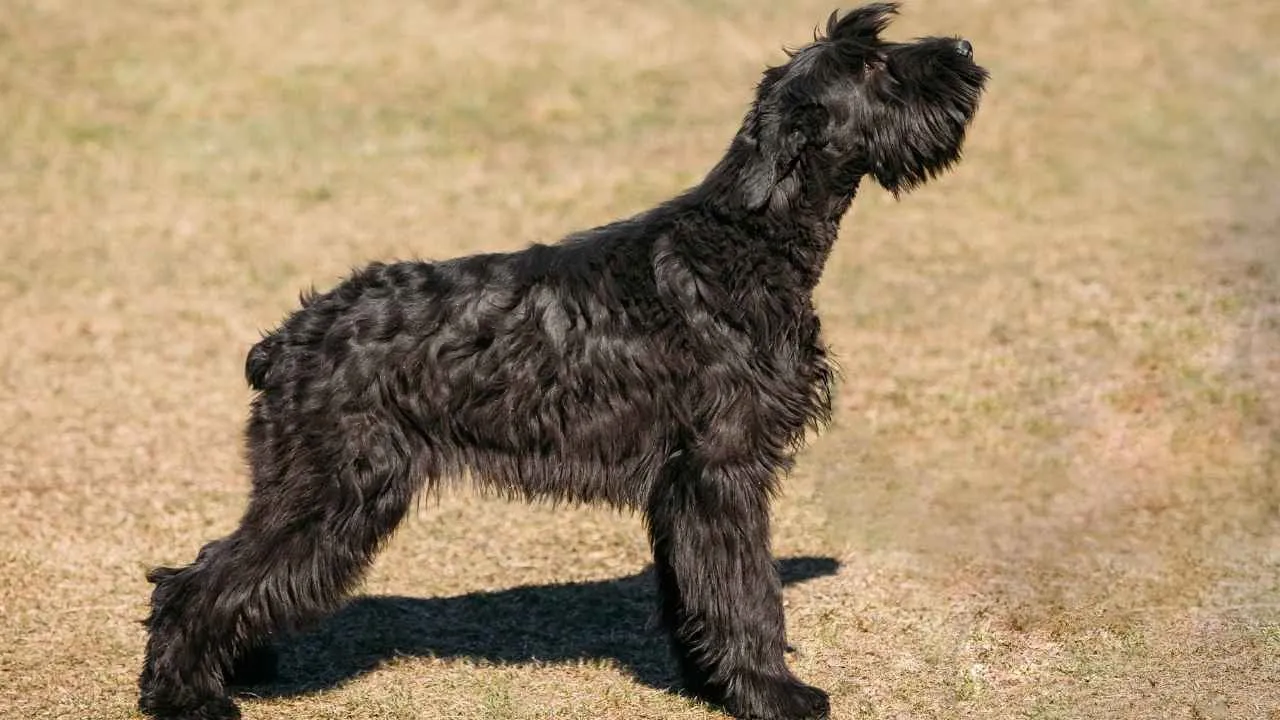
The Giant Schnauzer walks into a space like they already own it. Bold eyebrows, bristled beard, sharp eyes, this is not a background character. Developed in Germany as a farm guardian and cattle driver, the breed takes responsibility seriously.
Protecting home and family sits at the core of this breed. They are deeply loyal and instinctively territorial, often wary of unfamiliar faces. Alert and vigilant, they will sound the alarm quickly if something seems out of place.
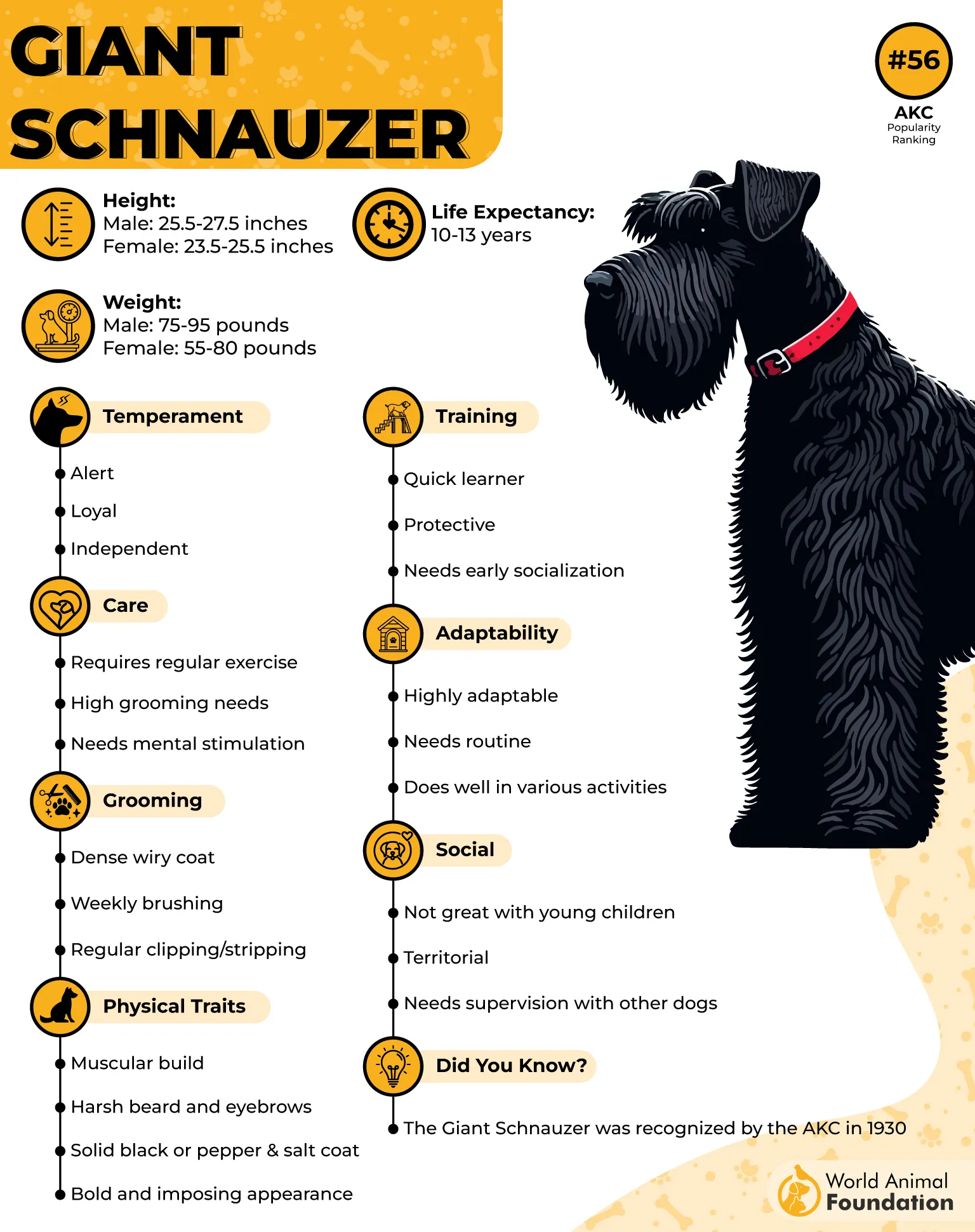
Proper socialization from puppyhood is crucial to prevent excessive suspicion. Introducing them early to varied people and situations helps create a balanced adult. Without that exposure, their natural guarding instincts can become overwhelming or misdirected.
Special Considerations For this Breed
Wiry coat requires regular professional grooming to maintain texture and prevent matting.
Requires firm, consistent training due to strong will and high intelligence.
Conclusion
A great guard dog is not just about size or a serious stare. It is about instinct, loyalty, awareness, and that steady presence that makes you feel safe the moment they settle beside you. Some breeds are bold and territorial. Others are alert watchdogs who sound the alarm before things escalate.
The real question is not which breed looks the toughest. It is the one that fits your home, your lifestyle, and your ability to train and guide them responsibly. When the right match happens, you do not just gain protection. You gain devotion, trust, and a partner who stands with you every single day.
