




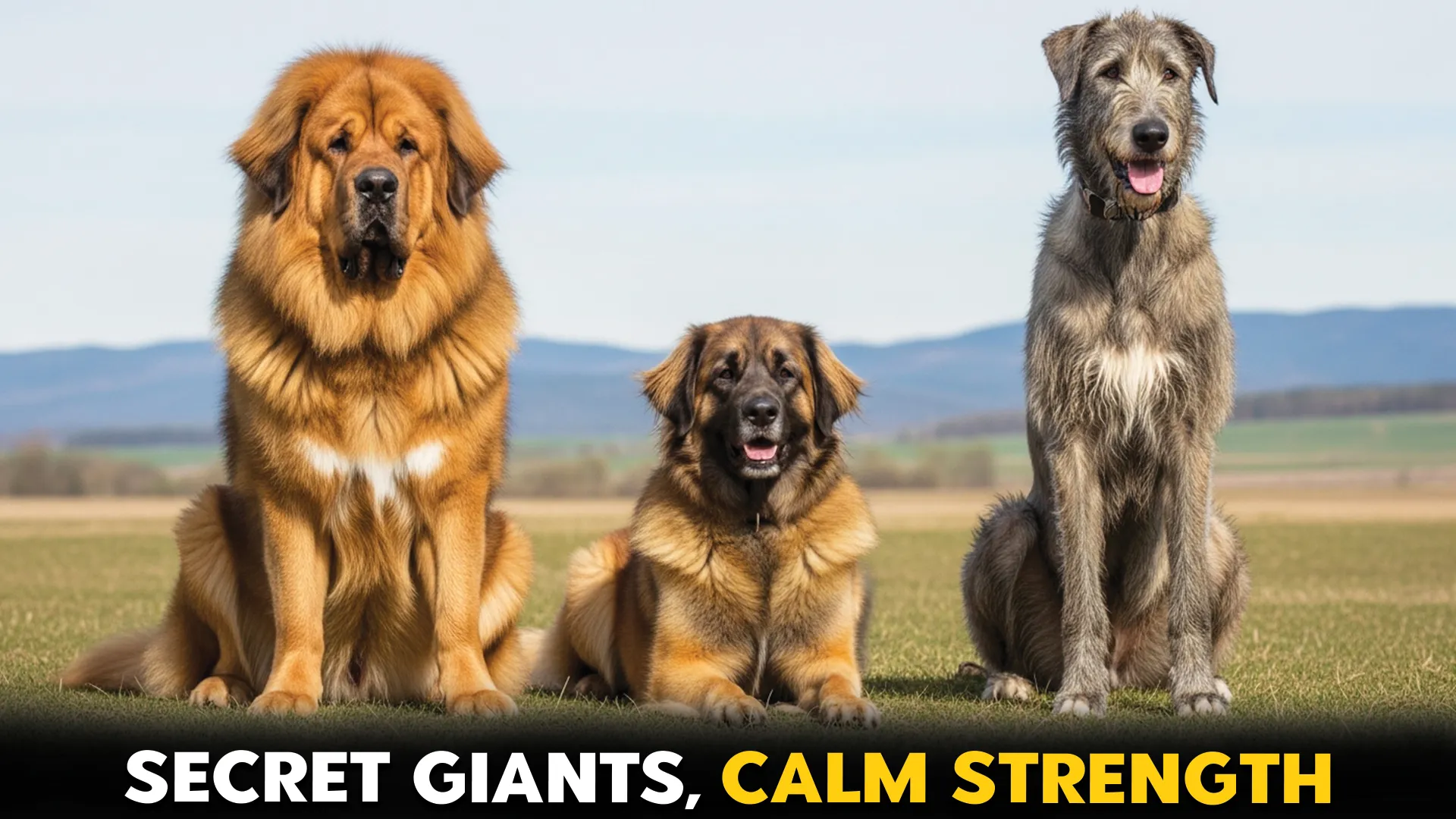
Giant dogs often look intimidating at first glance, but many of them are among the calmest companions you could ever meet. Several giant breeds were historically developed as guardians or rescue dogs, roles that required steadiness rather than chaos. Size may turn heads, but temperament is what truly defines these gentle giants.
If you imagine giant dogs as hyperactive wrecking balls, prepare to be pleasantly surprised. Many were bred for endurance, protection, or rescue—jobs that demand composure and clear thinking. Let’s explore seven massive yet mellow breeds that balance strength with serenity.
Secret Giant Dog Breeds That Combine Size and Calmness
1. Tibetan Mastiff
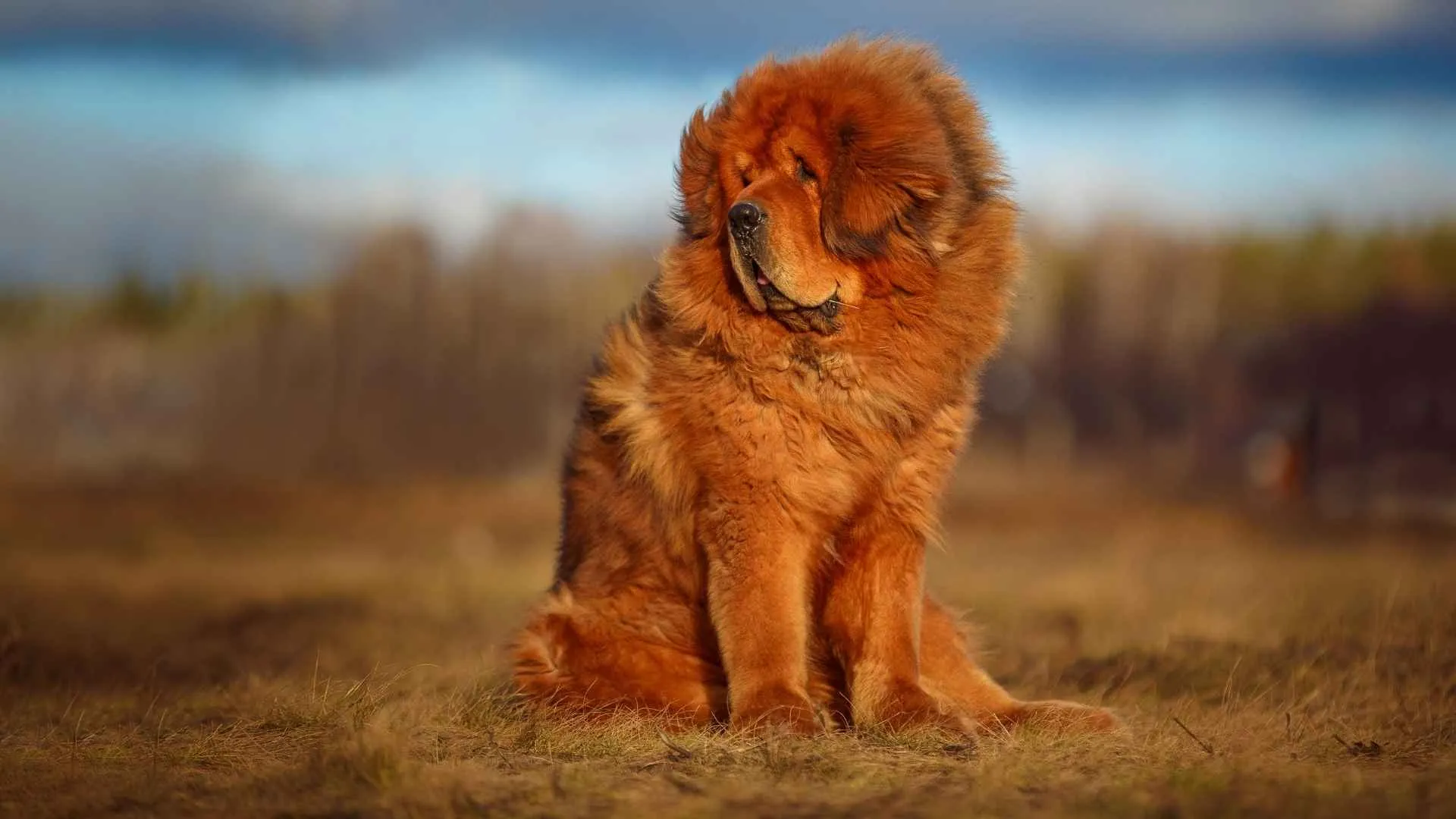
The Tibetan Mastiff is one of the oldest guardian breeds, with origins tracing back thousands of years in the Himalayan region. They are known for a calm and dignified demeanor.
They were originally bred to guard monasteries and livestock in remote mountain villages. This required independent thinking and patience rather than constant movement. Their temperament today still reflects that steady, observant nature.
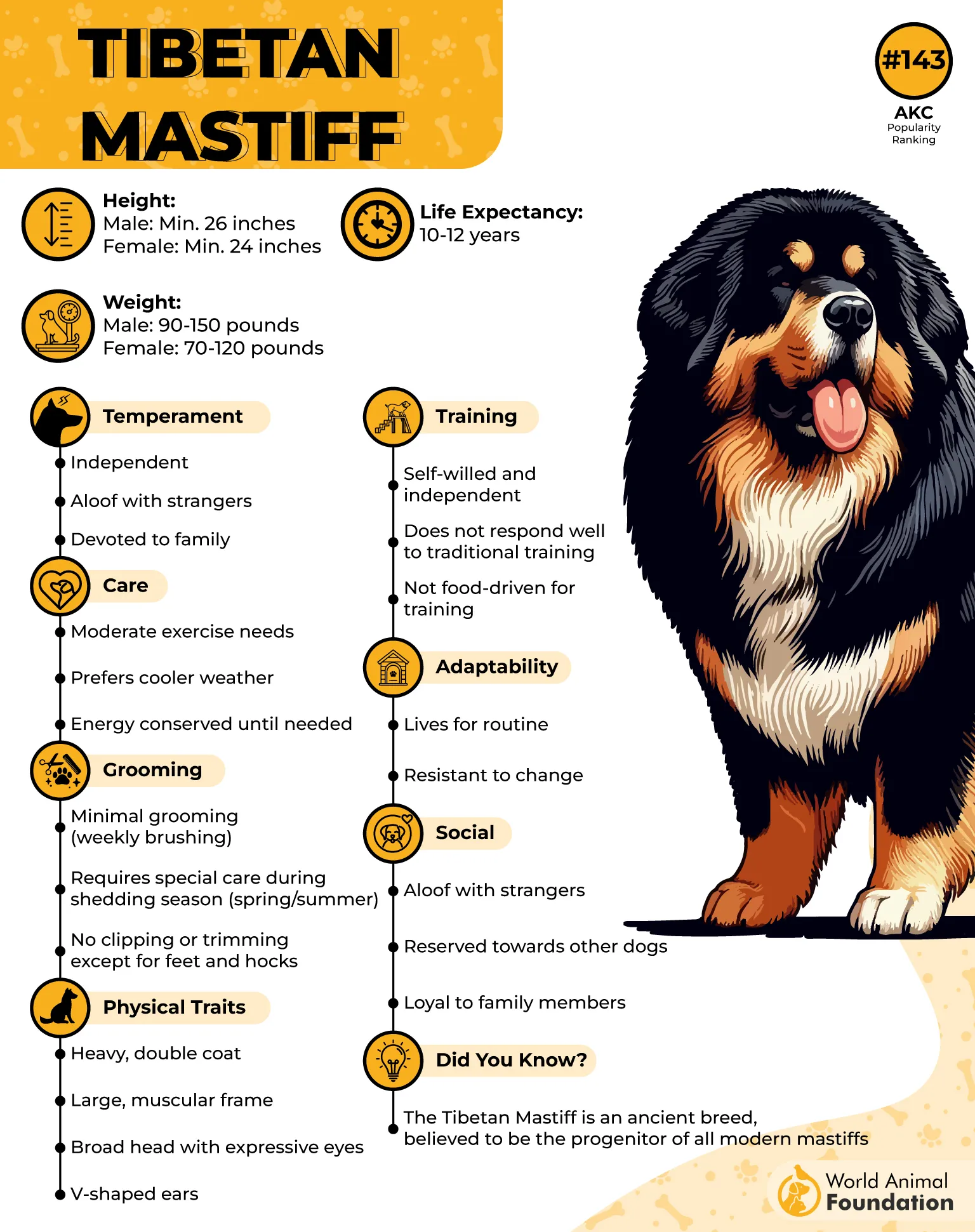
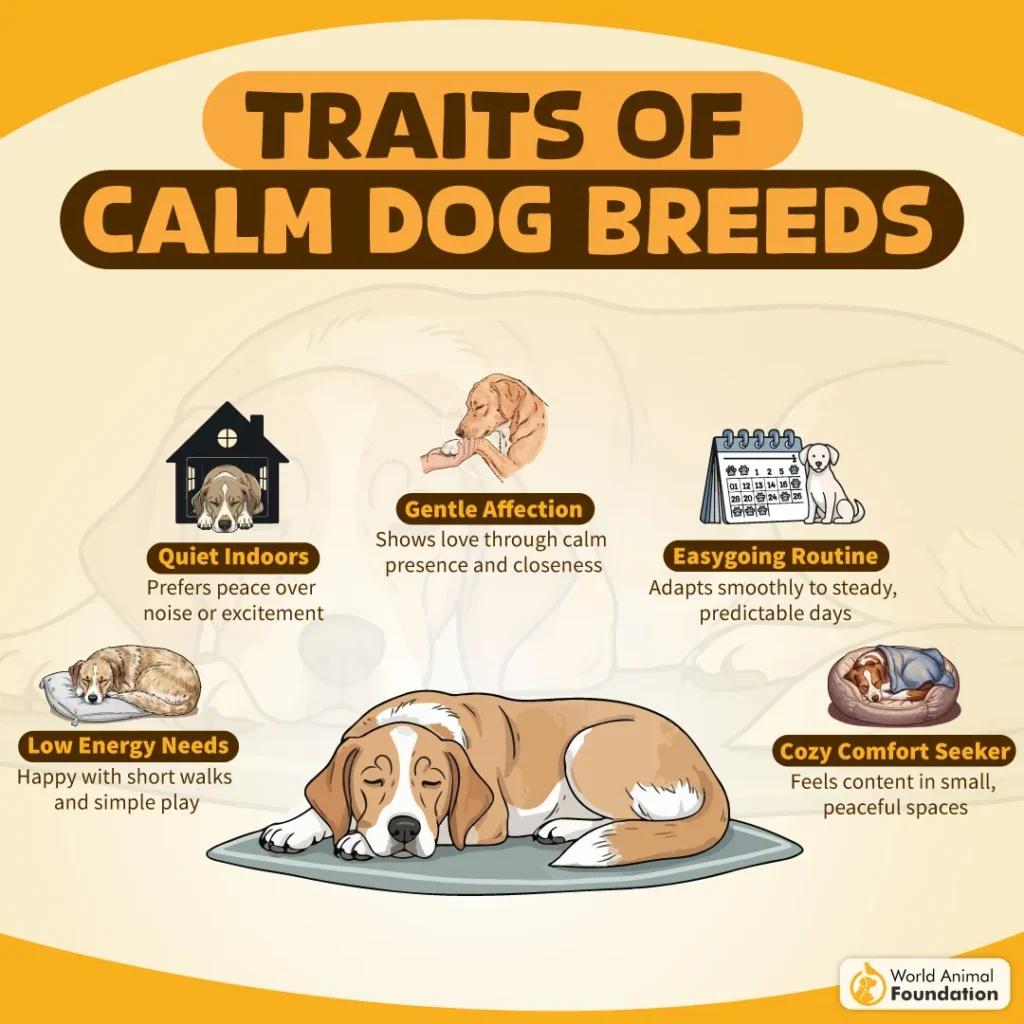
Greencross Vets mentions that their calmness is often described as dignified and composed. Indoors during the day, many Tibetan Mastiffs are surprisingly relaxed and quiet. They are not hyperactive or constantly seeking stimulation like high-drive working breeds.
However, their calm nature does not mean passive. They are deeply territorial and naturally protective. If they perceive a threat, they switch from calm observer to serious guardian very quickly — which is why early socialization and experienced ownership are crucial.
This large dog breed is typically quiet indoors during the day. Nonetheless, these dogs may become more alert at night, reflecting their historical role as guards. This nocturnal watchfulness adds to their composed but protective personality.
They are deeply loyal to their families but aloof with strangers. Early socialization is essential to maintain balanced behavior. Their calm presence often serves as a deterrent without resorting to unnecessary aggression.
2. Leonberger
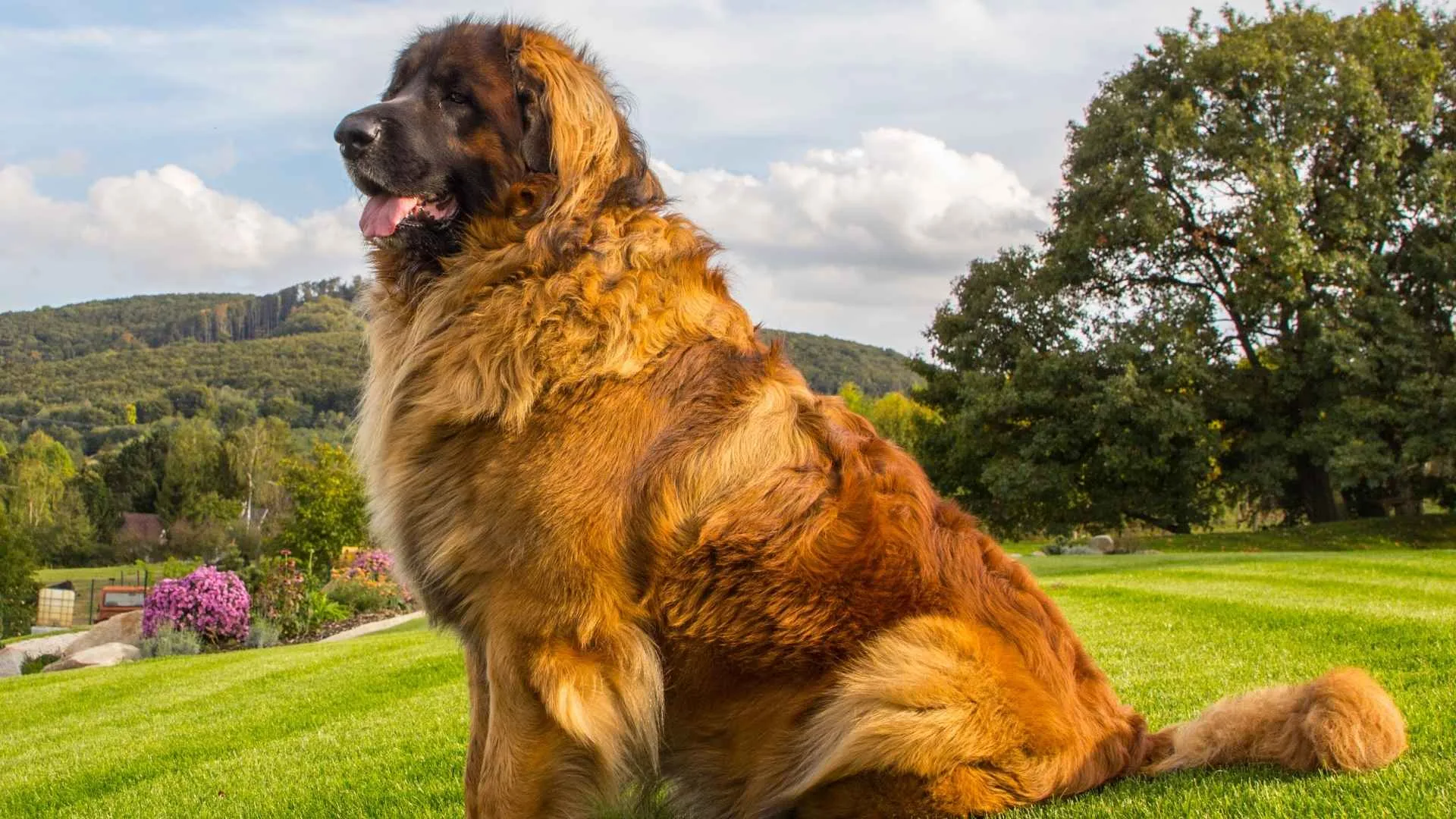
The Leonberger originated in Germany in the 19th century and was bred to resemble a lion. Despite their massive size, they are known for their gentle, easygoing nature.
They are often described as placid and even-tempered. They were historically used for cart pulling and water rescue, which required focus and composure. That working background contributes to their calm disposition today.
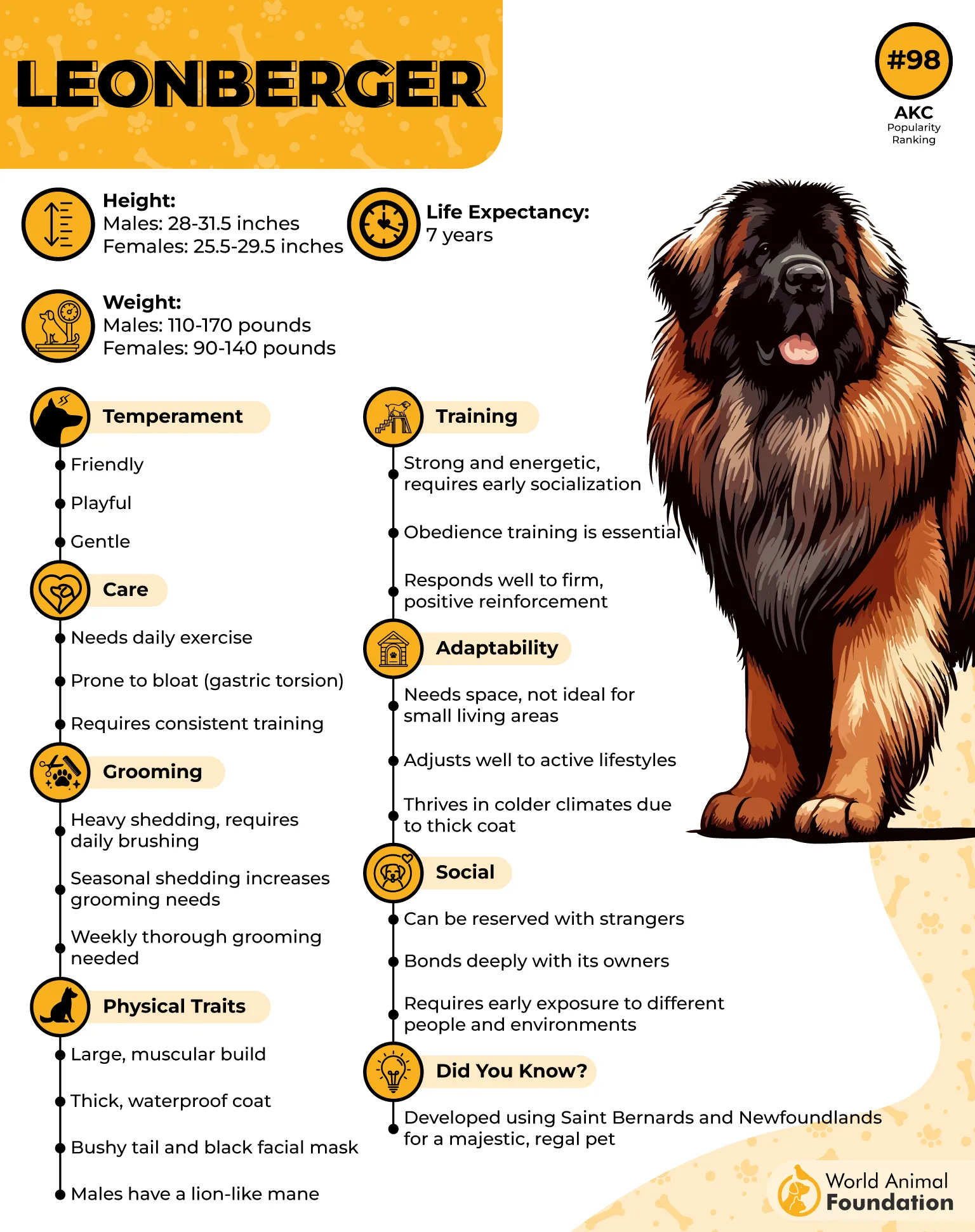
These gentle breed dogs are highly intelligent and responsive to training, according to Omlet. While active outdoors, they are generally relaxed indoors. Their ability to shift between activity and rest makes them versatile companions.
They typically get along well with children and other pets when socialized properly. Their steady temperament makes them less reactive than many smaller breeds. However, their size requires consistent training from puppyhood.
Even though they are calm and even-tempered indoors, their sheer physical size makes tight spaces challenging. A small living room can feel even smaller when a Leonberger stretches out for a nap.
They are generally not ideal for apartment living, though it’s not impossible under very specific conditions.
3. Irish Wolfhound
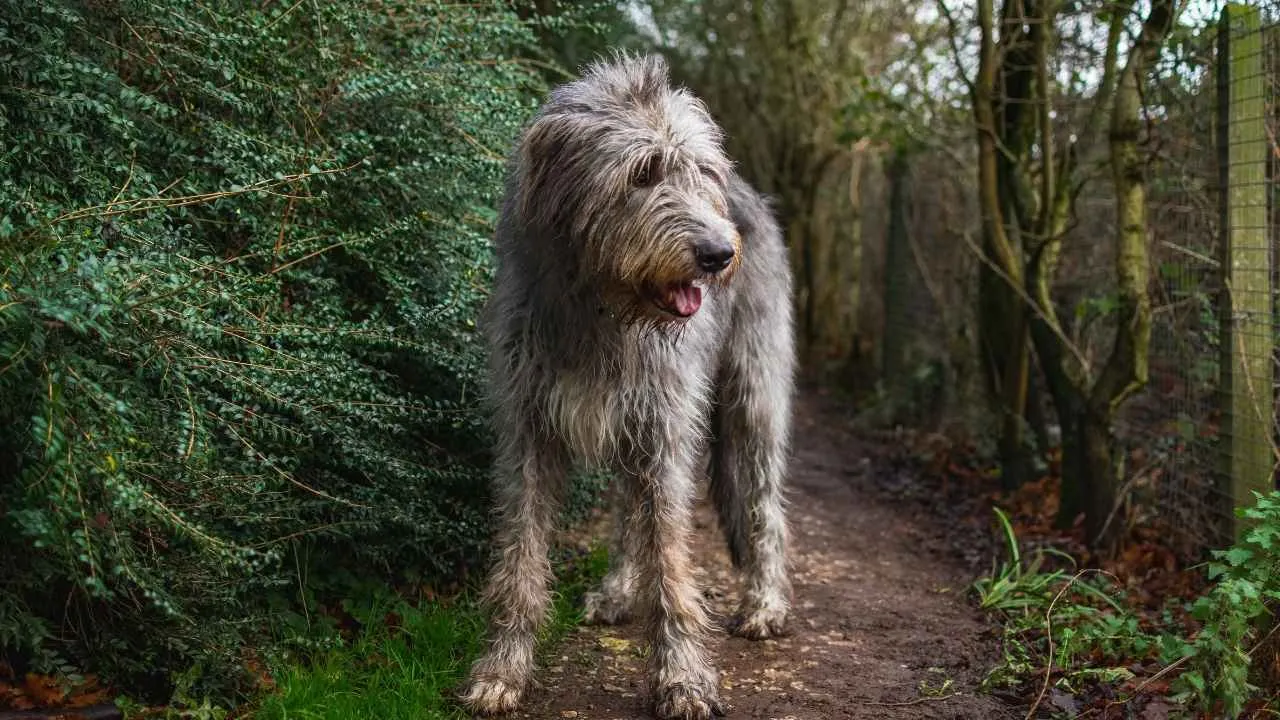
The AKC recognizes the Irish Wolfhound as the tallest of all registered breeds. Despite their history as wolf hunters, they are famously gentle.
Originally bred in Ireland for big-game hunting, they required courage and control. Today, they are known as calm, dignified, and affectionate companions. Their demeanor is often described as serene rather than aggressive.
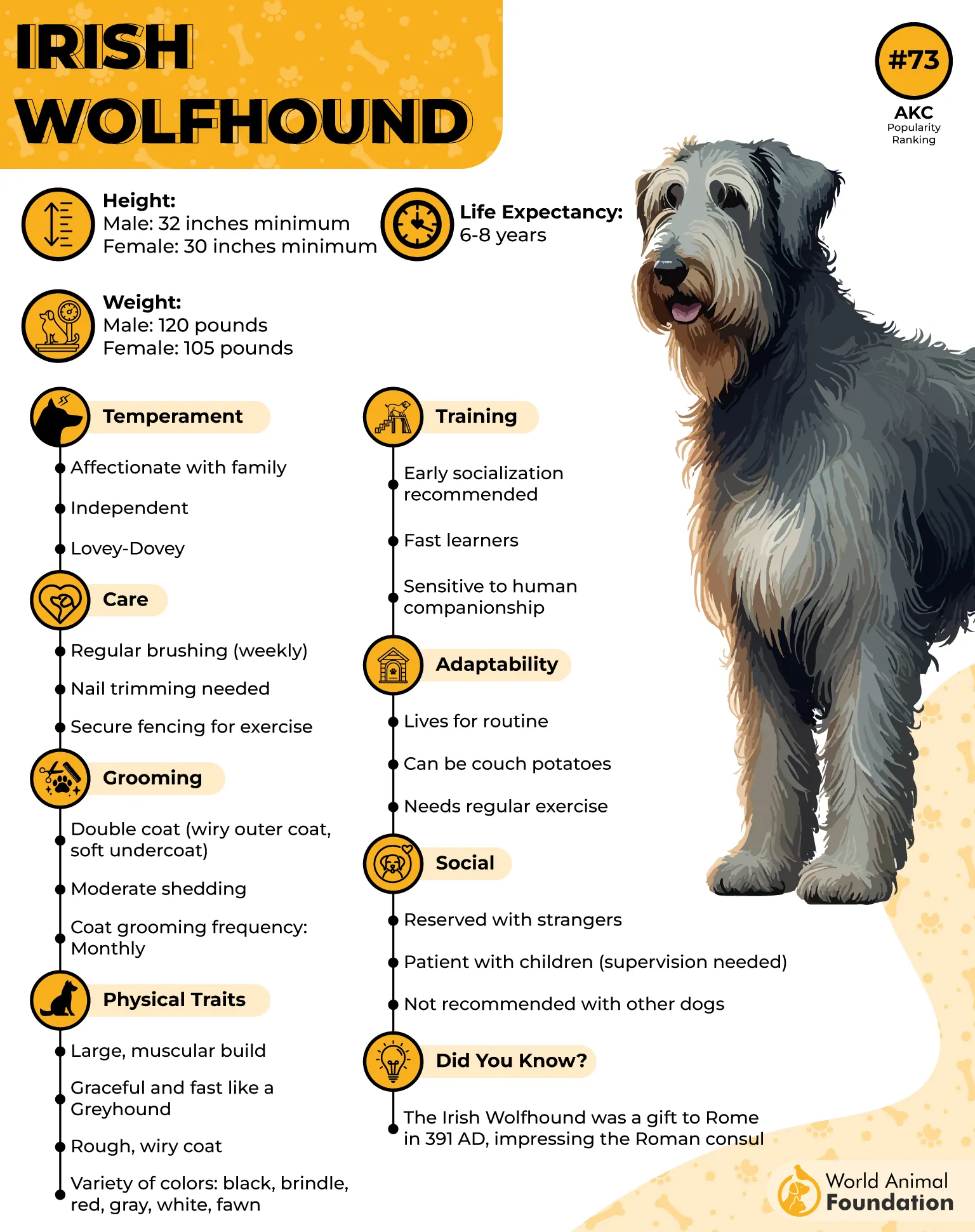
This Reddit thread talks about the temperament of this Wolfhound in detail!
They form strong bonds with their families. They are generally friendly toward other dogs when properly socialized. Their sheer size provides natural intimidation without excessive barking. In the home, they are typically quiet and easygoing. They are known for being especially patient with children when properly socialized.
Many owners describe them as sensitive and emotionally aware, often leaning gently against their humans for comfort. They are friendly or politely reserved with strangers rather than suspicious or aggressive. Their sheer presence may deter intruders, but temperamentally, they are more gentle giants than fierce protectors.
They require moderate daily exercise but are not hyperactive indoors. A couple of long walks and space to stretch usually suffice—their calm demeanor in the indoor setting surprises many first-time observers.
4. Great Pyrenees
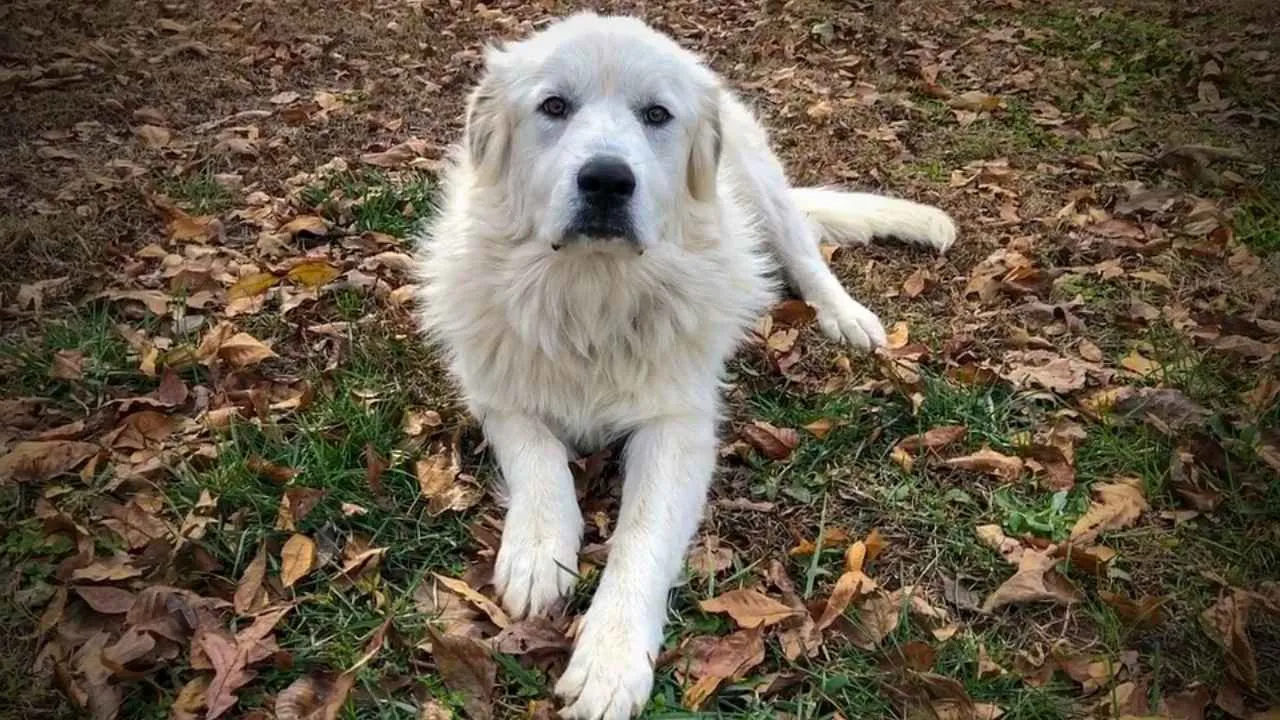
The Great Pyrenees was developed as a livestock guardian in the Pyrenees Mountains between France and Spain. Adults commonly weigh 85–120 pounds. Their calm, confident posture reflects centuries of independent guarding.
These dogs were bred to think independently while protecting flocks from wolves. That history explains their steady and patient demeanor. They are rarely frantic or overly excitable.
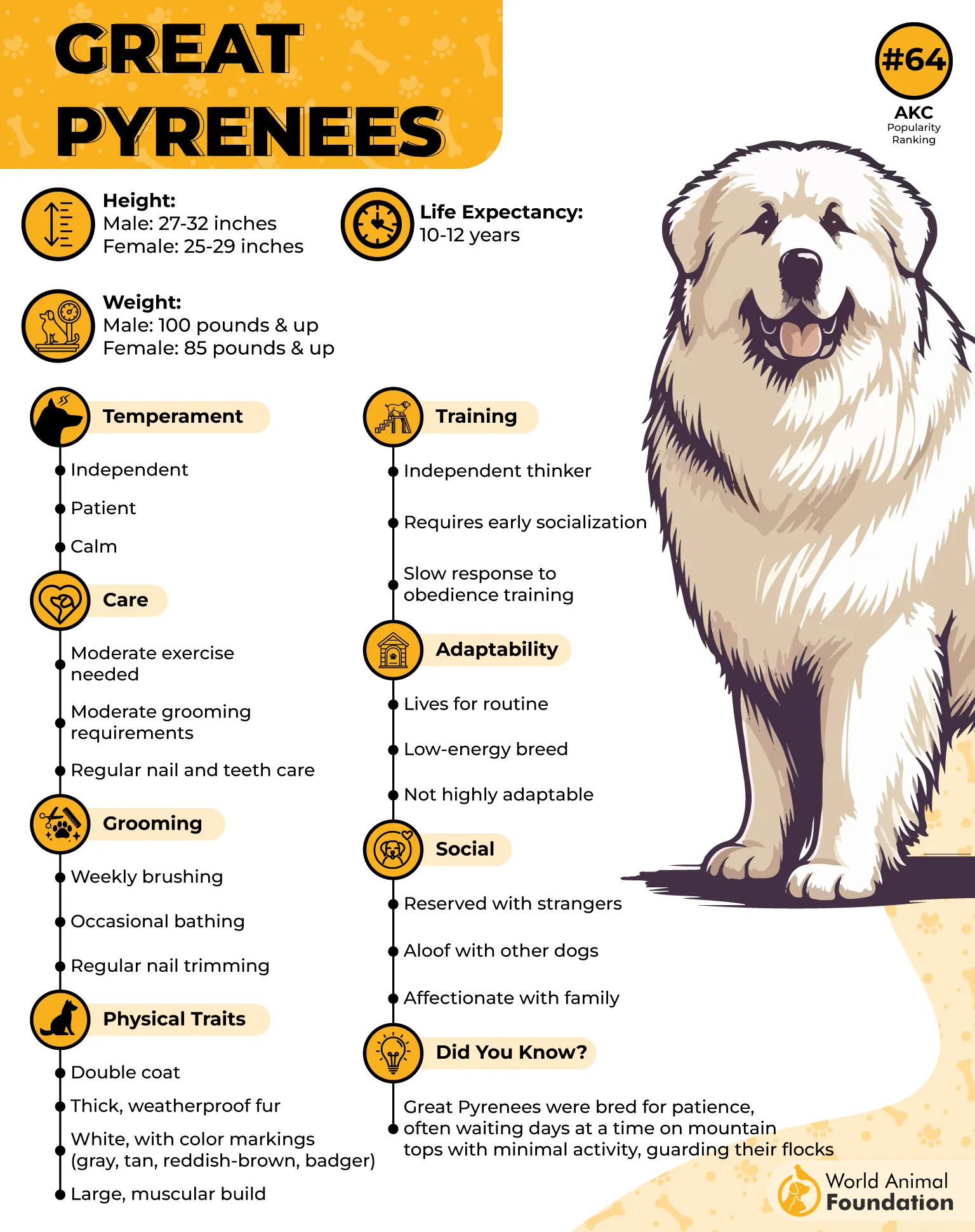
Great Pyrenees are affectionate with their families and often gentle with children. They tend to be protective but not impulsively aggressive. Early socialization ensures appropriate responses to strangers.
Indoors, they are typically calm and quiet. Outdoors, they may patrol their territory with composed vigilance. Their energy level is moderate rather than intense.
They are deeply loyal to their families and naturally territorial. They may bark at night to alert owners to unusual activity—a trait rooted in their heritage as livestock guardians. However, they are not attack dogs. They are defensive guardians, meaning they protect rather than pursue.
Proper socialization helps them distinguish between normal visitors and genuine threats.
5. Neapolitan Mastiff
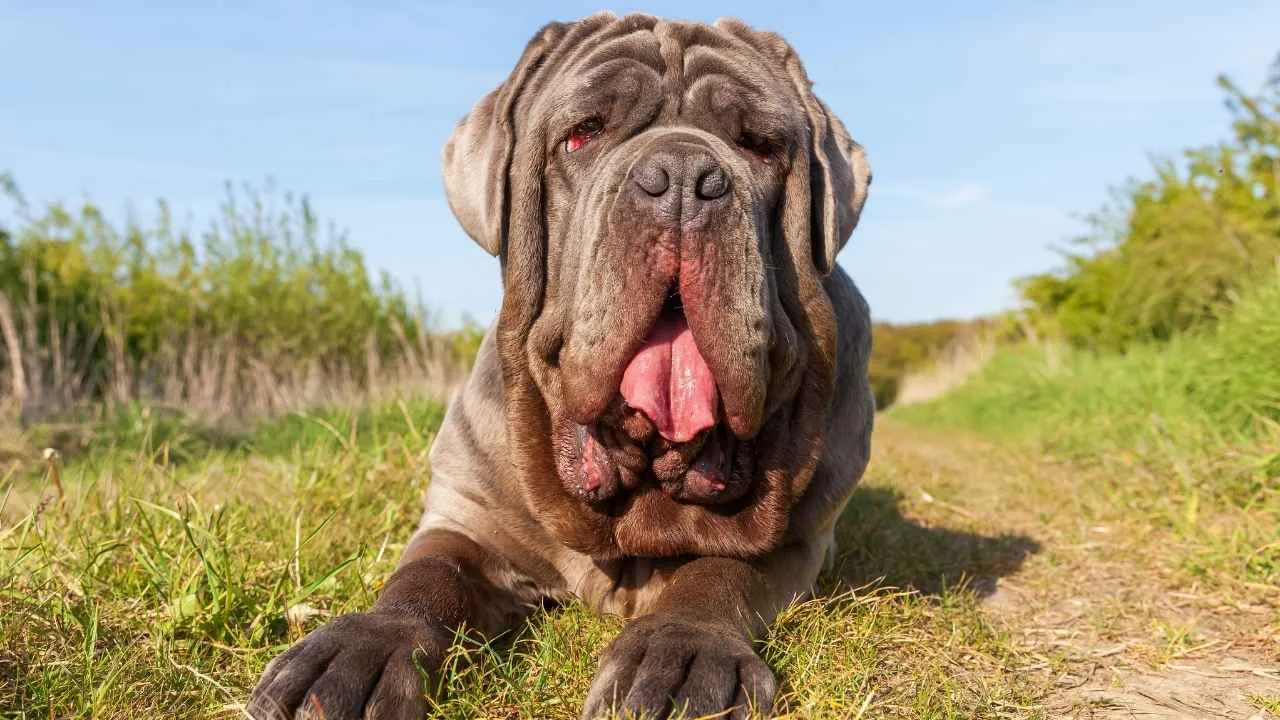
The Neapolitan Mastiff dates back to ancient Roman war dogs. Adult males can weigh between 110 and 150 pounds. Their massive heads and loose skin create a formidable appearance.
This breed traces back to ancient Roman guard dogs, and protection has been part of its genetic blueprint for centuries. Unlike some breeds that bark first and think later, this one comes with a strong protective instinct and is typically calm, watchful, and deliberate.
These dogs tend to assess situations quietly before reacting.
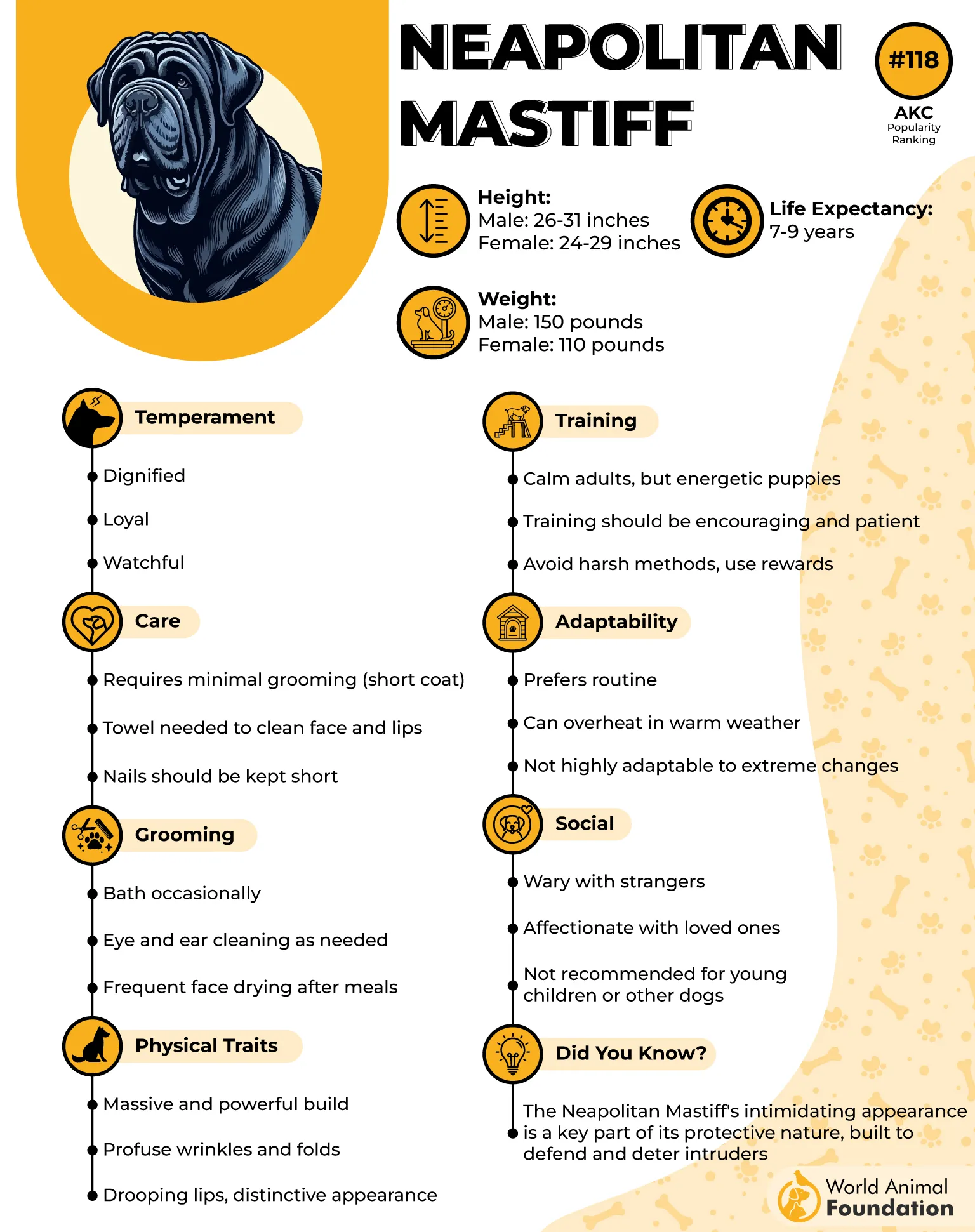
Despite their intimidating look, they are known for being calm and watchful. They are protective without being unnecessarily reactive. Their slow, deliberate movements contribute to their composed image.
Neapolitans are deeply devoted to their families. They typically prefer to observe rather than react, unless a genuine threat is present. Early obedience training is essential due to their size. They do not require excessive exercise.
Short daily walks and structured routines keep them balanced. Their laid-back indoor demeanor often surprises visitors.
6. Newfoundland
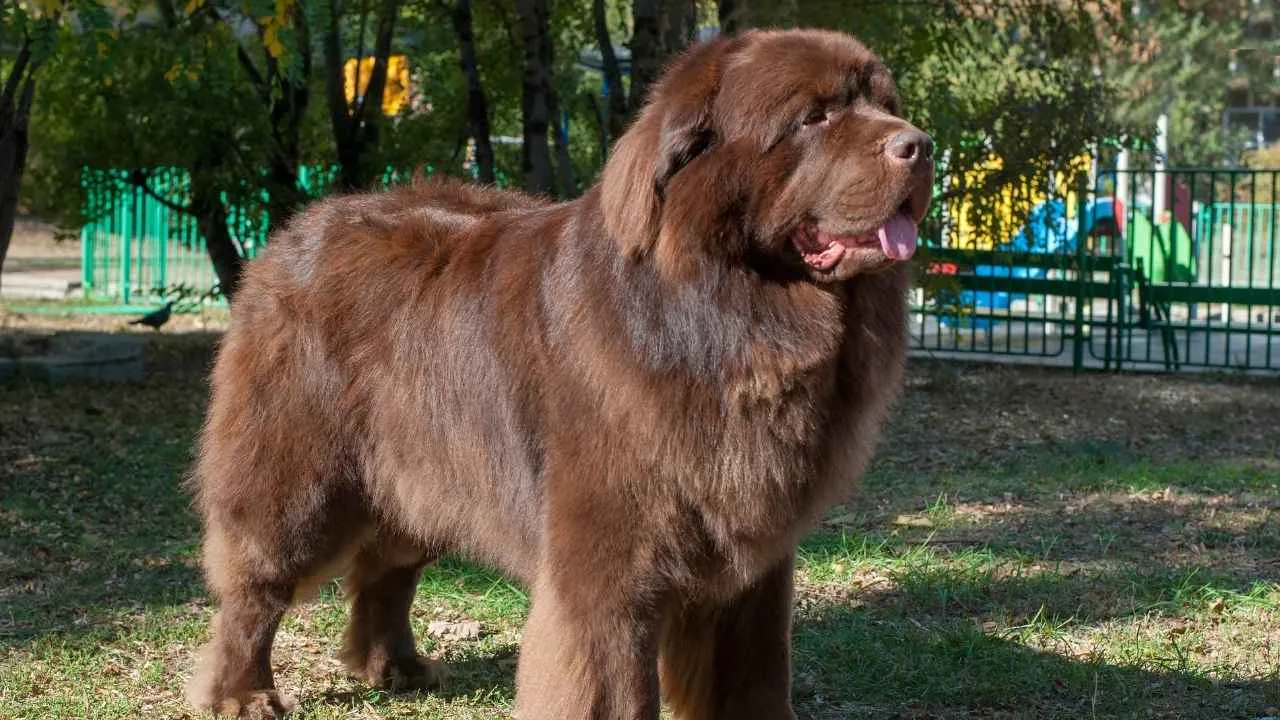
The Newfoundland is a legendary water rescue dog from Canada. Adult males often weigh 100–150 pounds. They are famously known as “gentle giants.”
According to Purina, Newfoundlands are known to have worked alongside fishermen, hauling nets and rescuing people from the water. Their strength and calm temperament made them ideal lifesaving companions. This background explains their steady and patient nature.
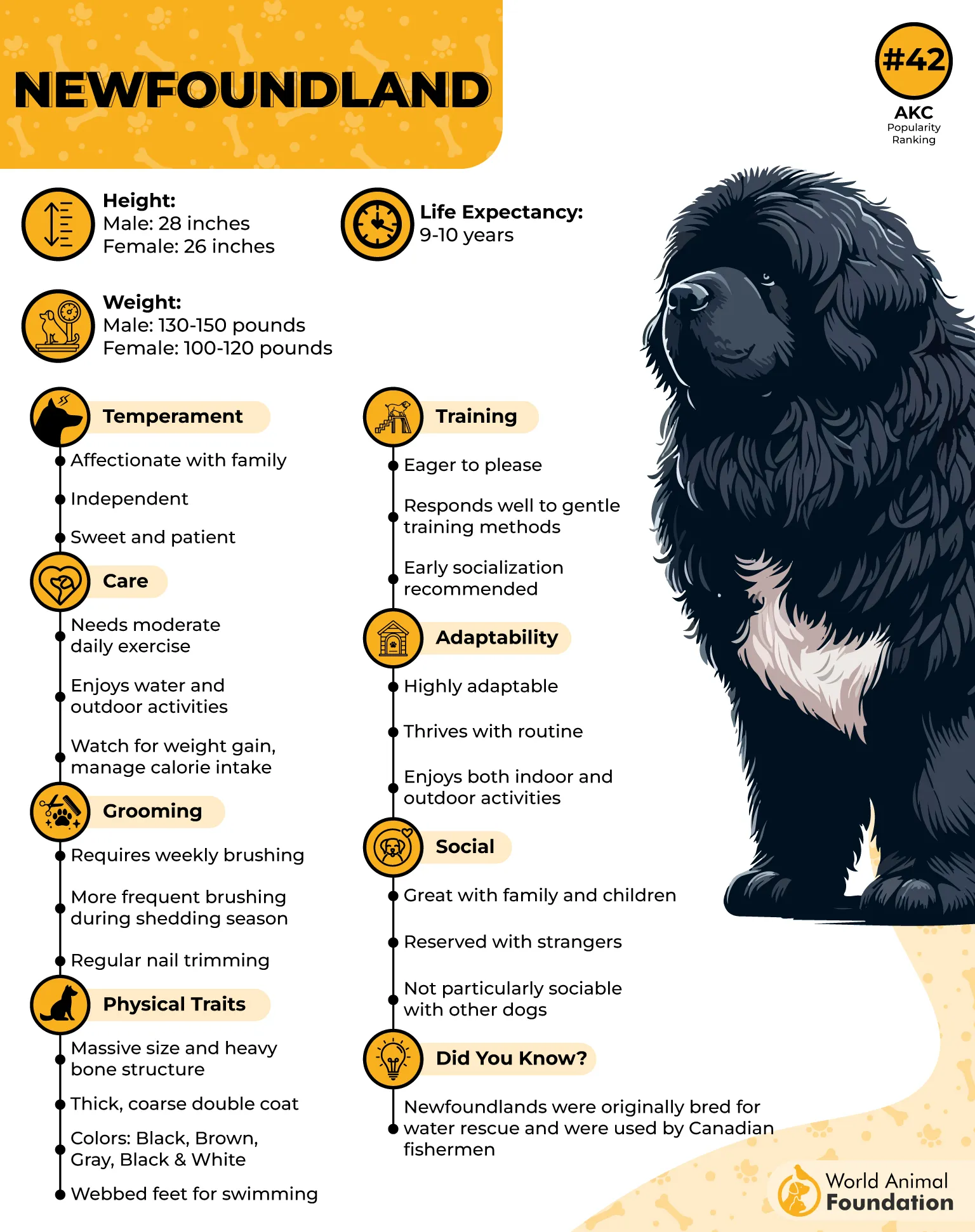
These big dogs are exceptionally gentle with children. Many breed experts refer to them as “nanny dogs” because of their nurturing disposition. Their calm demeanor makes them excellent family pets.
These intelligent dogs are especially strong in instinctive intelligence, meaning they naturally understand tasks related to water rescue and caregiving. There are documented cases of Newfoundlands saving drowning swimmers without formal training, which speaks to their deep-rooted rescue instincts.
They require regular grooming due to their thick double coat. They enjoy moderate exercise and especially love swimming. Indoors, they are typically relaxed and affectionate.
Responsible breeding of these wonderful companions focuses on heart and joint health. Their combination of size and sweetness is unmatched.
7. Scottish Deerhound
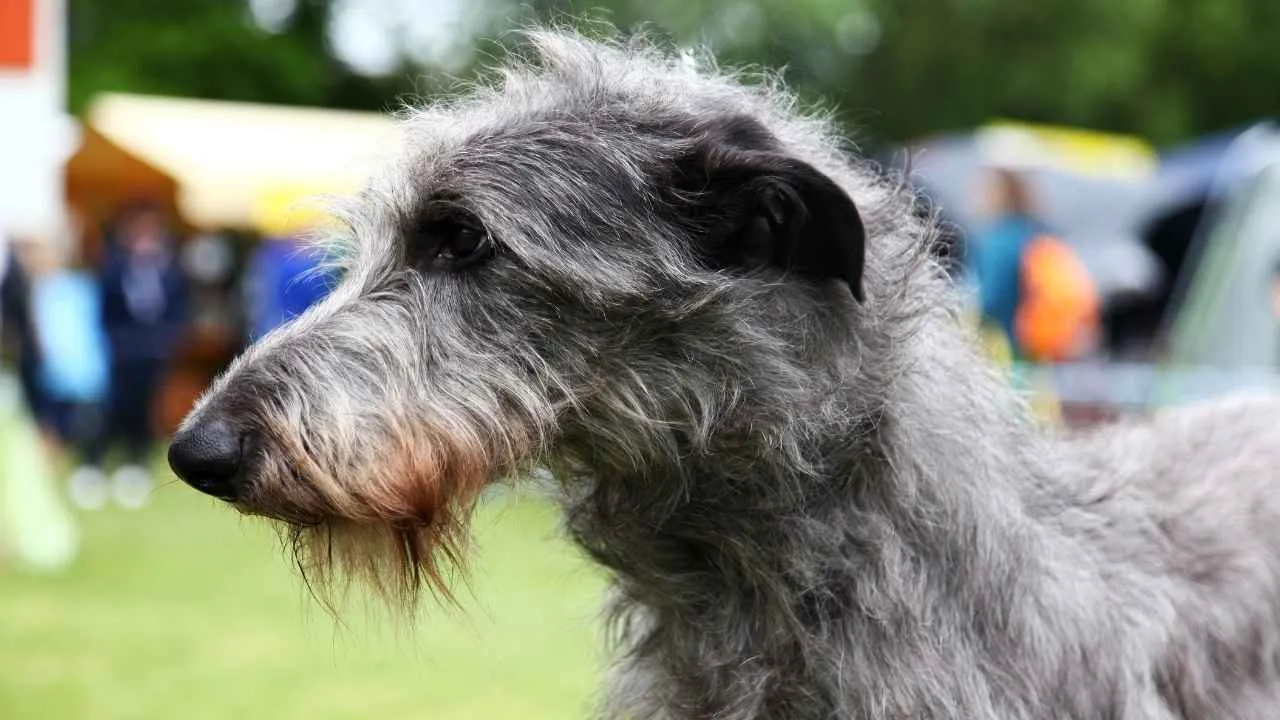
The Scottish Deerhound was bred to hunt red deer in Scotland. Despite their athletic build, they are known for being calm indoors.
Historically, Hills Pet says they were used for coursing large game; they required endurance rather than hyperactivity. At home, they are gentle and reserved. Many owners describe them as quiet and affectionate.
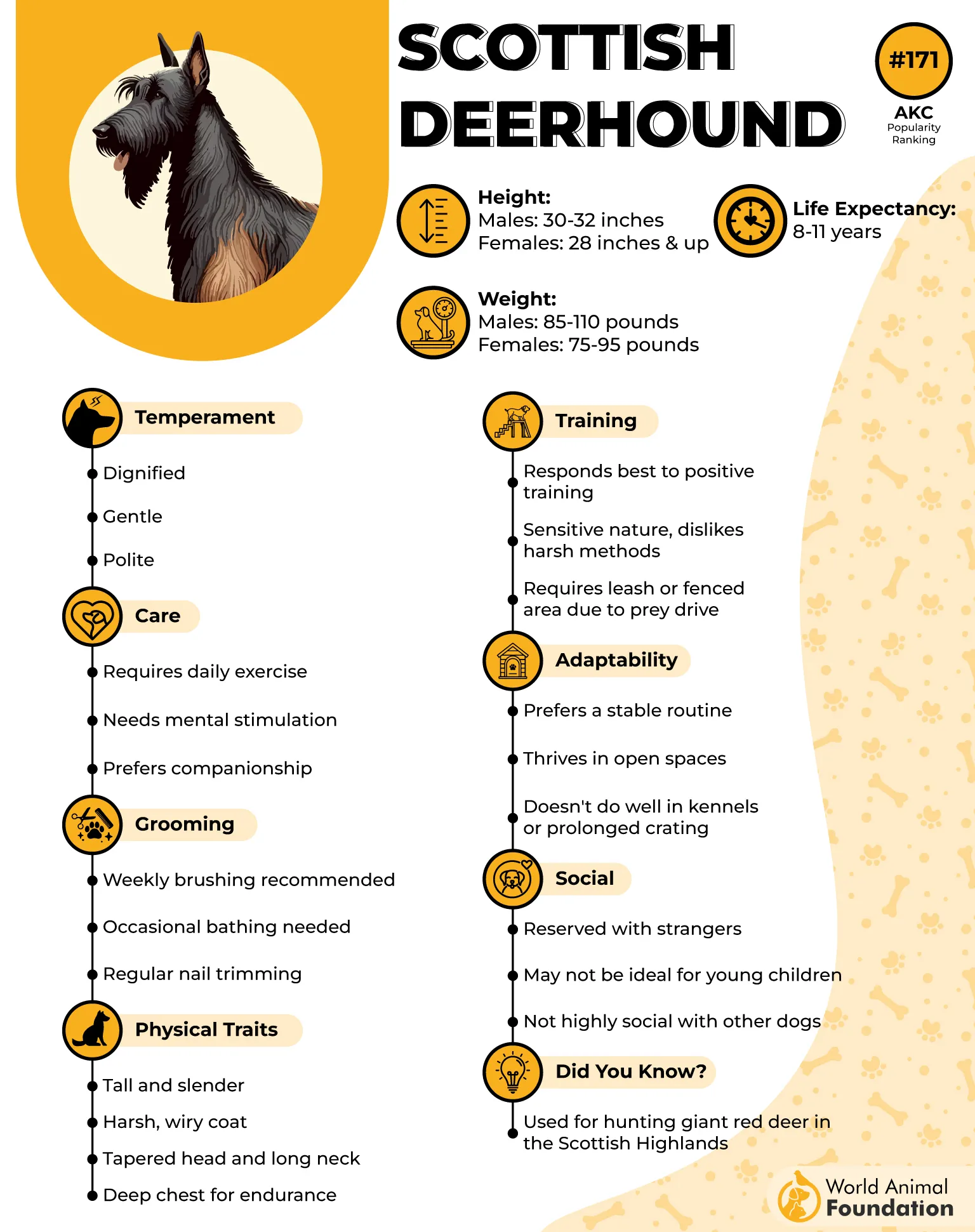
Scottish Deerhounds form close bonds with their families. They are generally polite with strangers and other dogs. Their laid-back nature contrasts with their impressive speed outdoors. They may act as a watchdog, meaning they could alert you if something unusual happens.
However, they are not naturally territorial or suspicious enough to be reliable protection dogs.
In fact, most Deerhounds are polite with strangers and unlikely to show aggression unless severely provoked.
While their tall, elegant build can look intimidating, their temperament is typically friendly and reserved rather than protective. They enjoy daily walks and occasional bursts of running in secure areas. However, they are not constantly active indoors. A soft bed and family companionship are often enough to satisfy them.
Conclusion
Giant dog breeds often carry reputations of power and intensity, but many are defined by calm steadiness rather than chaos. According to AKC standards and breed histories, these dogs were developed for tasks requiring patience, endurance, and composure. That heritage remains visible in their temperaments today.
Proper training, nutrition, and preventive veterinary care significantly influence longevity and behavior. When matched with the right home, these gentle giants offer security, loyalty, and remarkable calmness.
Size may be their headline feature, but serenity is their true strength.
