





Dogs are among the most beloved pets, offering companionship, joy, and endless love. But for those with mild allergies, having a dog can sometimes trigger allergic reactions, such as sneezing, itchy eyes, and coughing, which often come with the cuddles.
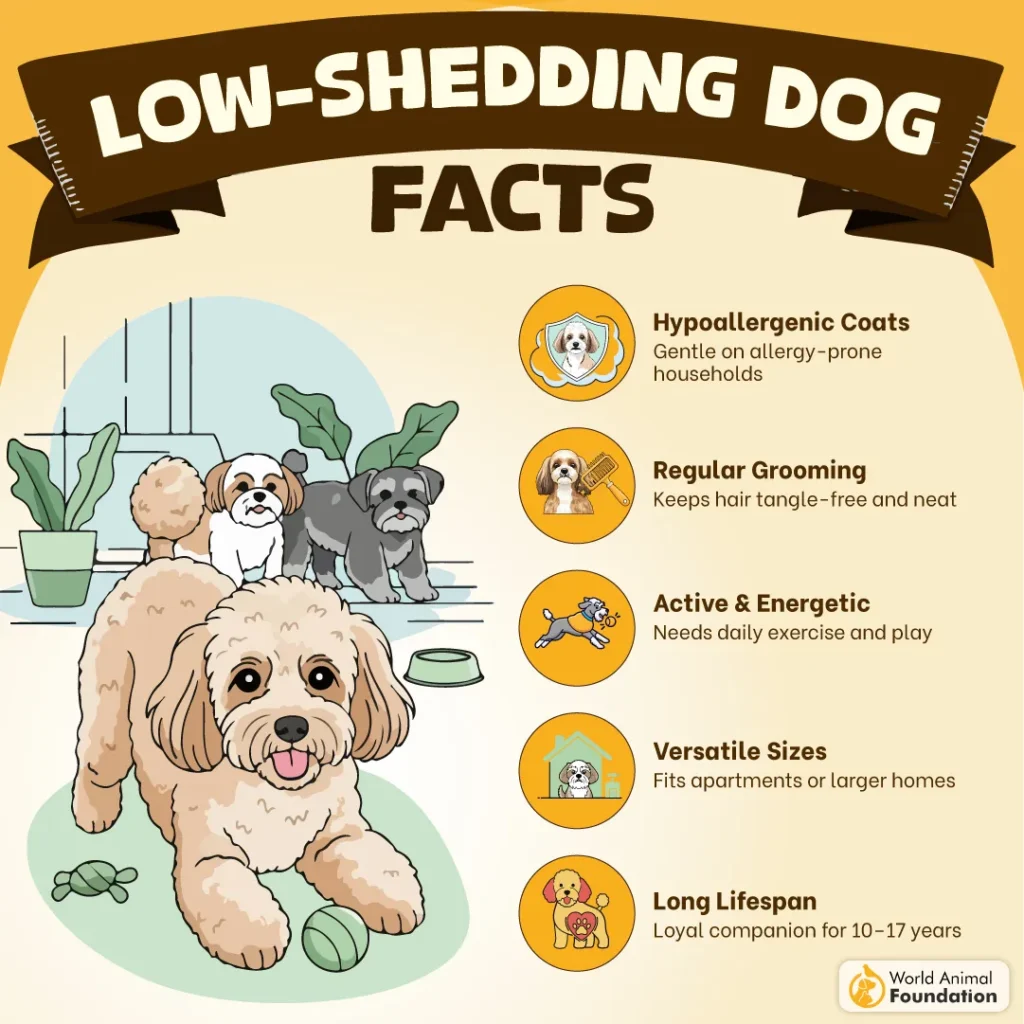
This is where short, flowing coats and low-shedding breeds shine. These breeds are originally bred to produce fewer allergens, making it easier for allergy sufferers to enjoy life with a furry friend.
No dog breed is completely non-shedding, but some are considered hypoallergenic because they shed far less than others. Their low-shedding coats tend to release fewer allergens into the environment, making them a better choice for people with mild sensitivities.
Combined with proper grooming and home hygiene, most dogs can help minimize allergy symptoms. Remember, allergens come not just from fur, but also from a dog’s saliva, skin, and urine, so consistent care is key.
Key Takeaways
Hypoallergenic dogs produce fewer allergens in their hair and dander.
Low-shedding dog breeds reduce the spread of allergens around the home.
Twice-weekly brushing or a weekly grooming routine helps prevent mats and keeps the coat clean.
Even small dogs produce allergens, so consistent care is key to managing allergy symptoms.
Here are some hypoallergenic dog breeds that are known for producing fewer allergens and shedding less, making them great options for allergy-prone households.
Dog Breeds That Barely Shed: Perfect for Neat Freaks
1. Miniature Pinscher
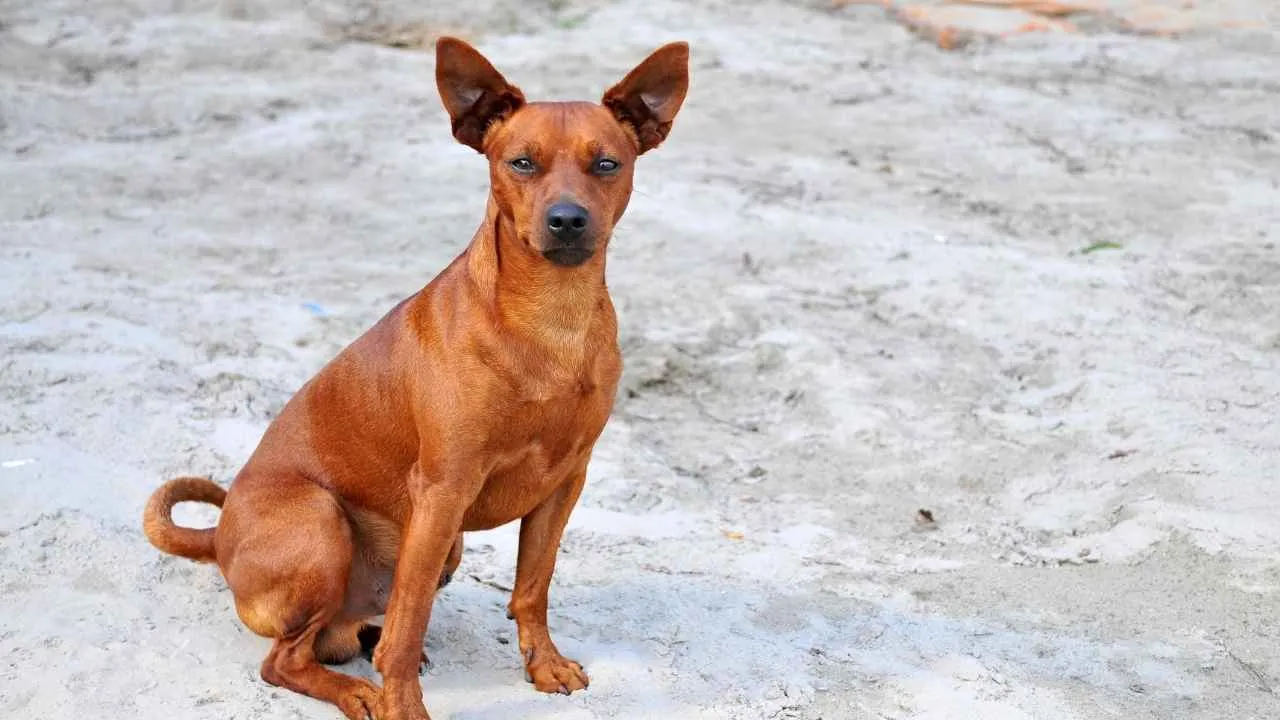
The Miniature Pinscher, often called the “King of Toys,” is a fearless and lively little dog with a striking, compact build and a smooth, shiny coat, as the AKC mentioned.
Known for its energetic, high-stepping gait, this small hypoallergenic dog carries a “big dog” attitude in a tiny frame. Its short, sleek coat comes in solid red, black-and-rust, or chocolate-and-rust, and requires minimal grooming thanks to its low-shedding nature.
A simple weekly brushing is enough to keep the coat glossy, while regular nail trims ensure comfort. Early grooming sessions with a puppy also help strengthen the bond between owner and dog.
Despite their small size, Miniature Pinschers are bursting with personality. They thrive on interaction, mental stimulation, and short bursts of play, making them perfect for owners who enjoy an energetic, hands-on companion.
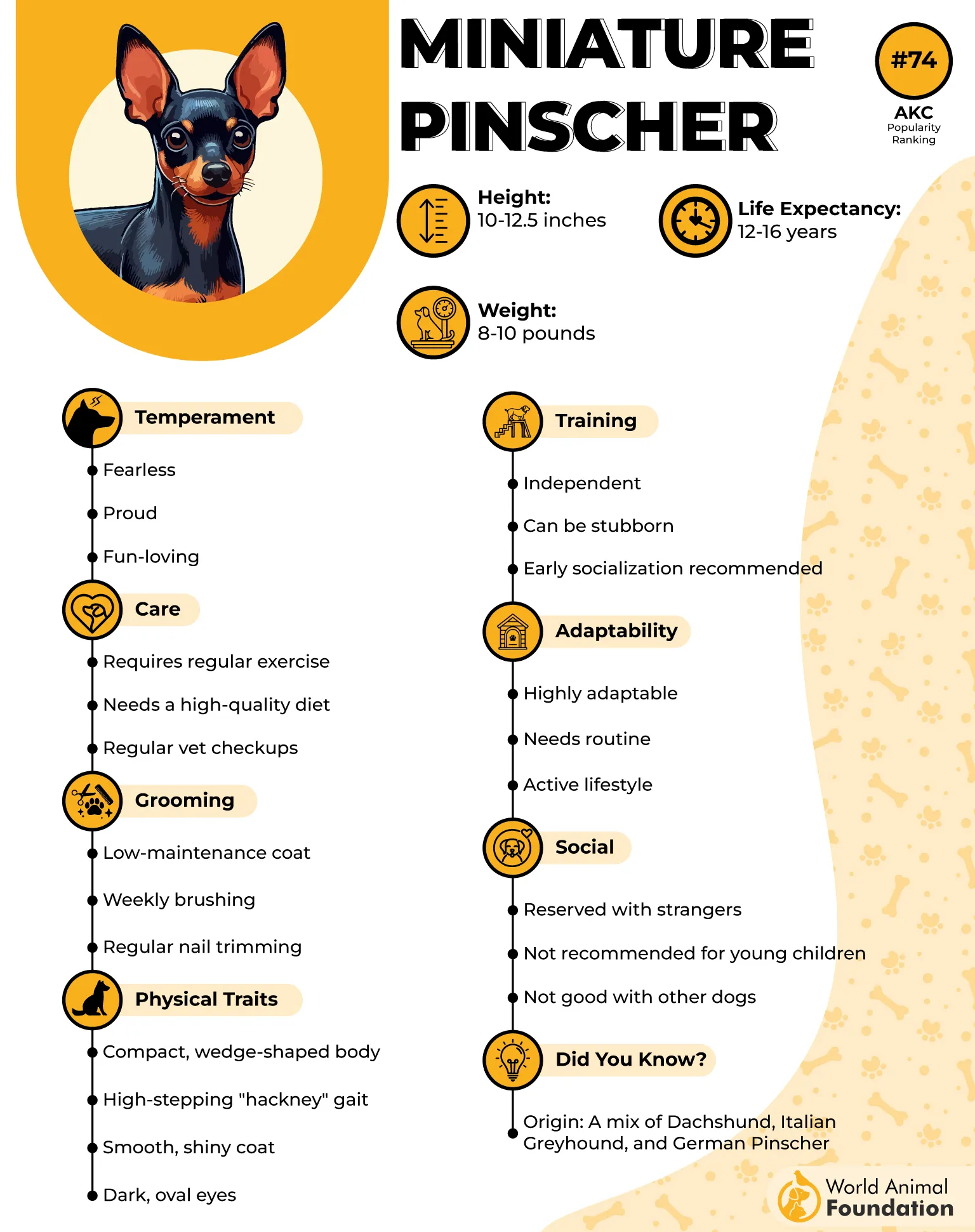
Their low-shedding coat makes them a great option for people who prefer a cleaner home or are mildly sensitive to dog allergies. Combine that with their fearless, playful nature, and you get a tiny dog that’s big on charm, loyalty, and fun.
2. Rat Terrier
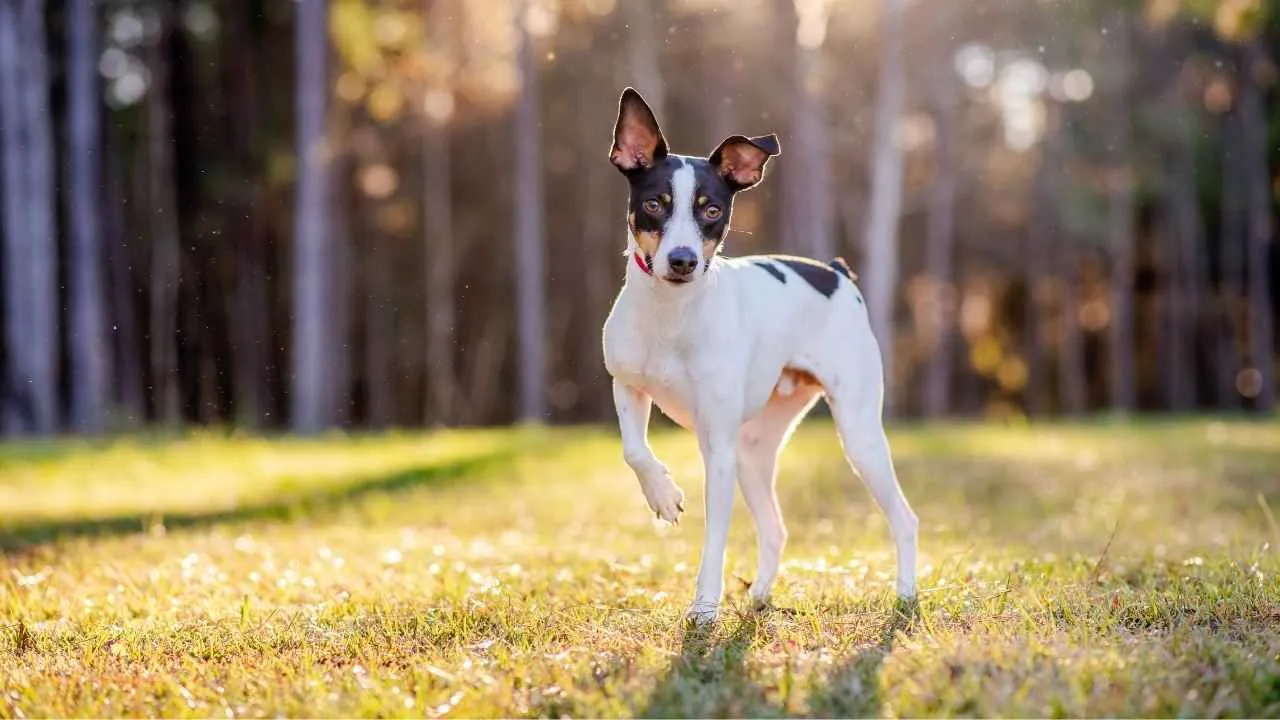
The Rat Terrier boasts a short, dense coat that’s naturally low-maintenance, making it an ideal choice for owners who want a clean, easy-to-care-for dog.
A quick weekly brushing with a soft brush or hound glove is usually enough to keep their coat smooth, shiny, and healthy. Depending on your dog’s activity level, a bath once a month typically suffices to maintain cleanliness.
During seasonal shedding, using a rubber curry brush or shedding tool helps remove loose hair efficiently, keeping your home fur-free.
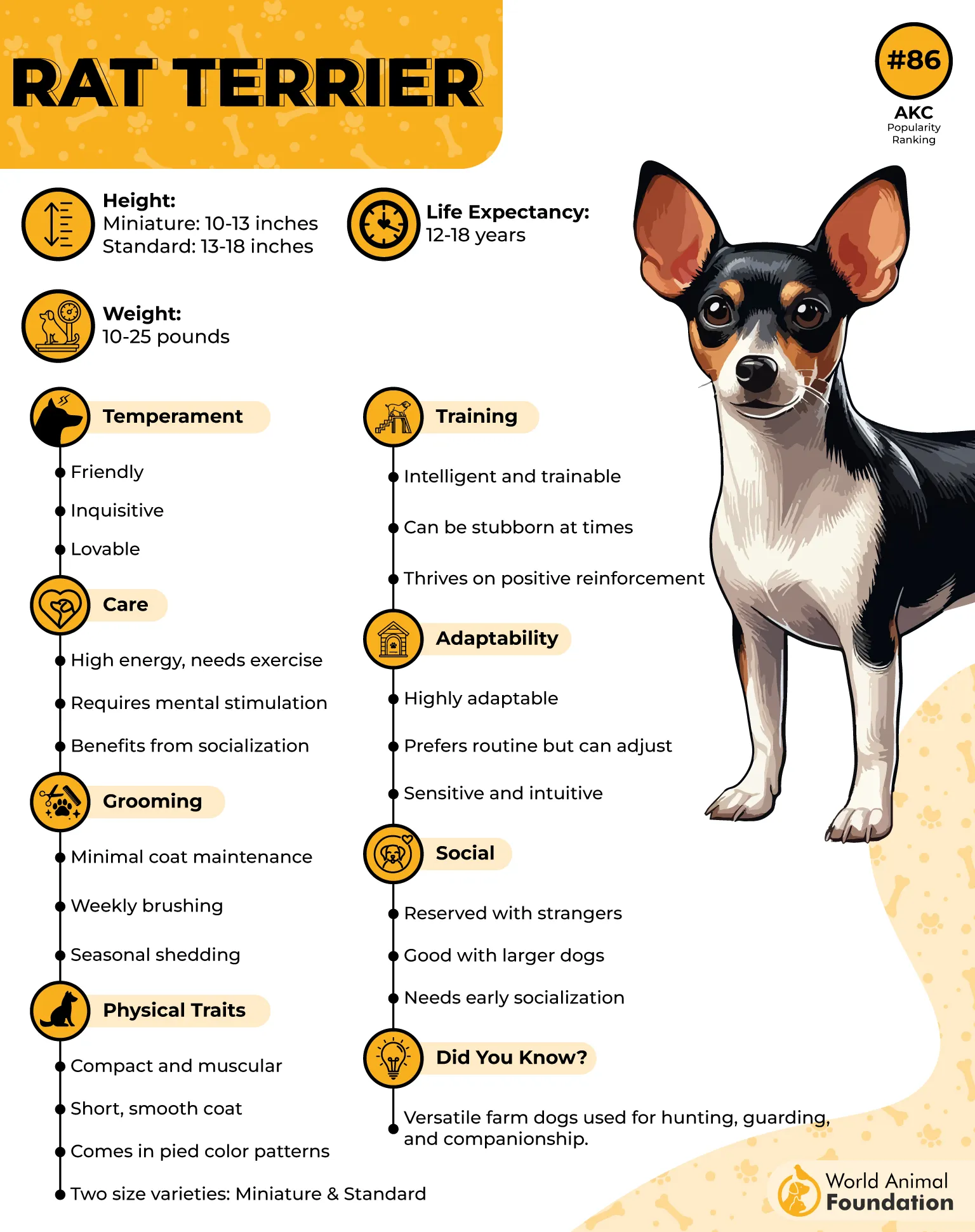
Regular nail trims—at least once a month—are essential to prevent discomfort or injury, while weekly ear checks help avoid wax buildup and infections. Daily teeth brushing, using dog-safe toothpaste, supports dental health and overall wellness.
Thanks to their low-maintenance coat and grooming needs, Rat Terriers are perfect for pet parents seeking a smart, playful companion without the hassle of constant upkeep.
Combine that with their energetic, affectionate personality, and you get a breed that’s as easy to care for as it is fun to have around.
3. Whippet
If you’re looking for a sleek, elegant dog that won’t leave fur everywhere, Whippets often catch the eye. These slender, athletic dogs are famous for their smooth coat and gentle, affectionate temperament, as noted by Wikipedia.
However, Whippets are not completely hypoallergenic. While their short, single-layer coat sheds less than many breeds, they still produce dander, hair, and other allergens—especially during seasonal shedding in the spring.
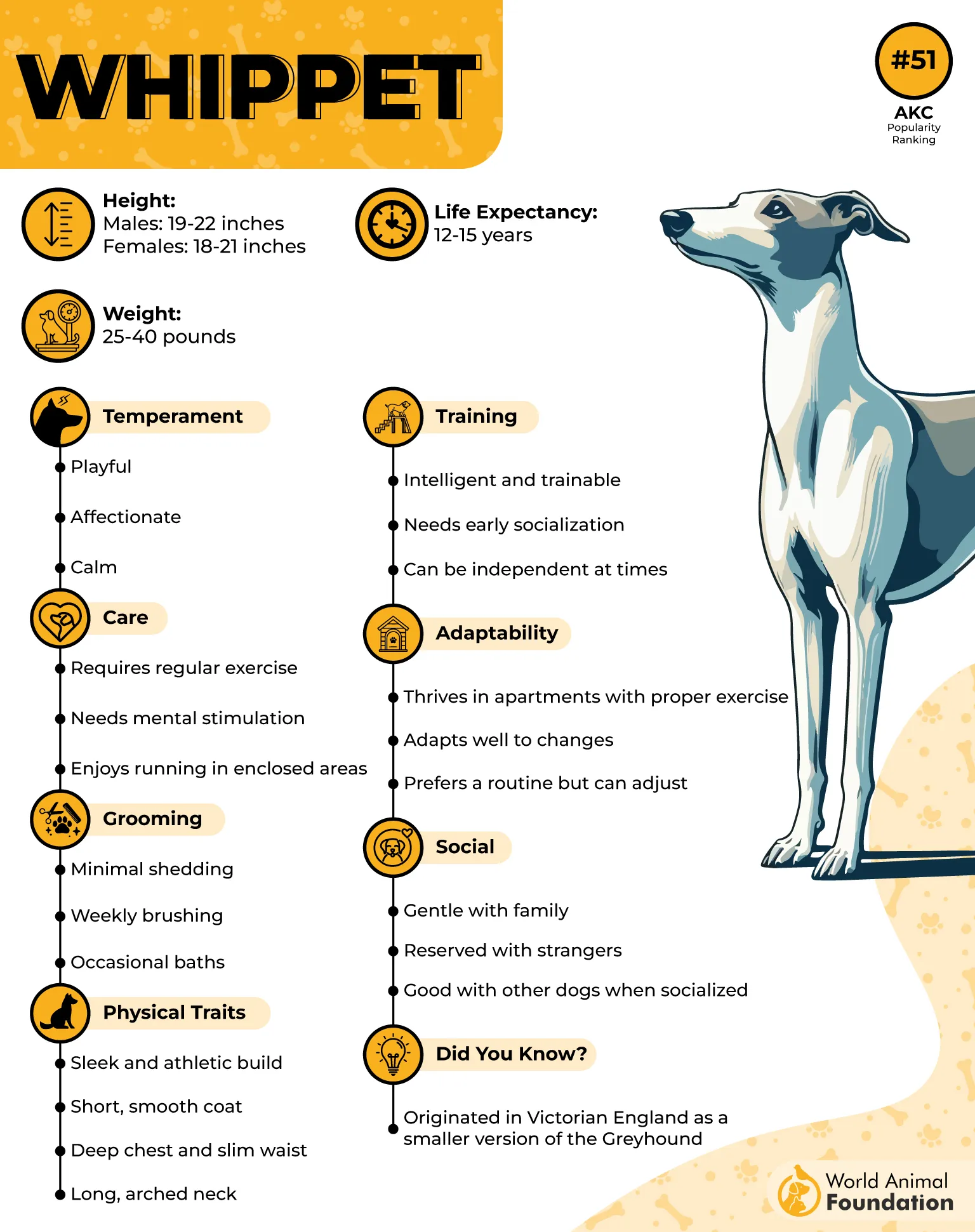
It’s important to remember that no dog is a completely hypoallergenic dog.
The good news? Their fine, low-maintenance coat makes grooming simple. Weekly brushing and occasional baths help remove loose hair and dander, keeping your home cleaner and minimizing allergic response.
With minimal shedding and a calm, loving personality, Whippets are an excellent choice for households seeking a short-haired, low-maintenance canine companion.
4. Boston Terrier
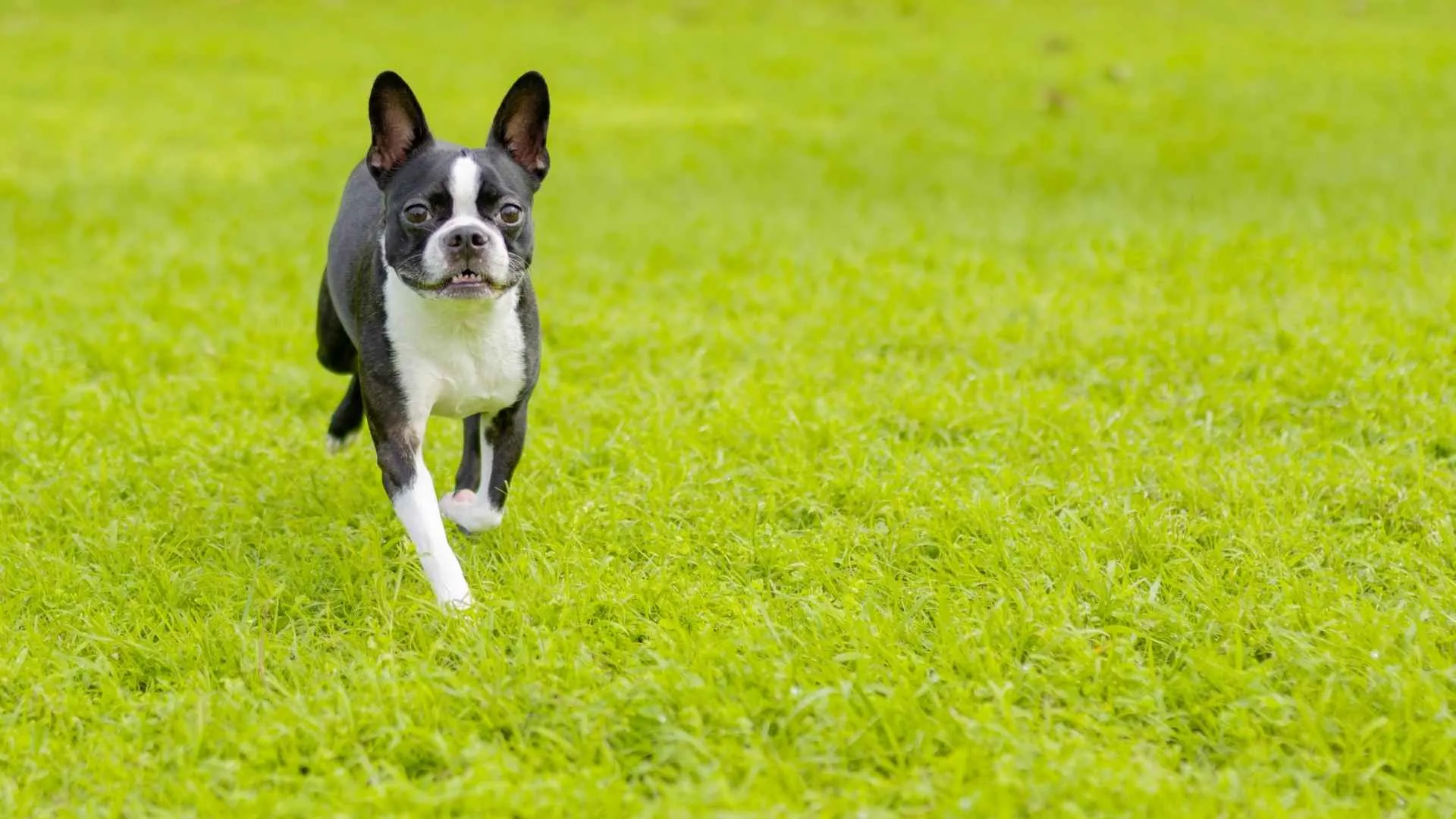
Boston Terriers are often praised as low-shedding, “hypoallergenic-like” dogs, because of their short, single-layered coats.
The American Kennel Club ranks their shedding at just 2 out of 5, meaning they shed minimally throughout the year.
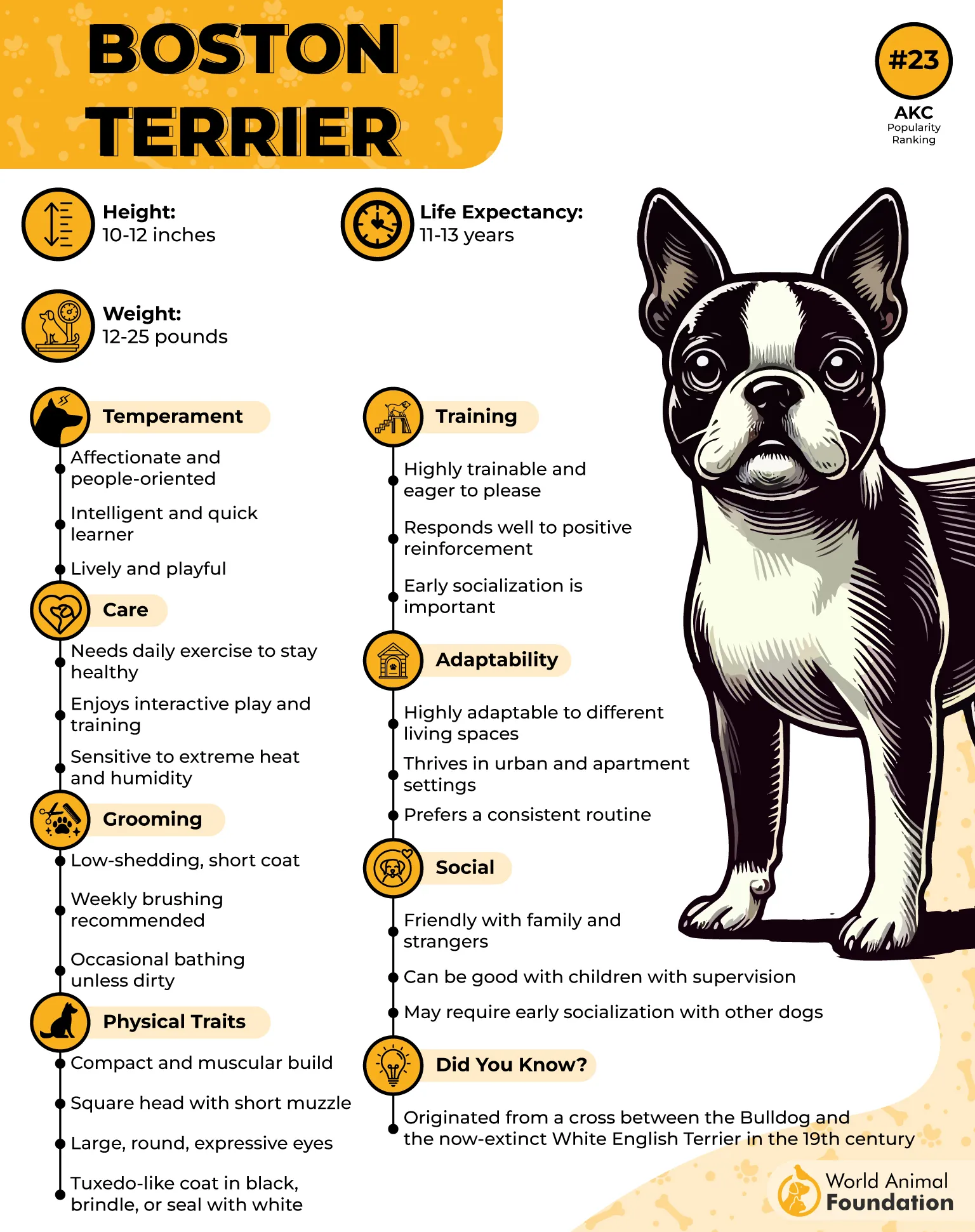
This makes them a breeze to groom and an excellent choice for households looking for a tidy, nearly odor-free companion weighing between 10 and 25 pounds. While they generally shed very little, a slight increase may occur during seasonal changes in spring and fall.
Most low-shedding dogs require professional grooming every 4 to 8 weeks. Weekly brushing with a rubber grooming mitt or soft-bristle brush keeps their sleek, fine coat healthy and shiny, while occasional baths are all that’s needed to maintain their clean, polished appearance.
With their charming personality and easy-care coat, Boston Terriers are the perfect low-maintenance, loving companions.
5. Basenji
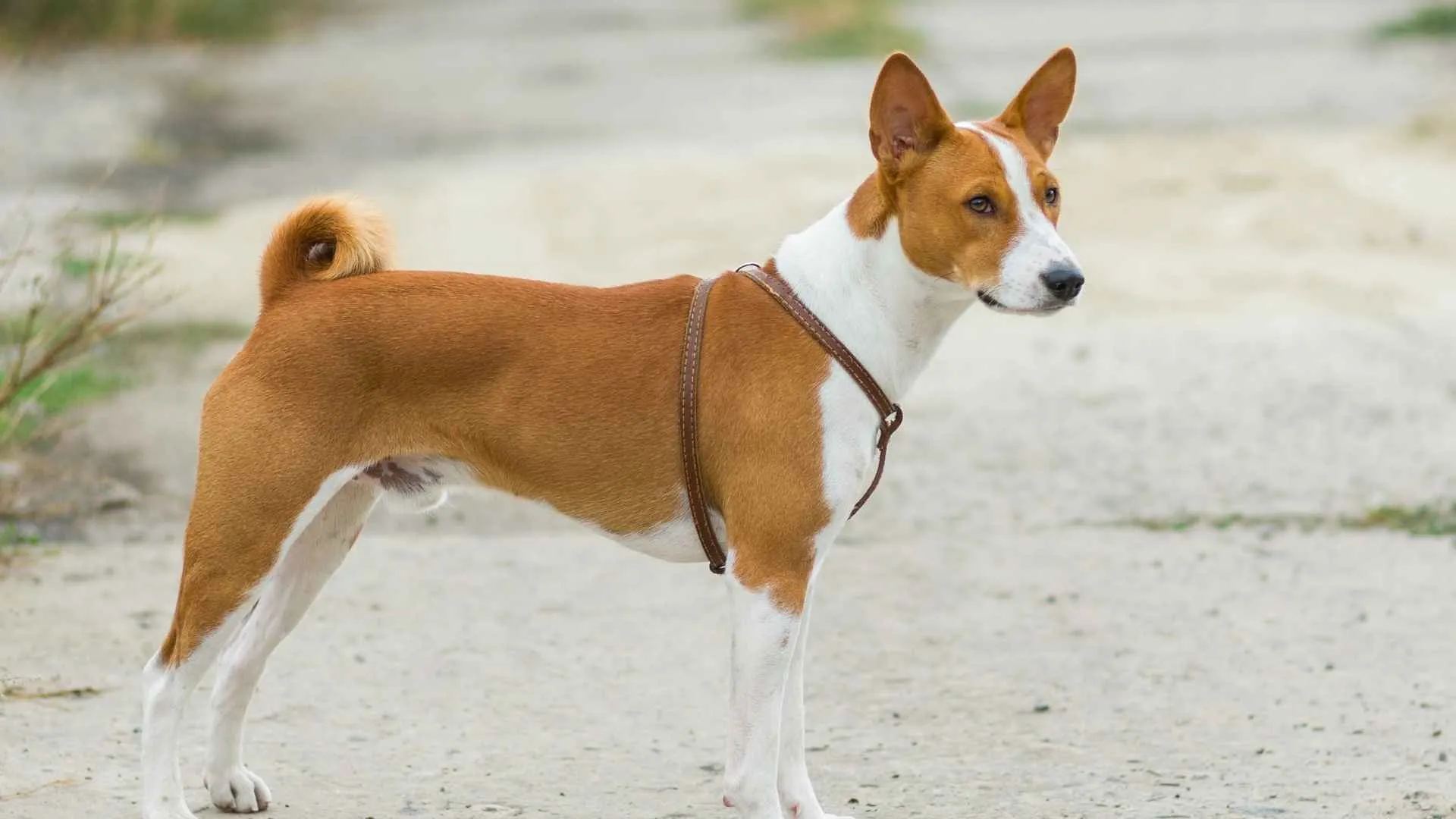
Basenjis have a fine, short coat and virtually no doggy odor, earning them the nickname ‘barkless dog.’ Its coat is smooth, easy to care for, and naturally keeps the dog clean, making grooming a simple task, as noted by Hill’s Pet.
A quick weekly brushing with a soft-bristle brush or grooming mitt is usually enough to remove loose hairs and maintain a glossy, clean coat.
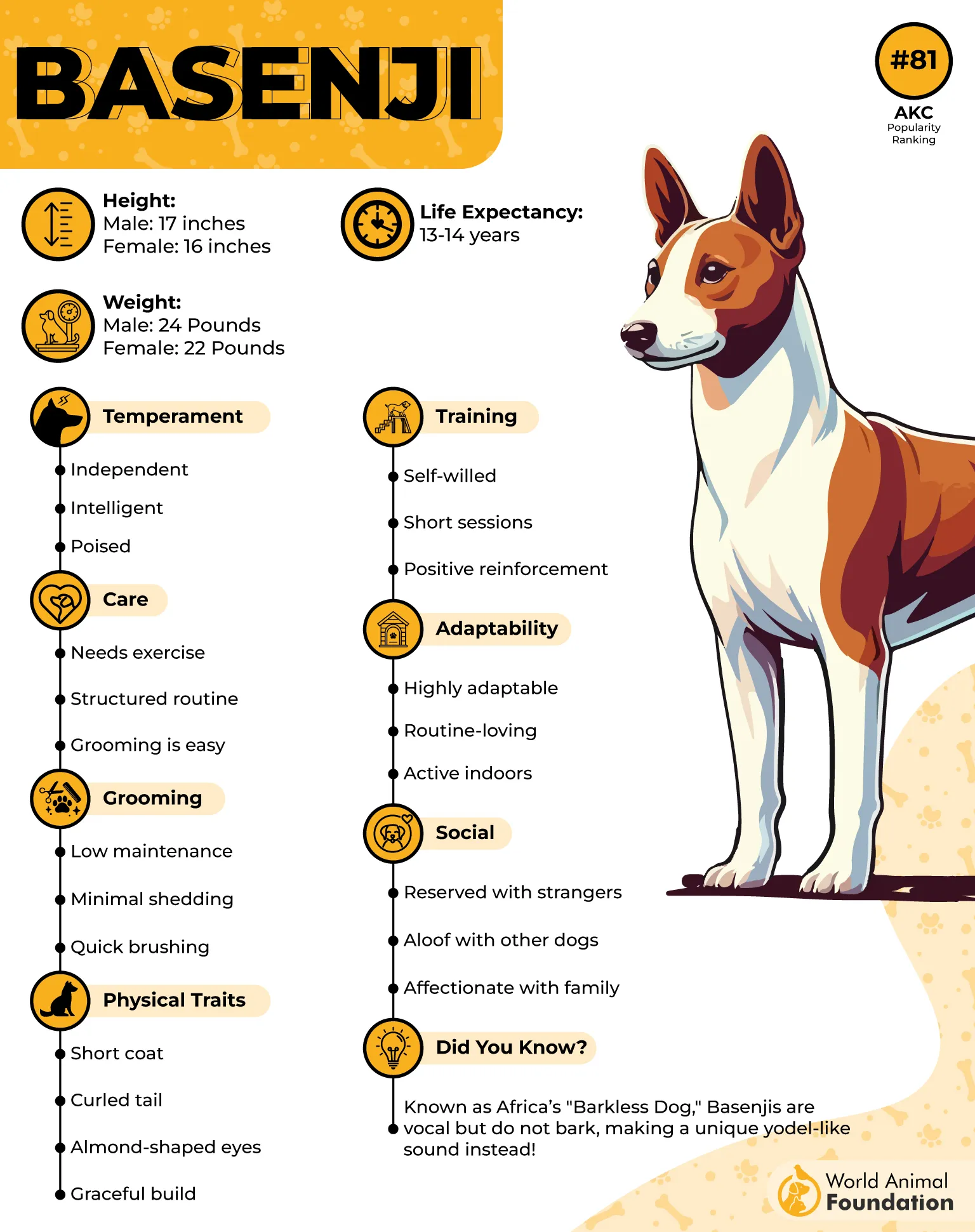
One of the Basenji’s standout features is its minimal shedding. Unlike many other breeds, it produces very little loose hair, making it ideal for households that value tidiness.
Additionally, Basenjis are naturally clean and rarely carry the typical “doggy odor,” which adds to their appeal for allergy-sensitive or neat-conscious owners.
While occasional baths, nail trimming, ear cleaning, and dental care are still necessary, the Basenji’s low-maintenance coat and minimal shedding make it a perfect choice for anyone seeking a dog that stays neat and polished with minimal effort.
6. Dachshund
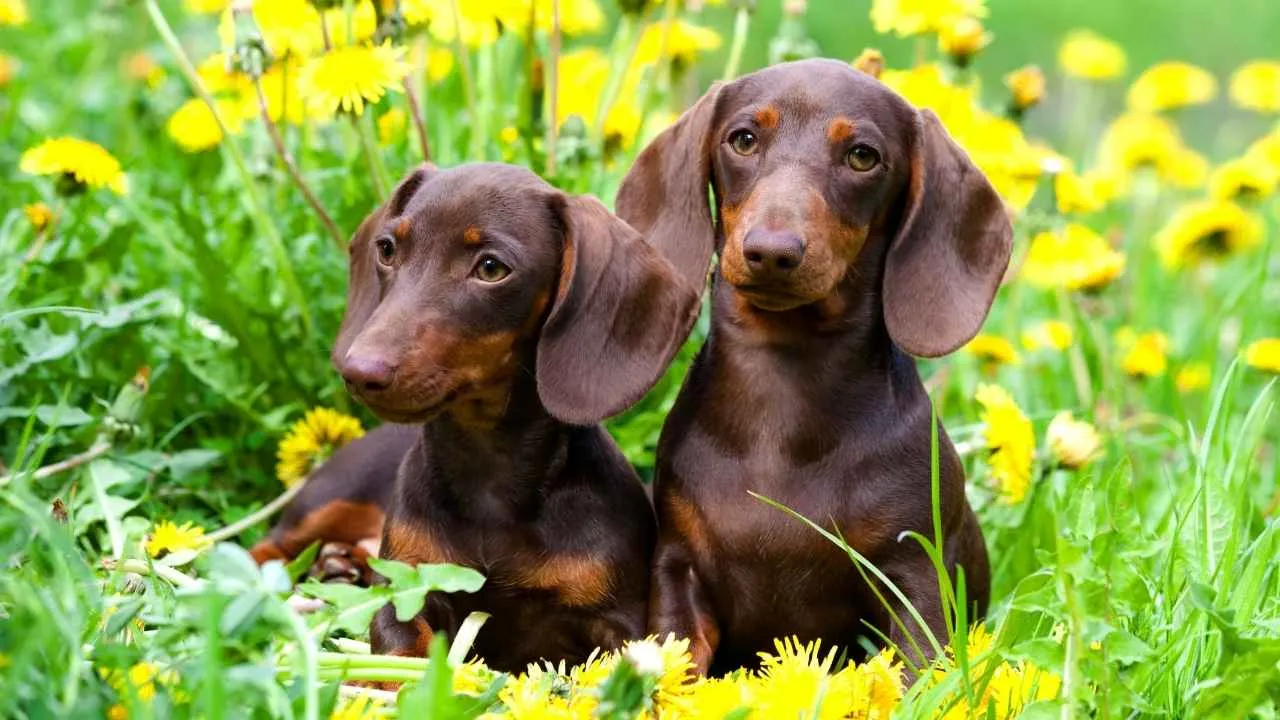
If you’re thinking about adding a Dachshund to your family, you’ve probably wondered: Do these little long-bodied pups shed much? After all, you love the idea of taking your furry friend everywhere—but maybe not leaving a trail of dog hair behind!
The good news? Dachshunds are considered a relatively low-shedding breed. Like all dogs, they do shed naturally—it’s part of how they protect their bare skin and regulate body temperature—but how much hair they leave around your home depends on factors like their coat type and the environment they live in.
Smooth-haired dachshunds have short, sleek, wiry coats that shed minimally and stay easy to maintain with weekly brushing. Weekly brushing is essential to capture the loose hair trapped in curly or wiry coats.
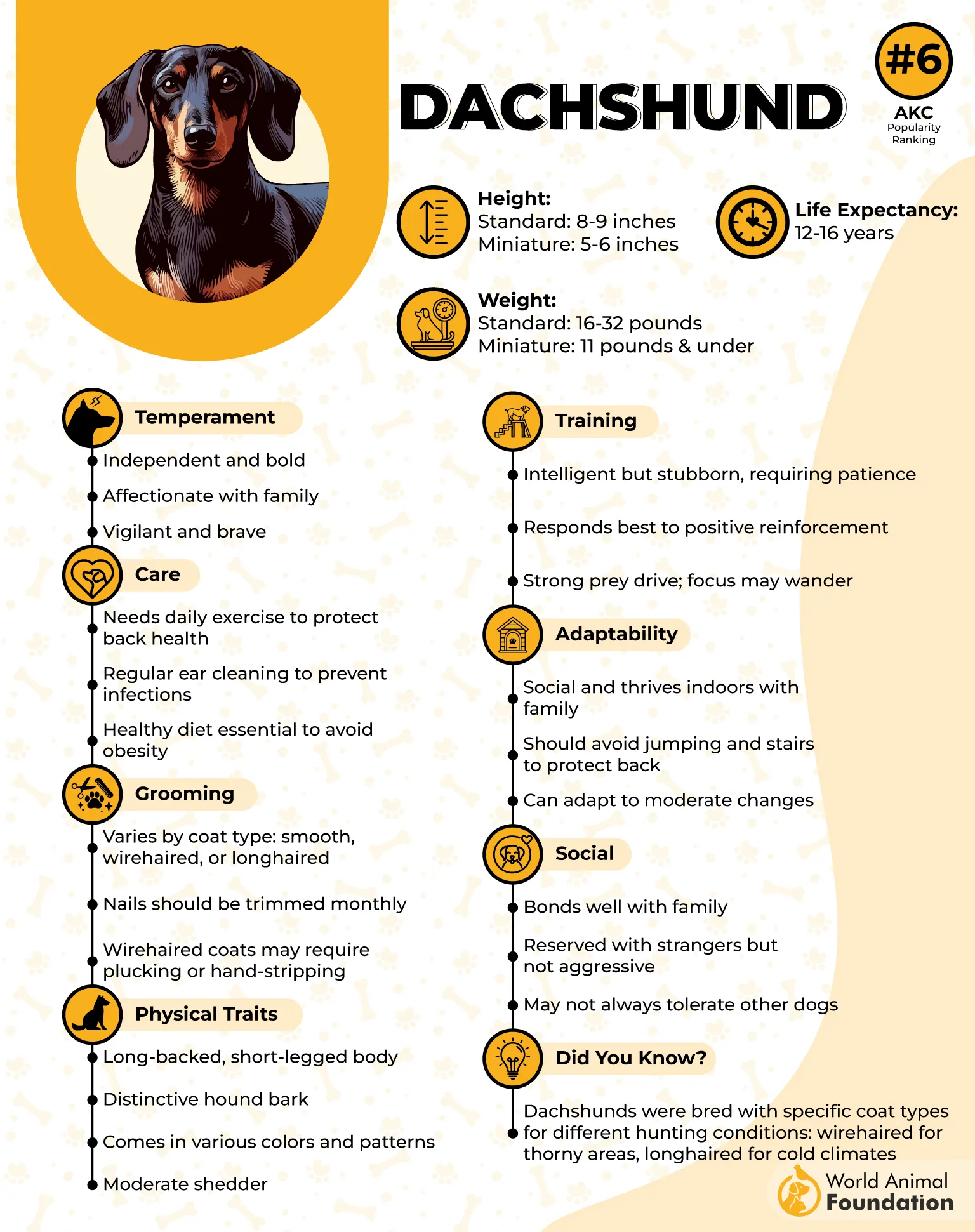
Wire-haired Dachshunds don’t shed much, produce minimal dander, and need regular brushing plus occasional stripping to keep their coat healthy.
Long-haired Dachshunds shed moderately, requiring weekly grooming to prevent tangles and manage loose hair.
A Dachshund’s shedding can be influenced by health, diet, and coat care, with excess shedding sometimes signaling stress or nutrient deficiencies. Regular baths every few months and spot cleaning help maintain a healthy coat.
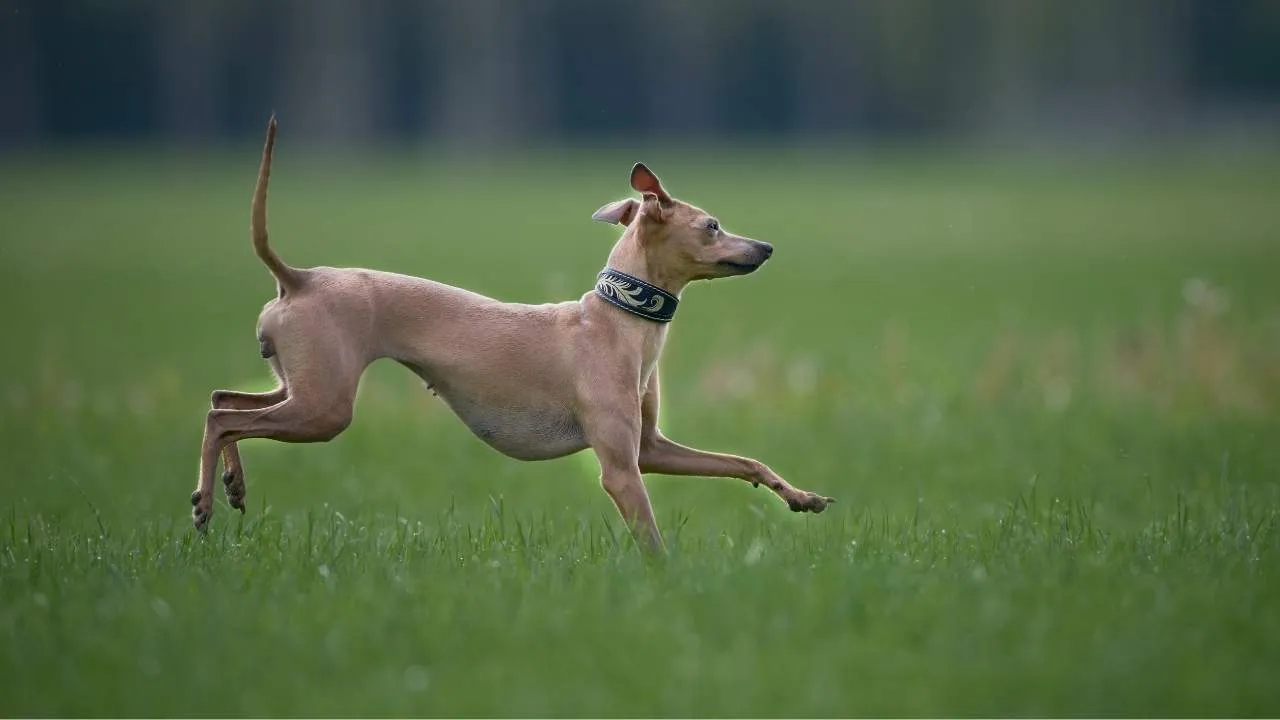
7. Italian Greyhound
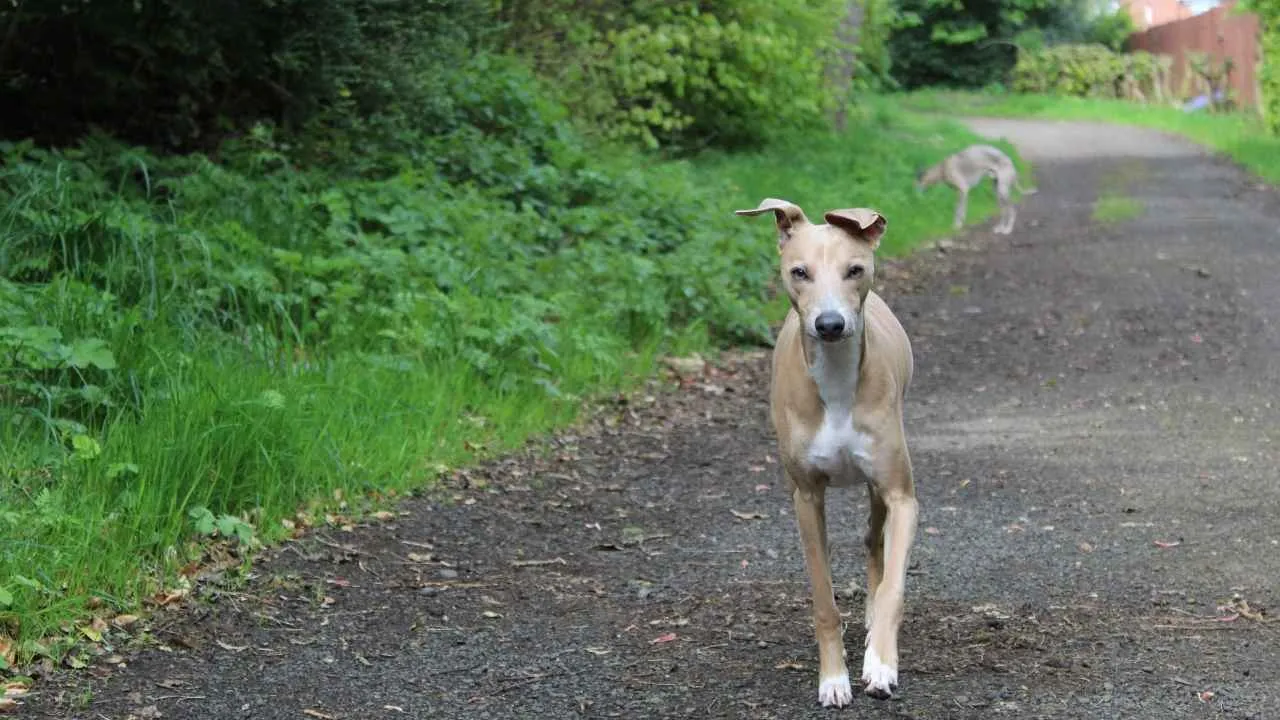
Italian Greyhounds are among the easiest breeds to maintain, thanks to their short, fine coat and minimal shedding. Their grooming needs are far lower than long-haired breeds, making them ideal for owners seeking a low-maintenance dog.
Brushing an Italian Greyhound about once a week is enough to remove loose hairs and keep their coat smooth and shiny. Their shedding is minimal, so you’ll hardly notice stray hairs around your home.
Bathing should be done roughly every three months, or only when the dog becomes visibly dirty or develops an odor. Overbathing can strip essential oils from the skin, so less frequent baths are better.
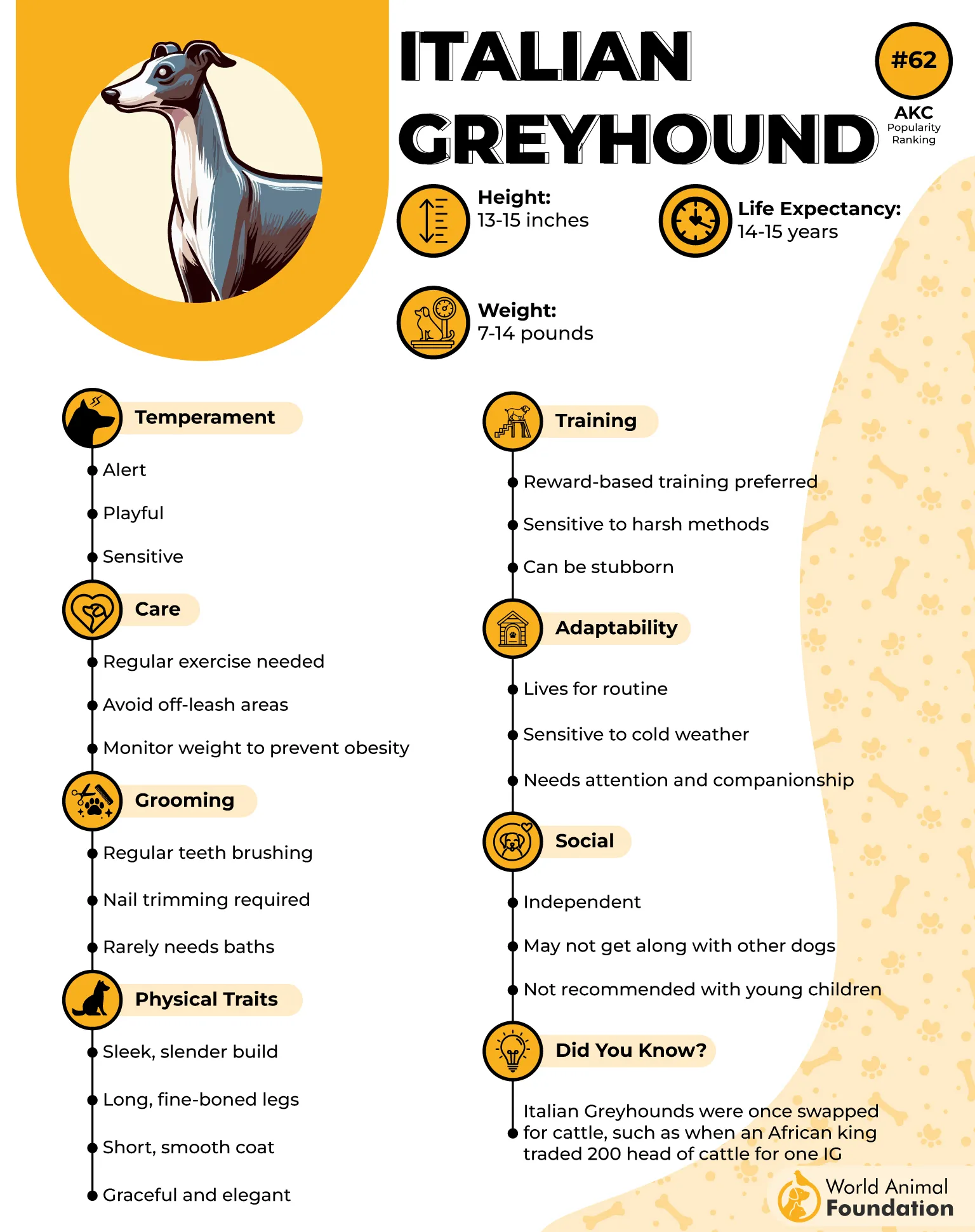
Dental care is crucial, as Italian Greyhounds are prone to dental issues. Regular brushing of their teeth helps prevent plaque buildup, bad breath, and other oral health problems.
Claw trimming is another simple yet important task. Trimming their nails about once a month keeps them comfortable and prevents damage to floors or furniture.
Overall, Italian Greyhounds combine elegance with simplicity in care, making them a perfect choice for owners who want a sleek, low-shedding, and easy-to-groom, loyal companion that doesn’t need professional grooming.
Conclusion
While many owners dream of completely non-shedding dog breeds, the reality is that all dogs shed to some extent—though some shed far less than other dogs. Breeds with a short coat, fine hair, or even a curly coat tend to release less loose fur and dander, helping keep homes cleaner and more comfortable for allergy-sensitive families.
These low-shedding companions prove that you don’t need a perfectly “non-shedding” pet to enjoy a tidy living space. With proper grooming, routine care, and the right match for your lifestyle, you can enjoy loyal companionship without constantly battling hair on furniture, clothes, and floors.
