





Bringing a dog into your life is a long-term commitment, and many pet parents hope for as many happy years as possible with their four-legged companion. While every dog is unique, certain breed combinations are known for impressive longevity, especially when thoughtful breeding meets great care at home.
Genetics play a meaningful role in how long a dog may live, but so do everyday choices like nutrition, exercise, maintaining a healthy weight, and regular veterinary visits.
If you are searching for a mixed breed with the potential for a long, vibrant life, these dog breed combinations are worth a closer look.
Top Dog Breeds Combinations That Live Beyond 15 Years
1. Pomeranian
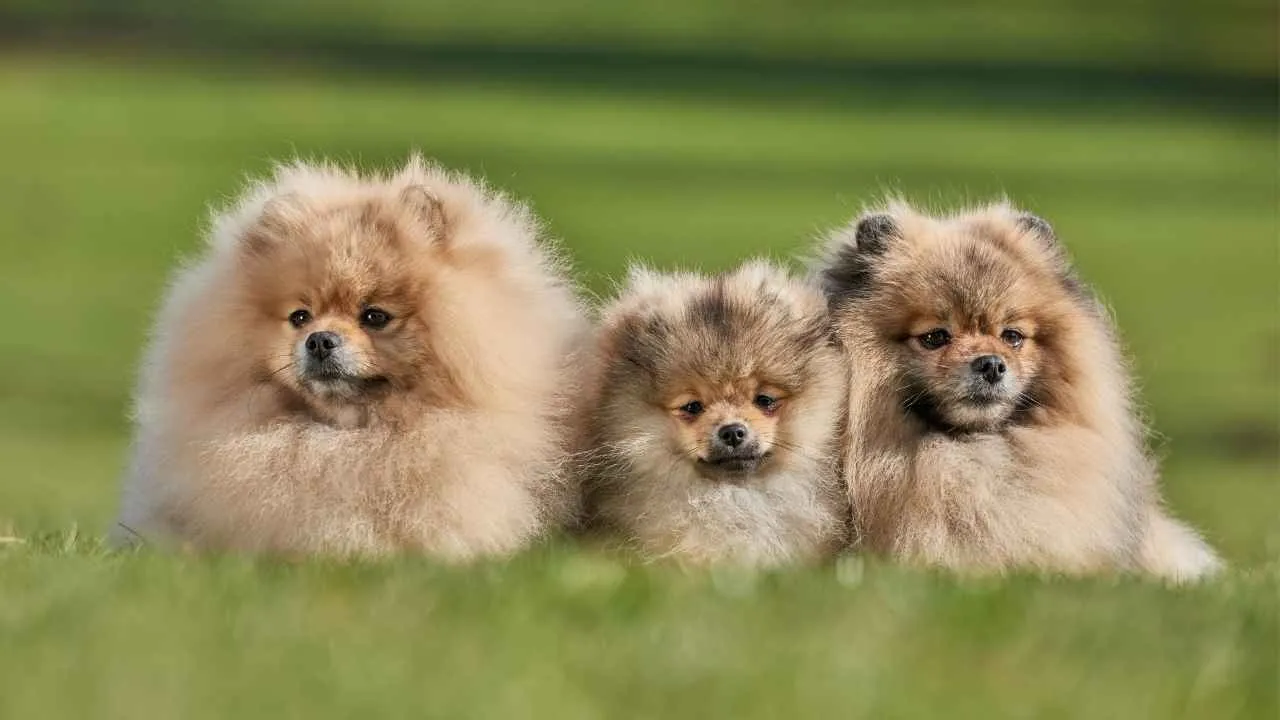
Pomeranians may be tiny today, but they descend from hardy Spitz dog breeds. Once much larger and used for herding, they were selectively bred down to their current toy size. Their foxlike expression, thick neck ruff, and plush double coat give them a bold look that matches their lively attitude.
These dogs are intelligent, confident, and often unaware of how small they are. They tend to enjoy learning, respond well to positive reinforcement training, and thrive on attention from their people. While playful, they do not need intense outdoor exercise and can get much of their activity through short walks and indoor play.
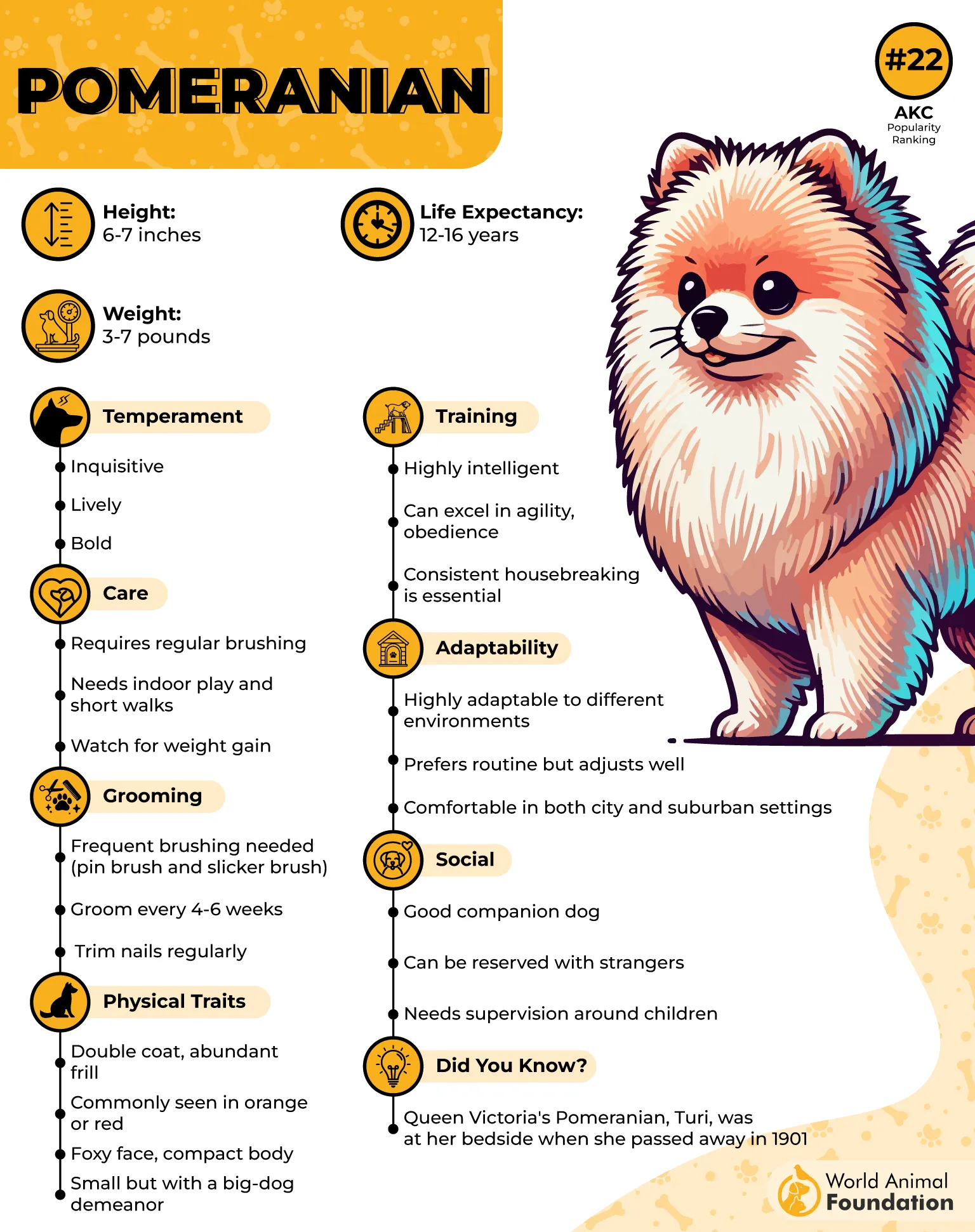
As noted by PetMD, Pomeranians typically live 12 to 16 years. They can be prone to conditions such as dental disease, collapsing trachea, patellar luxation, and certain eye problems, so proactive care is important. Frequent meals for puppies and consistent grooming help keep them comfortable and healthy.
Why This Breed Is a Good Fit
Their long lifespan makes them appealing to owners hoping for many years together.
Small size and moderate exercise needs suit apartments and city living.
With proper dental and veterinary care, many enjoy well into their senior years.
2. Rat Terrier

Energy is the Rat Terrier’s calling card. Originally bred in the United States from multiple breeds to control farm pests, they were valued for their speed, alertness, and determination. That working background still shapes their curious, ready-to-go attitude.
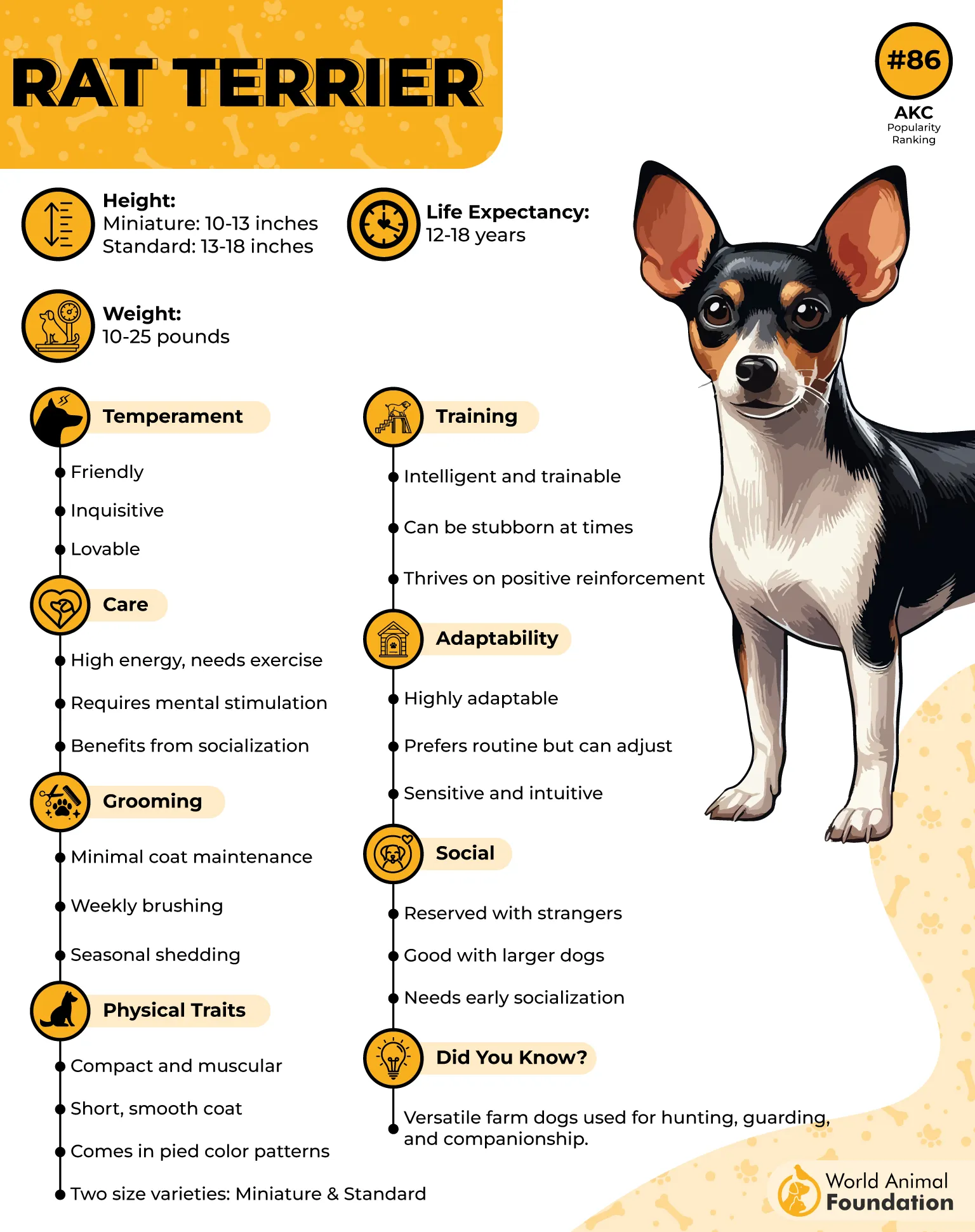
WebMD reports an average life expectancy of 15 to 18 years for Rat Terriers. They are generally healthy but may develop hip dysplasia, cardiac disease, patellar luxation, Legg-Calve-Perthes disease, or primary lens luxation. Regular veterinary exams help catch concerns early, especially as they move into their senior years.

At home, they are social and affectionate, often thriving in families who can provide daily interaction. They require structured exercise, such as brisk walks or active play, and should be kept securely fenced or leashed because of their strong prey drive.
Why This Breed Is a Good Fit
Many live well into their mid to late teens with attentive care.
They flourish in active households that offer daily engagement.
Preventive screenings can help manage inherited risks over time.
3. Dachshund

Few breeds are as recognizable as the Standard Long-Haired Dachshund. Developed in Germany to burrow after badgers, their elongated body and short legs were carefully designed for underground hunting. Their deep bark once alerted hunters above ground to their location below.
Royal Canin notes that Standard Long-Haired Dachshunds commonly live between 12 and 16 years. The breed can be prone to epilepsy and is vulnerable to back injuries because of its long spine. Monitoring for neurological signs and avoiding excessive jumping are important aspects of care.
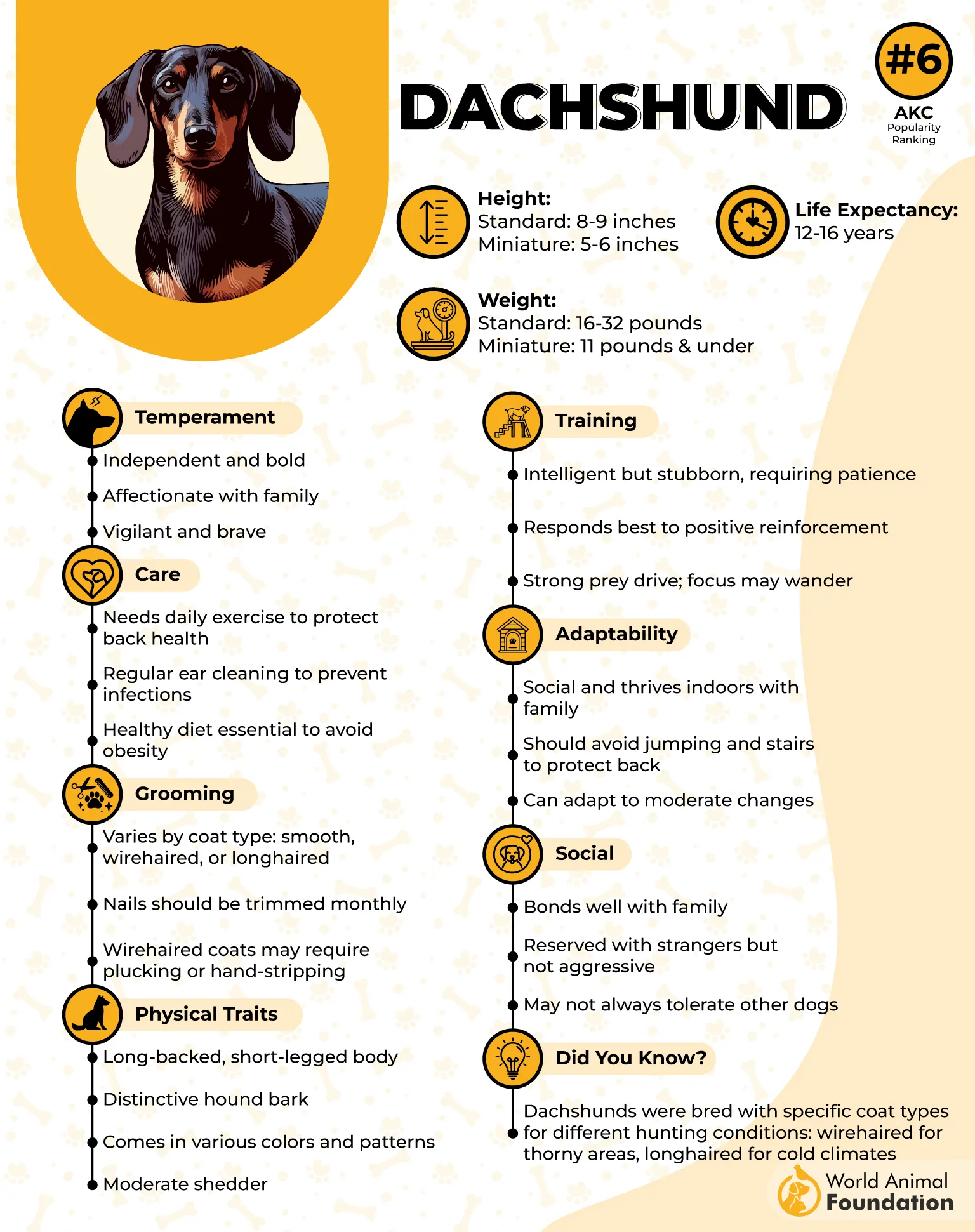
The wiener dogs tend to bond strongly with one person and may appear reserved with strangers without early socialization. Moderate daily walks and controlled play keep them fit, but long-distance running is not recommended. Thoughtful handling helps protect their back and supports mobility throughout life.
Why This Breed Is a Good Fit
Their lifespan allows for many potential years of companionship.
Structured, moderate activity suits owners who prefer steady routines.
Careful spine protection can promote long-term comfort.
4. Poodle
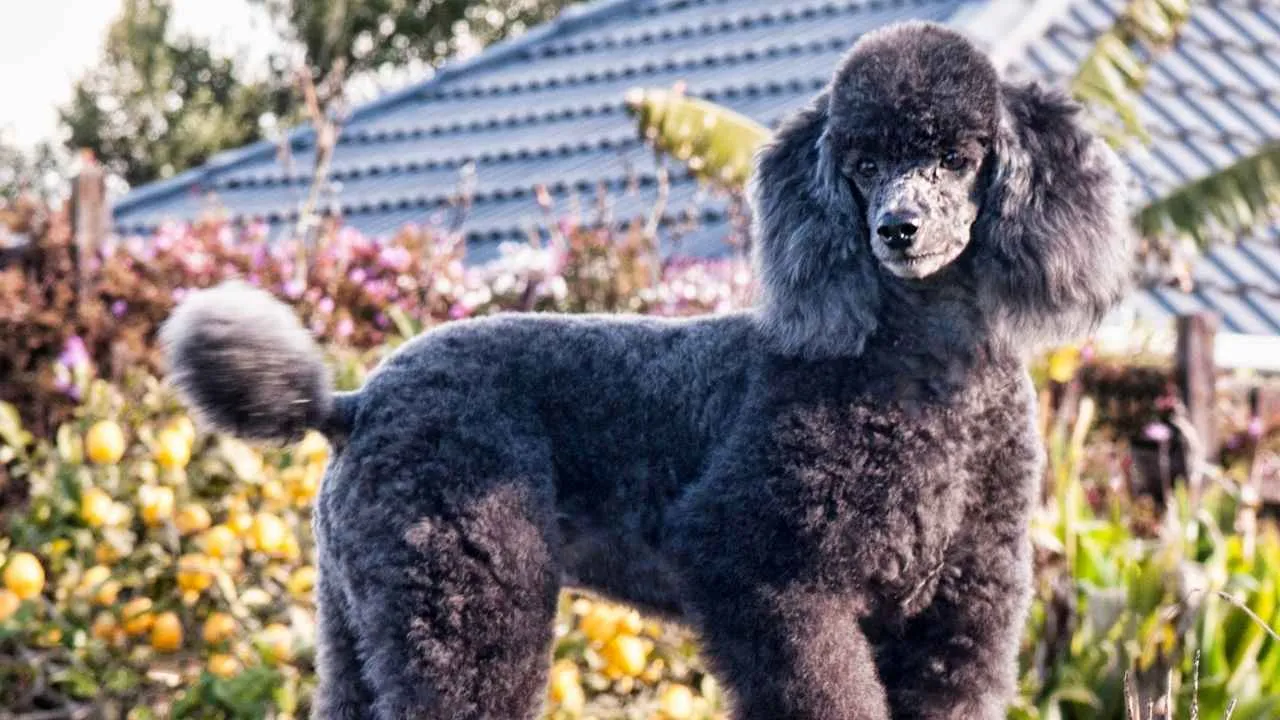
Poodles combine athletic ability with sharp intelligence. Originally bred as water retrievers, they are known for enthusiasm, trainability, and strong problem-solving skills. Standard, Miniature, and Toy Poodle varieties differ in size but share many health considerations.
Daily exercise is essential, with activities such as walking, fetch, agility, or swimming supporting cardiovascular and joint health. Mental stimulation and social interaction also play a key role in maintaining well-being as they age.
Poodles generally live 10 to 13 years on average, though genetics and lifestyle influence individual outcomes. They can be predisposed to hip dysplasia, idiopathic epilepsy, Addison’s disease, and certain skin issues. Routine checkups help monitor joints, eyes, ears, and overall condition.
Why This Breed Is a Good Fit
Strong genetics and structured care can support a full lifespan.
They respond well to training and enrichment activities.
Regular veterinary oversight helps manage potential inherited conditions.
5. Chihuahua

Chihuahuas are the world’s smallest dog breed and have seen a sharp rise in popularity in recent years. Despite their tiny size, they have bold personalities and can form strong bonds with their owners. However, their increasing demand has raised concerns about breeding practices and overall welfare.
Research from the Royal Veterinary College found that Chihuahuas are particularly prone to dental disease, obesity, and retained baby teeth. They are also more likely than many other dogs to experience aggression, slipping kneecaps, and retained testicles. Some of these conditions may require surgical intervention, and their small size can increase anesthetic risk.
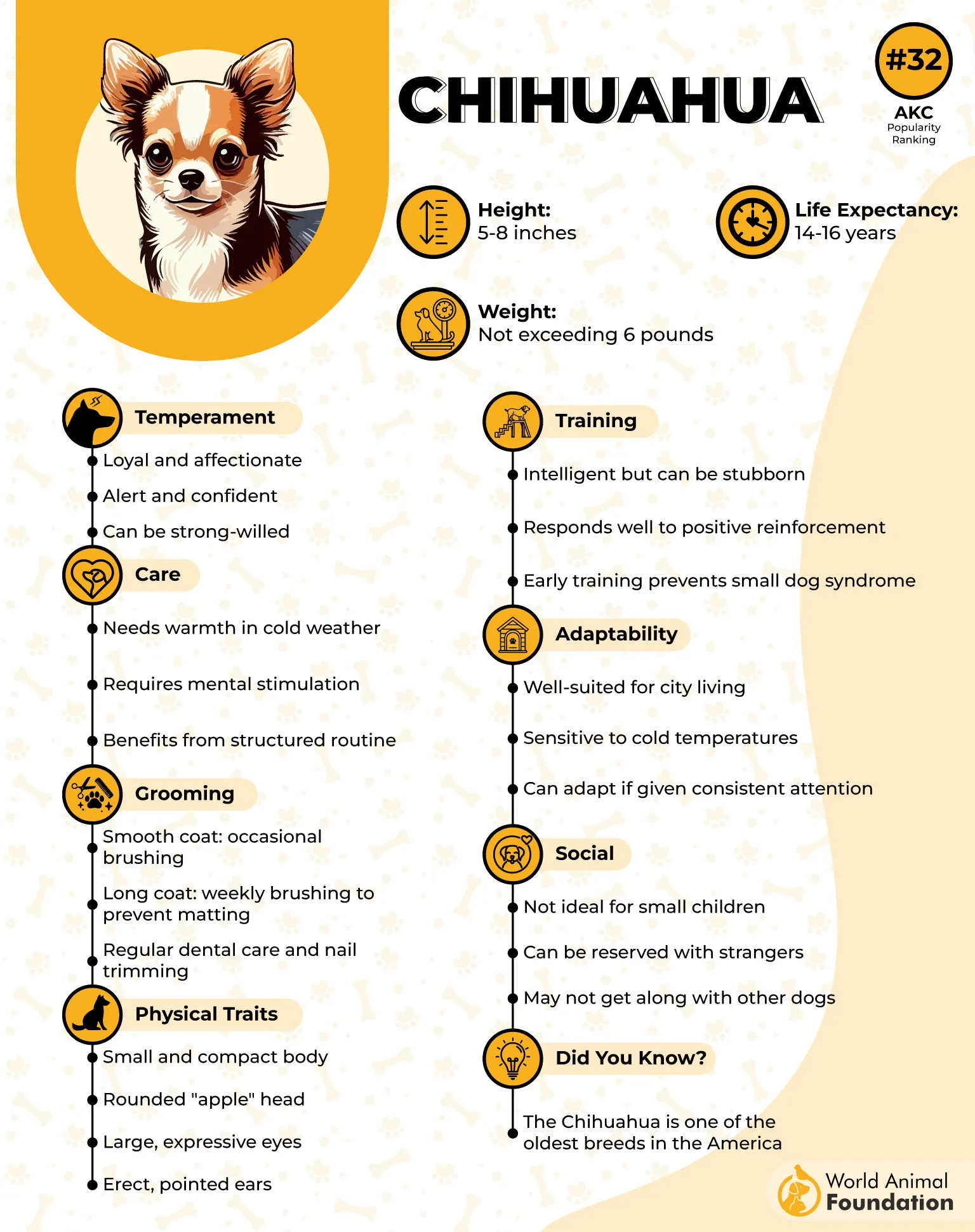
The same study reported an average lifespan of 8.2 years, with females generally outliving males. Heart disease, lower respiratory tract disorders, and traumatic injury were among the most common causes of death. Close veterinary partnership and strong dental care routines are especially important for this breed.
Why This Breed Is a Good Fit
Their compact size makes them easy to accommodate in small homes.
Owners prepared for diligent dental and preventive care can better support long-term health.
Strong attachment to their people makes them devoted companions.
6. Papillon

Butterfly ears are the Papillon’s signature feature, flaring out from the head like delicate wings. Descended from European Toy Spaniels seen in Renaissance court paintings, this breed carries a long history of royal companionship. Their silky coat is typically white with colored patches, and, unlike many long-haired breeds, they have no undercoat and little matting.
Hill’s Pet notes that Papillons usually live 12 to 15 years. They often maintain youthful energy well into their later years and require less than 20 minutes of exercise daily. Despite their dainty appearance, they are lively and enjoy both lap time and quick bursts of play around the house.
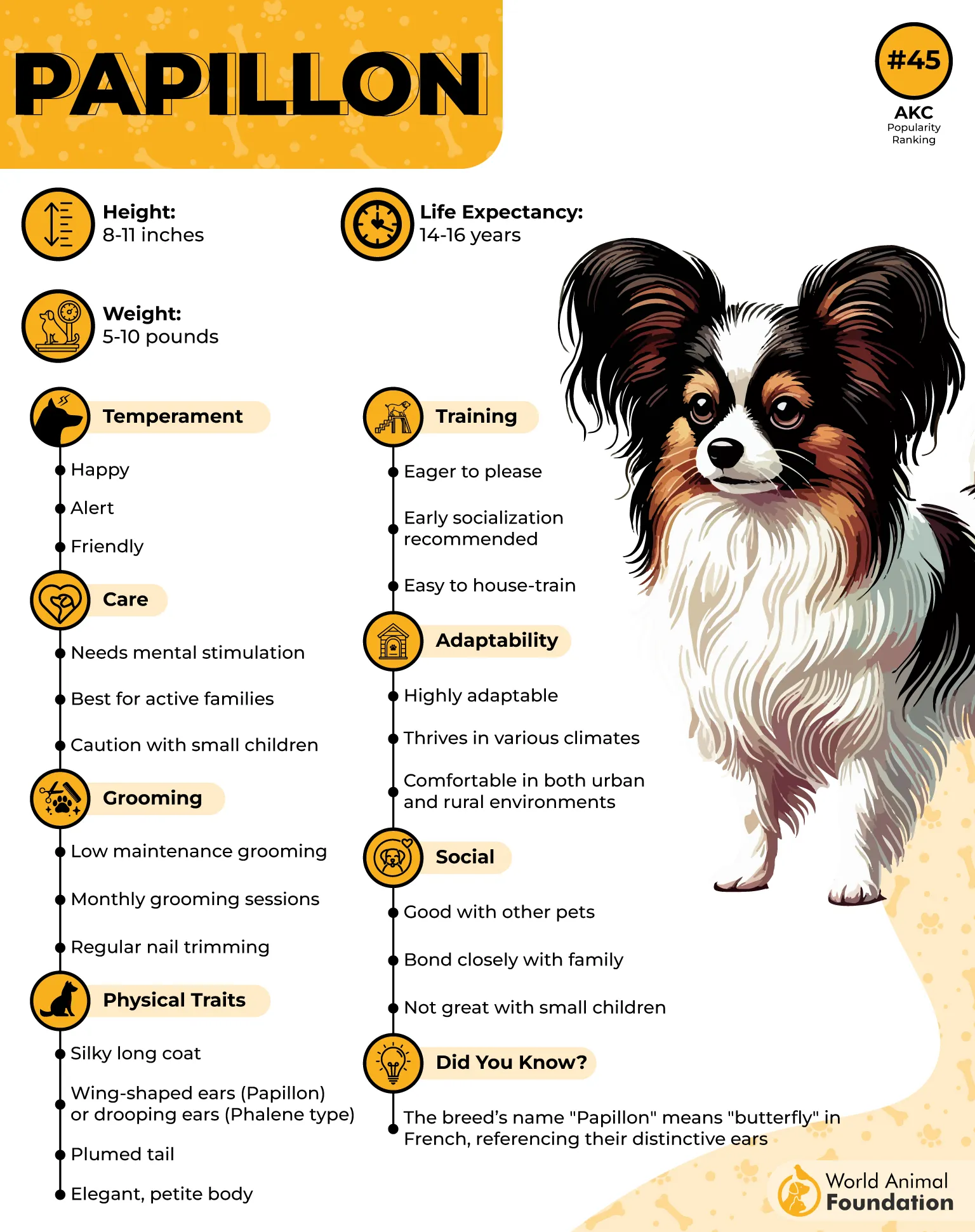
They are alert, intelligent, and eager to please, which makes them standouts in obedience and agility with proper training. Papillons tend to socialize well with other pets and adapt easily to apartment living or larger homes. Their lack of a strong doggy odor is an added bonus for many owners.
Why This Breed Is a Good Fit
Their typical lifespan supports many active years together.
Minimal grooming complications compared to other long-coated breeds.
An adaptable lifestyle suits both city and country living.
7. Miniature Pinscher

Nicknamed the “King of the Toys,” the Miniature Pinscher is bold, vigilant, and always on the move. Though often grouped with Dobermans in appearance, they are believed to descend from German Pinschers mixed with Dachshunds or Italian Greyhounds. Their high-stepping hackney gait gives them a distinctive, animated stride.
Their lifespan is about 12 to 16 years. They are generally healthy but can develop conditions such as Legg-Calve-Perthes disease, patellar luxation, hypothyroidism, progressive retinal atrophy, and cataracts. Regular veterinary visits help monitor for orthopedic and endocrine concerns.
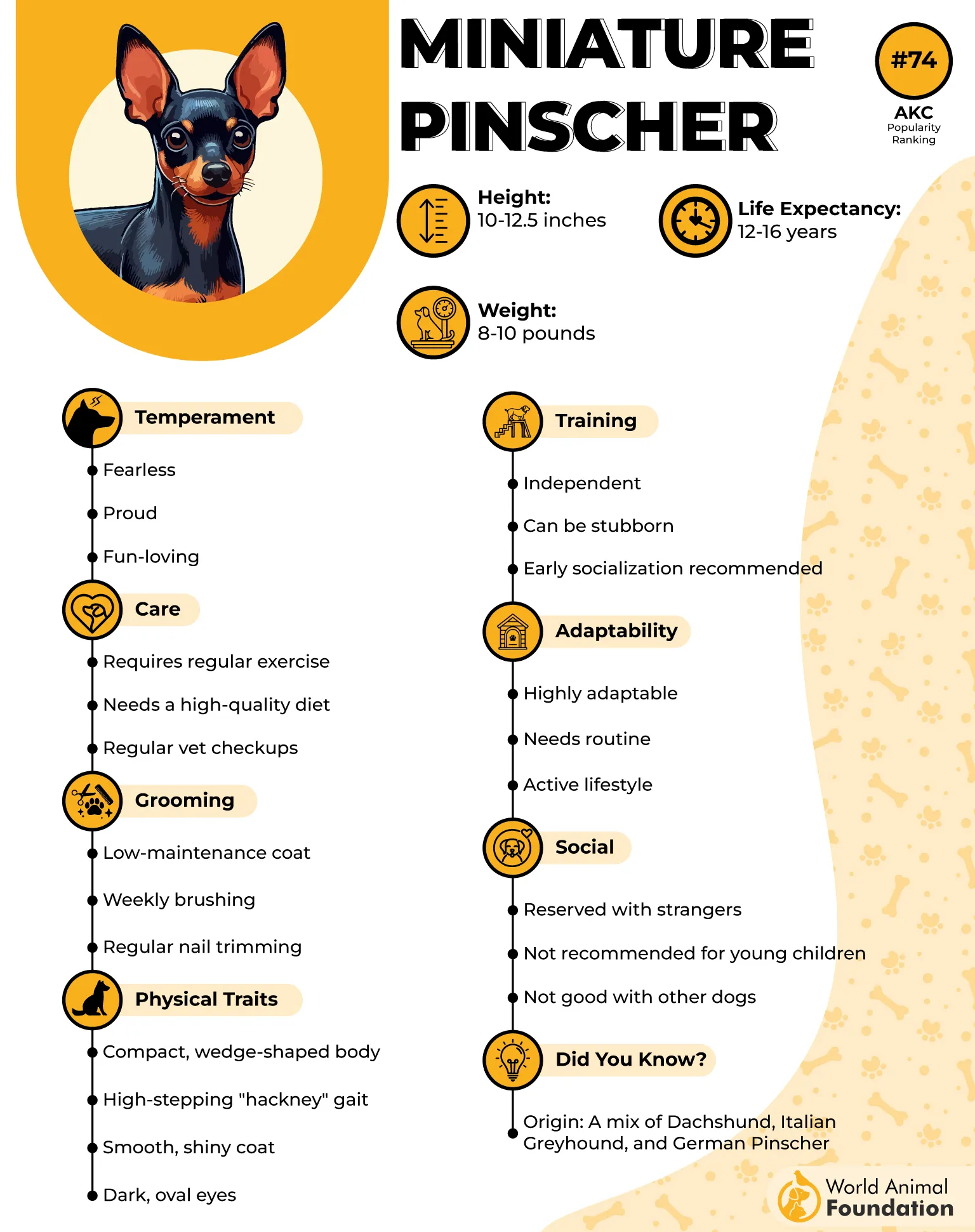
This breed thrives on daily walks and mental stimulation. Their short, smooth coat requires only weekly brushing, but dental care and parasite prevention are important parts of their routine. They are affectionate with family members yet confident enough to act as effective watchdogs.
Why This Breed Is a Good Fit
Many enjoy a lifespan stretching well into their mid-teens.
Low grooming demands make upkeep manageable.
Active owners will appreciate their energetic personality.
8. Shiba Inu

With foxlike features, a curled tail, and a thick double coat, the Shiba Inu is one of Japan’s oldest native breeds and generally lives 12 to 15 years. Originally developed for hunting, they retain a strong prey instinct and an independent streak. Their clean habits and catlike self-grooming tendencies often surprise first-time admirers.
They need between 40 and 60 minutes of exercise daily to stay mentally and physically satisfied. Secure fencing is essential, as they are known escape artists with a talent for testing boundaries.
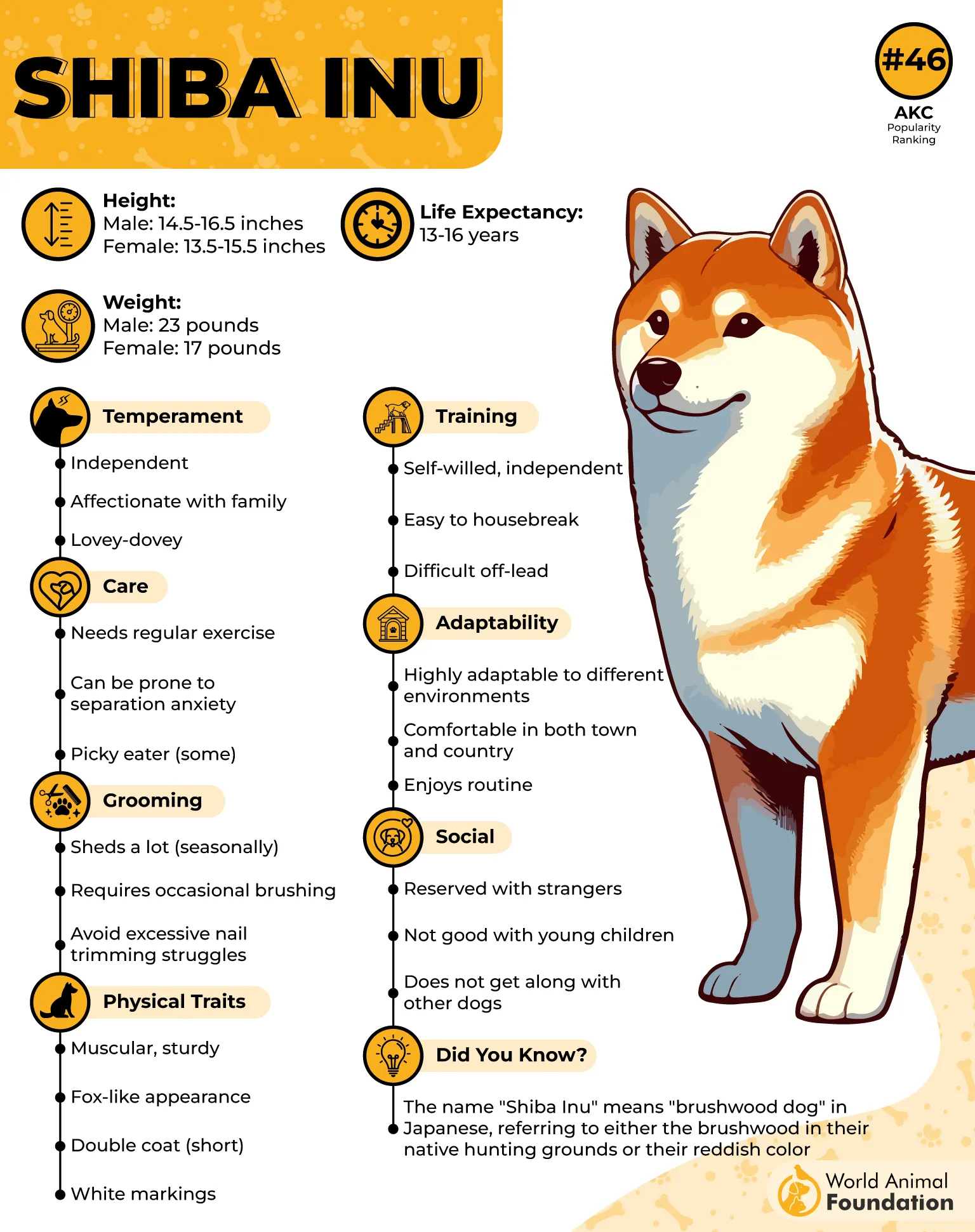
Shibas are loyal and form close bonds with their families, yet they are not typically recommended for first-time owners. Their vocal range includes yodeling and a high-pitched scream when excited. Regular brushing is necessary due to heavy seasonal shedding.
Why This Breed Is a Good Fit
Their typical lifespan allows for long-term companionship.
Suit experienced owners who appreciate independence.
Strong mental stimulation keeps them balanced and engaged.
9. Shih Tzu

Bred as royal indoor companions in China, the Shih Tzu was designed for palace life rather than fieldwork. Their long, flowing double coat and expressive eyes give them a distinctive appearance. Despite their regal background, they are playful and sociable family dogs and often live between 10 and 18 years.
They are prone to dental problems, respiratory distress syndrome, portosystemic shunt, joint issues such as patellar luxation and hip dysplasia, and eye conditions including glaucoma and cataracts. Regular grooming and veterinary checkups are essential.
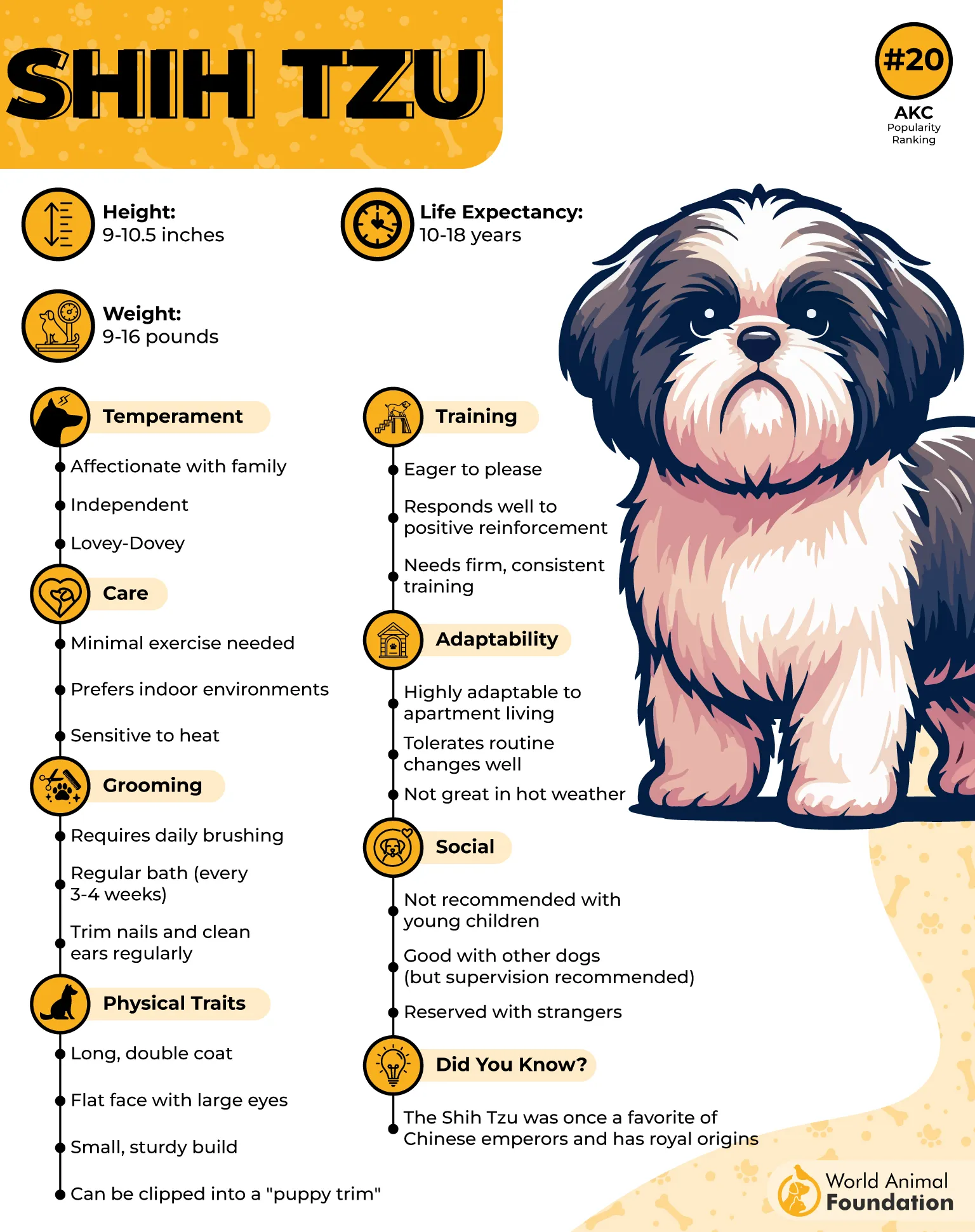
They do not require extensive exercise, preferring short walks and indoor play. Heat sensitivity is important to consider, as their short muzzle can make warm weather uncomfortable. Daily brushing helps prevent tangles and keeps their coat healthy.
Why This Breed Is a Good Fit
Potential for a long lifespan with attentive health care.
Ideal for smaller living spaces and indoor lifestyles.
Affectionate temperament makes them strong companion dogs.
10. Chinese Crested
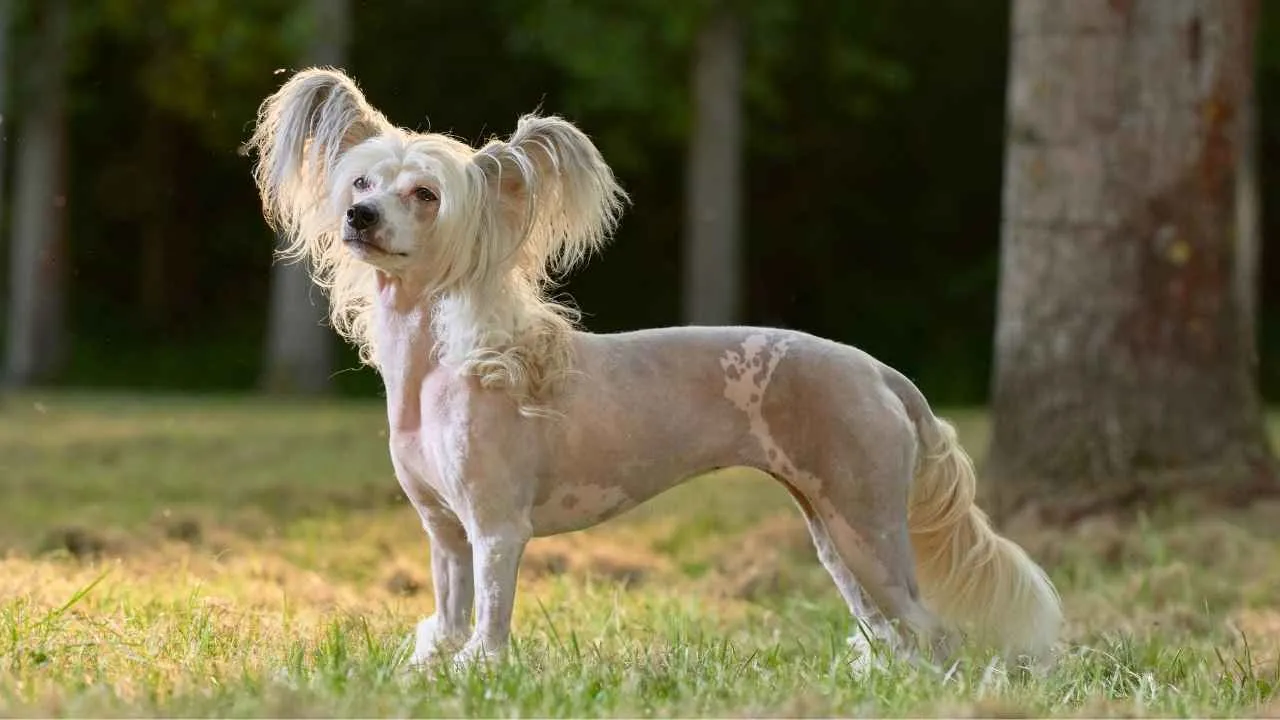
The Chinese Crested dogs stand out in two varieties: Hairless and Powderpuff, both born within the same litter. The Hairless version features a crest of hair on the head, plume on the tail, and socks on the feet, while the Powderpuff has a soft double coat covering the entire body. Fine-boned and elegant, they are both playful and deeply attached to their families.
They may be prone to eye conditions such as progressive retinal atrophy and glaucoma, patellar luxation, seizures, skin issues, and tooth loss. Responsible breeding and routine screenings are important for maintaining health.
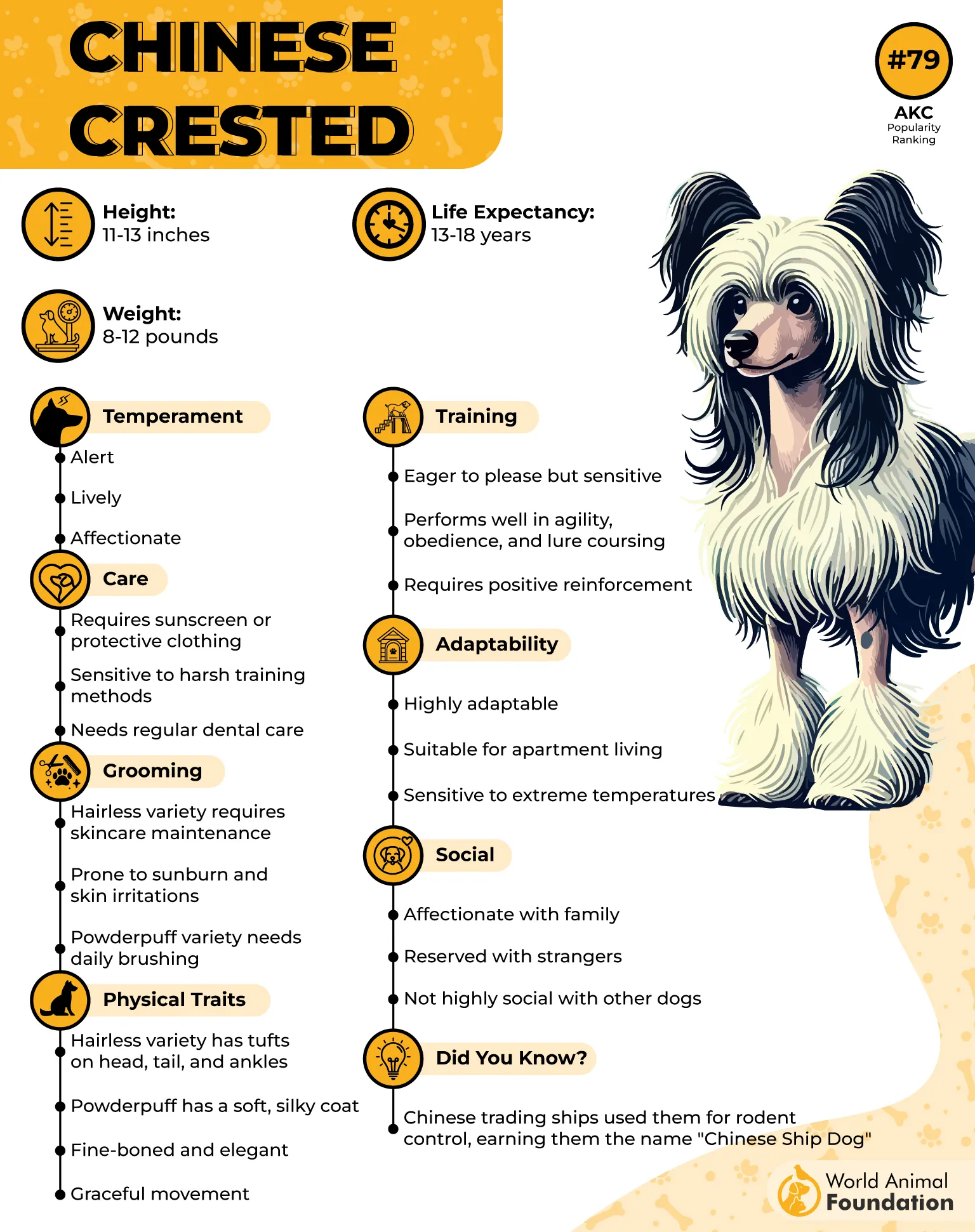
With a life expectancy of 13 to 18 years, Hairless Cresteds require daily skin care, including gentle cleansing, moisturizing, and protection from sunburn and cold. Powderpuffs need regular brushing to prevent matting. Though small, they enjoy moderate play sessions and adapt well to apartment living.
Why This Breed Is a Good Fit
Their typical lifespan can extend well into the late teens.
Strong bonds with owners create devoted companionship.
Suitable for indoor-focused households with attentive grooming routines.
Conclusion
Choosing a dog with the potential for a long life is about more than breed alone. While many small and toy breeds are known for reaching their mid to late teens, genetics are only part of the picture.
Routine veterinary care, smart nutrition, daily exercise, dental hygiene, and mental stimulation all play a major role in helping your dog thrive. Every pup is an individual, with unique needs and quirks.
While generally small breeds such as the ones mentioned above and others are considered among the longest living dog breeds, medium-sized breeds also live long and healthy lives. It is also believed that mixed-breed dogs tend to live longer than purebred dogs.
When you match the right breed to your lifestyle and commit to proactive care, you give your companion the best chance at a long, happy life by your side.
